

…a vida é uma jornada!. Erros serão cometidos, mas se formos humildes, poderão ser corrigidos, porque se não formos humildes, nunca saberemos que cometemos qualquer erro e, talvez sem o notar, passamos parte da nossa existência agredindo os sentimentos de um outro alguém!..
…life is a journey!. Mistakes will be made, but if we are humble, they can be corrected, because if we are not humble, we will never know that we made any mistake and, perhaps without noticing it, we spend part of our existence attacking someone else’s feelings!.
..hoje, vivemos quase de recordações, aqui no estado da Flórida, no entanto as nossas raízes continuam vivas, não só no pensamento como no corpo, onde sofremos a angústia e os momentos de medo e sofrimento, debaixo de fogo inimigo, sendo um frágil soldado desarmado, durante os combates que travámos contra pessoas que lutavam pela sua liberdade, e que nós nada tínhamos em contra, nem nunca antes tínhamos visto, durante a nossa passagem pela Guerra Colonial Portuguesa, onde fomos combatentes forçados pelo regime colonial do país Portugal de então!.
…today, we live almost on memories, here in the state of Florida, however our roots are still alive, not only in our thoughts, but also in our bodies, where we suffer anguish and moments of fear and suffering, under enemy fire, being a fragile unarmed soldier, during the battles we fought against people who were fighting for their freedom, and which we had nothing against, nor had we ever seen before, during our passage through the Portuguese Colonial War, where we were forced combatants by the colonial regime of country Portugal then!.
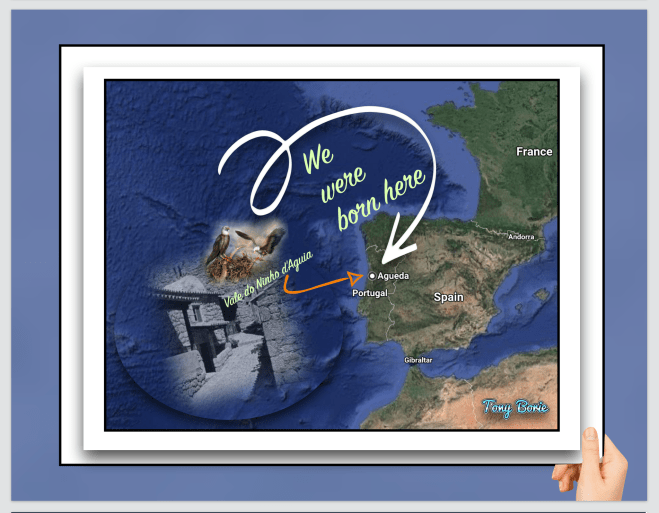
…no entanto, a bandeira e o mapa de Portugal estão gravados na nossa memória, respeitando sempre o país onde nascemos, lembramos a lareira com fogo de lenha, a candeia a azeite que nos alumiava nas noites de trevas, o colchão cheio com palha de centeio cultivado nas terras altas e secas do pinhal onde dormíamos, a fome e a miséria de inverno, que por vezes éramos obrigados a passar, a roupa velha e coçada que vestíamos, que tinha sido usada pelos irmãos mais velhos ou as tamancas feitas pelo pai António, com a madeira de uma cerejeira, que não resistiu a uma tempestade de inverno que a atingiu e secou, que usávamos nos pés com algumas feridas de calcar o estrume e picos dos tojos do pinhal!.
…however, the flag and the map of Portugal are engraved in our memory, always respecting the country where we were born, we remember the fireplace with a wood fire, the oil lamp that illuminated us on dark nights, the mattress filled with straw rye grown in the dry highlands of the pine forest where we slept, the hunger and misery of winter, which we were sometimes forced to endure, the old and worn clothes we wore, which had been worn by our older brothers or the clogs made by our father António, with the wood of a cherry tree, which did not resist a winter storm that hit and dried it, which we wore on our feet with some wounds from trampling the manure and peaks of gorse from the pine forest!.
..pelo menos nas madrugadas, em que já estamos vigilantes, as nossas recordações de juventude surgem na nossa mente, lembrando os princípios de família, as palavras sábias dos nossos pais e avós, onde nos explicavam que, o mal, tal como o bem, que podíamos proporcionar a alguém, mais tarde ou mais cedo, cairia em nós, quase sempre em dobro!.
…at least in the early morning hours, when we are already vigilant, our youthful memories appear in our minds, reminding us of family principles, the wise words of our parents and grandparents, where they explained to us that, evil, just like Well, what we could provide to someone, sooner or later, would come to us, almost always double!.

…eram palavras de pessoas que mantinham os campos verdes e nunca ardiam, cultivavam o milho, o centeio, as couves, as nabiças, as batatas, criavam galinhas, um porco, uma cabra ou uma ovelha, que lhes davam o sustento para criar e educar oito, nove, às vezes dez filhos!. Dizia-se que, “o Pão era amassado com o suor do trabalho”!. Hoje, (pelo menos os jovens), ninguém está interessado em desbravar ou cultivar uma pequena área de terreno!.
…these were the words of people who kept the fields green and never burned, cultivated corn, rye, cabbage, turnip greens, potatoes, raised chickens, a pig, a goat or a sheep, which gave them sustenance for raise and educate eight, nine, sometimes ten children! It was said that, “Bread was kneaded with the sweat of work”! Today, (at least young people), no one is interested in clearing or cultivating a small area of land!

…e lembrarmo-nos nós, que durante dois anos em cenário de guerra, na então Província Colonial da Guiné Portuguesa, oferecendo a todo o momento o nosso jovem “corpo às balas”, podendo morrer feridos pela explosão de uma granada de morteiro, uma mina ou um fornilho, crivados pelo fogo de uma metralhadora inimiga que…, embrulhados no nosso próprio camuflado, sujo com o nosso próprio sangue, ou quando um qualquer companheiro morria em combate, a sua família tinha que pagar a transladação do seu corpo, se o queria enterrar no cemitério da vila ou aldeia onde nasceu!.
…and we remember that for two years in a war scenario, in the then Colonial Province of Portuguese Guinea, at all times offering our young “body to bullets”, being able to die injured by the explosion of a mortar grenade , a mine or a furnace, riddled by the fire of an enemy machine gun that…, wrapped in our own camouflage, dirty with our own blood, or when any comrade died in combat, his family had to pay for the transfer of his body , if you wanted to bury him in the cemetery of the town or village where he was born!.
…e, à medida que aprendíamos mais sobre a razão pela qual estávamos realmente envolvidos naquela maldita Guerra Colonial Portuguesa, mais envolvidos nos tornávamos e quanto mais descobríamos nos chamados factos sobre batalhas e contagens de corpos divulgados na imprensa controlada do então governo colonial Português, mais sabíamos que estavam longe da verdade!.
…and as we learned more about why we were actually involved in that damned Portuguese Colonial War, the more involved we became and the more we discovered in the so-called facts about battles and body counts reported in the controlled press of the then Portuguese colonial government, the more We knew they were far from the truth!.

…e, já lá vão mais de sessenta anos, infelizmente, só agora sabemos alguns dos horríveis incidentes em que as nossas tropas se envolveram lá naqueles pântanos da então província da Guiné!. Era um tempo onde o soldado era carne para canhão e ainda havia a “classificação das pessoas” onde se dizia que, “a rica tem nome fino a pobre tem nome grosso, a rica teve um menino a pobre pariu um moço”!. Moço este que era forçado a ir para a Guerra Colonial em África!.
…and, more than sixty years ago, unfortunately, we only now know some of the horrible incidents in which our troops were involved there in those swamps in the then province of Guinea!). It was a time when the soldier was cannon fodder and there was still the “classification of people” where it was said that, “the rich have a fine name, the poor have a thick name, the rich had a boy, the poor gave birth to a boy”!. This young man was forced to go to the Colonial War in Africa!.
…tudo isto é verdade!. Todavia o destino vai-nos compensando nesta já avançada idade, podendo ainda dormir debaixo de um tecto, com alguma paz e saúde na companhia da nossa dedicada esposa Isaura, fazendo com que o fogão na cozinha trabalhe pelo menos uma vez ao dia, ou seja, somos felizes com o que ainda temos, continuando sempre com o pensamento de que, “quando a última árvore tiver caído, quando o último rio tiver secado, quando o último peixe for pescado, todos nós vamos entender que o dinheiro não se come”!..
..all of this is true! However, destiny compensates us at this advanced age, allowing us to sleep under a roof, with some peace and health in the company of our dedicated wife Isaura, making the stove in the kitchen work at least once a day, that is , we are happy with what we still have, always continuing with the thought that, “when the last tree has fallen, when the last river has dried up, when the last fish has been caught, we will all understand that money is not eaten” !.
Tony Borie, Século XXI. (Tony Borie, 21st Century).

 Tony Borie - "Pieces of my life"