
..a vida é uma jornada e…, erros serão cometidos, mas se formos humildes, poderão ser corrigidos, porque se não formos humildes, nunca saberemos que cometemos qualquer erro, e talvez sem o notar, passamos parte da nossa existência agredindo os sentimentos de um outro alguém!.
…life is a journey and…, mistakes will be made, but if we are humble, they can be corrected, because if we are not humble, we will never know that we made any mistake, and perhaps without noticing it, we spend part of our existence attacking someone else’s feelings!
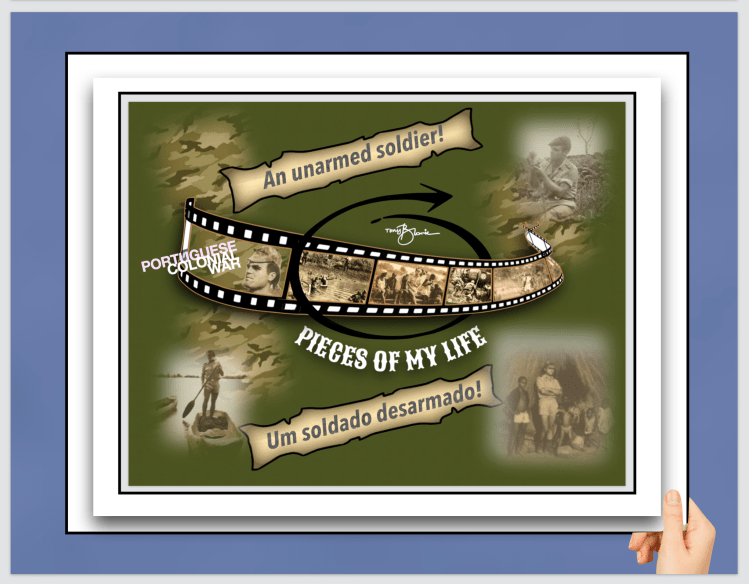
…hoje, vivemos quase de recordações, no entanto as nossas raízes continuam vivas, não só no pensamento, como no corpo, onde sofremos a angústia e os momentos de medo debaixo de fogo inimigo, durante a nossa passagem pela maldita Guerra Colonial Portuguesa, lá na Guiné, onde fomos combatentes, travando estúpidos e mortíferos combates contra pessoas que lutavam pela sua liberdade e que nós nada tínhamos em contra, nem nunca antes tínhamos visto!.
...today, we live almost on memories, however our roots are still alive, not only in our thoughts, but also in our bodies, where we suffer anguish and moments of fear under enemy fire, during our passage through the damned War Portuguese Colonial, there in Guinea, where we were combatants, fighting stupid and deadly battles against people who were fighting for their freedom and who we had nothing against, nor had we ever seen before!.
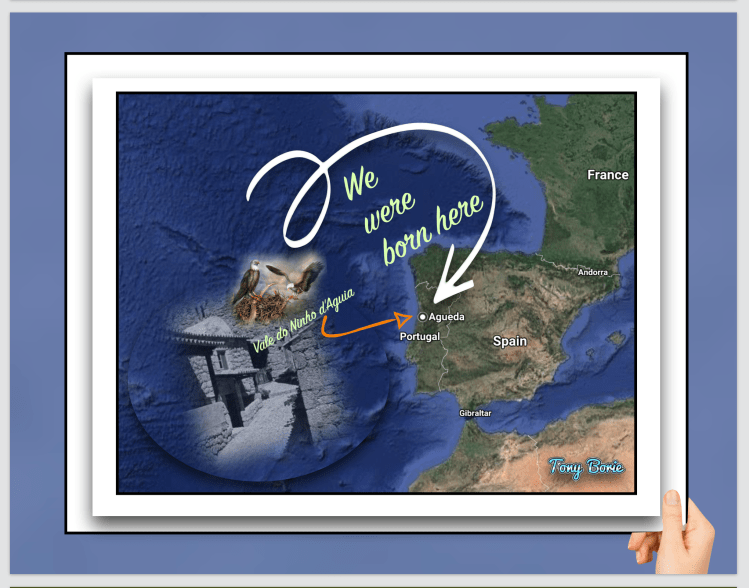
…pelo menos nas madrugadas, em que já estamos vigilantes, as nossas recordações de juventude surgem na nossa mente, lembrando-nos os princípios de família, as palavras sábias dos nossos pais e avós, onde nos explicavam que, o mal, tal como o bem, que podíamos proporcionar a alguém, mais tarde ou mais cedo, cairia em nós, quase sempre em dobro!.
…at least in the early morning hours, when we are already vigilant, our youthful memories appear in our minds, reminding us of family principles, the wise words of our parents and grandparents, where they explained to us that evil, such How the good that we could provide to someone, sooner or later, would come to us, almost always double!.
…e, falando do que vamos vendo presentemente por aí e das informações que vamos recolhendo, esperando sempre não fugir da verdade, os humanos continuam em guerra, matando-se mutuamente, não se lembrando que, quando a última árvore tiver caído, quando o último rio tiver secado, quando o último peixe for pescado, todos vão entender que a fúria, a ganância, o poder e o dinheiro…, não se comem!.
…and, speaking of what we are currently seeing out there and the information we are collecting, always hoping not to run away from the truth, humans continue at war, killing each other, not remembering that, when the last tree has fallen, when the last river has dried up, when the last fish is caught, everyone will understand that fury, greed, power and money… cannot be eaten!
…e normalmente…, quem inicia as guerras entre países não é o povo, são os dirigentes desses países, o povo ama-se e compreende-se e quer a paz, um tecto para se abrigar, roupa, trabalho e comida, educação e o bem estar dos seus, mas alguns governantes que até têm escola superior, é que geram os conflitos, contando sempre com o apoio do povo que formam os seus exércitos e…, que morrem num campo de batalha para os defenderem!.
…and normally…, those who start wars between countries are not the people, it is the leaders of those countries, the people love and understand each other and want peace, a roof over their heads, clothes, work and food, education and the well-being of their own, but some rulers who even have higher education are the ones who generate conflicts, always counting on the support of the people who form their armies and…, who die on a battlefield to defend them!.
…depois…, quem defende esse povo que defendeu esses dirigentes que tomaram decisões erradas?. Enfim, podemos escrever um milhão de páginas, que o resultado é sempre o mesmo, o povo é que luta e sofre!.
…afterwards…, who defends these people who defended these leaders who made wrong decisions?. Anyway, we can write a million pages, and the result is always the same, the people are the ones who fight and suffer!

…falamos com alguma experiência porque somos sobreviventes de uma guerra horrorosa, que não desejamos em nenhuma circunstância se volte a repetir, mas não resistimos a mencionar algumas passagens de relatos onde estávamos presentes, tanto em África como quando regressámos à Europa, portanto cá vai:
“Na aldeia havia somente uma mulher, magra, já de uma certa idade, nua da cinta para cima, com algumas argolas em volta do pescoço, servindo de enfeite, talvez!. Estava sentada, ao lado de um balaio de arroz com casca, com as mãos ao lado da cara, falando aflita, numa linguagem incompreensível e, de vez em quando tirava as mãos da cara, fazia gestos para a frente, ao mesmo tempo que balançava o corpo para a frente e para trás!. Na sua frente, estavam duas crianças, também magras e nuas!. Estas três pessoas, eram no momento, os habitantes da aldeia!. Os companheiros africanos que serviam de guias e tradutores, chamados pelo alferes para traduzirem as palavras da mulher, diziam: Ela se lastima, por os militares lhe terem morto os seus dois filhos e diz para se irem embora, que aqui não há mais ninguém!. Também diz que tem quatro filhas, que desapareceram um certo dia pela madrugada e que as visitam de vez em quando, pois neste momento eram guerrilheiras, transportadoras de material de guerra”!.
…we speak with some experience because we are survivors of a horrible war, which we do not wish under any circumstances to repeat, but we could not resist mentioning some passages from reports where we were present, both in Africa and when we returned to Europe, so here goes:
“In the village there was only one woman, thin, of a certain age, naked from the waist up, with some rings around her neck, perhaps serving as an ornament!. She was sitting next to a basket of rice with husks, with her hands at the side of her face, speaking anxiously, in an incomprehensible language and, from time to time, she took her hands away from her face, making gestures forward, at the same time as she swayed the body forward and backward!. In front of her, were two children, also thin and naked!. These three people were, at the time, the inhabitants of the village!. The African companions who served as guides and translators, called by the lieutenant to translate the woman’s words, said: She regrets that the soldiers killed her two children and says to leave, there is no one else here!. She also says that she has four daughters, who disappeared one day in the early hours of the morning and that she visits them from time to time, as at that time they were guerrillas, transporting war material”!.
…e agora, outro relato quando regressámos a Portugal e visitámos a família de um companheiro morto em combate que vivia numa aldeia da serra da Estrela e que tinha uma irmã e um irmão, ambos casados, onde a mãe andava sempre vestida de preto e dizia: “Ainda não fui, mas não tarda muito tempo!. Sou viúva duas vezes, do meu Joaquim, que Deus lhe guarde a alma em descanso e…, do meu António que era a cara do pai quando nasceu e que foi dar o corpo às balas e morreu na guerra, lá na África!. E mostrava sempre o farrapo do camuflado ensanguentado, (que nós lhe mandámos lá da Guiné com o resto dos haveres que lhe pertenciam), e trazia sempre ao peito a fotografia do filho, que beijava e encostava ao coração”.
…and now, another story when we returned to Portugal and visited the family of a comrade killed in combat who lived in a village in Serra da Estrela and who had a sister and a brother, both married, where the mother was always dressed in black and said : “I haven’t been yet, but it won’t be long! I am a widow twice, of my Joaquim, may God keep his soul at rest and…, of my António who was the spitting image of his father when he was born and who gave his body to bullets and died in the war, there in Africa!. And he always showed the rags of his bloody camouflage, (which we sent him from Guinea with the rest of the belongings that belonged to him), and he always carried the photo of his son on his chest, which he kissed and placed against his heart”.
…e para terminar lembramos quando éramos jovens, aquele homem que vinha da montanha do Caramulo, que era a voz do povo genuíno e usava uma capa de borel cobrindo-lhe a cabeça e que vendia uns feixes de carqueja seca às senhoras da vila e que dizia cantando: “Uma mosca sem valor, pousa com a mesma alegria, na cabeça de um doutor, como em qualquer porcaria”!.
…and finally, we remember when we were young, that man who came from the Caramulo mountain, who was the voice of the genuine people and wore a borel cape covering his head and who sold bundles of dried carqueja to the ladies of the village and who sang: “A worthless fly lands with the same joy on a doctor’s head as on any piece of rubbish”!
Tony Borie, Século XXI. (Tony Borie, 21st Century).
 Tony Borie - "Pieces of my life"