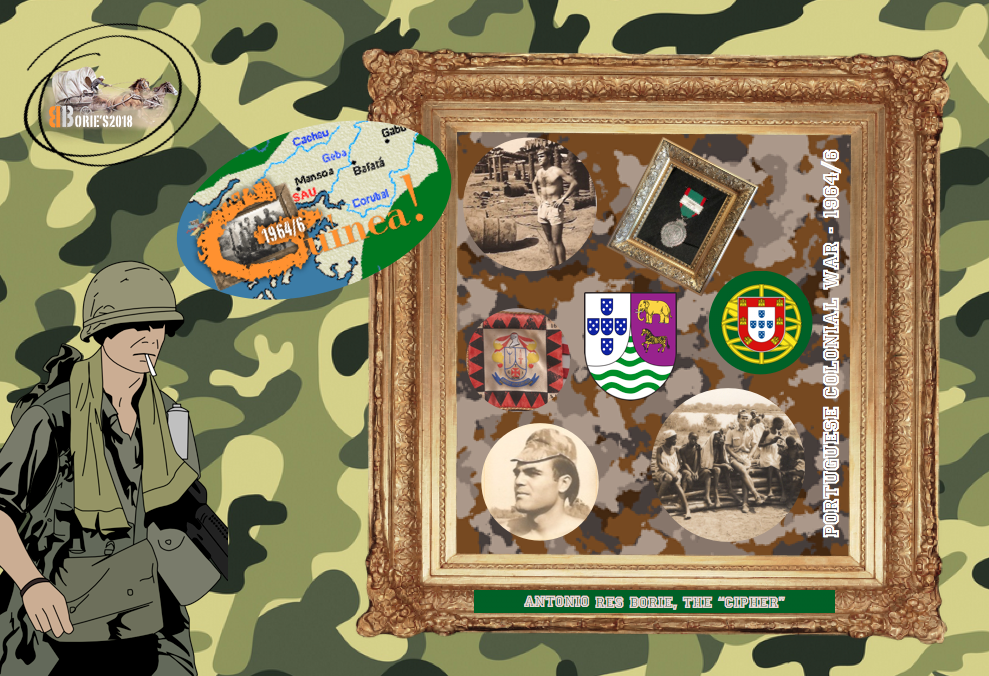
…from our village to Africa!

…from our village to Africa!

…da nossa aldeia até África! (from our village to Africa)!.

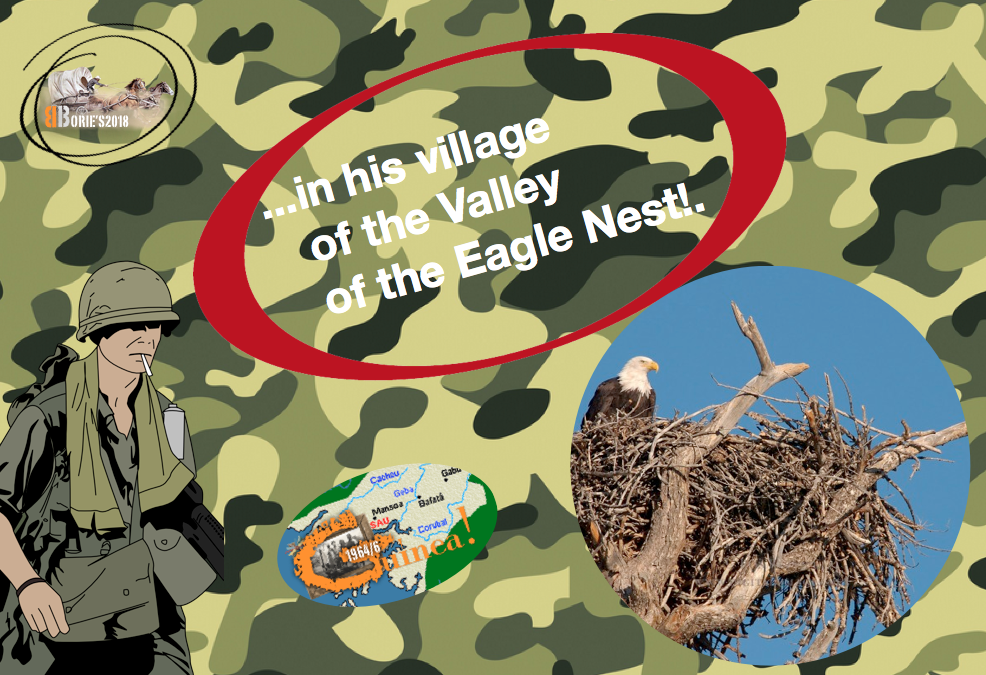
…antes de ingressar no serviço militar obrigatório, éramos um jovem, que estava a crescer para a vida, feliz, convivendo e sorrindo com sua família e vizinhos, na sua aldeia do Vale do Ninho D’Águia, na vertente oeste e agreste da montanha do Caramulo, no país Portugal, no continente Europeu!. Quando regressámosa a casa, uns anos depois, como veteranos de combate, passando por algumas experiências de vida mais traumáticas que se possam imaginar, a família que nos recebe, sabe, nota imediatamente, que alguma coisa está mal connosco, pela nossa linguagem, maneira de se comportar, que estamos diferentes, talvez um pouco loucos e algo agressivos!. (before entering compulsory military service, we were a young man, who was growing up for life, happy, living and smiling with his family and neighbors in his village of the Valley of the Eagle Nest, on the west and wild side the mountain of Caramulo, in the country Portugal, in the European continent!. When we returned home a few years later, as veterans of combat, through some more traumatic life experiences imaginable, the family that receives us, you know, notice immediately, that something is wrong with us, by our language, way to behave, that we are different, maybe a little crazy and something aggressive)!.
…é o preço do sofrimento, da angústia, do mêdo e fúria em combate, do horror, do inferno que vivemos, a marca que nos acompanha para o resto das nossas vidas, que na verdade nos sentimos loucos por dentro e, como veteranos de guerra, temos que ser francos e dizer, que pagamos um preço muito elevado para servir o nosso país e, as vítimas emocionais das guerras equivocadas são na verdade as mais difíceis de suportar, são as tais feridas profundas que sofremos, que podem ser infligidas sem deixar um simples arranhão!. ( is the price of suffering, of anguish, of fear and fury in combat, of the horror, of the hell we live in, the mark that accompanies us for the rest of our lives, that we actually feel insane inside and, like war veterans, we have to be frank and say that we pay a very high price to serve our country, and the emotional victims of the wrong wars are actually the most difficult to bear, it is the deep wounds we suffer that can be inflicted without leaving a simple scratch)!.
…vamos tentar recordar e explicar-vos como fomos parar a África, pois temos contado pormenores da nossa presença em cenário de guerra, sem nunca vos dizer, como lá fomos parar, portanto cá vai:

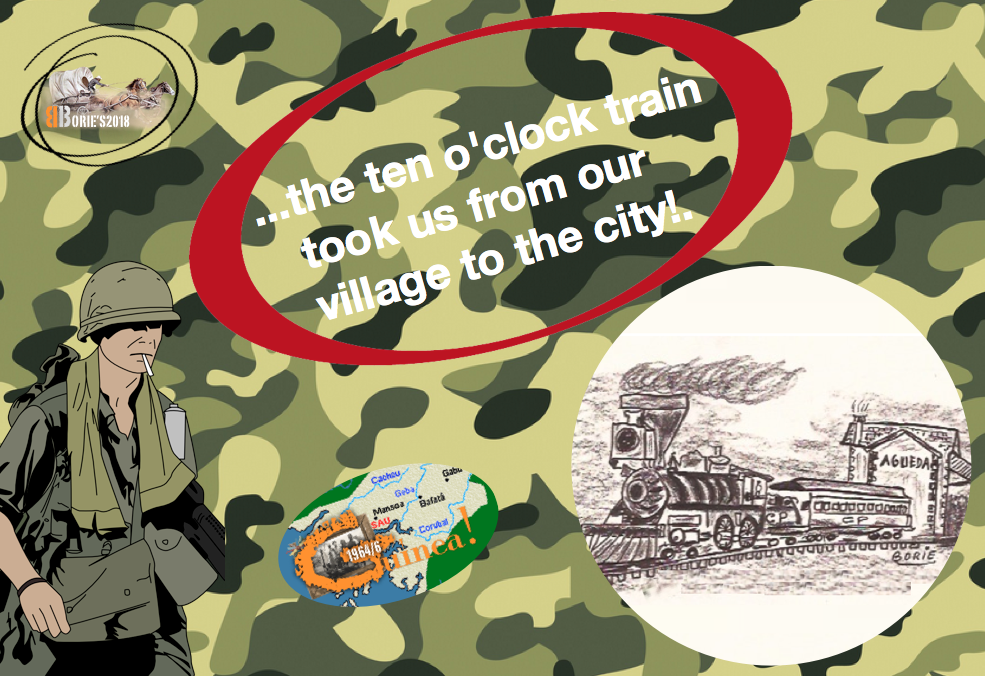
…o combóio das dez e meia da manhã, levou-nos da nossa vila até à cidade onde, no quartel militar, numa inspecção médica, aquele que parecia ser o chefe nos ordenou que tirássemos a roupa, portanto ficámos nús, inspecionando o nosso corpo de diversos ângulos, abrindo a boca, mostrando os dentes, dar alguns saltos, baixar-se, abrir e fechar as pernas, curvar-se, metendo-nos um dedo no ânus, que bastante nos doeu, verificaram as mãos e os pés, se tínhamos cinco dedos em cada mão, tudo isto entre outras coisas!. Falam entre si, numa linguagem técnica, mas imcompreensível, onde o tal que parecia ser o chefe, nos estende um papel com o nosso nome, com um carimbo a letras vermelhas dizendo, “Apurado para todo o serviço militar”!

(let us try to remember and explain to you how we went to Africa, for we have told you the details of our presence in a war scenario, without ever telling you how we got there, so here it is:

(The ten o’clock train took us from our village to the city where, in the military barracks, at a medical inspection, the one who appeared to be the chief ordered us to take off our clothes, so we stood naked, inspecting the our bodies from a variety of angles, opening our mouths, showing our teeth, jumping, lowering, opening and closing our the legs, bending over, putting a finger in the anus, which really hurt us, checked our hands and feet, if we had five fingers in each hand, all this among other things!. They speak among themselves, in a technical but incomprehensible language, where the one who seemed to be the boss, throws us a paper with our name, with a red lettering stating, “Determined for all military service”)!.

…algum tempo passou, alguma água correu no ribeiro que passava ao fundo do Vale do Ninho D’Águia, quando nós, com uns calções que já tinham sido calças, com um balde de madeira, que também servia para dar o comer aos animais, dentro do ribeiro tentávamos bombear água para uma superfície superior, que iria regar o milho que crescia nas terras baixas do lameiro, quando a mãe Ilda nos chama aflita, gritando:

– Anda cá meu “malandro”, com toda a certeza que fizes-te alguma!. Vem aqui ao carteiro, que trás uma carta com registro em teu nome!. É só desgraças, meus Deus!.

…a carta com registro, era do governo de Portugal, notificando-nos para nos apresentar num quartel militar da província, afim de ser-mos incorporados no Exército de Portugal!.

(Some time passed, some water ran in the brook, which passes to the bottom of the Vale do Ninho D’Águia, when we, with breeches that had already been trousers, with a wooden bucket, which also served to give the eating the animals inside the brook tried to pump water to an upper surface that would irrigate the corn that grew in the lowlands of the marsh, when the mother Ilda calls us afflicted, shouting:

– Come here you “trickster”, I’m sure I made you some!. Come here to the postman, who brings a letter with registration in your name!. It’s only misfortunes, my God!

The registered letter was from the government of Portugal, notifying us to present us at a military barracks of the province, so that we may be incorporated into the Portuguese Army)!.

…no dia marcado, despedimo-nos da família e vizinhos, levando numa saca, alguma roupa lavada, um farnel onde nos lembramos que ia uma garrafa com algum vinho, que era especial, porque tinha uma rolha em porcelana, com argola em borracha, fechando por intermédio de uma engrenagem de dois arames, que os primos de Lisboa, tinham trazido da capital, garrafa essa que nos acompanhou para África!. (on the appointed day, we said goodbye to the family and neighbors, carrying in a sack, some washed clothes, a farnel where we remembered a bottle of wine, which was special because it had a porcelain stopper with a ring on it rubber, closing by means of a two-wire gear that the Lisbon cousins had brought from the capital, a bottle that accompanied us to Africa!
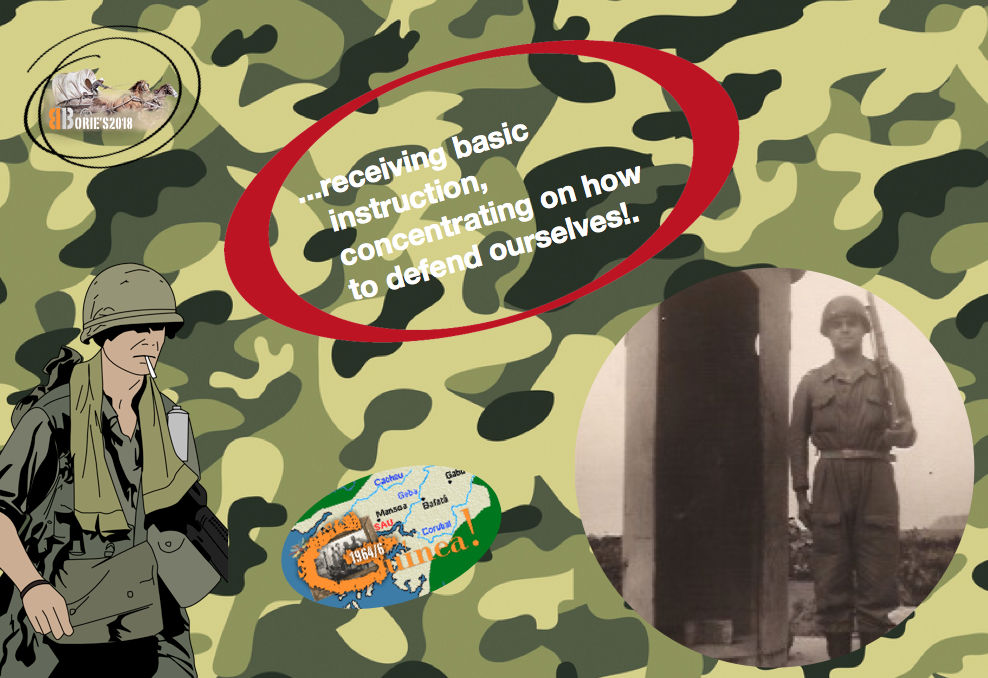
…o combóio das dez e meia, trouxe-nos para a cidade, onde nos apresentámos no quartel militar, recebendo a instrução básica, concentrada em saber defender-se, como matar de diferentes maneiras, usando diferentes partes do corpo, onde podiam produzir morte rápida ou prolongada!. O principal motivo da instrução era saber matar, onde o instrutor, militar de acção, que tinha regressado de uma comissão noutra província portuguesa em África, que já estava em guerra, nos contava histórias de combate, exemplificava em cada instruendo o local do corpo em que devíamos acertar com uma bala ou ferir com uma faca!. Fazia isto com tal precisão, com os olhos vidrados de raiva, que nos assustava a nós, os instruendos!. (The 10:30 am train brought us to the city, where we performed at the military barracks, receiving basic instruction, concentrating on how to defend ourselves, how to kill in different ways, using different parts of the body, where they could produce rapid or prolonged death!. The main reason for the instruction was to know how to kill, where the instructor, military of action, who had returned from a commission in another Portuguese province in Africa, who was already at war, told us stories of combat, exemplified in each instructing the place of the body in that we should hit with a bullet or wound with a knife! He did this with such precision, his eyes glazed with rage, which frightened us, the instructors)!.
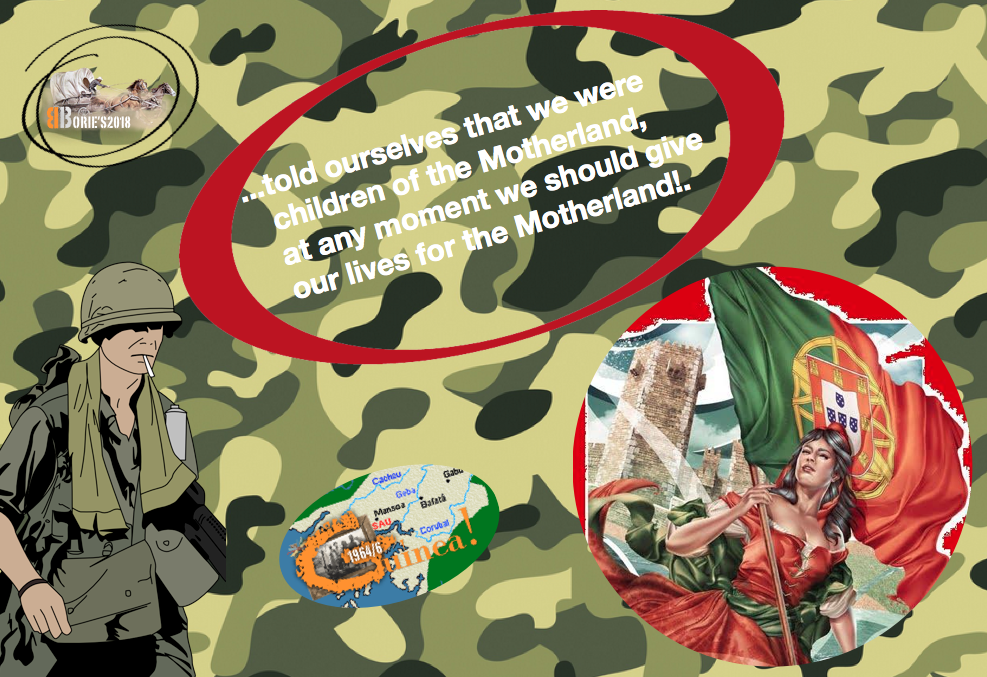
…terminada a instrução básica, somos transferidos para uma base nos arredores da Capital, recebendo um pequeno treino de especialização, onde mentalizando-nos, constantemente nos diziam que éramos filhos da Pátria, em qualquer momento devíamos dar a vida pela Pátria, com esta especialização ficaríamos um militar fora do normal, não devíamos dormir ou conviver com os normais militares, pois em caso de insónias, podíamos revelar segredos do estado, fazer perder uma guerra, éramos os “Cifras”!. Em cada dia de treino, mais responsabilidade nos colocávam, ao ponto de no final, pensar-mos que carregávamos nos ombros, o peso de dez milhões de Portugueses, que era a população do país Portugal naquele tempo!. (After finishing the basic education, we are transferred to a base in the outskirts of the capital, receiving a small training of specialization, where we mentally told ourselves that we were children of the Motherland, at any moment we should give our lives for the Motherland, this specialization would be a military out of the ordinary, we should not sleep or live with normal military, because in case of insomnia, we could reveal secrets of the state, make lose a war, we were the “Ciphers”! In each day of training, more responsibility put us, to the point of the end, to think that we carried on the shoulders, the weight of ten million Portuguese, who was the population of the country Portugal at that time)!.

…fomos colocados no Ministério da Guerra, na capital, onde cifrávamos e decifrávamos mensagens que vinham das então Províncias Coloniais do Ultramar Português, onde já se desncadeava uma guerra de guerrilha, em que os diversos grupos armados e organizados, reclamavam a sua independência, como países soberanos, livres do controlo de Portugal, país Europeu!. Começa mais uma rebelião, desta vez na então Província Colonial da Guiné, reclamando a sua independência, somos mobilizados de emergência!. (we were placed in the Ministry of War, in the capital, where we encrypted and deciphered messages that came from the then Colonial Provinces of the Portuguese Overseas, where a guerrilla war was already unfolding, in which the various armed and organized groups demanded their independence , as sovereign countries, free from control of Portugal, European country !. Another rebellion begins, this time in the then Colonial Province of Guinea, claiming their independence, we are mobilized emergency)!.
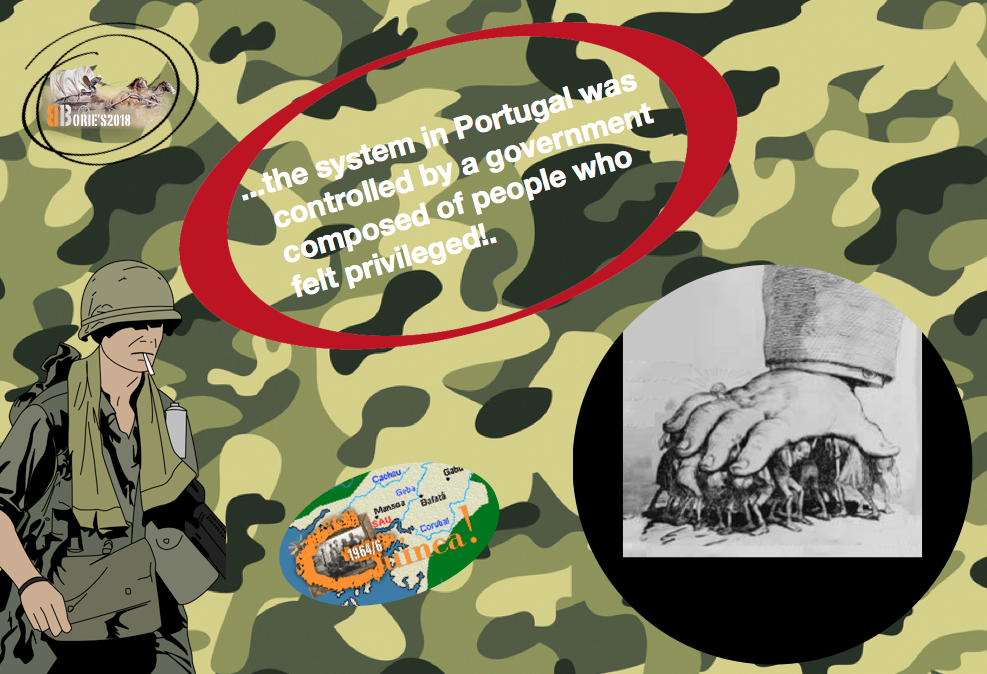
…o sistema em Portugal estava controlado por um governo, composto por pessoas que se sentiam previligiadas, julgavam-se superiores a qualquer outro ser humano, era do género, “eu sei o que o meu povo quer”, “o meu povo adora-me”, “o que eu quero, é a vontade do meu povo”, “Deus existe, eu converso com ele, dou-lhe ordens, pois esse Deus sou eu”, portanto adorem-me e sigam-me, ninguém no mundo sabe melhor do que eu, o que é bom para o meu povo, se os levar à morte, é para vossa salvação, não se importem de passar fome, não terem trabalho decente ou roupa para vestirem, tenham orgulho na vossa Pátria, que é a vossa mãe, vão para guerra e, em força!. (the system in Portugal was controlled by a government composed of people who felt privileged, considered superior to any other human being, was like, “I know what my people want”, “my people worship me”, “what I want is the will of my people”, “God exists, I speak to him, I give him orders, for this God is I”, so worship me and follow me, no one in the world know better than I, what is good for my people, if they lead them to death, is for your salvation, do not mind starving, do not have decent work or clothes to wear, have pride in your homeland, who is your mother, go to war and in force)!.
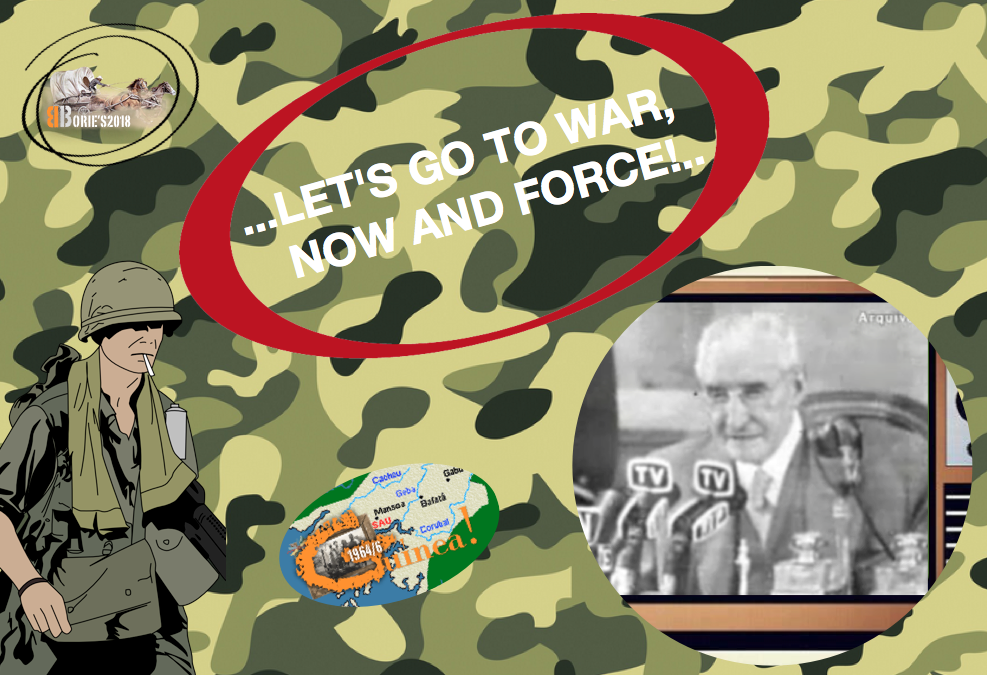
…nós, nascendo e vivendo na nossa aldeia, com uma educação de família, em que ouvíamos e respeitávamos os mais velhos, não tínhamos a menor ideia de que estes governantes, com pensamentos estúpidos, baixos e miseráveis, sem qualquer senso, onde o chefe do governo do então país Portugal, com a sua mente cheia de motivos políticos, vem um certo dia para a televisão, em hora de grande audiência, televisão e rádio controladas pelo governo, falar ao tal “seu povo”, para que visse e ouvisse:

– VAMOS PARA A GUERRA, AGORA E EM FORÇA!.

(We, being born and living in our village, with a family education, in which we listened and respected our elders, we had no idea that these rulers, with stupid thoughts, low and miserable, without any sense, where the head of the government of the then country Portugal, with his mind full of political motives, comes one day to the television, at a time of great audience, television and radio controlled by the government, to speak to such “his people”, so that he saw and hear:

– LET’S GO TO WAR, NOW AND FORCE)!.

…nem tempo tivémos para nos despedir da família, lá na nossa aldeia do Vale do Ninho D’Águia!. Sem dar-mos por nada, com umas botas novas calçadas, vestidos de amarelo, uma boina na cabeça, com um saco às costas e uma mala de cartão, onde ia a tal garrafa especial, estávamos no cais da alfândega de Lisboa, esperando a nossa vez para entrar para um navio fretado pelo governo, para nos levar para a então Província Colonial da Guiné, onde começava uma guerra traiçoeira e imprevista!. (not even time we had to say goodbye to the family, there in our village of Vale do Ninho D’Águia!. Without giving us anything, with new boots on, yellow dresses, a beret on his head, a bag on his back and a cardboard bag, where he was going to that special bottle, we were at the Lisbon customs dock waiting for the our turn to join a ship chartered by the government, to take us to the then Colonial Province of Guinea, where a treacherous and unforeseen war began)!.
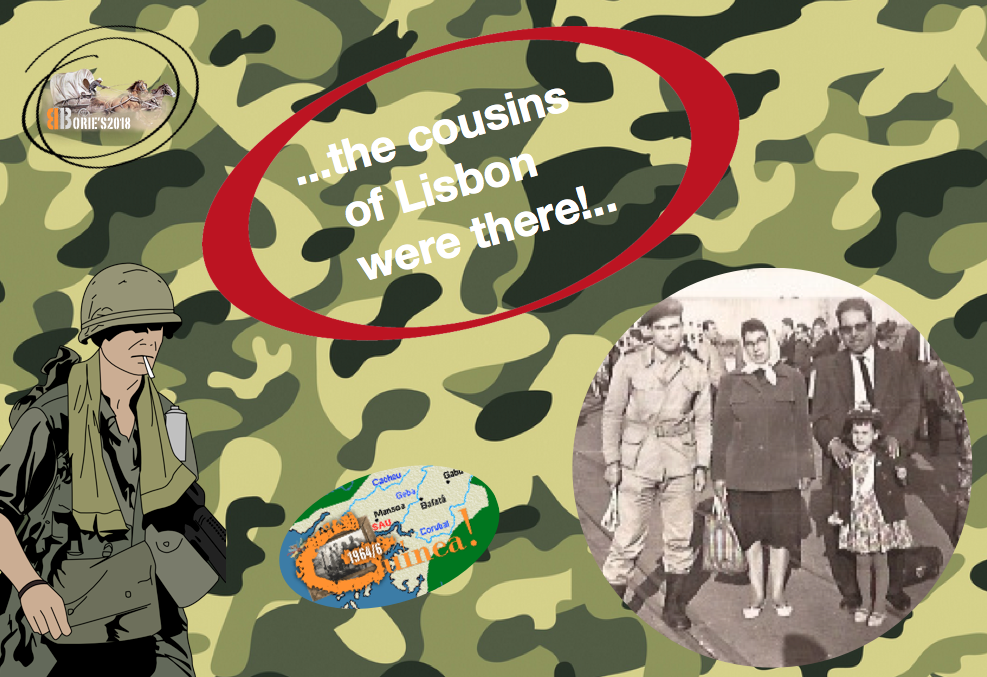
…os primos de Lisboa estavam lá, abraçam-nos, entre outras coisas dizemos:

– não houve tempo para nos despedir da família, mas vocês estão aqui, quando houver oportunidade, digam lá na aldeia do Vale do Ninho D’Águia, que voltarei, tenho a firme certeza que sim!.

…choramos sem lágrimas, para dentro, pensando que já éramos um homem!.

(The cousins of Lisbon were there, embrace us, among other things we say:

– There was no time to say goodbye to the family, but you are here, when there is opportunity, say there in the village of Vale do Ninho D’Águia, that I will come back, I have the firm certainty that yes!.

We cried without tears, inside, thinking that we were already a man)!.
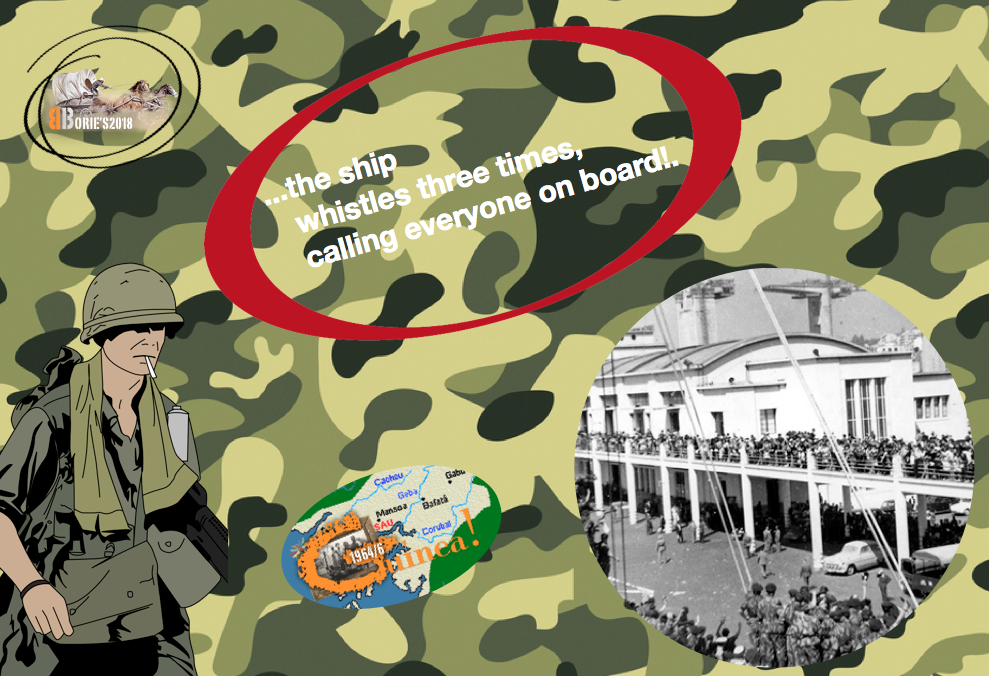
…o navio apita três vezes, chamando todos para bordo, o apito é rude e de aflição, não é um apito bom de se ouvir, como o do combóio das seis e meia, quando a todo o vapor, subia a montanha, a caminho do norte, passando pela aldeia do Vale do Ninho D’Águia, fazendo estremecer o curral das ovelhas, da velha casa onde nascemos!. (The ship whistles three times, calling everyone on board, the whistle is rude and distressed, it is not a good whistle to hear, like the six-thirty train, when at full steam, on the way to the north, passing through the village of Vale do Ninho D’Águia, making the corral of the sheep tremble, the old house where we were born)!.
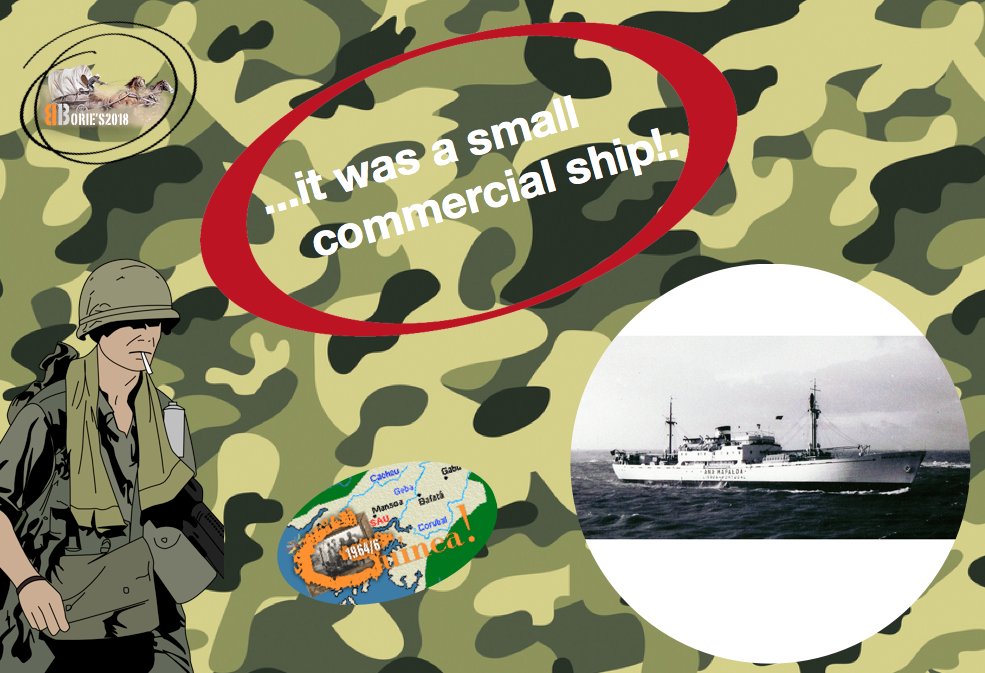
…era um navio comercial e pequeno, viajávamos no porão, em camas de madeira, construídas de emergência, colocadas em espaços improvisados, não havia ventilação, o cheiro prestilento provocava náuseas, todos vagueavam pelo convés, procurando algum ar fresco!. O primeiro dia no mar alto é de surpresa e alguma admiração, tanta água de um lado e do outro, não existe terra à vista!. (it was a small commercial ship, we traveled in the basement, in wooden beds, built in emergency, placed in improvised spaces, there was no ventilation, the prestige smell made nauseous, everyone wandered the deck, looking for some fresh air!. The first day in the high sea is by surprise and some admiration, so much water on one side and the other, there is no land in sight)!.

…de vez em quando passa um barco, apita lá ao longe, ao terceiro ou quarto dia vêem-se peixes voadores, saiem da onda, voam uns segundos desaparecendo na próxima onda, alguns iam de encontro ao navio!.  (From time to time passes a boat, whistles there in the distance, on the third or fourth day you see fish flying, they leave the wave, fly a few seconds disappearing in the next wave, some went against the ship)!.
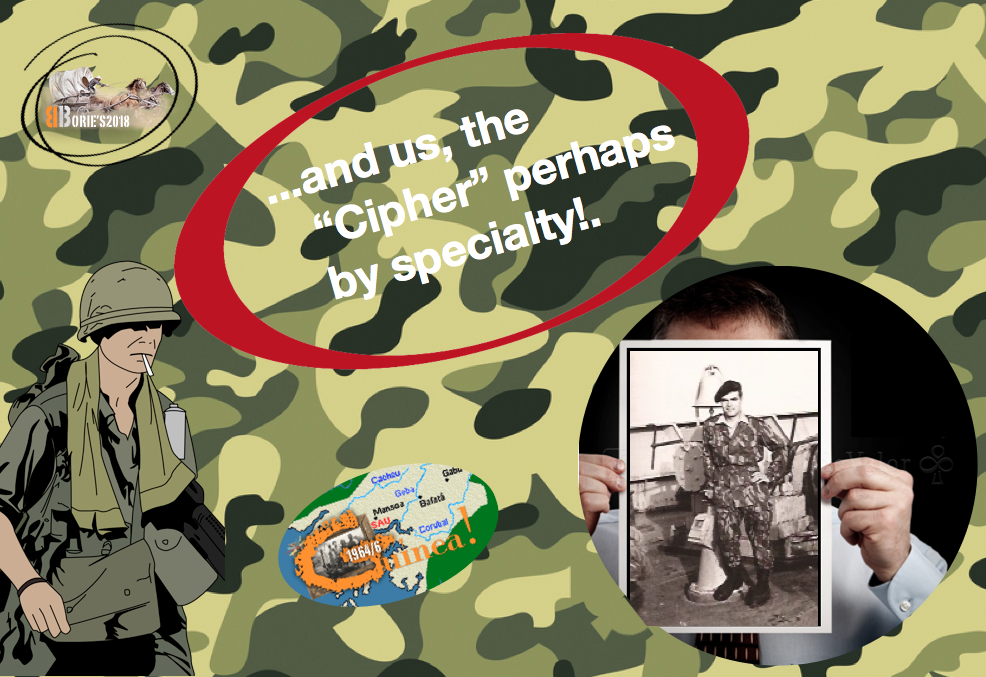
…o convívio com futuros companheiros começa!. De onde és?. Como te chamas?. Se o nome era difícil de pronunciar, passou a chamar-se pelo nome da aldeia, vila ou cidade de onde era oriundo!. Assim, aparece em cenário de guerra, o “Bolinhas”, o “Açoriano”, o “Lisboa”, o “Matateu”, o “Setúbal”, o “Corcunda”, o “Morteiro” e nós, o “Cifra”, talvez pela especialidade!. (The fellowship with future companions begins!. Where are you from?. What is your name?. If the name was difficult to pronounce, it was renamed by the name of the village, or city from which it was born!. Thus, the “Bolinhas”, the “Azores”, the “Lisbon”, the “Matateu”, the “Setúbal”, the “Hunchback”, the “Morteiro” and us, the “Cipher” perhaps by specialty)!.
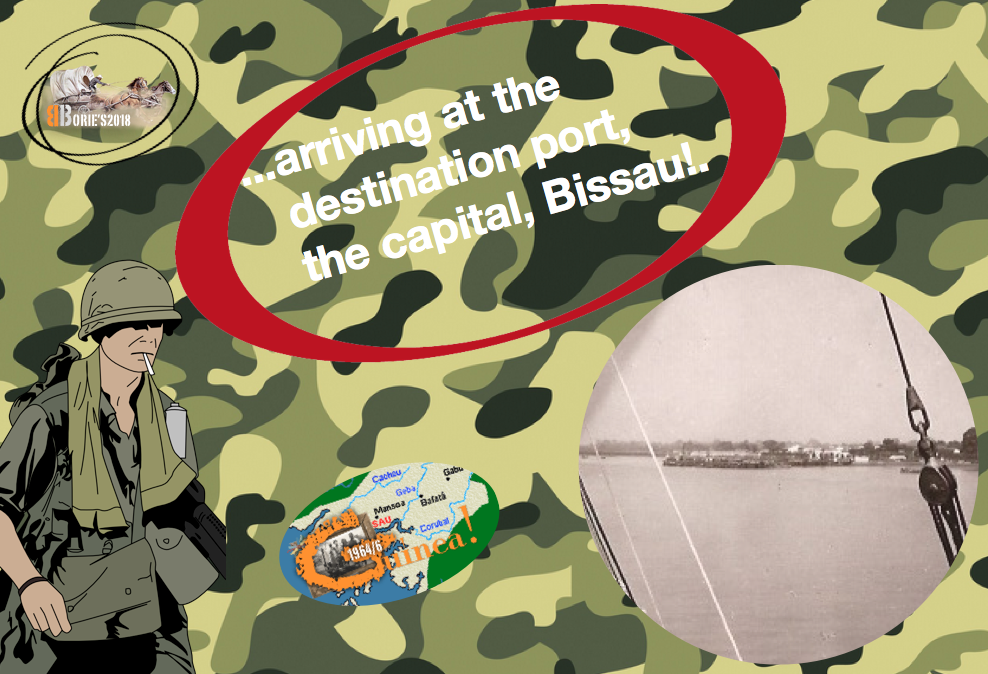
…passado uns tantos dias, passando o arquipélago dos Bijagós, subimos o Rio Geba, chegando ao porto de destino, a capital, Bissau!. Era manhã cedo, um nevoeiro fraco, mas quente, mesmo muito quente, húmido, não havia aragem, era abafado, para nós, oriundos da Europa, sufucáva-nos, um intenso arvoredo, verde confundido com algumas cores mais escuras, aparecia lá ao longe, rente à água, com algumas árvores que nos pareciam gigantes a sobressair aqui e ali!. (After a few days, passing the Bijagós archipelago, we climbed the Geba River, arriving at the destination port, the capital, Bissau!. It was early morning, a faint but hot fog, even very hot, damp, there was no puffing, it was stuffy, for us, from Europe, we were suffering, an intense grove, green confused with some darker colors, far away, close to the water, with some trees that seemed giant to stand out here and there)!.

…o cais de embarque, que no nosso caso era de desembarque, podia ver-se a umas centenas de metros, a maré baixa do momento, não era possível atracar o navio, apesar de ser pequeno, os militares iam sendo desembarcados em lanchas, que os transportavam, assim como algum equipamento militar!. Esta operação de desmbarque, demorou um dia!. (The embarkation pier, which in our case was a landing, could be seen a few hundred meters, the low tide of the moment, it was not possible to moor the ship, although it was small, the military was being landed in boats, carrying them, as well as some military equipment!. This unpacking operation took a day)!.
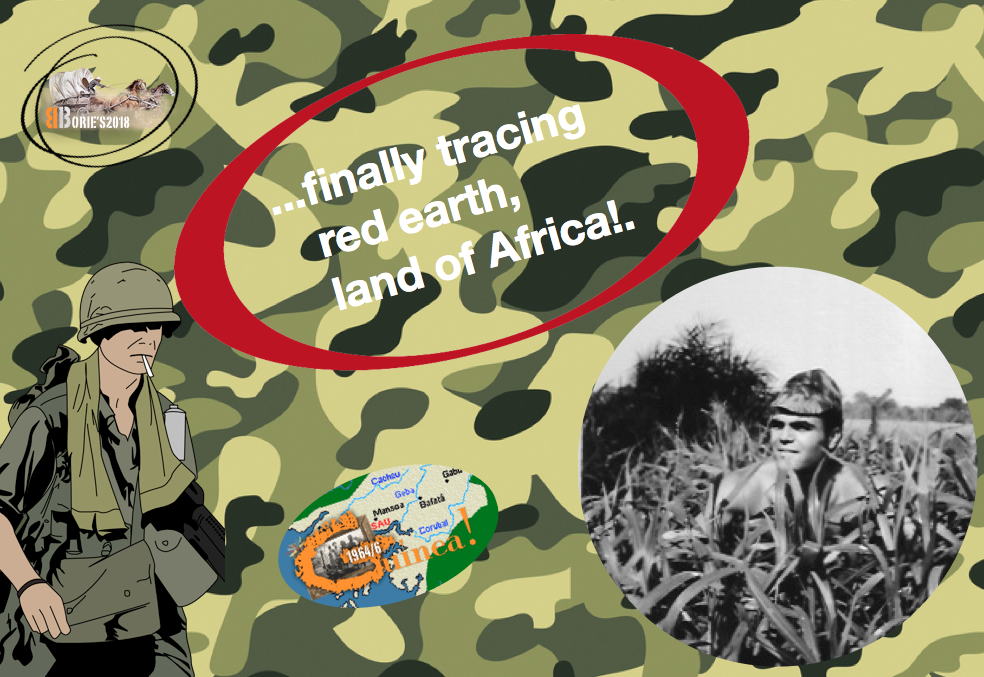
…finalmente calcando terra vermelha, terra de África, fomos deslocados para uma área, onde do navio se via a tal vegetação verde e de outras cores, rente à água, com as tais árvores que nos pareciam gigantes aqui e ali e, aí começou a organização dentro da desorganização!. É distribuída uma ordem, num papel tipo “ordem do dia”, onde nos era comunicado que, o Agrupamento número tal, vai juntar-se à Companhia de Infantaria número tal, que está estacionada no espaço número tal, o Pelotão de Morteiros número tal, fica agregado à Companhia de Artilharia número tal, que se deve encontrar estacionada na zona número tal e, por aí adiante, tudo em campo aberto!. (Finally tracing red earth, land of Africa, we were moved to an area, where the ship saw such green vegetation and other colors, close to the water, with the trees that seemed to us giant here and there and then began the organization within the clutter!. An order is distributed on a paper type “order of the day”, where it was communicated to us that the Grouping number such, will join the Company of Infantry number such, that is stationed in the number space such, the Platoon of Morteiros number, is added to the Artillery Company number such, that must be parked in the number area such, and so on, all in the open field)!.

…para nossa proteção, entregaram-nos uma arma metralhadora G-3, que nós, não sabíamos usar, pois nunca recebemos qualquer treino nesse sentido, um cantil e uma marmita!. Com a azáfama, resultado da movimentação de militares e viaturas, uns procurando o seu destino, outros procurando lugar para estacionar o seu equipamento militar, passado uns tantos dias o local do acampamento, estava coberto de lama, milhões de mosquitos, as tendas onde dormiamos desiquilibradas e abertas aos mosquitos, não havia água potável para beber ou lavar simplesmente o rosto, eram bidons de gasóleo ou de óleo, que se lavavam, enchendo com água turva dos pântanos próximos, esperava-se umas horas para que algumas impurezas acentassem no fundo, para depois essa água ser utilizada!. (For our protection, we were given a G-3 machine gun, which we did not know how to use, because we never received any training in this sense, a canteen and a kettle!. With the hustle and bustle, a result of the movement of soldiers and vehicles, some looking for their destination, others looking for a place to park their military equipment, a few days later the camp site was covered with mud, millions of mosquitoes, the tents where we slept unbalanced and open to mosquitoes, there was no drinking water or simply washing the face, they were drums of oil or oil, they washed, filling with muddy water from the nearby marshes, it was expected a few hours for some impurities to accent the bottom, then this water will be used)!.

…a dieta era ração de combate, pela manhã em determinada área, queimando lenha, acendiam grandes fogueiras, onde ferviam água, fazendo café muito forte, que depois de uma longa fila de espera, tínhamos direito a um naco de pão ou um biscoito!. Um pouco retirado do acampamento, abriam-se valas no chão, que serviam de latrinas!. Aqui começou a lei da sobrevivência, onde tudo era motivo para breve discussão entre militares e, às vezes havia mesmo confrontos físicos!. (The diet was a battle ration, in the morning in a certain area, burning wood, lighting large fires, where they boiled water, making very strong coffee, which after a long waiting line, we were entitled to a loaf of bread or a biscuit!. A little removed from the camp, ditches were opened on the floor, which served as latrines!. Here began the law of survival, where everything was reason for brief discussion between the military and sometimes there were even physical confrontations)!.

…neste horrível cenário vivemos quatro semanas, com algumas centenas de militares acantonados, onde houve um suicídio e vários casos de febre constante, que nos diziam ser a doença do paludismo!. Aqui, logo se começou a notar, que o treino que recebemos em Portugal, não tinha sido verdadeiro e suficiente, tinha sido um treino de preparação ineficaz, rápido, de preparar “carne para canhão”, mandar uma força militar para África, sem o mínimo de estructura, sem qualquer base de assistência logística, física, médica ou de combate, onde alguns manifestavam, para quem quisesse ouvir:

– filhos da puta, mentiram-nos!.

(In this horrible scenario we lived for four weeks, with a few hundred soldiers stationed there, where there was a suicide and several cases of constant fever, which we were told was malaria! Here we soon began to notice that the training we received in Portugal had not been true and sufficient, it had been an ineffective, quick preparation training to prepare “cannon fodder”, to send a military force to Africa without the minimum of structure, without any logistical, physical, medical or combat assistance base, where some expressed, for those who wanted to hear:

– Motherfuckers, they lied to us!.
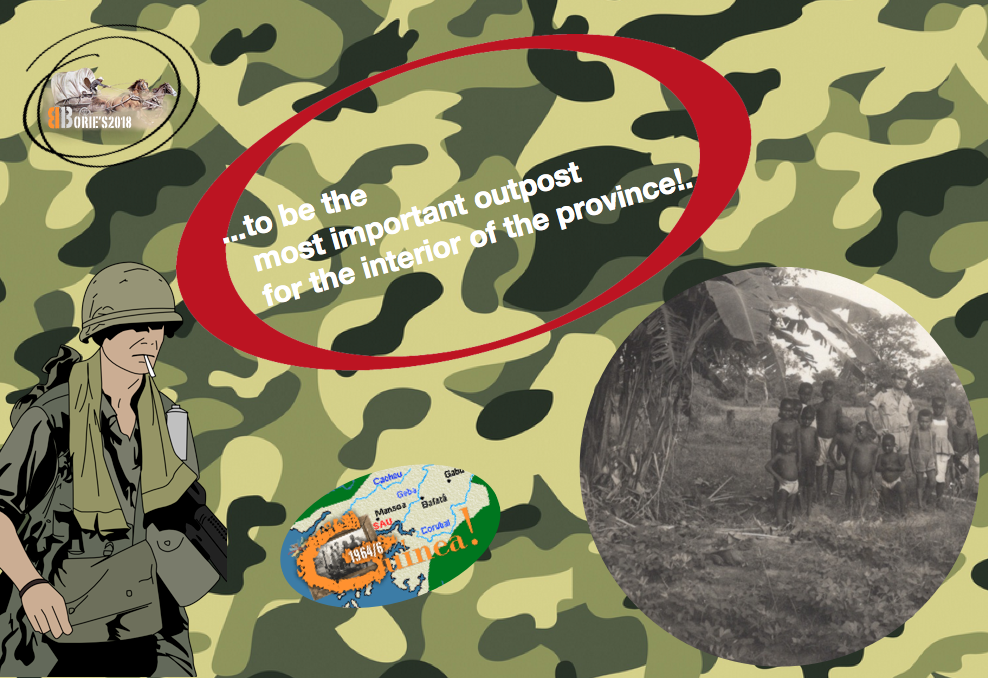
…as quatro semanas passaram, fomos para o interior da província, onde se começava a desenrolar o conflito armado!. O Comando a que pertencíamos, instalou-se na vila de Mansoa, nas instalações do que diziam ser um antigo convento de padres de uma ordem religiosa francesa, quase em ruínas, onde já se encontravam alguns militares que iniciaram a construção de um aquartelamento, que mais tarde viria a ser o mais importante posto avançado para o interior da província, era a porta de entrada para o infernal cenário de guerra, que se começou a desenrolar na zona do Oio, onde todos os dias havia combates e mortes de ambos os lados!. (The four weeks passed, we went to the interior of the province, where the armed conflict began to unfold! The Command to which we belonged, settled in the village of Mansoa, in the premises of what was said to be a former monastery of priests of a French religious order, almost in ruins, where some soldiers were already present, who began the construction of a barracks, later to be the most important outpost for the interior of the province, was the gateway to the infernal war scene, which began to unfold in the area of Oio, where every day there were combats and deaths on both sides)!

Tony Borie, March 2018.
…Dalton Highway!

…Dalton Highway!

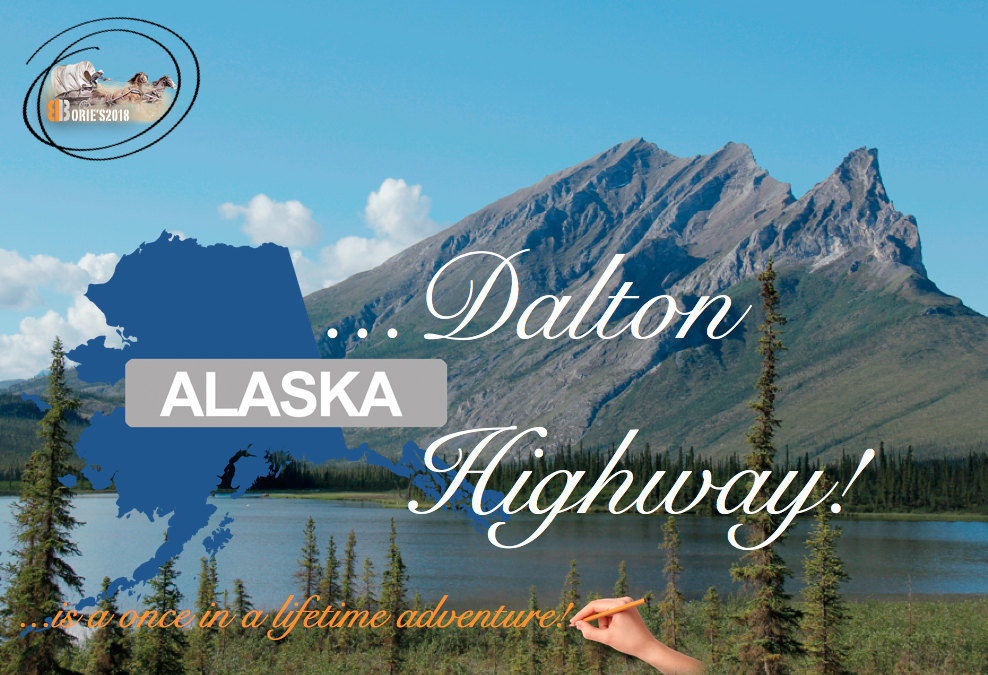
…Estrada de Dalton! Dalton Highway!.

…o dia estava excelente, a manhã a raiar com algum sol, o céu estava quase azul, a temperatura era de uma primavera semi-tropical, nem parecia que estávamos no norte do Alaska!. (the day was excellent, the morning to dawn with some sun, the sky was almost blue, the temperature was of a semi-tropical spring, nor it seemed that we were in the north of Alaska)!.

…era um dia especial, queríamos completar uma aventura que já se prolongava por alguns anos, era viajar na famosa estrada “Dalton Highway”. Há alguns anos, já a tentámos, já estivémos no início desta famosa estrada, percorremos algumas milhas, mas a chuva, o nevoeiro, o vento, o frio, a neve e os acidentes que havia pelo percurso, além dos avisos feitos pelas pessoas de uniforme, alguns militares, que frequentemente nos apareciam, fizeram com que desanimados, voltásse-mos para trás, desistindo, percorrendo um caminho de regresso, de alguma revolta, jurando que um dia havia-mos de nela viajar, pelo menos até ao Circulo Ártico!. (was a special day, we wanted to complete an adventure that was already going on for some years, it was traveling on the famous “Dalton Highway”. A few years ago, we tried it, we were already at the beginning of this famous road, we traveled a few miles, but the rain, the fog, the wind, the cold, the snow and the accidents that were along the way, besides the warnings made by the people of Uniform, some soldiers, who frequently appeared to us, made us discouraged, we turned back, giving up, walking a way back, some revolt, swearing that one day we had to travel there, at least until the Arctic Circle)!


…um dos principais motivos para a sua construção foi, a descoberta de petróleo, o “ouro negro”, na Baía de Prudhoe, na encosta norte do estado do Alaska, por volta do ano de 1968!. Na altura, os USA estavam no auge de uma crise de energia, o que empurrou, na perspectiva de um grande sucesso para a economia e não só, a exploração do petróleo descoberto e, a construção de um “pipeline”, com a extenção de 800 milhas de extenção!. (one of the main reasons for its construction was the discovery of oil, the “black gold”, in Prudhoe Bay, on the northern slope of the state of Alaska, around the year 1968!. At the time, the USA was at the height of an energy crisis, which pushed the prospect of a great success for the economy, not only the exploration of the discovered oil and the construction of a pipeline with the extension of 800 miles of extension)!.

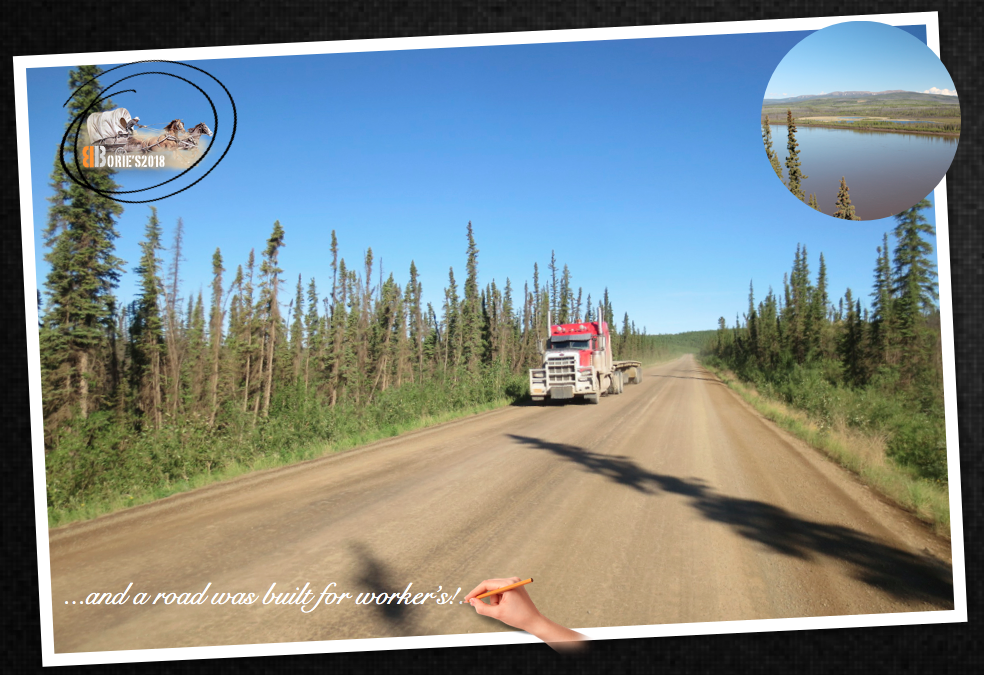
…resolvidas as reivindicações das terras nativas, as permissões concedidas, salvaguardas ambientais planejadas e, uma estrada foi construída para uso dos trabalhadores e abastecimento, lá no norte, do que seria um futuro campo petrolífero!. Quando finalmente tudo aprovado, a construção do encanamento “Trans-Alaska”, começou a ser executada como um “projecto de guerra”, havia dinheiro, mas o tempo era o essencial, naquele clima extremo, onde os engenheiros tiveram que lidar com problemas causados pelo “permafrost”, onde técnicas especiais de construção tiveram que ser desenvolvidas para lidar com o solo congelado, as cordilheiras de montanhas ou o fluxo implacável do Rio Yukon!. (settled the claims of native lands, permits granted, planned environmental safeguards, and a road was built for workers’ use and supply, up north, of what would be a future oilfield!. When everything finally passed, construction of the “Trans-Alaska” plumbing began to run as a “war project”, there was money, but time was the essential, in that extreme climate, where engineers had to deal with problems caused by “permafrost,” where special construction techniques had to be developed to deal with frozen soil, mountain ridges, or the relentless flow of the Yukon River)!.

…o lema desta estrada é:

“conduzir no Dalton Highway, é uma aventura, talvez uma vez na vida, mas os motoristas devem preparar-se para se saber defender sózinhos”!.

(The motto of this road is:

“Driving on the Dalton Highway is an adventure, perhaps once in a lifetime, but drivers should prepare themselves to know how to defend themselves”)!.

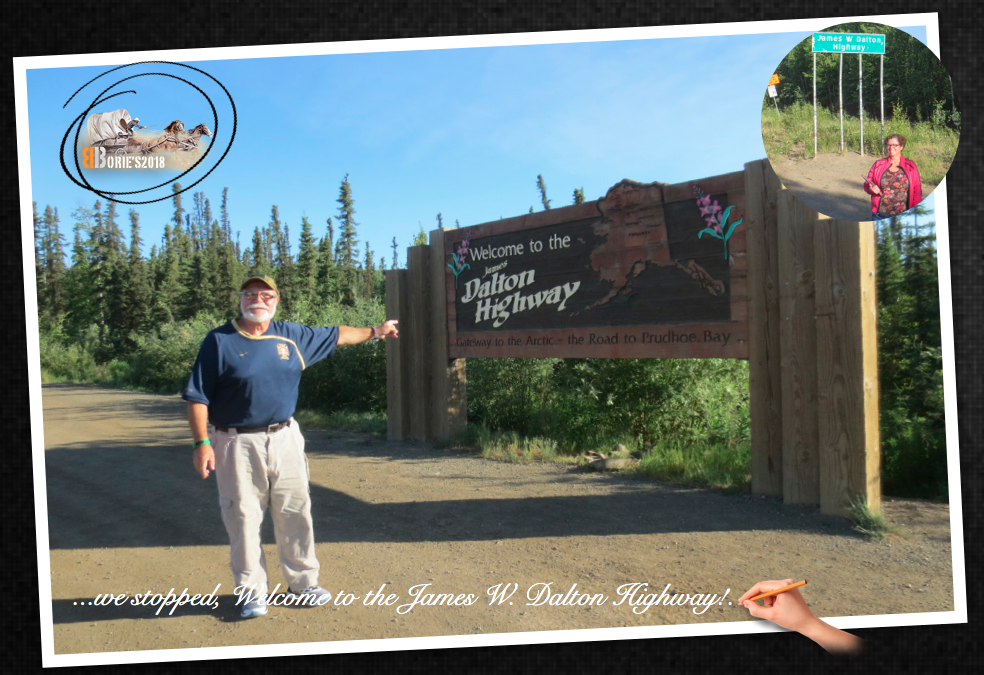
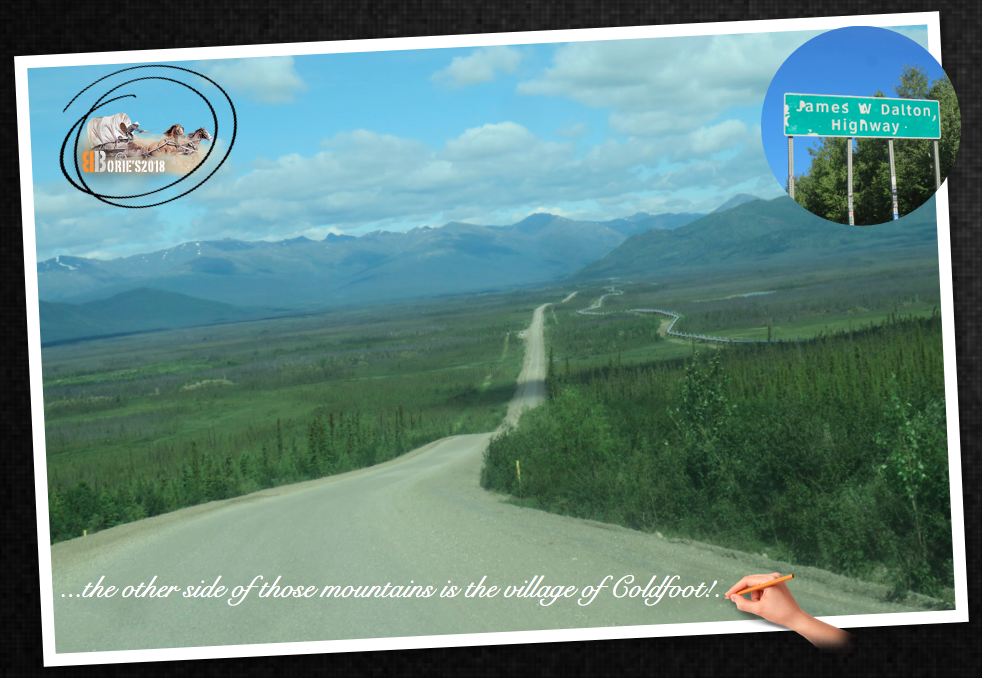
…já viajámos mais de 1 milha, parámos. Eis a placa, “Benvindo ao James W. Dalton Highway”!. Obrigado!. Estamos em crer que hoje iremos viajar nesta famosa estrada, ver o cenário e fazer algumas boas fotografias!. (we’ve traveled more than 1 mile, we’ve stopped. Here’s the sign, “Welcome to the James W. Dalton Highway!”. Thank you!. (We believe that today we will travel on this famous road, see the scenery and make some good photographs)!.

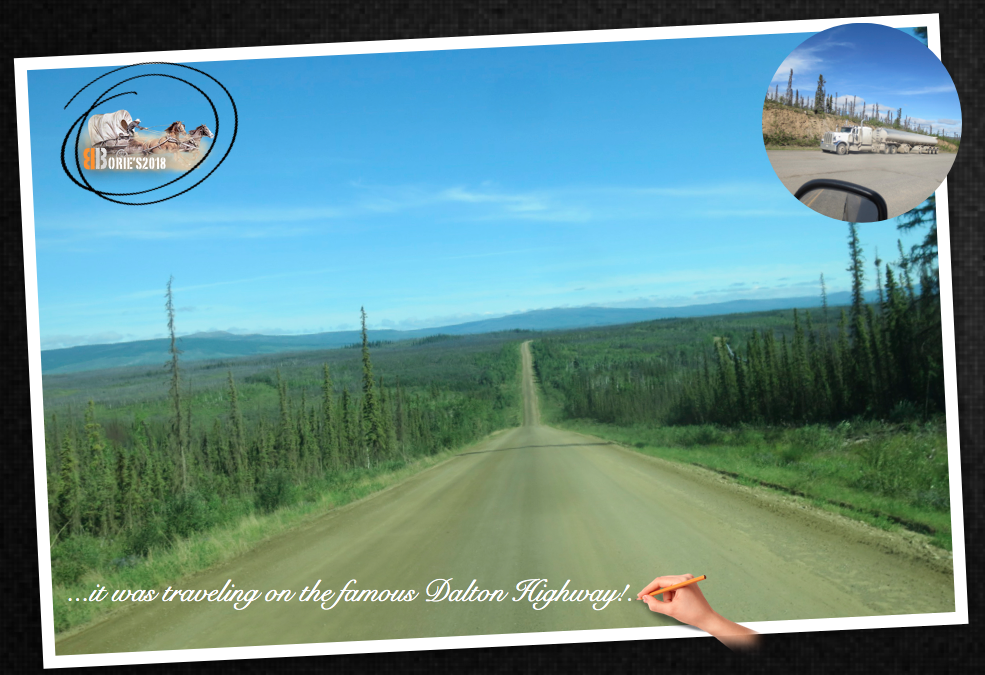
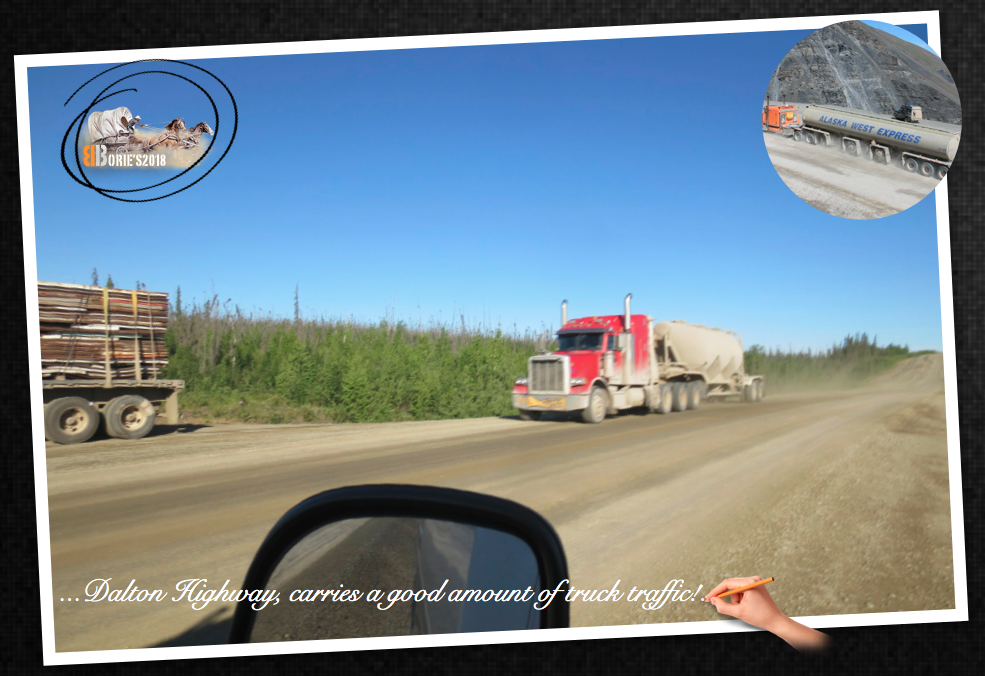
…apesar do seu afastamento, a Dalton Highway, leva uma boa quantidade de tráfego de camiões até a Prudhoe Bay, são cerca de 160 camiões diariamente nos meses de verão e, 250 camiões diariamente nos meses de inverno!. (Despite its remoteness the Dalton Highway carries a good amount of truck traffic through to Prudhoe Bay, about 160 trucks daily in the summer months and 250 trucks daily in the winter)!.

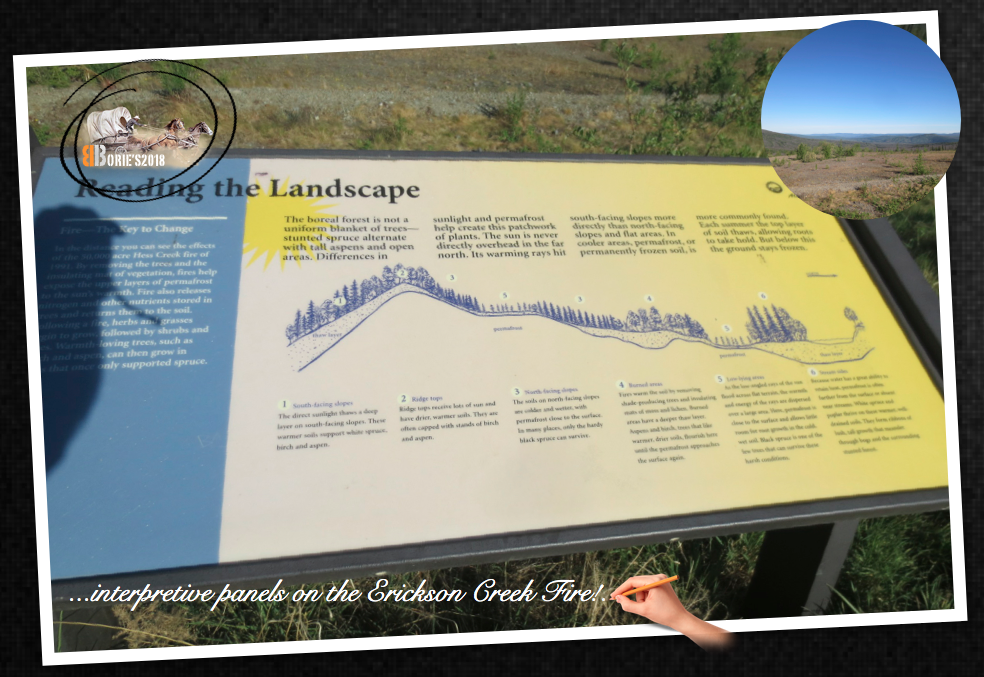
…painéis informativos do Erickson Creek Fire e do 1991 Hess Creek Fire, que queimaram 120.600 acres!. (Interpretive panels on the Erickson Creek Fire and the 1991 Hess Creek Fire, which burns 120,600 acres)!.

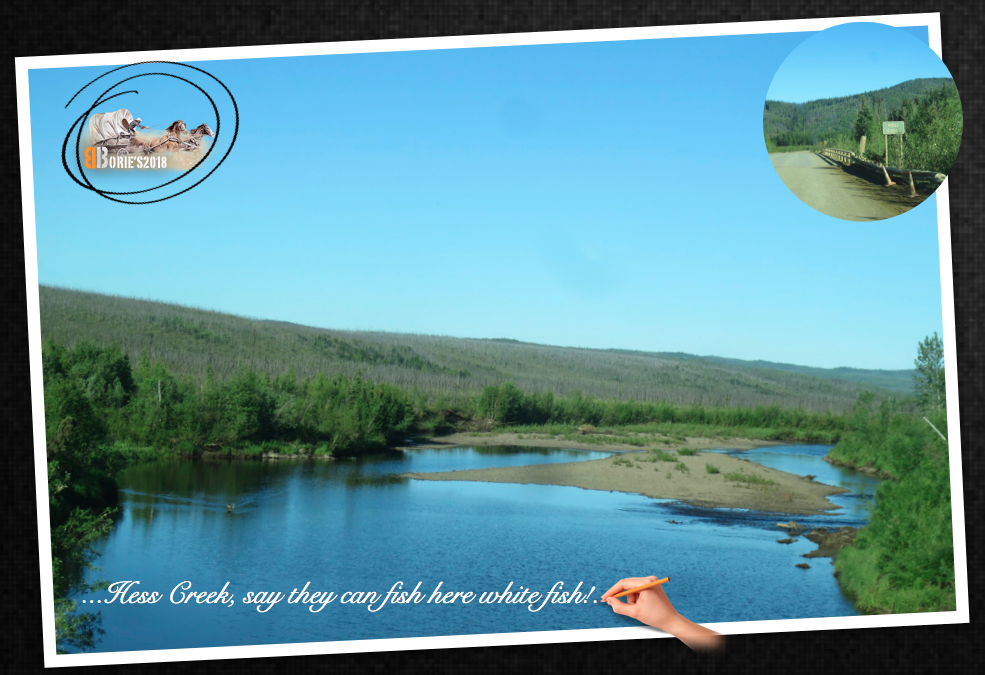
…Hess Creek, dizem que aqui podem pescar peixe branco, nestas águas coloridas com muita história de antigas minas, mas é melhor trazer um bom repelente de mosquitos!. (Hess Creek, say they can fish here white fish, in these colorful waters with lots of history of old mines, but bring your mosquito repellent)! 


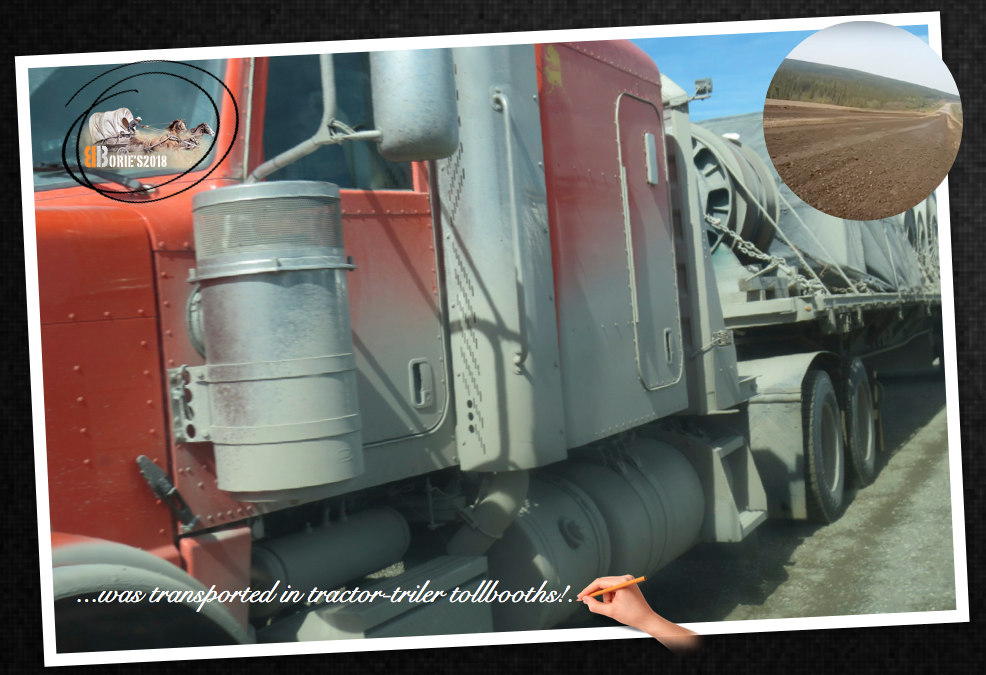
…incrívelmente, o “Haul Road” ou simplesmente “Highway”, os seus primeiros nomes, porque quase tudo o que apoiava o desenvolvimento desta exploração de petróleo foi transportado em plafaformas de tractor-reboque para o seu destino final lá no norte, foi completada em apenas cinco meses e, o “pipeline” em três anos, 1974-77, onde a partir dessa altura o anteriormente Ártico remoto, foi alterado para sempre!. (the “Haul Road” or simply “Highway”, their first names, because almost everything that supported the development of this oil exploration was transported in tractor-trailer tollbooths to their final destination there in the north, was completed in only five months, and the “pipeline” in three years, 1974-77, where from that time the former remote Arctic, has changed forever)!.


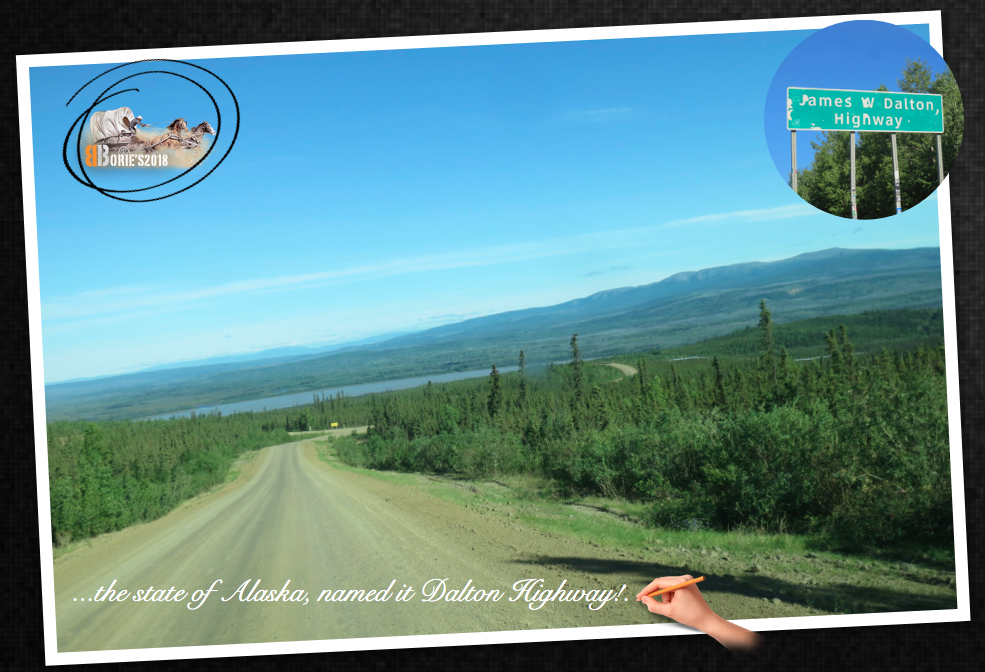
…mais tarde talvez por volta do ano de 1981, o estado do Alaska deu-lhe o nome de “Dalton Highway”, em homenagem a James W. Dalton, um homem do Alaska e, um engenheiro que toda a sua vida supervisionou a construção de estradas distantes e remotas no Alaska, especialista em engenharia do Alaska, servindo ainda como consultor na primeira exploração de petróleo no norte do Alaska!. (later, perhaps around the year 1981, the state of Alaska named it “Dalton Highway,” named after James W. Dalton, an Alaska man, and an engineer who had oversaw the construction of distant and remote roads in Alaska, an Alaska engineering specialist, still serving as a consultant on the first oil exploration in northern Alaska)!.

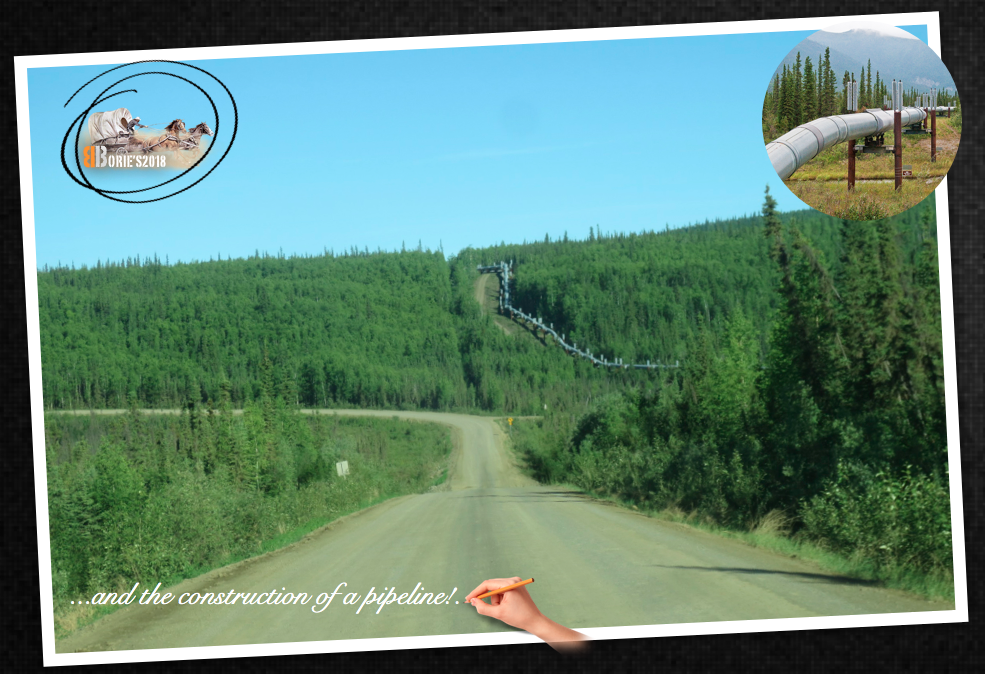
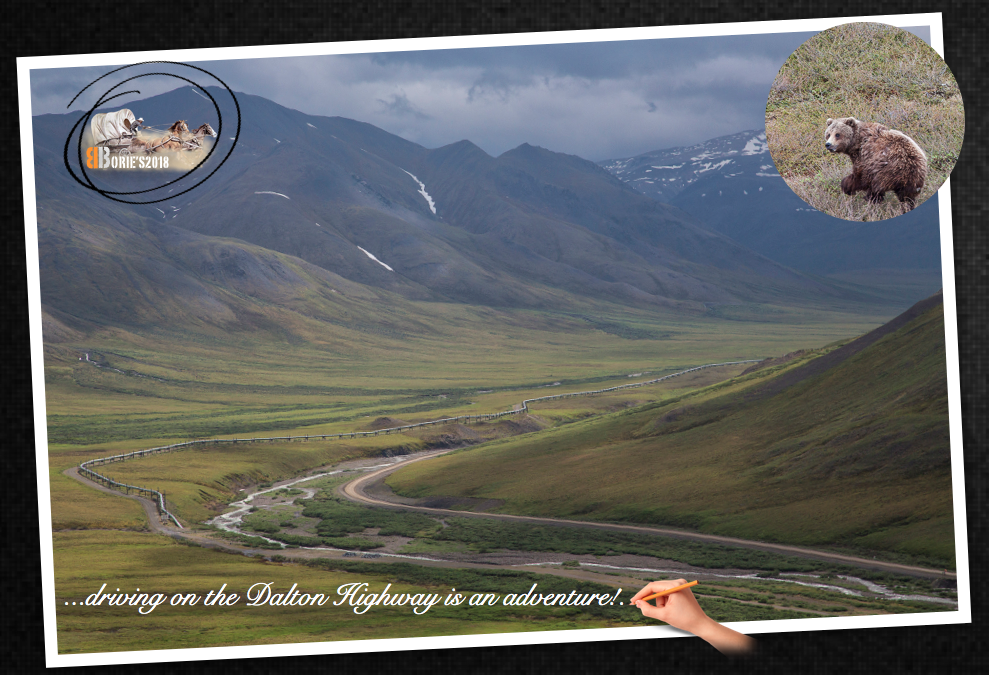
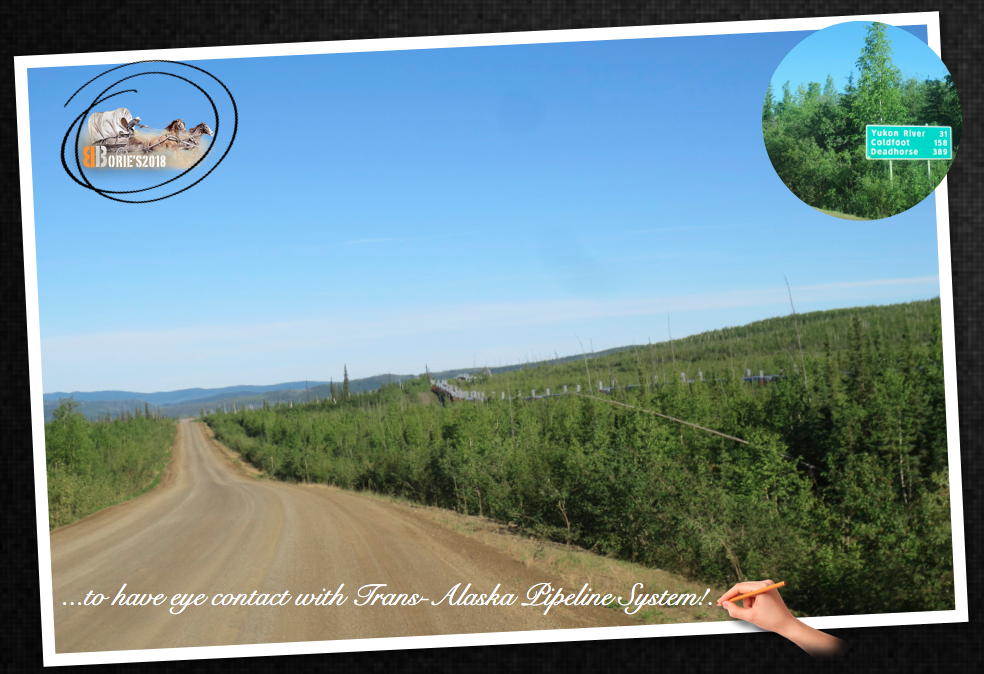
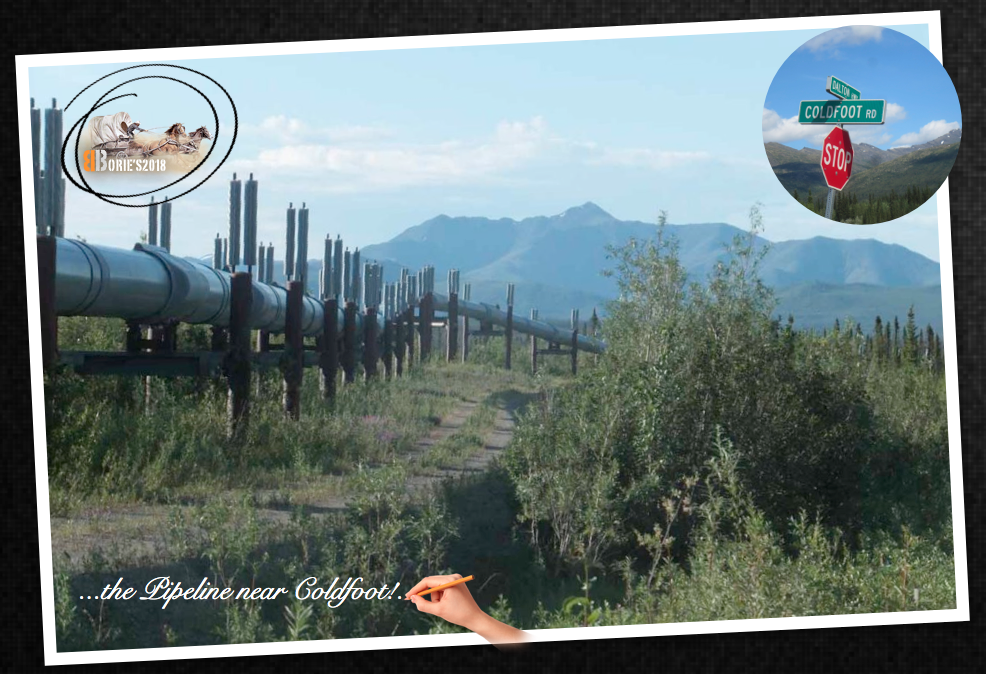
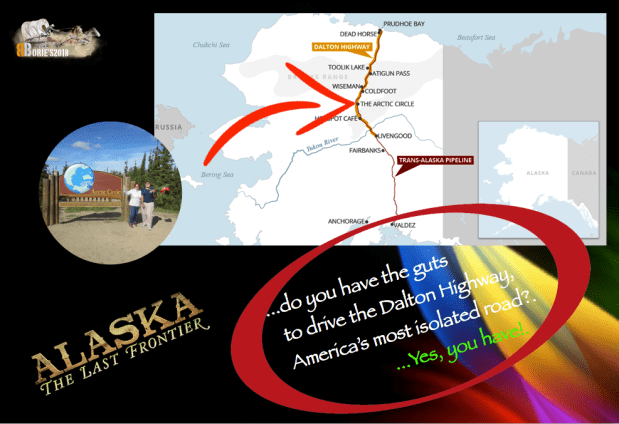
…já começamos a ter contacto visual com o sistema de transporte por grandes tubos, do Trans-Alaska, que inclui o encanamento de petróleo bruto do Trans-Alaska, com 11 estações de bombeamento, várias centenas de quilómetros de tubulações de alimentação e o terminal marítimo, em Valdez. É um dos maiores sistemas de pipeline do mundo. Normalmente é chamado de Pipeline do Alaska, Pipeline Trans-Alaska, Pipeline  Alyeska ou simplesmente, “O Pipeline”, quando se referem ao do  Alaska, mas esses termos aplicam-se tecnicamente apenas às  800 milhas (1.287 km) da tubulação, com o diâmetro de 48 polegadas (122 cm), que transporta o petróleo de Prudhoe Bay, no Alaska!. (we have already begun to have eye contact with the Trans-Alaska Pipeline System includes the Trans-Alaska crude-oil pipeline, 11 pump stations, several hundred miles of feeder pipelines, and Valdez marine Terminal. Is one of the world’s largest pipeline systems. It is communly called the Alaska pipeline, Trans-Alaska pipeline, Alyeska pipeline, or The pipeline, as referred to Alaska, but those terms technically apply only to 800 miles (1,287 km) of the pipeline with the diameter of 48 inches (122 cm) that conveys oil from Prudhoe Bay, Alaska. 

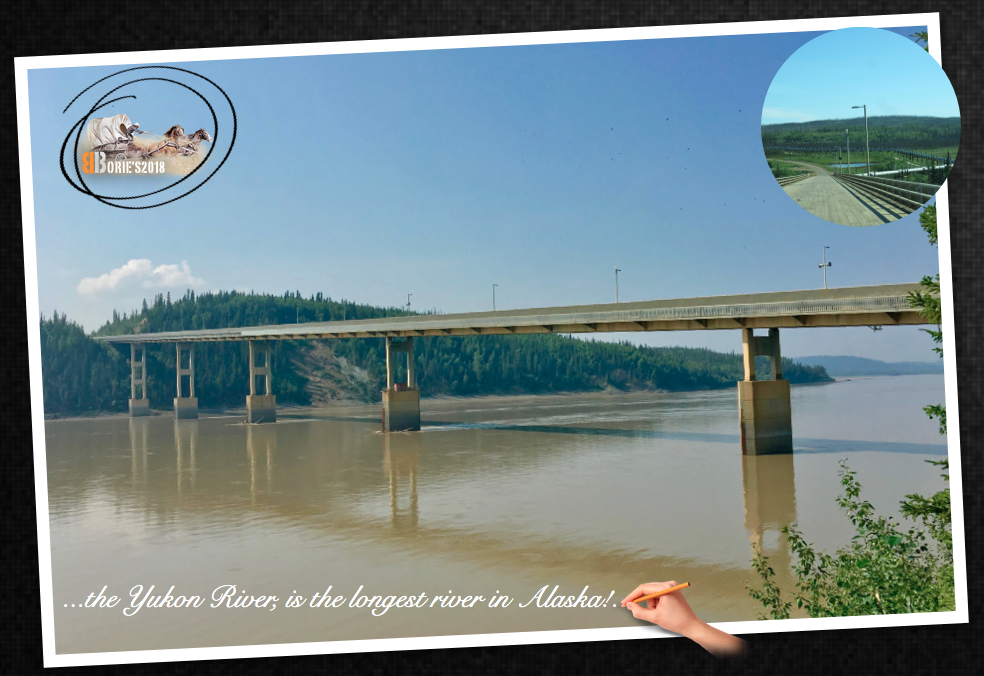
…o rio Yukon, é o rio mais longo do Alaska, flui 1.979 milhas, do Canadá até ao mar de Bering!. (The yukon River, is the longest river in Alaska, it flows 1,979 miles, from Canada to the Bering Sea)!.


…a Ponte do Rio Yukon, oficialmente conhecida como a Ponte E. L. Patton, é uma ponte em vigas de cimento, que atravessa o rio Yukon na Área de Censo do Yukon-Koyukuk, no Alaska. A ponte transporta a estrada de Dalton e o Pipeline do Alaska,  conectando Fairbanks com Deadhorse, perto do Oceano Ártico e do campo de petróleo da Prudhoe Bay!. (The Yukon River Bridge, officially known as the E. L. Patton Bridge, is a girder bridge spanning the Yukon River in Yukon-Koyukuk Census Area, Alaska. The bridge carries both the Dalton Highway and the Alaska Pipeline in connecting Fairbanks with Deadhorse, near the Arctic Ocean and the Prudhoe Bay oil field)!. 


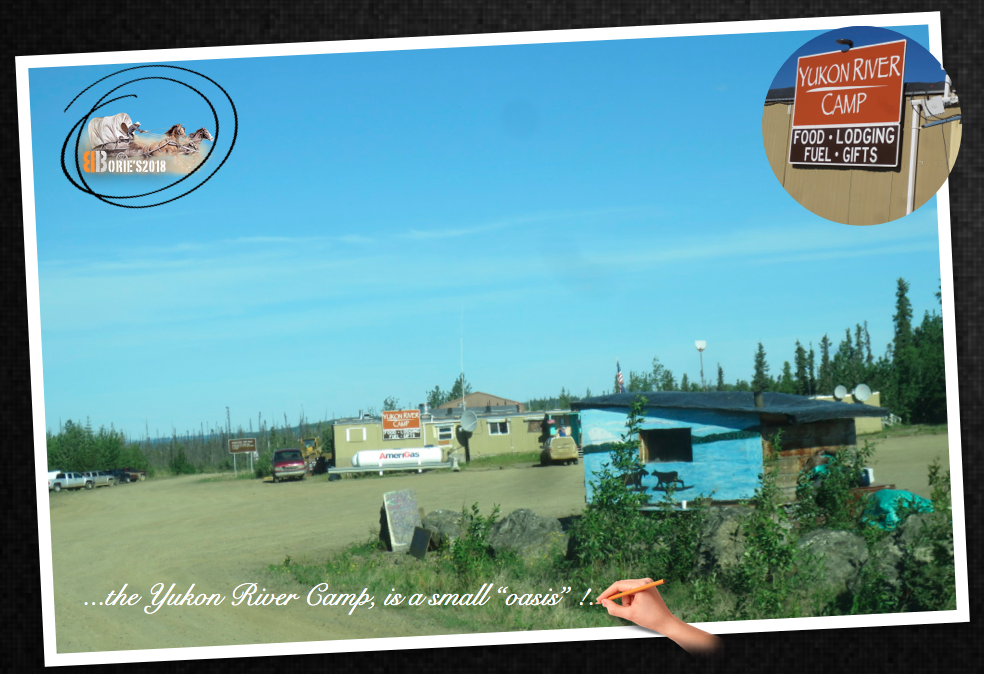
…o Yukon River Camp, é um pequeno “oasis”, tem gasolina, propane, restaurante e gift shop. Também podemos obter um certificado onde diz que atravessámos o Circulo Ártico!. (Yukon River Camp, is a small “oasis”, has gasoline, propane, restaurant and gift shop. We can also get an Arctic Circle Crossing Certificate)!.


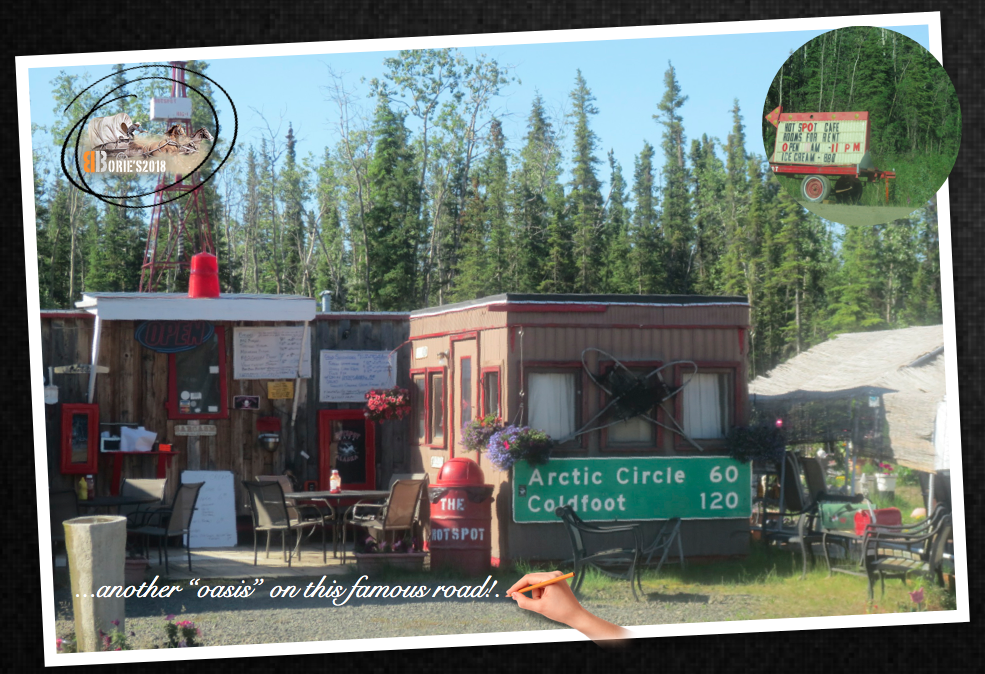
… outro “oasis” nesta famosa estrada. Você sabia que os restos de um mamute foram descobertos perto do Hot Spot Cafe, durante a construção do Dalton Highway? (another “oasis” on this famous road. Did you know that mammoth remains near the Hot Spot Cafe during Dalton Highway construction)?.


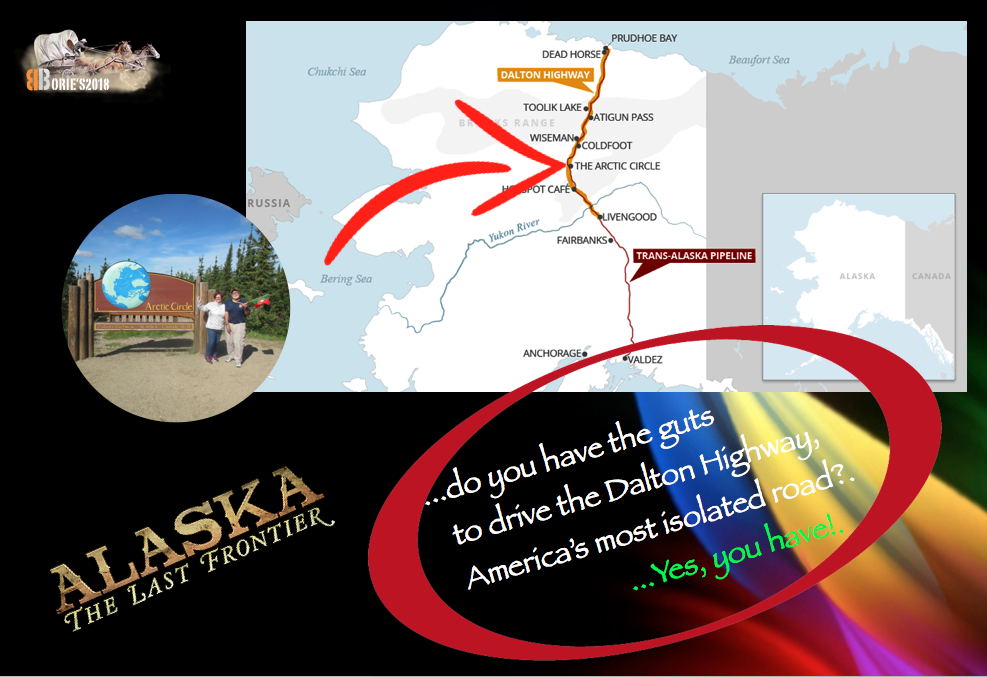
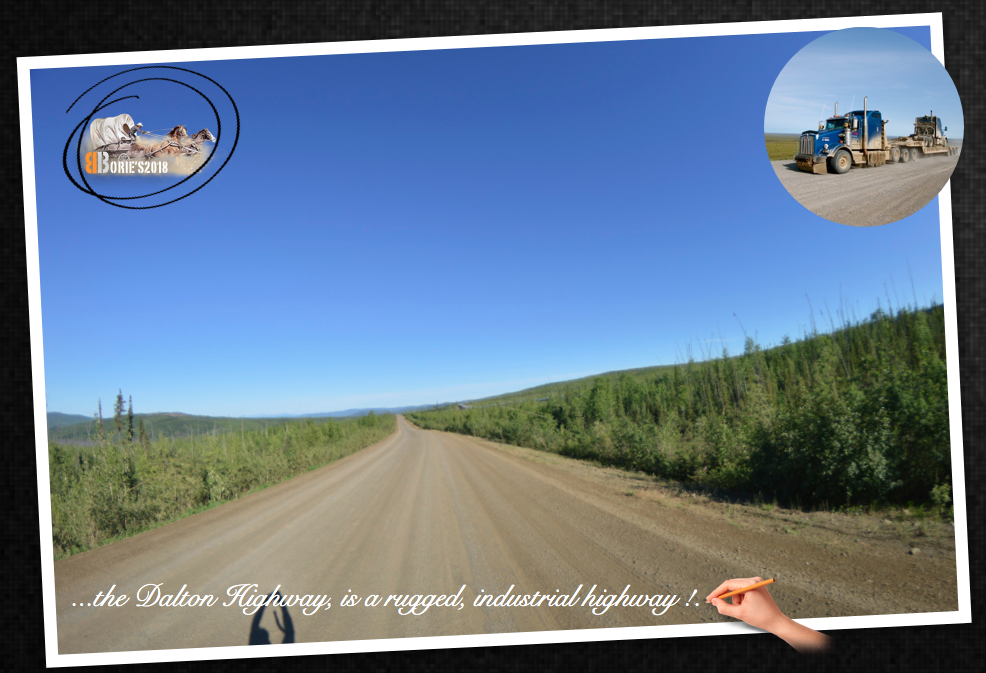
…hoje, o “Dalton Highway”, é uma estrada áspera e industrial, que começa a 84 milhas (134 km), a norte da cidade de Fairbanks, terminando a 414 milhas (662 km), mais tarde, lá no norte em Deadhorse, no campo industrial na Baía de Prudhoe, fornecendo uma rara oportunidade de atravessar uma parte remota e despovoada do estado do Alaska, até ao topo do continente!. (today, the “Dalton Highway,” is a rugged, industrial highway that begins 84 miles (134 km) north of Fairbanks, ending at 414 miles (662 km) later there in the north in Deadhorse, in the industrial field at Prudhoe Bay, providing a rare opportunity to cross a remote and unpopulated part of the state of Alaska, to the top of the continent)!.


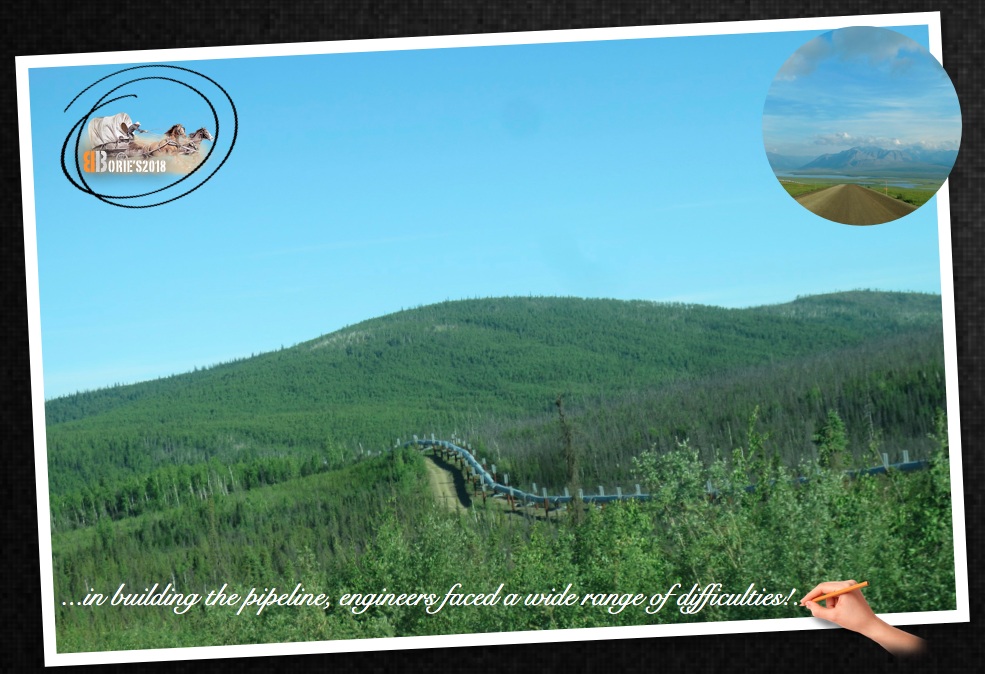
…na construção do Pipeline, os engenheiros enfrentaram uma grande variedade de dificuldades, decorrentes principalmente do frio extremo e do terreno difícil e isolado!. (in building the pipeline, engineers faced a wide range of difficulties, stemmed mainly from the extreme cold and the difficult, isolated terrain!.


…a construção do Pipeline foi um dos primeiros projectos de grande escala para lidar com problemas causados pelo “permafrost”, e técnicas especiais de construção tiveram que ser desenvolvidas para lidar com o solo congelado!. (The construction of the pipeline was one the first large-scale projects to deal with problems caused by permafrost, and special construction techniques had to be developed to cope with the frozen ground)!.


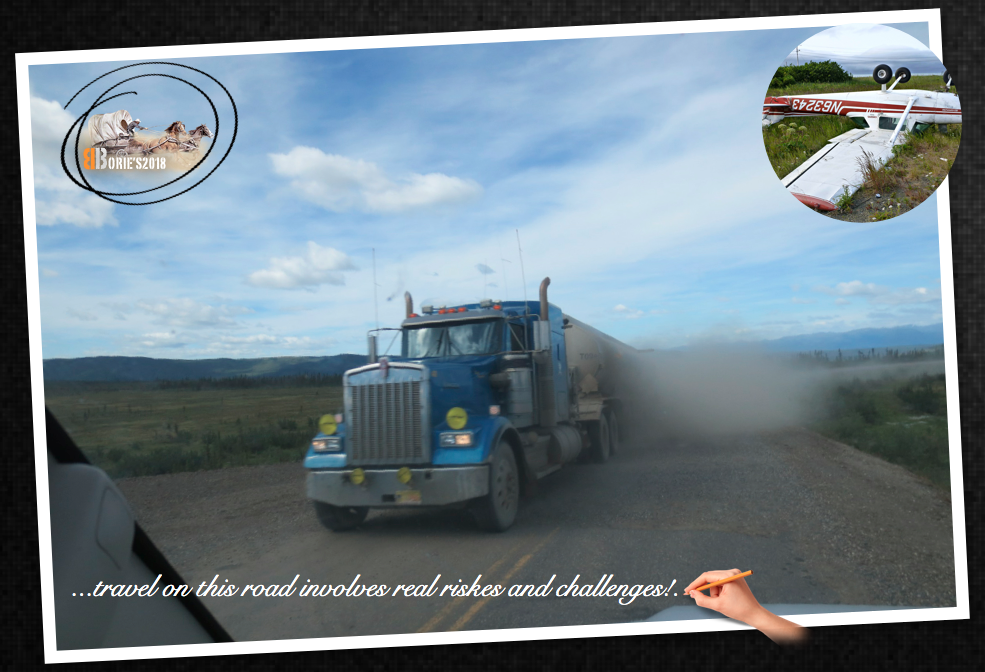
…viajar nesta estrada, envolve riscos e desafios verdadeiros, como por exemplo, não existe acesso público ao oceano Ártico, em Deadhorse, não existem instalacões médicas entre a cidade de Fairbanks e Deadhorse, por uma distância de 500 milhas (800 km), o serviço de alimentos ou gasolina são extremamente limitados, não existe serviço de telefone celular ou conexão à Internet pública entre a cidade de Fairbanks e Deadhorse, um possível acidente ou avaria no veículo, pode custar a vida de pessoas, onde com alguma sorte em caso de salvamento, pode custar milhares, até mesmo dezenas de milhar de dollares!. (travel on this road involves real risks and challenges, for example, there is no public access to the Arctic Ocean in Deadhorse, there are no medical facilities between the city of Fairbanks and Deadhorse, for a distance of 500 miles (800 km) , food or gasoline service are extremely limited, there is no cell phone service or public Internet connection between the city of Fairbanks and Deadhorse, a possible accident or breakdown in the vehicle, can cost the lives of people, where with any luck at rescue case, can cost thousands, even tens of thousands of dollar)!.

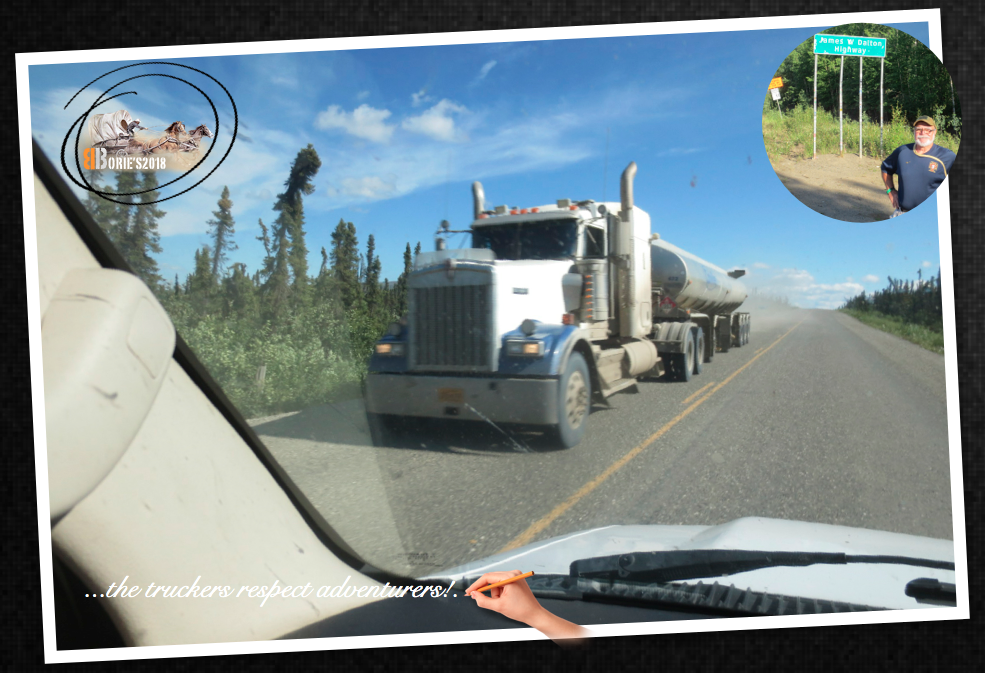
…os camionistas, respeitam os aventureiros, diminuindo a velocidade quando se cruzam com outro veículo, fazendo sinal de luzes em caso de aproximação de perigo, têm os seus próprios nomes para as várias áreas, desta famosa estrada, como por xemplo, “A Torneira”, “A Casca”, “Os Blefes”, “A Colina do Derramamento de Óleo”, “Os Castores Deslizam”, “Duas Milhas e Meia”, “Oh, Curva da Merda” ou “Montanha Russa”!. (The truckers respect adventurers, slowing down when they intersect with another vehicle, signal lights in case of approaching danger, have their own names for the various areas of this famous road, such as “The Taps” , “The Shelf”, “The Bluffs”, “Oil Spill Hill”, “Beaver Slide”, “Two and Half Mile”, “Oh Shit Corner” or “Roller Coaster”)!.

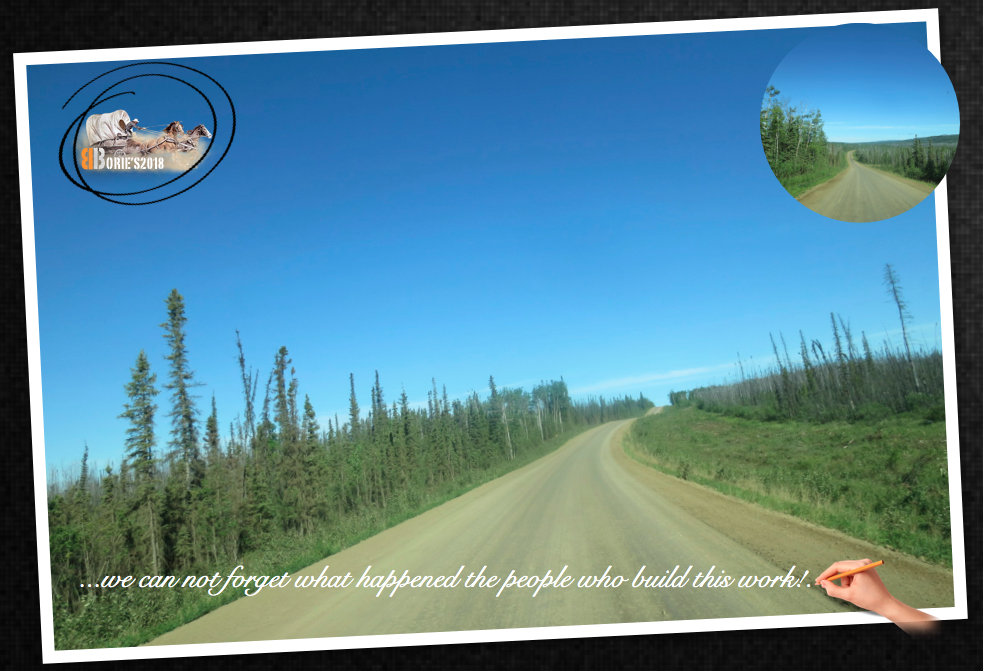
…não nos podemos esquecer o que passaram as pessoas que construiram esta obra, onde o primeiro barril de petróleo em bruto, percorreu o Pipeline em 1977 e, a produção em grande escala começou no final desse mesmo ano !. (We can not forget what happened the people who built this work, where the first barrel of crude oil, traveled through the Pipeline in 1977, and full-scale production began by the end of the year!.
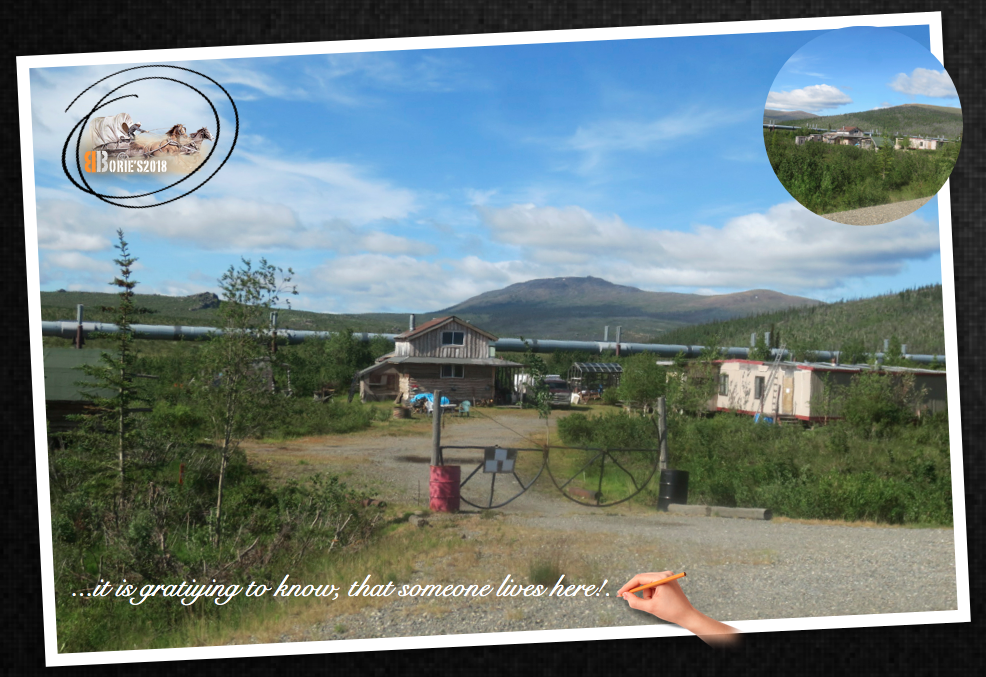
…propriedade privada, é gratificante saber, que por aqui vive alguém, será verdade?. (Private Property, it is gratifying to know, that someone lives here, will it be true)?.


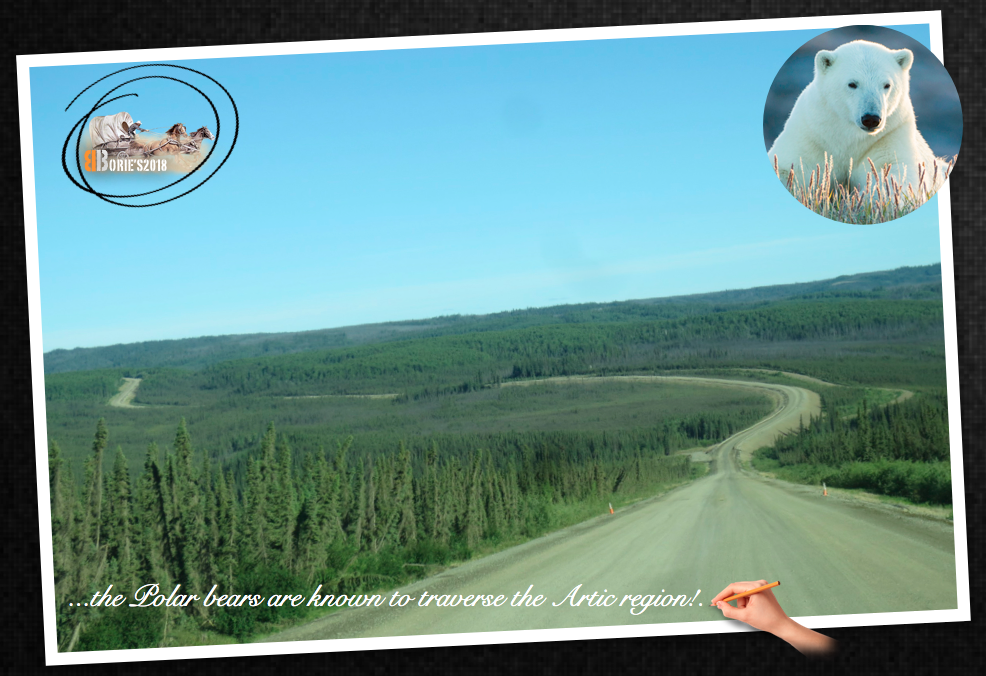
…sabe-se que os ursos Polares atravessam a região Ártica do Alaska e podem ser vistos vagueando pelos arredores do Dalton Highway, se isso acontecer, o Departamento de Transporte do Alaska manda parar o tráfico na estrada, se houver presença de ursos polares. Nós felizmente, não vimos nenhum!. (the Polar bears are known to traverse the Arctic region of Alaska and can be seen wandering the outskirts of the Dalton Highway. If that occurs, the Alaska DOT will shut down the road in the presence of Polar bears.We fortunately did not see any)!.


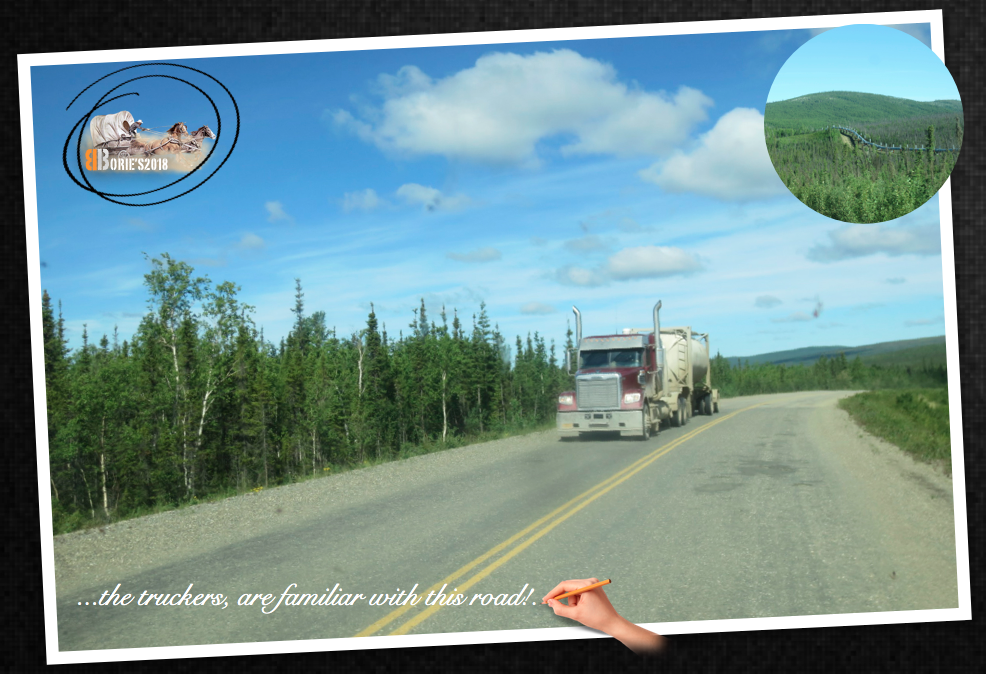
…os camionistas, estão familiarizados com esta estrada, sabem as áreas onde é costume os ursos Polares andarem, e são perigosos, pois quando é visto por aqui, é uma indicação de que um urso Polar está a caçar, e tem sido conhecido por atacar pessoas em sua defesa, ou mesmo considerando as pessoas, como sendo presas da sua caça!. Como já dissemos anteriormente, felizmente não vimos nenhum! (The truckers, are familiar with this road, know the areas where it is customary for polar bears to walk, and they are dangerous, because when it is seen here, is an indication that a Polar bear is on the hunt and has been know to attack people in defence or even prey. As we said earlier, fortunately we did not see any)!.


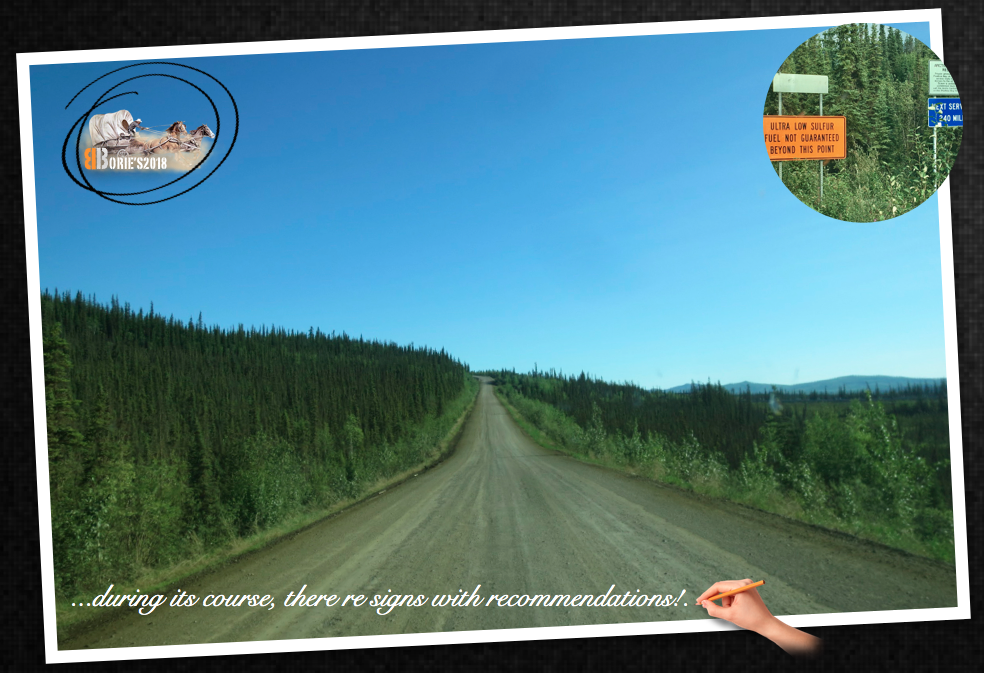
…durante o seu percurso, existem letreiros com recomendaões, tais como, desacelarar quando passa por outros veículos, para evitar danificá-los com “pedras voadoras”, que chegam a atingir uma milha de distância, quando projectadas por acelaração em zonas de montanha, que voam até à base das já referidas montanhas, partindo o vidro da frente de qualquer veículo que tenha a infelicidade de transitar por lá nesse momento, conduzir sempre com as luzes acesas, manter os faróis das luzes traseiras sempre limpos, para que nos vejam, não parar nas pontes, colinas ou curvas, verificar regularmente o espelho retrovisor ou, se é um condutor que gosta de viajar devagar, encoste e dê lugar para facilitar a passagem a outro veículo!. (during its course, there are signs with recommendations, such as decelerating when passing through other vehicles, to avoid damaging them with “flying stones”, which reach a mile away, when projected by acceleration in mountain areas that fly to the base of the aforementioned mountains, breaking the front glass of any vehicle that has the misfortune to transit there at that time, always drive with the lights on, keep the headlights of the rear lights always clean, see us, do not stop at the bridges, hills or curves, regularly check the rear view mirror or, if you are a driver who likes to travel slowly, lean and give way to facilitate the passage to another vehicle)!.

…a chuva pesada ou prolongada, pode causar enchentes instantâneas que posem cobrir a estrada, levar parte dela e algumas pontes, os incêndios florestais podem ficar fora de control com fumos intenso, onde se pode ficar preso, em condições de mudança rápida e, incapaz de alcançar um lugar com segurança!. (heavy or prolonged rainfall can cause flash floods to cover the road, carry part of it and some bridges, forest fires may be out of control with intense fumes, where you can be trapped, in conditions of rapid change and , unable to reach a place safely)!.

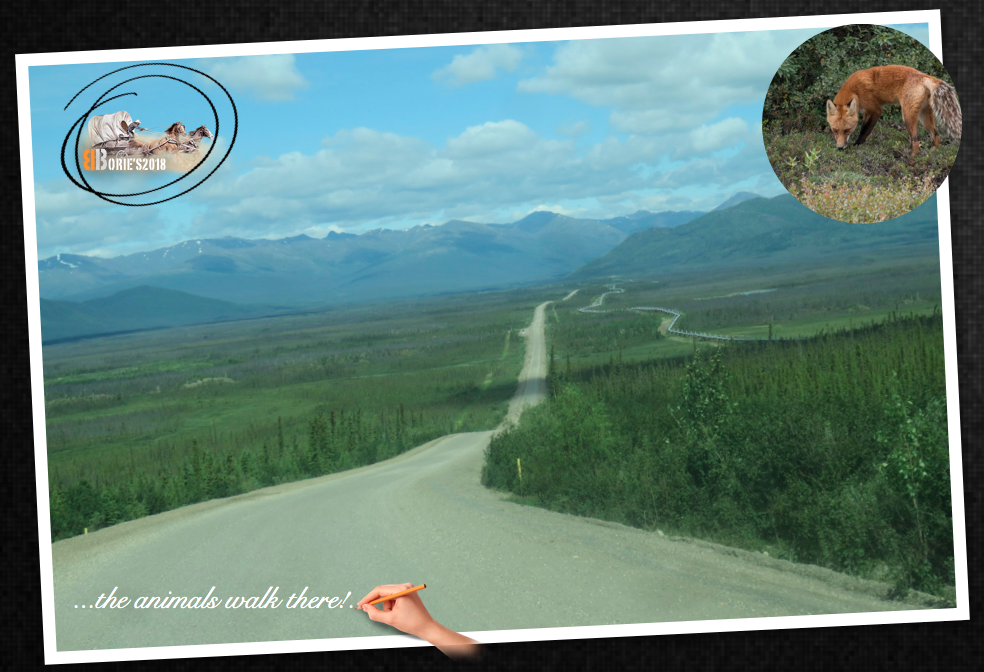
…os animais andam por lá , recomendam não se aproximar nem oferecer comida, pois muitos são perigosos, outros transmitem doenças, como por exemplo a doença da raiva!. (The animals walk there, recommend not to approach or offer food, because many are dangerous, others transmit diseases, such as the disease of rabies)!.

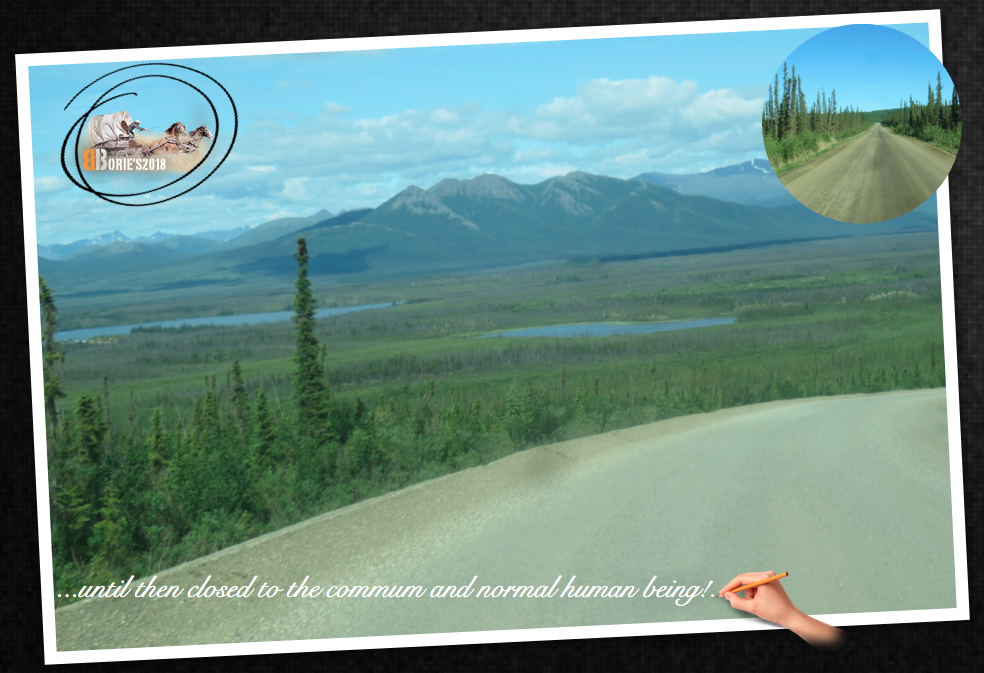
…quando o estado permitiu o acesso público, por volta do ano de 1994, as almas aventureiras, na qual nós nos incuímos, começaram a acorrer para explorar uma fronteira ainda selvagem e misteriosa, com total respeito por esta terra áspera, que nos deu a oportunidade de visitar uma parte especial do nosso Planeta, até então fechado ao comum e normal ser humano, onde o tempo na inclinação norte, existem frequentes chuvas torrenciais, ventos fortes, nevoeiros cerrados, frio intenso e a neve pode ocurrer em qualquer época do ano!. (when the state allowed public access, around the year 1994, the adventurous souls, in which we understood ourselves, began to search to explore a still wild and mysterious frontier, with total respect for this rough land, which gave us the opportunity to visit a special part of our Planet, until then closed to the common and normal human being, where time in the northern slope, there are frequent torrential rains, strong winds, closed fog, intense cold and snow can occur at any time of the year)!.

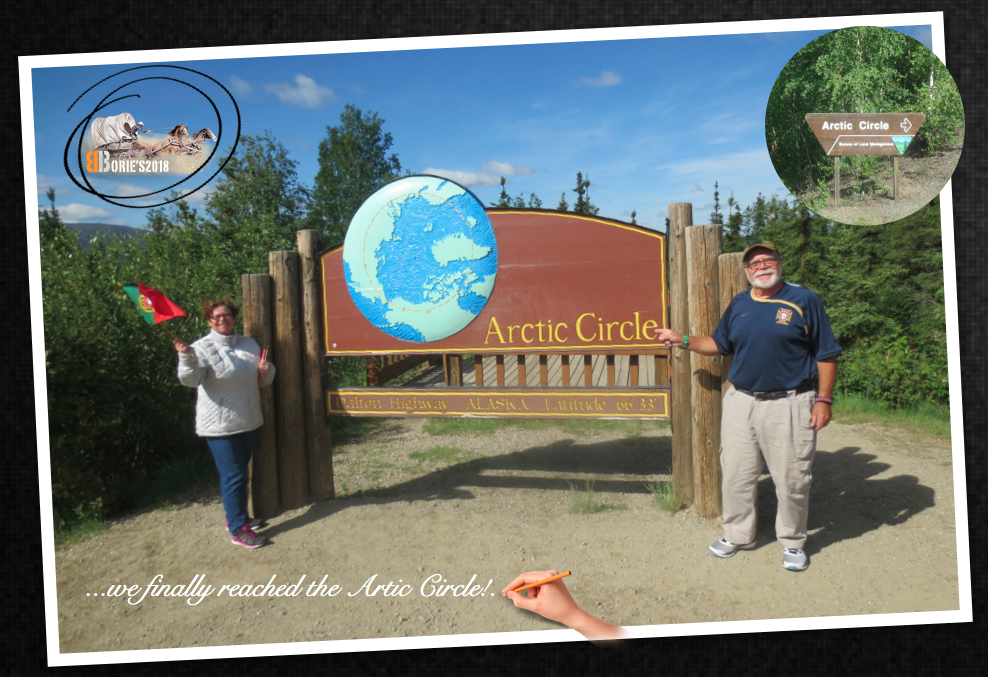
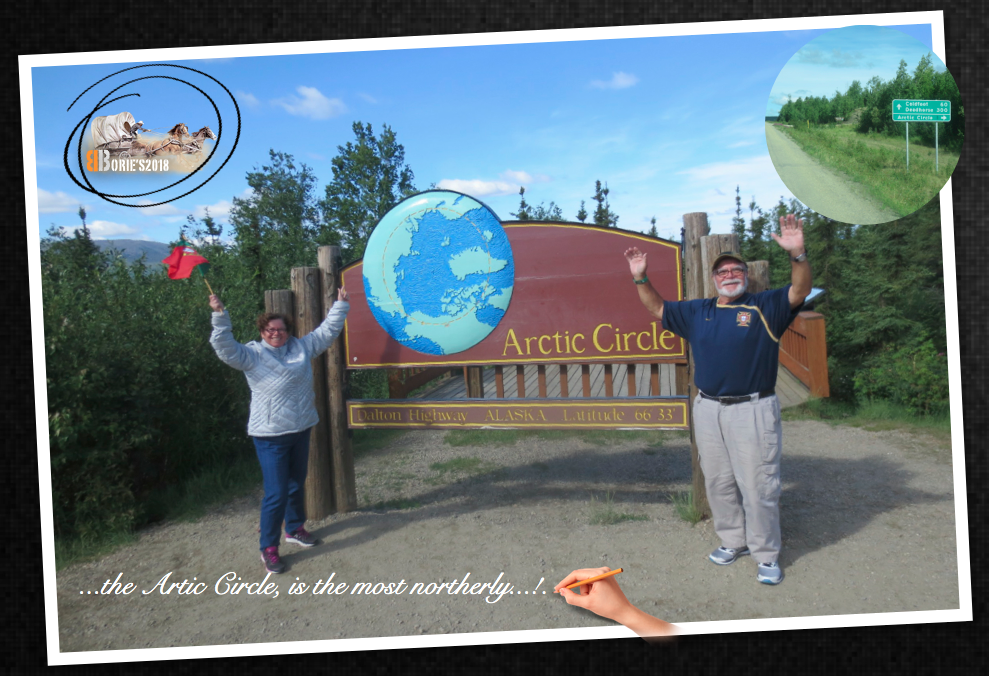
…finalmente chegámos ao Circulo Ártico, estava cumprida a nossa aventura, que era estar, caminhar, ver o cenário na parte mais sul e mais norte dos USA, mas só em parte, pois havia que ir ver o museu e, comprar gasolina para regressar à cidade de Fairbanks, e só era possível fazer isto numa povoação mais ao norte que se chama Coldfoot. Tudo bem com isto, ainda é luz do dia e será por muito tempo, pois nesta altura do ano, aqui, é quase sempre de dia, mas o que é o Circulo Ártico, cá vai uma pequena explicação!. (we finally reached the Arctic Circle, our adventure was fulfilled, which was to be, to walk, to see the scenery in the southern and northern part of the USA, but only in part, because we had to go to the museum and buy gasoline To return to the city of Fairbanks, and it was only possible to do this in a settlement further north called Coldfoot. All right with this, it’s still daylight and will be for a long time, because at this time of year, here, it’s almost always day, but what is the Arctic Circle, here’s a little explanation)!.


…o Círculo Ártico é o ponto mais ao norte, dos abstratos ou imaginários principais círculos de latitude, como é mostrado nos mapas da Terra. Ele marca o ponto mais setentrional no qual o sol do meio-dia é visível no solstício de inverno do norte, e o ponto mais ao sul no qual o sol da meia-noite é visível no solstício de verão do norte. A região ao norte deste círculo é conhecida como o Ártico, e a zona apenas para o sul é chamada de Zona Temperada Norte!. (the Arctic Circle is the most northerly of the abstract five major circles of latitude as shown on maps of the Earth. It marks the northernmost point at which the noon sun is just visible on the northern winter solstice and the southernmost point at which the midnight sun is just visible on the northern summer solstice. The region north of this circle is know as the Arctic, and the zone just to the south is called the Northern Temperate Zone)!

.…ao norte do Círculo Ártico, o sol está acima do horizonte por vinte e quatro horas contínuas pelo menos uma vez por ano (e, portanto, visível à meia-noite) e abaixo do horizonte por vinte e quatro horas contínuas pelo menos uma vez por ano (e, portanto, não visíveis ao meio dia), isso também é verdade dentro do Círculo Polar equivalente no Hemisfério Sul, o Círculo Antártico. A posição do Círculo Ártico não é fixa, mas o normal é 66º33’46.8 norte do Equador!. (north of the Arctic Circle, the sun is above the horizon for twent-four continuous hours at least once per year (and therefore visible at midnight) and below the horizon for twent-four continuos hours at least once per year (and therefore not visible at noon), this is also true within the equivalent Polar Circle in the Southern Hemisphere, the Antarctic Circle. He position of the Arctic Circle is not fixed, but normal is 66º33’46.8 north Equador)!.

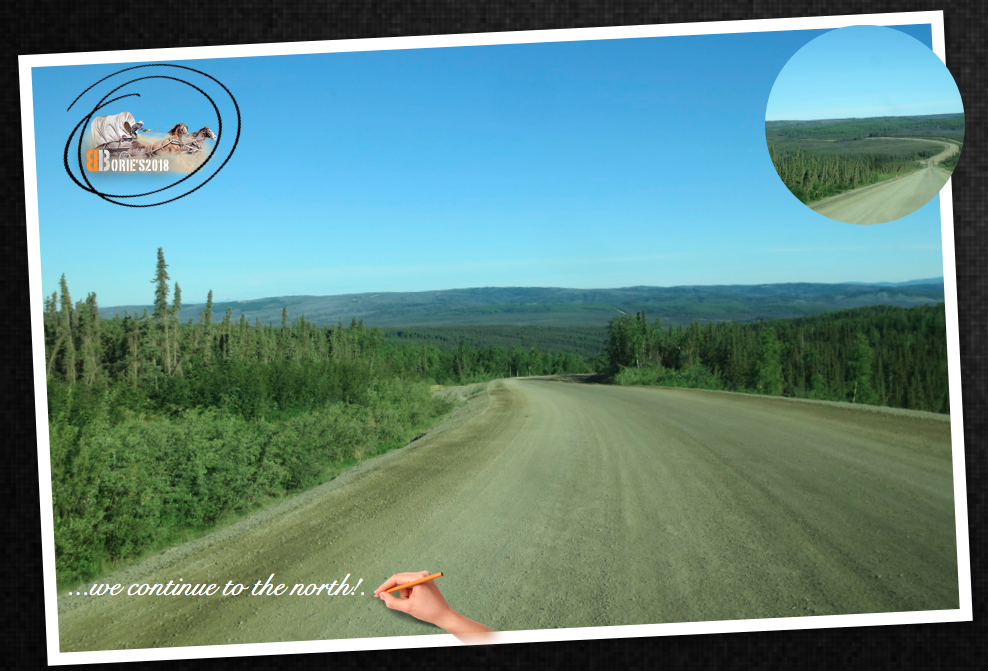
…continuamos para norte, o cenário é deslumbrante, só talvez visto uma vez na vida, planícies, deserto, ainda existe neve em alguns locais, passa um camião de vez em quando, e o Pipeline vai quase sempre junto à estrada!. (we continue to the north, the scenery is breathtaking, only maybe seen once in a lifetime, plains, desert, there is still snow in some places, a truck passes from time to time, and Pipeline almost always goes by the road)!.


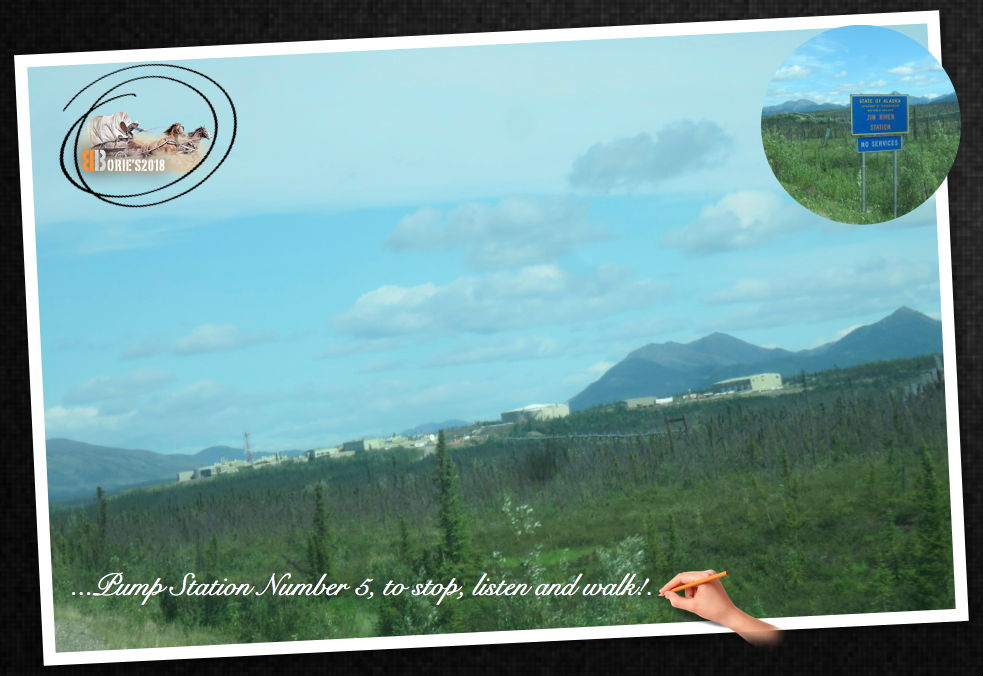
…os camionistas dizem que esta é a, “Estação para parar, escutar e andar”, porque a Estação de Bombagem No. 5, é única de outras estações de bombagem, porque é realmente uma estação de alívio de pressão. Enquanto outras estações de bombagem mantêm o óleo em movimento, esta estação diminui a pressão do óleo à medida que ele avança através do Pipeline, depois da  descida das pequenas montanhas de Brooks Range. O óleo é drenado para aliviar a pressão e depois reintroduzido. A Estação de Bombagem No. 5 não possui bombas de linha principal e não pode aumentar a velocidade que o óleo está viajando através do Pipeline!. (the truck drivers say that this is the, “Station to stop, listen and walk”, because the Pump Station No. 5, is unique from other pump stations because it is actually a pressure relief station. While other pump stations keep the oil moving, this station slows down the oil as it speeds through the pipeline after its decent from the Brooks Range. Oil is drained to relieve pressure and then re-injected. Pump Station No. 5 does not have mainline pumps and cannot boost the speed the oil is traveling through the Pipeline)!.


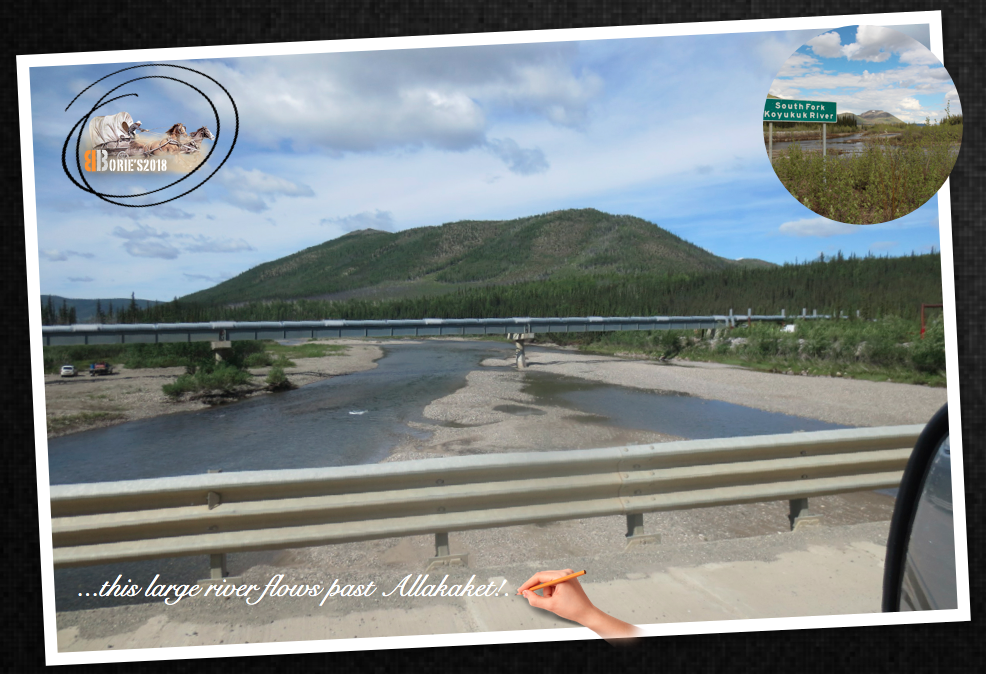
…este grande rio atravessa Allakaket, Hughes e Huslia, antes de desaguar no rio Yukon, perto de Koyukuk!. (this large river flows past Allakaket, Hughes and Huslia before draining into the Yukon River near Koyukuk)!. 


…estávamos parados, mais do que uma hora, esperando por autorização para avançar, pois a estrada estava em reparação, a linha de espera foi crescendo, claro, com os amigos condutores dos gigantes camiões saindo para inspecionar os veículos, mover-se em redor e, falando, questionando-nos, o que fazemos ali, naquele local, onde só estão camiões, é um local de trabalho, mais isto e mais aquilo, nós contámos parte da nossa história, dizendo que neste momento o que queremos é gasolina para regressar a Fairbanks, eles, rindo-se disseram que do outro lado daquelas montanhas, existe a povoação de Coldfoot e, é melhor comprar lá, pois para norte só em Pardhoe Bay, e lá custa uma fortuna o galão de gasolina!. (we were standing, more than an hour, waiting for authorization to move forward, because the road was in repair, the waiting line was growing, of course, with the driving friends of the giant trucks leaving to inspect the vehicles, move in Around, and talking, questioning us, what we do there, in that place, where only trucks are, it’s a place of work, plus this and more, we told part of our story, saying that at the moment what we want is gasoline To return to Fairbanks, they, laughing, said that on the other side of those mountains, there is the village of Coldfoot, and it is better to buy there, for north on Prudhoe Bay alone, and there cost a fortune the gallon of gas)!.

…e mais nos disseram, que esta demora na espera pela autorização em avançar na estrada é boa, pois estão a reparar a sua casa de trabalho, e com a estrada melhor podem fazer a via gem de Fairbanks a Pardhoe Bay em 22 ou 23 horas. (And more We are told that this delay in waiting for clearance on the highway is good as they are repairing their home from work, and with the better road they can make the trip from Fairbanks to Prudhoe Bay in 22 or 23 hours)!.


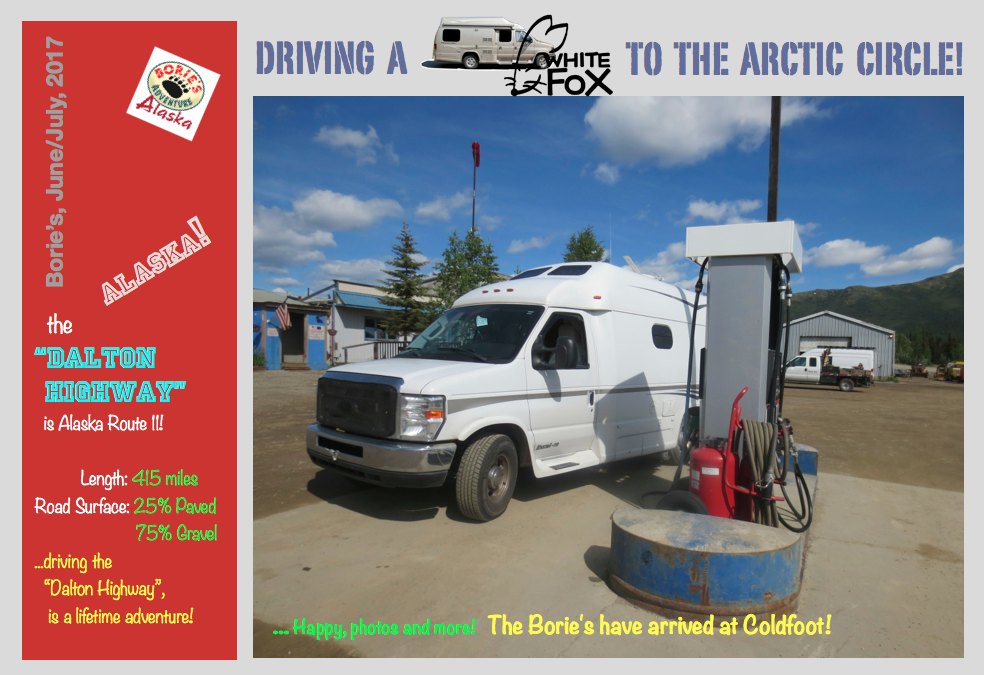
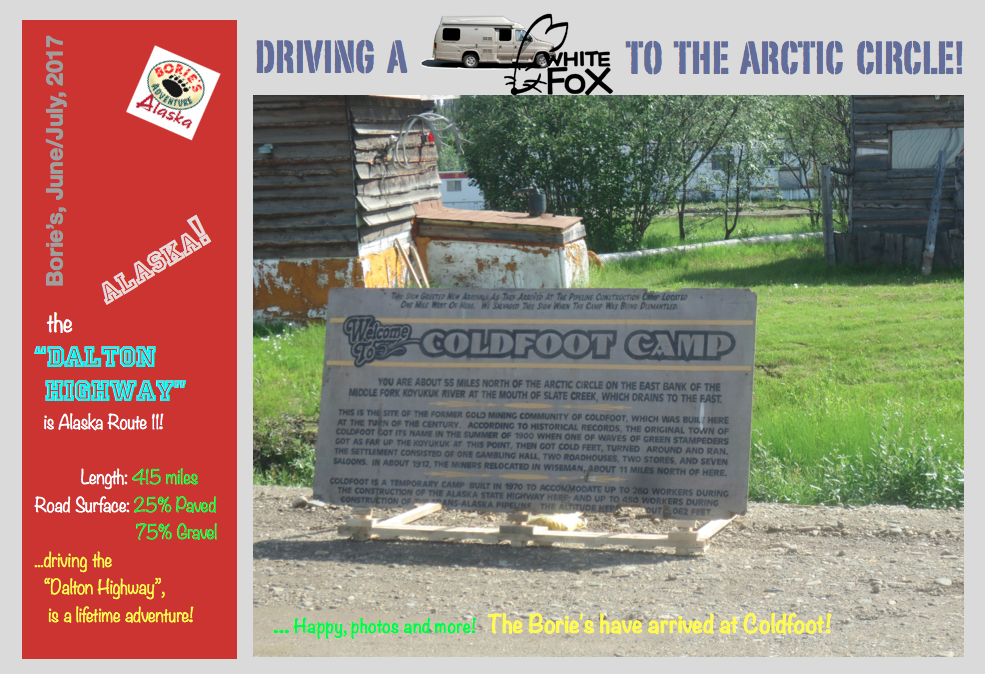
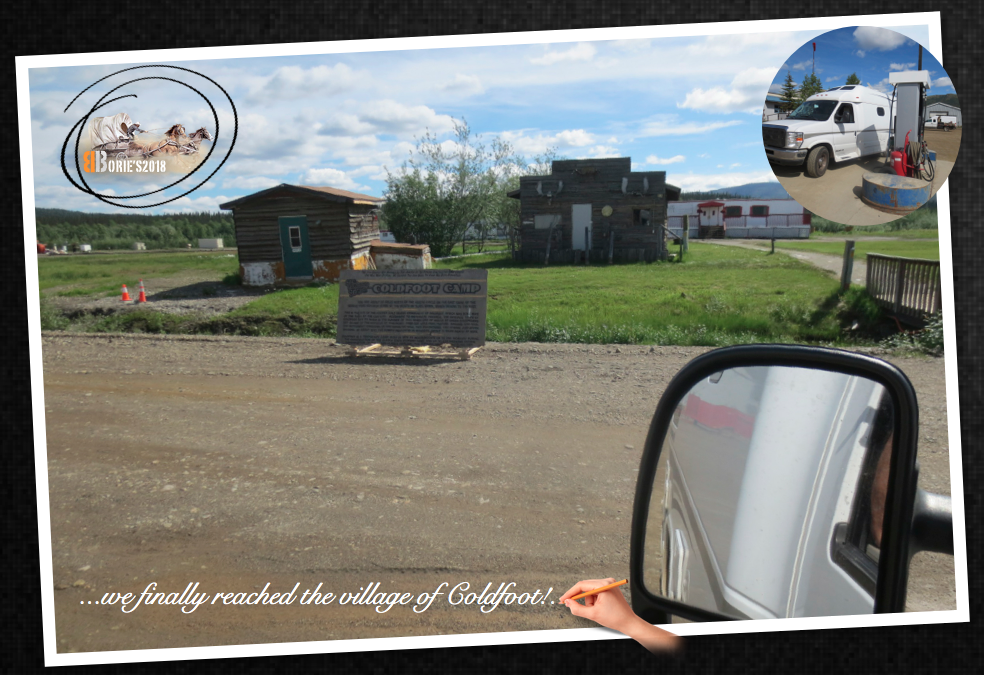
…finalmente chegámos à povoação de Coldfoot, era originalmente um campo de mineração chamado Sate Creek e, em 1900 obteve o nome atual quando os prospectores de ouro, subiram o rio Middle Fork Korkukuk, ficaram com “pés frios” e, logo veio a ideia do nome. Em 1902, Coldfoot tinha duas casas de comer e dormir, duas lojas, sete salões e uma casa de jogo!. (we finally reached the village of Coldfoot, the town was originally a mining camp named Sate Creek, and around 1900 got its present name when prospectors going up the nearby Middle Fork Koyukuk River woud get “cold feet” and turn around. In 1902 Coldfoot had two roadhouse, two store, seven saloons, and a gambling house)!.

…Coldfoof serve principalmente como uma paragem de camiões, no Dalton Highway, de Fairbanks a Prudhoe Bay, tem restaurante e um pequeno número de acomodações durante a noite!. (Coldfoof primarily serves as a truck stop on the Dalton Highway, from Fairbanks to Prudhoe Bay, its has restaurante and a small number of overnight accommodations)!. 


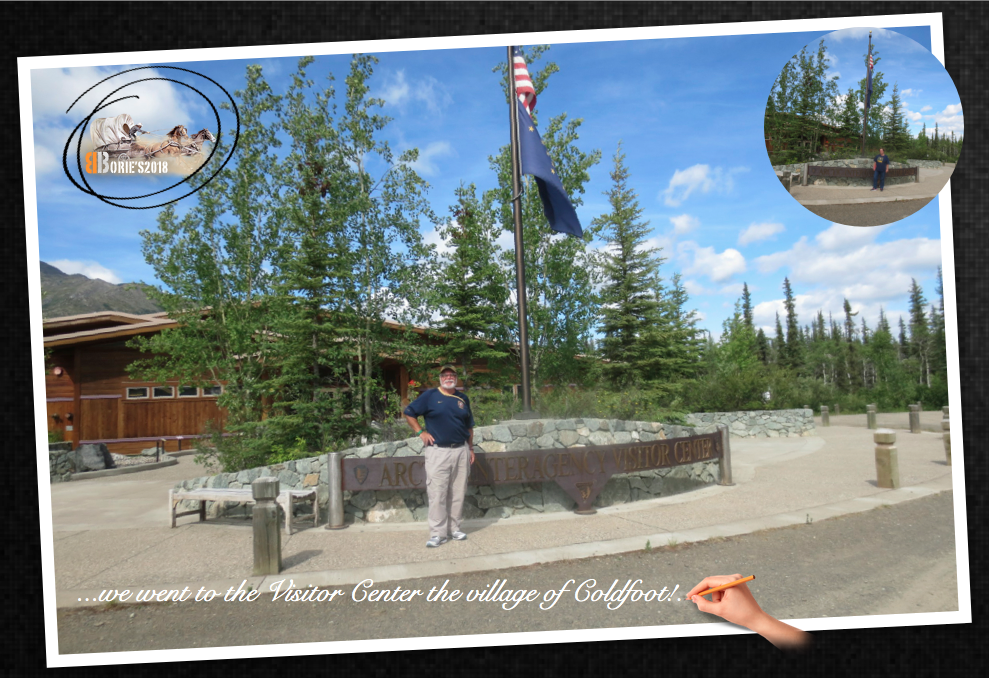
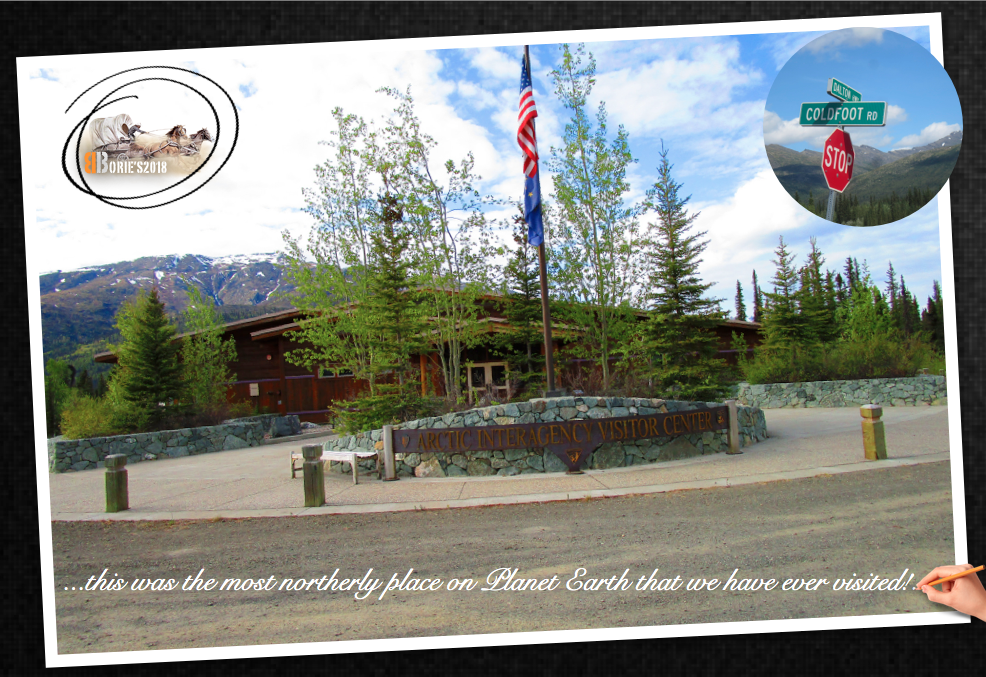
…fomos ao Centro de Visitas, parece um pequeno museu, apreciámos a muita informação com respeito ao Circulo Ártico, a simpática senhora que atende, perguntando-nos qual a nossa origem, dizendo nós, que nascemos em Portugal, ficou admirada, dizendo que eram as primeiras pessoas que os vistávam, que eram desse País na Europa, convidando-nos a colocar uma marca no mapa mundo que está neste Centro de visitas, no local onde está Portugal, o que nos fez sentir bastante sensabilizados com este simpático gesto!. (we went to the Visitor Center, it seems like a small museum, we enjoyed a lot of information regarding the Arctic Circle, the nice lady who answers, asking us what our origin, saying we were born in Portugal was amazed, saying Who were the first people to see them, who were from that country in Europe, inviting us to put a mark on the world map that is in this Visitor Center, where we are in Portugal, which made us feel quite sensitized with this nice gesture)!.

…comprámos gasolina para a “White Fox”, era cara, mas não tão cara, como já comprámos em outros locais e em outros tempos!. (we bought gas for “White Fox”, it was expensive, but not as expensive as we have bought it in other places and other times)!.

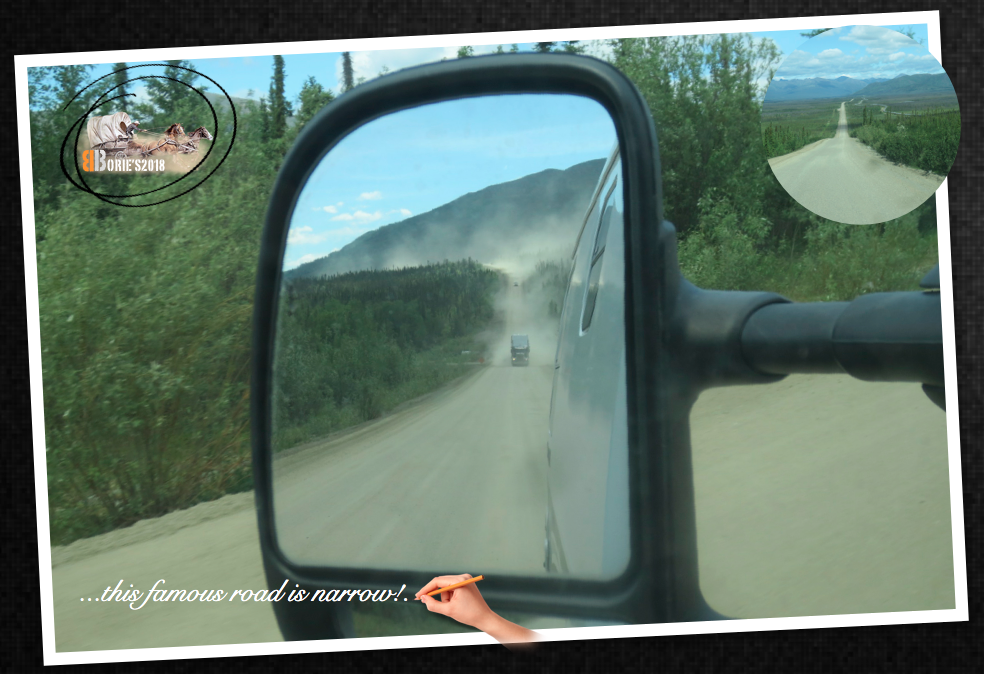
…esta famosa estrada é estreita, tem longas extensões onde não existem bermas, os taludes são elevados com colinas íngremes, a superfície de cascalho, muito primitivo em alguns lugares, com rochas afiadas, buracos, saliências no seu piso, tipo “tábua de lavar”, que fazem estremecer tudo dentro veículo e, dependendo do clima, podemos encontrar poeira, lama ou gelo, o que faz com que principalmente as curvas, se tornem muitos perigosas!. Temos que estar preparados para algumas longas paragens, porque a sua reparação, principalmento junto de rios ou riachos, ocorre nos meses de verão, onde os camiões têm sempre direito de passagem, pois esta estrada é industrial!. (this famous road is narrow, it has long stretches where there are no berms, the slopes are high with steep hills, the gravel surface, very primitive in some places, with sharp rocks, holes, protrusions on its floor, type “washboard”, that make tremble everything inside the vehicle and, depending on the weather, we can find dust, mud or ice, which makes especially the curves, become very dangerous!. We have to be prepared for some long stops because their repair, the main part of rivers or streams, takes place in the summer months, where trucks always have right of way, because this road is industrial)!.

…esse foi o local mais a norte, no planeta Terra, que já visitámos, em toda a nossa existência. Felizes, com esta aventura completa, que era ver, caminhar e apreciar um dos pontos mais a norte dos USA, (Prudhoe Bay, era mais um pouco, mas por motivos financeiros, pois na nossa idade “todo o centavo conta”), não era muito recomendável ir até lá, além do mais só havia lugar para este dia no Parque de RV, na cidade de Fairbanks, portanto, rumo ao sul, já com muitas horas conduzindo, mas com vontade para regressar à cidade de Fairbanks!. (this was the most northerly place on planet Earth that we have ever visited, in all our existence. Happy, with this complete adventure, which was to see, walk and enjoy one of the most northerly points in the USA (Prudhoe Bay, it was a little more, but for financial reasons, because at our age “every penny counts”), it was not very recommendable to go there, besides there was only place for this day in the RV Park in the city of Fairbanks, therefore, heading south, already with many hours driving, but eager to return to the city Fairbanks)!.

Tony Borie, March, 2018.