…a nossa “pegada ecológica”!. (…our “ecological footprint”)!.

…quando viemos a este mundo, e já lá vão mais oito décadas, tal como outras crianças, aprendemos a caminhar!. Fomos crescendo e, nas últimas décadas o acto de caminhar, embora se pratique, deixou de se designar como tal!. Porquê?. Porque qualquer movimento que fazemos incluindo o de se mover caminhando, deixa para os nossos filhos, netos, bisnetos e filhos dos nossos bisnetos, as hoje mágicas palavras “pegada ecológica”, que deixou de ser a marca dos nossos pés deixada no solo, para passar a ser um “acontecimento muito importante”!.

…when we came into this world, and it has been eight decades since, like other children, we learned to walk!. We grew up and, in recent decades, the act of walking, although it is practiced, is no longer designated as such!. Why?. Because any movement we make, including walking, leaves to our children, grandchildren, great-grandchildren and children of our great-grandchildren, the now magical words “ecological footprint”, which is no longer the mark of our feet left on the ground, to become a “very important event”!

…e outra vez porquê?.Porque as ditas “pegada ecológicas” são simplesmente os recursos que qualquer um de nós coloca no seu meio ambiente, ou seja, a quantidade de resíduos que esse meio ambiente consegue filtrar!. Por exemplo, sabiam que a biocapacidade da Terra é de cerca de 1,7 hectares globais de terra produtiva por pessoa!.

…and again why? Because the so-called “ecological footprint” are simply the resources that any of us puts into our environment, that is, the amount of waste that this environment can filter!. For example, did you know that the Earth’s biocapacity is about 1.7 global hectares of productive land per person!.

…e, normalmente, essas áreas são terras agrícolas, pastagens, zonas de pesca, terrenos urbanizados, áreas florestais e a tal muito importante procura de carbono na terra, que tanto necessitamos para viver!. Assim, o consumo de recursos como eletricidade, petróleo ou a água, aumenta a “pegada ecológica” de qualquer de nós!, Portanto, o que acabámos de mencionar são factores que contribuem para o tamanho da nossa “pegada ecológica”.

…and, normally, these areas are agricultural land, pastures, fishing areas, urbanized land, forest areas and the very important demand for carbon on land, which we need so much to live!. Thus, the consumption of resources such as electricity, oil or water increases the “ecological footprint” of any of us! Therefore, what we have just mentioned are factors that contribute to the size of our “ecological footprint”.
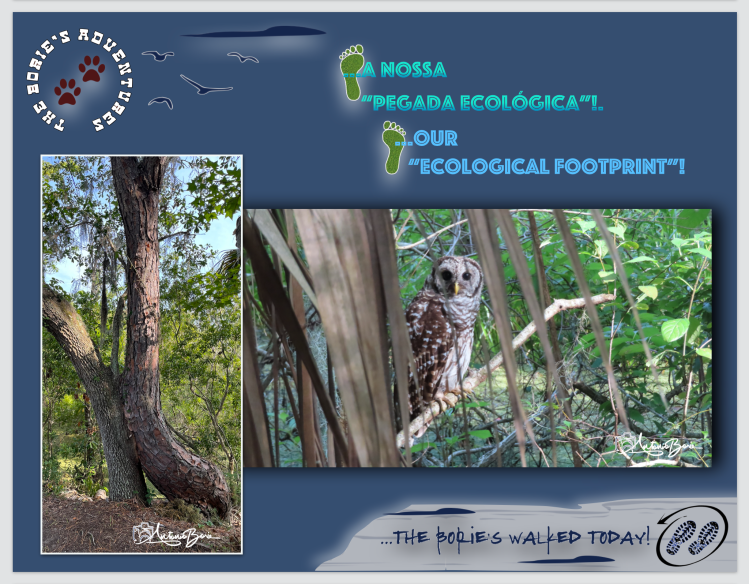
 …o nosso lindo planeta não é apenas nosso lar actual, é também a herança das gerações futuras, e que nos fornece tudo que precisamos para sobreviver e prosperar, no entanto, a saúde do nosso ecossistema está em risco devido à utilização excessiva dos recursos naturais, o que está a conduzir à poluição, à desflorestação e às emissões de gases com efeito de estufa causadas pela sobreprodução e ganância do homem pelo seu consumo excessivo!. 

…our beautiful planet is not only our current home, it is also the inheritance of future generations, and it provides us with everything we need to survive and thrive, however, the health of our ecosystem is at risk due to the overuse of natural resources , which is leading to pollution, deforestation and greenhouse gas emissions caused by overproduction and man’s greed for excessive consumption!.

…consumir energia de forma responsável é uma boa forma de reduzir a nossa “pegada ecológica”!. Fazer algumas pequenas mudanças nos nossos hábitos diários, como de vez em quando secar a roupa ao ar livre em vez de usar uma máquina de secar!. Evitar usar os plásticos descartáveis ​​que representam uma ameaça significativa para a natureza, porque podem levar centenas ou mesmo milhares de anos a degradar-se!.

…consuming energy responsibly is a good way to reduce our “ecological footprint”!. Make some small changes to our daily habits, like occasionally drying clothes outdoors instead of using a dryer! Avoid using single-use plastics that pose a significant threat to nature because they can take hundreds or even thousands of years to degrade!.

…também comprar apenas o que precisamos pode evitar desperdícios e assim reduzir a nossa “pegada ecológica”,  ou se  tiver possibilidades financeiras, comprar a granel para reduzir o desperdício de embalagens, ou mesmo preparar fórmulas caseiras também pode ajudar a reduzir o nosso impacto no ambiente!.

…also buying only what we need can avoid waste and thus reduce our “ecological footprint”, or if you have the financial means, buying in bulk to reduce packaging waste, or even preparing homemade formulas can also help reduce our impact on the environment environment!.
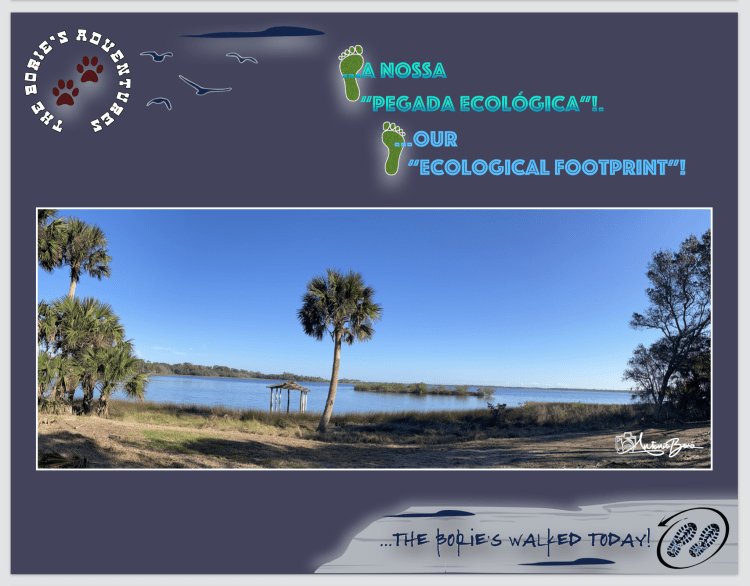
…a água é um recurso precioso que pode acabar se não tomarmos cuidado!. Ao tomarmos medidas, tal como usar menos água ao regar o jardim, fechar torneiras desnecessárias, tomar banhos mais curtos e ligar a máquina de lavar loiça ou a máquina de lavar roupa apenas quando estiverem cheias!.

…water is a precious resource that could run out if we are not careful! By taking measures, such as using less water when watering the garden, turning off unnecessary taps, taking shorter showers and only running the dishwasher or washing machine when they are full!.

…concluindo, para proteger o nosso planeta e garantir um futuro sustentável para os nossos descendentes, devemos reduzir a nossa “pegada ecológica”!. Ao fazê-lo, podemos minimizar o impacto negativo que temos no ambiente e deixar um planeta saudável para as gerações vindouras, porque se não mudar-mos os nossos hábitos, em breve precisaremos de 3 ou 4 planetas Terra para sustentar a nossa actividade!. 

…in conclusion, to protect our planet and guarantee a sustainable future for our descendants, we must reduce our “ecological footprint”!. By doing so, we can minimize the negative impact we have on the environment and leave a healthy planet for future generations, because if we don’t change our habits, we will soon need 3 or 4 planets Earth to sustain our activity!.

Tony Borie, Século XXI. (Tony Borie, 21st Century).
…foi ontem…, há 61anos!. (…it was yesterday…, 61 years ago)!.

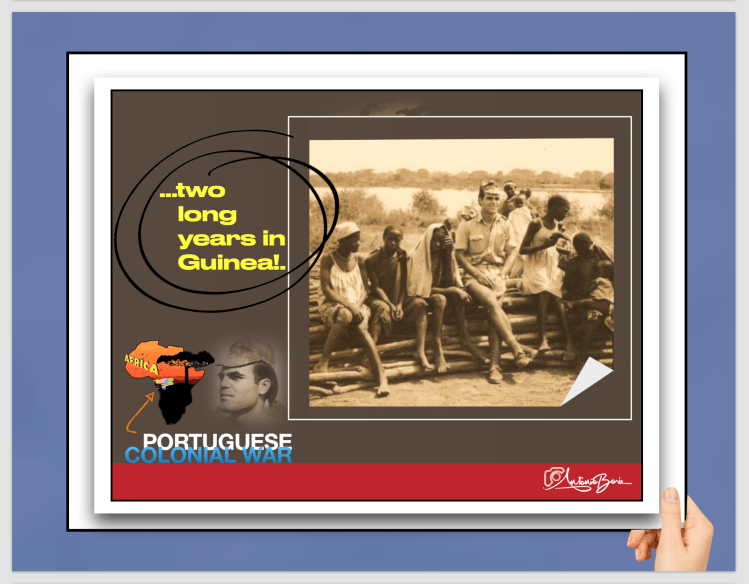
…andávamos por ali, cigarro entre os dedos, caminhando até à “Tabanca” (aldeia), que ficava ao norte do nosso “posto avançado”!. Para nós, era tal qual a nossa “baixa da vila”, a nossa “zona dos cafés”, o “nosso terreiro do adro”, ou seja, a nossa zona preferida para passear, mostrar a “roupa lavada”, dar “dois dedos de conversa” ao “homem grande” ou a uma das suas filhas, comprar “um peso de mancarra” (amendoins), um “cigarro feito à mão” ou provar a aguardente de palma!.

…we walked around, cigarette between our fingers, walking to “Tabanca” (village), which was north of our “outpost”!. For us, it was just like our “town center”, our “coffee area”,“our churchyard”, that is, our favorite area to walk around, show off our “washed clothes”, give “two fingerschat” to the “big man” or one of his daughters, buy “a peso of mancarra” (peanuts), a “handmade cigarette” or try the palm spirit!.

…aquele cheiro já tinha magia, a terra vermelha, o pó, as casotas cobertas de colmo debaixo de enormes árvores de mango, aquela folhagem muito mal tratada em volta, o cão faminto cheio de insectos coçando-se nas nossas pernas quando parávamos, talvez procurando algum carinho, aquela criança com o ranho no nariz, vindo junto de nós, procurando os rebuçados que comprávamos no loja do Libanês, e claro, esperando-nos…, pois sabia que também levávamos alguma comida roubada no nosso “posto avançado”!. Enfim, lembranças de um passado de uma zona de guerra, que tal como em tudo na nossa vida, também tinha o outro lado…, o menos mau!.

…that smell already had magic, the red earth, the dust, the thatched huts under huge mango trees, that badly treated foliage around us, the hungry dog ​​full of insects scratching at our legs when we stopped , perhaps looking for some affection, that child with the snot in his nose, coming next to us, looking for the sweets we bought at the Lebanese store, and of course, waiting for us…, because he knew that we were also carrying some stolen food from our “outpost ”!. In short, memories of a past in a war zone, which, like everything in our lives, also had another side…, the less bad one!

…naquele tempo, pelo menos lá naquela parte de África, na então Guiné Portuguesa, onde a imagem no mapa começa a ser mais estreita, nós, um militar desarmado…, além do medo e da angústia constantes, éramos muito mal alimentados e para o final da mobilização forçada já não se suportava o cheiro do arroz e peixe da “bolanha” (pântano), (por isso ainda hoje gostamos de amendoins), ou batatas fritas com atum de conserva!.

…at that time, at least in that part of Africa, in what was then Portuguese Guinea, where the image on the map begins to become more narrow, we, an unarmed soldier…, in addition to the constant fear and anguish, we were very poorly fed and by the end of the forced mobilization, we could no longer stand the smell of rice and fish from the “bolanha” (swamp), (which is why we still like peanuts today), or French fries with canned tuna!. 

…também éramos muito mal equipados, não havia o mínimo de facilidades para se ter uma higiene primária, éramos, como muitos dos nossos companheiros diziam, “carne para canhão” e…, ainda hoje sentimos um “arrepio a picar-nos a pele”, em certos dias de reflexão e pensamentos, lembrando os amigos que por lá ficaram para sempre!. Eram heróis, homens como o “Zé Pesca”, o “Curvas, alto e refilão” ou o “Bóia”, que foi morto por uma maldita carga explosiva, numa ponte armadilhada que existia a pouca distância do nosso “posto avançado”!. 

…we were also very poorly equipped, there were not the slightest facilities for basic hygiene, we were, as many of our companions said, “cannon fodder” and…, even today we feel a “shiver pricking our skin”, on certain days of reflection and thoughts, remembering the friends who stayed there forever!. They were heroes, men like “Zé Pesca”, “Curvas, alto e refilão” or “Bóia”, who was killed by a damn explosive charge, on a booby-trapped bridge that existed a short distance from our “outpost”!.

…já lá vão seis dezenas de anos, no entanto.., continuamos a ouvir o som da “costureirinha”, quando dos frequentes ataques ao nosso “posto avançado”, que era uma arma metralhadora em cima de um tripé com duas rodas em ferro, sendo transportada para a zona de combate e usada nas emboscadas, fazendo fogo muito rasteiro, com cadência de tiro e som que a identificava, e no fim das emboscadas os guerrilheiros, talvez desesperados, abandonavam-na, ou pelo menos abandonavam o tripé, preocupando-se com os seus mortos e feridos!.

…it’s been six decades, however… we continue to hear the sound of the “seamstress”, during the frequent attacks on our “outpost”, which was a machine gun on top of a tripod with two iron wheels , being transported to the combat zone and used in ambushes, firing very low fire, with a rate of fire and sound that identified it, and at the end of the ambushes the guerrillas, perhaps in despair, abandoned it, or at least abandoned the tripod, worrying about their dead and injured!.

…em muitos momentos, a nossa moral estava em declínio, o respeito ia diminuindo para com alguns dos nossos superiores, um sentimento crescente de incertezas ia entrando nos nossos pensamentos, qualquer coisa andava por ali à deriva, sem qualquer rumo, havia mesmo um sentimento revoltoso com uma forte tendência para se “fazer asneiras”, coisas sem qualquer senso comum!. E tudo isto tinha um nome, o tal nome que nos vai acompanhando, pois fomos e continuamos a ser, “combatentes de uma maldita guerra de guerrilha, traiçoeira, que podia fazer mortes em qualquer momento…, bastava andar por ali”!.

…in many moments, our morale was declining, respect was decreasing towards some of our superiors, a growing feeling of uncertainty was entering our thoughts, something was drifting around, without any direction, there was even a feeling rebellious with a strong tendency to “do stupid things”, things without any common sense!. And all of this had a name, the name that accompanies us, as we were and continue to be, “combatants of a damned, treacherous guerrilla war, which could cause deaths at any moment…, all we had to do was walk around”!

…quando regressámos à Europa, viemos marcados…, um ferro em brasa, sem qualquer tipo de contemplações, deixou a sua marca no nosso corpo!. A nossa alma foi baleada, perfurada, depois do que vimos, ouvimos e cheirámos, os nossos sentimentos mais profundos, os princípios de moral que nos foram ensinados em casa e na nossa aldeia, foram violados!. 

…when we returned to Europe, we were marked…, a hot iron, without any kind of contemplation, left its mark on our body!. Our soul was shot, pierced, after what we saw, heard and smelled, our deepest feelings, the moral principles that were taught to us at home and in our village, were violated!.

…tudo isto é passado!. No entanto, a maldição de um combatente é que nunca esquece e, sem que nada possamos fazer, as lembranças continuam a acompanhar-nos e por mais que qualquer de nós queira disfarçar, nunca o irá conseguir…, esta é a verdade!.

…all this is in the past! However, the curse of a fighter is that he never forgets and, without us being able to do anything, the memories continue to accompany us and no matter how much any of us wants to hide it, we will never be able to…, this is the truth!.

Tony Borie, Século XXI. (Tony Borie, 21st Century).

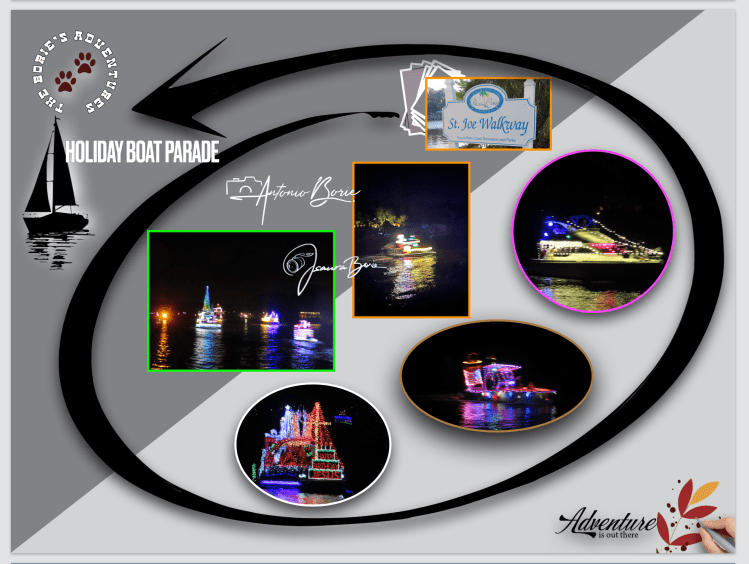
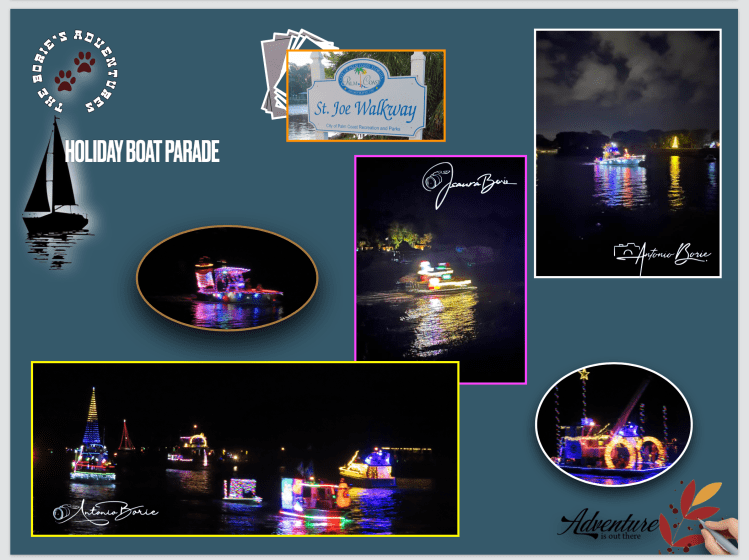
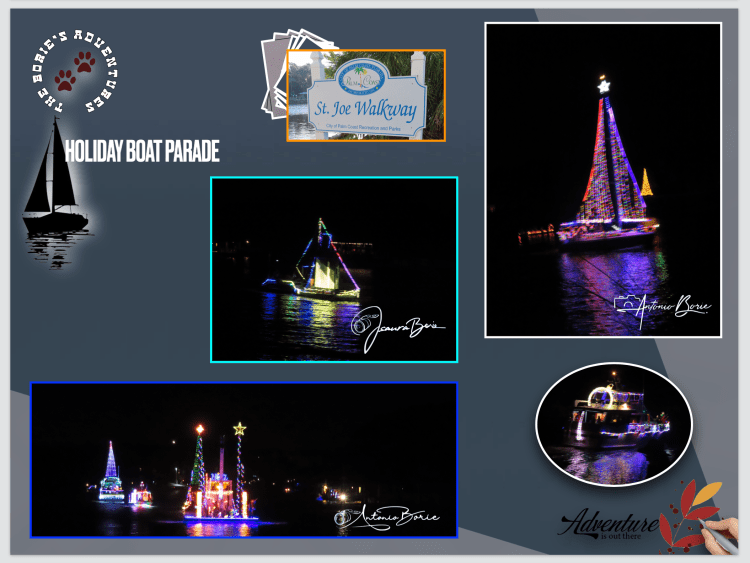
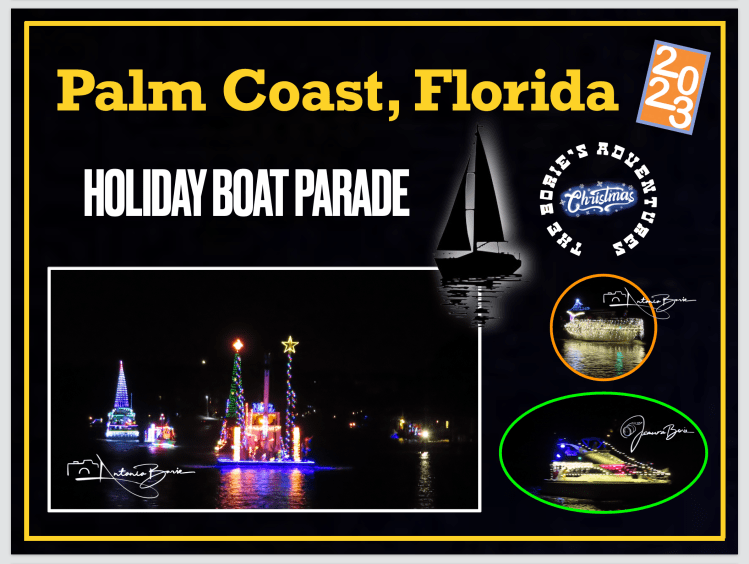
…Desfile de Barcos de Férias!. (…Holiday Boat Parade)!.

…é uma tradição assistir!. Fomos para lá em romaria, levando farnel e cadeiras, juntarmo-nos a milhares de pessoas, algumas empoleiradas nas árvores, no nosso “trail”preferido ao longo do canal de água salgada, esperando para ver o desfile de mais de cem barcos iluminados que iriam navegar com musica, motivos alusivos à época de Natal e as sirenes apitando!. 

…it’s a tradition to watch! We went there on a pilgrimage, taking food and chairs, to join thousands of people, some perched in trees, on our favorite “trail” along the saltwater canal, waiting to see the parade of more than a hundred illuminated boats that They would sail with music, motifs alluding to the Christmas season and sirens wailing!

…dizem-nos que o “2023, Palm Coast Holiday Boat Parade”,(2023, desfile de barcos de férias em Palm Coast), que já completa 40 anos, detém o recorde de maior desfile de barcos iluminados do estado da Flórida, e parece ter estabelecido o recorde do maior desfile de barcos desse tipo em todos os Estados Unidos, perdendo apenas para o desfile de Newport Beach na Califórnia e o desfile de Newport, Rhode Island, ambos com aproximadamente 150 barcos!. 

…we are told that the “2023 Palm Coast Holiday Boat Parade,” now in its 40th year, holds the record for the largest illuminated boat parade in the state of Florida, and appears to have set the record for the largest boat parade of its kind in the entire United States, second only to the Newport Beach parade in California and the Newport, Rhode Island parade, both with approximately 150 boats!.

…o percurso do desfile deste ano foi alongado em mais de um quilômetro, como tal, começou na Cochise Waterway navegando em direcção ao sul, passando pelas hidrovias Cimarron e Club House Waterways, sob a Hammock Dunes Toll Bridge, continuando para sul pela St. Joe Walkway e Waterfront Park. E, as escoltas do desfile incluiam a Unidade de Marinha do Gabinete do Xerife do Condado de Flagler, a Comissão de Conservação de Peixes e Vida Selvagem da Flórida e o TowBoatUS!.

…this year’s parade route was lengthened by over a mile, so it began at the Cochise Waterway sailing south, passing through the Cimarron and Club House Waterways, under the Hammock Dunes Toll Bridge, continuing south across the St. Louis Waterway. Joe Walkway and Waterfront Park. And, parade escorts included the Flagler County Sheriff’s Office Marine Unit, the Florida Fish and Wildlife Conservation Commission and TowBoatUS!.

…este ano foi realizado em homenagem ao falecido Al Krier, campeão de longa data do Desfile e importante activista comunitário!. Os Grand Marshalls abriram o desfile navegando no “Sunshine”, um Viking de 55 pés de propriedade dos membros do Clube Donna Heiss e Ken Mazzie, que foram o prefeito de Palm Coast, o honorável David Alfin, que antes afirmou, “Estar emocionado por nos encontrarmos nesta posição histórica e tremendamente orgulhosos dos nossos velejadores que se esforçaram para tornar este desfile de importância nacional”, e o xerife do condado de Flagler, Rick Staly!. 

…this year it was held in honor of the late Al Krier, longtime Parade champion and important community activist!. The Grand Marshalls opened the parade sailing the “Sunshine”, a 55-foot Viking owned by Club members Donna Heiss and Ken Mazzie, who were Palm Coast Mayor, the Honorable David Alfin, who earlier stated, “To be thrilled to We find ourselves in this historic position and tremendously proud of our sailors who strived to make this parade of national importance,” and Flagler County Sheriff Rick Staly!.

…este ano ainda foi mais lindo!. Obrigado!.

…this year was even more beautiful! Thanks!.

Tony Borie, Século XXI.  (Tony Borie, 21st Century).
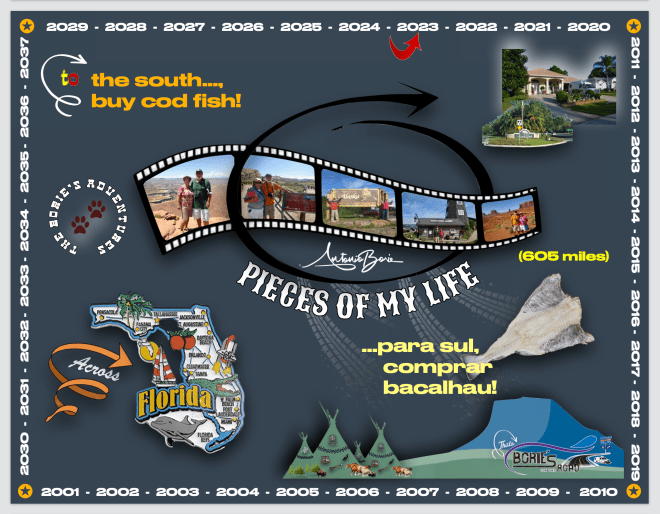
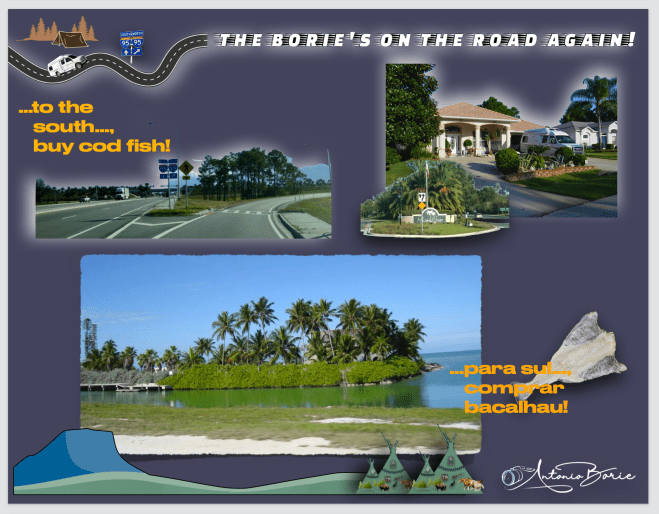
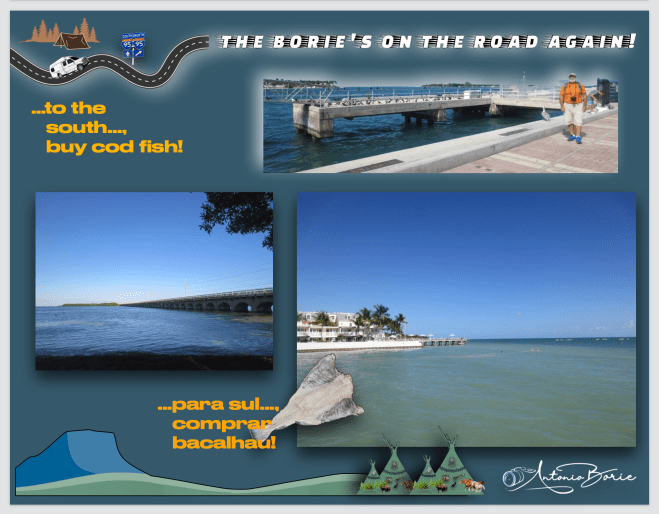
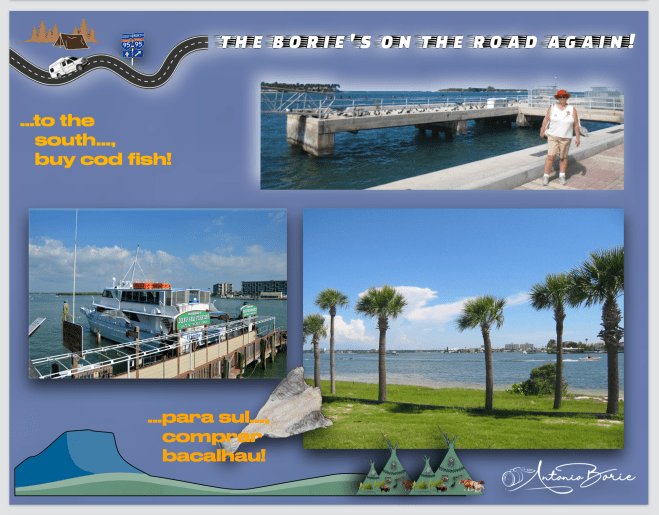
…fomos ao sul comprar bacalhau…, da Noruega!. (…we went south to buy cod…, from Norway)!.

…sim, é verdade, viajámos para o sul por uma distância de aproximadamente 300 milhas…, depois regressámos quase junto ao Oceano Atlântico percorrendo um pouco mais, tudo isto para comprar peixe de bacalhau!. Porquê?. Porque nascemos na Peninsula Ibérica onde por tradição comer bacalhau…, nos remete às memórias da época de Natal e à família!.

…yes, it’s true, we traveled south for a distance of approximately 300 miles…, then we returned almost to the Atlantic Ocean, traveling a little further, all to buy cod fish!. Why?. Because we were born in the Iberian Peninsula, where traditionally eating cod… takes us back to memories of Christmas and family!

…fazendo um breve resumo…, a Noruega não seria o país que é hoje se não fosse por um único peixe…, que dá pelo nome de bacalhau, muito rico em proteínas, vitaminas, antioxidantes e Ómega-3 e, dizem-nos que comendo uma porção de bacalhau, cobre as nossas necessidades diárias, pelo menos de Ómega-3, o que é muito importante!.

…making a brief summary…, Norway would not be the country it is today if it were not for a single fish…, called cod, very rich in proteins, vitamins, antioxidants and Omega-3 and, we are told that Eating a portion of cod covers our daily needs, at least for Omega-3, which is very important!

…muito deste peixe é pescado nas águas frias e límpidas da costa norueguesa no norte do Oceano Atlântico, por pescadores  qualificados na pesca, bem como na gestão do oceano e na existência de um sistema rigoroso e bem gerido para manter e cuidar das suas unidades populacionais deste versátil e saudável peixe, seguindo uma tradição que já vem de há mais de onze mil anos, quando os primeiros colonos chegaram à costa norueguesa!.

…much of this fish is caught in the cold, clear waters off the Norwegian coast in the north of the Atlantic Ocean, by fishermen who are skilled in fishing, as well as ocean management and the existence of a rigorous and well-managed system to maintain and care for their stocks of this versatile and healthy fish, following a tradition that dates back more than eleven thousand years, when the first settlers arrived on the Norwegian coast!.

…pois na verdade, os pioneiros na descoberta do peixe de bacalhau foram os “vikings”, porque à falta de sal na época, fazia com que se limitassem a secar este peixe ao ar livre, por tempo indeterminado até endurecer, para depois ser consumido nas longas viagens que faziam!.

…because in fact, the pioneers in the discovery of cod fish were the “Vikings”, because the lack of salt at the time meant that they limited themselves to drying this fish in the open air, for an indefinite period of time until it hardened, and then consumed on the long trips they took!

…na Peninsula Ibérica, não nos admira que sobretudo no povo Português, o bacalhau tenha um lugar especial na sua cultura e história alimentar, porque os pescadores Portugueses também tinham uma profunda tradição na pesca do bacalhau, navegando por épocas para o mar do norte para a pesca do bacalhau, pescando sobretudo na costa norte/leste do Canadá e da Groenlândia, onde grandes cardumes deste saudável peixe ainda hoje continuam a nadar longas distâncias, sobretudo para desovar!.

…in the Iberian Peninsula, we are not surprised that, especially among the Portuguese people, cod has a special place in their culture and food history, because Portuguese fishermen also had a deep tradition in cod fishing, sailing for periods to the northern sea to cod fishing, fishing mainly on the north/east coast of Canada and Greenland, where large schools of this healthy fish still swim long distances today, mainly to spawn!.

…porque para os Portugueses a tradição da pesca do bacalhau está diretamente ligada época dos descobrimentos e ao sucesso das viagens marítimas portuguesas, onde algumas embarcações a que chamavam bacalhoeiros, partiam de Belém e na verdade eram “lugres”, barcos à vela e veleiros que levavam os “dóris”, que eram pequenos barcos de madeira utilizados para a pesca à linha, e tinham capacidade para regressar a Portugal com toneladas de bacalhau salgado…, porque em Portugal havia sal!.

…because for the Portuguese, the tradition of cod fishing is directly linked to the era of discoveries and the success of Portuguese sea voyages, where some vessels, which they called bacalhoeiros, departed from Belém and were actually “lugres”, sailing boats and sailboats that They took “dories”, which were small wooden boats used for line fishing, and had the capacity to return to Portugal with tons of salted cod…, because there was salt in Portugal!.

…também hoje, talvez para minimizar o seu elevado preço, existem em algumas zonas costeiras do mar do norte Atlântico, o bacalhau de viveiro, que amadurece em currais marinhos ao longo da costa, e claro, deixa de ser selvagem, embora também nade e se desenvolva em águas frias e límpidas!.

…also today, perhaps to minimize its high price, there are in some coastal areas of the North Atlantic Sea, farmed cod, which matures in marine pens along the coast, and of course, it is no longer wild, although it also swims and thrive in cold, clear waters!

…de uma maneira ou de outra, já temos bacalhau na geladeira para algum tempo e, embora a viajem fosse um pouco longa, foi agradável, parando aqui e ali, viajando quase sempre à “beira-mar”…, porque foi à “beira-mar” que viemos a este mundo, e já lá vão mais de oito décadas!. 

…one way or another, we already have cod in the fridge for some time and, although the journey was a bit long, it was pleasant, stopping here and there, traveling almost always along the “seaside”…, because it was on the “seaside” that we came to this world, and have been there for more than eight decades!.

Tony Borie, Século XXI. Tony Borie, 21st Century.

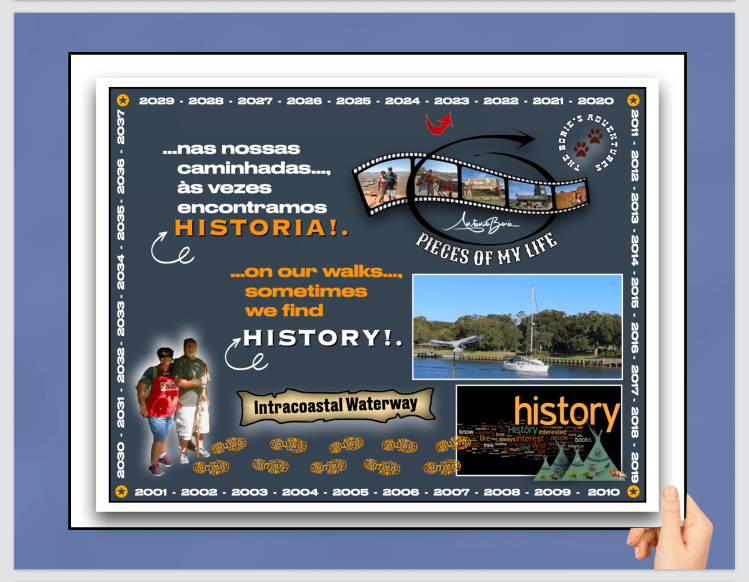
…Canal de Água Salgada!. (…“Intracoastal Waterway”)!.

…para nós, tanto a terra como a água são tranquilizantes, revigoradores, purificadores e até medicinais, talvez…, tal como os velhos índios, que se sentavam directamente na terra, no chão, que lhes permitiam pensar com mais profundidade e sentir com mais clareza, porque sabiam que o coração do homem ou da mulher, distante da natureza se tornam mais duros!.

…for us, both earth and water are calming, invigorating, purifying and even medicinal, perhaps…, just like the old Indians, who sat directly on the earth, on the ground, which allowed them to think more deeply and feel with more clarity, because they knew that the heart of a man or woman, far from nature, becomes harder!.

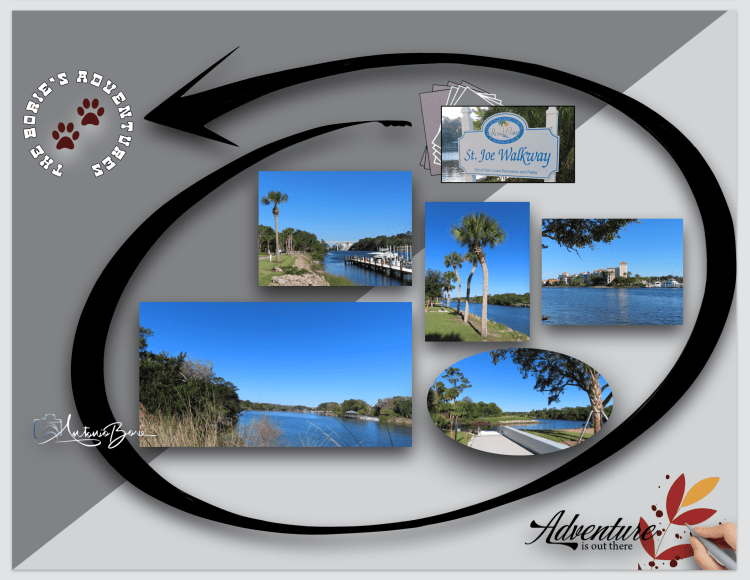
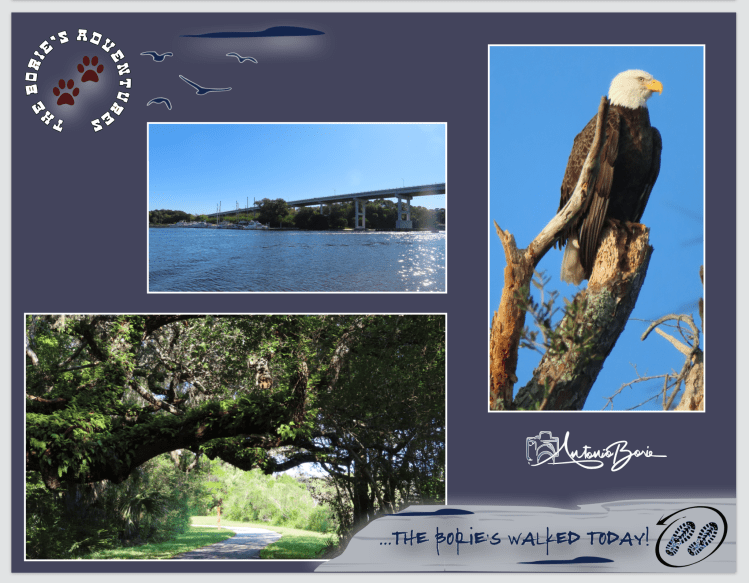
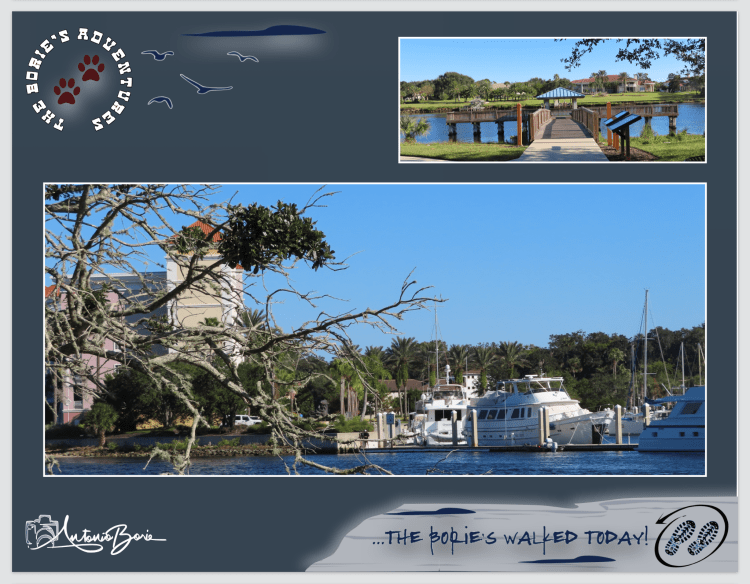
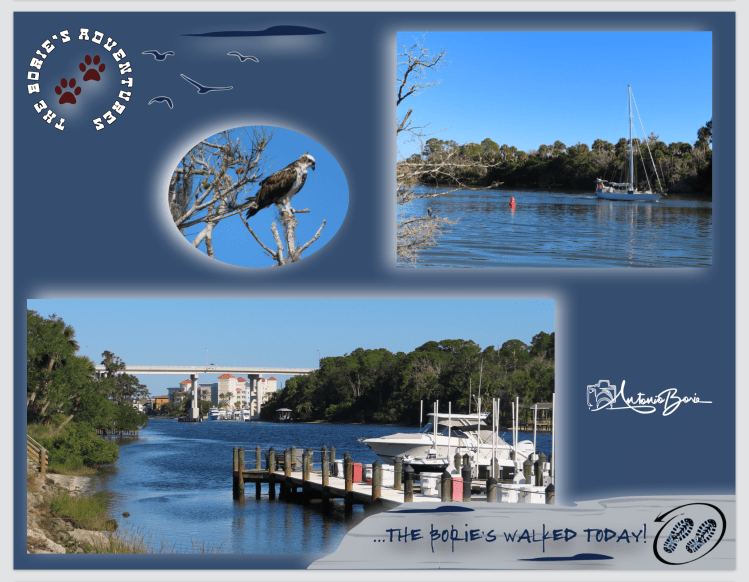
…e, aqui na pequena cidade onde vivemos, alguns dias da semana caminhamos pela “St. Joe Walkway” que é um caminho com algumas milhas de comprimento que nos oferece muitas vistas panorâmicas da “Intracoastal Waterway” (canal de água salgada), onde podemos observar várias espécies de pássaros, golfinhos, manatis, até alligatores, que por vezes aparecem e também podem ser vistos nesta maravilhosa trilha!.

…and, here in the small town where we live, a few days a week we walk along “St. Joe Walkway” which is a path a few miles long that offers us many panoramic views of the “Intracoastal Waterway” (salt water channel), where we can observe several species of birds, dolphins, manatees, even alligators, which sometimes appear and can also be seen on this wonderful trail!.

…é uma pequena seção da “Intracoastal Waterway”, que é uma hidrovia interior de aproximadamente 3.000 milhas (4.800 km) indo de Massachusetts em direção ao sul, sempre ao longo da costa Atlântica, ao redor da ponta sul da Flórida e do Golfo do México, que consiste em enseadas naturais, rios de água salgada ou pequenas baías, enquanto que em algumas áreas são mesmo canais artificiais que fornecem uma rota navegável ao longo da sua extensão, sem os perigos duma viagem em mar aberto!.

…is a small section of the “Intracoastal Waterway,” which is an approximately 3,000-mile (4,800 km) inland waterway running south from Massachusetts along the Atlantic coast, around the southern tip of Florida and the Gulf of Mexico, which consists of natural coves, saltwater rivers or small bays, while in some areas there are even artificial channels that provide a navigable route along its length, without the dangers of traveling on the open sea!.

…dando oportunidade para uma navegação interior de maré, protegida de tempestades e de possíveis inimigos, e não é necessário acrescentar qualquer comentário sobre a utilidade deste trajecto, tanto em tempo de paz ou de guerra, para o transporte de mercadorias ou de pessoas, pois a história diz-nos que durante a Segunda Guerra Mundial, a necessidade de um transporte eficiente de materiais a granel dentro do território continental dos USA foi bem demonstrada, depois que submarinos alemães afundaram vários navios mercantes que navegavam no mar alto da costa leste!. 

…providing the opportunity for inland tidal navigation, protected from storms and possible enemies, and it is not necessary to add any comment on the usefulness of this route, both in times of peace or war, for the transport of goods or people, as History tells us that during World War II, the need for efficient transportation of bulk materials within the continental United States was well demonstrated, after German submarines sank several merchant ships sailing in the high seas off the east coast!.

…felizmente hoje, a lei federal prevê que esta hidrovia seja mantida a uma profundidade mínima de aproximadamente 12 pés (3,7 m) durante a maior parte da sua extensão e, embora não sejam cobrados pedágios pelo uso das hidrovias, é cobrado aos usuários comerciais um imposto sobre combustível, que é usado para manter e melhorar as instalações ou custear metade de possíveis novas construções!. 

…fortunately today, federal law calls for this waterway to be maintained at a minimum depth of approximately 12 feet (3.7 m) for most of its length, and although tolls are not charged for use of the waterways, users are charged commercials a tax on fuel, which is used to maintain and improve facilities or half of the cost of possible new constructions!.

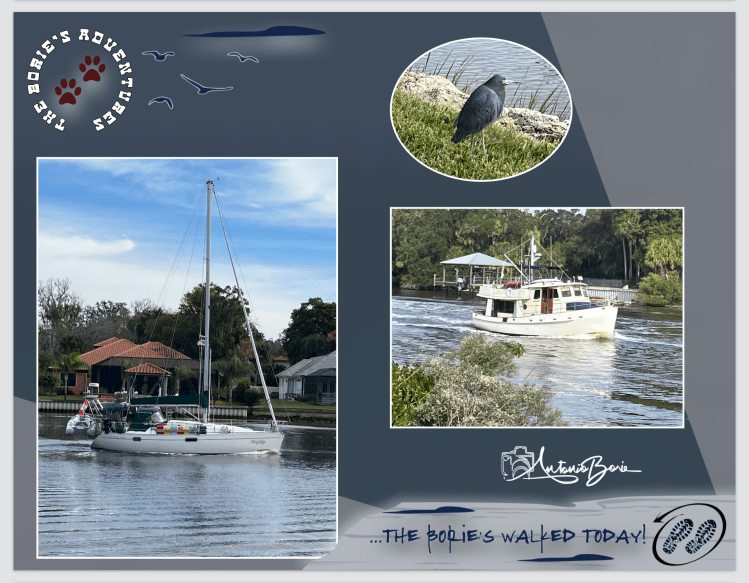
…quando por aqui caminhamos, em alguns dias vimos uma grande atividade, desde barcaças, grandes iates ou até velejadores recreativos, principalmente no outono e na primavera, que é quando os ditos “snow birds”, (pássaros da neve), se movem regularmente para o sul no inverno e para o norte no verão, ou quando o oceano está muito agitado para se poder navegar!.

…when we walked here, on some days we saw a lot of activity, from barges, large yachts or even recreational sailors, especially in autumn and spring, which is when the so-called “snow birds” move regularly South in winter and North in summer, or when the ocean is too rough to sail!.

…a qualquer hora do dia, a maré está subindo ou baixando lentamente!. É um efeito indireto, mas muito poderoso das marés sobre os humanos, que  é o comportamento da vida marinha, especialmente aquelas que vivem na costa ou perto dela, que dependem da mudança da maré para sobreviver!. 

…at any time of the day, the tide is slowly rising or falling!. It is an indirect but very powerful effect of tides on humans, which is the behavior of marine life, especially those living on or near the coast, who depend on the changing tide to survive!.

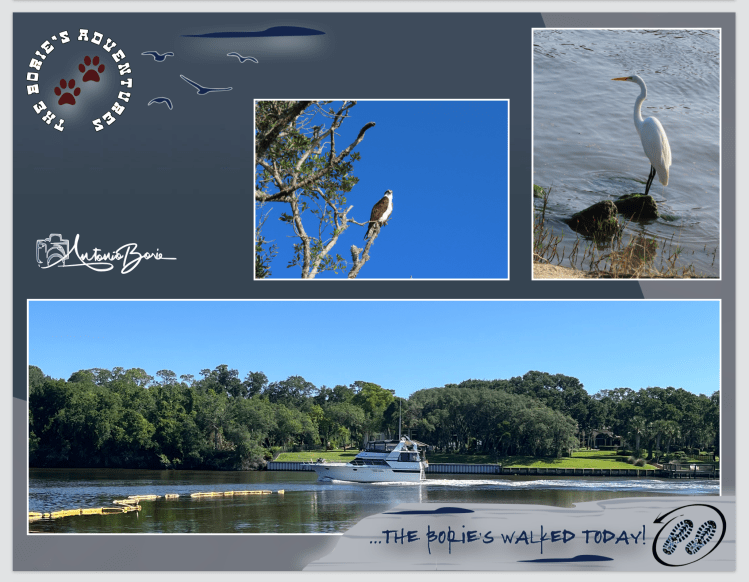
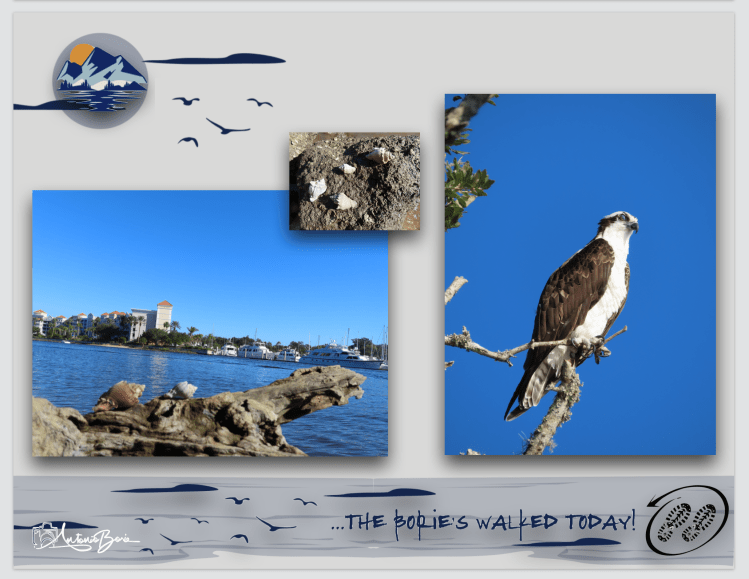
…e, para quem como nós caminha sempre na esperança de ver algum pássaro exótico, na beira de água ou empoleirado em alguma árvore, ou até mesmo um peixe saltando da água, é muito fácil de ver, do ponto de vista da vida selvagem, os pássaros que habitam a orla deste curso de água do interior, pois a água atrai a vida selvagem como um ímã!. 

…and, for those like us who always walk in the hope of seeing some exotic bird, at the water’s edge or perched in a tree, or even a fish jumping out of the water, it is very easy to see, from the point of view of life wild, the birds that inhabit the edge of this inland waterway, as the water attracts wildlife like a magnet!.

…tal como nós, que também somos atraídas pelo litoral, pelos rios ou lagos, e claro, os pássaros frequentemente acostumam-se com a presença dos humanos, tendo alguma confiança, além de terem uma rota de fuga  pelo ar ou pela água, portando, fugindo para sua proteção, tornando essas aves, principalmente as aquáticas, de alguma maneira mais acessíveis para nós, e portanto, mais fácil de fotografar!. 

…just like us, we are also attracted to the coast, rivers or lakes, and of course, birds often become accustomed to the presence of humans, having some trust, in addition to having an escape route through air or water , therefore, fleeing for their protection, making these birds, especially aquatic ones, in some way more accessible to us, and therefore, easier to photograph!.

Tony Borie, Século XXI. (Tony Borie, 21st Century).

…Dia de Ação de Graças!. (…Day of Thanksgiving)!.

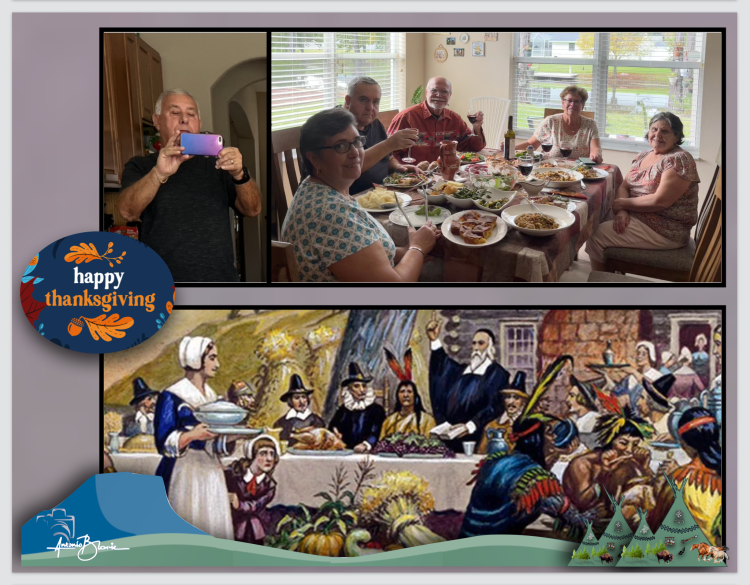
…foi ontem, última quinta-feira de Novembro de 2023!. Para nós, é o único dia do ano que é puramente americano e, em que se reconhece verdadeiramente a parte da América antiga, que fica deste lado do oceano Atlântico!.

…it was yesterday, the last Thursday of November 2023!. For us, it is the only day of the year that is purely American and when we truly recognize the part of ancient America, which is on this side of the Atlantic Ocean!.

…a história continua a provar-vos que as boas tradições  estão a envelhecer a um ritmo muito rápido, no entanto, para nós continuam vivas, talvez graças à criatividade e iniciativa do casal amigo Manny e Mariana Farinha, que nos endereçou convite para juntos com o simpático casal Vitor e Júlia Cruz, todos nós vindos das colinas de Nova Jersey, passar-mos este tradicional dia!.

…history continues to prove to you that good traditions are aging at a very fast pace, however, for us they are still alive, perhaps thanks to the creativity and initiative of the friendly couple Manny and Mariana Farinha, who invited us to come together with The friendly couple Vitor and Júlia Cruz, all of us from the hills of New Jersey, spent this traditional day!.

…que foi passado sobrecarregado com as calorias produzidas por um jantar super farto, incluindo peru e batatas assadas, saladas, pão regional da Ilha da Madeira, começando com petiscos também regionais e terminando com pudim, bolos, torta de abóbora e outras iguarias!.

…which was spent overloaded with the calories produced by a super hearty dinner, including turkey and roast potatoes, salads, regional bread from Madeira Island, starting with regional snacks and ending with pudding, cakes, pumpkin pie and other delicacies!.

…para nós, todos os dias de Ação de Graças devem ser festejados, para que todos os direitos sagrados deste costume histórico à muito estabelecido, sejam repetidos e, esta tradição fique para sempre no coração das futuras gerações!.

…for us, every day of Thanksgiving must be celebrated, so that all the sacred rights of this long-established historical custom are repeated and this tradition remains forever in the hearts of future generations!

…obrigado Manny e Mariana Farinha, e também pela companhia do Vitor e da Júlia Cruz, por este  convívio e…, pela gentil refeição, que foi muito saudável!.

…thank you Manny and Mariana Farinha, and also for the company of Vitor and Júlia Cruz, for this conviviality and…, for the kind meal, which was very healthy!.

Tony Borie, Século XXI. (Tony Borie, 21st Century). 
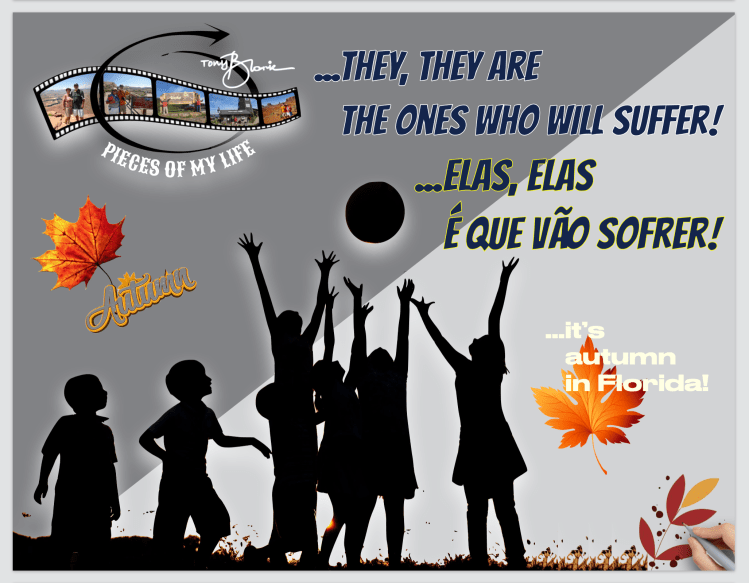
…elas sim…, as hoje crianças, irão sofrer no futuro!. (…they do…, children today, will suffer in the future)!.

…apesar de poderem usufruir de…, ar condicionado e aquecimento central, fogões e frigoríficos, automóveis e aviões, computadores e internet, telefones última geração conectados por satélites, sabendo a cada segundo o que vai passando do outro lado do globo, poderem viajar distâncias em minutos a que nós hoje levamos dias, centros hospitalares e pessoal médico especializado que conhecem quase todas as possíveis doenças e o seu tratamento, ou seja, parecer que terão um futuro maravilhoso e facilitado…, no entanto, a mãe natureza não perdoa!.

…despite being able to enjoy…, air conditioning and central heating, stoves and refrigerators, cars and planes, computers and internet, state-of-the-art telephones connected by satellites, knowing every second what is happening on the other side of the globe, being able to travel distances in minutes that it takes us days today, hospital centers and specialized medical personnel who know almost all possible diseases and their treatment, that is, they seem to have a wonderful and easy future…, however, mother nature does not forgive!.

…e oxalá não existam guerras!. Todavia, uma publicação científica anual dedicada à saúde humana e à crise climática explica-nos que, de acordo com os especialistas, o alerta vermelho continua em vigor e devido ao fenómeno El Niño e ao aquecimento global, as mortes associadas ao calor podem mais do que quadruplicaraté ao ano de 2050!. 

…and I hope there are no wars! However, an annual scientific publication dedicated to human health and the climate crisis explains that, according to experts, the red alert remains in force and due to the El Niño phenomenon and global warming, heat-related deaths could be more than that will quadruple by the year 2050!.

…assim, calcula-se que cerca de 525 milhões de pessoas deverão enfrentar insegurança alimentar moderada, ou seja, passar alguma fome severa neste intervalo, e claro, também num certo contexto de aumento global da temperatura média, em algumas regiões pode chegar aos 2 ou 3 graus Celsius, o que equivale a que tenha que haver uma mudança no mínimo de tempo possível, na cultura dos humanos e…, não será apenas no vestuário!.

…thus, it is estimated that around 525 million people will face moderate food insecurity, that is, experience some severe hunger in this period, and of course, also in a certain context of global increase in average temperature, in some regions it could reach 2 or 3 degrees Celsius, which is equivalent to there having to be a change in the minimum amount of time possible, in human culture and…, it won’t just be in clothing!.

Tony Borie, Século XXI. (Tony Borie, 21st Century).
…parque Nacional dos Arcos!. (…Arches National Park)!

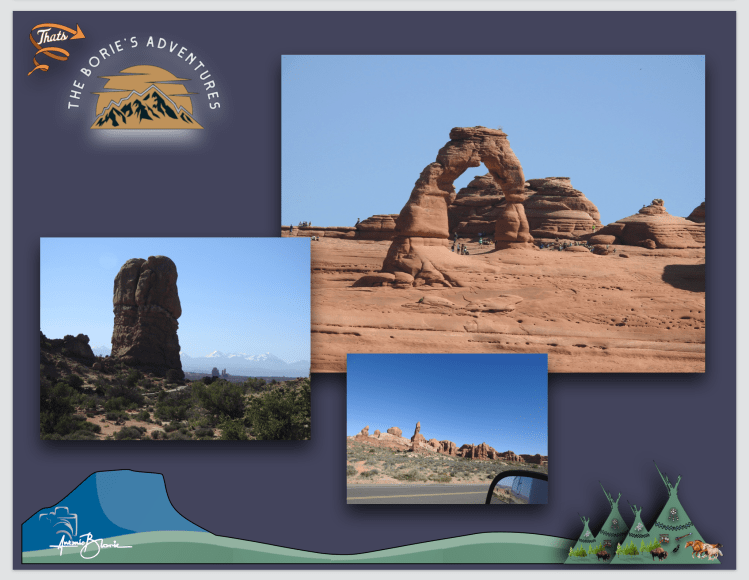
…viajando pelo oeste deste imenso continente, não é raro encontrarmos estados, cidades, aldeias, montanhas ou rios, com nomes de origem Europeia, possivelmente dados pelos “Descobridores”!. Por exemplo…, no estado do Utah, a cordilheira das Montanhas de La Sal que ficam localizadas nos condados de Grande e San Juan, ao longo da fronteira Utah/Colorado, um pouco acima e a sudeste da cidade de Moab, que chegam a atingir quase 13.000 pés acima do nível do mar, intervaladas por três grupos de picos, onde em outros tempos os Espanhóis por aqui andaram, dando-lhe o nome de “Sierra La Sal”, que significa “Montanhas Salgadas”, ficando a ser um marco muito significativo para a passagem da “Trilha Espanhola”!.

…traveling through the west of this immense continent, it is not uncommon to find states, cities, villages, mountains or rivers, with names of European origin, possibly given by the “Discoverers”!. For example…, in the state of Utah, the La Sal Mountains range, located in the counties of Grande and San Juan, along the Utah/Colorado border, slightly above and southeast of the city of Moab, which reach almost 13,000 feet above sea level, separated by three groups of peaks, where in other times the Spanish walked here, giving it the name “Sierra La Sal”, which means “Salty Mountains”, becoming a landmark very significant for the passage of the “Spanish Trail”!.

…que era uma rota comercial histórica, que conectava os assentamentos do norte, do hoje estado de Novo México, muito perto da cidade de Santa Fé, com os da cidade de Los Angeles, no também hoje, estado da Califórnia!. O seu percurso tinha aproximadamente 700 milhas, que atravessavam áreas de altas montanhas, desertos áridos e ravinas  profundas, e era considerada uma das mais árduas de todas as rotas comerciais já estabelecidas nos USA, explorada em parte, por exploradores Espanhóis!.

…which was a historic commercial route, which connected the northern settlements, in what is now the state of New Mexico, very close to the city of Santa Fé, with those in the city of Los Angeles, in what is now the state of California!. Its route was approximately 700 miles, crossing areas of high mountains, arid deserts and deep ravines, and was considered one of the most arduous of all commercial routes ever established in the USA, explored in part by Spanish explorers!.

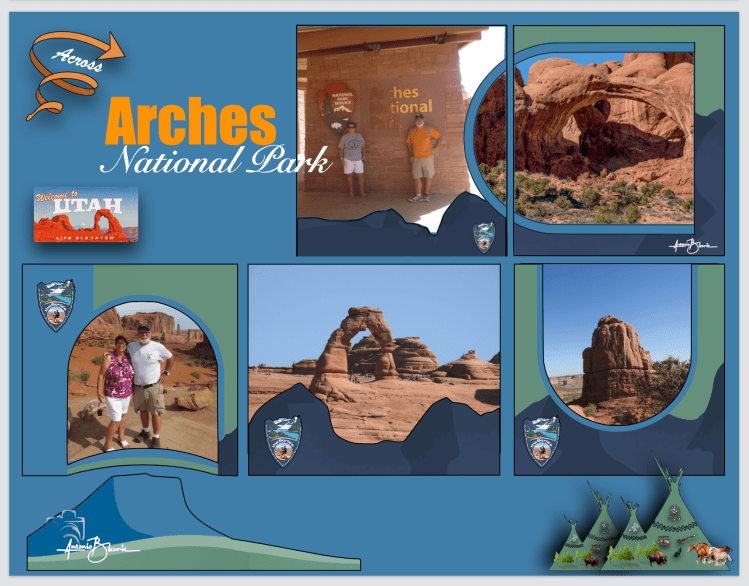
…andámos por lá, podendo ver estas montanhas ainda com alguma neve nos seus picos, lá ao longe, embora fosse época de verão, e claro, levando água e roupas leves, pois o nosso destino era a região do deserto do “Moab”, mais propriamente o Parque Nacional dos Arcos, que fica situado a leste do estado do Utah, adjacente ao Rio Colorado, onde existem mais de 2.000 arcos de arenito natural!.

…we walked there, being able to see these mountains still with some snow on their peaks, far away, even though it was summer time, and of course, taking water and light clothes, as our destination was the “Moab” desert region, more specifically the Arches National Park, which is located east of the state of Utah, adjacent to the Colorado River, where there are more than 2,000 natural sandstone arches!.

 …na entrada do parque, existe um Centro de Informação, situado na base das montanhas de arenito natural, podendo viajar na nossa caravana por todo o parque, parando aqui e ali, ou só nos pontos mais importantes!. A estrada, embora estreita, tem alguma segurança, com subidas, precipícios, descidas um pouco assustadoras mas…, o cenário compensa!. 

…at the entrance to the park, there is an Information Center, located at the base of the natural sandstone mountains, and you can travel in our caravan throughout the park, stopping here and there, or just at the most important points!. The road, although narrow, is somewhat safe, with climbs, cliffs and descents that are a little scary but… the scenery makes up for it!

…este maravilhoso parque tem uma extensão de aproximadamente 120 milhas quadradas de alto deserto, localizado no Planalto do Colorado, sendo a sua elevação mais alta de quase 6.000 pés, que é na área da “Colina do Elefante”, sendo visitado por mais de um milhão de visitantes por ano, sendo um paraíso para quem como nós adora caminhar, pois são imensos os caminhos para percorrer e, dizem-nos que…, provavelmente, esta região há cerca de 300 milhões de anos era mar, estava coberta de água salgada que, também provavelmente, foi evaporando, portanto hoje toda esta região está localizada, ou seja, “dorme sobre uma cama de sal evaporado subterrâneo”!. 

…this wonderful park is approximately 120 square miles of high desert, located on the Colorado Plateau, with its highest elevation being almost 6,000 feet, which is in the “Elephant Hill” area, being visited by more than one million visitors per year, making it a paradise for those like us who love walking, as there are countless paths to follow and, we are told that…, probably, this region around 300 million years ago was sea, it was covered in salt water which, also probably, was evaporating, so today this entire region is located, that is, “sleeping on a bed of evaporated underground salt”!.

…que é a principal causa da formação dos seus arcos, torres, pedras equilibradas, barbatanas de arenito que em algumas áreas tem milhares de metros de espessura, cujo sal foi depositado na “Bacia do Planalto do Colorado”, que é como chamam a esta área, e como acima já referimos foi depositado há cerca de 300 milhões de anos, quando um qualquer mar, fluiu na região, e provavelmente se evaporou!. 

…which is the main cause of the formation of its arches, towers, balanced rocks, sandstone fins that in some areas are thousands of meters thick, whose salt was deposited in the “Colorado Plateau Basin”, which is what they call to this area, and as we mentioned above, it was deposited around 300 million years ago, when some sea flowed in the region, and probably evaporated!.

…ajudando melhor a compreender a formação dos arcos que por aqui existem, as formações visíveis como o Arenito de Entrada de cor salmão, em que se formam a maioria dos arcos ou o Arenito Navajo de cor clara, ao longo do tempo, a pouca água, pois o parque recebe em média pouco mais de 10 polegadas de chuva por ano, escorria para as fissuras, expandindo e pressionando a rocha circundante, quebrando-a aos pedaços!. De seguida, os ventos limparam as partículas soltas com o vento e a chuva a voltarem a atacar de novo, assim, o material foi cedendo e aos pedaços foi caindo, onde em muitas áreas muito danificadas, colapsaram, mas em outras áreas, com um grau certo de dureza e equilíbrio, sobreviveram, apesar de algumas secções perdidas, tornaram-se em arcos, que hoje são famosos!.

…helping to better understand the formation of the arches that exist here, the visible formations such as the salmon-colored Entrance Sandstone, in which most of the arches are formed, or the light-colored Navajo Sandstone, over time, in little water as the park receives an average of just over 10 inches of rain per year, it runs into the fissures, expanding and pressing on the surrounding rock, breaking it into pieces!. Then, the winds cleaned the loose particles with the wind and rain attacking again, thus, the material began to give way and pieces began to fall, where in many heavily damaged areas, they collapsed, but in other areas, with a Right degree of hardness and balance, they survived, despite some lost sections, they became arches, which are famous today!.

…de uma maneira ou de outra, em Abril de 1929 esta maravilhosa região foi proclamada pelo presidente Herbert Hoover, “Monumento Nacional” e, em Novembro de 1971, foi proclamado como “Parque Nacional” e a história conta-nos alguns pormenores do que decorreu do século XV para cá!. O que decorreu antes…, é fruto de uma pesquisa científica que talvez não ande longe da verdade, mas o que decorreu ao certo, cremos que ninguém saberá, mas este fenómeno, como é o Parque Nacional dos Arcos, é uma “marca” do passado que nos deixa a pensar como o planeta Terra é maravilhoso, fascinante e está cheio de segredos!.

 …one way or another, in April 1929 this wonderful region was proclaimed by President Herbert Hoover, a “National Monument” and, in November 1971, it was proclaimed a “National Park” and history tells us some details of what happened from the 15th century to now!. What happened before… is the result of scientific research that may not be far from the truth, but what exactly happened, we believe no one will know, but this phenomenon, as is the Arches National Park, is a “mark” of past that leaves us thinking about how wonderful, fascinating and full of secrets planet Earth is!.

Tony Borie, Século XXI.   (Tony Borie, Century XXI).

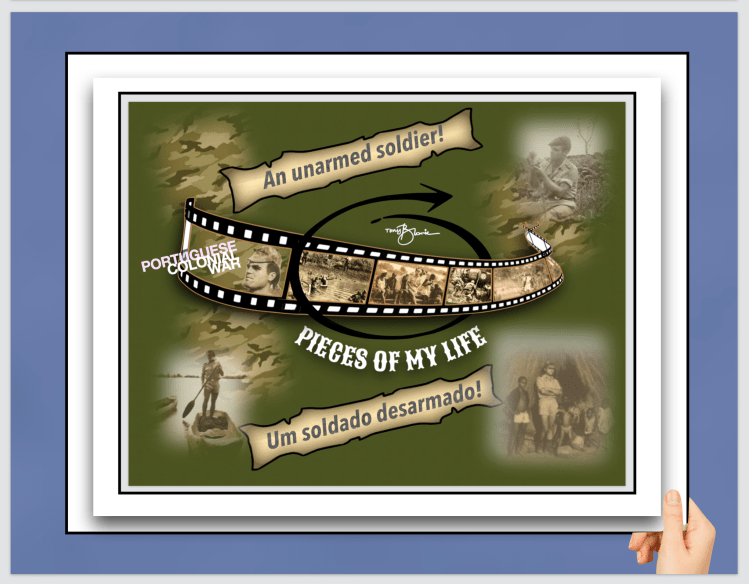
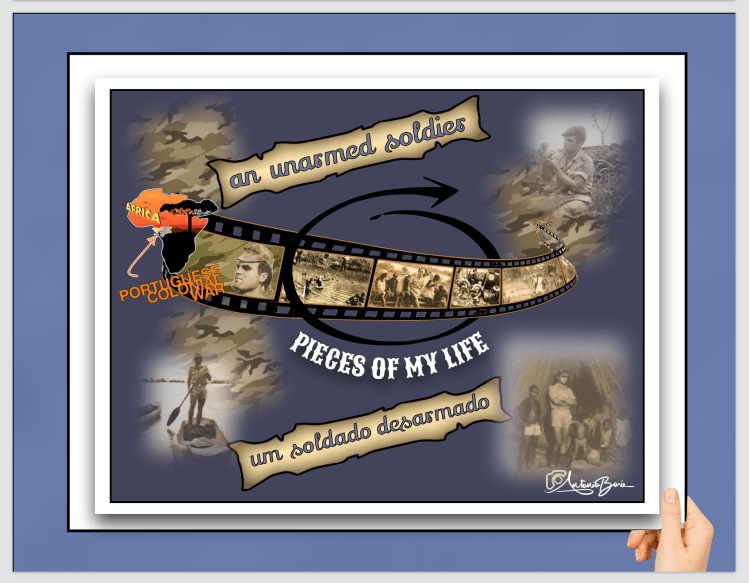
…um soldado desarmado!. …an unarmed soldier!

..a vida é uma jornada e…, erros serão cometidos, mas se formos humildes, poderão ser corrigidos, porque se não formos humildes, nunca saberemos que cometemos qualquer erro, e talvez sem o notar, passamos parte da nossa existência agredindo os sentimentos de um outro alguém!.

…life is a journey and…, mistakes will be made, but if we are humble, they can be corrected, because if we are not humble, we will never know that we made any mistake, and perhaps without noticing it, we spend part of our existence attacking someone else’s feelings!

…hoje, vivemos quase de recordações, no entanto as nossas raízes continuam vivas, não só no pensamento, como no corpo, onde sofremos a angústia e os momentos de medo debaixo de fogo inimigo, durante a nossa passagem pela maldita Guerra Colonial Portuguesa, lá na Guiné, onde fomos combatentes, travando estúpidos e mortíferos combates contra pessoas que lutavam pela sua liberdade e que nós nada tínhamos em contra, nem nunca antes tínhamos visto!.

...today, we live almost on memories, however our roots are still alive, not only in our thoughts, but also in our bodies, where we suffer anguish and moments of fear under enemy fire, during our passage through the damned War Portuguese Colonial, there in Guinea, where we were combatants, fighting stupid and deadly battles against people who were fighting for their freedom and who we had nothing against, nor had we ever seen before!.

…pelo menos nas madrugadas, em que já estamos vigilantes, as nossas recordações de juventude surgem na nossa mente, lembrando-nos os princípios de família, as palavras sábias dos nossos pais e avós, onde nos explicavam que, o mal, tal como o bem, que podíamos proporcionar a alguém, mais tarde ou mais cedo, cairia em nós, quase sempre em dobro!.

…at least in the early morning hours, when we are already vigilant, our youthful memories appear in our minds, reminding us of family principles, the wise words of our parents and grandparents, where they explained to us that evil, such How the good that we could provide to someone, sooner or later, would come to us, almost always double!. 

…e, falando do que vamos vendo presentemente por aí e das informações que vamos recolhendo, esperando sempre não fugir da verdade, os humanos continuam em guerra, matando-se mutuamente, não se lembrando que, quando a última árvore tiver caído, quando o último rio tiver secado, quando o último peixe for pescado, todos vão entender que a fúria, a ganância, o poder e o dinheiro…, não se comem!.

…and, speaking of what we are currently seeing out there and the information we are collecting, always hoping not to run away from the truth, humans continue at war, killing each other, not remembering that, when the last tree has fallen, when the last river has dried up, when the last fish is caught, everyone will understand that fury, greed, power and money… cannot be eaten!

…e normalmente…, quem inicia as guerras entre países não é o povo, são os dirigentes desses países, o povo ama-se e compreende-se e quer a paz, um tecto para se abrigar, roupa, trabalho e comida, educação e o bem estar dos seus, mas alguns governantes que até têm escola superior, é que geram os conflitos, contando sempre com o apoio do povo que formam os seus exércitos e…, que morrem num campo de batalha para os defenderem!. 

…and normally…, those who start wars between countries are not the people, it is the leaders of those countries, the people love and understand each other and want peace, a roof over their heads, clothes, work and food, education and the well-being of their own, but some rulers who even have higher education are the ones who generate conflicts, always counting on the support of the people who form their armies and…, who die on a battlefield to defend them!.

…depois…, quem defende esse povo que defendeu esses dirigentes que tomaram decisões erradas?.  Enfim, podemos escrever um milhão de páginas, que o resultado é sempre o mesmo, o povo é que luta e sofre!.

…afterwards…, who defends these people who defended these leaders who made wrong decisions?. Anyway, we can write a million pages, and the result is always the same, the people are the ones who fight and suffer!

…falamos com alguma experiência porque somos sobreviventes de uma guerra horrorosa, que não desejamos em nenhuma circunstância se volte a repetir, mas não resistimos a mencionar algumas passagens de relatos onde estávamos presentes, tanto em África como quando regressámos à Europa, portanto cá vai: 

    “Na aldeia havia somente uma mulher, magra, já de uma certa idade, nua da cinta para cima, com algumas argolas em volta do pescoço, servindo de enfeite, talvez!. Estava sentada, ao lado de um balaio de arroz com casca, com as mãos ao lado da cara, falando aflita, numa linguagem incompreensível e, de vez em quando tirava as mãos da cara, fazia gestos para a frente, ao mesmo tempo que balançava o corpo para a frente e para trás!. Na sua frente, estavam duas crianças, também magras e nuas!. Estas três pessoas, eram no momento, os habitantes da aldeia!. Os companheiros africanos que serviam de guias e tradutores, chamados pelo alferes para traduzirem as palavras da mulher, diziam: Ela se lastima, por os militares lhe terem morto os seus dois filhos e diz para se irem embora, que aqui não há mais ninguém!. Também diz que tem quatro filhas, que desapareceram um certo dia pela madrugada e que as visitam de vez em quando, pois neste momento eram guerrilheiras, transportadoras de material de guerra”!.

…we speak with some experience because we are survivors of a horrible war, which we do not wish under any circumstances to repeat, but we could not resist mentioning some passages from reports where we were present, both in Africa and when we returned to Europe, so here goes:

   “In the village there was only one woman, thin, of a certain age, naked from the waist up, with some rings around her neck, perhaps serving as an ornament!. She was sitting next to a basket of rice with husks, with her hands at the side of her face, speaking anxiously, in an incomprehensible language and, from time to time, she took her hands away from her face, making gestures forward, at the same time as she swayed the body forward and backward!. In front of her, were two children, also thin and naked!. These three people were, at the time, the inhabitants of the village!. The African companions who served as guides and translators, called by the lieutenant to translate the woman’s words, said: She regrets that the soldiers killed her two children and says to leave, there is no one else here!. She also says that she has four daughters, who disappeared one day in the early hours of the morning and that she visits them from time to time, as at that time they were guerrillas, transporting war material”!.

…e agora, outro relato quando regressámos a Portugal e visitámos a família de um companheiro morto em combate que vivia numa aldeia da serra da Estrela e que tinha uma irmã e um irmão, ambos casados, onde a mãe andava sempre vestida de preto e dizia: “Ainda não fui, mas não tarda muito tempo!. Sou viúva duas vezes, do meu Joaquim, que Deus lhe guarde a alma em descanso e…, do meu António que era a cara do pai quando nasceu e que foi dar o corpo às balas e morreu na guerra, lá na África!. E mostrava sempre o farrapo do camuflado ensanguentado, (que nós lhe mandámos lá da Guiné com o resto dos haveres que lhe pertenciam), e trazia sempre ao peito a fotografia do filho, que beijava e encostava ao coração”.

…and now, another story when we returned to Portugal and visited the family of a comrade killed in combat who lived in a village in Serra da Estrela and who had a sister and a brother, both married, where the mother was always dressed in black and said : “I haven’t been yet, but it won’t be long! I am a widow twice, of my Joaquim, may God keep his soul at rest and…, of my António who was the spitting image of his father when he was born and who gave his body to bullets and died in the war, there in Africa!. And he always showed the rags of his bloody camouflage, (which we sent him from Guinea with the rest of the belongings that belonged to him), and he always carried the photo of his son on his chest, which he kissed and placed against his heart”.

…e para terminar lembramos quando éramos jovens, aquele homem que vinha da montanha do Caramulo, que era a voz do povo genuíno e usava uma capa de borel cobrindo-lhe a cabeça e que vendia uns feixes de carqueja seca às senhoras da vila e que dizia cantando: “Uma mosca sem valor, pousa com a mesma alegria, na cabeça de um doutor, como em qualquer porcaria”!.  

…and finally, we remember when we were young, that man who came from the Caramulo mountain, who was the voice of the genuine people and wore a borel cape covering his head and who sold bundles of dried carqueja to the ladies of the village and who sang: “A worthless fly lands with the same joy on a doctor’s head as on any piece of rubbish”!

Tony Borie, Século XXI. (Tony Borie, 21st Century).