…a rica teve um menino, a pobre pariu um moço!. (…the rich woman had a boy, the poor woman gave birth to a boy)!.

…a vida é uma jornada!. Erros serão cometidos, mas se formos humildes, poderão ser corrigidos, porque se não formos humildes, nunca saberemos que cometemos qualquer erro e, talvez sem o notar, passamos parte da nossa existência agredindo os sentimentos de um outro alguém!..

…life is a journey!. Mistakes will be made, but if we are humble, they can be corrected, because if we are not humble, we will never know that we made any mistake and, perhaps without noticing it, we spend part of our existence attacking someone else’s feelings!.

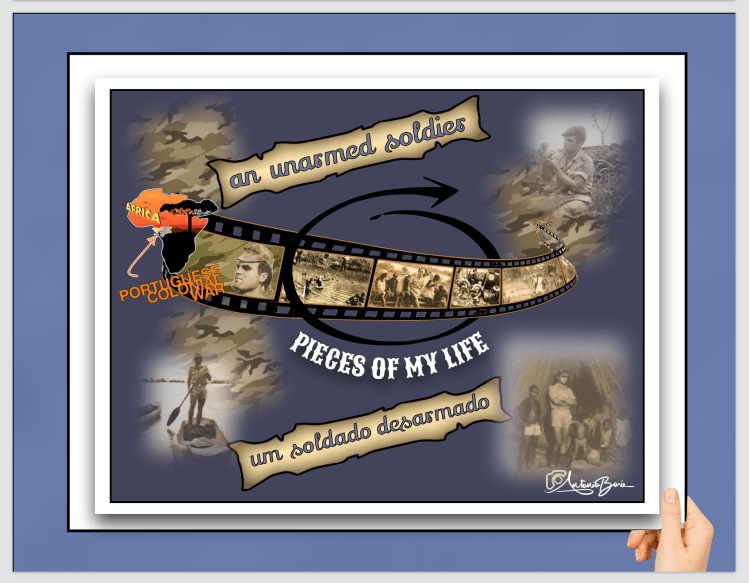
..hoje, vivemos quase de recordações, aqui no estado da Flórida, no entanto as nossas raízes continuam vivas, não só no pensamento como no corpo, onde sofremos a angústia e os momentos de medo e sofrimento, debaixo de fogo inimigo, sendo um frágil soldado desarmado, durante os combates que travámos contra pessoas que lutavam pela sua liberdade, e que nós nada tínhamos em contra, nem nunca antes tínhamos visto, durante a nossa passagem pela Guerra Colonial Portuguesa, onde fomos combatentes forçados pelo regime colonial do país Portugal de então!.

…today, we live almost on memories, here in the state of Florida, however our roots are still alive, not only in our thoughts, but also in our bodies, where we suffer anguish and moments of fear and suffering, under enemy fire, being a fragile unarmed soldier, during the battles we fought against people who were fighting for their freedom, and which we had nothing against, nor had we ever seen before, during our passage through the Portuguese Colonial War, where we were forced combatants by the colonial regime of country Portugal then!.
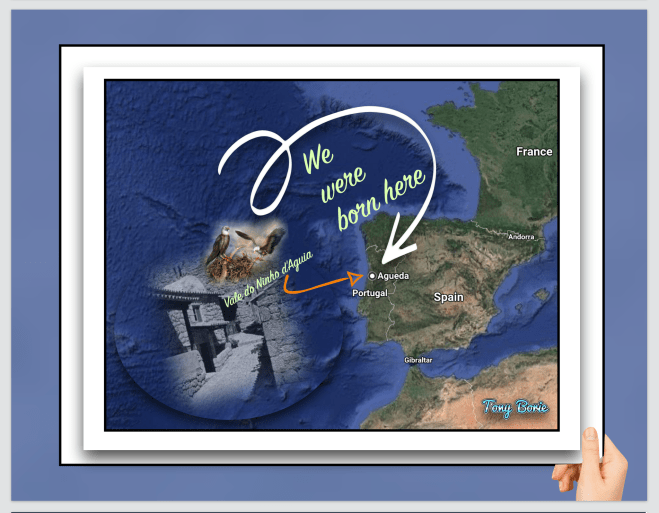
…no entanto, a bandeira e o mapa de Portugal estão gravados na nossa memória, respeitando sempre o país onde nascemos, lembramos a lareira com fogo de lenha, a candeia a azeite que nos alumiava nas noites de trevas, o colchão cheio com palha de centeio cultivado nas terras altas e secas do pinhal onde dormíamos, a fome e a miséria de inverno, que por vezes éramos obrigados a passar, a roupa velha e coçada que vestíamos, que tinha sido usada pelos irmãos mais velhos ou as tamancas feitas pelo pai António, com a madeira de uma cerejeira, que não resistiu a uma tempestade de inverno que a atingiu e secou, que usávamos nos pés com algumas feridas de calcar o estrume e picos dos tojos do pinhal!.

…however, the flag and the map of Portugal are engraved in our memory, always respecting the country where we were born, we remember the fireplace with a wood fire, the oil lamp that illuminated us on dark nights, the mattress filled with straw rye grown in the dry highlands of the pine forest where we slept, the hunger and misery of winter, which we were sometimes forced to endure, the old and worn clothes we wore, which had been worn by our older brothers or the clogs made by our father António, with the wood of a cherry tree, which did not resist a winter storm that hit and dried it, which we wore on our feet with some wounds from trampling the manure and peaks of gorse from the pine forest!.

..pelo menos nas madrugadas, em que já estamos vigilantes, as nossas recordações de juventude surgem na nossa mente, lembrando os princípios de família, as palavras sábias dos nossos pais e avós, onde nos explicavam que, o mal, tal como o bem, que podíamos proporcionar a alguém, mais tarde ou mais cedo, cairia em nós, quase sempre em dobro!.

…at least in the early morning hours, when we are already vigilant, our youthful memories appear in our minds, reminding us of family principles, the wise words of our parents and grandparents, where they explained to us that, evil, just like Well, what we could provide to someone, sooner or later, would come to us, almost always double!.

…eram palavras de pessoas que mantinham os campos verdes e nunca ardiam, cultivavam o milho, o centeio, as couves, as nabiças, as batatas, criavam galinhas, um porco, uma cabra ou uma ovelha, que lhes davam o sustento para criar e educar oito, nove, às vezes dez filhos!. Dizia-se que, “o Pão era amassado com o suor do trabalho”!. Hoje, (pelo menos os jovens), ninguém está interessado em desbravar ou cultivar uma pequena área de terreno!.

…these were the words of people who kept the fields green and never burned, cultivated corn, rye, cabbage, turnip greens, potatoes, raised chickens, a pig, a goat or a sheep, which gave them sustenance for raise and educate eight, nine, sometimes ten children! It was said that, “Bread was kneaded with the sweat of work”! Today, (at least young people), no one is interested in clearing or cultivating a small area of ​​land!

…e lembrarmo-nos nós, que durante dois anos em cenário de guerra, na então Província Colonial da Guiné Portuguesa, oferecendo a todo o momento o nosso jovem “corpo às balas”, podendo morrer feridos pela explosão de uma granada de morteiro, uma mina ou um fornilho, crivados pelo fogo de uma metralhadora inimiga que…, embrulhados no nosso próprio camuflado, sujo com o nosso próprio sangue, ou quando um qualquer companheiro morria em combate, a sua família tinha que pagar a transladação do seu corpo, se o queria enterrar no cemitério da vila ou aldeia onde nasceu!.

…and we remember that for two years in a war scenario, in the then Colonial Province of Portuguese Guinea, at all times offering our young “body to bullets”, being able to die injured by the explosion of a mortar grenade , a mine or a furnace, riddled by the fire of an enemy machine gun that…, wrapped in our own camouflage, dirty with our own blood, or when any comrade died in combat, his family had to pay for the transfer of his body , if you wanted to bury him in the cemetery of the town or village where he was born!.

…e, à medida que aprendíamos mais sobre a razão pela qual estávamos realmente envolvidos naquela maldita Guerra Colonial Portuguesa, mais envolvidos nos tornávamos e quanto mais descobríamos nos chamados factos sobre batalhas e contagens de corpos divulgados na imprensa controlada do então governo colonial Português, mais sabíamos que estavam longe da verdade!. 

…and as we learned more about why we were actually involved in that damned Portuguese Colonial War, the more involved we became and the more we discovered in the so-called facts about battles and body counts reported in the controlled press of the then Portuguese colonial government, the more We knew they were far from the truth!.

…e, já lá vão mais de sessenta anos, infelizmente, só agora sabemos alguns dos horríveis incidentes em que as nossas tropas se envolveram lá naqueles pântanos da então província da Guiné!. Era um tempo onde o soldado era carne para canhão e ainda havia a “classificação das pessoas” onde se dizia que, “a rica tem nome fino a pobre tem nome grosso, a rica teve um menino a pobre pariu um moço”!. Moço este que era forçado a ir para a Guerra Colonial em África!.

…and, more than sixty years ago, unfortunately, we only now know some of the horrible incidents in which our troops were involved there in those swamps in the then province of Guinea!). It was a time when the soldier was cannon fodder and there was still the “classification of people” where it was said that, “the rich have a fine name, the poor have a thick name, the rich had a boy, the poor gave birth to a boy”!. This young man was forced to go to the Colonial War in Africa!.

…tudo isto é verdade!. Todavia o destino vai-nos compensando nesta já avançada idade, podendo ainda dormir debaixo de um tecto, com alguma paz e saúde na companhia da nossa dedicada esposa Isaura, fazendo com que o fogão na cozinha trabalhe pelo menos uma vez ao dia, ou seja, somos felizes com o que ainda temos, continuando sempre com o pensamento de que, “quando a última árvore tiver caído, quando o último rio tiver secado, quando o último peixe for pescado, todos nós vamos entender que o dinheiro não se come”!..

..all of this is true! However, destiny compensates us at this advanced age, allowing us to sleep under a roof, with some peace and health in the company of our dedicated wife Isaura, making the stove in the kitchen work at least once a day, that is , we are happy with what we still have, always continuing with the thought that, “when the last tree has fallen, when the last river has dried up, when the last fish has been caught, we will all understand that money is not eaten” !.

Tony Borie, Século XXI. (Tony Borie, 21st Century).
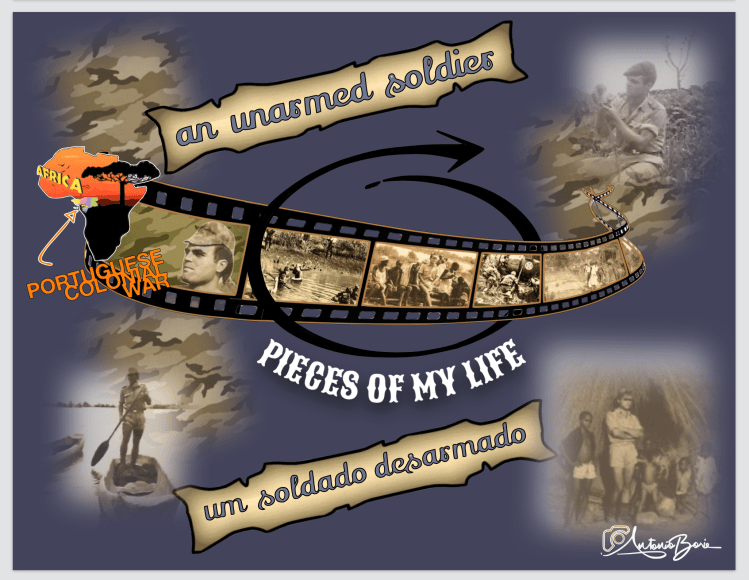
…“Está visto que não és um militar de acção”!. (…“It’s obvious that you’re not an action soldier”)!.

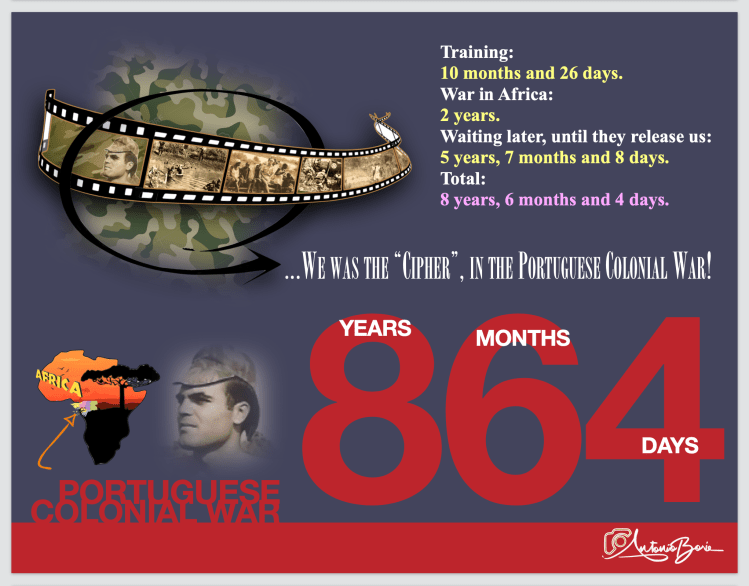
…nas nossas tarefas militares estava incluido a distribuição de “material classificado”, que era o novo código do sistema de cifra e que era feito antes de todos os finais de mês, entregue por mão ao comando de todas as forças militares que se encontravam em cenário de guerra, na zona sob o comando do Agrupamento de que fazíamos parte!. 

…our military tasks included the distribution of “classified material”, which was the new code of the cipher system and which was done before every end of the month, delivered by hand to the command of all military forces that were in war scenario, in the area under the command of the Group of which we were part!.

…assim, aproveitávamos a viajem em qualquer coluna militar, mas o mais frequente era aproveitar e voar na avioneta do correio, que pelo menos uma vez por semana passava pelo “posto avançado” onde estávamos estacionados!. Normalmente íamos sentados atrás, ao lado dos sacos do correio e quase sempre levávamos uma “Kodac”, que o Movimento Nacional Feminino nos ofereceu numa das suas visitas!. 

…so, we took advantage of the trip in any military column, but the most frequent thing was to take advantage and fly in the mail plane, which at least once a week passed by the “outpost” where we were stationed!). We usually sat in the back, next to the mail bags and almost always carried a “Kodac”, which the National Women’s Movement offered us on one of their visits!

…o piloto era um furriel, a quem carinhosamente chamavam “Pardal”, que todos conhecíamos no nosso “posto avançado”, pelas suas acrobacias!. Íamos aterrar numa povoação perto da fronteira com outro país africano!. Voávamos baixo, pois o “Pardal” conhecia a pista, que não era mais do que uma clareira no capim!. Havia alguma água no solo e não se apercebeu, fez-se à pista e tentou aterrar!. 

…the pilot was a furriel, who they affectionately called “Sparrow”, who we all knew in our “outpost”, due to his acrobatics!. We were going to land in a village close to the border with another African country!. We flew low, because “Sparrow” knew the runway, which was nothing more than a clearing in the grass! There was some water on the ground and he didn’t realize it, he got on the runway and tried to land!

…ao tocar o solo molhado a aeronave guinou para o lado esquerdo,  voando mais uns tantos metros, rodopia um pouco, para a direita e de novo para a esquerda, seguindo em frente, embora balançando para um lado e para o outro, mas ficando completamente parada e em segurança um pouco mais à frente!.  

…when touching the wet ground, the aircraft swerved to the left, flying a few more meters, rotating a little, to the right and again to the left, moving forward, although swaying from one side to the other, but remaining completely stopped and safely a little further ahead!

…por momentos ficámos em pânico!. Com o impacto do aparelho no solo, devíamos de ter dado umas cambalhotas dentro da aeronave…, ou talvez não, nunca chegámos a saber, pois não levávamos qualquer cinto de protecção!. No entanto, recuperado o sentido de orientação, apalpamos a cabeça com as mãos e não vendo qualquer sinal de ferimento, afastámos um saco do correio, batendo com os pés, não nos recordamos se era janela ou porta, que estava na nossa frente!. Com tal impacto, se era porta ou janela, abriu-se!. 

…for a moment we were in panic!. With the impact of the device on the ground, we must have done some somersaults inside the aircraft…, or maybe not, we never found out, as we were not carrying any protective belts!. However, once we regained our sense of orientation, we felt our head with our hands and, not seeing any sign of injury, we moved a mail bag aside, stamping it with our feet, we didn’t remember if it was a window or a door, which was in front of us!. With such an impact, whether it was a door or a window, it opened!

…saímos e vimos o alferes miliciano que viajava na frente e ia ficar nessa unidade militar, sentado com a cabeça baixa, sinal de que talvez tivesse perdido os sentidos!. Forçámos a porta que se abriu, e nesse momento olha-nos assustado, fazendo algumas perguntas, parecendo estar em pânico!. Do outro lado, no assento do piloto, “O Pardal”, que nunca chegámos a saber se perdeu o control da aeronave ou o seu sentido de orientação, diz, com a maior calma do mundo: “Vai à volta e abre esta merda, que estou farto de empurrar a porta”!.

…we went out and saw the militia ensign who was traveling in front and was going to stay in that military unit, sitting with his head down, a sign that perhaps he had lost consciousness!. We forced the door to open, and at that moment he looked at us scared, asking some questions, seeming to be in a panic!. On the other side, in the pilot’s seat, “The Sparrow”, who we never got to know if he lost control of the aircraft or his sense of orientation, says, with the greatest calm in the world: “Go around and open this shit, I’m tired of pushing the door”!.

…felizmente, ninguém sofreu qualquer ferimento, a não ser o susto e no dizer do “Pardal”, a aeronave estava operacional!. Em seguida, surgiram os militares, que vinham prestar protecção e levar os sacos do correio que ajudaram a colocar de novo a aeronave em outra posição e passando nós  para o lugar da frente, levantando voo de novo usando um lado da clareira no capim, com bastante receio nosso!.

…fortunately, no one suffered any injuries, other than the scare and in the words of “Sparrow”, the aircraft was operational! Then, the military appeared, who came to provide protection and take the mail bags that helped to put the aircraft back in another position and moving us to the front seat, taking off again using one side of the clearing in the grass, with We are very afraid!

…passado um tempo, e perante os sorrisos do “Pardal”, aterrámos de novo no nosso “posto avançado”, depois de fazer umas tantas acrobacias no ar, pois sempre que via uma árvore mais alta, dava uma volta a rasar em seu redor, fazendo a passarada fugir, ou quando surgia um rio ou um pântano passava a rasar a água e sempre que fazia estas manobras, nós agarrávamo-nos à cadeira e às vezes fechávamos os olhos e…, o “Pardal”, logo dizia: “Está visto que não és um militar de acção”!.  

…after a while, and with the smiles of the “Sparrow”, we landed again at our “outpost”, after doing a few acrobatics in the air, because whenever I saw a taller tree, I would do a lap around it. , making the birds flee, or when a river or a swamp appeared, it would skim the water and whenever it did these maneuvers, we would hold on to the chair and sometimes close our eyes and…, the “Sparrow”, would immediately say: “It’s obvious that you’re not an action soldier”!

…o alferes miliciano que viajava na frente, a quem abrimos a porta para  sair ficou nosso eterno amigo e sempre que passava no nosso “posto avançado”, bebíamos um copo juntos, fazendo juramentos de que nunca se devia dizer nada do medo que na altura sentimos!. 

…the militia ensign who was traveling in front, to whom we opened the door to leave, remained our eternal friend and whenever he passed by our “outpost”, we would drink a glass together, swearing that nothing should ever be said about the fear that at the time we feel it!

…o “Kodac” das fotografias desapareceu, talvez fosse juntamente com os sacos do correio!. Gostávamos mesmo daquele “Kodac”, era do tipo que para se tirar uma fotografia, tinha que se puxar uma pequena alavanca do lado do caixote!.

…the “Kodac” in the photographs disappeared, perhaps along with the mail bags! We really liked that “Kodac”, it was the type that to take a photo, you had to pull a small lever on the side of the crate!

Tony Borie, Século XXI. (Tony Borie, 21st Century).
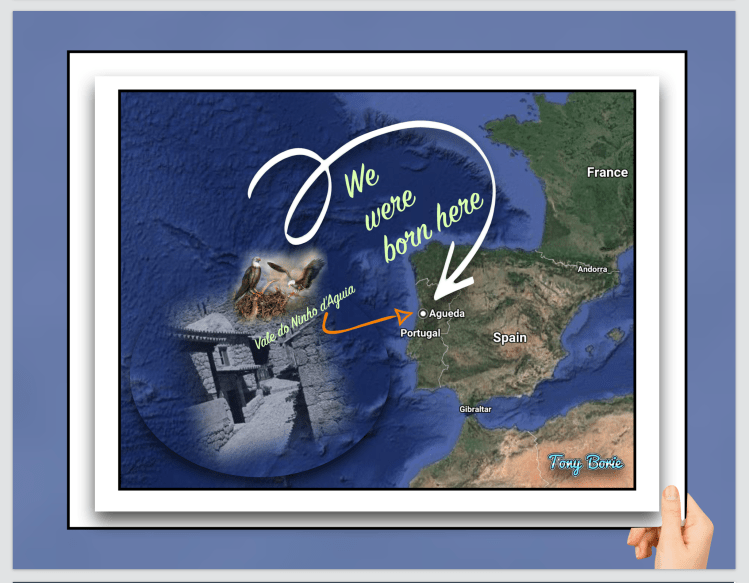
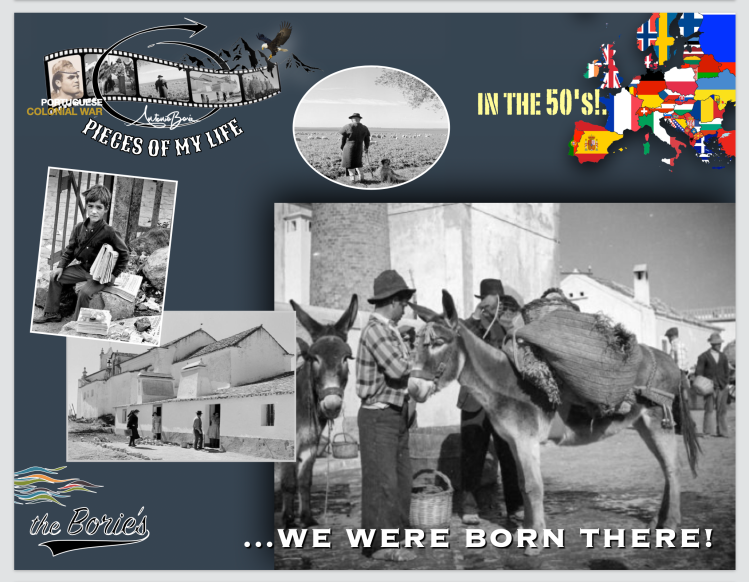
…nascemos lá!. (…we were born there)!.

…nas décadas de quarenta e cinquenta do século passado, logo após a segunda guerra mundial, pelo menos no sul da Europa de onde somos oriundos, as experiências das famílias diferiam com base na sua localização, estatuto económico e em algumas circunstâncias individuais, cobriam uma paisagem grande e variada, sempre com base na agricultura!.

…in the forties and fifties of the last century, right after the second world war, at least in southern Europe where we come from, the experiences of families differed based on their location, economic status and in some individual circumstances, covering a large and varied landscape, always based on agriculture!.

…havia crenças, tradições e estilos de vida que vinham dos seus antepassados e, pelo menos nas aldeias e vilas não variavam muito de outros centros urbanos, fossem eles do interior de montanha ou das terras da beira mar, onde as famílias continuaram aspectos de cultura que incluíam práticas agrícolas e técnicas culinárias, para sobreviver!. 

…there were beliefs, traditions and lifestyles that came from their ancestors and, at least in the villages and towns, they did not vary much from other urban centers, whether in the interior of the mountains or in the lands by the sea, where families continued aspects of culture which included agricultural practices and culinary techniques, to survive!.

…não importava que fosse agricultor, pescador, ferreiro, carpinteiro, criança, esposa ou mãe, a jornada de trabalho normalmente começava antes do amanhecer e durava até ao pôr do sol, onde ao longo do dia, todos se dedicavam às tarefas essenciais pela sobrevivência e bem de toda a família!. 

…it didn’t matter if you were a farmer, fisherman, blacksmith, carpenter, child, wife or mother, the workday normally began before dawn and lasted until sunset, where throughout the day, everyone dedicated themselves to essential tasks for survival and good luck to the whole family!.

…a manhã começava com um modesto desjejum de pão de milho, leite de cabra ou ovelha, chicória, (uma mistura parecida com café), sopa de cebola e batata antes do início do trabalho, dependendo da época do ano, do clima e da estação, e esse sustento era muito necessário, porque uma jornada de trabalho típica poderia durar até 12 horas, praticada seis dias por semana!. 

…the morning began with a modest breakfast of cornbread, goat’s or sheep’s milk, chicory, (a coffee-like mixture), onion and potato soup before starting work, depending on the time of year, the weather and the season, and this support was very necessary, because a typical workday could last up to 12 hours, carried out six days a week!.

…as mulheres, quando necessário também ajudavam nas tarefas da agricultura, da pesca ou qualquer outro trabalho, mas normalmente trabalhavam em casa administrando todos os aspectos da casa e dos cuidados com os filhos, incluindo a preparação das refeições e a educação básica dos filhos, como tal, os filhos adoravam a mãe, que sempre lembravam ao longo de toda a sua vida!. 

…women, when necessary, also helped with farming, fishing or any other work, but they normally worked at home managing all aspects of the home and childcare, including preparing meals and providing basic education for their children, As such, the children adored their mother, whom they always remembered throughout their lives!.

…além disso, as mulheres casadas de famílias não agrícolas muitas vezes trabalhavam ao lado dos maridos em lojas, comércios ou tavernas, e as mulheres solteiras ou viúvas trabalhavam como costureiras, parteiras ou taberneiras e as crianças muitas vezes ajudavam os pais no seu trabalho, aprendendo competências valiosas para o seu futuro!.

…in addition, married women from non-agricultural families often worked alongside their husbands in shops, businesses or taverns, and single women or widows worked as seamstresses, midwives or innkeepers and children often helped their parents with their work, learning valuable skills for your future!.

…naquela época, o almoço era chamado de “jantar” e era a maior e mais farta refeição do dia à base de sopa de batatas e outros vegetais da estação, como milho ou couves, onde também podia entrar alguma carne salgada de porco ou mesmo aves, seguindo-se um curto período de descanso, onde às vezes se permitia que as famílias se conectassem com os vizinhos e fortalecessem os laços sociais!. 

…at that time, lunch was called “dinner” and was the biggest and most filling meal of the day, based on potato soup and other seasonal vegetables, such as corn or cabbage, which could also include some salted pork or even birds, followed by a short period of rest, where families were sometimes allowed to connect with neighbors and strengthen social ties!.

…também havia algumas excepções, como por exemplo durante os períodos de pico agrícola, como o plantio na primavera e a colheita no outono, a jornada de trabalho das famílias era ampliada, pois todos os membros da família se dedicavam às tarefas essenciais, onde as mulheres preparavam a comida de madrugada a que chamavam “o farnel” e era levada e comida nos campos agrícolas, porque a natureza era mais exigente nestas épocas exigindo mais horas para garantir uma colheita bem-sucedida!.

…there were also some exceptions, for example during peak agricultural periods, such as planting in spring and harvesting in autumn, families working hours were extended, as all family members dedicated themselves to essential tasks, where the Women prepared the food early in the morning, which they called “farnel” and it was taken and eaten in the agricultural fields, because nature was more demanding at these times, requiring more hours to guarantee a successful harvest!.

…por outro lado, nos meses de inverno ou durante condições climáticas adversas, quando as atividades ao ar livre eram mais limitadas, a jornada de trabalho poderia ser mais curta, onde as famílias se concentravam  nas tarefas internas e domésticas, como preparar alimentos para armazenamento ou tecer e remendar roupas!. 

…conversely, in the winter months or during adverse weather conditions when outdoor activities were more limited, the workday could be shorter where families focused on indoor and domestic tasks such as preparing food for storage or weave and mend clothes!.

…continuando…, as roupas eram geralmente feitas de materiais de origem local, especialmente lã de ovelha e algodão e linho cultivados, e as famílias produziam os seus próprios têxteis através da fiação e da tecelagem!. As roupas do dia a dia eram modestas e simples, refletindo as necessidades práticas da vida diária!. Os homens normalmente usavam tamancos, camisas, coletes e calças, enquanto as mulheres vestiam vestidos com saias rodadas cobertas por longos aventais!. 

…continuing…, clothes were generally made from locally sourced materials, especially sheep’s wool and cultivated cotton and linen, and families produced their own textiles through spinning and weaving!. Everyday clothes were modest and simple, reflecting the practical needs of daily life!. Men typically wore clogs, shirts, vests and pants, while women wore dresses with full skirts covered by long aprons!.

…e para terminar…,  as famílias à noite retiravam-se para as suas camas, que eram feitas e recheadas com colchões de palha, e como havia poucos móveis na casa, raramente havia dormitórios designados, em vez disso, as pessoas dormiam em áreas de convivência com vários membros da família compartilhando o mesmo quarto, onde as crianças mais velhas dormiam numa cama e os bebés e as crianças muito pequenas dormiam ao lado da mãe e…, com o ritmo natural da luz do dia e a iluminação artificial muito limitada, as horas de dormir eram cedo, porque havia a necessidade de preparação para os longos dias de trabalho físico!.

…and to finish…, families at night retired to their beds, which were made and stuffed with straw mattresses, and as there was little furniture in the house, there were rarely designated bedrooms, instead, people slept in areas of coexistence with several family members sharing the same room, where older children slept in one bed and babies and very young children slept next to their mother and…, with the natural rhythm of daylight and very limited artificial lighting, bedtimes were early, because there was a need to prepare for long days of physical work!.

Tony Borie, Século XXI. (Tony Borie, 21st Century).
…coisas da vida!. (…things in life)!.

…alguém lá esteve e entendeu que era uma oportunidade fotográfica e reuniu os monarcas para esta imagem histórica, e nós…, um dia destes encontrámo-la!. Claro, não resistimos a falar dela!. Está lá a realeza Europeia, e foi tirada em Londres no ano de 1910 e mostra os nove monarcas reinantes que estiveram presentes durante o enterro do rei Eduardo VII!. Possivelmente é a única fotografia de todos os nove reis existentes e também lá está um do país onde nascemos, que era o Rei Manuel II de Portugal e Algarve!.

…someone was there and understood that it was a photographic opportunity and brought together the monarchs for this historic image, and we…, one of these days we found it!. Of course, we couldn’t resist talking about her! European royalty is there, and was taken in London in 1910 and shows the nine reigning monarchs who were present during the burial of King Edward VII!. It is possibly the only photograph of all nine existing kings and there is also one from the country where we were born, who was King Manuel II of Portugal and Algarve!.

…e, companheiros de jornada, lá para o ano de três mil e tal os livros de história que ainda existirem, vão lembrar que havia os reis de bigodes e barbas encaracoladas que eram senhores de muitas terras e tinham escravos a quem chamavam servos e passavam a vida entre outras coisas…, talvez na companhia das moças bonitas que por lá existiam ao redor, ou a fazer guerras e…, quando batiam com o pé no chão faziam tremer todo o palácio!.

…and, companions on the journey, back in the year three thousand or so, the history books that still exist will remember that there were kings with mustaches and curly beards who were masters of many lands and had slaves whom they called servants and passed life among other things…, perhaps in the company of the beautiful girls that were around, or fighting wars and…, when they stamped their feet on the ground they made the entire palace shake!.

…mas ninguém se vai lembrar do Zé Magro que passou a vida a plantar couves na terra arrendada ao senhor dono da aldeia, ou…, da minha saudosa e virtuosa avó Agar que tirou um retrato descalça, com uma saia feita de “borel” amarrada com uma cinta escura de linho e uma camisa do mesmo linho, mas de cor quase branca, sentada num banco de três pernas, junto de um caneco de barro com flores silvestres apanhadas na beira do caminho!. 

…but no one will remember Zé Magro who spent his life planting cabbages on the land rented from the owner of the village, or…, my late and virtuous grandmother Agar who took a portrait barefoot, with a skirt made of “borel” tied with a dark linen belt and a shirt made of the same linen, but almost white in color, sitting on a three-legged stool, next to a clay mug with wild flowers picked on the side of the path!.

..porquê?. Porque eram pobres, pessoas de muitos bons sentimentos, ajudavam todas as pessoas em desgraça e nunca maltrataram ou feriram alguém!.

..why?. Because they were poor, people with many good feelings, they helped everyone in misfortune and never mistreated or hurt anyone!

Tony Borie, Século XXI. (Tony Borie, 21st Century).
…tudo está indo muito rápido!. …everything is going very fast!.

…em alguns momentos de meditação e solidão…, comovidos, choramos!. E…, quando choramos, não devemos ser nós, talvez choramos aquilo que alguns humanos em todo o tempo sofreram, como tal, as lágrimas são nossas, no entanto…, o choro não é só nosso, é de todos!.

…in some moments of meditation and solitude…, moved, we cried! And…, when we cry, it shouldn’t be us, perhaps we cry what some humans have suffered all along, as such, the tears are ours, however…, the crying is not just ours, it belongs to everyone!.

…porquê?. Porque hoje os encontros com a vida selvagem, são muito raros, as gigantescas montanhas, glaciers e paisagens imaculadas que conhecemos e por onde caminhámos, os “glaciers” que visitámos…, infelizmente, lentamente vão caindo no mar, e aquelas imagens impressionantes dos picos recortados cobertos de neve subindo aos céus, também vão sendo mais raras!. Em resumo…, o planeta Terra, está a aquecer mais rápido do que o normal!.

…why?. Because today encounters with wildlife are very rare, the gigantic mountains, glaciers and immaculate landscapes that we know and where we walked, the “glaciers” that we visited…, unfortunately, are slowly falling into the sea, and those impressive images of the peaks cutouts covered in snow rising to the sky, are also becoming rarer!. In short… planet Earth is warming faster than normal!.

…tudo está indo muito rápido e…, o segredo da nossa História é que as palavras “natureza, homens, mulheres e crianças” já quase não existem, já quase ninguém fala nelas, talvez existam outras coisas por elas, porque a história vai-se fazendo mais ou menos a minutos ou horas, já ninguém conta o que aconteceu há dezenas de anos, parece que já não interessa, é mais importante falar de personagens pouco recomendáveis, guerras e destruição, crianças morrendo à fome, bombas a cair e os idosos a fugir deixando para trás tudo, mesmo tudo…, do pouco que tinham para sobreviver!.

…everything is going very fast and…, the secret of our History is that the words “nature, men, women and children” almost no longer exist, almost no one talks about them anymore, perhaps there are other things behind them, because history will- taking place more or less every few minutes or hours, no one tells what happened dozens of years ago, it seems that it no longer matters, it is more important to talk about characters that are not very recommendable, wars and destruction, children dying of hunger, bombs falling and the elderly people fleeing, leaving behind everything, really everything…, the little they had to survive!.

…e, companheiros de jornada, quando isto se passa…, é o início do caos da humanidade!.

…and, fellow travelers, when this happens…, it is the beginning of chaos for humanity!

Tony Borie, Século XXI. (Tony Borie, 21st Century).

…já quase somos escravos do tempo!. (…we are almost slaves of time!.)

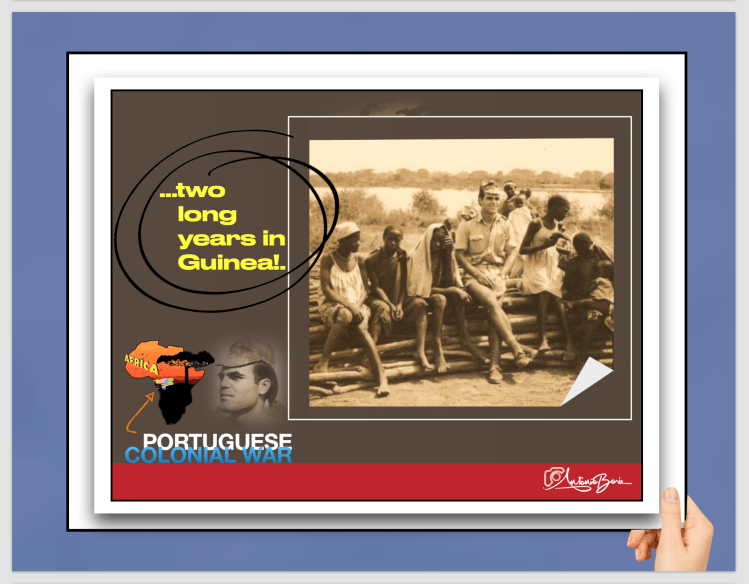
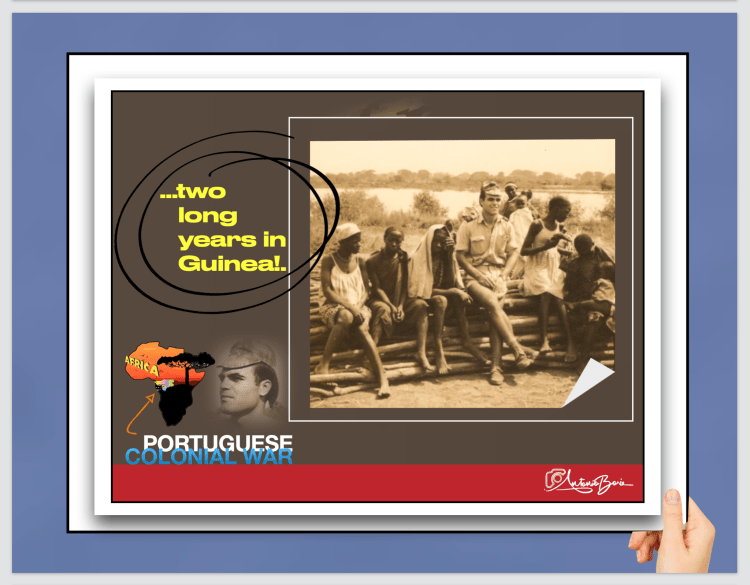
…chegámos lá, àquele enclave onde o mapa do continente africano faz aquela curva na costa do oceano Atlântico, à então Província Colonial Portuguesa da Guiné, em Maio de 1964 e…, passado cinco ou seis dias fomos transportados até próximo de uma aldeia a mais ou menos sessenta quilómetros do interior onde ajudámos a construir um “posto avançado”, que fomos obrigados a defender durante os já algumas vezes mencionados dois longos anos em que lá permanecemos, onde sempre tivemos uma sensação sinistra de estar ali, quase sobrevivendo, enterrando as vítimas, tanto os nossos companheiros combatentes como alguns inimigos…, em valas comuns!.

…we arrived there, to that enclave where the map of the African continent makes that curve on the coast of the Atlantic Ocean, to the then Portuguese Colonial Province of Guinea, in May 1964 and…, after five or six days we were transported close to another village or less sixty kilometers of the interior where we helped to build an “outpost”, which we were forced to defend during the sometimes mentioned two long years that we remained there, where we always had a sinister feeling of being there, almost surviving, burying the victims, both our fellow combatants and some enemies…, in mass graves!.

…e ainda hoje, a nossa memória por vezes desperta-nos, relembrando os ataques a esse nosso “posto avançado”, podendo mesmo ouvir o barulho contínuo de tiros e explosões de granadas, foguetes e morteiros e, depois de algum tempo podemos mesmo ver a fumaça roxa, amarela ou verde subindo acima das copas das árvores da selva pantanosa em volta do nosso “posto avançado”, enquanto os nossos companheiros combatentes tentavam sair e ir marcar as suas posições para repelir aqueles malditos ataques inimigos!.

…and even today, our memory sometimes awakens us, remembering the attacks on our “outpost”, and we can even hear the continuous noise of shots and explosions of grenades, rockets and mortars and, after some time, we can even see the purple, yellow or green smoke rising above the treetops of the swampy jungle around our “outpost”, while our fellow fighters tried to get out and mark their positions to repel those damned enemy attacks!.

…e…, quando os audazes companheiros combatentes dos diversos pelotões de combate saíam em patrulha a qualquer hora da noite ou do dia, à medida que eles passavam por nós, um por um, trocávamos olhares em câmara lenta nos seus olhos, que revelavam um pressentimento sobre os perigos que iriam viver durante aquelas malditas patrulhas sobre aquelas selvas e florestas pantanosas!.

…and…, when the daring fellow fighters from the different combat platoons went out on patrol at any time of the night or day, as they passed us, one by one, we exchanged slow-motion glances into their eyes, which revealed a I had a premonition about the dangers they would experience during those damned patrols in those jungles and swampy forests!.

…e também…, mesmo ao redor do nosso “posto avançado” existiram cenas chocantes e sem explicação, como por exemplo um companheiro combatente, dos mais audazes, que uns dias depois de ser condecorado com a medalha cruz de guerra de segunda classe, tudo pela sua valentia debaixo de fogo inimigo, ajudando assim para que o seu grupo de combate não fosse totalmente dizimado, foi encontrado enforcado numa árvore na floresta pantanosa que existia ao redor do nosso “posto avançado”, e…, que na época este seu acto foi chamado de “suicídio”, mas nunca nenhum de nós soube…, o verdadeiro motivo!.

…and also…, right around our “outpost” there were shocking and inexplicable scenes, such as a fellow combatant, one of the most daring, who a few days after being decorated with the second class war cross medal, all for his bravery under enemy fire, thus helping to ensure that his combat group was not completely decimated, he was found hanging from a tree in the swampy forest that existed around our “outpost”, and…, that at the time this act of his It was called “suicide”, but none of us ever knew…, the real reason!.

Tony Borie, Século XXI. (Tony Borie, 21st Century).
…perdoem-me, hoje estou triste!. (…forgive me, today I’m sad)!.

…talvez seja da idade já avançada mas…, hoje, sentimos uma manhã fria de autêntico inverno e…, ao acordarmos vemos o mundo onde já não existe lugar para a fuga, porque toneladas de bombas já não são suficientes para satisfazer as mentes diabólicas que infelizmente dirigem as multidões!. Assim…, os noticiários na comunicação social abrem com notícias do oriente ao ocidente, mencionando única e simplesmente destruição, mortes ou famílias com crianças famintas e desalojadas!.

…maybe it’s old age but…, today, we feel a cold morning of true winter and…, when we wake up we see the world where there is no longer any place to escape, because tons of bombs are no longer enough to satisfy the diabolical minds that unfortunately they direct the crowds!. So…, the news in the media opens with news from East to West, mentioning only and simply destruction, deaths or families with hungry and homeless children!.

…às vezes e nos intervalos, também nos mostram as planícies desertas a perder de vista, onde os bisontes vão desaparecendo, as poucas aves de rapina que ainda existem estão enjauladas nos jardins zoológicos, os felinos estão em extinção, toneladas de marfim ditam o fim dos paquidermes, os oceanos são constantemente contaminados, violados e saqueados e…, as grandes geleiras nos polos norte e sul, estão a derreter mais rápido do que o normal e…, o mais importante é que infelizmente, já não nascem tantas crianças!.

…sometimes and at intervals, they also show us the desert plains as far as the eye can see, where bison are disappearing, the few birds of prey that still exist are caged in zoos, felines are becoming extinct, tons of ivory dictate the end of pachyderms, the oceans are constantly contaminated, raped and plundered and…, the large glaciers in the north and south poles, are melting faster than normal and…, the most important thing is that unfortunately, not so many children are born anymore!.

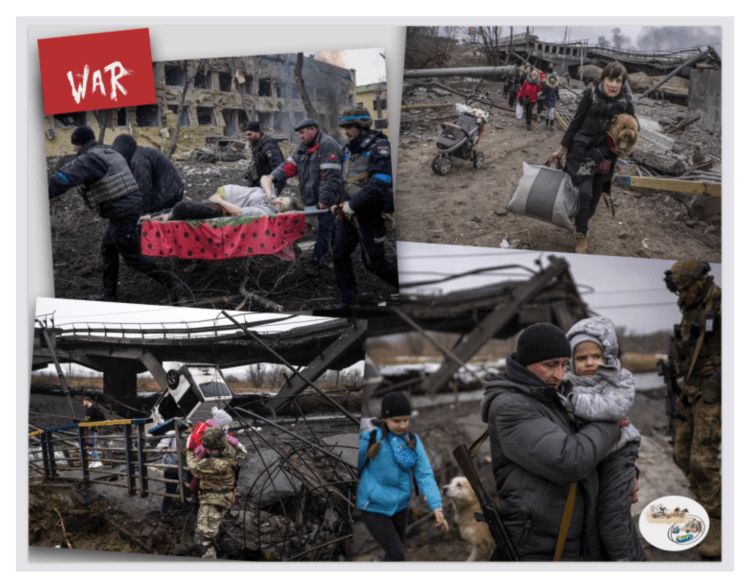
…como tal…, o que nos resta?. Talvez mais rápido do que pensamos…, o exemplo da destruição de Kiev ou de Gaza pintados com sangue humano, (onde os sobreviventes tentam remover dos escombros o que resta dos seus familiares já mortos), poderá vir a aparecer em outras partes do mundo, onde já não existem vidros nas janelas e o gélido vento da impotência vai destruindo a esperança, transformando-nos em seres errantes no meio de uma intensa nuvem do pó explosivo e mortífero das bombas, que nos vai toldando a vista e os sentidos!. 

…as such…, what are we left with? Perhaps faster than we think…, the example of the destruction of Kiev or Gaza painted with human blood, (where survivors try to remove what remains of their dead family members from the rubble), could appear in other parts of the world, where there are no longer any glass in the windows and the cold wind of impotence is destroying hope, transforming us into wandering beings in the midst of an intense cloud of explosive and deadly dust from the bombs, which is clouding our vision and senses!.

…infelizmente, foi sempre assim e assim será…, o homem constrói para destruir!.

…unfortunately, it has always been like this and will always be like this…, man builds to destroy!.

Tony Borie, Século XXI. (Tony Borie, 21st Century).
…hoje somos um antigo veterano “anti-guerra”!. (…today we are an old “anti-war” veteran)!.

…a nossa experiência diz-nos que, (e não é apenas a continuação de uma história ruim que se arrasta por séculos), qualquer guerra, por mais pequena que seja, “nunca tem um bom final”!. Como tal, hoje somos um antigo “veterano de guerra…, anti-guerra”!. Porquê?.

…our experience tells us that, (and it is not just the continuation of a bad story that has dragged on for centuries), any war, no matter how small, “never has a good ending”! As such, today we are a former “war veteran…, anti-war”!. Why?.

…porque durante os nossos dois longos anos da nossa participação forçada na Guerra Colonial Portuguesa na então província da Guiné, nós soldados combatentes, era-nos proibido e…,  não falávamos muito sobre a política da guerra, principalmente porque não sabíamos realmente nenhuma informação relevante sobre este assunto, como tal…, estávamos ali para lutar e morrer!. 

…because during our two long years of our forced participation in the Portuguese Colonial War in the then province of Guinea, we combat soldiers were forbidden and…, we didn’t talk much about the politics of the war, mainly because we didn’t really know any relevant information on this subject, as such…, we were there to fight and die!.

…ao regressar-mos à Europa, começámos a pesquisar o início do envolvimento do então governo colonial de Portugal em forçar-nos a navegar no oceano Atlântico rumo ao sul, “empacotados” no porão de um navio de carga, para ir-mos combater os guerrilheiros que lutavam pela independência dos seus territórios, lá naquela parte da África selvagem e pantanosa, com savanas de terra vermelha!.

…when we returned to Europe, we began to research the beginning of the involvement of the then colonial government of Portugal in forcing us to sail in the Atlantic Ocean heading south, “packed” in the hold of a cargo ship, to go fight The guerrillas who fought for the independence of their territories, there in that part of wild and swampy Africa, with red earth savannas!.

…e aí…, devemos dizer que ficámos bastante chocados e furiosos, porque éramos nós jovens soldados combatentes que colocávamos as nossas vidas em risco diariamente e, com muito poucas excepções, servimos fiel e honrosamente, o que é mais do que podemos dizer sobre os políticos e planeadores militares que iniciaram esta maldita guerra!. Então passámos a acreditar que a guerra tinha sido errada a muitos níveis!.

…and then…, we must say that we were quite shocked and furious, because we were young combat soldiers who put our lives at risk daily and, with very few exceptions, we served faithfully and honorably, which is more than we can say about the politicians and military planners who started this damn war!. So we came to believe that the war had been wrong on many levels!

…e todavia, ainda hoje não sabemos e talvez nunca saberemos porque a idade já vai longa, quem foram os verdadeiros heróis, se foram os que por lá ficaram enterrados nas valas comuns junto do nosso “posto avançado” naquela selva pantanosa,ou aqueles que eram apelidados de activistas e vistos como simpatizantes antipatrióticos e…, ainda em Portugal diziam: “claro que não, não iremos para a guerra em África, vamos fugir para França”, o que era muito vulgar naquela época!.

…and yet, even today we do not know and perhaps we will never know because the age is already long, who the real heroes were, whether they were those who were buried there in the mass graves next to our “outpost” in that swampy jungle,or those who they were called activists and seen as unpatriotic sympathizers, and even in Portugal they said: “of course not, we’re not going to war in Africa, we’re going to flee to France”, which was very common at that time!.

…hoje…, consideramos tudo isto fragmentos do tempo…, do tempo que nos resta!.

…today…, we consider all of this fragments of time…, of the time we have left!.

 Tony Borie, Século XXI. (Tony Borie, 21st Century).

…apanhados pelo clima!. (caught by the climate!.)

…quando da nossa participação forçada na maldita Guerra Colonial Portuguesa em África, na então província da Guiné, talvez sem o notar, fomos “apanhados pelo clima” porque os elementos eram duros, havia um calor sufocante, havia o vírus e outras doenças, as picadas de insetos a podridão da selva pantanosa que nos infectava e…, a temperatura caía consideravelmente à noite e fazia frio, era a estação das monções, onde chovia constantemente, no entanto o nosso jovem corpo Europeu, foi-se acostumando a tudo isto!.

…when we participated forcedly in the cursed Portuguese Colonial War in Africa, in the then province of Guinea, perhaps without noticing it, we were “caught by the climate” because the elements were harsh, there was suffocating heat, there were viruses and other diseases, the insect bites, the rot of the swampy jungle that infected us and…, the temperature dropped considerably at night and it was cold, it was the monsoon season, where it rained constantly, however our young European body got used to all this! .

…no “posto avançado” onde estivemos pelo período de dois longos anos, não havia paz!. No silêncio da noite ou em qualquer outro infeliz momento, “de repente o inferno explodia” e não sabíamos se iríamos ser o próximo a ser embrulhado no nosso próprio camuflado sujo com o nosso próprio sangue, como tal, não sabemos as vezes que estivemos perto de morrer, e nesses momentos, éramos forçados a aprender a valorizar a nossa vida e…, éramos uns jovens de 20 anos!. Às vezes pensando nisto, sentimos a pele a arrepiar-se!. 

…in the “outpost” where we were for two long years, there was no peace! In the silence of the night or in any other unfortunate moment, “all of a sudden all hell broke loose” and we didn’t know if we would be the next one to be wrapped in our own camouflage dirty with our own blood, as such, we don’t know how many times we were close to die, and in those moments, we were forced to learn to value our life and…, we were young people in our 20s!. Sometimes thinking about this makes our skin crawl!

…e tal como muitos veteranos de guerra que voltaram de África, a princípio não tínhamos muito a dizer, no entanto, passado alguns anos, começámos a escrever as coisas que testemunhámos como histórias e as escrevemos num pequeno diário que uma madrinha de guerra nos tinha enviado!. 

…and like many war veterans who returned from Africa, at first we didn’t have much to say, however, after a few years, we began to write down the things we witnessed as stories and wrote them down in a small diary that a war godmother had for us sent!.

…assim, pretendíamos mostrar tudo isto sobretudo aos jovens, como um aviso para quando fossem forçados a ingressar nas forças armadas, já que nós mesmos não tínhamos a menor ideia ao sermos forçados a nelas ingressar, sendo naquela época, pouco mais que crianças!. No entanto, enquanto crianças que cresciam naquela sociedade, assumimos que os adultos que eram os “líderes” do nosso país que era Portugal, então com regime colonial…, sabiam o que estavam a fazer!.

…thus, we intended to show all this especially to young people, as a warning for when they were forced to join the armed forces, since we ourselves had no idea when we were forced to join them, being at that time, little more than children!. However, as children growing up in that society, we assumed that the adults who were the “leaders” of our country, which was Portugal,then under colonial rule…, knew what they were doing!

Tony Borie, Século XXI. (Tony Borie, 21st Century). 

…estamos em Janeiro de 2024!. (…we are in January 2024)!.

…cremos que foram os egípcios ou os romanos, ou até talvez outros povos em diferentes épocas, que se lembraram de cortar o tempo em fatias e depois lhe deram o nome de “anos”!. Isto era o equivalente a doze meses de trinta ou mais dias e depois…, entrava o milagre da renovação e tudo começava outra vez do zero, ou seja, voltando tudo ao princípio talvez com outra vontade em acreditar que daqui em diante tudo iria ser diferente, mas na verdade, o ser humano hoje vai-se sentindo cada vez mais velho, cansado, desiludido e algo estúpido…, com as guerras que por aí vão pela conquista de territórios…, como se a terra pertencesse a alguém!.

…we believe that it was the Egyptians or the Romans, or even perhaps other people at different times, who remembered to cut time into slices and then gave it the name “years”!. This was the equivalent of twelve months of thirty or more days and then…, the miracle of renewal came in and everything started again from scratch, that is, going back to the beginning, perhaps with a different desire to believe that from now on everything would be different. , but in truth, human beings today feel increasingly older, tired, disillusioned and somewhat stupid…, with the wars that are going on for the conquest of territories…, as if the land belonged to someone!.

…mas, infelizmente isto são apenas obstáculos que com alguma sorte, de uma maneira ou de outra, somos forçados a contornar se queremos  sobreviver pelo menos outro período dos tais doze meses de trinta ou mais dias!. 

…but, unfortunately, these are just obstacles that with some luck, one way or another, we are forced to overcome if we want to survive at least another period of those twelve months of thirty or more days!.

…depois deste “desabafo” e continuando, vamos à história de hoje, que afinal não é história nenhuma!.

 …after this “outburst” and continuing, let’s get to today’s story, which after all isn’t a story at all!

…fomos caminhar à beira do canal!. Por algum tempo fomos livres e…, chegados a casa tiramos os sapatos, descalçando-nos dos nossos problemas!. Sentamo-nos em frente ao computador, escrevemos uma escrita muito mal escrita, ao lado pegamos num lápis rabiscando uns desenhos muito pouco profissionais!. Abrimos a boca querendo dizer bem alto o que nos vai no pensamento, que é desejar a todas as pessoas em todo o mundo e…, que são palavras como “paz, paz e paz, saúde, saúde e saúde, amor, amor e amor, liberdade, liberdade e liberdade”!. Querendo mesmo gritar bem alto, usando todas aquelas palavras que dizem que são censuradas, ou seja, na verdade…, queremos libertar-nos de nós mesmos!. 

…we went for a walk along the canal!. For a while we were free and…, when we got home we took off our shoes, taking off our problems!. We sat in front of the computer, wrote some very poorly written writing, and next to it we picked up a pencil and scribbled some very unprofessional drawings!. We open our mouths wanting to say out loud what is on our minds, which is to wish all people around the world and…, which are words like “peace, peace and peace, health, health and health, love, love and love, freedom, freedom and freedom”!. Really wanting to scream out loud, using all those words that say they are censored, that is, in fact…, we want to free ourselves from ourselves!.

…porquê?. Porque qualquer coisa nos espicaça para fugir desta realidade que é o mundo de hoje com fome, destruição e países envolvidos em guerras com milhares de soldados e pessoas inocentes mortas e…, outros países que auxiliam com dinheiro e bombas, para que essas guerras perdurem até à eternidade!. NÃO DIALOGANDO, PARA QUE AS GUERRAS ACABEM!.

…why?. Because anything encourages us to escape this reality that is today’s world with hunger, destruction and countries involved in wars with thousands of soldiers and innocent people killed and…, other countries that help with money and bombs, so that these wars last until to eternity!. NOT DIALOGUE, SO THAT THE WARS END!.

…ao pensar em tudo isto, somos tal qual crianças e…, em lugar de sorrir com ingenuidade…, CHORAMOS!. E também nos lembramos de que os nossos pais e avós, lá na aldeia serrana da Europa perto do mar onde nascemos e fomos criados, nos diziam que quando temos um problema com alguém devíamos falar e esclarecer o problema, no entanto depois…, quando já adultos fazemos precisamente o contrário!. Mas quanto aos adultos…, são seres estranhos, contradizem-se a todo o momento e só acrescentam problemas aos problemas porque se focam apenas na sua verdade e, é nela que vivem o resto das suas vidas!.

…when thinking about all this, we are just like children and…, instead of smiling naively…, WE CRY!. And we also remember that our parents and grandparents, back in the mountain village in Europe near the sea where we were born and raised, told us that when we have a problem with someone we should talk and clarify the problem, however later…, when we already adults do precisely the opposite! But as for adults…, they are strange beings, they contradict themselves all the time and only add problems to problems because they only focus on their truth, and that is what they live the rest of their lives in!.

…bem, parece que nos baralhámos um pouco na escrita de hoje e não sabemos como, é tal como querendo ser sempre sinceros…, nos contradizemos a cada minuto, no entanto, amanhã já é outra vez domingo…, ufff, como o tempo nos foge, já estamos em 2024!.

…well, it seems that we got a little confused in today’s writing and we don’t know how, it’s just like we always want to be honest…, we contradict ourselves every minute, however, tomorrow it’s Sunday again…, ufff, how the weather makes us run away, it’s already 2024!

Tony Borie, Século XXI. (Tony Borie, 21st Century).