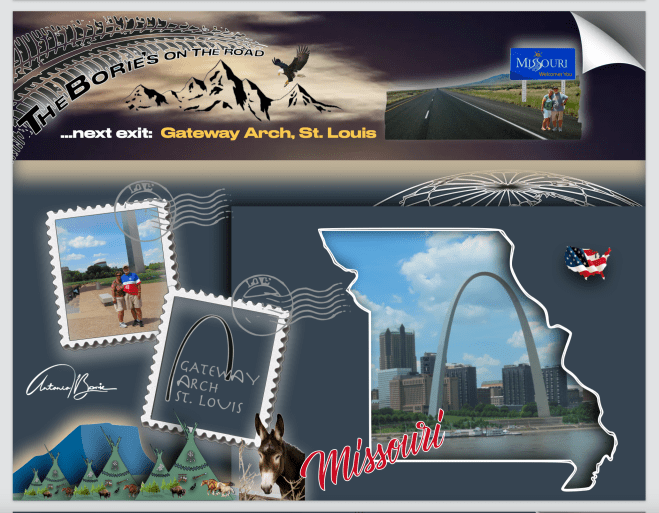
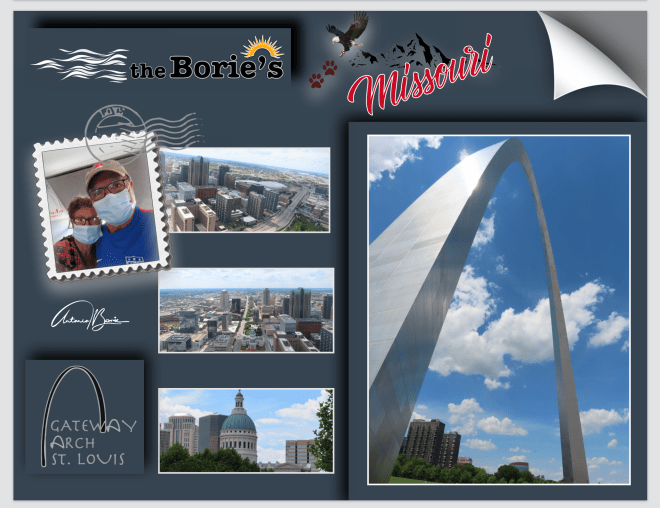
…estávamos no estado do Missouri parando na cidade de St. Louis, que se situa nas margens dos rios Mississippi e Missouri e tem o seu nome em homenagem ao rei Louis IX, sendo fundada no ano de 1764 como uma vila francesa de comércio de peles e, para nós tem sido um roteiro nas nossas viagens para oeste, tal como há mais de duas centenas de anos e à medida que o país passou a expandir-se em direcção ao oeste, o Missouri passou a ser uma das principais escalas dos emigrantes!.
…we were in the state of Missouri stopping in the city of St. Louis, which is on the banks of the Mississippi and Missouri rivers and has its name in honor of King Louis IX, being founded in 1764 as a French hat trading village and, for us it has been a script in our west trips, as more than two hundred years ago and as the country has been expanded to the direction. West, Missouri became one of the main scales of emigrants!.
…o seu cognome é, “Mother of the West”, a mãe do oeste, e nós, estacionando a nossa “White Fox” (caravana), na área portuária, quase sem o notar lembrámos aquele musical “Meet Me in St. Louis”, (encontre-me em São Luis), estrelado por Judy Garland, que se passa nesta cidade e conta a história de uma família que não quer sair da cidade, por uma nova vida em Nova York!.
… Its cognome is, “Mother of the West”, the Mother of the West, and we, parking our “White Fox” (caravan), almost not noticing it we reminded that musical “Meet Me in St. Louis”, starring Judy Garland, who is going on in this city and tells the story of a new life, in New York!.
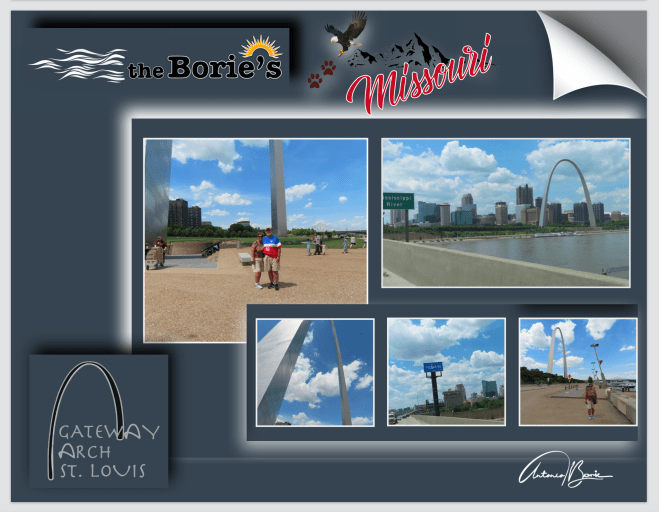
…não sabemos bem porquê, mas também não queríamos sair da cidade!. Estávamos em frente ao monumento Gateway Arch, na área do porto fluvial, que naquela época era o maior porto do rio Mississippi, mesmo próximo ao ponto de partida da Expedição Lewis e Clark, que é um memorial nacional e que foi inaugurado no ano de 1965 para comemorar diversos acontecimentos, como por exemplo a Compra da Louisiana e o subsequente movimento para o oeste de exploradores e pioneiros americanos ou até o primeiro governo civil a oeste do Rio Mississippi, tornando-se hoje na peça central do Parque Nacional Gateway Arch, e num símbolo internacionalmente reconhecido da cidade de St. Louis, bem como um destino turístico popular!.
…we don’t know well why, but we didn’t want to leave town either!. We were in front of the Gateway Arch monument in the river port area, which at that time was the largest port of the Mississippi River, even near the starting point of the Lewis and Clark expedition, which is a national memorial and was inaugurated in 1965 to commemorate various events, such as the purchase of Louisiana and the subsequent movement for the west of the explorers and even the first government or the first government Civil to the west of the Mississippi River, becoming today in the centerpiece of Gateway Arch National Park, and in an internationally recognized symbol of the city of St. Louis, as well as a popular tourist destination!.
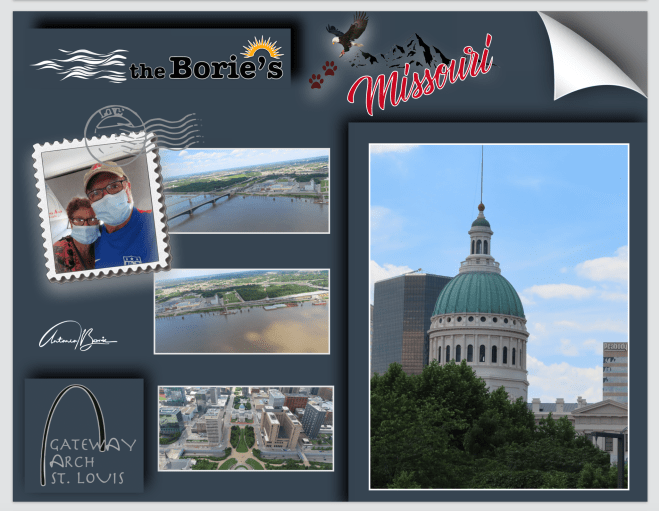
…subimos ao seu topo!. Este arco é uma estrutura única, com 190 metros de altura, construído com triângulos equiláteros de aço soldados entre si, com o formato de uma curva catenária invertida!. São 1.076 degraus que levam ao topo do arco… mas, felizmente, não precisámos de subir as escadas, em vez disso, entrámos num pequenino elevador, que comportam cinco adultos, joelho com joelho, onde as pessoas altas podem ter que se curvar um pouco, levando à volta de quatro minutos para chegar ao topo.
…we climbed to your top!. This arc is a unique structure, 190 meters high, built with equilateral triangles of welded steel, with the shape of an inverted catenary curve!. There are 1,076 steps that lead to the top of the arc…, but fortunately, we didn’t need to climb the stairs, instead we entered a tiny elevator, which hold five adults, knee knee, where tall people may have to bow a little, taking around four minutes to reach the top!.
…a sua localização era estratégica para a época, convertendo-se num ponto de partida de exploradores do Oeste Americano e colonizadores que emigravam para Oeste, e hoje quem se aproxime da cidade, mesmo a muitas milhas de distância, pode avistar o “Gateway Arch”, que nos dizem que é o mais alto monumento em solo norte americano e toda aquela área do parque imediatamente ao redor do arco é tranquila e agradável, principalmente para caminhadas, onde existem alguns lagos e muitas áreas verdes e várias trilhas onde as escadas nos levam às margens do Rio Mississippi.
…its location was strategic for the time, becoming a starting point of west explorers and colonizers emigrating west, and today those who approach the city, even many miles away, can see the Gateway Arch, which are told that it is the highest monument on North American soil and all that area of the park immediately around the bow is quiet and pleasant, especially for hiking, where there are some lakes and many green areas and several trails where the stairs lead us to the banks of the Mississippi River!.
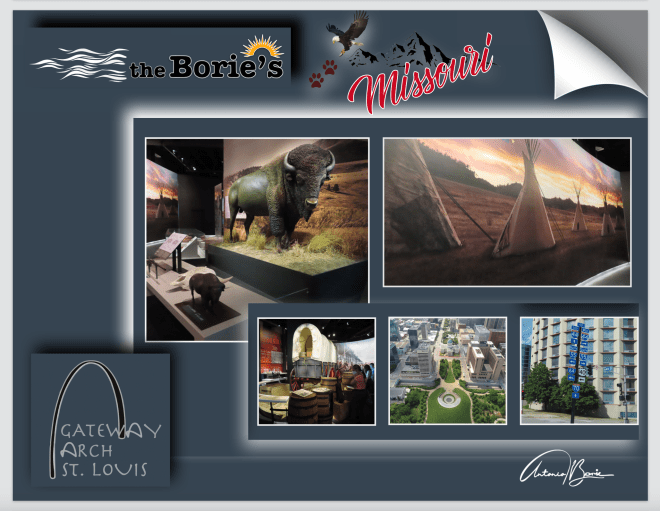
…também existe um museu abaixo do arco muito interessante com muita informação sobre o concurso de projeto do arco, sobre a história de St. Louis e a Expedição Lewis e Clark, que começou e terminou em St. Louis, e a expansão para o oeste dos USA, com motivos do oeste, e exemplificando o que os emigrantes faziam e usavam a caminho do oeste, depois de terem viajado, talvez por anos, no rio Mississippi, vindos dos portos de Boston, New York ou Philadelphia, que depois de saírem de St. Louis, levavam outros tantos anos a chegar à Califórnia, ou mesmo ao sul, viajando pela “Santa Fé Trail”, que também era conhecida pelo “Caminho Real”, que era um caminho que os levava às regiões do sul, junto à fronteira do México!.
…there is also a very interesting museum with a lot of information about the arch design contest, the story of St. Louis and the Lewis and Clark expedition, which started and ended in St. Louis, and the west of the west, with west motifs, and exemplifying what emigrants were doing and used on the way to the west, after being traveled, perhaps for years, in Mississippi River, coming from the ports of Boston, New York or Philadelphia, who, after leaving St. Louis, took so many years to come to California, or even south, traveling through the “Santa Fe Trail”, which was also known for the “royal path”, which was a path that led them to the southern regions, next to the Mexico border!.
…esta semana é semana de Páscoa e como tendo ocorrido, no Novo Testamento está descrito que é tempo de Páscoa, ou mais propriamente Domingo da Ressurreição, como um festival e feriado comemorativo da ressurreição de Jesus!.
…this week is Easter week and as having happened, in the New Testament it is described that it is Easter time, or more Sunday of the resurrection, as a festival and commemorative holiday of the resurrection of Jesus!.
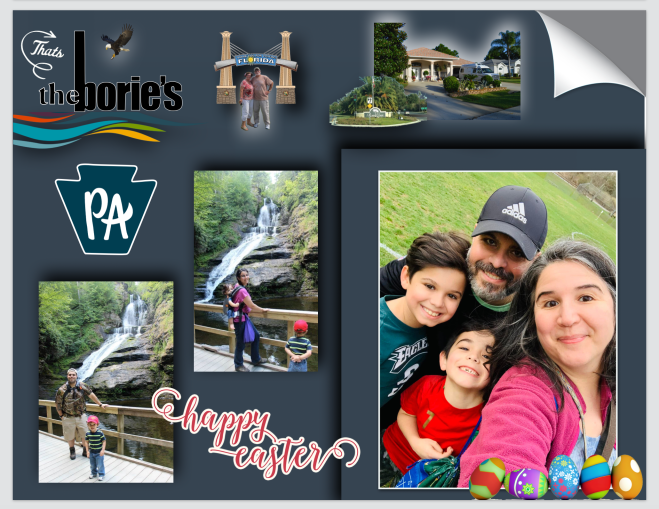
…e nesta época, uma parte da família ficou no norte, nas montanhas de Pennsylvania, no entanto vamos telefonando e vendo-nos pelo telefone, falando, falando, desejando uma Páscoa feliz, mas no final da conversação o resultado é sempre o mesmo, “muitas saudades”!.
…and at this time, a part of the family was in the north, in the mountains of Pennsylvania, however we are calling and seeing us on the phone, speaking, wishing, wishing a happy Easter, but at the end of the conversation the result is always the same, “a lot of longing”!.
…dizem-nos também, que o presente momento é um ponto culminante da Paixão de Jesus, precedida pela Quaresma, um período de 40 dias de jejum, oração e penitência, coisa que vamos fazendo fechados em casa, claro, sem cumprir o jejum, porque a vontade de comer ainda vai acontecendo, no entanto, a maioria dos cristãos referem-se à semana antes da Páscoa como “Semana Santa”!.
…they also tell us that the present moment is a culminating point of the passion of Jesus, preceded by Lent, a period of 40 days of fasting, prayer and penance, which we are closed at home, of course, without fulfilling the fast, because the desire to eat is still happening, however, however, most Christians refer to the week before Easter as “Holy Week”!.
…a outra parte da família veio aqui à Florida para nos ver e, para nós, a sua presença, são como que…, sem ter férias, estamos de férias, porque o sorriso das crianças é constante!.
…the other part of the family came to Florida to see us and, for us, your presence, are like…, without vacation, we are on vacation, because the smile of the children is constant!.
…e tentando concluindo a história da Páscoa, a Quinta-Feira Santa, em comemoração ao Domingo e à Última Ceia, e à Sexta-Feira Santa, comemorando a crucificação e a Páscoa, palavra que também nos dizem que representa uma festa solene dos hebreus, em memória da sua saída do Egipto, no entanto para os cristãos, é uma festa em memória da ressurreição de Jesus Cristo!.
…and trying to conclude the history of Easter, Holy Thursday, in celebration of Sunday and the last supper, and the Holy Friday, celebrating the crucifixion and Easter, a word that also tells us that it represents a solemn feast of the Hebrews, in memory of its exit from Egypt, however for Christians, is a feast in memory of the resurrection of Jesus Christ!.
…esta parte da família irá ficar por aqui algum tempo para nossa alegria!. Oxalá todos tenham uma Páscoa feliz e em família!.
…this part of the family will stay here for some time for our delight!. We wish everyone has a happy and family Easter!.
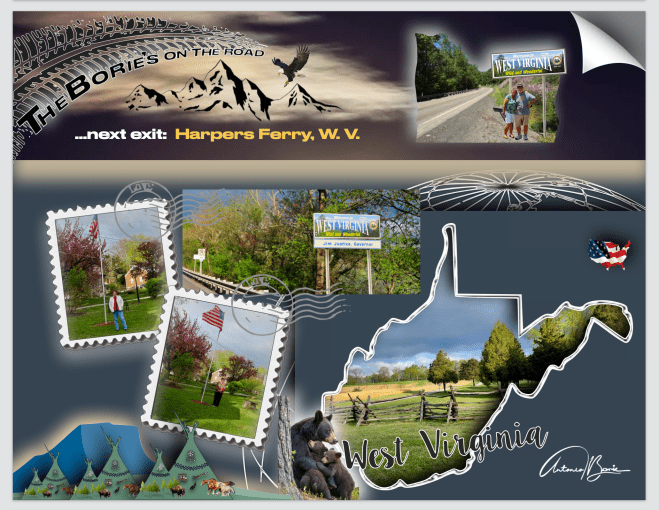
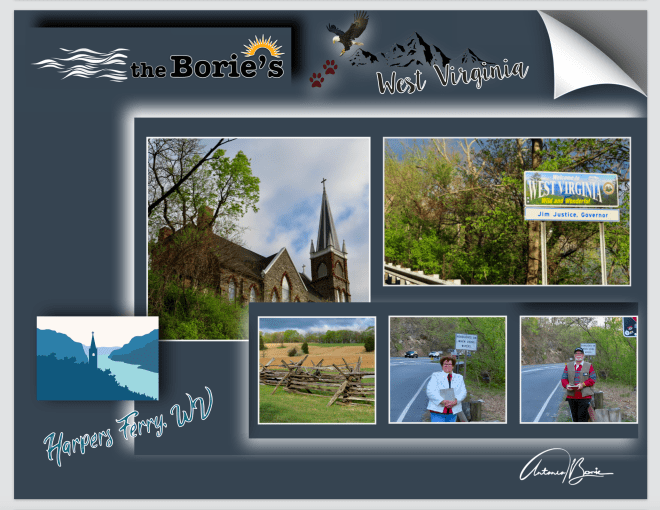
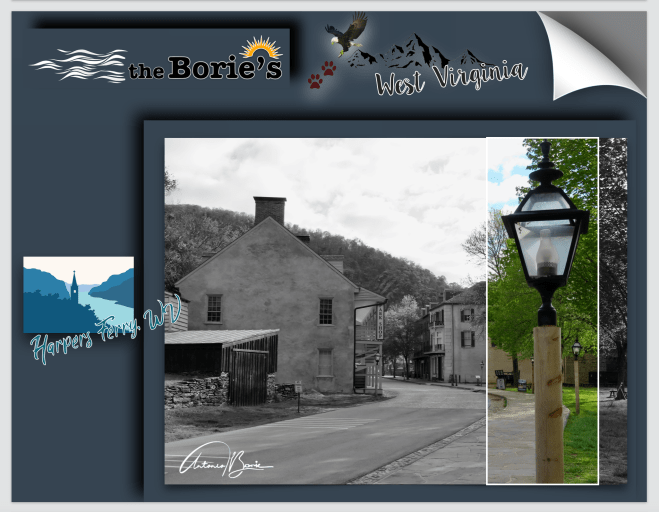
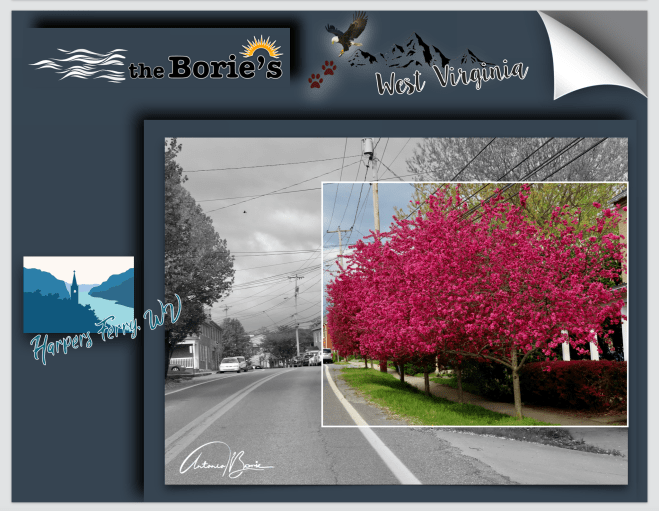
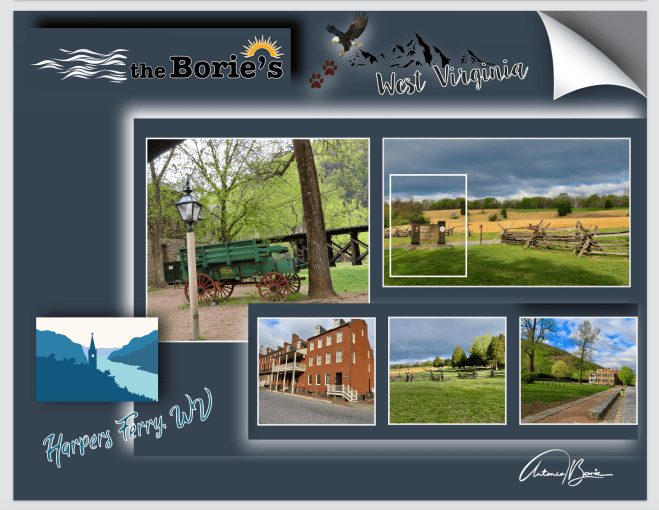
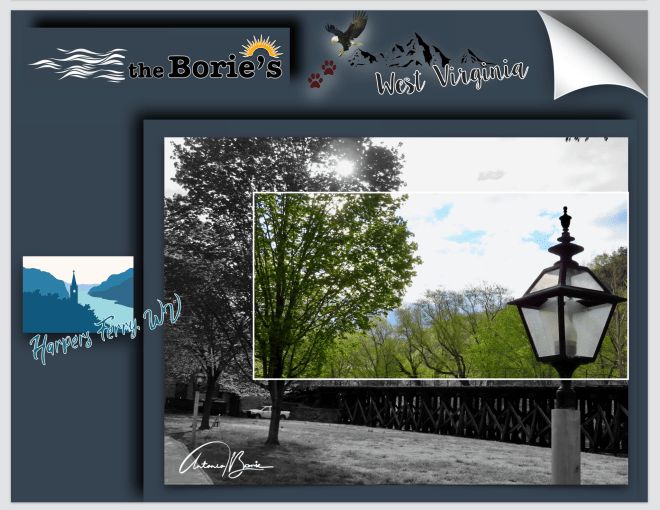
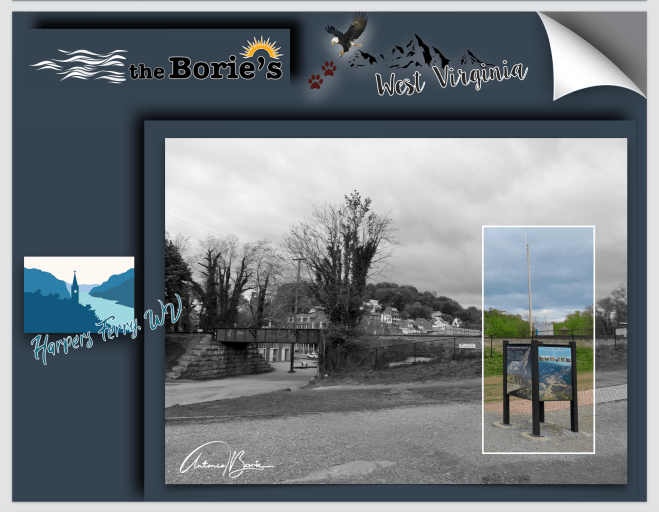
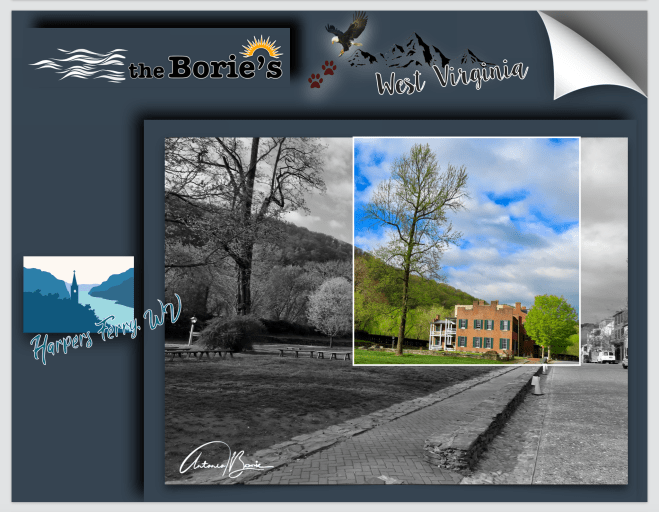
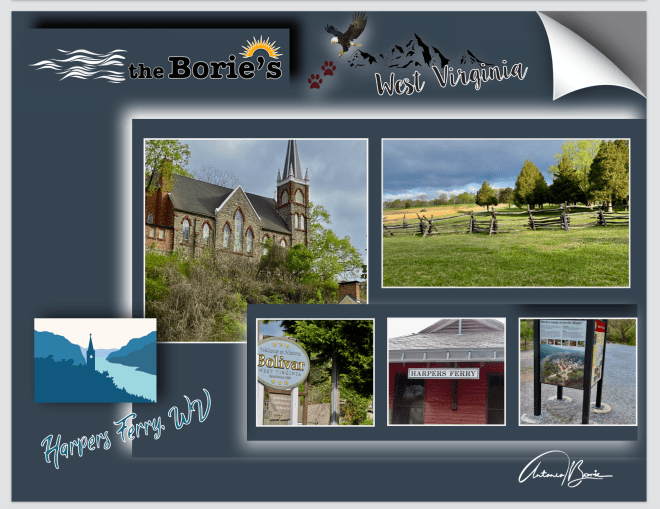
…a tarde já ia avançada, quando chegámos ao vale de Shenandoah na confluência dos rios Potomac e Shenandoah, onde se juntam os estados de Maryland, Virgínia e West Virgínia!. Pernoitámos por ali e, ao outro dia caminhámos pelas ruas calcetadas em pedra, pelas encostas agrestes e pela margem dos rios, parecendo-nos que viajávamos no tempo!.
…the afternoon was already late, when we arrived in the Shenandoah valley at the confluence of the Potomac and Shenandoah rivers, where the states of Maryland, Virginia and West Virginia join!. We spent the night there and, the other day we walked through the cobbled streets, the rough slopes and the riverside, looking like we were traveling in time!.
…já lá iam uns anos em que a curiosidade em visitar esta simpática cidade museu crescia em nós!. Porquê? Porque a sua história, pelo menos durante a Guerra Civil Americana, foi considerada o ponto mais ao norte do território controlado pelos confederados, embora um pouco mais a norte, mesmo a muito pouca distância, era unionista, e claro, falando da Guerra Civil, era considerado “o melhor ponto estratégico de todo o Sul”!.
…there were some years when the curiosity to visit this nice museum city grew in us!. Because? Because its history, at least during the American Civil War, was considered the most northerly point in the territory controlled by the Confederates, although a little further north, even at a very short distance, it was unionist, and of course, speaking of the Civil War, it was considered “the best strategic point in the whole South”!.
…caminhando por aqui, verificamos que as características geográficas de Harpers Ferry, são as principais razões para sua colonização e eventual desenvolvimento, tornando este local como um centro de transporte natural, situado na encosta de um grande rio, o Shenandoah, que se junta ao Rio Potomac, dando-nos a entender que Harpers Ferry guardava a entrada do grande Vale Shenandoah, na Virgínia, enquanto o rio Potomac proporcionava fácil acesso à capital Washington!.
…walking here, we find that the geographical characteristics of Harpers Ferry, are the main reasons for its colonization and eventual development, making this place as a center of natural transport, located on the side of a large river, the Shenandoah, which joins the Potomac River, implying that Harpers Ferry guarded the entrance to the great Shenandoah Valley in Virginia, while the Potomac River provided easy access to the capital Washington!.
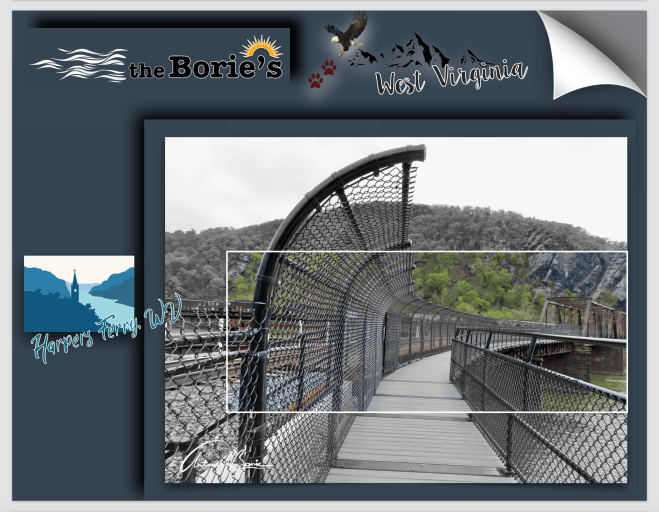
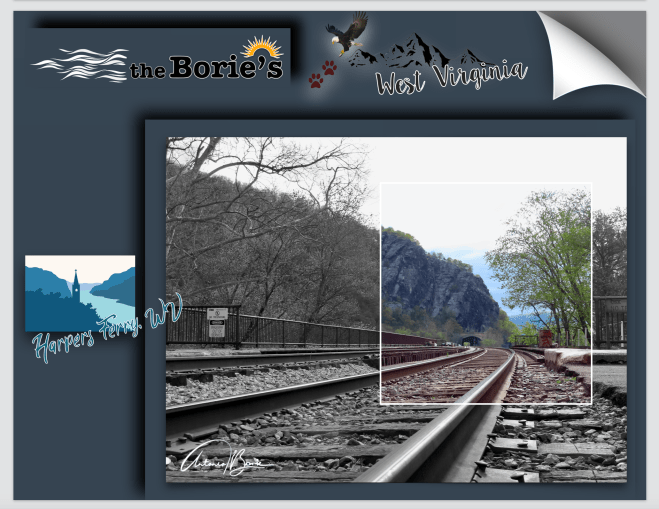
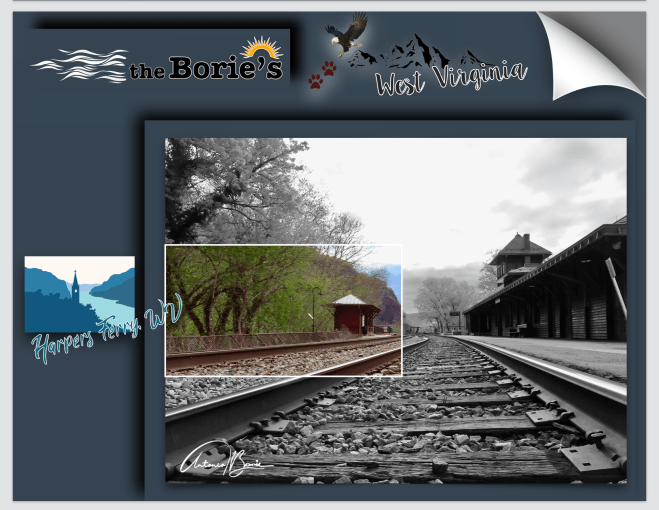
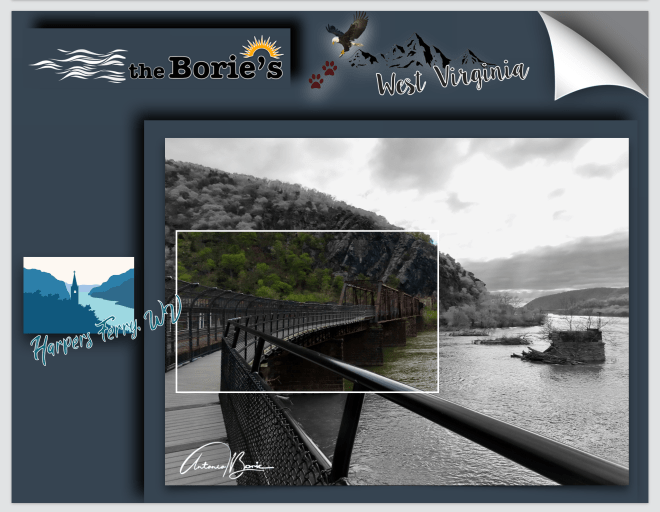
…e mais, os vales dos rios possibilitaram a construção do canal de Chesapeake e Ohio, (que nunca foi concluído), e depois os caminhos de ferro de Baltimore e Ohio, logo seguidos dos caminhos de ferro de Winchester e Potomac, perfazendo assim o primeiro entroncamento ferroviário nos USA, sendo a primeira e por muitos anos a única ponte ferroviária sobre o rio Potomac!.
…and more, the river valleys made it possible to build the Chesapeake and Ohio canal, (which was never completed), and then the Baltimore and Ohio railways, soon followed by the Winchester and Potomac railways, thus making the first rail junction in the United States, being the first and for many years the only railway bridge over the Potomac River!.
…e claro, seguiram-se as linhas telegráficas e todas as outras componentes de um progresso e, a palavra Ferry (balsa) que dá o nome à cidade, terminou, quando uma ponte rodoviária em madeira coberta foi construída e, nenhuma das pontes de Washington D.C. conectando com a Virgínia, transportava mais tráfego de cavalos, pelo menos até depois da Guerra Civil!.
…and of course, telegraph lines and all other components of progress followed, and the word Ferry that gives the city its name ended when a covered wooden road bridge was built and none of the bridges Washington DC connecting with Virginia, carried more horse traffic, at least until after the Civil War!.
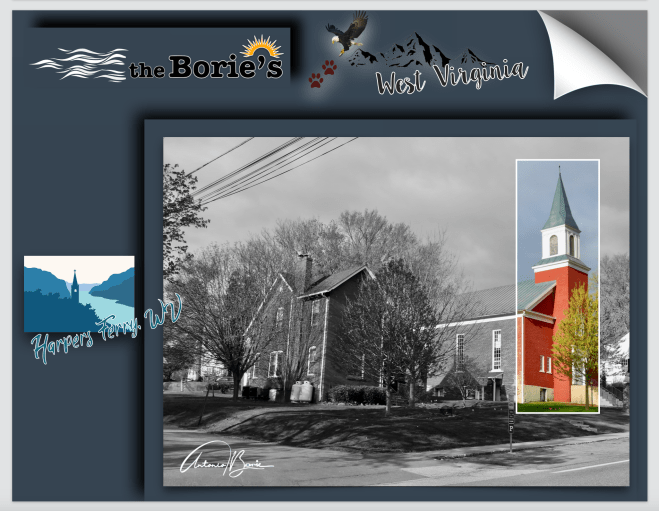
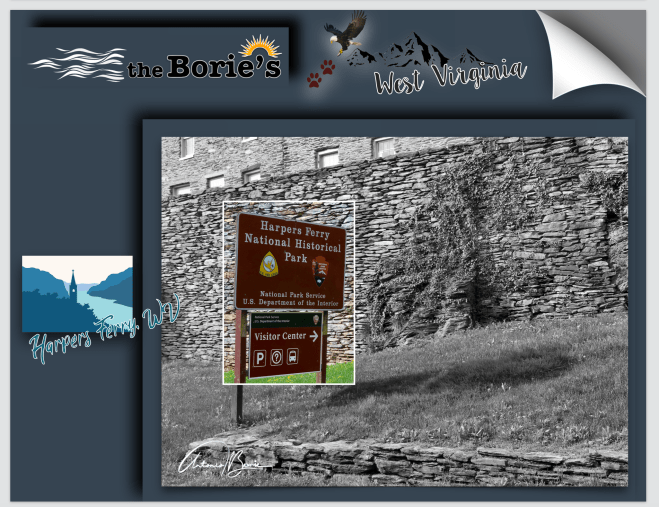
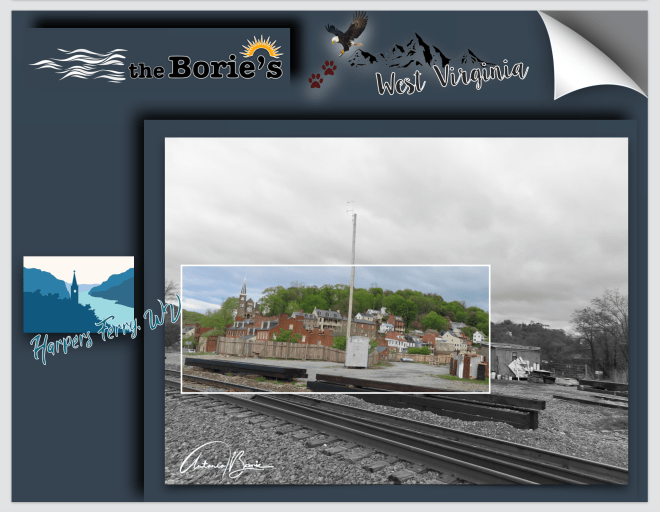
…vale a pena caminhar por aqui, onde a parte inferior e original da cidade se situa numa planície de inundação criada pelos dois rios, cercada por um terreno mais alto, fazendo parte do Parque Histórico Nacional Harpers Ferry, que inclui a área mais populosa, onde está incluído o distrito histórico, fazendo parte do Registro Nacional de Lugares Históricos e, adjacentes à cidade, estão o Baltimore e Ohio Railroad Potomac River Crossing e a Igreja Católica Romana de São Pedro!.
…it is worth walking here, where the lower and original part of the city is located on a floodplain created by the two rivers, surrounded by higher ground, forming part of the Harpers Ferry National Historical Park, which includes the most populous area, where the historic district is included, forming part of the National Register of Historic Places and, adjacent to the city, are the Baltimore and Ohio Railroad Potomac River Crossing and the Roman Catholic Church of St. Peter!.
…vários presidentes dos USA visitaram Harpers Ferry e, Thomas Jefferson viu “a passagem do Potomac através do Blue Ridge” de uma rocha que agora leva seu nome!. Esta paragem ocorreu quando Jefferson estava viajando para Filadélfia com a sua filha Patsy, chamando ao local de “talvez uma das cenas mais estupendas da natureza”, afirmando que, “esta cena vale uma viagem através do Atlântico”!.
…several presidents of the USA visited Harpers Ferry and, Thomas Jefferson saw “the passage of the Potomac through the Blue Ridge” of a rock that now bears his name!. This stop occurred when Jefferson was traveling to Philadelphia with his daughter Patsy, calling it “perhaps one of the most amazing scenes in nature”, stating that, “this scene is worth a trip across the Atlantic”!.
…e George Washington, viajou para Harpers Ferry durante o verão de 1785 para determinar a necessidade de canais de desvio e, em 1794, a sua familiaridade com a área o levou a propor o local para um novo Arsenal dos USA!. Como tal, no ano de 1796, o governo federal comprou um terreno de 125 acres e, três anos depois iniciou a construção do Arsenal dos USA em Harpers Ferry!. Esta foi uma das duas únicas instalações nos USA, sendo a outra Springfield, Massachusetts, onde juntos, produziram a maioria das armas pequenas para o Exército dos USA!.
…and George Washington, traveled to Harpers Ferry during the summer of 1785 to determine the need for diversion channels and, in 1794, his familiarity with the area led him to propose the site for a new United States Arsenal!. As such, in the year 1796, the federal government purchased 125 acres of land and, three years later, began building the United States Arsenal on Harpers Ferry!. This was one of only two facilities in the US, the other being Springfield, Massachusetts, where together they produced most of the small arms for the US Army!.
…assim, a cidade foi transformada num centro industrial entre 1801 e 1861, quando o Arsenal foi destruído para evitar a captura durante a Guerra Civil!. O Arsenal produziu mais de 600.000 mosquetes, rifles e pistolas, onde o capitão inventor John H. Hall foi o pioneiro no uso de peças intercambiáveis em armas de fogo fabricadas nos seus trabalhos de rifle neste Arsenal e, o seu rifle M1819 Hall foi a primeira arma de carregamento por culatra adotada pelo Exército dos EUA!.
…thus, the city was transformed into an industrial center between 1801 and 1861, when the Arsenal was destroyed to avoid capture during the Civil War!. Arsenal produced more than 600,000 muskets, rifles and pistols, where captain inventor John H. Hall pioneered the use of interchangeable parts in firearms manufactured in his rifle work at this Arsenal, and his M1819 Hall rifle was the first back-loaded weapon adopted by the US Army!.
…mas, históricamente, Harpers Ferry também é conhecida pelo ataque do abolicionista John Brown, que liderou um grupo de 22 homens numa invasão ao Arsenal!. Cinco dos homens eram negros, sendo três negros livres, um escravo libertado e um escravo fugitivo, trazendo também 1.000 lanças de aço, que foram forjadas em Connecticut por um ferreiro e simpatizante deste abolicionista!. No entanto, as lanças, uma arma que não requer treinamento, nunca foram usadas porque Brown falhou em reunir mais escravos à revolta!.
…but, historically, Harpers Ferry is also known for the attack by abolitionist John Brown, who led a group of 22 men in an invasion of Arsenal!. Five of the men were black, three of them free blacks, a freed slave and a fugitive slave, also bringing 1,000 steel spears, which were forged in Connecticut by a blacksmith and supporter of this abolitionist!. However, the spears, a weapon that requires no training, were never used because Brown failed to bring more slaves into revolt!.
…continuando, atacaram e capturam vários edifícios, chegando a manter como refém o sobrinho de George Washington, o coronel Lewis Washington, na esperança de proteger o depósito de armas e armar os escravos, iniciando uma revolta no sul, nas montanhas Blue Ridge de Virginia!.
…continuing, they attacked and captured several buildings, even holding George Washington’s nephew, Colonel Lewis Washington, hostage, hoping to protect the weapons depot and arm slaves, starting a revolt in the south, in the Blue Ridge Mountains of Virginia!.
…no entanto, os homens de John Brown foram rapidamente imobilizados por cidadãos locais e milícias, e forçados a se refugiar na casa de bombeiros (mais tarde chamada de Forte de John Brown), na entrada do Arsenal!. Uma unidade de fuzileiros navais do Washington Navy Yard, as tropas mais próximas, receberam ordens de levar uma força de 86 fuzileiros para a cidade, onde o tenente-coronel do exército, Robert E. Lee, foi encontrado em licença em sua casa na vizinha Arlington, sendo designado como comandante!.
…however, John Brown’s men were quickly immobilized by local citizens and militias, and forced to take refuge in the firehouse (later called John Brown Fort), at the entrance to Arsenal!. A marine unit from the Washington Navy Yard, the nearest troops, was ordered to take a force of 86 marines to the city, where army lieutenant colonel Robert E. Lee was found on leave at his neighboring home Arlington, being appointed as commander!.
…junto com o seu ajudante de campo, Lee liderou a unidade com roupas civis, já que nenhum de seus uniformes estava disponível!. O contingente chegou de combóio e, após o fracasso das negociações, invadiram o corpo de bombeiros e capturaram a maioria dos invasores, matando alguns!.
…along with his field assistant, Lee led the unit in civilian clothes, as none of his uniforms were available!. The contingent arrived by train and, after the failure of the negotiations, they invaded the fire department and captured the majority of the invaders, killing some!.
…Brown foi rapidamente julgado em Charles Town, sede do condado de Jefferson, por traição contra a Comunidade da Virgínia, assassinato e fomento de uma insurreição de escravos, sendo condenado por todas as acusações!. Foi enforcado em 2 de dezembro de 1859!. As palavras de John Brown, tanto da sua entrevista com o governador da Virgínia, quanto do seu famoso “último discurso”, “capturaram a atenção da nação como nenhum outro abolicionista ou proprietário de escravos antes ou depois”!.
…Brown was quickly tried in Charles Town, Jefferson County, for treason against the Commonwealth of Virginia, murder and fomenting a slave uprising, and was convicted on all charges! He was hanged on December 2, 1859!. John Brown’s words, both from his interview with the governor of Virginia, and from his famous “last speech”, “captured the nation’s attention like no other abolitionist or slave owner before or after”!.
…devido sobretudo à sua localização estratégica, a cidade era “fácil de conquistar mas difícil de segurar”!. Assim a Guerra Civil foi desastrosa para Harpers Ferry, que mudou de mãos oito vezes entre 1861 e 1865, apresentando um quadro bastante sombrio, onde os melhores edifícios foram totalmente destruídos e nada restava, excepto as suas fundações para marcar o local onde eles estiveram!. O Arsenal foi totalmente queimado e aquela parte do prédio onde o velho John Brown fez uma resistência tão fatal, ainda permaneceu como um monumento à sua memória!.
…due mainly to its strategic location, the city was “easy to conquer but difficult to insure”!. Thus, the Civil War was disastrous for Harpers Ferry, who changed hands eight times between 1861 and 1865, presenting a rather bleak picture, where the best buildings were totally destroyed and there was nothing left, except their foundations to mark the place where they were!. The Arsenal was totally burned and that part of the building where old John Brown made such a fatal resistance, still remained as a monument to your memory!.
…como acima já mencionámos, por causa da sua localização estratégica e do caminho de ferro da Baltimore & Ohio, no extremo norte do Vale Shenandoah, as tropas da União e dos Confederados deslocavam-se com frequência através da Harpers Ferry e, a guarnição da cidade de 14.000 soldados federais atraiu 1.500 contrabandos (escravos fugidos) que infelizmente foram devolvidos à escravidão quando as forças confederadas tomaram Harpers Ferry por volta do ano de 1862!.
…as we have already mentioned, because of its strategic location and the Baltimore & Ohio railroad, at the northern end of the Shenandoah Valley, Union and Confederate troops frequently moved through Harpers Ferry and, the garrison of the the city of 14,000 federal soldiers attracted 1,500 smugglers (escaped slaves) who unfortunately were returned to slavery when the Confederate forces seized Harpers Ferry around 1862!.
…depois, a Guerra Civil prolongou-se, onde de acordo com a história, Harpers Ferry desempenhou um papel fundamental e, em pouco mais de uma semana antes de uma das muitas batalhas, o general Robert E. Lee havia perdido mais da metade de seu exército e, durante o cerco de Petersburgo em Junho de 1864 a abril de 1865, Lee tinha cerca de 60.000 homens famintos e desmoralizados sob seu comando para se opor a mais de 100.000 soldados da União!. Nesse momento observou que para evitar uma destruição desnecessária ao sul, “não havia mais nada a fazer” do que render-se ao tenente-general Ulysses S. Grant, após uma batalha naquela manhã!.
…then the Civil War went on, where according to history, Harpers Ferry played a key role and, in just over a week before one of the many battles, General Robert E. Lee had lost more than half of his army and, during the siege of Petersburg in June 1864 to April 1865, Lee had about 60,000 hungry and demoralized men under his command to oppose more than 100,000 Union soldiers!. At that moment he observed that to avoid unnecessary destruction to the south, “there was nothing more to be done” than surrender to Lieutenant-General Ulysses S. Grant, after a battle that morning!.
…a cidade também é a sede da Appalachian Trail Conservancy, porque a Trilha dos Apalaches passa diretamente pela cidade, (e nós percorremos parte do seu pequeno percurso), que alguns consideram o ponto médio psicológico desta famosa trilha, embora o ponto médio físico exacto seja mais ao norte, no estado da Pennsilvânia, (que era o nosso destino original), todavia, excepcionalmente, as cidades de Harpers Ferry e Bolivar fizeram parceria com a Appalaches Trail Conservancy, para serem declaradas uma Comunidade unida da Trilha dos Apalaches!.
…the city is also the headquarters of the Appalachian Trail Conservancy, because the Appalachian Trail passes directly through the city, (and we cover part of its short route), which some consider the psychological midpoint of this famous trail, although the exact physical midpoint be further north, in the state of Pennsilvania, (which was our original destination), however, exceptionally, the cities of Harpers Ferry and Bolivar have partnered with the Appalaches Trail Conservancy, to be declared a united Community of the Appalachian Trail!.
…e, alguns dos edifícios históricos da cidade, são usados pelo National Park Service para um de seus quatro centros de treinamento nacionais, sendo hoje o National Park Service, o maior empregador da Harpers Ferry do século XXI!.
…and some of the city’s historic buildings are used by the National Park Service for one of its four national training centers, today being the National Park Service, the largest employer of the 21st century Harpers Ferry!.
…e nós simples visitantes de Harpers Ferry, continuámos a nossa jornada rumo ao estado de Pennsylvania, lembrando de que a cidade foi reconstruída pelo National Park Service, pois estava em ruínas no final da Guerra Civil e, em parte inundada pelos rios que por lá passam!.
…and we as simple visitors to Harpers Ferry, we continued our journey towards the state of Pennsylvania, remembering that the city was rebuilt by the National Park Service, because it was in ruins at the end of the Civil War and, in part, flooded by the rivers that there. pass!.
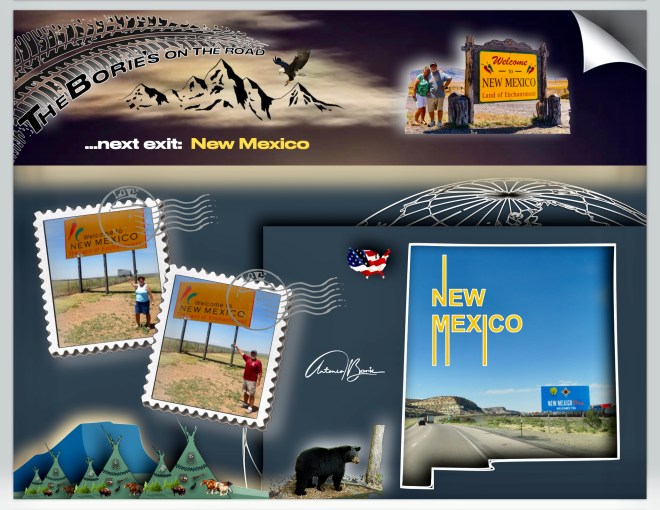
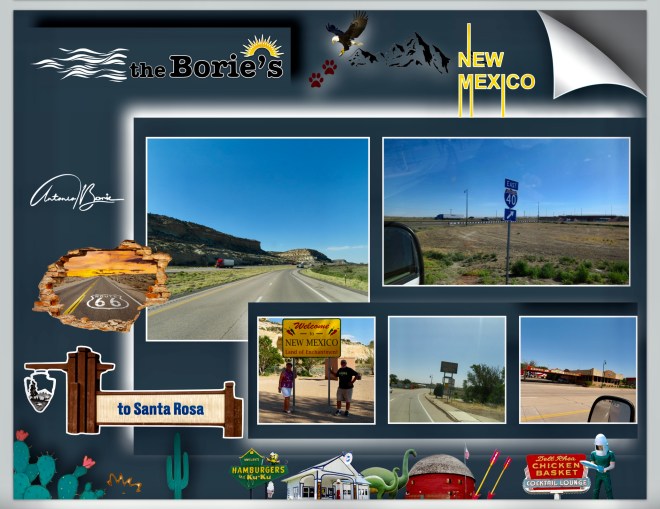
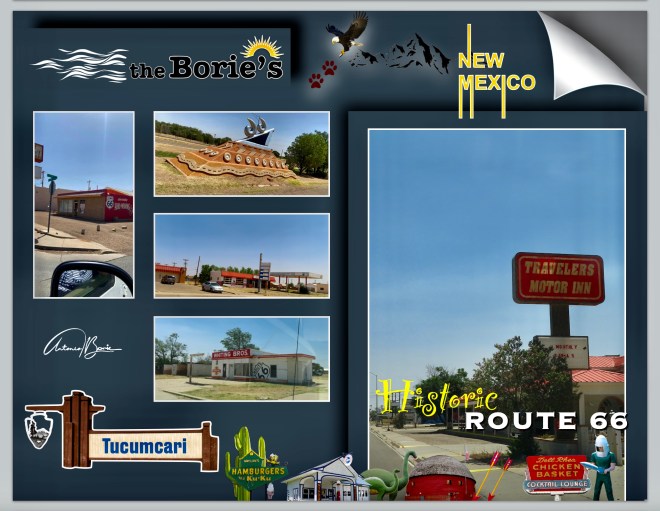
…estávamos no estado de Novo México continuando a viajar na direcção leste, seguindo uma rota através da parte central deste estado!. Íamos na estrada rápida I-40, que até 1937 era parte do percurso da hoje histórica “Route 66”, que seguia uma rota ainda mais longa através de Los Lunas, Albuquerque e Santa Fé!. Hoje, grandes porções desta histórica estrada, ainda seguem paralelas à estrada rápida I-40 já referida, que seguiu o seu trajecto, com alguns letreiros de saídas para as “Vias dos Trilhos Antigos”, ou seja, para uma qualquer das vias cénicas da hoje histórica “Route 66”, que ao passar pelas pequenas vilas ou aldeias, não são mais do que estradas de fachada!.
…we were in the state of New Mexico continuing to travel eastward, following a route through the central part of this state!. We were on the fast highway I-40, which until 1937 was part of the route of the now historic “Route 66”, which followed an even longer route through Los Lunas, Albuquerque and Santa Fe! Today, large portions of this historic highway still run parallel to the aforementioned fast highway I-40, which followed its route, with some signs indicating exits to the “Old Trails Routes”, that is, to one of the scenic routes of the now historic “Route 66”, which, when passing through small towns or villages, are nothing more than frontage roads!
…aqui e ali parávamos, apreciando pequenos trechos da cultura popular onde adoptaram as tais secções ignoradas e significativas da antiga “Route 66” nas suas redes de estradas estaduais, com o pomposo nome de “State Route 66” que para nós, incorporam a cultura da aventura, mostrando-nos o cenário dos espaços abertos oferecidos pelo oeste americano, numa rota que serpenteia através das partes mais românticas e célebres desse mesmo oeste, conectando as pequenas vilas e aldeias do centro/oeste com as da Costa do Oceano Pacífico!.
…here and there we would stop, appreciating small snippets of popular culture where they adopted those ignored and significant sections of the old “Route 66” into their state highway networks, with the pompous name of “State Route 66” which for us, embodies the culture of adventure, showing us the scenery of the open spaces offered by the American West, on a route that winds through the most romantic and famous parts of that same West, connecting the small towns and villages of the center/west with those of the Pacific Ocean Coast!.
…e que em outra época deu esperança aos migrantes que iam a caminho do oeste, para encontrar uma nova vida, definindo uma geração em busca de aventura e liberdade, e nós por ali seguíamos, ouvindo música na rádio da nossa “White Fox” (caravana), bebendo café, comendo biscoitos ou fruta!.
…and which in another time gave hope to the migrants who were heading west, to find a new life, defining a generation in search of adventure and freedom, and there we went, listening to music on the radio of our “White Fox” (caravan), drinking coffee, eating cookies or fruit!.
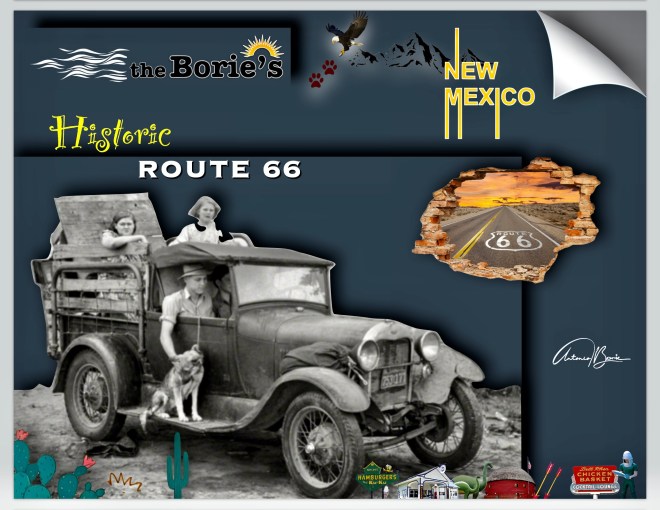
…lembrando aquela família que nos anos trinta do século passado, para se prepararem para a sua viagem até à Califórnia, meteram tudo da sua quinta num calhambeque de 50 dólares, matando os seus dois últimos porcos para fazer um barril de carne de porco salgada, para alimentar as 14 pessoas a bordo do seu calhambeque!.
…remembering that family who in the 1930s, to prepare for their trip to California, packed everything from their farm into a $50 jalopy, killing their last two pigs to make a barrel of salt pork to feed the 14 people on board their jalopy!
…a estrada rápida I-40, que segue numa extensão de estrada aberta de aproximadamente de 280 milhas de solidão e bastante desolada, entre Albuquerque, Novo México, e Amarillo, Texas, onde além de paragens para camiões onde ocasionalmente existe algumas lojas de conveniência para viajantes, não há muito para ver ou fazer, claro, tirando o maravilhoso cenário de algumas povoações onde tínhamos acesso à já referida histórica “Route 66”, hoje um ícone da América, uma multiplicidade de ideias tais como, a liberdade, o velho oeste ou a solidão do interior americano!.
…the fast I-40 highway, which runs along an open road stretch of approximately 280 miles of solitude and quite desolate, between Albuquerque, New Mexico, and Amarillo, Texas, where besides truck stops where there are occasionally some convenience stores for travelers, there is not much to see or do, of course, except for the wonderful scenery of some towns where we had access to the aforementioned historic “Route 66”, today an icon of America, a multiplicity of ideas such as freedom, the old west or the solitude of the American countryside!
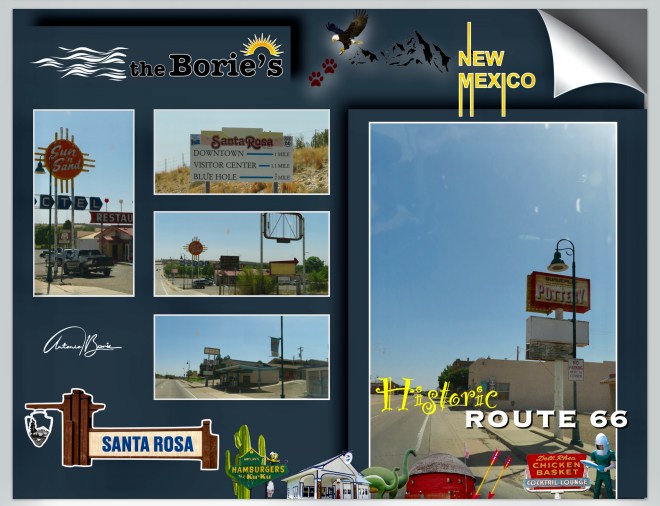
…e continuando passámos na cidade de Santa Rosa, que ainda hoje continua um ícone mundialmente famoso da “Route 66” daquela época, como por exemplo o rosto sorridente e satisfeito do Fat Man (homem gordo), que era quem atraía os visitantes do Club Café, conhecido pela sua comida caseira, biscoitos azedos e tortilhas mexicanas de milho azul, e claro, pelo seu Museu com uma grande colecção de carros antigos, camiões, brinquedos, bombas de gasolina e recordações, todos reunidos para celebrar e recordar os dias de glória daquela histórica estrada!.
…and then we passed through the city of Santa Rosa, which to this day remains a world-famous icon of the “Route 66” of that era, such as the smiling and satisfied face of the Fat Man, who was the one who attracted visitors to the Club Café, known for its home-cooked food, sour cookies and Mexican blue corn tortillas, and of course, its Museum with a large collection of old cars, trucks, toys, gas stations and memorabilia, all gathered to celebrate and remember the glory days of that historic highway!
…também parámos na cidade de Tucumcari, onde o tempo quase parece que se esqueceu, crendo nós mesmo que é este um dos motivos que se destaca porque é o quão lindamente desolada é!. A maior parte da sua área circundante ainda hoje funciona como um centro dos fazendeiros rurais do Novo México, oferecendo um hospital, algumas lojas de conveniência, pequenos restaurantes e outras necessidades para a civilização!.
…we also stopped in the city of Tucumcari, where time almost seems to have forgotten, and we believe that this is one of the reasons it stands out because of how beautifully desolate it is! Much of its surrounding area still functions today as a center for rural New Mexico farmers, offering a hospital, a few convenience stores, small restaurants and other necessities for civilization!
…muitos anos atrás, Tucumcari tem uma história única e fascinante, repleta de contos de índios Comanches e, mais tarde quando ali construiram um campo de construção para o Chicago, Rock Island e Pacifico Railroad, que logo foi apelidado de “Six Shooter Siding” (tapada dos seis atiradores), devido a inúmeros tiroteios, pois contam a existência de famosos ladrões de comboios e trabalhadores da construção do caminho de ferro que eram muito propensos em puxar por pistolas uns contra os outros!.
…many years ago, Tucumcari had a unique and fascinating history, filled with tales of Comanche Indians and later when a construction camp for the Chicago, Rock Island and Pacific Railroad was built there, which soon became known as “Six Shooter Siding” due to the numerous gunfights, as there were famous train robbers and railroad construction workers who were very prone to pulling pistols on each other!
…ali, atravessámos um trecho de estrada meio próspero e meio abandonado, que nos conta parte da história da cidade, os seus dias de negócios, os seus dias de declínio ou os seus dias de avivamento!.
..there we crossed a half-prosperous, half-abandoned stretch of road that tells us part of the town’s history, its days of business, its days of decline and its days of revival!.






 Tony Borie - "Pieces of my life"