…the Oregon Trail!

…the Oregon Trail!

…a Trilha do Oregon!. (the Oregon Trail)!.

…a vida é curta!. Aproveite-a!. Visite o lugar que adorava visitar, vá nadar na praia, no lago ou no rio que ainda vão correndo com alguma água cristalina!. Ouça a música que adorava ouvir ou leia o livro que adorava ler!. Ria mais e chore menos!. Abrace, ampare e proteja a sua família, sem esquecer os outros, lembrando-se que, nunca devemos abandonar um velho amigo, pois nunca encontraremos alguém que o possa substituir!. (Life is short!. Enjoy it!. Visit the place you love to visit, go swimming on the beach, on the lake or on the river that still runs with some crystal clear water!. Listen to the music you loved to hear or read the book you loved to read!. Laugh more and cry less!. Embrace, protect and protect your family, not forgetting others, remembering that we should never abandon an old friend, because we will never find someone who can replace it)!.

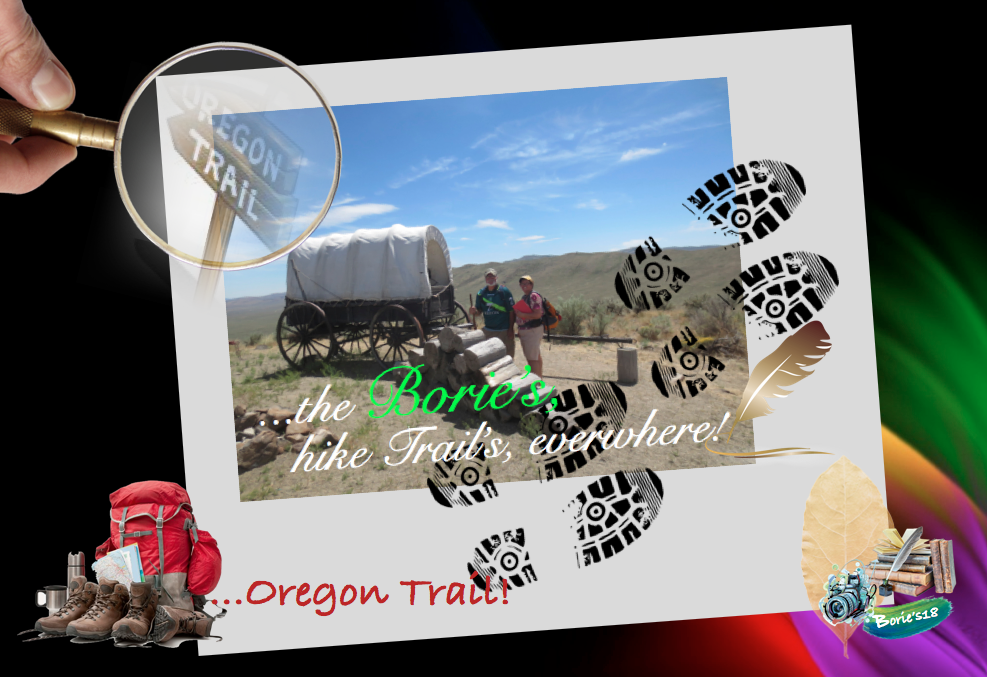
…viajávamos através do estado de Oregon, de leste para oeste, na auto-estrada Interstate 84, a quem também chamam “Columbia River Highway” (auto-estrada do rio Columbia), que foi a primeira estrada cénica, construída nos Estados Unidos e que, hoje é designada uma estrada “All-American Road” (original cénica estrada americana), que se estende desde a cidade de Astoria, no estado do Oregon, para a fronteira com o estado de Idaho!. Neste trajecto, além de outros motivos, as principais “vedetas” eram, o Rio Columbia, que divide a fronteira com o estado de Washington, que seguimos ao longo de muitas milhas e, a histórica “Oregon Trail” (Trilha do Oregon), tal como já fizemos na “Santa Fé Trail”, na “Appalachian Trail” e na “Mormon Trail”!. (We traveled through the state of Oregon from east to west on the Interstate 84 highway, which they also call the “Columbia River Highway”, which was the first scenic road built in the United States and that, today is designated an “All-American Road” (original scenic American road) road that stretches from the city of Astoria in the state of Oregon to the border with the state of Idaho!. On this route, in addition to other motives, the main “vedetas” were, the Columbia River, that divides the border with the state of Washington, that we follow for many miles and, the historical “Oregon Trail” just as we did on the “Santa Fe Trail”, the “Appalachian Trail” and the “Mormon Trail”)!.

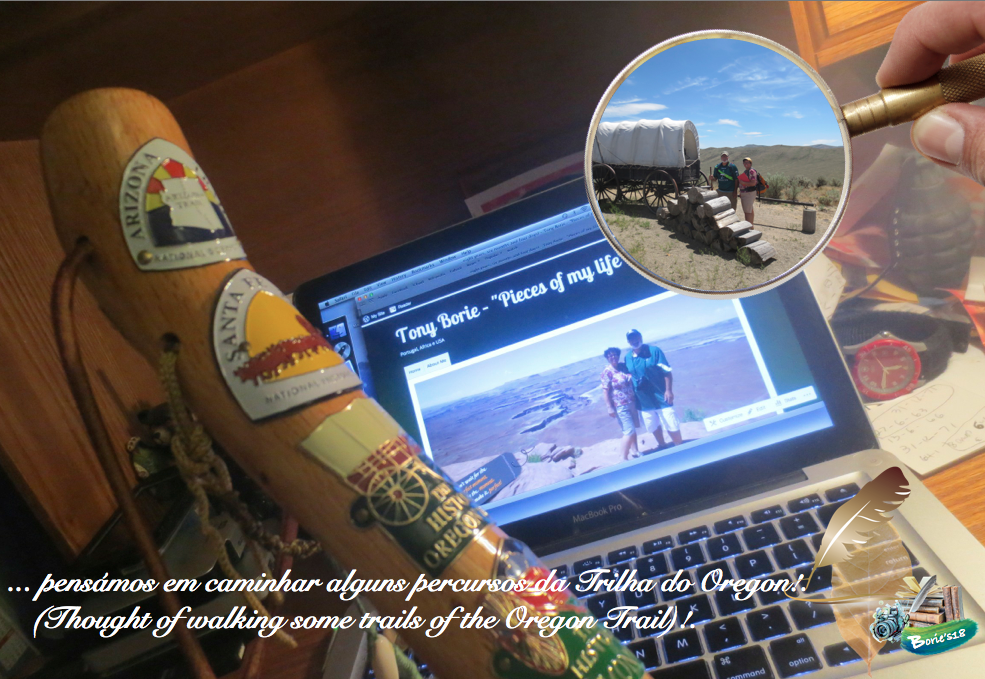
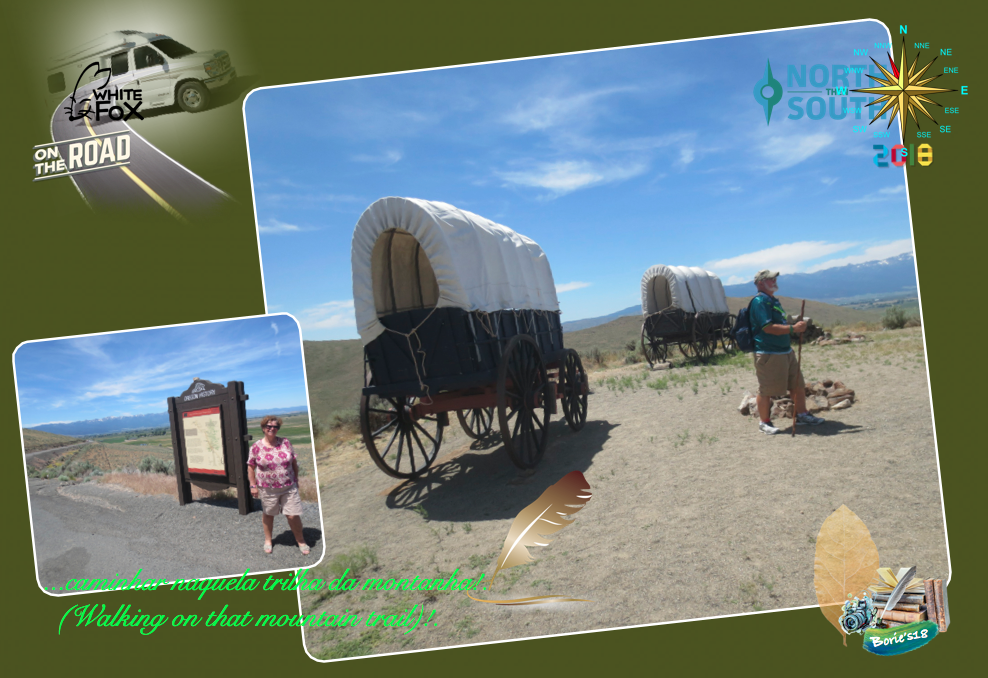
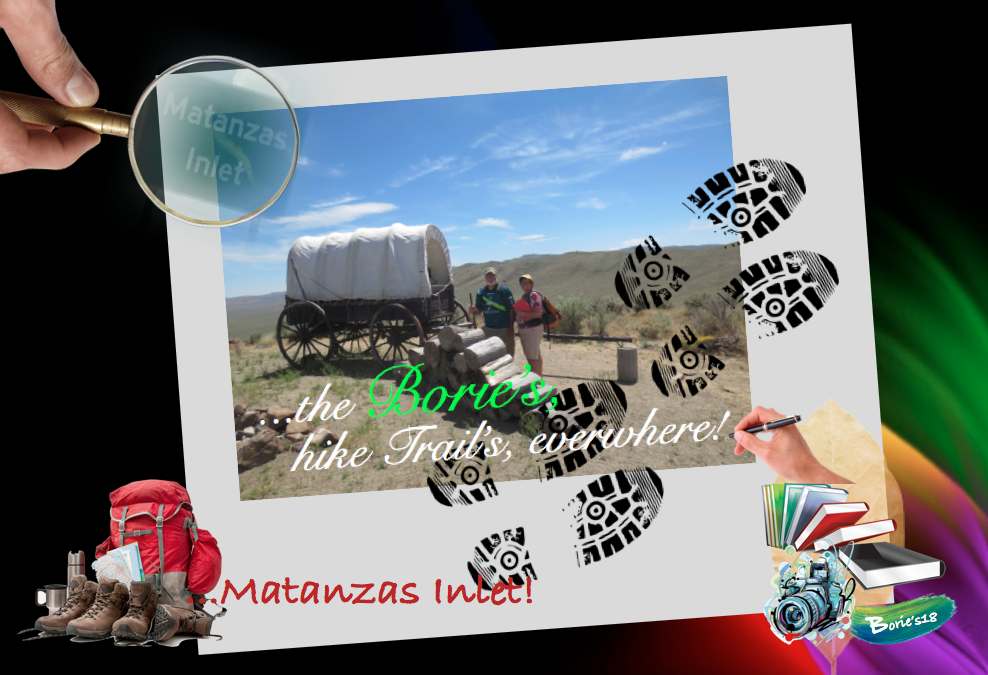
…nós, que adoramos caminhadas e, ainda vamos tendo alguma saúde física e mental, imediatamente pensámos em caminhar alguns percursos da “Oregon Trail” (Trilha do Oregon)!. Caminhar naquela trilha da montanha, por entre um arvoredo selvagem, atravessando alguns riachos, pequenas montanhas ou planícies!. (We, who love hiking, and still have some physical and mental health, immediately thought of walking some trails of the Oregon Trail!. Walking on that mountain trail, through a wild grove, crossing a few streams, small mountains or plains)!.

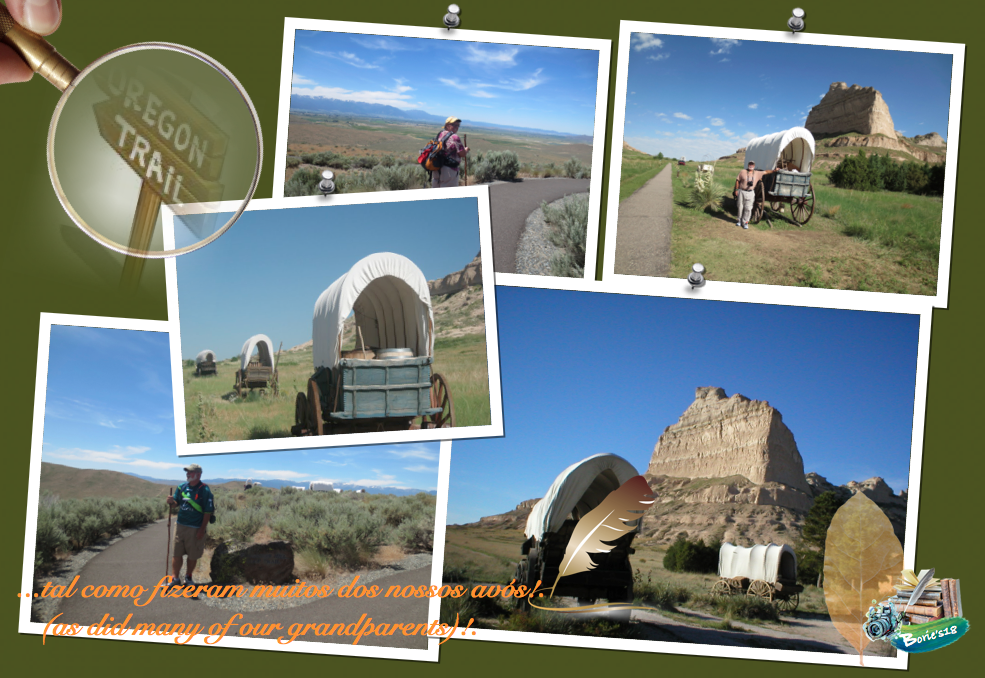
…tal como fizeram muitos dos nossos avós, alguns vindos da Europa, na esperança de uma vida melhor, que rumavam para oeste, sem conhecer o trajecto por onde iam passar, a não ser pequenos sinais do sol, tropeçando aqui, levantando-se ali, tendo contacto com um terreno que podia ser plano ou acidentado, podia haver água ou ser seco, podia haver vejetação ou árido, podia fazer calor, frio ou neve, podia haver sol ou chuva, podia o céu ser azul ou haver tempestade!. (As did many of our grandparents, some from Europe, hoping for a better life, who headed west without knowing the route where they would pass, except for little signs of the sun, stumbling here, rising there, having contact with a land that could be flat or rough, there might be water or be dry, there could be vejeation or arid, it could be hot, cold or snow, there could be sun or rain, the sky could be blue or there could be a storm)!.

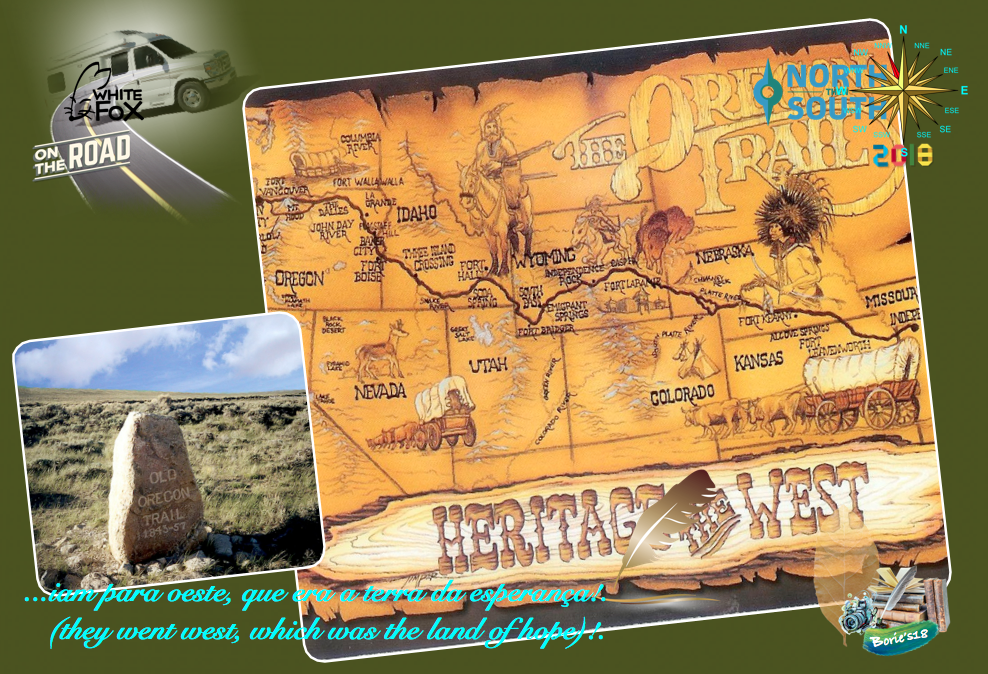
…aventuravam-se, simplesmente iam, por vezes arrastando-se, mas iam para oeste, que era a terra da esperança!. (They ventured, they simply went, sometimes dragging themselves, but they went west, which was the land of hope)!.

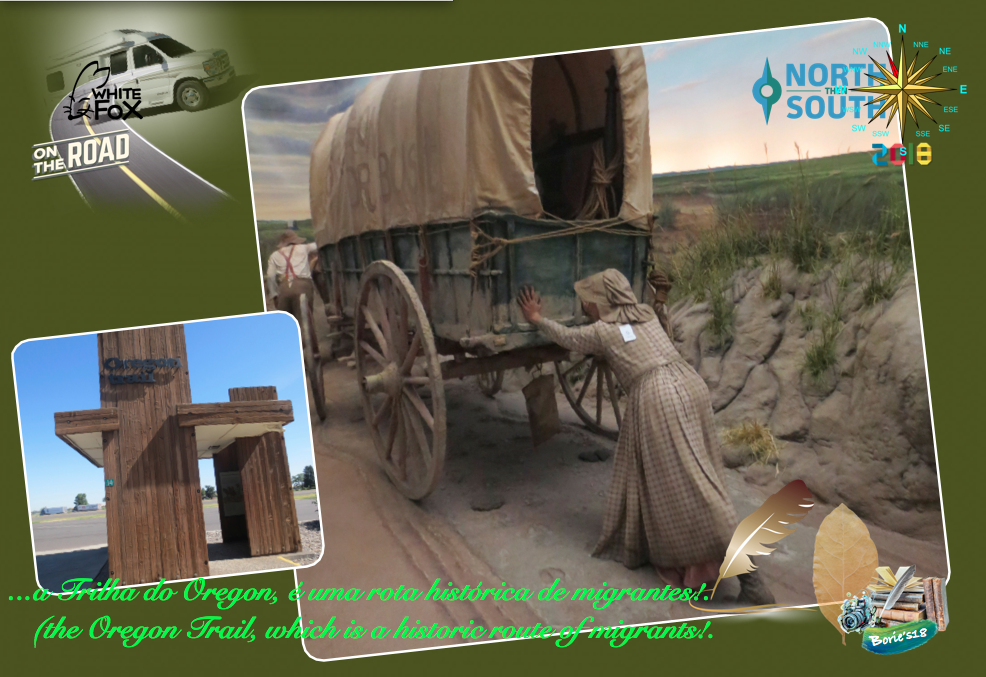
…explicando um pouco melhor, naqueles anos longínquos do século dezoito, milhares de pessoas percorreram a “Oregon Trail” (Trilha do Oregon), que é uma rota histórica de migrantes com aproximadamente 1.493 km, que vai de leste para oeste, que naqueles longínquos anos, era a única rota que ligava o rio Missouri aos vales no Oregon!. A parte leste da “Oregon Trail” (Trilha do Oregon), abrangia parte do futuro estado do Kansas e quase todos os que são hoje os estados de Nebraska e Wyoming e, a sua metade ocidental desta histórica Trilha do Oregon, abrangia a maioria dos futuros estados de Idaho e Oregon!. (Explaining a little better, in those distant eighteenth-century years, thousands of people walked the Oregon Trail, which is a historic route of migrants with approximately 1,493 km, which runs from east to west, which in those distant years, it was the only route linking the Missouri River to the Oregon valleys!. The eastern part of the Oregon Trail encompassed part of the future state of Kansas and almost all of today’s states of Nebraska and Wyoming, and its western half of this historic Oregon Trail covered most of the future states of Idaho and Oregon)!.

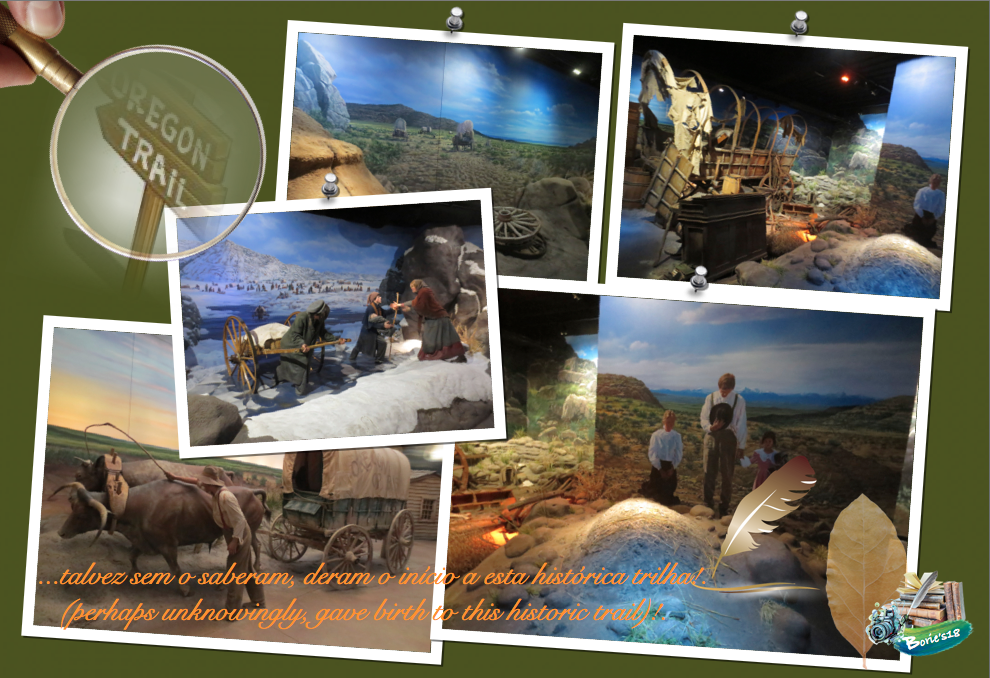
…a histórica “Oregon Trail” (Trilha do Oregon), foi começada por comerciantes de peles, só sendo transitável a pé ou a cavalo, no entanto, por volta do ano de 1836, quando a primeira caravana de carroças de migrantes, foi organizada na daquele tempo, talvez aldeia de Independence, no estado de Missouri, talvez sem o saberam, deram o início a esta histórica trilha, levando consigo carroças puxadas por animais, com destino a Fort Hall, no estado de Idaho!. (The historic “Oregon Trail” was started by fur traders, only being walkable or on horseback, however, around the year 1836, when the first caravan of carts of migrants, was organized in that time, perhaps Independence village in the state of Missouri, perhaps unknowingly, gave birth to this historic trail, taking with it carts drawn by animals, bound for Fort Hall in the state of Idaho)!.

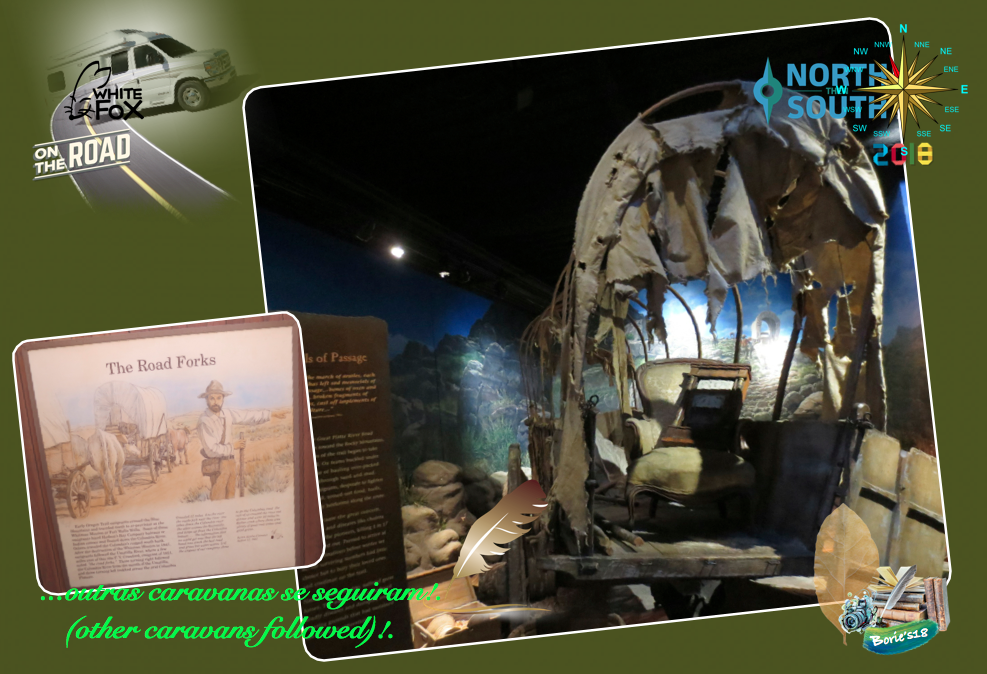
…outras caravanas se seguiram, alargando e limpando esta trilha cada vez mais para oeste e, eventualmente chegaram até ao Willamette Valley no estado de Oregon, ponto em que veio a ser chamada de “Oregon Trail” (Trilha do Oregon)!. O trajecto estava completo, mesmo que outras melhorias quase anuais, fossem feitas, como por exemplo pontes, cortes em pequenas montanhas, jangadas para atravessar rios ou pequenas estradas, que tornavam a viagem mais rápida e segura!. (Other caravans followed, widening and clearing this trail further west, and eventually reached the Willamette Valley in the state of Oregon, where it came to be called the “Oregon Trail”!. The route was complete, even if other almost annual improvements were made, such as bridges, small mountain passes, rafts to cross rivers or small roads, which made the trip faster and safer)!.

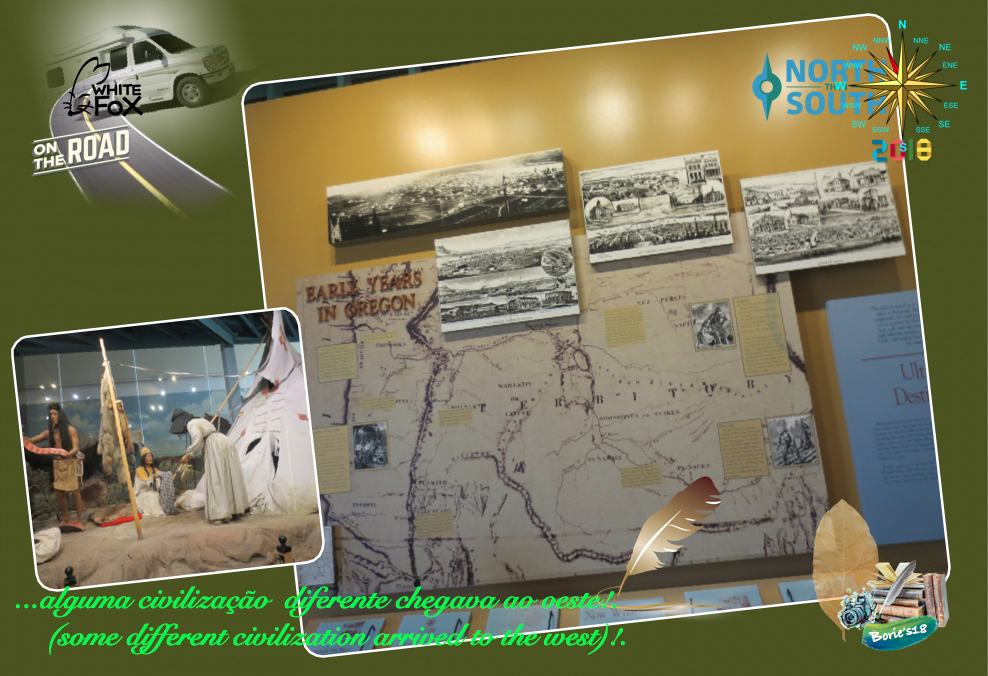
…claro, com a chegada destas caravanas de migrantes, alguma civilização diferente chegava ao oeste, onde muitas famílias eram convidadas a ficar pelo caminho, estabelecendo-se, formando pequenas aldeias!. (Of course, with the arrival of these caravans of migrants, some different civilization arrived to the west, where many families were invited to stay by the way, establishing itself, forming small villages)!.

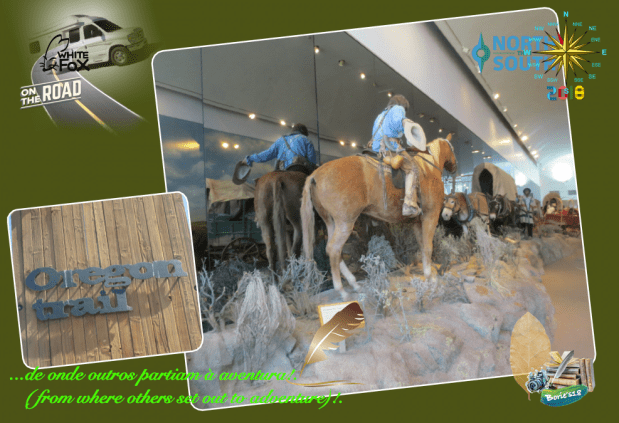
…aldeias estas, de onde outros partiam à aventura, estabelecendo vários pontos de partida nos estados de Iowa, Missouri ou do Território de Nebraska!. (These villages, from where others set out to adventure, establishing several starting points in the states of Iowa, Missouri or the Territory of Nebraska)!.

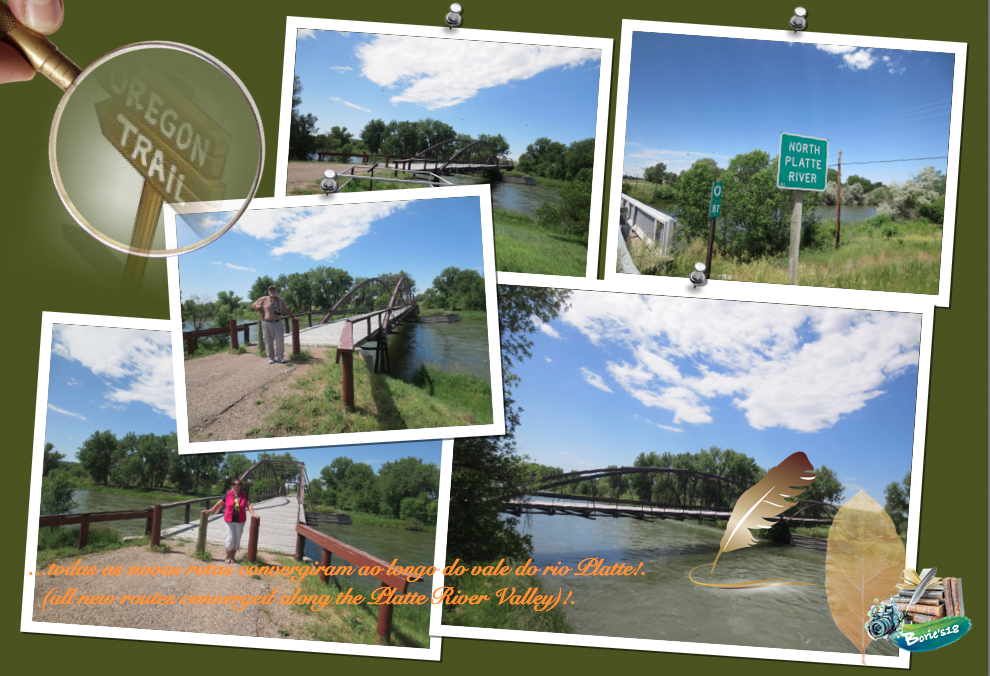
…todas as novas rotas convergiram ao longo do vale do rio Platte, perto de Fort Kearny, no Território de Nebraska, levando assim a estabeleceram-se algumas fazendas mais ricas, a oeste das Montanhas Rochosas!. (All new routes converged along the Platte River Valley, near Fort Kearny, in the Territory of Nebraska, leading to the establishment of some richer farms, west of the Rocky Mountains)!.

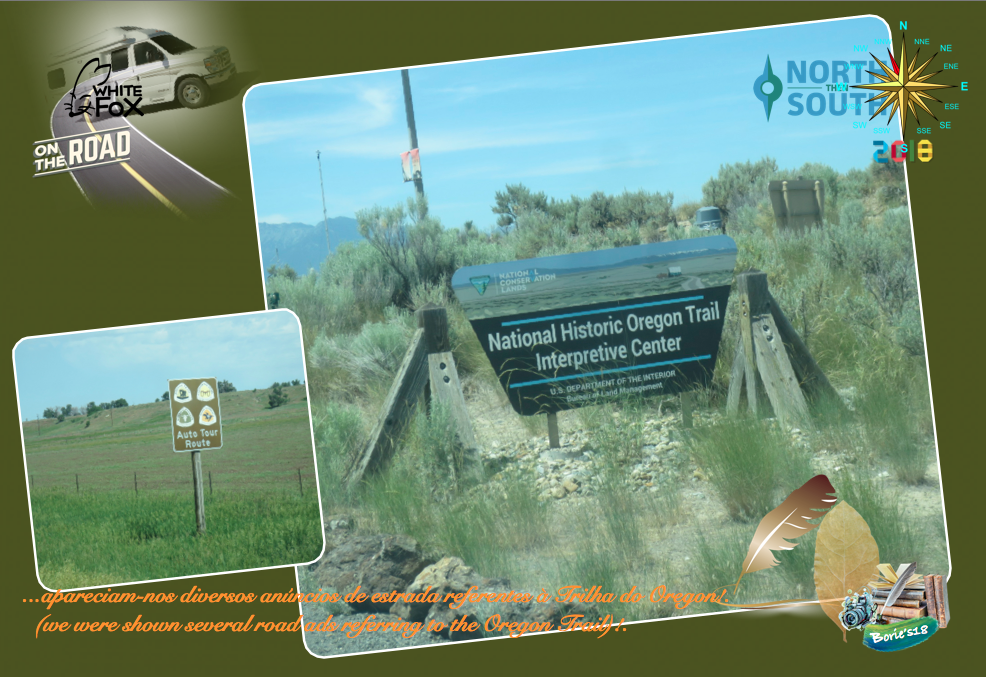
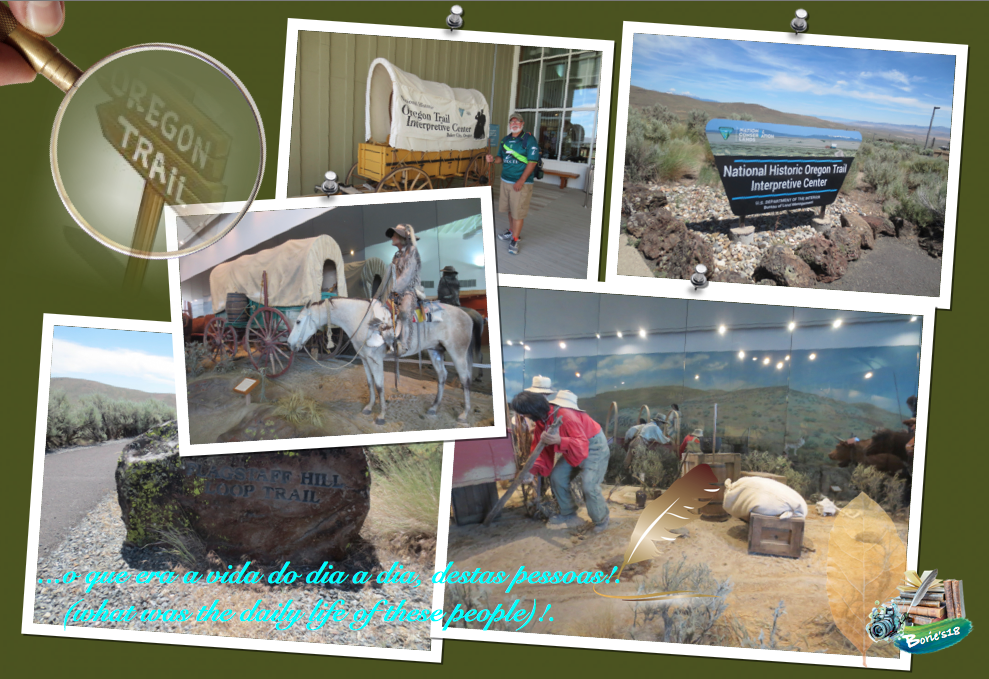
…durante o nosso percurso, apareciam-nos diversos anúncios de estrada referentes à “Oregon Trail” (Trilha do Oregon), onde se destacava o National Historic Oregon Interpretive Center (centro interpretativo histórico nacional de Oregon), que é um centro de interpretação, sobre esta histórica trilha, que está situado no cimo da Flagstaff Hill, que é uma pequena montanha e, que é operado pelo “Bureau of Land Management” (agência de gestão de terras), em parceria com a “Oregon Trail Preservation Trust”, (confiança da preservação), que nos oferece demonstrações de história viva, programas interpretativos, exposições, apresentações multimédia, eventos especiais e mais de quatro milhas (6 km) de trilhas interpretativas!. (During our journey, we were shown several road ads referring to the “Oregon Trail”, where the National Historic Oregon Interpretive Center stood out, which is a center of interpretation, on this historic trail, which is situated at the top of Flagstaff Hill, which is a small mountain and which is operated by the Bureau of Land Management, in partnership with the “Oregon Trail Preservation Trust”, which offers us demonstrations of living history, interpretive programs, exhibitions, multimedia presentations, special events and more than four miles of interpretive trails)!.

…já no cimo da pequena montanha, podemos apreciar, o que representa para nós, hoje, num mundo onde existem algumas facilidades, o que era a vida do dia a dia, destas pessoas, que demoravam anos a chegar ao seu local de destino, aqueles que tinham a sorte de sobreviver, porque muitos ficavam pelo caminho, outros nasciam, porque havia famílias que saíam do leste com dois filhos e chegavam ao oeste com quatro ou cinco!. (On the top of the small mountain, we can appreciate what it represents for us today, in a world where there are some facilities, what was the daily life of these people, who took years to reach your place of destiny, those who were fortunate enough to survive, because many stood by the way, others were born, because there were families that left the east with two children and came to the west with four or five)!.

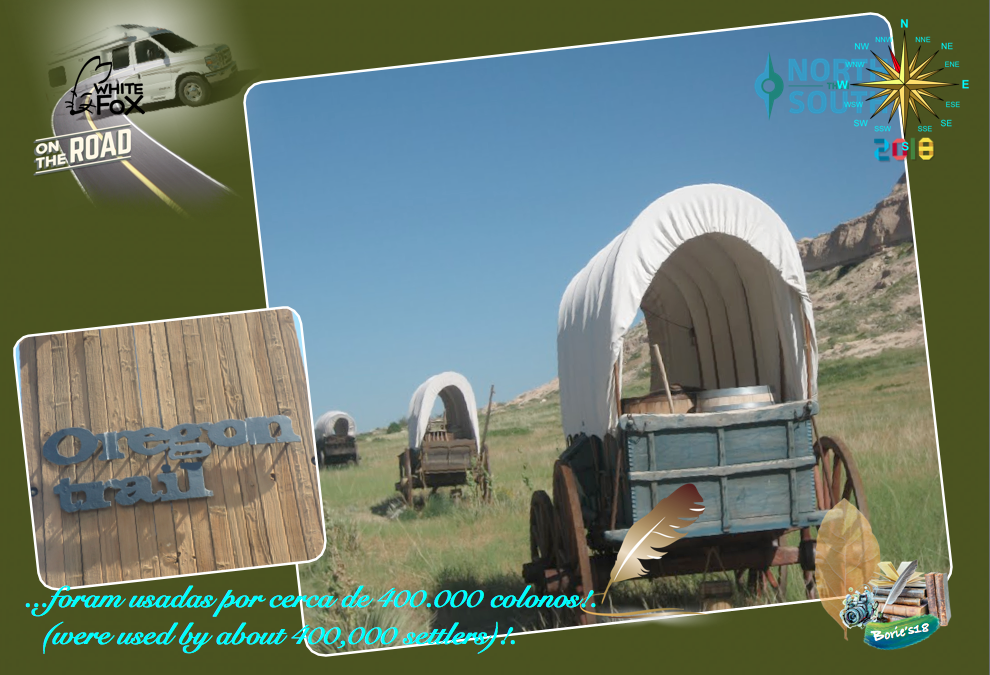
…desde o início até meados da década de 1830 (e particularmente durante os anos de 1846 a 1869), a “Oregon Trail” (Trilha do Oregon) e suas muitas ramificações foram usadas por cerca de 400.000 colonos, entre outros, pesquizadores de ouro, fazendeiros ou donos de empresas, assim como suas famílias!. A metade leste da trilha também foi usada por viajantes na California Trail (de 1843), Mormon Trail (de 1847) e Bozeman Trail (de 1863), antes de se voltarem para os seus destinos!. (From the beginning to the mid-1830s (and particularly during the years 1846 to 1869), the Oregon Trail and its many ramifications were used by about 400,000 settlers, among others, gold, farmers or business owners, as well as their families!. The eastern half of the trail was also used by travelers on the California Trail (1843), Mormon Trail (1847), and Bozeman Trail (1863), before returning to their destinations)!.

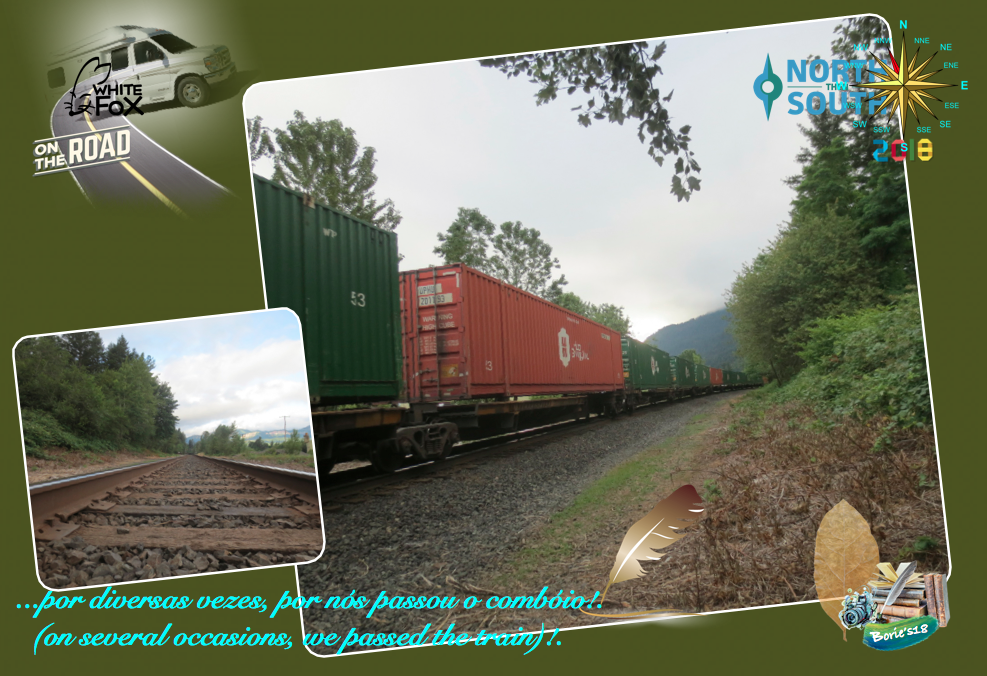
…também durante o percurso, por diversas vezes, por nós passou o combóio, ouvindo aquele som característico, “wooonnnnwaaannnnwuuunnn”, e “trrraaakkk, trrraaakk, trrraaakkk”, daqueles combóios que carregam mercadorias, circulando devagar, como a querer dizer, “esperem, olhem para mim, eu é que marco o passo da vossa vida, esperem que eu passe, não se coloquem no meu caminho”, fazendo-nos lembrar que, o uso desta histórica trilha, declinou quando a primeira ferrovia transcontinental foi concluída em 1869, tornando a viagem para o oeste substancialmente mais rápida, mais barata e mais segura!. (Also during the journey, on several occasions, we passed the train, listening to that characteristic sound, “wooonnnnwaaannnnwuuunnn”, and “trrraaakkk, trrraaakk, trrraaakkk”, of those trains carrying goods, circulating slowly, as to mean, “Wait, look at me, I’m the one who sets the pace of your life, wait for me to pass, do not get in my way,” reminding us that the use of this historic trail declined when the first transcontinental railroad was completed in 1869, making the trip to the west substantially faster, cheaper and safer)!.

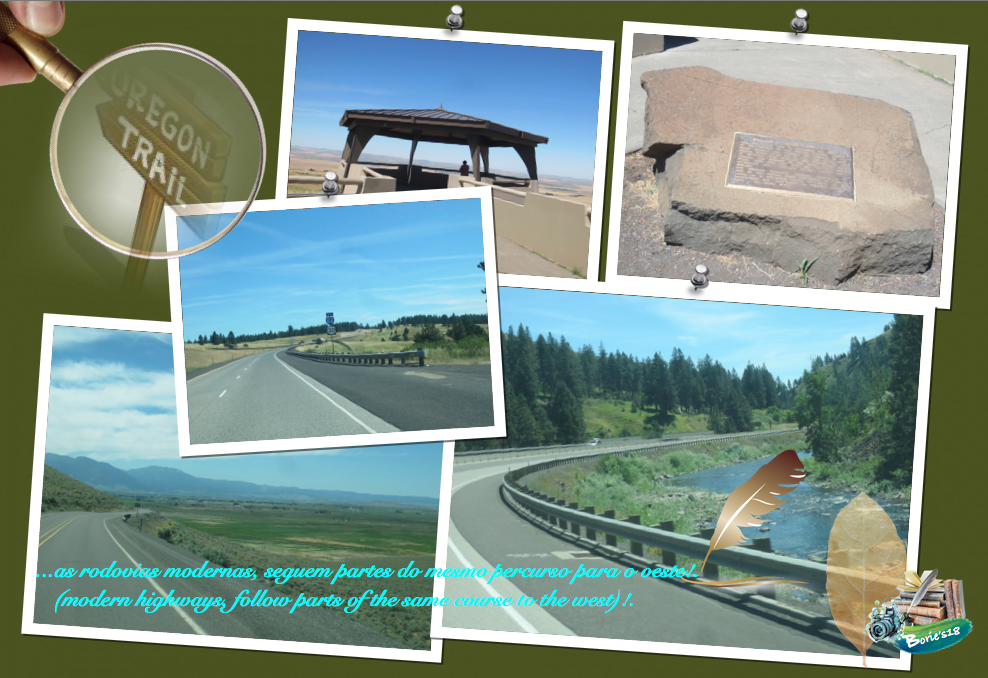
…como não podia deixar de ser e, seguindo a sabedoria e experiência dos nossos antepassados, hoje, as rodovias modernas, como a Interstate 80 e a Interstate 84, seguem partes do mesmo percurso para o oeste e, passam por cidades originalmente estabelecidas para servir os descendentes daqueles que usaram a “Oregon Trail” (Trilha do Oregon), rumo ao oeste, na procura da sua terra prometida!. (As it could not fail to be, and following the wisdom and experience of our ancestors today, modern highways, such as Interstate 80 and Interstate 84, follow parts of the same course to the west, and pass through originally established cities to serve the descendants of those who used the “Oregon Trail”, heading west, in search of their promised land)!.

Tony Borie October 2018.

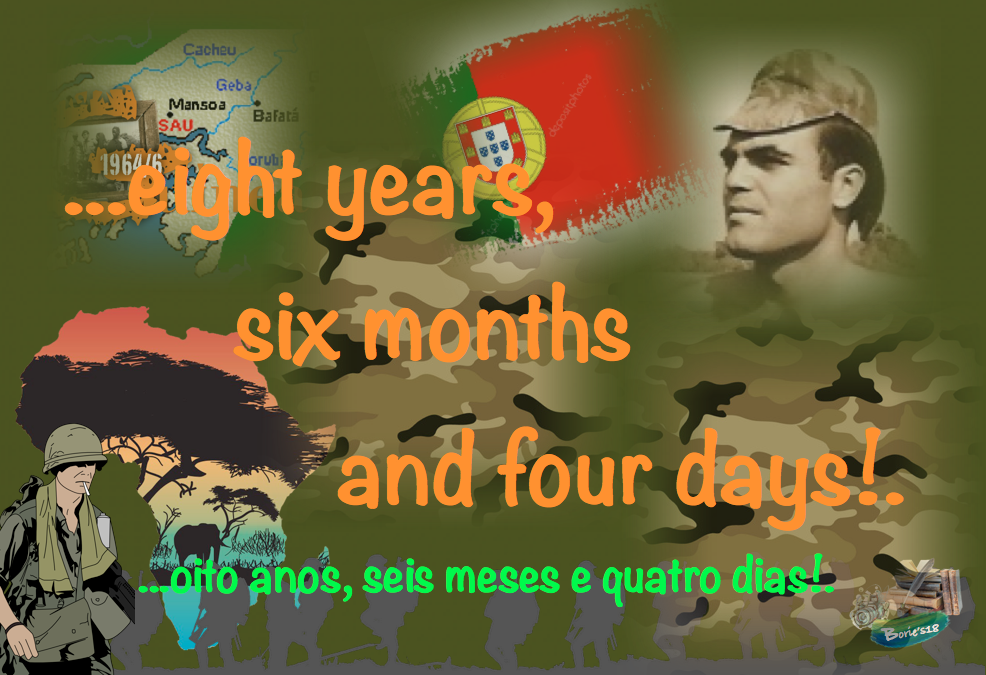
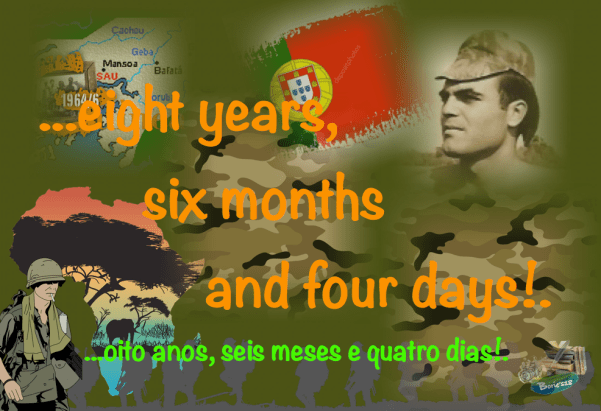
…eight years, six months and four days!

…eight years, six months and four days!

…oito anos, seis meses e quatro dias!. (eight years, six months and four days)!.
…um sorriso ou um simples acenar de “olá”, não custa nada, mas dá muito!. No entanto, não pode ser comprado, pedido, emprestado ou roubado, pois é algo que não tem valor para ninguém, até ser doado, no entanto faz mais felizes aqueles que o recebem, sem tornar mais pobres aqueles que o dão e, leva apenas um momento para o fazer, mas a lembrança disso às vezes dura para sempre!. (A smile or a simple wave of “hello”, it costs nothing, but gives a lot!. However, it can not be bought, borrowed, borrowed or stolen, since it is something that has no value to anyone until donated, nevertheless it makes those who receive it happier, without making poorer those who give it, and it only takes a time to do it, but the memory of it sometimes lasts forever)!.

…na nossa já um pouco avançada idade, um sorriso cria a felicidade em casa e traz descanso ao cansado, alegria para o desanimado, sol para o triste, sendo talvez um dos melhores antídotos da natureza para aqueles problemas, que principalmente as pessoas já sem muitas ocupações, recordam o seu passado, vivem das recordações e vivências de quando eram jovens, já cansadas demais para sorrirem, mas precisam de um sorriso para os estimularem e, ninguém é tão rico ou poderoso que se possa dar bem sem ele, assim como também ninguém é tão pobre, que não se sinta enriquecido por o receber!. (In our already somewhat advanced age, a smile creates happiness at home and brings rest to the tired, joy to the discouraged, sun to the sad, being perhaps one of nature’s best antidotes to those problems, especially people already without many occupations, remember their past, live from the memories and experiences of when they were young, too tired to smile, but need a smile to stimulate them, and no one is so rich or powerful that it can get along without him, just as no one is so poor that he does not feel enriched by receiving it)!.

…hoje, vamos recordar alguns momentos de infância, ou seja a linha entre a infância e a idade adulta, que normalmente é atravessada quando passamos de dizer, “os meus pais diziam-me que devo fazer assim”, passando a dizer, “eu penso que devo de fazer assim”!. Passamos a ser responsáveis pelas nossas atitudes, a entender e aceitar o papel das nossas escolhas e nas coisas que nos acontecem, que na verdade são aqueles normais sinais cruciais de maturidade emocional e moral!. Em outras palavras, trazem-nos a tal responsabilidade pelos nossos actos e atitudes, que irão ser no futuro um dos principais pilares do bom ou mau caráter que iremos ter na nossa futura vida de pessoas habitantes deste planeta!. (Today, let’s recall a few moments of childhood, that is the line between childhood and adulthood, which is usually crossed when we say, “my parents told me that I should do so”, going on to say, “I think I should do so”!. We become responsible for our attitudes, understanding and accepting the role of our choices and the things that happen to us, which are actually those normal crucial signs of emotional and moral maturity!. In other words, bring us to such a responsibility for our acts and attitudes, which will in future be one of the main pillars of good or bad character that we will have in our future lives of people on this planet)!.

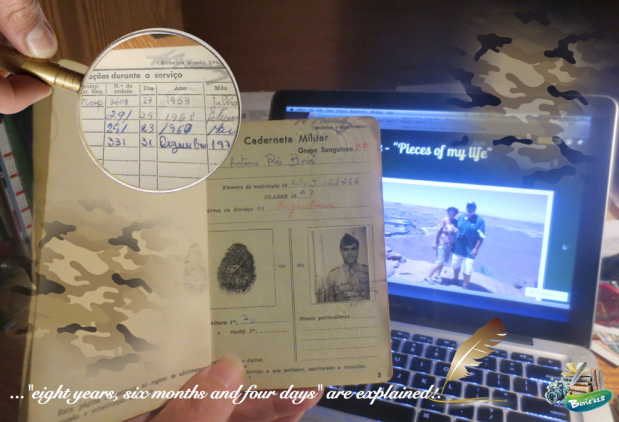
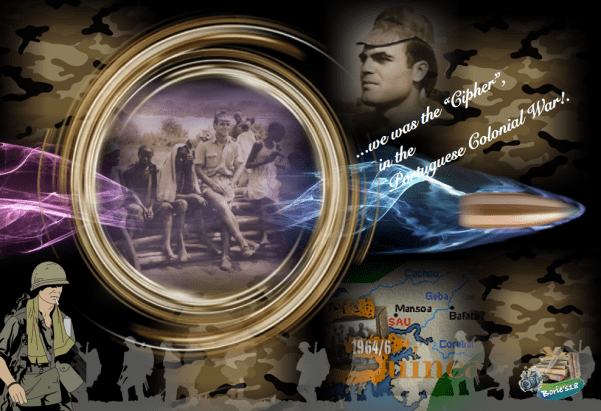
…vamos então começar a odisseia que dá o título a este episódio, onde se explicam os “oito anos, seis meses e quatro dias”!. (Let’s start the odyssey that gives the title to this episode, where the “eight years, six months and four days” are explained)!.
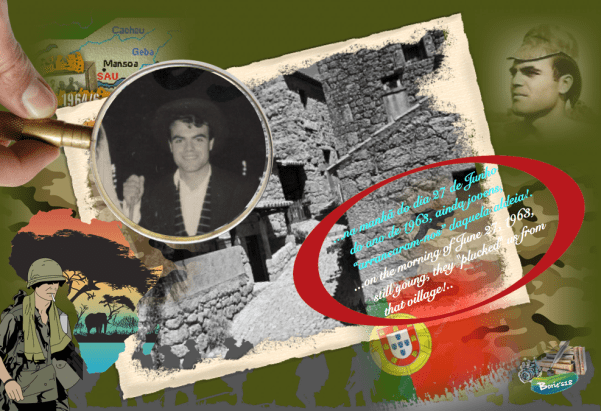
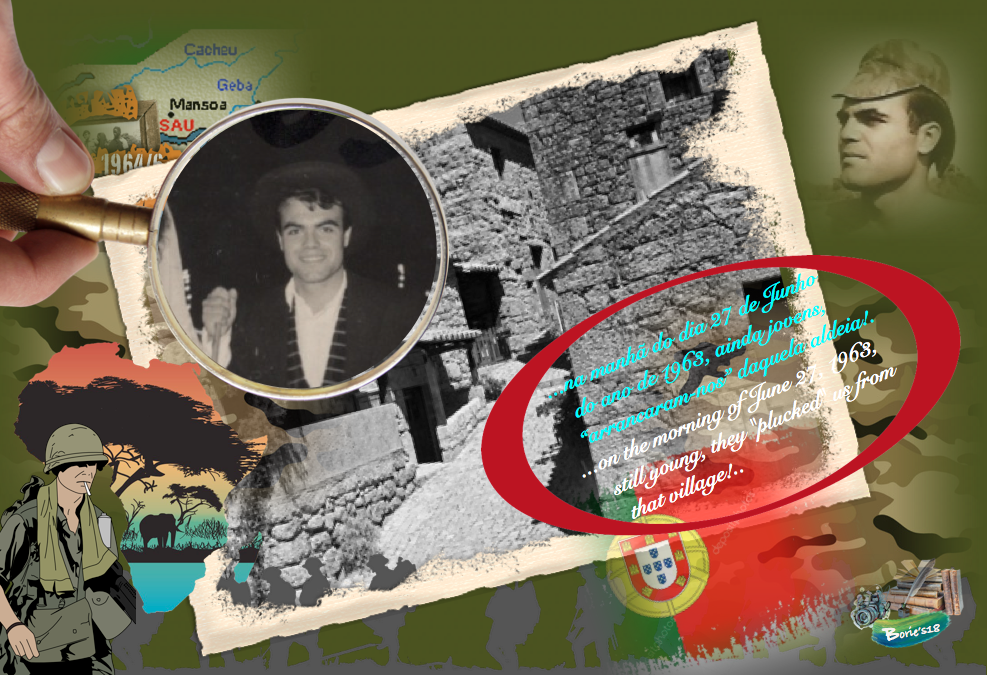
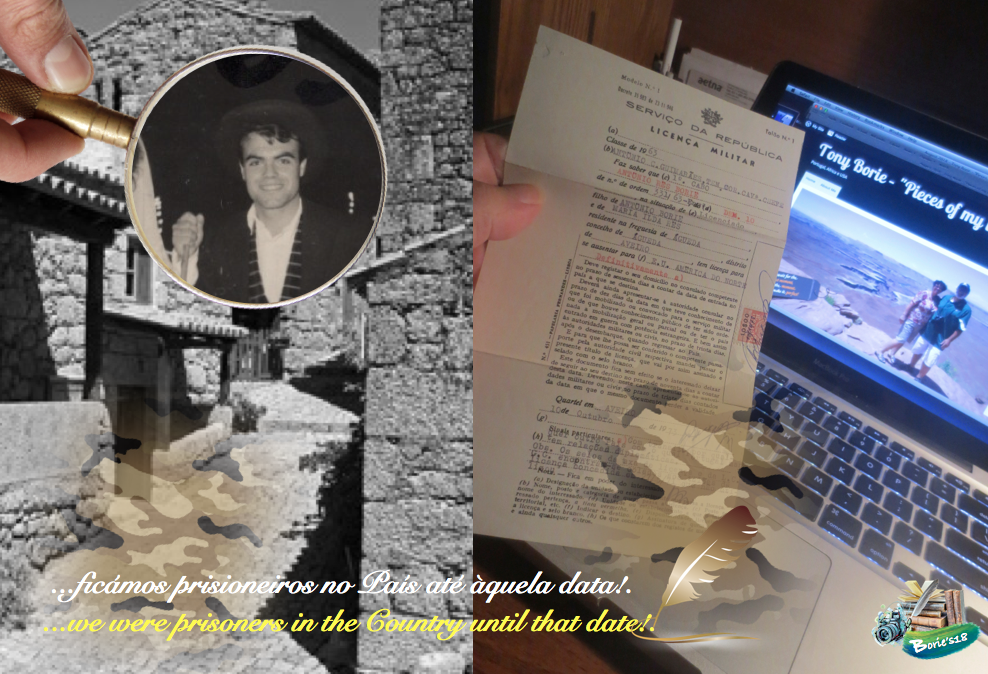
…na manhã do dia 27 de Junho do ano de 1963, ainda jovens, “arrancaram-nos” daquela aldeia, lá na vertente agreste da Montanha do Caramulo, onde a crosta terrestre, lentamente começava a ser plana, flutuando por perto as zonas ribeirinhas do Rio Águeda, onde pela noite, não havendo luz eléctrica, se a terra tremesse, nascendo dos céus uma pequena luz, que seria uma qualquer estrela, talvez uma estrela nova, daquelas que fazem oscilar um continente, ninguém dava por isso!. (On the morning of June 27, 1963, still young, they “plucked” us from that village, there on the rugged slope of Caramulo Mountain, where the earth’s crust slowly began to be flat, the riverside areas of the River Águeda, where at night there was no electric light, if the earth trembled, a small light rising from the skies, which would be any star, perhaps a new star, those that make a continent flutter, no one knew)!.

…tocámos com as nossas jovens mãos nos ramos daquela pequena árvore que existia no largo do terreiro da aldeia, a qual carinhosamente chamávamos a “árvore das alegrias e dos problemas”, pois era ali que brincávamos quando crianças, nos zangávamos e nos abraçávamos, naqueles problemas e alegrias de jovens em crescimento, despertando para um futuro, na esperança que fosse risonho!. (We touched with our young hands on the branches of that little tree that existed in the village yard, which we affectionately called the “tree of joys and troubles”, because it was there that we played as children, we got angry and we hugged, in those problems and joys of growing young people, awakening to a future, in the hope that it would be laughable)!.

…a mando de um Governo Colonial, no País onde nascemos, lá na Europa, naquele cantinho à beira mar plantado que, ainda hoje dá pelo nome de Portugal, fomos durante dez meses e 26 dias, violados nos nossos princípios mais elementares de uma educação de família, em que os nossos pais nos ensinaram o valor das palavras “paz e amor”!. (At the behest of a Colonial Government, in the country where we were born, in Europe, in that little corner by the sea planted that still today gives the name of Portugal, we went for ten months and 26 days, violated in our most elementary principles of a family education, in which our parents taught us the value of the words “peace and love”)!.
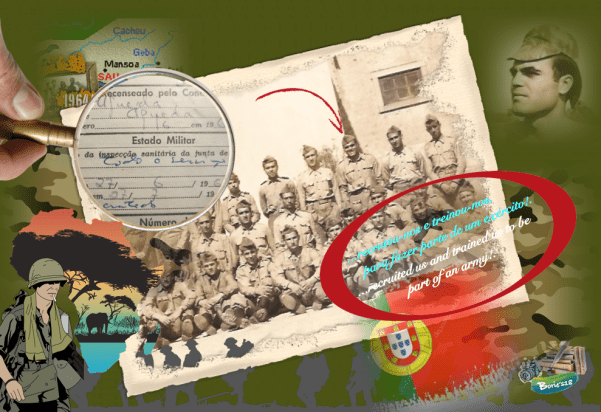
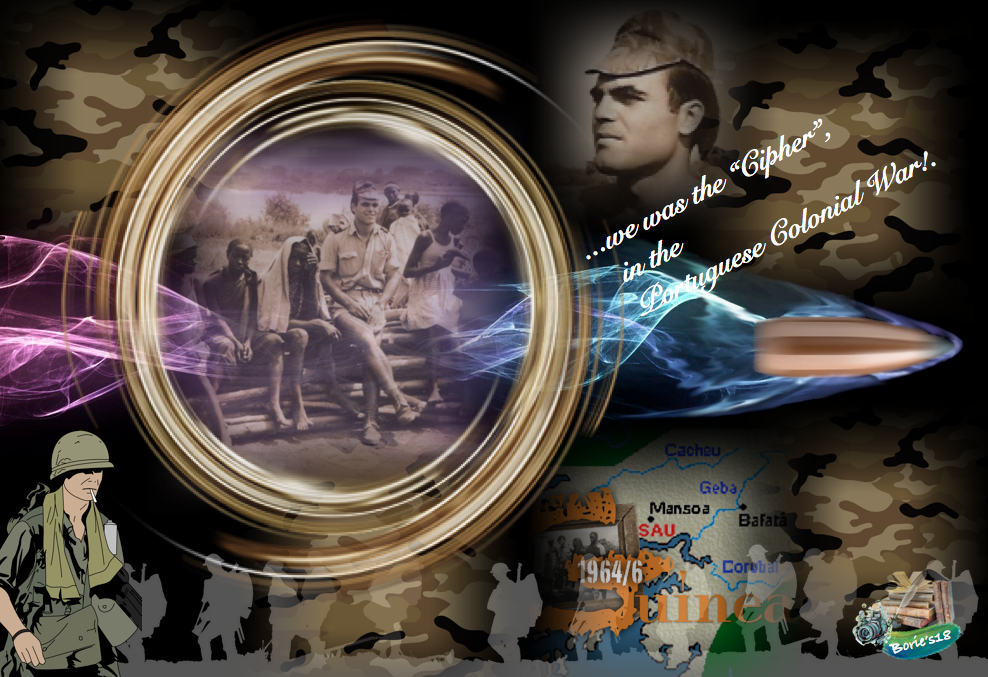
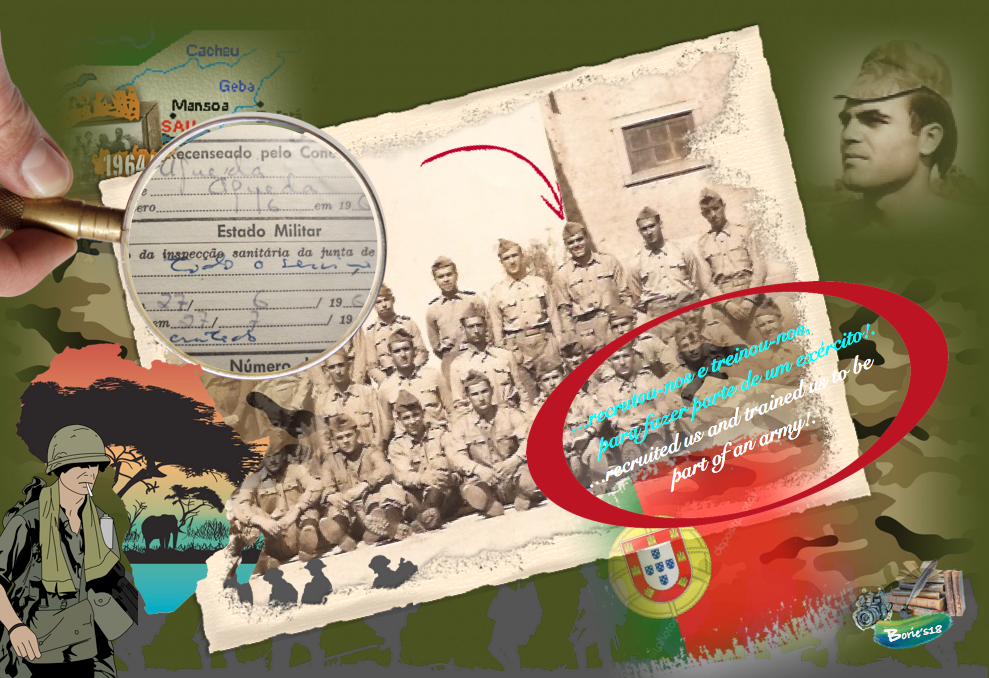
…este miserável Governo Colonial, ignorando todos estes princípios de educação, recrutou-nos e treinou-nos, para fazer parte de um exército num País, onde um primeiro ministro de então, com uma mente com pensamentos políticos e sinistros, pensava que estava pronto para combater numa Guerra Colonial em África e, numa manhã neblulosa do dia 23 de Maio do ano de 1964, embarcaram-nos rumo à África, no Cais de Alcântara, na capital Lisboa!. (This miserable Colonial Government, ignoring all these principles of education, recruited us and trained us to be part of an army in a country where a prime minister of that time, with a mind with political thoughts and sinister thoughts, thought was ready to fight in a Colonial War in Africa, and on a foggy morning on May 23, 1964, they embarked for Africa on the Cais de Alcântara in the capital Lisbon)!.

…tudo isto mais ou menos explicado é que, num Quartel Militar da província, recebemos uma instrução básica, que era concentrada em saber defender-se e, como saber matar!. Matar de diferentes maneiras, usando diferente partes do corpo, onde se pode produzir uma morte rápida, ou prolongada!. O militar que proporcionava a instrução, tinha regressado, há pouco tempo de uma comissão de serviço, numa província do ultramar, contava histórias de combate, exemplificava, em cada um de nós, o local do corpo, em que devíamos acertar com uma bala, ou com uma faca!. Fazia isso, com tal precisão, com os olhos vidrados de raiva, que até nos assustava!. (All this more or less explained is that, in a Military Barracks of the province, we received a basic instruction, that was concentrated in knowing to defend itself and, like knowing to kill!. Kill in different ways, using different parts of the body, where one can produce a rapid, or prolonged, death!. The military man who had been instructed had recently returned from a service commission in an overseas province, telling stories of combat, exemplifying in each of us the place of the body where we were to hit with a bullet, or with a knife!. He did it, with such precision, with eyes glazed with rage, that even frightened us)!.

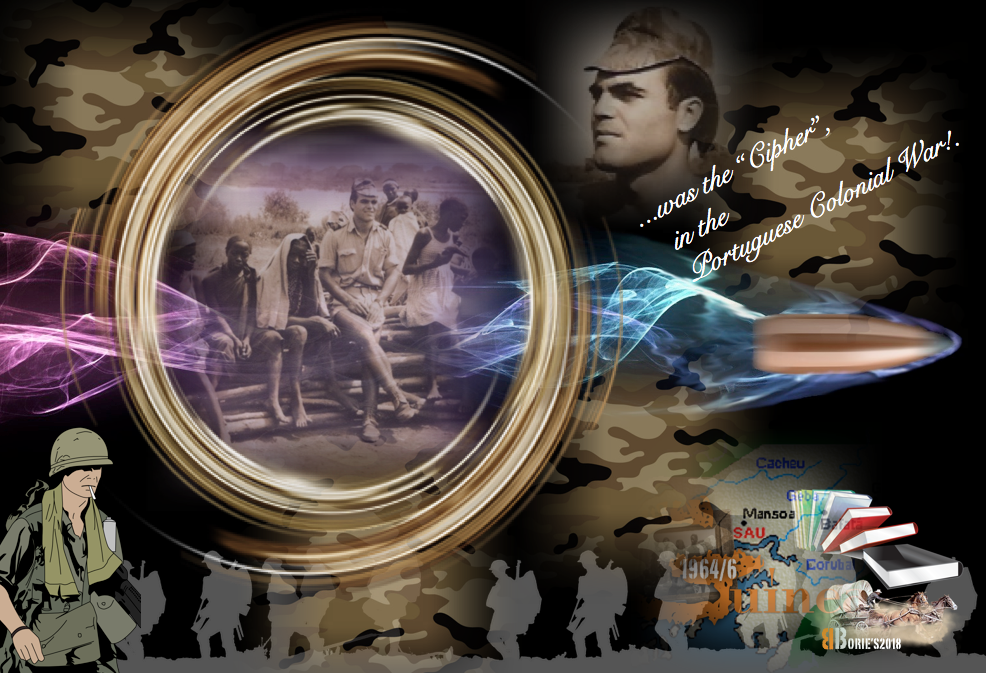
…terminada a instrução básica, fomos transferidos para uma base nos arredores da capital Lisboa, recebendo um pequeno treino de especialização onde, na classe de mentalização, constantemente nos diziam que éramos filhos da Pátria, em qualquer momento devíamos dar a vida pela Pátria, seríamos a partir desse momento um militar fora do normal, não devíamos dormir ou conviver com os normais militares, pois em caso de insónias, podíamos revelar segredos do estado, fazer perder uma guerra, éramos os “Cifras”!. Em cada dia de treino, mais responsabilidade nos colocávam, ao ponto de no final, pensar-mos que carregávamos nos ombros, o peso de dez milhões de Portugueses, que era a população do então Portugal, onde infelizmente existia um regime colonialista! (After finishing our basic education, we were transferred to a base in the outskirts of the capital of Lisbon, receiving a small training of specialization where, in the mentalization class, we were constantly told that we were children of the Motherland, at any moment we should give our lives for the Motherland , we would be from that moment a military out of the ordinary, we should not sleep or live with normal military, because in case of insomnia, we could reveal secrets of the state, make lose a war, we were the “Ciphers”! On each day of training, more responsibility placed us, to the point of the end, to think that we carried on the shoulders, the weight of ten million Portuguese, who was the population of then Portugal, where unfortunately a colonialist regime existed)!.

…nós, nascendo e vivendo na nossa aldeia, com uma educação de família, em que ouvíamos e respeitávamos os mais velhos, não tínhamos a menor ideia de que estes governantes, com pensamentos estúpidos, baixos e miseráveis, sem qualquer senso, onde o primeiro ministro do então país Portugal, com a sua mente cheia de motivos políticos, vem um certo dia para a televisão, em hora de grande audiência, (onde a televisão e rádio eram controladas pelo governo), falar ao tal “seu povo”, para que visse e ouvisse, dizendo:

– VAMOS PARA A GUERRA, AGORA E EM FORÇA!.

(We, being born and living in our village, with a family education, in which we listened and respected our elders, we had no idea that these rulers, with stupid thoughts, low and miserable, without any sense, where the prime minister of the then country Portugal, with his mind full of political motives, comes a certain day for television, at a time of great audience (where the television and radio were controlled by the government), speak to such “his people”, that he should see and hear, saying:

– LET’S GO TO WAR, NOW AND FORCE)!.
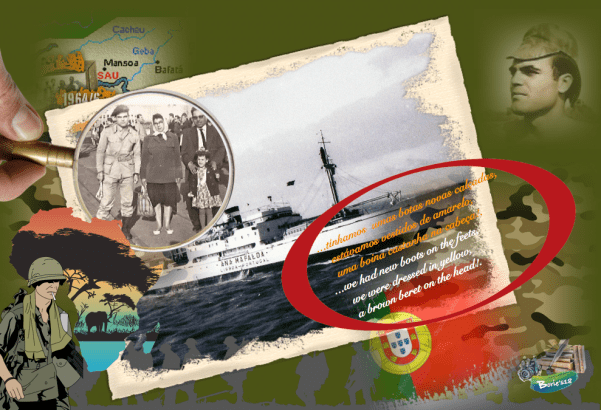
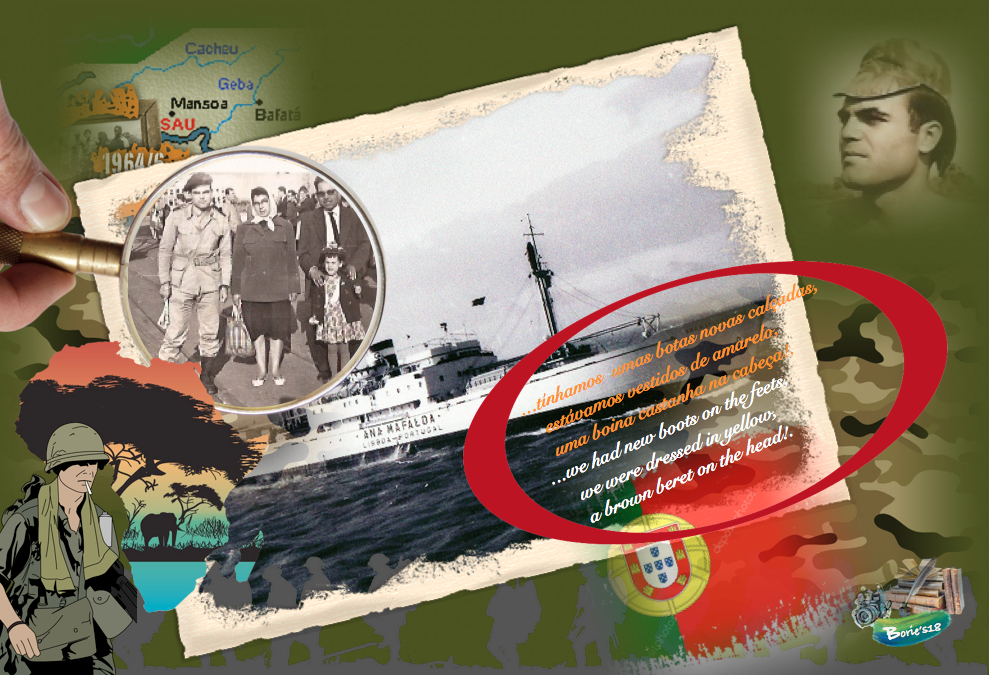
…nem tempo tivémos para nos despedir da família!. Sem dar por nada, tínhamos umas botas novas calçadas, estávamos vestidos de amarelo, uma boina castanha na cabeça, com um saco às costas e uma mala de cartão, no Cais de Alcântara de Lisboa, chorando sem lágrimas, pensando que já éramos um homem!. O navio apitou três vezes, chamando todos para bordo!. O apito era rude e de aflição, não era um apito bonito, como era o do comboio das seis e meia, quando passava vale abaixo em direcção ao mar, na nossa aldeia do Vale do Ninho d’Águia, lá na encostra agreste da montanha do Caramulo!. (Not even time we had to say goodbye to the family!. We had new boots on the feets, we were dressed in yellow, a brown beret on the head, with a bag on his back and a cardboard bag, on the Alcântara Quay in Lisbon, crying without tears, thinking that we were already a man!. The ship whistled three times, calling everyone aboard!. The whistle was rude and distressed, not a beautiful whistle, as it was the six-thirty train, as it passed down the valley toward the sea, in our village in the Valley of the Eagle’s Nest, on the rugged mountaintop of Caramulo)!.

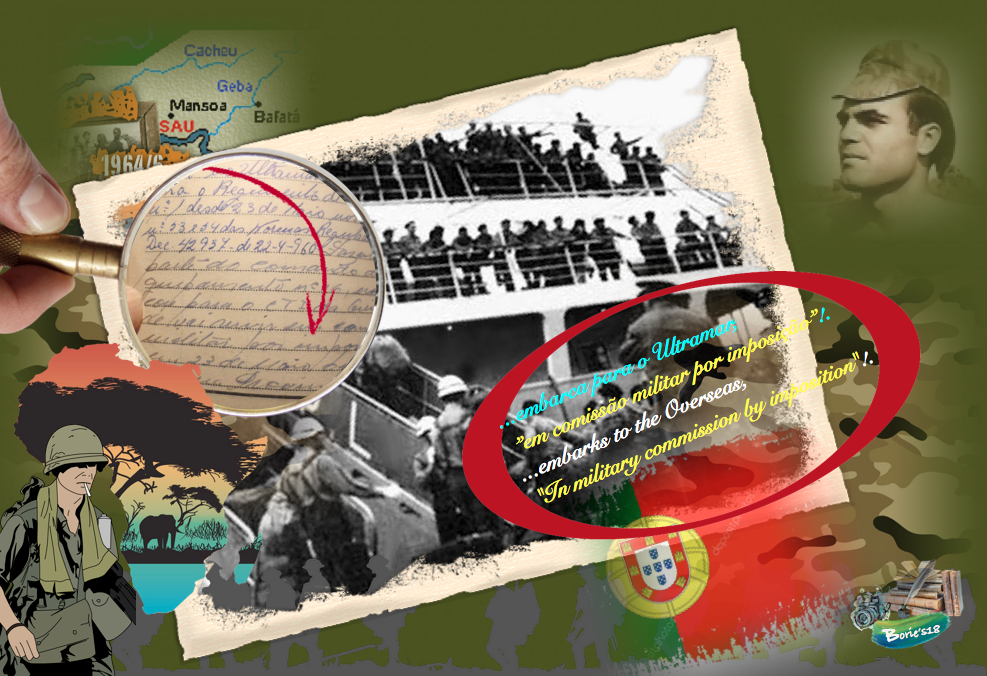
…”em comissão militar por imposição”, (assim está escrito na nossa caderneta militar), entrámos no navio de carga “Ana Mafalda”, fretado pelo governo de então, tal como de uma qualquer mercadoria se tratasse, navegando para sul no Oceano Atlântico, com a missão de participar na Guerra Colonial em África, desembarcando na então Província Colonial da Guiné Portuguesa, sete dias depois, onde nos diziam que o nosso País Portugal se envolvia naquela, para nós maldita guerra, para defender a sua bandeira, o seu orgulho Colonial, de uma história com mais de quinhentos anos!. (“In military commission by imposition”, (this is written in our military cadet), we entered the cargo ship “Ana Mafalda”, chartered by the then government, as any merchandise, sailing south in the Atlantic Ocean, with the mission to participate in the Colonial War in Africa, landing in the then Colonial Province of Portuguese Guinea, seven days later, where they told us that our country Portugal was involved in that, for us damn war, to defend its flag, its Colonial pride, a history of more than five hundred years)!.

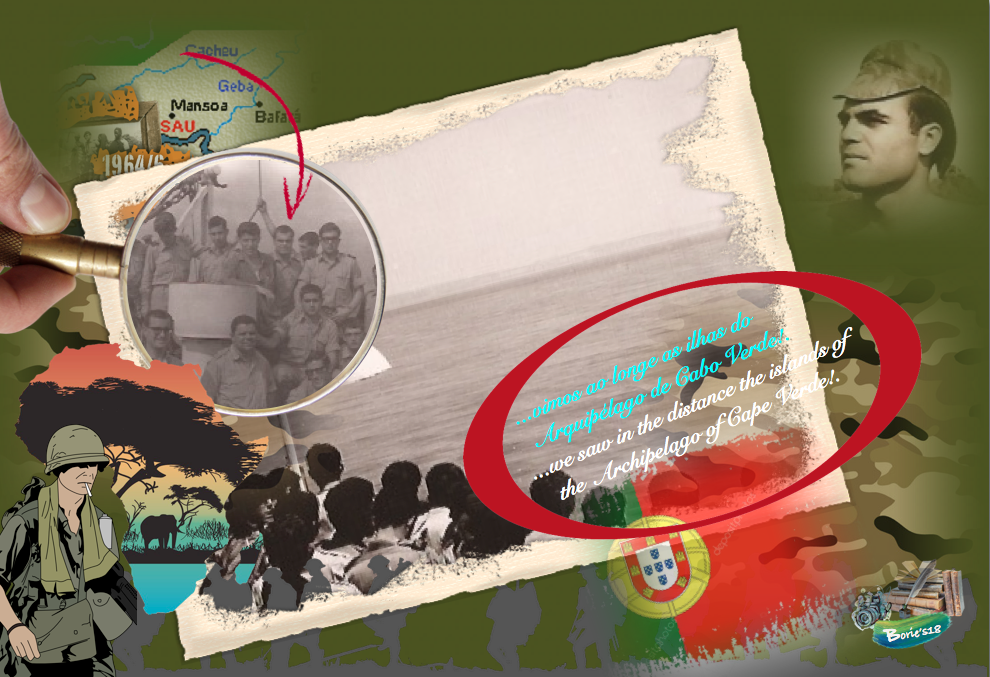
…era um navio comercial e pequeno, viajávamos no porão, em camas de madeira, construídas de emergência, colocadas em espaços improvisados, não havia ventilação, o cheiro prestilento provocava náuseas, todos vagueavam pelo convés, procurando algum ar fresco!. No primeiro dia no alto mar era de surpresa e admiração!. Muita água, de um lado e do outro, não dáva para compreender, não havia terra à vista, de vez em quando, passava um barco, lá ao longe e, apitava!. Ao terceiro, ou quarto dia, vimos ao longe as ilhas do Arquipélago de Cabo Verde, onde alguns peixes voadores, saíam da onda, e voavam uns segundos, desaparecendo noutra onda, alguns iam de encontro ao barco!. (It was a small commercial ship, we traveled in the basement, in wooden beds, built in emergency, placed in improvised spaces, there was no ventilation, the prestige smell made nauseous, everyone wandered the deck, looking for some fresh air!. The first day on the high seas was of surprise and admiration!. Lots of water, on one side and the other, could not understand, there was no land in sight, from time to time, a boat passed, far away and whistled!. On the third or fourth day, we saw in the distance the islands of the Archipelago of Cape Verde, where some flying fish left the wave, and flew for a few seconds, disappearing in another wave, some went against the boat)!.

…o convívio com futuros colegas militares começa a fazer-se!. Alguns perguntavam:

– de onde és?. Como te chamas?.

…se o nome era difícil de pronunciar, passava imediatamente a chamar-se pelo nome da sua aldeia, vila ou cidade, ou então da região onde nasceu, ou mesmo por qualquer aspecto, movimento, palavra ou reacção momentânia fora do normal que tivésse!. Assim, aparece em cenário de guerra, o “Bolinhas”, o “Açoriano”, o “Lisboa”, o “Matateu”, o “Setúbal”, o “Corcunda”, ou o “Morteiro”!. A nós, colocáram-nos o nome de “o Cifra”, talvez por causa da especialidade!.

(The conviviality with future military colleagues begins to be made!. Some asked:

– Where are you from?. What is your name?.

If the name was difficult to pronounce, it would immediately be called by the name of its village, town or city, or of the region where it was born, or by any aspect, movement, word or momentary reaction outside the normal that had!. Thus, the “Bolinhas”, the “Azorean”, the “Lisbon”, the “Matateu”, the “Setúbal”, the “Hunchback”, or the “Morteiro”!. To us, they put us the name of “the Cipher”, perhaps because of the specialty)!.

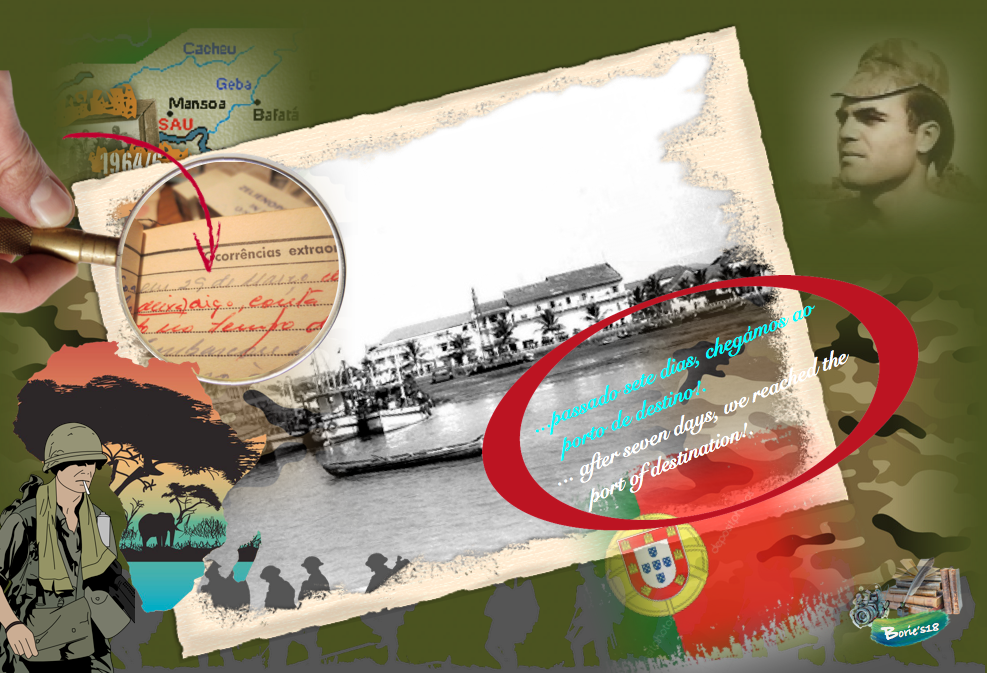
…passado sete dias, chegámos ao porto de destino!. Era manhã cedo, um nevoeiro fraco, mas quente, muito quente e húmido, não corria nenhuma aragem, era abafado!. Lá ao longe, algumas casas, um intenso arvoredo, verde e de outras cores, rente à água, com árvores gigantes aqui e ali!. O cais de desembarque, via-se a umas tantas centenas de metros do barco, não se se podendo atracar, apesar de o barco ser pequeno!. Nós militares, iamos sendo desembarcados em lanchas, que nos transportavam, assim como todo o equipamento militar, até ao cais!. (After seven days, we reached the port of destination!. It was early morning, a faint fog, but hot, very hot and humid, there was no wind, it was stuffy!. There in the distance, some houses, an intense grove, green and other colors, close to the water, with giant trees here and there!. The landing dock, one could see a few hundred meters of the boat, not being able to dock, although the boat is small!. We military men were disembarked in boats, carrying us, as well as all military equipment, to the docks)!.
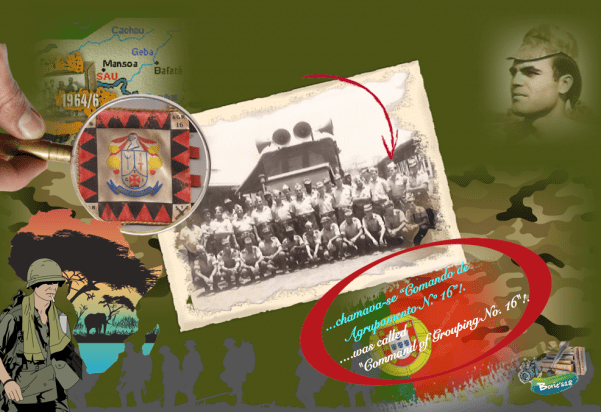
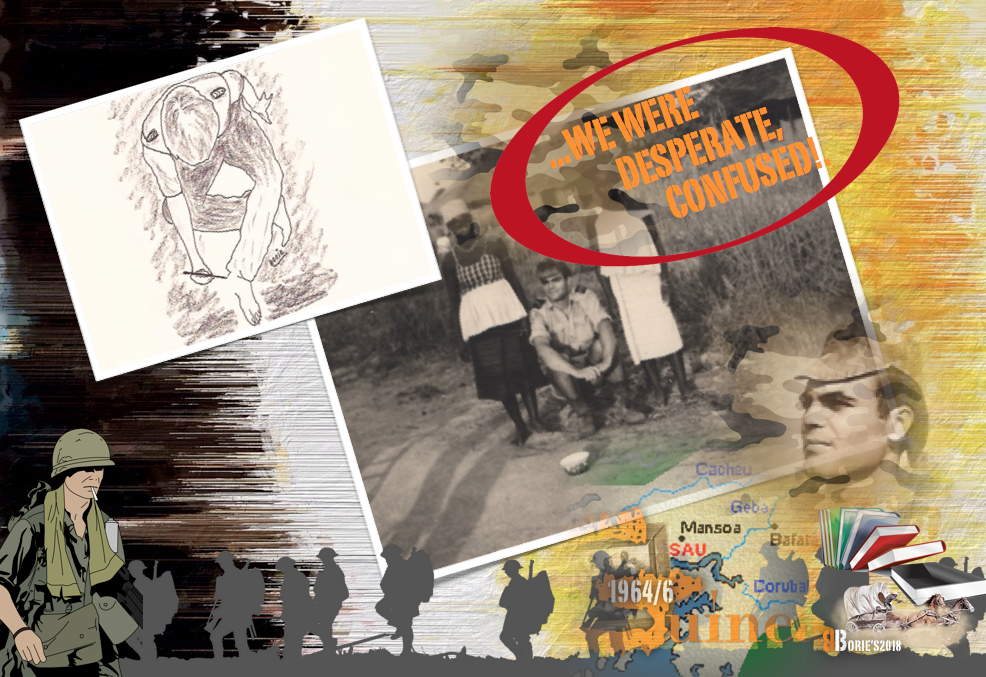
…a força militar, da qual fazíamos parte, chamava-se “Comando de Agrupamento N.º 16”, constituído no Regimento de Infantaria N.º 1, na agora cidade de Amadora, em Portugal, sob o comando do Tenente-Coronel de Infantaria, José Augusto Henriques Monteiro Torres Pinto Soares, adoptando a Divisa “Junto Venceremos”!. Assumiu a responsabilidade da Zona Oeste da então Província Colonial da Guiné, em Junho do ano de 1964, quando ainda se encontrava na capital Bissau, que abrangia os sectores dos Batalhões instalados nas aldeias de Buba, Farim e Mansoa, que dependiam do Comando Territotorial, assim como todos os Comandos de Batalhão!. (The military force, of which we were part, was called “Command of Grouping No. 16”, constituted in Infantry Regiment No. 1, in the now city of Amadora, Portugal, under the command of Lieutenant- Colonel of Infantry, José Augusto Henriques Monteiro Torres Pinto Soares, adopting the motto “Together we will Venceremos!”. He assumed responsibility for the West Zone of the then Colonial Province of Guinea in June 1964, while still in the capital Bissau, which covered the sectors of Battalions installed in the villages of Buba, Farim and Mansoa, which depended on the Territorial Command, as well as all Battalion Commands)!.
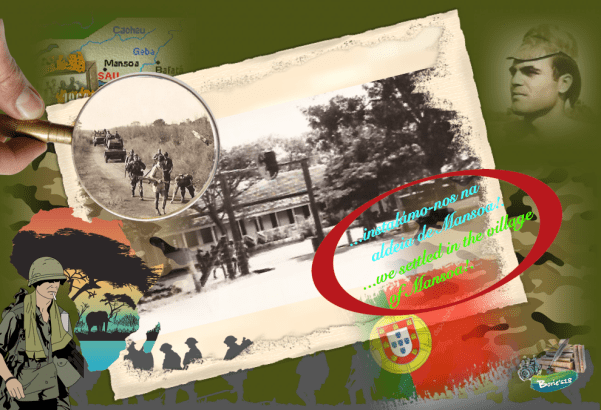
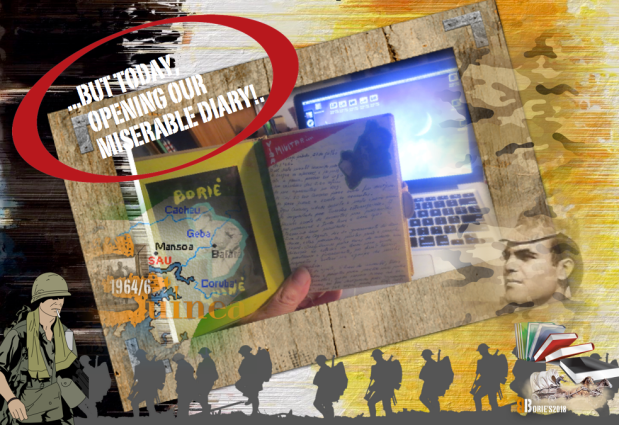
…em Julho do ano de 1964, instalámo-nos na aldeia de Mansoa, numas ruínas de um antigo convento de uma seita religiosa Francesa, sendo então criados na Zona Oeste, os sectores das aldeias de Mansabá e de Teixeira Pinto, em diferentes datas, com vista ao incremento operacional, pois a guerra desenvolvia-se rápidamente e, cuja actividade foi direccionada, especialmente para as regiões do Morés, Mansabá, Bissorã e Olossato!. Em outras palavras, pertencíamos a um comando sem armas, mas que infelizmente directa ou indirectamente dava ordens para matar!. (In July 1964, we settled in the village of Mansoa, in the ruins of a former convent of a French religious sect, and the sectors of the villages of Mansabá and Teixeira Pinto were dates, with a view to the operational increase, since the war was developing rapidly, and whose activity was directed, especially for the regions of Morés, Mansabá, Bissorã and Olossato!. In other words, we belonged to a command without weapons, but that unfortunately directly or indirectly gave orders to kill)!.

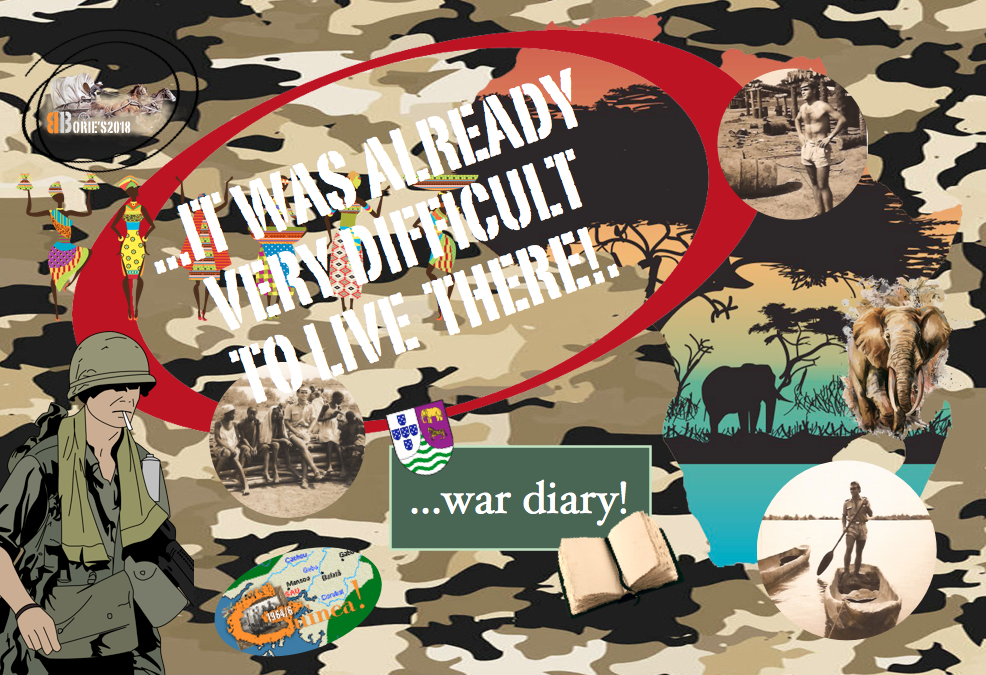
…estávamos num cenário de guerra, em África, onde a sorte nos podia contemplar com uma morte horrível, destruindo o nosso jovem corpo, crivado de balas ou destruído na explosão de uma granada de morteiro 90, numa qualquer emboscada, naqueles pântanos, rios, florestas ou savanas daquela África, onde lutávamos contra pessoas rurais, que nunca tínhamos visto antes, nunca tínhamos tido qualquer contacto e no nosso pensamento, não encontrávamos qualquer razão para os combatermos!. (We were in a war scenario in Africa, where luck could contemplate us with a horrible death, destroying our young body, riddled with bullets or destroyed in the explosion of a mortar grenade 90, in any ambush, in those marshes, rivers, forests, or savannas of Africa where we fought against rural people whom we had never seen before, we had never had any contact and in our thinking we could find no reason to fight them)!.
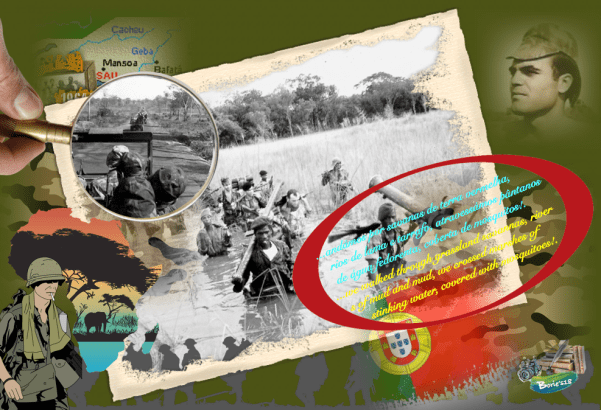
…andámos por savanas de terra vermelha, rios de lama e tarrafo, atravessámos pântanos de água fedorenta, coberta de mosquitos, sofremos emboscadas, ataques selvagens dos guerrilheiros, tivémos desastres, tanto aéreos como terrestres, fomos feridos em combate, vendo jovens companheiros feridos e mortos, alguns enterrados dentro do seu camuflado sujo do seu próprio sangue, sofremos humilhações, passámos fome, sede, mêdo, angústia, sofrimento, doenças, isolados, sem qualquer esperança de vida, sem medicamentos ou assistência médica, sem higiene, sobrevivendo num campo de desespero, onde em alguns momentos, a fé em algo que imaginávamos que existia, o álcool ou os cigarros feitos à mão, nos proporcionavam algum conforto, trazendo alguma paz à nossa alma!. (We walked through grassland savannas, rivers of mud and mud, we crossed marshes of stinking water, covered with mosquitoes, we suffered ambushes, wild attacks of the guerrillas, we had disasters, both aerial and terrestrial, we were wounded in combat, seeing young comrades wounded and dead, some buried inside their dirty camouflage of their own blood, we suffered humiliation, we went hungry, thirsty, afraid, distress, suffering, diseases, isolated, without any hope of life, without medicines or medical assistance, without hygiene, surviving in a field of despair, where at times the faith in something we imagined existed, alcohol or handmade cigarettes, gave us some comfort, bringing some peace to our soul)!.

…no princípio do segundo ano da nossa presença em África, as forças militares que faziam parte do nosso Comando de Agrupamento, pelo menos aquelas que estavam estacionadas na frente de combate, na zona Oeste, eram fustigadas com muita frequência, estavam cansadas, um período de dois anos numa zona de combate, com um clima húmido e quente, com uma época de chuvas teorrenciais que alagava algumas zonas, formando pântanos que imediatamente se cobriam de mosquitos, que mordendo infectavam o corpo!. (At the beginning of the second year of our presence in Africa, the military forces that were part of our Group Command, at least those that were stationed at the front in the West, were frequently beaten, tired, of two years in a combat zone, with a humid and hot climate, with a time of teorrencial rains that flooded some zones, forming swamps that immediately covered of mosquitoes, that biting infect the body)!.
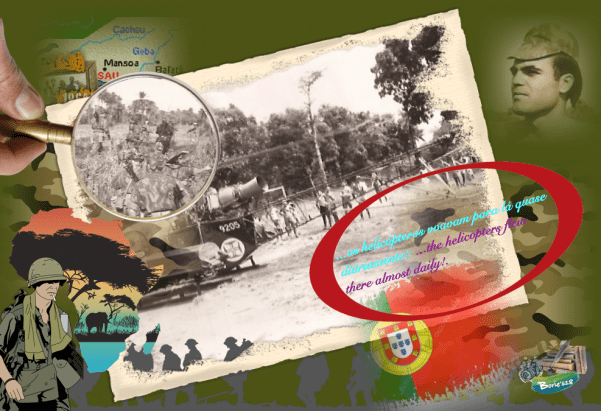
…os helicópteros voavam para lá quase diáriamente, recolhendo doentes, feridos ou mortos, o nosso equipamento militar era inferior ao dos guerrilheiros, começavam a ver a guerra de guerrilha agressiva e violenta, com que os guerrilheiros que lutavam pela independência do seu território usavam, como uma séria ameaça!. Nós falávamos, havia um precentimento em muitos militares das nossas forças de combate, onde se considerava que era uma questão de tempo, pois a aquela guerra estava perdida!. (The helicopters flew there almost daily, picking up the sick, wounded or dead, our military equipment was inferior to that of the guerrillas, they began to see aggressive and violent guerrilla warfare, with which the guerrillas who fought for the independence of their territory they used, as a serious threat!. We were talking, there was a premonition in many of our combat troops, where it was considered a matter of time, for that war was lost)!.

…aliás, estava perdida mesmo antes de começar, pois além de eles, os guerrilheiros, conhecerem e se sentirem confortáveis naquele terreno de terra vermelha, onde naquela região de África, era plano, coberto de pântanos, com corredores entre densa floresta ou terras alagadas, (onde se calcava lama, ou uma água morna, parada e coberta de mosquitos, que exalava um mau cheiro muito intenso, que a nós Europeus, nos causava tonturas, desmoralização e mau estar, eles, os guerrilheiros, já tinham armas sotisficadas para a época, tinham planos de ataque, conheciam o terreno em que se movimentavam, atacavam os diversos aquartelamentos das tropas Portuguesas, que existiam em lugares considerados estratégicos!. (In fact, it was lost even before it began, for besides them the guerrillas knew and felt comfortable in that red earth terrain, where in that region of Africa, it was flat, covered with marshes, with corridors between dense forest or muddy ground, or a warm, still water covered with mosquitoes, which exuded a very intense odor, which to us Europeans caused us dizziness, demoralization and malaise, they, the guerrillas, already had weapons they had plans of attack, knew the terrain in which they moved, attacked the various barracks of the Portuguese troops, which existed in places considered strategic)!.

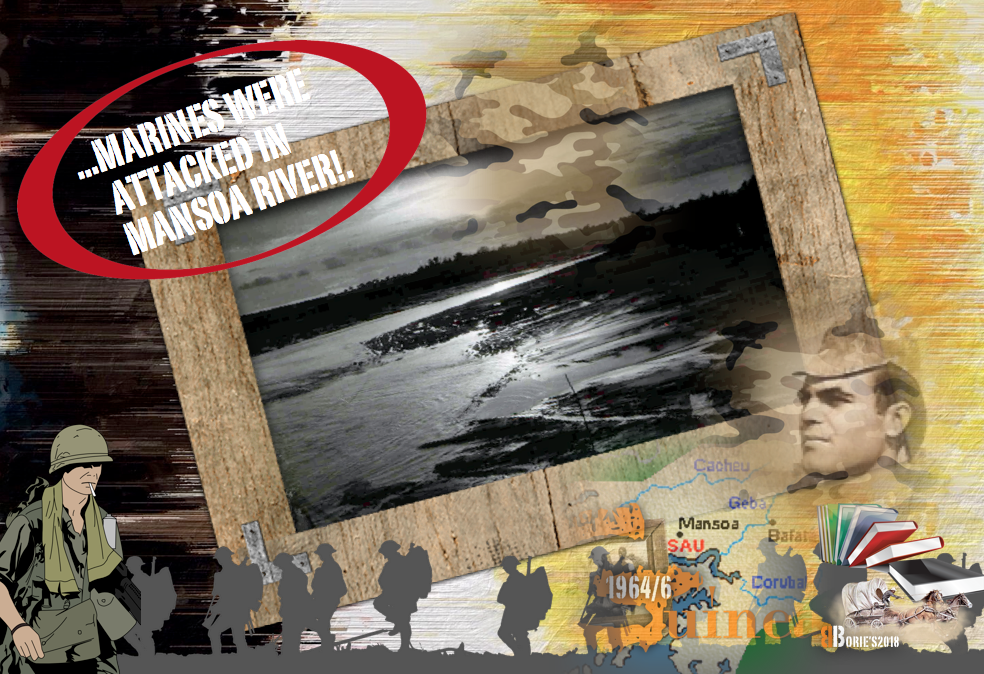
…colocavam minas e fornilhos nos corredores de ascesso às suas bases, que às vezes eram a única via que existia, por entre os pântanos, para qualquer ser humano se deslocar de uma aldeia para outra!. As tropas Portuguesas encontravam-se na pior posição, para avançar e identificar com precisão a sua localização no terreno, onde ou existia selva cerrada, pântanos ou canais, com água, lama e tarrafo e, eram frequentemente atacados, em certos pontos considerados estratégicos, quando atravessavam os rios ou canais, onde havia os “macaréus”, (grande vaga impetuosa que, em certos rios, se forma quando as águas desse mesmo rio se encontram com as água do mar), algumas vezes até animais perigosos, como por exemplo crocodilos, onde em algumas situações o inimigo, tirando alguma vantagem, surgia de todos os lados, atacando, disparando, sem dar qualquer oportunidade para que se recuperasse os nossos mortos ou feridos!. (They put mines and fodder in the corridors of ascession to their bases, which were sometimes the only way that existed, among the marshes, for any human being to move from one village to another!. The Portuguese troops were in the worst position to advance and accurately identify their location on the terrain, where there were either closed jungle, marshes or canals, with water, mud and tarrafo and were often attacked at certain points considered strategic, when they crossed the rivers or channels, where there were the “macaréus”, (great impetuous wave that, in certain rivers, is formed when the waters of the same river meet with the water of the sea), sometimes even dangerous animals, for example crocodiles, where in some situations the enemy, taking some advantage, appeared from all sides, attacking, firing, without giving any opportunity to recover our dead or wounded)!.

…os nossos companheiros mortos, ficavam sepultados neste horrível cenário para sempre, onde não existiam condições, para se tentar recuperar qualquer morto ou ferido, pois as vítimas, deviam ser puxados para algum tipo de posição onde houvesse alguma segurança, para serem tratados e, levar um homem ferido ou morto, requer até quatro homens como portadores, o que também enfraquecia uma unidade militar num momento crítico, portanto esses infelizes militares, quando eram atingidos, alguns deles, por lá ficavam para sempre!. (Our dead companions were buried in this horrible scenario forever, where there were no conditions, to try to recover any dead or injured, since the victims were to be pulled into some sort of position where there was some security, to be treated and carrying a wounded or dead man requires up to four men as carriers, which also weakens a military unit at a critical moment, so these unhappy soldiers, when they were hit, some of them, stayed there for ever)!.

…os guerrilheiros sabiam disto, estavam bem treinados, agressivos e equipados com uma preponderância de armas automáticas com muitas munições, e nós, “éramos quase uns soldados sem um país”, para ali mandados, para longe das aldeias, vilas ou cidades onde nascemos, para longe do nosso continente, treinados à pressa e mal, com equipamento de combate quase absoleto, mal alimentados ou sem assistência médica, desmoralizados, vendo morrer os nossos companheiros, que ficaram ali enterrados na lama dos pântanos para sempre!. Alguns comandantes diziam, “que as tropas em cenário de guerra, não deviam ficar tão preocupadas com as baixas, para que esqueçam o inimigo, pois podiam naquele momento crítico, sofrer mais baixas na tentativa de recuperar ou ajudar os seus feridos”!. Naquela época, “éramos quase uns soldados sem um país”!. (The guerrillas knew this, were well trained, aggressive and equipped with a preponderance of automatic weapons with lots of ammunition, and we, “we were almost soldiers without a country”, sent there, away from villages, towns or cities where we were born, away from our continent, trained in haste and evil, with combat equipment almost stale, ill fed or without medical assistance, demoralized, watching our companions die, who were buried there in the marsh mud forever!. Some commanders said, “that the troops in a war scenario should not be so preoccupied with casualties as to forget the enemy, for they could at that critical moment suffer more casualties in an attempt to recover or help their wounded”!. At that time, “we were almost soldiers without a country”)!.

…também naquela época, as aldeias do interior estavam quase desabitadas, cuja população era normalmente composta por crianças, raparigas, mulheres e idosos, porque os rapazes ou homens não viviam nas aldeias, eram os guerrilheiros, que nos atacavam nas emboscadas e nos ataques mortíferos ao aquartelamento, lutando pelo seu ideal, pela sua terra prometida, pelo seu imaginável, pelo seu fantástico sonho de correr de vez com as pessoas (que a história universal lhes ensinou), que entre outras coisas lhe tinham escravizado os seus avós!. (Also at that time, inland villages were almost uninhabited, whose population was usually composed of children, girls, women and the elderly, because the boys or men did not live in the villages, they were the guerrillas, who attacked us in ambushes and deadly attacks to the quartering, fighting for his ideal, for his promised land, for his imaginable, for his fantastic dream of running with people (universal history taught them), who among other things had enslaved his grandparents)!.
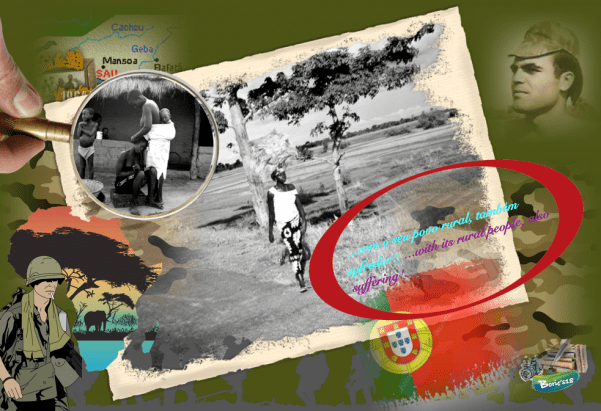
…na África daquele tempo, ainda um pouco selvagem, também tivémos alguns momentos de menos tristeza, que eram proporcionados pelo convívio com o seu povo rural, também sofredor, com mêdo da guerra, sem esperança, sem condições de uma vida normal, sem possibilidades de alimentar ou levar os seus filhos à escola, sem possibilidades de cultivar um chão fértil, que estava a ser contaminado pelas bombas de “napalma”, que eram largadas pelos aviões da força áerea Portuguesa, ou pelas minas e fornilhos dos guerrilheiros, que eram colocadas em alguns lugares estratégicos de passagem ou ascesso a lugares onde se podia procurar a base principal da sua sobrevivência, que eram a pesca nos rios ou o cultivo do arroz, nas “bolanhas” (pântanos)!. (In Africa of that time, still a little wild, we also had some moments of less sadness, which were provided by the conviviality with its rural people, also suffering, in fear of war, without hope, without conditions of a normal life, without the possibility of feeding or taking their children to school, without the possibility of cultivating a fertile ground, which was being contaminated by the “napalma” bombs, which were dropped by Portuguese air force planes, or by the mines and fires of the guerrillas, that were placed in some strategic places of passage or ascertainment to places where one could look for the main base of their survival, that was the fishing in the rivers or the cultivation of the rice, in the “bolanhas” (marshes)!.

…a nossa desmoralização aumentava, ao ver aquele povo rural e humilde, sofredor e carinhoso, que embora vivendo numa profunda miséria, tinham alguma alegria que repartiam connosco!. Da pouca comida que por vezes lhes levávamos, repartiam com os cães ou outros animais, que por ali andavam magros e cobertos de moscas!. As pessoas tinham bons sentimentos, eram sinceras e talvez derivado ao ambiente natural onde viviam, eram puras e, como já dissémos por diversas vezes, eram um pouco parecidas com as gazelas e outros animais selvagens, pois só depois de verem os sentimentos de outra pessoa estranha, cheirarem o seu corpo e sentirem o sabor da pele, é que se dedicavam, mas quando isso acontecia, não mais largavam essa pessoa, pois já a consideravam parte da sua família!. (Our demoralization increased as we saw those rural and humble people, suffering and caring, who, although living in deep misery, had some joy that they shared with us!. From the little food we sometimes took them, they shared with the dogs or other animals, who were walking around thin and covered with flies!. The people had good feelings, they were sincere and perhaps derived from the natural environment where they lived, they were pure and, as we have said several times, they were a little like gazelles and other wild animals, because only after seeing the feelings of another person strange, smell their body and taste the skin, they dedicated themselves, but when this happened, they would not leave that person anymore, because they considered it a part of their family)!.

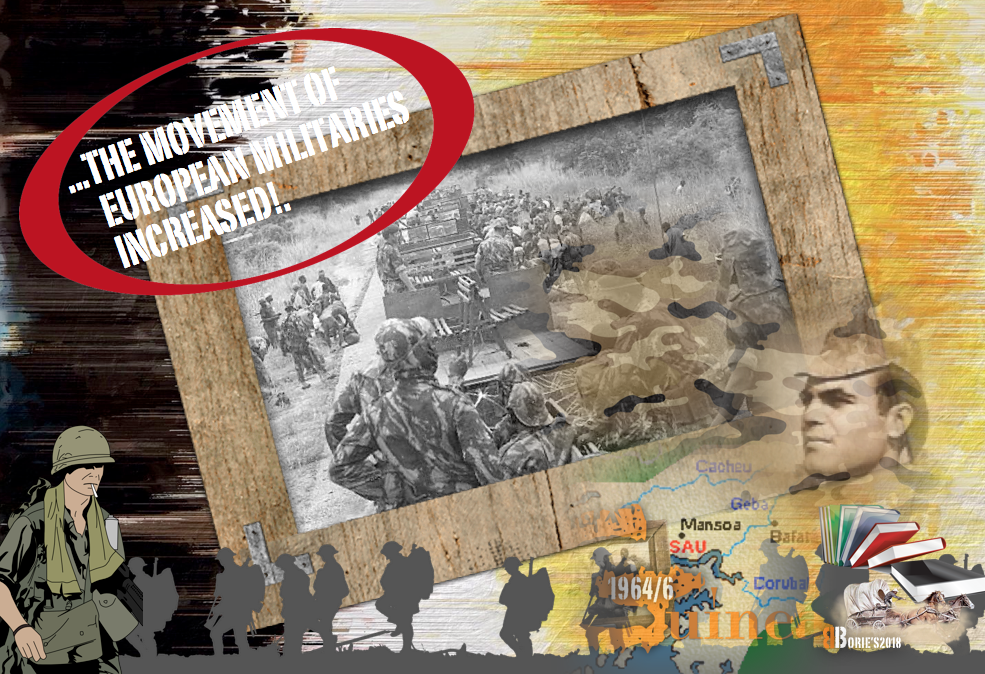
…com o desenvolvimento da guerra, o movimento de militares Europeus aumentou, tanto em toda a zona Oeste, que era a área comandada pelo nosso Comando de Agrupamento, como no nosso próprio aquartelamento, que já era considerado um “posto avançado”, pois era a partir daqui, seguindo para o interior, que começava a verdadeira zona de combate!. (With the development of the war, the European military movement increased, both throughout the West, which was the area commanded by our Group Command, as in our own quarters, which was already considered an “outpost” since it was from here, heading inland, which began the real combat zone)!.

…bem ou mal treinados, frequentemente chegavam novos militares, a população quase que triplicou em alguns dias, eram centenas de militares em constante movimento, com as viaturas ocupando todos os espaços!. Era uma barafunda, já ninguém se conhecia, no dormitório colocaram mais do dobro das camas, naquele momento existem dois andares de camas, muito chegadas umas às outras, com roupa camuflada, alguma molhada, a secar, colocada em cima dos mosquiteiros e em outros locais, daqueles militares que iam chegando das diversas patrulhas e operações de combate, em que constantemente eram chamados a intervir!. (Well or badly trained, often new soldiers arrived, the population almost tripled in a few days, were hundreds of soldiers in constant movement, with the vehicles occupying all spaces!. It was a mess, no one knew each other, and in the dormitory they placed more than double the beds, at that moment there are two floors of beds, very close to each other, with clothes camouflaged, some wet, to dry, placed on the mosquito nets and in other local, of those soldiers who were coming from the various patrols and combat operations, where they were constantly called upon to intervene)!.

…com toda esta vivência, já nos considerávamos “outra pessoa”, com diferente “atitude”, um pouco mais frios, desconfiados, talvez um pouco calculistas, com mêdo de tudo e de todos, pelo menos enquanto não houvesse conhecimento do cenário em que nos encontrávamos naquele momento, não sorriamos frequentemente, no nosso corpo e talvez na nossa alma, já existiam algumas “marcas”, não éramos mais aquele jovem risonho e amável que saíu da nossa aldeia, lá encosta agreste da montanha do Caramulo, naquele Portugal da Europa distante!. (With all this experience, we already considered ourselves “another person”, with different “attitude”, a little colder, distrustful, perhaps a little calculating, with fear of everything and everyone, at least until there was knowledge of the scene in which we were at that moment, we did not smile often, in our body and perhaps in our soul, there were already some “marks”, we were no longer that smiling and kind young man who left our village, on the rugged slope of Caramulo Mountain, in that Portugal of distant Europe)!.

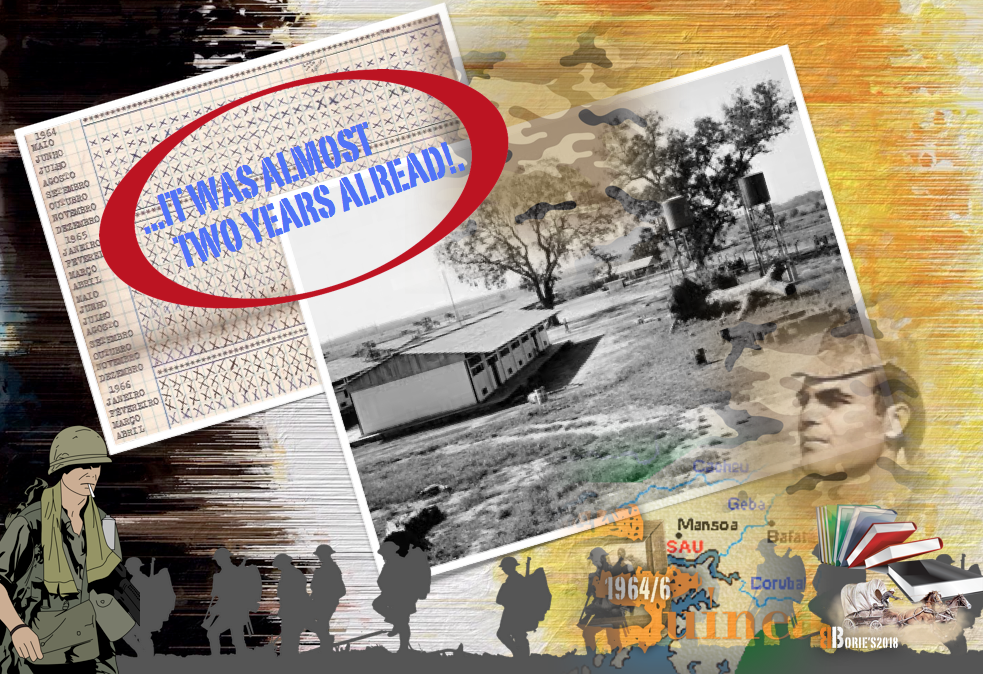
…continuando!. Já lá iam, um ano, onze meses e 14 dias de sobrevivência!. Andávamos desesperados em alguns dias!. Falava-se pouco, comia-se menos, bebiamos e fumávamos muito!. Já tínhamos feito e desfeito, pelo menos quatro vezes a mala de papelão e fibra nos cantos, amarrada com uma corda, que já conhecia o som de uma metralhadora disparando ou a explosão de uma granada, o sabor da chuva torrencial que inundava o aquartelamento ou o calor infernal daquela savana africana onde a terra era vermelha, nunca se lamentando pelos maus tratos a que sempre foi sujeita, já sem dobradiças ou a fechadura, que tinham sido comidas pela ferrugem!. (Continuing!. Already they were going, one year, eleven months and 14 days of survival!. We were desperate in a few days! We talked a little, we ate less, we drank and we smoked a lot!. At least four times we had made and unpacked the cardboard bag and fiber in the corners, tied with a rope, which already knew the sound of a firing machine gun or the explosion of a grenade, the taste of the torrential rain that inundated the barracks or the infernal heat of that African savannah where the earth was red, never lamenting for the ill-treatment to which it was always subjected, without hinges or the lock, which had been eaten by the rust)!.
…estávamos quase no fim da nossa “comissão militar no Ultramar por imposição” e, sempre havia falsas notícias de regresso!. Um dia, o comandante reúne todo o Comando, no centro do aquartelamento, que ajudámos a construir, pintado de algumas cores, onde incluímos a cor do sangue de alguns companheiros que por lá ficaram para sempre, enterrados dentro do seu próprio camuflado crivado de balas ou destruído por uma qualquer explosão de uma mina ou fornilho, e diz-nos entre outras coisas:

– Obrigado a todos pelo vosso sacrifício e dedicação em defesa da nossa Pátria!. Vamos regressar à Europa na próxima semana!. O comando que nos vem substituir, já saiu de Portugal e, regressaremos no mesmo barco!.

(We were almost at the end of our “overseas military commission by imposition” and there was always false news of return!. One day the commander gathers the whole Command, in the center of the barracks, which we helped to construct, painted in some colors, where we included the color of the blood of some companions who were forever buried inside their own camouflage, riddled with bullets or destroyed by any blast from a mine or fornillo, and tells us among other things:

– Thank you all for your sacrifice and dedication in defense of our Motherland!. Let’s go back to Europe next week!. The command that comes to replace us, has already left Portugal and we will return in the same boat)!.

…dois dias depois volta a reunir o comando e diz, ainda mais emocionado:

– Já não iremos para a semana que vem, pois o comando que vem a caminho foi destacado para outra zona, onde a guerra se está a desenvolver cada vez com mais intensidade, mas prometo-vos que iremos na próxima viagem que o navio “Uige” fizer!. Têm a minha palavra!.

(Two days later returns to gather the command and says, even more excited:

– We will not go to next week, because the command that is on the way has been posted to another zone, where the war is developing more and more intensely, but I promise you that we will go on the next trip that the ship “Uige” done!. You have my word)!.

…todos ficaram desolados, menos o companheiro “Curvas, alto e refilão”, que logo murmurou:

 – Aqui, estou na guerra, mas tenho a vossa companhia, são a família que nunca tive, mas agora que nos vamos separar, é que dou o valor ao que é uma família!. Lá em Portugal, sem vocês, vou ser um desgraçado, sem amigos nem ninguém!.

(All were desolate, except the companion “Curvas, high and complicative”, that soon murmured:

– Here, I am in the war, but I have your company, they are the family that I never had, but now that we are going to separate, I value what a family is! There in Portugal, without you, I will be a bastard, without friends or anyone)!.

…continuando, agora a mala de papelão e fibra nos cantos, estava feita, feita de vez!. Estava ao lado da cama, pois só usávamos o saco de lona!. Alí colocávamos o resto dos trapos, que era a nossa farda do dia-a-dia, uns calções com algumas “nódoas”, que não eram visíveis a olho nú, pois eram “nódoas de medo” que sentimos algumas vezes, quando éramos atacados durante a noite por granadas de morteiro e rajadas de metralhadora!. Junto com esses trapos, também guardávamos uma camisa e um par de meias rotas na frente, assim como as botas melhores, no fundo do saco, tudo para o tão desejado dia de regresso!. O resto da farda, demos a uma família amiga, que vivia numa aldeia próximo do aquartelamento!. (Continuing, now the cardboard bag and fiber in the corners, was done, done of time!. It was at the side of the bed, because we only used the canvas bag! There we put the rest of the rags, which were our day-to-day uniforms, some shorts with some “bruises” that were not visible to the naked eye, because they were “stains of fear” that we sometimes felt when we were attacked during the night by mortar grenades and machine gun bursts!. Along with these rags, we also kept a shirt and a pair of broken socks on the front, as well as the best boots, in the bottom of the bag, all for the much desired return day!. The rest of the uniform, we gave to a friendly family, that lived in a village near the quartering)!.

…nesse momento, tal como os nossos companheiros, só pensávamos no regresso à Europa, na nossa aldeia, em ver de novo a nossa família!. Andávamos um pouco exitados, no entanto todos sabíamos que era melhor não nos meter em zaragatas, não nos provocar mútuamente, pois se tal acontecesse, iria haver um desastre, pois a nossa mente já estava cansada do aquartelamento militar, do arroz com peixe da bolanha, dos tiros, dos rebentamentos, dos estilhaços, dos abrigos cheios de lama e água suja, da farda camuflada e rota, das ordens, da obediência, onde não podia haver um simples não!. (At that moment, like our companions, we only thought of returning to Europe, our village, to seeing our family again!. But we all knew that it was better not to bump into each other, not to provoke each other, for if this were to happen, there would be a disaster, for our mind was already tired of military barracks, rice and fish from the bolanha shots, shrapnel, shacks filled with mud and dirty water, camouflaged and broken uniform, orders, obedience, where there could not be a simple no)!.

…em caso de uma simples provocação, ninguém sabia como ia responder, pois ainda se vivia num cenário onde havia armas e granadas por tudo o que era lugar, que usadas, podiam matar pessoas!. Às vezes pensávamos só para nós que, estávamos com um fraco carácter, mesmo muito pior que o companheiro “Curvas, alto e refilão”!. (In the event of a simple provocation, no one knew how to respond, because it was still a scene where there were weapons and grenades for everything that was used, they could kill people!. Sometimes we thought only to ourselves that we were with a weak character, even worse than the companion “Curvas, high and complicative”)!.

…no entanto, passado dezoito mais dias, no meio de todo este desespero, o tão esperado e desejado dia chegou!. Fomos nós próprios que decifrámos a mensagem!. Não ficámos contentes nem tristes, uma onda de nostalgia percorreu-nos todo o corpo, fechámos os olhos, erguemos as mãos para cima e exclamámos emocionados, “OBRIGADO”!. (However, past eighteen more days, in the midst of all this despair, the long awaited and desired day has come!. We were the ones who deciphered the message! We were neither happy nor sad, a wave of nostalgia ran all over us, we closed our eyes, raised our hands up and exclaimed excited, “THANK YOU!”)!.

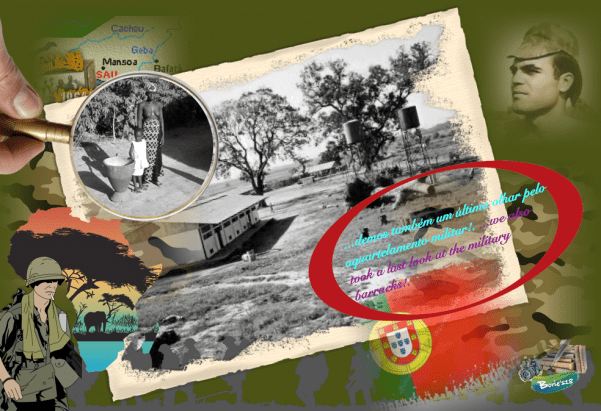
…no dia 11 de Maio do ano de 1966, por volta das dez horas da manhã, a coluna militar estava pronta a seguir para a capital Bissau!. Houve alguns abraços de despedida, demos algumas moedas a alguns africanos que foram nossos companheiros, demos também um último olhar pelo aquartelamento militar que ajudámos a construir, mas que nunca nos pareceu tão selvagem, todo cercado de arame farpado, tal qual um campo de concentração, como naquela hora de despedida!. (On May 11, 1966, around 10 o’clock in the morning, the military column was ready to go to the capital Bissau!. There were a few hugs of farewell, we gave some coins to some Africans who were our companions, we also took a last look at the military barracks that we helped to build, but that never seemed so wild, all surrounded by barbed wire, just like a concentration camp, like at that farewell hour)!.

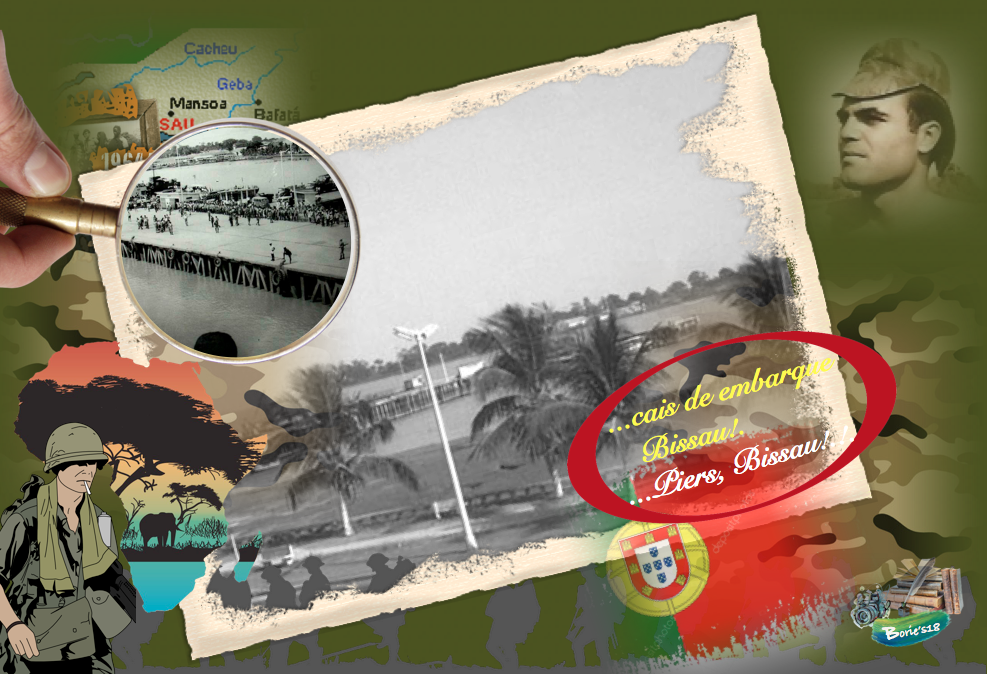
…a coluna militar, percorreu os setenta quilómetros até à capital Bissau, largando o nosso Comando de Agrupamento no cais de embarque!. Aí permanecemos dois dias, tempo que durou o desembarque das tropas novas com o seu equipamento militar e, o embarque das tropas velhas, que era feito em lanchas pequenas do cais para o barco!. (The military column, traveled the seventy kilometers to the capital Bissau, dropping our Group Command at the boarding pier!. We stayed there for two days, a time that lasted the landing of the new troops with their military equipment, and the embarkation of the old troops, which was done in small boats from the quay to the boat)!.

…o nosso Comando de Agrupamento, não chegava a trinta militares, sendo mais de dois terços os militares graduados!. Enquanto esperámos pelo embarque, alguns dormimos na fortaleza de S. José da Amura, onde estava a polícia militar estacionada e onde o Governador da província se deslocou, com todo o seu aparato militar, para dar a todos umas insígnias com as cores da bandeira portuguesa, dizendo que representavam a medalha da campanha militar da Guiné, pois não havia medalhas para todos!. Ainda hoje guardamos essas insígnias como um “amuleto de boa sorte”!. (Our Group Command, did not reach thirty soldiers, with more than two-thirds military graduates!. While we waited for the embarkation, some of us slept in the fortress of S. José da Amura, where the military police were stationed, and where the Governor of the province went with all his military apparatus, to give all of them some insignia with the colors of the Portuguese flag, saying that they represented the medal of the military campaign of Guinea, because there were no medals for all!. Even today we keep these insignia as a “good luck charm”)!.

…reparem que naquela época, estávamos num cenário de combate, defendendo a Pátria e não havia medalhas para todos, no entanto hoje, no ano de 2018, o actual Presidente da República de Portugal, condecora atletas milionários, ou qualquer outra pessoa, por isto ou por aquilo, talvez até, simplesmente porque simpatiza com essas personagens, o importante é que o momento seja visto na televisão!. (To realize that at that time, we were in a battle scenario, defending the homeland and there were no medals for everyone, however today, in 2018, the current President of the Republic of Portugal, decorates millionaire athletes, or anyone else, for this or that, maybe even, simply because he sympathizes with these characters, the important thing is that the moment is seen on television)!.

…bem, vamos continuar!. Todos os haveres dos militares do nosso comando estavam num grande monte, quase à entrada do cais de embarque, sendo guardados por militares que faziam a sua guarda por turnos, pois iam regressando do interior outras unidades para embarcar, que faziam o mesmo e, deste modo, antes do embarque quase todo o cais estava ocupado por diversos montes de malas e sacos!. Era um pandemónio, mas era um pandemónio feliz, pois avistava-se o barco ao longe, que nos havia de levar de regresso à Europa!. (Well, let’s continue!. All the assets of the military of our command were on a large hill, almost at the entrance of the embarkation dock, and were guarded by military personnel who kept their guard in turns, since other units were returning from the interior to board, so, before boarding almost all the dock was occupied by several piles of suitcases and bags!. It was a pandemonium, but it was a happy pandemonium, because the boat was seen in the distance, that would take us back to Europe)!.

…chegou o grupo do “Furriel Miliciano”, a fumar um cigarro feito à mão, onde vinha o “Setúbal”, o “Curvas, alto e refilão”, o “Trinta e Seis”, o “Marafado”, o “Mister Hóstia” e outros, claro, a partir daí, o pandemónio passou a ser maior!. Estávamos vestidos e rodeados de equipamento militar, mas já nos sentíamos pessoas civis, andando pela cidade, bebendo, passeando, fazendo algumas compras, onde nós comprámos uma boina nova e uns sapatos à nossa medida!. O “Curvas, alto e refilão”, caminhando sempre na frente, procurando ser o chefe, dizia:

– É tudo muito lindo para vocês!. Mas eu vou perder a minha família, que são todos vocês!.

…e num momento em que devia de haver alguma alegria, ele chorava, fazendo-nos chorar, assim como os seus companheiros!.

(Arrived the group of “Furriel Miliciano”, smoking a handmade cigarette, where came the “Setúbal”, “Curvas, high and complicative”, “Thirty Six”, “Marafado”, ” Mister Hóstia “and others, of course, from there, the pandemonium happened to be greater!. We were dressed and surrounded by military equipment, but we were already civilians, walking around the city, drinking, walking, doing some shopping, where we bought a new beret and shoes to suit us!. The “Curvas, high and complicative”, walking always ahead, trying to be the boss, said:

– It’s all very beautiful for you!. But I’m going to lose my family, that’s all of you!.

And in a moment when there must be some joy, he cried, making us cry, as did his companions)!.

…já por diversas vezes falámos aqui do leal companheiro “Curvas, alto e refilão”!. Era um jovem, que apareceu em cenário de guerra, depois de ter passado pelas prisões da capital Lisboa por pequenos delitos de furto e, quando chegou a idade do serviço militar obrigatório, o então governo colonial de Portugal, lhe deu a escolher, ou continuava na prisão ou ia cumprir o serviço militar, e claro, como estávamos em guerra, era certo que depois de algum treino militar iria combater em África!. A nós, em alguns momentos menos felizes, chorava e desabafava connosco, contando-nos a sua vivência, pois em criança foi abandonado pela sua mãe que andava na “vida”, (prostituição), nunca teve ninguém que lhe limpasse o ranho do nariz ou lhe perguntasse se tinha fome!. (Several times we spoke here of the loyal companion “Curvas, high and complicative”!. He was a young man, who appeared in a war scene, after having passed through the prisons of the capital of Lisbon for small petty offenses, and when he reached the age of compulsory military service, the then colonial government of Portugal, gave him to choose, or continued in prison or were going to serve the military, and of course, as we were at war, it was certain that after some military training would fight in Africa!. To us, in some moments less happy, she cried and was talking to us, telling us about her life, since she was abandoned by her mother who was in “life” (prostitution), she never had anyone to clean her nose or asked if he was hungry)!.

…vivia entre outras coisas, usando uma caixa de engraxar sapatos alugada no sindicato, no turno da noite à porta de bares e casas de alterne, em redor de algum crime organizado que o explorava, assim como a outras crianças na mesma situação!. Foi condecorado com uma medalha de Cruz de Guerra, pela sua valentia em combate defendendo os seus companheiro, que o respeitavam e o adoravam pela sua simplicidade, frontalidade e linguagem rude e natural!. Nunca quiz fotografias e nós todos o respeitávamos, talvez recordando a sua infância, pois dizia-nos que as fotografias “matam”, e “compemetem-nos”!. Fazia parte do nosso pequeno grupo de amigos, era alto e curvado para a frente, daí o seu nome de guerra!. Depois de todo este tempo de convivência, consideráva-nos a sua família!. Esta pequena caricatura, é uma sincera homenagem!. (He lived among other things, using a shoe box shoe rented at the union, the night shift at the door of bars and alternative houses, around some organized crime that explored him, as well as other children in the same situation!. He was awarded a War Cross medal for his valor in combat defending his companions, who respected and adored him for his simplicity, frontality and rude and natural language!. He never asked for photos, and we all respected him, perhaps remembering his childhood, for he told us that the photographs “kill” and “please us”!. It was part of our small group of friends, was tall and bent forward, hence his name of war!. After all this time of coexistence, he considered us his family!. This little caricature is a sincere tribute)!.
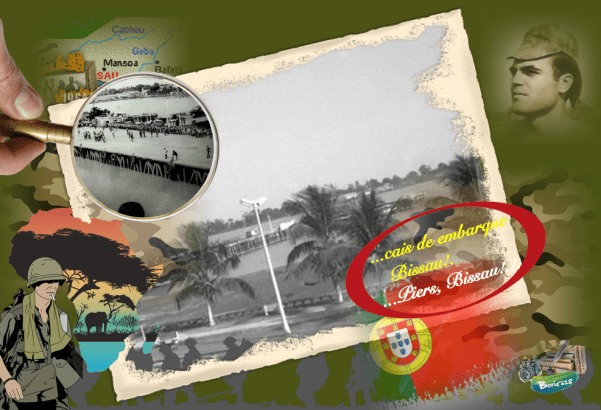
…no dia 14 de Maio do ano de 1966, já lá iam, um ano, onze meses e vinte e seis dias, em continente africano, era manhã, a maré estava a encher, cheirava um pouco a maresia e os barcos baloiçavam no cais de embarque!. A ordem era todo o pessoal estar preparado, pois iam começar a embarcar, mas seguindo uma certa ordem e, como os do nosso Comando de Agrupamento eram poucos, fomos dos primeiros a embarcar!. Com o saco ao ombro e a malita nas mãos, passávamos por algumas unidades e, ao passar pela unidade onde estava o “Curvas, alto e refilão”, logo ouvimos este dizer, alto e bom som:

– Os malandros são sempre os primeiros, tinha que ser!. Qualquer dia mato um!.

(On May 14, 1966, a year, eleven months and twenty-six days later, on the African continent, it was morning, the tide was filling up, it smelled a little of the sea and the boats swam at the boarding pier!. The order was for all the personnel to be prepared, because they were going to start shipping, but following a certain order, and since our Group Command was few, we were the first to board!. With the bag on the shoulder and the cardbord bag in our hands, we would pass through some units and, as we passed the unit where the “Curvas, high and complicative” was, we soon heard this saying, loud and clear:

– The rogues are always the first, it had to be!. I’ll kill one any day)!.
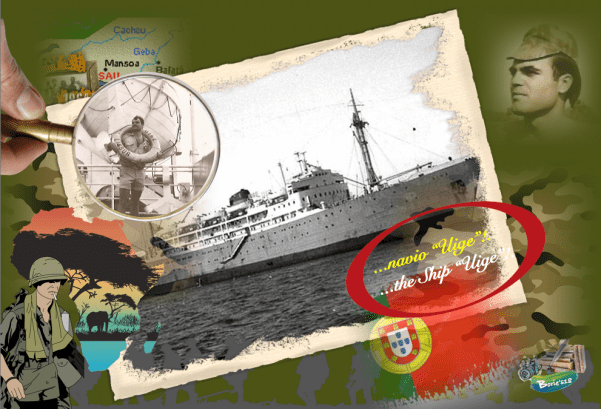
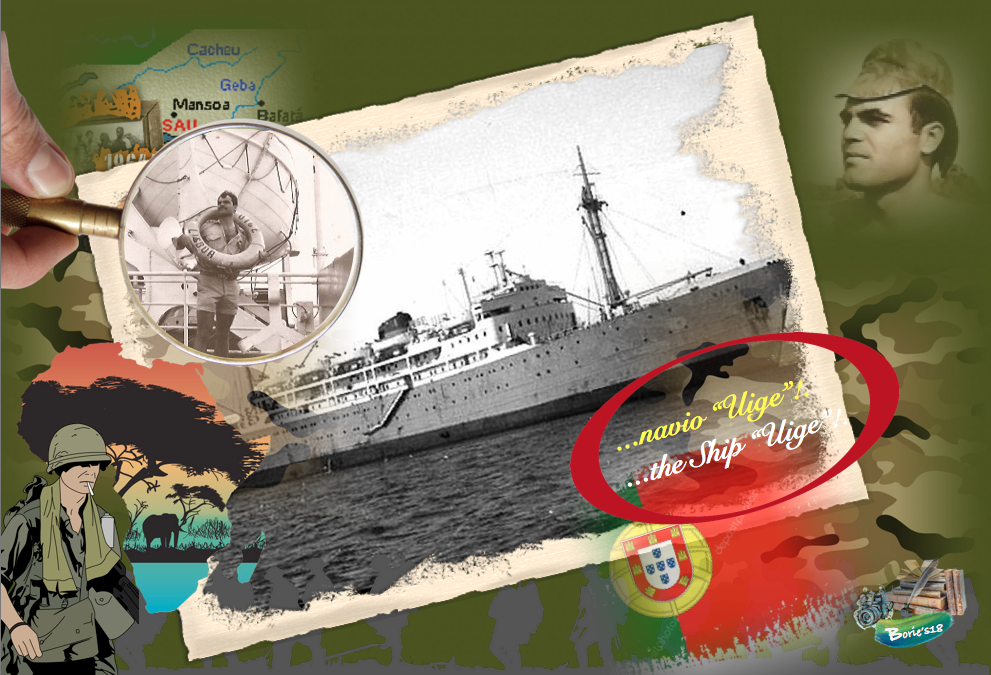
…já dentro do navio “Uíge”, bebemos cerveja na companhia do “Setúbal”, dormindo a primeira noite no convés do navio, só nos lembramos de acordar e ver umas luzes ao longe, pois já nos encontrávamos a navegar em alto mar, rumo ao norte, à Europa, a Portugal!. Também nos lembramos de ver o “Trinta e Seis” a querer segurar o “Curvas, alto e refilão”, pois este agarrava pela camisa o empregado que estava encarregue do local onde vendiam cerveja e outros licores no barco, dizendo-lhe:

– Quero mais cerveja, filho da puta! Não vês esta medalha Cruz Guerra com que fui condecorado, por salvar os meus companheiros em combate? Vou enfiá-la onde tu sabes e vou atirar-te ao mar, lá isso vou!.

(Already inside the ship “Uíge”, we drank beer in the company of the “Setúbal”, sleeping the first night on the deck of the ship, we only remember to wake up and to see lights in the distance, since already we were sailing in the sea , heading north, to Europe, to Portugal!. We also remember seeing “Thirty-Six” wanting to hold the “Curvas, high and complicative”, as he grabbed the employee who was in charge of the place where they sold beer and other liquors on the boat, saying:

– I want more beer, you son of a bitch!. Do not you see this Cross War medal with which I was awarded for saving my comrades in combat?. I’m going to shove it where you know and I’m going to throw you into the sea, there it is)!.

…mais tarde, o “Trinta e Seis” contou-nos, rindo-se, um episódio que também fazia os outros rirem-se, que era o momento em que determinado coronel entregou as insígnias da campanha da Guiné ao “Curvas, alto e refilão” e, vendo-lhe a medalha Cruz de Guerra no peito, colocou-se na posição de sentido e fez-lhe a respectiva continência!.

…o Curvas, alto e refilão, dizia:

– Aqui até os coronéis me “batem a pala”, lá em Portugal, vou carregar a caixa de engraxar sapatos, cheio de fome, sem ter onde dormir, desprezado por todos, eu até podia continuar, sendo um militar ou um polícia, mas não sei receber ordens, está dentro de mim, é mais forte do que eu!.

(Later, the “Thirty-Six” told us, laughing, an episode that also made the others laugh, that it was the moment in which a colonel handed the insignia of the campaign of Guinea to the “Curvas, high and complicative” and, seeing the Cross-War medal on his chest, he placed himself in the position of meaning and made his continence!.

The “Curvas, high and complicative”, said:

– Here, even the colonels beat me up, in Portugal, I’m going to carry the shoeshine box, full of hunger, with nowhere to sleep, despised by all, I could even go on being a soldier or a policeman, but I do not know how to take orders, it’s inside me, it’s stronger than me)!.

…dormíamos no terceiro piso do porão do navio, com camas improvisadas em madeira, parecidas com as que se usavam no aquartelamento militar em Mansoa, de chão de terra vermelha e arame farpado!. Para usar o quarto de banho, subíamos as escadas quase até ao convés!. Muitos não o faziam e urinavam pelos cantos!. Passados uns dias de alto mar, com o calor, era impossível descer uma dúzia de degraus para o porão!. O cheiro pestilento era insuportável, por mais que lavassem e desinfectassem!. Quase todos os militares dormiam no convés, a céu aberto!. (We slept on the third floor of the ship’s basement, with makeshift wooden beds, similar to those used in the military barracks at Mansoa, with red earth soil and barbed wire!. To use the bathroom, we went up the stairs almost to the deck!. Many did not and urinated through the chants!. After a few days of high seas, with the heat, it was impossible to descend a dozen steps to the basement!. The stinking smell was unbearable, no matter how much they washed and disinfected!. Almost every military man slept on the deck in the open air)!.

…no último dia de viagem, despedimo-nos de todos os nossos amigos e companheiros, oferecendo o nosso endereço em Portugal àquele grupo de amigos mais íntimos, no qual se incluía o “Curvas, alto e refilão”, o “Setúbal”, o “Mister Hóstia”, o “Marafado”, o “Trinta e Seis” e o “Furriel Miliciano”, porque o “Pastilhas”, o “Arroz com Pão”, e o “Sargento da Messe”, regressaram a Portugal mais cedo, umas semanas, talvez um mês, não nos recordamos!. (On the last day of the trip, we said goodbye to all our friends and companions, offering our address in Portugal to that group of closest friends, which included “Curvas, high and complicative”, “Setúbal” , “Mister Hóstia”, “Marafado”, “Thirty Six” and “Furriel Miliciano”, because “Pastilhas”, “Rice with Bread” and “Sergeant of the Messe”, returned to Portugal more early, a few weeks, maybe a month, we do not remember)!.

…todos queriam levar o “Curvas, alto e refilão”, para junto de si, para as suas aldeias, mas ele não queria ir com ninguém, excepto com o “Trinta e Seis” e, disse abraçando-nos:

– Eu não tenho endereço em Portugal, para já vou com o “Trinta e Seis”, para a sua aldeia, que ele não me deixa ir para mais nenhum lado e, como sabes só recebo ordens dele!. Veremos o que ele me arranja, depois, andarei por aí, tal como fazia antes, qualquer dia bato-te à porta!.

(Everyone wanted to take the “Curvas, high and complicative” to his own village, but he did not want to go with anyone except “Thirty Six” and said hugging us:

– I do not have an address in Portugal, I’ll go with “Thirty Six” to your village, he will not let me go anywhere else, and as you know I only get orders from him!. We’ll see what he gets me, then I’ll walk around like I used to, I’ll knock on the door any day)!.

…no dia 23 de Maio do ano de 1966, pela manhã, com quase todos os militares no convés do navio, começámos a ver umas nuvens ao longe, passado um tempo, já não eram nuvens, mas sim terra!. Era Portugal!. (On May 23, 1966, in the morning, with almost all the soldiers on the deck of the ship, we began to see clouds in the distance, after a while, they were no longer clouds, but land!. It was Portugal)!.

…o navio navegou pelo rio Tejo, vimos de perto o Forte do Bugio, Cascais, Estoril, a ponte sobre o rio já em fase de acabamento, começando a atracar no cais da Alfândega da cidade de Lisboa!. Todos gritavam, faziam sinais, mostravam cartazes, tais como, “estou aqui, mãe”, “sou eu, o Zé”, “olá Évora, o Manel chegou”, “Isabel, anda pró meu colo”, “Pai, já cheguei”, e um que nos recordamos, porque era um pouco provocativo para a época, dizendo “P’ras Caldas, vamos já, e em força”!. (The ship sailed by the river Tagus, we saw from close up the Fort Bugio, Cascais, Estoril, the bridge over the river already in the process of finishing, beginning to dock in the dock of the Customs of the city of Lisbon!. They all shouted, made signs, showed signs, such as, “I’m here, mother”, “it’s me, Zé”, “Hello Évora, Manel arrived”, “Isabel, walk on my lap”, “Father, I already arrived”, and one we remember, because it was a bit provocative for the time, saying” P’ras Caldas, let’s go, and in force)”!.
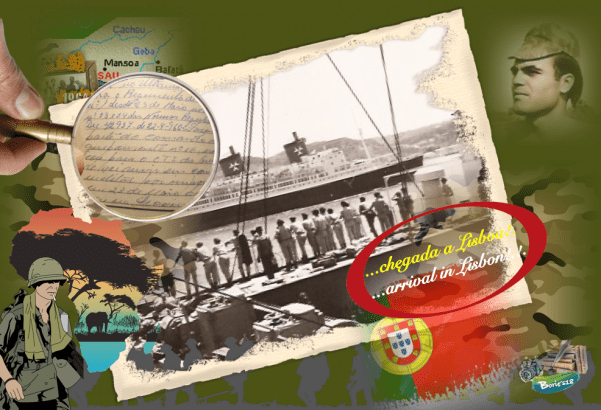
…todos procuravam um lugar na borda do navio!. Nós, empoleirados numa escada de corda e madeira, vimos os primos de Lisboa, lá ao fundo, ela de lenço preto, amarrado à cabeça e ele com uns grandes óculos escuros e de bigode!. Sim eram eles!. Acenámos, gesticulámos com os braços, chamámos por eles com toda a força dos nossos pulmões, tudo fizémos mas nada, não nos viam!. Só em terra, já com o saco do exército às costas e a mala de papelão e fibra nos cantos, amarrada com uma corda, é que corremos para os primos de Lisboa, que estavam lá, banhados em lágrimas, pensando que não tínhamos regressado a Portugal. (Everyone was looking for a place on the ship’s edge!. We, perched on a rope and wood ladder, saw Lisbon’s cousins, in the background, her black handkerchief, tied to her head, and him with big mustache and dark glasses!. Yes they were!. We waved, we gestured with our arms, we called for them with all the force of our lungs, we did everything but nothing, they did not see us!. Only on land, with the sack of the army at back and the cardboard bag and fiber in the corners, tied with a rope, we ran to the cousins of Lisbon, who were there, bathed in tears, thinking that we had not returned to Portugal)!.

…ainda no cais da Alfândega, o nosso comandante veio cumprimentar-nos, despedindo-se de todos os militares que faziam parte do nosso Comando de Agrupamento militar e, parou na nossa frente, olhou-onos nos olhos e disse:

 – És um bom homem, gostava de continuar a ter-te sobre o meu comando, desejo-te as maiores felicidades pela tua vida fora!. Enquanto for vivo e necessitares de mim para alguma coisa, que entendas que posso ser útil, por favor contacta-me. Adeus, oh “Cifra”!.

…ao ouvir estas palavras, abraçámo-lo de novo, não podendo conter uma lágrima!.

(At the Alfândega Quay, our commander came to greet us, bid farewell to all the military men who were part of our Military Combat Command, and stopped in front of us, looked us in the eyes and said:

– You are a good man, I would like to continue to have you on my command, I wish you the best of your life!. As long as you live and need me for something, you understand that I can be of service, please contact me!. Goodbye, oh “Cipher”!.

On hearing these words, we embraced him again, unable to contain a tear)!.

…nesse mesmo dia 23 de Maio do ano de 1966, seguimos para o Regimento de Infantaria N.º 1, na agora cidade de Amadora, que era a unidade militar a que o nosso Comando de Agrupamento pertencia!. Havia alguma azáfama, chegavam diferentes companhias ou grupos que tinham combatido no então Ultramar Português e, não havendo espaço nem instalações apropriadas para trocar a roupa, fizémo-lo numa área ajardinada, assim como outros companheiros, já dentro do Quartel!. (On the same day, May 23, 1966, we went to Infantry Regiment No. 1, in the now city of Amadora, which was the military unit to which our Group Command belonged!. There was some bustle, different companies or groups arrived that had fought in the then Portuguese Overseas and, not having space or suitable facilities to change the clothes, we did it in a garden area, like other companions, already inside the Barracks)!.

…entregámos o resto dos trapos que trazíamos e pertenciam ao Exército Português!. Na secção de tesouraria do Quartel, pagámos vinte sete escudos e cinquenta centavos por alguns trapos que faltavam, como por exemplo, o camuflado, botas de pano, camisas e meias!. Nessa ocasião, o sargento, ao receber o dinheiro, disse-nos:

– prenche este papel, com o teu nome e morada aqui em Portugal, para te mandar-mos a caderneta militar, o que, dada a tua especialidade militar, só deves receber esse documento daqui a cinco anos!.

(We delivered the rest of the rags that we brought and belonged to the Portuguese Army!. In the treasury section of the Militar Barracks, we paid twenty-seven escudos and fifty cents for some missing rags, such as the camouflaged, cloth boots, shirts and socks!. On this occasion, the sergeant, upon receiving the money, told us:

– Fill out this paper, with your name and address here in Portugal, to send you the military passbook, which, given your military specialty, you should only receive this document five years from now)!.
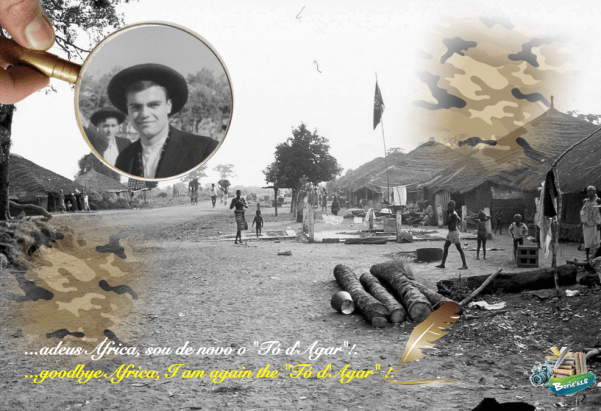
…no momento em que abrimos a mala de papelão e fibra nos cantos, amarrada com uma corda, vestindo umas calças, uma camisa de manga curta e calçando os sapatos novos à nossa medida, comprados na então capital da Província, Bissau, enquanto esperávamos o embarque!.

…depois de tudo terminadao, ao sair da unidade militar, gritámos em plenos pulmões:

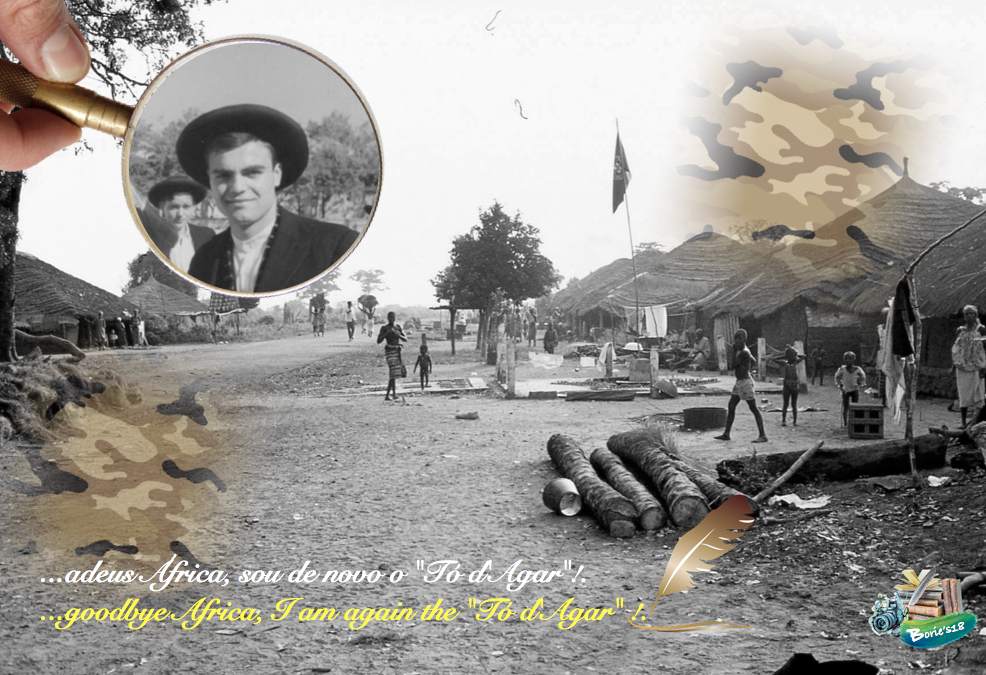
 – Não sou mais o “Cifra”, agora sou de novo o “Tó d’Agar”!.

(The moment we opened the cardboard and fiber bag in the corners, tied with a rope, wearing a pair of trousers, a short-sleeved shirt and new shoes for us, purchased in the then capital of the Province, Bissau, while we were waiting for the shipment!.

After all, when we left the military unit, we shouted at the top of our lungs:

– I am no longer the “Cipher”, now I am again the “Tó d’Agar”)!.

…na estação dos combóios, em Santa Apolónia, na cidade de Lisboa, apanhámos o comboio da linha do norte, que nos levou até à cidade de Aveiro, onde mudámos para o “nosso combóio” do então Ramal de Aveiro que, com a locomotiva a vapôr, mil cento e trinta e seis, a tal que tinha força de gigante, que abanava o cabanal, onde estava o curral das ovelhas, que nós quando crianças, conhecíamos pelo apito, que fazia um ruído ensurdedor, sempre que passava no vale, rumo ao norte, a caminho da montanha a todo o vapôr!. Sim, foi essa locomotiva, que trazendo atrás de si, o comboio das dez e meia, nos fez regressar de novo para junto da nossa família, na aldeia do Vale do Ninho d’Aguia!. (At the train station, in Santa Apolónia, in the city of Lisbon, we took the train from the northern line, which took us to the city of Aveiro, where we moved to the “our train” of the then Aveiro branch, which, with the locomotive, a thousand and one hundred and thirty-six, the one with the strength of a giant, which shook the cabal, where the herd was, which we, as children, knew by the whistle, which made a deafening noise, whenever it passed in the valley, heading north, on the way to the mountain at all vapour!. Yes, it was this locomotive, which, bringing the train at half past ten, brought us back to our family in the village of Vale do Ninho d’Aguia (valley of the Eagle’s Nest)!.

…regressámos à nossa aldeia, tocámos de novo nos ramos da tal “árvore das alegrias e dos problemas”, que existia no largo do terreiro da nossa aldeia, já era uns anos depois, éramos veteranos de guerra, veteranos de combate, tendo passado por algumas experiências de vida mais traumáticas que se possam imaginar!. A família e os vizinhos que nos receberam, sabiam, notavam imediatamente, que alguma coisa estáva mal connosco, pela nossa linguagem, maneira de se comportar, que estávamos diferentes, talvez um pouco loucos e algo agressivos!. (We returned to our village, touched again on the branches of such a “tree of joys and troubles”, which existed on the outskirts of our village yard, a few years later, we were veterans of combat veterans, having past some more traumatic life experiences you can imagine!. The family and the neighbors who received us, knew, noticed immediately, that something was wrong with us, by our language, way of behaving, that we were different, maybe a little crazy and something aggressive)!.

…era o preço do sofrimento, da angústia, do mêdo e da fúria em combate, do horror, do inferno que vivemos, a marca que nos acompanha para o resto das nossas vidas, que na verdade nos sentimos loucos por dentro e, como veteranos de guerra, temos que ser francos e dizer, que pagamos um preço muito elevado para servir o nosso país!. As vítimas emocionais das guerras equivocadas são na verdade as mais difíceis de suportar, são as tais feridas profundas que sofremos, que podem ser infligidas sem deixar um simples arranhão!. (Was the price of suffering, anguish, fear and fury in combat, the horror, the hell we live, the mark that accompanies us for the rest of our lives, we actually feel crazy inside and, as war veterans, we have to be blunt and say, that we paid a very high price to serve our country!. The emotional victims of misguided wars are actually the most difficult to bear; it is such deep wounds that we suffer that can be inflicted without leaving a mere scratch)!.

…nessa noite, houve festa na aldeia do Vale do Ninho d’Águia, com foguetes e tudo!. Nós, sendo de novo o “To d’Agar”, nome tal como os vizinhos nos conheciam, levámos abraços e beijos de pessoas a chorar de alegria!. A nossa cara estava cheia de baba e ranho, que limpávamos às costas da mão!. A mãe Ilda chorava, os irmãos pulavam e cantavam, o pai Tónio, com um copo de “jurepiga” na mão, fazia vivas a toda a gente, os vizinhos faziam uma roda à nossa volta perguntando se na Guiné havia macacos e leões, algumas raparigas nossas amigas de infância, davam-nos palmadas, agarrando-nos, beijavando-nos por muits vezes, os garotitos, alguns que tinham nascido depois de ir-mos para o serviço militar, olhavam-nos, depois vinham tocar-nos, como se fôssemos alguém estranho na aldeia, alguns cães ladravam e havia um “gira discos” com música!. (That night, there was a party in the village of Valley of the Eagle’s Nest, with rockets and everything!. We, being again the “To d’Agar”, name with the neighbors knew us, we took hugs and kisses of people to cry of joy!. Our face was full of drool and snot, which we wiped on the back of the hand!. Mother Ilda cried, her brothers jumped and sang, her father Tonio, with a glass of “jurepiga” in his hand, made everybody alive, the neighbors made a circle around us asking if there were monkeys and lions in Guinea, some girls who were our childhood friends, slapped us, grabbing us, kissing us on many occasions, little boys, some who had been born after we went to the military, looked at us, then came to touch us, like if we were a stranger in the village, some dogs would bark and there was a “turntables” with music)!.

…uma garotita, toda suja, igual àquela que uma vez vimos na capital da província da Guiné, que nos pediu “patacão” (dinheiro) para comprar “bianda” (comida), só com um bibe a cobrir-lhe o corpo, com o dedo na boca, comendo baba e ranho, aproximou-se, tocou-nos, pedindo se podia levar um bocado de pão trigo da mesa onde havia comida!. Fizémos um gesto dizendo que sim, ela tirou três bocados de pão, um foi na boca, outro na mão e outro dentro do bibe e, o senhor Jaime Barbeiro fez um discurso!. (A little girl, all dirty, like the one we once saw in the capital of the province of Guinea, who asked us “patacão” (money) to buy “bianda” (food), only with a dress to cover his body , with his finger in his mouth, eating snot and snot, approached, touched us, asking if he could take a piece of wheat bread from the table where there was food!. We made a gesture saying yes, she took three pieces of bread, one in her mouth, another in her hand and another in the dress, and Mr. Jaime Barber made a speech)!.

…a um canto, com uma mão na cinta e outra caída ao longo do corpo, com uma permanente, que lhe fazia alguns caracóis longos, nos seus cabelos já “grizalhos”, com um vestido que lhe cobria a parte de trás do corpo, e lhe deixava ver um pouco do peito e as pernas um pouco abaixo do joelho, estava a desenvergonhada da menina Teresa, que ao encarar-nos com os seus olhos, percorreu todo o nosso corpo, correndo para nós, abraçou-nos com uma força tal, que não conseguimos “tirar este peso, que era a desenvergonhada da menina Teresa, de cima de nós”!. (In one corner, with one hand on the strap and another on the side of the body, with a permanent, which made him some long curls, in his already “grizalhos” hair, with a dress that covered the back of him body, and let him see a little of the chest and legs a little below the knee, was the disembodied girl Teresa, who when facing us with his eyes, ran all over our body, running for us, hugged us with a force such that we could not “take this weight, which was the disgrace of the little girl Teresa, from above us”)!.

…a menina Teresa, era uma senhora com uma idade, já perto dos cinquenta anos, abandonada pelo seu apaixonado Alberto, com quem namorou toda a sua vida, acabando por emigrar para o Brasil na procura de fortuna, ficando por lá nos braços de uma jovem “baiana”, como ela sempre dizia e, por saber ler e escrever, entre outras coisas, era a conselheira da família!. Era ela que escrevia as cartas e os aerogramas que recebíamos em cenário de guerra, que a mãe Ilda notava e nos enviava!. (The girl Teresa, was a lady of an age, already close to fifty, abandoned by his passionate Alberto, with whom he dated all his life, eventually emigrating to Brazil in search of fortune, staying there in arms of a young “baiana”, as she always said, and because she was able to read and write, among other things, she was the family counselor!. She was the one who wrote the letters and the aerograms we received in a war scenario that Ilda and sent us)!.

…numa certa carta que a mãe Ilda nos enviou, ela, a desenvergonhada da menina Teresa, explicava, “vê se é possível trazer da Guiné, um “Falo”, ou seja um “Phallus”, ou mais propriamente um “Pénis” em madeira de ébano preto, que no seu entender, era para lhe dar sorte na sua vida!. Mais à frente, explicava o tamanho e tudo, com alguns pormenores que não queremos explicar, pois então sim, vão pensar coisas que talvez não fossem, mas até eram, dizendo depois que se não o encontrasse, se o podia mandar fazer em qualquer artesão africano, pois quando foi à cabeleireira fazer a sua permanente, o tinha visto numa revista francesa e, que os faziam lá na África!. Também mandava uma nota de vinte escudos do Banco de Portugal, para as despesas”!. (In a certain letter that Mother Ilda sent us, she, the disembodied girl Teresa, explained, “see if it is possible to bring a ” Phallus” from Guinea, or rather a “Penis”, in black ebony wood, which in his view, was to give you luck in your life!. Later, he explained the size and everything, with some details that we do not want to explain, because then yes, they will think things that maybe were not, but even were, saying later that if he did not find it, if he could have it done in any craftsman African, because when she went to the hairdresser to make her permanent, she had seen him in a French magazine and they made them there in Africa!. He also sent a note of twenty escudos from the Banco de Portugal, for expenses)!.

…ela, aquela desenvergonhada, não nos perguntou, se tínhamos feito boa viajem, ou se estávamos bem, as suas únicas palavras, foram:

 – Aaaiii…, trazes “aquilo” que eu te pedi, é mesmo grandote, tenho tantos desejos de vê-lo!. Tu, estás tão grande, tão crescido, pareces um homem, vem ver-me amanhã, logo bem cedo!.

(She, that unashamed one, did not ask us if we had made a good journey, or if we were well, her only words were:

– Aaaiii … you bring “what” I asked of you, it’s really big, I have so many desires to see it!. You, you are so big, so grown up, you look like a man, come and see me tomorrow, very early)!.

…a vida é curta, aproveitem-na!. A velhice virá e não será gentil!. O céu azul claro, o sol brilhando logo acima do horizonte, o ar fresco da manhã, o rio limpo ou a água selvagem do oceano para nadar, o carreiro na montanha verdejante para caminhar, a música para ouvir, um livro para ler, mesmo num dia cinzento, é importante lembrarmos que o sol está a brilhar em algum lugar e, brilhará em nós, no seu próprio tempo, pois a chave de tudo o que acabámos de mencionar é, procurar as melhores oportunidades disponíveis que andam por aí, pois elas às vezes estão na nossa frente e, tirar o máximo proveito delas!. (Life is short, enjoy it!. Old age will come and it will not be kind!. The clear blue sky, the sun shining just above the horizon, the fresh morning air, the clean river or the wild ocean water for swimming, the green mountain path to walk, music to listen to, a book to read, even on a gray day, it is important to remember that the sun is shining somewhere and will shine on us in its own time, for the key to all that we have just mentioned is to look for the best available opportunities that go around, for they are sometimes ahead of us and get the most out of them)!.

…e hoje, no ano de 2018, mais de cinquenta anos depois, o país que para lá nos mandou, para aquela maldita guerra de guerrilha, tirando-nos, ainda jovens da nossa aldeia, oferecendo-nos naquele tempo um bilhete de lotaria, onde podíamos ser contemplados com uma morte violenta, num cenário de combate, onde a qualquer momento o nosso jovem corpo podia ser destruído por balas ou estillaços de uma qualquer granada, mina ou fornilho, que com alguma sorte seria recolhido, embrulhado no seu camuflado sujo com o seu próprio sangue, para não ser abandonado naqueles pântanos cobertos de água suja de lama, como aconteceu a muitos companheiros, ou os traumas daquela maldita guerra, que nos têm acompanhado durante a nossa já longa existência e, como dizíamos, esse nosso país, continua a ignorar-nos, contemplando-nos com uma ‘fortuna’, equivalente a 41 centavos por dia!. (And today, in the year 2018, more than fifty years later, the country that sent us there, for that damn guerrilla war, taking us, still young people from our village, offering us at the time a ticket of where we could be contemplated with a violent death, in a scene of combat, where at any moment our young body could be destroyed by bullets or stings of any grenade, mine or fornillo, that with some luck would be collected, wrapped in his not to be abandoned in those marshes covered with muddy water, as it has been to many companions, or the traumas of that damned war, which have accompanied us during our long existence, and, as we said, this our country, continues to ignore us, contemplating us with a “fortune”, equivalent to 41 cents a day)!.
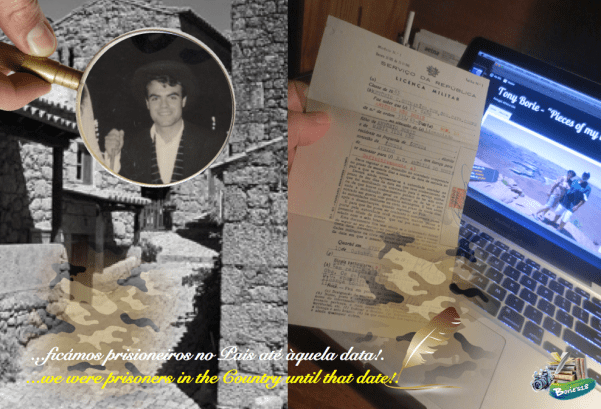
…aquele sargento, lá no Quartel de Infantaria N.º 1, na agora cidade de Amadora, tinha toda a razão, pois o Governo Colonial do então País Portugal, teve em seu poder a nossa caderneta militar até ao dia 31 de Dezembro do ano de 1971, como tal, nós, ficámos prisioneiros no País até àquela data, pois sem este documento não poderíamos tratar de qualquer documentação para emigrar para outro país!. (That sergeant, there at No. 1 Infantry Headquarters, in the now Amadora, was quite right, since the Colonial Government of the then Portugal Country had in our possession our military passbook until 31 December of the year 1971, as such, we were prisoners in the Country until that date, because without this document we could not handle any documentation to emigrate to another country)!.

…assim passaram “Oito anos, seis meses e quatro dias”!. (Thus passed “Eight years, six months and four days”)!.

Tony Borie, October 2018.

…after all, it was just a rainy day!.

…after all, it was just a rainy day!.

…afinal, era só um dia de chuva!. (after all, it was just a rainy day)!.

…quanto mais vivemos, mais algumas simples paravras, como por exemplo, a “atitude”, o “carácter”, a “confiança” ou a “honestidade”, têm um impacto maior na nossa vida!. Além da saúde, para nós nesta idade um pouco avançada, estas simples palavras, são mais importantes do que o dinheiro ou do que uma graduação em educação superior, pois ajuda-nos muito nas diversas circunstâncias com que a normal vida nos contempla, mesmo nas nossas derrotas ou nos sucessos, mais do que qualquer outra coisa, que alguém diga ou faça!. (The more we live, the more simple parables, such as “attitude,” “character,” “trust,” or “honesty,” have a greater impact on our lives!. In addition to health, for us at this age a little advanced, these simple words are more important than money or than a degree in higher education, because it helps us a lot in the different circumstances with which normal life contemplates us, even in the our defeats or the successes, more than anything, that someone says or does)!.

…hoje, quando acordámos havia uma tempestade tropical na nossa área!. A manhã era de chuva, era daquela chuva forte, que por vezes o vento ajuda na sua jornada de destruição, mas que alguma natureza adora, e nós, não querendo ficar fechados em casa, abrimos a garagem, começando por ali fazer algo que nos desse algum movimento ao corpo e colocasse a nossa mente em outra “galácia”!. (Today, when we woke up there was a tropical storm in our area!. The morning was rain, it was that heavy rain, that sometimes the wind helps in its journey of destruction, but that some nature loves, and we, not wanting to be closed at home, open the garage, starting there to do something that give some movement to the body and put our mind in another “galatia”)!.

…com algumas peças de madeira, recuperadas na praia, já com algum tempo de mar, algumas possívelmente vindas de outros continentes, viajando, talvez por anos ao sabor da ondolação da água, com as quais vamos construindo pequenos objectos, (alguns vizinhos, até dizem que são “engraçados”), que mais não são do que o espelho do que nos vai na alma!. (With some pieces of wood, recovered on the beach, already with some time of sea, some possibly coming from other continents, traveling, perhaps for years to the taste of the water ripple, with which we are constructing small objects, (some neighbors , even say they are “funny”), who are nothing more than the mirror of what goes in the soul)!.

…sentámo-nos numa cadeira, com um canivete entre as mãos, tentando fazer de um pequeno pedaço de madeira, a imagem de uma figura, que consideramos importante na nossa história!. A chuva vinda do norte, com a ajuda do seu principal aliado, que neste caso é o vento, entra pela garagem, inundando-a em parte, molhando-nos até à “medula”!. Enxarcados, limpámos alguma água, tropeçámos, caímos, um dente que já “ameaçava” a alguns dias, começa a doer, perdemos o canivete, o pedaço de madeira flutuava, no entanto no meio desta pequena “desgraça”, tivémos alguma “atitude”!. (We sat in a chair, a knife in his hands, trying to make a small piece of wood, the image of a figure, which we consider important in our history!. The rain coming from the north, with the help of its main ally, which in this case is the wind, enters the garage, flooding it in part, wetting us to the “marrow”!. We stumbled, cleaned up some water, stumbled, fell, a tooth that had already “threatened” for a few days, began to ache, we lost the knife, the piece of wood floated, however in the midst of this little “misfortune”, we had some “attitude”)!.

…sem perder a calma, mudámos de roupa, acabando por limpar a garagem, que até precisava de alguma limpeza e organização!. Portando, a natureza tem sempre razão e, neste caso ajudou-nos, alertando-nos para as nossas obrigações, neste caso para a limpeza e manutenção da garagem, em outras palavras fez nascer em nós a tal “confiança” para que continuássemos o nosso trabalho, tentando ocupar a nossa mente, fazendo de nós uma pessoa útil, sem no entanto perdermos o sentido de que não podemos mudar o nosso passado, não podemos mudar a maneira como as pessoas ou a natureza agem, mas às vezes até podemos mudar o inevitável e, uma dessas coisas é, mudar uma das coisas sobre a qual ainda temos controle, que é a nossa “atitude”!. (Without losing the calm, we changed of clothes, finishing cleaning the garage, that even needed some cleaning and organization!. As a matter of fact, nature is always right and, in this case, it helped us by alerting us to our obligations, in this case to the cleaning and maintenance of the garage, in other words gave rise to such “confidence” in us to continue our work, trying to occupy our mind, making us a useful person, without however losing the sense that we can not change our past, we can not change the way people or nature act, but sometimes we can even change the inevitable, and, one of those things is, to change one of the things about which we still have control, which is our “attitude”)!.


…sentámo-nos de novo, a chuva abrandou e, com as restrições no uso de água que por aí abundam, pensámos imediatamente em lavar o nosso carro, mesmo chuvendo!. Com um balde, sabão, uma esponja e um guarda chuva, lavámos o carro, que ficou como novo!. Um vizinho passou, vendo-nos a lavar o carro com água da chuva ficou admirado, mas aprovou a decisão!. Dissémos “bom dia” sorrindo, mostrando uma “atitude”, que fez ele parar, querendo vir ajudar-nos!. (We sat down again, the rain subsided and, with the restrictions on the use of water that abound there, we immediately thought of washing our car, even if it rained!. With a bucket, soap, a sponge and an umbrella, we washed the car, which was like new!. A neighbor passed by, watching us wash the car with rainwater was astounded, but approved the decision!. We said “good morning” smiling, showing an “attitude” that made him stop, wanting to come help us)!.

…entretanto desligámos o sistema automático de rega em volta da casa, que trabalha em alguns dias da semana, que felizmente não vai ser preciso qualquer rega por algum tempo, continuando o nosso trabalho no pequeno pedaço de madeira que recuperámos!. (However we turned off the automatic irrigation system around the house, which works on a few days of the week, which fortunately will not be needed any watering for some time, continuing our work on the small piece of wood that we have recovered)!.

…algumas pessoas sentem a chuva, outros só se molham, no entanto o dia foi de chuva com algumas “abertas” mas se não chuvesse, nós não tínhamos:

  1 – Limpado e reorganizado a nossa garagem!.

    2 – Lavado o nosso carro com água oferecida pela natureza!.

    3 – Dito “bom dia” ao nosso vizinho com “atitude”, talvez contribuindo para que o resto do seu dia fosse mais feliz!.

    4 – Poupado dinheiro na energia do sistema de rega!.

    5 – Deu-nos o alerta e uma certa coragem para ver o doutor dentista, para
tratar-mos ou extrair o nosso precioso dente, que para nós, é uma
“espécie rara”, que ainda sobrevive daquela maldita Guerra Colonial
Portuguesa!.

    6 – Acabado por completar o nosso trabalho naquele pedaço de
madeira, que nos orgulha e, irá ficar por cá talvez por muitos anos,
para que nunca se esqueça este povo, que quando outros povos
chegaram a este continente, já por aqui viviam há muitos e muitos
anos!.

(Some people feel the rain, others only get wet, however the day was rainy with some “open” but if it did not rain, we did not have:

1 – Cleaned and reorganized our garage!.
 
2 – We washed our car with water offered by nature)!.
 
3 – Said “good morning” to our neighbor with “attitude”, perhaps
contributing to make the rest of your day happier!.

4 – We saved money on the power system!.

5 – He gave us the alertness and a certain courage to see the dentist, to
treat or extract our precious tooth, which for us is a “rare species” that
still survives from that accursed Portuguese Colonial War!.

6 – We have finished our work on that piece of wood, which makes us
proud, and will remain here for many years, so that this people will
never forget that when other peoples arrived in this continent, many,
many years !.

Tony Borie, October 2018.
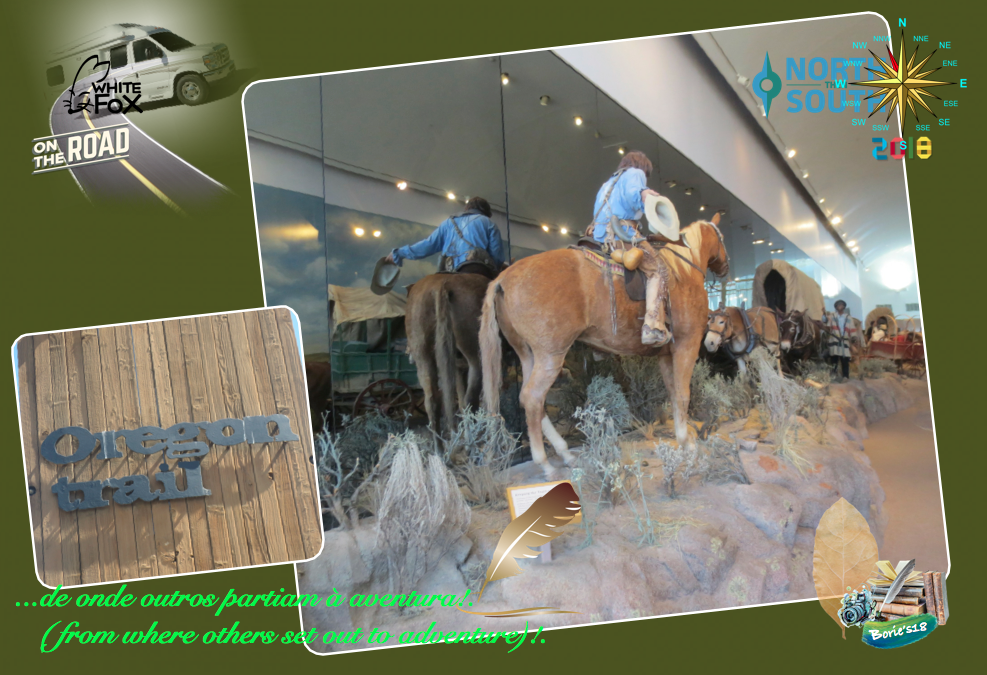
…we walked on the beach!.

…we walked on the beach!.

…caminhámos na praia!. (We walked on the beach)!.

…estamos no final do mês de Setembro, os dias de muito calor já lá vão!. Caminhando devagar, fomos ver a praia, ver a cor da água salgada que se enrola, formando pequenas ondas que deslizam até às dunas de areia, por ocasião da maré cheia!. O céu azul, onde a coreografia de algumas nuvens brancas, que encobrem o sol no horizonte, proporcionam um cenário, digno de um quadro pintado por um qualquer artista famoso, que quer demonstrar que ainda existe “natureza”, alguma selvagem, onde as aves de arribação, que começam a deslocar-se para sul, fazem deste maravilhoso local, que é a entrada no continente do Rio Matanzas, num dos sítios mais deslumbrantes e naturais da costa Atlântica, no estado da Flórida!. (It’s the end of September, the hot days are already there!. Walking slowly, we went to see the beach, to see the color of the salt water that curls, forming small waves that slide to the sand dunes, at the time of the full tide!. The blue sky, where the choreography of some white clouds that cover the sun on the horizon, provide a backdrop, worthy of a picture painted by any famous artist, who wants to demonstrate that there is still “nature”, some wild, where birds which begin to move south, make this wonderful place, which is the entrance to the mainland of the Matanzas River, in one of the most stunning and natural sites of the Atlantic coast in the state of Florida)!.

…o nome da praia, para muitas pessoas não é lá muito bonito!. Chama-se Matanzas?. Matanzas, é uma área onde desagua o Rio Matanzas, cuja entrada não é estabilizada por molhes e, o governo federal, não deixa fazer obras, colocar pedras ou fazer molhes de protecção, por tal, a configuração da praia e sua área, modifica-se conforme as tempestades tropicais por aqui passam, formando pequenos lagos, outras vezes extensos areais, outras vezes derrubando árvores que, por aqui ficam segurando as dunas de areia, cujas raíses voltam a florescer, criando uma vegetação que poderá viver por anos, ou só até à próxima tempestade tropical!. (The name of the beach, for many people there is not very beautiful!. It is called Matanzas?. Matanzas, is an area where the Matanzas River flows, whose entrance is not stabilized by piers, and the federal government does not allow to do works, to put rocks or to make protection piers, for such, the configuration of the beach and its area, as the tropical storms pass here, forming small lakes, sometimes extensive beaches, sometimes knocking down trees that here are holding the sand dunes, whose roots return to bloom, creating a vegetation that can live for years, or only until the next tropical storm)!.

…está sempre sujeita a mudanças e, como exemplo, existem mapas históricos feitos por militares espanhóis no século XVIII, que nos mostram que a enseada hoje se deslocou muitas centenas de metros para sul, do que era a sua localização durante a época do Império Espanhol!. (Is always subject to change and, as an example, there are historical maps made by Spanish military in the 18th century, which show us that the cove today has moved many hundreds of meters south, of what was its location during the time of the Spanish Empire)!.

…os corredores e escadas de ascesso à praia, são constantemente destruídos pelos fortes ventos e ondas gigantes durante as tempestades tropicais, no entando, são reconstruídos de novo, no mínimo espaço de tempo possível!. (Corridors and stairs to the beach, are constantly destroyed by the strong winds and giant waves during the tropical storms, however, they are rebuilt again, in the least amount of time possible)!.

…já o explicámos em textos anteriores, mas nunca é demais lembrar que a história nos diz que exploradores franceses fundaram Forte Caroline, no que é hoje a cidade de Jacksonville, por volta do ano de 1564, como refúgio para os colonos “Huguenotes”. Em resposta à invasão francesa sobre aquilo que a Espanha considerava como seu território, um tal Pedro Menéndez de Avilés, fundou a cidade de Santo Agostinho no ano seguinte!. Sentindo-se preparado para combate, Menéndez de Avilés, rápidamente atacou Forte Caroline, viajando por terra!. Ao mesmo tempo, os franceses pensando o mesmo, navegaram, pretendendo atacar Santo Agostinho por mar!. Os espanhóis dominaram o pouco defendido Forte Caroline, poupando apenas as mulheres e crianças, enquanto os franceses, fustigados por uma enorme tempestade, naufragaram os seus navios na costa de Santo Agostinho!. Quando os espanhóis encontraram os sobreviventes que iam dando à praia, executaram-nos, atravessando-os com uma espada junto das dunas!. A localização dessas dunas, tornaram-se conhecidas como “Matanzas”, que no idioma espanhol quer dizer mais ou menos “abates”!. (We have already explained it in previous texts, but it is never too much to remember that history tells us that French explorers founded Fort Caroline in what is today the city of Jacksonville, around 1564, as a refuge for the settlers “Huguenots “. In response to the French invasion of what Spain considered as its territory, a certain Pedro Menéndez de Avilés founded the city of St. Augustine the following year! Feeling ready for combat, Menéndez de Avilés quickly attacked Fort Caroline, traveling by land!. At the same time, the French thinking the same, sailed, intending to attack Saint Augustine by sea!. The Spaniards dominated the little-defended Fort Caroline, sparing only the women and children, while the French, whipped by a great storm, shipwrecked their ships on the coast of St. Augustine!. When the Spaniards found the survivors who were giving to the beach, they executed them, crossing them with a sword next to the dunes!. The location of these dunes, have become known as “Matanzas”, which in the Spanish language means more or less “slaughter”)!.

…por ocasião da maré alta a área fica diferente, fomos caminhando, umas vezes dentro d’água, outras pela areia, passando por baixo da ponte, entrando na parte que é designada por Matanzas Inlet, que é um canal entre duas ilhas barreira e o continente, ligando o Oceano Atlântico e o extremo sul do Rio Matanzas, que é o paraíso das aves selvagens, principalmente os Terns, (Andorinhas do mar), que são umas aves de habitats abertos que normalmente se reproduzem em colónias barulhentas e depositam os seus ovos em solo nú ou com pouco ou nenhum material de ninho!. Alguns constroem ninhos flutuantes, com a vegetação que por ali existe, outros em arbustos ou escondidas em penhascos ou fendas!. Voam junto a nós, sabem que são protegidos, são aves terrestres e de longa vida, livres de predadores e parasitas naturais!. (On the occasion of the high tide the area is different, we went walking, sometimes in the water, sometimes through the sand, passing under the bridge, entering the part that is called Matanzas Inlet, which is a channel between two islands and the continent, connecting the Atlantic Ocean and the southern end of the Matanzas River, which is the paradise of wild birds, especially the Terns, which are birds of open habitats that normally reproduce in noisy colonies and they lay their eggs on naked soil or with little or no nest material!. Some build floating nests, with the vegetation that exists there, others in shrubs or hidden in cliffs or cracks !. They fly with us, they know they are protected, they are land birds and long-lived, free of natural predators and parasites)!.

…são aves marinhas, pertencentes a um grupo que inclui gaivotas e escumadeiras, com asas estreitas e pernas relativamente curtas, a maioria das espécies é cinza pálido em cima e branco por baixo, com uma touca preta constantemente na cabeça!. (Are seabirds, belonging to a group that includes seagulls and skimmers, with narrow wings and relatively short legs, most species are pale gray on top and white underneath, with a black cap constantly on the head)!.

…nesta ocasião a área está quase submersa, obrigando-nos a contornar as partes inundadas, mas faz parte do nosso roteiro, até que chegamos quase junto ao Forte de Matanzas, onde por volta do ano de 1740, uma força de invasão britânica de Forte Frederica, na Geórgia, bloqueou nesta entrada, o acesso mais meridional para viagens de barco entre Santo Agostinho e Havana, Cuba!. Contudo durou pouco tempo, pois dois anos depois, as autoridades espanholas, usando como mão de obra, condenados, escravos e tropas de Cuba, erigiu uma torre de pedra coquina de 15 metros quadrados, por 9,1 metros de altura, agora chamada Forte Matanzas, na actual Ilha de Rattlesnake, ficando assim com uma posição de comando, sobre a enseada de Matanzas, salvaguardando esta entrada estratégica!. (On this occasion the area is almost submerged, forcing us to get around the flooded parts, but it is part of our itinerary, until we arrived almost next to the Fort of Matanzas, where around the year 1740, a British invasion force of Fort Frederica, Georgia, blocked at this entrance, the southernmost access for boat trips between St. Augustine and Havana, Cuba !. However, it lasted only a short time, for two years later, the Spanish authorities, using as labor, condemned, slaves and troops from Cuba, erected a 15-square-meter, 9.1-meter-tall coquina stone tower now called Fort Matanzas, in the current Rattlesnake Island, thus having a position of command, on the cove of Matanzas, safeguarding this strategic entry)!.

…a água estava quente, mesmo fora do normal, sinal de que qualquer tempestade tropical se está a aproximar, no entanto regressámos a casa, enxarcados em água salgada, mas contentes por ainda estar-mos vivos e andar-mos por aqui!. (The water was warm, even out of the ordinary, a sign that any tropical storm is approaching, but we returned home, laden with salt water, but glad we were still alive and walking here)!.

Tony Borie, September 2018.
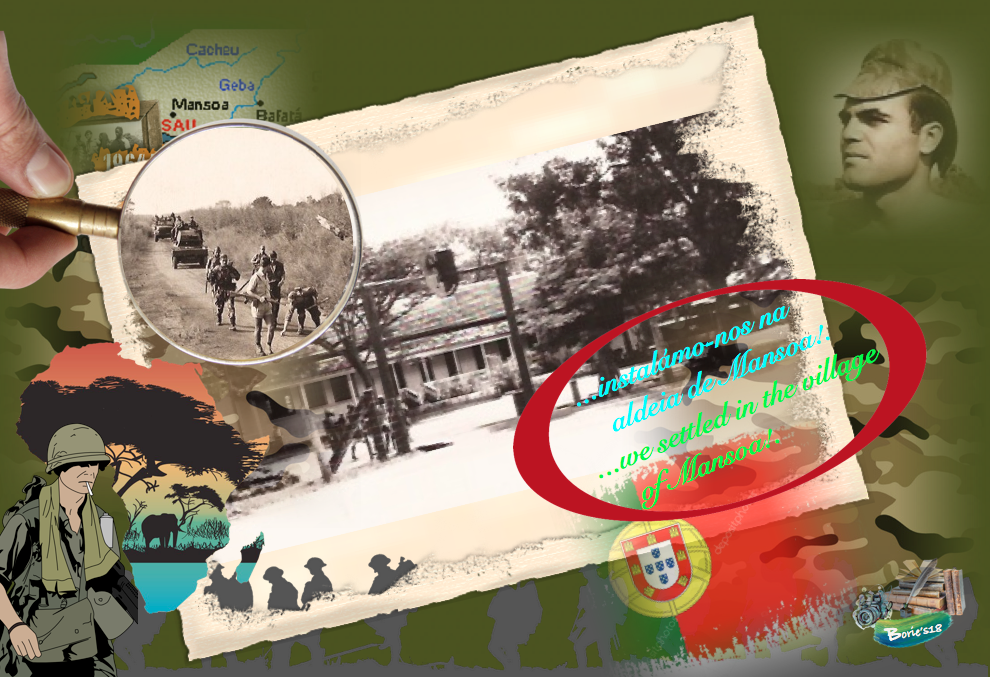
…Happy Birthday, Isaura!.

…Happy Birthday, Isaura!.


…Happy Birthday, Isaura!.

…para a nossa dedicada esposa Isaura, que também é uma dedicada mãe e uma dedicada avó, hoje, é dia dos seus anos!. Quantos?. Não sabemos, pois para nós é sempre a jovem que namorámos!. (For our dedicated wife Isaura, who is also a dedicated mother and a dedicated grandmother, today is the day of her years!. How many?. We do not know, because for we it’s always the girl we dated)!.

Isaura, lembra-te que todos os dias são um presente, desembrulha-o, comemora-o, aproveita a dádiva deste dia feliz do teu aniversário, porque pelo menos 10 pessoas adoram-te, que são, os teus cinco netos, dois filhos, uma nora, um genro e um marido!. (Isaura, remember that every day is a gift, unwrap it, celebrate it, take advantage of the gift of this happy day of your birthday, because at least 10 people love you, which are, your five grandchildren, two sons, a daughter-in-law, a son-in-law and a husband)!.

…feliz dia de anos, Isaura!. (Happy birthday, Isaura)!.

Tony Borie, September 2018.
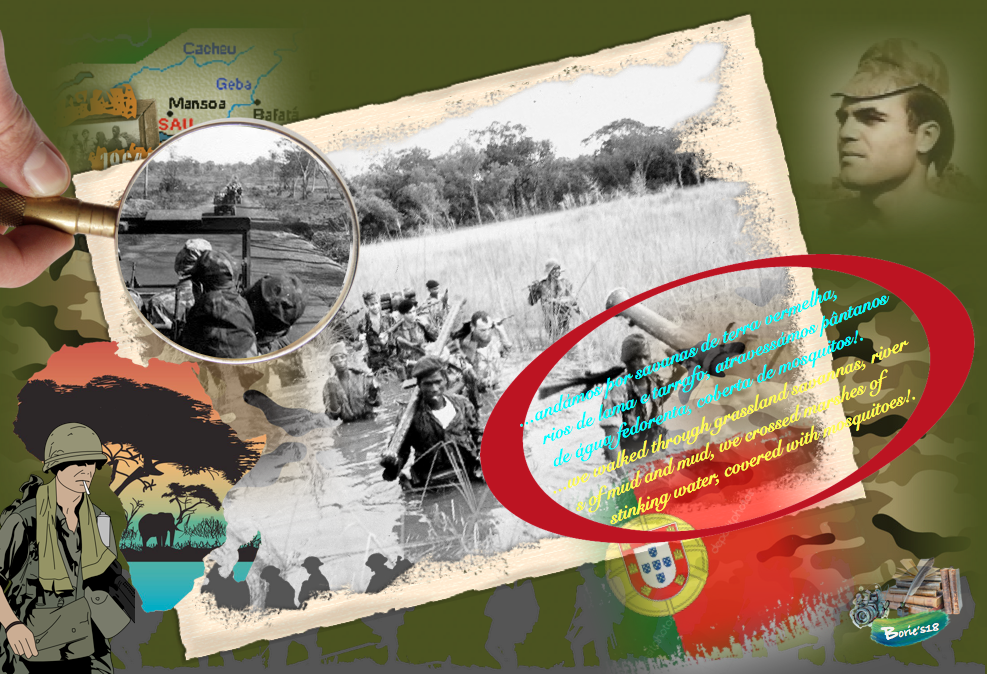
…today, September 23, 2018!.

…today, September 23, 2018!.

…hoje, 23 de Setembro de 2018!. (today, September 23, 2018)!.

…sim, hoje é dia de anos!. (yes, today is the day of years)!.

…quantos?. Nem eu sei!. Sei sómente que completo anos, porque a partir de mais ou menos as cinco, seis ou sete dezenas, as pessoas dizem simplesmente que fazem anos!. (How many?. I do not even know!. I know only what full years, because from about five, six or seven dozen, people simply say they make years)!.

…dizem que as pessoas que nasceram neste dia, normalmente são inteligentes, capazes de tomar decisões rápidas e sensatas, também são perspicazes e metódicos, que pensam duas vezes antes de tomar qualquer decisão e que são espertos e sagazes!. (They say that people who were born on this day are usually smart, capable of making quick and sensible decisions, are also insightful and methodical, who think twice before making any decisions and who are clever and clever)!.

…uf, tanta coisa numa só pessoa!. Talvez seja em outros, porque eu, não sou nada disso, nem que se pareça!. (Ugh, so much in one person!. Maybe it is in others, because I am not anything like that, even if it does)!.

…só em algumas coisas é que talvez se pareça um pouco com a minha pessoa que é, ter alguma dificuldade em permanecer humilde e sem reclamar, andar por aí sem estar adequadamente vestido, trabalhar duro para sobreviver e ter algum sucesso, gostar de resolver alguns problemas antes que fiquem maiores, estar em movimento e ser ativo e não gostar de férias de rotina ou muito planejadas!. (It is only in some things that you may look a little like me, have some difficulty staying humble and unclaimed, walk around without being properly dressed, work hard to survive and have some success, like solve some problems before they get bigger, be on the go and be active and do not like a routine or very planned vacation)!.

…mas para mim, o sucesso é continuar a viver, a andar por aqui, para outros que dizem que também nasceram neste dia, como por exemplo, Ray Charles, Bruce Springsteen ou até Julio Iglesias, talvez a palavra sucesso lhes assente bem, mas só com um pequeno pormenor, é que todas estas famosas personalidades nasceram no mesmo dia que eu, porque eu é que nasci neste dia!. Lá está, começa logo a sobressair a tal frase que diz “permanecer humilde e sem reclamar”!. (But for me, the success is to continue to live, to walk around here, to others who say they were born on this day, such as Ray Charles, Bruce Springsteen or even Julio Iglesias, maybe the word success suits them well, but only with a small detail, is that all these famous personalities were born on the same day that I, because I was born on this day!. There it is, it begins soon to stand out to that phrase that says “to remain humble and without complaining”)!.

…depois de dizer isto de mim, já estou a ficar um pouco embaraçado, portanto entendo que é melhor acabar de escrever, antes que saia qualquer outra asneira!. (After saying this about me, I’m already getting a bit embarrassed, so I understand that it is better to finish writing, before any other blunder comes out)!.

…do coração agradeço todas as mensagens de “Feliz dia de anos”, que me têm enviado, assim como os votos de muitos anos mais, o que vos desejo tudo multiplicado muitas vezes!. (From the heart I thank all the messages of “Happy day of years”, which have sent me, as well as the votes of many more years, which I wish you all multiplied many times)!.

…tenho-vos no coração!. (I have you in my heart)!.

Tony Borie, September 2018.
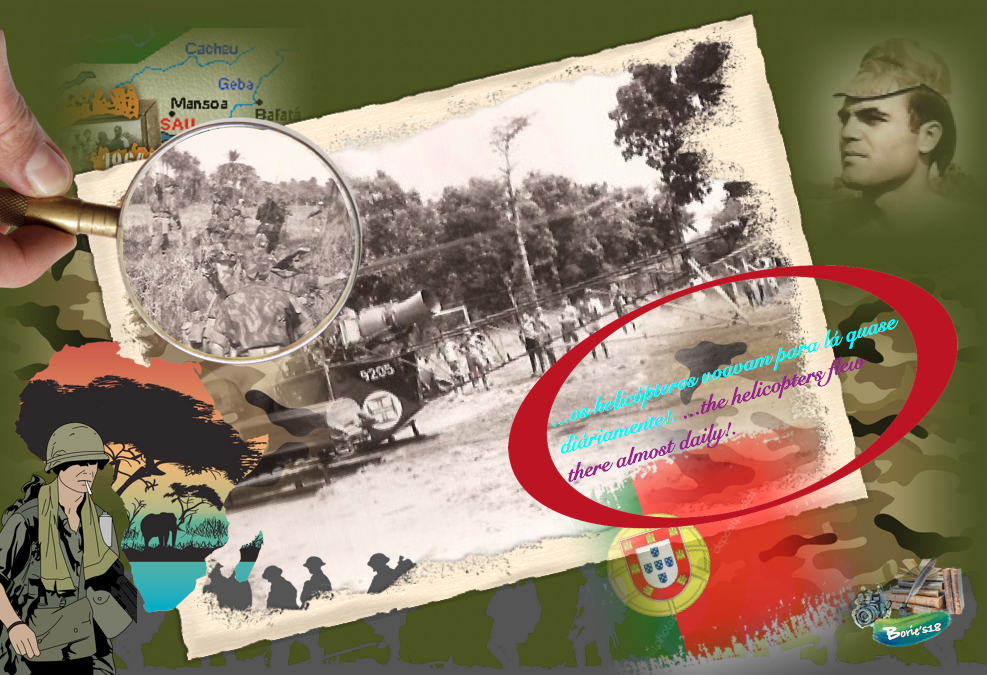
…a cry of revolt!.

…a cry of revolt!.

…um grito de revolta!. (a cry of revolt)!.

…em jovens, a mando de um Governo Colonial, no País onde nascemos, lá na Europa, naquele cantinho à beira mar plantado, como o professor nos explicava na escola primária do Adro, na então vila de Águeda, mostrando-nos um mapa onde o mar acabava começando a terra e que, ainda hoje dá pelo nome de Portugal, fomos recrutados, treinados e enviados num navio de carga, tal como de uma qualquer mercadoria se tratasse, navegando para sul no Oceano Atlântico, com a missão de participar na Guerra Colonial em África, onde nos diziam que o nosso País Portugal assim, defendia a sua bandeira, o seu orgulho Colonial, de uma história com mais de quinhentos anos!. (In young people, at the behest of a Colonial Government, in the Country where we were born, in Europe, in that little corner by the sea planted, as the teacher explained to us in the primary school of the Adro, in the then village of Águeda, showing us a a map where the sea began to land and which, even today, gives the name of Portugal, we were recruited, trained and sent on a cargo ship, just like any merchandise, sailing south in the Atlantic Ocean, with the mission of to participate in the Colonial War in Africa, where they told us that our country Portugal thus defended its flag, its Colonial pride, of a history with more than five hundred years)!.

…fomos para um cenário de guerra, em África, num diferente continente, longe da nossa aldeia do vale do Ninho D’Águia, lá encosta agreste da montanha do Caramulo, onde havia paz e onde as pessoas se conheciam!. Desta bonita aldeia, fomos “arrancados à força”, pois era obrigatório apresentarmo-nos nos quartéis do governo, o nosso País estava em guerra e se, por qualquer motivo recuzássemos esta atitude, as consequências, podiam ser única e simplesmente a prisão, (não havia limite de tempo, era até que a morte nos levasse, ou seja perpétua), nos calaboiços das prisões políticas do estado, que podia ser no continente Europeu ou nas Ilhas Atlânticas de Cabo Verde!. (We went to a war scenario, in Africa, on a different continent, away from our village of the Vale do Ninho D’Águia (valley of the nest of Eagle), on the rugged hillside of Caramulo Mountain, where there was peace and where people knew each other!. From this beautiful village, we were “forcibly uprooted,” for it was mandatory to stand in the government barracks, our country was at war, and if, for whatever reason, we took up this attitude, the consequences could be simply and there was no time limit, it was until death took us, or perpetual), in the shambles of the political prisons of the state, which could be on the European continent or the Atlantic Islands of Cape Verde)!.

…em jovens, passámos um cheque em branco ao Governo Colonial do então País Portugal, onde no mínimo oferecíamos a nossa vida, a nossa existência, recebendo em troca um bilhete de lotaria, onde a sorte nos podia contemplar com uma morte horrível, destruindo o nosso jovem corpo, crivado de balas ou destruído na explosão de uma granada de morteiro 90, numa qualquer emboscada, naqueles pântanos, rios, florestas ou savanas daquela África, onde lutávamos contra pessoas rurais, que nunca tínhamos visto antes, nunca tínhamos tido qualquer contacto e no nosso pensamento, não encontrávamos qualquer razão para os combatermos!. (As a young man, we passed a blank check to the Colonial Government of the then Portugal Country, where at least we offered our life, our existence, receiving in return a lottery ticket, where luck could contemplate us with a horrible death, destroying our young body, sifted with bullets or destroyed in the explosion of a mortar shell, in any ambush, in those marshes, rivers, forests or savannahs of that Africa, where we fought against rural people whom we had never seen before, we had never had any contact and in our thinking, we did not find any reason to fight them)!.

…tudo isto que explicámos, toda esta vivência em serviço do País onde nascemos, dá-nos alguma razão e direito, para no mínimo dar um “grito de revolta”, pois hoje, já velhos, sem qualquer ocupação, com algum tempo disponível, embora longe, estamos atentos ao que se passa lá em Portugal!. (All that we have explained, all this experience in the service of the Country where we were born, gives us some reason, at least to give a “cry of revolt”, because today, old, without any occupation, although far away, we are attentive to what goes on there in Portugal)!.

…vimos todos os dias na televisão e outros meios de comunicação aqueles acontecimentos, alguns são só notícias, outros são mesmo textos para preencher o tempo de antena mas, o Presidente República de Portugal, está lá todos os dias, três, quatro, cinco ou seis vezes, entre outras coisas, comentando as suas próprias palavras!. Tirando alguma vantagem do lugar para que o povo Português o elegeu, fazendo-se passar por pessoa simpática e popularíssima, embora muitas vezes, com um impacto mais alargado, tal como sendo o festeiro-mor da aldeia!. Está em todo o lugar onde haja festejos, inaugurações, mesmo até em algumas catástrofes, por vezes atrapalhando, distribuindo sorrisos, quando o momento é de desespero!. (We saw every day on television and other means of communication those events, some are just news, others are even texts to fill the air time but, the President Republic of Portugal, is there every day, three, four, five or six times, among other things, commenting on your own words!. Taking some advantage of the place for the Portuguese people elected him, posing as a nice and popular people, albeit often, with a wider impact, such as being the village’s chief party-goer!. It is everywhere where there are festivities, inaugurations, even in some catastrophes, sometimes disturbing, giving smiles, when the moment is despair)!.

…também aparece com afectos, com aqueles abraços e beijinhos, falando numa linguagem futebolística, sempre chutando para canto, as respostas a perguntas com alguma pertinência e responsabilidade política!. Em outras palavras, quer sempre estar de bem com Deus e com o Diabo, ou seja não tem aquilo que os nossos pais muitas vezes mencionavam, que era a tal “coluna vertebral”!. (Also appears with affections, with those hugs and kisses, speaking in a football language, always kicking to singing, answers to questions with some pertinence and political responsibility!. In other words, he wants to always be in good company with God and with the Devil, that is, he does not have what our fathers often mentioned, which was the “backbone”)!.

…especialmente se houver uma câmara de televisão por perto, aparece em todo o lugar onde haja eventos, condecora atletas milionários, esquecendo entre outros, os verdadeiros heróis que deram o corpo às balas na Guerra Colonial em África!. (Especially if there is a television camera nearby, appears everywhere where there are events, decorates millionaire athletes, forgetting among others, the real heroes who gave the body to bullets in the Colonial War in Africa !.

…acompanhado por uma câmara de televisão, vai engraxar os sapatos na rua ou no parque, mostrando toda a sua personalidade narcísica, sem ter a noção que ao mesmo tempo está a mostrar a cara de sofrimento do “Zé Engraxador” que, talvez desprezado pela sociedade, em que ele, neste momento é o responsável com maior patente, viu numa caixa de engraxar sapatos, o modo de vida, para ganhar algumas moedas, que não chegam para matar a fome a si e sua família!. (Accompanied by a television camera, will shine his shoes in the street or in the park, showing all his narcissistic personality, without having the notion that at the same time he is showing the suffering face of the “Zé Engraxador” (Zé greaser), that, perhaps despised by society, in which he is now the most blatantly responsible, saw in a shoebox box, the way of life, to win some coins, which do not come to kill yourself and your family!

…voltando ao princípio, o que a nós nos aflige, embora a nossa idade não nos reserve um grande futuro, é que o governo do País onde nascemos, na nossa modesta opinião, tem um governante que, talvez pensando que isto o faz popular, vai visitar países, possívelmente no avião do estado, onde em alguns, anda por ali dançando, tirando fotos, dando beijinhos e, sorrindo para as câmaras de televisão dizendo, “estou muito feliz por ter dormido ou estado, (não nos recordamos ao certo), no mesmo quarto do palácio onde fui feliz quando criança”, não se lembrando das centenas, talvez milhares de combatentes que nessa mesma época, lutavam e morriam nesse mesmo território, lutando, defendendo a bandeira de Portugal!. (Returning to the beginning, what distresses us, although our age does not reserve a great future, is that the government of the Country where I was born, in our humble opinion, has a ruler who, perhaps thinking that this does popular, is going to visit countries, possibly in the state plane, where in some, he walks around dancing, taking pictures, giving kisses and, smiling at the television cameras saying, “I’m very happy to have slept or been in a state, (we do not remember for sure), in the same room of the palace where I was happy as a child”, not remembering the hundreds, perhaps thousands of fighters who at the same time fought and died in that same territory, fighting, defending the flag of Portugal)!.

…ainda como político, num completo exagero de populismo diz, não importando que sejam crianças ou adultos, a profissão ou lugar que ocupam, que os portugueses são os “melhores do mundo”, mesmo sabendo que não existe qualquer prova disso, tratando os assuntos profundos pela superfície e deixando correr o tempo que, felizmente ou infelizmente nos trará as respostas possíveis!. (Still as a politician, in a complete exaggeration of populism, says, regardless of whether they are children or adults, the profession or place they occupy, that the Portuguese are the “best in the world”, even knowing that there is no proof of this, the subjects deep down the surface and letting run the time that, fortunately or unfortunately will bring us the possible answers)!.

…no fundo, no fundo, se tivessémos um Rei, a situação não era diferente, pois como Presidente da República, é um parceiro que está sempre disposto a participar na festa e, normalmente o pessoal é pouco exigente, gosta da sua simpatia, que é a característica que mais faz sobressair a sua personalidade narcísica, dando-nos a impressão que vivemos numa “Portulândia” no seu máximo esplendor ou seja, num “Parque Temático de Diversões’, onde principalmente as crianças se sentem sempre felizes!. (Deep down, deep down, if we had a King, the situation was not different, because as President of the Republic, is a partner who is always willing to participate in the party and usually the staff is not demanding, likes your sympathy, which is the characteristic that most highlights his narcissistic personality, giving us the impression that we live in a “Portulândia” in its maximum splendor or in a “Theme Park of Fun”, where children are always happy)!.

…aparece em fato de banho, outras vezes com fato e gravata de passeio, sequioso de atenção e protagonismo, irresponsável e inconsequente, alinhado naquela fraude política a que hoje se chama regime democrático exagerado!. O seu passado de comentador de televisão, pois passou por quase todas as estações de televisão de Portugal como comentador, uma certa vez até foi comentador de futebol, pois naquela ocasião este desporto estava a ser muito falado na comunicação social, portanto uma boa ocasião para aparecer, conseguindo sobreviver com fotos, beijos e elogios a todos, um político que sempre se prestou à palhaçada e ao entretenimento das massas!. (Appears in a bathing suit, other times with a suit and a walking tie, thirsty for attention and protagonism, irresponsible and inconsequential, aligned in that political fraud that today is called exaggerated democratic regime!. His past as a television commentator, since he has been through almost all the television stations in Portugal as a commentator, he was once a football commentator, because at that time this sport was being widely spoken in the media, so a good occasion for appear, surviving with photos, kisses and praise to all, a politician who has always lent itself to the clowning and entertainment of the masses)!.

…nós vivendo aqui, deste lado do Atlântico, seguimos com alguma atenção uma sua visita aos EUA, vendo como esta personagem não compreendeu a mensagem, em que o Presidente Americano, talvez informado da sua personalidade narcísica e de sentimentos exagerados, quando falou da estrela de futebol Cristiano Ronaldo, lhe tenha dito que, “tivesse cuidado, pois essa personagem, o tal Cristiano Ronaldo, já era famoso em todo o mundo e, poderia vir a ser mais popular do que ele, lá em Portugal”!. (Living here on this side of the Atlantic, we followed with some attention a visit to the USA, seeing how this person did not understand the message, in which the American President, perhaps informed of his narcissistic personality and exaggerated feelings, when he spoke of football star Cristiano Ronaldo, told him that “be careful, because this character, Cristiano Ronaldo, was already famous all over the world and could be more popular than him in Portugal”)!.

…agora, deixando-nos destes “desabafos”, que não têm nada a ver com a pessoa que é o professor Marcelo, a quem desejo a maior saúde e felicidades no mundo, mas sim com a sua posição de Presidente da República de Portugal!. Temos que gritar!. O nosso grito de revolta, alivía-nos um pouco, pois hoje vemos nas notícias que vêm de Portugal que, respeitante ao Procurador do Ministério Público, o governo optou por nomear alguém de dentro do Ministério Público, que não Joana Marques Vidal!, que já era a procuradora, tendo feito um excelente trabalhol!. (Now, leaving us these “outbursts”, which have nothing to do with the person who is the teacher Marcelo, whom I wish the greatest health and happiness in the world, but with his position as President of the Republic of Portugal!. We have to shout!. Our cry of revolt was a bit of a let-up, because today we see in the news coming from Portugal that, regarding the Public Prosecutor, the government chose to appoint someone from within the Public Ministry, not Joana Marques Vidal, who was already the prosecutor, having done an excellent job)!.

…nós, com muito respeito, temos o direito de perguntar, se a pessoa sai de dentro do Ministério Público, “terá de haver alguma diferença de comportamento, pois se não há, então porque não continuava Joana Marques Vidal”?. (We, with a lot of respect, have the right to ask, if the person leaves the public prosecutor’s office, “there must be some difference in behavior, because if there is not, then why did not Joana Marques Vidal continue?”)!.

…a responsabilidade por esta nomeação é unica e simplesmente da responsabilidade do Senhor Presidente da República de Portugal!. (The responsibility for this appointment is solely and solely the responsibility of the President of the Republic of Portugal)!.

…como antigo combatente, que nos melhores anos de vida, quando devíamos frequentar a escola e preparar o nosso futuro, andámos a dar o corpo às balas na Guerra Colonial Portuguêsa em África, defendendo a bandeira do País onde nascemos e, filhos de pessoas simples e rurais, sempre fomos descriminados em relação a uma élite de pessoas privilegiadas, em que incluíam as suas famílias, que naquela época governavam Portugal, hoje, como pessoa idosa, honesta e com sentimentos de família, sintimo-nos no direito de suspeitar que talvez o nome de Joana Marques Vidal, pertencesse a uma personagem sem mêdo de praticar a justiça, levando à barra do tribunal, única e simplesmente a pessoa que não cumpre com os regulamentos honestos que existem na sociedade, sem ligar à sua posição, nesta mesma sociedade em que vivemos!. (As a former combatant, that in the best years of life, when we should attend school and prepare our future, we began to give bullets in the Portuguese Colonial War in Africa, defending the flag of the Country where we were born and, children of simple and rural people, we have always been discriminated against an elite of privileged people, including their families, who at that time governed Portugal, today, as an old person, honest and with family feelings, we feel the right to suspect that perhaps the name of Joana Marques Vidal, belonged to a person without fear of practicing justice, taking to the bar of the court, only and simply the person who does not comply with the honest regulations that exist in the society, without connecting to its position, in this same society in which we live)!.

…como acima explicámos, o que correr mal a partir de agora, no combate à corrupção, será da responsabilidade política do Presidente da República de Portugal!. E mais, se der mal, ou seja, se os que estão com processos em curso começarem a ver as coisas a melhorar a seu favor, então a credibilidade da justiça volta ao zero e com isto o Presidente, que o povo humilde de Portugal elegeu, vai ir por arrasto e vão acabar os abraços, beijinhos, fotos e demais populismos, aparecendo então sim, “os melhores do mundo”, mas desfilando nas greves de protesto, a mando dos também melhores sindicatos do mundo!. (As we have explained above, what goes wrong now, in the fight against corruption, will be the political responsibility of the President of the Republic of Portugal!. What’s more, if it hurts, that is, if those who are in process begin to see things improve in their favor, then the credibility of justice returns to zero and with this the President, who the humble people of Portugal elected, will go by drag and end the hugs, kisses, photos and other populisms, appearing then yes, “the best in the world”, but parading in protest strikes, at the behest of the best unions in the world)!.

…ironias à parte, oxalá que daqui a uns anos, ainda estejamos vivos para poder dizer que, o Presidente da República de Portugal, com esta decisão, desta vez não foi um lider irrelevante, um líder partidário incompetente, não vamos ao ponto de dizer que foi falso ou hipócrita, mas na verdade foi um pouco cínico!. Em suma, oxalá não se torne numa personagem maquiavélica que, encontrou na presidência aquele espaço perfeito que procurava, para dar corda à sua personalidade narcísica e de sentimentos exagerados!. (Ironies aside, I hope that in a few years, we are still alive to be able to say that the President of the Republic of Portugal, with this decision, this time was not an irrelevant leader, an incompetent party leader, we are not going to to say that it was false or hypocritical, but in fact it was a little cynical!. In short, may it not become a machiavellian character who, in the presidency, found that perfect space he sought, to wind up his narcissistic personality and exaggerated feelings)!.

Tony Borie, Septembro de 2018.
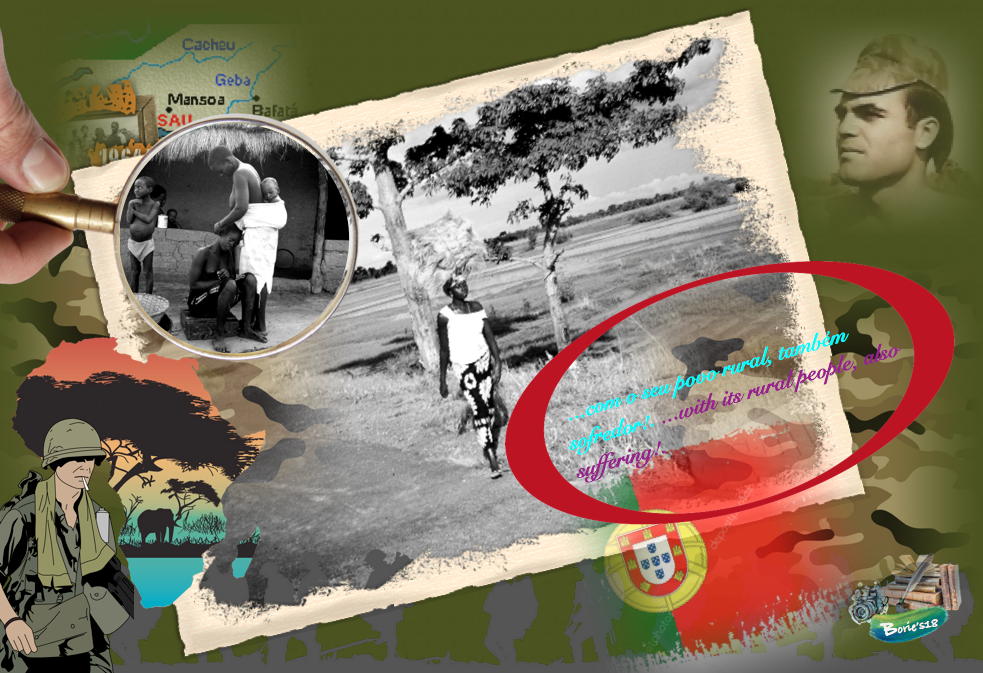
…it was already very difficult to live there!

…it was already very difficult to live there!

…já era muito difícil viver ali!. (It was already very difficult to live there)!.

… já lá iam quase dois anos!. Quando ali chegámos, era uma aldeia onde ajudámos a construir um aquartelamento militar, que poderíamos considerar um “Posto Avançado”, ou seja, um lugar onde os militares de combate, tomavam conhecimento das primeiras savanas, rios, riachos, bolanhas, (terras lamacentas de cultivo de arroz), pântanos e florestas de trilhas frescas, usadas pelos guerrilheiros que lutavam pela independência do seu território, querendo libertar-se da presença dos Europeus, que por ali andavam há quase quinhentos anos!. (It was almost two years already! When we got there, it was a village where we helped build a military barracks, which we could call an “Outpost,” that is, a place where the combat troops took notice of the first savannas, rivers, brooks, rice fields, swamps and forests of fresh tracks, used by the guerrillas who fought for the independence of their territory, wanting to free themselves from the presence of the Europeans, who had been there for almost five hundred years)!.

…aquele aquartelamento militar, estava terminado, rodeado de arame farpado, pintado de algumas cores onde sobressaía a cor do sangue, de alguns companheiros mortos em combate, ou pelas granadas de morteiro 90, com que éramos flagelados periódicamente!. (That military barracks was finished, surrounded by barbed wire, painted with some colors in which the color of blood, some of the comrades killed in combat, or the mortar grenades 90, with which we were flagellated periodically)!.

…as porporções do conflito estavam a aumentar de dia para dia, já era difícil viajar de uma povoação para outra sem haver contacto com os guerrilheiros ou com qualquer das suas armadilhas!. Colocavam minas e fornilhos nas principais vias de comunicação, utilizavam os seus corredores de abastecimento durante a noite, tinham as suas “casas mato”, na verdade, os guerrilheiros já tinham alguma experiência em guerrilha e sabiam o terreno que pisavam!. (The proportions of the conflict were increasing day by day, it was already difficult to travel from one settlement to another without contact with the guerrillas or any of their traps!. They put mines and fagots on the main roads, used their supply corridors during the night, had their “bush houses,” in fact the guerrillas already had some experience in guerrilla warfare and knew the terrain they were on)!.

…nós íamos sobrevivendo, íamos completando o nosso calendário em papel quadriculado, onde todos os dias colocávamos uma cruzinha, pois já não eram tantos assim, os dias que nos faltavam para um possível abandono daquela, agora já considerada zona de combate e, um possível regresso à Europa!. Pela manhã, ao colocar uma cruzinha no referido quadrado, considerávamos uma conquista que não era bem uma conquista, era uma “reconquista”!. (We were surviving, we were completing our calendar on checkered paper, where every day we put a cross, because there were not so many, the days we were missing for a possible abandonment of that now considered a zone of combat and, a possible return to Europe!. In the morning, placing a cross in the square, we considered a conquest that was not quite an achievement, it was a “reconquest”)!.

…o movimento de militares Europeus aumentou no aquartelamento, quase que triplicou em alguns dias, eram centenas de militares em constante movimento, com as viaturas ocupando todos os espaços!. Era uma barafunda, já ninguém se conhecia, no dormitório colocaram mais do dobro das camas, naquele momento existem dois andares de camas, muito chegadas umas às outras, com roupa camuflada, alguma molhada, a secar, colocada em cima dos mosquiteiros e em outros locais, daqueles militares que iam chegando das diversas patrulhas e operações de combate, em que constantemente eram chamados a intervir!. (The movement of European militaries increased in the quartering, almost tripled in a few days, were hundreds of soldiers in constant movement, with cars occupying all spaces!. It was a mess, no one knew each other, and in the dormitory they placed more than double the beds, at that moment there are two floors of beds, very close to each other, with clothes camouflaged, some wet, to dry, placed on the mosquito nets and in other local, of those soldiers who were coming from the various patrols and combat operations, where they were constantly called upon to intervene)!.

…caminhávamos por um labirinto de camas, como se andássemos dentro de um submarino!. Logo à entrada do dormitório estava sempre uma caixa com um resto de munições, que não auxiliam nada a quem queria passar, mas ninguém se importava com isso e, sempre que passava por lá um militar, dáva-lhe um empurrão com a perna, mas alguém voltava a colocá-la no lugar inicial, pois o militar que dormia na cama ao lado queria mais espaço!. (We walked through a maze of beds, as if we were walking inside a submarine!. At the entrance to the dormitory there was always a box with a rest of ammunition, which did not help anyone who wanted to pass, but no one cared, and whenever a military man passed by, he would give him a jerk with his leg, but someone would put it back in the initial place, because the military man who slept in the next bed wanted more space)!.

…em alguns dias de calor infernal, o cheiro a suor e outras coisas era insuportável, alguns vinham dormir cá para fora, encostados ao dormitório, onde algumas vezes, pelo menos quando o “Pastilhas”, que era o enfermeiro que muitas vezes fazia de doutor, tendo disponível aquele produto a que chamamos “criolina”, alguém, muitas vezes éramos nós, que fazíamos num pequeno balde, a mistura com água, pincelando com uma vassoura feita de ramos de alguns arbustos, em volta do dormitório!. (On some days of infernal heat, the smell of sweat and other things was unbearable, some came to sleep out here, leaning against the dormitory, where sometimes, at least when the “Pastilhas” (Pills), who was the nurse who often I used to be a doctor, having available the product we call “criolla,” someone, it was often us, to make in a little bucket, mixing with water, brushing with a broom made from branches of some shrubs around the dormitory)!.

…tudo isto são memórias daquela maldita guerra que vivemos em África, mas hoje, abrindo o nossso miserável diário, está lá escrito que:

…”as tropas de uma companhia de fuzileiros, foram atacadas no rio Mansoa, mesmo ali perto do aquartelamento, onde o rio fazia uma curva!. As forças de bloqueio dos guerrilheiros, esperavam que uma “Lancha Móvel Ribeirinha”, (que devia de ser a designação que davam aos barcos militares que navegavam nos rios e pântanos), chegasse aquela posição, onde sofreram uma forte emboscada e, para tornar a defesa quase impossível, a maré estava a descer, mostrando um extenso lamaçal de ambos os lados do rio”!.

(All these are memories of that damned war that we live in Africa, but today, opening our miserable diary, it is written that:

“The troops of a company of Marines were attacked in the Mansoa River, even there near the barracks, where the river made a curve!. The blockade forces of the guerrillas had hoped that a “Mobile Speedboat” (which should have been the name given to the military boats that sailed in the rivers and marshes), arrived that position, where they suffered a strong ambush and, to make the defense almost impossible, the tide was coming down, showing an extensive mound on both sides of the river”!.

…continuando a ler este miserável diário, diz lá, que:

…”nós mesmo ouvimos o som dos explosivos e do tiroteio das metralhadoras!. Que era numa calma manhã, não permitindo aos fuzileiros, qualquer desembarque, com os guerrilheiros a aproximarem-se, disparando da pequena floresta, um pouco retirada das duas margens lamacentas, onde os fuzileiros pela rádio pediam ajuda, dizendo entre outras palavras de aflição, “fomos minados, estão a explodir em chamas as granadas com que estamos a ser atacados”!.

(Continuing to read this miserable diary, it says there that:

“It says there, that we ourselves heard the sound of the explosives and the shooting of the machine guns!. That it was a quiet morning, not allowing the Marines any landing, with the guerrillas approaching, firing from the small forest, slightly withdrawn from the two muddy banks, where the marines on the radio asked for help, saying among other words of distress, “We have been mined, the grenades with which we are being attacked are bursting into flame”)!.

…logo saíu do aquartelamento algumas forças do Pelotão de Morteiros em socorro destes infelizes fuzileiros, que entretanto navegando rio abaixo, já se encontravam próximo da ponte, onde havia alguns feridos e, um que infelizmente não resistiu aos ferimentos, acabando por morrer já no aquartelamento, enquanto esperavam pelo helicóptero, que os havia de transportar para o hospital em Bissau”!. (Soon some of the forces of the Mortals Platoon came out of the barracks to the aid of these unhappy Marines, who, however, sailing down the river, were already near the bridge, where there were some wounded, and one that unfortunately did not resist the wounds, ending up dying, in the barracks, while they waited for the helicopter, that they were to transport them to the hospital in Bissau”)!.

…era este o ambiente de desepero em que vivíamos, quase fora de controle, continuando a fazer as nossas tarefas militares, mas quando havia tempo livre, era passado em actividades que nos fizesse esquecer um pouco o local onde nos encontrávamos!. O nosso grupo de amigos estava nas mesmas condições, andavam revoltados, pouco se comia, bebia-se muito, fumavam-se cigarros feitos à mão e, falava-se pouco!. (This was the environment of desperation in which we lived, almost out of control, continuing to do our military tasks, but when there was free time, was spent in activities that made us forget a little where we were!. Our group of friends were in the same condition, they were angry, they did not eat much, they drank a lot, they smoked handmade cigarettes, and there was little talk)!.

…quando falávamos, as palavras saíam da boca mal pronunciadas e com alguma agressividade, parecendo mais que discutíamos, não havia cuidado com a nossa higiene pessoal, existia um aspecto de militares quase abandonados!. O rádio portátil era um dos nossos melhores companheiros, mas também motivo de algumas zangas, pois alguns queriam sossego e outros só para contrariarem colocavam a música, ou notícias, o mais alto possível, aumentando a poluição sonora, já deveras alta no dormitório!. Estava a ser difícil viver em comunidade, estávamos cansados de nos ver-mos uns aos outros!. (When we spoke, the words left the mouth badly pronounced and with some aggressiveness, seeming more than we argued, was not careful with our personal hygiene, there was an aspect of almost abandoned military!. The portable radio was one of our best companions, but also a reason for some annoyance, because some wanted quiet and others only to counteract put the music, or news, as high as possible, increasing noise pollution, already very high in the dormitory!. It was hard to live in community, we were tired of seeing each other)!.

…por vezes, o procedimento era ao contrário, antes, quando os militares de combate chegavam das patrulhas e operações, perguntávamos como tinha corrido, agora, quando entrávamos no dormitório, logo nos perguntavam se havia alguma mensagem, ou se sabíamos quando embarcaríamos de regresso à Europa!. (Sometimes the procedure was the reverse, rather, when the combat military arrived from patrols and operations, we asked how it had run, now, when we entered the dormitory, they would soon ask us if there was any message, or if we knew when we would board back to Europe)!.

…até já havia boatos de que nós, que naquele cenário de guerra éramos o “Cifra”, “tínhamos dito”, ou os radiotelegrafistas diziam que tinham recebido uma mensagem do comando da capital da província, que era enviada em código ao comando do nosso Agrupamento, com informação a todas as unidades que tinham quase dois anos de estadia e, estavam estacionadas em cenário de combate na zona do Oio, portanto nós, o “Cifra” sabíamos, mas éramos um “traidor”, pois não dizíamos nada!. (Until now there were rumors that we, who in that scenario of war were the “Cipher”, “we had said,” or the radio operators said they had received a message from the command of the provincial capital, which was sent in code to the command of our group, with information to all the units that had almost two years of stay, and were stationed in a combat scenario in the Oio zone, so we, the “Cipher” knew, but we were a “traitor”, because we said nothing)!.

…a mais pequena notícia de que “tinham ouvido”, ou o “furriel falou”, ou nós, o “Cifra”, estávamos sobre influência e dissémos “isto” ao “Trinta e Seis”!. Esta notícia era logo alterada e já sabiam a data e tudo!. Alguns corriam logo direitos à zona da sua cama e começavam logo a fazer e refazer os embrulhos, sacos e malas, tudo na ânsia de saírem dali, alguns colocavam-se na posição de joelhos, com as mãos juntas viradas para cima, numa linguagem que mais parecia um choro, com uma cara transfigurada pelo desespero que naquele momento sentiam, mostrando alguma angústia, cantavam:

Avé, Avé, Avé Maria!,
Vou sair daqui,
E Deus me alumia,
Está quase a chegar
O bendito dia,
Vai tudo correr,
Tal como eu queria,
Obrigado Mãe,
Minha Virgem Maria!.

(The smallest news they had “heard,” or the “furriel spoke,” or we, the “Cipher” were about influence and said “this” to the “Thirty-Six”!. This news was soon changed and they already knew the date and everything!. Some of them ran right into the bedside and began to make and redo the packages, sacks and bags, all in the eagerness to get out, some standing on their knees with their hands together facing upwards, in a language that more like a cry, with a face transfigured by the desperation they felt at that moment, showing some anguish, they sang:

Avé, Avé, Avé Mary!,
I will leave here,
And God gives me light,
It’s almost here.
The blessed day,
Everything will go,
Just as I wanted,
Thank you Mom,
My Virgin Mary)!.

…depois, como não era verdade, voltavam à nostalgia, ao desânimo e atiravam mesmo com os embrulhos, sacos e malas para o chão, dizendo mal dos comandantes, dos tiros, das granadas, das bolanhas, dos calções rotos, do camuflado, algum sujo de sangue, do café, do arroz com peixe da bolanha, do calor, do governo colonial que os mandou para ali e gritavam alto:

– Isto é um inferno! Quero ir embora daqui! Filhos da puta!.

(Then, as it was not true, they returned to nostalgia, to discouragement and even threw packages, sacks and bags to the floor, saying bad things about the commanders, the shots, the grenades, the bolanhas, the shorts, the camouflage, some dirty blood, coffee, rice with fish from the bolanha, heat, colonial government that sent them there and shouted loudly:

– This is hell!. I want to get out of here!. Son of a bitch)!.

…nós, começávamos a evitar ir para a “tabanca”, a tal aldeia ao norte do aquartelamento com casas cobertas de colmo, onde tínhamos algum carinho, pois já sofríamos a ausência das pessoas, que embora vivendo numa profunda miséria, tinham alguma alegria que repartiam connosco, tinham muito bons sentimentos, eram sinceras e talvez derivado ao ambiente natural onde viviam, eram puras, e como já dissémos por diversas vezes, eram um pouco parecidas com as gazelas e outros animais selvagens, pois só depois de verem os sentimentos de outra pessoa estranha, cheirarem o seu corpo e sentirem o sabor da pele, é que se dedicavam, mas quando isso acontecia, não mais largavam essa pessoa, pois já a consideravam parte da sua família!. (We began to avoid going to the “tabanca”, that village to the north of the barracks with thatched houses, where we had some affection, since we were already suffering the absence of people, who, although living in deep misery, had some they were sincere and perhaps derived from the natural environment in which they lived, they were pure, and as we have said many times, they were a little like gazelles and other wild animals, for only after seeing the feelings of another strange person, smell their body and taste the skin, they dedicated themselves, but when this happened, they no longer let this person, because they considered it a part of their family)!.

…andávamos desesperados, confundidos, não sabendo se contentes por regressar à Europa, ou tristes por abandonar as pessoas que já considerávamos uma família!. (We were desperate, confused, not happy to be back in Europe, or sad to leave the people we once considered a family)!.

Tony Borie, September 2018.
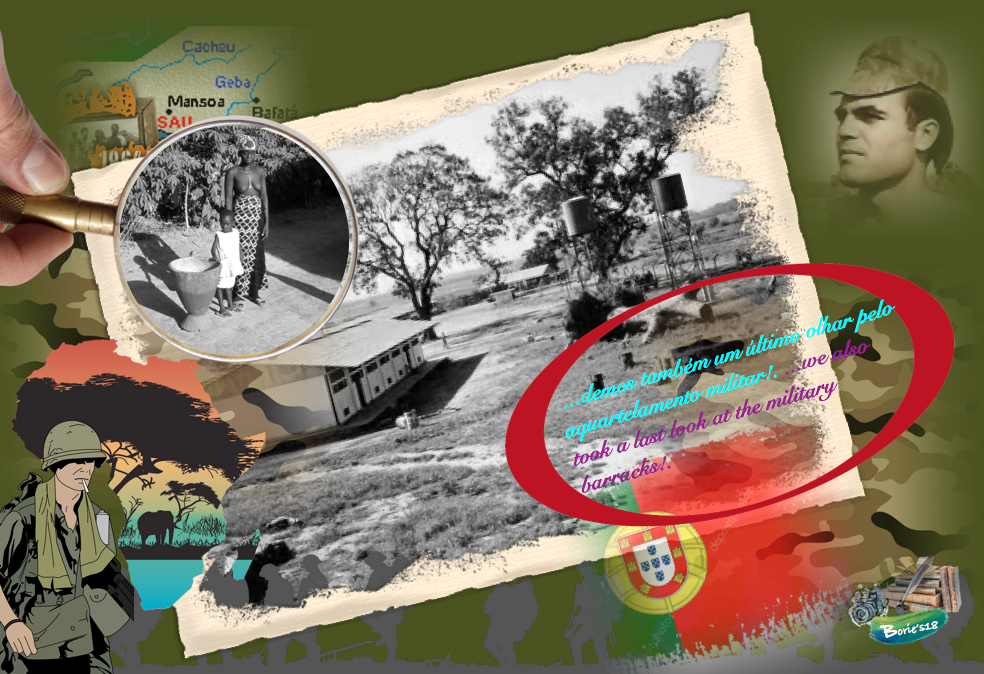
…so this is where God put the West!.

…so this is where God put the West!.

…então é aqui que Deus colocou o Oeste!. (So this is where God put the West)!.

…sim, andávamos pelo Oeste!. Antes, visitámos a área do “Four Corners Monument” (Monumento das Quatro Esquinas), que marca o quadriponto no sudoeste dos Estados Unidos, onde os estados do Arizona, Colorado, Novo México e Utah se encontram e é o único ponto nos Estados Unidos compartilhado por quatro estados, levando a área a ser nomeada a região “Four Corners” (Quatro Esquinas)!. (Yes, we were walking in the West!. Before, we visited the “Four Corners Monument” area, which marks the quadriponto in the southwest United States, where the states of Arizona, Colorado, New Mexico and Utah meet and is the only point in the United States shared by four states, leading the area to be named the “Four Corners” region)!.

…viajávamos pela estrada US 163, aproximando-nos da fronteira entre os estados de Utah e Arizona, entrando num extenso vale onde o seu piso é em grande parte siltstone do Grupo Cutler, ou areia derivada dele, depositado pelos rios sinuosos que esculpiram este maravilhoso vale!. A sua cor vermelha viva, vem do óxido de ferro exposto no siltstone desgastado pelo tempo, onde também as suas rochas mais escuras e azul-acinzentadas, obtêm a sua cor do óxido de manganês!. (We traveled on US 163 road, approaching the border between the states of Utah and Arizona, entering an extensive valley where its floor is largely siltstone of Cutler Group, or sand derived from it, deposited by the sinuous rivers that sculpted this wonderful valley!. Its bright red color comes from the exposed iron oxide in the weather-worn siltstone, where also its darker and blue-gray rocks get their color from manganese oxide)!.

…é uma região que faz parte do Planalto do Colorado, que inclui grandes estruturas de pedra, incluindo o famoso “The Eye of the Sun” (O Olho do Sol), que é uma formação natural que assume a aparência de um olho, onde os sobreviventes da Nação Navajo têm encontros e festivais, com cantos e tambores!. (Is a region that forms part of the Colorado Plateau, which includes large stone structures, including the famous “The Eye of the Sun”, which is a natural formation that takes on the appearance of an eye , where the survivors of the Navajo Nation have encounters and festivals, with songs and drums)!.

…apesar da elevação do fundo deste maravilhoso vale, poder variar entre 1.500 a 1.800 metros acima do nível do mar, a nossa “White Fox”, deslizava suavemente!. O cenário era tal qual o dos filmes do Oeste, já avistávamos ao longe uma parte do vale, que logo nos fez lembrar a célebre frase do actor John Wayne, quando exclamava, “So this is where God put the west” (então é aqui que Deus colocou o oeste)!. (Despite the elevation of the bottom of this wonderful valley, to be able to vary between 1,500 and 1,800 meters above sea level, our “White Fox” slid smoothly!. The scenery was just like that of the Western movies, we could already see in the distance a part of the valley, which immediately reminded us of the famous phrase of the actor John Wayne, when he exclaimed, “So this is where God put the west”)!.

…o vale fica dentro do território da Reserva da Nação Navajo, a entrada era já ali, tivémos que pagar uma taxa de acesso, onde nos informaram que era possível viajar na nossa “White Fox”, por uma certa área do parque numa estrada de terra com aproximadamente 27 quilómetros (uma viagem de duas a três horas), visitando algumas partes do Monument Valley!. (Vale do Monumento)!. (The valley is within the territory of the Navajo Nation Reserve, the entrance was already there, we had to pay an access fee, where we were informed that it was possible to travel in our “White Fox”, for a certain area of the park in a dirt road with approximately 27 kilometers (a trip of two to three hours), visiting some parts of Monument Valley)!.

….havia algum sol, mas este vale, como já mencionámos anteriormente, oficialmente é uma grande área que inclui o território da Reserva da Nação Navajo, equivalente a um parque nacional, que experimenta um clima desértico com invernos frios e verões quentes, onde existe sempre, principalmente no verão alguma chuva ocasional, que foi o que nos aconteceu!. (There was some sun, but this valley, as we have already mentioned, officially is a large area that includes the territory of the Navajo Nation Reserve, equivalent to a national park, which experiences a desert climate with cold winters and hot summers, where there is always, especially in the summer some occasional rain, that’s what happened to us)!.

…depois de percocorrermos alguma área junto do Centro de Informação, onde tirámos algumas fotos ainda com sol!. (After crossing some area next to the Information Center, where we took some photos still with sun)!.

…pois quando entrámos no parque, tentando fazer o “Loop Drive” (designação do circuito do parque), alguma chuva e mesmo trovoada, apareceu, no entanto seguimos e, o sol também regressou de novo, pelo menos em algumas áreas do percurso!. (Because when we entered in the park, trying to do “Loop Drive” (designation of the circuit of the park), some rain and even thunderstorm, appeared, however we continued and, the sun also returned again, at least in some areas of the route)!.

…conforme íamos avançando, o cenário era incrível!. Viajando pelo seu interior, o Monument Valley (Vale do Monumento), a cada momento nos surgia pela frente uma paisagem natural, oculta entre pequenos monumentos de pedra vermelha que, entre outros viajantes que se aventuram nesta região selvagem, uns dos pioneiros, e que muito contribuiram para que o resto do mundo conhecesse melhor esta maravilha da natureza, foram Harry Goulding e sua noiva “Mike” (supostamente ele não podia pronunciar o seu primeiro nome, que era Leone)!. Talvez sem o saberem, transformaram este cenário em um ícone do oeste americano, hoje conhecido em todo o mundo!. (As we were advancing, the scenery was incredible!. Traveling inland, the Monument Valley, every now and then a natural landscape, hidden among small red stone monuments that, among other travelers who venture in this wilderness, one of the pioneers, much contributed to make the rest of the world better acquainted with this wonder of nature, were Harry Goulding and his fiancée “Mike” (supposedly he could not pronounce his first name, which was Leone)!. Perhaps without knowing it, they turned this scenery into an icon of the American West, now known throughout the world)!.

…eles acabaram por se casar e decidiram abrir o caminho de Durango, no sul do Colorado, e que ele, Harry Goulding, antes era um negociante de ovelhas que juntamente com sua noiva, vieram ao Monument Valley (Vale do Monumento), em busca de uma oportunidade de negócio!. Ninguém sabe se já tinham conhecimento, ou se foi simplesmente alguma sorte, comprando um lote substancial de terra, quando a Reserva Indígena Paiute foi realocada e, muitos acres se tornaram disponíveis para venda, numa área que só pode ser descrita como uma terra seca ao lado de algumas rochas incrivelmente altas!. (They eventually married and decided to open the road to Durango in southern Colorado, and that he, Harry Goulding, was once a sheep dealer who, along with his fiancée, came to Monument Valley, in search of a business opportunity!. No one knows if they were aware of, or was simply lucky enough to purchase, a substantial plot of land when the Paiute Indigenous Reservation was relocated and many acres became available for sale in an area that can only be described as a side of some incredibly high rocks)!.

…claro, pouco tempo depois, Harry e sua esposa carregaram um “saco de dormir, a cafeteira, alguma comida”, como Harry mais tarde explicou, e dirigiram-se para Hollywood, mostrando fotos do maravilhoso vale ao diretor John Ford, convencendo-o de que o Monument Valley (Vale do Monumento), era o cenário perfeito para o seu próximo filme!. (Of course, shortly afterwards, Harry and his wife carried a “sleeping bag, coffeepot, some food”, as Harry later explained, and they headed to Hollywood, showing pictures of the wonderful valley to director John Ford, convincing him that the Monument Valley was the perfect setting for his next movie)!.

…o director John Ford ficou deslumbrado e, em menos de um mês, mudou-se com todo o equipamento necessário para lá, começando a filmar a hoje célebre película “Stagecoach”, onde segundo relatos, contratou um actor da classe “B”, que dava pelo nome de John Wayne, para estrela principal, para mostrar uma odisseia sobre o espírito da fronteira americana!. (Director John Ford was dazzled and, in less than a month, moved with all the necessary equipment there, starting to film the now famous film “Stagecoach”, where he reportedly hired an actor from class “B”, that gave by the name of John Wayne, for main star, to show an odyssey on the spirit of the American border)!.

…nove mais filmes deste director John Ford foram filmados aqui, onde se destacam “My Darling Clementine” (1946), “Fort Apache” (1948) mesmo “She Wore a Yellow Ribbon” (1949) ou mais tarde, pelo ano de 1956 “The Searchers”, com Jeffrey Hunter, John Wayne e Harry Carey Jr., dirigindo actores além do já mencionado John Wayne, Will Rogers, Henry Fonda, Maureen O’Hara, Vera Miles, James Stewart ou Richard Widmark, que não só ajudou a Nação Navajo com o dinheiro necessário, mas também serviu para que o resto do mundo podesse admirar as impressionantes formações rochosas vermelhas, no meio deste deserto!. (Nine more films of this director John Ford were filmed here, where they highlight “My Darling Clementine” (1946), “Fort Apache” (1948) same “She Wore a Yellow Ribbon” (1949) or later, for the year 1956 “The Searchers” starring Jeffrey Hunter, John Wayne and Harry Carey Jr., directing actors beyond John Wayne, Will Rogers, Henry Fonda, Maureen O’Hara, Vera Miles, James Stewart, or Richard Widmark, only helped the Navajo Nation with the necessary money, but also served so that the rest of the world could admire the impressive red rock formations in the middle of this desert)!.

…acompanhando todo esta evolução, Harry e sua esposa, imediatamente montaram um Posto de Negociação, na base da Big Rock Door Mesa, enquanto faziam amizade e conduziam negócios com os Navajos locais, que viam com bons olhos a sua presença, onde muitas décadas depois, este Posto de Negociação Goulding, se transformou num chalé, com cabines, museu, restaurante e uma área de acampamento para casas ambulantes, sendo colocado no Registro Nacional de Lugares Históricos em 1980, pela sua importância para a área local!. (Following all this evolution, Harry and his wife immediately set up a Trading Post at the base of the Big Rock Door Table, while making friends and conducting business with the local Navajos, who welcomed their presence, where many decades later, this Goulding Trading Post turned into a cottage, with cabins, museum, restaurant and a camping area for mobile homes, and was placed on the National Register of Historic Places in 1980 for its importance to the local area)!.

…os negócios da Goulding cresceram, mudando de mãos ao longo dos anos, enquanto Monument Valley (Vale do Monumento), continuou a ser cenário para muitos filmes, programas de televisão e anúncios, bem como um destino turístico muito popular, onde principalmente trabalhadores e estrelas de Hollywood, que por aqui viviam temporadas, como por exemplo o actor John Wayne, que tinha um quarto para si mesmo, nas trazeiras deste Posto de Negociação, com um dos mais bonitos cenários do vale!. Assim como outras pessoas, pelo menos durante o tempo em que eram protagonistas nas diferentes películas que por aqui se filmavam, ou que simplesmente passavam e, dada a publicidade, tinham curiosidade em verem o cenário ao vivo!. (Goulding’s business grew, changing hands over the years, while Monument Valley continued to be the setting for many movies, television shows and commercials, as well as a very popular tourist destination, where mainly workers and Hollywood stars, who lived here for years, such as actor John Wayne, who had a room for himself, in the back of this Trading Post, with one of the most beautiful scenery in the valley! Like other people, at least during the time that they were protagonists in the different films that were filmed here, or that they simply passed and, given the publicity, they were curious to see the scene live)!.


…ainda hoje, em alguns pontos estratégicos, podemos olhar o deserto onde sobressaiem altos monumentos e, depois de admirar o cenário, fechando os olhos por momentos, no pensamento, quase podemos ver uma diligência descendo a estrada de terra, pedra e areia!. Segundo relatos, mais de 400.000 pessoas visitam Monument Valley todos os anos e, provávelmente este Vale não seria o que é hoje, sem o apoio de Harry Golding e sua esposa Mike!. (Even today, in some strategic points, we can look at the desert where high monuments stand out and, after admiring the scenery, closing our eyes for moments, in the thought, we can almost see a diligence descending the dirt road, stone and sand!. According to reports, more than 400,000 people visit Monument Valley every year and probably this Valley would not be what it is today without the support of Harry Golding and his wife Mike)!.

…talvez dada a publicidade, no entanto o cenário maravilhoso da paisagem em parte comprovam estas palvras mas, talvez seja exagero, no entanto dizem que esta área do Monument Valley (Vale do Monumento), “definem o Oeste do Leste”!. (Perhaps given the publicity, however the wonderful scenery of the landscape in part prove these words but, perhaps it is exaggeration, nevertheless they say that this area of the Monument Valley, “define the West of the East”)!.

…nós, assim como a nossa “White Fox”, quando regressámos ao local do início do parque, estávamos cobertos de areia vermelha, depois de atravessar um cenário irregular, a princípio com alguma água e lama e, poeirento depois, mas contentes, não só pela paisagem, mas pelo que aprendemos sobre os índios da Nação Navajo!. (We, like our “White Fox”, returned to the site of the beginning of the park, we were covered with red sand, after crossing an irregular scenery, at first with some water and mud and then dusty, but glad not only by the landscape, but from what we learned about the natives of the Navajo Nation)!.

Tony Borie, September 2018.
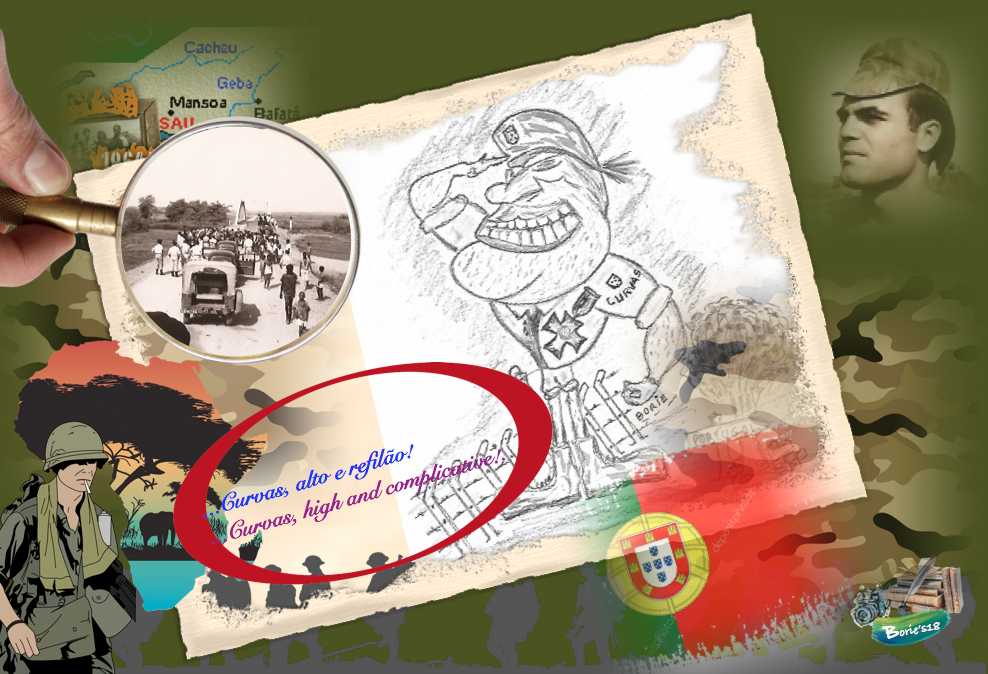
…51 years together!.

…51 years together!.
…dia 10 de Setembro de 1967!. (On September 10, 1967)!.

…já lá vão 51 anos!. (It’s been 51 years)!.

…levantámo-nos ainda era madrugada, tal como todos os dias o fazemos, mas hoje é um dia especial, antes de nos sentar em frente ao computador, tirámos a aliança dos dedos e verificámos, pois está lá gravado, “ISAURA 10/9/1967”!. (We got up it was still dawn, just as we do every day, but today is a special day, before we sit in front of the computer, we took the ring of fingers and we noticed, because it is recorded there, “ISAURA 10/9/1967”)!.

…são 51 anos juntos!. Sim juntos, porque um homem sózinho não é nada, mas duas pessoas, já podem continuar a formar o mundo!. (They are 51 years together!. Yes together, because a man alone is nothing, but two people can already continue to form the world)!.

…e dizem que, casamentos felizes começam quando nos casamos com quem amamos e, eles florescem quando amamos aquele com quem nos casamos, esta é a verdade!. (And they say, happy marriages begin when we marry who we love, and they bloom when we love the one we marry, this is the truth)!.

…e mais, casais que se amam dizem mil coisas sem falar, sem dizer uma só palavra, no entanto continuam juntos, vivendo num espaço que dividem em 50%, com a possível exceção do espaço da cozinha!. (And more, couples who love each other say a thousand things without speaking, without saying a word, yet they continue together, living in a space that divides by 50%, with the possible exception of kitchen space)!.

…e se aprofundar-mos ainda mais, as correntes não mantêm um casamento junto!. São pequenos fios, centenas de pequenos e minúsculos fios que se podem quebrar ao longo dos anos, mas o sentimento do amor, normalmente mantêm as pessoas juntas!. (And if we delve deeper, the chains do not keep a marriage together!. They are tiny threads, hundreds of tiny, tiny threads that can break through the years, but the feeling of love usually holds people together)!.

…estes 51 anos de vida juntos, dizem-nos que o sucesso no casamento não vem apenas por encontrar o parceiro certo, mas que felizmente vivemos com o parceiro certo, tal como o casamento pode sobreviver, se os parceiros perceberam que às vezes o melhor, vem depois do pior!. (These 51 years of life together, tell us that success in marriage does not come only by finding the right partner, but that we happily live with the right partner, just as marriage can survive, if the partners realized that sometimes the best, comes after the worst)!.

… a Isaura e nós, temos o maior acordo pré-nupcial do mundo, chama-se amor e compreenção, com a particularidade de às vezes manter-mos uma qualquer discussão, sobre um qualquer assunto sem qualquer importância, mas com a particularidade também de nos apaixonar-mos muitas vezes mas, sempre com a mesma pessoa, mantendo depois uma longa conversa, que sempre nos parece pequena, onde a nossa união continua feliz e duradoura, porque no fundo, no fundo, quando discutimos, acabamos por ser dois bons perdedores!. (To Isaura and we, we have the biggest prenuptial agreement in the world, it is called love and understanding, with the peculiarity of sometimes maintaining any discussion, about any matter without any importance, but with the particularity also to fall in love many times but always with the same person, after a long conversation, which always seems small, where our union remains happy and lasting, because deep down, when we discuss, we end up being two good losers).

…e para finalizar, porque logo mais pela tardinha vamos para os “copos”, com alguns amigos de longa data, o Adão e a Eva tiveram um casamento ideal!. Ele não teve que ouvir sobre todos os homens com quem ela poderia se ter casado, e ela não teve que ouvir, sobre o herói que ele diz ter sido, as namoradas que consquistou, ou sobre o tão bem a sua mãe cozinhava!. (And to finish, because soon in the afternoon we go to the “glasses”, with some long-time friends, Adam and Eva had an ideal marriage!. He did not have to hear about all the men she could have married with, and she did not have to listen, about the hero he says he was, the girlfriends he got, or about how well his mother cooked)!.

…obrigado Isaura, por me teres aturado todos estes anos e, continuo aqui, fazendo todos os possíveis e impossíveis, por ti!. (Thank you, Isaura, for you kept me up all these years and I’m still here, doing everything possible and impossible for you)!.

Tony Borie, September 2018!.