…dentro das muralhas do castelo!. (…inside the castle walls)!.

…dentro das muralhas do castelo!. (…inside the castle walls)!.

…vamos escrevendo, talvez como um “escrevinhador de memórias”, daqueles que tenta descrever a poesia de um rouxinol que canta na escuridão, com aquela doçura da sua música invisível, comovida e tranquila, de tantas narrativas já passadas, porque afinal, a escrita é a urgência das emoções daqueles que são capazes de sentir como os pássaros que voam no escuro, ou até daquelas pequenas flores que desabrocham no entulho, porque tudo o que escrevemos, nos faz lembrar todos os caminhos antes percorridos por regiões, ou mesmo conhecendo pessoas, que antes nos eram desconhecidas!. (We are writing, perhaps as a “memory writer”, of those who try to describe the poetry of a nightingale who sings in the darkness, with that sweetness of his invisible, moved and tranquil music, of so many narratives already past, because after all, writing is the urgency of the emotions of those who are able to feel like birds flying in the dark, or even of those little flowers that bloom in the rubble, because everything we write, reminds us of all the paths previously traveled by regions, or even meeting people who were unknown to us before)!.
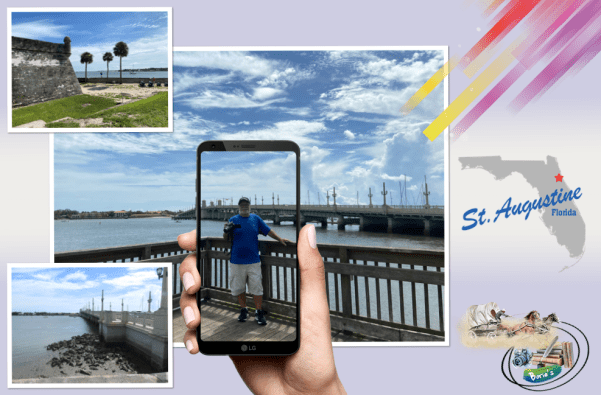
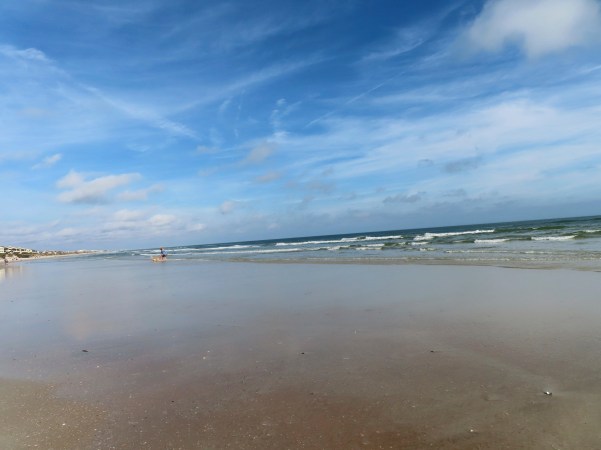
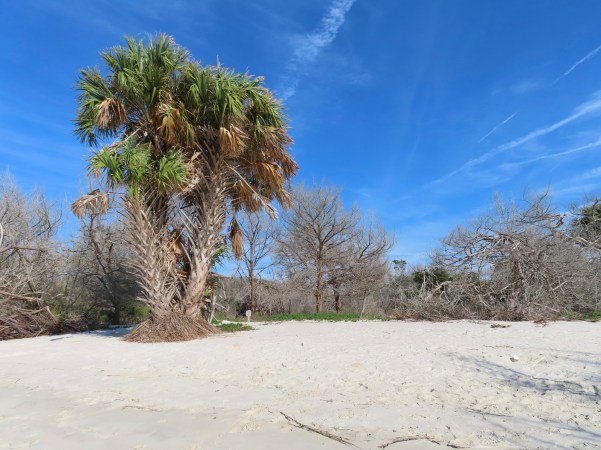
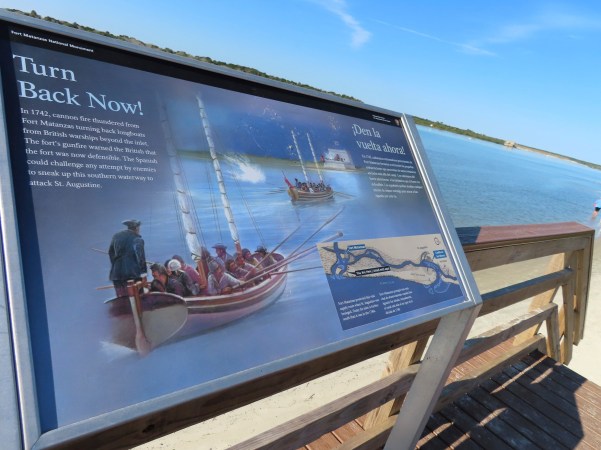
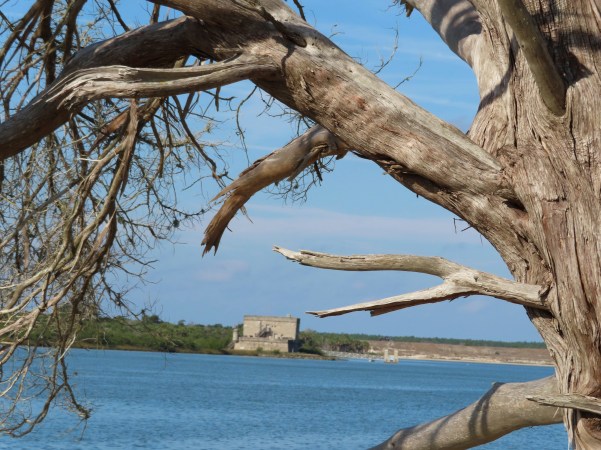
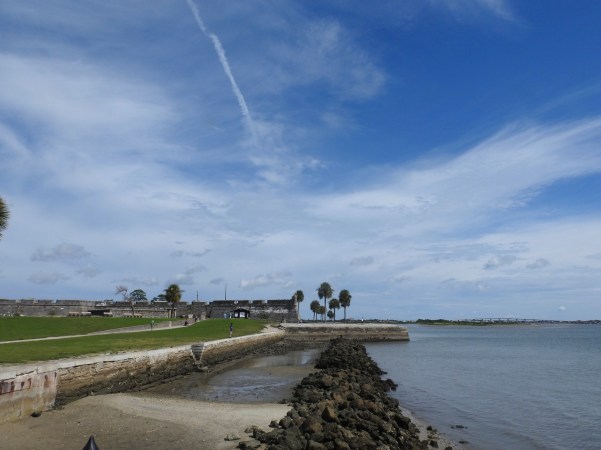
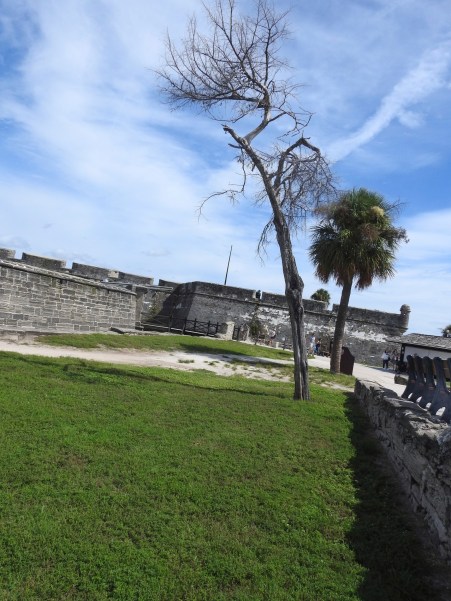
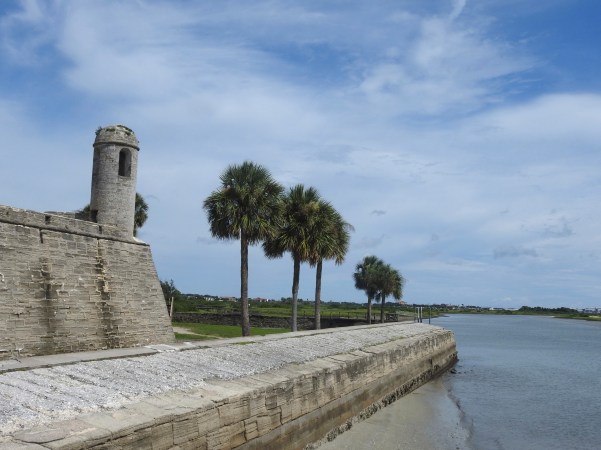
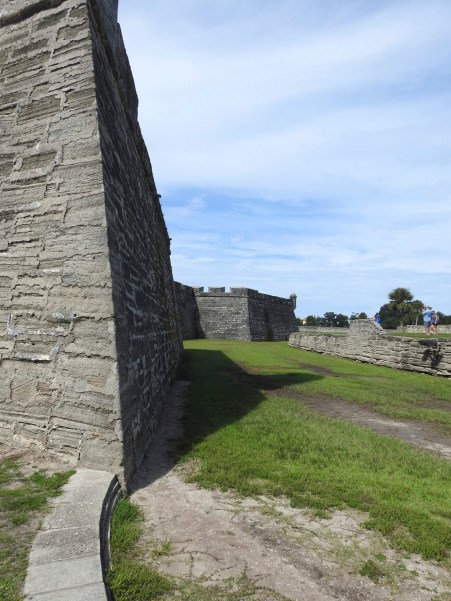
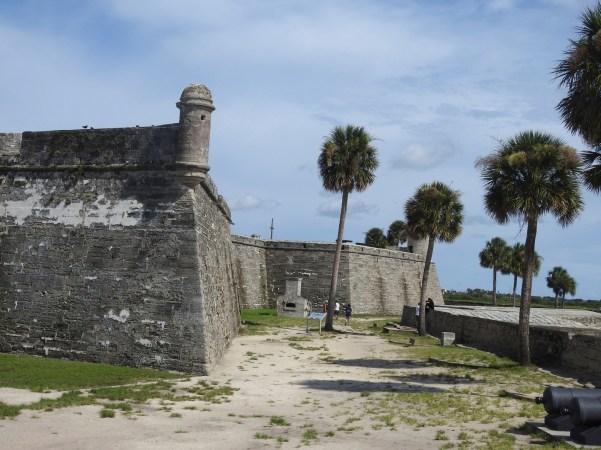
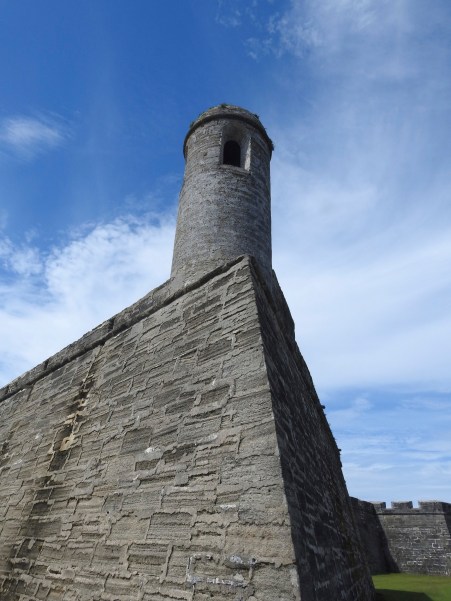
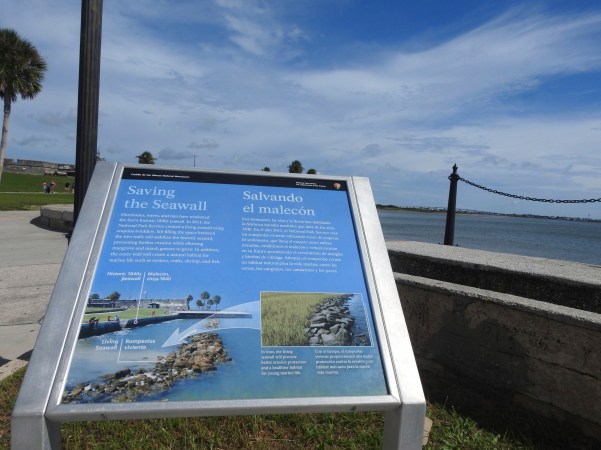
…no fundo, no fundo, queremos com isto dizer, que já andamos por aí!. Já saímos prá rua!. Desta vez visitámos aqui um pouco para norte de onde vivemos, o Castelo de São Marcos, na cidade de Santo Agostinho!. Já não recordamos as vezes e o tempo que visitamos este local, admirando este monumento, tanto em terra como do mar, por ocasião de sair a sua barra para pescar no oceano!. (In the background, in the background, we mean by this, that we have been around!. We are already out on the street!. This time we visited here a little to the north of where we live, the Castle of San Marcos, in the city of Saint Augustine!. We no longer remember the times and the time we visited this place, admiring this monument, both on land and from the sea, on the occasion of going out to fish in the ocean)!.

…caminhámos um pouco pela cidade, concentrando-nos mais na área do Castelo de São Marcos, que é o forte de alvenaria mais antigo dos Estados Unidos continentais, cuja construção foi iniciada por volta do ano de 1672, ou seja, 107 anos após a fundação desta histórica cidade, pelo almirante espanhol e conquistador Pedro Menéndez de Avilés, quando a Flórida fazia parte do Império Espanhol!. Todavia, não é da história deste maravilhoso monumento que hoje vamos falar, mas sim de alguns factos que ocurreram dentro das suas muralhas!. (We walked a little bit through the city, focusing more on the area of Castle of San Marcos, which is the oldest masonry fort in the continental United States, whose construction started around 1672, that is, 107 years after the foundation of this historic city, by the Spanish admiral and conqueror Pedro Menéndez de Avilés, when Florida was part of the Spanish Empire!. However, it is not the history of this wonderful monument that we are going to talk about today, but rather some facts that occurred within its walls !.
…é história!. Cada passo que damos por aqui, vemos e “cheiramos” história!. Desta vez vamos contar a sobrevivência de alguns nativos americanos, quase nos colocando numa qualquer personagem de um dos habitantes da hoje cidade de Santo Agostinho, por volta do ano de 1886!.
(It is history!. Every step we take here, we see and “smell” history!. This time we are going to tell the survival of some Native Americans, almost putting us in any character of one of the inhabitants of the today city of Saint Augustine, around the year 1886)!.
…era uma manhã de Abril!. Alguns habitantes da hoje cidade de Santo Agostinho, no estado da Flórida, ao ver chegar um combóio, depararam com um grupo de pessoas que não se pareciam em nada com aqueles homens e mulheres orgulhosos e destemidos, que haviam lutado contra o Exército Americano nas pradarias do Oeste!. (It was an April morning!. Some inhabitants of the current city of Saint Augustine, in the state of Florida, upon seeing a train coming, came across a group of people who looked nothing like those proud and fearless men and women who had fought against the American Army on the prairies. from the West)!.
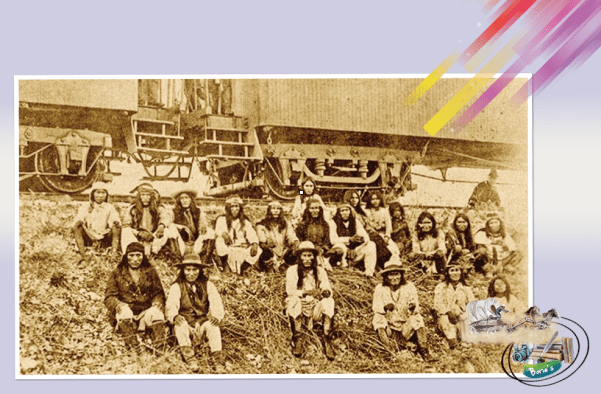
…talvez esperassem ver um espectáculo de poderosos guerreiros, desembarcando naquele dia de Abril!. No entanto, o que eles viram foi um grupo de pessoas cansadas e mal vestidas, completamente exaustas pelos seus longos anos de luta e sofrimento!. Eram um grupo de nativos Apaches, levados como prisioneiros do Arizona e, transportados para confinamento no antigo Forte Marion, hoje conhecido como Castelo de São Marcos!. (Maybe they expected to see a show of powerful warriors, disembarking on that April day!. However, what they saw was a group of tired and underdressed people, completely exhausted by their long years of struggle and suffering!. They were a group of Apache natives, taken as prisoners from Arizona and transported to confinement in the old Fort Marion, now known as St. Marcos Castle)!.
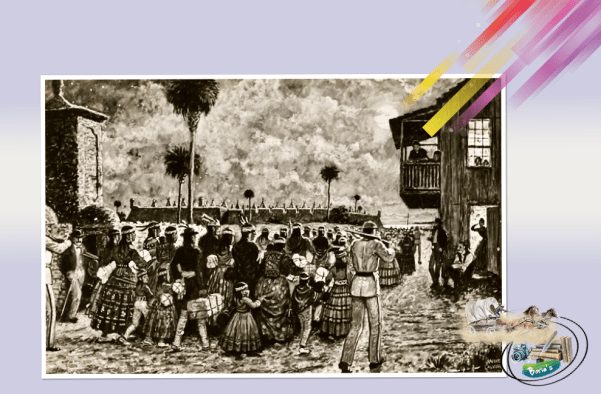
…alguém descreveu o cenário, quando os prisioneiros Apaches começaram a sair do combóio, assim: “Primeiro vieram os homens, cada um com os ombros e a cabeça enrolados num cobertor, todos marchando com rostos inexpressivos e andar majestoso!. Depois vieram os jovens com menos dignidade e menos cobertores, bem como menos roupas de qualquer outro tipo!. Depois, caminhando um por um, vieram as moças, meninos e crianças”!. As suas identidades e reputações como índios Apaches, a última tribo ocidental, estavam a chegar a Santo Agustinho, sendo forçados a sucumbir à sua nova identidade, agora como prisioneiros do Exército!.(Someone described the scenario, when the Apache prisoners started to leave the train, like this: “First the men came, each with their shoulders and head wrapped in a blanket, all marching with expressionless faces and walking majestic!. Then came young people with less dignity and less blankets, as well as less clothes of any other kind!. Then, walking one by one, the girls, boys and children came”!. Their identities and reputations as Apache Indians, the last western tribe, were arriving in Saint Augustine, being forced to succumb to their new identity, now as prisoners of the Army)!.
…estes Nativos Americanos, lutaram juntamente com os grandes chefes de guerra Chihuahua, Naiche e Gerónimo!. Durante anos, lutaram contra os esforços do Exército, resistindo aos planos de empurrá-los para as suas reservas, que depois de anos de dificuldades e lutas, estas pessoas, assim como os seus chefes, começaram a render-se um por um!. O governo, temendo que, se deixados no oeste, estes Apaches voltassem ao caminho da guerra, decidiu então prendê-los num local remoto ao leste!. Assim, mais de 500 nativos Apaches vieram para o interior do antigo Forte Marion, hoje chamado Castelo de São Marcos!. (These Native Americans, fought together with the great warlords Chihuahua, Naiche and Geronimo!. For years, they fought against the efforts of the Army, resisting plans to push them into their reserves, which after years of hardship and struggle, these people, as well as their bosses, began to surrender one by one!. The government, fearing that, if left in the west, these Apaches would return to the path of war, then decided to arrest them in a remote location in the east!. Thus, more than 500 Apaches came to the interior of the old Fort Marion, today called Castle de San Marcos)!.
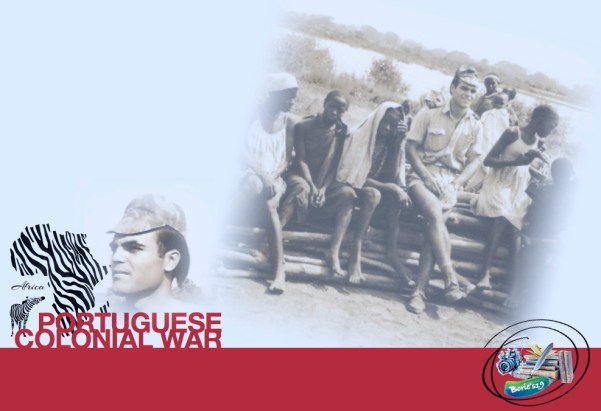
…nós, como antigos combatentes de uma guerra em África, que se veio a considerar algo injusta, ao visitar este local mais uma vez, prestámos o nosso respeito, homenageando os que morreram e sofreram pela sua liberdade!.(We, as former combatants of a war in Africa, which came to be considered something unjust, when visiting this place again, we paid our respect, honoring those who died and suffered for their freedom)!.
…aqui, longe da sua terra natal e no cativeiro, foram-lhe providenciados, cuidados médicos, distribuição de alimentos e roupas, todavia, o tamanho do forte permitiam abrigar apenas cerca de 150 pessoas, mas os militares colocaram todos os 502 Apaches dentro das paredes deste Forte, forçando-os a viver em condições extremamente difíceis!. Assim, a maioria vivia em 130 tendas em forma de cone no topo do forte, onde conseguiam respirar ar puro, porque os poucos que estavam nos quartos dormiam no chão húmido de argamassa, o que não os ajudava a manter a sua saúde!.
(Here, far from his homeland and in captivity, he was provided with medical care, distribution of food and clothing, however, the size of the fort allowed to house only about 150 people, but the military placed all 502 Apaches inside the walls of this Fort, forcing them to live in extremely difficult conditions)!. Thus, most lived in 130 cone-shaped tents on top of the fort, where they were able to breathe fresh air, because the few who were in the bedrooms slept on the damp mortar floor, which did not help them to maintain their health)!.
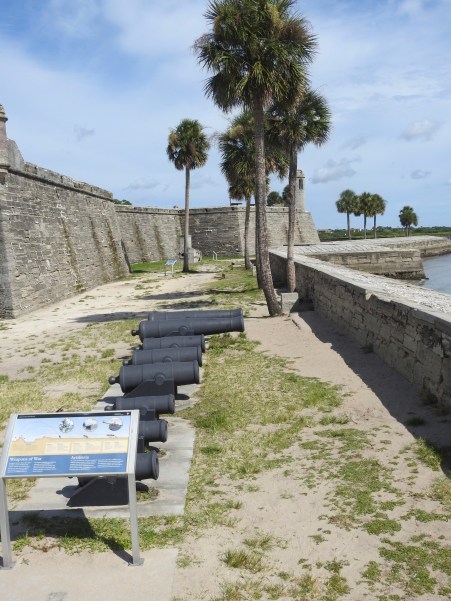
…a sua dieta diária era composta de rações completas do Exército, consistindo de meio quilo de carne por dia para adultos e metade para crianças, assim como pão fresco diariamente, arroz, nabo, canjica, açúcar, café e feijão e, uma vez por semana, recebiam pequenas quantidades de batatas e cebolas!. Eram pessoas das pradarias secas do oeste, não comiam peixe ou carne de porco, e as rações que recebiam prejudicavam a sua saúde!. (His daily diet consisted of complete Army rations, consisting of half a kilo of meat per day for adults and half for children, as well as fresh bread daily, rice, turnip, hominy, sugar, coffee and beans and, a once a week, they received small amounts of potatoes and onions!. They were people from the dry prairies of the west, they did not eat fish or pork, and the rations they received harmed their health)!.
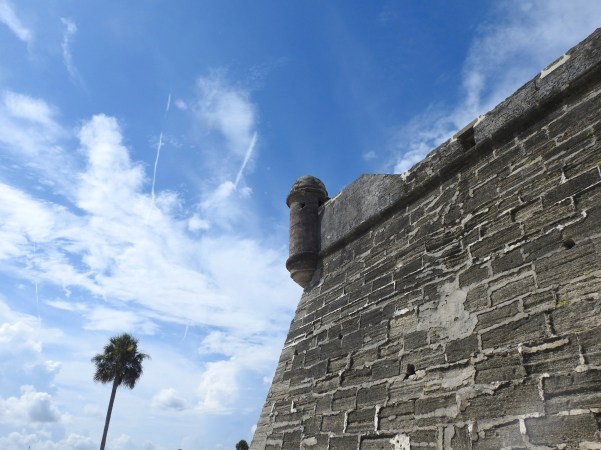
…as mulheres Apaches cozinhavam tudo o que comiam, excepto o pão, que era assado no quartel São Francisco, próximo do Forte!. (The Apaches women cooked everything they ate, except the bread, which was baked in the San Francisco barracks, near do Fort)!.
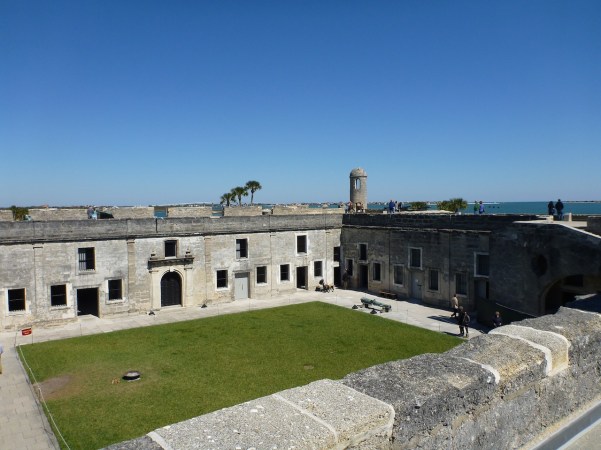
…as condições de vida do então Forte Marion estavam lotadas, havendo uma preocupação constante com doenças!. Um médico do Exército, foi encarregado de supervisionar a prisão, visitando o Forte todas as manhãs, avaliando as condições de vida e fazendo recomendações para promover um ambiente de vida mais saudável!. Todavia, mesmo fazendo tudo o que estava ao seu alcance para curar estes prisioneiros de qualquer doença, ou mesmo prevenir doenças adicionais, nunca conseguiu fazer o suficiente, relatando algumas mortes, todavia, também mencionou que nasceram doze crianças no Forte Marion, incluindo a filha de Ih-Tedda e Gerónimo!. (The living conditions of the then Fort Marion were crowded, with a constant concern about diseases!. An Army doctor, was in charge of supervising the prison, visiting the Fort every morning, assessing living conditions and making recommendations to promote a healthier living environment!. However, even though he did everything in his power to cure these prisoners of any disease, or even prevent additional diseases, he never managed to do enough, reporting some deaths, however, he also mentioned that twelve children were born in Fort Marion, including his daughter of Ih-Tedda and Gerónimo)!.
…algum tempo depois, para aliviar algumas das preocupações sobre as condições de superlotação, os prisioneiros puderam deixar o Forte, circular livremente pelos terrenos do forte e até mesmo ir para a cidade!. Mas havia pouco que os prisioneiros pudessem fazer além de atender às necessidades básicas, como preparar comida e cuidar dos filhos!. (Some time later, to alleviate some of the concerns about overcrowding conditions, prisoners were able to leave the Fort, move freely around the fort’s grounds and even go to the city!. But there was little that prisoners could do but meet basic needs, such as preparing food and taking care of their children)!.

…alguns, praticavam arco e flecha, no fosso do forte, junto à água salgada da baía, um jogo apenas para homens!. As mulheres ganhavam algum dinheiro tecendo cestos de salgueiro, fazendo mocassins e construindo modelos de brinquedo com seus artesanatos exclusivos, que vendiam aos turistas que os visitavam em Santo Agostinho!. (Some, practiced archery, in the moat of the fort, next to the salt water of the bay, a game only for men!. Women made some money by weaving willow baskets, making loafers and building toy models with their exclusive handicrafts, which they sold to tourists who visited them in St. Augustine)!.
…o responsável pelo Forte e pelos seus prisioneiros, assim como pelo seu bem estar físico era o Coronel Langdon que, verificando que havia alguma ociosidade entre os prisioneiros e, na esperança de mudar isso, implementou um programa de assimilação, recrutando algumas mulheres professoras locais, para ensinar alguns dos rapazes e adolecentes!. (Responsible for the Fort and its prisoners, as well as for their physical well-being was Colonel Langdon, who, seeing that there was some idleness among the prisoners and, hoping to change that, implemented an assimilation program, recruiting some women local teachers, to teach some of the boys and teenagers)!.
…deste modo, elas iam ao Forte quase todos os dias, ensinando como saber ler, escrever e falar a língua inglesa, até começando a dar aulas de aritmética, ciências e estudos sociais do estilo de vida americano, àqueles que aprendiam melhor!. Destas, 103 crianças embarcaram em combóio e foram levadas para o estado de Pensilvânia, frequentando a Escola Carlisle, própria para educar jovens indígenas americanos, onde foram vestidas com uniformes, receberam nomes de batismo e aprenderam como se integrar na sociedade branca dominante!. (In this way, they went to the Fort almost every day, teaching how to read, write and speak the English language, even starting to teach arithmetic, science and social studies of the American lifestyle, to those who learned best!. Of these, 103 children boarded a train and were taken to the state of Pennsylvania, attending the Carlisle School, which is designed to educate young Native Americans, where they were dressed in uniforms, given baptismal names and learned how to integrate into the dominant white society)!.

…a Escola Indiana Carlisle, funcionou por quase 30 anos com a missão de “matar o índio” para “salvar o Homem”!. Esta filosofia significava que existia para ensinar os alunos a falar inglês, vestir roupas anglo-americanas e agir de acordo com os valores e a cultura da sociedade branca, para onde vieram dos cantos mais distantes, dezenas de milhares de crianças indígenas americanas, algumas quase adolescentes, embarcando em combóios, diligências e navios com destino a Carlisle, Pensilvânia, no início das Guerras Indígenas do século XIX!. (The Carlisle Indian School, operated for almost 30 years with the mission of “killing the Indian” to “save Man”!. This philosophy meant that it existed to teach students to speak English, to wear Anglo-American clothing and to act in accordance with the values and culture of white society, where tens of thousands of American Indian children came from, the most distant corners, some almost teenagers, embarking on trains, stagecoaches and ships bound for Carlisle, Pennsylvania, at the beginning of the 19th century Indigenous Wars)!.
…as crianças, de mais de 100 culturas distintas saíram de sua casa para viver numa escola fora da sua reserva, em Carlisle Barracks, uma antiga base militar!. O campus Carlisle hoje é ocupado pelo U.S. Army War College, mas continua a ser um lugar para estudar e refletir sobre essas políticas de assimilação e para homenagear as memórias desses alunos!. (The children, from more than 100 different cultures, left their home to live in a school outside their reserve, in Carlisle Barracks, a former military base!. The Carlisle campus today is occupied by the U.S. Army War College, but it remains a place to study and reflect on these assimilation policies and to honor these students’ memories)!.
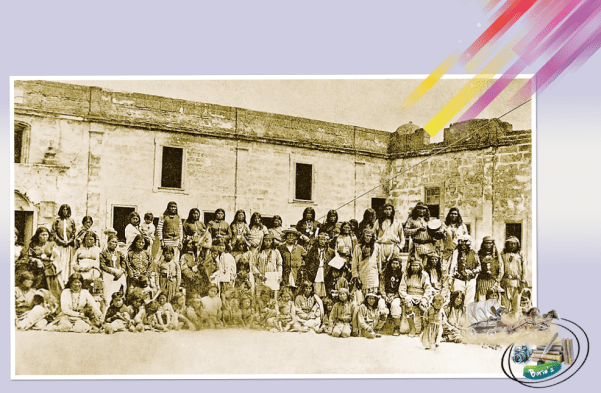
…voltando ao Forte Marion, estes prisioneiros Apaches, habituados a viver nas pradarias e desertos do oeste, ficaram confinados no Forte por pouco mais de um ano!. Depois de um ano, este grupo foi transferido para o Alabama e, mais tarde, para Fort Sill, em Oklahoma!. No total, este grupo passou 27 anos como prisioneiros, ficando por lá o que restava destes nativos americanos Apaches!. (Returning to Fort Marion, these Apache prisoners, used to living in the western prairies and deserts, were confined to the Fort for just over a year!. After a year, this group was transferred to Alabama and later to Fort Sill, Oklahoma!. In total, this group spent 27 years as prisoners, leaving what was left of these Apache Native Americans)!.

…e nós, simples habitantes deste planeta, respeitando o passado, pois naquela época era o que se entendia que era melhor para as populações, pensamos que talvez não surpreenda que depois destes cenários que a história nos apresenta, as pessoas temam a perda daquilo que prezam nas suas identidades particulares, como a sua raça, a sua tribo e talvez mais poderosamente a sua religião!.(And we, simple inhabitants of this planet, respecting the past, because at that time it was understood that it was the best for the people, we think that perhaps it is not surprising that after these scenarios that history presents us, people fear loss what they value in their particular identities, such as their race, their tribe and perhaps more powerfully their religion)!.

Tony Borie, Século XXI. (Tony Borie, 21st Century).
 

…vamos fugir da rotina!. (Let’s escape the routine)!.

…vamos fugir da rotina!. (Let’s escape the routine)!.

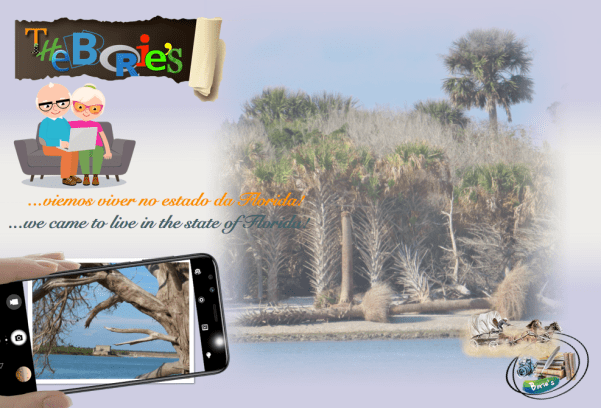
…nascemos na Europa e, já numa idade um pouco avançada, viemos viver no estado da Flórida, próximo da floresta, porque tencionámos viver deliberadamente, enfrentando apenas os factos essenciais da vida, porque na verdade, se queremos saber quem somos, o grande nivelador, o grande mestre, amargo como um remédio, ainda mais cruel quando o espelho nos mostra o nosso rosto envelhecido pelos anos passados, teremos que viajar, percorrer e conhecer o mundo, até que ninguém saiba o nosso nome!. (We were born in Europe and, already in a little old age, we came to live in the state of Florida, close to the forest, because we intended to live deliberately, facing only the essential facts of life, because in fact, if we want to know who we are, the great leveler, the great master, bitter as a medicine, even more cruel when the mirror shows us our face aged by the past years, we will have to travel, travel and see the world, until no one knows our name)!.

…inafortunadamente, o estado da Flórida, desde Março deste ano, quando oficialmente se relatou os primeiros dois casos COVID-19, houve imediatamente evidências abundantes de que a disseminação desta maldita pandemia tinha começado a alastrar-se pela comunidade da Flórida muito antes, talvez já na primeira semana de Janeiro, no entanto, em Março, o governador negou que houvesse disseminação comunitária do COVID-19 na Flórida, esperando até Abril para emitir uma ordem de permanência em casa em todo o estado!. Depois, foi tudo o que as autoridades de saúde pública, através dos meios de comunicação social têm revelado!. (Unfortunately, the state of Florida, since March of this year, when the first two COVID-19 cases were officially reported, there was immediately abundant evidence that the spread of this damn pandemic had begun to spread throughout the Florida community long before, perhaps already in the first week of January, however, in March, the governor denied that there was a community spread of COVID-19 in Florida, waiting until April to issue an order to stay at home across the state!. Then, it was everything that public health authorities have revealed through the media)!.

…resumindo um pouco, logo em Maio, o estado da Flórida removeu 171 casos presumidos de COVID-19, que talvez tivessem o seu início em Janeiro e Fevereiro, do seu banco de dados oficial!. Agora, estamos no final do mês de Agosto, as autoridades de saúde pública da Flórida relataram num só dia, 2.957 novos casos positivos de COVID-19 e 41 mortes recém-registradas entre os seus residentes, aumentando os totais cumulativos do estado desde o início da pandemia para 594.287 casos e 10.325 mortes e, com os não residentes incluídos, os totais são de 600.571 casos e 10.462 mortes!. (To summarize a little, in May, the state of Florida removed 171 suspected cases of COVID-19, which may have started in January and February, from its official database!. Now, we are at the end of August, Florida public health authorities reported in a single day, 2,957 new positive cases of COVID-19 and 41 newly registered deaths among its residents, increasing the state’s cumulative totals from the beginning from the pandemic to 594,287 cases and 10,325 deaths and, with non-residents included, the totals are 600,571 cases and 10,462 deaths)!.

…continuando com este relato, inafortunadamente, no momento em que estamos a escrever, a Flórida tem o segundo maior número de casos confirmados nos Estados Unidos, logo a seguir à Califórnia, e o segundo maior número de casos confirmados per capita depois da Louisiana e, se a Flórida fosse uma própria nação, teria o sexto maior número de casos globalmente, com apenas os Estados Unidos, Brasil, Índia, Rússia e África do Sul, relatando contagens mais altas, claro tudo isto em casos confirmados e divulgados!. (Continuing with this report, unfortunately, at the time of writing, Florida has the second highest number of confirmed cases in the United States, right after California, and the second highest number of confirmed cases per capita after Louisiana and, if Florida were a nation itself, it would have the sixth highest number of cases globally, with only the United States, Brazil, India, Russia and South Africa, reporting higher counts, of course all of this in confirmed and reported case)! .

…esta maldita pandemia, não só a nós, como a millhões de pessoas, modificou todo o nosso modo de vida, obrigando-nos a ficar retidos em casa, deixando para trás todas as nossas já poucas aspirações ou projectos, de um futuro que possívelmente se irá nas próximas uma ou duas dezenas de anos, pois somos pessoas de uma idade já um pouco avançada mas, se continuarmos permanentemente em casa, “vamos criar raízes em vez de pés”, e claro, vivemos na Flórida e, mesmo quando sentados na areia da nossa praia preferida, agora quase deserta, olhando o horizonte, dizemos muitas vezes, “depois deste cenário, não há mais nada para ver”, não é bem assim, pois o nosso lema é “o fim de uma viagem é apenas o começo de outra”!. (This damn pandemic, not only for us, but for millions of people, has changed our whole way of life, forcing us to stay at home, leaving behind all our already few aspirations or projects, of a future which will probably go on in the next one or two dozen years, because we are people of a little old age, but if we stay permanently at home, “we will take root instead of feet”, and of course, we live in Florida and, even when sitting on the sand of our favorite beach, now almost deserted, looking at the horizon, we often say, “after this scenario, there is nothing else to see”, it is not quite like that, because our motto is “the end of a trip it is just the beginning of another”)!.

…temos inevitávelmente que sair, andar por aí!. Entendemos até, que é o momento de uma boa oportunidade, para conhecer melhor a Flórida, claro, usando todas as medidas de proteção exigidas pelas autoridades de saúde pública e, devemos lembrar-nos que a Flórida não é só “Dysney”, e que aqui, o sol o ano todo não significa que não existe uma época menos boa, como na temporada dos furacões, que pode ir de Junho a Novembro, mas depois, as temperaturas são mais agradáveis, perfeito para se relaxar nas praias, tanto do Golfo do México, como no Oceano Atlântico!. (We inevitably have to go out, walk around!. We even understand that it is the time for a good opportunity to get to know Florida better, of course, using all the protection measures required by public health authorities and, we must remember that Florida is not just “Dysney”, and that here, the sun all year round does not mean that there is no less good season, as in the hurricane season, which can go from June to November, but then, the temperatures are more pleasant, perfect for relaxing on the beaches, both in the Gulf of Mexico, as in the Atlantic Ocean)!.

…tal como fizeram os antigos povos nativos americanos, que entraram na Flórida pelo norte há 12.000 anos, embora as primeiras evidências de agricultura datem de cerca de 500 AC!. No entanto, alguns grupos do sul permaneceram como caçadores, pescadores e colectores, claro, até a sua extinção mas, os povos indígenas continuaram a chegar do norte em pequenos números depois de 500 aC, estabelecendo contactos com Cuba, as Bahamas e, possívelmente, a região de Yucatán, no México, no entanto, na época do contacto europeu, já no século 16, uma população de várias centenas de milhares de nativos americanos vivia na Flórida!. (As did the ancient Native American peoples, who entered Florida from the north 12,000 years ago, although the first evidence of agriculture dates back to around 500 BC!. However, some southern groups remained as hunters, fishermen and gatherers, of course, until their extinction, but indigenous peoples continued to arrive from the north in small numbers after 500 BC, establishing contacts with Cuba, the Bahamas and, possibly, the Yucatán region in Mexico, however, at the time of European contact, already in the 16th century, a population of several hundred thousand Native Americans lived in Florida)!.

…e aqui, não é apenas um lugar para pessoas já de uma idade mais avançada, como no nosso caso, pois existem belas praias, condições de mergulho imaculadas, muitos campos de golfe, passeios velozes e às vezes furiosos de “aerobarco”, movidos por um potente motor de élice, que viajam pelos parques de Everglades, que se tornam numa aventura inesquecível, vendo crocodilos, aves exóticas, tartarugas, cobras ou outros animais selvagens menores, numa paisagem aquática, talvez única no mundo!. (And here, it is not just a place for people of an older age, as in our case, as there are beautiful beaches, immaculate diving conditions, many golf courses, fast and sometimes furious “airboat” rides , powered by a powerful propeller engine, traveling through the Everglades parks, which become an unforgettable adventure, seeing crocodiles, exotic birds, turtles, snakes or other smaller wild animals, in an aquatic landscape, perhaps unique in the world)!.

…paisagem aquática, talvez única no mundo, que foi o que encontrou Juan Ponce de León, quando se aventurou, desembarcando nesta península, por volta do século quinze, durante a época da Páscoa, que em espanhol, quer dizer mais ou menos, “Pascua Florida”, ou seja estação das flores, e por causa da vegetação que aqui encontrou, deu o nome a esta área de Flórida!. Depois, o início da história dos europeus na Flórida, reflete os conflitos das coroas espanhola, francesa e inglesa pelo império e pela riqueza, incluindo lutas de “corsários”, vulgo piratas, que eram normais naquela época, tanto no mar das Caraíbas, como no saque a algumas aldeias piscatórias!. (Aquatic landscape, perhaps unique in the world, that was found by Juan Ponce de León, when he ventured, disembarking in this peninsula, around the fifteenth century, during the Easter season, which in Spanish means more or less, “Pascua Florida”, that is, the flower season, and because of the vegetation found here, gave the name to this area of Florida!. Then, the beginning of the history of Europeans in Florida, reflects the conflicts of the Spanish, French and English crowns for empire and wealth, including struggles of “corsairs”, commonly known as pirates, that were normal at that time, both in the Caribbean Sea and on looting some fishing villages)!.

…claro, hoje tudo isto é história, todavia, quem visita os parques temáticos da cidade de Orlando, que tornam a cidade num dos melhores destinos dos Estados Unidos, pode aprender um pouco da história e relaxar-se nos parques dos Universal Studios, da Universal Island of Adventure, do Walt Dysney World, Magic Kingdom, Epcop Center, Disney Hollywood Studios, Disney Animal Kingdom, ou ainda nos parques aquáticos do SeaWorld, da Dysney Blizzard Beach ou na Typhon Lagoon ou em outros parques aquáticos de diversão ao ar livre!. (Of course, today this is all history, however, those who visit the theme parks of the city of Orlando, which make the city one of the best destinations in the United States, can learn a little of history and relax in the parks of Universal Studios, Universal Island of Adventure, Walt Dysney World, Magic Kingdom, Epcop Center, Disney Hollywood Studios, Disney Animal Kingdom, or at SeaWorld water parks, Dysney Blizzard Beach or Typhon Lagoon or other water amusement parks. open air)!.

…e saber que, Juan Ponce de Leon, com a impressão de que a Flórida era uma das ilhas do arquipélago das Bahamas, inicialmente não fez nenhuma tentativa de fundar aqui um assentamento, não parecendo ter se aventurado muito para norte!. Só quando aqui voltou uns anos depois, então sim, Juan Ponce de León estabeleceu uma colónia nas proximidades do que hoje é a cidade de Fort Myers, claro, devia de ter começado a odisseia de “conquistador” e, os povos indígenas que por aqui viviam, não concordando, ofereceram-lhe luta, sendo mortalmente ferido pelo guerreiro indígena Calusa, morrendo no mesmo ano em Havana, Cuba!. (And to know that, Juan Ponce de Leon, with the impression that Florida was one of the islands of the Bahamas archipelago, initially made no attempt to found a settlement here, not appearing to have ventured far north!. Only when he returned here a few years later, then, yes, Juan Ponce de León established a colony in the vicinity of what is now the city of Fort Myers, of course, the odyssey of “conqueror” should have started and, the indigenous peoples that here they lived, not agreeing, offered him a fight, being mortally wounded by the indigenous warrior Calusa, dying in the same year in Havana, Cuba)!.

…era a época da “odisseia dos descobrimentos”, no entanto e nos dias de hoje, para os avessos às lutas e ao risco, um dia preguiçoso passado nas areias macias de uma qualquer praia da Costa do Golfo do México, é tão rejuvenescedor quanto um tratamento despa”!. Para aqueles que o desejam, principalmente os jovens, também existe alguma vida nocturna agitada, num qualquer clube fumegante de Miami, Orlando ou Daytona, nesta última cidade, pelo menos por ocasião das célebres corridas de automóveis “Daytona 500”, ou mesmo durante os eventos e concentrações de motos, onde se juntam milhares de visitantes vindos das mais remotas partes do mundo!. (It was the time of the “odyssey of the discoveries”, however and nowadays, for those averse to fighting and risk, a lazy day spent on the soft sands of any beach on the Gulf Coast of Mexico, it is so rejuvenating as a spa treatment!. For those who desire it, especially young people, there is also a lively nightlife in any smoking club in Miami, Orlando or Daytona, in the latter city, at least during the famous “Daytona 500” car races, or even during the events and concentrations of motorcycles, where thousands of visitors come from the most remote parts of the world)!.

…milhares de visitantes, vindos das mais remotas partes do mundo para se divertirem, viver momentos agradáveis em perfeito convívio, não como aconteceu a Pánfilo de Narváez, que uns anos depois de Juan Ponce de Leon morrer, desembarcou nas margens da Baía de Tampa com mais de 400 homens, com a intenção de aprender como esta terra estava ligada ao México!. Em um ano, e embora ainda não estivesse mais perto do México do que o norte da Flórida, a sua força foi reduzida para 15 sobreviventes!. (Thousands of visitors, coming from the most remote parts of the world to have fun, live pleasant moments in perfect coexistence, not like what happened to Pánfilo de Narváez, who a few years after Juan Ponce de Leon died, landed on the shores of the Bay of Tampa with more than 400 men, with the intention of learning how this land was linked to Mexico!. In a year, and although it was still no closer to Mexico than northern Florida, its strength was reduced to 15 survivors)!.

…desse grupo, quatro espanhóis, incluindo Álvar Núñez Cabeza de Vaca e Estebán, um escravo mouro que foi o primeiro homem negro conhecido a entrar na Flórida, regressando, chegaram a Culiacán, no México, poucos anos depois!. Todavia, também uns anos depois, Hernando de Soto, desembarcando em algum lugar entre o Forte Myers e Tampa, liderando outra expedição desastrosa, desta vez entrando pelo oeste da Flórida, tentou estabelecer uma colónia espanhola na baía de Pensacola, cujo assentamento foi abandonado em 1561, após a sua destruição por um furacão!. (Of that group, four Spaniards, including Álvar Núñez Cabeza de Vaca and Estebán, a Moorish slave who was the first known black man to enter Florida, returning, arrived in Culiacán, Mexico, a few years later!. However, also a few years later, Hernando de Soto, disembarking somewhere between Fort Myers and Tampa, leading another disastrous expedition, this time entering western Florida, tried to establish a Spanish colony in Pensacola Bay, whose settlement was abandoned in 1561, after its destruction by a hurricane)!.

…tudo isto do lado do Golfo do México, pois do lado do oceano Atlântico, já o relatámos por diversas vezes, que incluiram combates, primeiro com um grupo de protestantes franceses (huguenotes), originalmente liderado por Jean Ribault, que estabeleceu o Forte Caroline nas margens do rio de Maio (rio St. Johns), perto da moderna Jacksonville, onde os espanhóis viram neste grupo uma ameaça à sua rota marítima de Havana à Espanha. e, uma expedição comandada por Pedro Menéndez de Avilés massacrou a maioria dos colonos franceses, depois de fundar a cidade de Santo Agostinho nas suas proximidades!. (All this on the Gulf of Mexico side, as on the Atlantic side, we have already reported it several times, which included fighting, first with a group of French (Huguenot) Protestants, originally led by Jean Ribault, who established the Fort Caroline on the banks of the Rio de Maio (St. Johns River), near modern Jacksonville, where the Spaniards saw this group as a threat to their sea route from Havana to Spain. and, an expedition led by Pedro Menéndez de Avilés massacred most of the French colonists, after founding the city of Saint Augustine in its vicinity)!.

…no entanto e relembrando, nos 250 anos que se seguiram ao estabelecimento de Santo Agostinho, a Flórida foi pouco mais do que um deserto em termos de qualquer assentamento europeu permanente!. A sua importância como uma posse pela qual as potências europeias lutavam, foi considerável!. Houve ataques frequentes de marinheiros ingleses, incluindo Sir Francis Drake em 1586, e confrontos com colonizadores franceses ao longo da costa norte do Golfo do México e com colonos ingleses nas colónias da Carolina e da Geórgia!. A mudança de alianças entre as três potências refletiu as vicissitudes da política europeia e, Santo Agostinho e os portos ingleses de Savannah e Charleston ao norte da Flórida, foram sitiados em vários momentos ao longo da primeira metade do século XVIII!. (However and remembering, in the 250 years that followed the establishment of Saint Augustine, Florida was little more than a desert in terms of any permanent European settlement!. Its importance as a possession for which the European powers fought was considerable!. There were frequent attacks by English sailors, including Sir Francis Drake in 1586, and clashes with French colonists along the northern coast of the Gulf of Mexico and with English colonists in the colonies of Carolina and Georgia !. The change of alliances between the three powers reflected the vicissitudes of European politics and, Saint Augustine and the English ports of Savannah and Charleston in northern Florida, were under siege at various times throughout the first half of the 18th century)!.

…a Inglaterra recebeu a Flórida em troca de Havana, no ano em 1763 e substituiu o seu governo militar por funcionários civis!. Os gastos com o desenvolvimento económico trouxeram prosperidade e lealdade da maioria dos floridianos durante a Revolução Americana, quando a área foi usada como base para ataques às cidades costeiras coloniais!. Com o retorno da Flórida à Espanha após a guerra, três décadas de instabilidade política e social se seguiram, com os interesses expansionistas dos EUA em conflito constante com a presença espanhola!. (England received Florida in exchange for Havana in 1763 and replaced its military government with civil servants!. Spending on economic development brought prosperity and loyalty to most Floridians during the American Revolution, when the area was used as a base for attacks on colonial coastal cities!. With Florida’s return to Spain after the war, three decades of political and social instability followed, with US expansionist interests in constant conflict with the Spanish presence)!.

…em meados do século XVIII, praticamente todos os grupos de nativos americanos da Flórida, foram destruídos por doenças e guerras trazidas em grande parte por invasores Muskogee ingleses e indígenas da Geórgia!. Os Muskogee, acompanhados por alguns escravos negros fugitivos e colonos brancos renegados, finalmente migraram para a área da Flórida vindos da Geórgia e do Alabama, onde foram chamados colectivamente de Cimarrones, cujo nome Seminole evoluiu de cimarrón, que em espanhol quer dizer mais ou menos, “selvagem, indisciplinado, fugitivo”!. (In the middle of the 18th century, practically all groups of Native Americans in Florida were destroyed by diseases and wars brought in large part by English and indigenous Muskogee invaders from Georgia!. The Muskogee, accompanied by some fugitive black slaves and renegade white settlers, finally migrated to the Florida area from Georgia and Alabama, where they were collectively called Cimarrones, whose name Seminole evolved from cimarrón, which in Spanish means more or less , “Wild, undisciplined, fugitive”)!.

…entretanto, os britânicos empregaram, ou de outra forma persuadiram, os nativos americanos para assediar os assentamentos americanos durante a Guerra de 1812!. Foi a Primeira Guerra Seminole, no entanto, marcou o início do conflito armado entre os nativos americanos na Flórida e os Estados Unidos governo, havendo cerca de 5.000 Seminoles na Flórida quando o general Andrew Jackson capturou Pensacola no ano de 1818!. Os espanhóis posteriormente cederam a Flórida aos Estados Unidos num tratado que foi ratificado no ano de 1821 e, cerca de uma dezena de anos depois, os Seminoles foram obrigados a aceitar um tratado que exigia a sua remoção para o hoje estado de Oklahoma, ficando por lá o que ainda restava dos nativos da Flórida!. (However, the British employed, or otherwise persuaded, Native Americans to harass American settlements during the War of 1812!. It was the First Seminole War, however, it marked the beginning of the armed conflict between Native Americans in Florida and the United States government, with nearly 5,000 Seminoles in Florida when General Andrew Jackson captured Pensacola in the year 1818!. The Spaniards subsequently ceded Florida to the United States in a treaty that was ratified in 1821, and about a dozen years later, the Seminoles were forced to accept a treaty that required their removal to the current state of Oklahoma, staying for there what was left of the Florida natives)!.

…agora deixando a história e o que de bom e mau por aqui existe, nós, viajantes do mundo, vamos andar por aí, vamos viajar ainda mais para sul, até onde nos seja possível, talvez para fugir da rotina, aquela rotina terrível que mata toda a imaginação e toda nossa capacidade de entusiasmo, além do mais, porque nos queremos sentir desconfortáveis…, por estar retidos em casa, sentindo-nos confortáveis demais!. (Now leaving history and what is good and bad around here, we world travelers are going to walk around, we are going to travel further south, as far as possible, maybe to escape the routine, that routine terrible that kills all imagination and all our capacity for enthusiasm, moreover, because we want to feel uncomfortable…, for being trapped at home, feeling too comfortable)!.

Tony Borie, Século XXI. (Tony Borie, 21st Century).
 

.

…antesdontem!. (Beforeyesterday)!.

…antesdontem!. (Beforeyesterday)!.

…já não nos lembramos se foi ontem ou “antesdontem”, (às vezes dá jeito escrever como se fala, porque no computador, as letras estão mais próximas do nossos já frágeis dedos), que Sua Excelência o Presidente da República de Portugal, entre duas braçadas no oceano Atlântico, (também não nos lembramos se foi na ilha da Madeira, no Algarve ou na baía de Cascais), umas tantas “selfies”, (inafortunadamente escondendo o seu sorriso à “Brad Pitt” debaixo da sua máscara de proteção), ali, na praia, comentando três ou quatro opiniões esclarecedoras e a nú, (perdão, trajando calções de banho e toalha ao ombro), à comunicação social, de como as coisas vão correndo na política e não só, pois também explicou a sua vertente de “nadador salva-vidas”, na ajuda a um salvamento em pleno oceano a alguns banhistas desprevenidos!. (We no longer remember if it was yesterday or “beforeyesterday”, (sometimes it is useful to write as we speak, because on the computer, the letters are closer to our already fragile fingers), that His Excellency the President of the Republic of Portugal , between swim in the Atlantic Ocean, (we also don’t remember if it was on Madeira Island, in the Algarve or in Cascais Bay), a few “selfies”, (unfortunately hiding his “Brad Pitt” smile under his mask of protection), there, on the beach, commenting on three or four enlightening and naked opinions (forgiveness, wearing swimming trunks and a towel over the shoulder), to the media, how things are going in politics and beyond, because it also explained his “lifeguard” aspect, in helping rescue in the middle of the ocean to some unsuspecting swimmers)!.

…continuando, Sua Excelência, promulgou um diploma, cremos que vindo da Assembleia da República, concedendo aos antigos combatentes da Guerra do também antigo Ultramar Português, que ainda não “se foram”, que ainda continuam vivos e andam por aí, nos quais nos incluímos, “uma mão cheia de nada, outra de coisa nenhuma”!. (Continuing, Your Excellency, promulgated a diploma, we believe that coming from the Assembly of the Republic, granting to the former combatants of the War of the also former Portuguese Overseas, who are not yet “gone”, who are still alive and are still around us, which we include, “a handful of nothing, the other of nothing”)!.

…embora os benefícios não sejam aqueles que os antigos combatentes da dolorosa Guerra do também antigo Ultramar Português pretendiam, “foi bom”, pela razão de que o presente governo de Portugal reconheceu que os “antigos combatentes existem”, ou seja, esta geração de governantes reconheceu que eles ainda andam por aí!. (Although the benefits are not those that the former combatants of the painful War of the also former Portuguese Overseas Region wanted, “it was good”, for the reason that the present government of Portugal recognized that the “former combatants exist”, that is, this generation of government recognized that they are still around)!.

…entendendo nós que, também dolorosamente vão desaparecendo e, num futuro, talvez dos próximos vinte anos, quando se contarem os sobreviventes daquela guerra pelos dedos das mãos, então sim, vão aparecer nas aldeias, vilas e cidades, momumentos, ruas, e edifícios importantes com o nome dos antigos combatentes, com inaugurações deslumbrantes, onde os futuros políticos vão aparecer, “mostrando” todo o seu “patriotismo”, lembrando-os, que eram uns heróis, morrreram na defesa da Pátria, os seus restos mortais ficaram por lá, deixando as suas esposas jovens e viúvas e os seus filhos crianças orfans!.(Understanding that we will also painfully disappear and, in the future, perhaps in the next twenty years, when the survivors of that war are counted by the fingers, then yes, they will appear in villages, towns and cities, museums, streets, and important buildings named after former combatants, with stunning inaugurations, where future politicians will appear, “showing” all their “patriotism”, reminding them that they were heroes, died in the defense of the Fatherland, their remains they stayed there, leaving their young and widowed wives and their children orphaned children)!.

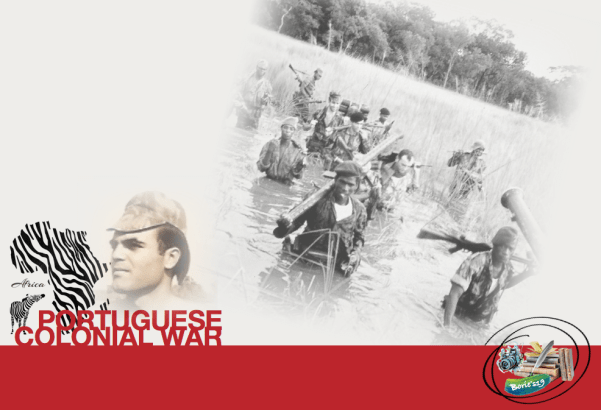
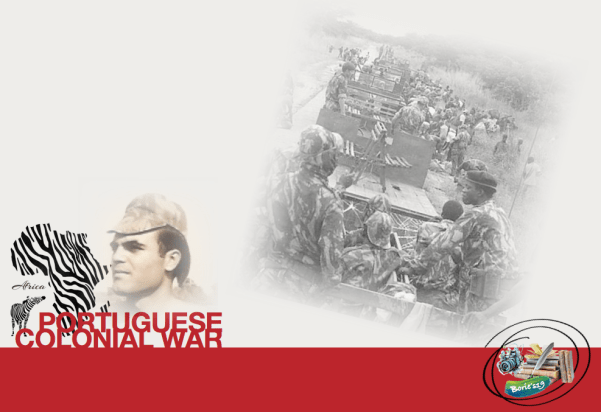
…adiante que se faz noite, como nos dizia a nossa querida avó!. Uma das razões, claro, entre outras, mesmo tirando as do já mencionado computador, que escrevemos “antesdontem” e não “antes de ontem” foi um jeito que nos ficou dos tempos de combatente, pois a nossa educação escolar, assim com a de centenas, talvez milhares de companheiros combatentes, que junto a nós, nas savanas e pântanos de África, deram o seu melhor em defesa da Nação, num horrendo cenário de combate, não era lá muito grande, havendo mesmo companheiros analfabetos, que se encontravam num horrendo cenário de guerra sem saberem porquê, combatendo pessoas que nenhum mal lhe tinham feito antes, a não ser procurarem a sua liberdade e o seu próprio destino!. (Ahead that it is night, as our dear grandmother used to tell us!. One of the reasons, of course, among others, even apart from those of the aforementioned computer, which we wrote “beforeyesterday” and not before yesterday was a way that remained of us as a combatant, since our school education, as well with that of hundreds, perhaps thousands of fellow combatants, who together with us, in the savannas and swamps of Africa, did their best in defense of the Nation, in a horrendous combat scenario, it was not very big, even with illiterate companions, who they found themselves in a horrendous war scenario without knowing why, fighting people who had done no harm to them before, except looking for their freedom and their own destiny)!.

…nós, lá naquele cenário, possuidores de uma escassa educação escolar, também ajudámos na formação e aprendizagem mínima desse fenómeno, tão simples para alguns e tão útil para todos, que dá pelo nome de “saber ler e escrever”, a alguns desses companheiros, que passado uns meses, depois do preenchimento de vários formulários, receberam o diploma da “quarta classe do ensino primário elementar”!. (We, in that scenario, possessing a scant school education, also help in the formation and minimum learning of this phenomenon, so simple for some and so useful for all, that gives the name of “knowing how to read and write”, to some of these comrades, who after a few months, after filling in several forms, received the diploma of the “fourth class of elementary primary education”)!.

…assim, aqueles que tiveram a sorte de não serem mortos em combate (e ficarem por lá para sempre, embrulhados num camuflado sujo de sangue, perfurado pela rajada de uma qualquer metralhadora inimiga, enterrado na lama dos seus pântanos ou a secar ao sol nas tórridas savanas, esperando que o seu corpo morto, fosse comido por algum animal selvagem), e regressaram à Europa, podendo com mais facilidade deixar a enxada e procurar qualquer outro meio de sobrevivência, nas poucas oportunidade que naquela época havia, pois o território ao sul da Europa continental, habitado por uma sociedade mais pobre e com uma taxa de analfabetismo muito maior do que a média das sociedades do resto da Europa, também era difícil sobreviver!. (Thus, those who were fortunate not to be killed in combat (and to remain there forever, wrapped in a blood-smeared camouflage, pierced by the blast of any enemy machine gun, buried in the mud of their swamps or drying out at the in the torrid savannas, waiting for his dead body to be eaten by some animal), and returned to Europe, being able to leave the hoe and search for any other means of survival, in the few opportunities that at that time, territory south of continental Europe, inhabited by a poorer society and with an illiteracy rate much higher than the average of societies in the rest of Europe, it was also difficult to survive)!.

…e na África, então em zonas de guerra, era um desespero constante, lutando pela sobrevivência!. Nós, andámos por lá, vimos, a violência nunca traz uma paz permanente e não resolve nenhum problema social, pelo contrário, cria novos e mais complicados problemas!. Num cenário de violência, a segurança não existe, os seres humanos não têm acesso a alimentos suficientes, água limpa, remédios ou um abrigo necessário para sobreviver!. Não existe onde as crianças possam aspirar a uma educação decente ou os seus pais a um emprego que sustente uma família, pois a ausência de esperança pode destruir uma sociedade, a partir de dentro, o que é muito importante!. (And in Africa, then in war zones, it was a constant despair, fighting for survival!. We, we walked there, we saw, violence never brings permanent peace and it does not solve any social problem, on the contrary, it creates new and more complicated problems!. In a scenario of violence, security does not exist, human beings do not have access to sufficient food, clean water, medicine or shelter necessary to survive!. There is no place where children can aspire to a decent education or their parents for a job that supports a family, because the lack of hope can destroy a society, from within, which is very important)!.

…nós, consideramo-nos uns previlegiados, pois tivémos a sorte de regressar à Europa, vindos dessa maldita guerra colonial em África, todavia, os famintos, os doentes, os analfabetos e a miséria que naquela época eram constantes, infelizmente continuaram, mesmo depois, quando da dita descolonização, quando parecia que já havia paz, fazendo-nos lembrar que defacto saímos de África físicamente, mas possívelmente não trouxémos as armas, as bombas e as balas, deixando lá apenas, como seria nossa inteira obrigação, todas as maravilhosas armas da paz do século XX!. (We consider ourselves to be privileged, as we were lucky enough to return to Europe, coming from that damn colonial war in Africa, however, the hungry, the sick, the illiterate and the misery that were constant at that time, unfortunately continued, even afterwards, during the so-called decolonization, when it seemed that there was already peace, reminding us that in fact we left Africa physically, but possibly we did not bring the weapons, bombs and bullets, leaving there only, as would be our entire obligation, all the wonderful weapons of peace of the 20th century)!.

…e porquê?. O princípio fundamental de Portugal, enquanto “potência colonial”, prosseguiu o seu processo de descolonização, sem outra qualquer alternativa, actuando conforme a carta e resoluções pertinentes das Nações Unidas, de modo a que os povos coloniais exercessem o direito à sua autodeterminação e à independência, através dos movimentos de libertação nacional e, em função da situação concreta de cada território!. (It’s because?. The fundamental principle of Portugal, as a “colonial power”, continued its process of decolonization, without any other alternative, acting in accordance with the relevant United Nations charter and resolutions, so that the colonial peoples exercised the right to their self-determination and to independence, through national liberation movements and, depending on the specific situation of each territory)!.

…assim, por não ter outra capacidade nem legitimidade, o reconhecimento do direito à autodeterminação e independência dos povos coloniais, contemplado pela Lei da Descolonização e pela comunicação recebida da ONU, limitou-se na prática, ao simples reconhecimento dos movimentos de libertação nacional, como únicos e legítimos representantes de cada colónia, até aquele momento então Portuguesas!. (So, having no other capacity or legitimacy, the recognition of the right to self-determination and independence of colonial peoples, contemplated by the Decolonization Law and by the communication received from the UN, was limited in practice to the simple recognition of liberation movements national, as unique and legitimate representatives of each colony, until that time then Portuguese)!.

…como tal, juridicamente, talvez com excepção ao caso de Timor, cujo acordo, no seio da ONU, teve natureza diferente, a descolonização portuguesa concluiu-se por via de acordos internacionais bilaterais, com quatro acordos de descolonização, tais como a Guiné-Bissau, Moçambique, S. Tomé e Príncipe e Angola, e um protocolo para a independência de Cabo Verde!. (As such, legally, perhaps with the exception of Timor, whose agreement within the UN was of a different nature, Portuguese decolonization was concluded via bilateral international agreements, with four decolonization agreements, such as the Guinea Bissau, Mozambique, S. Tomé and Príncipe and Angola, and a protocol for the independence of Cape Verde)!.

…resultado!. Ao não regularem o regime da sucessão destes novos Estados, tais acordos, além da retirada imediata das forças militares portuguesas, limitaram-se a dois efeitos, ambos de curto prazo, que eram, transferir todo o poder para os movimentos de libertação nacional e, reconhecê-los como novos Estados!. (Result!. By not regulating the regime of the succession of these new States, such agreements, in addition to the immediate withdrawal of Portuguese military forces, were limited to two effects, both short-term, which were, to transfer all power to the national liberation movements and, recognize them as new states)!.

…assim, no nosso entender não houve um sentido próprio nesta descolonização portuguesa, apenas houve “independência sem descolonização”, onde os movimentos de libertação se apropriaram do poder em cada um dos novos Estados, através de uma espécie de Partido/Estado, legitimado pela “luta” e organizando-se segundo algumas fórmulas marxistas-leninistas, ou seja, um regime completamente diferente do usado até aquela época, onde o resultado foi, que quase todos os Europeus que por lá tinham raízes há mais de cinco centenas de anos, terem que abandonar todos os seus bens e, para salvar as suas vidas, refugiarem-se em diversos continentes, principalmente na Europa!. (So, in our view, there was no proper meaning in this Portuguese decolonization, there was only “independence without decolonization”, where the liberation movements appropriated power in each of the new states, through a kind of Party / State, legitimized by the “struggle” and organized according to some Marxist-Leninist formulas, that is, a regime completely different from that used until that time, where the result was, that almost all Europeans who had roots there over five hundred years ago, having to abandon all their possessions and, to save their lives, take refuge in several continents, mainly in Europe)!.

…claro, os anos foram passando e hoje, já lá vão quase seis dezenas de anos e a nós, pareceu-nos que foi “antesdontem”, tal são as imagens que nos vão aparecendo desses novos Estados, onde a luta continua, agora por uma simples tigela de arroz, adicionada à nova vertente, que é a vertente da corrupção, onde só alguns são os previlegiados!. (Of course, the years passed and today, almost six dozen years have passed and to us, it seemed to us that it was “beforeyesterday”, such are the images that appear to us of these new States, where the struggle continues, now for a simple bowl of rice, added to the new aspect, which is the aspect of corruption, where only a few are the privileged)!.

Tony Borie, Século XXI. (Tony Borie, 21st Century).


…tristes e desolados!. (Sad and desolate)!.

…tristes e desolados!. (Sad and desolate)!.

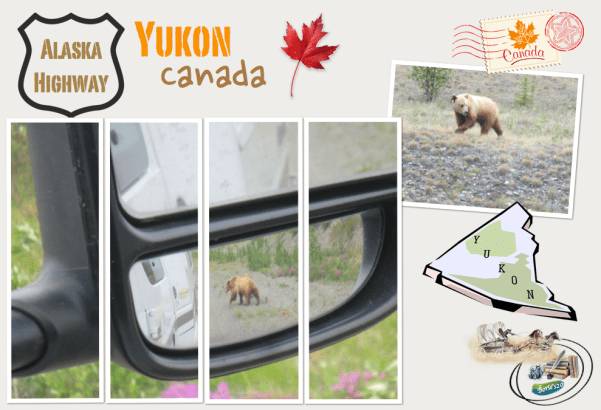
…quando viajamos para lá do paralelo 48.º N, na intimidade da estrada longa e deserta, é um espectáculo ao mesmo tempo algo perigoso mas maravilhoso!. Perigo e aventura da cabeça aos pés!. Entre nós e um urso castanho, que ao atravessar a estrada, pára para “cagar”, não existe nenhuma diferença, porque nós fazemos o mesmo, pois não existem “áreas de descanso” ao longo da estrada deserta!. No entanto, no fundo, no fundo, esta animalidade toda, de tão natural, acaba por ser pura e limpa como a “cagada” do urso!. (When we travel beyond the parallel 48º N, in the intimacy of the long and deserted road, it is a show at the same time something dangerous but wonderful!. Danger and adventure from head to toe!. Between us and a brown bear, who crosses the road, stops to “shit”, there is no difference, because we do the same, because there are no “rest areas” along the desert road!. However, deep down, deep down, this whole animality, so natural, turns out to be pure and clean like the “shit” of the bear)!.

…poderíamos ter nascido em outro qualquer lugar!. Talvez na África, na Oceânia, no monte Evereste ou até no centro das Máfias Colombianas, naqueles negócios das drogas, das falcatruas, onde não existe qualquer respeito pela vida humana, mas quiz o destino que nascemos na Europa, um velho continente cheio de história, portanto estamos atentos a quase tudo o que por lá vai acontecendo, e claro, ninguém possui o poder de escolher o lugar para nascer!. (We could have been born anywhere else!. Maybe in Africa, in Oceania, on Mount Everest or even in the center of the Colombian Mafias, in those drug and scam businesses, where there is no respect for human life, but I wanted the destiny that we were born in Europe, an old continent full of history , so we are attentive to almost everything that is going on there, and of course, no one has the power to choose the place to be born)!.

…e hoje, nesta idade já um pouco avançada, sentimos um certo orgulho de pertencer a uma franja de previlegiados, tal como milhões de outras pessoas, que ao longo das nossas vidas, vivendo por épocas em diferentes continentes, cremos que não existe nada pintado de qualquer outra cor, a não ser o “claro e transparente”, na nossa existência!. (And today, at this advanced age, we feel a certain pride of belonging to a fringe of privileged people, like millions of other people, who throughout our lives, living for different times on different continents, believe that there is no such thing nothing painted in any other color, except the “clear and transparent”, in our existence)!.

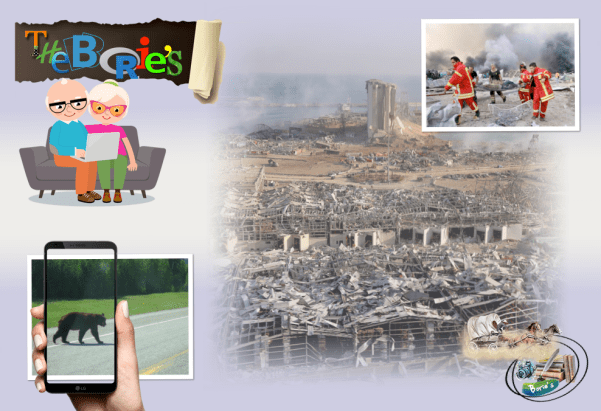
…no entanto, existem por aí demasiadas pessoas e mundos antagónicos, tentando destruir tudo à sua volta, representando uma massa humana em festa destruidora permanente e, com o aparecimento da maldita pandemia “coronavírus19”, alguns encontram-se em pânico porque lhe querem roubar a vida, outros a lutar pela sobrevivência numa cama de um qualquer lar de idosos ou hospital, todavia, o rosto daquela mãe, que infelizmente e naquele momento estava próxima do porto de Beirute, não nos sai do pensamento, a chorar, sem derramar qualquer lágrima, ao lado do seu filho de pouca idade, irreconhecível, na cama de um hospital improvisado, vítima daquela horrivel explosão!. (However, there are too many people and antagonistic worlds out there, trying to destroy everything around them, representing a human mass in a permanent destructive party and, with the appearance of the damn pandemic “coronavirus19”, some are in a panic because they they want to steal their lives, others fighting for survival in a bed in any nursing home or hospital, however, the face of that mother, who unfortunately and at that moment was close to the port of Beirut, does not leave our thoughts, crying, without shed any tears, beside his unrecognizable young son, on the bed of a makeshift hospital, victim of that horrible explosion)!.

…voltando à Europa, somos os descendentes e legítimos herdeiros desses bárbaros que tomaram conta dos nossos destinos, que conquistaram as populações de centenas de vilas e aldeias, saqueando e incendiando, instalando-se lá, dentro de muralhas, procurando um lugar de descanso para construir as suas famílias, onde pensamos que não existiam políticos ou religiões, como os que hoje existem, tomando as rédias de uma máquina infernal a que deram o nome de “democracia exagerada”, paralela a um capitalismo insaciável, ou seja, um presente envenenado, que nos leva a sermos todos consumidos e torturados pelas leis da oferta e da procura, tentando sobreviver, não importando qual o meio!. (Returning to Europe, we are the descendants and legitimate heirs of these barbarians who took care of our destinies, who conquered the populations of hundreds of towns and villages, looting and burning, settling there, inside walls, looking for a place of rest to build their families, where we think that there were no politicians or religions, like the ones that exist today, taking the reins of a hellish machine that they called “exaggerated democracy”, parallel to an insatiable capitalism, that is, a poisoned present, which leads us to be all consumed and tortured by the laws of supply and demand, trying to survive, no matter what the means)!.

…e, a expressão do rosto daquela mãe, assim com as suas lágrimas secas, que infelizmente e naquele momento estava próxima do porto de Beirute, não nos sai do pensamento, a chorar, sem derramar qualquer lágrima, ao lado do seu filho de pouca idade, irreconhecível, na cama de um hospital improvisado, vítima daquela horrivel explosão!. (And the expression on that mother’s face, as well as her dry tears, which unfortunately and at that moment was close to the port of Beirut, does not leave our thoughts, crying, without shedding any tears, beside her son young, unrecognizable, in the bed of a makeshift hospital, victim of that horrible explosion)!.

…tudo isto nos leva a gritar bem alto, “queremos ir embora para outro lugar, onde não haja política, armas e religião” e, como tal, queremos voltar a viajar para lá do paralelo 48.º N, na intimidade daquela estrada longa e deserta, onde aquela animalidade toda, de tão natural, acaba por ser pura e limpa como a “cagada” do urso!. (All this leads us to shout out loud, “We want to go somewhere else, where there is no politics, weapons and religion” and, as such, we want to travel back beyond the parallel 48º N, in the intimacy of that long and deserted road, where all that animality, so natural, turns out to be pure and clean like the “shit” of the bear)!.

Tony Borie, Século XXI. (Tony Borie, 21st Century).
uauu…, uauu…, uauu…, vimos lobos!. (Woww…, woww…, woww…, we saw wolves)!.

…uauu…, uauu…, uauu…, vimos lobos!. (Woww…, woww…, woww…, we saw wolves)!.

…sempre tivémos um certo fascínio pelos lobos e, em crianças, lá na Europa, naquela aldeia remota na encosta agreste da montanha do Caramulo, nas longas noites de inverno, os lobos uivavam, quebrando o silêncio que ia no nosso pensamento, pois éramos uns escravos do hábito, repetindo todos os dias o mesmo trajecto, não arriscando vestir uma cor nova, ou mesmo parar o turbilhão de emoções indomáveis, daquelas que nos resgatam, causando sorrisos ou soluços, mas também algum brilho nos nossos olhos!. Enfim, era aquilo a que chamamos normalmente, “tropeços do coracão”!. (We always had a certain fascination with wolves and, in children, back in Europe, in that remote village on the rugged slope of the Caramulo mountain, in the long winter nights, the wolves howled, breaking the silence that was in our thoughts, because we were slaves to the habit, repeating the same path every day, not risking wearing a new color, or even stopping the whirlwind of indomitable emotions, those that rescue us, causing smiles or sobs, but also some sparkle in our eyes!. Anyway, it was what we usually call “heart stumbles”)!.

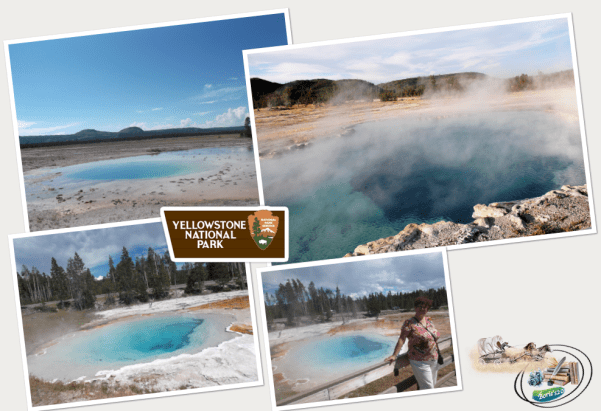
…vamos à história de hoje!. Era o fim da primavera, começo do verão, viajávamos rumo à aventura do Yellowstone National Park, onde passado umas horas chegámos à povoação de West Entrance, pois era assim que era assinalada nos diversos anúncios de estrada, que constantemente nos apareciam!. (Let’s go to today’s story!. It was the end of spring, beginning of summer, we were traveling towards the adventure of Yellowstone National Park, where after a few hours we arrived at the village of West Entrance, because that was how it was marked in the various road advertisements, which constantly appeared to us)!.

…aqui, antes de entrar no Parque, visitámos o Centro de Turismo e algumas lojas de recordações, onde se vende quase de tudo e, em algumas lojas, até se pode “regatear”, ou seja oferecer diferente preço do que está marcado na mercadoria!. Entrámos num restaurante, onde nos serviram sandes de churrasco de carne de búfalo, era diferente, gostámos!. (Here, before entering the Park, we visited the Tourism Center and some souvenir shops, where almost everything is sold and, in some stores, you can even “haggle”, that is, offer a different price than what is marked in the merchandise!. We entered a restaurant, where we were served buffalo meat barbecue sandwiches, it was different, we liked it)!.

…toda esta povoação, ainda está no estado de Montana!. Pouco depois de entrar no parque, atravessamos para o estado Wyoming, e vai surgindo pela frente o parque nacional, mais antigo do mundo, pois foi inaugurado no ano de 1872, cobrindo uma área de mais de 9.000 km. quadrados, que se divide pelos estados de Wyoming, Montana e Idaho!. (This entire village is still in the state of Montana!. Shortly after entering the park, we crossed to the state of Wyoming, and the oldest national park in the world emerges ahead, since it was opened in 1872, covering an area of more than 9,000 km. square, divided by the states of Wyoming, Montana and Idaho)!.

…o parque é famoso por entre outras atrações, tem os seus “Geysers”, que são umas fontes termais, que entram em erupção periódicamente, lançando uma coluna de água quente e vapor para o ar, que podemos observar, caminhando por umas “passadeiras” em madeira, que nos dão ascesso, mesmo em frente às colunas de água quente e vapor, que se perdem na atmosfera!. (The park is famous among other attractions, it has its “Geysers”, which are hot springs, which erupt periodically, throwing a column of hot water and steam into the air, which we can observe, walking by Wooden “walkways”, which give us access, right in front of the columns of hot water and steam, which are lost in the atmosphere)!.

…o centro do grande ecosistema de Yellowstone, é um dos maiores ecosistemas de clima temperado ainda restantes no planeta!. O “Geyser” mais famoso do mundo, denominado “Old Faithful”, do qual nos aproximámos, encontra-se neste parque!. (The center of the great Yellowstone ecosystem, is one of the largest temperate climate ecosystems remaining on the planet!. The most famous “Geyser” in the world, called “Old Faithful”, which we approached, is found in this park)!.

…muito antes de haver presença humana em Yellowstone, pois dizem que essa presença, remonta mais ou menos a 11.000 anos, uma grande erupção vulcânica, ejectou um volume imenso de cinza vulcânica que cobriu todo o oeste dos USA, a maioria do centro-oeste, o norte do México e algumas áreas da costa leste do Oceano Pacífico, deixando uma enorme caldeira vulcânica, (70 km por 30 km) assentada sobre uma câmara magmática!. (Long before there was a human presence in Yellowstone, as it is said that this presence, dating back to about 11,000 years, a great volcanic eruption, ejected an immense volume of volcanic ash that covered the entire western USA, most of the center northwest, northern Mexico and some areas of the east coast of the Pacific Ocean, leaving a huge volcanic caldera, (70 km by 30 km) seated on a magmatic chamber)!.

…felizmente, não durante a nossa visita, mas Yellowstone já registou três grandes eventos eruptivos nos últimos 2,2 milhões de anos, o último dos quais ocorreu há 640.000 anos!. Estas erupções são as de maiores proporções ocorridas no planeta a que chamamos Terra durante esse período de tempo, provocando alterações no clima em períodos posteriores à sua ocorrência!. (Fortunately, not during our visit, but Yellowstone has recorded three major eruptive events in the past 2.2 million years, the last of which occurred 640,000 years ago!. These eruptions are the largest in the planet that we call Earth during this period of time, causing changes in the climate in periods after its occurrence)!.

…percorremos o parque, em quase todo o lugar em podíamos ter ascesso, vimos os “Geysers”, com as suas diferentes cores, que correspondem aos diferentes minerais, que brotam do seu interior, cascatas de água pura, saindo das montanhas, rios de água quente, atravessámos o “Continental Divide”, que é o nome dado ao conjunto de linhas formado por uma série de cumes, (vulgarmente diz-se, cumeada), na América do Norte, que separam as bacias hidrográficas que drenam para o oceano Pacífico, oceano Atlântico, incluindo o Golfo do México e mesmo até o oceano Ártico, onde uma das suas linhas divisórias, passa aqui no Parque de Yellowstone!. (We went through the park, almost everywhere we could have ascended, we saw the “Geysers”, with their different colors, which correspond to the different minerals, which spring from inside, cascades of pure water, coming out of the mountains, hot water rivers, we crossed the “Continental Divide”, which is the name given to the set of lines formed by a series of ridges, (commonly said, ridges), in North America, that separate the hydrographic basins that drain to the Pacific Ocean, the Atlantic Ocean, including the Gulf of Mexico and even the Arctic Ocean, where one of its dividing lines, passes here in Yellowstone Park)!.

…vimos alguns animais, dos quais nos dizem haver no parque uma grande variedade de vida selvagem, na qual se incluem ursos castanhos, lobos, búfalos, alces e outros animais!. (We saw some animals, of which we are told that there is a wide variety of wildlife in the park, including brown bears, wolves, buffaloes, moose and other animals)!.

…de todos estes animais, a nossa atenção foi para os lobos, que foram trazidos pela primeira vez para o Parque Nacional de Yellowstone por camião em Janeiro do ano de 1995, sendo libertados das suas casotas de aclimatação ao parque, entre 21 e 31 de Março do mesmo ano!. (Of all these animals, our attention went to the wolves, who were first brought to Yellowstone National Park by truck in January 1995, being released from their huts of acclimatization to the park, between 21 and March 31 of the same year !.

…depois, foram observados, para uma avaliação dos seus hábitos através dos sinais indicadores deixados pelas suas vidas, auxiliando a sua sobrevivência, como saberem defender-se dos caçadores furtivos, no seu dia a dia com o relacionamento com a natureza selvagem e voluntariosa, representando um esforço dos mais significativos do mundo, para se usar a reintrodução para melhorar o status de conservação de espécies ameaçadas de extinção!. (Then, they were observed, for an evaluation of their habits through the telltale signs left by their lives, helping their survival, how to know how to defend themselves against poachers, in their daily lives with their relationship with the wild and voluntary, representing an effort of the most significant in the world, to use reintroduction to improve the conservation status of endangered species)!.

…hoje, existem dados confiáveis que deixam claro que os lobos ajudam a reduzir o número de alces e mudaram o comportamento de forragem dos alces, permitindo que a vegetação se recupere da navegação excessiva e crónica, ajudando a criar uma maior diversidade ecológica, pelo menos na faixa norte deste maravilhoso parque, porque o lobo é um animal com alguma inteligência e, se tiverem uma chance, os lobos são suficientemente capazes de tirar o máximo proveito de uma boa oportunidade!. (Today, there is reliable data that makes it clear that wolves help reduce the number of moose and have changed the moose’s forage behavior, allowing vegetation to recover from excessive and chronic navigation, helping to create greater ecological diversity, at least in the northern part of this wonderful park, because the wolf is an animal with some intelligence and, if given a chance, the wolves are sufficiently capable of making the most of a good opportunity !.

…e claro, para estes animais, o Parque Nacional de Yellowstone e o grande ecossistema de Yellowstone, representaram para eles, uma grande oportunidade!. (And of course, for these animals, Yellowstone National Park and the great Yellowstone ecosystem, represented for them, a great opportunity)!.

Tony Borie, Século XXI. (Tony Borie, 21st Century).

…retalhos de uma visita!. (Patchwork of a visit)!.

…retalhos de uma visita!. (Patchwork of a visit)!.

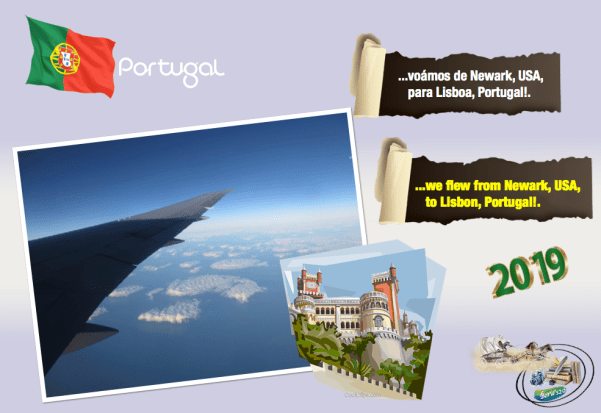
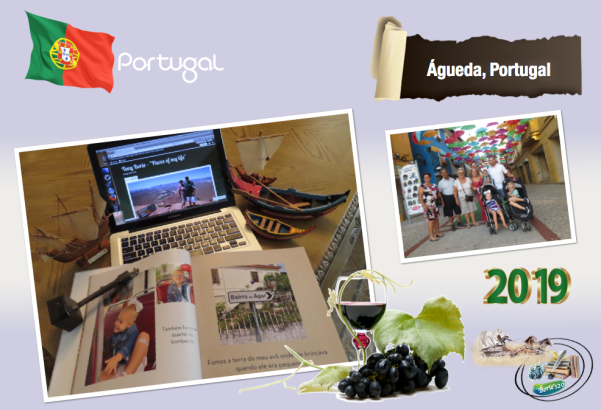
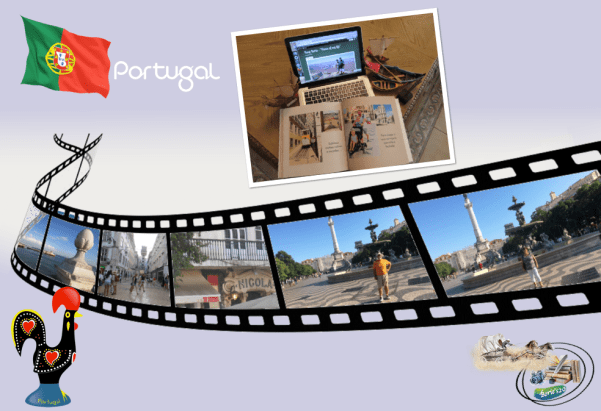
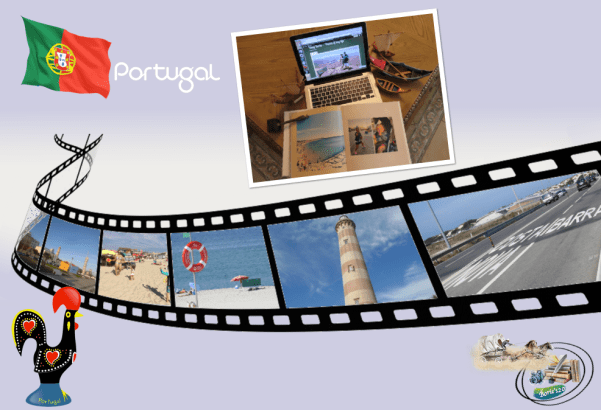
…hoje, infelizmente com o aparecimento da maldita pandemia do “Coronavírus19”, tudo é diferente, modificando os nossos hábitos, tornando a nossa existência bastante mais difícil, não só no país onde nascemos, como no resto do mundo!. Todavia, no verão do ano passado, a convite da nossa filha e sua amável família viajámos à Europa, visitando Portugal, recordando que estar vivo exige um esforço muito maior do que o simples acto de respirar!. (Today, unfortunately with the appearance of the cursed pandemic of “Coronavirus19”, everything is different, changing our habits, making our existence much more difficult, not only in the country where we were born, but in the rest of the world!. However, in the summer of last year, at the invitation of our daughter and her lovely family, we traveled to Europe, visiting Portugal, remembering that being alive requires a much greater effort than the simple act of breathing)!.

…porquê?. Verdadeiramente, regressámos ao lugar de onde nunca partimos!. Recordações, recordações e recordações de todo e qualquer lugar que visitávamos!. (Because?. We have truly returned to the place we never left !. Memories, memories and memories of any and all places we visited)!.

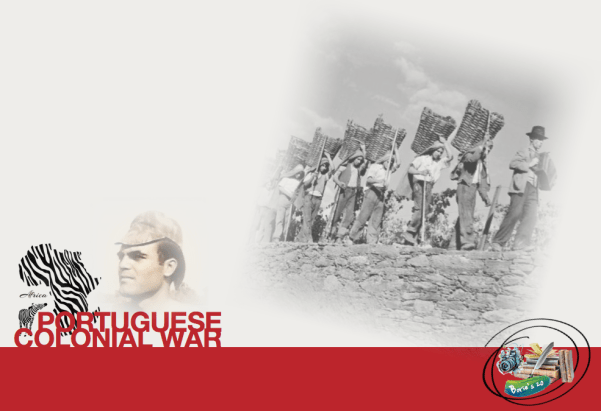
…tornámos a ser um miúdo de seis ou sete anos, descalço e com pouca roupa no corpo, ajudando nas tarefas em que grupos de mulheres e homens se dedicavam às tarefas do “ciclo do pão”, às vindimas ou à apanha da azeitona, ou mesmo por altura das colheitas, na eira na nossa querida e saudosa avó Agar, àquele barulho da máquina debulhadora, que avariava frequentemente, porque antes disso tudo era feito pela força dos braços de homens e mulheres da nossa aldeia!. (We became a kid of six or seven years old, barefoot and with little clothes on the body, helping with tasks in which groups of women and men dedicated themselves to the tasks of the “bread cycle”, harvesting or picking the olives , or even at harvest time, on the threshing floor of our dear and longing grandmother Agar, to that noise of the threshing machine, which frequently broke down, because before that everything was done by the strength of the arms of men and women in our village)!.

…a tal agricultura de subsistência, respeitando os “ciclos da mãe natureza”, tal como os nossos pais e avós, criavam o porco, plantavam as couves e as batatas, que ajudavam a criar as grandes famílias de cinco ou seis filhos, desapareceram ou então são trabalhadas pelas pessoas idosas, que esses sim, para nós continuam a ser, os tais “feitos gloriosos do povo Português”!. Dizem-nos até que, hoje ninguém está interessado em cultivar terrenos abandonados, sem receber o tal “subsídio de Bruxelas”!. (Such subsistence agriculture, respecting the “mother nature cycles”, like our parents and grandparents, raised the pig, planted the cabbages and potatoes, which helped to raise the large families of five or six children, disappeared or else they are worked on by the elderly, which they do, for us continue to be, the “glorious deeds of the Portuguese people”!. We are told that, today, nobody is interested in cultivating abandoned land, without receiving the “Brussels subsidy”)!.

…pelo que fomos observando no país onde nascemos, hoje, as pessoas querem ser Europeias e, nomeadamente os jovens, falam além do português, o francês ou o inglês, vai daí, a coincidência de aparecer por tudo o que é cidade, vila ou aldeia, grandes superfícies, como os centros de compras Colombo, Vasco da Gama o ou Corte Inglês e, o tal comércio tradicional, que eram as tavernas e as merceariazinhas de bairro, que se danassem, tal como comprar camisolas ou outros “trapos” portugueses, pois os que vêm lá de fora é que são a “moda”!. (From what we were observing in the country where we were born, today, people want to be Europeans, and especially young people, they speak in addition to Portuguese, French or English, hence, the coincidence of appearing in everything that is a city, village or village, large areas, such as the Colombo, Vasco da Gama or Corte Inglês shopping centers, and the traditional trade, which was the tavernas and neighborhood grocery stores, be damned, such as buying sweaters or other “rags” Portuguese, because those who come from abroad are the “fashion”)!.

…hoje, a maioria do povo, talvez a primeira e segunda geração, vivem a pensar no sonho da riqueza, a querer “viver bem“, o que achamos óptimo mas, dois carros à porta, três ou quatro cartões de crédito, televisor de plasma, trapos de marca, com praias, restaurantes e pastelarias sempre cheios e…, trabalhar?. (Today, the majority of the people, perhaps the first and second generation, live thinking about the dream of wealth, wanting to “live well”, which we think is great, but two cars at the door, three or four credit cards, Plasma TV, branded rags, with beaches, restaurants and pastry shops always full and…, working?).

…trabalhar?. Que venham essa gente pobre da Russia, essa turba de Ucranianos, mais os negros da África que foi Portuguesa ou parte do povo que se sentia amargurado na Índia, na China ou mesmo nesse maravilhoso país que é o Brazil, desejosos de trabalhar, que vêm em Portugal uma possível entrada na Europa e, vão para as obras, fazer as auto-estradas, as pontes ou qualquer trabalho que necessite de esforço físico, porque isso no nosso tempo, era para os patêgos, os analfabetos, os velhos, os “sem eira nem beira”, ou seja os “descamisados”, coisas que já são “história” e, tendem a desaparecer!. (To work?. May these poor people from Russia, this mob of Ukrainians, plus the blacks from Africa who were Portuguese or part of the people who felt bitter in India, China or even in this wonderful country that is Brazil, eager to work, who come in Portugal a possible entry into Europe and, go to the works, make the highways, bridges or any work that requires physical effort, because that in our time, was for the pategos, the illiterate, the old, the “without threshing floor or border”, that is, the “shirtless”, things that are already “history” and tend to disappear)!.

…exemplo disto foi que, um homem já com uma idade um pouco avançada, de mangas arregaçadas, parou junto de nós quando conversávamos com alguns dos nossos companheiros do antigamente, felizmente ainda vivos, lá na nossa aldeia na vertente agreste da montanha do Caramulo, dizendo que precisava de ajuda, talvez dois ou três homens por quatro ou cinco dias, para uma empreitada de levantar um muro numa propriedade próxima, obtendo uma resposta parecida como: “não Manel, não conhecemos ninguém de raça branca, Português, que esteja interessado em trabalhar quatro dias, e claro, o calor também não ajuda, é verão, tempo de praia”!. E nós, ouvindo isto até compreendemos, pois…, a motivação para trabalhar desta raça de Lusitanos, principalmente nestas condições, desapareceu!. (An example of this was that a man, already a little old, with his sleeves rolled up, stopped by us when we talked with some of our old friends, fortunately still alive, there in our village on the rough side of the Caramulo mountain, saying he needed to of help, maybe two or three men for four or five days, for an undertaking to build a wall on a nearby property, obtaining an answer similar to: “no Manel, we do not know anyone of white race, Portuguese, who is interested in working four days, and of course, the heat doesn’t help either, it’s summer, beach time”!. And we, hearing this even understand, because…, the motivation to work for this breed of Lusitanos, especially in these conditions, has disappeared)!.

…talvez não seja mesmo assim pelo resto do país…, mas pelo que vimos, deve de andar lá perto!. Cremos mesmo que, no país onde nascemos e que honrámos a sua bandeira em cenário de guerra nas selvas de África, se construiu uma classe, talvez de pequenos “burgueses”, que hoje se recusa a reconsiderar o passado, ou seja, uma geração virada para o “lazer”, pensando que as coisas “árduas da vida”, vão ser sempre fáceis!. (Maybe not even for the rest of the country…, but from what we saw, you must walk nearby!. We really believe that, in the country where we were born and that we honored its flag in a war scenario in the jungles of Africa, a class was built, perhaps of small “bourgeois”, that today refuses to reconsider the past, that is, a turned generation for “leisure”, thinking that the “hard things in life” will always be easy)!.

…andámos um pouco pelo país e vimos que, algumas pessoas pouco se preocupam em pagar 80 ou 90 Euros por uma entrada num festival de música com cantores “pimba”, ou mesmo para assistrir a um jogo de futebol, procurando restaurantes com algum luxo, em detrimento do típico restaurante, onde se pode comer sentado em bancos corridos, com toalha e guardanapos de papel, ou mesmo sem toalha, que infelizmente já são raros e, que davam trabalho aos portugueses que não conseguiram o tal “canudo da universidade”!. (We walked around the country a little bit and saw that, some people don’t worry about paying 80 or 90 Euros for an entrance to a music festival with “pimba” singers, or even to attend a football game, looking for restaurants with some luxury, to the detriment of the typical restaurant, where you can eat sitting on bench seats, with paper towels and napkins, or even without towels, which unfortunately are already rare and which gave work to the Portuguese who did not get the “straw from the university”)!.

…ao desembarcar no aeroporto de Lisboa, que quando jovens era a capital do império, a família alugou um carro económico, que usámos na viajem para norte!. Durante a viajem, por nós passavam frequentemente Mercedes, BMW’s, Ferraris, até alguns Bentleys, passando a uma velocidade espantosa, que só tínhamos visto na pista do circuito automobilístico da cidade de Daytona, aqui vizinha do local onde presentemente vivemos!. (When disembarking at Lisbon airport, which when young was the capital of the empire, the family rented an economy car, which we used on the trip north!. During the trip, Mercedes, BMW’s, Ferraris, even some Bentleys passed by us, passing at an amazing speed, which we had only seen on the track of the automobile circuit of the city of Daytona, here next to where we currently live)!.

…o cenário de Portugal continua a ser maravilhoso, o sol quando nasce fica brilhante, a água do mar é azul como o céu e, a sardinha e os carapaus, também sabem a mar, o pão é fresco pois ainda bem quente e o vinho verde é servido numa malga de barro a saber a…, vinho!. Visitámos algumas aldeias, que estão cheias de idosos que, tal como nós desaparecerão nas próximas duas décadas!. Falando com eles, lamentam-se, dizendo que, são quase desprezados, no entanto, hoje é oferecido aos novos um mundo colorido servido numa bandeja de ouro!. (Portugal’s scenery is still wonderful, the sun is bright when it rises, the sea water is as blue as the sky, and sardines and mackerels also know the sea, the bread is fresh because it is still very hot and the vinho verde is served in a clay bowl, namely…, wine!. We visited some villages, which are full of elderly people who, like us, will disappear in the next two decade!. Speaking to them, they complain, saying that they are almost despised, however, today the new is offered a colorful world served on a gold tray)!.

…ainda bem que isso acontece aos novos mas, pelo que nos dizem, ficam a viver em casa dos pais até aos trinta ou mais anos de idade, pelo menos até acabarem os estudos, pois existem muitas universidades e também uma fartura de doutores, gestores e engenheiros, (quase todos dedicados à política), é-lhes oferecido algum acesso ao crédito para compra de carros e outros bens e, aqueles que não conseguiram as desejadas posições no sistema político, que lhes dá acesso a oportunidades de uma qualquer “roubalheira”, esses outros, considerados mais honestos, sem o notarem, ao adquirir esses créditos dos bancos, ficam escravos desses mesmos bancos para o resto das suas vidas!. (Good thing that happens to the new ones, but, as we are told, they stay at their parents’ house until they are thirty or more years old, at least until they finish their studies, as there are many universities and also an abundance of doctors , managers and engineers, (almost all dedicated to politics), are offered some access to credit for the purchase of cars and other goods, and those who have not achieved the desired positions in the political system, which gives them access to opportunities of any kind “Robbery”, these others, considered more honest, without noticing it, when acquiring these credits from the banks, become slaves of those same banks for the rest of their lives)!.

…e continuando, alguns idosos da nossa aldeia, agarrados a um qualquer pau que os ampara, ao verem-nos, abraçam-nos e, limpando algumas lágrimas com as costas das mãos, lamentam-se de que nos últimos anos, o que os vai ajudando a sobreviver, são as couves e as batatas que vão cultivando no quintal e, todo este estado de abandono que vão recebendo da sociedade, (pois muitas vezes são vítimas de roubos e maus tratos físicos, de jovens que por lá aparecem sobre o efeito de drogas e outras influências), talvez tenha começado pelas acções e atitudes de algum “populismo e banalidade” da actual personagem que ocupa o lugar mais importante da governação, que devia de ser o espelho do país!. (And continuing, some elderly people in our village, clinging to some stick that supports them, when they see us, embrace us and, wiping away some tears with the back of their hands, lament that in recent years, the that helps them to survive, are the cabbages and potatoes that they grow in the yard and, all this state of abandonment that they are receiving from society, (because they are often victims of theft and physical abuse, of young people who appear there about the effect of drugs and other influences), perhaps it started with the actions and attitudes of some “populism and banality” of the current character who occupies the most important place in governance, which should be the mirror of the country)!.

…lamentam-se, dizendo-nos que, a personagem de um Presidente da República tem que ter funções nobres e, o actual, entrou numa deriva demagógica que compromete essas funções, apesar de saber que, pode fazer toda e qualquer tropelia, que não perde os tais eleitores!. Vai lá saber-se porquê?!. (Lament, telling us that the character of a President of the Republic has to have noble functions and the current one has entered a demagogic drift that compromises those functions, despite knowing that, he can do any and all tragedy, which does not lose such voters!. Will you know why?!.

…mas a verdade, pelo menos na opinião daqueles idosos, o actual, começou o seu mandato presidencial já com alguma controvérsia, e agora teme-se que não lhe permita a matriz genética para levar a cabo as suas tarefas com a dignidade de um Presidente da República!. (But the truth, at least in the opinion of those elderly people, the current one, started the your presidential term with some controversy, and now it is feared that the genetic matrix will not allow him to carry your tasks with the dignity of a President of the Republic)!.

…e, continuando a nossa conversa, dizem-nos que este presidente, é um vaidoso, anda por aí sózinho sem uma primeira dama, às vezes beijando, abraçando e fotografando-se, com tudo o que veste saia, não mostrando os valores de família, mostrando-se afectuoso, mas populista, prometendo o que nunca cumpre, mentiroso nas respostas, desejoso de aparecer, passeando-se pelo país e estrangeiro, criando despesa extra aos contribuintes!. (And, continuing our conversation, we are told that this president is a vain person, walking around alone without a first lady, sometimes kissing, hugging and photographing himself, with everything he wears, not showing the values of family, showing affectionate but populist, promising what never fulfills, lying in the answers, willing to show up, strolling around the country and abroad, creating extra expense for taxpayers)!.

…na nossa opinião, são elogios não muito recomendáveis, todavia, alguns, até nos dizem que a próxima viajem é à Lua!. Outros dizem-nos que na Lua anda ele, desde que ganhou as eleições para Presidente!. (In our opinion, praise is not very recommendable, however, some even tell us that the next trip is to the Moon!. Others tell us that he has been on the moon since he won the elections for President)!.

…a nossa conversa continuava, por vezes interrompendo-se uns aos outros, dizendo que se vai mostrando todos os dias, mais que uma vez perante as câmaras de televisão, esticando o pescoço, falando, falando, de coisas que lhe dêm protagonismo, passando ao lado de toda e qualquer pergunta sobre as atitudes questionáveis do presente governo, sem nunca ter uma verdadeira palavra, sobre a maneira de ajudar o povo que, honestamente em si votou!. (Our conversation continued, sometimes interrupting each other, saying that he shows himself every day, more than once in front of the television cameras, stretching his neck, talking, talking, about things that give him prominence, passing by any question about the questionable attitudes of the present government, without ever having a true word, on how to help the people who, honestly, voted for themselves)!.

…em certo momento, desta já um pouco “agressiva conversa de mal dizer”, um deles dizia que,  “devemos ter respeito pela personagem de um Presidente, pois representa o nome e a honra de uma Nação”!. No entanto, as suas acções e características por vezes envergonham os cidadãos, como por exemplo, uma dessas tais características que mais faz sobressair a sua personalidade narcísica, é aparecer em fato de banho, dando pequenas entrevistas para os meios de comunicação, falando e comentando assuntos e problemas do País, ou fazer-se passar por “Madre Tereza”, (com todo o respeito por esta bondosa personagem), ajudando a distribuir comida aos sem abrigo, quando as suas funções deviam ser criar oportunidades de trabalho e auto-sobrevivência a essas pessoas, infelizmente abandonadas pela sociedade, ou até mesmo fotografando-se junto de pessoas do sexo feminino, abraçando-as e sorrindo, com um sorriso à “Brad Pitt”, sequioso de atenção e protagonismo, irresponsável e inconsequente, alinhado naquela fraude política a que hoje se chama regime democrático “exagerado”!. (At a certain moment, of this already a “little aggressive conversation of bad saying”, one of them said that, “we should have respect for the character of a President, as it represents the name and honor of a Nation”!. However its actions and characteristics sometimes embarrass citizens, such as, for example, one of those characteristics that what makes your narcissistic personality stand out, is to appear in a bathing suit, giving short interviews to the media, speaking and commenting on issues and problems in the country, or pretend to be “Madre Tereza”, (with all due respect for this kind character), helping to distribute food to the homeless, when their job should be to create job opportunities and self-survival for these people, unfortunately abandoned by society, or even photographing yourself with female people, embracing them and smiling, with a smile to “Brad Pitt”, thirsty for attention and protagonism, irresponsible and inconsequential, aligned in that political fraud that today is called “exaggerated” democratic regime)!.

…sim, regime democrático “exagerado”, porque regime democrático é excelente, mas exagerado não é e, alguns, entre aqueles poucos amigos de infância, felizmente ainda vivos, alguns veteranos da guerra colonial, diziam-nos que, os paióis dos quartéis militares são assaltados, o sistema de saúde pública não é eficiente, ou se é, é algo demorado, tal como a justiça, que prende aqueles que roubam pão num supermercado mas, os verdadeiros ladrões, os tais políticos, banqueiros ou personagens corruptas, cujas caras vão aparecendo constantemente nos meios de comunicação, esses são denunciados pela população, a justiça sabe, no entanto continuam à solta, alimentando a imprensa e a TV, com os seus longos processos judiciais, frequentando e poluindo o ambiente!. (Yes, “exaggerated” democratic regime, because democratic regime is excellent, but exaggerated is not, and some, among those few childhood friends, fortunately still alive, some veterans of the colonial war, told us that the barracks of the military barracks they are assaulted, the public health system is not efficient, or if it is, it takes time, such as justice, which arrests those who steal bread in a supermarket but, the real thieves, those politicians, bankers or corrupt characters, whose faces they are constantly appearing in the media, these are denounced by the population, justice knows, however they are still on the loose, feeding the press and TV, with their long lawsuits, frequenting and polluting the environment)!.

…ouvindo estas palavras e sendo isto verdade, é um fraco exemplo, sobretudo para os jovens, que deviam receber uma educação com princípios honestos de família, que vinham de há séculos, que vão acabar por se perder, ficando nós, com um grande sentimento de tristeza, que nos acompanhou no resto dos dias que passámos no país onde nascemos e que, como acima mencionámos, defendemos a sua bandeira em cenário de guerra e, derivado à nossa avançada idade, possívelmente não teremos oportunidade de voltar a visitar!. (Hearing these words and this being true, it is a weak example, especially for young people, who should receive an education with honest family principles, which came from centuries ago, which will end up getting lost, leaving us with a great feeling of sadness, which accompanied us for the rest of the days we spent in the country where we were born and which, as mentioned above, defended its flag in a war scenario and, due to our advanced age, we may not have the opportunity to visit again)!.

…tudo isto se passou no verão do ano que passou, todavia oxalá que o país onde nascemos, assim como o resto do mundo possa sobreviver à maldita pandemia “Coronavírus 19” e, para bem das pessoas honestas, principalmente os idosos, oxalá que este presidente, não seja um lider irrelevante, um líder partidário cínico e incompetente que nos disseram que era e, infelizmente aparenta ser, pois chegados aqui ao lugar onde presentemente vivemos, percorrendo as redes sociais, encontrámos fotografias pouco abonatórias para um Presidente da República, mas continuando, não vamos exagerar, talvez não seja uma personagem maquiavélica que encontrou na presidência aquele espaço perfeito que procurava, para dar corda à sua personalidade narcísica e de sentimentos exagerados, tal como a democracia, também “exagerada”, que ajudou a criar e que presentemente governa ou talvez… desgoverne, oxalá não!. (All of this happened in the summer of last year, but hopefully the country where we were born, as well as the rest of the world, can survive the damn pandemic “Coronavirus 19”, and for the sake of honest people, especially the elderly, hopefully this president is not an irrelevant leader, a cynical and incompetent party leader who told us he was and, unfortunately, he appears to be, because arrived here to the place where we currently live, browsing the social networks, we found photographs that were not very favorable for a President of the Republic, but continuing, let’s not exaggerate, perhaps it is not a Machiavellian character who found in the presidency that perfect space he was looking for, to wind the his narcissistic personality and exaggerated feelings, such as democracy, also “exaggerated”, which he helped to create and which presently governs or perhaps… mismanages, I hope not)!.

Tony Borie, Século XXI.. Tony Borie, 21st Century ..

…para as Forças Armadas Portuguesas!. (for the Portuguese Armed Forces)!.

…para as Forças Armadas Portuguesas!. (for the Portuguese Armed Forces)!.

…depois de 500 anos de domínio colonial, as dezenas de governos que tiveram nas suas mãos os destinos do país Portugal, situado na Europa, até ao final da década de 1950, não só não conseguiram produzir nenhum governador negro, director, inspetor de polícia ou professor, como também não conseguiram produzir um único comandante de patente superior nas suas forças armadas!. (After 500 years of colonial rule, the dozens of governments that had in their hands the destinies of the country Portugal, located in Europe, until the end of the 1950s, not only failed to produce any black governor, director, inspector police or teacher, as well as failed to produce a single senior commander in their armed forces)!.

…claro, os administradores coloniais portugueses, mandados para as suas colónias, foram vítimas do legado das suas próprias políticas discriminatórias e limitadas na educação, o que, em grande parte, barrou negros africanos indígenas de uma educação igual e adequada até bem depois do início da sua revolta, pegando em armas, lutando pela sua libertação!. (Of course, the Portuguese colonial administrators, sent to their colonies, were victims of the legacy of their own discriminatory and limited policies in education, which, in large part, barred indigenous black Africans from an equal and adequate education until much later from the beginning of his revolt, taking up arms, fighting for his liberation)!.

…infelizmente, até essa década de 1950, o território europeu ao sul da Europa continental, de onde nós somos oriundos, e claro, vivendo por lá esta época, era habitado por uma sociedade mais pobre e com uma taxa de analfabetismo muito maior do que a média das sociedades do resto da Europa, sendo governado por uma ditadura de direita autoritária e conservadora, conhecida como regime do “Estado Novo”!.(Unfortunately, until that decade of 1950, the European territory to the south of continental Europe, where we are from, and of course, living there this time, was inhabited by a poorer society and with a much higher illiteracy rate than the average of societies in the rest of Europe, being governed by an authoritarian and conservative right-wing dictatorship, known as the “Estado Novo” regime)!.

…nesta época, o tal regime do “Estado Novo”, apregoava, praticando uma propaganda de que governava tanto o continente português como os vários territórios ultramarinos centenários, como departamentos teoricamente co-iguais, o que na realidade não era, pois estivémos lá, sofremos no corpo e na alma o mêdo e a angústia da guerra de libertação deste povo algo subserviente, vendo a realidade das coisas!. (At that time, the “Estado Novo” regime, proclaimed, practicing propaganda that governed both the Portuguese continent and the various centuries-old overseas territories, as theoretically co-equal departments, which in reality was not, since we were there, we suffer in body and soul the fear and anguish of the war of liberation of this somewhat subservient people, seeing the reality of things)!.

…e, porque as então possessões ou províncias coloniais, depende de como lhe queiram chamar, de Angola, Cabo Verde, Macau, Moçambique, Guiné Portuguesa, Índia Portuguesa, Timor Português, São João Batista de Ajudá e São Tomé e Príncipe, em relação ao continente, lá na Europa, eram governadas como sendo umas colónias subservientes!. Porquê?. Porque mais tarde, critérios estritos de qualificação asseguraram que menos de um por cento do povo negro de então, se tornaram cidadãos portugueses completos!. (And, because the then colonial possessions or provinces, depends on what they want to call it, Angola, Cape Verde, Macau, Mozambique, Portuguese Guinea, Portuguese India, Portuguese Timor, São João Batista de Ajudá and São Tomé and Príncipe, in relation to the continent, there in Europe, they were governed as subservient colonies!. Because?. Because later on, strict qualification criteria ensured that less than one percent of the black people of that time, became full Portuguese citizens)!.

…a realidade, e que numa mobilização forçada, ainda jovens, pouco mais que crianças, nos levou a ir para lá, com a propaganda patriótica de “servir a nação”, “honrar a bandeira do meu país”, “defender a pátria mãe”, “ir para a guerra já e em força” era que, para o então regime governante português, o império ultramarino era uma questão de interesse nacional, a ser preservada a todo custo, desenvolvendo uma guerra de guerrilha mortífera, não lhe importando quem por lá ficava para sempre, embrulhado num camuflado sujo de sangue, perfurado pela rajada de uma qualquer metralhadora inimiga, enterrado na lama dos seus pântanos ou a secar ao sol nas tórridas savanas, esperando que o seu corpo morto, seja comido por algum animal sevagem!. (The reality, and that in a forced mobilization, still young, little more than children, led us to go there, with the patriotic propaganda of “serving the nation”, “honoring the flag of my country”, “defending the mother country”, “go to war now and in force” was that, for the then Portuguese ruling regime, the overseas empire was a matter of national interest, to be preserved at all costs, developing a deadly guerrilla war, no matter who stayed there forever, wrapped in a blood-soaked camouflage, pierced by the blast of some enemy machine gun, buried in the mud of their swamps or drying in the sun in the torrid savannas, waiting for their dead body to be eaten by someone animal sevage)!.

…depois deste breve resumo, ficaram mais ou menos a saber como lá fomos parar, ao interior da África ainda um pouco selvagem, onde infelizmente, os famintos, os doentes, os analfabetos e a miséria eram constantes, onde não se explicavam, injustiças, alguns actos de profunda repugnância e violência, onde resultaram, combates, mêdo, fúria e algumas mortes!. (After this brief summary, they more or less learned how we got there, in the interior of Africa still a little wild, where unfortunately, the hungry, the sick, the illiterate and the misery were constant, where they were not explained, injustices, some acts of profound disgust and violence, which resulted in fighting, fear, fury and some deaths)!.

…mêdo, furia e algumas mortes, ou seja, sofrimento e angústia, que por vezes eram abafados no tabaco ou no excesso de álcool, tal como quando comemorámos um ano desde o desembarque em África, num normal dia quente e abafado, quando um nosso companheiro nos lembrou!. Já nos considerávamos um veterano, já podíamos dar conselhos e opiniões aos mais novos, “a velhice era um posto”, tal como se dizia naquele cenário de guerra!. (Fear, fury and some deaths, that is, suffering and anguish, which were sometimes smothered in tobacco or in excess of alcohol, such as when we celebrated a year since landing in Africa, on a normal hot and sultry day, when one of our companions reminded us !. We already considered ourselves a veteran, we could already give advice and opinions to the youngest, “old age was a post”, as they said in that war scenario)!.

…pegámos no maço de cigarros “três vintes”, fomos à messe dos sargentos, buscar uma garrafa de Vat-69, o uísque que era importado para as forças armadas, com os dizeres no rótulo “para as Forças Armadas Portuguesas” e, os dois, seguimos em direcção à grande árvore que havia dentro do aquartelamento, em cuja base existiam as tais gaiolas dos macacos e periquitos, abrindo a garrafa, atirando com a rolha para longe, sinal de que não precisávamos mais dela!. (We took the cigarette pack “three vintes”, we went to the sergeants’ mess, to get a bottle of Vat-69, the whiskey that was imported to the armed forces, with the words on the label “for the Portuguese Armed Forces” and, the two of us, we headed towards the big tree inside the barracks, at the base of which there were such cages of monkeys and parakeets, opening the bottle, throwing the cork away, a sign that we no longer needed it)!.

…acordámos umas horas depois, com os macacos a olharem-nos, umas vezes com a cara de lado, outras vezes emitindo grunhidos de angústia, dando voltas na gaiola, tentando abri-la, talvez tentando acordar-nos, pois éramos nós que os tratávamos e lhe dávamos algum carinho!. (We woke up a few hours later, with the monkeys looking at us, sometimes with their faces to the side, other times emitting grunts of anguish, going around the cage, trying to open it, maybe trying to wake us up, because it was us that we treated them and gave them some affection)!.

…ao outro dia pela manhã, havia umas fortes dores na cabeça e, ao vestir os calções, desiquilibrámo-nos e rasgando-os um pouco mais!. Era normal, pois a roupa, já estava bastante coçada, as botas gastas, e no comando diziam que só tinha direito a roupa nova, quem a perdesse em combate, ou coisa parecida, e como nós não andávamos em combate, não tínhamos direito a roupa nova!. (The other day in the morning, there were severe pains in the head and, when wearing the shorts, we became unbalanced and tearing them up a little more !. It was normal, because the clothes were already very itchy, the boots were worn, and in the command they said that only new clothes were allowed, whoever lost them in combat, or something like that, and since we were not in combat, we were not entitled to new clothe)!.

…dentro de um pequeno circulo de combatentes, onde funcionava o típico tráfico de influências, os mais velhos, trocavam duas camisas, ou uma camisa e dez maços de cigarros, por uns calções, com os mais novos, pois camisa é coisa que poucos usavam!. Nessa ocasião, a mais importante pessoa, era o sargento da arrecadação, onde não existia arrecadação nenhuma!. (Inside a small circle of combatants, where the typical influence traffic worked, the older ones exchanged two shirts, or a shirt and ten packs of cigarettes, for shorts, with the younger ones, because a shirt is something that few used it!. At that time, the most important person was the collection sergeant, where there was no collection)!.

…falámos com ele, dizendo-lhe com cara de mau, que “os nossos calções estavam rotos e estávamos fartos de calções rotos desde criança”!. Ele, o sargento, com alguma paciência respondeu-nos que, “só se estiverem mesmo rotos, e já não se possam usar”!. (We spoke to him, telling him with a mean face, that “our shorts were broken and we had had enough of broken shorts since we were kids”!. He, the sergeant, with some patience replied that, “only if they are really broken, and they can no longer be used”)!.

…nesse preciso momento, tirámos os calções do corpo, rasgando-os ao meio, dizendo, “aqui está a prova”!. Claro, regressando nú ao local onde exercíamos as nossas tarefas, pois há muito, que não usávamos roupa interior!. (At that very moment, we took the shorts off the body, tearing them in half, saying, “here’s the proof”!. Of course, returning naked to the place where we performed our tasks, since we haven’t used underwear for a long time)!.

…o caso correu fama, andando de boca em boca, no aquartelamento!.  Passado uns dias, tínhamos dois pares de calções novos e, a partir desse momento, foi colocada uma folha no refeitório, para colocarem o nome, e que cada caso seria analizado!. (The case became famous, walking from mouth to mouth, in the barracks!. After a few days, we had two new pairs of shorts and, from that moment, a sheet was placed in the cafeteria, to put the name, and that each case would be analyzed)!.

…tudo isto, era o preço do sofrimento, da angústia, do mêdo e fúria numa zona de combate, do horror, do inferno que vivemos, a marca que nos acompanha para o resto da nossa vida, que na verdade nos sentimos loucos por dentro e, como veteranos de guerra, temos que ser francos e dizer, que pagamos um preço muito elevado para servir o nosso país e, as vítimas emocionais das guerras equivocadas são na verdade as mais difíceis de suportar, são as tais feridas profundas que sofremos, que podem ser infligidas sem deixar um simples arranhão!. (All this, was the price of suffering, anguish, fear and fury in a combat zone, horror, hell that we live in, the mark that accompanies us for the rest of our life, that in fact we feel crazy inside and, as war veterans, we have to be frank and say, that we pay a very high price to serve our country, and the emotional victims of the wrong wars are in fact the most difficult to endure, it is such deep wounds that we suffer, which can be inflicted without leaving a single scratch)!.

Tony Borie, Século XXI. (Tony Borie, 21st Century).
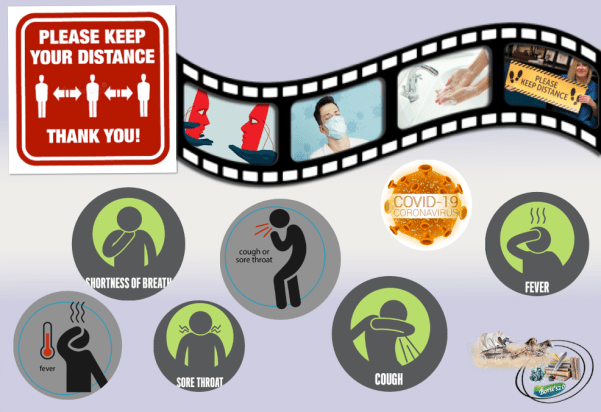
…o nosso macaco!. (Our monkey)!.

…o nosso macaco! (Our monkey)!.

…é impossível esquecer as nossas experiências na guerra e, aquilo que nos ajudou a sobreviver lá, agora, já lá vão mais de cinquenta anos, não funciona muito bem na nossa normal vida, no entanto ainda vai sendo possível lidar com tudo isto positivamente, vamos assumindo o control do pensamento, exalando alguma energia positiva, pelo menos contando estas experiências, para que pelo menos a juventude, compreendam e nunca tentem começar ou viver uma qualquer guerra, por mais pequena que seja!. (It is impossible to forget our experiences in the war and, what helped us to survive there, now, for more than fifty years, does not work very well in our normal life, however it will still be possible to deal with all this positively, we are taking control of the thought, exhaling some positive energy, at least telling these experiences, so that at least the youth, understand and never try to start or live any war, no matter how small)!.

…aliás, não existem guerras pequenas, todas são horriveis e mortíferas, onde não se explicam, injustiças, alguns actos de profunda repugnância e violência, onde resultaram, combates, mêdo, fúria e mortes!. Enfim, esta última vertente da guerra, naquela época e naquele local, trazia-nos estarrecidos com o mêdo e algo angustiados!. (In fact, there are no small wars, all of them are horrible and deadly, where there is no explanation, injustices, some acts of deep disgust and violence, which resulted in combats, fear, fury and deaths !. Anyway, this last aspect of the war, at that time and in that place, brought us terrified with fear and something anguished)!.

…e hoje, na nossa já um pouco avançada idade, um simples sorriso, cria-nos alguma felicidade, trazendo descanso ao cansado, alegria para o desanimado, sol para o triste, sendo talvez um dos melhores antídotos da natureza para aqueles problemas, que principalmente as pessoas já sem muitas ocupações, recordam o seu passado, vivem das recordações e vivências de quando eram jovens, já cansadas demais para sorrirem, mas que precisam de um sorriso para os estimularem e, ninguém é tão rico ou poderoso que se possa dar bem sem ele, assim como também ninguém é tão pobre, que não se sinta enriquecido por o receber!. (And today, in our already a little old age, a simple smile creates some happiness, bringing rest to the tired, joy to the discouraged, sun to the sad, being perhaps one of the best antidotes of nature for those problems , who mainly people without many occupations, remember their past, live from the memories and experiences of when they were young, already too tired to smile, but who need a smile to stimulate them, and nobody is so rich or powerful that they can do well without it, just as no one is so poor that they don’t feel enriched by receiving it)!.

…sim, um simples sorriso, tal como o que nos proporcionava o nosso “macaco”, com as suas brincadeiras e travessuras cómicas, pois era um animal de estimação que adoptámos, e nos fazia companhia, naquele horrível cenário da Guerra Colonial Portuguesa, vivida no interior da então província da Guiné, naquela África, onde o sol queimava e a chuva por vezes era torrencial, animal este, trazido do “mato”, dos muitos que por lá existiam, vivendo nas savanas ou nas árvores da floresta!. (Yes, a simple smile, such as that offered by our “monkey”, with its comical jokes and antics, as it was a pet that we adopted, and kept us company, in that horrible scenario of the Portuguese Colonial War , lived in the interior of the then province of Guinea, in that Africa, where the sun burned and the rain was sometimes torrential, this animal, brought from the “bush”, of the many that existed there, living in the savannas or in the trees of the forest)!.

…árvores, que naquela época e naquela região, cresciam com alguma liberdade e, onde nós procurávamos o seu fruto para comer, ao contrário dos dias de hoje, onde alguns procuram única e simplesmente, “os frutos materiais das árvores”, cortando-as, matando-as, na procura de um enriquecimento rápido!. (Trees, which at that time and in that region, grew with some freedom and, where we looked for their fruit to eat, unlike today, where some seek only and simply “the material fruits of trees”, cutting them, killing them, in search of quick enrichment)!.

…criámos este animal desde bébé, baptizando-o em homenagem ao nosso cão “piloto”, que nos fazia companhia enquanto crianças, lá naquela aldeia, situada na vertente agreste da Montanha do Caramulo, onde a crosta terrestre, lentamente começava a ser plana, flutuando por perto as zonas ribeirinhas do Rio Águeda, onde pela noite, não havendo luz eléctrica, se a terra tremesse, nascendo dos céus uma pequena luz, que seria uma qualquer estrela, talvez uma estrela nova, daquelas que fazem oscilar um continente, ninguém dava por isso!. (We created this animal since baby, baptizing it in honor of our “pilot” dog, who kept us company as children, there in that village, located in the rugged slope of the Caramulo Mountain, where the earth’s crust slowly began to be flat, floating close to the riverside areas of the Águeda River, where at night, without electric light, if the earth shook, a small light would rise from the heavens, which would be any star, perhaps a new star, of those that make a continent oscillate , nobody noticed it)!.

…quando ali chegámos, ao interior da África, era uma aldeia onde ajudámos a construir um aquartelamento militar, que poderíamos considerar um “Posto Avançado”, ou seja, um lugar onde os militares de combate, tomavam conhecimento das primeiras savanas, rios, riachos, bolanhas, (terras lamacentas de cultivo de arroz), pântanos e florestas de trilhas frescas, usadas pelos guerrilheiros que lutavam pela independência do seu território, querendo libertar-se da presença dos Europeus, que por ali andavam há quase quinhentos anos!. (When we arrived there, in the interior of Africa, it was a village where we helped to build a military barracks, which we could consider an “Outpost”, that is, a place where the combat soldiers, took notice of the first savannas, rivers , streams, bolanhas, (muddy rice cultivation lands), swamps and fresh trail forests, used by the guerrillas who were fighting for the independence of their territory, wanting to free themselves from the presence of Europeans, who had been walking there for almost five hundred years!).

…e quase todos os militares ali estacionados tinham o seu macaco, animal que acarinhávam!. Andavam a passeá-los pelo aquartelamento, e não raro era o caso, em que os traziam para a aldeia, em especial para a sede o clube de futebol, como por exemplo o soldado “Setubal”, que chegou a ter dois macacos, um já adulto e outro bebé, e também um periquito, e claro, às vezes andava de periquito ao ombro e um macaco montado no outro, passeando na aldeia e, tanto o periquito, como os macacos, faziam o que ele mandava, parecendo tal e qual, como se vê num qualquer espectáculo de um qualquer zoo!. (And almost all the soldiers stationed there had their monkey, an animal they cared for!. They were walking around the barracks, and it was often the case that they brought them to the village, especially the football club, such as the soldier “Setubal”, who even had two monkeys, one already an adult and another baby, and also a parakeet, and of course, sometimes he rode a parakeet on his shoulder and a monkey mounted on the other, strolling in the village, and both the parakeet and the monkeys did what he said, looking like that and which, as seen in any show in any zoo)!.

…quando não estavam na nossa companhia, viviam debaixo de uma grande árvore, que existia dentro do aquartelamento, parecendo um auténtico jardim zoológico tal era o número de gaiolas com macacos e alguns pássaros exóticos, sendo tratados pelos respectivos donos, que passavam horas, alimentando-os com frutas, folhas, sementes, nozes, flores, e até pequenos animais, incluindo insetos e aranhas!. (When they were not in our company, they lived under a big tree, which existed inside the barracks, looking like an authentic zoo such was the number of cages with monkeys and some exotic birds, being treated by the respective owners, who spent hours , feeding them fruits, leaves, seeds, nuts, flowers, and even small animals, including insects and spiders)!.

…este grupo de macacos, que podia ser chamado de tribo ou até mesmo tropa, que nós alimentávamos e dispensávamos algum carinho, talvez pela sua semelhança psicológica e física com os seres humanos e, também na cultura popular são um símbolo de brincadeira, travessuras e diversão, e claro, ajudáva-nos na nossa segurança, porque se alguém estranho, penetrasse no aquartelamento, pela calada da noite, os primeiros a fazer barulho, eram os macacos!. (This group of monkeys, which could be called a tribe or even a troop, that we fed and gave some affection to, perhaps because of their psychological and physical similarity with human beings and, also in popular culture, are a symbol of play, mischief and fun, and of course, helped us in our security, because if someone strange, penetrated the quarter, by the dead of night, the first to make noise, were the monkeys)!.

…adoramos a natureza, tentando conservá-la, e não negamos que talvez esta virtude tenha começado lá naquela África um pouco selvagem, onde havia uma árvore de pequena estatura, mas muito florida, que nasceu junto a um pegueno pântano, que existia dentro do aquartelamento, ao fundo, mais a oeste, onde pela manhã se cobria de periquitos e outras aves exóticas, muito coloridas e, nós quase todos os dias lá ía-mos colocar comida em cima de um tampão de um barril de vinho vazio, onde os pássaros iam comer, empurrando-se uns aos outros, pois cobriam completamente o tampão do barril, e nós dizia-mos com algum orgulho que, “aquela árvore, era a nossa gaiola de periquitos!. (We love nature, trying to conserve it, and we do not deny that perhaps this virtue started there in that somewhat wild Africa, where there was a small tree, but very flowery, that was born next to a small swamp, that existed inside the barracks, in the background, further to the west, where in the morning it was covered with parakeets and other exotic birds, very colorful and, almost every day we would put food on top of an empty wine barrel cap, where the birds went to eat, pushing each other, as they completely covered the barrel cap, and we said with some pride that, “that tree, was our cage of parakeets)!.

…nós, que naquele cenário de uma guerra terrestre de guerrilha, éramos o “Cifra”, um soldado desarmado, onde a disciplina de um campo de batalha não era lá muito eficaz para a nossa sobrevivência, onde um pequeno descuido ou desleixo, onde as emboscadas, minas ou fornilhos, podiam a qualquer momento fazer com que a nossa alma nos abandonasse, na procura de uma qualquer galáxia distante!. (We, who in that scenario of a terrestrial guerrilla war, were “Cifra”, an unarmed soldier, where the discipline of a battlefield was not very effective for our survival, where a little carelessness or negligence, where ambushes, mines or tanks, could at any moment cause our soul to abandon us, in search of any distant galaxy)!.

…e, onde uma tijela de arroz ou um naco de pão era mais importante do que uma ração de combate, às vezes até mesmo do que a espingarda G-3, onde os campos abandonados da plantação de arroz, se transformaram em pântanos perigosos, onde o volume e o ruído do fogo inimigo nos trazia estarrecidos, onde só talvez, o tabaco, o escesso de álcool, o cuidar e a companhia destes animais, que nos ouviam em silêncio, embora não compreendessem as nossas palavras de sofrimento, nos dava algum miserável conforto!. (And where a bowl of rice or a loaf of bread was more important than a combat ration, sometimes even than the G-3 shotgun, where the abandoned fields of the rice plantation have turned into swamps dangerous, where the volume and the noise of the enemy fire brought us terrified, where only perhaps, tobacco, heavy alcohol, the care and company of these animals, who listened to us in silence, although they did not understand our words of suffering, it gave us some miserable comfort)!.

Tony Borie, Século XXI. (Tony Borie, 21st Century).

…o Monte Rushmore!. (the Mount Rushmore)!.

…não podemos passar ao lado, mas pelo menos tentamos, compreender aqueles que tentam ameaçar todas as benções pelos quais os nossos ancestrais lutaram tanto!. Neste momento, continua por aí uma campanha impiedosa para acabar com a história, difamar algumas personagens que no seu tempo foram considerados heróis, removendo monumentos que alguns dizem que foram símbolos de opressão racial, derrubando crenças, culturas e identidades que fizeram de alguns países sociedades vibrantes e tolerantes na história da Terra!. (We cannot pass by, but at least we try to understand those who try to threaten all the blessings for which our ancestors fought so hard!. At this moment, a merciless campaign to end the story continues, defaming some characters that in their time were considered heroes, removing monuments that some say were symbols of racial oppression, overthrowing the beliefs, cultures and identities that made some countries societies vibrant and tolerant in the history of Earth)!.

…ou seja, tentam acabar com o passado, esquecendo que sem esse passado, não poderão nunca construir um futuro, doutrinando os seus filhos no bom sentido!. No entanto nós, nesta já um pouco avançada idade, e também na nossa modesta opinião de viajantes do mundo, não encontramos melhor maneira de conseguir uma ruptura saudável e limpa com estas acções de destruição, para nós nefastas, assim como fugir da selva de concreto e de poluição das grandes cidades, do que numa área, mais ou menos no centro geográfico desta grandiosa nação, que é o estado de Dakota do Sul!. (That is, they try to end the past, forgetting that without that past, they will never be able to build a future, indoctrinating their children in the right way!. However, we, in this slightly advanced age, and also in our modest opinion of world travelers, have not found a better way to achieve a healthy and clean break with these destructive actions, for us harmful, as well as escape from the concrete jungle, and pollution of big cities, than in an area, more or less in the geographical center of this great nation, which is the state of South Dakota)!.

…aqui, ainda podemos apreciar história, monumentos e imensas pradarias, onde existe um mar de erva verde, cowboys dirigindo rebanhos de vacas e cavalos, com várias áreas despovoadas, que não mostram nenhum compromisso com a cidade, nem tão pouco a rejeitam!. Dakota do Sul é aberta, alguns búfalos ainda vagueiam por ali, as montanhas de Black Hills, (Colinas Negras), onde o granito se confunde com as árvores centenárias, emolduram um cenário difícil de se encontrar em outro lugar!. (Here, we can still appreciate history, monuments and immense prairies, where there is a sea of green grass, cowboys directing herds of cows and horses, with several depopulated areas, which show no commitment to the city, nor do they reject it!. South Dakota is open, some buffaloes still roam there, the Black Hills, where granite blends with century-old trees, frame a scenario difficult to find elsewhere)!.

…é o que é!. Conhecer este estado pode levar anos, mas temos que começar por algum lugar e, para nós, talvez a cidade de Rapid City, situada na parte oeste do estado, por tal lhe chamam a “Gateway to the Black Hills”, (Porta para as Colinas Negras), ou “City of Presidents”, (Cidade dos Presidentes), onde muitos e muitos anos atrás, habitavam os Índios Americanos da tribo “Lakota Sioux”, antes da cultura do oeste ter chegado a esta área!. (It is what it is!. Knowing this state can take years, but we have to start somewhere, and for us, maybe the city of Rapid City, located in the western part of the state, calls it “Gateway to the Black Hills”, or “City of Presidents,” where many, many years ago, Native Americans inhabited the “Lakota Sioux” tribe, before Western culture came to this area)!.

…esta cidade, estratégicamente situada quase no centro de todos os locais de maior interesse turístico do estado, recebe milhares de pessoas, desejosas de se dirigirem para a cidade de Deadwood, ao “Crazy Horse Memorial”, (Memorial do Cavalo Louco), “Mount Rushmore National Memorial”, (Memorial Nacional do Monte Rushmore), “Devills Tower”, (Torre dos Diabos), ou mesmo as “Badlands” (Terras Más)!. (This city, strategically located almost in the center of all the tourist attractions of the state, receives thousands of people, wishing to go to the city of Deadwood, to the “Crazy Horse Memorial”, “Mount Rushmore National Memorial”, “Devills Tower,” or even the “Badlands”!).
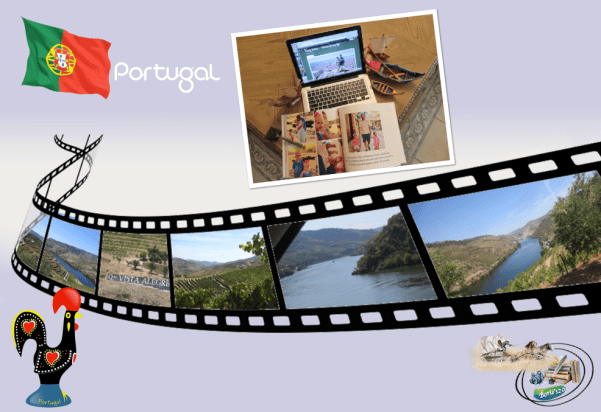
…nós, ainda manhã, depois de viajar umas tantas milhas em direcção ao sul, visitámos o Memorial Nacional do Monte Rushmore, situado em plena montanha de Keystone, onde estão esculpidos os rostos de quatro Presidentes dos Estados Unidos, sendo eles, George Washington, Thomas Jefferson, Theodore Rosevelt e Abraham Lincoln!. (we, morning after traveling a few miles southward, visited the Mount Rushmore National Memorial, located in the middle of Keystone Mountain, where the faces of four Presidents of the United States are carved: George Washington, Thomas Jefferson, Theodore Rosevelt and Abraham Lincoln)!.
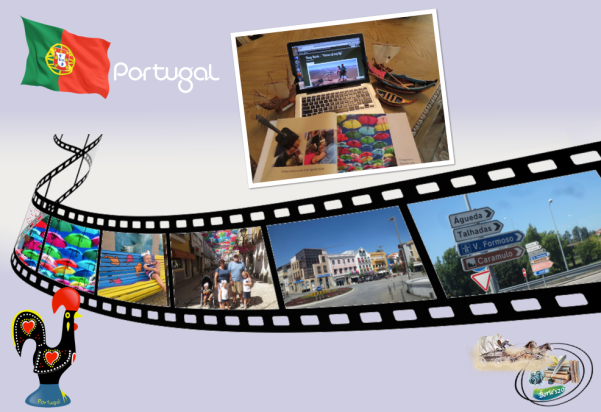
….a ideia de criar uma escultura nas Colinas Negras, foi idealizada no ano de 1923, pelo historiador do estado de Dakota do Sul, Doane Robinson, que queria encontrar uma maneira de atrair turistas para o estado e, funcionou, pois este Memorial é visitado por quase 3 milhões de pessoas anualmente!. Robinson, inicialmente queria esculpir alguns heróis, como o líder Oglala Lakota, Red Cloud, ou os exploradores Lewis e Clark, ou ainda Buffalo Bill Cody, nuns montes de pedra granito próximos deste local, conhecidos como Needles!. (the idea of creating a sculpture in the Black Hills was devised in 1923 by the South Dakota state historian Doane Robinson who wanted to find a way to attract tourists to the state and it worked because this Memorial is visited by almost 3 million people annually!. Robinson initially wanted to sculpt some heroes, such as the leader Oglala Lakota, Red Cloud, or the explorers Lewis and Clark, or even Buffalo Bill Cody, in a few granite rock piles near this place, known as Needles)!.

…logo à entrada, juntamente com o bilhete, vem quase toda a informação, e nós, como apreciamos curiosidades fomos lendo, onde nos dizem que o escultor Dinamarquês-Americano Gutzon Borglum foi convocado para ajudar neste projecto!. (At the entrance, along with the ticket, comes almost all the information, and we, as we have enjoyed curiosities we have been reading, where we are told that the Danish-American sculptor, Gutzon Borglum was summoned to assist in this project)!.

….naquela época, estava a trabalhar na escultura também hoje famosa, da Montanha de Pedra, no estado da Geórgia, (que também já tivémos o previlégio de visitar), mas, aqui trabalhava por sua própria conta!. (At that time, was working on the sculpture also now famous, from Stone Mountain, in the state of Georgia, (which we also had the privilege of visiting), but here he worked on his own)!.

…analizou o projecto, dizendo que era um modelo falhado, e que o monumento não resistiria ao teste do tempo!. Acredita-se que estava procurando uma saída…, quando a Dakota do Sul insistiu!. Então, Borglum e o seu filho Lincoln, pensaram que o monumento deveria ter um foco nacional, decidindo que quatro presidentes deveriam ser esculpidos! (Analyzed the project, saying that it was a failed model, and that the monument would not stand the test of time!. It is believed that he was looking for a way out …, when South Dakota insisted!. So, Borglum and his son Lincoln thought that the monument should have a national focus, deciding that four presidents should be sculpte!).
…assim, os presidentes foram escolhidos pela sua contribuição significativa, fundação, expansão e preservação inigualável desta grande nação e, o Presidente Thomas Jefferson, que foi escolhido para gravarem o seu rosto na pedra de granito, por ser o Presidente que assinou a compra de Luisiana e escreveu a Declaração de Independência, foi originalmente destinado a estar à direita do Presidente George Washington, que foi ecolhido porque foi o fundador desta grandiosa nação, no entanto, quase dois anos de trabalho no seu rosto, a rocha foi considerada inadequada e, o rosto parcialmente preenchido, foi “apagado” da montanha, usando dinamite!. (Thus, the presidents were chosen for their significant contribution, foundation, expansion and unparalleled preservation of this great nation and, President Thomas Jefferson, who was chosen to engrave his face on the granite stone, for being the President who signed the purchase of Louisiana and wrote the Declaration of Independence, was originally intended to be on the right of President George Washington, who was chosen because he was the founder of this great nation, however, almost two years of work on his face, the rock was considered inadequate and, the face partially filled, was “erased” from the mountain, using dynamite)!.
…continuando, o Presidente Theodore Roosevelt, foi escolhido por representar a conservação e o florescimento industrial desta grande nação!. O Presidente Abraham Lincoln, foi escolhido porque liderou o país através da sua Guerra Civil, a guerra mais sangrenta e talvez a sua maior crise moral, constitucional e política. Ao fazê-lo, ele preservou a União, aboliu a escravidão, fortaleceu o governo federal e modernizou a economia!. (Continuing, President Theodore Roosevelt, was chosen for representing the conservation and industrial flourishing of this great nation!. President Abraham Lincoln was chosen because he led the country through its Civil War the bloodiest war and perhaps its greatest moral, constitutional, and political crises. In doing so, he preserved the Union, abolished slavery, strengthened the federal governament, and modernized the economy)!.

…outra curiosidade foi, que na altura da sua construção foi apresentada ao Congresso uma lei para acrescentar a imagem da líder dos direitos das mulheres, Susan B. Anthony, à montanha, no entanto o congresso aprovou uma lei exigindo que apenas os rostos que já haviam sido iniciados fossem concluídos!. Estas esculturas foram originalmente destinadas a incluir os corpos dos Presidentes até à cintura, o que não aconteceu!. (Another curiosity was that, at the time of its construction, a bill was presented to Congress to add the image of women’s rights leader, Susan B. Anthony, to the mountain, however Congress passed a law requiring that only faces which had already been initiated were completed! These sculptures were originally intended to include the bodies of the Presidents up to the waist, which did not happen)!.

…inicialmente estimava-se que apenas em seis anos terminava a escultura real, no entanto foram precisos mais oito anos e meio, que foram consumidos com atrasos devido ao clima e falta de fundos!. A escultura real foi feita por uma equipa de mais de 400 homens, sem qualquer experiência de escultura, pois eram mineiros, que tinham ido até às Colinas Negras à procura de ouro, mas embora não fossem artistas, sabiam como usar dinamite e britadeiras, escavando mais de 90% da montanha, usando dinamite, removendo mais de 450.000 toneladas de rocha!. (Initially it was estimated that in just six years the royal sculpture was finished, but it took another eight and a half years, which were consumed with delays due to the weather and lack of funds!. The royal sculpture was made by a team of more than 400 men, without any sculpture experience, for they were miners, who had gone to the Black Hills for gold, but although they were not artists, they knew how to use dynamite and jackhammers, digging more than 90% of the mountain, using dynamite, removing more than 450,000 tons of rock)!.

…garotos jovens, conhecidos como garotos de programa, foram contratados para se sentarem ao lado da montanha, gritando mensagens, ou fazendo curtas viajens de ida e volta aos operadores, para acelerar ou desacelerar as suas tarefas, principalmente quando trabalhavam com explosivos!. (Young boys, known as program boys, were hired to sit on the side of the mountain, shouting messages, or making short round trips to operators to speed up or slow down their tasks, especially when working with explosives)!.

…o Monte Rushmore é de granito, que sofre uma erosão de 1 polegada a cada 10.000 anos, como cada nariz tem cerca de 240 centímetros de comprimento, podem durar até 2,4 milhões de anos, antes de se desgastarem completamente!. No entanto, muitas coisas estão sendo feitas para preservar o Monte Rushomore, como a instalação de mais de 8.000 pés de cabo de fibra ótica camuflado, para ajudar a monitorar 144 rachaduras, onde se prevê que após cerca de 500.000 anos, os rostos provávelmente perderão algumas definições, mas nesse ritmo, o formato básico dos Presidentes pode durar até 7 milhões de anos!. (Mount Rushmore is granite, which undergoes an erosion of 1 inch every 10,000 years, as each nose is about 240 inches long, can last up to 2.4 million years, before they wear out completely!. However, many things are being done to preserve Mt. Rushomore, such as installing more than 8,000 feet of camouflaged fiber optic cable, to help monitor 144 cracks, where it is predicted that after about 500,000 years, faces will likely lose some definitions, but at this rate, the basic format of Presidents can last up to 7 million years)!.

…esta montanha, que Gutzon Borglum escolheu para esculpir, era conhecida pela tribo “Lakota Sioux”, como os “Seis avós”, no entanto também era conhecida como “Montanha Puma”, “Montanha Pão de Açúcar”, “Montanha Matadouro” ou “Penhasco Keystone”, mas o nome oficial teve origem num advogado de Nova Iorque, de nome Charles E. Rushmore, que por ali andava pesquisando as reivindicações de ouro, por volta do ano de 1885, perguntando ao seu guia o nome daquela montanha, ao que ele lhe respondeu: “nunca teve…até agora…vamos chamar a esta área de Rushmore”!. Assim, por volta do ano de 1930, o Conselho dos Estados Unidos em Nomes Geográficos reconheceu oficialmente como sendo o Monte Rushmore!. (This mountain, which Gutzon Borglum chose to sculpt, was known by the tribe “Lakota Sioux” as the “Six grandfathers”, however it was also known as “Mountain Puma”, “Mountain Sugar Loaf”, “Mountain Slaughterhouse” or “Keystone Cliff”, but the official name came from a New York lawyer named Charles E. Rushmore, who had been researching the claims of gold around the year 1885, asking his guide the name of that mountain, to which he replied: “never had … until now … let’s call this area of Rushmore!”. Thus, by the year 1930, the United States Council on Geographical Names officially recognized as being Mount Rushmore)!.

…cremos que já chega de curiosidades, no entanto, no dia da nossa visita o dia estava de sol radiante, percorremos o Grande View Terrace (Grande Terraço com Vista), que é um dos melhores lugares para ver o Monte Rushmore, localizado logo acima do Museu e no final da Avenida das Bandeiras, que tem bandeiras e colunas com painéis explicativos de todos os 50 estados, um Distrito, três Territórios e duas Comunidades dos Estados Unidos da América!. (We believe that enough of curiosities, however, on the day of our visit the day was sunny, we walked the Grand View Terrace, which is one of the best places to see Mount Rushmore, located just above the Museum and at the end of Avenue of Flags, which has flags and columns with explanatory panels from all 50 states, one District, three Territories and two Communities of the United States of America)!.

…como adoramos caminhar, percorremos parte da Trilha Presidencial, que é uma pista de 800 metros, que oferece vistas próximas e diferentes de cada rosto, com 60 pés de altura, onde de vez em quando passam cabras montanhesas residentes, descendentes de um rebanho que foi doado ao Custer State Park (Parque do Estado Custer), pelo Canada, por volta do ano de 1924!. Nós não vimos, mas durante este percurso, muitas pessoas dizem que se pode ver um elefante, ou pelo menos a face de pedra de um elefante, se olharmos para a direita do rosto do Presidente Lincoln!. (As we love to walk, we cross part of the Presidential Trail, which is an 800 meter track, which offers close and different views of each face, 60 feet high, where from time to time pass resident mountain goats, descended from a herd that was donated to Custer State Park, per Canada, around the year 1924!. We have not seen, but during this journey, many people say that one can see an elephant, or at least the stone face of an elephant, if we look to the right of the face of President Lincoln)!.

…a nossa visita foi durante o dia, porque se fosse à noite, admirávamos a iluminação, aberta durante duas horas!. Também era agora, nesta data, porque se fosse no final dos anos 50, até ao início dos anos 70, conhecíamos Ben Black Elk, um famoso Homem Santo da tribo “Lakota Sioux”, que por aqui andava a saudar pessoalmente os visitantes!. (Our visit was during the day, because if it was at night, we admired the lighting, open for two hours!. It was also now, on this date, because if it was in the late 50’s, until the early 70’s, we met Ben Black Elk, a famous Holy Man of the “Lakota Sioux” tribe, who came to greet visitors here personally)!.

…este monumento, é uma das atrações turísticas mais conhecidas no mundo, rendendo ao estado de Dakota do Sul, o cognome de “The Mount Rushmore State”, (Estado do Monte Rushmore), com estes gigantes rostos, que medem de 15 a 21 metros de altura, sendo construídos com instrumentos de engenharia, dinamite e martelos mecânicos, tudo isto a 150 metros de altura, na região das Colinas Negras!. (This monument, is one of the most well-known tourist attractions in the world, yielding to the state of South Dakota, the nickname of “The Mount Rushmore State”, with these giant faces, that measure of 15 to 21 meters of height, being built with instruments of engineering, dynamite and mechanical hammers, all this to 150 meters of height, in the region of the Black Hills)!.

…tal como no princípio dissémos, Dakota do Sul, é o que é!. Conhecer este estado pode levar anos, mas temos que começar por algum lugar!. Visitar o cenário do Monte Rushmore, foi um privilégio, vamos recordá-lo por anos!. (As we said at the beginning, South Dakota, that’s what it is! Knowing this state can take years, but we have to start somewhere!. Visiting the Mount Rushmore setting was a privilege, let’s remember it for years)!.

Tony Borie, Século XXI..

Yukon, Canada!.

…viagando na hoje Histórica Estrada do Alaska, ao longo da província de Yukon, no Canadá!. (Traveling on today’s Historic Alaska Highway, across Canada’s Yukon province)!.

…descobrindo a história de uma das estradas mais famosas do mundo!. Ao longo do caminho, podemos explorar várias comunidades na província de Yukon, bem como algumas paisagens incríveis!. (Discovering the history of one of the most famous roads in the world!. Along the way, we can explore various communities in the Yukon province, as well as some incredible scenery)!.

…uma vez chamada de “o maior e mais difícil trabalho desde o Canal do Panamá”, a Histórica Estrada do Alaska, também conhecida pela estrada Alcan, que veio da abreviação de “Estrada Alaska e do Canada” foi construída entre Março e Outubro do ano de 1942, por uma força de trabalho de mais de 11.000 soldados e engenheiros, 16.000 civis e 7.000 peças de equipamento, que foram chamados a construir esta estrada de 1.500 milhas através do vasto deserto do norte do Canadá e do Alaska!. (Once called “the biggest and most difficult job since the Panama Canal”, the Historic Alaska Highway, also known as the Alcan Highway, which came from the abbreviation “Alaska Highway and Canada” was built between March and October 1942, by a workforce of more than 11,000 soldiers and engineers, 16,000 civilians and 7,000 pieces of equipment, who were asked to build this 1,500-mile road through the vast desert of northern Canada and Alaska)!.

…em menos de nove meses, esses homens resistentes conseguiram conectar Dawson Creek, na província da Colúmbia Britânica e a pequena cidade de Delta Junction, no estado do Alaska e, em 20 de Novembro de 1942, realizou-se o corte oficial da fita, que ocorreu na milha 1061, conhecida como “Cúpula dos Soldados”!. (In less than nine months, these tough men managed to connect Dawson Creek in British Columbia province and the small town of Delta Junction, Alaska, and on November 20, 1942, the official ribbon was cut, that occurred in mile 1061, known as “Dome of the Soldiers”)!.

…porquê a sua construção?. Foi o resultado de uma cooperação sem precedentes entre os governos do Canadá e dos Estados Unidos porque uns anos antes da sua inauguração, o presidente Franklin D. Roosevelt fez lobby com o primeiro-ministro canadense Mackenzie King para a
realização de uma estrada para ligar o Canadá ao Alaska!. Esta futura estrada poderia ser usada para reforçar as defesas militares na costa oeste em caso de um possível ataque japonês!. (Why its construction ?. It was the result of unprecedented cooperation between the governments of Canada and the United States because a few years before its inauguration, President Franklin D. Roosevelt lobbied Canadian Prime Minister Mackenzie King for a road to connect the Canada to Alaska !. This future road could be used to reinforce military defenses on the west coast in the event of a possible Japanese attack)!.

…o ataque surpresa, à base de Pearl Harbor, em Honolulu, território do Hawaii, no dia 7 de Dezembro, do ano de 1941, pelo Serviço Aéreo da Marinha Imperial Japonesa, cujo local visitámos no princípio deste século, para ver e conhecer ao perto a história do que aconteceu nesse martirizado dia, ao navio de guerra USS Arizona!. (The surprise attack, at Pearl Harbor base, in Honolulu, Hawaii, on December 7, 1941, by the Japanese Imperial Navy Air Service, whose location we visited at the beginning of this century, to see and to know up close the history of what happened on that martyred day, to the warship USS Arizona)!.

…neste local, (que atravessa o casco afundado do então navio de guerra sem tocá-lo, e que marca o local de descanso de 1.102 dos 1.177 marinheiros e fuzileiros navais mortos durante o ataque a Pearl Harbor), nós, sobreviventes de uma guerra colonial em África, tivémos o nosso momento de meditação, prestando-lhes a nossa homenagem e o nosso respeito!. Este ataque, levou ao envolvimento dos Estados Unidos na Segunda Guerra Mundial, fazendo com que os Estados Unidos e o Canadá, concordassem com a importância de uma estrada assim e, rapidamente colocaram as suas forças em movimento!. (In this place, (which crosses the sunken hull of the then warship without touching it, and which marks the resting place of 1,102 of the 1,177 sailors and marines killed during the attack on Pearl Harbor), we, survivors of a colonial war in Africa, we had our moment of meditation, paying our tribute and our respect to them!. This attack led to the involvement of the United States in World War II, causing the United States and Canada to agree on the importance of such a road, and quickly set their forces in motion)!.

…o Exército dos Estados Unidos aprovou um plano para a construção da hoje Histórica Estrada do Alaska, no dia 6 de Fevereiro de 1942, recebendo autorização do Congresso e do Presidente Roosevelt dos EUA, apenas cinco dias depois!. O Canadá concordou com a construção desta estrada, porém exigiu que os Estados Unidos pagassem o seu custo total que chegou aproximadamente a US $ 140 milhões, tornando-o o projeto de construção mais caro da Segunda Guerra Mundial e, todas as instalações no Canadá deveriam ser entregues à autoridade canadense no final da guerra!. Menos de um mês depois, em 8 de Março de 1942, começou a sua construção!. (The United States Army approved a plan for the construction of today’s Historic Alaska Highway, on February 6, 1942, receiving authorization from Congress and President Roosevelt of the USA, just five days later!. Canada agreed to build this road, but demanded that the United States pay its total cost, which reached approximately $ 140 million, making it the most expensive construction project in World War II, and all facilities in Canada should be handed over to the Canadian authority at the end of the war!. Less than a month later, on March 8, 1942, construction began)!.

…depois deste breve resumo, vamos descrever o seu precurso na província do Yukon, território do Canada, percurso este já percorrido por nós, por duas vezes nos dois sentidos, verificando que é realmente uma trilha selvagem, com partes de cascalho, declives acentuados, pequenas e grandes montanhas, atravessando ribeiros, lagos e rios, com pontes de ferro e madeira para navegar, cujo trajecto difícil e exaustivo, inspirou alguém a escrever que, ”A Histórica Estrada do Alaska, entrando e saindo, enche a nossa mente de sérias dúvidas sobre se, quem teve a ideia de construir essa rota, estava indo para o inferno…, ou saindo”!. ( After this brief summary, we will describe its course in the Yukon province, territory of Canada, a route that we have already covered, twice in both directions, verifying that it is really a wild trail, with parts of gravel, steep slopes, small and large mountains, crossing streams, lakes and rivers, with iron and wooden bridges to navigate, whose difficult and exhausting path, inspired someone to write that, ”The Historic Alaska Highway, in and out, fills our minds with serious doubts about whether, who had the idea to build this route, was going to hell…, or leaving”)!.

…mas vamos viajar através da província do Yukon até á pequena cidade de Junção Delta, já no estado do Alaska!. Originalmente com 2.700 km de extensão, hoje são 2.232 km, devido ao redirecionamento e correção de estradas ao longo dos anos!. Inaugurada no ano de 1948, para o público, a “Alaska Highway” é uma das unidades mais emblemáticas do mundo!. (But we are going to travel through the Yukon province to the small town of Junction Delta, already in the state of Alaska!. Originally 2,700 km long, today it is 2,232 km, due to the redirection and correction of roads over the years!. Inaugurated in 1948, for the public, the “Alaska Highway” is one of the most emblematic units in the world)!.

…a jornada promete um deserto intocado, abundante em vida selvagem e um sentimento de história e liberdade, não só em amplos espaços abertos, como também através de montanhas, rios e lagos! (The journey promises an untouched desert, abundant in wildlife and a feeling of history and freedom, not only in wide open spaces, but also across mountains, rivers and lakes)!.

…designando o Itinerário de viagem, começamos na pequena cidade de Watson Lake, que é o local situado mais a leste da província do Yukon!. (Designating the travel itinerary, we start in the small town of Watson Lake, which is the most easterly location in the Yukon province)!.

…a história do Watson Lake está intimamente ligada à construção da hoje Histórica Estrada do Alaska!. O que começou como um acampamento de pesca e uma pequena pista de aterragem, explodiu durante a construção da hoje histórica estrada, continuando ainda agitada a sua actividade, com a frequente visita dos viajantes que por aqui passam, nas suas viagens pelo norte!. (The history of Watson Lake is closely linked to the construction of today’s Historic Alaska Highway!. What started as a fishing camp and a small airstrip, exploded during the construction of the now historic road, continuing its activity still hectic, with the frequent visit of travelers who pass through here, on their trips through the north)!.

…a “Floresta de Post Post”, onde também lá deixámos uma placa com o nosso nome, começou nos primeiros dias da construção da hoje histórica estrada, quando um soldado do Exército dos EUA, colocou uma placa com o nome da cidade de onde era oriundo, ou seja de Danville, Illinois!. Agora, existem mais de 85.000 placas!. Depois de visitar este local, entrámos no Alaska Highway Interpretive Center, para conhecer a história fascinante em torno da hoje Histórica Estrada do Alaska!. (The “Post Post Forest”, where we also left a sign with our name on it, started in the early days of the construction of today’s historic road, when a US Army soldier placed a sign with the name of the city of where it came from, that is from Danville, Illinois!. Now, there are more than 85,000 plates!. After visiting this site, we entered the Alaska Highway Interpretive Center, to learn about the fascinating history surrounding today’s Historic Alaska Highway)!.

…a aurora boreal sempre foi uma fonte de fascínio!. Do final de Agosto a meados de Abril, temos algumas chances de ver as cores dançantes deste fenómeno da aurora borial, todavia nós, como viajamos na época de verão, significa que não podemos ver o sol da meia-noite mas, podemos visitar o Northern Lights Center, onde ficaramos imersos na beleza da aurora boreal, com um vídeo panorâmico com som surround!. (The northern lights have always been a source of fascination!. From late August to mid-April, we have some chances to see the dancing colors of this phenomenon of the aurora borial, however we, as we travel in the summer season, mean that we cannot see the midnight sun but, we can visit the Northern Lights Center, where we are immersed in the beauty of the northern lights, with a panoramic video with surround sound)!.

…a viagem prossegue em direcção a oeste/norte, rumo à cidade de Whitehorse, que nos levará pelas magníficas paisagens da região dos lagos do sul, parando no vale do rio Rancheria, fazendo uma pequena caminhada até às cachoeiras!. Depois, continuamos na mesma rota até à pequena cidade de Teslin, onde existe loja de conveniência e estação de serviço e abastecimento, onde tradicionalmente foi um acampamento de verão para o povo Tlingit do sul do Alaska!. (The journey continues towards the west / north, towards the city of Whitehorse, which will take us through the magnificent landscapes of the southern lake region, stopping at the Rancheria river valley, taking a short walk to the waterfalls!. Then, we continue on the same route to the small town of Teslin, where there is a convenience store and service and supply station, where it was traditionally a summer camp for the Tlingit people of southern Alaska)!.

…a sua magnífica localização no lago Teslin, tornou-se num centro de atividades aquáticas, também famoso para a pesca de trutas!. O Centro Cultural Teslin Tlingit Heritage é o lar de esculturas incríveis, bordados com pérolas e outras obras de arte locais, onde também podemos assistir a demonstrações de artesanato tradicional, como miçangas, fumo de salmão ou fabricação de mocassins!. (Its magnificent location on Lake Teslin, has become a center of water activities, also famous for trout fishing!. The Teslin Tlingit Heritage Cultural Center is home to incredible sculptures, embroidered with pearls and other local works of art, where we can also watch demonstrations of traditional crafts such as beads, salmon smoke or moccasins)!.

…ainda em Teslin, no George Johnston Museum, podemos ver uma extraordinária coleção de fotografias que documentam a vida dos Tlingit durante a primeira metade do século XX!. Há algumas ótimas histórias a serem descobertas aqui, como por exemplo o do primeiro carro a chegar ao Yukon, que teve que ser transportado pelo rio, porque ainda não havia estradas!. Pouco antes da cidade de Whitehorse, podemos entrar na Miles Canyon Road, para um passeio panorâmico pelos carros alegóricos no pitoresco Lago Schwatka!. (Still at Teslin, at the George Johnston Museum, we can see an extraordinary collection of photographs that document the life of the Tlingit during the first half of the 20th century!. There are some great stories to be discovered here, such as the first car to reach the Yukon, which had to be transported by the river, because there were no roads yet!. Just before the town of Whitehorse, we can enter Miles Canyon Road for a scenic ride on the floats on picturesque Lake Schwatka)!.

…começar a conhecer a cidade de Whitehorse!. Quando aqui chegamos, é normal dizer-se, “finalmente chegámos à civilização”!. A cidade está repleta de cultura e história, Whitehorse é um lugar contemporâneo, com uma comunidade artística vibrante, atrações de classe mundial e serviços turísticos de alto nível, oferecendo todas as comodidades de uma cidade grande, mas com uma personalidade agradável de cidade pequena!. (Get to know the city of Whitehorse!. When we get here, it is normal to say, “we have finally arrived at civilization”!. The city is full of culture and history, Whitehorse is a contemporary place, with a vibrant artistic community, world-class attractions and top-notch tourist services, offering all the amenities of a big city, but with a pleasant small-town personality)!.

…para os aficionados por história, tal como nós, podemos ficar ocupados com muitos museus e locais de interpretação para escolher!. O Museu MacBride de História de Yukon abriga uma das coleções mais abrangentes do Yukon e, para conhecer a história mais antiga de Yukon (pense na Idade do Gelo), o Centro Interpretativo Yukon Beringia, leva-nos de perto com mamutes, castores gigantes e gatos de cimitarra!. Logo ao lado fica o Museu de Transportes Yukon, que presta homenagem à pura coragem e determinação necessárias para abrir o Yukon ao resto do mundo!. (For history buffs like us, we can get busy with many museums and interpretation venues to choose from!. The MacBride Yukon History Museum is home to one of the most comprehensive collections of the Yukon and, to discover the oldest history of the Yukon (think of the Ice Age), the Yukon Beringia Interpretive Center, takes us closely with mammoths, giant beavers and scimitar cats !. Right next door is the Yukon Transport Museum, which pays homage to the sheer courage and determination needed to open the Yukon to the rest of the world)!.

…se tencionamos ficar outro dia na cidade de Whitehorse, podemos ir até ao Takhini Hot Springs Road, para uma visita à Reserva de Vida Selvagem de Yukon, tendo contacto visual com 13 espécies de mamíferos do norte do Canadá!. De lá, continuamos até as Termas de Takhini para dar um mergulho nas águas relaxantes das fontes termais naturais, e claro, podemos relaxar-se com uma xícara de café feito com feijão assado localmente, no café Bean North!. (If we plan to stay another day in the city of Whitehorse, we can go to Takhini Hot Springs Road, for a visit to the Yukon Wildlife Reserve, having eye contact with 13 mammal species from northern Canada !. From there, we continue to the Takhini Thermal Baths to take a dip in the relaxing waters of the natural hot springs, and of course, we can relax with a cup of coffee made with locally roasted beans, at Bean North)!.

…de volta à cidade, podemos caminhar até o S.S. Klondike nas margens do rio Yukon, podendo fazer um passeio auto-guiado por este navio a vapor meticulosamente restaurado antes de caminhar pela Trilha do Milénio, uma trilha fácil e pavimentada que segue o rio até à barragem hidroelétrica, onde podemos assistir ao espectáculo da migração de salmão, enquanto eles navegam na barragem pela maior escada de madeira do mundo!. (Back to the city, we can walk to the SS Klondike on the banks of the Yukon River, taking a self-guided tour of this meticulously restored steamship before walking on the Millennium Trail, an easy and paved trail that follows the river until to the hydroelectric dam, where we can watch the salmon migration show, while they sail in the dam by the longest wooden ladder in the world)!.

…tudo isto, sem esquecer que a cidade de Whitehorse, onde também dizem que é a cidade onde se respira o ar mais limpo do mundo, também é um ótimo lugar para explorar a próspera cena culinária do Yukon ou provar algumas cervejas do norte numa de duas microcervejarias locais!. (All this, without forgetting that the city of Whitehorse, where they also say that it is the city where you can breathe the cleanest air in the world, is also a great place to explore the thriving Yukon culinary scene or taste some northern beers in one of two local microbreweries)!.

…voltamos à Histórica Estrada do Alaska, seguindo na direcção oeste/ norte, até à cidade de Haines Junction, onde ao fazer-mos uma qualquer curva nesta histórica estrada, somos recebidos por um maravilhoso cenário digno de um postal ilustrado, onde nos surgem enormes montanhas que se estendem pelo horizonte e, no primeiro vislumbre a vê- las desaparecer no espelho retrovisor enquanto nos afastamos, somos cativados pelo Kluane National Park & Reserve, onde a palavra mais ouvida para descrevê-lo é “de tirar o fôlego”!. (We return to the Historic Alaska Highway, heading west / north, to the city of Haines Junction, where when we make any turn on this historic road, we are greeted by a wonderful scenery worthy of an illustrated postcard, where we appear huge mountains that stretch across the horizon and, at the first glimpse of them disappear in the rearview mirror as we move away, we are captivated by the Kluane National Park & Reserve, where the most heard word to describe it is “breathtaking”)!.

…esta área selvagem que tem aproximadamente a metade do tamanho da Suíça, oferece trilhas que variam de passeios fáceis a extensas caminhadas, apreciando o lendário sistema fluvial Tatshenshini-Alsek, composto por lagos abundantes, que nos oferecem uma aventura mais calma e, para os que gostam de pescar, como no nosso caso, encontramos muitos lugares, onde apenas somos nós, o peixe e uma maravilhosa vista para a montanha!. (This wild area, which is approximately half the size of Switzerland, offers trails that range from easy walks to extensive hikes, enjoying the legendary Tatshenshini-Alsek river system, made up of abundant lakes, which offer us a calmer adventure and, for like to fish, as in our case, we find many places, where only we are, the fish and a wonderful mountain view)!.

…alguns atravessavam a estrada, fazendo-nos quase parar, pois Kluane é o lar da maior concentração de ursos pardos na América do Norte e como tal, é comum vê-los na beira da estrada!. (Some crossed the road, making us almost stop, as Kluane is home to the largest concentration of grizzly bears in North America and as such, it is common to see them on the side of the road)!.

…continuando a viajar na mesma direcção, estaremos atravessando a base dos picos da cordilheira frontal de Kluane!. Ao longo deste caminho, podemos parar no Thechàl Dhâl Visitor Center, recebendo informação preciosa sobre esta maravilhosa área, onde também às vezes nos aparecem as ovelhas Dall!. Nesta área, podemos caminhar até ao Soldier’s Summit, um local histórico, onde a hoje Histórica Estrada do Aaska foi oficialmente aberta!. (Continuing to travel in the same direction, we will be crossing the base of the peaks of the Kluane frontal range. Along this path, we can stop at the Thechàl Dhâl Visitor Center, receiving valuable information about this wonderful area, where Dall! In this area, we can walk to Soldier’s Summit, a historic site, where the now Historic Alaska Highway was officially opened)!.

…depois, continuamos viajando no mesmo sentido, até à vila de Destruction Bay, apreciando as margens do lago Kluane, que é o maior lago do Yukon, percorrendo grande parte dos seus 81 km de comprimento!. (Then, we continue traveling in the same direction, to thevillage of Destruction Bay, enjoying the shores of Lake Kluane, which is the largest lake in the Yukon, covering most of its 81 km in length)!.

…no caminho para a vila de Burwash Landing, temos que visitar o Museu de História Natural Kluane, que exibe 70 espécies da vida selvagem Yukon!.  (On the way to the village of Burwash Landing, we have to visit the Kluane Natural History Museum, which displays 70 species of Yukon! Wildlife)!.

…finalmente, chegámos à parte mais a oeste da província do Yukon, nesta viajem pela hoje Histórica Estrada do Alaska, chegando à vila de Beaver Creek!. (Finally, we arrived at the westernmost part of the Yukon province, on this journey along the now Historic Alaska Highway, arriving at the village of Beaver Creek0!.

…a partir daqui, continuando a viajar pela Estrada do Alaska ainda temos como alternativa, de seguir pela estrada Klondike / Kluane Loop, atravessando de novo a fronteira, viajando pela estrada “Top of the World”, até Dawson City e depois voltar para a cidade de Whitehorse!. (From here, continuing to travel on the Alaska Road, we still have an alternative, to follow the Klondike / Kluane Loop road, crossing the border again, traveling on the “Top of the World” road, until Dawson City and then back to the city of Whitehorse)!.

Tony Borie, Século XXI.