…crateras da Lua, Idaho!. (…craters of the Moon, Idaho)!.

…vindos do norte, alguns dias depois de atravessar o paralelo 48.º N, na intimidade de algumas estradas longas e desertas, num cenário por vezes perigoso, mas maravilhoso, ou seja, uma mistura de perigo e aventura da cabeça aos pés!. Exemplo disto foi que, em determinado momento, um urso castanho, ao atravessar a estrada, parou  para “cagar”, não nos causando qualquer diferença, porque nós fazíamos o mesmo, pois por ali, não existiam “áreas de descanso”!. No fundo, no fundo, esta animalidade toda, de tão natural, acabava por ser pura e limpa, como a “cagada” do urso!.

…coming from the north, a few days after crossing the parallel 48º N, in the intimacy of some long and deserted roads, in a scenario sometimes dangerous, but wonderful, that is, a mixture of danger and adventure from head to toe!. An example of this was that, at a certain moment, a brown bear, when crossing the road, stopped to “shit”, not causing us any difference, because we did the same, because there were no “rest areas” there!. Deep down, deep down, this whole animal, so natural, turned out to be pure and clean, like the “shit” of the bear!.

…estávamos agora no estado de Idaho, que há muitos anos atrás, fazia parte do “Oregon Country”, um território disputado entre os Estados Unidos e o Reino Unido, todavia, através de um tratado assinado no ano de 1846, os Estados Unidos assumiram posse da região, que inicialmente fazia parte do Território de Oregon, mas uns anos depois, tornou-se parte do Território de Washington!. O tempo passou e, uns anos mais tarde, este território de Idaho foi elevado à categoria de Estado, tornando-se o 43.º Estado americano a entrar na União!.

…we were now in the state of Idaho, which many years ago was part of the “Oregon Country”, a disputed territory between the United States and the United Kingdom, however, through a treaty signed in 1846, the United United took possession of the region, which initially was part of the Oregon Territory, but a few years later, it became part of the Washington Territory!. Time passed and, a few years later, this territory of Idaho was elevated to the category of State, becoming the 43rd American state to enter the Union!.

…a área para onde nos dirigia-mos, fazia parte da Trilha de Oregon, sendo mesmo um marco para os pioneiros, que viajávam nas décadas de 1850 e 1860 rumo ao oeste, em caravanas compostas de carros puxados por animais, que seguiam uma rota alternativa, usando as antigas trilhas indígenas que contornavam os fluxos de lava, que mais à frente iríamos encontrar!.

…the area we were headed to, was part of the Oregon Trail, and it was even a landmark for the pioneers, who were traveling west in the 1850s and 1860s, in caravans composed of cars pulled by animals, which followed an alternative route, using the old indigenous trails that skirted the lava flows, which we would find further ahead!.

…era um deserto, a temperatura no Jeep marcava 114 graus, quando entrámos na área do Monumento e Reserva Nacional das Crateras da Lua, que é um monumento nacional dos EUA e reserva nacional na Planície do Rio Snake, no centro do território de Idaho!. Localiza-se a uma altitude média de 5.900 pés (1.800 m) acima do nível do mar e, as características desta área protegida são vulcânicas e representam uma das áreas de basalto de inundação mais bem preservadas no território continental dos Estados Unidos!.

…it was a desert, the temperature in the Jeep was 114 degrees, when we entered the area of the Monument and National Reserve of Craters of the Moon, which is a national monument of the USA and national reserve in the Snake River Plain, in the center of the territory of Idaho!. It is located at an average altitude of 5,900 feet (1,800 m) above sea level, and the characteristics of this protected area are volcanic and represent one of the best preserved flood basalt areas in the continental United States!.

…o Monumento e a Reserva abrangem três grandes campos de lava e cerca de 400 milhas quadradas (1.000 km2) de pastagens de estepe de artemísia para cobrir uma área total de 1.117 milhas quadradas (2.893 km2)!. O Monumento sozinho cobre 343.000 acres (139.000 ha) e, todos os três campos de lava ficam ao longo da Grande Fenda de Idaho, com alguns dos melhores exemplos de fissuras abertas do mundo, incluindo as mais profundas conhecidas na Terra, a 240 metros de profundidade!.

…the Monument and Reserve encompass three large lava fields and about 400 square miles (1,000 km2) of sagebrush steppe pastures to cover a total area of 1,117 square miles (2,893 km2)!. The Monument alone covers 343,000 acres (139,000 ha), and all three lava fields lie along the Great Rift of Idaho, with some of the best examples of open cracks in the world, including the deepest known on Earth, 240 meters away depth!.

…alguém dizia a nosso lado que, depois de ver uma rocha de lava, você viu todas elas, pois todas são parecidas, no entanto, nós fizemos uma longa caminhada, mesmo com a temperatura que no momento se fazia sentir, vendo excelentes exemplos de quase todas as variedades de lava basáltica, bem como moldes de árvores (cavidades deixadas por árvores incineradas por lava), tubos de lava (um tipo de caverna) e muitas outras características vulcânicas!.

…someone said to us that, after seeing a lava rock, you saw them all, because they are all similar, however, we did a long walk, even with the temperature that was felt at the time, seeing excellent examples of almost all varieties of basaltic lava, as well as tree molds (cavities left by trees incinerated by lava), lava tubes (a type of cave) and many other volcanic features!.

…existem algumas trilhas pavimentadas e agradáveis, oferecendo vistas fantásticas de todos os ângulos e curvas para se ver este fenómeno, no entanto para nós, a melhor foi a subida ao topo da grande cúpula de cinza, com uma vista de 360 graus dos arredores, com a possibilidade de ver a vegetação incomum crescendo a partir da decomposição da lava!.

…there are some nice paved trails, offering fantastic views from all angles and curves to see this phenomenon, however for us, the best was the climb to the top of the big ash dome, with a 360 degree view of the surroundings, with the possibility of seeing the unusual vegetation growing from the decomposition of the lava!.

…podemos presenciar crateras de vulcões adormecidos, que formavam vales e pequenas montanhas, onde só existia pedra negra, agreste, com a formação de pequenas ondas, que em alguns lugares, estavam a detiriorar-se, porque estavam ali, a sofrer a erosão, recebendo calor, frio ou chuva, por milhares de anos!.

…we can witness craters of sleeping volcanoes, which formed valleys and small mountains, where there was only black stone, rough, with the formation of small waves, which in some places were deteriorating, because they were there, suffering the erosion, receiving heat, cold or rain, for thousands of years!.

…visitamos o Centro de Visitantes e assistimos a um filme, com informação sobre o que estávamos vendo, ficando a saber que, as erupções vulcânicas mais recentes terminaram há cerca de 2.100 anos e, provavelmente foram testemunhadas pelo povo Shoshone, que eram os paleo-indianos, que visitaram a área cerca de 12.000 anos atrás!.

…we visited the Visitors Center and watched a movie, with information about what we were seeing, finding out that the most recent volcanic eruptions ended about 2,100 years ago and were probably witnessed by the Shoshone people, who were the paleo-indians, who visited the area about 12,000 years ago!.

…no entanto, não deixaram muitas evidências arqueológicas, todavia, acredita-se que criaram trilhas através das crateras do campo de lava durante as suas migrações de verão do rio Snake, para as pradarias existentes a oeste do campo de lava, não existindo evidência de habitação permanente por qualquer grupo nativo americano, onde se presume que faziam caça e colecta, perseguindo alces, ursos, bisões, pumas e ovelhas selvagens, ou seja, animais grandes que não mais ocupam esta área!. 

…however, they did not leave much archaeological evidence, however, it is believed that they created trails through the craters of the lava field during their summer migrations from the Snake River, to the prairies existing west of the lava field. evidence of permanent housing by any Native American group, where hunting and gathering is presumed, chasing moose, bears, bison, cougars and wild sheep, that is, large animals that no longer occupy this area!.

Tony Borie, Sécuo XXI.  (Tony Borie, 21st Century).

…vamos para o Zoológico!. (…let’s go to the Zoo)!

…na área onde presentemente vivemos, os últimos dias foram de chuva, vento e algum frio!. Como tal e com a visita de parte da família que vive no norte, a maneira de passar o tempo que normalmente é na praia, assim…, tem sido à volta de casa!. As crianças, falam em inúmeros lugares onde queriam visitar na Florida e…, num dia da semana em que o tempo parecia melhor pediram quase cantando…, poderíamos ir ao zoológico?.

…in the area where we currently live, the last few days have been rain, wind and some cold!. As such, and with the visit of part of the family that lives in the north, the way to spend time that is usually on the beach, like this…, has been around the house!. The children talk about the countless places they wanted to visit in Florida and…, on a day of the week when the weather seemed better, they asked almost singing…, could we go to the zoo?.

…depois, em pouco mais que uma hora de carro, estávamos no portão da frente do “Zoo e Jardins” nos arredores da cidade de Jacksonville, fazendo parte dos mais de um milhão de visitantes que aqui vêm anualmente!. Entretanto, os pais compraram os ingressos no computador, sobretudo para evitar as filas, onde um amável funcionário do zoológico nos ajudou a identificar os ingressos antes de entrar e, nós os adultos, levámos roupa e jaquetas para no caso de chuva, no entanto as crianças ao passar pela loja de recordações imediatamente pediram aquelas jaquetas imitando alguns animais do Zoo!.

…then, in just over an hour by car, we were at the front gate of the “Zoo and Gardens” on the outskirts of the city of Jacksonville, part of the more than one million visitors who come here annually!. However, the parents bought the tickets on the computer, mainly to avoid the queues, where a kind zoo employee helped us to identify the tickets before entering and, we adults, we took clothes and jackets in case of rain, however the children when passing by the souvenir shop immediately asked for those jackets imitating some animals from the Zoo!.

…já estávamos dentro do Zoo que fica localizado na foz do rio Trout, perto de onde deságua o rio St. Johns!. Começámos por caminhar, caminhar, parando aqui e ali!. Em primeiro lugar, fomos dar uma olhada nos elefantes que enfiavam a tromba nas grades para roubar erva, folhas e alguns vegetais!. Por ali havia outros vários animais, incluindo leopardos, onças, hipopótamos, alligatores, porcos-espinhos ou até cobras!.

…we were already inside the Zoo which is located at the mouth of the Trout River, close to where the St. Johns!. We started walking, walking, stopping here and there!. First, we went to take a look at the elephants that stuck their trunks through the bars to steal grass, leaves and some vegetables!. There were other various animals there, including leopards, jaguars, hippos, alligators, porcupines or even snakes!.

…caminhando por carreiros de cimento ou passadiços em madeira que nos levavam às exposições dos animais com segurança, onde alguns estavam atrás de uma cerca ou de uma parede de vidro, como por exemplo as áreas designadas por Planícies da África Oriental, destacando os animais da savana africana, com diversas espécies de macacos e outros animais e…, a Florida Selvagem, que apresenta os animais nativos do estado!. Às vezes, alguns animais estavam onde não se conseguiam ver, mas tudo bem se não se conseguia ver todos os animais do zoológico, pois eram tantos!.

…walking along cement paths or wooden walkways that took us safely to the animal exhibits, where some were behind a fence or a glass wall, such as the areas designated as East African Plains, highlighting the animals of the African savannah, with several species of monkeys and other animals and…, Wild Florida, which presents the native animals of the state!. Sometimes, some animals were where you couldn’t see them, but it’s okay if you couldn’t see all the animals in the zoo, because there were so many!.

…entretanto, chegámos junto das girafas que eram fantásticas, comendo directamente das mãos das crianças uma simples folha de alface, que a assistente que estava ali para gentilmente oferecer às já mencionadas crianças!. Uma das nossas crianças até disse em voz alta: “no meu aniversário quero uma girafa igual a esta”!. 

…in the meantime, we got close to the giraffes who were fantastic, eating directly from the children’s hands a simple lettuce leaf, which the assistant who was there to kindly offer the aforementioned children!. One of our children even said out loud: “For my birthday I want a giraffe just like this”!.

…continuando, chegámos à área dos macacos que faziam todo o tipo de acrobacias fazendo as crianças rirem-se, divertirem-se e…, através do vidro de segurança, rosnavam parecendo até que iam atacar!. Entretanto entrámos na área do safari dos tigres, onde dentro de um recinto bastante longo que incluía trilhas, pequenos lagos, árvores e rochas, onde havia cinco tigres, parecendo que nos compreendiam e que se colocavam em diferentes posições para melhor se poderem fotografar, parando, olhando-nos, abrindo a boca, esticando as pernas ou deitando-se ao comprido!.

…continuing on, we reached the area where the monkeys performed all kinds of acrobatics, making the children laugh, have fun and…, through the safety glass, they growled, looking as if they were going to attack!. Meanwhile we entered the tiger safari area, where within a fairly long enclosure that included trails, small lakes, trees and rocks, there were five tigers, seeming to understand us and that they were putting themselves in different positions to better be able to photograph themselves, stopping , looking at us, opening its mouth, stretching its legs or lying down lengthwise!.

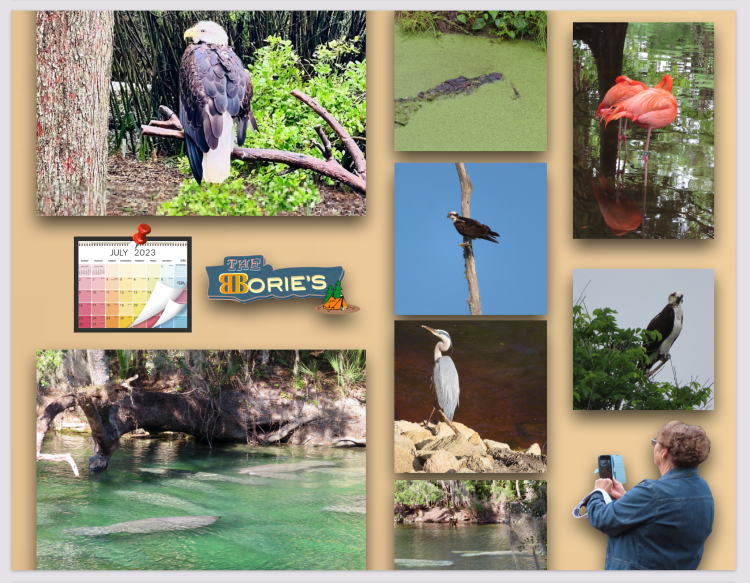
…continuando, entrámos na área dos pássaros, que era uma autêntica floresta tropical!. Havia por ali entre outras aves, pavões, que gostam de ficar sózinhos, incluindo um pavão branco, outro num tom azul que havia espalhado as suas belas penas e parecia que estava dançando, gansos de diferentes cores e tamanhos, flamingos, cisnes, piriquitos ou patos pequeninos que nadavam atrás da mãe pata!. As águias estavam numa área à parte cercada por uma rede metálica!.

continuing, we entered the bird area, which was an authentic tropical forest!. There were other birds around, peacocks, which like to be alone, including a white peacock, another in a blue tone that had spread its beautiful feathers and looked like it was dancing, geese of different colors and sizes, flamingos, swans, parakeets or tiny ducks that swam after the mother duck!. The eagles were in a separate area surrounded by a metallic net!.

…local este onde também se abriga uma grande colónia de reprodução de cegonhas selvagens, que embora não estejam ameaçadas de extinção, esta ave continua um achado raro no continente norte-americano, e neste caso, fixou residência permanente aqui, numa árvore quase gigante e com bastante ramagem!. 

…this place is also home to a large breeding colony of wild storks, which although not endangered, this bird remains a rare find on the North American continent, and in this case, it took up permanent residence here, in an almost giant tree and with plenty of branches!.

…próximo também havia a casa dos répteis que mostra a variedade de répteis e anfíbios nativos da Florida, com várias espécies de cobras e cascavéis que estão entre as suas principais atrações!.

…next there was also the house of reptiles that shows the variety of reptiles and amphibians native to Florida, with several species of snakes and rattlesnakes that are among its main attractions!.

…a pedido das crianças, passámos algum tempo belo Asian Bamboo Garden que apresenta plantações e elementos extraídos de toda a Ásia e não pretende representar um país ou cultura específicos!. A sua entrada é pelo Trout River Plaza através de um tradicional portão circular da lua!. Um grande lago de lótus e uma piscina de carpas incorporam recursos de rocha e água destinados a evocar os princípios chineses!. O jardim também possui uma Ponte da Lua, refletindo a forma da lua na água da piscina de lótus, e um bosque de bambu contendo uma escultura de bronze de um panda gigante!.

…at the request of the children, we spent some time in the beautiful Asian Bamboo Garden, which features plantings and elements drawn from across Asia and is not intended to represent a specific country or culture!. Its entrance is through Trout River Plaza through a traditional circular moon gate!. A large lotus pond and koi pool incorporate rock and water features intended to evoke Chinese principles!. The garden also features a Moon Bridge, reflecting the shape of the moon in the water of the lotus pool, and a bamboo grove containing a bronze sculpture of a giant panda!.

…é um fenómeno mas é verdade!. Se precisar-mos de um lugar tranquilo para fazer uma pausa, podemos sentar-nos num banco próximo ao curral das cabras!. As cabras são divertidas de assistir, principalmente as bebés, porque podem pular e brincar umas com as outras. Podemos até acariciá-las gentilmente nas costas e comprando a sua comida preferida, segurando-a com a mão espalmada e aberta, as cabras usarão os seus lábios macios para pegar essa comida!.

…is a phenomenon but true!. If we need a quiet place to take a break, we can sit on a bench near the goat corral!. Goats are fun to watch, especially the baby ones, because they can jump and play with each other. We can even stroke them gently on the back and when buying their favorite food, holding it with an open and flat hand, the goats will use their soft lips to take that food!.

…dentro do zoológico havia muitas mais coisas para ver!. Podíamos olhar no mapa ou nas placas de informação que nos ajudavam a encontrar o caminho, como por exemplo onde se localizava o “carroucel”, encontrar uma casa de banho, uma casa de venda comida e bebida ou a estação mais próxima do pequeno combóio que por ali circulava apitando frquentemente!.

…inside the zoo there were many more things to see!. We could look on the map or on the information boards that helped us find the way, such as where the “carroucel” was located, finding a bathroom, a food and drink shop or the nearest station for the small train that there it circulated whistling frequently!.

…quando chegou a hora de sair, caminhámos calmamente até ao portão de saída, pensando que um dia destes iremos voltar ao zoológico, nem que seja só para aprender mais sobre os diferentes animais e aves que vimos neste magnífico lugar!.

…when it was time to leave, we walked calmly to the exit gate, thinking that one of these days we would return to the zoo, if only to learn more about the different animals and birds we saw in this magnificent place!.

Tony Borie, Século XXI. (Tony Borie, 21st Century).
…curiosidades da nossa Florida!. (…curiosities of our Florida)!.

…a nossa dedicada esposa Isaura tirou estas fotos da área a que carInhosamente chamamos a nossa “Trilha da água, que é composto por um pequeno circuito de água salgada do oceano Atlântico, onde por vezes alguns golfinhos tendem em aparecer e onde nós caminhando, passamos sob a ponte da foz do rio Matanzas, entrando pela baía, onde usufruímos de uma vista previlegiada do Monumento Nacional do Forte de Matanzas!.

…our dedicated wife Isaura took these photos of the area that we affectionately call our “Water trail, which is made up of a small circuit of salt water from the Atlantic Ocean, where sometimes some dolphins tend to appear and where we walk, pass under the bridge at the mouth of the Matanzas River, entering the bay, where we enjoy a privileged view of the National Monument of the Fort of Matanzas!.

…cujo nome para muitas pessoas não é lá muito bonito!. E…, porquê Matanzas?. Matanzas, é uma área onde desagua o Rio Matanzas, cuja entrada não é estabilizada por molhes, portanto, está sempre sujeita a mudanças, como exemplo, existem mapas históricos feitos por militares espanhóis no século XVIII, que nos mostram que a enseada hoje se deslocou muitas centenas de metros para sul, do que era a sua localização durante a época do Império Espanhol!.

…whose name for many people is not very beautiful!. And…, why Matanzas?. Matanzas, is an area where the Matanzas River flows, whose entrance is not stabilized by jetties, therefore, it is always subject to changes, as an example, there are historical maps made by the Spanish military in the 18th century, which show us that the cove has moved many hundreds of meters to the south, from what was its location during the time of the Spanish Empire!.

…e, onde a sua história nos diz que exploradores franceses fundaram Forte Caroline, no que é hoje a cidade de Jacksonville, por volta do ano de 1564, como refúgio para os colonos “Huguenotes”!. Como tal, em resposta a essa invasão francesa sobre aquilo que a Espanha considerava como seu território, um tal Pedro Menéndez de Avilés, fundou a cidade de Santo Agostinho no ano seguinte!. 

…and, where its history tells us that French explorers founded Fort Caroline, in what is now the city of Jacksonville, around the year 1564, as a refuge for “Huguenot” settlers!. As such, in response to this invasion French over what Spain considered its territory, a certain Pedro Menéndez de Avilés, founded the city of Saint Augustine the following year!.

…e, sentindo-se preparado para combate, Menéndez de Avilés, rápidamente atacou Forte Caroline, viajando por terra!. Ao mesmo tempo, os franceses pensando o mesmo, navegaram, pretendendo atacar Santo Agostinho por mar!. Os espanhóis dominaram o pouco defendido Forte Caroline, poupando apenas as mulheres e crianças, enquanto os franceses, fustigados por uma enorme tempestade, naufragaram os seus navios na costa de Santo Agostinho!. 

…and, feeling prepared for combat, Menéndez de Avilés, quickly attacked Fort Caroline, traveling by land!. At the same time, the French thinking the same, sailed, intending to attack Saint Augustine by sea!. The Spanish dominated the poorly defended Fort Caroline, sparing only the women and children, while the French, buffeted by a huge storm, wrecked their ships off the coast of Saint Augustine!.

…assim, quando os espanhóis encontraram os sobreviventes que iam dando à praia, executaram-nos, atravessando-os com uma espada junto das dunas!. A localização dessas dunas, tornaram-se conhecidas como “Matanzas”, que no idioma espanhol quer dizer mais ou menos “abates”!. Como tal, esta área ficou para sempre chamada de Matanzas!.

…so, when the Spaniards found the survivors who were washed up on the beach, they executed them, crossing them with a sword near the dunes!. The location of these dunes became known as “Matanzas”, which in the Spanish language means more or less “slaughter”!. As such, this area was forever called Matanzas!.

…depois, houve mais lutas com corsários que navegavam por aqui, principalmente britânicos, que sempre tentaram bloquear esta importante entrada que era o ascesso mais meridional que os espanhóis usavam para as suas viagens de barco entre Santo Agostinho e Havana, Cuba!. Contudo durou pouco tempo, pois alguns anos depois, os espanhóis, usando como mão de obra, condenados, escravos e tropas de Cuba, erigeram uma torre de pedra coquina de 15 metros quadrados, por 9,1 metros de altura, agora chamada Forte Matanzas, na actual Ilha de Rattlesnake, ficando assim com uma posição de comando, sobre a enseada de Matanzas, salvaguardando esta entrada estratégica!. 

…then, there were more fights with privateers who sailed here, mainly British, who always tried to block this important entrance, which was the southernmost access that the Spaniards used for their boat trips between  Saint Augustine and Havana, Cuba!. However, it was short-lived, as a few years later, the Spaniards, using convicts, slaves and troops from Cuba as labor, erected a coquina stone tower measuring 15 square meters, 9.1 meters high, now called Fort Matanzas, on the current Rattlesnake Island, thus having a command position over the Matanzas cove, safeguarding this strategic entrance!.

…hoje, é um lugar histórico onde adoramos caminhar num areal que se estende por uma distância até se perder de vista, onde a colónia de aves selvagens é imensa, voando e aterrando junto a nós e, às vezes quando se juntam, tal como faziam os espanhóis, defendem o seu território!.

…today, it is a historic place where we love to walk on a beach that stretches for a distance as far as the eye can see, where the colony of wild birds is immense, flying and landing next to us and, sometimes when they get together, just as they did the Spaniards defend their territory!.

Tony Borie, Século XXI. (Tony Borie, 21st Century).
…passamos pela cidade de Sedona, Arizona!. (we passed through the city of Sedona, Arizona)!.

…vamos sorrir!. Porque rir, quando se tem vontade e quanto mais alto melhor, é um bom exercício!. É quase como correr por dentro!. Engraçado, não nos lembramos onde já vimos esta frase escrita, devemos de andar distraídos, deve ser a idade, pois também não nos lembramos de estar distraídos!.

…lets smile!. Because laughing, when you feel like it and the louder the better, is good exercise! It’s almost like running inside!. Funny, we do not remember where we have already seen this sentence written, we must be distracted, it must be age, as we also do not remember being distracted!.

…era no estado do Arizona, íamos rumo ao norte na estrada rápida número 17!. Atravessávamos zonas desertas, com uma povoação aqui e ali normalmente um pouco retirado da estrada, dando a entender que eram comunidades de casas “rasteiras”, que se confundiam com a pouca vegetação que por ali havia!. Uma curiosidade, era que quase sempre estava uma “pick- up” ou duas já antigas na frente ou no lado dessas casas!.

…it was in the state of Arizona, we were heading north on fast road number 17!. We crossed desert areas, with a village here and there usually a little removed from the road, implying that they were communities of “low-level” houses, which blended in with the little vegetation there was!. A curiosity was that there was almost always an old “pick-up” or two in front or on the side of these houses!.

…voltando à estrada e cntinuando a nossa rota rumo ao norte, estava a cidade de Sedona!. Aqui sim, parámos!. Está situada na parte alta do Deserto de Sonora, deve de ser a cidade onde há vestígios de presença humana, mais antiga nos USA, pois dizem que 11.500 até 9.000 anos AC, já por aqui andavam pessoas, que habitavam a região a que hoje chamam “Verde Valley” e está rodeada de pequenas montanhas de arenito vermelho, com lugares estratégicos, onde se pode admirar a natureza, principalmente ao pôr do sol!. 

..returning to the road and continuing our route towards the north, there was the city of Sedona!. Here yes, we stopped!. It is located in the upper part of the Sonoran Desert, it must be the city where there are traces of human presence, the oldest in the USA, as they say that from 11,500 to 9,000 years BC, people were already walking around here, who inhabited the region that today they call “Verde Valley” and is surrounded by small red sandstone mountains, with strategic places where you can admire nature, especially at sunset!.

…é uma cidade com muito turismo, para onde se deslocam muitas pessoas, algumas até aqui fixam residência, pois a sua altitude, 4500 pés, (1372 metros), e o seu clima suave, tanto no inverno como no verão, fazem desta cidade um bom lugar para viver!. 

…it is a city with a lot of tourism, where many people travel, some even settle here, because its altitude, 4500 feet, (1372 meters), and its mild climate, both in winter and in summer, make this city a good place to live!.

…alguém nos disse, que é uma cidade “Hollywood”, pois já se rodaram aqui mais de 60 produções, que com o tempo se tornaram famosas, e também por aqui caminharam e viveram “Estrelas de Hollywood”, como por exemplo, Errol Flynn, John Wayne, Joan Crawford, James Steward, Robert Michum ou Elvis Presley, chamam-lhe mesmo, “Arizona’s Little Hollywood”!.

…someone told us that it is a “Hollywood” city, as more than 60 productions have already been filmed here, which over time became famous, and “Hollywood Stars” have walked and lived here, such as for example, Errol Flynn, John Wayne, Joan Crawford, James Steward, Robert Michum or Elvis Presley, they even call it, “Arizona’s Little Hollywood”!.

…as atracções principais de Sedona é a sua variedade de formações de arenito vermelho que parecem brilhar em laranja e vermelho brilhantes, quando iluminadas pelo sol nascente ou até ao pôr do sol!. 

…the main attractions of Sedona are its variety of red sandstone formations that seem to glow bright orange and red when illuminated by the rising sun or even at sunset!.

…nós, simples visitantes, explorámos alguns lugares que nos informaram serem mais populares e conhecidos, no entanto ficámos com a sensação de que não importa se é pela primeira vez ou pela centésima vez que por aqui caminhamos, pois existem tantos lugares incríveis para ver e coisas para fazer em Sedona que podemos mesmo perguntar por onde é que devemos começar!.

…we, simple visitors, explored some places that we were told were more popular and known, however we were left with the feeling that it doesn’t matter if it’s the first time or the hundredth time that we walk through here, because there are so many amazing places to see and things to do in Sedona that we might even wonder where should we start!.

…por exemplo, existem mais de quatro centenas de trilhas por entre montanhas e áreas consideradas sagradas para os nativos Navajo e Hopi por gerações!. Dentro da pequena cidade também existem museus, lojas de lembranças, cafés ou restaurantes, tal como esplanadas com motivos decorativos da região mais alta do Deserto de Sonora!.

…for example, there are more than four hundred trails through mountains and areas considered sacred to Navajo and Hopi natives for generations)!. Within the small town there are also museums, souvenir shops, cafes or restaurants, as well as terraces with decorative motifs from the highest region of the Sonoran Desert!.

…ou a popular Capela da Santa Cruz, uma capela católica romana construída de 1954 a 1956 nas colinas de rocha vermelha de Sedona,  dentro da Floresta Nacional de Coconino, onde quando os visitantes sobem uma rampa longa e curva do estacionamento até a capela podem apreciar entre outras, a beleza e as característica de uma cruz de ferro de 90 pés (27,4 m) de altura na parede sudoeste, que serve a propósitos estéticos e estruturais, que cria uma impressão de grandeza e força e que fica na base de um penhasco de 1.500 pés (457,2 m) e é cercado por enormes pedaços de arenito!.

…or the popular Chapel of the Holy Cross, a Roman Catholic chapel built from 1954 to 1956 in the red rock hills of Sedona, within the Coconino National Forest, where visitors walk up a long, curving ramp from the parking lot to the chapel. among others, the beauty and features of a 90-foot (27.4 m) high iron cross on the southwest wall, which serves both aesthetic and structural purposes, which creates an impression of grandeur and strength and which stands at the base of (a cliff of 1,500 feet (457.2 m) and is surrounded by huge pieces of sandstone!.

…ainda antes de continuar a nossa jornada rumo ao norte, visitámos também a “Tlaquepaque Arts & Shopping Village”, que é um agradável lugar e que segue o modelo de Guadalajara, oferecendo-nos uma experiência única onde existem pátios íntimos e um lindo terraço, com a pitoresca capela de estilo antigo, parecendo-nos um local perfeito para convívio e…, se sentir alguma paz!.

…even before continuing our journey north, we also visited the “Tlaquepaque Arts & Shopping Village”, which is a pleasant place that follows the model of Guadalajara, offering us a unique experience where there are intimate patios and a beautiful terrace , with the picturesque old-style chapel, looking like a perfect place for socializing and…, if you feel some peace!.

…gostávamos de ter pernoitado por aqui, mas os preços de qualquer bem comum que qualquer cidadão necessita para sobreviver, não estavam de acordo com as nossas possibilidades financeiras, portanto, a solução foi retomar o rumo do norte ao encontro da cidade a que chamam de Flagstaff, cuja economia ainda hoje sobrevive entre outras coisas, à custa da madeira que fornece para as traves do caminho de ferro, onde perguntamos a uma simpática senhora qual a comida original desta área. Logo nos respondeu que os seus pais comiam carne de búfalo!

…we would have liked to have spent the night here, but the prices of any common good that any citizen needs to survive, were not in line with our financial possibilities, so the solution was to return to the north towards the city they call Flagstaff, whose economy still survives today, among other things, at the expense of the wood it supplies for the railroad beams, where we asked a nice lady what the original food of this area is. Soon she replied that her parents ate buffalo meat!.

Tony Borie, Século XXI. (Tony Borie, 21st Century).
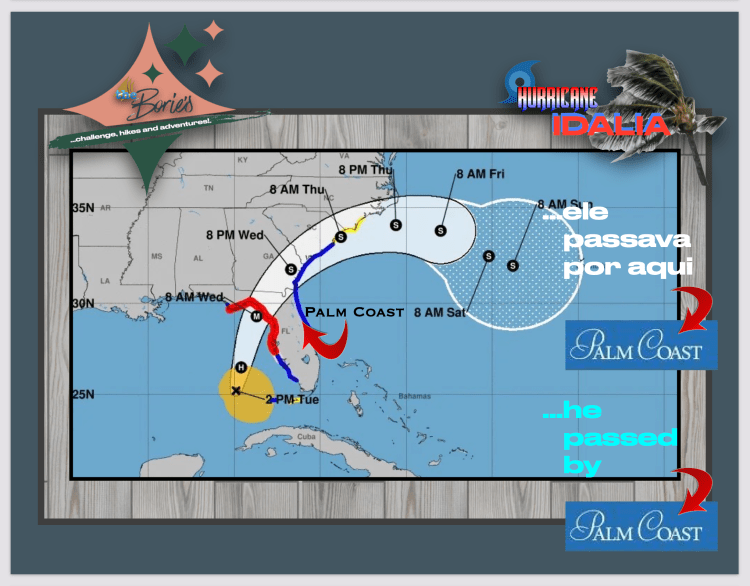
…Deadwood, South Dakota!.

…nós, aventureiros, cidadãos do mundo, vamos percorrendo um percurso sem qualquer destino, até onde a idade e alguma saúde, nos autorize a desfrutar do previlégio que é, poder usufuir da luz do sol, da água da chuva, do frio da neve, do calor da praia, da amizade das pessoas, ou de continuarmos a poder acompanhar o crescimento da família, sentindo o seu amor, traduzido em algum carinho!. 

…we, adventurers, citizens of the world, let us go on a course without any destination, as far as age and some health, allow us to enjoy the privilege that is, to be able to enjoy the light of the sun, rainwater, cold snow, the warmth of the beach, the friendship of people, or to continue to be able to keep up with the growth of the family, feeling their love, translated into some affection!.

…porquê, não sabemos!. Mas sempre tivémos uma certa atracção pelo estado de Dakota do Sul, talvez as suas planícies onde ainda pastam alguns rebanhos de búfalos, as montanhas Black Hills, na parte oeste, onde sobressaiem rochas gigantes de granito, algumas cobertas de árvores centenárias, que nos mostram um cenário de beleza, onde a floresta continua intacta e em paz, depois de lutas por anos e anos entre os índios americanos e os colonizadores, que iam avançando para oeste,  desejando aquele território, ou talvez a sua história de cidades pioneiras,  como por exemplo Deadwood!. 

…why, we do not know!. But we’ve always had a certain attraction for the state of South Dakota, perhaps its plains where some herds of buffalo still graze, the Black Hills in the west, where giant granite rocks stand out, some covered with centuries-old trees, which show us a landscape of beauty, where the forest remains intact and in peace, after struggles for years and years between the American Indians and the settlers, who were advancing towards the west, wishing that territory, or perhaps its history of pioneer cities, example Deadwood!.

…e…, já era ao anoitecer, a estrada desenhava algumas curvas, descidas e subidas, quando nos surge a cidade de Deadwood, no estado de Dakota do Sul, situada nas colinas das montanhas de Black Hills, com uma história de centenas de anos que, por volta do ano de 1870 se formou com um assentamento ilegal, assim como ilegal foi parte da sua vivência, onde cresceram os salões de jogo, vieram as prostitutas, o álcool corria nas gargantas, sendo tudo pago com pepitas de ouro, não havia lei, ou se havia não se respeitava, matáva-se por uma pá, uma bacia de limpar a terra do ouro, ou por um burro da carga, enfim…, era a lei do mais rápido!. 

…and…, it was already dusk, the road drew some curves, descents and ascents, when the city of Deadwood, in the state of South Dakota, situated in the hills of the Black Hills mountains, with a history of hundreds of years , around the year 1870 formed with an illegal settlement, just as illegal was part of their experience, where gambling halls grew, prostitutes came, alcohol ran in the throats, all being paid with gold nuggets, there was law, or if it had not respected itself, it was killed by a shovel, a basin to clean the land of gold, or by a donkey of the load, finally, was the law of the fastest!

…num território concedido aos Índios Americanos no Tratado de Laramie no ano de 1868, território este, que já pertencia ao povo Lakota, verdadeiros habitantes desta área por séculos, garantia-lhes a posse das montanhas e colinas de Black Hills, todavia as disputas sobre aquelas colinas continuaram e, tinham que continuar, pois havia lá ouro, tendo as  disputas atingido a Suprema Corte dos USA, por diversas ocasiões!. 

in a land granted to the American Indians in the Treaty of Laramie in 1868, this territory, which already belonged to the Lakota people, true inhabitants of this area for centuries, guaranteed them the possession of the mountains and hills of the Black Hills, yet the disputes over those hills continued, and they had to continue, for there was gold there, and the disputes reached the Supreme Court of the USA, on several occasions!.

…verdadeiramente, o que é hoje a cidade de Deadwood começou, quando o coronel George Armstrong Custer, liderou uma expedição a essas montanhas, anunciando a descoberta de ouro, no “French Creek”, que era um ribeiro que por lá passava, perto do que é hoje a cidade de Custer, no mesmo estado!. O anúncio do coronel Custer, desencadeou a corrida ao ouro na área de Black Hills, dando origem ao que hoje chamam a cidade de Deadwood, onde a sua população, rápidamente, de apenas de umas dezenas, passou para 5.000 pessoas!. 

…truly, what is today the city of Deadwood began, when Colonel George Armstrong Custer led an expedition to these mountains, announcing the discovery of gold, in the French Creek, which was a brook that passed through there, near what is now the city of Custer, in the same state!. Colonel Custer’s announcement unleashed the gold rush in the Black Hills area, giving rise to what they now call the city of Deadwood, where its population, quickly, from only a few dozen, passed to 5,000 people!.

…depois, foi a azáfama normal em povoações que se formaram com a corrida ao ouro, longe da pouca civilização que naquele tempo havia, onde tudo era permitido, o ouro abundava, não se respeitava nada a não ser a ganância e a oportunidade de ser mais poderoso que o vizinho, lutavam e matavam, por um pequeno espaço num qualquer ribeiro, o álcool, a pólvora, as armas, o jogo, os salões com senhoras cresciam e, tudo era pago com ouro!. 

…later, it was the usual bustle in settlements that formed with the gold rush, away from the little civilization that was in those days where everything was allowed, gold abounded, nothing was respected except greed and opportunity to be more powerful than the neighbor, they fought and killed, for a little space in any brook, alcohol, gunpowder, guns, gambling, salons with ladies growing, and everything was paid for with gold!.

...Deadwood, é uma das cidades lendárias da corrida ao ouro, tendo por aqui passado personagens que fizeram parte da história pioneira Americana, como por exemplo, Seth Bullock, um homem da lei, Wyatt Earp, lendário pistoleiro, mais tarde Sherife Marshal dos U.S., jogador professional e guarda de bordel ou George Hearst, magnata do ouro em São Francisco e Senador dos U.S.A., pela Califórnia!. 

…Deadwood, is one of the legendary cities of the gold rush, having here passed characters that are part of the pioneering American history, for example, Seth Bullock, a man of law, Wyatt Earp, legendary gunslinger, later Sherif Marshal of the US, professional player and brothel guard or George Hearst, gold tycoon in San Francisco and US Senator, California!.

…no entanto, as personagens que ao longo dos tempos se tornaram ainda mais lendárias e que por aqui passaram, fazendo parte da história da  cidade de Deadwood, foram James Butler Hickok, (“Wild Bill” Hickok), e Martha Jane Cannary, (Calamity Jane), que por aqui ficaram para sempre, sepultadas no cemitério das colinas da cidade, tendo direito a estátuas e,  os seus habitantes se orgulham ao contar a sua história!. 

…but the characters that have become even more legendary over the years have been James Butler Hickok (“Wild Bill” Hickok), and Martha Jane Cannary (Calamity Jane), who have stayed here forever, buried in the cemetery of the city’s hills, having rights to statues, and its inhabitants are proud to tell their story!.

…o James Butler Hickok, mais conhecido como “Wild Bill” Hickok, era um herói folclórico do velho oeste americano, conhecido pelo seu trabalho através do território de fronteira, como guia e tradutor, mestre de caravanas, soldado, espião, batedor, sherife, pistoleiro, jogador, showman e actor!. A sua notoriedade, ganha no seu próprio tempo, é reforçada por muitas histórias estranhas, muitas vezes fabricadas pelo que ele contava sobre a sua própria vida!. Alguns relatos contemporâneos das suas façanhas, são conhecidos como sendo fictícios, todavia eles constituem a base de grande parte da sua reputação de fama!. 

…James Butler Hickok, better known as “Wild Bill” Hickok, was a folk hero of the Old American West, known for his work across the border territory, as a guide and translator, a master of caravans, a soldier, a spy, a batter , sheriff, gunslinger, player, showman and actor!. His notoriety, gained in his own time, is reinforced by many strange stories, often fabricated by what he told about his own life!. Some contemporary accounts of his exploits are known to be fictitious, yet they form the basis of much of his reputation for fame!

…apesar de usar uma grande faca, duas grandes pistolas, de dizer que tinha lutado sózinho contra ursos, morto muitos “peles-vermelhas”,  ganho dezenas de “duelos”, de ser forte e audaz, conhecer todo o território, um certo dia, no célebre “Salon N.º 10”, desta cidade de Deadwood, um garoto, que se lembrava da sua cara, por ter morto o seu pai, que o tinha desafiado para um duelo, disferiu-lhe dois tiros pelas costas, assim de repente, à queima-roupa, por trás, acabando com toda a sua audácia e rapidez!. 

…despite using a large knife, two large pistols, to say that I had fought alone against bears, killed many “redskins”, won dozens of “duels”, being strong and daring, knowing the whole territory, one day in the celebrated “Salon No. 10” of this city of Deadwood, a boy who remembered his face for having killed his father, who had challenged him to a duel, gave him two shots, so suddenly, at close range, behind, ending with all his audacity and speed!.

…por sua vez, a Martha Jane Cannary, mais conhecida como “Calamity Jane”, também conhecida pelo seu trabalho através do território de fronteira, como guia, tradutora e batedora professional, acompanhando caravanas, tornando-se mais conhecida, quando se apaixonou pelo “Wild Bill” Hickok, junto ao qual lutou contra os índios!. Usava roupas masculinas, demonstrava compaixão pelos outros, especialmente pelos doentes e necessitados, contrastando um pouco com os seus jeitos temerários, que ajudaram a torná-la numa figura notável de fronteira, sabendo-se que não tinha educação formal e era uma alcoólica itinerante!.  Como já dissémos, ficaram os dois para sempre na cidade de Deadwood, sepultados no cemitério das colinas que circundam esta cidade, fazendo parte do seu folclore!. 

…in turn, Martha Jane Cannary, better known as “Calamity Jane”, also known for her work across the border territory, as a guide, translator and professional scout, accompanying caravans, becoming better known when fell in love with the “Wild Bill” Hickok, next to which fought against the Indians!. He wore men’s clothes, showed compassion for others, especially the sick and the needy, contrasting somewhat with his reckless ways, which helped make her a remarkable frontier figure, knowing that she had no formal education and was a traveling alcoholic!. As we have already said, they were forever in the city of Deadwood, buried in the cemetery of the hills that surround this city, being part of their folklore!.

…a cidade de Deadwood em Dakota do Sul, por algumas vezes foi estrela de Hollywood e várias séries de TV se filmaram nesta cidade ou sua área!. Filmes como “Calamity Jane”, com a célebere atriz Doris Day,  “Dances With Wolves”, com o actor Kevin Costner, entre muitos outros, foram rodados por aqui e as suas ruas e a estrutura da cidade mantêm-se!. Hoje é considerada Património Histórico Nacional!. 

…the city of Deadwood in South Dakota, for some times it was a Hollywood star and several TV series were filmed in this city or its area!. Films such as “Calamity Jane”, with the famous actress Doris Day,“Dances With Wolves”, with actor Kevin Costner, among many others, were shot here and its streets and city structure remain!. Today it is considered National Historic Heritage!.

…nos bares e restaurantes, existem áreas de casino com máquinas de jogo, a bebida continua a correr, algumas senhoras continuam pela portas dos bares, há música e festas em tudo o que é esquina, sendo visitada por centenas, talvez milhares de pessoas!.

…in the bars and restaurants, there are casino areas with gaming machines, the drink continues to flow, some ladies continue through the doors of the bars, there is music and parties in every corner, being visited by hundreds, maybe thousands of people! .

Tony Borie, Século XXI.    Tony Borie, Century XXI.

…trilhas ao redor!. …trails around!.

…caminhar é uma actividade divertida, educativa e que nos coloca melhor fisicamente desfrutando do ar livre, tal como fazemos quase todos os dias nas diversas trilhas que existem próximo do local onde presentemente vivemos!.

…walking is a fun, educational activity that makes us better physically enjoying the outdoors, as we do almost every day on the various trails that exist near the place where we currently live!.

…nós, com alguma experiência, procuramos caminhos rurais e tranquilos, sobretudo com vegetação, se possível com impressionante paisagem de água e com raios de sol, no entanto, se surgir uma chuva miudinha não ficamos desapontados, pelo contrário, até agradecemos a dádiva!. 

…we, with some experience, look for rural and quiet paths, especially with vegetation, if possible with an impressive landscape of water and sun rays, however, if a light rain appears we are not disappointed, on the contrary, we even thank you gift!.

…procuramos este tempo para apreciar a paisagem, tirar fotos, e claro, conversar com outros caminhantes que por nós vão passando, considerando-nos um “artista da terra”, de contacto com a natureza, reivindicando para nós este acto de caminhar como “uma arte”!. 

…we take this time to enjoy the landscape, take pictures, and of course, talk to other walkers who pass by us, considering ourselves an “artist of the earth”, in contact with nature, claiming this act of walking for ourselves as “an art”!.

…normalmente vamos acompanhados da nossa dedicada esposa Isaura, que nos ajuda a enfrentar uma caminhada mais difícil, lidando com longos e tediosos trechos, lutando contra o tempo e outras dificuldades ajudando-nos a decidir o caminho certo e, o que fazer quando estivermos em dificuldades ou até conversando sobre as nossas esperanças e possíveis problemas!. 

…normally we are accompanied by our dedicated wife Isaura, who helps us to face a more difficult journey, dealing with long and tedious stretches, fighting against time and other difficulties, helping us to decide the right path and what to do when we are in difficulties or even talking about our hopes and possible problems!.

…os próprios passos dos nossos pés, são um trabalho que fazem parte da paisagem que percorremos, do tempo, do espaço, onde uma simples significância, como uma folha caída, uma ave passando, um réptil escondendo-se, uma árvore centenária, são uma “prenda da natureza pura”, compensando-nos da aventura de não sabermos o que nos pode acontecer depois daquela curva, depois daquele riacho! No entanto, uma coisa é certa, o espaço significa distância e, “uma obra de arte, pode muito bem ser uma jornada”!. 

…the very steps of our feet are a work that forms part of the landscape we travel through, of time, of space, where a simple significance, such as a fallen leaf, a passing bird, a hiding reptile, a century-old tree , are a “gift of pure nature”, compensating us for the adventure of not knowing what might happen to us around that bend, after that stream! However, one thing is certain, space means distance and, “a work of art, can very well be a journey”!.

…hoje falamos das cinco para nós mais significativas trilhas que nos rodeiam e que percorremos em diferentes dias, claro, uma de cada vez!. São elas:

…today we are talking about the five most significant trails that surround us and that we walk on different days, of course, one at a time!. Are they:

“Turtle Trail”, aqui mesma na área onde vivemos, motivo porque é a mais frequentemente usamos!. É uma trilha popular para observação de pássaros, caminhadas e ciclismo de estrada, mas também podemos desfrutar de um pouco de solidão, sendo a sua superfície pavimentada com duas pontes em madeira sobre dois pequenos riachos e a sua largura é de aproximadamente 5 a 6 pés e com muitos espaços de passagem mais amplos!. 

…”Turtle Trail”, right here in the area where we live, which is why it is the most frequently used!. It is a popular trail for birdwatching, walking and road biking, but you can also enjoy some solitude, its surface being paved with two wooden bridges over two small streams and its width being approximately 5 to 6 feet. and with many wider passage spaces!.

…a outra é…, a “Princesa Place Trail”, que para nós representa além de tudo, paz!. Existem muitas árvores, algumas centenárias, vegetação, aves e animais selvagens, muita beleza, água salgada, que vem do mar, pântanos, ribeiros, pontes em madeira, “trilhos” para caminhar,  comparando-se muito às paisagens que se vê nos “postais ilustrados”!.

…the other is…, the “Princess Place Trail”, which for us represents, above all, peace!. There are many trees, some centenary, vegetation, birds and wild animals, much beauty, salt water, which comes from the sea, swamps, streams, wooden bridges, “trails to walk, comparing a lot to the landscapes that you see in “ illustrated postcards”!.

…esta bela reserva de 1.500 acres está localizada na confluência dos canais, que também podem ser consideradas “terras alagadiças selvagens”, onde a água é abundante, a que chamam de Pellicer Creek, Moody Creek, e o Rio Matanzas. Está situada na parte norte do concelho  de Flagler, e conta-nos a história que por volta do ano de 1791, o Rei de Espanha ofereceu em doação, talvez pelos bons serviços prestados, umas terras, com mais ou menos 1.100 hectares a um tal Francisco Pellicer, que devia de ser naquele tampo, uma importante pessoa aqui nesta zona!. 

…this beautiful 1,500-acre preserve is located at the confluence of canals, which can also be considered “wild wetlands” where water is abundant, what they call Pellicer Creek, Moody Creek, and the Matanzas River. It is located in the northern part of the municipality of Flagler, and the story tells us that around the year 1791, the King of Spain donated, perhaps for the good services rendered, some land, with more or less 1,100 hectares to a certain Francisco Pellicer, who should have been at that time, an important person here in this area!.

…a outra é…, a “Trilha Lehigh”, que abrange uma área de quase pura natureza de 194,95 acres, paralela ao Lehigh Canal em grande parte de sua extensão, estendendo-se desde a US 1 ao norte da cidade de Bunnell, passando pelo centro da cidade de Palm Coast, pelo Graham Swamp e terminando na já referida Colbert Lane, imediatamente a oeste da antiga Lehigh Portland Cement Company, de onde só resta a chaminé!.

…the other is…, the “Lehigh Trail”, which encompasses 194.95 acres of mostly pure nature, paralleling the Lehigh Canal for much of its length, extending from US 1 north of the town of Bunnell , passing through the center of the city of Palm Coast, through the Graham Swamp and ending at the aforementioned Colbert Lane, immediately west of the former Lehigh Portland Cement Company, of which only the chimney remains!.

…foi construída com uma longa distância de passadiços em madeira sobre uma área pantanosa, seguindo depois pelo já mencionado percurso de um corredor ferroviário abandonado, em alcatrão e algumas partes em cimento, existindo apenas duas passagens de nível em Old Kings Road e Belle Terre Parkway, oferecendo aos caminhantes tal como nós, uma amostra da Flórida selvagem e algumas das melhores paisagens com árvores que cercam a trilha praticamente em toda a distância!.

…was built with a long distance of wooden walkways over a marshy area, then following the aforementioned route of an abandoned railway corridor, in tarmac and some parts in cement, with only two level crossings on Old Kings Road and Belle Terre Parkway , offering hikers like us a taste of wild Florida and some of the best landscapes with trees that surround the trail practically throughout the distance!.

…a outra é…, a St. Joe Walkway,  onde além de um cenário maravilhoso aninhado dentro do sistema de trilhas que se conectam às trilhas do Intracoastal Waterway, que é um canal de água salgada e está considerada como parte designada da “Great Florida Birding and Wildlife Trail”, que nos oferece oportunidade para ver o verdadeiro “antigo habitat da Flórida” com mais de 40 espécies de aves migratórias e pernaltas, como garças nevadas e garças azuis!.

…the other is…, to St. Joe Walkway, where in addition to a wonderful setting nestled within the trail system that connects to the trails of the Intracoastal Waterway, which is a salt water channel and is considered a designated part of the “Great Florida Birding and Wildlife Trail”, which offers us opportunity to see the true “old Florida habitat” with more than 40 species of migratory and wading birds, such as snowy herons and blue herons!.

…e por fim damos a conhecer a “Water Trail”, que é como carInhosamente chamamos a um pequeno circuito composto pela praia e pelas ondas de água salgada do oceano Atlântico, onde por vezes alguns golfinhos tendem em aparecer, onde nós caminhando, passamos sob a ponte da foz do rio Matanzas, entrando pela baía, onde usufruímos de uma vista previlegiada do Monumento Nacional do Forte de Matanzas!.

…and finally we introduce you to the “Water Trail”, which is how we affectionately call a small circuit made up of the beach and the salt water waves of the Atlantic Ocean, where sometimes some dolphins tend to appear, where we walk, pass under the bridge at the mouth of the Matanzas River, entering the bay, where we enjoy a privileged view of the National Monument of the Fort of Matanzas!.

…aqui e ali apanhámos um pequeno búzio, já partido e gasto pelas águas revoltas de anos, talvez séculos, de ventos do norte e tempestades oceânicas, onde navegaram barcos de corsários, que davam à costa, na procura, entre outras coisas, talvez esconderem arcas que continham tesouros, que eram o espólio da pilhagem de algumas aldeias da costa marítima do mar das Caraíbas!.

…here and there we caught a small whelk, already broken and worn by the turbulent waters of years, perhaps centuries, of northerly winds and oceanic storms, where corsair boats sailed, which landed on the coast, in search, among other things, perhaps of hiding (chests that contained treasures, which were the spoils of the looting of some villages on the sea coast of the Caribbean Sea!.

…a maré estava a descer, a água corria em direcção ao oceano, não ia cristalina como era normal!. Naquele momento, a sua cor era cinzenta da floresta de inverno e dos pântanos que circundam a baía, fazendo diversos desenhos no areal, querendo levar consigo alguma areia, pequenas pedras, conchas e búzios, que entendia que eram suas, levando-as de volta ao oceano!. Todavia nós, seguíamos caminhando se possível pela água onde as gaivotas e as garças, voavam ao sentirem a nossa presença próxima!.

…the tide was going down, the water was running towards the ocean, it was not crystal clear as usual!. At that moment, his color was the gray of the winter forest and the swamps that surround the bay, making different designs on the sand, wanting to take with him some sand, small stones, shells and whelks, which he understood were his, taking them back to the ocean!. However, we continued walking if possible through the water where the seagulls and herons flew when they felt our presence nearby!.

…a arte está nos nossos olhos de observador, na mente do criador, onde todos podemos ter um significado oculto e profundo, ou um impacto visual vigoroso, nas coisas mais simples, seja nas cidades, (detestamos cidades), ou num deserto!. Muitas vezes notamos o que os outros não percebem, percebendo nós e, talvez capturando esses momentos, que podem dar uma dimensão extra às nossas experiências de caminhadas!.

…art is in our beholder’s eyes, in the creator’s mind, where we can all have a deep hidden meaning, or a powerful visual impact, in the simplest things, be it in cities, (we hate cities), or in a desert !. We often notice what others do not notice, noticing us and perhaps capturing those moments, which can give an extra dimension to our hiking experiences!.

Tony Borie Século XXI. (Tony Borie 21st Century).

…Iditarod Trail Sled Dog Race 2023!.

…embora vivendo no estado da Flórida, já algumas vezes aqui escrevemos, mencionando as nossas aventuras rumo ao norte, onde tudo se torna mais simples viajando em direcção ao oeste, um pouco antes de começar uma curva para norte, depois outra vez para oeste, mas sempre no sentido norte até…, ao Alaska!.

…although we live in the state of Florida, we have written here a few times, mentioning our adventures heading north, where everything becomes simpler traveling westwards, just before starting a curve to the north, then again to the west, but always in a northerly direction to…, to Alaska!.

…e, depois de visitar e escrever sobre este estado por diversas vezes, continuarmos a receber notícias e a seguir o que por lá se passa, como tal   na página do Alaska’s News Source, a quem agradecemos a notícia, podemos ler que o “musher” (condutor de um trenó puxado por cães), Ryan Rendington, chegou esta terça-feira em primeiro à distante cidade de Nome às 12h13, com um tempo de vitória de 8 dias, 21 horas, 13 minutos e 58 segundos, passando assim a vencer a Iditarod Trail Sled Dog Race 2023 e, esta corrida de cães de trenó Iditarod Trail de 1.000 milhas tem um novo campeão!.

…and, after visiting and writing about this state several times, we continue to receive news and follow what is happening there, as such on the Alaska’s News Source page, to whom we thank for the news, we can read that the “musher” (dog sled driver), Ryan Rendington, reached first in the distant city of Nome this Tuesday at 12:13 pm, with a winning time of 8 days, 21 hours, 13 minutes and 58 seconds, thus passing the to win the 2023 Iditarod Trail Sled Dog Race and, this 1,000-mile Iditarod Trail Sled Dog Race has a new champion!.

…como curiosidade lembramos que o avô de Redington, Joe Redington Sr., conhecido como o “Pai do Iditarod”, nunca venceu a corrida, mas foi fundamental na organização e arrecadação de fundos para a corrida inaugural em 1973 e é considerado o líder na popularização e modernização do desporto canino no Alaska!. Joe Sr. correu 19 Iditarods entre 1974 e 1997 com um quinto lugar como melhor resultado, que conquistou quatro vezes!.

…as a curiosity, remember that Redington’s grandfather, Joe Redington Sr., known as the “Father of the Iditarod”, never won the race, but he was instrumental in organizing and raising funds for the inaugural race in 1973 and is considered the leader in popularization and modernization of canine sport in Alaska!. Joe Sr. raced 19 Iditarods between 1974 and 1997 with a fifth place as the best result, which he won four times!.

…o seu neto Ryan Redington, antes da corrida começar com a largada cerimonial em Downtown Anchorage em 4 de Março e o reinício oficial em Willow em 5 de março, sonhava em vencer a última grande corrida e, disse que pretendia terminar entre os 5 primeiros este ano, mas disse que uma vitória seria a melhor experiência, porque o troféu do primeiro lugar é uma estátua de bronze de 90 libras do meu avô, e esse é um sonho, é levar para casa esse troféu!. Parabéns Ryan Rendington!.

…his grandson Ryan Redington, before the race began with the ceremonial start in Downtown Anchorage on March 4th and the official restart at Willow on March 5th, dreamed of winning the last big race and said he aimed to finish in the top 5 this year, but I said that a victory would be the best experience, because the first place trophy is a 90-pound bronze statue of my grandfather, and that is a dream, to take home that trophy!. Congratulations Ryan Rendington!.

…e, o que é o “Iditarod Trail Sled Dog Race (Uma corrida de Cães de Trenó)?. Simples de explicar!. A exemplo do que foram a “Santa Fé Trail”, a “Oregon Trail”, a “Califórnia Trail”, a “Appalachian Trail” ou a “Mormon Trail”, (trilhas antigas dos pioneiros), das quais já tivémos o previlégio de percorrer alguns pequeninos troços do seus percursos!.

…and, what is the “Iditarod Trail Sled Dog Race?”. Simple to explain!. Like the “Santa Fe Trail”, the “Oregon Trail”, the “California Trail”, the “Appalachian Trail” or the “Mormon Trail”, (old trails of the pioneers), of which we already had the privilege of (Walk through some small sections of their routes!.

…tal como também já estivémos em alguns lugares, embora sendo época de verão, portanto sem neve, caminhando por pequeninos troços do percurso da “Iditarod Trail Sled Dog Race”, que fazem parte do que foi a história de pioneiros, que no século XIX, que atravessaram não só planícies na procura da sua terra prometida, como também a “tundra” (região ártica, plana e sem árvores com o subsolo permanentemente congelado), próximo do Mar de Bearing, à luz do “sol da meia-noite”!.

…as we have also been in some places, although it is summer season, therefore without snow, walking through small sections of the “Iditarod Trail Sled Dog Race”, which are part of what was the history of pioneers, who in the 19th century , who crossed not only plains in search of their promised land, but also the “tundra” (arctic, flat and treeless region with permanently frozen subsoil), near the Bearing Sea, in the light of the “midnight sun”!. 

…este evento começou no ano de 1973, como sendo um evento para testar os melhores “mushers” com as suas equipes de cães de trenó, mas evoluiu para a corrida altamente competitiva de hoje, onde este pomposo nome de “Iditarod Trail Sled Dog Race”, não é mais do que uma homenagem ao que faziam os pioneiros pesquisadores de ouro do século dezoito ou dezanove, que se aventuravam para leste, quando desembarcavam na cidade de Nome, no Mar de Bearing!.

…this event started in the year 1973 as an event to test the best “mushers” with their sled dog teams, but evolved into the highly competitive race of today, where this pompous name of “Iditarod Trail Sled Dog Race”, is nothing more than a tribute to what the pioneer gold researchers of the eighteenth or nineteenth century did, who ventured eastward, when they disembarked in the city of Nome, on the Bearing Sea!.

…enfim, isto são curiosidades do Alaska, a última fronteira!. 

…anyway, these are curiosities about Alaska, the last frontier!.

Tony Borie, Século XXI. (Tony Borie, 21st Century).
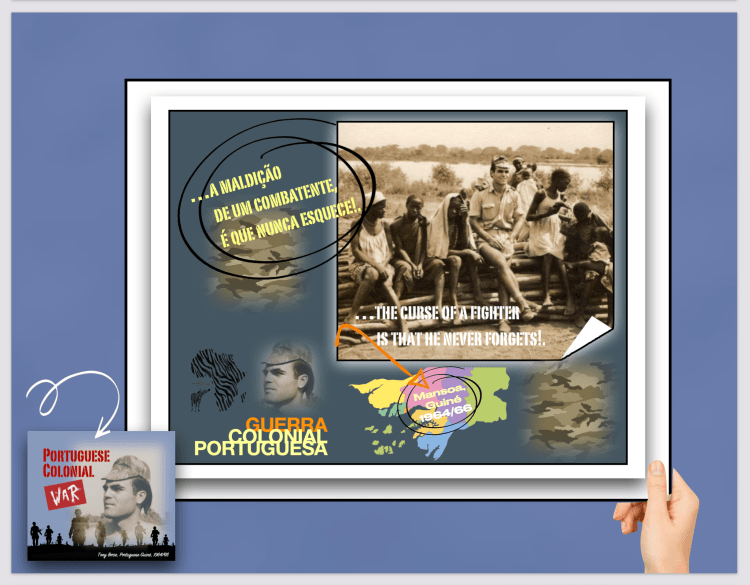
…Parque Nacional  da Floresta Petreficada!. (Petrified Forest National Park)!.

…viajando pelo estado do Arizona e saindo da estrada interestadual n.º 40, que atravessa os USA de leste a oeste, entrámos numa estrada com uma ainda linha de postes telefónicos que marca o leito da hoje histórica “Route 66” e que nos levava ao Parque Nacional da Floresta Petrificada!. 

…travelling through the state of Arizona and leaving the inerstate road #40, which crosses the USA from east to west, we entered a road with a still line of telephone poles that marks the bed of the now historic “Route 66” and that took us to the Park National Petrified Forest!..

…estes vestígios de um velho leito de estrada com estes postes telefónicos já desgastados, marcam o caminho da famosa “Rua Principal da América” e, do Parque Nacional da Floresta Petrificada, que é o único parque do Sistema de Parques Nacionais que contém uma secção da “Route 66”!. Isto é…, maravilhoso!.

…these remains of an old roadbed with these weathered telephone poles, mark the path of the famous “Main Street of America” ​​and, Petrified Forest National Park, which is the only park in the National Park System that contains a section from “Route 66”!. This is…, wonderful!.

…tudo isto é impressionante porque o Parque Nacional da Floresta Petrificada fica na fronteira entre o condado deApache e o condado de Navajo, no nordeste do Arizona e, é conhecido pelos seus fósseis, especialmente de árvores caídas que viveram no Triássico Superior da era Mesozóica, cerca de 225 a 207 milhões de anos atrás!.

…this is all impressive because the Petrified Forest National Park straddles the border between Apache County and Navajo County in northeastern Arizona and is known for its fossils, especially of fallen trees that lived in the Upper Triassic of the Mesozoic era , about 225 to 207 million years ago!.

…durante esse período, a região que hoje é o parque ficava perto do equador na borda sudoeste do supercontinente “Pangeia”, e o seu clima era húmido e subtropical!.

…during that period, the region that is now the park was close to the equator on the southwest edge of the supercontinent “Pangea”, and its climate was humid and subtropical!.

…o que mais tarde se tornou o nordeste do Arizona, que era uma planície baixa ladeada por montanhas ao sul e sudeste e um mar a oeste!. Os riachos que fluem pela planície a partir das terras altas depositaram sedimentos inorgânicos e matéria orgânica, incluindo árvores, bem como outras plantas e animais que entraram ou caíram na água!. 

…what later became northeast Arizona, which was a low plain flanked by mountains to the south and southeast and a sea to the west!. The streams flowing across the plain from the highlands deposited inorganic sediments and organic matter, including trees, as well as other plants and animals that entered or fell into the water!. 

…no entanto, embora a maior parte da matéria orgânica se decomponha rapidamente ou seja comida por outros organismos, algumas são enterradas tão rapidamente que permanecem intactas e podem se tornar fossilizadas!.

…however, while most organic matter decomposes quickly or is eaten by other organisms, some are buried so quickly that they remain intact and can become fossilized!.

…mais palavras para quê?. Nós, que por diversas vezes mencionamos que “perante diversos cenários nos tornamos em contadores de histórias”, aqui, depois de caminhar, observar, tocar, e claro, fotografar todo este maravilhoso cenário, só nos resta mencionar o que dizem os diversos letreiros que frequentemente nos aparecem, que mencionam “Collecting Petrified Wood is prohibited”, (É proibido colectar madeira petrificada)!. E para quê?. Carregar connosco tantos milhões de anos!.

…more words for what?. We, who have mentioned several times that “in the face of different scenarios we become storytellers”, here, after walking, observing, touching, and of course, photographing all this wonderful scenery, we only have to mention what the various signs that “Collecting Petrified Wood is prohibited”!. And for what?. Carry with us so many millions of years!.

Tony Borie, Século XXI. (Tony Borie, 21st Century). 

Horseshoe Bend, Arizona!.

…se viajar-mos, vindos do norte, pela estrada US 89, o Horseshoe Bend, está localizado a aproximadamente oito milhas a jusante da represa de Glen Canyon e do lago Powel, podendo nós ter ascesso à trilha que lá nos levará diretamente da estrada, fazendo uma caminhada de ida e volta de aproximadamente 2,4 milhas, que nos leva a subir uma colina moderada e depois uma curva e voltar!. 

…if we travel from the north on US 89, the Horseshoe Bend, is located approximately eight miles downstream from Glen Canyon Dam and Lake Powel, and we may have access to the trail that will take us there directly the road, making a hike around 2.4 miles, which takes us up a moderate hill and then a curve and back!.

…percorrendo este trajecto, estamos mais ou menos a 1.000 pés acima do rio Colorado, num local maravilhoso, onde entre outros cenários de tirar a respiração, se podem tirar lindas fotos, pois Horseshoe Bend é um meandro em forma de ferradura do rio Colorado, que foi resistindo aos ciclos de tempo, onde à cerca de 200 milhões de anos atrás, a areia que fazia parte do maior sistema de areia e dunas do continente norte-americano, que talvez fossem “mares de areia” que eventualmente se foram endurecendo pela água e minerais no Navajo Sandstone, numa uniforme e incrível camada lisa de arenito, que se estendia do Arizona para Wyoming, e ainda hoje pode ter mais de dois mil pés de expessura em alguns lugares!.

…along this path, we are more or less 1,000 feet above the Colorado River, in a wonderful location, where among other breathtaking sceneries, beautiful photos can be taken, as Horseshoe Bend is a meandering meander of the river Colorado, which was resisting the cycles of time, where about 200 million years ago, the sand that was part of the largest system of sand and dunes on the North American continent, which maybe were “seas of sand” that eventually went away hardened by water and minerals in the Navajo Sandstone, in a uniform and incredible smooth layer of sandstone, which stretched from Arizona to Wyoming, and even today it can be over two thousand feet thick in some places!.

…quando alcançamos a borda do Horseshoe Bend, estamos a olhar para aproximadamente a 1.000 pés (305 metros), do arenito para o rio, pois depois de Arenito Navajo endurecido, outras camadas diferentes de sedimentares se foram empilhadando, e claro, ao longo de alguns milhões de anos, a paciente água sob a forma de chuva, gelo, inundações e córregos, foi trabalhando,  corroendo essas diferentes camadas de Arenito Navajo, onde a areia foi lentamente desaparecendo, surgindo um cenário a que hoje chamam Horseshoe Band!.

…when we reach the edge of the Horseshoe Bend, we are looking at approximately 1,000 feet (305 meters), from the sandstone to the river, because after hardened Navajo sandstone, other different layers of sedimentary have been piled up, and of course, at the over a few million years, the patient water in the form of rain, ice, floods and streams, was working, eroding these different layers of Navajo Sandstone, where the sand was slowly disappearing, creating a scenario that today they call Horseshoe Band!.

…nós caminhámos até lá, até ao topo da colina, olhámos à nossa volta, não vimos apenas o Horseshoe Band, pois à nossa volta estava o resto da trilha para Horseshoe Bend, e além disso, estava o Planalto de Paria e o Vermillion Cliffs e, à nossa direita, o rio leva-nos ao lago Powell, na área de recreação nacional de Glen Canyon, que também visitámos, e à nossa  esquerda, estendia-se a vasta nação Navajo, e nós, parados, maravilhados na encruzilhada destes locais, que são um encontro de coisas naturais e culturais, únicas!.

...we walked there, to the top of the hill, we looked around, we didn’t just see the Horseshoe Band, because around us was the rest of the trail to Horseshoe Bend, and in addition, there was the Plateau de Paria and the Vermillion Cliffs and, on our right, the river leads to Lake Powell, in the Glen Canyon national recreation area, which we also visited, and on our left, the vast Navajo nation, and we, standing, marveling at the crossroads of these  which are a meeting of natural and cultural things, unique!.

…onde estávamos?. Estávamos num daqueles lugares raros que é absolutamente de tirar o fôlego, uma daquelas maravilhas que foram esculpidas ao longo de milénios pelas águas do rio Colorado, enquanto descia pelo Grand Canyon!. 

…where were we?. We were in one of those rare places that is absolutely breathtaking, one of those wonders that have been carved over millennia by the waters of the Colorado River, while descending through the Grand Canyon!.

…estávamos a voltar à cerca de 20 milhões de anos atrás, onde eventualmente todas as dunas de areia foram petrificados pela calcita, mantendo as suas belas formas de dunas inclinadas, que hoje são simples grãos de areia!. 

…we were going back about 20 million years ago, where eventually all the sand dunes were petrified by calcite, maintaining their beautiful forms of sloping dunes, which today are simple grains of sand!.

…estávamos também a viver as evidências dos nossos antepassados, que foram deixadas aqui por Puebloans ancestrais (chamados por alguns “Anasazi”) há mais de 800 anos, que fizeram esculturas nas rochas de arenito, dizendo-nos que cultivavam, milho, feijão ou abóbora, mas não parecem ter vivido ao nível do rio, porque embora a água do rio estivesse ótima para a agricultura, era muito sedosa para se beber!.

…we were also experiencing the evidence of our ancestors, which were left here by ancestral Puebloans (called by some “Anasazi”) over 800 years ago, who made sculptures in sandstone rocks, telling us that they cultivated, corn, beans or pumpkin, but they don’t seem to have lived at the river level, because although the river water was great for agriculture, it was too silky to drink!.

…enfim, ao percorrer esta trilha, além de um cenário único e maravilhoso, aprendemos mais uma parte da história deste rio Colorado, que sempre que passamos junto a ele, não perdemos a oportunidade de o apreciar!.

…in short, when walking this trail, in addition to a unique and wonderful scenery, we learn another part of the history of this Colorado River, which whenever we pass by it, we do not lose the opportunity to enjoy it!.

Tony Borie Século XXI.     Tony Borie, Century XXI.

…Trilha de Oregon!. (Oregon Trail)!.

…estamos em acreditar que a cidade de Independence, no estado de Missouri, era o “ponto de encontro” para quem planejava viajar pela Trilha do Oregon!. Esta cidade fronteiriça era o ponto mais distante a oeste no rio Missouri, onde os barcos a vapor ou outros navios de carga podiam viajar, devido à convergência do rio Kansas com o rio Missouri, aproximadamente seis milhas a oeste da cidade, perto da actual fronteira Kansas-Missouri!. 

…e, tal como escreveu um historiador, “trouxe as pessoas para as margens do rio Missouri, onde esperavam pelo primeiro dia da primavera, naquela margem lamacenta, onde havia cerca de trinta ou quarenta espanhóis de aparência servil e escura, olhando estupidamente por baixo de seus chapéus largos, que  estavam ligados a uma das empresas de Santa Fé, cujas carroças estavam amontoadas nas margens acima!. No meio deles, agachado sobre uma fogueira fumegante, estava um grupo de índios pertencentes a uma remota tribo mexicana!. Um ou dois caçadores franceses das montanhas, com seus longos cabelos e vestidos de camurça, olhavam para o barco e, sentados em um tronco próximo estavam três homens, com rifles sobre os joelhos”!.

…e claro, tudo devia de ter começado com o tratado de compra da “Louisiana”  no longínquo ano de 1803, que deu origem ao “Território da Louisiana” que dobrou o tamanho dos USA!. Os presidentes Thomas Jefferson, Robert Livingston e James Monroe ficaram surpresos com o acordo que fizeram com a França na compra da dita “Louisiana”, porque o território era maior que a Grã-Bretanha, Alemanha, Itália, França, Espanha e Portugal juntos!.

…o problema é que neste negócio não foram estabelecidos os limites necessários, o que criou alguma tensão nos anos seguintes e causou outra guerra com a Grã-Bretanha, no entanto, os limites eventualmente se foram desenvolvendo e a terra ficou disponível para assentamento e exploração mas…, não havia muitas pessoas que quizessem aventurar-se num território desconhecido!.

…no entanto, não muito tempo depois da compra, o presidente Thomas Jefferson encarregou Meriwether Lewis e William Clark de montar uma equipe para explorar o território da “Louisiana”, porque queria saber em que consistia todo este território!. Estes dois exploradores, que registraram em seus diários que pararam no ano de 1804 na hoje cidade de Independence, no estado do Missouri, para colher ameixas, framboesas e maçãs silvestres, subiram o rio Missouri, subiram e desceram o rio Ohio, atravessaram a divisão continental e chegaram ao oceano Pacífico!. 

..ao longo de toda a jornada, anotaram informações geográficas, a vida selvagem que encontraram ou o conhecimento do clima!. Enfim, foram ver  o que a área continha e determinar se era habitável!. Assim, sem a compra da “Louisiana” e da expedição “Lewis & Clark”, as rotas para a “Trilha do Oregon” ou a possibilidade de se mover para o oeste não teriam sido  possíveis!.

…e hoje, encontramos vários estados que foram fundados durante a compra da “Louisiana”, que são partes de Minnesota, Dakota do Sul, Dakota do Norte, Iowa, Louisiana, Missouri, Arkansas, Nebraska e Oklahoma, abrindo caminho para o território de Oregon e da Califórnia!.

…foi por volta do ano de 1841 que a primeira carroça pioneira se aventurou na célebre “Oregon Fever”, e depois…, o primeiro combóio de carroças pioneiras já transportou cerca de 70 pessoas que seguiram até ao Território de Oregon!. No ano seguinte, o número saltou para quase 100 pioneiros que viajaram pela “Trilha do Oregon”!. No entanto, o ano de 1842 não se compara ao número de pioneiros que seguiram a “Trilha de Oregon”, num total de cerca de 1.000 pioneiros que foram para Oregon ou Califórnia durante a primavera, verão e outono do ano de 1843!.

…e, uma das principais razões, pela qual o número de pioneiros saltou tanto em um ano, teve a ver com a depressão que se formou entre os anos de 1842 e 1843!. Essa razão, misturada com a publicidade sobre as terras em Oregon feita pelos comerciantes de peles, pelo governo e pelos missionários, criaram nos agricultores a vontade de viajar para o oeste!. 

…além disso, os agricultores estavam frustrados com as suas terras nos estados do Ohio, Illinois, Kentucky ou Tennessee, que não os ajudavam muito nas suas culturas e, esses motivos combinados fizeram os agricultores acreditarem e esperarem que pudessem criar uma experiência melhor para si e suas famílias lá no Oregon, a tal terra prometida!.

…vai daí, antes de iniciarem as suas jornadas, tiveram que economizar algum dinheiro, porque os custos dos suprimentos para a viagem de 2.000 milhas do Missouri ao Oregon equivalia a cerca de dois anos de salário para um trabalhador médio e as mulheres por sua vez, tinham que fazer coisas como fiar linha suficiente para tecer uma cobertura para as suas carroças e enquanto elas faziam isso, as suas amigas às vezes faziam “colchas da amizade” bordadas com mensagens para não esquecerem aqueles que iam deixando para trás!. 

…e, quando resolviam ir a caminho da terra prometida no oeste, colocavam tudo o que entendiam que lhes iria ser util na viajem, naquelas carroças enormes tipo “Conestoga”, carregando cerca de 2.000 libras e a maior parte era comida!. Frequentemente, depois de entrar na trilha,  percebiam que as suas cargas eram muito pesadas para os bois, então jogavam fora os objectos, alguns valiosos!.

…esta carroça “Conestoga” iria ser a sua casa por determinado tempo, como tal, era organizada com o fundo que seria coberto com baús e caixas que guardavam as louças, ferramentas e roupas!. Na parte de trás da carroça ficava a tina, o fogão de ferro e o depósito de comida!. Em cima desses itens havia colchões de pano cheios de penas de ganso e crina de cavalo, cobertores e travesseiros e as panelas e frigideiras iam penduradas do lado de fora da carroça!.

…dentro não haveria espaço para os passageiros, excepto mulheres grávidas, idosos ou doentes e como teriam que andar uma longa distância significava que em média, cada membro da família precisaria de cerca de nove pares de sapatos para a viagem!. Depois, havia os suprimentos de ferramentas necessários não apenas para a viagem, mas também para poder construir um lar quando os pioneiros chegassem ao seu destino e essas ferramentas geralmente consistiam em um serrote, um machado, brocas, verrumas, partes para a carroça, cordas pesadas, correntes, martelo, pregos, enxada, arado, pá e ferraduras!.

…normalmente saiam da hoje cidade de Independence, no Missouri, por volta do final de Abril ou início de Maio, esperando que a erva crescesse o suficiente para abastecer os bois na sua viagem, que iam puxando as enormes carroças, porque ao contrário dos cavalos, os bois podiam alimentar-se da erva da pradaria, embora andassem apenas 2 milhas por hora!. 

…sabiam que a “Trilha do Oregon” era um caminho árduo, mas era um dos meios mais seguros de viajar para o oeste, desde que  prestassem atenção a todos os possíveis perigos naturais!. A jornada inteira podia levar de cinco meses a um ano, atravessando as Grandes Planícies, o Rio Platte e as Montanhas Rochosas, onde cada secção tinha os seus próprios perigos!. Qualquer pessoa na “Trilha do Oregon” era obrigada a cruzar o rio Northern Platte, em Wyoming e o rio, numa das suas travessias mais populares, tinha de 100 a 200 metros de largura e 3 metros de profundidade no seu ponto mais profundo!.

…a lista dos alimentos, normalmente era farinha de trigo, presunto, bacon, salsichas, carne seca, sal, feijões, ervilhas, batatas, arroz, chá, açúcar, xarope de mel, manteiga, frutos secos, maçãs verdes, nozes, nogueiras, avelãs, ervas e especiarias e…, para aqueles que tinham mais posses, algumas galinhas ou uma vaca que dava leite, trazendo também grãos de café verdes para torrar e moer conforme necessário ao longo do caminho!. 

…no entanto, ao longo da trilha, os pioneiros encontravam veados, alces, lobos e ursos, entre outros animais, alguns dos mais inesperadamente perigosos, no entanto, eram os búfalos, que viajavam em pequenos rebanhos pelas Grandes Planícies, normalmente vigiados pelos nativos americanos, mas tendendo a reunir-se em rebanhos maiores durante a primavera e o outono e poderiam vir para os campos dos pioneiros de forma mais rápida e inesperada, deixando pouco tempo para se poder sair do seu caminho!.

…os homens e os rapazes tinham tarefas difíceis de suportar ao longo da trilha!. Os homens eram os chefes das famílias e encarregavam-se de manter a família unida e tudo rodando ao bom ritmo do combóio e à noite revezavam-se na guarda das carroças!. Muitas vezes tanto os homens como os rapazes a partir dos sete ou oito anos, encarregavam-se da caça durante a trilha, embora como acima já mencionámos cada família trouxesse o seu próprio suprimento de comida!.  

…outro trabalho que os homens e os rapazes tinham, era juntar lenha para as fogueiras, porque as carroças não viajavam com madeira porque isso não apenas ocuparia mais espaço na parte de trás da carroça, mas também aumentaria o peso da carroça. Os pioneiros já tinham muita luta no que diz respeito ao peso e ao empacotamento dos carroças com as coisas que tinham que trazer para todos os seus familiares!. Rapazes adolescentes frequentemente recebiam a tarefa de garantir que o gado fosse alimentado e também aprendiam tarefas como dirigir as carroças!.

…normalmente comiam apenas duas vezes ao dia, de manhã e à noite, quando paravam para dormir e eram as mulheres que tinham que cozinhar as refeições, durante um fogo quente, depois de caminhar 15 a 20 milhas o dia todo, usando as saias femininas na época que iam até ao chão, o que significava que não apenas ficavam sujas nas trilhas, mas também eram perigosas perto de rodas de carroças e fogueiras!. 

…as mulheres e as raparigas muitas vezes tiveram mais dificuldade na trilha do que os homens, porque as esposas não precisavam dizer se queriam seguir o caminho ou não!. Cuidavam das crianças, cuidavam da cozinha e da limpeza, mas também deveriam cuidar dos possíveis doentes e feridos!. Além disso, muitas vezes eram as mulheres que ficavam ocupadas descarregando a carroça durante a noite, porque os homens saíam para caçar comida!.

…e, novamente pela manhã, muitas vezes era tarefa das mulheres acordar cedo o suficiente para que podessem fazer o café da manhã e arrumar a carroça, porque todas as carroças deveriam estar prontas para partir quando o líder do combóio anunciasse o início da jornada!. Esse anúncio geralmente vinha como um apito ou outro ruído alto que alertava todos as carroças de que era hora de partir e…, se uma carroça não estivesse pronta a essa hora, seria deixada para trás!.

…e, se fosse deixada para trás, a carroça teria que alcançar o combóio ou apenas viajar pelo resto do caminho sózinha o que era perigoso!. As mulheres mais velhas e as adolescentes muitas vezes tinham uma variedade de tarefas durante o dia e, não apenas tinham os deveres tradicionais de cozinhar, limpar e ajudar a cuidar das crianças, mas algumas também recebiam outras tarefas, como dirigir as carroças ou montar os cavalos!.

…se fizesse bom tempo, os pioneiros que tivessem sobrevivido ao assassino número um que era a cólera por via de desidratação, ou outras doenças fatais para a época como a disenteria, difteria ou febre tifóide, que se espalhavam rapidamente através de fontes de água poluídas, tal como acidentes com rodas de carroça, afogamentos durante as travessias de rios ou tiros acidentais. que eram comuns na trilha, quando chegavam a Independence Rock, no Wyoming, por volta do mês de Julho, mais propriamente até 4 de Julho, comemoravam e, hoje ainda se podem ver centenas de nomes esculpidos na rocha!. 

…porque a morte era muito comum e os pioneiros sabiam que a trilha era difícil e que poderia acontecer ferimentos ou mortes ao transitar por muitas colinas íngremes, rios altos que corriam rapidamente e outros perigos ao longo da trilha que contribuiriam para ferimentos ou mortes, onde muitos pioneiros se afogavam ao tentar cruzar os rios!. 

…normalmente não havia médico ou suprimentos para tratar qualquer doença ao longo da “Trilha do Oregon” e muitos pioneiros sucumbiam rapidamente à doença, onde levaria apenas algumas horas para uma pessoa que sofria de cólera falecer!. Claro, não havia outro lugar para enterrar aqueles que morriam durante a viagem e hoje acredita-se que ao lado da “Trilha do Oregon”, cerca de 10.000 pessoas morreram durante a história desta trilha!. Também se acredita que até ao final da ”Trilha de Oregon”, havia cerca de dez sepulturas em cada milha ao longo da trilha!. 

…as crianças, quando os seus pais morriam, costumavam ser deixadas sozinhas na “Trilha do Oregon” e, se esse infeliz acontecimento ocorresse, muitas vezes as crianças eram adoptadas ou acolhidas por outra família ao longo da trilha, daí era costume dizer-se, que algumas famílias saiam do Missouri com dois filhos e chegavam ao Oregon com seis!.

…nos filmes de Hollywood, tentam passar a ideia de que eram mortíferos os encontros com os nativos americanos da época, sendo esse o principal motivo do medo que os pioneiros nas trilhas lidavam, pois frequentemente ouviam histórias em que os nativos americanos tentavam ferir e matar os homens e muitas vezes sequestravam as mulheres e crianças, assim, os pioneiros organizavam as suas carroças de uma certa maneira à noite para se protegerem a si e aos seus pertences, colocando as suas  carroças em círculo, para se defenderem melhor de um possível ataque!.

…acredita-se que tivessem havido algumas lutas, porque os pioneiros às vezes mostravam-se muito mais problemáticos em relação aos assentamentos de nativos americanos do que ao contrário, porque os pioneiros, tendiam a sobrepastorear as pradarias, cortar florestas que encontravam e caçar muitos dos animais necessários para sustentar o sustento de muitas comunidades nativas americanas!.

…no entanto, alguns historiadores acreditam que os nativos americanos estavam mais interessados no comércio e não queriam prejudicar os pioneiros, sendo até muito prestativos pois costumavam ajudar qualquer pioneiro faminto, mostrando-lhes como cozinhar certos alimentos ou trocando alimentos por outros itens que possuíam, aconselhando-os a encontrar os melhores lugares para cruzar os rios, ajudando os feridos ou doentes, se pudessem!. E mais, algumas famílias que usaram a “Trilha do Oregon”, mencionam nas suas lembranças que os nativos americanos eram amigáveis e trocavam póneis por uísque e tabaco, reunidos em volta de fogueiras!

…no entanto, toda esta trilha foi uma aventura desafiadora e sempre houve momentos em que os mantimentos e alimentos se estragavam, se perdiam ou caíam das carroças devido aos rios que precisavam de ser atravessados ​​e às condições de condução da trilha!. Além disso, às vezes os pioneiros acabavam dando parte da sua comida aos nativos americanos em troca da ajuda que os pioneiros recebiam dos nativos americanos ao longo do caminho!.

…mas, a pior parte foi já perto do fim, onde normalmente havia pouca ou nenhuma comida para muitas das famílias e as paragens de abastecimento já não eram capazes de atender às procuras de alimentos e suprimentos, portanto, algumas das famílias não conseguiam reabastecer as suas carroças durante a viagem e houve momentos em que as famílias estavam tão desesperadas por comida que começaram a comer couro cru ou casca das árvores, apenas para tentar se manterem vivas!.

…hoje, acredita-se que cerca de 400.000 pioneiros percorreram a “Trilha do Oregon” deixando traços que ainda podem ser vistos em certas áreas, pois os pioneiros tentavam sempre encontrar caminhos mais rápidos para o território do Oregon e da Califórnia e, não é à toa que ainda restam pedaços dessa história por aí!. 

…todavia existem alguns locais onde ainda se podem ver os trilhos das carroças, como por exemplo em Kansas City, Missouri, onde estão algumas trilhas muito escondidas em Red Bridge Crossing ou em Blue Rapids, em Brule e Fairbury, no Nebraska, que já visitámos, em Guernsey e Casper, no Wyoming, que também já visitámos, em Montpelier, no Idaho, bem como em Baker City, que também já visitámos, tal como em Biggs Junction, ambos no Oregon!.

…ou em Forte Laramie, localizado no leste de Wyoming, que também visitámos, e que foi um importante entreposto comercial de peles durante a década de 1850, sendo o principal ponto de paragem para os colonos pioneiros que viajavam na “Trilha do Oregon”!. Era como uma sentinela sobre as trilhas de emigração de Oregon, Califórnia e Mórmon, servindo como palco para negociações pacíficas ou hostis com os nativos americanos das planícies, fazendo de Fort Laramie um ícone do oeste americano!. 

…é um local histórico nacional, na confluência dos rios Laramie e North Platte, a leste da longa subida que levava ao melhor e mais baixo ponto de passagem sobre as Montanhas Rochosas em South Pass, parecendo-se muito com o cenário que era há 150 anos, acima do vale do rio North Platte!. A rocha calcária e macia tornou fácil para os emigrantes inscreverem os seus nomes no penhasco antes de continuar sua jornada!. As primeiras assinaturas datam do final da década de 1820, quando caçadores e comerciantes de peles passaram pela área!.

Tony Borie, Século XXI.

…Oregon Trail!.

…we believe that the city of Independence, in the state of Missouri, was the “meeting point” for those planning to travel the Oregon Trail!. This border town was the farthest point west on the Missouri River where steamboats or other cargo ships could travel, due to the convergence of the Kansas River with the Missouri River, approximately six miles west of the city, close to the current border. Kansas-Missouri!.

…and, as one historian wrote, “brought the people to the banks of the Missouri River, where they waited for the first day of spring, on that muddy bank, where there were about thirty or forty Spaniards of slavish, dark appearance, staring stupidly from beneath, from their wide hats, which were linked to one of the Santa Fe companies, whose wagons were piled up on the banks above!. In their midst, crouched over a smoldering bonfire, was a group of Indians belonging to a remote Mexican tribe!. One or two French hunters from the mountains, with their long hair and suede dresses, looked at the boat and, sitting on a nearby log were three men, with rifles on their knees”!.

…and of course, everything should have started with the “Louisiana” purchase treaty in the distant year of 1803, which gave rise to the “Louisiana Territory” that doubled the size of the USA!. Presidents Thomas Jefferson, Robert Livingston and James Monroe were surprised by the agreement they made with France in the purchase of the so-called “Louisiana”, because the territory was larger than Great Britain, Germany, Italy, France, Spain and Portugal together!.

…the problem is that in this business the necessary boundaries were not established, which created some tension in the following years and caused another war with Great Britain, however, the boundaries eventually developed and the land became available for settlement and exploitation but…, there weren’t many people who wanted to venture into unknown territory!.

…however, not long after the purchase, President Thomas Jefferson commissioned Meriwether Lewis and William Clark to assemble a team to explore the territory of “Louisiana”, because he wanted to know what all this territory consisted of!. These two explorers, who recorded in their journals that they stopped in the year 1804 in what is now Independence, Missouri, to pick plums, raspberries, and crab apples, traveled up the Missouri River, up and down the Ohio River, crossed the divide continental and reached the Pacific Ocean!.

..,throughout the journey, they noted geographic information, the wildlife they found or knowledge of the climate!. Anyway, they went to see what the area contained and determine if it was habitable!. Thus, without the purchase of the “Louisiana” and the “Lewis & Clark” expedition, the routes for the “Oregon Trail” or the possibility of moving west would not have been possible!.

…and today, we find several states that were founded during the “Louisiana” purchase, which are parts of Minnesota, South Dakota, North Dakota, Iowa, Louisiana, Missouri, Arkansas, Nebraska and Oklahoma, paving the way for the territory of Oregon and California!.

…here, enters the story of the “Oregon Trail”!.

…it was around the year 1841 that the first pioneer wagon ventured into the famous “Oregon Fever”, and then…, the first convoy of pioneer wagons already transported about 70 people who followed to the Oregon Territory!. The following year, the number jumped to almost 100 pioneers who traveled the “Oregon Trail”!. However, the year 1842 does not compare to the number of pioneers who followed the “Oregon Trail”, in a total of about 1,000 pioneers who went to Oregon or California during the spring, summer and fall of the year 1843!.

…and, one of the main reasons why the number of pioneers jumped so much in one year, had to do with the depression that formed between the years 1842 and 1843!. This reason, mixed with the publicity about the lands in Oregon made by the fur traders, the government and the missionaries, created in the farmers the desire to travel west!.

…in addition, farmers were frustrated with their land in Ohio, Illinois, Kentucky or Tennessee, which did not help them with their crops, and these reasons combined made farmers believe and hope that they could create a better experience for themselves (and their families there in Oregon, the promised land!.

…so, before they started their journeys, they had to save some money, because the cost of supplies for the 2,000-mile journey from Missouri to Oregon was equivalent to about two years’ wages for an average worker and the women in turn, they had to do things like spin enough thread to weave a cover for their wagons and while they did that, their friends sometimes made “friendship quilts” embroidered with messages so they wouldn’t forget those they were leaving behind!.

…and, when they decided to go on their way to the promised land in the west, they put everything they understood that would be useful to them on the trip, in those huge wagons like “Conestoga”, carrying about 2,000 pounds and most of it was food!. Often, after entering the trail, they realized that their loads were too heavy for the oxen, so they threw away the objects, some of them valuable!.

…this wagon “Conestoga” was going to be their home for a certain time, as such, it was organized with the bottom that would be covered with trunks and boxes that stored the crockery, tools and clothes!. At the back of the wagon was the tub, the iron stove and the food deposit!. On top of these items were cloth mattresses filled with goose feathers and horsehair, blankets and pillows and pots and pans were hanging outside the wagon!.

…inside there would be no space for passengers, except pregnant women, the elderly or the sick, and as they would have to walk a long distance, it meant that, on average, each family member would need about nine pairs of shoes for the trip!. Then there were the supplies of tools needed not only for the journey but also to be able to build a home when the pioneers reached their destination and these tools usually consisted of a saw, an axe, drill bits, augers, wagon parts, rope heavy, chains, hammer, nails, hoe, plow, shovel and horseshoes!.

…they normally left what is now Independence, Missouri, around the end of April or beginning of May, waiting for the grass to grow enough to supply the oxen on their journey, which were pulling the huge wagons, because unlike the horses, oxen could feed on prairie grass, although they walked only 2 miles per hour!.

…they knew that the “Oregon Trail” was an arduous path, but it was one of the safest ways to travel west, as long as they paid attention to all possible natural dangers!. The entire journey could take from five months to a year, crossing the Great Plains, the Platte River and the Rocky Mountains, where each section had its own dangers!. Anyone on the “Oregon Trail” was required to cross the Northern Platte River in Wyoming and the river, in one of its most popular crossings, was 100 to 200 meters wide and 3 meters deep at its deepest point!.

…the list of foods, usually wheat flour, ham, bacon, sausages, dried meat, salt, beans, peas, potatoes, rice, tea, sugar, honey syrup, butter, dried fruit, green apples, walnuts, walnut trees , hazelnuts, herbs and spices and…, for those who had more possessions, some chickens or a cow that gave milk, also bringing green coffee beans to roast and grind as needed along the way!.

…however, along the trail, the pioneers encountered deer, elk, wolves and bears, among other animals, some of the most unexpectedly dangerous, however, being the buffalo, which traveled in small herds across the Great Plains, normally watched over by the natives Americans, but tending to gather in larger flocks during spring and autumn and could come to the pioneers’ fields more quickly and unexpectedly, leaving little time to get out of their way!.

…the men and boys had difficult tasks to bear along the trail!. The men were the heads of the families and were in charge of keeping the family together and everything running at the good pace of the train and at night they took turns guarding the wagons!. Often, both men and boys from seven or eight years old, were in charge of hunting during the trail, although as mentioned above, each family brought its own supply of food!.

…another job the men and boys had was to gather wood for the fires, because the wagons didn’t travel with wood because not only would that take up more space in the back of the wagon, it would also add to the weight of the wagon!. The pioneers already had a lot of struggle with regard to the weight and packing of the wagons with the things they had to bring for all their family members!. Teenage boys were often tasked with ensuring that the cattle were fed and were also taught tasks such as driving the wagons!.

…normally they ate only twice a day, morning and evening, when they stopped to sleep and it was the women who had to cook the meals, over a hot fire, after walking 15 to 20 miles all day, wearing the women’s skirts at the time they went all the way to the ground, which meant that not only did they get dirty on the trails, but they were also dangerous near wagon wheels and bonfires!.

…women and girls often had more difficulty on the trail than men, because the wives did not need to say whether they wanted to follow the path or not!. They took care of the children, took care of the kitchen and cleaning, but they should also take care of the possible sick and injured!. In addition, it was often the women who were busy unloading the cart during the night, because the men went out to hunt for food!.

…and again in the morning, it was often the women’s job to get up early enough so they could make breakfast and pack the wagon, because all the wagons had to be ready to go when the convoy leader announced the start of the journey!. This announcement usually came as a whistle or other loud noise that alerted all the wagons that it was time to leave and…, if a wagon was not ready at that time, it would be left behind!.

…and, if left behind, the wagon would have to catch up with the convoy or just travel the rest of the way alone, which was dangerous!. Older women and teenage girls often had a variety of tasks during the day, and not only did they have the traditional duties of cooking, cleaning and helping to care for the children, but some were also given other tasks such as driving the wagons or assembling the horses!.

…if the weather was good, the pioneers who had survived the number one killer cholera through dehydration, or other fatal diseases for the time like dysentery, diphtheria or typhoid fever, which spread rapidly through polluted water sources, such as accidents with wagon wheels, drowning while crossing rivers, or accidental gunshots which were common on the trail, when they arrived at Independence Rock, Wyoming, around the month of July, more precisely until the 4th of July, they celebrated, and today you can still see hundreds of names carved in the rock!.

…because death was very common and the pioneers knew that the trail was difficult and that injuries or deaths could happen when traversing many steep hills, high rivers that flowed fast and other hazards along the trail that would contribute to injuries or deaths, where many pioneers drowned when trying to cross the rivers!.

…normally there was no doctor or supplies to treat any illness along the “Oregon Trail” and many pioneers succumbed quickly to the disease, where it would only take a few hours for a person suffering from cholera to pass away!. Of course, there was no other place to bury those who died during the journey and today it is believed that alongside the “Oregon Trail”, about 10,000 people died during the history of this Trail!. It is also believed that by the end of the “Oregon Trail”, there were about ten graves per mile along the Trail!.

…children, when their parents died, used to be left alone on the “Oregon Trail”, and if that unfortunate event occurred, often the children were adopted or taken in by another family along the trail, hence it used to be said, that some families left Missouri with two children and arrived in Oregon with six!.

…in Hollywood films, they try to convey the idea that encounters with Native Americans of the time were deadly, which is the main reason for the fear that pioneers on the trails faced, as they often heard stories in which Native Americans tried to injure and kill the men and often kidnapped the women and children, so the pioneers arranged their wagons in a certain way at night to protect themselves and their belongings, placing their wagons in a circle, to better defend themselves against a possible attack!.

…it is believed that there were some struggles, because the pioneers were sometimes much more problematic in relation to the settlements of Native Americans than the other way around, because the pioneers, tended to overgraze the prairies, cut forests that they found and hunt many of the animals needed to sustain the livelihood of many Native American communities!.

…however, some historians believe that the Native Americans were more interested in trade and did not want to harm the pioneers, being even very helpful as they used to help any hungry pioneer, showing them how to cook certain foods or exchanging food for other items they had, advising them to find the best places to cross the rivers, helping the injured or sick if they could!. What’s more, some families who used the “Oregon Trail” mention in their recollections that the Native Americans were friendly and traded ponies for whiskey and tobacco, gathered around campfires!

…however, this whole trail was a challenging adventure and there were always times when supplies and food were spoiled, lost or fell from the carts due to the rivers that needed to be crossed and the driving conditions of the trail!. In addition, sometimes the pioneers ended up giving part of their food to the Native Americans in exchange for the help that the pioneers received from the Native Americans along the way!.

…but, the worst part was towards the end, where there was usually little or no food left for many of the families and the supply stops were no longer able to meet the demand for food and supplies, so some of the families were not able to resupply their supplies their wagons during the trip and there were times when the families were so desperate for food that they started eating rawhide or bark from the trees, just to try to stay alive!.

…today, it is believed that about 400,000 pioneers walked the Oregon Trail leaving traces that can still be seen in certain areas, as the pioneers always tried to find faster routes to the territory of Oregon and California and, it is not for nothing that there are still pieces of this story out there!.

…however, there are some places where you can still see the wagon tracks, such as in Kansas City, Missouri, where there are some very hidden trails at Red Bridge Crossing or in Blue Rapids, in Brule and Fairbury, Nebraska, which we have already visited, in Guernsey and Casper, Wyoming, which we have also visited, in Montpelier, Idaho, as well as in Baker City, which we have also visited, as well as in Biggs Junction, both in Oregon!.

…or at Fort Laramie, located in eastern Wyoming, which we also visited, and which was an important trading post for furs during the 1850s, being the main stopping point for pioneer settlers traveling on the “Oregon Trail”!. It was like a sentry on the trails of emigration from Oregon, California and Mormon, serving as a stage for peaceful or hostile negotiations with the Native Americans of the plains, making Fort Laramie an icon of the American West!.

…is a National Historic Site, at the confluence of the Laramie and North Platte Rivers, east of the long climb leading to the lowest and best crossing point over the Rocky Mountains at South Pass, looking much like the scenery it did 150 years ago years, above the North Platte River valley!. The soft limestone rock made it easy for emigrants to inscribe their names on the cliff before continuing their journey!. The first signatures date from the late 1820s, when hunters and fur traders passed through the area!.

Tony Borie, 21st Century.