…recordar!. (Remember)!.

…recordar!. (Remember)!.

…às vezes sentimos uma certa inveja de quem não recorda! (Sometimes we envy those who do not remember!

…no cilclo de vida terrestre, entre outras coisas, a natureza criou a escuridão e a luz e, o ser humano deu-lhe o nome de dia e noite!. Dia, para nos movimentar-mos nas diferentes tarefas de sobrevivência, a noite para descansar, o que normalmente dizemos, dormir!. (In the cycle of terrestrial life, among other things, nature created darkness and light, and the human being named it day and night!. Day, to move around the different survival tasks, night to rest, which we usually say, sleep)!.

…também alguns dizem que, “um bom dia de amanhã, começa com uma noite bem dormida hoje”!. Todavia, nós, cremos que já dormimos todo o tempo da nossa longa vida porque, às duas ou três da madrugada já estamos acordados e, caminhando do quarto para a cozinha, do corredor para a sala ou daquele compartimento onde está o nosso computador, (a que carinhosamente chamamos “escritório”), para o quarto de banho ou para a cozinha de novo!. (Also some say, “A good day tomorrow begins with a good night’s sleep today”!. However, we believe that we have slept all the time in our long life because at two or three in the morning we are already awake and walking from the bedroom to the kitchen, from the hallway to the living room or from the compartment where our computer is, ( we affectionately call “office”), to the bathroom or the kitchen again)!.

…o silêncio da madrugada convida-nos a ver e pensar nos objectos, nas coisas, nas memórias, nas lembranças ou recordações, (depende do que lhe queiram chamar), nas caixas desorganizadas de tralha que por aqui existem, que para nós, são “tesouros do passado”, de uma vida, que talvez representem muitas vidas, pois foram coisas guardadas durante anos e mais anos, obrigando-nos a regressar a sítios, dos quais verdadeiramente nunca partimos!. (The silence of the dawn invites us to see and think about the objects, the things, the memories, (it depends on what you want to call it), the disorganized boxes of junk that exist for us, are “treasures of the past”, of a lifetime, which may represent many lives, since they were things kept for years and more years, forcing us to return to places, we have never truly departed from)!.

…vendo tudo isto, às vezes sentimos uma certa inveja, (mesmo invejosa), de quem não guarda ou recorda, nem tem todas estas memórias, lembranças ou recordações!. Esses, são seres livres, rebeldes e indomáveis!. Apetece-lhes partir e vão embora sem qualquer remorços!. É esse desejo de liberdade que às vezes sentimos, olhando para todo este espólio de recordações, de retalhos de uma vida, que felizmente vai sendo longa, que nos fazem ser uns guardadores de memórias, coleccionadores de sensações, histórias e lendas, coisas que nos deram suspiros, lágrimas ou alegrias!. (Seeing all this, sometimes we feel a certain envy (even envious) of those who do not keep or remember, nor have all these memories!. These are free, rebellious and indomitable beings!. They feel like leaving and they leave without any remorse!. It is this desire for freedom that we sometimes feel, looking at all this memory, the patchwork of a life, which fortunately goes on, that makes us memories keepers, collectors of sensations, stories and legends, things that make us happy, breathed, tears or joy)!.

…no entanto continuamos a entender que as memórias, lembranças ou recordações, são o nosso passado e o nosso futuro, porque para saber quem somos como pessoas, precisamos de ter uma idéia de quem nós fomos e, para melhor ou para pior, a nossa já longa história de vida é lembrada tal como uma recordação para um bom guia, para aquilo que podemos fazer amanhã, se ainda tivermos essa oportunidade!. (Yet we still understand that memories, are our past and our future, because to know who we are as people, we need to have an idea of who we were and, for better or for worse, Our long history of life is remembered as a memory for a good guide, for what we can do tomorrow if we still have that opportunity)!.

…portanto não é surpresa, que exista um fascínio por esta qualidade essencialmente humana, onde normalmente se diz que, as nossas memórias, lembranças ou recordações são parte da nossa maneira de estar na vida, ou até mesmo da nossa razão, do nosso sentimento e até da nossa acção como seres humanos e, perdendo todas estas coisas, perdemos a nossa conexão básica com quem nós fomos, já para não falar naquele ditado antigo que nos diz que: “Se não sabes cuidar de uma coisa, não mereces tê-la”!. (So it is not surprising that there is a fascination with this essentially human quality, where it is often said that our memories, or recollections are part of our way of being in life, or even of our reason, of our own feeling and even our action as human beings and, losing all these things, we lose our basic connection with who we were, not to mention that old saying that: “If you don’t know how to take care of something, you don’t deserve to have -there”)!.

…todavia, cremos que todos estes sentimentos de guardar em nosso redor todas estas memórias, lembranças ou recordações, fazem parte da vida normal de quem há bastante tempo já passou as sete dezenas de anos e, principalmente daqueles que apreciam e acreditam nos ciclos da natureza, que entendem que uma geração vai e outra geração vem, mas que a terra permanece para sempre e, o sol nasce e o sol se põe, mas voltando ao lugar onde nasceu, ou o vento vai para o sul ou para o norte, girando, mas completando todos os os seus circuitos para que a natureza o criou!. (However, we believe that all these feelings of storing around us all these memories, or recollections, are part of the normal life of those who have spent the past seventeen years and especially those who appreciate and believe in the cycles from nature, who understand that one generation goes and another generation comes, but that the earth remains forever and the sun rises and the sun goes down, but back to the place where it was born, or the wind goes south or north, spinning, but completing all its circuits so that nature created it)!.

…e nós, embora tendo adoptado em toda a nossa existência um sistema de vida bastante flexível, ou seja, sempre nos adaptámos ao lugar ou à situação em que vivemos mas, sabemos que o ser humano em algumas situações pensa que é mais inteligente do que a natureza que o criou, e que às vezes quer modificar o rumo de um simples ribeiro, sabendo que ele, o ribeiro, para onde ia torna a ir, ou seja, de uma maneira ou de outra, vai sempre desaguar ao mar e, contudo, o mar nunca se enche!. (And we, although having adopted throughout our existence a very flexible life system, that is, we have always adapted to the place or situation in which we live, but we know that the human being in some situations thinks he is smarter, than the nature that created it, and that sometimes wants to change the course of a simple brook, knowing that he, the brook, where he would go again, that is, in one way or another, will always flow into the sea, and yet the sea never fills)!.

…isto é um exemplo do se passa connosco, a nossa memória e o nosso espólio de recordações também não se enche!. Todas estas recordações guardadas, às vezes cansam mas, os olhos não se fartam de as ver, de modo que não existe nada de novo neste procedimento, pois séculos passados antes de nós, houve pessoas que guardaram lembranças de coisas que nos precederam, que fizeram a nossa história humana, que hoje são ensinadas e que aprendemos em algumas universidades!. (This is an example of what is happening to us, our memory and our collection of memories is not filled either!. All of these memories are sometimes tired, but the eyes are not enough to see them, so there is nothing new in this procedure, for centuries before us, there were people who kept memories of things that preceded us, that they did, our human history, which we are taught today and which we have learned in some universities)!.

…portanto, o nosso pequeno mundo de recordações, coleccionando sensações, histórias e lendas, irá continuar, sempre na esperança de que alguém, daqui por muitos anos, talvez séculos, se lembre de abrir o “sotão da nossa existência”, admirando alguma relíquia de que goste e, se não houver esse alguém, ficam na terra, porque foi ela, a terra, a que nós seres humanos pertencemos, que nos deu as facilidades para as poder obter!. (So our little world of memories, collecting sensations, stories and legends, will continue, always hoping that someone, in many years, perhaps centuries, will remember to open the “loft of our existence”, admiring some relic he likes, and if there is no one, they stay on earth, because it was the earth to which we humans belonged that gave us the facilities to obtain them)!.

…desviando-nos um pouco, mas continuando dentro deste tema, também existem outras memórias, lembranças ou recordações, que são as tais que não se podem ver nem admirar, as tais do pensamento, que fomos acumulando no cérebro durante a nossa vida, neste mundo cheio de diferenças e diferentes pessoas, que por sua vez, também são diferentes entre si, pelo menos na opinião, com muitas ou poucas diferenças sociais, de raça, cultura, religião, hábitos ou costumes!. (Deviating a little, but continuing within this theme, there are also other memories, which are such that we can not see or admire, those of thought, that we have been accumulating in the brain during our lifetime, in this world full of differences and different people, which in turn are also different from each other, at least in opinion, with many or few social differences, race, culture, religion, habits or customs)!.

…todavia, depende da idade, mas no nosso caso, normalmente dizemos que nos lembramos do dia em que aprendemos a nadar, de quando aprendemos a andar de bicicleta, daquela viajam a ver o mar pela primeira vez, da primeira vez que vimos um avião a sobrevoar a nossa aldeia, ou até quando tivémos a alegria de comer “pão com manteiga” pela primeira vez, e claro, com estas memórias, lembranças ou recordações, começámos a ser viajantes do tempo e da vida e, retornado ao presente com estas coisas passadas, talvez sem o notar, estamos a fazer a nossa história autobiográfica!. (However, it depends on age, but in our case, we usually say that we remember the day we learned to swim, when we learned to ride a bike, that trip to see the sea for the first time, the first time we saw it a plane flying over our village, or even when we had the joy of eating “bread and butter” for the first time, and of course, with these memories, we began to be time and life travelers and, returned to the present with these past things, perhaps unnoticed, we are making our autobiographical history)!.

…muitas vezes, por aqui falando com vizinhos ou pessoas conhecidas, também é normal, quando lhes perguntamos sobre as suas memórias, lembranças ou recordações, mais específicamente aquelas que acima mencionámos, as tais que não se podem ver e admirar, que são as do pensamento, que se acomulam no cérebro, elas geralmente falam como se fossem os seus bens materiais, e algumas resguardam-se, dizendo que o seu passado de recordações sòmente a si diz respeito e deve ser cuidadosamente guardado e profundamente valorizado!. (Often speaking here with neighbors or acquaintances, it is also normal when we ask them about their memories, or recollections, more specifically those we mentioned above, those that cannot be seen and admired, which are those of thought, which clutter in the brain, generally speak as if they were their material possessions, and some guard themselves, saying that their past of memories is only for themselves and must be carefully guarded and deeply valued)!.

…valorizado, sim, mas na nossa modesta opinião e baseando-nos na nossa já longa história de vida, (ao contrário das outras lembranças ou recordações, as tais que se podem ver e admirar), esta visão das suas memórias, lembranças ou recordações do pensamento, está completamente errada, porque não devem ficar arquivadas no cérebro, como qualquer fita de um vídeo, algumas para serem inseridas e reproduzidas sòmente em parte e em alguns momentos secretos!. Pelo contrário, devem sair cá para fora, ditas, cantando no chuveiro, quando a pessoa está sózinha ou na presença da família ou de pessoas de confiança, pelo menos periódicamente e em certos momentos em que é bom para nós, recordar o passado!. (Valued, yes, but in our modest opinion and based on our already long history of life, (unlike other memories, such as can be seen and admired), this view of your memories, or memories of thought, is completely wrong, because they should not be archived in the brain, like any video tape, some to be inserted and reproduced only in part and in some secret moments!. On the contrary, they should go outside, said, singing in the shower, when the person is alone or in the presence of family or trusted people, at least periodically and at times when it is good for us to remember the past)!.

…um exemplo são os psicólogos que, quase todos sabemos que fazem perguntas engenhosas, podendo mudar as memórias, lembranças ou recordações de alguém que as armazenou por muitos anos no seu cérebro, sendo bastante simples apagar as más, ou aquelas que eles entendem que não interessam, porque mesmo as recordações altamente emocionais são suscetíveis à distorção e, dar previlégio sòmente à lembrança de eventos agradáveis, onde alguns nunca aconteceram!. (An example are psychologists who almost all know ask ingenious questions and can change the memories, memories of someone who has stored them for many years in their brain, being quite simple to erase the bad ones, or those they understand, that do not matter, because even highly emotional memories are susceptible to distortion and give privilege only to the memory of pleasant events, where some never happened)!.

…e depois?. Para onde foram as memórias, lembranças ou recordações?.
Alguns até dizem que, “Quem não se lembra do passado, fica condenado a repeti-lo”!. (And then?. Where did the memories go?. Some even say that “Who does not remember the past is condemned to repeat it”)!.

…só para terminar, na nossa modesta opinião, mantenha as suas memórias, lembranças ou recordações junto de si mas, para o nosso bem estar emocional, por vezes é necessário falar delas à família ou a pessoas de confiança, abrir os braços e mostrar os nossos sentimentos, barafustar, gesticular, se necessário for gritar, assistir e praticar pequenas conversas, movimentar-se, pelo menos periódicamente, ir descarregando o cérebro das nossas lembranças, em outras palavras, deitar tudo cá para fora, mostrar ao mundo o que vimos e o que somos, nos momentos mais importantes das nossas recordações!. Tudo isso, enquanto podemos!. (Just to finish, in our modest opinion, keep your memories or recollections with you, but for our emotional well-being it is sometimes necessary to talk about them with family or trusted people, open your arms and show our feelings, roar, gesticulate if necessary to shout, watch and practice small conversations, move, at least periodically, unload the brain of our memories, in other words, throw everything out there, show the world the what we have seen and what we are in the most important moments of our memories!. All this while we can)!.

…que tenham bom tempo, companheiros da vida! (Have good time, life mates)!.

Tony Borie, January 2020!.

…dizem-nos que já estamos no ano de 2020!. (Tell us that we are already in the year 2020)!.

…dizem-nos que já estamos no ano de 2020!. (Tell us that we are already in the year 2020)!.

…dizem-nos que já estamos no ano de 2020!. (Tell us that we are already in the year 2020)!.

…nós, quando a situação nos permite e a saúde também, usamos algumas comodidades que nos oferece a nossa caravana, a que carinhosamente chamamos de “White Fox”, (Raposa Branca) e, vamos viajando para não ir a lugar nenhum, porque um bom viajante não tem planos fixos, ou seja, não tem intenção de chegar, porque quando chega, verifica que quase todos os outros estão errados sobre o que dizem a respeito do resto do mundo, que muitos, infelizmente ainda não o viram!. (We, when the situation allows us and our health too, use some amenities that our caravan offers us, which we affectionately call “White Fox”, and, traveling to not go anywhere, because a good traveler has no fixed plans, that is, he has no intention of arriving, because when he arrives, he finds that almost everyone else is wrong about what they say about the rest of the world, that many unfortunately have not yet seen it)!.

…era quase noite para nós mas, de acordo com o “Meridiano de Greenwich”, que marca a hora no relógio do Royal Observatory, em Greenwich, na cidade de Londres, quando o sol está no seu ponto mais alto e, que são exactamente 12.00 horas e que depois, marca o ponto de partida para todos os fusos horários do mapa, onde cada 15 ° de longitude representa a diferença de uma hora no tempo, como tal, na zona onde viajávamos, continuava com a luz do dia, tal como se fosse manhã!. (It was almost night to us, but according to the Greenwich Meridian, which marks the time on the Royal Observatory clock in Greenwich, London, when the sun is at its highest and it is exactly 12.00 hours and then marks the starting point for all time zones on the map, where each 15 ° longitude represents the difference of one hour in time, so in the area where we were traveling, it was still daylight, as if it was morning)!.

…parámos para comprar gasolina, apreciar o cenário e comer algo, numa cidadezinha de cruzamento de estradas, no norte do estado de Montana, já próximo do Canadá, procurando um daqueles restaurantes de estrada, cujo parque de estacionamento estava quase cheio, que logo nos deu a entender que devia ser uma coisa boa!. Ao nele entrar-mos, chegámos à conclusão de que não era bem um restaurante de estrada, era quase como uma sala de espera, ou mesmo uma antiga loja de conveniência, onde se podia comer!. (We stopped to buy gas, enjoy the scenery and have a bite to eat in a small road crossing town in upstate Montana, near Canada, looking for one of those roadside restaurants whose parking lot was almost full, soon hinted that it must be a good thing!. As we entered it, we came to the conclusion that it was not quite a roadside restaurant, it was almost like a waiting room, or even an old convenience store where you could eat)!.

…tudo aqui se processava com uma certa lentidão, num cenário de modesto conforto onde os produtos eram frescos!. O atendimento quase pessoal, perguntando de onde vínhamos e para onde íamos, falavam com sotaque do norte, quase cantando, com a particularidade de, perante a nossa aparente idade, recomendarem e venderem pão de trigo, cevada ou milho, incluindo tipo português, ainda quente, o que nos deu algum motivo de curiosidade!. (Everything here took place slowly, in a scenario of modest comfort where the products were fresh!. The almost personal attendance, asking where we came from and where we were going, spoke with a northern accent, almost singing, with the particularity that, given our apparent age, they would recommend and sell wheat, barley or corn bread, including Portuguese type, still hot, which gave us some reason for curiosity)!.

…era gente simpática e modesta, não traziam o papel da ementa com as fotos dos pratos que serviam, com o preço e números, onde nunca aparecem os zeros, pois todos terminam em “99 cêntimos”!. Nem, olhando para o relógio, diziam com um sorriso profissional que era o momento de “Happy Hour”, que para quem não sabe, é um termo de marketing para uma época em que o local oferece descontos em bebidas alcoólicas ou aperitivos grátis de coisa já descontinuadas!. (Were friendly and modest people, they did not bring the role of the menu with the photos of the dishes they served, with the price and numbers, where the zeros never appear, because all end in “99 cents”!. Nor, looking at the clock, said with a professional smile that it was the time for “Happy Hour”, which for those who do not know, is a marketing term for a time when the place offers discounts on free alcoholic drinks or snacks already discontinued)!.

…trajavam com roupas modestas e folgadas, não traziam o nome desenhado em letras bonitas na lapela da blusa e, entre outras iguarias regionais, também vendiam uns deliciosos pãezinhos de canela e umas sanduíches de carne assada de búfalo, que consideramos umas das cinco melhores sanduíches que alguma vez já tivemos!. E claro, tudo isto acompamhado de um café forte e bem quente!. (Dressed in modest, loose-fitting clothing, did not carry the name drawn in beautiful letters on the lapel of the blouse and, among other regional delicacies, also sold delicious cinnamon rolls and buffalo roast sandwiches, which we consider one of the five best sandwiches we have ever had!. And of course, all this accompanied by a strong and very hot coffee!.

…explicamos tudo isto com algum pormenor porque nós, viajantes do tempo, adoramos este cenário de ambiente algo modesto, dizendo com algum orgulho, que foi no meio desta gente que nos fizemos gente, lá na nossa aldeia do Vale do Ninho d’Águia, naquela encosta agreste da montanha do Caramulo, na Europa, onde os invernos eram frios, longos e escuros!. (We explain all this in some detail because we, time travelers, love this rather modest environment scenario, saying with some pride that it was among these people that we became people there in our village of Valley of the Eagles’s Nest, on that rugged slope of Caramulo Mountain in Europe, where winters were cold, long and dark)!.

…longe daqueles senhores do mundo, que infelizmente ainda estão acordados e atentos, escarrapachados nas suas mansões “badalhocamente” ricos e extraordinariamente felizes, onde entre outros pormenores, alguns enriqueceram explorando violentamente as pessoas e a natureza, pouco se importando com o bem estar dessas pessoas e a conservação dessa natureza, inventando máquinas e reinventando novos escravos, que por acaso até somos nós, os outros, os consumidores, ou seja, o tal resto da população que por cá vai sobrevivendo!. (Far from those gentlemen of the world, who are unfortunately still awake and attentive, strewn in their “badly” rich and extraordinarily happy mansions, where among other details, some have enriched themselves by violently exploiting people and nature, caring little for good to be of these people and the conservation of this nature, inventing machines and reinventing new slaves, who happen to be us, the others, the consumers, that is, the rest of the population that survives here)!.

…e dizem-nos que já estamos no ano de 2020!. (And tell us that we are already in the year 2020)!.

…sim, na verdade estamos no ano de 2020, onde as pessoas navegam na internet, sabem a marca e os preços dos carros topo de gama, sabem os nomes de quem nos saqueia a vida e suga o resto do nosso sangue, mas é neles que vão votando, enquanto continuam à espera de um milagre ou duns trocos que nós os velhos, ainda vamos guardando para lhes deixar, sempre desejosos de saber se o político corrupto ou o jogador de futebol se zangou com a tal “gaja” que tinham comprado com os seus milhões e, se ainda vive com eles!. “Gajas” essas que, (nada temos em contra, até achamos óptimo), lhes vão sacando algum, talvez esperando por outra oportunidade para aparecer!. (Yes, it’s actually 2020, where people surf the internet, know the make and prices of high-end cars, know the names of those who plunder our lives and suck the rest of our blood, but It is in them who go on voting, while still waiting for a miracle or some change that we old men are still keeping to leave them, always anxious to know if the corrupt politician or the football player got angry with such a “girl” that they had bought with their millions and, if they still live with them!. “Girls” who, (we have nothing against, until we think it’s great), will draw some, perhaps waiting for another opportunity to appear)!.

…sim, na verdade estamos no ano de 2020, longe, mesmo muito longe da época em que as crianças, afinal já eram homens com calos nas mãos, pés descalços e um pedaço de broa no bolso das calças remendadas nos joelhos e no cú!. (Yes, it is actually 2020, far, far away from the time when children, after all, were men with calluses on their hands, bare feet and a piece of bread in the pocket of their knee-length trousers and ass)!.

…da época em que as raparigas ainda meninas, já eram mulheres de tranças feitas ao domingo de manhã antes da mãe as levar à missa, de vestidos ou saias e blusas de pano riscado ou cotim, algumas descalças, com os braços cansados de dar colo aos irmãos mais novos e, de rodilha na cabeça para aguentar o peso dos cestos de roupa para lavar no ribeiro, dos molhos de lenha apanhada depois da tempestade na floresta, ou dos molhos de erva para alimentar o gado!. (From the time when girls were still girls, they were already braided women made on Sunday mornings before their mother took them to Mass, in dresses or skirts and blouses of scratched or crocheted cloth, some barefoot, with arms tired of lap the younger siblings, and roll their heads to support the weight of the laundry baskets, the bundles of firewood caught after the storm in the forest, or the bundles of grass to feed the cattle)!.

…da época onde as mães eram mulheres sobretudo boas parideiras, vivendo com companheiros rudes, de cara amargurada pela dificuldade da vida dura que levavam, nem sempre amáveis, gente que trabalhava de sol a sol e esperava a sorte de alguém levar uma das suas “cachopas” para a cidade, para ir “servir” para casa de gente de posses, pois seria menos uma malga de caldo para encher e, uns tostões que recebiam, no final de cada mês!. (From the time when mothers were mainly good-looking women, living with rude companions, bitter-faced by the hard life they were carrying, not always lovely, people who worked from sun to sun and hoped that someone would take one of the their “cachopas” to the city, to “serve” to the house of people with possessions, because it would be less a broth to fill and some pennies they received at the end of each month)!.

…da época onde os homens, alguns tinham profissões com grande esforço físico, como ferreiros, moleiros, agricultores, cavadores, rachadores, padeiros ou pescadores, com muitas horas de sono por cumprir, serviam-se da mulher pela madrugada, enquanto os filhos dormiam numa enxerga a seu lado, cultivavam as leiras que tinham ao redor da casa e, entre um jogo de sueca e duas malgas de vinho na taberna, que lhes fiava, até receberem a féria ou a venda de alguma ave, animal doméstico ou algum outro produto agrícola, trabalhando, trabalhando, conseguindo dar ao seu dia, mais que as 24 horas que realmente ele tinha!. (From the time when men, some had professions with great physical exertion, such as blacksmiths, millers, farmers, diggers, crackers, bakers or fishermen, with many hours of unfulfilled sleep, made use of the woman at dawn, while the their children slept on a pallet next to them, cultivated the windrows they had around the house, and between a game of Swedish and two bags of wine in the tavern they spun until they received the vacation or the sale of some bird, domestic animal or some other agricultural product, working, working, managing to give your day more than the 24 hours that it really had)!.

…e os filhos, eram coisas de mães e, quando corria “pró torto”, era o cinto das calças do pai que “inducava”, e às vezes a mãe também “provava da isca” para não dizer amém com eles!. (And the children, were mother’s things and when it ran “pro crooked”, it was the father’s trouser belt that “induced”, and sometimes the mother also “tasted the bait” not to say amen with them)!.

…e era assim que os filhos se faziam gente, que nós nos fizemos gente!. (And that’s how children became people, that we became people)!.

…e era uma festa quando algum filho começava a ler as letras gordas dum velho pedaço de jornal pendurado no prego da cagadeira da casa, que normalmente existia cá fora no quintal, dizendo alto e bom som que, “o rapaz já lê… ai que ele é tão esperto… Nossa Senhora o alumie… se Deus quiser, vai ser um homem e ter uma profissão”!. (And it was a party when some son was beginning to read the fat letters of an old piece of newspaper hanging from the house shit’s nail, which usually existed outside in the yard, saying loud and clear that, “the boy already reads… oh he is so clever… Our Lady alumie… God willing, will be a man and have a profession)!.

…é deste povo que temos algumas saudades!. Povo que lutou e viveu num tempo difícil, onde muitos nem sabiam as letras do seu próprio nome!. (This is the people we miss the most!. People who fought and lived in a difficult time, where many did not even know the letters of their own name)!.

Tony Borie, February 2020.

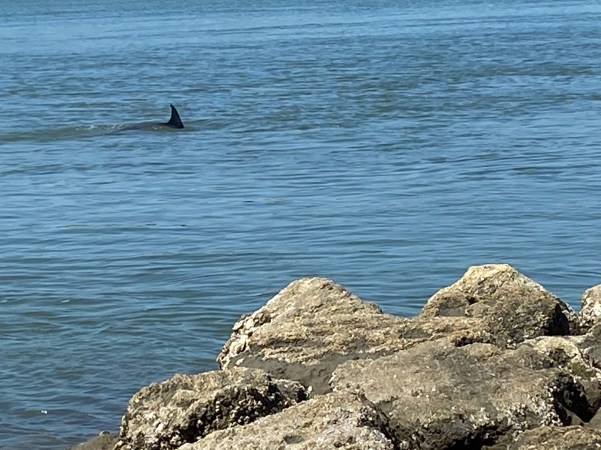
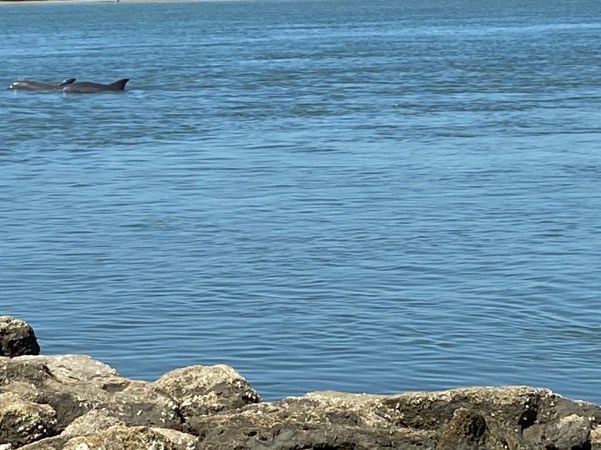
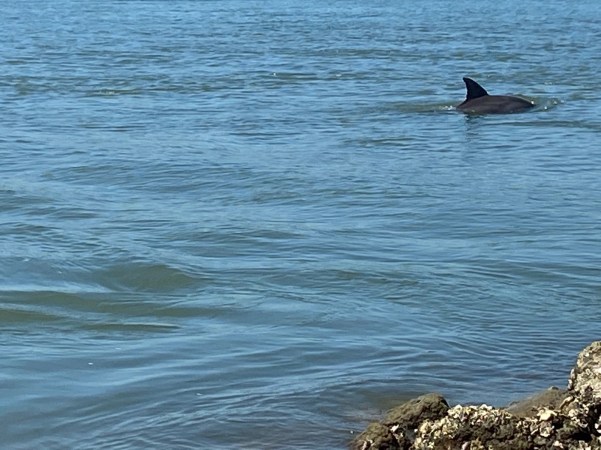
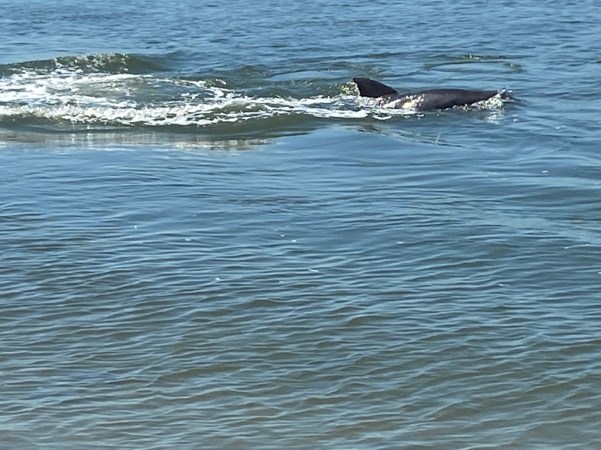
…entrada de Matanzas!. (Matanzas Inlet)!.

…entrada de Matanzas!. (Matanzas Inlet)!.

…entrada de Matanzas!. (Matanzas Inlet)!.

…cremos que já lá vai o nosso tempo de ser gentis com os gentis, duros com os duros, rir quando estivermos tristes, saber que os homens também choram, que devemos acreditar que nem todas as pessoas são justas e verdadeiras, que as multidões reclamam justiça, trabalho decente, abrigos e comida, que devemos esperar pela verdade e decidir sózinhos perante a nossa consciência, que para cada inimigo haverá também um amigo, que para cada vilão também haverá um herói, que para cada egoísta também existe uma pessoa dedicada, que devemos conhecer a alegria profunda de um sorriso silencioso ou de que nos devemos afastar da inveja!. (We believe that our time has come to be kind to the kind, hard to the hard, to laugh when we are sad, to know that men cry too, that we must believe that not all people are fair and true, that crowds demand justice, decent work, shelter and food, which we must wait for the truth and decide alone before our conscience, that for each enemy there will also be a friend, that for each villain there will also be a hero, that for each selfish there is also a person dedicated, that we must know the deep joy of a silent smile or that we must move away from envy)!.

…cremos profundamente que para nós, todas estas frazes com centenas, talvez milhares de anos, já passaram, continuam a dizer-nos muito mas, infelizmente já passaram, já são passado na nossa já longa vida, pois as pessoas fogem-nos, as ocasiões vão sendo cada vez mais raras e, já não temos muitas oportunidades de as poder concretizar!. (We deeply believe that for us, all these fries with hundreds, maybe thousands of years, have passed, continue to tell us a lot, but unfortunately they have passed, are already passed in our already long life, because people flee us, occasions are becoming increasingly rare and we no longer have many opportunities to be able to make them happen)!.

…estamos na vida sem muita vontade de querer saber o que, de alguma forma, ou seja, por isto ou por aquilo, nos possa fazer mal!. Portanto, quando nos aparece um dia de céu azul, largamos o computador, levantamo-nos do sofá, desligamos a televisão, fechamos as portas e saímos para a rua, viver o hoje, pois o ontem já se foi e o amanhã talvez não venha!. (We are in life without much desire to want to know what, in any way, that is, for this or that, can do us harm!. So when a blue sky comes to us, we drop the computer, get up off the couch, turn off the television, close the doors and go out into the street, live today, because yesterday is gone and tomorrow may not come)!.

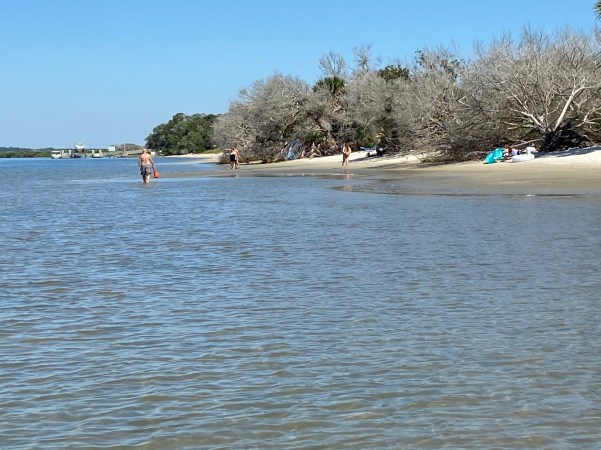
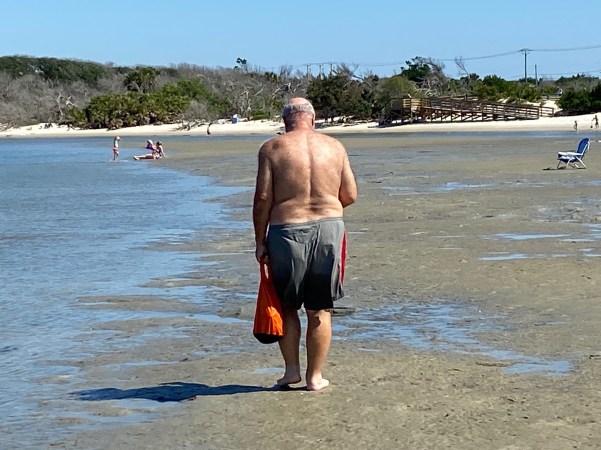
…e, refugiando-nos no nosso silêncio, afastamo-nos de conversas que não nos fazem bem, indo na companhia da nossa dedicada esposa Isaura, em direcção a outros lugares, como por exemplo à praia de Matanzas, que fica a poucas milhas do local onde vivemos, indo ouvir os sons da natureza, as cores da vida, convivendo com coisas que nos fazem bem, pois as coisas más apenas nos trazem sofrimento e mal estar e, se for uma coisa má, preferimos nem saber!. (And, taking refuge in our silence, we move away from conversations that are not good for us, going in the company of our dedicated wife Isaura, to other places, such as Matanzas beach, which is a few minutes away, miles from where we live, listening to the sounds of nature, the colors of life, living with things that do us good, because bad things only bring us suffering and uneasiness and, if it is a bad thing, we prefer not to know)!.

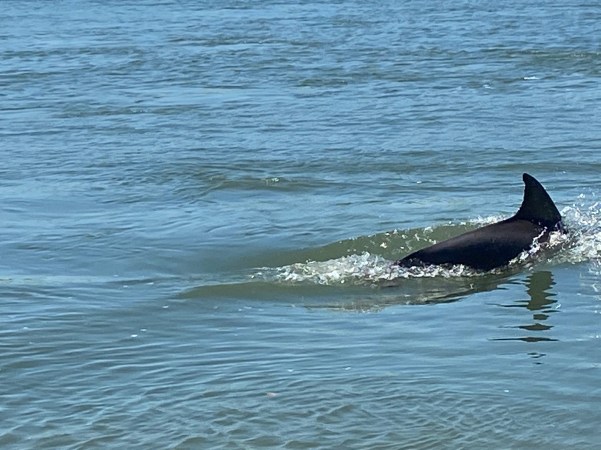
…o “Matanzas Inlet” (entrada de Matanzas), fica entre a histórica cidade de Santo Agostinho e a agradável praia de Flagler e é, onde o às vezes um pouco revoltoso Oceano Atlântico encontra o estuário de Matanzas, numa das mais puras e pitorescas costas da Flórida!. (The “Matanzas Inlet”, lies between the historic city of St. Augustine and the pleasant Flagler Beach and is where the sometimes somewhat rugged Atlantic Ocean meets the Matanzas estuary, one of the purest and picturesque shores of Florida)!.

…a beleza e o cenário que nos proporciona o “Matanzas Inlet” (entrada de Matanzas), é que é um canal entre duas ilhas barreira e o continente, conectando o Oceano Atlântico e a extremidade sul do rio Matanzas, onde existe esta entrada que não é estabilizada por molhes e portanto, está sujeita a muitas e variadas mudanças, ou seja, hoje existe uma área seca que amanhã está completamente inundada onde nadam cardumes de diferentes variedades de peixes!. (The beauty and scenery that the Matanzas Inlet, gives us is that it is a channel between two barrier islands and the mainland, connecting the Atlantic Ocean and the southern end of the Matanzas River where Inlet that is not stabilized by jetties and therefore is subject to many and varied changes, that is, today there is a dry area that tomorrow is completely flooded where schools of different varieties of fish swim)!.

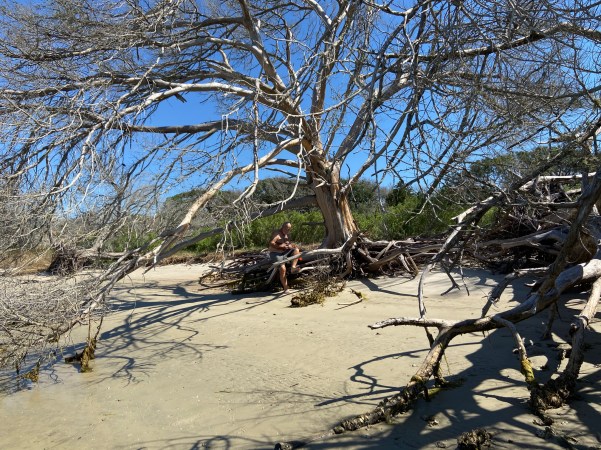
…apesar de estarmos no mês de Janeiro, há muito lugar para caminhar, para mergulhar nas ondas, (sem as lembranças da passagem pela maldita guerra colonial em África e das vezes que ficávamos nús e ensaboados, porque a chuva parava repentinamente), onde aqui, nesta maravilhosa praia quase deserta, também é um local activo para nidificação de tartarugas marinhas e, as suas águas no mar são um lar sazonal para as baleias em migração!. (Even though it’s January, there is plenty of place to walk, to dive into the waves, (without the memories of the passing of the damn colonial war in Africa and the times we were naked and soapy because the rain suddenly stopped), where here, on this beautiful, almost deserted beach, it is also an active nesting site for sea turtles, and its sea waters are a seasonal home for migrating whales)!.

…onde entre outras coisas, caminhando pelas suas trilhas, junto da água salgada, encontramos história e aventura, especialmente interessante para nós, que somos amantes da natureza e da história, pois estas trilhas estão repletas de vida selvagem, incluindo locais históricos que datam da conquista espanhola, nos longínquos anos de 1400!. (Where among other things, walking along its saltwater trails, we find history and adventure, especially interesting for us, who are nature and history lovers, as these trails are full of wildlife, including historical sites that dating from the Spanish conquest, in the distant years of 1400)!.

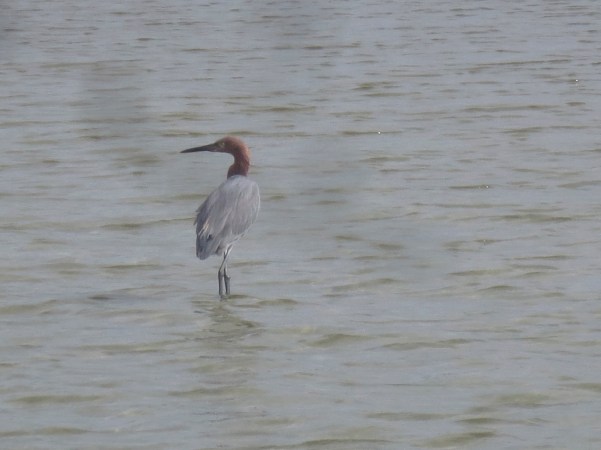
…as aves juntam-se em diferentes colónias, sabendo que estão protegidas, principalmente de nós, seres humanos, pois quando por elas passamos, quase nos ignoram, algumas simplesmente nos olham, outras nem se afastam, como que querendo demarcar o seu território!. (The birds come together in different colonies, knowing that they are protected, especially from us human beings, because when we pass by, they almost ignore us, some just look at us, some don’t even move away, as if wanting to mark their territory)!.

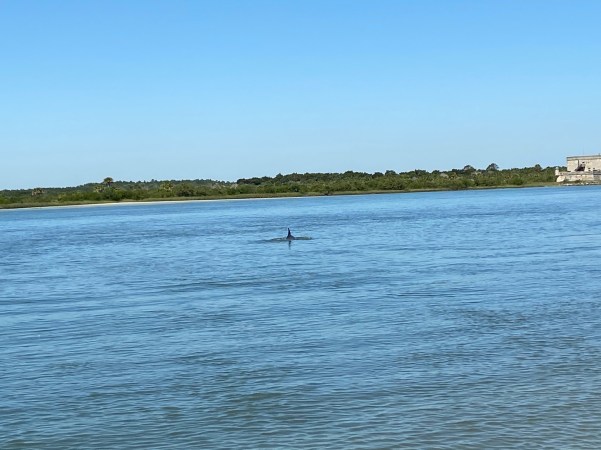
…um pouco ao longe, podemos admirar o Monumento Nacional Forte de Matanzas, uma lembrança do início do império espanhol no Novo Mundo, que foi originalmente um posto avançado espanhol, construído em pedra coquina, entre os anos de 1740 e 1742, para proteger esta entrada estratégica e avisar as forças estacionadas na hoje histórica cidade de Santo Agostinho, dos ataques britânicos ou outros inimigos que se aproximavam do sul!. (In the distance we can admire the Matanzas Fort National Monument, a reminder of the beginning of the Spanish empire in the New World, which was originally a Spanish outpost, built in coquina stone, from 1740 to 1742 to protect this strategic entrance and warn the forces stationed in today’s historic city of St. Augustine, from British attacks or other enemies approaching from the south)!.

…alguns dizem-nos que este posto avançado, naquela época, rodeado de água e areia, facilitava as frequentes viajens entre Santo Agostinho e a Ilha de Cuba!. Felizmente hoje, o National Park Service, adquiriu as terras ao redor deste monumento, preservando a ilha barreira circundante e portanto, existe por lá todo um ecossistema cheio de uma variedade de plantas nativas e vida selvagem!. (Some tell us that this outpost at that time, surrounded by water and sand, facilitated frequent trips between St. Augustine and the island of Cuba!. Fortunately today, the National Park Service has acquired the land surrounding this monument, preserving the surrounding barrier island, so there is an entire ecosystem full of a variety of native plants and wildlife)!.

…caminhámos, caminhámos e, estando quase a chegar ao fim de percorrer esta trilha aquática, não queremos terminar sem explicar a origem do nome “Matanzas”!. (We have walked, we have walked and, as we are nearing the end of the water trail, we do not want to finish without explaining the origin of the name “Matanzas”)!.

…a história diz-nos que um tal René Goulaine de Laudonnière fundou Forte Caroline, que é hoje conhecida como a cidade de Jacksonville, no ano de 1564, como sendo um paraíso para os colonos huguenotes!. (History tells us that one René Goulaine de Laudonnière founded Fort Caroline, which is now known as the city of Jacksonville, in the year 1564, as a paradise for the Huguenot settlers)!.

…houve lutas pelo território e, em resposta à invasão francesa no que a Espanha considerava seu território, Pedro Menéndez de Avilés fundou Santo Agostinho um ano depois, ou seja no ano de 1565!. (There were struggles for the territory and, in response to the French invasion in what Spain considered its territory, Pedro Menéndez de Avilés founded St. Augustine a year later, in 1565)!.

…Menéndez de Avilés rapidamente partiu para atacar Forte Caroline, viajando por terra a partir de Santo Agostinho!. (Menendez de Aviles quickly set out to attack Fort Caroline, traveling overland from St. Augustine)!.

…ao mesmo tempo, os franceses partiram de Forte Caroline, com a intenção de atacar Santo Agostinho do mar!. (At the same time, the French departed from Fort Caroline, intending to attack St. Augustine from the sea)!.

…os espanhóis dominaram o levemente defendido Forte Caroline, poupando apenas mulheres e crianças, embora cerca de 25 homens tenham conseguido escapar!. (The Spaniards dominated the slightly defended Fort Caroline, sparing only women and children, although about 25 men managed to escape)!.

…a frota francesa foi desviada por uma tempestade (nós já saímos e entrámos por diversas vezes esta barra, quando vamos pescar no oceano, sabendo quanto é difícil contornar certas áreas onde estão submersos montes de pedra e areia) e muitos dos navios naufragaram na costa sul de Santo Agostinho!. (The French fleet was deflected by a storm (we have already gone out and entered this bar several times when we go fishing in the ocean, knowing how difficult it is to get around certain areas where there are submerged mounds of sand and sand) and many of the ships have sunk on the south coast of St. Augustine)!.

…quando os espanhóis encontraram o principal grupo de sobreviventes de naufrágios franceses, Menéndez de Avilés ordenou a execução de todos os huguenotes!. (When the Spanish found the main group of survivors of French wrecks, Menéndez de Avilés ordered the execution of all the Huguenots)!.

…assim, o local ficou conhecido como “Matanzas”, que em espanhol quer dizer “abates”!. (So the place became known as “Matanzas”, which in Spanish means “slaughter”)!.

Tony Borie, January 2020.

…ano Novo, 2020!. (New Year, 2020)!.

…ano Novo, 2020!. (New Year, 2020)!.

…ano Novo, 2020!. (New Year, 2020)!

…neste ano prestes a terminar, em que o cheiro do Natal ainda paira no ar, a nostalgia invade-nos e tudo nos vem à memória!. E claro, os momentos menos bons teimam em ser mais fortes e presentes, porque trazem consigo a dor, a angústia e o sofrimento, passados na guerra sangrenta de guerrilha que vivemos quando jovens, por um período de dois longos anos, no interior daquela África distante e, naquela época ainda um pouco selvagem, longe da Europa, onde nascemos!. (This year is about to end, when the smell of Christmas still lingers in the air, nostalgia invades us and everything comes to mind!. And of course, the less good times insist on being stronger and more present, because they bring with them the pain, anguish, and suffering that we experienced in the bloody guerrilla warfare we experienced as young people for a long time in Africa, distant and at that time still a little wild, far from Europe where we were born)!.

…esses momentos menos bons, trazem lágrimas que continuam sufocadas no peito, que a dureza da vida não permitem que se soltem, e claro, corta-nos a alma e, qualquer outra manifestação mais alegre, emudece o nosso raciocínio, obrigando-nos em certos momentos a largar um pequeno sorriso, mas que que não é bem um sorriso, porque sai de um rosto endurecido, onde o hábito de sorrir começa a ser cada vez mais raro, até que um dia vai partir para sempre!. (These less good moments bring tears that are still suffocated in the chest, that the hardness of life does not allow them to let go, and of course, cuts our soul and, any other more joyful manifestation, mutes our reasoning, forcing us We sometimes drop a small smile, but that is not quite a smile, because it comes out of a hardened face, where the habit of smiling is becoming increasingly rare, until one day it will go away forever)!.

…mas nem tudo é ruim na vida, existem momentos bons, situações boas e felizes, a família crescendo e, como já por diversas vezes mencionámos em textos anteriores, “A família, é o centro da vida”, ou “Sem família, tudo é tão pouco”, pensando nela, encontramos o apoio e o calor do abraço, a alegria, a melancolia na partilha de memórias, de brincadeiras, o respeito por quem somos e pelo que somos, devido aos tantos anos de convivência e de partilha de confiança!. (But not everything is bad in life, there are good times, good and happy situations, the family growing up and, as we have mentioned several times in previous texts, “The family is the center of life”, or “No family, everything is so little”, thinking of her, we find the support and warmth of the hug, the joy, the melancholy in sharing memories, jokes, respect for who we are and what we are, due to so many years of living and trust sharing)!.

…olhando para os nossos netos brincando, qualquer dor física que no momento sentimos desaparece imediatamente, pensando na desvalorização daquele outro problema, daquilo que não interessa, porque o importante é muito mais profundo, onde a desculpa de algumas falhas, o prazer da companhia, (às vezes o silêncio das palavras diz-nos tanto), a partilha do sucesso ou mesmo o desabafo no momento do fracasso do desmantelamento de um qualquer brinquedo, tudo isso, nesta já um pouco avançada idade, nos ajuda na reconquista do equilibrio!. Olhando para eles, a nossa dor física, passa a ser partilhada, aliviada no calor das suas mãos macias, leves, gentis de crianças, mas que nos dão força e nos endurecem!. (Looking at our grandchildren jokingly, any physical pain that we feel at the moment disappears immediately, thinking of the devaluation of that other problem, of what does not matter, because the important is much deeper, where the excuse of some failures, the pleasure of company, (sometimes the silence of words tells us so much), the sharing of success or even the outburst at the time of the failure of the dismantling of any toy, all this, at a somewhat advanced age, helps us regain balance!. Looking at them, our physical pain is now shared, relieved in the warmth of their soft, light, childlike hands that give us strength and harden us)!.

…fica-te ano velho de 2019, prestes a terminar, já se finou, tragédias mil, lágrimas mil, filhos brutalizados, mães e pais mortos e violados, crianças, mulheres, velhos, sofrendo actos de crueldade, ódio entre os homens, guerras, as imagens lacinantes dos que apenas queriam amor e alegria, mundo este esgotado por tanta crueldade, invadido por tanto torpor, alimentado por tanta dor, com tanta poluição, alterações climáticas, incêndios, inundações, acidentes de viação, campos queimados, homicídios, suicídios, depressão, roubos, crimes sem punição, fome, falta de pão, guerras por causa de religião, pensamentos e actos de políticos com interesses escondidos, discriminação, preconceitos, racismo, xenofobia, divergências de opinião, políticos e banqueiros corruptos ou grupos minoritários discriminados, que afrontam as pessoas sensíveis e atentas e que lutam por uma sociedade mais justa, pondo em prática os Direitos Humanos!. Enfim, tudo isto num mundo onde só devia de existir paz, compreenção e amor!. (You become old year 2019, about to end, it’s over, tragedies a thousand, tears a thousand, brutalized children, dead and raped mothers and fathers, children, women, old people, suffering acts of cruelty, hatred among men, wars, the lacinating images of those who just wanted love and joy, a world exhausted by so much cruelty, invaded by so much drowsiness, fed by so much pain, with so much pollution, climate change, fire, flood, road accident, burned fields, homicides , suicides, depression, robberies, crimes without punishment, famine, breadlessness, wars over religion, thoughts and acts of politicians with hidden interests, discrimination, prejudice, racism, xenophobia, disagreements, corrupt politicians and bankers or groups discriminated against minorities, who affront sensitive and attentive people and fight for a fairer society, putting into practice Human Rights!. Anyway, all this in a world where there should only be peace, understanding and love)!.

…mas o novo ano de 2020, vai trazer, esperança, um tempo novo, onde os homens vão deixar de ser incrédulos, de maltratar as pessoas e os animais, um mundo de paz e sem dor, os búfalos vão voltar às pradarias, com lindas rosas e tulipas junto aos ribeiros, com céu sempre azul, as estrelas vão ser reluzentes, as árvores vão florir, o mar vai estar calmo e limpo com as praias também limpas, as montanhas verdejantes e sem a presença dos tais malditos fogos, as searas verdes, os rios levam água e peixes, o vento vai ser suave, açucarado pelas flores do prado, soprando e acariciando o rosto das pessoas, que serão todas de bons sentimentos!. (But the new year 2020 will bring hope, a new time, where men will stop being unbelievers, mistreat people and animals, a peaceful and painless world, the buffalo will return to the prairies, with beautiful roses and tulips by the streams, with always blue skies, the stars will be shining, the trees will bloom, the sea will be calm and clean with the beaches also clean, the mountains green and without the presence of such damn fires, the green fields, the rivers carry water and fish, the wind will be gentle, sweetened by the flowers of the meadow, blowing and caressing people’s faces, which will all be of good feelings)!.

…a terra e o espaço do céu, não vai ser mais vendido, pois nós, seres humanos, somos parte da terra e ela é parte de nós, ou seja, a terra não pertence ao homem, o homem é que pertence à terra e, tanto o homem, como o animal e as árvores vão compartilhar o mesmo ar despoluído, porque devemos lembrar-nos que o vento que deu aos nossos avós o seu primeiro respiro, também recebeu os seus últimos suspiros!. Todos nós iremos respeitar a natureza, sobretudo a terra, as árvores e os animais, porque se os animais se fossem, o homem morreria de uma grande solidão de espírito e, o que ocorra aos animais, em breve iria ocorrer a nós seres humanos!. (The earth and the space of heaven will no longer be sold, because we humans are part of the earth and it is part of us, that is, the earth does not belong to man, the man belongs to both man and animal and trees will share the same unpolluted air, because we must remember that the wind that gave our grandparents their first breath also received their last breaths!. We will all respect nature, especially the earth, trees and animals, because if the animals were gone, man would die of a great loneliness of mind, and what would happen to animals would soon occur to us humans)!.

…não vai haver guerras e conflitos, vamos todos entender que uma derrota honrosa vale mais do que uma vitória vergonhosa, que uma moeda ganha vale mais que uma moeda encontrada, vamos todos afastar-nos da inveja e conhecer a alegria de um sorriso de criança, apreciar o cenário dos pássaros voando no céu, as flores no campo, nos vales e nas montanhas e, todas as pessoas no mundo vão ter roupa e comida, (pelo menos uma vez ao dia), vão ser saudáveis, as suas mentes não serão poluídas, ocupadas, desvairadas, distraídas ou políticas, e sobretudo, as crianças vão nascer, crescer e brincar num ambiente de paz e conforto, e todas, (pelo menos aquelas entre os 6 e os 10 anos de idade), vão acreditar no Pai Natal, que lhes vai trazer o tal brinquedo preferido, que é um telefone celular de última geração!. (Assim seja, Amen)!. (There will be no wars and conflicts, let’s all understand that an honorable defeat is worth more than a shameful victory, that a coin won is worth more than a coin found, let’s all get away from jealousy and know the joy of a smile enjoy the scenery of birds flying in the sky, the flowers in the countryside, the valleys and the mountains, and everyone in the world will have clothes and food (at least once a day), will be healthy, their minds will not be polluted, occupied, frantic, distracted or political, and above all, children will be born, raised and played in an environment of peace and comfort, and all (at least those between 6 and 10 years old) will Believe in Santa Claus, who will bring them the favorite toy, which is a cell phone of last generation!. (So be it, Amen)!.


…e por fim o nosso “Grito de Revolta” que é para que, o ano de 2020, nos “alivie” dos políticos ou pessoas responsáveis que por isto ou por aquilo, são os causadores directos daqueles que verdadeiramente sofrem no corpo e na alma, as consequências dos seus maquiavélicos actos, como por exemplo: (And finally our “Cry of Revolt” that is so that the year 2020 to “relieve us” of the politicians or people responsible for this or that, are the direct causes of those who truly suffer in body and soul, the consequences of their Machiavellian acts, such as):

  • O ser humano ter de viver num regime onde não exista liberdade, pelo
    menos de expressão da palavra!.
  • As famílias desalojadas, que fojem desesperadas, vítimas de guerras!.
  • As mulheres raptadas, violadas e espancadas, onde algumas são mortas ou ficam jovens mães abandonadas!.
  • As crianças com fome, sem roupa e assistiência médica, sem a presença dos seus pais ou protectores!.
  • Os sem abrigo, vítimas do abandono e discriminação do sistema regulado pelo homem!.
  • As pessoas idosas abandonadas e sem família a viverem na rua, procurando o restos da comida deixada nos caixotes do lixo pelos afortunados da vida!.
  • Os animais maltratados e também abandonados!.
  • Aqueles que de uma maneira ou de outra, tiram vantagem exagerada da natureza, tentando enriquecer rápidamente, maltratando-a, pensando estúpidamente que ela, a natureza, não se irá revoltar”!.
  • Os intelectuais, os revolucionários, os violadores, os filhos que matam os pais, os políticos professionais e mentirosos, os banqueiros corruptos, os gestores ladrões, e depois, a justiça que não se faz!.
  • Os “papagaios”, que invadem as televisões diáriamente, como comentadores especialistas no assunto, claro, sendo remunerados, tanto políticos como desportistas, que discutem o incêndio, o roubo escandaloso, ou o desastre que aconteceu, mas a culpa é sempre do outro!.
  • (The human being has to live in a regime where there is no freedom, at least of speech!.
  • Homeless families, who are desperate victims of war!.
  • The abducted, raped and beaten women, where some are killed or become abandoned young mothers!.
  • Hungry children, without clothes and medical assistance, without the presence of their parents or protectors!.
  • The homeless, victims of abandonment and discrimination of the system regulated by man!.
  • The abandoned and homeless old people living on the street, looking for the remains of the food left in the dustbins by the lucky ones of life!.
  • The animals abused and also abandoned!.
  • Those who in one way or another take exaggerated advantage of nature, trying to get rich quick, mistreating it, stupidly thinking that it, nature, will not revolt”!.
  • The intellectuals, the revolutionaries, the rapists, the children who kill their parents, the professional politicians and liars, the corrupt bankers, the robber managers, and then the justice that is not done!.
  • The “parrots”, who invade television daily, as expert commentators on the subject, of course, being paid, both politicians and sportsmen, to discuss the fire, the scandalous theft, or the disaster that has happened, but it’s always the fault of the other)!.

…e claro, haveria muito mais coisas ingratas para a humanidade que se podiam evitar, simplesmente com um pouco de bondade e compreenção no coração dos homens!. (And of course there would be many more things ungrateful to mankind that could be avoided, simply with a little kindness and understanding in the hearts of men)!.

…que tenham um Feliz Ano Novo, companheiros da vida!. (Have a Happy New Year, life mates)!.

Tony Borie, December 2019.

…fomos ao norte mas, já voltámos!. (We went north, but we’re back)!.

…fomos ao norte mas, já voltámos!. (We went north, but we’re back)!.

…fomos ao norte mas, já voltámos!. (We went north, but we’re back)!

…esta frase: “Os vossos erros ou as vossas virtudes como filhos, são o nosso fracasso ou o nosso sucesso como pais”, sempre tem estado presente na nossa memória e relembrando-a imensas vezes em várias situações da também nossa já um pouco longa vida!. (This phrase:
“Your mistakes or your virtues as children are our failure or our success as parents”, has always been present in our memory and reminding her many times in various situations of our already a little long life)!.

…a eles, aos nossos filhos, sempre lhe dedicámos, quase diáriamente, pelo menos nos primeiros anos da sua vida, momentos ricos em qualidade, transmitindo-lhe bons valores para o desenvolvimento harmonioso da sua personalidade, para quando adultos podessem incluir no seu pensamento o sentido do esforço que é necessário fazer-se ao longo da vida para atingir os seus objectivos, não lhes retirando o prazer de sonharem, de lutar, de competir, pelas coisas!. (To them, to our children, we have always dedicated, almost daily, at least in the early years of their life, moments rich in quality, giving them good values for the harmonious development of their personality, so that when adults could include in their thoughts sense of the effort that needs to be made throughout life to reach their goals, not depriving them of the pleasure of dreaming, fighting, competing for things)!.

…claro, o resultado disso é que hoje, seguem e ensinam aos seus filhos um rumo de vida honesta e, muitas vezes as pessoas com as quais convivemos por aqui, dizem-nos que estamos loucos em ir tantas vezes ao norte ver a família!. É verdade, estamos um pouco loucos por ver os nossos descendentes, principalmente os netos ainda crianças, ver como crescem rápido, ir com elas visitar certos lugares, continuar-mos a nossa aprendizagem, apreciando a sua curiosidade ao verem coisas novas, fazendo constantemente perguntas sobre as escolhas que fazemos e lhe tentamos mostrar!. (Of course, the result of this is that today, follow and teach your children an honest course of life and, often the people we live with around here tell us that we are crazy to go north so often to see our family !. True, we are a little crazy to see our descendants, especially the grandchildren as children, see how they grow up fast, go with them to visit certain places, continue our learning, enjoying their curiosity to see new things, constantly asking questions about the choices we make and try to show you)!.

…outras pessoas dizem-nos que, mostrar novos lugares a crianças é um desperdício de tempo e dinheiro, que elas não se lembram de nada no futuro, por outro lado, também encontramos muitas pessoas que dizem que desejavam ter levado os seus filhos ou netos para esse tipo de lugares e, hoje se arrependem de não ter feito isso enquanto os seus descendentes ainda eram crianças, e claro, ainda estavam dispostas a ir com eles!. (Other people tell us that showing children new places is a waste of time and money, that they don’t remember anything in the future, on the other hand, we also find many people who say they wish they had taken their children or grandchildren to such places, and today they regret not doing so while their descendants were still children, and of course they were still willing to go with them)!.

…para nós, “avós babados”, a vida é tudo sobre a jornada, as experiências, as memórias e principalmente sobre as escolhas que fizémos quando o tempo era o ideal, pois o nosso objetivo era inspirar os nossos descendentes a quererem ver o mundo e sonharem com as viagens mais bonitas!. Em resumo, queríamos ser uma fonte de inspiração para todos os seus sonhos, porque viajar em família não é apenas sol e arco-íris, é oferecer muitas experiências excelentes e memórias incríveis, principalmente criando histórias de pessoas e lugares através de fotos, que ficarão para sempre na sua memória!. (For us “frilly grandparents”, life is all about the journey, the experiences, the memories, and especially the choices we made when the time was right, because our goal was to inspire our descendants to want to see the world and dream of the most beautiful trips!. In short, we wanted to be a source of inspiration for all your dreams, because family travel is not just sun and rainbows, it is offering so many great experiences and amazing memories, especially by creating stories of people and places through photos that will stay forever in your memory)!.

…continuando, não sabíamos exatamente o que nos atraía quando, depois de atravessar a fronteira para o estado da Pennsylvânia, descíamos suavemente ao longo do rio Delaware, no sentido leste, num território histórico que alguns séculos atrás foi habitado por povos indígenas de várias culturas, que talvez sem o notarem, foram absorvidos pelo contacto com os primeiros colonos europeus, oriundos da área do meio do Atlântico, que eram holandeses, ingleses ou alemães!. (Continuing, we did not know exactly what attracted us when, after crossing the border into the state of Pennsylvania, we descended smoothly along the eastern Delaware River into historic territory that was inhabited by indigenous peoples of some centuries ago, various cultures, perhaps unnoticed, were absorbed by contact with early European settlers from the mid-Atlantic area who were Dutch, English or German)!.

…e claro, chegaram novas culturas!. Chegaram “Os Morávios” e, na véspera de Natal do ano de 1741, fundaram a comunidade missionária de Bethlehem (Belém) ao longo das margens do Monocacy Creek (Riacho Monocacy), junto ao Rio Lehigh, na colónia da Pennsylvânia, estabelecendo comunidades missionárias, entre os americanos nativos e os falantes de alemão sem igreja e, em homenagem à cidade bíblica de Bethlehem (Belém da Judéia), que era o berço de Jesus, o seu chefe disse mais ou menos estas palavras: “Irmãos, quão mais apropriadamente poderíamos chamar nossa nova casa, do que nomeá-la em homenagem ao lugar onde o evento que agora comemoramos aconteceu!. Vamos chamar a este lugar, Bethlehem (Belém)”!. (And of course, new cultures have arrived!. “The Moravians” arrived, and on Christmas Eve 1741 they founded the missionary community of Bethlehem along the banks of the Monocacy Creek, near the Lehigh River in the colony of Pennsylvania, establishing missionary communities, between Native Americans and unchurched German speakers and, in honor of the biblical city of Bethlehem (Bethlehem of Judea), which was the cradle of Jesus, their chief said more or less these words: “Brothers, how much more appropriately we could call our new home, rather than name it in honor of the place where the event we are now celebrating took place !. Let’s call this place Bethlehem”)!.

…na verdade, quase sem o notar estávamos num local bonito, onde havia muitas Árvores de Natal, (em crianças, nós, em nossa casa não havia Árvore de Natal, não fazia parte dos costumes da nossa família), onde se pode mergulhar na história do Natal, assistir a um show ou até participar numa aventura culinária!. Até lhe chamam, “The Christmas City” (Cidade do Natal), onde se celebram dezenas de festivais artísticos, comemorando o Natal, desde esse longínquo ano de 1741 e, dizem-nos que, as celebrações de Natal na cidade Bethlehem (Belém), são consideradas hoje, um dos mais charmosos destinos natalícios dos USA, portanto foi com alguma alegria que presenciámos, especialmente os nossos netos, brincando e celebrando esta festa de Natal!. (In fact, almost unnoticed we were in a beautiful place where there were lots of Christmas trees, (in children, we, in our house there was no Christmas tree, it was not part of our family’s customs), where you can immerse yourself in the history of Christmas, attend a show or even take part in a culinary adventure!. They even call it “The Christmas City”, where dozens of artistic festivals have been celebrated, celebrating Christmas since that distant year 1741 and, we are told, that the Christmas celebrations in the city Bethlehem, are considered today one of the most charming Christmas destinations in the USA, so it was with some joy that we witnessed, especially our grandchildren, playing and celebrating this Christmas party)!.

…muitos destes eventos, realizam-se no lado Sul do Distrito de Artes da cidade, mais propriamente no “campus artístico e cultural SteelStacks” (terrenos com edifícios artísticos e culturais chamados Pilhas de Aço), construídos no local da antiga fábrica de Bethlehem Steel (Fábrica do Aço de Belém), que também chamavam Bethlehem Iron Company (Companhia de Ferro de Belém)!. (Many of these events take place on the southern side of the city’s Arts District, more specifically on the “SteelStacks Artistic and Cultural Campus”, built on the site of the old steel mill Bethlehem Steel (Bethlehem Steel Factory), who also called Bethlehem Iron Company)!.

…fábrica esta, que hoje dorme um sono pesado e longo, de onde nunca mais acordará, para contar a sua história, cujas raízes remontam ao ano de 1857!. Com minas de ferro em Cuba e estaleiros em todo o país, foi uma empresa siderúrgica, que chegou a ser a segunda maior produtora de aço dos Estados Unidos e a maior construtora naval!. (This factory, which today sleeps a long and heavy sleep, from which it will never wake, to tell its story, whose roots go back to the year 1857!. With iron mines in Cuba and shipyards across the country, it was a steel company, which became the second largest steel producer in the United States and the largest shipbuilder)!.

…lembrando algumas das suas maiores odisseias, esta fábrica de aço, que agora dorme um sono eterno, já no longínquo ano de 1893, durante a Feira Mundial de Chicago, construiu uma estrutura projectada para tornar o mundo mais maravilhoso!. Foi o eixo gigante para a primeira roda-gigante do mundo, que precisou de aço suficiente para montar uma torre de 140 pés (43m), para apoiar uma roda inteiramente de aço, fazendo uma estrutura de 264 pés (80 m), cujo ferro foi feito nos seus altos fornos, sendo assim, a responsável pela maior peça única de ferro fundido do mundo, já fabricada até aquele momento!. (Remembering some of its greatest odysseys, this steel factory, which now sleeps forever, as far back as 1893, during the Chicago World Fair, built a structure designed to make the world more wonderful!. It was the giant axle for the world’s first ferris wheel, which needed enough steel to assemble a 140-foot (43m) tower, to support an all-steel wheel, making a 264-foot (80 m) structure whose iron it was made in its blast furnaces, so it is responsible for the largest single piece of cast iron in the world, ever made)!.

…durante a Primeira Guerra Mundial, a Segunda Guerra Mundial e nos anos seguintes, os 15 estaleiros da Bethlehem Shipbuilding Corporation (Empreza de Construção Naval), produziram um total de 1.121 navios, mais do que qualquer outro construtor durante a guerra e quase um quinto da frota de dois oceanos da Marinha dos EUA!. Empregou até 180.000 pessoas, a maior parte do emprego total da empresa, que era de 300.000 operários!. (During World War I, World War II and the following years, the 15 shipyards of the Bethlehem Shipbuilding Corporation produced a total of 1,121 ships, more than any other builder during the war and nearly one-fifth of the two-sea fleet of the US Navy!. It employed up to 180,000 people, most of the company’s total employment of 300,000 workers)!.

…só durante a Segunda Guerra Mundial, 70% dos forjamentos de cilindros de aviões, um quarto da blindagem de navios de guerra e um terço dos canhões para as forças armadas dos EUA, foram aqui produzidos e, quando chegou o tempo de paz, a fábrica continuou a fornecer uma grande variedade de formas estruturais para os negócios de construção, contribuindo para inovações, participando no progresso, não só nos USA, como em muitas partes do mundo, fabricando o aço para muitos dos marcos mais proeminentes dos USA, como por exemplo, a Ponte George Washington, (Nova Yorque), Ponte Golden Gate (São Francisco), Ponte da Paz, (entre os USA e Canadá), ou a Ponte Verrazano-Narrows (Staten Island)!. (During World War II alone, 70% of aircraft cylinder forgings, a quarter of the battleship armor and a third of the guns for the US military were produced here, and when peacetime came, the plant continued to provide a wide variety of structural shapes for the construction business, contributing to innovations, participating in progress, not only in the US, but in many parts of the world, by manufacturing steel for many of the most prominent US landmarks, such as the George Washington Bridge (New York), the Golden Gate Bridge (San Francisco), the Peace Bridge (between the USA and Canada), or the Verrazano-Narrows Bridge (Staten Island)!.

…também fabricou o aço para a construção de alguns dos maiores edifícios, como por exemplo, Edifício da Ilha de Alcatraz, (São Francisco), Edifício Chrysler (Nova Iorque), Empire State Building (Nova Iorque), Madison Square Garden (Nova Iorque), Merchandise Mart (Chicago),
uma estrutura de aço de 53.000 toneladas na Chase Manhattan Plaza (Nova Iorque), Rockefeller Center (Nova Iorque) ou o Waldorf Astoria (Nova Iorque)!. (Also manufactured the steel for the construction of some of the largest buildings, such as Alcatraz Island Building (San Francisco), Chrysler Building (New York), Empire State Building (New York), Madison Square Garden ( New York), Merchandise Mart (Chicago), a 53,000-ton steel structure at Chase Manhattan Plaza (New York), Rockefeller Center (New York) or Waldorf Astoria (New York)!.

…contribuíu com aço, que saiu dos seus fornos, para a construção da Barragem de Bonneville (Rio Columbia, Oregon), Grand Coulee Dam (Rio Columbia, Washington) ou a Barragem Hoover (Nevada/Arizona), além de também fornecer o aço para os caminhos de ferro em diversos pontos do mundo, mencionando como por exemplo os carris dos eléctricos de São Francisco, a roda gigante “Wonder Wheel” em Coney Island (Nova Iorque), ou ainda fabricando o maior eixo gerador eléctrico do mundo, produzido para a General Electric na década de 1950!. (Contributed steel from its furnaces to the construction of the Bonneville Dam (Columbia River, Oregon), Grand Coulee Dam (Columbia River, Washington) or the Hoover Dam (Nevada / Arizona), as well as providing steel for the railways in various parts of the world, mentioning for example the San Francisco tram rails, the Wonder Wheel on Coney Island (New York), or manufacturing the world’s largest electric generator shaft , produced for General Electric in the 1950s)!.

…hoje, o local da fábrica original, é o lar do SteelStacks (Pilhas de Aço), como já mencionámos, um distrito de artes e entretenimento!. Os cinco altos-fornos da usina ficaram de pé e servem de pano de fundo para o novo campus!. A SteelStacks atualmente conta com o ArtsQuest Center, um centro de artes performáticas contemporâneo, o Sands Casino Resort Bethlehem, um empório de apostas e novos estúdios para a estação WLVT-TV (canal 39) da PBS. A área também inclui três locais de música ao ar livre!. (Today, the site of the original factory, is home to the SteelStacks, as we mentioned, an arts and entertainment district!. The plant’s five blast furnaces stand and serve as the backdrop for the new campus!. SteelStacks currently houses the ArtsQuest Center, a contemporary performing arts center, the Sands Casino Resort Bethlehem, a bookmaker’s office and new studios for PBS’s WLVT-TV (channel 39) station!. The area also includes three outdoor music venues)!.

…já quase ao anoitecer, ainda tivémos tempo de visitar o histórico Hotel de Bethlehem e um restaurante típico de Pensylvânia, onde a família junta, confraternizou, apreciando a comida típica de Pensylvânia!. (Almost dusk, we still had time to visit the historic Bethlehem Hotel and a typical Pennsylvania restaurant, where the family gathers together, enjoying the typical Pennsylvania food)!.

…foi um dia maravilhoso passado no norte, onde a narrativa tradicional do Natal, a Natividade de Jesus, delineada no Novo Testamento, diz que Jesus nasceu em Belém, de acordo com as profecias e, quando seus pais José e Maria chegaram à cidade, a estalagem não tinha espaço e ofereceram-lhes um estábulo em que o Menino Jesus nascera em breve, com os anjos proclamando esta notícia aos pastores que depois, também andaram por ali, espalhando a informação!. (Was a wonderful day in the north, where the traditional Christmas narrative, the Nativity of Jesus, outlined in the New Testament, says that Jesus was born in Bethlehem according to prophecy, and when his parents Joseph and Mary came to In the city, the inn had no space and they were offered a stable in which the Infant Jesus was born soon, with the angels proclaiming this news to the shepherds who later also walked around, spreading the information)!.

…nós, em criança, a época natalícia não era caracterizada por esta euforia actual!. O tempo passava devagar e as noites, longas e frias, eram passadas à volta da lareira!. A história do nascimento de Jesus, que a nossa avó Agar nos contava e nós ouvíamos, perdidos em imagens, preenchiam o nosso imaginário, com o nascimento peculiar de Jesus, a doçura de Maria e a figura protectora de José!. Tudo era mágico envolvido num mistério simples como simples era o nosso ser de crianças!. A palavra Natal era mágica mas não havia a Ceia de Natal, com a família reunida à volta da mesa, nem a ida à Missa do Galo, nem o beijar do Pezinho do Menino Jesus!. (We, as a child, the holiday season was not characterized by this current euphoria!. Time passed slowly and the nights, long and cold, were spent around the fireplace!. The story of the birth of Jesus, which our grandmother Agar told us and we heard, lost in images, filled our imagination with the peculiar birth of Jesus, the sweetness of Mary and the protective figure of Joseph!. Everything was magical wrapped in a simple mystery just as our being of children was!. The word Christmas was magical, but there was no Christmas supper, with the family gathered around the table, no going to Rooster Mass, or the kissing of Baby Jesus’ Feet)!.


…como já mencionámos, em casa não havia Árvore de Natal, simplesmente não fazia ainda parte dos costumes da nossa família!. Também não havia o Pai Natal, nem os presentes trazidos durante a noite pelo Menino Jesus, que no dizer na nossa querida avó Agar, era lindo, loiro, de olhos azuis e de pele rosada, com umas vestes rudimentares, mas sem frio algum!. Não havia o “sapatinho” à volta da lareira, onde o Menino Jesus iria descer pela chaminé e colocar as prendas, tão esperadas, dentro dos sapatinhos!. Surpresa das surpresas…quem nos dava os tais chocolates de 1 tostão, embrulhados naquelas pratas azuis amarelas e vermelhas, era a nossa abençoada avó Agar, com um amor incondicional de todas as avós do mundo!. (As we mentioned, at home there was no Christmas tree, it just wasn’t part of our family’s customs yet!. There was neither Santa Claus, nor the gifts brought by the baby Jesus at night, which in our dear grandmother Agar say, was beautiful, blond, blue-eyed and pink-skinned, with some rudimentary garments, but no cold at all!. There was no “slipper” around the fireplace where the Baby Jesus would go down the chimney and put the long-awaited gifts inside the little shoes!. Surprise of surprises … who gave us such penny chocolates, wrapped in those blue yellow and red silver, was our blessed grandmother Agar, with an unconditional love of all grandmothers in the world)!.

…todavia hoje, os costumes comemorativos associados ao Natal têm uma mistura de temas e origens pré-cristãs, cristãs e seculares mas na verdade, nos costumes modernos existe uma troca de cartões de Natal, serviços da Igreja, uma refeição especial, bolachas de Natal, exibição de várias decorações de Natal, incluindo árvores de Natal, luzes de Natal, presépios, visco e azevinho, que envolvem uma atividade económica muito intensa, que tem crescido constantemente nos últimos séculos em muitas regiões do mundo, ao contrário da bondade no coração de todos nós, principalmente para com as crianças, que já não existe ou é muito rara, ou talvez já esteja quase extinta!. (Yet today, the commemorative customs associated with Christmas have a mix of pre-Christian, Christian and secular themes and origins but in fact, in modern customs there is an exchange of Christmas cards, Church services, a special meal, cookies, Christmas, display of various Christmas decorations, including Christmas trees, Christmas lights, cribs, mistletoe and holly, which involve very intense economic activity, which has steadily grown over the last few centuries in many regions of the world, unlike goodness in the heart of us all, mainly towards children, which no longer exists or is very rare, or perhaps almost extinct)!.

…que tenham continuação de Boas Festas, companheiros da vida!. (That have a continuation of Happy Holidays, companions of life)!.

Tony Borie, December 2019.

…grandes Estradas!. (Great Roads)!.

…grandes Estradas!. (Great Roads)!.

…grandes Estradas! (1) (Great Roads) (1)

…quando não havia lama, poeira ou buracos, havia chuva e granizo, enormes geadas, buracos e rachaduras na estrada!. (When there was no mud, dust or holes, there was rain and hail, huge frosts, holes and cracks in the road)!.

…existem no mundo várias, todavia, por isto ou por aquilo não se tornaram tão famosas como algumas “grandes estradas” onde, quase todas as pessoas têm receio de nelas viajar, (só por lá transitam os profissionais condutores de camiões ou algumas pessoas possuidoras do tal sentimento de aventura), no entanto têm cenários únicos, alguns lindíssimos, talvez por serem desertas, isoladas, geladas ou quentes, não terem segurança, atravessarem planícies, rios selvagens, montanhas de gelo ou savanas e, estarem ligadas a alguns eventos, uns felizes, outros não, talvez até dramáticos que, assinalaram épocas históricas!. (There are many in the world, however, for this or that they have not become as famous as some “big roads” where, almost everyone is afraid to travel on them, (only truck drivers or some possessing such a sense of adventure), yet have unique scenery, some beautiful, perhaps because they are deserted, secluded, cold or warm, unsafe, crossing plains, wild rivers, ice mountains or savannas, and being linked to some events, some happy, some not, perhaps even dramatic, that marked historical epochs)!.

…ao iniciar um relato de algumas das “grandes estradas” que por aí existem, nada nos move a não ser a curiosidade e o contacto com outras pessoas de diferentes culturas, pois somos fãs de viagens longas e aventuras, principalmente por lugares ainda selvagens e que nos proporcionem um verdadeiro contacto com a natureza!. Todavia, às vezes podemos viajar milhares e milhares de milhas, sem ter nada além de pessoas ruins, comida ruim, internet ruim, tempo ruim, isto e aquilo… mas, quando menos se espera, encontramos a “história” e, esse lugar e todas essas coisas menos boas, passam a ser excelentes!. (when starting an account of some of the “great roads” out there, nothing moves us but curiosity and contact with other people from different cultures, because we are fans of long trips and adventures, especially places still wild and give us a real contact with nature!. However, sometimes we can travel thousands and thousands of miles, having nothing but bad people, bad food, bad internet, bad weather, this and that … but when we least expect it, we find the “story” and this place and all these less good things become excellent)!.

…no texto de hoje explicamos que, estradas como a “Route 66”, que vai desde a cidade de Chicago, no estado de Illinois, até à cidade de Los Angeles, no estado da Califórnia, a qual já tivémos o previlégio de viajar em todo o seu percurso, são insignificantes!. (In today’s text we explain that roads like “Route 66” run from the city of Chicago, Illinois, to the city of Los Angeles, California, which we already had the privilege of travel all their way, are insignificant)!.

…comparadas com a infame “The Road of Bones”, (“O Caminho dos Ossos”), que é o apelido dado à estrada R504 Kolyma Highway, na Rússia, devido à história horrível da sua construção, atravessando o Extremo Oriente Russo, fazendo parte da rota M56!. (Compared to the infamous “The Road of Bones”, which is the nickname given to the R504 Kolyma Highway in Russia due to the horrible history of its construction, crossing the Russian Far East as part of the M56)!.

…esta estrada está situada numa região onde as temperaturas mais frias fora da Antártida já foram registradas e, as pessoas consideram-na a estrada mais fria do mundo!. (This road is situated in a region where the coldest temperatures outside Antarctica have been recorded, and people consider it the coldest road in the world)!.

…oficialmente é conhecida como a R504 Kolyma Highway, (Kolyma, é o rio que deu o nome a toda a região)!.(It is officially known as the R504 Kolyma Highway (Kolyma is the river that gave its name to the entire region)!.

…é uma enorme estrada pelo Extremo Oriente Russo que se estende por uns incríveis 2.031 km (1.262 milhas), começando em torno de Nizhny Bestyakh e termina em Magadan, famosa por seus “gulags” soviéticos!. (A huge road through the Russian Far East that stretches for an incredible 2,031 km (1,262 miles), starting around Nizhny Bestyakh, and ends in Magadan, famous for its “Soviet gulags”)!.

…os Russos locais chamam a estrada de “Trassa”, que se traduz simplesmente como “A rota”!. “O Caminho dos Ossos” é a única estrada na área, portanto não há necessidade de distingui-la de outras estradas e, além de pavimentar e tornar mais agradável o aspecto da cidade de Magadan, a estrada é principalmente de terra, pedra e cascalho, para nela se viajar em qualquer clima!. (Local Russians call the road “Trassa”, which translates simply as “The Route”!. “The Road of Bones” is the only road in the area, so there is no need to distinguish it from other roads, and besides paving and making the look of Magadan City more pleasant, the road is mostly dirt, stone and gravel, to travel in any weather)!.

…já mencionámos que é a estrada mais fria do mundo, não só pelo clima rigoroso da Sibéria, mas também pela “fria razão” de que foi construída durante a era “stalinista” da União Soviética, onde os prisioneiros do campo de trabalho de Sevvostlag começaram o primeiro trecho no ano de 1932, continuando a sua construção com o uso de trabalho forçado destes prisioneiros até ao ano de 1953!. (We have already mentioned that it is the coldest road in the world, not only for the harsh climate of Siberia, but also for the “cold reason” that it was built during the “Stalinist” era of the Soviet Union, where the prisoners of the labor camp from Sevvostlag began the first stretch in the year 1932, continuing their construction with the use of forced labor of these prisoners until the year 1953)!.

…num pequeno resumo explicamos que o trabalho forçado começou no ano de 1932, levando mais de vinte anos para ser concluída, sendo construída quase inteiramente através do trabalho forçado dos “gulags” locais!. O trabalho era inerentemente árduo e foi realizado em todos os climas, desde o inverno rigoroso da Sibéria, onde as temperaturas caíam até 50 graus negativos, até aos verões implacáveis e infestados de mosquitos e, como resultado pelo menos 25 prisioneiros morriam todos os dias!. (In a brief summary we explain that forced labor began in the year 1932, taking more than twenty years to complete, being built almost entirely through the forced labor of local “gulags”!. The work was inherently hard and was done in every climate, from the harsh Siberian winter, where temperatures dropped to minus 50 degrees, to the relentless, mosquito-infested summers and as a result at least 25 prisoners died every day)!.

…como a estrada estava sendo construída em permafrost, era muito mais prático enterrar os cadáveres em baixo ou ao redor da estrada, do que continuar cavando túmulos!. Ainda hoje, muitas pessoas relatam que encontram os ossos dos trabalhadores mortos subindo à superfície da estrada, e claro, esta estrada ocupa um lugar especial, embora escuro, no coração de muitos russos siberianos!. (As the road was being built in permafrost, it was far more practical to bury the corpses below or around the road than to continue digging graves!. Even today, many people report that they find the bones of dead workers rising to the surface of the road, and of course, this road occupies a special, albeit dark, place in the heart of many Siberian Russians)!.

…o apelido “O Caminho dos Ossos” fala da história horrível da construção desta estrada, com o trabalho fisico e forçado dos prisioneiros, usando apenas picaretas e carrinhos de mão!. Durante este período, prisioneiros políticos em “gulag” forneceram a força de trabalho necessária não só para a sua construção, como para a mineração de ouro ou abate de árvores para a recuperação de madeira, onde milhares de prisioneiros trabalhavam até à sua morte, morrendo devido às condições desfavoráveis de trabalho, de exaustão, fome e ao frio rigoroso, onde muitos foram baleados por não trabalharem o suficiente, enquanto outros morreram devido a condições brutais de congelamento nos campos dos “gulags”, com temperaturas tão baixas como os 50 graus negativos!. (The nickname “The Road of Bones” tells the horrible story of the construction of this road, with the prisoners physical and forced labor, using only picks and wheelbarrows!. During this period political prisoners in “gulag” provided the necessary workforce not only for its construction, but also for gold mining or logging for timber, where thousands of prisoners worked to their death, dying due to unfavorable working conditions, exhaustion, hunger and severe cold, where many were shot for not working hard, while others died from brutal freezing conditions in the “gulag camps”, with temperatures as low as 50 degrees negatives)!.

…hoje, esta estrada é tratada como um memorial e, a aventura de nela viajar, transformou-a numa lenda, pois o “Caminho dos Ossos”, está situada no extremo nordeste da Sibéria, sendo escavada na tundra pantanosa há quase 70 anos pelos prisioneiros “gulag”!. Isto parece um grande paradoxo mas, dizem que esta estrada de terra, pedra e cascalho está no “fim do mundo” e, quem chega ao final do “Caminho dos Ossos” já deixou esse mundo para trás, e mais ainda, os russos locais, dizem que, “É impossível viver por aqui, mas também é impossível sair daqui”, talvez ainda querendo estar junto dos seus antepassados, que morreram na sua construção!. (Today, this road is treated as a memorial and the adventure of traveling on it has made it a legend, as the “The Road of Bones” is situated in the far northeast of Siberia and was excavated in the marshy tundra for almost 70 years. years by the prisoners “gulag”!. This sounds like a big paradox, but it is said that this dirt, stone and gravel road is at the “end of the world” and whoever reaches the end of the “The Road of Bones” has already left this world behind, and even more, the local Russians, say that, “It is impossible to live here, but also impossible to get out of here”, perhaps still wanting to be with their ancestors, who died in their construction)!.

…deixando a história e falando das condições de circulação nesta estrada, é considerada extremamente perigosa, especialmente durante o inverno, que dura dez meses, com uma visibilidade reduzida, devido ao gelo e à neve pesada, todavia durante o verão, as condições tornam-se ainda mais extremas quando a lama se torna no pior inimigo e, devido ao permafrost durante estes meses, não há asfalto, levando a engarrafamentos por causa da lama, sempre que as chuvas de verão caem!. Por estranho que pareça, durante o mês de Outubro, as condições da estrada estão no seu melhor, quando a superfície está coberta de gelo!. (Leaving history and talking about driving conditions on this road, is considered extremely dangerous, especially during the winter, which lasts ten months, with low visibility due to ice and heavy snow, but during summer, conditions they become even more extreme when mud becomes the worst enemy and, due to permafrost during these months, there is no asphalt, leading to mud traffic jams whenever summer rains fall!. Oddly enough, during October the road conditions are at their best when the surface is covered with ice)!.

…atravessando o Extremo Oriente Russo, ou seja, parte da Sibéria, que corresponde a uma área de 77% da Russia, (todavia abriga aproximadamente 36 milhões de pessoas, que são sòmente 27% da população do país), percorrendo desertos siberianos de gelo, terra ou areia preta e cascalho, onde toda a região é extremamente fria, principalmente no inverno, como por exemplo a cidade de Oymyakon, situada a aproximadamente 100 km desta estrada, que tem a particulariedade de ser o lugar mais frio e habitado do mundo, com temperaturas que podem cair até 50 graus negativos!. (Across the Russian Far East, ie part of Siberia, which accounts for an area of 77% of Russia (however it houses approximately 36 million people, which are only 27% of the country’s population), traversing Siberian deserts ice, earth or black sand and gravel, where the whole region is extremely cold, especially in winter, such as the city of Oymyakon, located about 100 km from this road, which has the particularity of being the coldest and most inhabited place of the world, with temperatures that can drop up to minus 50 degrees)!.

…assim, após a queda do governo soviético, a estrada foi percorrida pela primeira vez por motociclistas ocidentais no verão de 1995!. Depois, não muitos, mas alguns, têm tentado, pelo menos aqueles que querem completar a sua volta ao mundo, atravessando parte da Sibéria, pelo menos para aquelas séries de televisão, onde concluiem a travessia, com aguma assistência, juntando-se a um qualquer comboio de carga russo, cujos camiões conseguem atravessar, principalmente os rios, que vão cheios de água e gelo!. Dizem-nos mesmo que existem disponíveis viagens comerciais para um pequeno número de motociclistas!. (So after the fall of the Soviet government, the road was first traveled by western motorcyclists in the summer of 1995!. Then, not many, but some, have tried, at least those who want to complete their round the world, crossing part of Siberia, at least for those television series, where they conclude the crossing with some assistance, joining a any Russian freight train, whose trucks can cross, especially the rivers, which are full of water and ice!. We are even told that commercial trips are available for a small number of motorcyclists)!.

…e por último lembramos que esta “infame estrada” (não pela estrada, mas pelo processo como foi construída), termina na cidade de Magadan, no mar de Okhotsk que é o último posto avançado da civilização oriental na extensão despovoada da Sibéria!. (And lastly we remember that this “infamous road”(not the road, but the process as it was built) ends in the city of Magadan on the Okhotsk Sea which is the last outpost of eastern civilization in the unpopulated stretch of Siberia)!.

…onde a Máscara da tristeza se eleva acima da cidade, no único monumento da região que lembra a miséria dos prisioneiros nos campos de “Gulag”, prestando homenagem a milhões de pessoas que morreram nas minas ou na construção de estradas, sob o Grande Terror Stalin, que os levou a este lugar, onde deveriam ser exterminados à vontade do ditador, através do trabalho forçado e do frio!. (Where the Mask of Sorrow rises above the city, the only monument in the region reminiscent of the misery of prisoners in the “Gulag” camps, paying tribute to millions of people who died in the mines or in road construction under the Great Terror Stalin, who led them to this place, where they were to be exterminated at the dictator’s will through forced labor and cold)!.

N.B. – Algumas fotos e algumas frases que ilustram este texto e que incluímos na sua composição, tomámos a liberdade de as retirar de várias fontes durante as nossas pesquisas, agradecendo àqueles que tiveram a coragem de as publicar, para que o resto do mundo as aprecie, (sobretudo as que tiveram o previlégio de viver em países com liberdade de expressão e, principalmente nesta quadra festiva do Natal), lembrem e meditem nestas martirizadas pessoas, onde milhares e milhares, não tiveram qualquer Natal e não praticaram qualquer crime, sómente talvez, o de terem um pensamento com ideias diferentes!. (NB – Some photos and phrases illustrating this text that we included in its composition, we took the liberty of removing them from various sources during our searches, thanking those who had the courage to publish them so the rest of the world would appreciate them, (especially those had the privilege of living in countries with freedom of expression and, in this festive Christmas season), remember and meditate on these martyred people, where thousands and thousands did not have any Christmas and did not commit any crime, just maybe having a thought with different ideas)!.

(“Grandes Estradas”, continuará em próximos textos) (“Great Roads” will continue in future texts).

Tony Borie December 2019.

…sonhando o nosso Natal!. (Dreaming of our Christmas)!.

…sonhando o nosso Natal!. (Dreaming of our Christmas)!.

…sonhando o nosso natal!. (Dreaming of our Christmas)!.

…nós, viajantes do mundo, na esperança de rever a família, levámo-nos numa aventura de algumas centenas de milhas em direcção ao norte, antes de começar uma curva para oeste, rumo à montanha, cercados de um cenário de neve com algumas das mais belas paisagens do mundo, onde num agradável passeio familiar, por alguns momentos “sonhámos o nosso natal”!. (We travelers from the world, hoping to see our family again, set out on a few hundred mile northward adventure before beginning a westward curve towards the mountain, surrounded by snow-capped scenery, some of the most beautiful landscapes in the world, where in a pleasant family outing, for a few moments we “dreamed of our Christmas”)!.

…e, para aqueles que passaram na classe de matemática da antiga quarta classe da escola primária, nós, já estamos a usar as cerca de 6.275 que nos restam, das 30.000, pois as outras 23.725 foram passadas crescendo e trabalhando, vezes que, como já mencionámos nos restam, para apreciar-mos o nascer e pôr do sol, com que somos contemplados durante a nossa já um pouco longa vida mas, neste momento e por ali, havia mais de 345.759.407… pés de neve, branca e fresca, onde, se as houvesse, as renas podiam puxar os trenós, guiados por aqueles “Pais Natais”, de faces rosadas e grandes barbas, também brancas!. (And for those who passed the math class of the former fourth grade elementary school, we are already using the remaining 6,275 of us, out of the 30,000, because the other 23,725 were spent growing up and working, sometimes, as we have mentioned, we have left to enjoy the sunrise and sunset with which we are contemplated during our already long life, but at this moment and there, there were more than 345,759,407… feet of snow, white and fresh, where, if there were any, the reindeer could pull the sleighs, guided by those “Christmas Fathers” with pink faces and big white beards)!.

…os nossos netos gritavam: “Uma história! Uma história!”. Nós, continuando a sonhar, claro, não os querendo desiludir, transformámo-nos numa “Árvore de Natal”, junto de muitas outras, todavia, algumas vozes apontadas em nossa direcção eram ouvidas, dizendo: “Esta é esplêndida, não queremos as outras”!. (Our grandchildren shouted: “A story! A story!”. We, continuing to dream, of course, not wanting to disappoint them, became a “Christmas Tree”, along with many others, yet some voices pointed toward us were heard saying, “This is splendid, we do not want the others”)!.

…ouvindo estas palavras, ficámos orgulhosos, vendo à nossa volta os nossos netos que, viam e admiravam junto a nós, o Menino Jesus, deitado num berço feito de palha, junto dos seus pais Maria e José, dos Reis Magos e das ovelhinhas, que tinham vindo de Belém, um país muito distante!. (Hearing these words, we were proud, seeing around us our grandchildren, who saw and admired beside us, the baby Jesus, lying in a cradle made of straw, next to his parents Mary and Joseph, of the wise men and the little sheep, who had come from Bethlehem, a country far away)!.

…estavam todos sentados à nossa volta, ou seja, junto da sua “Árvore de Natal”!. Os seus olhares dividiam-se em nós e nas bonitas embalagens dos presentes que nos rodeavam, dando mesmo a entender que escondiam coisas fascinantes, sonhos e desejos que se iriam realizar com a tarefa ofegante da sua abertura!. Tudo isto se passava numa casinha confortável ao lado de uma lareira com um fogo crepitante e quente, onde o vento soprava a neve do lado de fora, que se ouvia, uivando pela chaminé!. (Were all sitting around us, that is, by their “Christmas Tree”!. Their eyes were divided on us and the beautiful wrappings of the gifts that surrounded us, even implying that they hid fascinating things, dreams and desires that would be fulfilled with the panting task of their opening!. All this was set in a comfortable little house beside a fireplace with a crackling hot fire, where the wind blew the snow outside, howling through the chimney)!.

…então lembrámos e explicámos o Natal do nosso coração, muito diferente do que é celebrado hoje, onde os nossos pais, não tendo recursos financeiros, dando lugar a qualquer possibilidade de nos contemplar com qualquer presente, (a nossa querida avó Agar, às vezes nos oferecia aqueles bom-bons de chocolate de 1 tostão, embrulhados naquelas pratas azuis, amarelas e vermelhas), que saboreávamos ao cheiro e calor da fogueira na lareira, junto da chaminé negra do lume de inverno, no escuro da nossa aldeia de meninos, alumiados pela candeia de azeite, pois não existia luz eléctrica, onde o tal cheiro do Natal antecedia uns dias antes, com algumas brincadeiras de rua e, a visita pela mão da nossa avó Agar, para ver-mos o “presépio” na igreja da vila!. Era um Natal raro, que já não existe, assim como a bondade no coração de todos nós, também é rara ou está quase extinta!. (Then we remembered and explained the Christmas of our heart, very different from what is celebrated today, where our parents, having no financial resources, giving rise to any possibility of contemplating us with any gift, (our dear grandmother Agar, sometimes we were offered those penny-chocolate goodies, wrapped in those blue, yellow, and red silver) that we savored by the smell and warmth of the fire in the hearth by the black chimney of the winter fire in the dark of our village, lit by the oil lamp, because there was no electric light, where the smell of Christmas preceded a few days earlier, with some street games and the visit by the hand of our grandmother Agar, to see the “crib” in the village church!. It was a rare Christmas that no longer exists, just as goodness in our hearts is either rare or almost extinct)!.

…hoje, neste mundo de consumismo, trocam-se presentes, dão-se coisas uns aos outros das quais a maior parte não precisamos!. Um verdadeiro presente é oferecer algum carinho e compreenção, sobretudo saber ouvir, socorrer e escutar as outras pessoas em dificuldade, oferecer um par de óculos graduados a quem necessita, uma bengala a quem já não consegue caminhar sem ajuda, uma cadeira de rodas a um paralítico ou bens de primeira necessidade, principalmente a famílias com alguns filhos pequenos e em dificuldades, que não têm a possiblidade de os comprar!.
(Today, in this world of consumerism, they exchange gifts, give each other things that most of us don’t need!. A real gift is to offer some affection and understanding, especially knowing how to listen, help and listen to other people in difficulty, offering a pair of prescription glasses to those in need, a cane to those who can no longer walk without help, a wheelchair to a paralytic or basic necessities, especially to families with some young children in difficulty who cannot afford to buy them)!.

…acordámos!. Já passámos há muito as sete dezenas de anos de vida, temos viajado por anos e anos, atravessámos oceanos e diversos continentes, com tempestades de neve, chuva, pedras e poeira, lama, mas também a luz brilhante do sol e, até já visitámos o que dizem ser a sua casa, lá na aldeia de Polo Norte, no estado do Alaska e, acreditem que temos procurado, mas infelizmente, nunca encontrámos o Pai Natal!. (We woke up!. We have been long past seven dozen years of life, we have been traveling for years and years, we have crossed oceans and various continents, with snowstorms, rain, rocks and dust, mud, but also bright sunlight and we have even visited what they say is your home there in the village of North Pole, in the state of Alaska and believe me we have been looking for it but unfortunately we have never found Santa)!.

…tenham umas Boas Festas, companheiros da vida!. (Have a Happy Holidays, life mates)!.

Tony Borie, December 2019.

…tira da terra o que precisas para viver!.(Take from the earth only what you need to live)!.

…tira da terra o que precisas para viver!.(Take from the earth only what you need to live)!.

…tira da terra somente o que precisas para viver!. (Take from the earth only what you need to live)!.

…nós caminhantes do mundo, viajávamos pelas Grandes Planícies do Norte, algumas delas ainda hoje reivindicadas pelo povo “Lakota”, oriundo da tribo “Sioux”, que habitavam partes dos estados americanos da Dakota do Sul, Dakota do Norte, Montana, Nebraska e Wyoming, mais precisamente as fronteiras que seriam o rio Yellowstone ao norte, o rio Platte ao sul, o rio Missouri ao leste e talvez uma linha irregular marcando o oeste!. (We hikers of the world traveled the Great Northern Plains, some of which are still claimed today by the Lakota people from the Sioux tribe, who lived in parts of the states of South Dakota, North Dakota, Montana, Nebraska and Wyoming, more precisely the borders that would be the Yellowstone River to the north, the Platte River to the south, the Missouri River to the east, and perhaps a jagged line marking the west)!.

…este povo indígena vivia livremente por aqui, em conjunto com os vastos rebenhos de búfalos, tendo a sua agricultura, principalmente de milho, que era a base do seu sustento, além da pesca e da caça sazonal aos búfalos, respeitavam a natureza, “retirando dela somente o necessário para sobreviver”!. (This indigenous people lived freely here, together with the vast buffalo herds, and their agriculture, mainly corn, which was the basis of their livelihood, in addition to fishing and seasonal hunting of buffalo, respected nature, “Taking from it only what is necessary to survive”)!.

…tudo isto antes de quase serem exterminados pela invasão e colonização deste imenso continente, pelos euro-americanos, que eram os tais colonos e exploradores, principalmente quando da descoberta de ouro na Califórnia e posteriormente em Montana que deu origem à Corrida ao Ouro, atravessando e invadindo o seu território!. (All of this before they were almost wiped out by the invasion and colonization of this immense continent by the Euro-Americans, who were such settlers and explorers, especially when gold was discovered in California and later in Montana which gave rise to the Gold Rush, crossing and invading your territory)!.

…hoje, quando viajamos por aqui, o cenário durante milhas e milhas é de algumas áreas de cultivo de trigo, cevada ou milho, alguns poços de petróleo trabalhando e, aqui e ali, talvez para nos lembrarem que aquela área em outros tempos foi território do povo “Lakota”, aparecem algumas tendas armadas desse povo, até pequenos monumentos!. (Today, when we travel here, the scenery for miles and miles is of some areas of wheat, barley or corn growing, some working oil wells, and here and there, perhaps to remind us that that area in other times it was territory of the “Lakota” people, some armed tents of that people appear, even small monuments)!.

…e, nós parámos num desses lugares, onde existia um letreiro com a seguinte legenda, que nos faz pensar e meditar na sabedoria deste povo!. Cá vai:  (and, we stopped in one of those places, where there was a sign with the following legend, that makes us think and meditate on the wisdom of this people!. Here goes:)

“Os velhos Lakotas amavam o solo e sentavam-se ou reclinavam-se no chão com o sentimento de estarem próximos de um poder maternal!. Era bom para a pele tocar a terra e os velhos gostavam de se descalçar e andar com os pés nus sobre a terra sagrada!. As tendas eram erguidas sobre a terra e os altares feitos de terra!. O solo era tranquilizante, revigorador, purificador e medicinal!. Por isso é que os velhos índios ainda hoje se sentam directamente na terra, fonte de suas forças vitais!. Para eles, sentar-se ou deitar-se no chão permite pensar com mais profundidade e sentir com mais clareza, podendo penetrar nos mistérios da vida e descobrir o seu parentesco com outras formas de vida ao seu redor!. Os velhos Lakotas eram sábios, sabiam que o coração do homem distante da natureza se torna duro, sabiam que a falta de respeito pelas coisas vivas leva imediatamente à falta de respeito pelos humanos”!. (“Old Lakotas loved the ground and sat or reclined on the floor with the feeling of being close to a motherly power. It was good for the skin to touch the earth, and the old men liked to take off their bare feet and walk with bare feet over the holy land!. The tents were erected upon the earth and the altars made of earth!. The soil was soothing, invigorating, purifying and medicinal!. That is why the old Indians still sit directly on the earth, source of their vital forces!. For them, sitting or lying on the floor allows them to think deeper and feel more clearly, and to penetrate the mysteries of life and discover their kinship with other life forms around them!. The old Lakotas were wise, they knew that the heart of man far from nature becomes hard, they knew that the lack of respect for living things leads immediately to the lack of respect for humans)!.

…que lição mais rica este povo nos dá, a nós seres humanos que pensamos que dominamos tudo o que existe sobre o planeta “Terra”, modificando, enviando para longe o tempo das trevas e da escuridão!. Pois pelo menos no mundo considerado desenvolvido, temos luz sempre que queremos, água quente ou fria sob demanda, comemos legumes frescos o ano todo, em casa existe o frigorífico, o fogão a gás ou eléctrico, a TV, lá fora ou na garagem está o carro com sistema aquecido e climatizado, temos ascesso à internet e, alguns até vivem com esses telefones de última geração todo o tempo que estão acordados, tomando conhecimento do que vai passando pelo resto do mundo!. (What a richer lesson these people give us, to us human beings who we think have mastered everything that exists on planet Earth, changing, sending away the time of darkness and darkness!. For at least in the developed world, we have light whenever we want it, hot or cold water on demand, we eat fresh vegetables all year round, at home there is the fridge, the gas or electric stove, the TV, outside or the garage is the car with heated and air-conditioned system, we have ascended to the internet and some even live with these state of the art phones all the time they are awake, knowing what is going on in the rest of the world)!.

…nós também gostamos de todas essas coisas modernas, portanto não somos contra nada disso mas, não podemos esquecer que todos nós somos governados por ciclos que não criamos e que, em algumas partes do mundo são designados por estação quente, estação das chuvas ou estação fria e, em outras partes são designamos por primavera, verão, outono e inverno, e claro, foi a natureza que os criou!. (We like all these modern things too, so we are not against any of this but we must not forget that we are all governed by cycles that we do not create and that in some parts of the world they are called hot season, rainy season or cold season and elsewhere we call it spring, summer, fall and winter, and of course, it was nature that created them !.

…nós os seres humanos, entre outros, criámos os ciclos do ano fiscal, do horário do trabalho ou até da temporada do futebol e, pensamos que estamos no comando, que estamos no control, pensamos até que dirigimos o ambiente em que vivemos, ficando libertos dos tais limites do mundo natural, que esses sim, só a natureza controla!. (We humans, among others, have created the cycles of the fiscal year, the working hours or even the football season and, we think we are in charge, we are in control, we even think we drive the environment in which we live , being freed from such limits of the natural world, that these, only nature controls)!.

…por exemplo, já pensaram que é a terra que nos alimenta!. Ela sim, a terra dá-nos tudo para viver, dá-nos a água, os cereais, os vegetais, as frutas, alimenta os animais e as aves que alguns consomem, as árvores que nos dão sombra, purificam o ambiente e nos fornecem a madeira para entre outras, construir habitações, o ciclo natural da luz, do sol para nos aquecer, do frio para limpar o solo de certas áreas e que a natureza entende que assim ficam melhor para receber as sementes que, no próximo ciclo nos dão uma boa colheita, ou até a escuridão necessária para descansar o cérebro e dormir!. (For example they already thought it is the land that feeds us!. Yes, the earth gives us everything to live, gives us water, cereals, vegetables, fruits, feeds the animals and birds that some consume, the trees that give us shade, purify the environment and provide us among others, to build houses, the natural cycle of light, the sun to warm us, the cold to clean the soil of certain areas, and that nature understands that it is better to receive the seeds that in the next cycle give us a good harvest, or even the darkness needed to rest the brain and sleep)!.

…somos caminhantes do mundo!. Em cada caminhada com a natureza, recebemos muito mais do que procuramos e, lembramos e meditamos sobre este povo “Lakota” que viviam em contacto com a terra ou seja, com a natureza, tanto nas estações torridas do verão como nos frios da neve Ártica do inverno e, do qual também somos admiradores e que, entre outras, nos dizem para “retirar da terra somente o necessário para viver”!. (We are hikers of the world!. In each walk with nature, we receive much more than we seek and remember and meditate on these “Lakota” people who lived in contact with the earth, ie nature, both in the torrential seasons of the summer and in the cold Arctic snow, from which we are also admirers and who, among others, tell us to “take from the earth only what is necessary to live”)!.

…todavia, felizmente e segundo as estatísticas, hoje ainda existem mais ou menos 170.000, mas infelizmente, somente cerca de 2.000 ainda falam a língua Lakota, ou seja Lakȟótiyapi!. (However, fortunately and according to statistics, today there are still around 170,000, but unfortunately, only about 2,000 still speak the Lakota language, ie Lakȟótiyapi)!.

Tony Borie, November 2019.


…há minas na estrada!. (There are mines on the road)!.

…há minas na estrada!. (There are mines on the road)!.

…há minas na estrada!. (There are mines on the road)!.

…já por diversas vezes explicámos alguns episódios da nossa dolorosa vivência como combatentes, por um período de dois anos, quando da passagem e envolvimento pela mobilização forçada, quando ainda éramos jovens, pouco mais que crianças, na mortífera guerra de guerrilha, que pouco a pouco se foi espalhando por toda a então Província Colonial Portuguesa da Guiné, em África, que envolviam alguns grupos armados que, fartos de um regime Europeu e colonial, pegaram em armas e, lutavam e morriam pela independência do seu território, querendo sobretudo ver-se livres das amarras que os prendiam às decisões com origens coloniais, do então governo colonial de Portugal, país situado na Europa!. (We have several times explained a few episodes of our painful experience as combatants, for a period of two years, when the passage and involvement by forced mobilization, when we were young, little more than children, in the deadly guerrilla war which little by little it was spreading throughout the Portuguese Colonial Province of Guinea, in Africa, involving some armed groups who, fed up with a European and colonial regime, took up arms and fought and died for the independence of their territory, especially wanting get rid of the bonds that bound them to decisions with colonial origins, from the then colonial government of Portugal, a country located in Europe)!.

…numa então província, que nos livros da escola primária se designava por, Província Colonial da Guiné Portuguesa, em África, onde Portugal governou colonialmente por mais de cinco séculos, com uma enorme área pantanosa, onde combatendo esses grupos armados que lutavam pela independência do seu território, as forças armadas de Portugal ali estacionadas tentavam utilizar as suas forças navais anfíbias, para poder superar os problemas de mobilidade de ascesso às áreas subdesenvolvidas e pantanosas, porque nas áreas secas, onde existiam as savanas e florestas, as estradas eram “carreiros” quase sempre armadilhados!. (In a province, which in the books of the primary school was called, Colonial Province of Portuguese Guinea, in Africa, where Portugal ruled colonially for over five centuries, with a huge swampy area, where fighting these armed groups fighting for the independence of its territory, the Portuguese armed forces stationed there tried to use their amphibious naval forces to overcome the mobility problems of access to underdeveloped and swampy areas, because in the dry areas, where savannahs and forests existed, the roads were “Paths” almost always trapped)!.

…nesta situação e, com o crescimento constante dos simpatizantes que lutavam e morriam pela independência do seu teritório, que eram recrutados entre a população rural pelos grupos de guerrilheiros, pouco a pouco as forças armadas de Portugal assumiram uma postura defensiva, limitando-se a defender o território de aldeias e vilas onde estavam estacionados aquartelamentos improvisados, com fortes dispositivos militares, porque fora dessas áreas, eram regularmente atacadas e, em algumas situações, eram fortemente fustigadas pelo fogo dos guerrilheiros, que conheciam o terreno em que se movimentavam!. (In this situation and, with the steady growth of supporters fighting and dying for the independence of their territory, who were recruited from the rural population by the guerrilla groups, little by little the Portuguese armed forces took a defensive stance, limiting themselves. defending the territory of villages and towns where makeshift quarters were stationed, with strong military devices, because outside these areas were regularly attacked and, in some situations, were strongly buffeted by the fire of the guerrillas, who knew the terrain on which they moved)!.

…como por diversas vezes explicámos “a maldição de um veterano é que nunca esquece” e hoje, iremos explicar um desses ataques às forças armadas Portuguesas!. O texto é um pouco longo, mas cremos que vale a pena ler, porque envolve episódios com motivos da vida de então, onde retratamos algumas injustiças que causavam sofrimento ao normal cidadão e que, os responsáveis pela governação do então Portugal, com regime colonial, entendiam que eram episódios de uma vida normal da época, principalmente que se devia morrer em combate ao serviço da mãe Pátria, numa qualquer província de África e, ficar por lá, enterrado em qualquer lugar, porque tudo eram províncias da nação Portugal, ou seja território Português, tal como fosse o Minho, o Alentejo ou o Algarve!. (As we have repeatedly explained “the curse of a veteran is that he never forgets” and today we will explain one of these attacks on the Portuguese armed forces!. The text is a little long, but we believe it is worth reading, because it involves episodes with motives of life then, where we portray some injustices that caused suffering to the normal citizen and that those responsible for the governance of then Portugal, with colonial rule, they understood that they were episodes of a normal life of the time, especially that one should die in combat at the service of the mother country, in any province of Africa, and stay there, buried anywhere, because they were all provinces of the nation Portugal, ie Portuguese territory, such as Minho, Alentejo or the Algarve)!.

…este texto de acção, ou seja de combate, que vamos tentar relatar, passou-se na região do Oio, a saída desta coluna militar foi da vila de Mansôa, onde estávamos estacionados, iam a caminho da região de Mansabá, sendo descrita, logo à chegada ao aquartelamento, pelos companheiros “Mister Hóstia”, pelo “Setubal” e pelo “Curvas, alto e refilão”, dos quais infelizmente não temos fotografias, mas tentámos desenhar uns rabiscos, talvez exagerados, mas dão a entender o que para nós eram esses heróis companheiros que, quase todos dias andavam enterrados nas “bolanhas” (pântanos), rios, savanas e florestas da então província da Guiné, que a contaram, destroçados no corpo e na alma, interrompendo-se uns aos outros em profunda aflição, juntamente com os seus companheiros e, que todos os presentes no dormitório ouviram, onde mais tarde pouca diferença fazia do relatório que passou pelas nossas mãos, que exercendo as nossas tarefas de cifrar e decifrar mensagens, o traduzimos em código para ir para o comando territorial na capital da província!. (This action text, that is combat, which we will try to report, took place in the Oio region, the exit of this military column was from the village of Mansôa, where we were stationed, were going to the Mansabá region, being described, upon arrival at the barracks, by the comrades “Mister Host”, “Setubal” and “Curves, tall and fussy”, of which unfortunately we do not have photographs, but we tried to draw some scribbles, perhaps exaggerated, but they imply what for us were those fellow heroes who, almost every day, were buried in the “bolanhas” (marshes), rivers, savannas and forests of the province from Guinea, who told it, torn in body and soul, interrupting each other in deep distress, along with his comrades, and which everyone in the dormitory heard, where later it made little difference from the report that came to us, which in our task of encrypting and deciphering messages, translated it into code to go to territorial command in the provincial capital)!.

…nós, tirámos alguns apontamentos no nosso diário de guerra, mas são apenas rabiscos, mas que andam muito perto da verdade e, os nomes de “Mister Hóstia”, “Setubal” e “Curvas, alto e refilão”, são nomes de guerra, com que nos baptizávamos uns aos outros, como por exemplo nós, que éramos o “Cifra”!. A linguagem é um pouco rude em algumas palavras, mas era o natural da época, principalmente entre companheiros que viviam juntos num cenário de guerra bastante agressivo!. Portanto cá vai: (We have taken some notes in our war diary, but they are just scribbles, but they are very close to the truth, and the names of “Mister Host”, “Setubal” and “Curves, tall and fussy” are names war, with which we baptized each other, as we, for example, who were the “Cipher”!. The language is a little rough in some words, but it was the natural of the time, especially among mates who lived together in a very aggressive war scenario!. So here goes:)

…o “Mister Hóstia”, soldado do Pelotão de Morteiros, que foi baptizado com este nome de guerra, porque andava sempre com uma bíblia pequenina, daquelas de bolso na mão e, não perdia qualquer oportunidade de recitar ou mesmo cantar partes dessa mesma bíblia!. Tudo isto se passava na barraca dormitória e, às vezes por horas, até o mandarem calar ou algum companheiro mais afoito, lhe arremeçar com um travesseiro!. (“Mister Host”, soldier of the Mortar Squad, who was baptized with this name of war, because he always carried a small bible, one of those pocket-sized in hand, and lost no opportunity to recite or even sing parts of it same bible!. All of this was going on in the dormitory tent, and sometimes for hours, until they shut him up or some daring companion tossed him a pillow)!.

…uma certa vez, o “Curvas, alto e refilão”, também soldado do Pelotão de Morteiros, (um militar de combate, considerado “herói” pelos companheiros, sendo condecorado pelo então governo Português, pela sua bravura e defesa dos seus companheiros em combate, com a medalha Cruz de Guerra), até lhe queria mandar com um banco, feito da madeira de uma caixa de munições, dizendo-lhe, na sua linguagem rude e malcriada: (Once, the “Curves, tall and fussy”, also soldier of the Mortar Squad, (a combat military man, considered “hero” by his comrades, being decorated by the then Portuguese government, for his bravery and defense of his comrades in combat, with the Cross of War medal), even wanted to send him with a bench, made of the wood of an ammunition box, telling him, in his rude and rude language:)

     – Ou te calas com essa merda, ou parto-te já este banco nos cornos!.
     – (Or shut up with that shit, or break this seat in the horns already)!.

…quem o salvou, foi o “Trinta e Seis” (soldado rádio-telegrafista, era o seu nome de guerra), baixo e forte na estatura, que quando caminhava, alguns diziam que “rolava” e, ele rindo-se mostrava o terceiro dedo da mão direita, também direito, que se intrometeu e disse ao “Curvas, alto e refilão”, com ar grave e decidido: (Who saved him was the “Thirty-Six” (radio-telegraph soldier, was his name of war), short and strong in stature, who when he walked, some said he “rolled” and, laughing showed the third finger of the right hand, also right, that intruded and said to the “Curves, tall and fussy”, with serious and determined air:)

    – Quanto mais velho estás, mais bruto te tornas!. Cala-te e vê se ouvindo isto, purificas a tua alma!.
  – (The older you are, the grosser you become!. Shut up and see if you hear this, you purify your soul)!.

…ao que o “Curvas, alto e refilão”, logo responde: (To which the “Curves, tall and fussy”, soon answers:)

– Alma, uma merda!. A minha alma, se é que isso existe, já está no inferno, desde que a desgraçada da minha mãe, me abandonou quando era criança!.
– (Soul, shit!. My soul, if any, is already in hell since my mother’s bastard left me as a child)!.

…agora, fazemos um pequeno intervalo, saindo do cenário de guerra onde estávamos, explicamos um pouco a história de vida do companheiro “Curvas, alto e refilão” antes do seu alistamento nas forças armadas!. (Now, we take a short break, leaving the war scene where we were, explain a little the life story of fellow “Curves, tall and fussy” before his enlistment in the military)!.

…não tinha família, tinha sido abandonado pela sua mãe, que diziam que “andava na vida” (prostituição). Era oriundo de uma aldeia da província da Beira Alta, perto de Espanha, andou primeiro, encostado a uns vizinhos, que lhe davam de comer, dormindo num palheiro desses mesmos vizinhos, depois já mais crescido, meteu-se à estrada, caminhando e estendendo a mão, pedindo comida aqui e ali, roubando fruta e outras coisas, vindo parar à capital Lisboa, talvez na procura da mãe, que era o que os vizinhos lhe diziam onde ela devia estar a viver!. (Had no family, had been abandoned by his mother, who said he “walked in life” (prostitution)!. He was originally from a village in the province of Beira Alta, near Spain!. He walked first, leaning against some of his neighbors, who were feeding him, sleeping in a haystack of those same neighbors, his hand, asking for food here and there, stealing fruit and other things, coming to the capital Lisbon, perhaps looking for his mother, which was what the neighbors told her where she should be living)!.

…na capital Lisboa, conviveu com rapazes da rua, alguns nas mesmas condições, sem qualquer família, começando por usar uma caixa de engraxar sapatos por um período diário de mais ou menos oito horas, pois a referida caixa, pertencia a uma espécie de “sindicato”, onde entregavam uma certa quantia em dinheiro pelo seu aluguer, tanto fazia que trabalhassem ou não e, entre eles diziam: (In the capital Lisbon, he lived with street boys, some in the same conditions, without any family, starting by using a shoe shine box for a daily period of about eight hours, because the box belonged to one species “syndicate”, where they gave a certain amount of money for their rent, whether they worked or not, and among them said:)

     – Esta caixa, não tem boas escovas, da próxima, quando for levantá-la ao “sindicato”, quero a “número cinco”, é mais alta e tem escovas das novas e boas!.
     – (This box, has no good brushes, next time when I raise it to the “syndicate”, I want “number five”, is taller and has new and good brushes)!.

…portanto a referida caixa, era uma peça de ferramenta que trabalhava vinte e quatro horas por dia, mas em diferentes mãos, tal como se fosse um táxi, de uma importante empreza!. (So that box was a piece of tool that worked twenty-four hours a day, but in different hands, as if it were a taxi, of an important enterprise)!.

…o seu corpo alto e curvado, foi o motivo para o seu baptizmo com o nome de guerra “Curvas, alto e refilão”, talvez fosse derivado a ter cescido durante anos, curvado, trabalhando na caixa de engraxar sapatos!. Usava a referida caixa, mais ou menos das dez da noite até às seis da manhã, em zonas pouco recomendáveis a uma criança da sua idade, como por exemplo, em frente e dentro de bares, que estavam abertos toda a noite, em frente a casas de prostituição, em ruas mal iluminadas, mas que tinham movimento àquela hora e, em outros locais pouco recomendáveis, pelo menos como já explicámos, a uma criança!. Cremos que daí, nasceu a sua reles linguagem!. (His tall, curved body was the reason for his baptism under the war name “Curves, tall and fussy”, perhaps derived from having grown for years, bent over, working on the shoe shine box!. He used the box, from about 10 pm to 6 am, in areas not recommended for a child of his age, such as in front of bars, which were open all night in front of houses of prostitution, in dimly lit streets, but which were moving at this hour, and in other places not recommended, at least as we have already explained, to a child!. We believe that from there his poor language was born)!.

…crescendo neste ambiente, passado uns anos, sabia como roubar uma carteira do bolso de um casaco ou de umas calças sem que o dono se apercebesse, como pedir esmola a um turista em francês ou inglês, sabia os locais na capital onde a vida lhe era mais fácil, sabia os sintomas e como podia vigarizar uma pessoa chegada recente à capital, vendendo-lhe mesmo a “Estação do Rossio”, enfim, tinha a escola da rua!. (Growing up in this environment, after a few years, knew how to steal a wallet from the pocket of a coat or trousers without the owner noticing, how to beg a tourist in French or English, knew the places in the capital where the life was easier for him, he knew the symptoms, and how he could swindle a newcomer to the capital, even selling him the “Rossio Station”, so he had the street school)!.

…claro, pouco a pouco, conforme aumentavam os seus conhecimentos naquele ambiente de rua, também aumentavam a sua ficha na esquadra da polícia, pois, por dezenas e dezenas de vezes, foi apanhado na hora certa, mas no local errado e, quando chegou o momento de que pensava que tinha a idade, essas mesmas autoridades ao libertarem-no mais uma vez, lhe recomendaram o serviço militar obrigatório, apresentando-se de seguida num quartel da capital dizendo que queria ser militar!. (Of course, little by little, as your knowledge in that street environment increased, so did your record at the police station, because dozens and dozens of times you were caught at the right time, but in the wrong place and, when the time came when he thought he was of age, these same authorities, releasing him once again, recommended compulsory military service, then reported to a barracks in the capital saying he wanted to be a military man)!.

…recebeu o tal treino, de como defender-se e saber matar, de que ele não precisava, pois a sua curta vida já lhe tinha proporcionado todas essas “virtudes” e, foi defender a sua mãe Pátria, pois a mãe verdadeira, essa abandonou-o, “andava na vida” (prostituição), dormindo todos os dias em camas diferentes, levando beijos, que em lugar de carícias eram mordidelas de escorpião, carícias no seu corpo, que em lugar de atitudes de amor, eram apertões que lhe deixavam marcas negras em todo o corpo, de pessoas desesperadas, que se queriam servir dela por uns minutos e, quando passavam a boca pelo seu corpo, pensavam que estavam a comêr um bife de uma vaca com carne de boa qualidade!. (Received such training, how to defend himself and know how to kill, which he did not need, because his short life had already provided him with all these “virtues” and went to defend his mother country, because the true mother, she abandoned him, “walked in life” (prostitution), sleeping every day in different beds, taking kisses, which instead of caresses were bites of scorpion, caresses in his body, which instead of attitudes of love, were squeezes that left black marks all over her body, desperate people who wanted to serve her for a few minutes, and when they mouthed her body, they thought they were eating a beef steak of good quality)!.

…e o agora nosso companheiro, soldado de combate “Curvas, alto e refilão”, não mais soube dela, se nesse momento a visse, não a reconhecia, pois talvez já estivesse a morrer com a doença de sífilis, que naquele tempo não perdoava, ou tivesse sido atirada ao rio Tejo, por não ter cumprido, com as regras do seu “chavalo” (pessoa que a explorava e vigiava), que lhe dizia, com a boca a cheirar a tabaco e álcool de fraca qualidade, com as unhas tratadas, mas cheirando mal por todos os poros do seu corpo, pois o seu banho, era o perfume de qualidade baixa, que comprava aos ciganos, às vezes nem comprava, era a troco dos favores das “garinas” (jovens prostitutas), que tinha por sua conta!. (And now our companion, combat soldier “Curves, tall and fussy” no longer knew of her, if at that moment saw her, did not recognize her, because perhaps was already dying with the disease of syphilis, which at that time did not forgive, or had been thrown into the Tagus River, for not having complied with the rules of her “chavalo” (the person who exploited and watched over her), who said to her, with her mouth smelling of poor quality tobacco and alcohol, with her nails treated, but smelling bad for every pore of her body, because her bath, was the scent of low quality, which bought the gypsies, sometimes did not even buy, was in exchange for the favors of the “girls” (young prostitutes), which was on your own)!.

…e, com os olhos, sem qualquer brilho, postos nos seus, pensando que via na sua frente, uma vaca leiteira, que lhe devia de dar uns tantos litros de leite ao dia, lhe dizia, passando na sua cara umas mãos secas e amarelas pelo cigarro que sempre segurava entre os dedos, que a protegia e que ninguém lhe faria qualquer mal, pois ele, era o seu dono e senhor e, que nessa noite, depois de se prostituir até alta madrugada, na rua, nos bares, ou num simples táxi, teria o previlégio, como prémio, ir dormir com ele, num reles quarto de umas águas furtadas, que ocupava algumas horas durante o dia ou da noite, pois esse mesmo quarto, era um local de trabalho, servindo de ponto de encontro, para o serviço das suas “garinas” (jovens prostitutas), que mantinha no mercado de prostituição!. (And with his eyes, without any glare, on his, thinking that he saw in front of him, a dairy cow, that should give him a few liters of milk a day, he said, rubbing his hands over his face dry and yellow from the cigarette he always held between his fingers, which protected her and that no one would do her any harm, for he was its owner and lord, and that night, after prostituting herself until dawn, on the street, in the streets bars, or a simple taxi, would have the privilege, as a prize, go to sleep with him, in a poor room of attic, which occupied a few hours during the day or night, because that same room, was a place of work, serving meeting place, for the service of their “girls” (young prostitutes), who kept in the prostitution market)!.

…enfim, a mãe abandonou-o, talvez quando ele mais precisava dela, e juntamente connosco, pois navegámos pelo oceano Atlântico, no porão do mesmo navio de carga, desembarcando nesta província do então Ultramar Português e, neste cenário de guerra, cumprimos um período de tempo forçado de dois anos, juntos, amigos, combatentes e sobreviventes, de uma horrível guerra de guerrilha!. (Finally, the mother abandoned him, perhaps when he needed her most, and together with us, as we sailed through the Atlantic Ocean, in the hold of the same cargo ship, landing in this province of the then Portuguese Overseas and, in this war scenario, we have met a forced time of two years together, friends, combatants and survivors, of a horrible guerrilla war)!.

…perdoem se nos alongámos, mas todo este relato era o que o companheiro “Curvas, alto e refilão” nos contava, em alguns momentos em que lhe vinham algumas lágrimas aos olhos, principalmente quando aterrava por lá a avioneta do correio, onde quase todos recebiamos notícias da família e, ele não, nunca recebeu uma simples carta durante todos estes dois anos e, nesse momento se recolhia, umas vezes sentado no chão, outras deitado e encolhido no capim rasteiro, que existia em determinada área do aquartelamento, não muito distante do local onde exercíamos as nossas tarefas de cifrar e decifrar mensagens e nós, vendo-o lá, iamos ao seu encontro, ouvindo-o, às vezes por horas!. (Forgive us if we lengthened, but all this report was what the fellow “Curves, tall and fussy” told us, in some moments when there were some tears coming to his eyes, especially when the plane of the post landed there, where we almost all heard from the family, and no, he never received a simple letter during all these two years and at that moment he would retreat, sometimes sitting on the floor, sometimes lying and huddled in the undergrowth that existed in a certain area of the quarter, not far from where we were to encrypt and decipher messages, and we, seeing him there, would meet him, listening to him, sometimes for hours)!.

…depois de lerem este relato, compreenderão melhor a linguagem e algumas atitudes do companheiro “Curvas, alto e refilão”, em relatos seguintes, onde ele é o protagonista!. (After reading this account, you will better understand the language and some attitudes of the companion “Curves, loud and fussy”, in subsequent reports, where he is the protagonist)!.

…mais uma vez perdoem este intervalo no texto, mas vamos voltar ao cenário de guerra, falando do “Mister Hóstia”, (espero que ainda se lembram do nome deste companheiro), que neste momento, faz parte de uma coluna militar, que tem que viajar entre duas áreas no interior norte, entre aldeias onde existem aquartelamentos das forças armadas Portuguesas!. (Once again forgive this break in the text, but let’s go back to the war scene, talking about the “Mister Host”, (I hope you still remember the name of this fellow), who is now part of a military column who have to travel between two areas in the northern interior, between villages where there are quarters of the Portuguese armed forces)!.

…ele, o “Mister Hóstia” vai contar-nos, ou seja, nós vamos tentar escrever o mais aproximadamente o que foram as suas palavras!. Algumas cenas são horríveis, mais uma vez perdoem, não queremos de alguma maneira ferir os vossos sentimentos, vai descrever-nos o mêdo e a angústia por que passou, tal como nos contou a nós no momento da chegada ao aquartelamento, explicando um cenário que nós, ao ouvir este relato, nos arrepiámos, comovendo-nos, indo pouco a pouco perdendo a cor da cara, tendo-nos sentado para não cair no chão! O “Mister Hóstia”, com as lágrimas nos olhos e a tremer de emoção, ia nos contando: (He, the “Mister Host” will tell us, that is, we will try to write as roughly as his words were, some scenes are horrible, once again forgive, we do not want to hurt your feelings will describe to us the fear and anguish you have experienced, as you told us upon arrival at the barracks, explaining a scenario that we, on hearing this account, shuddered, moved, bit by bit, losing face color, having us sit so we don’t fall to the floor!, The “Mister Host”, with tears in his eyes and shaking with emotion, was telling us:).

…atravessam zonas de combate!. A estrada de terra batida por onde vão passar é estreita, em alguns locais, além de alguma água existe capim e árvores rasteiras de ambos os lados, quase encobre a estrada!. É um potencial local para uma possível emboscada, colocação de minas ou fornilhos, pelo menos no momento em que transitam viaturas auto!. (Cross combat zones!. The dirt road they are going to pass is narrow, in some places, besides some water there is grass and undergrowth on both sides, almost covering the road!. It is a potential place for a possible ambush, mines or fornillos, at least when driving cars)!.

…o “Mister Hóstia”, tal como o “Setubal”, e o “Curvas, alto e refilão” que eram militares de combate, pois pertenciam a uma unidade de pelotão de morteiros, já tinham alguma experiência em combate!. (“Mister Host”, like “Setubal”, and “Curves, tall and fussy” who were combat soldiers, since they belonged to a mortar platoon unit, already had some combat experience)!.

…nessa manhã, o “Mister Hóstia”, cheio de fé, pois meia hora antes de partirem já estava de joelhos, encostado ao mosquiteiro em oração profunda!. Viajam agora com parte de uma companhia de intervenção, reforçada com alguns soldados guinéus alistados nas forças armadas, que normalmente serviam de guias e tradutores!. Eram transportados em viaturas abertas, tipo quatro bancos compridos no topo da viatura, dois ao meio, de costas um para o outro, e por vezes dois mais, um de cada lado!. (This morning the “Mister Host”, full of faith, for half an hour before leaving was already on his knees, leaning against the mosquito net in deep prayer!. They are now traveling with part of an intervention company, reinforced with some Guinean soldiers enlisted in the military, who usually served as guides and translators!. They were carried in open cars, like four long seats on top of the car, two in half, with their backs to each other, and sometimes two more, one on each side)!.

…aquela viatura estava coberta com sacos de areia na frente, para sofrer menos com o impacto de possível rebentamento de uma mina, ou qualquer outro engenho explosivo!. O “Mister Hóstia”, nunca viajou na frente ao lado do condutor, o seu lugar preferido nestas situações era o
segundo a contar de trás, num dos bancos do meio, portanto nem o primeiro nem o terceiro, no segundo é que se sentia mais confortável!. (That vehicle was covered with sandbags at the front, to suffer less from the impact of a possible mine blast, or any other explosive device!. The “Mister Host” never traveled in front of the driver’s side, his favorite seat in these situations was the second from behind, in one of the middle seats, so neither the first nor the third, in the second it felt more comfortable)!.

…as viaturas que faziam parte desta coluna militar, rolavam a uma velocidade muito baixa, talvez dez ou quinze quilómetros por hora!. Iam devagar, mesmo muito devagar, vigilantes, no entanto fazia um calor infernal e um silêncio demasiado calmo!. No espaço de segundos, a coluna é flagelada por rajadas de metralhadora, seguida de uma forte rebentação!. Uma rebentação, estrondosa!. (The vehicles that were part of this military column, rolled at a very low speed, maybe ten or fifteen kilometers per hour!. They were slow, very slow, watchful, yet it was hellish heat and too quiet! Within seconds, the column is plagued by bursts of machine gun, followed by a loud burst!. A crashing, thunderous)!.

…o “Mister Hóstia”, só se lembra de, já no chão, na berma da estrada, sem capacete de protecção, sem a G-3, mas com os carregadores à cinta, apalpar a cabeça por diversas vezes, assim como algumas partes do corpo na procura de sangue, o que felizmente não viu!. Abaixou-se o mais que pode, procurando esconder o corpo!. (“Mister Host” only remembers, already on the ground, on the side of the road, without protective helmet, without the G-3, but with the loaders in the belt, to feel the head several times, as well as some parts of the body in search of blood, which fortunately did not see)!. He bent down as far as he could, trying to hide his body)!.

…com o impacto da rebentação da mina ou qualquer outro engenho explosivo, na frente da viatura, quase todos os militares foram projectados, e voaram para o chão!. O barulho dos tiros que se seguiu à rebentação, era cada vez mais forte, vinham das árvores, lá ao longe!. A seu lado, um militar, também já com uma certa experiência em combate, o “Setubal” (seu nome de guerra, derivado a ser oriundo da cidade de Setubal), não parava de dar tiros na direcção das árvores, consumiu todas as suas munições, as que trazia e as que o “Mister Hóstia” lhe deu!. (With the impact of the mine breaking or any other explosive device in front of the vehicle, almost all the military were projected, and flew to the ground!. The noise of the gunshots that followed the surf was getting louder, coming from the trees far away!. Beside him, a military man, also already with some combat experience, the “Setubal” (his war name, derived from the city of Setubal), kept shooting at the trees, consumed all his ammunition, the ones he brought, and the ones the “Mister Host” gave him)!.

…passado uns longos dez, quinze ou vinte minutos, ninguém sabia ao certo, o som dos tiros fica menos frequente de parte a parte, até que terminaram!. Ouviam-se, gemidos, alguns gritos de aflição e o som de qualquer coisa a arder, com algum fumo expesso que saía do que restava da frente da viatura!. (After a long ten, fifteen or twenty minutes, no one knew for sure, the sound of the gunshots is less frequent from side to side until they are finished!. There were moans, some shouts of distress, and the sound of something burning, with some thick smoke coming out of what was left of the front of the car)!.

…quase simultâneamente começou a ouvir-se as palavras obscenas e a fúria do “Curvas, alto e refilão”, que apesar de ferido na parte inferior de uma perna, com a ajuda da sua G-3 servindo de muleta, caminhava de um lado para o outro, gesticulando, chamando por alguns nomes de companheiros, querendo certificar-se se havia mais alguém ferido precisando de ajuda!. (Almost simultaneously began to hear the obscene words and fury of the “Curves, tall and fussy”, who despite being injured at the bottom of one leg, with the help of his G-3 serving as a crutch, walked from side by side, gesturing, calling for some names of mates, wanting to make sure someone else was injured in need of help)!.

…o “Setubal”, levanta-se devagar, olha em volta, e deita-se de novo ao lado do “Mister Hóstia” e, com as mãos na cabeça, exclama: (The “Setubal”, slowly gets up, looks around, and lies down again next to the “Mister Host” and, with his hands on his head, exclaims:)

    – Meu Deus, que desastre!.
    – (My God, what a disaster)!.

…e tinha sido um desastre!. Houve três mortos e sete feridos, alguns com balas no corpo!. A frente da viatura, destroçada pela rebentação do engenho explosivo, estava trucidada!. Do “Vouzela” (seu nome de guerra, por ser oriundo da então vila de Vouzela), que era o condutor, e do furriel Madeira, que era o militar que ia a seu lado, foram recolhidas algumas partes do corpo!. Recolheram, os pés, com parte das pernas e parte da cintura, assim como alguma parte superior do corpo e da cabeça, que estavam protegidos pelas botas, cinto das cartucheiras e pelo capacete, que guardaram em dois casacos camuflados que o “Setubal” e o “Mister Hóstia”, despiram!. Havia sangue e pedaços de carne humana colados ao que restava da frente da viatura!. (And it had been a disaster!. There were three dead and seven wounded, some with bullets in the body)!. The front of the car, shattered by the explosion of the explosive device, was smashed!. From the “Vouzela” (his name of war, coming from the then village of Vouzela), which was the driver, and from the furriel Madeira, which was the military man who was by his side, some body parts were collected!. They gathered their feet, part of the legs and waist, as well as some upper body and head, which were protected by the boots, cartridge belt and helmet, which they kept in two camouflage coats that the “Setubal” and the “Mister Host” undressed!. There was blood and pieces of human flesh glued to what was left of the front of the car)!.

…um militar, acabou de morrer nos braços do “Mister Hóstia”, as suas últimas palavras, foram mais ou menos estas: (A military man, just died in the arms of the “Mister Host”, his last words were something like this:)

“Mister Hóstia”, vou morrer, diz ao amigo “Cifra” (era o nosso nome de guerra devido às nossas tarefas), que mande todas as minhas coisas, mais aquilo que ele sabe, para a minha família em Portugal, que era de onde eu nunca devia ter saído!.
– (“Mister Host”, I’m going to die, tell my friend “Cifra” (it was our name of war due to our tasks), to send all my things, plus what he knows, to my family in Portugal, which was where I should never have left)!.

…estas palavras, foram ditas devagar, aos soluços e com uma bondade nos olhos, que o “Mister Hóstia”, não mais pode esquecer!. (These words were spoken slowly, with sobs and with a kindness in their eyes, which the “Mister Host” can no longer forget)!.

…o “Mister Hóstia”, ainda lhe disse: (The “Mister Host”, said to him:)

– Não morres nada, pois não tens qualquer ferimento!.
– (You die nothing, for you have no injury)!.

…mas a sua cara tombou para o lado e morreu!. Este militar não mostrava qualquer ferimento à vista no corpo, mas ao virarem-no de costas, viram sangue, descobrindo uma bala alojada nas costas, um pouco abaixo da clavícula, todos diziam que essa bala alojada no seu corpo, não era motivo para morrer, mas possivelmente algum orgão lhe rebentou por dentro, com o impacto da rebentação da mina, ou minas, ninguém sabia!. (But his face fell to the side and died!. This military man showed no visible injury to his body, but turning his back saw blood, discovering a bullet lodged in the back, just below the collarbone, all said that this bullet lodged in his body was no reason to die, but possibly some organ burst inside, with the impact of the mine breaking, or mines, nobody knew)!.

…pedidos socorros, vieram dois helicópteros, que recolheram o morto, o que restava dos outros dois mortos e alguns feridos com mais gravidade!. Os feridos sem gravidade, incluindo o “Curvas, alto e refilão”, assim como o resto dos militares, regressaram ao ponto de partida!. (Calls for help, came two helicopters, which collected the dead, what was left of the other two dead and some more seriously injured!. The non-serious wounded, including the “Curves, all and fussy”, as well as the rest of the military, returned to the starting point)!.

…uns dias depois, foram buscar o que restava da viatura, onde já faltavam, algumas partes e onde estavam escritas legendas provocatórias e de intimidação aos militares, escritas a tinta amarela e verde, pelos guerrilheiros, sinal de que o local tinha sido visitado antes!. Esta estrada, que não era mais que um carreiro, que os militares usavam para encurtar caminho, não mais foi usada!. (A few days later, they went to search for what was left of the vehicle, where some parts were missing, and where they were written provocative and intimidating captions to the military, written in yellow and green ink by the guerrillas, a sign that the place had been visited before)!. This road, which was no more than a path, which the military used to shorten the path, was no longer used)!.

…nós, fizémos uma colecta para angariação de dinheiro entre todos, pagando os custos, colaborando com os militares encarregues de mandar as coisas e o corpo deste militar morto em combate para Portugal, (porque de outra maneira era enterrado no cemitério da capital da província ou mesmo na vila de Mansôa, onde estávamos estacionados), incluindo um bocado do camuflado ainda ensanguentado que o militar usava no momento em que foi morto, que o “Mister Hóstia”, teve a coragem de cortar, quando descobriu o buraco da bala no seu corpo!. (We made a collection to raise money from everyone, paying the costs, collaborating with the military in charge of sending things and the body of this dead soldier in combat to Portugal, (because otherwise he was buried in the cemetery of the capital even in the village of Mansôa, where we were stationed), including a bit of the still bloodied camouflage that the military man wore at the time he was killed, which the “Mister Host” had the courage to cut when he discovered bullet in your body)!.

…colocámos tudo, dentro da pequena mala amarrando-a com uma corda junto do saco de campanha, que se encontrava debaixo da sua cama, sendo enviado para Portugal com a ajuda do Movimento Nacional Feminino, mais aquilo a que se referia, que era um envelope com algum dinheiro, que era dele e, nos tinha pedido para guardar num compartimento quase secreto do Centro Cripto, dinheiro este que ele recebia de ajudar algumas vezes na messe dos sargentos e que, quando nos entregava, para lho guardar, dizia: (We put everything inside the small suitcase by tying it with a rope next to the campaign bag, which was under her bed, being sent to Portugal with the help of the National Women’s Movement, plus what she was referring to, that it was an envelope with some money, which was his own, and he had asked us to keep it in an almost secret compartment of the Crypto Center, which he sometimes received from helping with the sergeants’ mess and when he handed it to us to keep it, he said:)

– Isto, é para um começo de vida, quando regressar a Portugal!.
– (This is for a beginning of life when you return to Portugal)!.

…no momento em que recolhiamos todas as coisas na mala e no saco de campanha, incluindo o bocado de camuflado ensanguentado, o “Curvas, alto e refilão”, num ataque de fúria, agarra-se à cama deste militar, rasga o mosquiteiro, abraça-se ao colchão e grita em plenos pulmões: (As we gather everything in the suitcase and the campaign bag, including the bloody camouflage piece, the “Curves, tall and fussy”, in a fit of fury, clings to the military’s bed, tears the mosquito net, cuddles to the mattress and shouts in the top of his lungs:

– Eu máto-os, eu máto-os a todos!. Só vou descansar, quando os matar!.
 – (I kill them, I kill them all!. I will only rest when I kill them)!.

…todos fugiram dele!. Mais tarde o “Trinta e Seis” (soldado rádio-telegrafista, era o seu nome de guerra), aproximou-se e levou-o para fora da barraca dormitória!. (Everyone ran away from him!. Later the “Thirty-Six” (radio-telegraph soldier was his war name) approached and led him out of the dormitory tent)!.

…nunca soubemos nada do que passou com os restos mortais do condutor “Vouzela” e da furriel Madeira, ou onde foram spultados! (We never knew anything about what happened to the remains of the driver Vouzela and the furriel Madeira, or where they were spilled)!.

…já em Portugal, visitámos a família deste militar morto em combate, por algumas vezes!. Era de uma aldeia na região da serra da Estrela! Havia lá uma irmã e um irmão, já ambos casados, assim como a sua mãe que andava sempre vestida de preto e, dizia: (Already in Portugal, we visited the family of this military man killed in combat, a few times!. It was from a village in the Serra da Estrela region!. There was a sister and brother there, both already married, as well as their mother who was always dressed in black and said:)

– Ainda não fui, mas não tarda muito tempo!. Sou viúva duas vezes, do meu Joaquim, que Deus lhe guarde a alma em descanso, e do meu António, que era a cara do pai quando nasceu, e que deu o corpo às balas, lá na guerra de África!.
    – (I haven’t been yet, but it won’t be long! I am a widow twice, my Joaquim, may God keep his soul at rest, and my Antonio, who was the face of his father when he was born, and who gave the body to the bullets, there in the war of Africa)!.

…e mostrava sempre a fotografia do António e beijava-a, encostando-a ao coração!. (And always showed the photograph of Antonio and kissed it, touching it to the heart)!.

Tony Borie, November 2019.

…mais um grito de revolta!. (One more shout of revolt)!.

…mais um grito de revolta!. (One more shout of revolt)!.

…mais um grito de revolta!. (One more shout of revolt)!.

…é ainda madrugada, sentei-me na frente do computador, fazendo a normal “busca diária” por diferentes latitudes e, encontrei vários temas e assuntos que sobressaiam!. (It is still dawn, I sat in front of the computer, doing the normal “daily search” for different latitudes and found several themes and subjects that stand out)!.

…um, era o problema da falta de água potável em diferentes, algumas até remotas, zonas do planeta que habitamos chamado “Terra”!. (One, was the problem of lack of drinking water in different, some even remote, areas of the planet we inhabit called “Earth”)!.

…e, verificámos que a humanidade não tem recursos para extrair água em zonas áridas, como em algumas regiões de África, da América do Sul ou mesmo na Austrália, mas em contrapartida tem dinheiro para procurar água, vida inteligente ou outras valias, no longínquo planeta “Marte”!. (And we have found that mankind cannot afford to draw water in arid areas such as some regions of Africa, South America or even Australia, but in return has money to look for water, smart life or other assets, on the distant planet “Mars”)!.

…depois havia notícias como o aumento de temperatura, onde nos explicam que no final do século poderá exceder os 12 graus!. Se for verdade, iria haver a extinção de algumas espécies em cascata, como o Tigre-Urso Polar, os simpáticos Pinguins, algumas espécies de Tartarugas, o Atum Rabilho do Atlântico, o célebre Gorila da Montanha, o Rinoceronte, o Elefante, os Pandas gigantes, ou a Águia Imperial!. (Then there was news like the rise in temperature, which explains that by the end of the century it could exceed 12 degrees!. If true, there would be the extinction of some cascading species, such as the Polar Bear Tiger, the friendly Penguins, some Turtle species, the Atlantic Bluefin Tuna, the famous Mountain Gorilla, the Rhino, the Elephant, the Pandas giants, or the Imperial Eagle)!.

…iria haver secas incrivelmente graves em grandes partes do planeta, chuvas muito severas em outras regiões, tempestades mais intensas, ondas devastadoras de calor numa escala que ninguém na história humana alguma vez experimentou, massas de refugiados, aumento nos preços dos alimentos no mundo e, entre outras catástrofes na agenda humana, um aumento do nível da água do mar que iria afogar as regiões costeiras do planeta!. (There would be incredibly severe droughts in large parts of the planet, very severe rainfall in other regions, more intense storms, devastating waves of heat on a scale no one in human history has ever experienced, masses of refugees, rising food prices in the world world and, among other disasters on the human agenda, a rise in sea level that would drown the coastal regions of the planet)!.

…então nós perguntamos: “Existem recursos para se procurar água e vida inteligente no planeta “Marte” mas, haverá também vida inteligente no planeta “Terra”, que possa prevenir todas estas catástrofes anunciadas”?. (Then we ask: “Are there resources to look for water and intelligent life on planet “Mars”, but is there also intelligent life on planet “Earth” that can prevent all these announced disasters”)?.

…”adiante que se faz noite”, como nos dizia a nossa querida avó materna Agar de quem, cada vez temos mais saudades!. (“Ahead of Night”, as our dear maternal grandmother Agar told us, whom we miss the most)!.

…saudades de quando éramos crianças, que com ela assistíamos às tarefas dos grupos de homens e mulheres que trabalhavam os campos, que eram verdes e nunca ardiam e que hoje estão secos e cobertos de cinzas, talvez pelo excesso de uma “liberdade queimada”!. (We missed when we were children, with whom we watched the tasks of the groups of men and women who worked the fields, who were green and never burning and who are now dry and covered with ashes, perhaps by the excess of a “burnt freedom”)!.

…saudades dos ajuntamentos à volta de um simples petisco, (porque já não existem petiscos tal como pão, azeitonas e um malga de vinho) nem grupos de trabalhadores da terra, que utilizavam esses momentos para recompensa do trabalho árduo, principalmente ao final das tardes, ou até da vida simples de outrora, como por exemplo o cheirar os odores dos campos com erva ceifada de fresco, ou até daquelas tascas, onde se bebia um “copo de três” que, infelizmente já passaram à história!. (Miss the gatherings around a simple snack, (because there are no more snacks such as bread, olives and a wine malga) or groups of land workers, who used these moments to reward hard work, especially at the end in the afternoons, or even the simple life of yore, such as smelling the odors of the fields with freshly mown grass, or even those taverns, where one drank a “glass of three” which, unfortunately, are now history)!.

…hoje, e infelizmente é uma realidade, claro, também existem excepções e, nós nada tendo em contra, apenas simplesmente mencionamos, em lugar de ajuntamentos à volta de um petisco, fazem-se banquetes e jantaradas, com intelectuais, revolucionários, prostitutas, chulos, violadores, políticos, (alguns que no futuro até são identificados como ladrões ou assassinos), atletas milionários de clubes na bancarrota, cantores pimba, presidentes, sindicalistas, apresentadores de televisão, ou seja os profissionais da faladura, sendo quase todos Doutores, Professores, Engenheiros ou Gestores que, em lugar de exercerem as profissões para que estudaram (se é que estudaram), infelizmente se dedicam exclusivamente à política, onde todos, num lamaçal de controlo mediático, chegam em luxuosos carros, alguns com chauffer privado!. (Today, and unfortunately it is a reality, of course, there are also exceptions and, having nothing against it, we just mention, instead of gatherings around a snack, banquets and dinners are held with intellectuals, revolutionaries, prostitutes, pimps, rapists, politicians (some who in the future are even identified as thieves or murderers), bankruptcy club millionaires, pimba singers, presidents, trade unionists, television presenters, almost all of the flawed professionals. Doctors, Professors, Engineers or Managers who, instead of exercising the professions for which they studied (if they studied at all), unfortunately are devoted exclusively to politics, where everyone, in a media-controlled mire, arrives in luxurious cars, some with private chauffer)!.

…naquele tempo, um homem ou uma mulher nascia e crescia num ambiente de trabalho, atravessava um breve período de florescimento da sua beleza e do desejo sexual, onde mostravam os seus dotes em bailaricos de aldeia, casavam aos vinte ou perto dessa idade, atingiam a maturidade aos trinta e, o resto das suas vidas era um trabalho físico pesado, as lides domésticas, a educação dos seus filhos, (onde alguns trabalhavam muitas horas por dia para ajudar os pais), a vinda dos netos, tornando-se idosos, onde principalmente nas vilas e aldeias, usufruindo de alguma paz, envelheciam junto da sua família, convivendo com outros idosos, alguns seus amigos de infância, num qualquer lugar ao sol, esperando pela hora de deixarem este mundo!. (At that time, a man or woman was born and raised in a work environment, was going through a brief period of flowering of their beauty and sexual desire, where they showed their skills in village dancers, married at or near that age, reached maturity at the age of thirty and the rest of their lives were heavy physical labor, housework, the education of their children (where some worked many hours a day to help their parents), the coming of grandchildren, making if elderly, where mainly in the towns and villages, enjoying some peace, aged with their family, living with other elderly, some of their childhood friends, somewhere in the sun, waiting for the time to leave this world)!.

…hoje, em alguns países desenvolvidos, (infelizmente, quase todos estão a ser vendidos a retalho) é oferecido um mundo maravilhoso, servido numa “bandeja de ouro”, onde talvez o maior contraditório, que na nossa simples opinião é a causa central da violência e degeneração da vida emocional nas grandes cidades que, voltando à palavra infelizmente, são dominadas por meios electrónicos de comunicação, cuja influência parece crescer lado a lado com a falta de comunicação real entre os seres humanos, onde existe o acesso ao crédito facil, incluindo diversos cartões de crédito para uma só pessoa, facilitando a compra de uma casa ou de um carro, e claro, podem comer carne ou peixe todos os dias, o importante é consumir, pois as grandes superfícies estão mesmo ali!. (Today, in some developed countries, (unfortunately, almost all of them are being retailed) a wonderful world is offered, served on a “gold tray” where perhaps the greatest contradiction, which in our simple opinion is the cause of violence and the degeneration of emotional life in large cities which, unfortunately, are dominated by electronic means of communication, whose influence seems to grow side by side with the lack of real communication between human beings, where there is access to credit easy, including multiple credit cards for one person, making it easy to buy a house or a car, and of course, can eat meat or fish every day, the important thing is to consume, because the large surfaces are right there)!.

…resultado!. As grandes cidades onde vivem, tornam-se importantes centros que infelizmente degeneram pelo seu distanciamento da verdadeira natureza, das tais florestas ou áreas de agricultura verdes e dos seus ritmos vitais básicos, onde a chuva, o frio ou o sol determiam as leis e, as pessoas tal como um animal em cativeiro, perdem a alegria de viver, porque o ser humano distante da natureza é preso pelas suas preocupações pessoais e dificilmente encontra paz dentro ou fora de si, e claro, o resultado é a violência, primeiro no pensamento e sentimento, depois, o que já é uma catástrofe, é na realidade exterior, onde alguns quase são convidados a começar na rota do crime!. (Result!. The large cities in which they live become important centers that unfortunately degenerate from their remoteness from true nature, from such green forests or agricultural areas, and from their basic vital rhythms, where rain, cold, or sun determined the laws and, people like a captive animal lose the joy of living, because the human being away from nature is trapped by their personal concerns and hardly finds peace inside or outside themselves, and of course, the result is violence, first thought and feeling, then, what is already a catastrophe, is in reality outside, where some are almost invited to start on the crime route)!.

…não vamos pensar em catástrofes mas na realidade, nos tempos de hoje e, colaborando com os previlégios da vida moderna e confortável do tal consumismo, se o filho do meu vizinho tem, o meu também tem que ter!. (Let’s not think of catastrophes but in reality, in today’s times and, collaborating with the privileges of the modern and comfortable life of such consumerism, if my neighbor’s son has, mine also has to have)!.

…existem Universidades por tudo quanto é cidade, oferecendo cursos às centenas, onde podem obter o precioso certificado de habilitações para poderem concorrer ao tão desejado emprego!. É o facilitismo para toda a gente inteligente, são os tempos de fartura mas, tal como anteriormente explicámos, existe o contraditório, ou seja, o pequeno problema onde, voltando ao princípio deste texto dizíamos que, “continuam gastando dinheiro procurando água e vida inteligente no planeta “Marte” e, aqui no planeta “Terra”, existe a falta de recursos para a sua exploração, morrendo todos os dias milhares de pessoas por falta de água potável”!. (Universities exist for every city, offering courses in the hundreds, where they can obtain the precious certificate of qualification to be able to apply for the desired job!. It is facilitism for all intelligent people, it is the times of plenty but, as we explained earlier, there is the contradictory, that is, the little problem where, going back to the beginning of this text we said, “They keep spending money looking for water and smart life. on the planet “Mars” and here on the planet “Earth” there is a lack of resources for its exploitation, dying every day thousands of people for lack of drinking water”)!.

…depois, falando da continuação das gerações vindouras, os filhos vivem com os pais até aos trinta, namoram uns anos e alguns casam aos quarenta, criando dívidas nos tais investimentos modernos que lhe proporcionam a tal vida decente nas grandes cidades, acabando o resto das suas vidas escravos desses mesmos investimentos, trabalhando e vivendo algumas décadas de prazer da boa vida a que se acostumaram e, futuros filhos, que serão os seus descendentes e continuação do povoamento deste planeta onde vivemos, isso é um projecto a que só alguns previligiados terão acesso, ou seja, aqueles que renunciaram aos previlégios da vida moderna e confortável do consumismo! (Then, speaking of the continuation of the generations to come, the children live with their parents until their thirties, date a few, and some marry at forty, creating debts in such modern investments that give them such decent living in the big cities, ending the the rest of their lives slaves to those same investments, working and living a few decades of pleasure from the good life they have become accustomed to, and future children who will be their descendants and continuing the settlement of this planet where we live, this is a project that only a few privileges will have access, that is, those who have renounced the privileges of the modern and comfortable life of consumerism)!.

…não nos envergonhamos, pelo contrário, consideramo-nos uns previlegiados de ter nascido há mais de três quartos de um século, onde felizmente ninguém pensava sequer na palavra “consumismo”, até se dizia que comíamos “o pão amassado com o suor do rosto”, numa vida dura, com muitas carências, com invernos tristes, numa aldeia sem luz eléctrica, onde à noite se mergulhava na escuridão, mas onde as pessoas sobreviviam e sonhavam!. (We are not ashamed, on the contrary, we consider ourselves to be privileged to have been born more than three quarters of a century ago, where fortunately no one even thought of the word “consumerism”, even it was said that we ate “bread crushed with sweat of the face”, in a hard life, with many needs, with sad winters, in a village without electricity, where at night it plunged into darkness, but where people survived and dreamed)!.

…a única vivência menos boa, foi os anos de juventude passados na Guerra Colonial, no entanto, com algum esforço ainda nos consideramos “Um jovem rapaz que nasceu há mais de três quartos de um século”, que entre outras, teve a infeliz sorte de ir combater na estúpida Guerra Colonial Portuguesa em África!. (The only less good experience was the years of youth spent in the Colonial War, however, with some effort we still consider ourselves “A young boy who was born more than three quarters of a century ago”, which among others, had the unfortunate luck in fighting the stupid Portuguese Colonial War in Africa)!.

…resumindo!. O ser humano é o único animal que destrói, polui, e faz inúmeras maldades com sua própria espécie!. Mesmo assim, o único animal que é considerado racional, somos nós os humanos e, então perguntamos: “Procura-se água e vida inteligente no planeta “Marte” mas, haverá vida inteligente no planeta “Terra”, que possa prevenir todas estas catástrofes, ou entre outras coisas, toda esta vida moderna e confortável do consumismo”?. (In short, the human being is the only animal that destroys, pollutes, and does innumerable evil deeds with his own species!. Even so, the only animal that is considered rational is us humans and then We ask: “Is water and intelligent life sought on the planet “Mars”, but is there intelligent life on planet “Earth” that can prevent all these disasters, or among other things, all this modern, comfortable life of consumerism”?.

Tony Borie, November 2019.