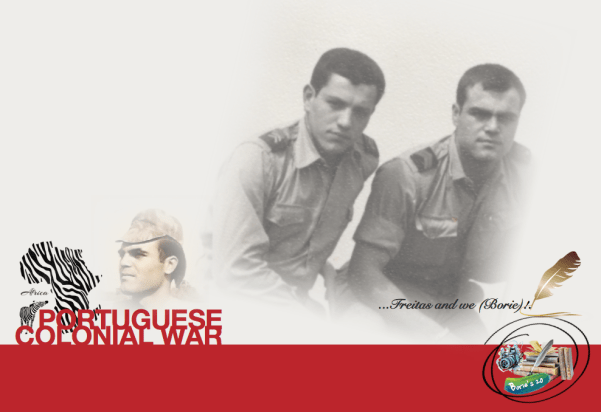
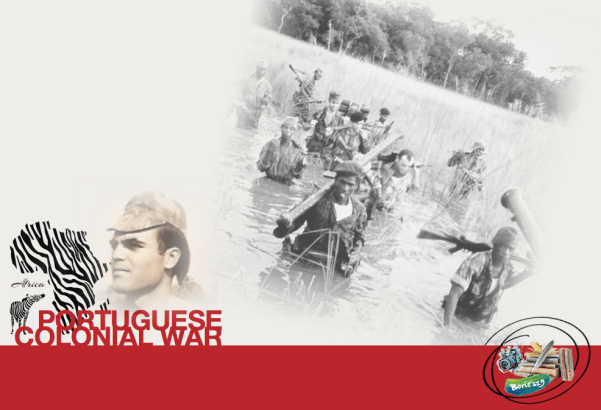
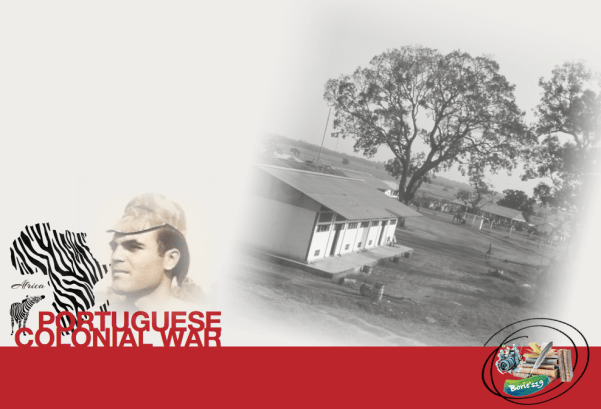
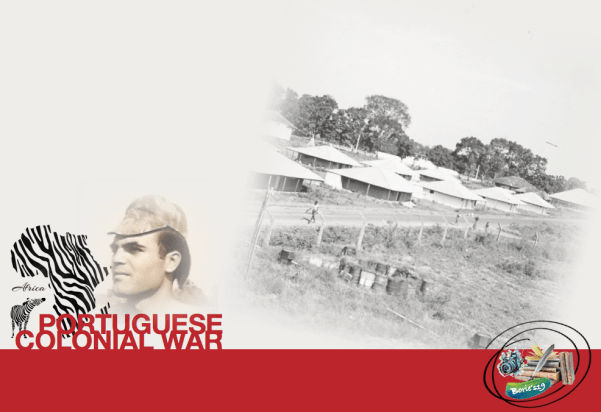
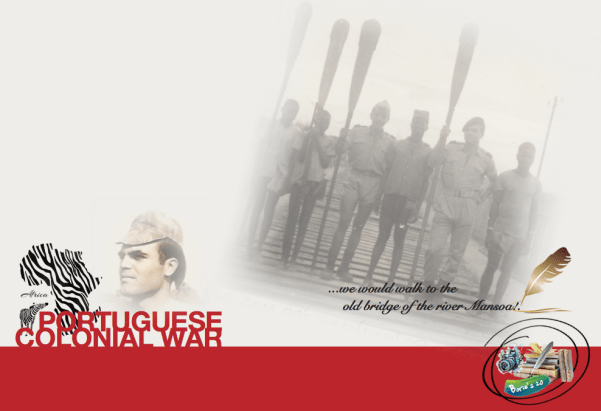
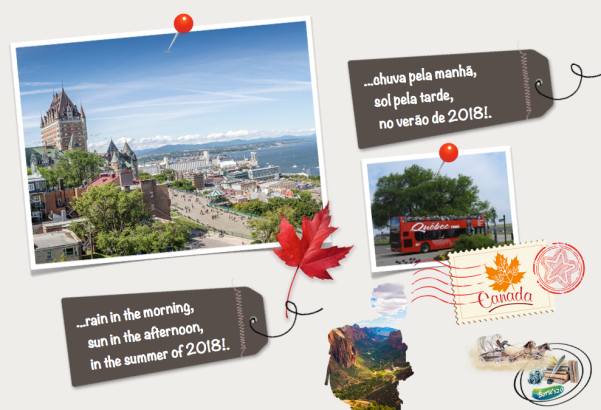
…a maldição de um veterano é que nunca esquece!. (The curse of a veteran is that he never forgets)!.!

…a maldição de um veterano é que nunca esquece!. (The curse of a veteran is that he never forgets)!.!

…a maldição de um veterano é que nunca esquece!. (The curse of a veteran is that he never forgets)!.

…já passaram mais de cinco décadas, quase seis, mas, o corpo e a mente de um veterano de guerra, quanto mais a sua idade avança, infelizmente, mais frequentemente reage aos disparos da memória, dando lugar ao sentimento que pode ser representado nestas simples palavras!. (It’s been more than five decades, almost six, but the body and mind of a war veteran, the older he gets, unfortunately, the more often he reacts to the firing of memory, giving way to the feeling that can be. represented in these simple words)!.

…“a maldição de um veterano é que nunca esquece”!. (“The curse of a veteran is that he never forgets”)!.

…sentindo de novo em alguns momentos, os efeitos e as causas de ter servido a nação numa zona de guerra, que foi sem qualquer dúvida, um preço muito elevado!. (Feeling again and again the effects and causes of having served the nation in a war zone, which was undoubtedly a very high price)!.

…na lotaria da vida, estando presente numa zona de combate, pode sair-nos um bilhete premiado com a morte!. Com alguma sorte podemos sobreviver mas, o “síndrome de guerra”, leva-nos por todo o tempo do resto das nossas vidas, a uma pesada viajem no Coração das Trevas!. (In the lottery of life, being present in a combat zone, we can get a ticket awarded with death!. With any luck we can survive but the “war syndrome” takes us all the time of the rest of our lives for a heavy journey into the Heart of Darkness)!.

…não mais esquecemos a jornada de ter sido combatentes na Guerra Colonial Portuguesa em África, na então província colonial da Guiné Portuguesa, cuja guerra, principalmente nesta região, foi denominada “o Vietname de Portugal”, que foi uma mortífera guerra de guerrilha, combatendo ao serviço de um país que nos USOU e nos ESQUECEU, desde a nossa mobilização forçada na época de uma pré-guerra, passando pela miserável experiência no campo de batalha, até a um difícil retorno de pós-guerra, sempre nos IGNORANDO, sendo obrigados à imigração, recomeçando uma nova vida de sobrevivência deste lado do oceano Atlântico, trabalhando, criando e educando uma família, com a preciosa ajuda da nossa dedicada esposa, neste novo país que sempre nos acarinhou, ao contrário daquele lá na antiga Europa, onde nascemos!. (We no longer forget the journey of being combatants in the Portuguese Colonial War in Africa, in the then colonial province of Portuguese Guinea, whose war, especially in this region, was called “Vietnam of Portugal”, which was a deadly guerrilla war, fighting in the service of a country that USED and FORGOT us, from our forced mobilization at the time of a pre-war, to miserable battlefield experience, to a difficult postwar return, always IGNORING us, being forced into immigration, starting a new life of survival on this side of the Atlantic Ocean, working, raising and raising a family, with the precious help of our devoted wife, in this new country that has always cherished us, unlike the one in ancient Europe, where we were born)!.

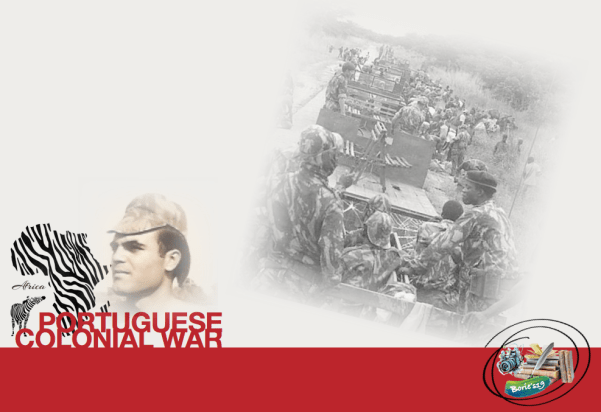
…quando o encontramos de novo, o tal pensamento, às vezes em momentos sombrios e silenciosos, tentamos repudiá-lo, mandar para longe, a explosão de uma granada ou o som do bater das lâminas de um helicóptero em cenário de guerra, mesmo a recordação de recolher o que restava do corpo de um companheiro combatente, embrulhado num camuflado sujo com o seu próprio sangue!. Não importa quantas vezes esses pensamentos nos visitam, pois terminam sempre da mesma maneira, que é uma “catástrofe total”!. (When we meet him again, such a thought, sometimes in dark and silent moments, we try to repudiate it, to send away the explosion of a grenade or the sound of a helicopter blasting in war, even the memory of collecting what was left of the body of a fellow combatant, wrapped in a dirty camouflage with his own blood!. No matter how many times these thoughts visit us, because they always end in the same way, which is a “total catastrophe”)!.
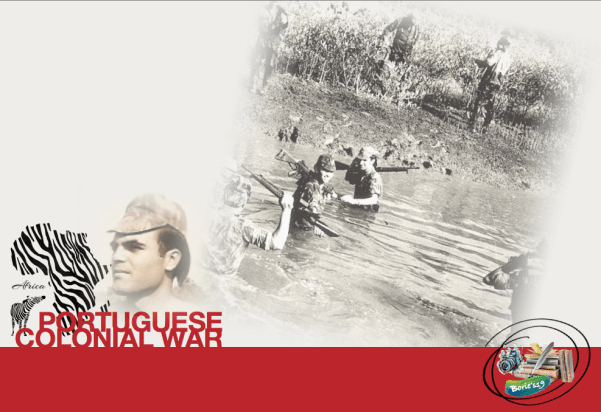
…a violência nunca traz uma paz permanente!. Não resolve nenhum problema social, pelo contrário, cria novos e mais complicados problemas!. Num cenário de violência, como era aquele onde permanecemos por um período de dois anos, a segurança nunca existiu, era angustioso ver, sobretudo o povo local, não terem acesso a alimentos suficientes, a água limpa, a remédios ou a um abrigo necessário para sobreviver, onde as crianças não podiam aspirar a uma educação decente ou à esperança de um homem ou de uma mulher terem um emprego ou outro qualquer suporte, que sustentasse uma família, pois a ausência dessa mesma esperança, agora transformada num cenário de guerra, estava a destruir aquela sociedade, a partir de dentro, o que era muito importante!. (Violence never brings permanent peace!. It does not solve any social problems, on the contrary, it creates new and more complicated problems!. In a scenario of violence, such as the one where we stayed for a period of two years, security never existed, it was distressing to see, especially the local people, not having access to sufficient food, clean water, medicine or a shelter needed for where children could not aspire to a decent education or the hope of a man or woman having a job or any other support to support a family, for the absence of that hope, now transformed into a war scenario, was to destroy that society from within, which was very important)!.

…nós jovens, oriundos da Europa, com uma educação de aldeia, onde os princípios honestos de família vinham de há séculos, vendo todo este cenário, muitas vezes a angústia, o desespero e o mêdo, colocáva-nos numa situação horrível, onde entre outras coisas o álcool, nos aliviava a mente, pelo menos por momentos, pois este cenário estava lá, estava sempre presente, era a cara da guerra, com feridos e mortos em combate para ambos os lados, incluindo aquela população civil desarmada!. (We young people from Europe with a village upbringing where honest family principles came from centuries ago, seeing this whole scenario, often the anguish, the despair and the fear, put us in a horrible situation, where, among other things, alcohol soothed our minds, at least for a moment, for this scenario was there, was always present, was the face of war, wounded and killed in combat on both sides, including that unarmed civilian population)!.

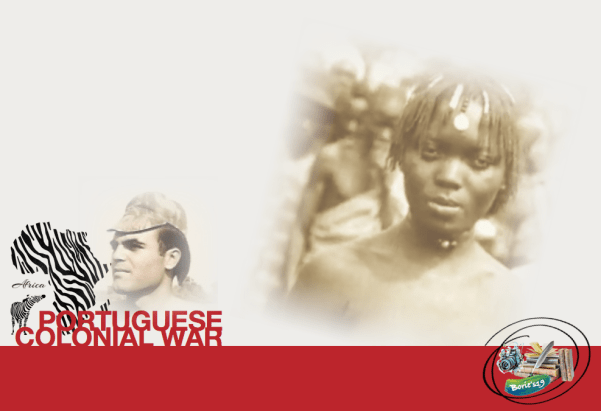
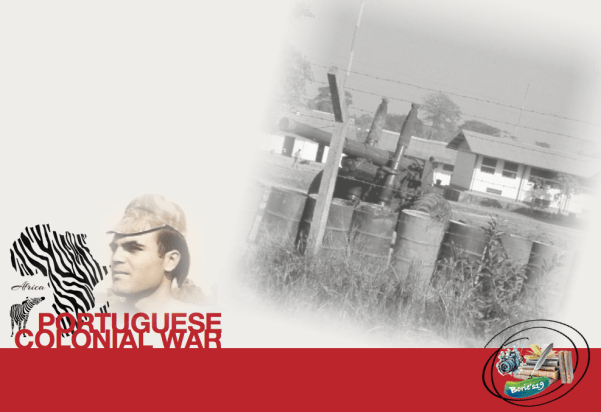
…aqui nesta região de África, existiam algumas etnias, tal como os “Papeis”, os “Balantas”, os “Fulas”, os “Bijagós”, os “Mandingas”, os “Felupes”, os “Manjacos”, os “Biafadas” ou os “Nalus”, diziam até que existiam quase duas dezenas de diferente etnias!. Todavia, numa zona de savana e selva, rodeada de pântanos e vegetação, onde estivémos estacionados num aquartelamento cercado de arame farpado, por um período de dois anos, existiam os “Balantas”, que outrora foram guerreiros, caçadores, pescadores, pastores ou agricultores!. (Here in this region of Africa, there were some ethnicities, such as the “Papers”, “Balantas”, “Fulas”, “Bijagós”, “Mandingas”, “Felupes”, “Manjacos”, “Biafadas” or “Nalus” said until there were almost two dozens of different ethnicities!. However, in an area of savannah and jungle, surrounded by swamps and vegetation, where we had been stationed in a barbed wire barracks for a period of two years, there were the “Balantas”, who were once warriors, hunters, fishermen, shepherds or farmers)!.

…mas naquele momento, os mais novos e de idade média, incluindo alguma população feminina, eram guerrilheiros, estavam do outro lado, combatendo ao lado dos grupos que lutavam contra nós, (que tínhamos vindo do norte, lá da Europa), lutavam e morriam pela independência e libertação do seu território e, os mais velhos, andavam por lá, alguns eram “homens grandes”, que simpatizavam, ou talvez fingiam que simpatizavam com os Europeus, usufruindo de protecção e algumas regalias, às vezes usando as instalações e os bens do nosso aquartelamento, sendo proprietários de algumas manadas de gado ou pequenas parcelas de plantação de arroz!. (But at that time, the young and middle-aged, including some female population, were guerrillas, were on the other side, fighting alongside the groups fighting against us, (we had come from the north, from Europe), they fought and died for independence and liberation from their territory, and the older ones walked around, some were “great men” who sympathized, or perhaps pretended to sympathize with Europeans, enjoying protection and some perks, sometimes wearing their own facilities and assets of our barracks, owning a few herds of cattle or small plots of rice)!.

…toda esta situação, além do mêdo da guerra, nos fazia sobreviver num mundo de contradições e angústia, onde por um lado existia o doente abandonado, a família faminta ou a criança que não sabia ler e, tirando esses tais “homens grandes”, havia por ali muitos homens e mulheres, alguns sem abrigo, com roupa em farrapos, lutando pela sobrevivência, numa terra muito rica e com um solo muito fértil!. (This whole situation, beyond the fear of war, made us survive in a world of contradictions and anguish, where on the one hand there was the abandoned patient, the starving family or the child who could not read, and apart from these “great men”, there were many men and women out there, some homeless, in ragged clothing, fighting for survival, in a very rich land and very fertile soil)!.

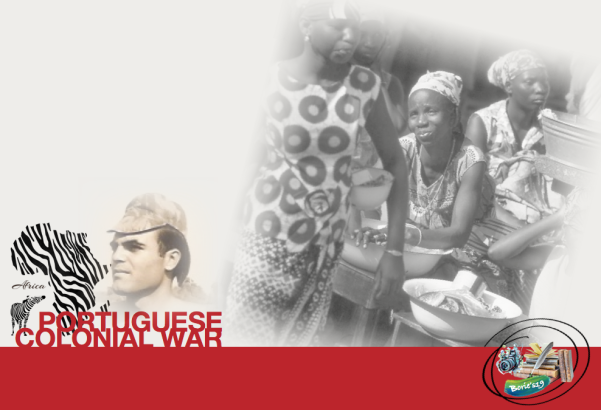
…onde em contrapartida, em zonas mais seguras, por exemplo junto do aquartelamento onde estávamos estacionados, seguindo alguns usos e costumes, talvez desde séculos, o tal “homem grande” podia ter, três, quatro ou cinco mulheres, que viviam todas em comunidade, debaixo do mesmo tecto, tratavam dos filhos umas das outras, ajudando-se, onde o homem talvez exercesse uma espécie de “escravatura”, nestas suas mulheres, pois eram elas que trabalhavam em pequenas parcelas de terra na cultura de arroz, onde como já explicámos havia alguma segurança, muitas com os filhos recem nascidos, pendurados nas costas, baixadas na bolanha (pântanos), por vezes enterradas na lama e água até ao joelho!. (Where on the other hand, in safer areas, for example near the barracks where we were stationed, following some customs and practices, perhaps since centuries, such a “great man” could have three, four or five women, all of whom lived in community, under the same roof, they cared for each other’s children, helping each other, where men might exercise a kind of “slavery,” in their wives, for they were the ones who worked on small plots of land in rice cultivation, where as we have already explained, there was some security, many with their newborn children, hanging from their backs, lowered in the bolanha (marshes), sometimes buried in mud and knee-deep water)!.

…cremos que todas essas bolanhas (pântanos), eram propriedade do tal “homem grande”, que nunca soubemos ao certo, se esse homem era o seu marido, ou simplesmente “dono”, que consoante a sua riqueza, mais mulheres podia adquirir, onde elas, as mulheres, iam apanhar lenha na floresta, cozinhavam, algumas até subiam às palmeiras, para irem apanhar o fruto e fazer aguardente, que os homens bebiam!. Enfim eram uma espécie de “escravas”, desses mesmos homens, que deitados na rede, mascando “cola”, e com uma espécie de bengalim nas mãos, com que afugentavam algumas moscas do seu corpo, por vezes batiam nas nádegas, dessas mesmas mulheres, para que se movimentassem um pouco com mais rapidez!. (We believe that all these bolanhas (marshes) were the property of such a “great man”, that we never knew for sure, if this man was her husband, or simply “owner”, that depending on her wealth, more women could to buy, where they, the women, would gather firewood in the forest, cook, some even climb the palm trees, to go get the fruit and make brandy, which men drank!. At last they were a kind of “slaves”, of those same men, who lay in the hammock, chewing “cola”, and with a kind of bengalim in their hands, who chased away some flies from their body, sometimes beat the buttocks of these same women to to move a little faster)!.

…pelo que observávamos, a mulher, só depois de uma certa idade, quando já o marido não a usava mais, é que teria uma vida mais pacata, pois normalmente, iria viver com outras da sua idade, sempre próximo da “morança” (casa coberta de colmo) do seu marido, ou “dono”, pois nunca soubémos qual era o estatuto dessa mulher, e aí tomava conta dos filhos das suas companheiras mais novas, fumava o seu tabaco, bebia o seu trago de aguardente de palma, que fazia e, que normalmente estava a curtir num balaio, coberto com umas folhas de bananeira, mas à sombra, sem apanhar sol, descansando, berrando e dando conselhos às suas companheiras mais novas, que nessa altura eram as eleitas, e estavam na companhia do seu antigo marido!. (From what we observed, the wife, only after a certain age, when the husband no longer used it, would have a quieter life, because normally, would live with others of his age, always close to the “morança” ( thatched house) of her husband, or “owner,” because we never knew what that woman’s status was, and then took care of her younger companions’ children, smoked her tobacco, drank her palm brandy, he was doing, and he was usually hanging out with a banana tree, covered with some banana leaves, but in the shade, without sunbathing, resting, shouting, and giving advice to his younger companions, who were then elected, and were in the company from your old husband)!.

…os filhos e as filhas, deviam ser propriedade do marido, que normalmente, “vendia”, passe o termo, ou única e simplesmente cedia, as filhas, ao amigo “homem grande”, ou talvez a quem melhor garantias lhe desse!. Quando uma rapariga atingia a idade de catorze, quinze, dezasseis, pois dezassete anos já era um pouco tarde, tinha que arranjar marido, ou talvez “dono”, pois se não o fizesse, já não era bem vista na comunidade e, perguntavam o que é que estava de mal com ela, pois ainda não tinha parido!. Todo este cenário dos usos e costumes, a nós Europeus, nos fazia pensar de que parecia que nos estávamos movendo para trás no tempo!. (The sons and daughters, should be the property of the husband, who normally “sold”, pass the term, or simply and simply surrendered, the daughters, to the “great man” friend, or perhaps to whom best guarantees!. When a girl reached the age of fourteen, fifteen, sixteen, for seventeen was a little late, she had to find a husband, or perhaps “owner,” because if she did not, she was no longer well regarded in the community and, they asked. what was wrong with her, because she had not yet given birth!. This whole scenario of usages and customs, to us Europeans, made us think that it seemed we were moving backwards in time)!.

…tirando de fora o cenário horrível de uma mortífera guerra de guerrilha, este simples relato, é para exemplificar e perguntar o que fazíamos lá?. Estávamos a conviver e a combater um povo, que em alguns momentos nos parecia pacífico, sofredor e amável, que nunca antes tínhamos visto e nada tínhamos em contra, que lutavam e morriam pela independência do seu território, defendendo a sua terra, os seus usos e costumes, longe da Europa, de onde nós éramos oriundos!. (Apart from the horrible scenario of a deadly guerrilla war, this simple account is to exemplify and ask what we were doing there?. We were living together and fighting a people who at times seemed peaceful, suffering and lovely, whom we had never seen before and had nothing against, who fought and died for the independence of their territory, defending their land, its uses. and customs, far from Europe, where we came from)!.

…e de onde fomos levados, ou seja “arrancados” da paz da nossa aldeia, treinados e mentalizados para combate, num campo de treinos duma cidade de província, que era uma mistura de ruídos, obstáculos, armas, tiros e atrapalhação, onde poucos meses depois, metidos no porão de um navio de carga, navegámos pelo oceano Atlântico, desembarcando numa zona perdida de África, rumo a um teatro de operações, onde havia um horrível cenário de guerra de guerrilha e, onde os usos e costumes desta região e deste povo, eram diferentes!. (And where we were taken from the peace of our village, trained and trained for combat, in a training camp of a provincial town, which was a mixture of noise, obstacles, weapons, gunfire and disruption, where a few months later, in the hold of a cargo ship, we sailed across the Atlantic Ocean, landing in a lost area of Africa, heading for a theater of operations, where there was a horrible guerrilla war scenario, and where the customs and customs of this region and this people were different)!.

…usos e costumes diferentes, sobretudo dos da nossa aldeia do Vale do Ninho d’Águia, lá na encosta agreste da montanha do Caramulo, de onde éramos oriundos, onde estas cenas de usos e costumes não eram possíveis, mas por outro lado, eram normais na então província da Guiné, e afinal não era, como tínhamos aprendido na escola primária da vila a que a nossa aldeia pertencia, onde nos diziam que a então província da Guiné, tinha as mesmas leis, tal como a província do Minho, do Alentejo ou do Algarve, pois tudo eram províncias de uma só nação, que era Portugal!.
(Different uses and customs, especially those of our village of Vale do Ninho d’Águia, there on the rugged slope of the Caramulo mountain, where we came from, where these scenes of use and customs were not possible, but on the other hand, were normal in the then province of Guinea, and after all it was not, as we had learned in the village primary school to which our village belonged, where we were told that the then province of Guinea had the same laws as the province of Minho, from Alentejo or from the Algarve, because they were all provinces of one nation, which was Portugal)!.

…embora hoje sejamos um veterano de uma idade um pouco avançada, o pensamento, esse maldito pensamento, caça-nos na vida!. Sim, ele, o pensamento anda sempre lá, por vezes ameaçando a nossa consciência, a memória ainda existe hoje, enterrada lá no fundo, é parte antiga do também já um pouco selvagem, mas que ainda vamos dominando, que é presentemente o nosso cérebro!. (Although today we are a veteran of a somewhat advanced age, the thought, that damn thought, hunts us in life!. Yes, he, the thought is always there, sometimes threatening our conscience, the memory still exists today, buried deep inside, is an old part of the already a little wild, but still dominating, which is our brain at present)!.

…é o preço do sofrimento, da angústia, do mêdo e fúria em combate, do horror, do inferno que vivemos, de um povo com diferentes usos e costumes, a marca que nos acompanha para o resto das nossas vidas, que na verdade nos sentimos loucos por dentro e, como veteranos de guerra, temos que ser francos e dizer, que pagamos um preço muito elevado para servir o nosso país e, as vítimas emocionais das guerras equivocadas, como foi esta, que podia ter sido ultrapassada com o diálogo entre as partes envolventes, são na verdade as mais difíceis de suportar, são as tais feridas profundas que sofremos, que podem ser infligidas sem deixar um simples arranhão!. (Is the price of suffering, anguish, fear and fury in combat, the horror, the hell we live, a people with different usages and customs, the mark that accompanies us for the rest of our lives, which in we really feel insane inside and as war veterans we have to be frank and say that we pay a very high price to serve our country and the emotional victims of misguided wars such as this could have been overcome the dialogue between the surrounding parties is actually the most difficult to bear, it is such deep wounds we suffer that can be inflicted without leaving a simple scratch)!.

…quando, uns anos depois regressámosa a casa, lá na Europa, infelizmente já como veteranos de combate, passando por algumas experiências de vida mais traumáticas que se possam imaginar, sobretudo convivendo com um povo que nos parecia pacífico, sofredor e amável, mas com diferentes usos e costumes, a nossa família que nos recebeu, sabia, notava imediatamente, que alguma coisa estava mal connosco, pela nossa linguagem, maneira de se comportar, que estávamos diferentes, talvez um pouco loucos e algo agressivos!. (When, some years later, we had returned home from Europe, unfortunately already as combat veterans, going through some of the most traumatic life experiences imaginable, especially living with a people who seemed peaceful, suffering and lovely, but with different usages and customs, our host family knew, immediately noticed, that something was wrong with us, by our language, the way we behaved, that we were different, maybe a little crazy and something aggressive)!.
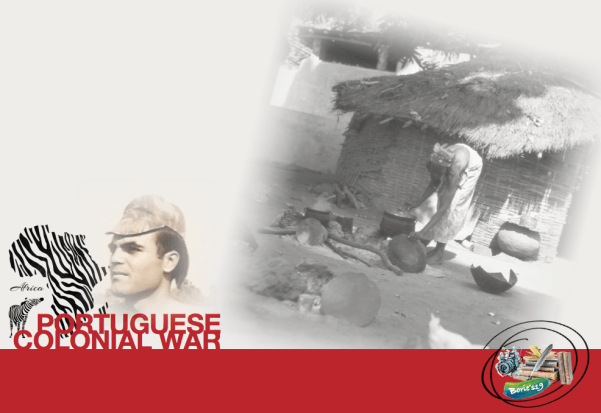
…todavia, para mal deste mundo cruel, os famintos, os doentes, os analfabetos e a miséria que naquele tempo por lá eram constantes, infelizmente continuaram, mesmo depois, quando parecia que já havia paz, fazendo-nos lembrar que defacto o então Portugal saiu de África físicamente, onde o então seu governo colonial permaneceu, com um também regime colonial por mais de cinco séculos, onde talvez sem o notar, ia explorando e querendo introduzir novos usos e costumes, a um povo que nos parecia pacífico, sofredor e amável, que talvez não suportanto mais os regulamentos do colonialismo Europeu, se revoltou e pegou em armas!. (However, to the detriment of this cruel world, the hungry, the sick, the illiterate and the misery that were constant there at the time, unfortunately continued, even afterwards, when it seemed that there was already peace, reminding us that I defy the then Portugal physically left Africa, where the then colonial government remained, with a colonial regime for more than five centuries, where perhaps without noticing it, it was exploring and wanting to introduce new customs and customs to a people who seemed peaceful to us, suffering and lovable, who may no longer stand the regulations of European colonialism, revolted and took up arms)!.

…mas, talvez também sem o notar, o então Portugal ao retirar-se da África, possívelmente não trouxe as armas, as bombas e as balas, deixando lá apenas, como seria sua inteira obrigação, todas as maravilhosas armas da paz e do progresso do século XX e, tal como já explicámos no princípio deste texto, também a nós, que sofremos no corpo e na alma uma mortífera guerra de guerrilha, combatendo ao serviço do país onde nascemos, que nos USOU e nos ESQUECEU, desde a nossa mobilização forçada na época de uma pré-guerra, passando pela miserável experiência no campo de batalha, até a um difícil retorno de pós-guerra, sempre nos IGNORANDO, sendo obrigados à imigração, recomeçando uma nova vida de sobrevivência deste lado do oceano Atlântico, trabalhando, criando e educando uma família, com a preciosa ajuda da nossa dedicada esposa, neste novo país que sempre nos acarinhou, ao contrário daquele lá na antiga Europa, onde nascemos!. (But, perhaps also without noticing it, then Portugal, when withdrawing from Africa, possibly did not bring the weapons, the bombs and the bullets, leaving only, as would be their obligation, all the wonderful weapons of peace and of the progress of the twentieth century and, as we explained at the beginning of this text, we, too, who have suffered a deadly guerrilla war in body and soul, a deadly guerrilla warfare, fighting in the service of the country where we were born, which USED and FORGOT us, from our forced pre-war mobilization to miserable battlefield experience to a difficult post-war return, always IGNORING us, being forced into immigration, starting a new life of survival on this side of the Atlantic Ocean, working, raising and raising a family, with the precious help of our devoted wife, in this new country that has always cherished us, unlike the one in ancient Europe, where we were born)!.

Tony Borie, November 2019.

…parque da beira d’água!. (Waterfront Park)!.

…parque da beira d’água!. (Waterfront Park)!.

…Parque da beira d’água!. (Waterfront Park)!.

…caminhar reduz o stresse, anima-nos, aumenta a nossa auto-estima, beneficia o nosso humor, liberta-nos dos naturais e normais efeitos dos medicamentos que, na nossa já um pouco avançada idade somos obrigados a consumir!. (Walking reduces stress, cheers us up, boosts our self-esteem, boosts our moods, frees us from the natural and normal effects of medicines that we are obliged to take at our advanced age)!.

…também andamos de bicicleta, sem a permissão de consultar mapas, simplesmente seguindo o capricho da nossa vontade de pedalar, virando de um lado para o outro, por vezes perdendo-nos completamente, até que o relógio interno nos diz que, é a hora de voltar para casa!. (We also ride our bicycles, without permission to consult maps, simply following the whim of our desire to pedal, turning this way and that, sometimes losing ourselves completely, until the internal clock tells us that it is time to go home)!.

…nós, com alguma experiência, procuramos caminhos rurais e tranquilos, sobretudo com vegetação, se possível com impressionante paisagem de água e com raios de sol, no entanto, se surgir uma chuva miudinha não ficamos desapontados, pelo contrário, até agradecemos a dádiva!. (We, with some experience, look for rural and quiet paths, especially with vegetation, if possible with an impressive landscape of water and sunshine, but if a light rain comes we are not disappointed, on the contrary, we even thank gift)!.

…vivendo por aqui, numa cidade localizada na área nordeste do estado da Florida, numa área total de aproximadamente 90 milhas quadradas, das quais aproximadamente 2% desta área, são águas, num extenso sistema de gerenciamento desta mesma água, que foi projectado para reabastecer um lençol situado no interior do solo e que, em algumas zonas se alimenta de nascentes, que incluiem aproximadamente 46 milhas de canais de água doce e 23 milhas de canais de água salgada e, muitas dezenas de milhas de trilhas quase selvagens!. (Living here, in a city located in the northeast area of Florida, in a total area of approximately 90 square miles, of which approximately 2% of this area, is water, in an extensive water management system that was designed to replenish an in-ground sheet that in some spring-fed areas includes approximately 46 miles of freshwater canals and 23 miles of saltwater canals and many tens of miles of near-wild trails)!.

…claro, vivendo numa área com esta configuração fica exposta ao crescimento de muita vegetação e, ao impacto directo de alguns ciclones tropicais, como por exemplo quando do furacão Charley, que passou diretamente sobre esta área, no ano de 2004, quando já nos encontrávamos a viver aqui, no entanto, desde o longínquo ano de 1851, quando os dados de rastreamento de furacões começaram, sòmente 33 furacões e tempestades tropicais afectaram directamente esta área, o que para uma zona semi-tropical, não é um mau sinal!. (Of course, living in an area with this configuration is exposed to the growth of much vegetation and the direct impact of some tropical cyclones, such as Hurricane Charley, which passed directly over this area in 2004, when we were living here, however, since the distant year 1851, when hurricane tracking data began, only 33 hurricanes and tropical storms directly affected this area, which for a semi-tropical zone is not a bad sign)!.

…portanto para nós, amantes da natureza pura, que adoramos fotografar e ouvir conversas de pássaros que chilreiam em torno de folhas caídas e apodrecidas ao lado de um qualquer bebedouro e, quando caminhamos, também adoramos atravessar pequenos ribeiros ou mesmo alguns pântanos, e claro, tropeçando em água, areia ou cascalho, em vez de uma trilha em asfalto!. (So for us pure nature lovers, who love to photograph and hear conversations of birds chirping around fallen and rotting leaves beside any drinking fountain, and when we walk we also love to cross small streams or even some marshes, and of course tripping over water, sand or gravel instead of an asphalt trail)!.

…tal como já por diversas vezes explicámos, nesta já um pouco avançada idade, tanto o nosso corpo como a nossa mente, reagem automáticamente aos disparos da memória, sentindo de novo, em certos momentos, principalmente depois de ver um cenário de paz e sossego, água e floresta, uma grande saudade, (uma das mais bonitas palavras da língua Portuguesa), impossível de traduzir noutros idiomas, lembrando-nos o também cenário de floresta selvagem, paz e sossego da nossa juventude, onde nascemos e crescemos, naquela aldeia remota do Vale do Ninho d’Águia, na encosta agreste da montanha do Caramulo, lá na Europa, quase uma divisão entre a montanha e o mar, onde pela noite, não havendo luz eléctrica, se a terra tremesse, nascendo dos céus uma pequena luz, que seria uma qualquer estrela, talvez uma estrela nova, daquelas que fazem oscilar um continente, ninguém dava por isso!. (As we have explained several times in this rather advanced age, both our body and our mind automatically react to the firing of memory, feeling again at certain times, especially after seeing a peaceful scene and quiet, water and forest, a great longing, (one of the most beautiful words in the Portuguese language), impossible to translate into other languages, reminding us of the scenery of wild forest, peace and quiet of our youth, where we were born and raised, in that remote village of the Eagle’s Nest Valley, on the rugged slope of Caramulo mountain, there in Europe, almost a division between the mountain and the sea, where at night, without electricity, if the earth shook, rising from the skies a little light, which would be any star, maybe a new star, those that make a continent oscillate, no one noticed)!.

…esta palavra saudade, para nós, exprime um conjunto enorme de sentimentos, muito típicos dos portugueses e dos povos que falam português, que não é mais do que um sentimento melancólico causado pela ausência de pessoas ou coisas a que se estava afectivamente muito ligado, pelo afastamento de um lugar ou de uma época, ou pela privação de experiências agradáveis vividas anteriormente, como é o nosso caso, daquela região, onde a sua ocupação antiga remonta à Idade do Bronze, marcada por diversos monumentos megalíticos, como por exemplo, a alguma distância ao norte da nossa aldeia, está o sítio arqueológico do “Cabeço do Vouga”, uma importante fortificação militar romana que foi povoada por sucessivos habitantes, onde por certo se incluíam os celtas, os turdulianos ou os lusitanos, a que nós nos orgulhamos muito de descender!. (This word misses us, expressing a huge set of feelings, very typical of Portuguese and Portuguese speaking peoples, which is nothing more than a melancholy feeling caused by the absence of people or things that were affectionately very linked by the remoteness of a place or an era, or the deprivation of pleasant experiences previously lived, as is the case in that region, where its ancient occupation dates back to the Bronze Age, marked by various megalithic monuments, such as , some distance north of our village, is the archaeological site of the “Cabeço do Vouga”, an important Roman military fortification that was populated by successive inhabitants, which included the Celts, Turdulians or Lusitans, to which we We are very proud to descend)!.

…e claro, pessoas como nós, não gostamos do barulho do trânsito, que infelizmente é a herança do modernismo e a especificidade das cidades modernas, que são protegidas por um pequeno parque com algumas áreas verdes mas, com o passar do tempo, são superados pelo aumento da sua população, pela construção de grandes edifícios, pelos sons e imagens do progresso, dando lugar à poluição e abandono dessas áreas verdes, desviando as pessoas para outras actividades, como por exemplo, eventos, espectáculos desportivos ou musicais, ou mesmo visitas às agora chamadas “plazas”, ou “shopping centers”, onde as pessoas passeiam, visitando lojas de produtos de marca, onde entre outras actividades, gastam o que têm e o que não têm!. (And of course, people like us do not like the noise of traffic, which unfortunately is the heritage of modernism and the specificity of modern cities, which are protected by a small park with some green areas but, over time, they are overcome by the increase in their population, the construction of large buildings, the sounds and images of progress, giving way to pollution and abandonment of these green areas, diverting people to other activities such as events, sports or musical shows, or even visits to what are now called “plazas”, or “shopping malls” where people stroll around, visiting brand name stores, where among other activities they spend what they have and what they don’t have)!.

…e, nestes dias estamos quase no final do ano, o tempo vai ficando um pouco mais frio mas, continuamos a sentir o rangido debaixo dos nossos pés!. É uma coisa que não podemos controlar, pois este som fica impresso na nossa memória, é um som acústico específico que nos alivia de algumas dores e, chutando areia ou pedras vamos caminhando, agora numa das quase diárias visitas ao “Waterfronf Park”!. (And these days it is almost the end of the year, the weather is getting a little colder but we still feel the squeaking under our feet!. This is something we cannot control, because this sound is imprinted in our memory, it is a specific acoustic sound that relieves us of some pains and, kicking sand or stones, we are now walking on one of the almost daily visits to “Waterfronf Park”)!.

…este maravilhoso espaço, é o tal que segue ao longo do canal de água salgada, a que chamam “Intracoastal Waterway” e, em algumas zonas confunde-se com o Rio Matanzas ou o Rio Halifax, mas é navegável pelo menos até zona de Ponce de Leon Inlet, ao sul da cidade de Daytona, onde existe uma abertura natural, nas Ilhas da Barreira, no centro da Florida, que liga a extremidade norte da Lagoa Mosquito e a extremidade sul do Rio Halifax, que naquela zona, entra no Oceano Atlântico!. (This wonderful space is the one that follows along the saltwater channel, which they call the “Intracoastal Waterway” and in some areas is confused with the Matanzas River or the Halifax River, but is navigable at least until Ponce de Leon Inlet area, south of the city of Daytona, where there is a natural opening, in the Barrier Islands in central Florida, which connects the northern end of the Mosquito Lagoon and the southern end of the Halifax River, which in that area, enters the Atlantic Ocean)!.

…procuramos este tempo para apreciar a paisagem, tirar fotos, e claro, conversar com outros caminhantes que por nós vão passando, considerando-nos um “artista da terra”, de contacto com a natureza, reivindicando para nós este acto de caminhar como “uma arte”!. (We seek this time to enjoy the landscape, take photos and, of course, talk to other hikers who pass by us, considering ourselves an “artist of the earth”, in contact with nature, claiming for us this act of walking as “an art”)!.

…os próprios passos dos nossos pés, são um trabalho que fazem parte da paisagem que percorremos, do tempo, do espaço, onde uma simples significância, como uma folha caída, uma ave passando, um réptil escondendo-se, uma árvore centenária, são uma “prenda da natureza pura”, compensando-nos da aventura de não sabermos o que nos pode acontecer depois daquela curva, depois daquele riacho! No entanto, uma coisa é certa, o espaço significa distância e, “uma obra de arte, pode muito bem ser uma jornada”!. (The very steps of our feet, are a work that are part of the landscape we travel, of time, of space, where a simple significance, like a fallen leaf, a bird passing, a reptile hiding, a centenary tree, are a “gift of pure nature”, compensating us for the adventure of not knowing what can happen to us after that bend, after that stream! However, one thing is for sure, space means distance and, “a work of art, may very well be a journey”)!.

…hoje, ao contrário de outros momentos, não havia tráfico no canal, talvez as pessoas que viajam em embarcações, tivessem preferido viajar em mar aberto, não entrando no canal na área da cidade histórica de Santo Agostinho, mais própriamente, no St. Augustine Inlete, onde nós já entrámos e saímos várias vezes, quando vamos pescar no Oceano Atlântico, cuja zona é potencialmente perigosa, onde os velejadores visitantes devem estar conscientes pelo menos durante condições de tempestade, quando o vento se encontra com a corrente, onde a parte mais profunda, pode ficar rasa em poucas horas!. (Today, unlike at other times, there was no traffic in the canal, perhaps people traveling by boat would have preferred to travel in the open sea, not entering the canal in the historic city area of St. Augustine, more specifically in St. Augustine Inlete, where we have been in and out several times, when we go fishing in the potentially dangerous Atlantic Ocean, where visiting sailors should be aware at least during stormy conditions, when the wind meets the current, where the deepest part can be shallow in a few hours)!.

…a maré estava cheia, no entanto, as aves exóticas, as garças, tanto azuis como brancas, os osprey, as águias, os golfinhos, os manates, os alligatores ou os répteis, não andavam por lá, o sossego era quase total mas, estávamos nós, tentando transformar este maravilhoso cenário em nossa casa, sentindo-nos mesmo em casa!. (The tide was full, however, the exotic birds, the herons, both blue and white, the osprey, the eagles, the dolphins, the manates, the alligators or the reptiles, were not walking there, the quiet was almost total but, we were trying to turn this wonderful scenery into our home, feeling really at home)!.

…longe da cidade, podendo respirar, reflectir e apreciar um maravilhoso cenário, sem necessitar da experiência da situação constante de questões e visões ligadas, principalmente ao espaço auditivo, neste caso a televisão, ouvindo discursos urbanos, actuais ou passados sobre objectivos e estratégias políticas ou económicas, bem como diferentes abordagens à experiência sensorial dos humanos, referindo quase sempre na alteração, desses para nós, quase malditos espaços urbanos, onde constantemente se ouvem frazes estudadas, ditas também quase sempre por políticos, para captar a maior audiência possível!. (Far from the city, being able to breathe, reflect and enjoy a wonderful scenery, without needing to experience the constant situation of questions and visions related, mainly to the auditory space, in this case the television, listening to current or past urban speeches about goals and political or economic strategies, as well as different approaches to the sensory experience of humans, almost always referring to the alteration, from these to us, almost cursed urban spaces, where we often hear frail students, also often spoken by politicians, to capture the widest possible audience)!.

…somos pessoas de outra época mas, felizes por proteger e, pelo menos tentar deixar o planeta terra mais limpo e agradável para as gerações futuras, pelo menos quando por aqui caminhamos, em pleno contacto com a natureza!. (We are people from another time, but happy to protect and at least try to make planet Earth cleaner and more enjoyable for future generations, at least when we walk here, in full contact with nature)!.

Tony Borie, November 2019.

…fomos experimentá-la!. (We tried it out)!.

…fomos experimentá-la!. (We tried it out)!.

…fomos experimentá-la!. (We tried it out)!.

…nós, “fotografos amadores à quinta-feira e contadores de histórias ao domingo”!. (We, “amateur photographers on Thursday and storytellers on Sunday”)!.

…na esperança de experimentar a nova máquina fotográfica, a tal que cabe no bolso de trás que, tal como uma criança, a quem dão um brinquedo novo, assim aconteceu connosco!. (Hoping to try the new camera, so it fits in the back pocket that, like a child, to whom they give a new toy, so happened to us)!.

…moramos aqui há quase duas dezenas de anos, já nos dirigimos “mil vezes” para esta selva escondida, umas vezes de bicicleta, sózinhos ou acompanhados pela nossa dedicada esposa Isaura ou até pelo amigo Fernando Pedro, (agora dividindo a sua residência por Nova York e Portugal), outras de veículo automóvel, como foi o caso de hoje e, não fazíamos uma verdadeira ideia do que existe por trás de toda esta vegetação, que afinal é um tesouro escondido!. (We have lived here for almost two dozen years, we have already driven a “thousand times” to this hidden jungle, sometimes by bike, alone or accompanied by our devoted wife Isaura or even friend Fernando Pedro, (now sharing his residence by New York and Portugal), others by car, as was the case today, and we had no real idea of what lies behind all this vegetation, which is a hidden gem after all)!.

…estamos a falar do “Princess Place Preserve”, que quer dizer mais ou menos, “Lugar Preservado da Princesa” que, tem uma história muito rica, num cenário exótico de beleza natural, onde outrora também foi cenário de índios americanos, assentamentos coloniais, guerras, servos, magnatas, casamentos, divórcios, amor, ódios, príncipes e princesas, tudo passado neste maravilhoso local, situado na parte norte do concelho de Flagler, mais propriamente na confluência do hoje Riacho Pellicer e do Rio Matanzas!. (We are talking about the “Princess Place Preserve”, which means more or less the “Preserved Place of the Princess” which has a very rich history, in an exotic setting of natural beauty, where it was once a American Indians, colonial settlement, wars, servants, tycoons, weddings, divorces, love, hatred, princes and princesses, all set in this wonderful location, situated in the northern part of Flagler County, more precisely at the confluence of today’s Pellicer Creek and the Matanzas River)!.

…dizem-nos que tudo começou por volta do final do século dezassete, quando uma parcela de mais de mil acres era concedida como uma concessão de terras espanholas a Francisco Pellicer, homem nascido em Minorca, que é uma das ilhas Baleares de Espanha, no mar Mediterrâneo, que por aqui chegou, contratado como servo mas, tal como outros chegados da Europa, este, exercendo a profissão de agricultor e carpinteiro, prosperou no Novo Mundo!. (We are told that it all began around the end of the seventeenth century, when a parcel of over a thousand acres was granted as a Spanish land concession to Francisco Pellicer, a man born in Minorca, which is one of the Balearic Islands of Spain, in the Mediterranean Sea, which arrived here, hired as a servant but, like other arrivals from Europe, he, working as a farmer and carpenter, prospered in the New World)!.

…Francisco Pellicer, por um período de quase quarenta anos, por aqui viveu com sua família, cultivando milho, cana e algodão, cujas culturas, uns anos mais tarde foram destruídas e queimadas durante as Guerras Indianas, que foram uma trama ou mesmo uma conspiração, depende do que lhe queiram chamar, que também ficaram conhecidas como “Cherokee Grove”!. (Francisco Pellicer, for a period of almost forty years, lived here with his family, growing corn, sugarcane and cotton, whose crops, a few years later were destroyed and burned during the Indian Wars, which were a plot or even a conspiracy, depends on what you want to call it, which are also known as “Cherokee Grove”)!.

…continuando, um tal Henry Cutting, com apenas 24 anos, que era um rico descendente dos holandeses que compraram Manhattan, lá no norte, em Nova York, que por aqui se estabeleceu com um dos primeiros laranjais na Flórida e, já por volta do final do século dezoito, comprou “Cherokee Grove” e várias parcelas adjacentes para aumentar a sua propriedade para os aproximadamente 1.500 acres, que hoje são a dimensão deste maravilhoso cenário de beleza natural!. (Going on, a 24-year-old Henry Cutting, who was a wealthy descendant of the Dutch who bought Manhattan, up north in New York, who settled here with one of the first orange groves in Florida and, by now, around the end of the eighteenth century, he bought “Cherokee Grove” and several adjoining plots to increase his property to the approximately 1,500 acres, which today are the size of this wonderful scenery of natural beauty)!.

… ele, Henry Cutting, dizia que neste maravilhoso cenário iria construir um pavilhão de caça!. (He, Henry Cutting, said that in this wonderful setting he would build a hunting lodge)!.

…para tal, contratou artesãos, já levados anteriormente para a hoje cidade histórica de Santo Agostinho, por um seu amigo e grande magnata dos caminhos de ferro, chamado Henry Flagler, para que aqui construissem uma hospedaria no estilo “Adirondacks”, (que para quem não tem conhecimento são umas montanhas na região norte de New York, que frequentemente são usadas para caçar e repousar), usando materiais indígenas pelos artesãos, como palmito de repolho e troncos de cedro para apoiar a varanda envolvente e uma mistura de conchas de pedra coquina e cimento, cujas pedras coquinas rosa, foram extraída da praia vizinha, produzindo um excelente feito de adaptação!. (To this end, he hired artisans, previously taken to the historic city of St. Augustine, by his friend and great railway tycoon, Henry Flagler, to build an Adirondacks-style lodge here, (unknown to those are mountains in northern New York, which are often used for hunting and resting), using indigenous materials by artisans such as cabbage hearts and cedar logs to support the wrap-around porch and a mix of shells of coquina stone and cement, whose pink coquina stones, were extracted from the neighboring beach, producing an excellent adaptation feat)!.

…querendo dar um ar tropical, para receber os seus hóspedes, plantou uma linha de palmeiras emparelhadas, que hoje combina perfeitamente com os carvalhos gigantescos e centenários, cobertos de musgo e envoltos em videiras selvagens, construindo também a primeira piscina subterrânea da Flórida, onde os ricos e a realeza brincavam com água morna, alimentada pelo clima semi-tropical!. (Wishing to give it a tropical feel to welcome its guests, it has planted a line of paired palm trees, which today blends perfectly with the giant, mossy oak trees covered with wild vines, also building Florida’s first underground pool, where the rich and royalty played with warm water fed by the semi-tropical climate)!.

…agora sim, começa a história que nos explica como esta área, outrora habitada pelos índios americanos Cherokee, entram os príncipes e as princesas!. (Now the story begins that explains how this area, once inhabited by the American Cherokee Indians, enters princes and princesses)!.

…Henry Cutting, trouxe a sua noiva de nome Angela para cá, casando-se por volta do ano de 1888, ano em que o seu pavilhão de caça, que era uma autêntica pousada terminou!. Ela, a Angela, adorou conviver e hospedar os seus amigos de Nova York mas, quatro anos depois, após a morte repentina de Henry Cutting, a Angela realizou um seu novo casamento com um magnata de Nova York!. (Henry Cutting, brought his bride named Angela here, getting married around the year 1888, the year his hunting lodge, which was a real lodge ended!. She, Angela, loved to hang out and host her friends from New York, but four years later, after Henry Cutting’s sudden death, Angela remarried with a New York tycoon)!.

…cujo casamento durou pouco mais de um ano que, após um divórcio rancoroso, ela a Angela, passados três anos casou de novo, agora com um príncipe russo exilado, de nome Boris Sherbatow, ganhando o título de princesa!. (Whose marriage lasted a little over a year that after a grudging divorce, she and Angela after three years remarried, now an exiled Russian prince named Boris Sherbatow, winning the title of princess)!.

…o agora “casal real”, viveu no ainda “Cherokee Grove”, que foi sua casa por duas décadas e meia e, quando ela, a Angela, se tornou mais princesa real do que o príncipe Boris, logo este maravilhoso cenário de palmeiras, carvalhos gigantescos e centenários, cobertos de musgo e envoltos em videiras selvagens, ficou conhecido como “Lugar da Princesa”, enquanto isso, juntos, ele e a Angela, entretinham outros membros da realeza e a sociedade internacional, aqui no agora “Lugar da Princesa”!. (The now “royal couple” lived in the still “Cherokee Grove” which was her home for two and a half decades and when she, Angela, became more royal princess than Prince Boris, soon this wonderful setting of palm trees, gigantic, ancient oaks, covered with moss and shrouded in wild vines, became known as “Princess’s Place”, while together he and Angela entertained other royals and international society, here in the now, “Princess’s Place”)!.

…resumindo, assim que a Angela assumiu o título de princesa, foi quando o outrora chamado “Cherokee Grove” passou a ser conhecido como “Lugar da Princesa” e, o mais fascinante é que, o alojamento original, construído por Henry Cutting, nos dias de hoje, ainda é a estrutura intacta mais antiga do Condado de Flagler!. (In short, as soon as Angela assumed the title of princess, it was when the once-called “Cherokee Grove” came to be known as “Princess’s Place” and, most fascinating is that, the original housing built by Henry Cutting is still the oldest intact structure in Flagler County today)!.

…anos depois, ele, o príncipe Boris, sentindo-se ameaçado por suas reivindicações ao trono Russo, transformou seu nome em Sherbatov, morrendo no ano de 1949 por causas naturais, mas a princesa não vendeu o seu amado “Lugar da Princesa” até ao ano de 1954, acabando por morrer também, na hoje cidade histórica de Santo Agostinho, dois anos depois, aos 87 anos!. (Years later, he, Prince Boris, feeling threatened by his claims to the Russian throne, transformed his name into Sherbatov, dying in 1949 from natural causes, but the princess did not sell her beloved “Princess’s Place”, until the year 1954, eventually dying too, in today’s historic city of St. Augustine, two years later, at the age of 87)!.

…e, poderíamos explicar muito mais, mas não queremos estragar as surpresas que todos irão ter, se por aqui quiserem caminhar, principalmente se gostam de natureza pura e de fotografar!. (And we could explain much more, but we don’t want to ruin the surprises everyone will have if they want to walk around here, especially if they like pure nature and photography)!.

…hoje, esta maravilosa área pertence ao estado, e nós, caminhando pelas suas trilhas, é muito provável que encontremos os verdadeiros moradores do “Lugar da Princesa”, que são os rebanhos de veados de cauda branca, raposas vermelhas, linces, gambás, guaxinins, corujas, tatus, panteras da Flórida e, ocasionalmente algum urso preto, entre outros!. (Today, this beautiful area belongs to the state, and we, walking its trails, are very likely to find the true residents of the “Princess Place”, which are the herds of white-tailed deer, red foxes, bobcats, skunks, raccoons, owls, armadillos, Florida panthers, and occasionally some black bear, among others)!.

…as trilhas, por onde a princesa montou os seus cavalos, agora são as favoritas para cavaleiros, ambulantes, campistas primitivos e ciclistas de todo o terreno, com o qual nós ainda nos identificamos!. (The trails, where the princess rode her horses, are now a favorite for knights, street hawkers, early campers and all-terrain cyclists with whom we still identify)!.

…por algum tempo percorremos os quatro cantos desta “reserva” explorando-a um pouco, onde não vimos praias de tartarugas com água azul mas, vimos o sossego de aves exóticas, tentando passar despercebidas dos olhares dos humanos, concentradas na água dos pântanos e lagoas, onde alguns peixes saltam!. (For a while we traveled the four corners of this “reserve” exploring it a little, where we didn’t see turtle beaches with blue water, but we saw the quiet of exotic birds, trying to go unnoticed from the eyes of humans, concentrated in the water of the swamps and ponds where some fish jump)!.

…esta caminhada é extremamente experiente, carismática, pelo menos para nós, contadores de histórias, onde podemos admirar uma área de pura selva, alguns pântanos, savanas, canais de água salgada, aves exóticas, árvores cobertas de musgo e uma fauna natural, sendo um óptimo lugar para ver e aprender!. (his walk is extremely experienced, charismatic, at least for us storytellers, where we can admire an area of pure jungle, some marshes, savannas, saltwater canals, exotic birds, mossy trees and natural wildlife, being a great place to see and learn)!.

…o complexo, além de ser o lar da primeira piscina inground da Flórida, o que é fascinante, também existe um estábulo com uma carruagem antiga, um pavilhão de caça, as marcas do que foram quadras de ténis, balneários, quartos de empregadas, casa de caseiro, e claro, trilhas para caminhadas e diversos lugares para acampar com fogareiros a lenha e mesas de piquenique!. (The complex, in addition to being home to Florida’s first inground pool, which is fascinating, there is also a stable with an old carriage, a hunting lodge, the hallmarks of what were once tennis courts, changing rooms, maids, caretaker’s house, and of course, hiking trails and various places to camp with wood burning stoves and picnic tables)!.

…podemos caminhar ao longo das margens do Riacho Pellicier ou através de alguns pântanos de água salgada, com maravilhosas vistas da baía e dos estuários ou até de lagoas alimentadas por nascentes e viveiros de pássaros!. (We can walk along the banks of the Pellicier Creek or through some saltwater marsh with wonderful views of the bay and estuaries or even spring-fed ponds and bird ponds)!.

…é uma parte importante da nossa experiência em viagens e caminhadas, que pode ser uma história engraçada ou especial, sobre uma qualquer experiência vivida numa montanha, numa selva, num rio, praia ou deserto, ou simplesmente uma aventura interessante na estrada!. (Is an important part of our travel and hiking experience, which can be a funny or special story about any mountain, jungle, river, beach or desert experience, or simply an interesting road adventure)!.

…é um pouco da história da Flórida, onde não existem sòmente as praias desertas do oceano Atlântico ou do Golfo do México, descobrindo o seu nordeste, para experimentar um grande pedaço da antiga Flórida, neste caso, adequado para uma princesa!. (Is a bit of Florida history, where there are not only the deserted beaches of the Atlantic Ocean or the Gulf of Mexico, discovering its northeast, to experience a great piece of old Florida, in this case, suitable for a princess)!.

…é uma terra intocada, onde nunca sabemos o que vamos ver e, na primavera, existem aqui dois novos moradores, que são um par de águias, que vêm construir o seu ninho!. (Is a pristine land where we never know what we will see, and in spring there are two new residents here, who are a pair of eagles, who come to build their nest)!.

…é uma caminhada muito fácil pela “selva” em caminhos de terra com algumas pontes em madeira e passadeiras em cimento!. (It’s a very easy walk through the jungle on dirt paths with some wooden bridges and cement walkways)!.

…é um local com muita vida selvagem e muitos tipos diferentes de aves, árvores e plantas, onde valeu bem a pena o tempo aqui dispendido e, claro, a nossa nova máquina de tirar fotografias, a tal que cabe no bolso de trás, deu-nos óptimas fotos!. (Is a place with a lot of wildlife and many different types of birds, trees and plants, where it was well worth the time here and, of course, our new photo taking machine, which fits in your back pocket. , gave us great pictures)!.

Tony Borie, November 2019.

…um bilhete de volta, para um momento que se foi!. (A ticket back, for a moment gone)!.

…um bilhete de volta, para um momento que se foi!. (A ticket back, for a moment gone)!.

…um bilhete de volta, para um momento que se foi!. (A ticket back, for a moment gone)!.

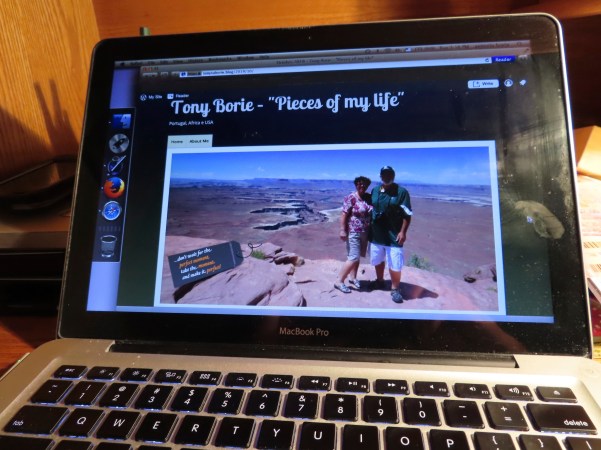
…tal como o nome do nosso Blog indica, “Pieces of my life”, que quer mais ou menos dizer, “Pedaços da nossa vida”, neste texto iremos falar um pouco de nós, não só da nossa experiência como “veteranos de guerra”, mas também como “fotógrafos amadores”, sem qualquer pretenção, a não ser a de registar para todo o sempre alguns momentos que já se foram!. (As the name of our blog indicates, “Pieces of my life”, in this text we will talk a little about ourselves, not just about our experience as “war veterans” but also as “amateur photographers”, without any pretense, except to record forever some moments that are gone)!.

…hoje, vivemos quase de recordações, aqui no estado da Flórida, no entanto as nossas raízes continuam vivas, não só no pensamento, como no corpo, onde sofremos a angústia e os momentos de medo e sofrimento, debaixo do fogo inimigo!. (Today we live almost in memory here in the state of Florida, yet our roots are still alive, not only in thought, but in the body, where we suffer anguish and moments of fear and sufferin, under enemy fire)!.

…combatendo homens e mulheres, que nada tínhamos em contra, nem nunca antes tínhamos visto, que queriam a independência do seu território, livres das decisões dos Europeus!. (Fighting men and women whom we had nothing against, and never seen before, who wanted the independence of their territory, free from the decisions of Europeans)!.

…com a esperança de poderem viver em liberdade, decidir o seu futuro, educar os seus filhos, continuando os seus usos e costumes, herdados dos seus antepassados!. (With the hope of being able to live in freedom, decide their future, educate their children, continuing their customs and customs, inherited from their ancestors)!.

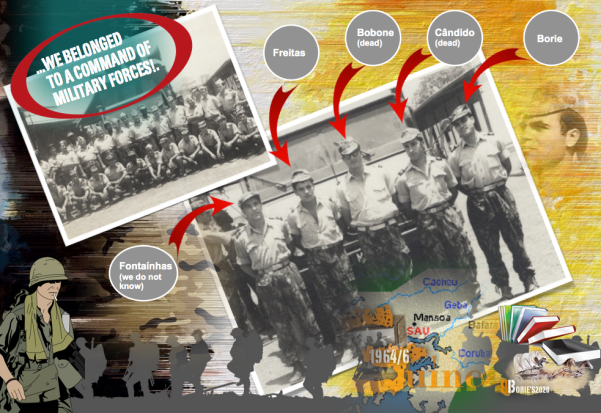
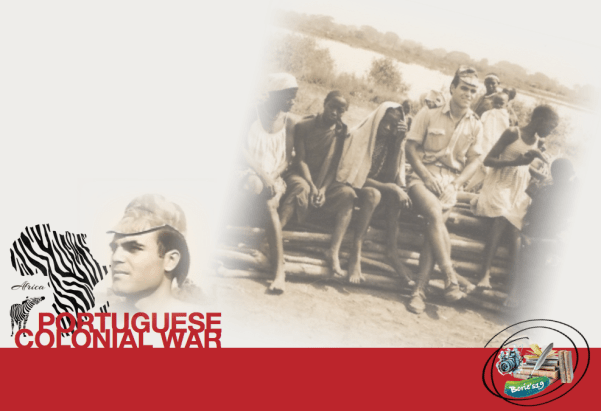
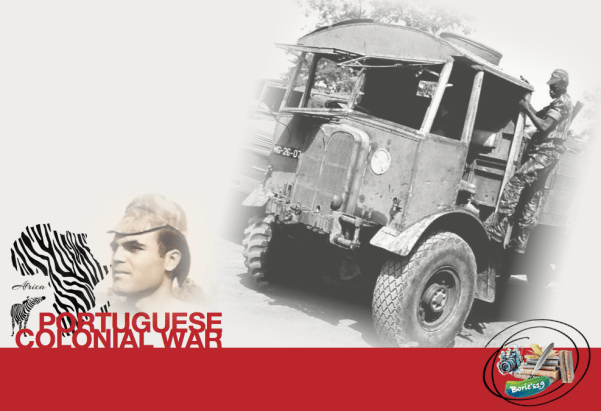
…isto são lembranças da nossa passagem pela Guerra Colonial Portuguesa, onde fomos combatentes por um período de dois anos, sobrevivendo no interior de um aquartelamento cercado de arame farpado, nas selvas, savanas, rios e pântanos da então Província Colonial Portuguesa da Guiné, em África, para onde nós, jovens que despertávamos para uma vida, vivendo em paz e em família, no silêncio da nossa aldeia do Vale do Ninho D’Águia, na vertente agreste da montanha do Caramulo, em Portugal, lá na Europa!. (This is a reminder of our time in the Portuguese Colonial War, where we were combatants for a period of two years, surviving inside a barbed wire barracks, in the jungles, savannas, rivers and marshes of the then Portuguese Colonial Province of Guinea, in Africa, where we young people who were awakening to a life, living in peace and family, in the silence of our village of Vale do Ninho D’Águia, in the wild slope of Caramulo mountain, in Portugal, in Europe)!.

…sendo levados, ou seja “arrancados”, treinados e mentalizados para combate, num campo de treinos duma cidade de província, que era uma mistura de ruídos, obstáculos, armas, tiros e atrapalhação, onde poucos meses depois, metidos no porão de um navio de carga, navegámos pelo oceano Atlântico, rumo a África, rumo a um teatro de operações, colocando-nos num terrível cenário de guerra!. (Being taken, that is, “uprooted”, trained and mentalized for combat, in a training camp of a provincial town, which was a mixture of noise, obstacles, weapons, gunfire and disruption, where a few months later, put in the basement from a cargo ship, we sailed across the Atlantic Ocean, towards Africa, towards an theater of operations, placing us in a terrible war scenario)!.

…vamos escrevendo, com a intenção de que a nossa dor, sirva de exemplo, sobretudo para os jovens, para que nunca se envolvam em nenhum conflito armado!. Longe do nosso pensamento, recordar aquele ditado que diz, “É frustante quando você conhece quase todas as respostas, mas ninguém se preocupa em fazer as perguntas”!. (We are writing with the intention that our pain will serve as an example, especially for young people, so that they never get involved in any armed conflict!. Far from our thinking, remember that saying, “It’s frustrating when you know almost all the answers, but no one bothers to ask the questions”)!.

…não, não é essa a nossa intenção, temos alguma experiência de vida, já por nós passaram muitas primaveras floridas, muitas temperaturas tórridas de verão, chuvas torrenciais de outono e muitos frios glaciares de inverno, contudo, a força que nos faz mover os dedos, ao passar pelo computador, é o reflexo de momentos de horror, mêdo e angústia, de um veterano de guerra onde, tanto o seu corpo como a sua mente, reagem automáticamente aos disparos da memória, sentindo de novo, em certos momentos, as feridas, o medo e o horror que por si passaram, enquanto presente num cenário de combate!. (No, that’s not our intention, we have some life experience, many flowering springs, many torrid summer temperatures, torrential autumn rains and many cold winter glaciers have passed us, but the strength that makes us Moving his fingers as he passes the computer is a reflection of moments of horror, fear, and anguish, of a war veteran where both his body and his mind automatically react to the firing of his memory, feeling again, in certain ways. moments, the wounds, the fear and the horror that passed by itself while present in a combat scenario)!.

…a maldição de um veterano de guerra, é que nunca esquece!. Contudo, já o dissémos em algumas vezes, o mêdo ou talvez a coragem, que nos ajudou a sobreviver num campo de batalha, não funciona muito bem agora, nesta avançada idade, mas ainda vai sendo possível assumir o control dessa horrível vivência e, vamos continuando a expulsar alguma energia positiva que nos resta, daquela que nos foi roubada, pelo desastre daquela maldita Guerra Colonial Portuguesa, em África!. (The curse of a war veteran is that he never forgets!. However, we have said it sometimes, fear or perhaps courage, which helped us survive on a battlefield, does not work very well now, at this advanced age, but it is still possible to take control of this horrible experience and, let’s continuing to expel some of the positive energy we have left of the one we were robbed of by the disaster of that damn Portuguese Colonial War in Africa)!.

…por exemplo, lembramo-nos que, num daqueles dias em que nos sentíamos angustiados, com bastante desespero, dirigimo-nos ao nosso comandante, expressando-lhe o nosso momento menos bom, ao que ele, pedindo-nos para nos sentar-mos na metade de um barril de vinho vazio, que por ali andava, colocando-nos a mão no ombro, com uma cara, que até nem parecia a de um comandante, nos disse mais ou menos isto:

 – parabéns, estás a começar a ser uma pessoa normal!. Continua a fazer as tuas tarefas de cifrar e decifrar as mensagens, pois o teu mêdo é igual ao meu e, não significa que és um covarde, a tua coragem é fazeres as tuas tarefas, num cenário de guerra onde o mêdo, é um fenómeno constante!.

(For example, we remember that on one of those days when we were feeling anguished, with great despair, we went to our commander, expressing to him our least good moment, to him, asking us to sit down halfway through an empty wine barrel that was walking around, placing a hand on our shoulder, with a face that didn’t even look like a commander’s, told us something like this:

– Congratulations, you are starting to be a normal person!. Keep doing your tasks of encrypting and deciphering the messages, because your fear is the same as mine, and that doesn’t mean you’re a coward, your courage is to do your tasks in a war setting where fear is a phenomenon. constant)!.

…já chega de lembranças da Guerra Colonial Portuguesa mas, todo este resumo vem a propósito da nossa nova máquina fotográfica, que nos faz lembrar a primeira que tivémos, cujas fotos eram um “bilhete de volta para um momento que se foi”!. (Enough memories of the Portuguese Colonial War, but all this summary comes about the purpose of our new camera, which reminds us of the first one we had, whose photos were a “ticket back to a moment gone”)!.

…era uma caixa de fotografar, marca Kodak, oferta do Movimento Nacional Feminino, que foi uma organização de suporte, voltada para a organização das mulheres em torno do apoio à Guerra Colonial Portuguesa, em particular quando o conflito nas então províncias colonias de Angola, Mozambique e Guiné se intensificou, caixa de fotografar esta, que nos desapareceu por altura de um desastre de avioneta que tivémos lá no norte, perto da fronteira com o país Senegal!. (Was a Kodak-branded photo box, offered by the National Women’s Movement, which was a supportive organization focused on the organization of women around the support of the Portuguese Colonial War, particularly when the conflict in the then colonial provinces of Angola, Mozambique and Guinea have intensified, this box of photographs, which disappeared at the time of a plane crash we had in the north, near the border with the country Senegal)!.

…depois, numa das nossas “fugidas” que frequentemente fazíamos na “camioneta dos doentes” à capital da província, comprámos outra, era uma Konica, já com mais botões e complicada, que tirava fotografias quase como as das revistas!. (Then, in one of our “escapades” that we often did in the “sick truck” to the provincial capital, we bought another, it was a more complicated and buttonsed Konica, which took pictures almost like those of magazines)!.

…a melhor maneira de descrever esta máquina de fotos, era que era o nosso “tanque de batalha”, era o abrigo que nos protegia dos ataques do inimigo, porque olhando através da sua lente em alguns momentos de reflexão, víamos imagens e cenários de rios, pântanos e floresta virgem, que também nos trazia alguns momentos de paz!. (The best way to describe this camera was that it was our “battle tank”, it was the shelter that protected us from enemy attacks, because looking through your lens in some moments of reflection, we saw images and scenery of rivers, marshes and virgin forest, which also brought us some moments of peace)!.

…e claro, nas nossas viagens pelas diferentes zonas de guerra, na entrega de material classificado do qual éramos o responsável, fazíamos dezenas de fotografias, umas do ar, outras em terra, algumas chocantes, outras de paisagens deslumbrantes da selva, de animais, de pássaros exóticos, de cenários de guerra, de colegas, enfim, de tudo o que se entendesse que era útil fotografar!. Os rolos para a máquina, a preto e branco, vinham da capital da província, dos serviços cartográficos do exército, onde também eram processadas as fotografias, pois o amigo e companheiro Braga, ali em serviço, encarregava-se de todo esse processo!. (And of course, in our travels through the different war zones, in delivering classified material for which we were responsible, we made dozens of photographs, some from the air, some on the ground, some shocking, some stunning jungle landscapes, animals, exotic birds, war scenes, colleagues, in short, everything that was considered useful to photograph!. The black-and-white rollers for the camera came from the provincial capital, from the army’s cartographic services, where the photographs were also processed, since his friend and companion Braga, in service, was in charge of the whole process)!.

…algum tempo depois, o nosso comandante, verificando o jeito que tínhamos para tirar fotos, requereu uma máquina, também Konica, aos serviços do exército, que por ocasião destes acontecimentos era uma das melhores máquinas fotográficas que havia no mercado, que nos ofereceu com a condição de as melhores fotos lhe serem entregues!. (Some time later, our commander, checking the way we had to take pictures, requested a camera, also Konica, from the army services, which at the time of these events was one of the best cameras on the market, that we offered on the condition that the best photos are delivered to you)!.

…quando imigrámos, tanto essa máquina como todo o espólio fotográfico, ficou em casa dos nossos pais, lá na aldeia do Vale do Ninho d’Águia onde, alguns anos depois, quando fomos por elas, tinham desaparecido, estando algumas em casa de familiares, já em muito fraco estado, no
entanto ainda recuperámos as possíveis, que consideramos hoje, bons documentos da nossa passagem por aquela maldita guerra!. (When we immigrated, both this camera and the whole photographic estate, stayed at our parents’ house, there in the village of Vale do Ninho d’Águia where, some years later, when we went for them, they had disappeared, some at home family, already in very poor condition, in the however, we still recovered the possible, which we consider today, good documents of our passage through that damn war)!.

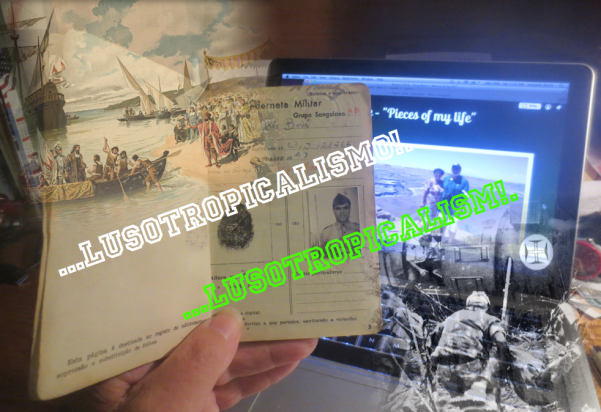
…neste texto mostramos algumas delas, numa simples composição, dado o seu estado de conservação, assim como outras cedidas por companheiros felizmente ainda vivos, que connosco viveram esta miserável guerra e, ainda as conservam e que nos vão cedendo algumas, pelo menos dos locais por onde passámos, o que nós agradecemos, considerando-as não só umas verdadeiras relíquias como verdadeiros documentos, esperando que as vejam e apreciem, simplesmente como documentos, oriundos de um veterano de guerra!. (In this text we show some of them, in a simple composition, given their state of conservation, as well as others given by happily still living companions, who lived with us this miserable war and still preserve them and that are giving us some, at least from the places we went through, which we appreciate, considering them not only true relics but real documents, hoping that they will see and appreciate them simply as documents from a war veteran)!.

…depois, desde que nos lembramos, sempre trouxémos uma máquina fotográfica ao pescoço, ou seja apreciamos ver o mundo através de uma lente, acompanhando o crescimento da nossa família, registando e documentando os principais marcos da nossa vida!. (Then, as long as we remember, we have always brought a camera around our neck, that is, we enjoy seeing the world through a lens, following the growth of our family, recording and documenting the main milestones of our lives)!.

…gostaríamos de lembrar com alguns pormenores exactamente como conseguimos comprar algumas das máquinas que nos foram acompanhando durante a nossa existência mas, realmente não nos lembramos!. Todavia, com alguns pormenores, apenas nos lembramos de uma daquelas engraçadas, que pareciam ruins para a época, muito pequenas mas eficazes, que finalmente moldaram a nossa maneira de fotografar!. (We would like to remind you in some detail exactly how we were able to buy some of the machines that have been with us during our lifetime but we really don’t remember!. However, with a few details, we just remember one of those funny ones, which seemed bad for the time, very small but effective, that finally shaped our way of shooting)!.

…hoje, tal como a princípio já mencionámos, vivemos quase de recordações aqui na Florida e, graças a essas máquinas pequenas que cabem no nosso bolso de trás, registamos uma criatividade ilimitada com um simples clique de um botão, podendo compartilhar as nossas verdades que vamos observando aqui e ali, por este mundo além, onde mostramos algumas que não precisam de legenda, pois são tal como postais ilustrados que frequentemente se vêm em algumas revistas de turismo e, nós tivemos a felicidade de por lá passar, registando com a nossa máquina de fotografar, a tal que cabe no nosso bolso de trás, todos esses momentos!. (Today, as we mentioned earlier, we live almost on memories here in Florida, and thanks to those small machines that fit in our back pockets, we register unlimited creativity, at the click of a button, sharing our truths that we are observing here and there, around this world, where we show some that do not need subtitles, as they are like picture postcards that often come in some tourist magazines and, we were fortunate to pass by, registering with our camera, such as that fits in our back pocket, all these moments)!.

…é a nossa preferida, essa tal que cabe no bolso de trás, já com alguma idade, mais de noventa mil milhas de viajem na nossa “White Fox”,(caravana), mais de trinta mil cliques, depois de atravessar alguns continentes, com áreas de frio, neve, calor tórrido, chuva ou mesmo tempestades, desertos e ondas das águas do oceano, acabou agora por ter alguma dificuldade em clicar!. (Is our favorite, the one that fits in our back pocket, at an older age, over ninety thousand miles of travel in our “White Fox” (caravan), over thirty thousand clicks, after crossing a few continents, with areas of cold, snow, torrid heat, rain or even storms, deserts and waves of ocean waters, now have some difficulty clicking)!.

…resultado!. Procurámos outra para a substituir, mas teve que ser igual, precisamente igual, onde no momento da compra, nos tentaram vender outra moderna, dizendo-nos que esta estava desactualizada, o que compreendemos mas, é ela a que ao clicar nos oferece uma sinfonia familiar!. (Result!. We looked for another one to replace it, but it had to be the same, exactly the same, where at the time of purchase, we were tried to sell another modern one, telling us that it was out of date, which we understand, but it is that clicking offers us a symphony familiar)!.

…tiramos fotos para recordar algumas experiências que nos moldaram e nos fizeram, tiramos fotos para diminuir a distância e diminuir o tempo, emprestando um legado às pequenas coisas e alguma vida aos esquecidos!. (We took pictures to remember some of the experiences that shaped and made us, we took pictures to narrow the distance and shorten the time, lending a legacy to the little things and some life to the forgotten)!.

…quando por aqui caminhamos, se houver apenas alguns minutos para apreciar o céu azul, ou um pôr do sol cor-de-rosa, a nossa intenção é levar tudo isto para dentro da nossa máquina de tirar fotos!. (When we walk here, if there are only a few minutes to enjoy the blue sky, or a pink sunset, our intention is to take all of this into our camera)!.

…clicando, deixemos a nossa máquina de fotos ser a nossa arte, a nossa imagem, talvez a nossa história!. (By clicking, let our camera be our art, our image, perhaps our story)!.

…tiramos fotos como um bilhete de volta para um momento que se foi!. (We took pictures as a ticket back to a moment gone)!.

…todas as fotos, por mais simples que sejam, são significativas, são histórias, são lembranças, são a conexão visual ao nosso passado, tanto quanto ao presente e até às gerações futuras!. (All photos, no matter how simple, are meaningful, they are stories, they are memories, they are the visual connection to our past, as well as the present and even future generations)!.

…nós, tiramos fotos para nos sentirmos como artistas na quinta-feira e contadores de histórias no domingo, esperando que esta nova, mas de modelo antigo, nos continue a oferecer imagens, que nos vão trazer de volta alguns momentos que se foram!. (We took pictures to feel like artists on Thursday and storytellers on Sunday, hoping that this new but old model will continue to offer us images that will bring us back a few moments that are gone)!

Tony Borie, October 2019.

…fomos a Portugal!. (We went to Portugal)!.

…fomos a Portugal!. (We went to Portugal)!.

…fomos a Portugal!. Éramos “Os Sete Magníficos”!. (We went to Portugal!. We were “The Seven Magnificent”)!.

…sexta parte e última!. (sixth and last part)!.

…as vezes são grandes, às vezes são pequenas, às vezes são planeadas, mas as viajens em família, são um dos maiores contribuidores para as histórias que fazem parte da narrativa oscilante da nossa vida e, quando se escolhe entre o conforto na compra de um sofá e uma televisão nova ou o dinheiro dispendido numa viajem em família, sempre se escolhe as viajens em família!. A pesquisa valida esse ponto de vista, dizendo que as viajens em família agem como “âncoras da felicidade”, pelo menos para as crianças!. (Sometimes they are big, sometimes they are small, sometimes they are planned, but family trips are one of the biggest contributors to the stories that are part of the oscillating narrative of our lives and, when choosing between comfort in life, buying a sofa and a new television or the money spent on a family trip, one always chooses family trips!. The research validates this view by saying that family travel acts as “anchors of happiness”, at least for children)!.

…por exemplo, viajando com crianças, quando as coisas não saíam conforme o planejado, se perdemos, o resultado é rir, e se sai tudo certo, o resultado é rir também e, as histórias são muito melhores depois de rir, mesmo de coisas que não são normais para os adultos, ao invés de ficarmos deprimidos ou com pensamentos escuros!. (For example, traveling with children, when things did not go according to plan, if we lose, the result is laughing, and if everything goes well, the result is laughing too, and the stories are much better after laughing, even of things that are not normal for adults, rather than getting depressed or dark thoughts)!.

…mas vamos em frente com a narrativa!. Estávamos na cidade de Lisboa e, ao outro dia, ainda madrugada, realizámos a tarefa de empacotar as malas e, como é costume, no regresso nunca existe lugar para acomodar tudo o que fomos acomolando durante a viajem, especialmente nós, que éramos uma família que viajava com crianças!. (But let’s get on with the narrative!. We were in the city of Lisbon and the other day, early in the morning, we performed the task of packing our bags and, as usual, on our return there is never a place to accommodate everything we were packing during the trip, especially us, who were a family. traveling with kids!.

…dirigimo-nos para o aeroporto de Lisboa, onde depois de todas a normais formalizações, entrámos na aeronave que, sobrevoando as Trilhas do Atlântico Norte, pelas estradas invisíveis no céu, atravessou o oceano Atlântico com tal precisão que, o comissário de bordo ao anunciar a rota, explicou que o tempo estava limpo e íamos aterrar no aeroporto de Newark, no estado de Nova Jersey, com nove minutos de antecedência ao horário previsto!. (We headed for Lisbon airport, where after all the normal formalizations, we boarded the aircraft which, flying over the North Atlantic Trails, through the invisible roads in the sky, crossed the Atlantic Ocean with such precision that the Commissioner of on board announcing the route, he explained that the weather was clear and we were landing at Newark Airport, New Jersey nine minutes ahead of schedule)!.

…isto são as técnicas modernas, cada vez com mais precisão, que não têm qualquer comparação com o que aconteceu por volta do ano de 1919, quando o hidroavião Curtiss NC-4, fez uma travessia do Atlântico, voando dos EUA para a Terra Nova, depois para os Açores, depois para Portugal continental e finalmente para o Reino Unido, numa jornada que levou 23 dias, com seis paragens no caminho, numa trilha de 53 “navios de estação” no oceano Atlântico, que deu os pontos e auxílio à aeronave para poder navegar!. (These are the increasingly precise modern techniques that have no comparison to what happened around the year 1919, when the Curtiss NC-4 seaplane, made an Atlantic crossing from the US to Newfoundland, then to the Azores, then to mainland Portugal and finally to the United Kingdom, in a journey that took 23 days, with six stops on the way, on a 53-station “Atlantic Ocean” trail that gave the points and aid to the aircraft to be able to navigate)!.

…finalmente estávamos de novo nos USA!. “Os Sete Magníficos”, despediam-se uns dos outros, houve de novo algumas lágrimas que acabaram em sorrisos de despedida, porque nestes dez dias juntos, quase parecia que o tempo parou!. (Finally we were back in the USA!. “The Seven Magnificent”, they said goodbye to each other, there were some tears that ended in farewell smiles, because in these ten days together, it almost seemed that time stopped)!.

…estas lembranças da viajem em família são mantidas no fundo do nosso coração, por isso é que tirámos um tempo para escrever os melhores momentos e, nunca esqueceremos os últimos 30 minutos juntos, no momento da temporária separação!. Esses momentos mágicos no tempo, estavam chegando ao fim!. (These memories of the family trip are kept deep in our hearts, that’s why we took the time to write the best moments and we will never forget the last 30 minutes together at the time of the temporary separation!. These magical moments in time were coming to an end)!.

…no dia seguinte pela manhã, seguimos no sentido norte/oeste, em direcção ao estado de Pennsylvania, visitar o nosso filho Tony, a sua dedicada esposa Kathy e os nossos netos Cody e Dawson!. (The next morning, we head north / west, heading for the state of Pennsylvania, visiting our son Tony, his devoted wife Kathy and our grandchildren Cody and Dawson)!.

…passamos um dia agradável, com os nossos netos contando-nos as suas opções divertidas durante e depois das horas passadas na escola!. (We spend a pleasant day with our grandchildren telling us about their fun choices during and after school hours)!.

…as histórias dos seus desportos favoritos, exemplificando-nos com movimentos precisos, mostrando o seu talento e as suas habilidades, iguais à que eles vêm aos professionais na televisão!. (The stories of their favorite sports, exemplifying us with precise movements, showing their talent and skills, just like they come to the professionals on television)!.

…estivémos juntos por algum tempo, celebrando e mantendo viva a história da nossa família!. (We have been together for some time, celebrating and keeping our family history alive)!.

…revivendo memórias antigas!. (Reliving old memories)!.

…e, fazendo planos para a realização de novas aventuras, aqui na casa dos avós, no estado da Florida!. (And making plans for new adventures here at Grandparents House in the state of Florida)!.

…ouvimos as suas ideias, observámos a atenção e o carinho dado pela sua dedicada mãe Kathy e pelo seu dedicado pai Tony que, sempre que podem os acompanham nos seus eventos favoritos!. (We listened to your ideas, watched the attention and affection given by your dedicated mother Kathy and your dedicated father Tony who, whenever you can accompany them at your favorite events)!.

…saltaram para o nosso colo, mostraram os livros e os brinquedos preferidos!. (Jumped onto our lap, showed the favorite books and toys)!.

…contaram-nos histórias engraçadas, que nos fizeram rir!. (Told us funny stories that made us laugh)!.

…comemos juntos as mirabulantes receitas da sua mãe Kathy, que são as suas preferidas, roubando comida uns aos outros e, claro, nós os avós perdiamos sempre, perante os seus sorrisos!. (We eat together your mother Kathy’s miraculous recipes, which are your favorites, stealing food from each other and of course we grandparents always lost them before your smiles)!.

…todavia, a importância de registrar e lembrar estes momentos é uma enorme criação de um legado duradouro, sobretudo para as pessoas que amamos!. (Yet the importance of recording and remembering these moments is a huge creation of a lasting legacy, especially for the people we love)!.

…mostraram-nos e também brincámos com os seus brinquedos!. (Showed us and we also played with their toys)!.

…e, juntos vimos os seus programas preferidos de televisão!. (And together we watched your favorite television shows)!.

…enfim, por alguns momentos também fomos crianças de novo!. (Finally, for a few moments we were also children again)!.

…todas estas recordações, contando memórias de família, levam-nos a uma narrativa, onde ficam registrados os pensamentos dos movimentos à medida que a idade dos nossos netos avança, que serão o desenho de pequenos tesouros, que ficarão gravados, para serem lembrados durante toda a sua vida!. (All these memories, telling family memories, lead us to a narrative, where the thoughts of the movements are recorded as the age of our grandchildren progresses, which will be the drawing of small treasures, which will be engraved, to be remembered all your life)!.

…depois de uma saudosa despedida, acordando-os, pois ainda dormiam, saimos ainda noite, começando uma viajem de regresso à nossa casa, com alguns intervalos para comer e fazer alguns exercícios físicos, rumando ao estado da Flórida, passando por todos aqueles estados que já por diversas vezes mencionamos, chegando já a noite ia avançada!. (After a late farewell, waking them up, as they were still sleeping, we went out at night, starting a trip back to our house, with some breaks to eat and do some physical exercises, heading for the state of Florida, passing by all. those states that we have already mentioned several times, and the night was already late)!.

…onde nos encontramos de novo, começando as nossas caminhadas por entre a natureza, com sol brilhante ou chuva e vento dos “tornados” que periódicamente nos visitam, desejosos de encontrar aqui e ali alguns alligatores ou aves exóticas, para as poder fotografar!. (Where we meet again, beginning our walks through nature, with bright sun or rain and wind from the tornadoes that periodically visit us, eager to find some alligators or exotic birds here and there to photograph them)!

…claro, não esquecendo o nascer e o pôr do sol na praia, até que surja uma nova viajem!. (Of course, not forgetting the sunrise and sunset on the beach, until a new trip arises)!.

Tony Borie, October 2019!.

…fomos a Portugal!. (We went to Portugal)!.

…fomos a Portugal!. (We went to Portugal)!.

…fomos a Portugal!. Éramos “Os Sete Magníficos”!. (We went to Portugal!. We were “The Seven Magnificent”)!.

…quinta parte!. (fifth part)!.

…anteriormente já explicámos mas, para quem não nos seguiu na leitura destes textos, que não são mais do que uns pequenos resumos da nossa viajem a Portugal neste ano de 2019, voltamos a explicar que, por alguns dias ficámos estacionados na Praia da Barra de Aveiro e, nestes dez dias lá passados, o nome mais apropriado para o nosso grupo seria “The Magnificent Seven” (“Os Sete Magníficos”)!. (We have already explained before, but for those who did not follow us in reading these texts, which are nothing more than brief summaries of our trip to Portugal this year 2019, we again explain that for a few days we were stationed in Praia da Barra de Aveiro and, in the last ten days there, the most appropriate name for our group would be “The Magnificent Seven”)!.

…a nossa irmã Angela e o seu dedicado marido José André, trouxeram a sua família a passar o dia connosco, aqui na praia, depois de terem feito o mesmo quando chegámos a Portugal, onde numa reunião familiar, nos receberem em sua casa lá na montanha, com todas as mordomias, que muito nos sensibilizaram, não só pela quantidade de iguarias regionais, como pelos momentos de convívio, demonstrando a dignidade de pessoas simples, amáveis e queridas, que nunca mais esqueceremos!. Bem hajam!. (Our sister Angela and her devoted husband José André, brought their family to spend the day with us here at the beach, after having done the same when we arrived in Portugal, where at a family reunion, they welcome us to their home there on the mountain, with all the stewardships, which made us very aware, not only by the amount of regional delicacies, but also by the moments of conviviality, demonstrating the dignity of simple, lovely and dear people, that we will never forget!. Well be)!.

…nós, assim como a nossa querida e dedicada esposa Isaura, num momento de silêncio e meditação, despedimo-nos desta região, onde a terra deixa de ser plana, começando a ser montanha agreste, lembrando e mostrando, principalmente aos nossos netos, os nossos antepassados que por aqui ficaram para todo o sempre, cujo lugar de repouso tínhamos visitado uns dias antes!. (We, like our dear and dedicated wife Isaura, in a moment of silence and meditation, said goodbye to this region, where the earth is no longer flat, starting to be rough mountain, remembering and showing mainly to our grandchildren, our ancestors who have been here forever and ever, whose resting place we had visited a few days earlier)!.

…e, não devemos ter medo de fazer algo que possa parecer um pouco chato no começo, porque daqui a muitos anos, não vai ser chato, vai ser inesquecível!. Temos quase a certeza, que pelo menos as crianças, devem ter revirado os olhos algumas vezes, quando visitamos o antigo cemitério da família!. Mas quando eles um dia encontrarem muitos dos seus nomes nas lápides, os seus sentimentos de amor serão muito grandes e irão sentir muito orgulho em contarem aos seus descendentes que ali repousam os seus antepassados de outras gerações!. (And we should not be afraid to do something that may seem a little boring at first, because in many years it will not be boring, it will be unforgettable!. We are almost sure that at least the children, they must have rolled their eyes a few times when we visited the old family cemetery!. But when they once found many of their names on the headstones, their feelings of love will be very great and they will be very proud to tell their descendants that their ancestors of other generations rest there)!.

…chegou o momento do regresso!. Depois destas horas passadas em família onde, além do sol da praia, das brincadeiras das crianças na areia, dos abraços, beijos, promessas e algumas lágrimas de despedida que, pouco a pouco se iam transformando em sorrisos!. (The time has come for the return!. After these hours spent in the family where, besides the sun of the beach, the children’s games in the sand, the hugs, kisses, promises and some goodbye tears that gradually turned into smiles)!.

…viajámos para sul guiados pelos meios de comunicação modernos, ou seja o GPS, que nos conduziu por uma auto-estrada próximo do mar até à cidade de Lisboa!. (We traveled south guided by the modern media, ie GPS, which led us along a motorway near the sea to the city of Lisbon)!.

…havia reservas de Hotel na zona da baixa de Lisboa mas, Portugal, hoje um país que pertence à União Europeia, seguindo alguns dos seus regulamentos, neste caso os de “Amigos do Ambiente”, determinou que, no último fim de semana de cada mês, não deve haver circulação de veículos automóveis em determinada zona da baixa da cidade de Lisboa, que por sinal coincidia com a localização do nosso Hotel!. (There were hotel reservations in Lisbon’s downtown area, but Portugal, today a country that belongs to the European Union, following some of its regulations, in this case the “Environmentally Friendly”, determined that last weekend of each month, there should be no circulation of motor vehicles in a certain area of downtown Lisbon, which coincided with the location of our Hotel)!.

…assim nós, o grupo dos tais “Sete Magníficos”, com três crianças a bordo, estávamos privados de nem sequer nos aproximar do Hotel para onde tínhamos reservas!. (So we, the group of such “Seven Magnificent”, with three children on board, were deprived of not even approaching the Hotel where we had reservations)!.

…resultado!. Dos contactos com o Hotel, com muita amabilidade, informaram-nos para explicar a situação aos agentes da polícia que guardavam e controlavam a área!. Iniciámos os contactos onde, depois da apresentação dos documentos da reserva, a sua localização, que havia três crianças a bordo, onde as respostas eram, “isto não é comigo”, “saia daqui”, “quem o autorizou a transitar por aqui”, “siga por esta rua que o meu colega indica-lhe a melhor maneira de sair daqui”, “cale-se, você está descontrolado”, “hoje aqui não passa qualquer veículo automóvel”, “volte depois da meia-noite, que é quando acaba a paralização” ou, talvez pensando que nós trabalhávamos para qualquer agência de viajens, ouviamos também, “estes gajos das agências, vêm lá do aeroporto e pensam que mandam nisto tudo”!. (Result!. From contacts with the Hotel, very kindly, they informed us to explain the situation to the police officers who guarded and controlled the area!. We started contacts where, after the presentation of the reservation documents, their location, that there were three children on board, where the answers were, “this is not me”, “get out of here”, “who allowed you to transit here”, “Follow this street that my colleague tells you the best way to get out of here”, “shut up, you are out of control”, “today there is no motor vehicle”, “come back after midnight, which that’s when the shutdown ends” or, perhaps thinking that we worked for any travel agency, we also heard, “these agency guys, come from the airport and think they run it all”)!.

…perante a nossa insistência, que demonstrava alguma angústia, um polícia ainda jovem, que ouviu as nossas súplicas e era o chefe daquela zona, sai do carro, ajeita o capacete militar e, vem em nossa direcção!. Nós ficámos quase em pânico, pensando que nos ia dar voz de prisão!. Todavia não, com uma certa postura na sua maneira de falar, fazendo-nos uma saudação também militar, disse-nos que comprendia e ia contactar a central da polícia para tentar resolver a nossa situação!. Depois de alguns minutos de conversação, ouvimos dizer da central a palavra “afirmativo”!. Ele próprio, deu-nos a indicação certa, levando-nos à garagem do Hotel, e nós, agradecidos, cumprimentámos este verdadeiro agente da polícia!. (At our insistence, which showed some anguish, a young policeman who heard our pleas and was the head of that area, gets out of the car, straightens his military helmet and comes towards us!. We were almost panicked, thinking that we were going to give us a voice of arrest!. But no, with a certain attitude in his speech, giving us a military salute, he told us he understood and was going to contact the police center to try to resolve our situation!. After a few minutes of conversation, we hear the word “affirmative” from the central!. He himself gave us the right indication, leading us to the Hotel garage, and we gratefully greeted this real police officer)!.

…toda esta aventura da entrada no Hotel, roubou-nos um tempo e energia que considerámos importante para dispender na cidade, todavia, depois de nos acomodar nas instalações do Hotel, andámos pela baixa da cidade!. (All this adventure of entering the hotel robbed us of a time and energy that we considered important to spend in the city, however, after settling in the hotel facilities, we walked down town)!.

…ao sair do Hotel, as crianças viram um Eléctrico parado, com um aspecto exótico, mais alto na frente do que na parte de trás, correram para ele que, afinal o seu verdadeiro nome era o “Elevador do Lavra”, que foi inaugurado no ano de 1884, tornando-o no mais antigo elevador da cidade!. Tentámos subir nele e, viajar pelo menos até à parte alta do lado leste da cidade mas, dado o preço excessivo para toda a nossa família, resolvemos fazer algum exercício físico, caminhando e subindo, o que foi um bom teste!. (As they left the Hotel, the children saw a stationary tram with an exotic look, higher in front than in the rear, rushed to it that after all its real name was the “Lavra Elevator”, which opened in the year 1884, making it the oldest elevator in the city!. We tried to climb on it and travel at least to the upper east side of the city but, given the excessive price for our whole family, we decided to do some physical walking and climbing, which was a good test)!.

…tentando aproveitar o pouco tempo disponível, concentrámo-nos na área da Baixa Pombalina que consiste no conjunto de ruas ao norte da Praça do Comércio, aproximadamente entre o Cais do Sodré e o distrito de Alfama, tendo quase sempre a vista ao longe do Castelo de São Jorge!. (Trying to take advantage of the limited time available, we concentrated on the Baixa Pombalina area, which consists of the set of streets north of Praça do Comércio, approximately between Cais do Sodré and Alfama district, with the view almost always in the distance from São Jorge Castle)!.

…esta área da Baixa Pombalina é um bairro elegante, com as ruas e pequenas avenidas direitas, num cenário plano, construído principalmente após o terremoto do ano de 1755 em Lisboa, que se estende para o norte em direção às praças do Rossio e da Figueira, até à Avenida da Liberdade, onde estava localizado o nosso Hotel!. (This area of Baixa Pombalina is an elegant neighborhood, with its straight streets and small avenues, in a flat setting, built mainly after the Lisbon earthquake of 1755, which extends northwards towards the squares of Rossio and da Figueira, to Avenida da Liberdade, where our Hotel was located)!.

…estas ruas e pequenas avenidas, são bastantes conhecidas pelos postais ilustrados da cidade, onde se pode admirar, entre outros motivos, o cenário de artistas de teatro de rua, esplanadas de cafés, pastelarias e restaurantes, lojas de modas, alfaiatarias ou ourivesarias, que continuam a vender os seus produtos tal como há dezenas e dezenas de anos atrás, que os turistas frequentam ou simplesmente por aqui passeiem, como era o nosso caso!. (These streets and small boulevards are well known for the picture postcards of the city, where you can admire, among other things, the scenery of street theater artists, cafe terraces, pastry shops and restaurants, fashion shops, tailor shops or goldsmiths, who continue to sell their products as they did dozens and dozens of years ago, which tourists frequent or simply walk around here, as was our case)!.

…caminhando, parámos por algum tempo admirando o maravilhoso cenário de um antigo Cais, que se estende até ao rio Tejo e fica situado junto à Praça do Comércio e que, em outros tempos já foi considerado “As Portas de Lisboa”!. (Walking, we stopped for a while admiring the wonderful scenery of an old Quay, which extends to the Tagus River and is located next to Praça do Comércio and was once considered “The Portas de Lisboa”)!.

…era o “Cais das Colunas”, que costumava ser a entrada Real para desembarcar na Praça do Comércio e no Palácio Real que existia lá e, onde dignitários estrangeiros chegavam aqui de barco e subiam os degraus de mármore entre os também pilares de mármore, até a Praça do Comércio!. (Was the “Cais das Colunas”, which used to be the Royal entrance to disembark at Praça do Comércio and the Royal Palace that existed there, and where foreign dignitaries arrived here by boat and climbed the marble steps between the pillars marble, to the Praça do Comércio)!.

…aqui, na área do “Cais das Colunas”, é um bom lugar para se sentar e relaxar, ou desfrutar de um pôr do sol, onde a partir daqui, podemos ver a famosa Ponte de 25 de Abril e a Estátua de Cristo Rei, olhando para o lado da foz do Rio Tejo!. (Here, in the “Cais das Colunas” area, is a good place to sit and relax, or enjoy a sunset, where from here we can see the famous 25 de Abril Bridge and the Statue of Cristo Rei, looking to the mouth of the Tagus River)!.

…continuando a nossa caminhada, parávamos aqui e ali, algumas vezes apreciando a deliciosa e típica pastelaria portuguesa, como por exemplo “os pasteis de bacalhau recheados de queijo da serra com vinho do porto”!. Claro, depois de apreciarmos esta iguaria, pareceu-nos uma coisa de turistas mas, se não moramos em Lisboa, com toda a certeza que somos turistas, por tal, se não vive aqui, entre na fila e experimente!. (Continuing our walk, we would stop here and there, sometimes enjoying the delicious and typical Portuguese pastries, such as “codfish pastries filled with Serra cheese with port wine”!. Of course, after enjoying this delicacy, it seemed like a tourist thing to us, but if we don’t live in Lisbon, we are definitely tourists, so if you don’t live here, get in line and try it)!.

…ou o Elevador de Santa Justa, também chamado de Elevador do Carmo, situado no final da Rua de Santa Justa, que liga as ruas mais baixas da cidade ao Largo do Carmo, numa área mais alta que, desde a sua construção, que ocorreu no ano de 1902, se tornou numa atração turística e que, foi considerada uma obra arrojada para a época, atendendo à diferença de nível entre o piso da estação inferior à estação superior, que é de 30 metros!. (Or the Santa Justa Lift, also called the Carmo Lift, located at the end of Santa Justa Street, which connects the lower streets of the city to Largo do Carmo, in a higher area that, since its construction, which occurred in 1902, became a tourist attraction and was considered a bold work for the time, given the difference in level between the floor of the lower station to the upper station, which is 30 meters)!.

…ainda tivemos tempo de parar na “Ginginha”, que é uma pequena loja quase ao ar livre, localizada ao norte da Praça do Rossio, sendo fácil de a localizar geralmente pelas longas filas que se geram à sua porta!. Nós, os adultos, experimentámos o famoso licor de cereja doce de Lisboa, que é uma tradição portuguesa!. Eles só vendem Ginja, que é servida com ou sem cerejas!. Nós tivemos as cerejas que têm um sabor único! (We still had time to stop at “Ginginha”, which is a small, almost open-air shop, located north of Rossio Square, being easy to find usually by the long lines that run outside your door!. We adults tried the famous Lisbon sweet cherry liqueur, which is a Portuguese tradition!. They only sell Ginja, which is served with or without cherries!. We had cherries that have a unique flavor)!.

…continua!. (To be continued)!.

Tony Borie, October 2019!.

…fomos a Portugal!. Éramos “Os Sete Magníficos”!. (We went to Portugal!. We were “The Seven Magnificent)!.

…fomos a Portugal!. Éramos “Os Sete Magníficos”!. (We went to Portugal!. We were “The Seven Magnificent)!.

…fomos a Portugal!. Éramos “Os Sete Magníficos”!. (We went to Portugal!. We were “The Seven Magnificent”)!.

…quarta parte!. (fourth part)!.

…anteriormente já explicámos mas, para quem não nos seguiu na leitura destes textos, que não são mais do que uns pequenos resumos da nossa viajem a Portugal neste ano de 2019, voltamos a explicar que, por alguns dias ficámos estacionados na Praia da Barra de Aveiro e, nestes dez dias lá passados, o nome mais apropriado para o nosso grupo seria “The Magnificent Seven” (“Os Sete Magníficos”)!. (We have already explained before, but for those who did not follow us in reading these texts, which are nothing more than brief summaries of our trip to Portugal this year 2019, we again explain that for a few days we were stationed in Praia da Barra de Aveiro and, in the last ten days there, the most appropriate name for our group would be “The Magnificent Seven”)!.

…também já explicámos que, esta Praia era a nossa “Fortaleza” dos tempos modernos, não havendo, nem eram necessárias as muralhas necessárias para se sobreviver num mundo em constante mudança de invasão e conquista, considerando nós, o Farol da Barra de Aveiro a nossa Torre de Vigia, o nosso ponto de orientação, que nos protegia de qualquer anomalia que porventura podesse ameaçar o “Nosso Reino”, navegássemos nós, em qualquer direção dos quatro pontos cardeais!. (We have also explained that this beach was our “fortress” of modern times, and there are no necessary walls to survive in a constantly changing world of invasion and conquest, considering us, the Barra de Aveiro Lighthouse our Watchtower, our orientation point, which protected us from any anomaly that might threaten “Our Kingdom”, if we sailed in any direction from the four cardinal points)!.

hoje, as nossas saídas eram curtas, eram visitas a “terras de areias”, ou seja, andávamos pelas redondezas desta Praia da Barra de Aveiro!. Assim, logo pela manhã, enquanto a família se preparava, pois queriam ir fazer compras à cidade de Aveiro, nós, ainda madrugada, dispensámos algum tempo caminhando pela avenida junto ao canal onde as águas da Ria de Aveiro se juntam ao Oceano Atlântico!. (Today, our exits were short, were visits to “lands of sand”, that is, we walked around this beach of Barra de Aveiro!. So, early in the morning, while the family was getting ready, as they wanted to go shopping in the city of Aveiro, we, early in the morning, spent some time walking along the canal promenade where the waters of the Ria de Aveiro join the Atlantic Ocean)!.

…um barco vinha entrando a Barra, apitava constantemente, os seus tripulantes faziam sinais e, algumas pessoas também acenavam de terra, erguendo os braços ao céu em sinal de agradecimento ao Salvador!. Era um grupo que entendemos nós, deviam de ser familiares, pois caminhavam, alguns quase corriam, pela pequena avenida, acompanhando o barco que navegava em direcção ao Cais do Porto e, quando já não era possível esse acompanhamento, iam correndo para os seus veículos, talvez desejosos de se irem encontrar, lá no Porto das Gafanhas!. (A boat was coming into Barra, beeping constantly, its crew members were signaling and some people also waved from the ground, raising their arms to the sky in thanksgiving to the Savior!. It was a group that we understand, they should be familiar, because they walked, some almost ran, along the small avenue, accompanying the boat that sailed towards Porto Quay and, when this monitoring was no longer possible, they ran to their vehicles, maybe looking forward to meeting you there at Porto das Gafanhas)!.

…ainda perguntámos quem eram e de onde vinha o barco mas, não nos deram atenção e, alguns correndo, até mostraram uma certa indiferença, talvez pensando porque é que nós não sabíamos, se estávamos ali àquela hora!. (We still asked who they were and where the boat was coming from, but they paid no attention to us, and some running even showed a certain indifference, perhaps wondering why we didn’t know if we were there at that time)!

…pensamos nós, eram gestos e atitudes próprias de “pessoas das areias”, tal como a nossa querida e saudosa Avó Agar nos dizia quando ainda éramos crianças!. Talvez, algumas destas personagens seriam descendentes de famílias piscatórias que naquela época viviam nos “Palheiros” da Costa Nova onde, especialmente na época de inverno, sofriam no corpo e na alma, entre outras, a angústia e as tempestades da maré alta, dizendo-nos muitas vezes que a praia era um lugar de trabalho, não um lugar de lazer, e mais, que nós éramos “serranos”, ou seja pessoas da montanha que nunca tinham visto a fúria da natureza, representada nas ondas gigantes de água salgada, quando de uma tempestade no mar!. (We thought, were gestures and attitudes of “people of the sands”, as our dear and longing Grandmother Agar told us when we were children!. Perhaps some of these characters would be descendants of fishing families who at that time lived in the “Palheiros” of Costa Nova where, especially in the winter season, they suffered in body and soul, among others, the anguish and storms of the high tide, saying it was often the beach that was a place of work, not a place of leisure, and moreover, that we were “highlanders”, ie mountain people who had never seen the fury of nature, represented in the giant waves of saltwater, when a storm at sea)!.

…adiante!. Hoje fomos à cidade de Aveiro, as crianças andavam felizes, visitaram o restaurante “McDonald’s”, todas tiveram um “Happy Meal”, ou seja, bocados de galinha frita e batatas também fritas, com aqueles molhos todos que sempre nos servem nuns pacotinhos e, desta vez ofereceram-lhes um balão a cada um, que os acompanhou até o rebentarem ou o perderem!. (Forward!. Today we went to the city of Aveiro, the children were happy, visited the restaurant “McDonald’s”, all had a “Happy Meal”, ie fried chicken and potato chips, with those sauces that always serve us in little packages and, this time they offered each one a balloon, which accompanied them until they burst or lost)!.

…depois de visitar o local de compras, andámos pela baixa da cidade, pelas “loginhas”, parando aqui e ali, apreciando os locais e a azáfama dos turistas desejosos de verem o que antes não imaginavam!. (After visiting the shopping place, we walked downtown, through the “loginhas”, stopping here and there, enjoying the locals and the bustle of tourists wishing to see what they had not imagined before)!.

…numa viajem de barco moliceiro, percorremos os canais de água salgada, onde nos contaram um pouco da história da cidade, que está localizada na costa do Oceano Atlântico, com um importante Porto Marítimo, sendo mesmo a maior cidade da sub-região da comunidade intermunicipal do Baixo Vouga!. (While traveling by boat moliceiro, we traveled through the salt water channels, where they told us a little of the history of the city, which is located on the Atlantic Ocean coast, with an important seaport, being even the largest city in the sub-region from the community of Baixo Vouga)!.

…esta cidade é conhecida como “a Veneza Portuguesa”, devido ao seu sistema de canais e barcos semelhantes à cidade italiana de Veneza!. (This city is known as “the Portuguese Venice” due to its canal and boat system similar to the Italian city of Venice)!.

…durante o percurso de navegação pelos diversos canais, entre outras atracções, podemos admirar os montes de sal, acabado de retirar das diversas salinas que ainda por aqui existem desde a presença de assentamentos humanos neste território, que se estendem ao período associado aos grandes dolmens da pré-história, que também ainda podem ser vistos na maior parte de toda esta região do Baixo Vouga!. (While navigating the various channels, among other attractions, we can admire the salt mounds, just removed from the various salt pans that still exist here since the presence of human settlements in this territory, extending to the period associated with the large prehistoric dolmens, which can also still be seen in most of this whole region of Baixo Vouga)!.

…hoje já nem tanto mas, por um longo período, esta cidade foi um elo económico importante na produção de sal, sendo mesmo um centro de exploração de sal pelos povos romanos desde o longínquo ano de 959, que se referiam a estas terras como “um local de encontro ou reserva de pássaros e de grande sal”!. (Not so much today, but for a long time this city has been an important economic link in salt production, and has even been a center of salt exploitation by the Roman people since 959, which referred to these lands as “a great salt and bird gathering place or reserve”)!.

…nós, quando ainda crianças, na companhia da nossa querida Avó Agar, passávamos por esta cidade a caminho da Praia da Costa Nova e, lembramo-nos de ver muitas pessoas nas ruas e, hoje dizem-nos que é a segunda cidade mais populosa da região Centro de Portugal depois da cidade de Coimbra!. (When we were children, in the company of our dear Grandmother Agar, we were passing through this city on our way to Costa Nova Beach, and we remember seeing many people on the streets and today we are told that this is the second city most populous in the central region of Portugal after the city of Coimbra)!.

…o sol já se tentava esconder quando deixando esta cidade, viajámos para a praia da Costa Nova, tentando seguir o mesmo trajecto que seguíamos quando jovens, no entanto era impossível, hoje existem pontes em cimento sobre a Ria de Aveiro e uma auto-estrada sem curvas, o que nos fez chegar ao nosso destino ainda com algum sol!. (The sun was already trying to hide when we left this city, we traveled to the beach of Costa Nova, trying to follow the same path we followed when young, however it was impossible, today there are concrete bridges over the Ria de Aveiro and a car road without curves, which made us reach our destination still with some sun)!.

…hoje a Praia da Costa Nova é um local diferente do que conhecíamos quando éramos jovens, que era uma praia bonita e pacata, onde as famílias da montanha vinham a banhos!. Podíamos ver os barcos moliceiros de vela desfraldada navegando pela ria, carregados de moliço rumo ao sul, usando umas tábuas de ambos os lados, quase a meterem água, mas a suavidade das águas da Ria permitia toda esta manobra!. (Today Costa Nova Beach is a different place from what we knew when we were young, which was a beautiful and quiet beach where mountain families came to bathe!. We could see the moliceiro boats of unfurled sail sailing across the ria, laden with molasses to the south, using planks on either side, almost pouring water, but the softness of the Ria’s waters allowed all this maneuvering)!.

…as águas da Ria alimentavam numerosas salinas e marinhas, cujo amanho era feito pelos “marmotos”, que eram homens que trabalhavam descalços, com as calças arregassadas numa só perna, que era para dar sorte!. (The waters of the Ria fed numerous salt flats and seascapes, the size of which was made by the “marmots”, who were men working barefoot, with their pants rolled up on one leg, which was for good luck)!.

…havia a faina da pesca à “Xávega” no extenso areal Atlântico, da qual mostramos algumas fotos que tirámos muitos anos atrás, numa nossa visita a Portugal, onde na parte sul, os barcos de pesca artesanal efectuavam uma pescaria com rede de cerco composto por longas cordas com flutuadores que terminava num saco de rede cónica!. (There was the task of fishing for “Xávega” in the long Atlantic beach, from which we show some photos that we took many years ago, during our visit to Portugal, where in the southern part, artisanal fishing boats were fishing with a net of siege made up of long ropes with floats that ended in a conical net bag)!.

…o trabalho era feito com a ajuda de juntas de bois e força braçal que colocavam o barco no mar que navegava a remos para longe da costa, indo desenrolando a metade da corda, ficando uma das pontas da mesma corda amarrada no areal!. Os pescadores efectuam o cerco aos cardumes de peixe em alto mar e retornam à praia, indo desenrolando a outra metade da corda!. Já no areal, nesse momento começava um trabalho árduo e controlado, puxando ambas as partes da corda com a ajuda das juntas de bois e da força braçal!. (The work was done with the help of oxen joints and arm strength that put the boat in the sea that rowed away from the shore, unwinding half of the rope, getting one end of the same rope tied in the sand!. The fishermen encircle the schools of fish on the high seas and return to the beach, unwinding the other half of the rope!. Already in the sand, at that moment began a hard and controlled work, pulling both parts of the rope with the help of oxen joints and arm strength)!.

…a faina terminava horas depois, com a chegada ao areal e abertura do saco de rede cónica, que normalmente vinha cheio de peixe, para alegria dos pescadores!. (The work ended hours later, with the arrival on the beach and the opening of the conical net bag, which normally came full of fish, to the delight of the fishermen)!.

…os velhos “Palheiros” quase que desapareceram, que eram casas com listas verticais ou horizontais intercaladas, antigos armazéns de materiais de pesca, ou armazéns de salga da sardinha, alguns foram recuperados, dando lugar residências balneares, restaurantes, quiosques com frentes muito bonitas, continuando pintadas com cores diferentes, que quando jovens, nos lembramos do senhor “Miguel das Bateiras”, nos dizer que eram pintadas com restos de tinta que se usavam para pintar os barcos!. (The old “Palheiros” have almost disappeared, which were houses with interspersed vertical or horizontal lists, old stores of fishing supplies, or sardine salting stores, some were recovered, giving rise to bathing houses, restaurants, kiosks with fronts very beautiful, still painted in different colors, that when we were young, we remember Mr. “Miguel das Bateiras”, telling us that they were painted with remnants of paint used to paint the boats)!.

…o seu nome original é Costa Nova do Prado, tendo a sua origem na abertura da barra da Ria de Aveiro a partir do ano de 1808 e, julga-se que esta designação se deve a dois factos, sendo o primeiro, “Costa Nova”, em oposição à “Costa Velha” que existia ao norte, hoje a praia de São Jacinto, e em segundo lugar deve-se ao facto de neste local, ter existido um enorme e verdejante prado!. (Its original name is Costa Nova do Prado, having its origin in the opening of the Ria de Aveiro bar from the year 1808, and it is believed that this designation is due to two facts, the first being, “Costa Nova”, as opposed to the “Old Coast” that existed to the north, today the beach of São Jacinto, and secondly because there was a huge green meadow there)!.

…naquele tempo havia uma grande frente Atlântica, com um imenso areal entre o mar e as casas, que se situavam no cimo da “Lomba”, que proporcionava uma linda vista sobre a Ria, que nesses anos da nossa juventude, com um sistema vindo da Holanda, que consistia no transporte de água e areia do mar, por meio de tubagem e de grandes moto-bombas de água, deslocou grande quantidade de areia da zona do mar para a sua parte baixa, em frente à Ria, alagando e encortando a sua superfície e, prolongando a área seca!. (At that time there was a large Atlantic front, with a huge sandy beach between the sea and the houses, which were located at the top of the “Lomba”, which provided a beautiful view over the Ria, which in these years of our youth, with a system from the Netherlands, which consisted of transporting seawater and sand through pipelines and large water pumps, displaced large amounts of sand from the seafront to its lower and shrinking its surface and prolonging the dry area)!.

…por este motivo, lá estão as instalações do Cais da Ria, que felizmente salvaram, hoje situada num local rodeado de cenário seco, quando naquele tempo este Cais estava situado na beira e dentro da Ria!. (For this reason, there are the facilities of Cais da Ria, which fortunately saved, today situated in a place surrounded by dry scenery, when at that time this Pier was situated on the edge and inside the Ria)!.

…caminhando por aqui, além da nossa querida Avó Agar, lembramos o nosso irmão Manuel, que connosco passava algum tempo na companhia da já mencionada nossa querida Avó Agar que, no fim das colheitas, lá aldeia do Vale do Ninho D’Águia, na encosta agreste da montanha do Caramulo, nos trazia a passar algum tempo nesta praia da Costa Nova!. (Walking here, beyond our dear Grandmother Agar, we remember our brother Manuel, who spent time with us in the company of the aforementioned our dear Grandmother Agar who, at the end of the harvest, there village of Vale do Ninho D’Águia, on the rugged slope of Caramulo mountain, brought us to spend some time on this Costa Nova beach)!.

…o irmão Manuel, felizmente ainda vivo, era o nosso herói, era o nosso “Robin dos Bosques”!. Era selvagem nas atitudes, rebelde, não acatava ordens dos adultos, era aventureiro, participava em tudo, particularmente se envolvesse uma boa luta, fazia “papagaios” de papel presos por um cordão de sisal, que subiam às alturas, caminhávamos por horas e horas junto das ondas da praia procurando conchas e búzios exóticos!. (Brother Manuel, fortunately still alive, was our hero, was our “Robin of the Woods”!. He was wild in attitude, rebellious, heedless of adult orders, adventurous, participated in everything, particularly if it involved a good fight, made paper “parrots” bound by a sisal cord, which climbed high, walked for hours and hours by the waves of the beach looking for exotic shells and shells)!.

…lá na aldeia da montanha, era pescador, construindo os seus artefactos de pesca, era caçador, construindo as suas armas de caça, subíamos juntos às árvores vizinhas procurando fruta, tinha uma habilidade espantosa no manejo de um arco feito por ele onde, com uma flecha feita de um pau, acertava nas galinhas, no cão, nas ovelhas, nas cabras ou nos porcos e, se necessário fosse, mentia para nos proteger!. Era aquele irmão que dizia, “Cuidado, este é o meu irmão mais novo”!. (Back in the mountain village, he was a fisherman, building his fishing gear, he was a hunter, building his hunting weapons, handling a bow made by him where, with an arrow made of a stick, he hit the chickens, the dog, the sheep, the goats or the pigs and, if necessary, lied to protect us!. It was that brother who said, “Watch out, this is my little brother”!.

…nas semanas que aqui passávamos fazendo companhia à nossa querida Avó Agar, entre outras, devido a situações financeiras, só podia estar um de cada vez!. Nós éramos o primeiro a fazer companhia à nossa querida Avó Agar mas, o irmão Manuel ao fim das nossas duas semanas de estadia, quando chegava na camionete verde e amarela da companhia de camionagem Aveirense e, era o momento de nós regressar-mos na mesma camionete, todavia, logo dizia que a nossa mãe Ilda lhe recomendou que nós, o seu irmão mais novo e que ele protegia, podia ficar mais um tempo e não regressar à nossa aldeia na montanha, simplesmente porque queria a nossa companhia!. (In the weeks we spent here keeping company with our dear Grandmother Agar, among others, due to financial situations, could only be one at a time!. We were the first to keep company with our dear Grandmother Agar but Brother Manuel at the end of our two week stay when we arrived at the green and yellow pickup truck of the Aveirense trucking company and it was time for us to return in the same way!. The van, however, soon said that our mother Ilda advised her that we, her younger brother and whom he protected, could stay a while longer and not return to our mountain village simply because she wanted our company)!.

…neste momento, a sua idade já passa as oito dezenas de anos, continuando rebelde, aventureiro, quase selvagem e, ao ver-nos, abraçou-nos dizendo, “irmão amigo, devo ser de má raça, não morro, continuo por aqui ainda vivo”!. É também um veterano, porque quando chegou à idade de adulto, alistou-se nas Forças Armadas, sendo dos primeiros militares Para-quedistas ao serviço da Força Aérea Portuguesa!. (At this time, his age is already eight dozen years old, still rebellious, adventurous, almost wild and, seeing us, hugged us saying, “Brother friend, I must be of bad race, I do not die, I continue here still alive”!. He is also a veteran, because when he reached adulthood, he joined the Armed Forces, being one of the first Paratroopers in the service of the Portuguese Air Force)!.

…na nossa juventude, por aqui ficaram alguns amigos, tal como o Zé Pesca, filho de pescador, que vivia nos “Palheiros” da Costa Nova e que ajudávamos a apanhar isca junto à Ria na maré baixa, ou o senhor “Miguel das Bateiras”, que alugava barcos junto ao cais de embarque para os barcos moliceiros que também transportavam pessoas, que partiam periódicamente para as Gafanhas e, depois de ajudarmos a retirar a água das bateiras, navegava pela ria connosco, onde em algumas áreas passávamos sobre o moliço, com os peixes fugindo na frente, tudo isto para verificar se as bateiras não metiam água de novo!. (In our youth, some friends stayed here, such as Zé Pesca, son of a fisherman, who lived in the “Palheiros” of Costa Nova and who helped to catch bait by the Ria at low tide, or Mr. “Miguel das Bateiras”, which rented boats from the quay to moliceiro boats that also carried people, who departed periodically to Gafanhas and, after helping to remove the water from the drums, sailed along the ria with us, where in some areas we passed over the reed, with the fishes running in front, all to make sure the drums didn’t get water again)!.

…depois de lembrar todas estas recordações e caminhar pela baixa, em frente à Ria, parando aqui e ali, vistámos um restaurante e, quando na recepção nos perguntavam quantos éramos, logo respondemos, quase em coro, “somos sete, tal qual Os Sete Magnificos”!. (After remembering all these memories and walking downtown, in front of the Ria, stopping here and there, we visited a restaurant and when asked at the reception how many we were, we answered almost in chorus, “we are seven, just like The Seven Magnificent”)!.

…continua!. (To be continued)!.

Tony Borie, September 2019!.

…fomos a Portugal!. Éramos “Os Sete Magníficos!. (We went to Portugal!. We were “The Seven Magnificent”)!.

…fomos a Portugal!. Éramos “Os Sete Magníficos!. (We went to Portugal!. We were “The Seven Magnificent”)!.

…fomos a Portugal!. Éramos “Os Sete Magníficos”!. (We went to Portugal!. We were “The Seven Magnificent”)!.

…terceira parte!. (third part)!.

…anteriormente já explicámos que, por alguns dias ficámos estacionados na Praia da Barra de Aveiro e, nestes dez dias passados em Portugal, o nome mais apropriado para o nosso grupo seria “The Magnificent Seven” (“Os Sete Magníficos”)!. (We have already explained that for a few days we were stationed at Barra de Aveiro Beach and in the last ten days in Portugal, the most appropriate name for our group would be “The Magnificent Seven”)!.

…também já explicámos que, esta Praia era a nossa “Fortaleza” dos tempos modernos, não havendo, nem eram necessárias as muralhas necessárias para se sobreviver num mundo em constante mudança de invasão e conquista, considerando nós, o Farol da Barra de Aveiro a nossa Torre de Vigia, o nosso ponto de orientação, que nos protegia de qualquer anomalia que porventura podesse ameaçar o “Nosso Reino”, navegássemos nós, em qualquer direção dos quatro pontos cardeais!. (We have also explained that this beach was our “fortress” of modern times, and there are no necessary walls to survive in a constantly changing world of invasion and conquest, considering us, the Barra de Aveiro Lighthouse our Watchtower, our orientation point, which protected us from any anomaly that might threaten “Our Kingdom”, if we sailed in any direction from the four cardinal points)!.

…este dia, o céu da praia estava azul, o sol tentava despertar, rumámos para norte, que nos ficava à esquerda quando posicionados de frente para o sol nascente, tal como as outras direcções cardeais, que também estão relacionadas à posição do sol!. (This day, the beach sky was blue, the sun was trying to wake up, we headed north, which was on our left when facing the rising sun, like the other cardinal directions, which are also related to the position of the Sun)!.

…nossa filha Sandy, pela manhã tinha mencionado que adorava mostrar à sua família as “Vinhas do Rio Douro”, onde se produz o famoso “Vinho do Porto”, como tal para lá nos dirigimos, claro, guiados pelos meios de orientação modernos, ou seja o GPS!. (Our daughter Sandy, in the morning, had mentioned that she loved to show her family the “Douro River Vineyards”, where the famous “Port Wine” is produced, as such we are, of course, guided by the means of guidance modern, ie the GPS)!.

…hoje, diversas auto-estradas atravessam o país Portugal em diversas direcções, portanto este trajecto para norte, mais propriamente até à pitoresca cidade do Pinhão, que é uma cidade pequena e sonolenta, que fica aninhada no coração da região vinícola ao longo do Rio Douro, foi feito em pouco mais de duas horas!. (Today, several highways cross Portugal in different directions, so this route north, more specifically to the picturesque city of Pinhao, which is a sleepy little town, nestled in the heart of the wine region along of the Douro River, was done in just over two hours)!.

…aqui chegados, visitámos um restaurante local, onde nos serviram a comida local e, antes da refeição ofereceram aos adultos um cálice de Vinho do Porto!. Claro, as crianças não gostaram, perguntando onde estava o restaurante “McDonald’s”, perante o nosso sorriso e, o desespero da nossa filha Sandy e do seu dedicado marido Brian!. (When we arrived, we visited a local restaurant, where we were served the local food and, before the meal, offered the adults a glass of Port Wine!. Of course, the kids didn’t like asking where McDonald’s was, given our smile and the despair of our daughter Sandy and her devoted husband Brian)!.

…visitámos a histórica Estação Ferroviária do Pinhão, criada no ano de 1937, para naquele tempo ajudar o desenvolvimento da região e da comunidade local, hoje famosa como atracção turística e pelos seus lindos azulejos azuis e brancos que retratam uma variedade de cenas da vida cotidiana junto do Rio Douro, principalmente as vindimas e em especial motivos relacionados com a tarefa rural do Vinho do Porto! (We visited the historic Pinhão Railway Station, created in 1937, to at that time help the development of the region and the local community, today famous as a tourist attraction and for its beautiful blue and white tiles depicting a variety of scenes from the daily life along the Douro River, especially the vintage and in particular reasons related to the rural task of port wine)!.

…atravessando de novo a famosa ponte do Pinhão, projectada pelo renomado arquitecto Gustave Eiffel, iniciámos a intensa jornada de descer a montanha até ao oceano Atlântico, viajando quando nos era possível, junto ao Rio Douro até à sua foz, um pouco além da cidade de Vila Nova de Gaia!. (Crossing over again the famous Pinhão bridge, designed by renowned architect Gustave Eiffel, we began the intense journey down the mountain to the Atlantic Ocean, traveling when we could, along the Douro River to its mouth just beyond from the city of Vila Nova de Gaia)!.

…olhando o céu, o sol ia alto, era já a parte da tarde deste dia, portanto viajávamos no sentido oeste, ou seja, o norte agora ficava à nossa direita, esperando ver o pôr do sol, lá para o fim do dia, quando chegássemos ao nosso destino, que era foz do Rio Douro!. (Looking at the sky, the sun was high, it was already late this day, so we were traveling west, that is, the north was now on our right, waiting to see the sunset, towards the end of the day, when we arrived at our destination, which was the mouth of the Douro River)!.

…durante este trajecto, tudo o que podíamos ver por quilómetros e quilómetros, eram vistas maravilhosas de montanha e rio, que nos cercavam por todos os lados, com lindas colinas de vinhas verdes, cobertas de trepadeiras e, aqui e ali algumas casas de campo rústicas, que deviam de ser adegas!. (During this journey, all we could see for miles and miles, were wonderful views of mountain and river that surrounded us on all sides, with beautiful hills of green vines, covered with vines, and here and there some houses rustic country houses, which should be cellars)!.

…em algumas ocasiões, usávamos a estrada antiga, comparada com a Histórica Estrada 66 nos USA, onde geralmente passava um veículo pelo outro, dando voltas e mais voltas, visitando pequenas vilas e aldeias “vinhateiras”, e claro, as crianças barafustavam, querendo complicar mais ainda, perguntavam constantemente quando era que chegávamos a casa, na América!. (Sometimes we used the old road, compared to the Historic Route 66 in the USA, where one car usually passed the other, going round and round, visiting small “vineyard” villages, and of course the kids were fussing wanting to complicate matters further, they were constantly asking when we would get home in America)!.

…estávamos cercados de algumas das mais belas vistas de Portugal, aninhados no coração da região vinícola ao longo do Rio Douro!. (We were surrounded by some of the most beautiful views in Portugal, nestled in the heart of the wine region along the Douro River)!.

…era o país do Vinho do Porto, bastava olhar ao nosso redor para ver que estávamos literalmente cercados por videiras, num clima ideal para as uvas que produzem o Vinho do Porto!. (Was the country of Port Wine, just look around to see that we were literally surrounded by vines, in an ideal climate for the grapes that produce Port Wine)!.

…quase chegados à foz do Rio Douro, considerávamos um previlégio ter apreciado um cenário maravilhoso, mas já sentíamos alguma mágoa por termos que deixar um lugar que gostaríamos de ter ficado por muito mais tempo!. (Almost at the mouth of the Douro River, we considered it a privilege to have enjoyed a wonderful scenery, but we already felt some hurt that we had to leave a place that we would have liked to stay for much longer)!.

…no entanto estávamos próximo da foz do Rio Douro, outro lugar que nos mostrava um cenário para tirar algumas fotografias bonitas, junto da ponte D. Luiz, também projectada pelo renomado arquitecto Gustave Eiffel, com a cidade do Porto do outro lado do rio, e claro, o sol o pôr-se, reflectindo-se na água do rio!. (However we were near the mouth of the Douro River, another place that showed us a setting to take some beautiful photographs, near the D. Luiz bridge, also designed by the renowned architect Gustave Eiffel, with the city of Porto on the other side of the river, and of course, the sun sets, reflecting in the water of the river)!.

…era na cidade de Vila Nova de Gaia, junto do Rio Douro, um local que é um dos principais centros da indústria do Vinho do Porto, mais propriamente na zona ribeirinha Cais de Gaia, salpicado de adegas que oferecem passeios e degustações, com terraços de café e vistas amplas sobre o Rio Douro!. (Was in the city of Vila Nova de Gaia, near the Douro River, a place that is one of the main centers of the Port Wine industry, specifically in the Cais de Gaia riverside area, dotted with wineries that offer tours and tastings, with coffee terraces and wide views of the Douro River)!.

…ao começar este texto, explicámos que o céu da praia estava azul e que o sol tentava despertar!. Todavia neste momento, a posição do sol diz-nos que o dia está quase no fim, fazendo-nos lembrar a importância do tempo e como devemos fazer bom uso dele!. Olhando para oeste, o norte continua à nossa direita, o céu assume tons de laranja mostrando-nos um maravilhoso pôr do sol, a cor que lhe dá a esperança de que se está a pôr apenas, pois amanhã irá nascer novamente honrando o seu criador!. É também um momento de reflexão, pois o pôr do sol traz uma sensação de paz e a esperança de que tudo vai ficar bem, servindo como promessa de amanhã um novo dia virá claro e cheio de luz!. (When we started this text, we explained that the beach sky was blue and the sun was trying to wake up!. However, at this moment, the position of the sun tells us that the day is almost over, reminding us of the importance of time and how we should make good use of it!. Looking west, the north is still on our right, the sky is orange, showing us a wonderful sunset, the color that gives you the hope that you are just setting, because tomorrow will be born again honoring its creator!. It is also a moment of reflection, as the sunset brings a sense of peace and the hope that all will be well, serving as promise of tomorrow a new day will come clear and full of light)!.

…o dia estava no fim e, toda esta aventura, a nós, fez-nos lembrar quando ainda crianças, as tarefas do nosso pai António, quando com ele participávamos nas actividades das colheitas, vendimando, trazendo os cestos cheios de uvas, pisando-as no lagar, comendo as de melhor qualidade, ajudando na “trafega” do vinho para as pipas, e depois, já próximo do Natal, a degustação do vinho, acompanhado de uma côdea dura de pão de milho e metade de uma sardinha assada!. (The day was coming to an end, and this whole adventure reminded us as children of our father Antonio’s tasks when we took part in the harvesting activities, selling and bringing baskets full of grapes, treading them in the winepress, eating the best quality, helping in the “traffic” of wine to the kites, and then, near Christmas, the wine tasting, accompanied by a hard crust of corn bread and half a sardine roast)!.

…quando o Pai António já doente, pois morreu com a doença de câncer, viemos vê-lo aqui a Portugal, mais uma vez nos pediu para dele nos aproximar-mos, tocou-nos na cabeça e falou baixinho, pois não tinha forças para falar alto e, disse: “lembras-te, quando eu saía da mesa um pouco antes de vocês acabarem de comer?. Não era porque não tivesse fome, era que via que o comer não ia chegar para todos”!. (When Father Antonio was already ill because he died of cancer, we came to see him here in Portugal, once again asked us to approach him, touched us on the head and spoke softly, because he had not she was strong enough to speak loudly and said, “Remember when I left the table just before you finished eating? It was not because I was not hungry, I saw that eating was not going to come for everyone)!.

…sim, lembro-me ainda hoje Pai António e, também me lembro daquele “carrinho” que me fizeste, que não era mais do que um pau, com uma roda de madeira na ponta, que eu levava quando ia atrás de ti, quando ias descalço, trabalhar nas terras alagadiças do lameiro, tu também não me sais do pensamento, descansa em paz e, até qualquer dia Pai António!. (Yes, I still remember Father Antonio, I also remember that “cart” you made me, which was no more than a stick, with a wooden wheel on the end, which I carried when I went behind you, when you went barefoot, working in the marshy lands of the mire, and you also do not leave me of the thought, rest in peace and, until one day, Father Antonio)!.

…já era noite, imaginávamos mas não víamos, “os sete bois de arado”, um nome que dão à Ursa Maior, que é uma constelação, que até dizem que está origem da palavra em inglês Ártico!. No entanto, deixando estes termos técnicos e, voltando aos pontos cardeais, na rotação visível do céu nocturno que avistávamos, neste momento o sul, era o ponto para onde nos queríamos dirigir, ou seja, para a Praia da Barra de Aveiro e que, só o GPS e a nossa filha Sandy, nos poderia indicar, pois já tínhamos aberto uma garrafa de Vinho do Porto!. (It was night, we imagined but did not see, “the seven plow oxen”, a name they give to the Big Dipper, which is a constellation, which they even say originates from the English word Arctic!. However, leaving these technical terms and, returning to the cardinal points, in the visible rotation of the night sky that we could see, at this time the south, was the point where we wanted to go, that is, to Barra de Aveiro Beach and that, only GPS and our daughter Sandy could tell us that we had already opened a bottle of Port Wine)!

…já adivinhamos o que estão a pensar!. Não, não éramos nós que conduzíamos o veículo, pois havia a responsabilidade de uma maravilhosa família, assim, quem conduzia era o nosso dedicado genro Brian!. (We already guessed what they are thinking!. No, we were not driving the vehicle, as it was the responsibility of a wonderful family, so it was our dedicated son-in-law Brian)!.

(continua) (to be continued)

Tony Borie, September 2019.

…fomos a Portugal!. (We went to Portugal)!.

…fomos a Portugal!. (We went to Portugal)!.

…fomos a Portugal!. Éramos “Os Sete Magníficos”!. (We went to Portugal!. We were “The Seven Magnificent”)!.

…segunda parte!. (second part)!.

…por alguns dias ficámos estacionados na Praia da Barra de Aveiro e, como anteriormente já explicámos, nestes dez dias passados em Portugal, o nome mais apropriado para o nosso grupo será “The Magnificent Seven” (“Os Sete Magníficos”)!. (For a few days we were stationed at Barra de Aveiro Beach and, as we have already explained, in the last ten days in Portugal, the most appropriate name for our group will be “The Magnificent Seven”)!.

…aqui, era a nossa “Fortaleza” dos tempos modernos, não havendo, nem eram necessárias as muralhas necessárias para se sobreviver num mundo em constante mudança de invasão e conquista!. (Here, it was our “Fortress” of modern times, and there were no necessary walls to survive in a constantly changing world of invasion and conquest)!.

…contudo, considerávamos o Farol da Barra de Aveiro a nossa Torre de Vigia, que nos protegia de qualquer anomalia que porventura podesse ameaçar o “Nosso Reino”!. (But we considered Barra de Aveiro Lighthouse our Tower of Watchman, who protected us from any anomaly that might threaten “Our Kingdom”)!.

…como por exemplo o nevoeiro, que quando aparecia, a sua “Ronca” (Sirene), ouvia-se de dois em dois minutos!. (Such as the fog, which when it appeared, its “Ronca” (Siren) would be heard every two minutes)!.

…daqui saíamos pela manhã, em que alguns dias eram longas, pois poucos sabem apreciar o trabalho que dá a uma mãe, mesmo com a ajuda de um pai, acordar, lavar, vestir, pentear e dar de comer a três adoráveis crianças que, por isto ou por aquilo, não concordam, ou para ser mais simpático discordam, das leis e procedimentos dos adultos!. (We left in the morning, when some days were long, because few know how to appreciate the work that gives a mother, even with the help of a father, waking, washing, dressing, combing and feeding three lovely children who, for this or that, do not agree, or to be more sympathetic, disagree with the laws and procedures of adults)!’

…por exemplo, uma criança que está sentada e presa numa cadeira à mesa, vê um seu irmão correndo pela casa!. Querendo fazer o mesmo, chora, barafusta, quer sair e ir correr!. A mãe, atenciosa, pega-lhe ao colo e, ela cala-se!. A outra, que estava calada, vendo a irmã a receber carinhos extras, com alguns ciúmes, começa ela um “choro reclamatório”, pois sente-se discriminada!. Em resumo, com três crianças juntas, existe sempre alguma confusão e, quando não havia nevoeiro para se ouvir a “Ronca” (Sirene), do Farol da Barra de Aveiro a trabalhar, havia o ambiente normal de um lar com três adoráveis crianças!. (For example, a child who is sitting and sitting in a chair at a table sees his brother running around the house!. Wanting to do the same, cry, fuss, want to go out and go running!. The caring mother picks her up and she shuts up!. The other, who was silent, seeing her sister receiving extra affection, with some jealousy, she begins a “complaining cry”, because she feels discriminated!. In short, with three children together, there is always some confusion, and when there was no fog to hear the “Ronca” (Siren) from Barra de Aveiro Lighthouse working, there was the normal atmosphere of a home with three lovely children)!.

…saindo desta “Fortaleza”, visitávamos alguns lugares, regressando ao fim do dia!. (Leaving this “Fortaleza”, we visited some places, returning to the end of the day)!.

…neste dia, tomando a direcção sul, viajando pela auto-estrada e, como bons e dedicados imigrantes que somos, visitámos o Santuário de Fátima!.  (On this day, heading south, traveling the highway and, as good and dedicated immigrants we are, we visited the Sanctuary of Fatima)!.

…para entre outros pormenores, a nossa dedicada esposa Isaura “cumprir mais uma promessa”, agradecendo ao divino por ter sido generoso para consigo e a sua adorável família!. (Among other details, our dedicated wife Isaura “fulfill another promise”, thanking to the divine for being generous to you and your lovely family)!.

…enquanto isso acontecia, as crianças andavam entretidas!. (While this was happening, the children were entertained)!.

…o Santuário de Fátima está localizado no lugar da Cova da Iria, na hoje cidade de Fátima!. É um lugar de peregrinação cristã e devoção católica, preservando a memória dos acontecimentos que levaram à sua fundação, nomeadamente as aparições de Nossa Senhora aos Três Pastorinhos, que eram a Lúcia, o Francisco e a Jacinta, no distante ano de 1917!. (The Sanctuary of Fatima is located in the place of Cova da Iria, in today’s city of Fatima!. It is a place of Christian pilgrimage and Catholic devotion, preserving the memory of the events that led to its founding, namely the apparitions of Our Lady to the Three Shepherds, who were Lucia, Francisco and Jacinta, in the distant year of 1917)!.

hoje é um dos mais importantes santuários marianos do mundo, conhecido nacional e internacionalmente, recebendo todos os anos cerca de seis milhões de visitantes que por aqui passam, portadores das mais variadas motivações, mas a principal, parece ser a devoção, a promessa e a busca de um ambiente espiritual e calmo!. (Today is one of the most important Marian shrines in the world, known nationally and internationally, receiving every year about six million visitors who come here, bearers of various motivations, but the main one seems to be devotion, promise and the search for a spiritual and calm environment)!.

…nós, ainda jovens, quando do regresso à Europa, vindos da nossa participação forçada e imposta pelo governo colonialista que então existia em Portugal, naquela trágica e miserável Guerra Colonial Portuguesa, que nos obrigou a sobreviver em África, onde estivémos por um período de dois anos!. (We, still young, when we returned to Europe, coming from our forced participation and imposed by the colonialist government that then existed in Portugal, in that tragic and miserable Portuguese Colonial War, which forced us to survive in Africa, where we were for a while period of two years)!.

…entre outros, este foi um dos motivos que, cumprindo uma promessa da nossa querida mãe Ilda, talvez feliz por nos ver regressar com vida!. (Among others, this was one of the reasons that, fulfilling a promise of our dear mother Ilda, perhaps happy to see us come back alive)!.

…assim, fizémos todo o trajecto de aproximadamente 150 quilómetros, caminhando na companhia da nossa dedicada esposa Isaura, juntos com alguns familiares, desde a nossa aldeia do Vale do Ninho D’Águia, lá na encosta agreste da montanha do Caramulo, até este Santuário!. (So, we made the entire journey of approximately 150 kilometers, walking in the company of our dedicated wife Isaura, together with some family members, from our village of Vale do Ninho D’Águia, there on the rugged slope of Caramulo mountain, until this shrine)!.

…que, nesses anos tinha uma aparência mais modesta, não se comparando com o cenário que hoje por aqui existe, talvez gerado pelo poderoso impulso do Santuário de Fátima, que também é responsável pelo crescimento exponencial de uma zona do país que até aí, era muito pouco desenvolvida!. (That in those years had a more modest appearance, not compared to the scenario that exists today, perhaps generated by the powerful impetus of the Shrine of Fatima, which is also responsible for the exponential growth of an area of the country that until then , was very undeveloped)!.

…deixámos o Santuário de Fátima e, guiados pela nossa filha Sandy, que recorreu às vias de comunicação modernas, como por exemplo o GPS, guiando o seu dedicado marido Brian em direcção ao sul e oeste, pelas novas estradas que hoje existem em Portugal e que cruzam o país em diferentes direcções, até ao Castelo de Óbidos, que é um castelo medieval bem preservado, localizado na freguesia de Santa Maria, São Pedro e Sobral da Lagoa, no município de Óbidos, região portuguesa do Oeste!. (We left the Shrine of Fatima and, guided by our daughter Sandy, who used modern roads such as GPS, guiding her devoted husband Brian south and west along the new roads that exist today in Portugal and crossing the country in different directions, to the Óbidos Castle, which is a well preserved medieval castle, located in the parish of Santa Maria, São Pedro and Sobral da Lagoa, in the municipality of Óbidos, western Portuguese region)!.

…é um pouco diferente do Castelo de Neuschwanstein, que tem um visual de conto de fadas e que inspirou Walt Disney a criar o Parque Temático Magic Kingdom, aqui no estado da Flórida onde vivemos e que, literalmente se traduz no castelo New Swan Stone que está localizado na Baviera, Alemanha, sendo hoje um dos destinos turísticos mais populares do mundo, onde todos os anos, mais de 1.300.000 pessoas cruzam seu portão!. (Is a bit different from the fairytale-looking Neuschwanstein Castle that inspired Walt Disney to create the Magic Kingdom Theme Park here in the state of Florida where we live and which literally translates to New Swan Castle Stone which is located in Bavaria, Germany, being today one of the most popular tourist destinations in the world, where every year over 1,300,000 people cross its gate)!.

…este maravilhoso Castelo de Óbidos, é um castelo medieval, construído numa área que foi posteriormente colonizada pelos lusitanos, desde o século IV aC e pelos romanos no primeiro século, mas depois ocupada pelos visigodos durante o século V e VI e pelos muçulmanos, responsáveis pela fortificação da cidade, já no século VIII!. (This beautiful Obidos Castle is a medieval castle, built in an area that was later colonized by the Lusitanians from the 4th century BC and the Romans in the first century, but later occupied by the Visigoths during the 5th and 6th centuries and by the Muslims, responsible for the fortification of the city, as early as the eighth century)!.

…dizem-nos que, durante a Reconquista Cristã, as forças sob o comando do primeiro Rei português D. Afonso I, derrotaram as defesas do assentamento por meio de um ardil, por volta do ano de 1148 e os primeiros levantamentos do castelo foram realizados no ano de 1153, embora o castelo nunca tenha sido completamente conquistado até ao reinado do Rei D. Sancho I, já no ano de 1195, que converteu a torre de Albarra em prisão, quando as suas muralhas foram reformuladas!. (Tell us that during the Christian Reconquest, the forces under the command of the first Portuguese King D. Afonso I, defeated the defenses of the settlement by means of a ruse, around the year 1148 and the first lifts of the castle were made in the year 1153, although the castle was never completely conquered until the reign of King D. Sancho I, as early as 1195, which converted the tower of Albarra into prison, when its walls were reformulated)!.

…a história também nos diz que, Portugal e Espanha, sempre estiveram em conflito, principalmente no contexto das crises sucessórias portuguesas e, muitas vezes contra a vontade de seus habitantes, alguns membros da família real, ou por casamentos de conveniência ou outro qualquer motivo, aliavam-se aos reis de Castela, resultando em guerras e guerrilhas, como na Batalha de Aljubarrota, em que Óbidos e o seu Castelo, foram reconquistados e entregues ao reino de Portugal!. (History also tells us that Portugal and Spain have always been in conflict, especially in the context of Portuguese succession crises and often against the will of its inhabitants, some members of the royal family, or for marriages of convenience or other for whatever reason, they allied themselves with the kings of Castile, resulting in wars and guerrillas, as in the Battle of Aljubarrota, in which Óbidos and its Castle were reconquered and delivered to the kingdom of Portugal)!.

…subimos ao cimo das suas muralhas, apreciando um cenário de planície, vista cá de cima, exemplificando-nos o que aconteceu durante o contexto da Guerra Peninsular, onde esta fortificação situada em Óbidos, disparou as primeiras rodadas de artilharia na Batalha de Roliça, que resultaram na primeira derrota das forças napoleônicas!. (We climbed to the top of its walls, enjoying a plain scenery seen from above, exemplifying what happened during the context of the Peninsular War, where this fortification in Óbidos fired the first artillery rounds at the Battle of Roliça, which resulted in the first defeat of the Napoleonic forces)!.

…hoje, dentro das suas muralhas, existe a cidadela, que é visitada por milhares de turistas, tal como nós desejosos de apreciar este cenário medieval, reforçado por torres e pedregulhos sobre falésias, que nos leva no pensamento a admirar um cenário de centenas de anos e lutas por um território que não pertence a nenhum mortal, mas sim ao mundo real, ou seja à natureza pura!. (Today, within its walls, there is the citadel, which is visited by thousands of tourists, just as we are eager to enjoy this medieval setting, reinforced by towers and boulders on cliffs, which leads us in thought to admire a scenery of hundreds of years and struggles for territory that belongs to no mortal, but to the real world, that is to the pure nature)!.

…as crianças, brincavam na nossa frente, por vezes tropeçando no piso de pedra original, que representam as ruelas onde outrora os cavaleiros medievais montavam os seus cavalos, e nós, parávamos aqui e ali, apreciando sobretudo a bebida regional que dá pelo nome de “Ginja com Chocolate de Óbidos”!. (The children played in front of us, sometimes stumbling over the original stone floor, which represent the alleys where the medieval knights once rode their horses, and we would stop here and there, especially enjoying the regional drink given by name “Ginja with Chocolate of Óbidos”)!.

…num qualquer recanto da cidadela, descendo umas escadas de pedra, encontrámos uma pequena padaria que vendia pão com chouriça, cozido num forno aquecido a lenha e vinho tinto da região que comprámos para toda a família, fazendo-nos lembrar os nossos tempos de criança!. (In any corner of the citadel, down stone stairs, we found a small bakery that sold bread with chorizo, baked in a wood-fired oven and red wine of the region that we bought for the whole family, reminding us of our times of child)!.

…do cimo das suas muralhas também avistámos o cenário orientado para o sudeste que se eleva 79 metros acima do nível do mar e está situado no extremo noroeste das fortificações muradas, sendo reforçado no norte por três cordéis semicirculares ou retangulares, vendo-se ao longo da parede que divide os dois pátios, onde existe um arco retangular e suave, conhecido como torre da Albarrã!. (From the top of its walls we also saw the south-east facing landscape that rises 79 meters above sea level and is situated at the northwest end of the walled fortifications, being reinforced in the north by three semicircular or rectangular cords. along the wall that divides the two courtyards, where there is a smooth rectangular arch known as the Tower of Albarrã)!.

…a oeste, avistamos uma linha de muralhas que acompanha as falésias montanhosas, reforçadas por grandes torres retangulares, sendo esta linha de muralhas apenas quebrada pelo Portão da Cerca, pelo Portão da Talhada e pela torre de vigia do Jogo da Bola, terminando no sudoeste pela Torre Facho, tendo a particularidade de em alguns lugares, as paredes terem à volta de 13 metros de altura!. (To the west, we see a line of walls that accompanies the mountain cliffs, reinforced by large rectangular towers, and this line of walls is only broken by the Gate of the Fence, the Gate of Talhada and the watchtower of the Game of Ball, ending in the southwest by the Facho Tower, with the particularity that in some places the walls are around 13 meters high)!.

…também podemos ver, construído pela rainha Catarina da Áustria, esposa do rei João III, um aqueduto com cerca de 3 quilômetros de comprimento, que foi construído para transportar água das montanhas de Usseira para Óbidos, abastecendo as fontes da cidade!. (We can also see, built by Queen Catherine of Austria, wife of King John III, an aqueduct about 3 kilometers long, which was built to carry water from the mountains of Usseira to Óbidos, supplying the city’s fountains)!.

…dentro da cidadela, uma das nossas netas, em determinado momento veio despertar-nos a atenção, puxando-nos pela mão, para ir-mos na sua companhia apreciar a imagem de um “Dragão”, que cremos nós, faz parte das atracções do Mercado Medieval de Óbidos, que se realiza todos os anos em alguns meses de verão!. (Inside the citadel, one of our granddaughters, at a certain moment came to draw our attention, pulling us by the hand, to go in her company to enjoy the image of a “Dragon”, which we believe, is part of of the attractions of the Medieval Market of Óbidos, which takes place every year in some summer months)!.

…maravilhados por ter tido o previlégio de admirar este célebre monumento, rumámos ao norte, seguindo as vias de comunicação modernas, ou seja o GPS!. (Amazed to have had the privilege of admiring this famous monument, we headed north, following the modern ways of communication, ie the GPS)!.

…parando já próximo da Praia da Barra de Aveiro, numa vila piscatória, que dá pelo nome de Praia da Vagueira, cujo cenário é muito parecido com qualquer praia da Província Canadiana de Terra Nova!. (Stopping right next to Barra de Aveiro Beach, in a fishing village, called Praia da Vagueira, whose scenery is very similar to any beach in the Canadian Province of Newfoundland)!.

…havendo peixe fresco à venda!. (With fresh fish for sale)!.

…aqui, frequentámos um restaurante onde na recepção nos perguntaram quantos éramos, respondendo a já célebre frase: “somos sete, tal qual “Os Sete Magnificos”! (Here, we went to a restaurant where at the reception we were asked how many we were, answering the already famous phrase: “we are seven, just like “The Seven Magnifices”)!.

(continua) (to be continued)

Tony Borie, September 2019.

…fomos a Portugal!, (We went to Portugal)!.

…fomos a Portugal!, (We went to Portugal)!.

…fomos a Portugal!. Éramos “Os Sete Magníficos”!. (We went to Portugal!. We were “The Seven Magnificent”)!.

…primeira parte!. (First part)!.

…alguns anos atrás, quando viajávamos com os nossos filhos à Europa, mais propriamente a Portugal, eram momentos que nos proporcionavam algumas aventuras tal como em qualquer película, onde se podiam ver cenas como em “Sound of Music” (“Música no Coração”)!. (A few years ago, when we were traveling with our children to Europe, more specifically to Portugal, were moments that gave us some adventures just like in any film, where you could see scenes like in “Sound of Music”)!.

…desta vez não!. Nestes dez dias passados em Portugal, o nome mais apropriado será “The Magnificent Seven” (“Os Sete Magníficos”)!. Todavia, os entervenientes não eram os actores Yul Brynner, Steve McQueen, Charles Bronson, James Cobum, Eli Wallach ou aquela jovem bonita com cara de anjo, que era a Rosenda Monteros, entre outros!. (Not this time!. In the last ten days in Portugal, the most appropriate name will be “The Magnificent Seven”!. However, the inconvenient ones were not the actors Yul Brynner, Steve McQueen, Charles Bronson, James Cobum, Eli Wallach or that pretty angel-looking young woman, Rosenda Monteros, among others)!.

…mas sim nós próprios, a nossa dedicada esposa Isaura, a nossa filha Sandy, o seu dedicado marido Brian, os nossos netos Brian Anthony, a Eva Monroe e a Leyla James!. (But ourselves, our devoted wife Isaura, our daughter Sandy, her devoted husband Brian, our grandchildren Brian Anthony, Eva Monroe and Leyla James)!.

…a aventura começou imediatamente à saída, no Aeroporto de Newark, no estado de New Jersey!. (The adventure began immediately outside Newark Airport in the state of New Jersey)!.

…prolongando-se por toda a viajem que decorreu pela noite dentro, aterrando pela manhã, já na Europa, no aeroporto da cidade de Lisboa em Portugal!. (Extending throughout the overnight trip, landing in the morning, already in Europe, at the Lisbon city airport in Portugal!).

…ao desembarcar no Aeroporto de Lisboa em Portugal, o avião ficou estacionado junto das diversas pistas que lá existem, sendo o trajecto para o edifício principal do aeroporto feito de autocarro e, chegados lá, sempre existem aqueles pequenos pormenores do mês de Agosto, que é o mês em que mais pessoas, sobretudo imigrantes visitam o País, e claro, proporcionam algumas filas nas linhas da burocracia, como por exemplo no levantamento da viatura que tinha sido prèviamente alugada mas, no momento do seu levantamento, “o que era, já não era, e o que não era, já era”, todavia nós viajávamos com o “passaporte diplomático”, ou seja “três crianças”, onde bastava um mostrar um pequeno “choro” ou desagrado e, talvez incomodados com a “alteração no ambiente”, logo nos colocávam na frente das linhas!. (When landing at Lisbon Airport in Portugal, the plane is parked next to the various runways there, with the bus being taken to the main airport building and once there, there are always those little details of August, which is the month when more people, especially immigrants visit the country, and of course, provide some lines in the lines of bureaucracy, as for example in the pickup of the car that had previously been rented but at the time of its pickup, “what was, was not, and what was not, was”, yet we traveled with the “diplomatic passport”, ie “Three Kids”, just showing a little “crying” or displeasure and, perhaps bothered by the “change in environment”, would soon put us in front of the lines)!.

…se pensam que as crianças não são recomendáveis para quando os adultos viajam, talvez não seja certo, porque as suas brincadeiras permitem que elas usem a sua criatividade enquanto desenvolvem a sua imaginação, destreza, força física e emocional, permitindo-lhes que explorem o mundo, pratiquem papéis de adultos e ganhem confiança!. (If you think children are not recommended for when adults travel, it may not be right, because their play allows them to use their creativity while developing their imagination, dexterity, physical and emotional strength, allowing them to explore the world, play adult roles and gain confidence)!.

…estávamos em Portugal, onde ainda existe um povo que acreditamos nós, ao andarem pela Península Ibérica, se devem ter localizado nas colinas do noroeste, entre os rios Tormes, Douro e Tejo, do que é hoje o país que dá pelo nome de Portugal, talvez por causa da aproximação ao mar, adoptando formas de vida mais urbanas, chegando mesmo a cunhar moedas, com inscrições celtibéricas!. (We were in Portugal, where there is still a people that we believe, when walking through the Iberian Peninsula, must have been located in the northwestern hills, between the rivers Tormes, Douro and Tagus, which is today the country that gives its name of Portugal, perhaps because of the approach to the sea, adopting more urban life forms, even minting coins, with celtibérica inscriptions)!.

…talvez sejam descendentes do povo Celta, pois por norma ainda somos guerreiros, aventureiros e gostamos do mar e, particularmente nós, quando ainda crianças em pleno crescimento, corríamos, descalços e com pouca roupa no corpo, descendo e subindo as encostas daquele vale, onde ao fundo corria um pequeno ribeiro, formando alguns pequenos lagos de água limpa e pura, onde nos podíamos banhar e beber a sua água e, tudo o que poderíamos pensar o que era lá, estava lá à nossa espera!. (Perhaps they are descendants of the Celtic people, as we are usually still warriors, adventurers and we like the sea, and particularly we, when still growing children, ran, barefoot and with little clothes on, going down and up the slopes of that valley, where at the bottom ran a small stream, forming some small lakes of clean and pure water, where we could bathe and drink its water and, all we could think of was what was there, waiting for us)!.

…a família, alguns amigos felizmente ainda vivos e o cenário de sonho de uma criança que éramos quando lá vivemos, a maioria das amostras dos seus produtos, portanto, as refeições com “leitão assado”, “caldeirada de enguias”, “chanfana de cabra velha”, pão quente a sair do forno aquecido a lenha, hortaliças, peixe e frutas frescas, camarão, polvo, vinho de “cepas milenárias”, amêndoas, azeitonas, nozes, queijo confecionado com leite de ovelha e, muito mais!. (The family, some happily still-alive friends, and a child’s dream scenario that we were when we lived there, most of the samples of their products, so the meals with “roast suckling pig”, “eel stew”, “old goat chanfana”, wood-fired warm bread, vegetables, fish and fresh fruits, shrimp, octopus, “millenarian strains” wine, almonds, olives, walnuts, sheep’s milk cheese and much more)!

…ficámos uns dias na hoje cidade de Águeda, apreciando a sua prosperidade, com muitos turistas enchendo as suas ruas ou apreciando o seu rio, que não tem qualquer comparação com a pequena “vila” que deixámos há quase cinquenta anos!. (We stayed in the city of Águeda for a few days, enjoying its prosperity, with many tourists filling its streets or enjoying its river, which has no comparison with the small “village” we left almost fifty years ago)!.

…onde nascemos, crescemos e vivíamos, lá naquela aldeia remota do Vale do Ninho d’Águia!.(Where we were born, grew up and lived, there in that remote village of Vale do Ninho d’Águia)!.

…onde, já no século vinte, com uma nova urbanização e em homenagem à nossa querida avó materna, a Avó Agar, que sempre trazia nos pés umas sandálias que tinham sido sapatos no Brazil e andava embrulhada num xaile preto, com um lenço da mesma cor amarrado na cabeça, que lhe cobria o seu cabelo branco, também trazendo uma cinta bem amarrada, que a fazia segurar-se a si mesma, usando uma saia grossa de burel preto, sobre a qual pendia uma pequena bolsa, bordada com um desenho imitando um coração, que sempre continha um “cruzado” para nos dar!. (Where, in the twentieth century, with a new urbanization and in honor of our dear maternal grandmother, Grandmother Agar, who always had on her feet some sandals that had been shoes in Brazil and she was wrapped in a black shawl with a matching scarf tied over her head, which covered her white hair, also with a tightly tied strap that made her hold on to herself. , wearing a thick black burel skirt, on which hung a small bag embroidered with a heart-like design, which always contained a “crusade” to give us)!.

…a essa aldeia remota deram o seu nome, chamando-se agora “Bairro da Agar”, onde ela e nós nascemos, lá naquela encosta agreste da montanha do Caramulo, quase uma divisão entre a montanha e o mar, onde pela noite, não havendo luz eléctrica, se a terra tremesse, nascendo dos céus uma pequena luz, que seria uma qualquer estrela, talvez uma estrela nova, daquelas que fazem oscilar um continente, ninguém dava por isso!. (To this remote village they gave their name, now called “Bairro da Agar”, where she and we were born, there on that rugged slope of Caramulo mountain, almost a division between the mountain and the sea, where at night If there was no electric light, if the earth trembled, a little light rising from the heavens, which would be any star, perhaps a new star, those that make a continent oscillate, no one noticed)!.

…o tronco de uma árvore, era o lugar onde se sentava, andava sempre na companhia do seu cão amigo, que era um descendente, talvez na sexta ou sétima geração, do cão de guarda “lobo”, o seu primeiro cão, e de um pequeno pau, ao qual se amparava e ajudava a dar uns passos sózinha!. O tronco da árvore e ela, juntos, deviam de andar próximo das duas centenas de anos, pois ela, a Avó Agar, não se lembrava da idade, mas dizia: “havia guerra, entre o norte e sul, houve um grande combate aqui, no Vale do Ninho D’Águia, os soldados, alguns feridos, com muita fome, vinham aqui a casa roubar comida e, diziam nessa altura que aqueles soldados, que aqui combatiam, traziam doenças, tal como o “tifo”, a “difteria” ou a “tuberculose”, que não perdoavam, pois matavam mesmo e, pensando que eu também ia morrer, a minha mãe levou-me à frente do padre, para me baptizar, eu já era uma menina”!. (The trunk of a tree, where he sat, was always in the company of his friend dog, who was a descendant, perhaps in the sixth or seventh generation, of the “wolf” watchdog, his first dog, and of a small stick, which was supported and helped to take a few steps alone !. The trunk of the tree and she together must have been close to two hundred years old, for she, Grandmother Hagar, could not remember her age, but said, “There was war, between north and south, there was a great fight here, in Vale do Ninho D’Águia, the soldiers, some wounded, very hungry, came here to steal food and, at that time, said that those soldiers, who were fighting here, were carrying diseases, such as “typhus”, “ diphtheria ”or“ tuberculosis ”, which they didn’t forgive, because they really killed and, thinking that I was going to die too, my mother took me in front of the priest, to baptize me, I was already a girl”)!.

…por vezes parávamos, vendo as crianças brincar com qualquer objecto ou cenário que lhes surgia pela frente e, nesse momento verificávamos que é muito importante que as crianças tenham tempo livre e desestruturado para brincar, pois ajuda-as a obter um desenvolvimento emocional saudável que lhes permite expressar as suas experiências conscientes e inconscientes em relação aos seus sentimentos sobre a vida e as coisas que estão acontecendo ao seu redor!. (Sometimes we would stop and watch the children play with any object or scenario that came their way, and at that moment we realized that it is very important for the children to have free and unstructured time to play, as it helps them to get emotional development. healthy that allows them to express their conscious and unconscious experiences regarding their feelings about life and the things that are happening around them)!.

…esse foi um dos motivos desta nossa paragem por esta região, onde a sua ocupação antiga remonta à Idade do Bronze, marcada por diversos monumentos megalíticos, como por exemplo, a alguma distância ao norte da nossa aldeia, está o sítio arqueológico do “Cabeço do Vouga”, uma importante fortificação militar romana ao longo das rotas de Olissipo (Lisboa) até Bracara Augusta (Braga), que foi povoada por sucessivos habitantes, onde por certo se incluíam os celtas, os turdulianos ou os lusitanos!. (This was one of the reasons for our stopping by this region, where its ancient occupation dates back to the Bronze Age, marked by several megalithic monuments, such as, some distance north of our village, is the archaeological site of the “Cabeço do Vouga”, an important Roman military fortification along the routes from Olissipo (Lisbon) to Bracara Augusta (Braga), which was populated by successive inhabitants, which certainly included the Celts, Turdulians or Lusitanos)!.

…e nós, querendo mostrar à família que nos acompanhou as nossas raízes, visitámos alguma família felizmente ainda viva e algumas aldeias vizinhas por onde andámos enquanto crianças!. (And we, wanting to show the family that accompanied our roots, we visited some family happily still alive and some neighboring villages where we walked as children)!.

…as brincadeiras inocentes, são muito importantes para o seu desenvolvimento, sendo uma parte integrante do estágio inicial da criança e também apoia a sua jornada de aprendizagem!. (Innocent play is very important for their development, being an integral part of the child’s early stage and also supports their learning journey)!.

…uns dias depois deixámos a montanha indo viver na Praia da Barra de Aveiro, que nos dizem que não pertence à cidade de Aveiro, mas sim à cidade de Ílhavo!. (A few days later we left the mountain going to live in Barra de Aveiro Beach, which tells us that it does not belong to the city of Aveiro, but to the city of Ílhavo)!.

…assim, seguindo a rota do mar, ou seja viajando junto do Rio Águeda, depois o Rio Vouga e a Ria de Aveiro, chegámos à região das Gafanhas, região esta que começou a ser habitada por volta do século desassete, onde se construíu um pequeno farol e um forte junto à foz do Rio Vouga para facilitar a navegação naquela barra, que envolveu dragagens, remodelação da linha de costa e o aumento de um banco de areia adjacente!. (Like this, following the sea route, that is, traveling along the Águeda River, then the Vouga River and Ria de Aveiro, we came to the Gafanhas region, which began to be inhabited around the seventeenth century, where a small lighthouse and a fort were built near the mouth of the Vouga River to facilitate navigation in that bar, which involved dredging, remodeling the shoreline and raising an adjacent shoal)!.

…nós adultos, também aprendemos com os pequenos pormenores de uma criança brincando, vendo a sua interação com as outras crianças estranhas, apreciando o seu desenvolvimento de habilidades, de emoções, de criatividades, tanto na sua linguagem como na escuta, e mais ainda, a sua comunicação, pois estas não falavam o mesmo idioma!. (We adults also learn from the small details of a child playing, seeing his interaction with other strange children, appreciating his development of skills, emotions, creativity in both language and listening, and more. still, your communication, because they did not speak the same language)!.

a história diz-nos que este forte nunca teve funções militares importantes, pois o assoreamento que progredia na foz do Rio Vouga desde o século quinze fez avançar mais a linha da costa, com interrupções intermitentes do acesso ao mar, onde a situação veio a conhecer o seu estado presente com a abertura da Barra de Aveiro já próximo do fim do século desanove, que separou a aldeia de São Jacinto, localizada ao norte, com a Barra Nova, e a construção do do Farol de Aveiro e de dois molhes que entram no mar, que actualmente guardam a actual foz da Ria de Aveiro!. (History tells us that this fort has never had any important military functions, as the silting that has been progressing at the mouth of the Vouga River since the 15th century has pushed the coastline further along, with intermittent interruptions of access to the sea, where the situation came to know its present state with the opening of Barra de Aveiro near the end of the century, which separated the village of São Jacinto, located to the north, with Barra Nova, and the construction of the Lighthouse of Aveiro and two jetties that enter the sea, which currently guard the current mouth of the Ria de Aveiro)!.

…se as crianças adoram tudo sobre a praia do mar, então este é um lugar ideal para as crianças!. (If kids love everything about sea beach then this is an ideal place for kids)!.

…estávamos próximo do Farol e da praia, podendo ainda passear pela avenida junto à foz da Ria de Aveiro, onde principalmente pela manhã havia muitos pescadores populares experimentando a sua sorte!. (We were close to the Lighthouse and the beach, and could also stroll along the avenue near the mouth of the Ria de Aveiro, where mainly in the morning there were many popular fishermen trying their luck)!.

…é um ótimo lugar para levar as crianças, que por natureza são curiosas, onde existe um lindo cenário de mar e, onde nos podemos sentar na parede do canal, deixando as crianças correr e imaginar como é bom fazer parte de uma paisagem linda e agradável!. (Is a great place to take the kids, who are curious by nature, where there is a beautiful sea scenery and where we can sit on the canal wall, letting the kids run around and imagine how good it is to be part of a landscape beautiful and nice)!.

…sempre que por lá passávamos, tínhamos que parar para apreciar com mais um pequeno pormenor o Farol da Barra de Aveiro que, tem a particularidade de ser o maior Farol de Portugal e, à data da sua construção, era o sexto maior do mundo em alvenaria de pedra, continuando a ser actualmente o segundo maior da Península Ibérica, estando incluído nos 26 maiores do mundo!. (When we passed by, we had to stop to appreciate in more detail the Barra de Aveiro Lighthouse, which has the peculiarity of being the largest Lighthouse in Portugal and, at the time of its construction, was the sixth largest in the world, in stone masonry, currently remaining the second largest in the Iberian Peninsula, being included in the 26 largest in the world)!.

…falando um pouco da sua história, dizem-nos que foi construído entre os anos de 1885 e 1893, entrando imediatamente em funcionamento, ou seja, fazendo o seu serviço de sinalização para o tráfico das embarcações que entravam e saiam a Barra, passando por diversas fases de iluminação tais como uma fonte luminosa de incandescência produzida pelo vapor de petrólio, fazendo-se a rotação da óptica através de uma máquina de relojoaria, todavia, mais tarde foi-lhe instalado um aparelho lenticular de “Fresnel” de 1ª ordem, produzindo grupos de 4 relâmpagos, sendo electrificado no ano de 1936 e, no ano de 1947 o aparelho óptico foi substituído por outro idêntico, mas de 3ª ordem, sendo ligado à rede pública de distribuição de energia em 1950 e mais tarde, já no ano de 1958 foi montado um elevador para acesso à sua torre!. Hoje, este maravilhoso Farol, encontra-se automatizado!. (Telling us a little about its history, we are told that it was built between 1885 and 1893, and immediately went into operation, that is, making its signaling service for the traffic of vessels entering and leaving Barra, going through various lighting stages such as an incandescent light source produced by the petroleum vapor, rotating the optics through a clock machine, but later a lenticular ‘Fresnel’ apparatus was later installed. produced groups of 4 lightning bolts, being electrified in 1936 and in 1947 the optical device was replaced by an identical but 3rd order optical apparatus, being connected to the public power distribution network in 1950 and later, already In 1958 an elevator was mounted to access its tower!. Today this wonderful Lighthouse is automated)!.

…quando reparamos neste histórico monumento, o seu aspecto é de uma torre com faixas brancas e vermelhas, que se ergue a aproximadamente 66 metros acima do nível do mar, com uma altura de 62 metros, sendo a sua fundação construída por um maciço de betão de 6 metros de espessura assente sobre estacas à altura das mais baixas águas do mar, e hoje, o seu alcance luminoso, em condições normais de transparência atmosférica é de 23 milhas náuticas, ou seja, cerca de 43 quilómetros!. (When we look at this historic monument, it looks like a tower with white and red strips, which stands approximately 66 meters above sea level, with a height of 62 meters, and its foundation is built by a massive of 6 meters thick concrete resting on piles up to the lowest waters of the sea, and today its luminous range, under normal conditions of atmospheric transparency is 23 nautical miles, or about 43 kilometers)!.

…hoje a Barra de Aveiro é quase uma cidade, mas ainda por lá existem as típicas barracas da “Bolacha Americana” e a venda na praia das “Bolas de Berlim” e, se estamos com fome de uma refeição, existem várias barracas que são ótimas para um almoço mais barato, e claro, as crianças ainda podem construir castelos na areia, em pelo menos quase trezentos dias de sol por ano!. (Today Barra de Aveiro is almost a city, but still there are the typical “Bolacha Americana” tents and the sale on the beach of “Berlin Balls” and, if we are hungry for a meal, there are several tents which are great for a cheaper lunch, and of course kids can still build sandcastles on at least nearly three hundred sunny days a year !.

…todavia nós, quando visitávamos um restaurante, e na recepção nos perguntavam quantos éramos, logo respondíamos, “somos sete, tal qual “Os Sete Magnificos”!. (But when we were visiting a restaurant, and at the front desk we were asked how many we were, then answered, “We are seven, just like The Seven Magnificent”)!.

(continua) (to be continued)

Tony Borie, September 2019.