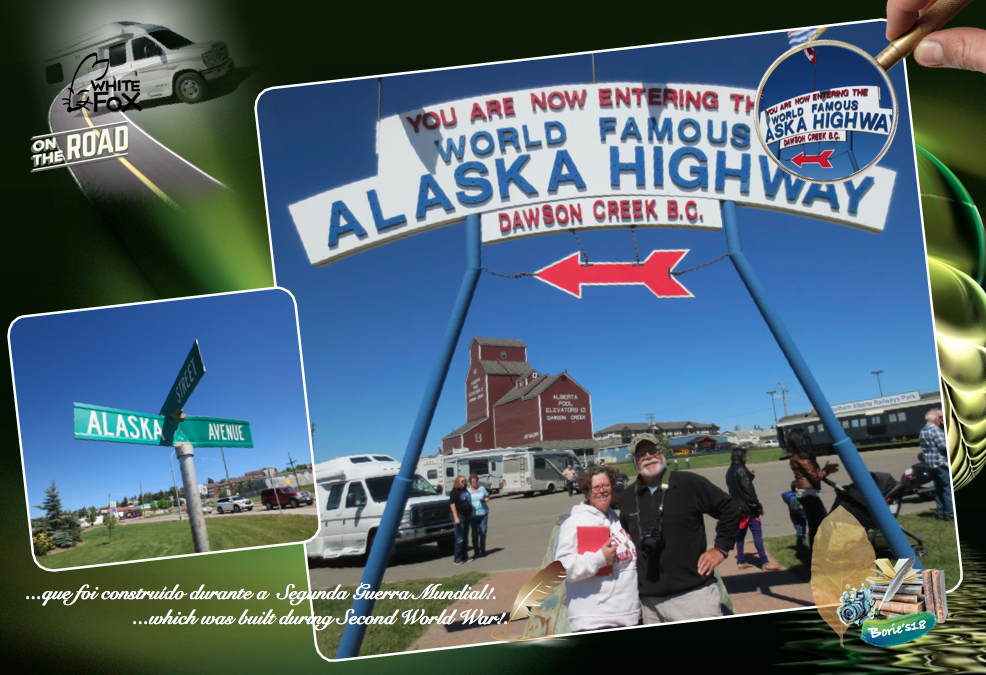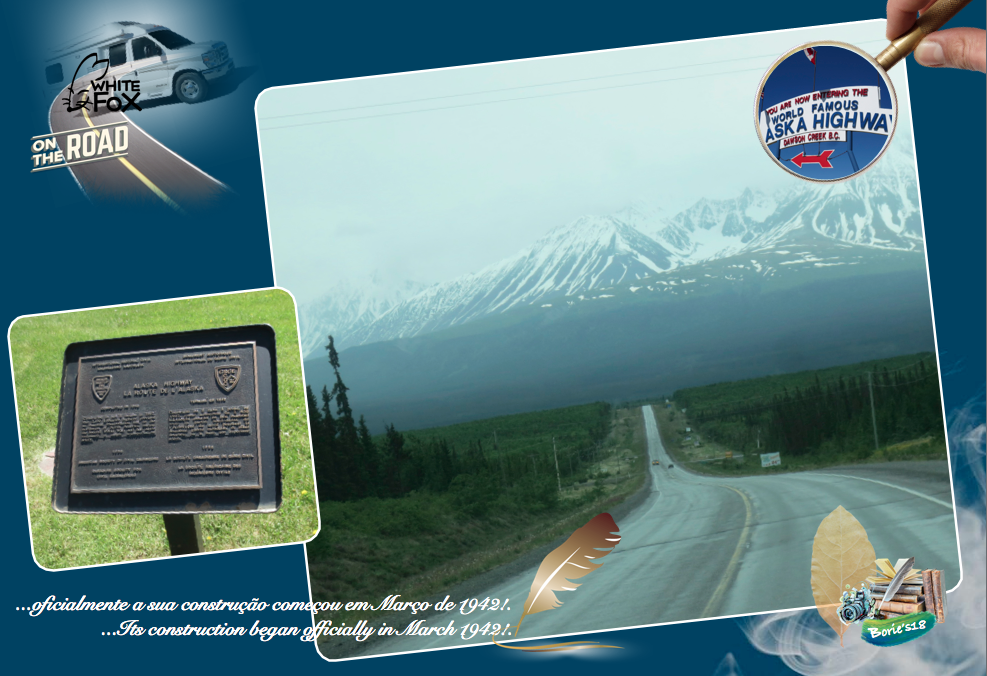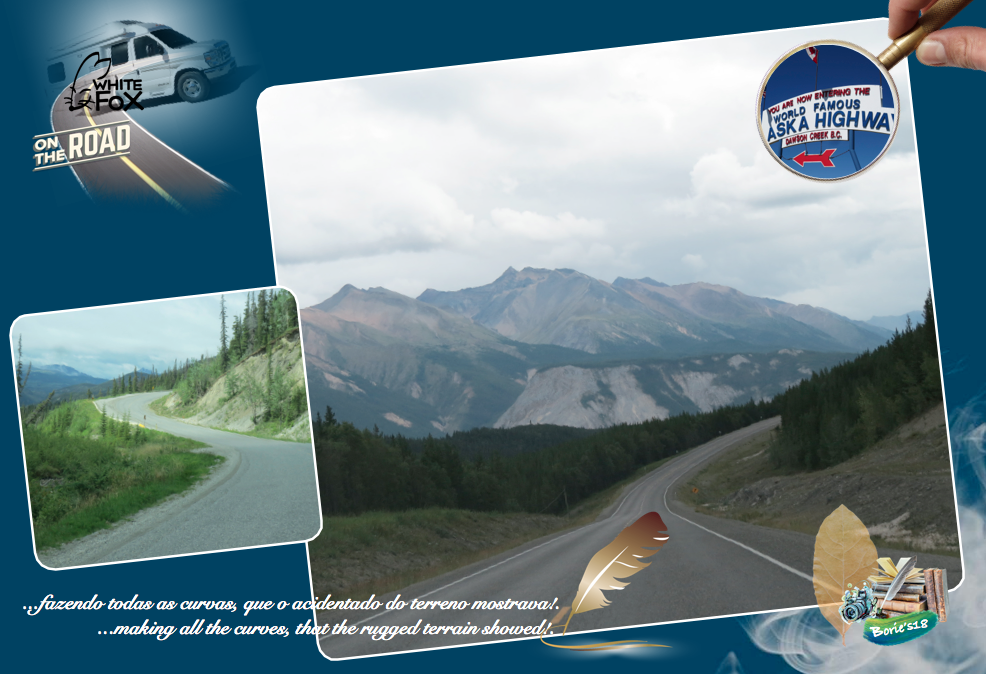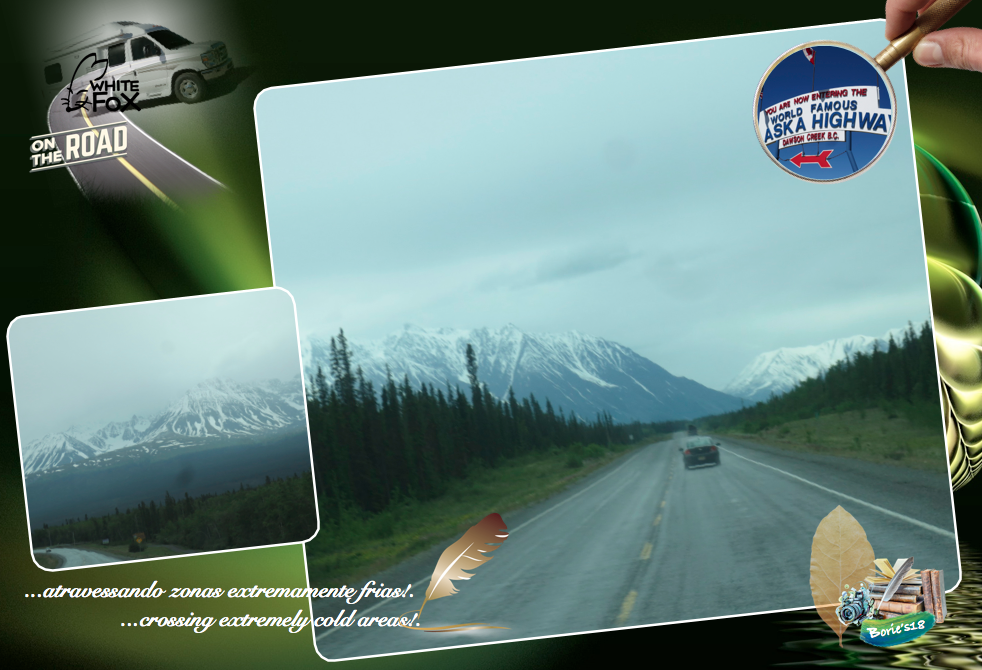
…we woke up at five!.

…we woke up at five!.

…acordámos às cinco!. (we woke up at five)!.

…acordámos às cinco da madrugada!. Fizémos um chá, que bebemos bem quente, na nossa caneca preferida, que está quebrada na asa, portanto é segurada entre as mãos, que nos aqueceu, sobretudo o corpo e, talvez a alma, se é que ela existe!. (We woke up at five in the morning!. We made tea, which we drank very hot, in our favorite mug, which is broken in the wing, so it is held between our hands, which has warmed us, especially the body and, perhaps the soul, if it exists)!.

…não podemos resmungar sobre a nossa saúde, pelo contrário, alegramo-nos por ainda estar vivos e, também não nos vamos sentir tristes por o dinheiro não chegar até ao final do mês, pelo contrário, ficamos felizes por ainda termos memória para controlar as nossas finanças, encorajando-nos a planear as nossas compras com sabedoria, para nos guiarem para longe da catástrofe que era, não haver dinheiro para a medicina de manutenção, ou o fogão lá na cozinha, não trabalhar mais, por falta de arroz, massa, vegetais ou outros géneros alimentícios!. (We can not grumble about our health, on the contrary, we rejoice that we are still alive and we will not feel sad because the money does not arrive until the end of the month, on the contrary, we are happy that we still have memory for control our finances by encouraging us to plan our purchases wisely, to guide us away from the catastrophe that was, to have no money for maintenance medicine, or the stove in the kitchen, not to work anymore, for lack of rice, pasta, vegetables or other foodstuffs)!.

…saímos de casa, ainda é noite que tenta clarear, vamos lá fora ao pequeno jardim, tocamos numa rosa que tenta florescer, picamo-nos, não ficamos tristes porque aquela flor tem espinhos, pelo contrário, ficamos contentes porque aquela pequena árvore com muitos espinhos, é onde nascem aquelas bonitas rosas!. (We leave the house, it is still night that tries to clear, we go outside to the small garden, we touch a rose that tries to flourish, we sting, we are not sad because that flower has thorns, on the contrary, we are happy because that small tree with many thorns, is where those beautiful roses are born)!.

…entrámos em casa de novo, procuramos qualquer livro para ler, porque, pela manhã, aqueles noticiários da TV, é só desgraças!. Se for uma boa notícia, não transmitem, não tem interesse, não faz audiências, não entusiasma as pessoas, não as faz ficarem “excitadas”, portanto, quanto maior for a catástrofe, mais audiências existem e, para a competição entre as diversas estações de TV, isso é muito importante!. (We went home again, we look for any book to read, because, in the morning, those TV news, it’s only misfortunes!. If this is good news, they do not transmit, have no interest, do not audiences, do not enthuse people, do not make them “excited”, therefore, the greater the catastrophe, the more audiences there are, and, for competition between the various TV stations, this is very important)!.

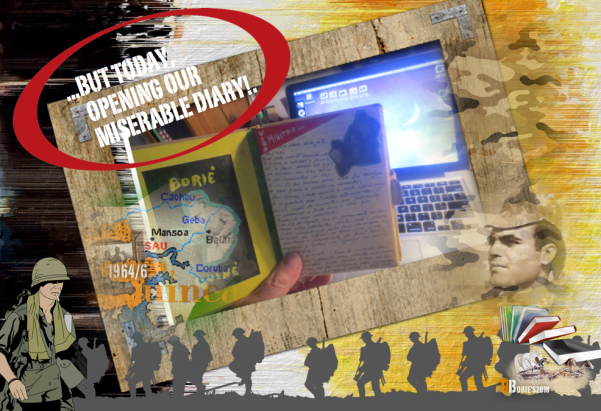
…continuando, abrimos o nosso diário de guerra, sentamo-nos numa cadeira na parte de trás da nossa casa, onde sentimos alguma paz e onde algumas aves pela manhã sobrevoam, visitando-nos na procura de alguma água e comida!. Naquele diário, que continuamos a guardar quase religiosamente, vem lá escrito, não importa a página que abrimos, aqueles ataques ao aquartelamento, emboscadas, fornilhos que rebentaram, mortos, feridos e, todo aquele, blá, blá, blá, que os queridos leitores já conhecem, principalmente os antigos combatentes, onde alguns, infelizmente ainda sentem no seu próprio corpo!. (Continuing, we open our war diary, sit in a chair in the back of our house, where we feel some peace and where some birds fly in the morning, visiting us in search of some water and food!. In that diary, which we continue to keep almost religiously, it comes written, no matter the page we open, those attacks on the barracks, ambushes, fodder that burst, dead, wounded and, everyone, blah, blah, blah, that dear readers already know, especially the former combatants, where some unfortunately still feel in their own body)!.

…em determinada página, está escrito um texto, embora seja um pouco difícil de explicar, pois muitas palavras são ilegíveis e não encaixam, talvez fosse o desespero naquele dia menos feliz, tentámos colocar algumas palavras no seu verdadeiro lugar, assim como algumas vírgulas e pontos finais, cá vai:

“Hoje, dia 29 de Abril de 1965 – Estou triste, não vou escrever nada, mesmo nada, acordei com o mosquiteiro e a cama toda molhada!. Quando é que esta “porcaria” vai secar, estou triste e angustiado, estou aqui, junto destes jovens, é a mesma coisa que estivesse preso, pois estou rodeado de arame farpado e, para cúmulo, aquele janelo ainda não está acabado!. A chuva entra cá dentro, a culpa é do “Marafado”, (companheiro, militar de combate), que costuma lá pôr o casaco do camuflado, cheio de lama a secar e, esta noite não o fez, não sei porquê”!.

(On a certain page, a text is written, although it is a little difficult to explain, since many words are illegible and do not fit, perhaps it was despair on that less happy day, we tried to put some words in their true place, as some commas and endpoints, here goes:

“Today, April 29, 1965 – I’m sad, I’m not going to write anything, nothing at all, I woke up with the mosquito net and the bed all wet!. When this “crap” is going to dry up, I’m sad and distressed, I’m here, with these young people, it’s the same thing that was stuck, because I’m surrounded by barbed wire, still to the point, that window is not finished yet!. Rain enters inside, the fault is of the “Marafado”, (companion, combat military), who usually puts there the coat of the camouflaged, full of mud to dry and, tonight did not do it, do not know why”)!.

“Olha a minha sorte, sem o querer já estou a escrever, mas para quê, só vai sair “porcaria”, pois estou muito triste, passei a noite a sonhar que estava na minha aldeia, no Vale do Ninho d’Águia, naquela encosta agreste da montanha do Caramulo, onde próximo passava a estrada de Lisboa ao Porto”!. (“Look at my luck, without wanting to write, but for what, it’s going to be “crap”, because I’m very sad, I spent the night dreaming that I was in my village, in the Valley of the Eagle’s Nest, on that slope rugged mountain of Caramulo, where near passed the road from Lisbon to Porto”)!.

“A estrada estava renovada, o senhor Francisco, que era o cantoneiro, que os visinhos diziam que pela manhã colocava o carro de mão, a pá e a enxada, na beira da estrada, com a placa uns metros à frente, a dizer “obras”, só para marcar presença, indo de seguida cultivar umas leiras de terra seca, que também diziam que não eram dele, era da “JAE”, ou seja, da Junta Autómona das Estradas, que lhe pagava o ordenado, onde ele plantava, quase sempre fora do tempo, umas favas e às vezes tremoço, que os coelhos e as lebres selvagens comiam tudo, mesmo antes de nascer”!. (“The road was renewed, Mr. Francisco, who was the “cantoneiro” (person repairing the road), that the neighbors said that in the morning he would put the hand cart, the shovel and the hoe on the side of the road, with the sign a few meters ahead, say “man works”, just to make a presence, and then to cultivate some dry land, which also said that they were not his, was the “JAE”, that is, of the Autonomous Board of Roads, which paid him the wages, where he planted, almost always out of season, some fava beans and sometimes lupine, which rabbits and wild hares ate everything even before they were born”)!.

“No meu sonho, via o senhor Francisco, a tapar os buracos da estrada com areia e alcatrão, a que ele chamava “pixe”, depois começou a marcar a estrada, com tinta branca ou amarela, pois assim podia evitar acidentes, quando o carro dos bois do senhor Manuel Lagareiro, passasse pela camionete da carreira, que era mais larga, afrouxando naquela curva, onde havia uma árvore, que estava sempre com o tronco pintado de branco, mas onde o “pessoal do contra” (pessoas que não concordavam com o regime de governação colonial), lá iam colocar panfletos, às vezes até pinturas, com letras a dizer coisas que o senhor Francisco, que também todos diziam que era “Bufo”, palavra que na linguagem do povo, designava os informadores da polícia do estado e, às vezes alterado, dizia:

– Se sei, ou agarro o filho da puta, que escreve estas coisas, vou denunciá-lo à polícia e, não vê mais a luz do sol, vai para o “Tarrafal” (estabelecimento prisional de políticos, nas ilhas de Cabo Verde, em pleno Oceano Atlântico), com toda a certeza”!.

(“In my dream, I saw Mr. Francisco, covering the holes in the road with sand and tar, which he called “pixe”, then started marking the road with white or yellow paint, so that he could avoid accidents when the car of the oxen of Mr. Manuel Lagareiro, passed by the bus of the career, which was wider, loosening in that curve, where there was a tree, that always was with the trunk painted white, but where the “personnel of the against” (people who did not agree with the regime of colonial rule), there would be pamphlets, sometimes even paintings, with letters to say things that Mr. Francisco, who also all said was “Bufo”, a word that in the language of the people, designated police informers of the state and, sometimes altered, said:

– If I know, or I catch the son of a bitch who writes these things, I’m going to report him to the police and he does not see the sun, he goes to the “Tarrafal” (prison establishment of politicians, in the islands of Cape Verde, in the middle of the Atlantic Ocean), with all certainty”)!.

“Neste meu sonho, o pai António, lá ia pela estrada abaixo, descalço, levantava o braço a dizer “olá”, a toda a gente por quem passava, às vezes até tirava o chapéu roto e encurrilhado!. De repente, vem um carro preto e parou, dois homens grandes e feios, levaram-no à força, pois o pai António, apesar de analfabeto, também tinha fama de ser do “contra”!. Foi preso para uma prisão onde estavam muitos companheiros, cercada de arame farpado, onde a água da chuva entrava por um janelo roto e aberto, que naquela altura, não estava encoberto por um farrapo, que um companheiro lá punha todas as noites”!. (“In this dream of mine, my father, Antonio, was walking down the road, barefoot, raising his arm to say hello to everyone he passed by, sometimes he even took off his broken and curled hat!. Suddenly, a black car came and stopped, two big and ugly men, took him by force, because the father Antonio, although illiterate, was also reputed to be the “against”!. He was arrested for a prison where many companions were surrounded by barbed wire, where rainwater entered through a broken and open window, which at that time was not covered by a rag, which a companion put there every night”)!.

“Quando acordei, estava todo molhado, e era EU!. Felizmente não era o pai António, que tinha fama de ser do “contra”!. (When I woke up, it was all wet, and it was ME!. Luckily it was not the father Antonio, who was reputed to be the “against”)!

…hoje, lendo tudo isto, não ficamos tristes porque o pai António e a mãe Ilda, não nos deram mais quando estávamos crescendo, pelo contrário, sentimo-nos gratos, por terem permitido que viéssemos a este mundo!. (Today, reading all this, we were not sad because father António and his mother Ilda did not give us more when we were growing up, on the contrary, we felt grateful for allowing us to come to this world)!.

…neste momento, levantamos a cabeça, olhamos o céu, o que o dia de hoje será, depende só de nós!. Nós é escolhemos o tipo de dia que vamos ter e, a menos que existam outros planos, lembramo-nos sempre que, um “sorriso” fará com que os dias melhorem, nesta já avançada idade, no entanto, não ficamos nunca tristes porque temos que fazer alguns trabalhos domésticos, pelo contrário, compreendemos e ficamos felizes, por termos um lugar, a que ainda podemos chamar de “lar”!. (At this moment, we lift our heads, look at the sky, what today will be, it’s up to us! We are choosing the type of day we are going to have, and unless there are other plans, we always remember that a “smile” will make the days improve in this already advanced age, however, we are never sad because we have to do some housework, on the contrary, we understand and are happy, because we have a place, which we can still call home)!.

…tenham um óptimo dia, queridos leitores!. (Have a great day, dear readers)!.

Tony Borie, August 2018.

…Borie’s Five, it’s cool!.

…Borie’s Five, it’s cool!.

…Borie’s Cinco, é fixe!. (Borie’s Five, it’s cool!

…com cinco, faz-se um número mágico!. Com cinco, é divertido!. Com cinco, é uma alegria!. Com cinco, é “fixe”!. (With five, make yourself a magic number!. With five, it’s fun!. With five, it’s a joy!. With five, it’s “cool”)!.

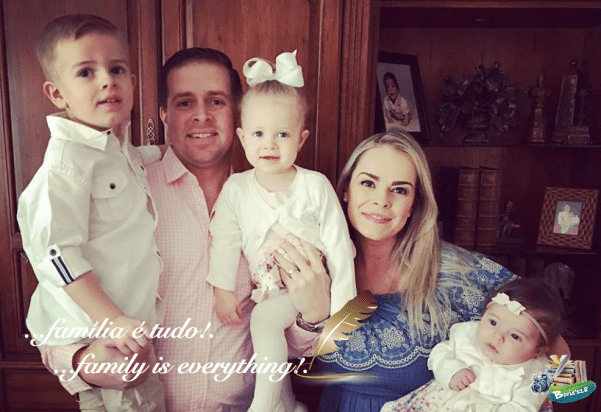
…antes a nossa casa estava demasiado limpa mas, com cinco netos em casa, não podemos manter muitas regras!. Porquê!. Porque ficamos sempre em desvantagem!. (Before our house was too clean but, with five grandchildren at home, we can not keep too many rules!. Because!. Because we are always at a disadvantage)!.

…não é que esteja a defender a anarquia!. Mas não se pode dizer a um neto ou neta que não se pode pendurar no sofá!. Que não se pode atirar para cima da cama, enrolando-se no lençol!. Que não pode correr pela casa segurando um gelado, que se vai derretendo nas mãos, deixando um rasto de diversas cores no chão, que antes estava limpo!. Que nos esconde o remoto control da TV, porque queremos mudar o canal que nesse momento está transmitindo “desenhos animados”!. Que sobe a uma cadeira da mesa, para espreitar o que os adultos estão a comer ou beber nesse momento e, não compartilham com eles!. (It is not that you are defending anarchy!. But you can not tell a grandson or granddaughter that you can not hang on the couch!. That you can not throw yourself on the bed, curling up in the sheet!. That he can not run around the house holding an ice cream, which melts in his hands, leaving a trail of several colors on the floor, which was clean before!. That hides the remote control of the TV, because we want to change the channel that is transmitting “cartoons”!. It climbs a table chair, to peek into what the adults are eating or drinking at that time and, do not share with them)!.

…que fogem para a garagem, para descobrirem algo escondido nas diversas caixas armazenadas, que guardam anos de história da vida dos avós!. Que a todo o momento querem subir para os braços dos avós, para ficarem em posição mais alta e olharem-nos nos olhos!. Para nos puxarem para a rua, tirando-nos do sofá, querendo analizar a área onde residem agora!. Que ficam admirados se chove, porque no seu pensamento, na Flórida é só sol e bom tempo!. Que na praia, nos puxam para as ondas do mar, pensando que com a nossa presença têm mais protecção!. (Who flee to the garage, to discover something hidden in the various boxes stored, that keep years of history of the life of the grandparents!. That at all times they want to climb into the arms of the grandparents, to stand in a higher position and look us in the eyes!. To pull us into the street, getting us off the couch, wanting to analyze the area where they now reside!. Who are amazed if it rains, because in his thought, Florida is only sun and good weather!. That on the beach, they pull us into the waves of the sea, thinking that with our presence they have more protection)!.

…temos notado que os nossos netos gostam muito de vir a nossa casa, porque também para eles, “é uma alegria” e, logo percebemos que a casa, com as crianças por aqui, produz uma atmosfera festiva!. Sobretudo os mais velhos, claro, tiram alguma vantagem sobre os mais novos e, às vezes dizem-nos que a casa está “demasiado limpa” e, não aceitam um fluxo de regras que, nós adultos de outra geração lhes queremos impor, como por exemplo, tentar repreendê-los de saltar ou correr pela casa enquanto seguram um copo de plástico com água na mão, que quando a água cai, “é uma alegria”!. (We have noticed that our grandchildren are very fond of coming to our house, because for them too “it is a joy” and soon we realize that the house, with the children around here, produces a festive atmosphere!. Especially the older ones, of course, take some advantage over the younger ones and sometimes tell us that the house is “too clean” and they do not accept a flow of rules that we adults of another generation want to impose on them, such as for example, try to scold them from jumping or running around the house while holding a plastic cup with water in hand, which when the water falls, “it is a joy”)!.

…viagens casuais ao parque ou à praia, tornaram-se excitantes para eles, porque as crianças precisam é mais tempo para descontrair e relaxar com a liberdade de não fazer nada e, isso foi uma opção a que demos alguma prioridade, embora na nossa idade, para nós, nos roubasse alguma energia!. (Casual trips to the park or the beach have become exciting for them because children need is more time to chill and relax with the freedom to do nothing and that was an option to which we gave some priority, although in the our age, for us, steal some energy)!.

…com cinco netos em casa, não temos lá muito tempo para gastar analisando cada movimento ou humor de cada um, e claro, também existe menos controle nas suas vidas, o que significa que as crianças têm mais controle nelas, concentrando-se mais sobre o que fazem, o que lhes agrada!. (With five grandchildren at home, we do not have much time to spend analyzing each movement or mood of each, and of course, there is also less control in their lives, which means that children have more control in them, concentrating more about what they do, what they like)!.

…mesmo quando vamos a algum lugar especial, esquecemo-nos que somos adultos, deixamos de ser orgulhosos e, escolhemos os locais, acreditando que lhes estamos a proporcionar uma oferta especial, onde eles se podem sentir o mais felizes possível!. (Even when we go somewhere special, we forget that we are adults, we stop being proud, and we choose the places, believing that we are providing them with a special offer, where they can feel as happy as possible)!.

…convivemos com eles por algum tempo, provávelmente vão esquecer o que lhes dissémos ou o que lhes fizémos mas, nunca esquecerão a alegria que lhes fizémos sentir!. Tal como a nós avós, uma palavra deles, boa ou má, ficará em nós por algum tempo, mas o que nos fizeram sentir, vai ficar para sempre em nossas memórias!. (We live with them for some time, they will probably forget what we said or what we did to them, but they will never forget the joy we made them feel!. Like grandmothers, one word of them, good or bad, will stay in us for a while, but what they have made us feel will forever remain in our memories)!.

…mas cinco netos é “fixe”!. Cremos mesmo que estes cinco netos, não vão ser um problema de superpopulação do mundo e, do seu esgotamento nos recursos para a sobrevivência do Planeta Terra!. Na realidade, o grande problema que o nosso Planeta enfrenta, é mesmo a falta de crianças!. (But five grandchildren is “cool”!. We even believe that these five grandchildren will not be a problem of overpopulation of the world and of their depletion in the resources for the survival of Planet Earth!. In fact, the big problem facing our Planet is the lack of children)!.

…ter cinco netos “é fixe”!. Os avós, esperam por vocês outra, outra e outra vez e, as vossas imagens ficam para sempre nos nossos já um pouco velhos corações, assim como aos vossos pais, que nos proporcionaram momentos únicos com a vossa visita!. (Having five grandchildren “is cool”!. Grandparents, wait for you again, again and again and again, and your images remain forever in our already old hearts, as well as your parents, who have given us unique moments with your visit!.

Tony Borie, August 2018.
…american with portuguese heart!.

…american with portuguese heart!.

…americano com coração português!. (…american with Portuguese heart)!.

…antes do ano de 1907, muitas crianças fizeram a viagem para os Estados Unidos sózinhas, onde algumas viajaram milhares de quilómetros sem a companhia de um pai, mãe ou outro qualquer guardião!. Mas, depois do ano de 1907, era proibido para qualquer pessoa que tivesse menos de 16 anos, passar pela Estação de Imigração, situada na Ellis Island (Ilha de Ellis), sem a companhia de um adulto!. (Before the year 1907, many children made the trip to the United States alone, where some traveled thousands of miles without the company of a parent, or any other guardian! But after 1907, it was forbidden for anyone under the age of 16 to pass through the Immigration Station, located on Ellis Island (Ellis Island), without the company of an adult)!.

…esta ilha está situada no estado de New Jersey, na Upper Bay (Baía Superior), quase onde o rio Hudson termina e as suas águas entram no Oceano Atlântico, a que os colonos holandeses chamavam a Ilha Oyster Island (Ilha das Ostras), por causa da abundância de ostras nas proximidades e, as ostras eram uma valiosa fonte de alimento, primeiro para as tribos nativas americanas, depois para aqueles que iam chegando ao Novo Mundo!. (This island is located in the state of New Jersey in the Upper Bay, almost where the Hudson River ends and its waters enter the Atlantic Ocean, which the Dutch settlers called Oyster Island, because of the abundance of oysters nearby, and oysters were a valuable source of food, first for the Native American tribes, then for those who were coming to the New World)!.

…bem, vamos começar com a história de hoje!. (Well, let’s start with today’s story)!.

…o António e a Ermelinda, foram emigrados nos Estados Unidos!. Aqui nasceu o seu único filho, o António Manuel, todavia, uns anos depois decidiram regressar a Portugal, quando este, ainda era uma criança!. Com algumas economias, construiram a sua casa e, cultivando algumas terras que herdaram, viviam razoávelmente, no conforto de uma aldeia na encosta da Serra da Estrela, próximo da cidade de Viseu!. (Antonio and Ermelinda were emigrated to the United States!. Here was born his only son, António Manuel, however, a few years later they decided to return to Portugal, when he was still a child!. With some savings, they built their home and, cultivating some land they inherited, lived reasonably, in the comfort of a village on the slope of Mountain of the Estrela (Star), near the city of Viseu)!.

…o António Manuel, a que todos chamavam o Tó Manel, foi crescendo, era um rapaz popular, podiam fazer-lhe as maiores brincadeiras, que ele não levava nada a mal, só às vezes é que ficava um pouco irritado quando lhe chamavam “Americano”, mas em certos momentos até achava graça!. Era um estudante um pouco melhor que o normal, era inteligente, mas não levava os estudos muito a sério!. Quando no intervalo das aulas, os colegas formavam um grupo de futebol, todos o queriam no seu time, pois ele, com habilidade ou com força, levava tudo à frente até à baliza adversária!. (Antonio Manuel, whom everyone called Tó Manel, grew up, he was a popular boy, they could make the biggest jokes to him, that he did not take anything to bad, only sometimes it was that he was a little annoyed when called “American”, but at times it even found grace!. He was a slightly better student than usual, he was smart, but he did not take his studies too seriously!. When, at the interval of classes, his colleagues formed a football group, everyone wanted him on his team, because he skillfully or forcefully took everything ahead to the opposing goal)!.

…quando iam tomar banho no rio, que passava ao fundo da aldeia, sabia as partes mais fundas do rio, onde existia a maior concentração de água, atirando-se lá de cima, de alguma árvore próxima, perante o desespero dos colegas, julgando que se ia matar!.

…nesse momento sim, alguns diziam:

  – O “Americano”, é “atravessado”!.

…mas outros, logo respondiam:

– Ele não é “atravessado”, ele é “maluco”!.

…esta, era a opinião dos colegas da escola!.

   (When they went to bathe in the river, that went to the bottom of the village, he knew the deepest parts of the river, where there was the greatest concentration of water, throwing himself up there, from some nearby tree, before the despair of his colleagues, thinking that he was going to kill himself!

    At that moment, yes, some said:

    – The “American” is “crossed”!.

    But others answered:

    – He is not “crossed”, he is “crazy”!.

   This was the opinion of school colleagues)!.

…mesmo no rio, a nadar, com habilidade ou com força, passava à frente de todos!. Não podia estar em casa, andava sempre na rua!. Os pais, faziam tudo para que o Tó Manel, tivesse algum tempo de descanso, mas não adiantava nada, nasceu assim, era traquino!. Os vizinhos gostavam dele e, muitas das traquinices que ele fazia, não diziam nada aos pais, pois era uma criança de quem gostavam!. Foi crescendo, acabou a escola primária, os pais matricularam-no na escola industrial, numa vila próxima, onde o levavam todos os dias, completou o curso de indústria, indo trabalhar numa empresa francesa, que se tinha instalado nessa vila próxima da sua aldeia!. (Even in the river, swimming, skillfully or forcefully, passed in front of everyone!. She could not be at home, she was always on the street!. The parents, they did everything so that the Tó Manel, had some time of rest, but it was no use, it was born like this, it was naughty!. The neighbors liked him, and many of the tricks he did did not say anything to his parents, because he was a child they liked!. He grew up, finished elementary school, parents enrolled him in industrial school, in a nearby village, where they took him every day, completed the industry course, going to work in a French company that had settled in that village near his village)!.

…as raparigas vizinhas, andavam quase todas, apaixonadas pelo Tó Manel!. Ele não prestava nenhuma atenção a elas!. O que ele queria era jogar futebol, andar nos bailes, corridas de motorizadas, pois ele alterava os motores para darem mais velocidade e ninguém sabia, assim, ganhava sempre!. Enfim, tudo o que de mal ou de bem se passasse na aldeia, o nome do Tó Manel, era sempre mencionado!. (The neighboring girls, almost all of them, in love with the Tó Manel!. He paid no attention to them!. What he wanted was to play football, to ride the balls, motorcycle races, because he changed the engines to give more speed and nobody knew, thus, he always won!. Anyway, all that bad or good happened in the village, the name of the Tó Manel, was always mentioned)!.

…fazendo um pequeno intervalo e voltando à Estação de Imigração situada na Ellis Island (Ilha de Ellis), nunca é demais lembrar que, por apenas 30 centavos, um imigrante com fome, poderia comprar pão, queijo, linguiça e limonada na tenda de comida que ali existia!. Os tempos eram outros e, depois da Primeira Guerra Mundial e da Revolução Russa, havia um medo generalizado do comunismo!. Foi chamada a era de “Red Scare”, ( vermelho de medo), onde as autoridades de imigração tentaram impedir a entrada de comunistas, também conhecidos como “radicais” e “indesejáveis”!. Todavia, também havia benefícios para os passageiros de primeira e segunda classe, que não eram obrigados a ir à Estação de Imigração de Ellis Island, (Ilha de Ellis), para processamento de imigração, pois as autoridades pensavam que, se um imigrante pudesse comprar uma passagem de primeira ou segunda classe, provávelmente não estava doente ou com problemas financeiros, condições que poderiam torná-los um fardo para a sociedade americana!. (Taking a short break and returning to the Immigration Station on Ellis Island, it’s never too easy to remember that for just 30 cents a hungry immigrant could buy bread, cheese, sausage and lemonade in the tent of food that existed there!. The times were different, and after World War I and the Russian Revolution, there was a widespread fear of communism!. It was called the “Red Scare” era, where immigration officials tried to block the entry of communists, also known as “radicals” and “undesirable”!. However, there were also benefits for first and second class passengers who were not required to go to Ellis Island Immigration Station for immigration processing, as authorities believed that if an immigrant could afford to buy a first or second class pass, was probably not sick or in financial trouble, conditions that could make them a burden to American society)!.

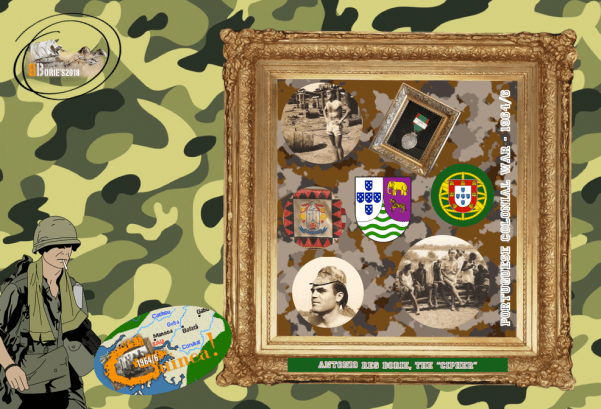
…regressamos agora à personagem do nosso Tó Manel que, embora tivesse nascido nos Estados Unidos, adorava Portugal, considerando Portugal a sua Pátria e, aproximando-se a idade do serviço militar obrigatório, mesmo sabendo que a Guerra Colonial o levaria a África, vai à inspecção, fica apurado para todo o serviço militar, completa a instrução militar, vai defender Portugal, para a então Província Colonial da Guiné Portuguesa, junto de nós, no mesmo barco, mas em diferente unidade militar, recebendo o nome de guerra de “Furriel Miliciano”, pois era esse o seu posto, mas era tal e qual um vulgar soldado, pois convivia com todos, tal como quando era criança, com os seus colegas de escola!. (We now return to the character of our Tó Manel who, although he was born in the United States, loved Portugal, considering Portugal his Homeland, and approaching the age of compulsory military service, even though he knew that the Colonial War would take him to Africa, goes to the inspection, is apprehended for all military service, completes the military training, will defend Portugal, for the then Colonial Province of Portuguese Guinea, next to us, in the same boat, but in different military unit, receiving the name of war of “Furriel Militiano”, for this was his post, but he was just as vulgar a soldier, for he lived with everyone, just as when he was a child, with his schoolmates)!.

…sobrevive dois anos naquela zona de combate, estacionado no aquartelamento da vila de Mansoa, combatendo e ajudando a construir este posto avançado, tal como nós, onde já mencionámos o seu nome por diversas vezes, em que a sua personagem era o principal protagonista, e claro, entre outros factores, com muita sorte, regressa a Portugal!. (Survives for two years in that combat zone, stationed in the quarter of the village of Mansoa, fighting and helping to build this outpost, just like us, where we have mentioned his name several times, where his character was the main protagonist, and of course, among other factors, with great luck, returns to Portugal)!.

…o Tó Manel, como tinha nascido nos Estados Unidos, regressa ao seu país de origem, aterrando no aeroporto de Nova Iorque, onde nos serviços de Imigração, lhe deram as boas vindas a casa, talvez lhe dizendo em seguida, “continue andando”, pois o lema não oficial dos trabalhadores da Estação de Imigração de Ellis Island, (Ilha de Ellis), era “continue andando”, assim, os trabalhadores estavam a tentar manter a linha em movimento, porque a estação estava superlotada!. Naquela época, a Estação de Imigração de Ellis Island, (Ilha de Ellis), tinha sido projectada para processar 5.000 pessoas por dia, todavia durante o pico do período de imigração, mais de 11.000 imigrantes chegavam todos os dias!. (The Tó Manel, as he was born in the United States, returns to his country of origin, landing at New York airport, where he was welcomed by Immigration Services, perhaps telling him “continue walking”, because the unofficial motto of workers at Ellis Island Immigration Station was” keep walking”, so the workers were trying to keep the line moving because the station was overcrowded!. At that time, the Ellis Island Immigration Station had been designed to process 5,000 people per day, but during the peak of the immigration period, more than 11,000 immigrants arrived every day)!.

…continuando, o Tó Manel, regressou aos Estados Unidos, para a companhia de uns tios, que viviam na mesma cidade onde nós naquela época também vivíamos, aliás, onde vivia quase toda a comunidade portuguesa oriunda da zona de Aveiro e Viseu, lá em em Portugal!. (And continued, Tó Manel, returned to the United States, to the company of some uncles, who lived in the same city where we also lived in that time, in fact, where almost all the Portuguese community came from the zone of Aveiro and Viseu, there in Portugal)!.

…com a mais pura das coincidências, o Criador põe-nos de novo frente a frente, num arraial do Clube Português, naquela cidade, pois normalmente era o local onde as pessoas emigradas das diversas regiões de Portugal, aproveitavam as festas socias que se realizavam no clube para se encontrar!. Abraçámo-nos, rimos, chorámos, fumámos um cigarro feito à mão e, lembrámos os momentos passados na Guerra Colonial!. (With the purest coincidence, the Creator puts us face to face again, in a camp of the Portuguese Club, in that city, since it was usually the place where people emigrated from different regions of Portugal took advantage of the social parties that they performed at the club to meet!. We hugged, laughed, cried, smoked a handmade cigarette, and remembered the moments spent in the Colonial War)!.

…na multinacional onde exercíamos a nossa profissão, precisavam de novos empregados!. Por essa razão foi que, no já longínquo ano de 1907, chegaram à Estação de Imigração de Ellis Island, (Ilha de Ellis), 1.007.765 imigrantes, onde milhares de telhas foram usadas na construção do Grande Salão, a maior e principal sala do edifício desta Estação de Imigração, onde depois do ano de 1917, o governo dos EUA exigiu que os imigrantes fossem alfabetizados!. Isso significava que eles deveriam ser capazes de ler e escrever na sua língua nativa, onde a alfabetização era determinada no Grande Salão, durante o processo de inspeção!. (In the multinational where we carried out our profession, they needed new employees!. That is why, in the distant year 1907, 1,007,765 immigrants arrived at the Ellis Island Immigration Station, where thousands of shingles were used in the construction of the Great Hall, the largest and largest room of the building of this Immigration Station, where after the year 1917, the US government demanded that the immigrants be literate!. This meant that they should be able to read and write in their native language, where literacy was determined in the Great Hall during the inspection process)!.

…felizmente, não foi o caso do Tó Manel, que além de nascer neste país, sabia ler e escrever, não só em Português, como era fluente na língua francesa ou inglesa!. Com o nosso auxílio, foi trabalhar para a multinacional, sendo nosso companheiro de trabalho, tal como já tinha sido em cenário de guerra!. (Fortunately, it was not the case of Tó Manel, who not only was born in this country, but could read and write, not only in Portuguese, but also fluent in French or English!. With our help, it was to work for the multinational, being our workmate, as it had already been in a scenario of war)!.

…tal como quando era criança em Portugal, ou quando estava em zona de combate na então Província Colonial da Guiné Portuguesa, passado um tempo, já era popular!. Todos conheciam o Tó Manel!. Nos primeiros dois anos, conheceu diversas posições no seu trabalho!. Foi ajudante, operador de um forno onde se derretia alumínio, condutor de empilhador, operador de um moinho de misturar diversos produtos metálicos, empacotador, enfim, aplicava para todos os trabalhos que estavam disponíveis!.

…na sala do lanche, os portugueses, diziam:

   – Porra, o Tó Manel não pára em “ramo verde”!.

   (Just as when I was a child in Portugal, or when I was in combat zone in the then Colonial Province of Portuguese Guinea, after a while, it was already popular!. Everyone knew Tó Manel!. In the first two years, you have met different positions in your work!. It was helper, operator of a furnace where aluminum melted, driver of forklift, operator of a mill to mix various metal products, packer, in short, applied for all the jobs that were available!.

    In the snack room, the Portuguese said:

    – Damn, Tó Manel does not stop at “green branch”)!.

…nos intervalos do trabalho, quando os portugueses se juntavam, qualquer conversação era motivo para o Tó Manel finalizar, com uma destas expressões:

  – Hó, mas em Portugal é melhor!. Hó, mas em Portugal é que é bom!. Hó, mas em Portugal é assim!. Hó, mas em Portugal é diferente!.

   (In the intervals of work, when the Portuguese joined, any conversation was cause for the Tó Manel to finish, with one of these expressions:

    – Hó, but in Portugal is better!. Hó, but in Portugal it is good!. Hó, but in Portugal it is so!. Hó, but in Portugal it is different)!.

…voltando um pouco à Ellis Island (Ilha de Ellis), o Tó Manel, tinha nascido nos Estados Unidos, já muito depois do tamanho original da Ellis Island (Ilha de Ellis), que era de 3,3 acres, mas cresceu ao longo dos anos, chegando ao tamanho actual de 27,5 acres, isto é, oito vezes maior!. Como isso aconteceu? Pedra e terra extraídas de projetos de construção maciços, como a construção dos túneis do metropolitano de Nova York, que foram adicionados como aterros, ao redor da ilha original!. Mas, apesar de ter nascido nos Estados Unidos, o Tó Manel, gostava, adorava mesmo Portugal, aliás, tinha dado a sua vida, tinha dado o corpo às balas, na Guerra Colonial em África, defendendo a bandeira de Portugal!. (Returning to Ellis Island, the Tó Manel, had been born in the United States long after the original size of Ellis Island, which was 3.3 acres, but grew over the years, reaching the current size of 27.5 acres, that is, eight times greater!. How did this happen?. Stone and land extracted from massive construction projects, such as the construction of the tunnels of the New York metropolitan, which were added as landfills, around the original island!. But despite being born in the United States, Tó Manel liked it, he really loved Portugal!. In fact, he had given his life, had given his body to the bullets, in the Colonial War in Africa, defending the Portuguese flag)!.

…a Rosa, a quem os pais chamavam “Bezuga”, (rapariga bonita, neste caso filha bonita, na linguagem das ilhas), e o Tó Manel, depois de a conhecer, lhe passou a chamar única e simplesmente Zita, que era o diminuitivo de Rosita, uma rapariga de dezoito anos, filha de um casal, em que o pai era das ilhas, mais propriamente da Ribeira Grande, na ilha de São Miguel, e a mãe do continente, mais propriamente de Moncorvo e, tinha um irmão mais novo, de apenas oito anos, que completava esta família a que os vizinhos chamavam os “Açoreanos”!. (Rosa, whom her parents called “Bezuga” (beautiful girl, in this case beautiful daughter, in the language of the islands), and the Tó Manel, after knowing her, called him simply and simply Zita, who was the diminutive of Rosita, an eighteen-year-old girl, the daughter of a couple, whose father was from the islands, more specifically Ribeira Grande, on the island of São Miguel, and the mother of the continent, more specifically Moncorvo, a younger brother, just eight, who completed this family the neighbors called the “Azoreans”)!.

…num sábado à tarde, a Rosa foi com a família, ao arraial à portuguesa, que se realizou no Clube Português, da cidade onde vivíamos!. Havia sardinhas assadas, febras, frango de churrasco, cerveja, vinho e música de Portugal, como tal, era aí que o Tó Manel, se sentia feliz!. Estava no meio de Portugal!. (On a Saturday afternoon, Rosa went with her family, to the Portuguese village, which took place in the Portuguese Club, the city where we lived!. There were roasted sardines, fries, barbecue chicken, beer, wine and music from Portugal, as such, that’s when Tó Manel felt happy!. I was in the middle of Portugal)!.

…a Rosa, viu o Tó Manel no meio de um grupo de rapazes, que logo lhe despertou a atenção, pois era um pouco mais velho que os outros, mas convivia, falava, ria-se e brincava com todos!. Simpatizou com ele e, quando teve oportunidade de o encarar, pisca-lhe o olho!. (Rosa, saw Tó Manel in the middle of a group of boys, who soon aroused his attention, because he was a little older than the others, but he lived, talked, laughed and played with everyone!. He sympathized with him, and when he had a chance to face him, his eye blinked)!.

…o Tó Manel, habituado a todo o tipo de provocações, não ligou!. Passado algum tempo, já depois de ter bebido umas cervejas, quando a música começou a tocar e, como a Rosa andava por perto, o Tó Manel convida a Rosa para dançar!. Ninguém sabe o que a Rosa lhe disse ou lhe fez, a verdade é que não mais a largou!. (Tó Manel, accustomed to all kinds of provocations, did not call!. After some time, after drinking a few beers, when the music began to play and, as Rosa was around, Tó Manel invites Rosa to dance!. No one knows what Rosa told or did to him, the truth is that he did not leave her)!.

…começaram a namorar!. O local de namoro era num parque, que havia em frente à casa da Rosa!. Num dia de chuva, namoravam dentro do carro do Tó Manel, a mãe, de vez em quando vinha à janela, para ver se via algo de anormal!. Pareceu-lhe que viu o carro a balançar e, diz ao filho de oito anos, na linguagem que se usava em casa e que só eles compreendiam, que era um português americanizado, com sotaque e algumas palavras originalmente faladas nos Açores:

   – Hó “nisca de gente”, (rapazinho), veste a jaqueta (casaco), “vá larê” (vai dar uma volta), lá fora, ver se a “bezuga”, (filha bonita), tua irmã, que está no carro do Tó Manel, “parqueado” (estacionado), ali no parque, e “take a look”, (dá uma olhada), se a “bezuga” está bem?.

…e continuando, enquanto levava uma cerveja “Korisca” (marca de cerveja original dos Açores, que só bebiam ao domingo, e que compravam num estabelecimento de importação de bebidas, numa cidade ao norte do estado de Nova Jersey) ao marido, que estava sentado em frente à televisão:

   – Que tempo, não “escampar” (parar de chover), se vêm para “outside” (cá para fora), ficam todos “enlameirados” (molhados e sujos), anda, “pega drêt” (desaparece)!.

   (Started dating!. The place of dating was in a park, that was in front of the house of the Rose!. On a rainy day, they would get into Tó Manel car, his mother would occasionally come to the window to see if he saw anything abnormal!. It seemed to him that he saw the car swaying, and told the eight-year-old son in the language used at home that only they understood that he was an Americanized Portuguese with an accent and a few words originally spoken in the Azores:

   – Ho “nisca de gente”, (little boy), wear the “jacket” (coat), “go larê” (go for a walk), outside, see if “bezuga” (beautiful daughter), your sister, who is in the car of Tó Manel, “parked”, there in the park, and “take a look”, if the “bezuga” is well?.

   And continuing, while carrying a “Korisca” beer (the original Azores beer brand, which they only drank on Sunday, and which they bought at a liquor import establishment in a town in northern New Jersey) who was sitting in front of the television:

    – What time, do not “escampar” (stop raining), if they come out side, are all “enlameirados” (wet and dirty), “anda” (walks), “pega drêt” (disappears)!.

…o irmão da Rosa, veio cá fora, aproximou-se do carro, encostou-se à janela, colocou a mão sobre os olhos, servindo de protecção por causa da chuva e, viu o que não devia ver!. Regressa a correr para casa, gritando para a mãe:

  – Mãe, mãe, a “bezuga”, está debaixo do Tó Manel, com a saia levantada!.

   (Rosa’s brother came outside, approached the car, leaned against the window, put his hand over his eyes, served as protection because of the rain and saw what he should not see!. He runs back home, shouting at his mother:

     – Mother, mother, the “bezuga”, is under the Tó Manel, with the skirt raised)!.

…o pai, honrado homem das ilhas, ao ouvir isto, salta do sofá, pois como já mencionámos, estava a ver um jogo do Benfica-Sporting, em frente à televisão, onde o seu Sporting, clube do seu coração estava a perder, larga a garrafa de cerveja “Korisca”, que tinha entre as mãos, pega na faca da cozinha e, querendo salvar a honra da sua querida “bezuga”, (filha bonita), não se importando se estava a chover, vem a correr direito ao carro, abre a porta, agarra o Tó Manel pela camisa, encosta-lhe a faca ao pescoço, dizendo-lhe na sua linguagem, que como já mencionámos entravam muitas palavras que só as pessoas oriundas dos Açores compreendiam e, com cara de um guerreiro combatente, que se encontrava debaixo de fogo, numa emboscada nos pântanos da então Guiné Portuguesa:

   – Houve lá, meu “corisco mal amanhado” (meu safado), vais fazer a “bezuga”, (filha bonita), tua esposa, ou “vais apanhar nas ventas”, (vais levar na cara), ou no “ilhó” (no cú), que vais ficar com os “olhos arregalados” (olhos em bico), talvez te arranque essas “gadelhas” (cabelos), ou talvez queiras que te agarre com os “gadanhos” (dedos), no “rabixel” (rabo), ou te arranque essa “picanca” (nariz), e te ensine, as boas maneiras de respeitar um “householder” (chefe de família)!. Se és “Petxeno” (rapazola), e pensas o contrário, “tás bem amanhado” (estás lixado)!. “pelo’ê” (ai de ti), “asno” (burro), “tás vesgueta” (estás cego), a minha “bezuga” (filha bonita), não é nenhum “podão” (mulher feia)!.

   (The father, an honorable man from the islands, on hearing this, jumps off the couch, because as we have already mentioned, he was watching a game of Benfica-Sporting, (soccer), in front of the television, where his Sporting club of his heart was to lose, drop the bottle of “Korisca” beer, which he had in his hands, he took the kitchen knife and, wanting to save the honor of his beloved “bezuga” (beautiful daughter), did not care if it was raining, run right into the car, open the door, grab Tó Manel by the shirt, lean his knife around his neck, telling him in his language that as we mentioned, many words entered that only people from the Azores understood and, with a face of a fighting warrior, who was under fire, in an ambush in the swamps of the then Portuguese Guinea:

   – There was there, my “corisco mal amanhado” (my naughty), you will be “bezuga” (beautiful daughter), your wife, or “vais apanhar nas ventas”, (you will take in the face), or the “ilhó” (on your ass), that you’re going to have the “olhos em bico” (eyes in the beak), maybe you’ll tear out those “gadelhas” (hair), or maybe you want to catch you with the “gadanhos” (fingers), on “rabixel” (tear) off that “picanca” (nose), and teach you, the good manners of respecting a householder!. If you are “Petxeno” (young man), and you think the opposite, “tás bem amanhado” (you are sanded)!. “Pelo’ê” (woe to you), “asno” (donkey), “tás vesgueta” (you’re blind), my “bezuga” (beautiful daughter), is not a “podão” (ugly woman)!.

…ninguém sabe se foi pela faca encostada ao pescoço, ou pela linguagem do pai da Rosa, pois já estava habituado a ver isto, quando foi combatente e, esteve em zona de combate na então Província Colonial da Guiné Portuguesa, mas a verdade é que passado três meses, foram à presença do senhor padre da Igreja Portuguesa de Nossa Senhora de Fátima, que lhe leu a epístola, fazendo deles, marido e mulher!. (No one knows if it was the knife leaning on his neck, or the language of Rosa’s father, since he was already used to seeing it when he was a combatant and was in a combat zone in the then Colonial Province of Portuguese Guinea, but the truth is that after three months, they went to the presence of the Lord Father of the Portuguese Church of Our Lady of Fatima, who read the epistle, making them husband and wife)!.

…seguiu-se um banquete, no Clube Português, onde lá para o final houve alguma diferença de opiniões entre o continente e as ilhas, que ia acabando em zaragata, mas com um discurso lento, intervalado com alguns soluços, o senhor padre, fez ver a todos, que era um dia de alegria, acabando finalmente por todos irem para suas casas, embora alguns não se cumprimentassem no momento da despedida!. (A banquet followed in the Portuguese Club, where towards the end there was some difference of opinion between the mainland and the islands, which ended in a ruckus, but with a slow speech, interrupted with some sobs, the priest , made everyone see that it was a day of joy, finally ending by everyone going to their homes, although some did not greet each other at the moment of farewell)!.

…o Tó Manel, na multinacional, agora era uma pessoa mais calma!. No entanto aplicou para nova ocupação, agora operava uma máquina de cortar arame!. Era um trabalho que necessitava de alguma habilidade, mas o Tó Manel, aos poucos, foi aperfeiçoando a máquina à sua maneira, e passado algum tempo, fazia mais produção num dia que os restantes operadores em três!.

…na sala do lanche, os portugueses, diziam:

   – Porra, parece que o Tó Manel, agora “acentou”!.

   (The Tó Manel, in the multinational, was now a calmer person!. However applied for new occupation, now operated a wire cutting machine!. It was a job that needed some skill, but the Tó Manel, little by little, perfected the machine in its own way, and after some time, it did more production one day than the remaining operators in three !.

    In the snack room, the Portuguese said:

    – Damn, it seems that Tó Manel has now “accentuated”)!.

…trabalhava algumas horas extras!. A Rosa, que agora era a sua Zita, também trabalhava, sendo secretária numa companhia de seguros!. O sogro, honrado homem das ilhas, cossando a “cramalheira” (queixo), como ele sempre fazia, um dia disse-lhe:

   – Hó Tó Manel, tenho uma “apoquentação” (inquietação)!. Para criar a “bezuga”, (filha bonita), eu e a mãe, passámos “fominha negra” (muita fome), creio que és um marido “binsuade” (abençoado), “mêm de veras” (a sério), é o momento de comprarem uma casita, estão a trabalhar os dois, podem “agantar” (aguentar) essa responsabilidade!.

   (Worked some overtime!. Rosa, who was now her Zita, also worked as a secretary at an insurance company!. His father-in-law, an honorable man of the islands, sewing the “cramalheira” (chin), as he always did, one day said to him:

    – Ho Tó Manel, I have a “apoquentação” (uneasiness)!. To create the “bezuga”, (beautiful daughter), me and the mother, we passed “fominha negra” (very hungry), I believe that you are a husband “binsuade” (blessed), “mêm de veras” (seriously), it’s time to buy a house, they’re both working, they can “agantar” (to endure) that responsibility)!.

…o Tó Manel e a sua Zita, um pouco contrariados, compraram uma casa, mas nunca esquecendo, que o seu pensamento era Portugal, pois lá é que era bom!. Tudo corria com normalidade, só que o seu pensamento, era em Portugal!. Vinham, uma ou duas vezes por ano a Portugal!. Eram umas saudades terríveis, era mais forte do que ele. A Zita, também já adorava Portugal, aquela aldeia, aquela gente simples e, como vinham de férias, claro, temporáriamente, tudo eram simpatias, não existia qualquer problema no dia a dia, regressavam sempre com vontade de voltar!. (Tó Manel and his Zita, a little annoyed, bought a house, but never forgetting, that his thought was Portugal, because there it was good!. Everything ran normally, only his thought was in Portugal!. They came once or twice a year to Portugal! They were terribly longing, stronger than him. Zita, also loved Portugal, that village, those simple people and, since they were on vacation, of course, temporarily, everything was sympathy, there was no problem on a day-to-day basis, they always returned with a desire to return)!.

…a desculpa na multinacional, para tirar o tempo fora do seu trabalho, e sempre que ia ao departamento do pessoal, era:

   – Preciso de duas semanas de férias, tenho que ir pintar a casa aos meus pais, em Portugal, que já estão velhos!. 

   (The excuse in the multinational to take time out of his job, and whenever he went to the staff department, it was:

     – I need two weeks of vacations, I have to paint the house to my parents, in Portugal, who are already old)!.

…na multinacional, gostavam dele e, concediam-lhe o tempo fora!. Um dia, quando chegou de Portugal, numa dessas muitas visitas, disse, na sala do lanche, para os companheiros portugueses:

   – Vou comprar um carro novo desta marca, pois é o que se usa agora em Portugal!. E vou levá-lo para lá!.

   (In the multinational, they liked him and, granted him time out!. One day when he arrived from Portugal on one of these many visits, he said to the Portuguese companions in the snack room:

    – I am going to buy a new car of this brand, because it is what is used now in Portugal!. And I’ll take you there)!.

…assim fez, comprou o carro, ficou na garagem da casa, coberto com um grande pano, esperando o envio para Portugal, continuando a usar o carro que tinha antes!. Os anos passaram, continuou com as viagens a Portugal!. A sua Zita, entretanto fica grávida, nasce uma linda menina!.

…sempre que lhe perguntavam se já mandou o carro para Portugal, respondia:

   – Ainda não, vou levá-lo, quando for de vez!. É mais fácil de legalizar lá!.

   (So he did, bought the car, stayed in the garage of the house, covered with a large cloth, waiting for the shipment to Portugal, continuing to use the car he had before!. The years passed, continued with the trips to Portugal!. Your Zita, meanwhile gets pregnant, is born a beautiful girl)!.

     Whenever he was asked if he had already sent the car to Portugal, he would answer:

    – Not yet, I’ll take when it’s time!. It’s easier to legalize there)!.

…passaram nove anos, ainda não tinha ido de vez!. O carro continuava na garagem coberto com um pano, em alguns locais já com ferrugem, os pneus, com a borracha ressequida e perdendo o ar!. Era um carro novo, já velho!. (It had been nine years, I still had not gone!. The car remained in the garage covered with cloth, in some places already with rust, the tires, with the rubber parched and losing the air!. It was a new car, already old)!.

…ainda não tinha completado doze anos de estadia nos Estados Unidos e, já tinha feito vinte e sete viagens a Portugal!.

…na sala do lanche, os companheiros portugueses, diziam:

   – Porra, o Tó Manel, já deve saber pilotar um avião e, ir de olhos fechados a Portugal!.

   (Had not yet completed a twelve-year stay in the United States, and had already made twenty-seven trips to Portugal!.

     In the snack room, the Portuguese companions, said:

     – Damn, Tó Manel, you must know how to fly a plane, and go with your eyes closed to Portugal)!.

…trabalhou, mais oito anos na multinacional!. Acabou por vender o carro novo, já velho, a um companheiro de trabalho, que por sua vez, acabou por vendê-lo para a sucata, para tirarem algumas partes!.

…na sala do lanche, os companheiros portugueses, diziam:

– Então o Tó Manel, não vai de vez para Portugal!. Esse carro, para mim, nem dado o queria!.

   (Worked, eight more years in the multinational!. He ended up selling the new, old car to a fellow worker, who in turn eventually sold it to the junk to get some parts!.

    In the snack room, the Portuguese companions, said:

    – Then the Tó Manel, does not go to Portugal!. This car, for me, not even given it wanted !.

…o sogro, o honrado homem das ilhas, era encarregado de uma “gang” (grupo de trabalhadores), numa companhia de construção de estradas, andava sempre todo “enlameirado” (enlameado)!. Considerava o Tó Manel como um filho “brassad” (amigo), fazendo com que largasse o trabalho na multinacional, levando-o para trabalhar a seu lado, com a intenção de que, quando se reformasse, passar o lugar de encarregado ao Tó Manel!. (His father-in-law, the honored man of the islands, was in charge of a “gang” (a group of workers), in a company of road construction, he was always “enlameirado” (muddy)!. He considered Tó Manel as a son “brassad” (friend), causing him to leave the work in the multinational, taking him to work with him, with the intention that, when he retires, to change the position of person in charge to Tó Manel)!.

…algum tempo depois, encontrámos o Tó Manel, num desses arraiais, no Clube Português, e perguntámos:

   – Então, como estás, sempre vais de vez para Portugal?.

…ao que ele respondeu, como uma certa amargura no olhar:

   – Ainda não!. A minha filha está a completar a escola!. O meu pai já morreu, a minha mãe está sózinha, não quer vir para aqui, isso ainda me faz sofrer mais!. Como sabes, nasci aqui, mas adoro Portugal!. Quero vêr se faço mais três anos de trabalho na construção, para ter direito à reforma, depois sim, irei, dôa a quem doer!.

  (Some time later, we found Tó Manel, in one of these camps, in the Portuguese Club, and we asked:

    – So, how are you, you always go to Portugal?.

    To which he replied, as a certain bitterness in the gaze:

     – Not yet!. My daughter is completing school!. My father is dead, my mother is alone, does not want to come here, it still makes me suffer more!. As you know, I was born here, but I love Portugal!. I want to see if I do three more years of construction work, to have the right to retirement, then yes, I will, whoever hurts)!.

…passaram mais alguns anos, viemos viver aqui no estado da Florida e, um certo dia, também por pura casualidade, encontrámo-nos de novo, desta vez na praia, onde em alguns dias é costume ir-mos pescar!. Chega alguém, com um balde na mão e uma cana de pesca, cremos mesmo que nos conheceu e sabia que era costume nos encontrar-mos por ali, toca-nos no ombro, e pergunta:

   – Então, como vai a pesca?.

   (A few years passed, we came to live here in the state of Florida and, one day, also by pure chance, we met again, this time on the beach, where in a few days it is customary to go fishing!. Someone arrives, with a bucket in hand and a fishing rod, we believe that he met us and knew that it was customary to meet us there, touch us on the shoulder, and ask:

     – So, how’s the fishing?.

…imediatamente reconhecemos a voz!. Era ele, o Tó Manel!. Conta-nos que, foi para Portugal de vez, a sua mãe já tinha morrido, mas não se dava mais com o ambiente, agora com aquela coisa dos euros, ninguém se entende, não se sentia bem, tanto ele como a sua Zita, pois a filha, já casada e com dois filhos, ficou nos Estados Unidos!. Os sogros, infelizmente também já tinham morrido!. (We immediately recognize the voice!. It was him, Tó Manel!. He tells us that he went to Portugal from time to time, his mother had already died, but he did not care about the environment, now with that euros thing, nobody understands, he did not feel well, he and his Zita, because the daughter, already married and with two children, stayed in the United States!. The in-laws, unfortunately, had already died)!.

…resolveu vender tudo lá em Portugal e, vir de novo para cá!. Comprou uma casa aqui, na mesma cidade onde vivemos e vivem mais Portugueses, com grande destaque para a comunidade oriunda dos Açores, mas estava a pensar em ir viver para as montanhas do estado da Geórgia, aí sim, aí é que era bom, aí é que era melhor, aí é que era diferente!. A verdade, é que foi mesmo. Por quanto tempo, ninguém sabe, só Deus!. (Decided to sell everything there in Portugal and, come again here!. Bought a house here, in the same city where we live and live more Portuguese, with great emphasis on the community from the Azores, but it was thinking of going to live in the mountains of the state of Georgia, there, that was good, there it was better, that’s where it was different!. The truth is that it was!. For how long, no one knows, God alone!.

…o Tó Manel, o “Furriel Miliciano, que andava sempre com um cigarro feito à mão na boca, não parava em “ramo verde”!. (The Tó Manel, the “Furriel Miliciano, who always walked with a handmade cigarette in his mouth, did not stop at “green branch”)!.

…no entanto, não queremos terminar sem lembrar que, no ano de 1965, o presidente Lyndon B. Johnson, assinou uma proclamação para tornar Ellis Island (Ilha de Ellis), num Monumento Nacional!. Antes de Ellis Island (Ilha de Ellis) abrir como a primeira estação de imigração federal, os imigrantes que chegavam à cidade de Nova York, eram processados no Castle Garden (Jardim do Castelo), localizado na ponta da ilha de Manhattan!. Mais de 11 milhões de imigrantes passaram pelo Jardim do Castelo, desde 1820 a 1892!. (However, we do not want to end without remembering that in the year 1965, President Lyndon B. Johnson signed a proclamation to make Ellis Island, a National Monument!. Before Ellis Island opened as the first federal immigration station, immigrants arriving in New York City were sublet at Castle Garden, located on the tip of Manhattan Island!. More than 11 million immigrants passed through the Garden of the Castle, from 1820 to 1892)!.

Tony Borie, August 2018.
…we were almost soldiers without a country!

…we were almost soldiers without a country!


…éramos quase uns soldados sem um país!. (we were almost soldiers without a country)!.

…naquela época, as forças militares que faziam parte do Exército de Portugal, pelo menos aquelas que estavam estacionadas na frente de combate da então Província Colonial da Guiné Portuguesa, começavam a ver a guerra de guerrilha agressiva e violenta, com que os guerrilheiros que lutavam pela independência do seu território usavam, como uma séria ameaça!. (At that time, the military forces that were part of the Portuguese Army, at least those that were stationed on the battlefront of the then Colonial Province of Portuguese Guinea, began to see the aggressive and violent guerrilla warfare with which the guerrillas who fought for the independence of their territory used, as a serious threat)!.

…eles, os guerrilheiros, entre outras vantagens, havia a de lutarem pelo seu ideal, pela sua terra prometida, pelo seu imaginável, pelo seu fantástico sonho de correr de vez com as pessoas (que a história universal lhes ensinou), que entre outras coisas lhe tinham escravizado os seus avós!. (The guerrillas, among other advantages, had to fight for their ideal, for their promised land, for their imaginable, for their fantastic dream of running with people (which universal history taught them), which among other things his grandparents had enslaved him)!.

…além de eles, os guerrilheiros, conhecerem e se sentirem confortáveis naquele terreno de terra vermelha, onde naquela região de África, era plano, coberto de pântanos, com corredores entre densa floresta ou terras alagadas, (onde se calcava lama, ou uma água morna, parada e coberta de mosquitos, que exalava um mau cheiro muito intenso, que a nós Europeus, nos causava tonturas, desmoralização e mau estar)!. (Besides them, the guerrillas, knew and felt comfortable in that red earth terrain, where in that region of Africa, it was flat, covered with marshes, with corridors between dense forest or wetlands, (where mud was soaked, or a warm, still water covered with mosquitoes, which exuded a very intense stench, which to us Europeans caused us dizziness, demoralization and malaise)!.

…eles, os guerrilheiros, já tinham armas sotisficadas para a época, tinham planos de ataque, conheciam o terreno em que se movimentavam, atacavam os diversos aquartelamentos das tropas Portuguesas, que existiam em lugares considerados estratégicos na então Província Colonial!. Entre outras armas, usavam o morteiro de calibre 90 mm, metralhadoras ligeiras, colocavam minas e fornilhos nos corredores de ascesso às suas bases, que às vezes eram a única via que existia, por entre os pântanos, para qualquer ser humano se deslocar de uma aldeia para outra!. (They had already had weapons for the time, had plans of attack, knew the terrain in which they moved, attacked the various barracks of Portuguese troops, which existed in places considered strategic in the then Colonial Province!. Among other weapons, they used the 90 mm caliber mortar, light machine guns, mines and fornillos in the corridors of their base, which were sometimes the only way out of the marshes for any human being to move from one village to another)!.

…muitas vezes, as tropas Portuguesas encontravam-se na pior posição, para avançar e identificar com precisão a sua localização no terreno, onde ou existia selva cerrada, pântanos ou canais, com água, lama e tarrafo, e frequentemente, quando atravessavam os rios ou canais, havia os “macaréus”, (grande vaga impetuosa que, em certos rios, se forma quando as águas desse mesmo rio se encontram com as água do mar), algumas vezes até animais perigosos, como por exemplo crocodilos, onde em algumas situações o inimigo, tirando alguma vantagem, surgia de todos os lados, atacando, disparando, sem dar qualquer oportunidade para que se recuperasse os nossos mortos ou feridos!. (Portuguese troops were often in the worst position to advance and accurately identify their location on the ground, where there were either closed jungle, swamps, or canals, with water, mud, and tarrafo, and often when they crossed the rivers or canals, there were the “macaréus”, (great impetuous wave that, in certain rivers, is formed when the waters of that same river meet with the water of the sea), sometimes even dangerous animals, as for example crocodiles, where in some situations the enemy, taking some advantage, appeared from all sides, attacking, firing, without giving any opportunity for our dead or wounded to recover)!.

…naquele cenário, não existiam condições, para se tentar recuperar qualquer morto ou ferido, pois as vítimas, deviam ser puxados para algum tipo de posição onde houvesse alguma segurança, para serem tratados e, levar um homem ferido ou morto, requer até quatro homens como portadores, o que também enfraquecia uma unidade militar num momento crítico, portanto esses infelizes militares, quando eram atingidos, alguns deles, por lá ficavam para sempre!. (In that scenario, there were no conditions, to try to recover any dead or injured, since the victims were to be pulled into some sort of position where there was some security, to be treated and to take a wounded or dead man, requires until four men as carriers, which also weakened a military unit at a critical moment, so these unhappy soldiers, some of them, when they were hit, stayed there forever)!.

…o inimigo estava bem treinado, agressivo e estava equipado com uma preponderância de armas automáticas com muitas munições, e nós, “éramos quase uns soldados sem um país”, para ali mandados, para longe das aldeias, vilas ou cidades onde nascemos, para longe do nosso continente, treinados à pressa e mal, com equipamento de combate quase absoleto, mal alimentados ou sem assistência médica, desmoralizados, vendo morrer os nossos companheiros, que ficaram ali enterrados na lama dos pântanos para sempre!. Alguns comandantes diziam, “que as tropas em cenário de guerra, não deviam ficar tão preocupadas com as baixas, para que esqueçam o inimigo, pois podiam naquele momento crítico, sofrer mais baixas na tentativa de recuperar ou ajudar os seus feridos”!. (The enemy was well trained, aggressive and equipped with a preponderance of automatic weapons with lots of ammunition, and we, “we were almost soldiers without a country”, sent there, away from the villages, towns or cities where we were born, away from our continent, trained in haste and evil, with combat equipment almost absolete, malnourished or without medical assistance, demoralized, watching our companions die, who were buried there in the mud of the marshes forever!. Some commanders said, “that the troops in a war scenario should not be so preoccupied with casualties as to forget the enemy, for they could at that critical moment suffer more casualties in an attempt to recover or help their wounded”)!.

…nós, que naquele cenário de uma guerra terrestre de guerrilha, éramos o “Cifra”, um soldado desarmado, onde a disciplina de um campo de batalha não era lá muito eficaz para a nossa sobrevivência, onde um pequeno descuido ou desleixo, onde as emboscadas, minas ou fornilhos, podiam a qualquer momento fazer com que a nossa alma nos abandonasse, na procura de uma qualquer galáxia distante, onde uma tijela de arroz ou um naco de pão era mais importante do que uma ração de combate, às vezes até mesmo do que a espingarda G-3, onde os campos abandonados da plantação de arroz, se transformaram em pântanos perigosos, onde o volume e o ruído do fogo inimigo nos trazia estarrecidos, onde só talvez, o escesso de álcool, nos dava algum miserável conforto!. (We, who in that scenario of guerrilla warfare, were the “Cipher,” an unarmed soldier, where the discipline of a battlefield was not very effective there for our survival, where a little carelessness or sloth, where ambushes, mines, or fodder, could at any moment cause our soul to abandon us, in search of any distant galaxy, where a bowl of rice or a loaf of bread was more important than a ration of combat, at sometimes even than the G-3 shotgun, where the abandoned fields of the rice plantation turned into dangerous marshes, where the volume and the noise of the enemy’s fire brought us terrified, where only perhaps the excess of alcohol gave us some miserable comfort)!.

…sim, o escesso de álcool ou alguma comida roubada no aquartelamento, como naquele dia em que tinha sido de um calor tórrido e abafado, jà noite, tavez por volta das nove e meia, dez horas da noite, mais próximo das dez do que das nove e meia, saímos do Centro de Cripto, onde executávamos as nossas tarefas, passando pela cozinha do aquartelamento, para roubar um naco de pão, aliás, como fazíamos quase todos os dias, para comer com um bocado de chouriça de conserva, que ao meio dia, nos deu o sargento da messe, a quem ajudávamos a acertar as contas no final de cada mês, pois as contas tinham que terminar em zero, não podia haver lucros nem perdas e, esse acerto por vezes era complicado!. Tinham que arranjar produtos, que quase sempre eram cigarros, às vezes até chegavam ao descaramento de incluir garrafas de “Vat 69”, que vinham da Escócia, com uma legenda no rótulo que dizia mais ou menos, “to the Portuguese Armed Forces with love” (para as Forças Armadas Portuguesas com amor), para que no final, acabasse tudo em zero!. (Yes, the amount of alcohol or some food stolen in the barracks, as on that day when it had been a hot and steamy heat, late at night, about nine-thirty, ten o’clock at night, nearer ten than nine-thirty, we left the Cripto Center, where we performed our tasks, passing by the kitchen of the quarter, to steal a loaf of bread, incidentally, as we did almost every day, to eat with a mouthful of preserved chorizo, who at noon gave us the sergeant of the harvest, whom we helped to settle the accounts at the end of each month, because the accounts had to end at zero, there could be no profits and no losses, and that was sometimes a tricky hit!. They had to find products, which were almost always cigarettes, sometimes even cheating to include bottles of “Vat 69,” which came from Scotland with a caption on the label that read, “to the Portuguese Armed Forces with love”, so that in the end, everything would end in zero)!.

…quando passávamos pela cozinha fora das horas habituais, o responsável pela precária alimentação a que estávamos sujeitos, que fazia o possível e o impossível, para que pelo menos uma vez ao dia nos fosse fornecida alguma comida quente, e que nós carinhosamente o chamávamos de “Arroz com Pão”, pois era este o seu nome de guerra, derivado a sempre que alguém dizia que não gostava da comida, ele logo se aproximava do espaço de onde tinha vindo a reclamação e, com um farrapo amarrado à cinta servindo de avental, que todos sabiam que esse farrapo, alguns meses atrás, tinha sido uma camisa, dizia:

    – Qual é a reclamação?. A comida está limpa e muito bem confeccionada!. Se não gostam, façam sandes de arroz com pão!.

(When we passed by the kitchen outside the usual hours, the person responsible for the poor food we were subjected to, who did the possible and the impossible, so that at least once a day we were provided with some hot food, and that we affectionately we called it “Rice with Bread,” since this was his name of war, derived from whenever someone said he did not like the food, he soon approached the space where the complaint had come from, and with a rag tied to the serving belt in an apron, that everyone knew that this rag, a few months ago, had been a shirt, said:

   – What is the complaint?. The food is clean and very well made!. If you do not like it, make rice sandwiches with bread)!.

…como era possível fazer sandes de arroz com pão!. Ainda bem que o companheiro Curvas, alto e refilão, andava sempre com fome e comia de tudo, porque de contrário havia conflito, e do grande!. (How it was possible to make rice sandwiches with bread!. Thank goodness that Curvas, tall and complicative, was always hungry and ate everything, because otherwise there was conflict, and the great)!.

…normalmente, quando nos aproximávamos da cozinha, fora das horas habituais e, o “Arroz com Pão”, andava por perto, logo nos dizia:

   – Hó “Cifra”, se vens aqui outra vez, depois da cozinha fechar, dou-te um tiro!. Se eu não posso entrar no Centro de Cripto, tu também não podes entrar aqui!. Caralho, que gente mais gulosa e descarada!.

…ao que nós, normalmente respondíamos:

   – Parece que isto é teu!. Hó “Arroz com Pão”!.

…nesse momento ficava mau e barafustava, mas de repente lhe passava, indo buscar uma caneca que normalmente servia o café, cheia de vinho para os dois!.

(Usually, as we approached the kitchen, outside the usual hours, and “Rice with Bread,” walked around, it would soon tell us:

    – Cipher, if you come here again, after the kitchen closes, I’ll shoot you!. If I can not enter the Crypto Center, you can not enter here either!. Fuck, people who are greedy and brazen!.

To which we would normally respond:

    – Looks like this is yours!. Hó “Rice with Bread”!.

At that moment it would get bad and it would get wet, but suddenly it would happen, going to get a mug that usually served the coffee, full of wine for both)!.

…nessa fatídica noite, que não mais esquecemos, ao entrar na cozinha, o “Arroz com Pão”, estava a fazer as suas últimas tarefas, preparando as coisas para o café da manhã, quase pronto para fechar!. O argumento foi o mesmo de sempre, a nossa resposta foi a mesma e, no final a mesma caneca do café cheia de vinho, para os dois!. (On that fateful night, which we no longer forget, as he entered the kitchen, “Rice with Bread”, was doing his last tasks, preparing things for breakfast, almost ready to close!. The argument was the same as always, our response was the same, and in the end the same coffee mug full of wine for both)!.

…já fora da cozinha, a caminho das barracas onde dormíamos, ouvimos uma forte rebentação numa área próximo da cozinha, seguida do som de tiros de metralhadora, também nos pareceu ouvir alguns gritos de aflição!. Era o fogo inimigo, era o som de armas automáticas que penetravam nos nossos ouvidos!. Ainda não havia arame farpado em redor do aquartelamento, o inimigo tentava entrar no nosso espaço, as rajadas das suas armas automáticas eram terríveis, o calor tórrido e abafado que se tinha feito sentir durante o dia, transformou-se naquele momento numa chuva que, de miudinha se foi aumentando, encharcando aquele campo de batalha onde num cenário de medo e angústia, já se ouviam gritos de aflição e militares a correr em direcção aos abrigos ainda improvisados!. (Already out of the kitchen, on the way to the tents where we slept, we heard a strong surf in an area near the kitchen, followed by the sound of machine gun shots, we also seemed to hear some cries of distress!. It was the enemy fire, it was the sound of automatic weapons that penetrated our ears!. There was still no barbed wire around the barracks, the enemy tried to enter our space, the gusts of their automatic weapons were terrible, the torrid, muffled heat that had been felt during the day, it became in that moment a rain that, of little one was increasing, flooding that field of battle where in a scene of fear and anguish, there were already cries of distress and military to run towards the shelters still improvised)!.

…lembramo-nos de que durante os rebentamentos, olhando para fora da área do aquartelamento, apenas o pequeno crepúsculo misterioso penetrava no chão da selva, rodeada de pântanos, que era a área onde estávamos situados!. O inimigo tentava empurrar-nos mais para dentro do nosso espaço!. Estávamos em pânico, escorregando na lama, também fugimos para um abrigo ainda improvisado, que por ali existia, onde já não havia lugar, mas antes parámos, ficando como que paralizados e, nesse momento lembramo-nos de dizer, quase gritando:

  – Hó meu Deus, é o “Arroz com Pão”!..

(we remember that during the bursts, looking out of the barracks area, only the small mysterious twilight penetrated the jungle floor, surrounded by marshes, which was the area where we were situated!. The enemy tried to push us further into our space!. We were in a panic, slipping in the mud, we also fled to a still improvised shelter that existed there, where there was no place, but before we stopped, being paralyzed and at that moment we remember saying, almost shouting:

    – Oh my God, it’s the “Rice with Bread”)!.

…nós éramos era um militar razoável, mas um fraco guerreiro, dessa componente, nós já sabíamos, mas com uma coragem que ainda hoje, já com esta idade, nunca soubémos onde a fomos buscar, voltámo-nos, invertendo a nosso rumo, indo de novo em direcção ao lugar onde estava situada a cozinha, onde o “Arroz com Pão”, já vinha ao nosso encontro, quase arrastando-se, com um lado do seu corpo com algum sangue, mas com a nossa ajuda e com alguma sorte, nos fomos arrastando para um outro abrigo também improvisado, já coberto de água e lama!. (We were a reasonable soldier, but a weak warrior, of that component, we already knew, but with a courage that even today, at this age, we never knew where we went to seek it, we turned, reversing our course, heading back to the place where the kitchen was located, where “Rice with Bread” was already coming to us, almost dragging itself, with one side of his body in some blood, but with our help and with some luck, we were dragging ourselves to another shelter also improvised, already covered with water and mud)!.

…o nosso pelotão de morteiros, que sempre esteve estacionado neste aquartelamento, ajudando tal como nós, na construção deste posto avançado, onde começava a zona de guerra, era composto por militares com experiência em combate, eram guerreiros!. Depressa se organizaram, tomando uma posição defensiva, no entanto os guerrilheiros inimigos, continuaram a atacar pelos flancos, onde eram repelidos pelas agora rajadas das nossas armas e pelas granadas de morteiro, embora de calibre 60 mm, eram disparadas por militares experientes, que de pouco a pouco foram dissuadindo os guerrilheiros, diminuindo a força e intensidade dos seus ataques, que talvez derivado às inúmeras baixas, ou notando que estavam a enfrentar um inimigo com uma força maior, acabaram por se retirar para a selva rodeada de pântanos, que nos circundava!. (Our mortar platoon, which was always stationed in this barracks, helping us, as we were, in the construction of this outpost, where the war zone began, was composed of soldiers with experience in combat, they were warriors! They quickly organized, taking a defensive position, yet the enemy guerrillas continued to attack by the flanks, where they were repulsed by the now bursts of our weapons and by the mortar grenades, although of caliber 60 mm, were fired by experienced military, that of little by little they were dissuading the guerrillas, diminishing the force and intensity of their attacks, that perhaps derived to the countless casualties, or noticing that they were facing an enemy with a greater force, they ended up to retire to the jungle surrounded by marshes, that in us it circled)!.

…a chuva continuava, havia muitos destroços no aquartelamento, a cozinha ficou práticamente destruída, nós voltámos ao Centro de Cripto, que assim como outras instalações de comando, sofreram menos destruição, formando-se lá um posto de enfermagem de emergência, onde no meio de uma intensa confusão, se ouviam constantemente os “Alfas”, “Bravos” e “Charlies”, que eram o códigos das letras do alfabeto e, o “Pastilhas” (enfermeiro), prestava ajuda a uns e outros, esperando pela primeira luz da manhã, onde chegaria o helicóptero para a evacuação de alguns para o hospital miltar, em Bissau!. (The rain continued, there was a lot of wreckage in the barracks, the kitchen was practically destroyed, we returned to the Cripto Center, which, like other command facilities, suffered less destruction, forming an emergency nursing station, where in the midst of intense confusion, “Alphas”, “Bravos” and “Charlies”, which were the codes of the letters of the alphabet, were constantly being heard, and “Pastilhas” (nurse) was helping some and others, waiting for the first light of morning, where the helicopter would arrive for the evacuation of some to the hospital miltar in Bissau)!.

…o resultado deste violento ataque foi, um militar morto, atingido pela explosão de uma granada de morteiro 90 mm, destruindo parte do seu corpo, um civil e natural da província, também morto, que era habitante da tal aldeia, com casas cobertas de colmo, que ficava perto do aquartelamento, pois uma dessas granadas de morteiro foi cair à aldeia!. Houve também ferimentos com balas em dois militares das forças de intervenção, que já depois do ataque, saíram a patrulhar a zona, disparando as suas armas aqui e ali, no intuito de repelir de vez os guerrilheiros, um foi de raspão, numa perna, outro, tinha uma bala alojada num braço, perto da clavícula!. (The result of this violent attack was, a dead soldier, struck by the explosion of a mortar shell 90 mm, destroying part of his body, a civilian and natural of the province, also dead, that was inhabitant of such village, with houses covered with stalk, which was near the quarter, for one of those mortar grenades was to fall into the village!. There were also gunshot wounds in two of the intervention forces, who, after the attack, went out to patrol the area, firing their weapons here and there, in order to repel the guerrillas once and for all, one was a scrape, one leg, another had a bullet lodged in one arm near the collarbone)!.

…dos outros quatro militares feridos, o mais mal tratado era o “Arroz com Pão”, que tinha estilhaços de granada de morteiro de um lado corpo, num braço e nas pernas, felizmente não foi atingido na zona da cara, os restantes militares ficaram feridos, com escoriações ligeiras, nos quais nos incluíamos, também com estilhaços de granada de morteiro, na parte superior da perna direita, que só nos apercebemos da situação, ao deitarmo-nos, quando descalçámos as botas, vendo uma húmida e a meia suja de sangue, reparámos no rasto do sangue, que vinha da parte superior da perna!. Recebemos os estilhaços de granada, no momento em que fugíamos pela primeira vez, sobre pânico e angustiados, para o tal abrigo improvisado, onde já não havia espaço!. (Of the other four wounded soldiers, the most ill-treated was “Rice with Bread,” which had mortar shell fragments on one side of the body, on one arm and on the legs, fortunately was not hit in the face area, the remaining the soldiers were wounded, with slight excoriations, in which we also included mortar shell fragments in the upper part of the right leg, which we only noticed when we went to bed, when we took off our boots, seeing a damp and half dirty of blood, we noticed the trace of blood, which came from the upper part of the leg!. We received the splinters of grenade, the moment we fled for the first time, panic and distressed, to such an improvised shelter, where there was no space)!.

…pela manhã, foram detectadas diversas marcas na lama, nos flancos do aquartelamento, de sangue e corpos arrastados dos guerrilheiros inimigos, assim como um boné de caqui amarelo, uma metralhadora e algumas munições de origem chinesa, deixadas pelo inimigo, que deviam de ter sofrido algumas baixas, recolhendo os corpos em seguida, como era seu costume!. (In the morning, several marks were detected in the mud, on the flanks of the barracks, blood and dragged bodies of the enemy guerrillas, as well as a cap of yellow persimmon, a machine gun and some ammunition of Chinese origin, left by the enemy, which of having suffered some casualties, collecting the bodies then, as was his custom)!.

…o Curvas, o tal soldado atirador, alto e refilão, gritando dizia:

     – Filhos da puta!. Eu penso que matei dois ou três!. Já não tinha mais carregadores cheios!. Eu creio que alguns tiros vinham do lado aldeia, que fica perto do aquartelamento!.

…todos diziam, que era só basófia, não tinha matado ninguém, mas o Curvas, alto e refilão, continuava a afirmar que alguns tiros tinham vindo da aldeia, próximo do aquartelamento!.

(The Curvas, that soldier, sniper, high and complicative, shouting said:

     – Sons of bitches!. I think I killed two or three!. There were no more full loaders!. I believe some shots came from the village side, which is near the quartering!.

Everyone said, that it was just a bassoon, had not killed anyone, but the Curvas, high and complicative, continued to claim that some shots had come from the village, near the barracks)!.

…nós não fomos evacuados para o hospital militar em Bissau, curámos o ferimento e, uns tempos antes de regressar a Portugal, viémos então ao hospital militar em Bissau, tirar o fragmento da granada, que felizmente cicratizou, sem mais complicações, mas que ainda hoje é visível!. (We were not evacuated to the military hospital in Bissau, we healed the wound and, some time before returning to Portugal, we then came to the military hospital in Bissau, to remove the fragment of the grenade, which happily healed, without further complications, but which is still visible today)!.

…pela manhã, o café foi feito mais tarde que o habitual, numa cozinha que se improvisou, pois a original ficou com uma parte inutilizável, pelas granadas inimigas, que lá caíram!. Ninguém mais disse que não gostava da comida e, o “Arroz com Pão”, recebeu uma grande salva de palmas, no dia em que se apresentou de novo no aquartelamento, já restabelecido dos ferimentos, com o seu habitual avental, que tempos atrás, tinha sido uma camisa!. E nós, continuámos a roubar pão na nova cozinha!. (In the morning, the coffee was made later than usual, in a kitchen that improvised, because the original was left unusable, by the enemy grenades, that fell there!. No one else said that he did not like the food, and “Rice with Bread” received a great deal of applause on the day he returned to the barracks, already recovered from the wounds in his usual apron, it had been a shirt!. And we, we continued to steal bread in the new kitchen)!.

…naquela época, “éramos quase uns soldados sem um país”!. E hoje, mais de cinquenta anos depois, continuamos a ser, pois o país que para lá nos mandou, para aquela maldita guerra de guerrilha, tirando-nos, ainda jovens das nossas aldeias, vilas ou cidades, oferecendo-nos naquele tempo um bilhete de lotaria, onde podíamos ser contemplados com uma morte violenta, num cenário de combate, onde a qualquer momento o nosso jovem corpo podia ser destruído por balas ou estillaços de uma qualquer granada, mina ou fornilho, que com alguma sorte seria recolhido, embrulhado no seu camuflado sujo com o seu próprio sangue, para não ser abandonado naqueles pântanos cobertos de água suja de lama, como aconteceu a muitos companheiros, ou os traumas daquela maldita guerra, que nos têm acompanhado durante a nossa já longa existência e, como dizíamos, esse nosso país, continua a ignorar-nos, contemplando-nos com uma ‘fortuna’, equivalente a 41 centavos por dia!. (At that time, “we were almost soldiers without a country”!. And today, more than fifty years later, we continue to be, for the country that sent us there, for that damn guerrilla war, taking us still young from our villages, towns or cities, offering us at that time a ticket where we could be contemplated with a violent death, in a scene of combat, where at any moment our young body could be destroyed by bullets or stings of any grenade, mine or fornillo, that with some luck would be collected, wrapped in the his dirty camouflage with his own blood, so as not to be abandoned in those marshes covered with muddy water, as happened to many companions, or the traumas of that damn war that have accompanied us during our long existence and, as we said, our country, continues to ignore us, contemplating us with a ‘fortune’, equivalent to 41 cents a day)!.

…talvez por tudo isto, agora, com mais frequência, vamos morrendo, vamos desaparecendo, vamos libertando-nos deste mundo onde muitas injustiças ainda existem!. (Perhaps because of all this, now, more often, we die, we are disappearing, let’s free ourselves from this world where many injustices still exist)!.

…nós combatentes da Guerra Colonial Portuguesa, já somos poucos, cada vez menos, talvez para “alívio” de alguns políticos governantes que, vivendo com conforto em cidades, recebendo mensalmente ordenados e mordomias relevantes, vêm em nós pessoas que, embora defendendo a bandeira de Portugal, dando o corpo às balas, defendendo o então país Colonial Portugal, agora os “atrapalham”, para não dizer outra palavra que normalmente se junta ao substantivo para o qualificar, que pode ser o adjectivo qualificativo “envergonham”, que também pode ser considerado um verbo pronominal!. (We fighters of the Portuguese Colonial War, there are already few, less and less, perhaps for the “relief” of some ruling politicians who, living with comfort in cities, receiving monthly ordained and relevant stewards, come in us people who, while defending the Portuguese flag, giving the body to the bullets, defending the then Colonial Portugal country, now “hinder” them, not to say another word that normally joins the noun to qualify it, which may be the adjective qualifier “ashamed”, which can also be considered a pronominal verb)!.

…apetece-nos gritar!. Hó linda língua portuguesa, língua de Camões, que aprendemos na escola rudimentar do Adro, na então vila de Águeda, que hoje, já lá vão tantos anos, vivendo tão longe, ainda adoramos, tentando ensiná-la aos nossos netos e, tão complicada que é, nunca nos “atrapalhou” e, nunca nos há-de “envergonhar”! (Feel like screaming!. There is a beautiful Portuguese language, the language of Camões, which we learned in the rudimentary school of the Adro, in the village of Águeda, which today, so many years of existence, living so far away, we still love it, trying to teach it to our grandchildren, that is, it never “got in the way” and will never “embarrass us”)!.

Tony Borie, August 2018.
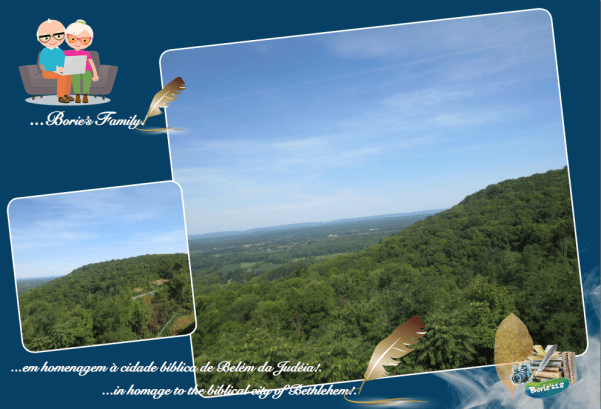


…heading north!. (fourth episode)

…heading north!. (fourth episode)

…rumo ao norte!. (quarto episódio) …heading north!. (fourth episode)


…passámos uma semana na província de Terra Nova e Labrador, conhecemos parte da província, talvez o suficiente para admirar parte de um dos cenários mais deslumbrantes e ainda um pouco selvagens de uma parte do mundo, que merece ser conservada o mais tempo possível assim, com enseadas, falésias e água do mar brilhante verde ou azul, ao longe “icebergs”, (montanhas de gelo com milhares de anos), que vagueiam no mar gelado do norte, onde a natureza continua a ser respeitada, principalmente as baleias que competem com as aves marinhas e, nos continuam a deslumbrar com os seus movimentos e cores, em muitos casos únicos, onde a sua área e modos de sobrevivência são naturais e respeitados!. (We spent a week in the province of Newfoundland and Labrador, we know part of the province, perhaps enough to admire part of one of the most breathtaking and still a bit wild of a part of the world that deserves to be kept as long as possible so with coves, cliffs and bright green or blue sea water, in the distance “icebergs” (ice mountains with thousands of years), which roam the frozen sea of the north, where nature continues to be respected, especially the whales which compete with seabirds, and continue to dazzle us with their movements and colors, in many unique cases where their area and ways of survival are natural and respected)!.

…era tempo de regresso ao continente!. O porto de Channel-Port aux Basques, localizado na fronteira sudoeste da província, onde chegámos uma semana antes, ficava a quase mil quilómetros de distância!. Portanto optámos por embarcar de regresso em outro porto, que ficava a pouco mais de cem quilómetros da cidade de St. John’s!. (It was time to return to the continent!. The port of Channel-Port aux Basques, located on the southwest border of the province, where we arrived a week earlier, was almost a thousand miles away!. So we chose to embark back on another port, which was just over a hundred miles from the city of St. John’s)!.

…enfim, depois de viajar por entre um cenário de pinheiros, abetos negros, bálsamo e bétulas, numa estrada com alguns desafios, onde a beleza rústica de algumas enseadas maravilhosas nos encantaram!. (Finally, after traveling through a scene of pines, black spruce, balm and birch trees, on a road with some challenges, where the rustic beauty of some wonderful coves enchanted us)!.

…chegámos ao local de embarque, que era o porto de Argentia, que é um porto comercial e um parque industrial, localizado na cidade de Placentia, na costa sudoeste da Península de Avalon e, é definida por um promontório de forma triangular que se estende para o norte em direcção à baía de Placentia, criando um porto natural de 3 quilómetros de comprimento!. (We arrived at the embarkation place, which was the port of Argentia, which is a commercial port and an industrial park, located in the city of Placentia, on the southwest coast of the Avalon Peninsula, and is defined by a promontory of triangular shape that extends northward towards the Bay of Placentia, creating a natural harbor 3 miles long)!.

…tem a sua história, pois originalmente foi colonizado pelos franceses por volta dos anos de 1630, como um assentamento pesqueiro, a que chamavam Petit Plaisance, que significa “Pleasant Little Place”, cujo nome foi mantido em inglês (Little Placentia) quando os franceses perderam o controle da área após o Tratado de Utrecht no ano de 1713!. O nome actual, de “Argentia” é latim, que significa “Terra de Prata” e foi escolhido pelo Padre John St. John, que era na época o pároco da Paróquia do Santo Rosário, sendo dado oficialmente por volta do ano de 1901, pela presença de minério de prata perto de Broad Cove Point, no lado leste do porto!. A Silver Cliff Mine operou até o início do ano de 1920, mas nunca foi rentável, todavia, durante a maior parte do século XIX, a pesca era a força vital da comunidade, onde o governo construiu uma fábrica de arenque!. (Has its history, for it was originally colonized by the French around the 1630s as a fishing settlement, which they called Petit Plaisance, which means “Pleasant Little Place”, whose name was kept in English (Little Placentia) when the French lost control of the area after the Treaty of Utrecht in the year 1713!. The current name of “Argentia” is Latin, which means “Land of Silver” and was chosen by Father John St. John, who was at the time the parish priest of the Holy Rosary Parish, being officially given around the year 1901, by the presence of silver ore near Broad Cove Point on the east side of the harbor!. Silver Cliff Mine operated until the early 1920s, but it was never profitable, however, for most of the nineteenth century, fishing was the lifeblood of the community, where the government built a herring factory)!.

…enquanto esperávamos pelo embarque, havia diversa documentação por ali, anunciando uma exposição a que davam o nome de “Festival of Flags” (Festival de Bandeiras), onde fazia parte a bandeira de Portugal!. (While we waited for the embarkation, there was diverse documentation by announcing an exhibition that they called the Festival of Flags, where the flag of Portugal was part)!.

…tomámos conhecimento de que por ocasião da Segunda Guerra Mundial, a guerra entre a Grã-Bretanha e a Alemanha nazista, foi declarada em 3 de Setembro de 1939, após a invasão da Polónia por Hitler!. Esta localidade de Argentia, foi escolhida no ano de 1940 para ser a localização da Naval Argentia da Marinha dos Estados Unidos!. O local de Argentia foi selecionado devido à sua proximidade com a Europa, assim como a natureza relativamente livre de gelo da Baía de Placentia, o canal de acesso seguro de navegação, o porto protegido com ancoradouros seguros em águas profundas nas proximidades de Fox Harbour e Ship Harbour, bem como a topografia local para um aeródromo e uma linha ferroviária!. A base era urgentemente necessária como parte da linha de suprimento transatlântica que unia a América do Norte à Grã-Bretanha, a fim de fornecer patrulhas anti-submarinas para proteger o transporte marítimo dos ataques da frota de submarinos alemães!. (We learned that on the occasion of World War II, the war between Britain and Nazi Germany was declared on September 3, 1939 after Hitler’s invasion of Poland!. This locality of Argentia, was chosen in the year of 1940 to be the location of Naval Argentia of the Navy of the United States!. The site of Argentia has been selected because of its proximity to Europe, as well as the relatively free ice nature of Placentia Bay, the safe navigation access channel, the protected port with safe anchorages in deep waters near Fox Harbor and Ship Harbor as well as the local topography for an aerodrome and a railway line!. The base was urgently needed as part of the transatlantic supply line linking North America to Britain in order to provide anti-submarine patrols to protect maritime transport from the German submarine fleet attacks)!.

…chegou a hora de embarcar, depois de uma longa espera!. (It’s time to embark, after a long wait)!.

…entre os marinheiros pescadores portugueses, que pescavam nas águas geladas da Terra Nova, havia os “escaladores”, os “salgadores”, os “troteiros” ou os pescadores “maduros e verdes”, que era como designavam algumas das suas tarefas a bordo!. Nós já não éramos “verdes”, aqueles que embarcavam pela primeira vez e que se iniciavam na pesca à linha!. Éramos “maduros”, pois era a segunda vez, que navegávamos nos mares da Terra Nova!. (Among the Portuguese fishermen who fished in the frozen waters of Newfoundland, there were the “climbers”, the “salgadores”, the “troteiros” or the “mature and green” fishermen, who were as they assigned some of their tasks on board!. We were no longer “green”, those who were first boarded and started fishing! We were “mature”, for it was the second time, we sailed the seas of Newfoundland)!.

…naquela época, aqueles pescadores, chegavam a trabalhar 20 horas por dia, a maior parte do tempo em pé, contando a faina nos Dóris (pequenos barcos de pesca a remos) e depois, nas tarefas de salgador ou escalador a bordo do navio!. Foi este mais ou menos o tempo que passámos a bordo no navio de regresso ao continente, onde felizmente havia sofás onde podíamos dormir, ou cabines que se alugavam para dormir com mais conforto, que não foi o nosso caso, porque como já por diversas vezes aqui dissémos, na nossa idade todos os centavos contam!. (At that time, these fishermen came to work 20 hours a day, most of the time standing, counting their work in the Dóris (small rowboats) and then, in the tasks of saltador or climber aboard the ship!. This was more or less the time we spent aboard the ship back to the continent, where there were, fortunately, sofas where we could sleep, or cabins that were rented to sleep more comfortably, which was not our case, because as we have done several times here we said, at our age all cents count)!.

…aqueles nossos antepassados pescadores, no curto período de repouso, dormiam vestidos, retirando apenas parte do seu equipamento, como por exemplo o oleado e as botas, que ficavam penduradas da parte de fora do beliche a secar, tal como nós durante a travessia, que também retirámos parte da roupa que levávamos vestida, assim como os sapatos, para dormirmos com algum conforto!. (Our ancestors fishermen, in the short rest period, slept in dresses, taking away only part of their equipment, such as oil and boots, which hung from the outside of the bunk to dry, just as we did during the that we also removed some of the clothes we wore dressed, as well as the shoes, to sleep with some comfort)!.

…normalmente aqueles nossos heróis, durante o dia levavam consigo nos Dóris, (pequenos barco de pesca a remos), algum peixe frito, pão, azeitonas, café, água, marmelada ou conserva de atum, que os ajudavam a sobreviver naquele gelado mar do norte, também tal como nós, que levámos alguns desses suprimentos junto de nós, para comermos durante a viajem, apesar de ser-mos uns felizardos, pois a temperatura ambiente era óptima e haviam por lá diversos restaurantes!. (Usually our heroes carried with them in the Doris (small rowboat), some fried fish, bread, olives, coffee, water, marmalade or tuna preserves, which helped them to survive in that ice cream the sea of the north, just as we did, that we took some of these supplies with us to eat during the trip, although we were lucky because the room temperature was great and there were several restaurants there)!.

…bem, com leitura, algumas horas dormindo, ouvindo música, vendo televisão, fugidas ao convés do navio para tirar algumas fotos, navegámos pelas águas geladas, mais do Oceano Atlântico do que do Golfo de São Lourenço, que é a saída dos Grandes Lagos da América do Norte, para o Oceano Atlântico!. (Well, with reading, a few hours of sleep, listening to music, watching television, fled to the deck of the ship to take some photos, we sailed through the icy waters, more of the Atlantic Ocean than the Gulf of St. Lawrence, Great Lakes from North America to the Atlantic Ocean)!.

…chegando de novo ao porto da cidade de Sydney, uma cidade portuária na Ilha Cape Breton, na província de Nova Escócia, que é uma das províncias marítimas do leste do Canadá no Oceano Atlântico!. (Coming back to the port city of Sydney, a port city on Cape Breton Island in the province of Nova Scotia, which is one of the maritime provinces of eastern Canada in the Atlantic Ocean)!.

…desembarcámos!. (We disembarked).

…começando a atravessar de novo as províncias de Nova Escócia e Nova Brunswick, agora na direcção oeste!. ( beginning to cross again the provinces of Nova Scotia and New Brunswick, now heading west)!.

…na província de Nova Escócia, viajámos em algumas áreas junto à costa norte!. (In the province of Nova Scotia, we traveled in some areas along the north coast)!.

…era já ao final da tarde, quando viajávamos na província de Nova Brunswick, progredindo, enquanto havia luz do dia, tentando a aproximação à fronteira com os USA!. (It was already late afternoon, when we were traveling in the province of New Brunswick, progressing, while there was daylight, trying to approach the border with the USA)!.

…pela manhã, atravessámos a fronteira para o estado de Maine, voltando aos USA, começando a viajar pela estrada rápida número 95, na direcção sul, que nos havia de levar alguns dias depois, a nossa casa, no estado da Flórida!. (In the morning, we crossed the border into the state of Maine, returning to the USA, beginning to travel along the fast road number 95, in the south direction, which we were to take a few days later to our home in the state of Florida)!.

…no estado do Maine, já nos USA, havia em nós alguma curiosidade por visitar alguns locais, que eram o Parque Estadual de Baxter, que é parte da montanha onde termina a célebre Appalachian Trail, (Trilha dos Apalaches), um marco histórico que sempre nos desperta a atenção quando junto a ela passamos, o Parque Nacional de Acadia, junto ao Oceano Atlântico e, como todos os visitantes ao estado do Maine, saborear o marisco lagosta, que por aqui abunda, com um preço bastante razoável, dizendo os seus habitantes, que na época colonial, este marisco, que normalmente é vendido a um alto preço, era parte de uma alimentação normal, especialmente das famílias com menos recursos financeiros!. (In the state of Maine, already in the USA, there was in us some curiosity to visit some places, which were Baxter State Park, which is part of the mountain where the famous Appalachian Trail ends, a landmark a historic landmark that always strikes our attention when we pass by it, Acadia National Park, by the Atlantic Ocean and, like all visitors to the state of Maine, savor the lobster seafood, which abounds here, at a very reasonable price, telling its inhabitants that in colonial times, this seafood, which is usually sold at a high price, was part of a normal diet, especially for families with less financial resources)!.

…explicando um pouco o que é a trilha cénica nacional dos Apalaches, geralmente conhecida como a Trilha dos Apalaches ou simplesmente a A.T., é uma trilha de caminhada marcada no leste dos Estados Unidos que se estende entre a Montanha Springer no estado da Geórgia e o Monte Katahdin no estado do Maine!. Tem cerca de 3.500 km, embora a extensão exacta mude com o tempo conforme as partes são modificadas, derivado à neve ou outras intempéries!. A organização sem fins lucrativos Appalachian Trail Conservancy, relata que a Trilha dos Apalaches é a mais longa trilha apenas para caminhadas em todo o mundo. Diz-se que mais de 2 milhões de pessoas fazem uma caminhada em parte da trilha pelo menos uma vez por ano, que é o que normalmente acontece com nós, pois já percorremos algumas pequenas distâncias nos estados de Carolina do Norte, Carolina do Sul, Tennessee, Virgínia, Virgínia Ocidental, Pennsilvânia, Nova Jersey e agora no Maine!. (Explaining somewhat what the Appalachian National Scenic Trail, commonly known as the Appalachian Trail or simply the AT, is a marked hiking trail in the eastern United States stretching between Springer Mountain in the state of Georgia and Mount Katahdin in the state of Maine!. It has about 3,500 km, although the exact extent changes over time as the parts are modified, derived from snow or other weather!. The non-profit Appalachian Trail Conservancy reports that the Appalachian Trail is the longest hiking trail in the world!. It is said that more than 2 million people take a walk on part of the trail at least once a year, which is what usually happens to us, since we have traveled some small distances in the states of North Carolina, South Carolina, Tennessee, Virginia, West Virginia, Pennsylvania, New Jersey and now Maine)!.

…a maior parte desta trilha é em florestas ou terras selvagens, embora algumas partes percorram cidades, estradas e fazendas, passando por 14 estados, que são, Geórgia, Carolina do Norte, Tennessee, Virgínia, Virgínia Ocidental, Maryland, Pensilvânia, Nova Jersey, Nova York, Connecticut, Massachusetts, Vermont, New Hampshire, terminando no Maine!. (Most of this trail is in forests or wild lands, although some parts travel cities, roads and farms, passing through 14 states, which are Georgia, North Carolina, Tennessee, Virginia, West Virginia, Maryland, Pennsylvania, New Jersey, New York, Connecticut, Massachusetts, Vermont, New Hampshire, ending in Maine)!.

…uma extensão conhecida como a Trilha dos Apalaches Internacionais continua para o nordeste, atravessando o Maine e cortando o Canadá até à Terra Nova, onde também caminhámos uma pequena distância, com secções que continuam na Groenlândia, pela Europa, até Marrocos, imaginem!. Outras extensões separadas continuam o extremo sul da cordilheira dos Apalaches no Alabama, continuando para o sul, até à Flórida, criando o que é conhecido como a Trilha Continental Oriental!. A Trilha dos Apalaches, a Trilha da Divisão Continental e a Trilha da Crista do Pacífico formam o que é conhecido como a Tríplice Coroa de Caminhadas nos Estados Unidos!. (An extension known as the International Appalachian Trail continues northeast, crossing Maine and cutting Canada to Newfoundland, where we also walked a short distance, with sections that continue in Greenland, across Europe, to Morocco, imagine!. Other separate extensions continue the southern end of the Appalachian ridge in Alabama, continuing south to Florida, creating what is known as the Eastern Continental Trail!. The Appalachian Trail, the Continental Divide Trail, and the Pacific Crest Trail form what is known as the Triple Crown of Hiking in the United States)!.

…bem, vamos continuar com a narrativa!. Demorámos à volta de três horas a percorrer o Parque Estadual de Baxter, que é uma grande área selvagem preservada permanentemente como um parque estadual, localizado no centro-norte do estado, onde dentro do limite do parque não há electricidade, água corrente ou estradas pavimentadas!. A vida aqui é de acordo com a filosofia “Forever Wild”, (para sempre selvagem), que proíbe o uso de dispositivos de áudio ou visuais que de qualquer maneira prejudique ou possa perturbar a vida selvagem!. (Well, let’s continue with the narrative!. It took us about three hours to walk through Baxter State Park, which is a large wilderness permanently preserved as a state park, located in the north-central part of the state, where within the park boundary there is no electricity, running water, or paved roads!. Life here is according to the “Forever Wild” philosophy, which prohibits the use of audio or visual devices that in any way harms or can disrupt wildlife)!.

…abriga o pico mais alto do estado, o Monte Katahdin, que é a região onde termina a célebre Appalachian Trail, (Trilha dos Apalaches), e, onde sómente os caminhantes de longa distância no norte dos Apalaches podem ficar no parque sem reservas!. Estando no entanto limitados a uma noite de estadia na área do acampamento, que é limitada aos primeiros 12 caminhantes que entrem e que visitem o quiosque de informações, para o respectivo controlo, que se situa a alguns quilómetros de distância da trilha do sul, dentro do limite sul do parque!. (Hosts the highest peak in the state, Mount Katahdin, which is the region where the famous Appalachian Trail ends, and where only long-distance walkers in northern Appalachia can stay in the park without reservations!. However, they are limited to one night’s stay in the camp area, which is limited to the first 12 hikers who enter and visit the information kiosk, for their control, which is located a few kilometers away from the southern trail, within the southern limit of the park)!.

…possui uma população diversificada de animais selvagens, dos quais os mais comuns são o alce, o urso preto e o veado de cauda branca, animais estes que são mais ativos durante os meses de verão, e que nós vimos alguns, que faziam parar a nossa “White Fox”!. Também por aqui existem pequenos riachos, pântanos e lagos que servem de habitats para animais como castores, ratos almiscarados, lontras e guaxinins!. Existem várias colónias de castores activos dentro dos perímetros do parque, nas áreas arborizadas, que suportam outros tipos de vida selvagem, incluindo linces, martas, doninhas, esquilos, esquilos vermelhos, lebres com patas de neve, coiotes, lemingues e raposas vermelhas, assim como uma população aviária, onde as aves mais comuns são os toutinegras, os tordos e os papa-moscas, bem como as corujas, os falcões, as águias, os patos e outros pássaros das zonas húmidas!. (Has a diverse population of wild animals, the most common of which are elk, black bear and white-tailed deer, which are most active during the summer months, and which we have seen a few, stop our “White Fox”!. Also here are small streams, marshes and lakes that serve as habitats for animals such as beavers, musk rats, otters and raccoons!. There are several colonies of active beavers within the perimeters of the park, in forested areas, which support other wildlife including lynx, martens, weasels, squirrels, red squirrels, snowy hare, coyotes, lemmings and red foxes, as an avian population, where the most common birds are warblers, thrushes and flycatchers, as well as owls, hawks, eagles, ducks and other birds from the wetlands)!.

…depois de voltar à estrada rápida número 95, na direcção sul, seguimos pela estrada estadual número 3, na direcção do Oceano Atlântico, quando nos surge na beira da estrada, o que viria a ser, a partir deste local, um cenário muito frequente, que eram restaurantes cozinhando e vendendo o marisco lagosta!. (After returning to the fast road number 95, in the south direction, we follow the state highway number 3, towards the Atlantic Ocean, when it appears to us at the roadside, which would be, from this place, a scenery very often, they were restaurants cooking and selling the lobster seafood)!.

…parámos num qualquer, havia fornos que funcionavam a lenha, cozinhando em panelas gigantes, lagosta de diversos tamanhos!. Ensinavam, explicando a maneira mais fácil para manusear e comer este pitéu!. (We stopped at any, there were ovens that worked the firewood, cooking in giant pans, lobster of various sizes!. They taught, explaining the easiest way to handle and eat this delicacy)!.

…depois de passar a noite num parque de caravanas, ao lado de um bonito lago, ainda tivémos tempo para visitar o Acadia Nacional Parque, que é um parque nacional a sudoeste de Bar Harbor, (Barra do Porto)!. Ocupa a maior parte do Mount Desert Island, (Monte da Ilha Deserta), e as suas ilhas menores, associadas ao longo da costa do Maine!. (After spending the night in a caravan park, next to a beautiful lake, we still had time to visit the Acadia National Park, which is a national park southwest of Bar Harbor!. It occupies most of Mount Desert Island, and its smaller islands, associated along the coast of Maine)!.

…o Acadia Nacional Parque, é o mais antigo parque nacional nos Estados Unidos a leste do rio Mississippi, tal como o governo do Canada, que designou dois parques nacionais no leste de Ontário, que são, o Mil Ilhas e o Point Pelee, cuja área era originalmente habitada pelo povo Wabanaki!. (The Acadia National Park, is the oldest national park in the United States east of the Mississippi River, as is the government of Canada, which has designated two national parks in eastern Ontario, which are the Thousand Islands and Point Pelee , whose area was originally inhabited by the Wabanaki people)!.

…no Centro de Visitas, ofereceram-nos um mapa com o itinerário para percorrer o parque, onde podemos parar em alguns locais estratégicos, com cenários magníficos e mar e floresta, no entanto para nós, depois de ver os cenários na Terra Nova, embora estes cenários fossem lindíssimos, pareciam-nos quase normais!. (In the Visitor Center, they offered us a map with the itinerary to walk through the park, where we can stop in some strategic places, with magnificent scenery and sea and forest, however for us, after seeing the scenarios in Terra Nova , although these scenarios were beautiful, they seemed almost normal)!.

…a vida selvagem do parque, é o lar de cerca de 40 espécies diferentes de mamíferos, entre estes estão os esquilos vermelhos e cinzentos, as lebres com patas de neve, veados de cauda branca, alces, castores, porcos-espinhos, martas, ratos almiscarados, raposas, guaxinins, coiotes, linces e ursos negros!. As aves presentes e que que se obsrvam normalmente são, as águias douradas, as corujas e os falcões, onde muitas espécies marinhas podem ser observadas na área circundante e nas suas águas de mar verdes ou azul brilhante!. (The wildlife of the park, is home to about 40 different species of mammals, among them are red and gray squirrels, snowy hare, white-tailed deer, elk, beaver, porcupine, mink, musk rats, foxes, raccoons, coyotes, bobcats and black bears!. The birds present and usually observer are golden eagles, owls and hawks, where many marine species can be observed in the surrounding area and in its sea water green or bright blue)!.

…até à fronteira com o estado de Nova Hampshire, viajámos por estradas secundárias, atravessando pequenas aldeias e vilas, com alguns cenários pitorescos de aldeias piscatórias!. (To the border with the state of New Hampshire, we traveled by secondary roads, crossing small villages and villages, with some picturesque scenes of fishing villages)!.

…o estado de Nova Hampshire, por uma pequena distância foi atravessado na estrada rápida número 95, que não havíamos de mais largar até ao estado da Flórida!. (The state of New Hampshire, by a short distance was crossed on the fast road number 95, that we should not leave to the state of Florida)!.

…entrando no estado de Massachusetts, onde pernoitámos!. (Entering the state of Massachusetts, where we spent the night)!.

…depois no de Rhode Island!. (Then Rhode Island)!.

…depois no de Connecticut!. (Then Connecticut)!.

…depois no de Nova Iorque, com um trânsito lento, mesmo muito lento!. (Later in New York, with a slow, even very slow transit)!.

…finalmente passando a área da Ponte George Washington!. (Finally passing the George Washington Bridge area)!.

…antes de entrar finalmente no estado de Nova Jersey, onde ficámos por algum tempo em casa dos nossos familiares!. (Before finally entering the state of New Jersey, where we stayed for some time at our family’s home)!.

…era tempo para regressar à nossa casa no estado da Flórida e, como todos os emigrantes que regressam de visita aos estados do norte, onde tiveram residência e ainda estão os seus familiares e amigos, ainda no estado de Nova Jersey, visitámos a histórica cidade de Newark, na portuguesa “Ferry Street”, carregando a nossa “White Fox”, em tudo o que era espaço livre, com bacalhau, azeite, latas de conserva de atum dos Açores, castanhas, queijo, marmelada, rebuçados “São Braz”, sabão “Clarim”, pão de centeio e pastéis de nata ou de bacalhau!. (It was time to return to our home in the state of Florida and, like all the emigrants who return to visit the northern states where they were resident and their families and friends are still in the state of New Jersey, we visited the historic city from Newark, on the Portuguese “Ferry Street”, carrying our “White Fox”, in everything that was free space, with cod, olive oil, canned tuna cans from the Azores, chestnuts, cheese, marmelade, “Clarim Soap”, rye bread and cream or cod cakes)!.

…já a caminho do sul, atravessámos quase em toda a sua dimensão, a portuguesa “Ferry Street”, onde muitos anos atrás, por ali andava a Inês, aquela portuguesa espanholada, que além de fumar “Malrboro”, também usava, pelo menos ao fim de semana um perfume exótico, que lhe trouxe a Eulália, que trabalhava na “fábrica dos perfumes”, que vivia maritalmente com o Zé Paulo, um rapaz muito educado, que servia ao balcão no “Bar do Minhoto” no seu tempo livre, pois trabalhava a tempo inteiro na construção, fazendo parte do “gang” do Manuel Murtosa, marido da Gracinda, mulher honrada e respeitadora, que não falava na vida de ninguém, mas referindo-se à Inês, a tal rapariga portuguesa espanholada, que praticamente vivia na “Ferry Street”, na sua boca, era esta e aquela, fazia favores aos homens honrados e trabalhadores, era mesmo o “diabo em figura de gente”, uma tentadora, com aquele corpinho jeitoso, fazia com que os homens perdessem todo o seu tempo livre na “Ferry Street”, e agora, aquela “descarada” usava pinturas, fumava “Marlboro”, fazia a permanente e usava uns óculos à “Hollywood”!. (On the way to the south, we crossed almost all of its size, the Portuguese “Ferry Street”, where many years ago, there was Inês, that Portuguese Spaniard, who besides smoking “Malrboro” also used, at least at the end of the week, an exotic perfume, which brought him to Eulalia, who worked in the “perfumery factory”, who lived maritally with Ze Paulo, a very educated young man, who served the counter in “Bar do Minhoto” in his free time because she worked full time in the construction, being part of the “gang” of Manuel Murtosa, husband of the Gracinda, honored and respectful woman, who did not speak in anyone’s life, but referring to Inês, to that Portuguese girl , who practically lived in the “Ferry Street”, in her mouth, was this and that, she did favors to honorable and hardworking men, she was really the “devil in figure of people”, a tempting woman with that handsome little body, men lose all their love “Ferry Street,” and now, that “cheeky” woman used paintings, smoked “Marlboro”, made the permanent and wore glasses to “Hollywood”)!.

…depois, depois, viajámos para sul, sempre na estrada rápida número 95, chegando ao sul de Nova Jersey, atravessando a ponte sobre o Rio Delaware, entrando no estado de Delaware!. (Then we drove south, always on the fast road number 95, arriving south of New Jersey, crossing the bridge over the Delaware River, entering the state of Delaware)!.

…o estado de Maryland era a seguir, atravessando o Túnel Fort McHenry, na cidade de Baltimore, que carrega todo o tráfico desta estrada rápida, com a particularidade de ser o ponto mais baixo em todo o sistema deste Interstate, desde o estado de Maine, no norte, ao estado da Flórida, no sul!. (The state of Maryland was to follow, crossing the Tunnel Fort McHenry, in the city of Baltimore, which carries all the traffic of this fast road, with the particularity of being the lowest point in any system of this Interstate, from the state from Maine in the north to the state of Florida in the south!

…chegámos ao estado de Virginia, sempre com muito tráfico na área da capital Washington, entrando no estado de Norte Carolina!. (We reached the state of Virginia, always with much traffic in the area of the capital Washington, entering the state of North Carolina)!.

…antes de entrar no estado de Carolina do Sul, parámos para comer e dormir, numa área de descanso, voltando à estrada, entrando no estado de Geórgia, onde já havia alguma árvores de palmeira e a temperatura já era quase tropical! (Before entering the state of South Carolina, we stopped to eat and sleep, in a rest area, returning to the road, entering the state of Georgia, where there were already some palm trees and the temperature was almost tropical)!.

…o estado da Flórida era já ali, assim como a nossa cidade, dando algum descanso à nossa “White Fox”, que nos tinha transportado por mais de sete mil milhas, por estradas de alcatrão, cascalho, terra, água e lama, dormindo e comendo em diferentes horas, conforme a latitude a que nos encontrávamos, parando aqui e ali, mostrando-nos um cenário de sol brilhante, onde também havia alguma chuva, nevoeiro, vento ou tempestade, mas a paisagem das enseadas escondidas entre penhascos, lugares remotos do mar do norte, os “icebergs”, (montanhas de gelo com milhares de anos), que vagueiam no oceano, as baleias que competem com as aves marinhas ou conhecer costumes e pessoas oriundas de diferentes zonas do globo, compensaram!. (The state of Florida was already there, as was our town, giving some rest to our “White Fox,” which had transported us for more than seven thousand miles, through roads of tar, gravel, dirt, water, and mud, sleeping and eating at different times, depending on the latitude we were in, stopping here and there, showing us a scene of bright sun, where there was also some rain, fog, wind or storm, but the landscape of coves hidden between cliffs, remote places of the northern sea, icebergs (thousands of years of ice), wandering in the ocean, whales that compete with seabirds or know customs and people from different parts of the globe, have compensated!.

…estamos muito gratos à nossa “White Fox”!. (We are very grateful to our “White Fox”)!.

Tony Borie, August 2018.
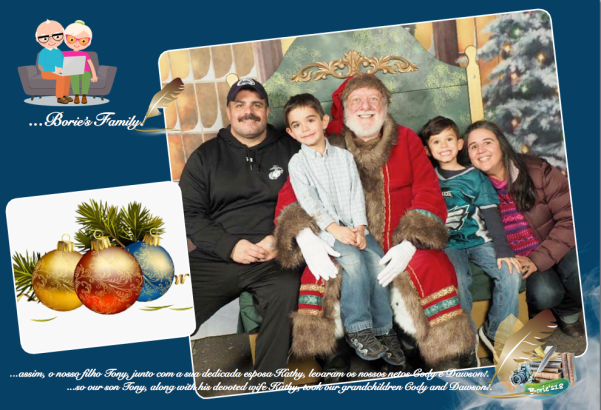
…the Madragoa!

…the Madragoa!


…o Madragoa!. (the Madragoa)!.

…a violência nunca traz uma paz permanente!. Não resolve nenhum problema social, pelo contrário, cria novos e mais complicados problemas!. Num cenário de violência, a segurança não existe, os seres humanos não têm acesso a alimentos suficientes, água limpa, remédios ou um abrigo necessário para sobreviver!. Não existe onde as crianças não possam aspirar a uma educação decente ou a um emprego que sustente uma família, pois a ausência de esperança pode destruir uma sociedade, a partir de dentro, o que é muito importante!. (Violence never brings permanent peace!. It does not solve any social problem, on the contrary, it creates new and more complicated problems!. In a scenario of violence, security does not exist, humans do not have access to enough food, clean water, medicine or a shelter needed to survive!. There is no place where children can not aspire to a decent education or a job that supports a family, for the absence of hope can destroy a society from within, which is very important)!.

…talvez não surpreenda que as pessoas temam a perda daquilo que prezam nas suas identidades particulares, como a sua raça, a sua tribo e talvez mais poderosamente a sua religião!. Em alguns lugares, esse medo levou a conflitos, como o daquela horrorosa guerra de guerrilha que vivemos em África, na então Província Colonial da Guiné Portuguesa, onde às vezes parecia que nos estávamos movendo para trás!. (Perhaps it is not surprising that people fear the loss of what they cherish in their particular identities, such as their race, their tribe, and perhaps most powerfully their religion! In some places, this fear has led to conflicts, such as that horrific guerrilla warfare we experienced in Africa, in the then Colonial Province of Portuguese Guinea, where it sometimes seemed like we were moving backwards)!.

…naquele lugar, onde o conflito era constante, nós éramos um soldado desarmado, vivendo na esperança de alcançar a paz, sabendo que os seres humanos são falíveis, às vezes têm tendência para cometer erros, que somos vítimas das tentações do orgulho, do poder, às vezes até do mal, e nós, pensando em tudo isto, andávamos por ali, num cenário onde havia muitas mães que enfrentavam a guerra e a pobreza, mas ainda tinham tempo para alimentar e ensinar os seus filhos, porque acreditavam que num mundo cruel, ainda havia lugar para os sonhos das suas crianças!. (In that place, where the conflict was constant, we were a disarmed soldier, living in the hope of achieving peace, knowing that human beings are fallible, sometimes they tend to make mistakes, that we are victims of the temptations of pride, of power, sometimes even evil, and we, thinking about all this, walked around in a setting where there were many mothers facing war and poverty, but still had time to feed and teach their children because they believed in a cruel world, there was still room for the dreams of their children)!.

…hoje, já lá vão tantos anos, na nossa modesta opinião, não precisamos de pensar que a natureza humana é perfeita, para crer que a condição humana pode ser ainda mais aperfeiçoada!. Estes nobres sentimentos, devem ser sempre a nossa Estrela do Norte que nos guia na nossa jornada e, em complemento, não devemos perder nunca a nossa bússola moral. (Today, so many years have gone by, in our modest opinion, we do not need to think that human nature is perfect, to believe that the human condition can be further perfected!. These noble feelings must always be our North Star that guides us on our journey, and in addition we must never lose our moral compass)!.

…bem, vamos começar com a história do Madragoa, que era um militar com quem todos simpatizavam!. Foi nosso companheiro por quase um ano, naquele cenário de guerra, estacionado no aquartelamento da vila de Mansoa, no interior da então província Colonial da Guiné Portuguesa, em África!. (Well, let’s start with the story of the Madragoa, who was a soldier with whom everyone was sympathetic!. He was our companion for almost a year, in that scene of war, parked in the quarter of the village of Mansoa, in the interior of the then Colonial Province of Portuguese Guinea, in Africa)!.

…nasceu na cidade de Lisboa, capital de Portugal, no bairro da Madragoa, (daí o seu nome de guerra), falava com um sotaque que todos tentavam imitar, quase que cantava, mexendo os lábios duma maneira que o tornava único!. Sabia praticar boxe, ao caminhar, com um jeito gingão, balançando o corpo, cigarro “três vintes” na boca, sempre tinha uma maneira diferente de saudar os militares por quem passava e, os militares que por ele passavam, já diziam, tentando imitá-lo:

– tásss booom, hó pááá!.

…ele ria-se, e dizia, debaixo dum sorriso matreiro:

– touuu porreiroooo, embora aqui não haja “garinas”, tááá!.

…“garinas”, cremos que eram garotas, jovens raparigas!.

(Was born in the city of Lisbon, capital of Portugal, in the district of Madragoa (hence his name of war), he spoke with an accent that everyone tried to imitate, almost sang, moving his lips in a way that made him unique!. He knew how to practice boxing, while walking, with a “gingão”, (swinging his body), cigarette “three vintes” in his mouth, he always had a different way of saluting the military by whom he passed, and the military that passed by said, trying to imitate it:

– Are you okay, man)!.

He laughed, and said, under a sly smile:

– I’m cool, even though there are no “garinas” (girls) here, okay!.

“Garinas”, we thought they were girls, young girls)!.

…bem vamos continuar!. Ao norte, na região do Oio, para lá do rio Cacheu, depois de intensa floresta e de um pequeno rio afluente, que não era mais do que a continuação de alguns pântanos, havia uma aldeia considerada ponto estratégico, devido à sua localização!. Ao norte da aldeia, por alguma extensão, não havia rios ou pântanos, era perto da fronteira com outro país africano, era uma área com um excelente potencial, para um futuro corredor de abastecimento das bases dos guerrilheiros, que lutavam pela libertação do seu território, onde entretanto se instalaram com alguma agressividade, construindo “casas mato”, que era como disignavam as suas pequenas bases, na região do Oio!. (Well we will continue!. To the north, in the Oio region, beyond the Cacheu river, after an intense forest and a small tributary river, which was no more than the continuation of some marshes, there was a village considered strategic point , due to its location!. To the north of the village, to some extent, there were no rivers or marshes, it was near the border with another African country, it was an area with excellent potential, for a future supply corridor for the bases of the guerrillas, who were fighting for the liberation of their territory, where in the meantime they settled with some aggression, building “houses bush”, that was how they disigned their small bases, in the region of Oio)!.

…o comando a que pertencíamos, depois de trocar mensagens atrás de mensagens, durante bastante tempo, com o comando do território na capital da província, informando de que havia notícias de infiltração e movimento de guerrilheiros, assim como passagem de material de guerra naquela área!. Ao fim de algum tempo recebe autorização para dessa aldeia fazer um posto avançado!.

…nós, pensávamos:

– quem serão os desgraçados dos militares que para lá vão ser mandados?.

(The command to which we belonged, after exchanging messages after messages for a long time with the command of the territory in the capital of the province, informing that there was news of infiltration and movement of guerrillas, as well as passage of war material in that area!. At the end of some time you receive authorization for this village to make an outpost!.

We used to think:

– Who will be the “no luck in life” of the military that are going to be sent there?).

…o comando, passado mais ou menos uma semana depois de receber autorização, destacou para essa área, primeiro, parte de uma companhia de infantaria que tinha chegado há pouco à província, portanto com pouca experiência no conflito, mas reforçada com uma secção de alguns militares de um pelotão de morteiros, já com alguma experiência em combate!. Para ajudar na instalação destes militares, colaborou a Armada com duas lanchas de patrulha dos rios e pântanos, que os transportou, assim como algum equipamento militar!. (The command, about a week after receiving authorization, pointed out to this area, first, part of an infantry company that had just arrived in the province, therefore with little experience in the conflict, but reinforced with a section of some soldiers from a mortars platoon, already with some experience in combat!. To assist in the installation of these soldiers, the Navy collaborated with two patrol boats of the rivers and swamps that transported them, as well as some military equipment)!.

…depois de os militares se instalarem um pouco distantes da referida aldeia, num local onde o terreno era seco, que ficava um pouco ao norte mas quase encostados ao tal afluente de rio, que não era mais do que um pântano, onde quando a maré subia aumentava o volume do seu caudal, formando uma extenção de água que se estendia para sul, por bastante distância e, onde entenderam que era o lugar ideal, construiram um pequeno acampamento com paredes feitas com sacos de terra e cobertas com alguns troncos de palmeiras e folhas de zinco, onde por sua vez, também colocavam sacos de terra, para mais protecção, também alguns abrigos, abertos no chão onde o terreno era mais seco, também cobertos com troncos de palmeiras, folhas de zinco e sacos de terra!. (After the military moved a little way from the said village, to a place where the ground was dry, which lay a little to the north but almost against the river, which was no more than a swamp, where when the tide rose, increasing the volume of their flow, forming a stretch of water that stretched south for a long distance, and where they understood that it was the ideal place, they built a small camp with walls made of earthen bags and covered with some trunks of palm trees and leaves of zinc, where, in turn, they also placed earthen bags, for more protection, also some shelters, opened on the ground where the ground was drier, also covered with palm trunks, zinc sheets and bags of earth)!.

…enfim, de pouco a pouco, construiram uma pequena rudimentar fortaleza, pouco mais que improvisada, onde se instalaram!. O único meio de transporte que tinham para se deslocar e, ter contacto com qualquer unidade militar avançada na zona, era uma pequena lancha com motor fora de bordo, com capacidade para no máximo cinco pessoas, atravessarem o rio e pântanos, e virem de encontro a essa mesma unidade, que previamente avisada pelo serviço de transmissões, os esperavam em terra firme!. (Finally, little by little, they built a small rudimentary fortress, little more than improvised, where they settled!. The only means of transportation they had to travel, and to have contact with any advanced military unit in the area, was a small off-board motorboat with a capacity of no more than five people, crossing the river and swamps, and coming together to this same unit, that previously advised by the service of transmissions, waited for them in firm ground)!.

…era assim que eram abastecidos semanalmente de alguns víveres e géneros de primeira necessidade, assim como o correio, estando praticamente isolados!. A maior parte dos militares, para passarem o tempo, aprendiam algumas habilidades!. Por exemplo, com uma simples bola de futebol, davam umas centenas de toques, sem deixarem a bola tocar no chão, outros, depois de algum treino, bebiam líquidos com a boca aberta, corriam, dando saltos mortais, como nos jogos olímpicos, com a espingarda metralhadora G3 davam tiros, com a arma no ombro, para trás, acertando no alvo com a ajuda de um espelho!. Quase todos deixavam crescer a barba e grandes bigodes, competiam entre si, a ver qual apresentava o maior bigode!. (This was how they were supplied weekly with some food and basic necessities, as well as the mail, being practically isolated!. Most of the military, to pass the time, learned some skills!. For example, with a simple soccer ball, they gave a few hundred touches, without letting the ball touch the ground, others, after some training, drank liquids with their mouths open, ran, jumping like the Olympics, the G3 machine gun shotgun shots, with the gun on the shoulder, backwards, hitting the target with the help of a mirror!. Almost everyone grew their beards and big mustaches, competed among themselves, to see which one had the biggest mustache)!.

…a sua alimentação era muito precária!. Quase à base de “ração de combate” e algumas conservas!. Um tempo depois, quando já existia algum convívio com os habitantes da aldeia próxima, compravam ou simplesmente confiscavam, para não dizer roubavam, algum arroz ou peixe, pescados nas “bolanhas”, (pântanos), que cozinhavam em fogueiras a lenha, nuns fogões improvisados no solo, onde também amassavam farinha de trigo americana, que coziam ou assavam, comendo como se fosse pão!. Passado uns meses, alguns militares começaram a adoecer!. A principal causa era uma espécie de doença, a que alguns chamavam paludismo, que lhes causava febre, diarreia, tonturas, vomitar, cor amarelada da pele do corpo e, logo lhe diziam:

– estás apanhado pelo clima!.

(Their food was very precarious!. Almost based on “fighting ration” and some preserves!. Some time later, when there was some contact with the inhabitants of the next village, they bought or simply confiscated, not to say steal, some rice or fish, caught in the “bolanhas” (marshes), which cooked in wood fires, improvised in the soil, where they also kneaded American wheat flour, which they cooked or roasted, eating as if it were bread!. After a few months, some soldiers began to get sick!. The main cause was a kind of disease, which some called malaria, which caused fever, diarrhea, dizziness, vomiting, a yellowish color of the skin of the body, and soon they said to him:

– You’re trapped by the weather)!.

…eles queriam água limpa, pura, para beber, mas não havia!. Era a dos bidons que se tirava do rio, turva, que depois assentava no fundo, ao fim de umas horas, que se fervia alguma, outra não, queriam vegetais, ovos ou fruta, mas não havia!. Eram militares acabados de chegar a África, a pele do seu corpo era branca, sensível, não habituada ao clima quente e húmido de África, onde pela noite os mosquitos atacavam ferozes, mordendo, fazendo mesmo pequenas feridas, chupando e infectando o sangue através dos poros do seu corpo!. Imediatamente, começou a funcionar o meio de transporte de emergência, que era o helicóptero, começando a evacuá-los!. Vinham dois e três de cada vez, indo para o hospital da capital da província, que estava localizado nos arredores da cidade de Bissau!. (They wanted clean, pure water to drink, but there was none!. It was the barrels that were taken from the river, blurred, and then settled in the bottom, after a few hours, which boiled some, not another, wanted vegetables, eggs or fruit, but there was no!. They were military men who had just arrived in Africa, their skin was white, sensitive, not accustomed to the hot and humid climate of Africa, where at night the mosquitoes attacked ferociously, biting, even doing small wounds, sucking and infecting blood through pores of your body!. Immediately, began to operate the means of emergency transport, which was the helicopter, beginning to evacuate them!. They came two and three at a time, going to the provincial capital hospital, which was located on the outskirts of the city of Bissau)!.

…uma curiosidade, era que por ali não existia vestígios animais ou aves, como por exemplo, vacas, galinhas ou outros animais, como era frequente se ver em outras aldeias, principalmente manadas de vacas, talvez possívelmente os guerrilheiros, já as tinham consumido ou transferido para outra zona, onde era a sua área de combate!. Também por ali não apareciam homens novos!. (A curiosity was that there were no animal or bird traces, such as cows, chickens or other animals, as was often seen in other villages, especially herds of cows, perhaps possibly the guerrillas, already had them consumed or transferred to another zone, where was your combat area!. There were no young man around)!.

…como até aquela data não fora detectada qualquer presença, vestígios ou possível movimento de guerrilheiros na área, pelo menos não havia reportes nesse sentido pelas forças militares que lá se encontravam, pois se os guerrilheiros se movimentassem na zona, não era durante o dia, mas sim de noite, e de noite, não havia patrulhas, e os guerrilheiros também não iam atacar a pequena fortaleza, pois com essa atitude iam denunciar a sua movimentação na referida zona e, com toda a certeza que depois disso acontecer, os militares iriam ser reforçados, dificultando assim toda a sua movimentação!. (As until that date no presence, traces or possible movement of guerrillas in the area had been detected, at least there were no reports to that effect by the military forces that were there, because if the guerrillas moved in the area, it was not during the day, but at night, and at night, there were no patrols, and the guerrillas also were not going to attack the small fortress, because with that attitude they would denounce their movement in that area and, certainly after that, the military would be reinforced, thus hindering their entire movement)!.

…continuando com a narração, o comando, decide fazer regressar quase todos os militares!. No seu lugar, deslocou para lá, duas secções de combate, uma duma companhia de infantaria e outra dum pelotão de morteiros, de mais ou menos sete ou oito homens cada uma, que seriam rendidos, (trocados), todas as semanas!. (Continuing with the narration, the command, decides to make return almost all the military!. In his place, he moved two sections of combat there, one infantry company and one mortar platoon, about seven or eight men each, which would be surrendered every week)!.

…aqui, começou a trabalhar o tráfico de influências!. Das secções de combate nomeadas, uns não queriam ir, davam baixa de doentes, outros queriam ir, porque era pura liberdade nessa semana!. Levavam vinho, pão e géneros alimentícios, alguns já cozinhados, outros que poderiam ser consumidos aquecidos ou simplesmente frios, alguns medicamentos para prevenção, levavam os seus “mosquiteiros”, (uma cobertura de pano fino que se colocava sobre a cama isolando-a dos mosquitos), ninguém lhes dava ordens, dormiam quando queriam, não tinham que sair, quase todos os dias, a bater as zonas nas matas próximas do aquartelamento!. Enfim, o costume, nestas situações!. Havia os que davam dez maços de cigarros, para não irem, e os que davam quinze, para irem no lugar de outros!. (Here, began to work the traffic of influences!. Of the named combat sections, some did not want to go, they gave sick leave, others wanted to go, because it was pure freedom this week!. They carried wine, bread and food, some already cooked, others that could be eaten warm or simply cold, some medicines for prevention, carried their “mosquito nets” (a thin cloth covering that was placed on the bed isolating it from the mosquitoes), no one gave them orders, they slept when they wanted, they did not have to leave, almost every day, to beat the areas in the woods near the barracks!. Anyway, the custom, in these situations!. There were those who gave ten packs of cigarettes, so that they would not go, and those who gave fifteen, to go in the place of others)!.

…já lá iam quase dois meses, não houve situação de perigo, a zona, afinal era sossegada, a semana passava rápido e, como já iam com muito mais prevenção, não adoecendo como os primeiros!. A população local, era mais ou menos conhecida, conviviam, alguns trocavam ou simplesmente davam alguma da sua comida, já havia os que iam duas vezes por mês e, tinham lá namorada, como era o caso do Madragoa!. (There was almost two months, there was no danger situation, the area, after all was quiet, the week passed quickly and, as they went with much more prevention, not getting sick like the first!. The local population was more or less known, they lived together, some exchanged or simply gave some of their food, there were those who went twice a month and had a girlfriend there, as was the case with the Madragoa)!’

(A história de acção que se segue, tivémos conhecimento pelos relatórios que nos passavam pelas mãos, cujos informadores, os militares tinham em diversas zonas da província, pois muitas vezes era por essas informações que os militares movimentavam tropas no terreno).

…por volta das duas horas da manhã, uma coluna a pé, possívelmente vinda da fronteira com outro país, seguia em fila indiana!. Esta coluna era composta por guerrilheiros e transportadores de material de guerra!. Na frente iam nove guerrilheiros, fardados, de metralhadora pronta a disparar e catana à cinta!. O primeiro ia distanciado do segundo, aproximadamente vinte metros, o segundo do terceiro, mais ou menos dez metros, os restantes sete, mais ou menos dois metros uns dos outros. Seguiam-se vinte e sete mulheres guerrilheiras, com a mesma distância, de aproximadamente os mesmos dois metros, umas das outras, transportando à cabeça, alguns pesados fardos, outras cestos e caixas de material de guerra, seguidas por outros nove guerrilheiros, fardados, de metralhadora pronta a disparar, de catana à cinta, com a mesma distância de dois metros um do outro, excepto os dois últimos, que mantinham a coreografia do primeiro e do segundo!.

(The following story of action, we were aware of the reports that passed us by the hands, whose informers, the military had in various parts of the province, because it was often from this information that the military moved troops on the ground).

(About two o’clock in the morning, a column on foot, possibly coming from the border with another country, followed in a single file!. This column was composed of guerrillas and war material carriers!. In front were nine guerrillas, uniformed, with machine gun ready to shoot and catana to the tape!. The first was distanced from the second, about twenty meters, the second from the third, about ten meters, the remaining seven, about two meters from each other!. Twenty-seven guerrilla women followed, about the same distance from each other, carrying some heavy bales, baskets, and boxes of war material to their heads, followed by nine other guerrillas, uniformed, of machine gun ready to fire, from catana to strap, with the same distance of two meters from each other, except the last two, who kept the choreography of the first and second)!.

…o Madragoa, que já dormia com a namorada na palhota da aldeia, que ficava um pouco retirada do acampamento, ouvindo um pequeno barulho que lhe parecia passos constantes, possívelmente veio cá fora espreitar!. Escutou, avançou uns passos com curiosidade!. O infeliz não viu mais nada!. Foi golpeado, no lado esquerdo, pelo golpe de forte catanada que lhe atingiu o coração!. Levou mais uns tantos golpes, mas também possívelmente deverá de ter morrido ao primeiro golpe!. (The Madragoa, who was already sleeping with his girlfriend in the village hut, who was a little withdrawn from the camp, hearing a small noise that seemed constant steps, possibly came outside to peek!. He listened, walked a few steps with curiosity!. The unfortunate did not see anything else!. He was struck, on the left side, by the blow of strong catanada that struck his heart!. It took a few more blows, but also probably must have died at the first blow)!.

…nesse momento, mais dois militares dormiam nas palhotas da aldeia, que regressaram ao acampamento, pela madrugada, como sempre faziam, sem suspeitarem de nada!. Ninguém sabe se foi a curiosidade do infeliz Madragoa que o matou, o que é certo é que pela manhã, a namorada tinha desaparecido da aldeia!. (At that moment, two more soldiers slept in the village huts, who returned to the camp at dawn, as they always did, without suspecting anything!. Nobody knows if it was the curiosity of the unfortunate Madragoa that killed him, which is certain is that in the morning, the girlfriend had disappeared from the village)!.

…o Comando a que pertencíamos, quando recebeu o reporte da morte do infeliz Madragoa, mencionava que ele ia dormir com a sua namorada sem o comandante da secção ter conhecimento, pois ia para a aldeia quando a noite já ia avançada, regressando ao acampamento pela madrugada!. Pelo menos era esta a versão do reporte oficial!. Nunca foi mencionado nada a respeito dos outros dois, que deviam ter aprendido a lição com o exemplo do companheiro morto a golpe de catana!. E era natural que o comandante da secção não soubesse, ou se sabia, colaborava, pois era natural entre companheiros facilitar a vida uns aos outros!. (The command to which we belonged, when he received the report of the death of the unhappy Madragoa, mentioned that he was going to sleep with his girlfriend without the commander of the section having knowledge, since he went to the village when the night was well advanced, camping at dawn!. At least that was the version of the official report!. Nothing was ever mentioned about the other two, who should have learned their lesson from the example of a fellow dead with a machete blow!. And it was natural that the section commander did not know, or knew, to collaborate, for it was natural for companions to make life easier for one another)!.

…mais tarde, pela rádio de uma emissora, que todos diziam, funcionava num país vizinho que, com um seu programa patriótico, insentivava os naturais à luta pela libertação do seu território e, desmoralizava as tropas de Portugal, descreveu toda a história, dizendo entre outras coisas que:

– mais uma mulher patriótica e corajosa que, depois de matar o invasor militar que a raptou, libertou-se e, com a ajuda dos nossos corajosos combatentes, que lutando pela libertação do nosso território, não dormem, para abastecer as nossas bases, que estão sempre vigilantes nesta luta de libertação…, esta mulher patriótica, juntou-se, vindo reforçar o nosso movimento, blá, blá, blá!.

…propaganda!. Talvez, todavia, ninguém naquela ocasião sabia!.

(Later, on the radio of a station, which everyone said, it was operating in a neighboring country which, with its patriotic program, instilled the natives in the struggle for the liberation of their territory and demoralized the Portuguese troops, described the whole history, saying among other things that:

– A patriotic and courageous woman who, after killing the military invader who kidnapped her, was freed and, with the help of our brave fighters, who, fighting for the liberation of our territory, do not sleep, to supply our bases, which are always vigilant in this liberation struggle…, this patriotic woman, joined, coming to reinforce our movement, blah, blah, blah)!.

Advertising!. Perhaps, however, no one at that time knew)!.

…nós, que naquele cenário éramos o “Cifra”, ao ter conhecimento da morte do infeliz Madragoa, com quem confraternizávamos, com quem algumas vezes treinávamos boxe e, sempre nos dizia:

– olha-me nos olhos!. Os olhos é que comandam os meus movimentos!.

(Who, in that scenario, were the “Cipher”, when he learned of the death of the unhappy Madragoa, with whom we fraternized, with whom we sometimes trained boxing, and always told us:

– Look me in the eye! The eyes control my movements)!.

…sim, os seus olhos ficaram gravados para sempre na nossa memória!. Sofriamos, chorávamos sem lágrimas, perante todo este cenário de morte e de guerra em que estávamos envolvidos, sem ter dado um único passo, para que ela existisse!. Nas nossas meditações, algumas vezes falávamos alto, dizendo:

– porque razão nos tiraram da nossa aldeia do Vale do Ninho d’Aguia, naquela vertente agreste da montanha do Caramulo, onde ouvíamos todas as manhãs o nosso comboio das seis e meia, o berrar das nossas ovelhas, da companhia da nossa família, da nossa represa no lameiro, do nosso rio e da companhia das raparigas nossas amigas!.

(Yes, your eyes were etched forever in our memory!. We suffered, we cried without tears, before all this scene of death and war in which we were involved, without having taken a single step, for it to exist!. In our meditations we would sometimes speak loudly, saying:

– Why did they take us out of our village in the Valley of the Eagle Nest, on that rugged mountain slope of Caramulo, where we listened every morning to our six-thirty train, the screaming of our sheep, the company of our family, our dam in the marsh, our river and the company of the girls our friends)!.

…continuando, virando o nosso rosto em direcção ao firmamento, interrogávamo-nos:

– se existe alguma divindade aí em cima, liberta-nos, tira-nos deste horrível cenário, deste horrível sofrimento!.

(Continuing, turning our face towards the firmament, we wondered:

– If there is any deity up there, set us free, take us away from this horrible scene, from this horrible suffering)!.

Tony Borie, August 2018.
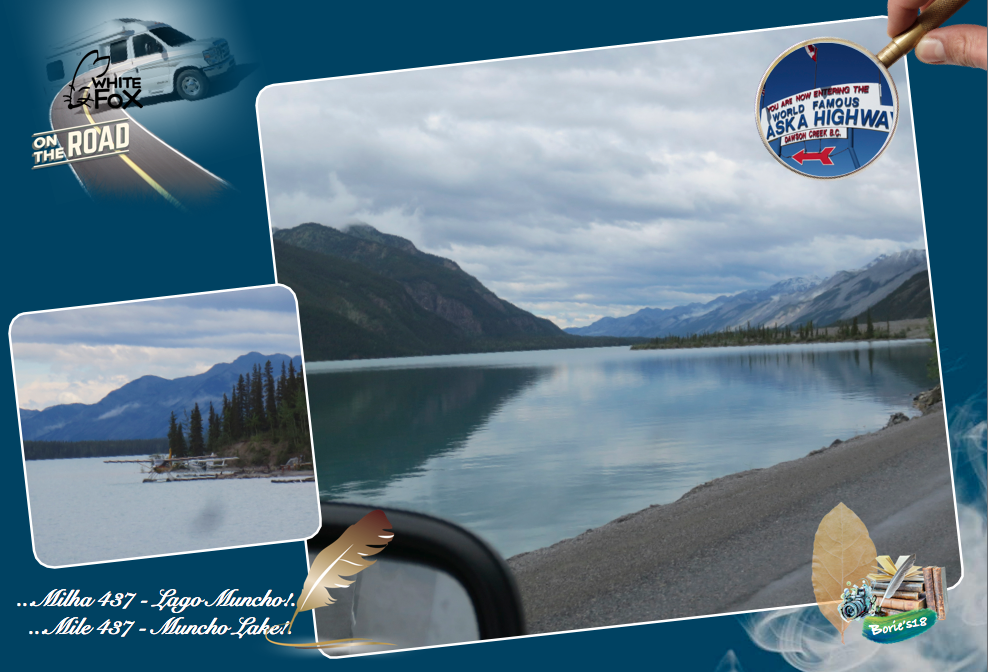
…heading north!. (third episode)

…heading north!. (third episode)

…rumo ao norte!. (terceiro episódio) …heading north!. (third episode)

…em Portugal, estávamos nos anos de 1947 ou 48 do século passado, éramos uma criança ainda, quase no final do verão, poucas semanas antes de regressar à nossa aldeia do Vale do Ninho d’Águia, lá na vertente agreste da montanha do Caramulo, faltava pouco tempo para a tarefa das “colheitas”, na quinta da avó Agar!. (In Portugal, we were in the years 1947 or 48 of the last century, we were still a child, almost at the end of the summer, a few weeks before returning to our village of the Valley of the Eagle Nest, there on the mountainous slope of the mountain of Caramulo, there was little time for the task of “harvests”, on the farm of grandmother Agar)!.

…estávamos no areal da praia da Barra de Aveiro, em frente ao Farol, pela mão da nossa avó Agar, junto de dezenas de pessoas, quase todas do sexo feminino, eram outras avós, mães, filhas, esposas ou namoradas, todas com trajes escuros, lenço também escuro, onde sobressaiam alguns desenhos com flores, amarrado na cabeça, blusas mais claras mas não muito, as saias pretas, amarradas na cinta com uma fita de pano castanho ou vermelho escuro, cobriam o corpo quase até aos pés que descalços, calcavam a areia!. Também na cinta, vinha pendurada uma pequena “algibeira” com muitos desenhos bordados de várias cores, que nos faziam alguma confusão, pois a nós pareciam-nos corações!. (We were on the beach of Barra of Aveiro, in front of the Lighthouse, by the hand of our grandmother Agar, with dozens of people, almost all female, were other grandparents, mothers, daughters, wives or girlfriends, all with dark suits, a dark handkerchief, with some floral designs, tied to the head, lighter blouses but not much, the black skirts tied in the strap with a ribbon of brown cloth or dark red, covered the body almost to the feet who barefoot, they put the sand on! Also on the strap was a small “pocket” with many embroidered designs of various colors, which made us confused, because they looked like hearts to us)!.

…todas erguiam os braços ao céu em sinal de agradecimento ao Salvador, ao verem entrar na barra o Navio Veleiro, que tinha saído esta mesma barra, em finais de Abril, princípios de Maio, com os homens alinhados no convés ou pendurados em alguns mastros, fazendo sinais de saudação, que agora, regressavam da Terra Nova, vinham de “São Jones”, como todas diziam, carregado de peixe bacalhau!. (They all lifted their arms to heaven as a sign of thanks to the Savior, as they saw the Sailboat, which had left this same bar, come into the bar in late April, early May, with the men lined up on the deck or hung on some masts, saluting, now returning from Newfoundland, came from St. John’s, as they all said, loaded with cod fish)!.

…não eram só pessoas “das areias”, como se dizia das pessoas que por ali viviam junto à praia, eram pessoas que vinham do norte do país, normalmente de Vila do Conde ou Póvoa do Varzim, assim como do sul, normalmente de Figueira da Foz ou Peniche, era o que a avó Agar nos dizia!. Éramos crianças, não tínhamos idade para observar o seu modo de vida, sabíamos sim, que algumas viviam nos palheiros da praia da Costa Nova, onde a avó Agar nos levava a passar um mês, num dos últimos meses do verão fazendo-lhe companhia, mas a verdade era que quase todas usavam muitos cordões de ouro ao pescoço e, nas suas orelhas reluziam argolas, também de ouro!. (Were not only people “from the sands”, as people said that they lived there by the beach, they were people who came from the north of the country, usually from Vila do Conde or Póvoa do Varzim, as well as from the south, normally of Figueira da Foz or Peniche, was what grandmother Agar told us!. We were children, we were not old enough to observe their way of life, we did know that some of them lived in the haystacks on Costa Nova beach, where her grandmother Agar took us to spend a month in one of the last months of the summer keeping her company, but the truth was that almost all of them wore many gold strings around their necks, and gold earrings gleamed in their ears)!.

…lembramo-nos que uma destas personagens, gritava com cara de sofrimento, apontando para o Navio Veleiro:

– hó mar gelado da Terra Nova, desgraçado, que me roubas-te o meu Manel, que por lá ficou para sempre em “São Jones”, mas não me vais roubar o meu filho João, que o estou ali a ver, que lindo, vem mais magro!.

(We remember that one of these characters, shouted with a face of suffering, pointing to the Sailboat:

– It’s a cold sea of Newfoundland, you bastard, you rob me of my Manel, who stayed there forever in St. John’s, but you’re not going to steal my son John, I’m there to see you, how beautiful, skinny)!.

…outra, um pouco mais bem vestida, pois usava um xaile e chinelas nos pés, dizia:

– eu vi a cara rosada do meu Aniceto, no seu posto, conheci-o logo, com o boné branco na cabeça, ao lado do comandante, na próxima viajem à Terra Nova, talvez já vá como comandante!.

(Another, a little better dressed, wearing a shawl and flip-flops on her feet, said:

– I saw the pink face of my Aniceto, at his post, I met him soon, with his white cap on his head, next to the commander, on the next trip to Newfoundland, maybe I’ll already go as commander)!.

…outra, ainda jovem, que não sabia se se ria ou chorava, gritava:

– hó meu Jaquim, que já regressas-te, que o Salvador seja bendito, logo vais pagá-las!. Há tanto tempo que espero por ti!.

…ainda hoje, com esta idade avançada, não sabemos a que se referia esta jovem mulher, quando dizia “vais pagá-las”, talvez o seu marido Joaquim, lhe tivesse feito alguma “patifaria” antes de embarcar, talvez tivesse algum receio em dormir sózinha, ou talvez fosse uma manifestação com instinto sexual!.

(Another, still young, who did not know if she was laughing or crying, shouted:

– Oh my Joaquim, that you have returned, may the Savior be blessed, soon you will “pay for them”!. I’ve been waiting for you for so long!.

Even today, at this advanced age, we do not know what this young woman was referring to when she said “you are going to pay for them”, perhaps her husband Joaquim, had made some “knockoff” before embarking, maybe she afraid of sleeping alone, or maybe it was a manifestation with a sexual instinct)!.

…depois, depois do Navio Veleiro entrar a barra, corriam em direcção às Gafanhas, primeiro acompanhando o navio caminhando ou correndo pela pequena estrada ao longo do canal, atravessando a ponte de madeira que naquele tempo existia na parte mais estreita da Ria de Aveiro e, lá iam ao cais de desembarque, abraçar os seus queridos maridos, pais, filhos, companheiros ou namorados, que foram pescadores, quase durante seis meses nos mares da Terra Nova!. (Then, after the sailboat entered the bar, they ran towards the Gafanhas, first accompanying the ship by walking or running along the small road along the canal, crossing the wooden bridge that at that time existed in the narrowest part of the Ria de Aveiro and, on their way to the pier, to embrace their beloved husbands, parents, children, companions or boyfriends, who were fishermen, almost for six months in the seas of Newfoundland)!.

…bem, vamos começar, mas vivendo o tempo de hoje!. (Well, let’s start, but living the time today)!.

…estávamos próximo da cidade de St. John’s, encontrámos lugar num parque de caravanas, a uns quilómetros da cidade, junto da estrada número 1, a tal Trans-Canada Highway, portanto com bom ascesso a toda a área que pretendíamos percorrer!. Pela manhã, ainda antes de entrar na cidade de St. John’s, seguimos para norte, queríamos visitar a Enseada de Portugal, a que dão o nome de Portugal Cove-St. Philip’s!. (We were near the city of St. John’s, we found a place in a caravan park, a few kilometers from the city, near the number 1 road, to such Trans-Canada Highway, so with good access to the whole area that we wanted to go! In the morning, even before entering the city of St. John’s, we headed north, we wanted to visit the Cove of Portugal, which they call Portugal Cove-St. Philip’s)!.

…no percurso, fomos parando aqui e ali, o cenário de pequenas aldeias piscatórias, era parecido com os cenários que normalmento vimos nos parques ou filmes do Walt Disney!. Chegados à área do que chamam cidade de Portugal Cove-St. Philip’s, que é uma comunidade de litoral rural, localizada na Baía de Concepção, sendo o local de um terminal de pequenos navios que fornece acesso diário de e para a Ilha de Bel, onde dezenas de pessoas viajam diáriamente desta pequena ilha para trabalhar na capital St. John’s, ou na sua vizinhança, que fica a aproximadamente 15 minutos, se viajar-mos pela longa avenida, que dá pelo nome de Enseada de Portugal, que nos leva ao centro da cidade, mesmo à beira da água!. (On the way, we stopped here and there, the scenery of small fishing villages, was similar to the scenarios we normally see in the parks or movies of Walt Disney!. Arrived in the area of what they call the city of Portugal Cove-St. Philip’s, is a rural coastal community located in Concepcion Bay and is the site of a small-vessel terminal that provides daily access to and from Bel Island, where dozens of people travel daily from this small island to work in the capital St. John’s, or in your neighborhood, which is approximately 15 minutes away, if we travel along the long avenue, which is called Portugal Cove, which takes us to the center of the city, right on the water’s edge)!.

…o lema da cidade de Portugal Cove-St. Philips, é “onde o sol encontra o mar’!. Este lema é irónico, já que devido ao posicionamento da Ilha de Bell, na baía, o sol poente nunca encontra o mar a qualquer momento, mas é o seu lema, vai lá saber-se porquê!. (The motto of the city of Portugal Cove-St. Philips, is “where the sun meets the sea”!. This motto is ironic, since due to the positioning of Bell Island, in the bay, the setting sun never finds the sea at any moment, but it is its motto, it goes there to know why)!.

…dizem-nos que a cidade de Portugal Cove-St. Philips é uma comunidade em rápido crescimento, onde a maioria das pessoas trabalha fora da comunidade, indo diáriamente para as cidades de St. John’s ou Mount Pearl, no entanto, existem na comunidade pequenas quintas, lojas de conveniência, restaurantes ou cafés, lojas de artigos de construção, centros de jardinagem, salões de beleza, garagens e estações de serviço, um serviço de táxi e algumas casas que dão dormida e pequeno almoço, o que já não é pouco!. (Tell us that the city of Portugal Cove-St. Philips is a rapidly growing community where most people work outside the community, going daily to the cities of St. John’s or Mount Pearl, however, there are small community farms, convenience stores, restaurants or cafes, gardening centers, beauty salons, garages and service stations, a taxi service and a few houses that give you sleep and breakfast, which is no small thing)!.

…na história, a comunidade é uma das mais antigas da Terra Nova, com uma história muito rica, fundada pelos portugueses e, foi uma das primeiras aldeias estabelecidas no novo mundo!. A área da Enseada de Portugal, que é onde se localiza a enseada e o porto de mar, não a área de St. Philips!. Tem sido históricamente católica romana, sendo servida pela Igreja do Santo Rosário!. Foi o local da primeira estrada construída fora da capital St. John’s!. (In history, the community is one of the oldest in Terra Nova, with a very rich history, founded by the Portuguese and was one of the first villages established in the new world!. The area of Portugal Cove, which is where the cove and the seaport is located, not the St. Philips area!. It has been historically Roman Catholic, being served by the Church of the Holy Rosary!. It was the site of the first road built outside the capital St. John’s)!.

…a hoje Enseada de Portugal, tem um grande corpo de tradições folclóricas, pois dizem-nos que a área, já habitada, foi atacada e queimada pelos franceses, no distante ano de 1697 e, foi aqui que a lenda da Lula Gigante ou Kraken, (legendário monstro do mar, parecendo a figura de uma lula gigante), foi descoberta e documentada!. Depois, o nome de Enseada de Portugal, foi dado pelos pescadores Portugueses, por volta do século XVII, no entanto outros povos por aqui viveram como pescadores oriundos do oeste da Inglaterra, da Irlanda ou das Ilhas do Canal, como por exemplo Jersey!. (To the present Portugal Cove, has a great body of folkloric traditions, because they tell us that the area, already inhabited, was attacked and burned by the French in the distant year of 1697 and it was here that the legend of Giant Squid or Kraken, (legendary sea monster, looking like the figure of a giant squid), was discovered and documented!. Then the name of Portugal Cove was given by the Portuguese fishermen around the 17th century, however other people around here lived as fishermen from the west of England, Ireland or the Channel Islands, such as Jersey)!.

…falámos com algumas pessoas, uma das quais nos informou que existe outro local com o nome de Enseada de Portugal do Sul, que posteriormente visitámos e de que falaremos depois!. Uma curiosidade, quando pronunciam o nome Portugal, dizem com sotaque de voz em Português!. (We spoke with some people, one of whom informed us that there is another place named Portugal Cove South, which we visited later and will talk about later!. A curiosity, when they pronounce the name Portugal, they say with Portuguese voice accent)!.

…seguimos a avenida Enseada de Portugal, passando pela área do aeroporto, onde parámos para comprar água, biscoitos, alguma gasolina e claro, tirar algumas fotos!. (We follow Portugal Cove Avenue, passing through the airport area, where we stop to buy water, cookies, some gas and of course, take some photos)!.

…chegámos finalmente ao local que foi um dos principais motivos da nossa viagem, que era a visita à cidade de St. John’s!. (We finally reached the site which was one of the main reasons of our trip, which was the visit to the city of St. John’s)!.

…circulámos pelas ruas, é a capital da província, é a combinação perfeita de luxo de cidade grande e charme tradicional de cidade pequena!. (We circulated through the streets, it is the capital of the province, it is the perfect combination of big city luxury and traditional small town charm)!.

…as ruas estreitas e cruzadas, com subidas e descidas, naturalmente esculpidas por cavalos e carruagens, as coloridas casas de “jellybean”, (parecem feijões alinhados), enfileiradas, alinhadas nas laterais das colinas íngremes e becos escondidos!. (The narrow, crisscrossed streets, up and down, naturally carved by horses and carriages, the colorful “jellybean” houses (lined up like beans) lined up, lined up on the sides of steep hills and hidden alleys)!.

…é a cidade mais antiga e mais oriental da América do Norte e tornou-se um destino raro, cheio de caráter e carisma, com um toque contemporâneo e sofisticado!. (Is the oldest and most eastern city in North America and has become a rare destination, full of character and charisma, with a contemporary and sophisticated touch)!.

…andámos pela zona do pequeno porto de mar, estavam lá alguns navios ancorados!. (We walked through the area of the small sea port, there were some ships anchored there)!.

…imaginámos a época em que as suas águas estavam cheias de Navios Veleiros chamados “bacalhoeiros”, alguns Portugueses, que para aqui se dirigiam, procurando apoio e abrigo, conforme as necessidades de abastecimento de isca ou de água fresca, reparações, assistência a tripulação e doentes, assim como outros serviços!. (We imagined the time when its waters were filled with Sailboats called “bacalhoeiros”, some Portuguese, who went here, seeking support and shelter, according to the needs of supplying bait or fresh water, repairs, assistance to the crew and sick, as well as other services)!.

…visitámos a “Quidi Vidi”, que é a encantadora vila dentro de uma cidade, que felizmente ainda incorpora o verdadeiro espírito de um antigo porto de pesca!. (We visited the “Quidi Vidi”, which is the charming village within a town, which fortunately still embodies the true spirit of an ancient fishing port)!.

…por ruas estreitas, dirigindo com alguma perícia a nossa “White Fox”, subimos até ao Signal Hill, (Monte do Sinal), onde minúsculas casas coloridas de madeira se agarram valentemente aos penhascos devastados pelas ondas do mar!. (Through narrow streets, driving our White Fox with some skill, we climb up to Signal Hill, where tiny colored houses of wood cling valiantly to the cliffs ravaged by the waves of the sea)!.

…as pessoas locais, dão informação, querem ajudar a compreender-mos a importância desta cidade e deste porto de mar, na vida dos nossos antepassados!. (Local people, give information, want to help us understand the importance of this city and this seaport, in the lives of our ancestors)!.

…com a ajuda de alguns locais, ajudando-nos na manobra da nossa “White Fox”, aconselhando-nos a subir a colina até ao seu cimo, onde se abriga a inconfundível e icónica Torre Cabot, uma estrutura semelhante a um castelo construída para comemorar o 400º aniversário da descoberta da Terra Nova por John Cabot!. Foi aqui que Marconi recebeu a primeira mensagem sem fio transatlântica, no distante ano de 1901!. (With the help of some local people, helping us in the maneuver of our “White Fox”, advising us to climb the hill to its top, where is housed the unmistakable and iconic Tower Cabot, a structure similar to a castle built to commemorate the 400th anniversary of the discovery of Newfoundland by John Cabot!. It was here that Marconi received the first transatlantic wireless message in the distant year of 1901)!.

…passámos aqui algum tempo, onde tirámos algumas fotos, que vão lembrar este maravilhoso local!. (We spent some time here, where we took some photos, that will remember this wonderful place)!.

…deste maravilhoso local, do cimo desta alta colina, podemos ver as falésias, a entrada da enseada, assim como todo o porto de mar e a encosta de parte do casario colorido da cidade, com um horizonte mostrando um cenário que não se pode esquecer nunca mais!. (Of this wonderful place, from the top of this high hill, we can see the cliffs, the entrance of the cove, as well as the whole seaport and the hillside of part of the colorful town of the city, with a horizon showing a scenery that is not you can forget about it ever again)!.

…aqui, uma simpática pessoa local, recomendou-nos fazer o circuito “Irish Loop”, (Laço Irlandês), para sul, pela estrada número 10, ao longo da costa sudeste da península de Avalon!. Foi o que fizémos, no entanto de regresso à baixa da cidade, circulamos um pouco mais, a explorar a cidade, apreciando algumas das ruas mais antigas do Novo Mundo, onde abundavam muitas lojas, boutiques, pubs, cafés animados e algumas galerias de arte!. (Here, a friendly local person, advised us to do the “Irish Loop” circuit, southbound, by the number 10 road, along the southeastern coast of the Avalon peninsula!. This is what we did, however back to downtown, we circulated a little more, exploring the city, enjoying some of the oldest streets of the New World, where many shops, boutiques, pubs, lively cafes and a few art galleries abounded)!.

…mais adiante, já a caminho da estrada número 10, portanto nos subúrvios da cidade, numa bonita colina, estava uma igreja, com um enorme cemitério na frente, era onde repousam muitos pescadores, alguns Portugueses, vítimas de doenças e falta de assistência médica, ou de acidentes ou náufragos que ocorriam na faina da pesca do bacalhau!. Com o passar dos anos, a maioria das sepulturas, derivado às intempéries e algum abandono, deixaram de ter identificação, onde as ervas crescem, adornadas simplesmente com uma cruz de madeira ou de pedra!. No local, vendo a nossa curiosidade, disseram-nos, que existe no Cemitério de Mount Carmel, aqui em St. John’s, um pequeno monumento em honra a um pescador português, que morreu pescando nos Grandes Bancos da Terra Nova, há pouco mais de 50 anos, num acidente a bordo do navio Santa Maria Manuela, que foi esmagado entre o seu Dory (pequeno barco de pesca a remos), inundado de peixe bacalhau e o casco de aço do navio de pesca enquanto descarregava bacalhau, sendo a sua sepultura identificada e, que este monumento é um memorial permanente, que deve reconhecer todos os pescadores portugueses que perderam as suas vidas nos mares gelados da Terra Nova!. Entre outros motivos, por falta de tempo, não vistámos o local! (And on the way to the number 10 road, so in the suburbs of the city, on a beautiful hill, was a church, with an enormous cemetery at the front, where many fishermen, some Portuguese, suffering from diseases and lack of medical care, or accidents or shipwreck occurring in the course of fishing for cod. Over the years, most of the graves, derived from weather and some abandonment, are no longer identifiable, where the herbs grow, adorned simply with a wooden or stone cross!. On the spot, seeing our curiosity, we are told, there is a small monument in honor of a Portuguese fisherman who died fishing in the Great Banks of Newfoundland in the Mount Carmel Cemetery, here in St. John’s, just over 50 years old, in an accident aboard the ship Santa Maria Manuela, which was crushed between its Dory (small rowboat), flooded with cod fish and the steel hull of the fishing vessel while unloading cod, its grave identified, and that this monument is a permanent memorial, which should recognize all Portuguese fishermen who lost their lives in the icy seas of Newfoundland!. Among other reasons, the lack of time, we did not visit the place)!.

…encontrámos a estrada número 10, seguimos em direcção ao sul, para percorrer o tal “Irish Loop”, (Laço Irlandês), que desenha um círculo ao redor da península de Avalon, no sudeste da província!. A estrada é estreita, é uma viagem com cerca de 300 quilômetros (185 milhas) que começa e acaba na cidade de St. John’s!. (We found road number 10, we headed south, to go through the “Irish Loop”, which draws a circle around the Avalon peninsula in the southeast of the province!. The road is narrow, it’s a journey of about 300 kilometers (185 miles) that starts and ends in the city of St. John’s)!.

…apesar do dia já ir adiantado, propusemo-nos a fazê-lo, pois esta estrada estreita ocupa o sexto lugar na lista dos melhores lugares para visitar no Canadá!. Contorna a costa do Atlântico a caminho do sul, todavia durante o seu percurso, em algumas áreas recua para o interior, com cenário de pinheiros, abetos negros, bálsamo e bétulas!. É uma estrada que contém alguns desafios, como nevoeiro, vento forte, buracos mais do que ocasionais, curvas, subidas e descidas, mas a beleza rústica da terra atrai-nos, proporcionando-nos cenários com vistas memoráveis com enseadas maravilhosas, que nos encantam!. (Although the day has already gone ahead, we set out to do so, as this narrow road occupies the sixth place in the list of the best places to visit in Canada!. It skirts the coast of the Atlantic on its way south, however during its course, in some areas it goes back inland, with scenery of pines, black spruce, balm and birch!. It is a road that contains some challenges, such as fog, strong wind, more than occasional holes, curves, ascents and descents, but the rustic beauty of the land attracts us, giving us scenarios with memorable views with wonderful coves that enchant us)!.

…o céu estava claro, havia uma brisa suave, ainda hoje não sabemos se foi por engano, pois havia alguma construção na estrada, mas uns quilómetros andados, talvez como bons exploradores saímos da estrada número 10 em direcção ao leste, pois vimos uma placa de sinalização indicando a direcção para o Cape Spear Farol!. Valeu a pena o engano, pois levou-nos ao ponto mais oriental da terra na América do Norte!. (The sky was clear, there was a soft breeze, we still do not know if it was by mistake, because there was some construction on the road, but a few kilometers, maybe as good explorers we left the road number 10 towards the east, a sign indicating the direction to the Cape Spear Lighthouse!. It was worth the mistake as it took us to the most eastern point of the land in North America)!.

…aqui, se subirmos a um penhasco, voltarmos as costas ao mar, toda a população da América do Norte se estende à nossa frente, não há nada atrás de nós até à Irlanda e, a Grenolândia fica mais para norte e ao leste!. O cenário do mais antigo farol sobrevivente na província, um Sítio Histórico Nacional, é um símbolo da história marítima da Terra Nova e Labrador, que foi construído em 1836!. O Cape Spear Farol é um exemplo notável da arquitetura única dos faróis daquele período!. (Here, if we climb a cliff, turn our backs to the sea, the whole population of North America stretches out ahead of us, there is nothing behind us to Ireland, and Grenolândia lies further north and east!. The scene of the oldest surviving lighthouse in the province, a National Historic Site, is a symbol of the maritime history of Newfoundland and Labrador, which was built in 1836!. The Cape Spear Lighthouse is a striking example of the unique architecture of the lighthouses of that period)!.

…por mais de 150 anos, gerações duma família de faroleiros residiram no Cape Spear e trabalharam incansávelmente para manter uma luz que queimava óleo de baleia, depois querosene e finalmente electricidade, antes de ser substituída pelo farol automático da Guarda Costeira em 1955!. Por ali também existem restos de fortificações construídas durante a Segunda Guerra Mundial, onde soldados canadienses e americanos guardavam a costa marítima das forças alemãs, protegendo a cidade e o Porto de St. John’s!. (For more than 150 years, generations of a family of lighthouse keepers lived at Cape Spear and worked tirelessly to keep a light burning whale oil, then kerosene, and finally electricity, before being replaced by the Coast Guard’s automatic beacon in 1955!. There are also remains of fortifications built during World War II, where Canadian and American soldiers guarded the seacoast of German forces, protecting the city and Port of St. John’s)!.

…voltámos à estrada número 10, passando pela área da Baía de Witless, onde as gaivotas e outras aves andavam pelo ar grunhindo, era sinal de que havia peixe na Baía, pois é aqui que saiem os barcos de turismo para a Reserva Ecológica Witless Bay, onde nuvens de aves marinhas se aninham entre as quatro ilhas protegidas que compõem a reserva!. Mais de meio milhão de papagaios-do-mar, ave provincial da Terra Nova, vivem por aqui!. A baía é também um ponto de encontro para as baleias, que competem com as aves por peixes pequenos e oleosos a que chamam capelim. Quando o capelim aparece, grandes massas prateadas se arrastam com a maré e, alertas são colocados em alguns locais, para que os moradores e visitantes possam aparecer com baldes e pás, ou com as suas máquinas fotográficas, para capturar as imagens!. (We went back to road number 10, past the Witless Bay area, where seagulls and other birds roamed the air, it was a sign that there were fish in the Bay, as it is here that the tourist boats leave for the Ecological Reserve Witless Bay where clouds of seabirds nestle among the four protected islands that make up the reserve!. More than half a million puffins, provincial bird of Newfoundland, live here!. The bay is also a meeting point for whales, who compete with birds for small, oily fish that they call capelin!. When the capelin appears, large silvery masses crawl with the tide and warnings are placed in some places, so that the residents and visitors can appear with buckets and shovels, or with their cameras, to capture the images)!.

…continuando na estrada rumo ao sul, seguíamos a uma pequena velocidade, dado aos buracos na estrada que apareciam aqui e ali, no entanto, entre as povoações de Baía de Witless e Mobile, como que por encanto, pequenas figuras de barcos, apareceram num pequeno lago à nossa direita!. Parámos e, sem nos apercebermos estávamos na frente da atracção River of Boats of Maxwell Morgan, (rio de barcos do Maxwell Morgan), um projeto no qual o proprietário trabalha há quase 40 anos!. Cada barco primorosamente esculpido e pintado à mão é modelado a partir de fotografias!. (Continuing on the road to the south, we followed at a slight speed, given the holes in the road that appeared here and there, nevertheless, between the towns of Bay of Witless and Mobile, as by charm, small figures of boats, appeared in a small lake on our right!. We stopped and, without realizing it, we were in front of the attraction River of Boats of Maxwell Morgan, a project in which the owner worked almost 40 years!. Each exquisitely carved and hand-painted boat is modeled from photographs)!.

…chegámos à pequena vila de Tors Cove, (Enseada das Dores), parámos num local com alguma altitude, admirando um cenário de algumas ilhas ao longe, que nos pareciam verdejantes e, onde uma placa de informação nos dizia que, os poucos registros sobreviventes da pesca do bacalhau, por Europeus do século XVI ao longo da costa sul, mencionam uma estação de pesca em “Isles of Spear”, perto de Tors Cove, (Enseada das Dores)!. (We arrived at the small village of Tors Cove, where we stopped at a place with some altitude, admiring a scene of some islands in the distance, which seemed green and where an information board told us that the few surviving records of cod fishing, by 16th century Europeans along the South Coast, mention a fishing season at “Isles of Spear”, near Tors Cove)!.

…diz também que o nome é de origem Portuguesa, que corresponde a “espera” ou “esperança”, o que nos surpreende, pois “Dores”, coincide com aflição ou desespero, no entanto é o que lá diz!. Uma das ilhas conhecidas localmente como Ship ou Sheep Island, ainda é oficialmente, Spear Island!. A própria Tors Cove, (Enseada das Dores) provávelmente foi usada por esses primeiros pescadores para obter madeira e água doce, e era originalmente conhecida como “Enseada do Sapo”!. (Also says that the name is of Portuguese origin, which corresponds to “waiting” or “hope”, which surprises us, because “Pains” coincides with distress or despair, however that’s what it says there! One of the islands known locally as Ship or Sheep Island, is still officially Spear Island!. Tors Cove itself was probably used by these early fishermen to obtain wood and freshwater, and was originally known as “Frog’s Cove”)!.

…no entanto, alguns sugerem que este nome veio de um inglês antigo plausível, em que a enseada é protegida por Fox Island!. O registro mais antigo de assentamento de Tors Cove, (Enseada das Dores), é de 1677, quando havia apenas uma casa, ocupada por um “plantador” e 21 criados de pesca!. No início dos anos de 1700, ainda havia apenas duas habitações registradas, onde uma população de aproximadamente 124 pessoas foi registrada nesses anos e, que sugere que a grande maioria ainda eram servos que voltaram para as Ilhas Britânicas após a temporada de pesca!. Na maior parte, os habitantes atuais de Cove Tors, (Enseada das Dores), descendem de criados de pesca irlandeses, trazidos por mercadores de peixe do oeste da Inglaterra, que decidiram estabelecer-se mais tarde na Terra Nova!. (However, some suggest that this name came from plausible Old English, in which the cove is protected by Fox Island!. The oldest settlement record of Tors Cove, (Cove of Sorrows), is 1677, when there was only one house, occupied by a “planter” and 21 fishing servants!. In the early 1700s there were still only two registered housing where a population of approximately 124 people was recorded in those years and which suggests that the vast majority were still servants who returned to the British Isles after the fishing season!. For the most part, the present-day inhabitants of Cove Tors, descend from Irish fishermen brought by fish merchants from the west of England, who decided to settle in Newfoundland later)!.

…a cidade de Ferryland, era já ali, onde os primeiros colonos da Colônia de Avalon começaram a chegar em 1620 a essa “terra de peixes”, vindos da Inglaterra e da Irlanda!. Uma cultura, principalmente irlandesa, sobressai por aqui e, talvez com uma boa razão, pois os irlandeses passaram a dominar essa costa!. Primeiro como trabalhadores de verão para comerciantes de peixe, depois como colonos permanentes ao longo do século XVIII. Hoje, esta área é conhecida como o coração irlandês da Terra Nova e Labrador. As tradições, atitudes, música e até os sotaques continuam a prosperar aqui!. (The city of Ferryland, it was already there, where the first settlers of the Colony of Avalon began arriving in 1620 to this “land of fish”, coming from England and Ireland!. A culture, especially Irish, stands out here, and perhaps with good reason, as the Irish have come to dominate this coast!. First as summer workers for fish merchants, then as permanent settlers throughout the eighteenth century. Today, this area is known as the Irish Heartland of Newfoundland and Labrador. The traditions, attitudes, music and even the accents continue to thrive here)!.

…também é por aqui, que estão em progresso escavações arqueológicas para descobrir as fundações de algumas casas e uma rua de paralelepípedos construída no século XVII, talvez o primeiro assentamento, onde mais de um milhão de objetos foram encontrados até hoje e, muitos deles encontram-se em exibição no Centro Interpretativo!. (It is also here that archaeological excavations are underway to discover the foundations of some houses and a cobblestone street built in the seventeenth century, perhaps the first settlement, where more than a million objects have been found to this day and many of them are on display at the Interpretive Center)!.

…parámos em Renova – Cappahayden, que é uma pequena vila de pescadores, que primeiramente foi colonizada por pescadores migratórios e mais tarde por colonos!. Acredita-se que foi iniciada pela London and Bristol Company, (Companhia de Londres e Bristol), por volta do ano 1610, companhia esta que já havia iniciado uma colónia inglesa na Enseada de Cuper’s, mas o início da colónia aqui, foi adiado pela presença do pirata Peter Easton, que por aqui andava!. (We stop at Renews – Cappahayden, which is a small fishing village, which was first colonized by migratory fishermen and later by settlers!. It is believed to have been initiated by the London and Bristol Company, around 1610, a company which had already begun an English colony on the Cuper’s Cove, but the beginning of the colony here was postponed by the presence of the pirate Peter Easton, that walked here)!.

…de acordo com uma lenda local e muito popular, o Navio Veleiro Mayflower chegou a Renova em 1620, onde se abasteceu de água e outros suprimentos antes de navegar para Plymouth Rock, no estado de Massachusetts, nos USA, transportando os peregrinos que fundaram a Colónia de Plymouth!. Dizem também que uma pequena fortaleza aqui foi estabelecida em 1755, sendo ocupada constantemente desde 1815, durante as Guerras Napoleônicas!. (According to a local and very popular legend, the Mayflower Sailboat arrived in Renews in 1620, where it was supplied with water and other supplies before sailing to Plymouth Rock, Massachusetts, USA, carrying the pilgrims who founded the Plymouth Colony!. It is also said that a small fortress here was established in 1755, being occupied constantly since 1815, during the Napoleonic Wars)!.

…sempre na direcção do sul, quase contornando o extremo sul da península, parámos na área do Edge of Avalon Interpretation Center, na tal povoação de que já falámos que íamos encontrar, chamada Portugal Cove South, (Enseada de Portugal Sul), onde entre um cenário de praia de pedra e mar sereno, alguns barcos de pesca ancorados numa doca, oferecem visitas guiadas, que partem daqui para a Reserva Ecológica Mistaken Point!. (Always in the direction of the south, almost bypassing the southern end of the peninsula, we stopped at the Edge of Avalon Interpretation Center area, in the village we already mentioned we were going to meet, called Portugal Cove South, where there is a rocky beach scenery and serene sea, some fishing boats anchored on a dock, offer guided tours, which depart from here to the Mistaken Point Ecological Reserve)!.

…também por motivos de falta de tempo, não visitámos o Centro, pois a hora já era um pouco avançada, todavia aqui, do final de Maio ao início de Outubro, oferecem excursões a pé, guiadas e gratuitas de seis quilómetros (3,7 milhas) para ver os fósseis mais antigos encontrados em qualquer lugar da Terra!. Essas formas de vida complexas de corpo mole (algumas com até um metro de comprimento) foram enterradas por cinzas de lava há cerca de 560 milhões de anos, que preservaram as suas formas!. (Also because of lack of time, we did not visit the Center, because the time was already quite advanced, but here, from late May to early October, offer guided, free walking excursions of six kilometers (3,7 miles) to see the oldest fossils found anywhere on Earth!. These complex soft-bodied life forms (some up to one meter long) were buried by lava ash about 560 million years ago, which preserved its forms)!.

…todavia, tirámos algumas fotos desta pequena aldeia!. (However, we took some photos of this small village)!

…a povoação de Trepassey é o ponto médio do Irish Loop, (Laço Irlandês)!. (The village of Trepassey is the midpoint of the Irish Loop)!.

…os letreiros de alguns restaurantes, oferecendo em grandes painéis, um menú carregado com especialidades da Terra Nova, como línguas de bacalhau e sopa de ervilha, que nos apareciam constantemente!. (The signs of some restaurants, offering in large panels, a menu loaded with Newfoundland specialties, like cod tongs and pea soup, that appeared to us constantly)!.

…já a caminho do norte, passámos pela Reserva Ecológica de Cape St. Mary, que é um paraíso para observadores de pássaros, uma área cativante e uma das sete reservas ecológicas de aves marinhas protegidas!. É a colônia de aves marinhas mais acessível da América do Norte, onde o local está transbordando de pássaros empoleirados, mergulhando e subindo, fundindo-se em um impressionante espetáculo de cores e sons que se movimenta constantemente!. (On our way north, we passed the Cape St. Mary Ecological Reserve, which is a birdwatcher’s paradise, a captivating area and one of the seven protected ecological seabirds!. It is the most accessible seabird colony in North America, where the place is overflowing with perched birds, dipping and soaring, merging into an impressive show of colors and sounds that moves constantly)!.


…depois, depois foi viajar em direcção ao norte, pela estrada número 90, já no interior da península, onde o cenário continuava deslumbrante, com a componente de constantemente aparecerem na berma da estrada, lagos, planícies, arbustos de baixo crescimento ou flores silvestres alpinas, aqui e ali alguns animais ou aves de rapina, como veados, águias, ospreys ou outras aves!. (Then, after traveling north on 90th road, inside the peninsula, where the scenery remained dazzling, with the component constantly appearing on the side of the road, lakes, plains, shrubs of low growth or wild alpine flowers, here and there some animals or birds of prey such as deer, eagles, ospreys or other birds)!.

(continuação) (continuation)

Tony Borie, July 2018.

…a few hours in civilization!.

…a few hours in civilization!.

…algumas horas na civilização!. (a few hours in civilization)!.

…o trajecto entre a capital da então Província Colonial da Guiné, que era a cidade de Bissau e o aquartelamento militar na vila de Mansoa, onde estávamos estacionados, não ia além de uns setenta quilómetros!. Era uma estrada com algum alcatrão e, pelo menos nós, nunca tivémos conhecimento de que houvesse qualquer ataque dos guerrilheiros, ou colocação de minas ou fornilhos!. Os guerrilheiros, que lutavam pela independência do seu território, estavam mais preocupados com as estradas primitivas do interior, aí sim, era o seu território, era o seu local de combate!. Era voz corrente entre os militares, que esta via até à cidade de Bissau durante a noite, era um forte meio de circulação e abastecimento, para as suas bases no interior!. (the route between the capital of the then Colonial Province of Guinea, which was the city of Bissau and the military barracks in the village of Mansoa, where we were stationed, did not exceed a hundred miles! It was a road with some tar, and at least we were never aware of any attack by the guerrillas, or the laying of mines or fagots! The guerrillas, who fought for the independence of their territory, were more concerned with the primitive roads of the interior, then, it was their territory, it was their place of combat! It was a common voice among the military, that this route to the city of Bissau at night, was a strong means of circulation and supply, to its bases in the interior)!.

…esta estrada, à saída da vila de Mansoa atravessava um rio com uma ponte em cimento, várias bolanhas (pântanos), com algumas pontes em madeira, onde o clima tropical, com as monções sazonais, fazia variar a temperatura, pelo menos na época de verão, originando acumulação de humidade sobre o Oceano Atlântico, trazendo chuvas pesadas, tufões, ciclones tropicais para o interior desta África de terra vermelha, fazendo algumas inundações, causando danos na planície costeira, originando correntes furiosas, levando pequenas pontes improvisadas, inundando represas, arrastando e entupindo pequenos canais que abasteciam as bolanhas (pântanos) de arroz, cobrindo-os de lama!. No entanto, com algumas áreas inundadas, os condutores das viaturas militares eram experientes e, com alguma precaução transitavam!. Todo este percurso, pelo menos nos lugares mais estratégicos, estavam guardados pelos militares durante o dia!. À noite, diziam que a circulação era livre!. (This road outside the village of Mansoa crossed a river with a cement bridge, several bolanhas (marshes), with some wooden bridges, where the tropical climate, with the seasonal monsoons, made the temperature change, at least in the summer season, causing accumulation of moisture on the Atlantic Ocean, bringing heavy rains, typhoons, tropical cyclones to the interior of this red earth Africa, causing some flooding, causing damage to the coastal plain, causing furious currents, carrying small impromptu bridges, flooding dams, dragging and clogging small canals that supplied the rice swamps, covering them with mud!. However, with some flooded areas, the drivers of the military vehicles were experienced and, with some precaution, were traveling!. All this route, at least in the most strategic places, were kept by the military during the day!. At night they said that circulation was free)!.

…o clima tropical, com as suas chuvas de monsão e calor intenso, impunha severas desvantagens para nós militares Europeus, nascidos no Portugal distante!. Os factores menos significativos da geografia, cultura, clima e habitate da então Província Colonial da Guiné, de dia para dia, assumiam novas dimensões e importância!. A simples questão do abastecimento de água, ilustrava o tipo de problema com que diáriamente convivíamos!. A maioria dos habitantes da área circundante do aquartelamente onde estávamos acantonados, obtinham a sua água de riachos, canais de irrigação e valas, ou poços rasos, que estavam frequentemente contaminados!. (The tropical climate, with its rains of monsoon and intense heat, imposed severe disadvantages for us European military, born in distant Portugal!. The less significant factors of the geography, culture, climate and habitat of the then Colonial Province of Guinea, from day to day, assumed new dimensions and importance!. The simple question of water supply, illustrated the type of problem with which daily we lived! Most of the inhabitants of the surrounding area from where we were quarters were getting their water from streams, irrigation canals and ditches, or shallow wells, which were often contaminate)!.

…nós, nunca chegámos a saber se a água do rio Mansoa, que na maré alta inundava toda aquela área, era fresca ou salgada!. Talvez com a distância do oceano já fosse salobra mas, naquelas áreas rurais, eram usadas indiscriminadamente para lavar roupa, regar, dar aos animais, cozinhar ou beber!. Quando a área do nosso aquartelamente militar era inundada na maré alta, os campos em redor, mais ou menos limpos durante os meses secos, subitamente enchiam-se de folhagem exuberante, ocultando o movimento do solo!. Aí, foram perfurados três poços, a uma certa profundidade, tipo furo, encanado até à superfície, para abastecimento do aquartelamento!. A água vinha quente, alguns dias bastante quente, cheirava a enxofre, recolhia-se em alguns tanques (bidons), depois de limpos, que chegavam com óleo e outros combustíveis, ficando alguns tempo a arrefecer para que o cheiro abrandasse!. Claro, esta água não era pura, instala-se em alimentos e algumas feridas abertas no nosso corpo, causando uma série inteiramente nova de infecções e doenças!. O calor debilitava-nos, tanto nós, militar desarmado, como às tropas de combate!. (We never knew whether the Mansoa River, which at high tide flooded the whole area, was fresh or salty!. Perhaps with the distance from the ocean already brackish, but in those rural areas they were used indiscriminately to wash clothing, watering, giving animals, cooking or drinking!. When the area of our military barracks was flooded at high tide, the surrounding fields, more or less clean during the dry months, suddenly filled with lush foliage, concealing the movement of the ground!. There, three wells were drilled, to a certain depth, like a hole, piped to the surface, to supply the barracks!. The water was hot, some days quite hot, it smelled of sulfur, it was collected in some tanks, after being cleaned, arriving with oil and other fuels, some time cooling down for the smell to slow down!. Of course, this water was not pure, installs itself on food and some open wounds on our body, causing a whole new series of infections and diseases!. The heat weakened us, both us, unarmed military, and the combat troops)!.

…bem, vamos voltar ao princípio, vamos contar uma nossa ida à capital, que era a cidade de Bissau, que vem escrita no nosso diário de guerra, cá vai!. Era o mês de Novembro, que devia de ser do ano de 1964, estávamos livres da nossas tarefas militares, fomos tomar banho à parte sul do aquartelamento, onde havia os tais poços com água quente encanada, mesmo muito quente, cheirando a enxofre, vindo das profundezas daquela África de terra vermelha!. Usámos a água dos tanques (bidons), pois estava morna que, com a ajuda de uma bacia rota de alumínio que alguém levou para lá, passámos a água pelo nosso corpo nú!. Vestimos roupa lavada, calçando umas meias rotas na extremidade, mas que se dobravam e ficavam perfeitas, que usávamos debaixo das botas de pano, já um pouco coçadas, mas que eram leves, como tal as nossas preferidas!. (Well, let’s go back to the beginning, let’s tell you about our trip to the capital, which was the city of Bissau, written in our war diary here!. It was the month of November, which should have been 1964, we were free of our military duties, we went to bathe to the south part of the barracks, where there were the wells with piped hot water, even very hot, smelling of sulfur, coming from the depths of that red earth Africa!. We used the water from the tanks, because it was lukewarm that, with the help of a broken aluminum bowl that someone took there, we passed the water through our naked body!. We wore washed clothes, wearing a pair of torn socks at the end, but which folded and became perfect, which we used under the cloth boots, already a bit scratched, but that were light, as such our favorite)!.

…regressámos à área das barracas, levando um cigarro seguro na orelha, que recuperámos do chão, pois o pacote “Três Vintes”, caíu na lama junto aos tanques (vidons) durante o banho, entrámos na cozinha, levantámos a mão em sinal de olá!. O companheiro, “Arroz com Pão”, responsável pelas refeições, estende-nos um púcaro de café negro sem açúcar, dizendo:

– toma lá!. Talvez assim, a possas “curtir” mais depressa!.

…nós não respondemos!. Devia de se referir a algum excesso de álcool!.

(We returned to the tents area, carrying a safe cigarette in our ear, which we recovered from the ground, as the package “Three Vintes”, fell into the mud next to the tanks (vidons) during the bath, entered the kitchen, raised our hand in Hello sign. The companion, “Rice with Bread,” who is responsible for the meals, hands us a jar of black coffee without sugar, saying:

– Take there!. Maybe this way, you can “enjoy” it faster!.

We do not respond!. Should have referred to some excess alcohol)!.

…mas também não vamos perder tempo com pormenores, pois se os aprofundar-mos, com toda a certeza que hoje, já com esta bonita idade, iremos sentir alguma vergonha!. Bebêmos o púcaro do café, colocando o cigarro “Três Vintes” na boca!. Era uma sexta-feira, levantámos a cabeça, olhámos em frente, vimos a “camioneta dos doentes”, (veículo militar que uma vez por semana trazia os militares doentes à cidade de Bissau, onde estava localizado o único hospital na então província), abrimos um pouco mais os olhos em sinal de alguma alegria e, logo pensámos, falando baixinho:

– que bom passeio à capital!.

(But let’s not waste time on details either, because if we delve into them, we will certainly feel some shame today. We drank the coffee beans, putting the “Three Vintes” cigarette in our mouths!. It was a Friday, we looked up, we looked forward, we saw the “sick truck” (military vehicle that once a week brought the sick military to the city of Bissau, where the only hospital in the then province was located), we opened our eyes a little more in sign of some joy, and then we thought, whispering:

– What a good trip to the capital)!.

…dirigimo-nos ao “Pastilhas”, perguntando:

– ouve lá, há lugar para mais um!.

…”Pastilhas”, era o nome de guerra do militar enfermeiro, a quem foi colocado este nome, porque muitas vezes fazia de médico, só receitando pastilhas!. Qualquer companheiro procurando assistência médica, visitando a enfermaria, com dores numa perna, num braço, no estômago, na cabeça, nos dentes ou qualquer outra enxaqueca, o curativo era sempre o mesmo, dizendo:

– toma estas pastilhas de quatro em quatro horas, com muita água e, deixa de beber álcool por uns dias!. Se não prcederes assim, vais morrer!.

…e prosseguindo:

– se não morreres de um ataque ao aquartelamento, mas sim da tua doença, é porque estás mesmo doente, e como sabes eu não posso fazer mais nada!.

(We go to the “Pastilhas” (Tablets), asking:

– Listen, there’s room for one more!.

“Pastilhas” (Tablets), was the name of war of the military nurse, to whom this name was put, because he often made a doctor, only prescribing tablets!. Any companion looking for medical assistance, visiting the ward, with pains in a leg, an arm, stomach, head, teeth or any other migraine, the dressing was always the same, saying:

– Take these tablets every four hours with plenty of water and stop drinking alcohol for a few days!. If you do not give in, you’re going to die!.

And continuing:

– If you do not die from an attack on the barracks, but from your illness, it is because you are really sick, and as you know I can not do anything else)!.

…mas voltando à pergunta inicial, se havia lugar para mais um, ele, conhecedor da “tramóia”, responde:

– eu não sei se há lugar, eu até nem sou de cá, sou Europeu!.

…subimos para o veículo, onde já se encontrava o companheiro “Setúbal”, na mesma situação!.

(But returning to the initial question, if there was room for one more, he, connoisseur of the “trick,” responds:

– I do not know if there is a place, I’m not even from here, I’m European!.

We climbed to the vehicle, where already was the companion “Setúbal”, in the same situation!.

…rumo à capital, a cidade de Bissau!. (Towards the capital, the city of Bissau)!.

…a “camioneta dos doentes”, ficava estacionada no hospital, que estava situado quase à entrada da cidade, para quem vem do interior da província, regressando ao final da tarde ao aquartelamento militar, na vila de Mansoa!. Dali, junto com o companheiro “Setúbal”, viajámos em qualquer viatura militar até à avenida principal, onde ao fundo havia o palácio do governador, que era o ponto de referência e de encontro, quando alguém se perdia, ou por qualquer circunstância se separava do grupo, era ali que se encontravam de novo, para regressarem às suas unidades militares!. A polícia militar, que estava estacionada no forte da “Amura”, andava sempre por ali, mas quando via militares de farda amarela, grandes bigodes, com alguns embrulhos nas mãos ou debaixo dos braços, sabiam que eram militares que estavam de passagem e tinham vindo do interior da província, portanto, se não houvesse qualquer conflito, não interferiam!. (The “patient truck” was parked in the hospital, which was situated almost at the entrance of the city, for those who came from the interior of the province, returning at the end of the afternoon to the military barracks in the village of Mansoa!. From there, along with our companion, “Setúbal,” we traveled in any military vehicle to the main avenue, where in the background was the governor’s palace, which was the point of reference and meeting, when someone got lost, or by any circumstance separated of the group, it was there that they met again, to return to their military units!. The military police, who were stationed in the Amura fort, were always there, but when they saw soldiers in yellow uniforms, big mustaches, with some packages in their hands or under their arms, they knew they were coming from within the province, so if there was no conflict, they would not interfere)!.

…já na cidade, visitámos o mercado!. Cheirava a tabaco seco, carne fresca e coca!. Havia mangos e papaia, fruta de caju, amendoim verde, (a que chamavam mancarra), bananas, batata doce, peixe seco, mandioca, balaios de arroz, aguardente de palma vendida ao púcaro, macacos, periquitos e outras aves exóticas, pano de diferentes cores vendido à peça, colares e bujigangas, figuras em madeira representando animais, alguns gatos empoleirados no muro do mercado, assim como alguns cães que circulavam por ali, com o rabo entre as pernas ou deitados próximo das mesas onde se vendia carne fresca, que de vez em quando davam ao rabo, sacudindo as moscas e outros insectos!. Moscas e insectos esses, que saltavam dos cães para cima da carne fresca e, mais um amalganhado de coisas sem fim!. Saímos do mercado um pouco tontos!. (Already in the city, we visited the market!. It smelled of dry tobacco, fresh meat and coca!. There were mangoes and papaya, cashew fruit, green peanuts (bananas), bananas, sweet potatoes, dried fish, cassava, rice balloons, palm brandy sold in the pan, monkeys, parakeets and other exotic birds, different colors sold to the piece, necklaces and bujigangas, wooden figures representing animals, some cats perched on the market wall, as well as some dogs that circulated there, with their tails between their legs or lying near the tables where fresh meat was sold, who from time to time gave their asses, shaking flies and other insects!. These flies and insects jumped from the dogs to the fresh flesh, and another amalgam of endless things!. We left the market a little dizzy)!.

…descemos a avenida passando à beira do rio Geba, a maré estava baixa, era só lama, mesmo assim alguns barcos em madeira, pintados com cores garridas, baloiçavam numa parte do rio, onde existia alguma água!. Diziam que era o cais de embarque Pigiguiti, ou coisa parecida, e era daí, que partiam barcos para as ilhas de Bolama, também vimos a fortaleza de S. José da Amura!. Próximo, existia uma estátua de alguém que se notabilizou, por atravessar mares nunca antes navegados, frase esta que aprendemos na escola primária da vila de Águeda, onde pertencia a nossa aldeia do Vale do Ninho d’Águia!. Olhando para sul, um pouco distante, podíamos ver a silhueta do ilhéu do Rei, assim como o cais de embarque do rio Geba, onde alguns navios pequenos conseguiam atracar por ocasião da maré cheia!. (We went down the avenue past the Geba River, the tide was low, it was only mud, yet some wooden boats, painted with gaudy colors, swung in a part of the river, where there was some water!. They said that it was the Pigiguiti boarding dock, or something, and it was from there that boats sailed to the islands of Bolama, we also saw the fortress of St. Joseph of Amura!. Next, there was a statue of someone who was remarkable for crossing seas never before navigated, a phrase we learned in the primary school of the village of Águeda, where belonged to our village of the Valley of the Eagle’s Nest!. Looking south, a little distant, we could see the silhouette of the King’s Islet, as well as the boarding dock of the River Geba, where some small ships could dock at the time of the full tide)!.

…havia alguma azáfama de pessoas indo e vindo de um pequeno navio que naquele momento estava atracado, mas pela água que existia em redor do cais, concerteza que o seu casco estava em contacto com a lama!. Uma garotita africana, quase nua, só com um trapito a cobrir-lhe parte do corpo, com a cara suja, o dedo na boca, movendo os lábios, dando a impressão que estava a comer baba e ranho, que lhe vinha do nariz, aproxima-se com a mão estendida e diz mais ou menos isto:

– patacão pra comprá bianda (arroz)!.

…levou algumas moedas, começando a correr em direcção a quem possívelmente era a sua mãe, que estava um pouco distante, em frente a um balaio de mancarra (amendoim) torrada, que vendia ao púcaro!.

(There was a hustle and bustle of people coming and going from a small ship that at that moment was docked, but from the water that was around the dock, of course its hull was in contact with the mud!. An African girl, almost naked, with only a little cloth to cover her body, her face dirty, her finger in her mouth, her lips moving, giving the impression that she was eating snot and snot from her nose, approaches with the outstretched hand and says more or less this:

– Patacão to buy bianda (rice)!.

Took some coins, starting to run towards who possibly was his mother, who was a little distant, in front of a balloon of roasted peanut, that sold to the pan)!.

…mas voltando à beira do rio, alguns africanos procuravam qualquer coisa na lama, que logo apanhavam, colocando numa saca que trazem à cinta!. Não sabíamos o que era, mas também não interessa!. A brisa vinda do rio era boa, tornando o lugar agradável!. (But back on the edge of the river, some Africans looked for something in the mud, which they soon picked up, putting in a sack they bring to the treadmill!. We did not know what it was, but it did not matter either!. The breeze coming from the river was good, making the place nice)!.

…passaram duas raparigas africanas, com um vestido às flores, que lhe cobria quase o corpo todo, não parecia um vestido, parecia mais uma peça de pano inteira em que iam enroladas, mas muito justa ao corpo, com outra tira de pano cor de rosa, amarrado à cinta, na cabeça também levavam um pano amarrado, da mesma cor da cinta, duas argolas de um metal com algum brilho caiam das suas orelhas, os braços iam descobertos, tendo algumas pulseiras feitas de missangas com diversas cores, ao pescoço também levavam uns colares de missanga que lhe faziam sobressair o rosto, que tinha uma cor preta com a tonalidade do chocolate, mas muito brilhante, onde sobressaiam uns olhos que denunciavam qualquer coisa como um mistério e, nos pés levavam umas sandálias rasas, de plástico, brancas!. Caminhavam, bamboleando o corpo, talvez sabendo que eram observadas, que ao passarem junto a nós, olharam de lado, com um olhar algo comprometedor!.

…nós assobiamos, um assobio um pouco provocativo!. Elas voltaram-se e sorriram, provocativas também!. O “Setúbal”, segurou-nos por um braço, quando tentávamos avançar para as raparigas, dizendo-nos, como se fosse uma ordem:

– tem juízo homem, não te chegou o problema com as guerrilheiras, lembra-te que andas na guerra!.

(Two African girls, dressed in flowers, almost all over her body, did not look like a dress, looked like a whole piece of cloth in which they were rolled, but very fair to the body, with another strip of cloth pink, tied to the headband, they also wore a cloth tied in the same color as the brace, two rings of a metal with some brilliance falling from their ears, their arms uncovered, having some bracelets made of beads with different colors, on their necks they also wore bead necklaces that made their face stand out, which had a black color with a chocolate tint, but very bright, where they showed some eyes that denounced something like a mystery and in their feet they wore shallow sandals, plastic, white!. They walked, wobbling, perhaps knowing that they were being watched, that as they passed us, they looked sideways, with a somewhat compromising look!.

We whistled, a whistling slightly provocative!. They turned and smiled, provocative as well!. The “Setúbal,” took us by the arm, when we tried to advance to the girls, telling us, as if it were an order:

– Have a man, you did not get the problem with the guerrillas, remember you’re in the war)!.

…subimos a rua que vinha do rio, voltando à esquerda numa transversal, parando em frente a um estabelecimento que era a Casa Gouveia, (um estabelecimento comercial que vendia artigos importados), onde na montra existiam vários objectos expostos, entre os quais uma máquina fotográfica que nos ficou nos olhos!. Entrámos, perguntando o preço!. Era superior às nossas possibilidades, mas o “Setúbal”, vendo o nosso desejo, diz-nos:

– o nosso dinheiro junto, tirando esta parte para comer, ainda sobra para a tua máquina, portanto compra!.

…comprámos, parecendo uma criança a quem dão o seu primeiro brinquedo!.

(We went up the street that came from the river, turning left at a crossroad, stopping in front of an establishment that was Casa Gouveia, (a commercial establishment that sold imported articles), where in the store there were several objects exposed, among which a camera that stayed in our eyes!. We went in, asking the price!. It was superior to our possibilities, but the “Setúbal”, seeing our desire, tells us:

– Our money together, taking this part to eat, still left for your machine, so buy!.

We bought, looking like a child to whom they give their first toy)!.

…continuando, voltámos noutra pequena rua também transversal, que ia dar à Taverna do Transmontano, pois era assim que lhe chamavam!. Era uma casa de um só piso, metade era casa e a outra metade era um grande cabanal, com mesas e cadeiras ao comprido!. Era aí que os militares, quando vinham à capital, normalmente comiam!. A cozinha, ao lado do cabanal, coberta com folhas de zinco, formando duas abas, tinha três fogões feitos em adobe, cada um tinha um grande buraco em cima, de onde saía forte labareda!. Três africanas, bastante fortes na estatura, mexiam-se rápido em frente aos fogões!. Uma enorme rima de lenha, ao fundo do cabanal, completava o cenário!. (And then we went back to another little crossroad that was going to the Tavern of the Transmontano, because that’s what they called it!. It was a one-story house, half was a house, and the other half was a large hut, with long tables and chairs!. That was when the military, when they came to the capital, usually ate!. The kitchen, next to the cabanal, covered with zinc sheets, forming two flaps, had three adobe stoves, each one with a large hole in it, from which came a strong flame!. Three Africans, quite strong in stature, moved quickly in front of the stoves!. A huge rhyme of firewood, at the bottom of the hut, completed the scenery)!.

…o transmontano e a esposa, também bastante forte na estatura, estavam ao balcão a dirigir o serviço!. Não tiravam os olhos das duas filhas, jeitosas e morenas, que andavam numa azáfama a servir nas mesas!. Um pequeno pormenor, que não passava despercebido, havia duas espingardas caçadeiras penduradas atrás do balcão!. A comida era boa, com sabor português/africano e muito gindungo, a bebida normal era a cerveja, que se bebia à temperatura ambiente!. (The transmontano and the wife, also quite strong in stature, were at the counter to direct the service !. They did not take their eyes off the two daughters, handsome and dark, who walked in a breeze to serve on the tables!. One small detail, not to be overlooked, was two shotguns hanging behind the counter!. The food was good, with Portuguese / African flavor and very gindungo, the normal drink was the beer, which was drank at room temperature)!.

…ainda houve tempo passar pela “Tasca dos Trovadores”, (a que o companheiro “Curvas, alto e refilão”, na sua reles linguagem, dizia que era a tasca dos paneleiros), pois era assim que chamavam a uma taverna, que ficava para os lados do quartel da Marinha, que vendia a melhor cerveja gelada da capital, onde o “Zé Manel”, um fuzileiro ali estacionado, ajudava no balcão e sabia tirar um “fino” como ninguém. Era quase uma passagem obrigatória de todos os militares que visitavam a capital da província, vindos do interior, onde os militares e não só, que se julgavam cantores, tinham oportunidade de o mostrar, pois havia lá um palco com microfone ligado e tudo!. (There was still time to go through the “Tasca dos Trovadores”, (which the companion “Curvas, alto e refilão”, in his language, said that it was the tavern of the fagots), because that was how they called a tavern, which was to the sides of the Navy barracks, selling the best cold beer in the capital, where “Ze Manel”, a Marine stationed there, helped the counter and knew how to get “fino” (glass of the beer) like no one else. It was almost a compulsory passage for all the soldiers who visited the capital of the province from the interior, where the military and not only, who thought they were singers, had the opportunity to show it, because there was a stage with a microphone on and everything !.

…na viajem de regresso, diziamos ao “Setúbal”:

– parece que não andamos na guerra!.

…ele riu-se, levantou os olhos e respondeu:

– fuma o cigarro e cala-te!. Daqui a umas horas estamos de novo no aquartelamento, circundado de arame farpado!.

(On the return trip, we said to “Setúbal”:

– Looks like we’re not in the war!.

He laughed, looked up and replied:

– Smoke your cigarette and shut up!. In a few hours we are back in the barracks, surrounded by barbed wire)!.

Tony Borie, July 2018.
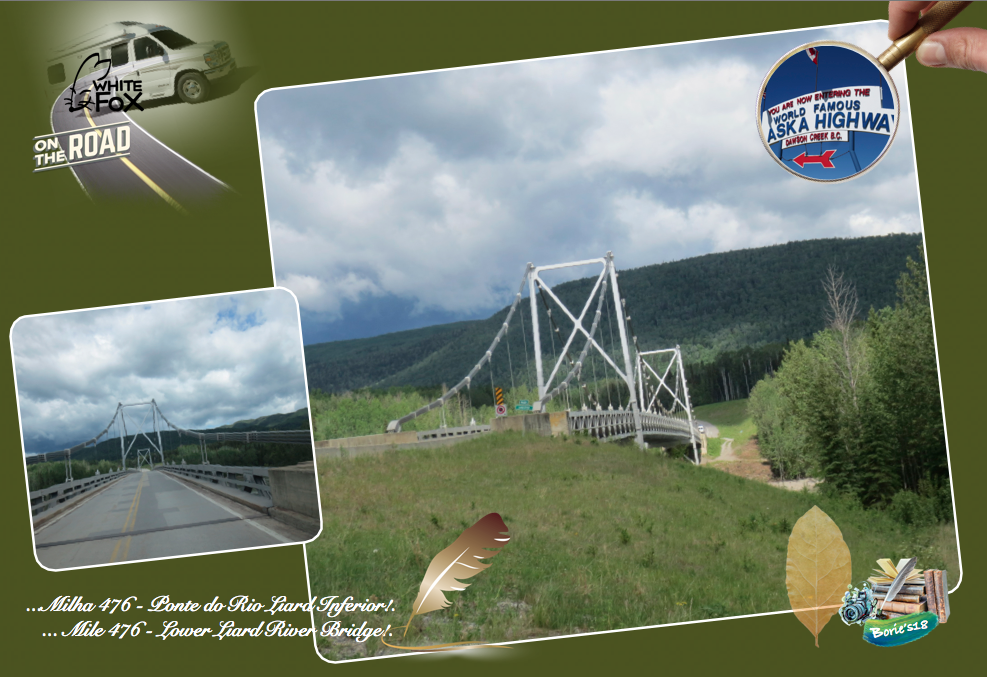
…rumo ao norte!. (2.º episódio) (heading north!. (2nd episode)

…rumo ao norte!. (2.º episódio) (heading north!. (2nd episode)

…rumo ao norte!. (2.º episódio) (heading north!. (2nd episode)

…com terra à vista, o nevoeiro foi desaparecendo, dando lugar a alguma visivilidade!. Usávamos roupas normais, próprias para a nossa idade e para a temperatura ambiental que na altura se fazia sentir!. Não trajes do pirata da perna de pau, do papagaio falante e do macaco malcriado que constantemente atraiçoava o seu dono, que poderiam ser trajes suaves ou ásperos, que eram mais extravagantes do que as tripulações navais regularmente usavam naquela época, que lhes davam uma aparência de verdadeiros piratas, quando caçavam as suas presas nos mares do Atlântico Norte, muitos séculos atrás!. (With dirt in sight, the fog disappeared, giving way to some visibility!. We wore normal clothes, appropriate for our age and for the ambient temperature that was felt at the time! Not the pirate costumes of the wooden leg, the talking parrot, and the spoiled monkey that constantly betrayed its owner, which could be soft or rough outfits, which were more extravagant than the naval crews regularly wore at that time, which gave them an appearance of real pirates, when they hunted their prey in the North Atlantic seas many centuries ago)!.

…tínhamos chegado a bom porto, ao porto de Channel-Port aux Basques, cujo cenário, defacto nos fazia lembrar as tais aldeias que eram saqueadas pelos já referidos piratas!. No entanto não, não vimos nehuma dessas personagens, com uma perna de pau, correndo aos saltos, atrás de alguma jovem aldeã que desesperadamente corria na sua frente, gritando palavras de desespero, pois o pirata normalmente levava uma grande espada na mão direita e, uma extravagante garrafa de qualquer licor, na outra mão, que normalmente era “rum” de fraca qualidade, destilado da planta cana de açúcar, que por sua vez era cultivada pelos escravos!. (We had reached the port of Channel-Port aux Basques, whose scenery reminded us of such villages that were plundered by the pirates. But no, we did not see any of these characters, with a stilted leg, running after the heels, behind some village girl desperately running in front of her, screaming words of despair, for the pirate usually carried a large sword in his right hand, an extravagant bottle of any liquor, in the other hand, which was usually “rum” of poor quality, distilled from the sugar cane plant, which in turn was grown by the slaves)!.

…bem, vamos começar!. O porto de Chanel-Port aux Basques, é uma cidade no extremo sudoeste da fronteira da província da Terra Nova e Labrador, no extremo oeste do Estreito de Cabot, sendo um terminal de barcos da Atlantic Marine localizado na cidade, que por sua vez é o principal ponto de entrada para a ilha de Terra Nova!. (Well, let’s get started!. The port of Chanel-Port aux Basques is a town on the south-western tip of the province of Newfoundland and Labrador, at the western end of the Cabot Strait, an Atlantic Marine ferry terminal located in the city, which is the main entry point to the island of Newfoundland)!.

…falando um pouco da sua história, Port aux Basques refere-se ao porto que era um dos abrigos favoritos para os baleeiros bascos que vinham da região basca dos Pirenéus da França e da Espanha, e claro, também de Portugal, durante o início do século XVI, que depois de deixar este porto, os baleeiros seguiam para os principais locais baleeiros do sul do Labrador, ou voltavam à Europa, depois de encherem os tanques a bordo com água fresca do riacho do Homem Morto, que deságua no porto de Port aux Basques, durante as suas escalas!. (In speaking a little of its history, Port aux Basques refers to the port that was one of the favorite shelters for the Basque whalers that came from the Basque region of the Pyrenees of France and Spain, and of course also Portugal, during the early in the sixteenth century, after leaving this port, the whalers headed to the main whaling sites in southern Labrador, or returned to Europe after filling the tanks with fresh water from the Dead Man’s stream, which flows into the harbor of Port aux Basques, during their stopovers)!.

…os assentamentos permanentes em Port aux Basques, vieram de pescadores franceses que passavam o inverno, usando os direitos conferidos pelo Tratado de Utrecht de 1713, em que a França cedeu as suas reivindicações na Terra Nova à Grã-Bretanha em troca do direito de uso das terras costeiras para a pesca!. (The permanent settlements in Port aux Basques came from French fishermen who spent the winter, using the rights conferred by the Treaty of Utrecht of 1713, in which France ceded its claims in Newfoundland to Britain in exchange for the right of coastal land use for fishing)!.

…o desembarque foi feito normalmente, saindo para terra, conduzindo a nossa “White Fox”!. Finalmente estávamos na província de Terra Nova e Labrador, que é a província mais oriental do Canadá, situada na região atlântica do país, que compreende a ilha de Terra Nova e o continente de Labrador a noroeste!. (The landing was usually done, leaving to land, leading our “White Fox”!. Finally we were in the province of Newfoundland and Labrador, which is the most easterly province of Canada, located in the Atlantic region of the country, which comprises the island of Newfoundland and the continent of Labrador to the northwest)!.

…a província é a mais linguísticamente homogénea do Canadá, os residentes falam inglês como a sua língua materna, no entanto também é o lar de variedades únicas de francês e irlandês, bem como a extinta língua Beothuk!. Mais a norte em Labrador, os dialetos locais de Innu-aimun e Inuktitut também são falados!. (The province is the most linguistically homogeneous in Canada, residents speak English as their mother tongue, however it is also home to unique varieties of French and Irish as well as the extinct Beothuk language!. Further north in Labrador, the local dialects of Innu-aimun and Inuktitut are also spoken)!.

…a capital de Terra Nova e Labrador, e também a maior cidade, é St. John’s, que abriga quase 40% da população da província e, é a sede do governo!. Tornou-se a décima província a entrar na Confederação Canadense em 31 de março de 1949, como “Terra Nova”!. Em 6 de dezembro de 2001, foi feita uma emenda à Constituição do Canadá para mudar o nome oficial da província para Terra Nova e Labrador!. (The capital of Newfoundland and Labrador, and also the largest city, is St. John’s, home to nearly 40% of the province’s population, and is the seat of government!. It became the tenth province to enter the Canadian Confederation on March 31, 1949, as “Terra Nova”!. On December 6, 2001, an amendment was made to the Constitution of Canada to change the province’s official name to Newfoundland and Labrador)!.

…nunca esquecendo a relação dos portugueses com a Terra Nova, que é secular e carrega consigo muitas memórias de aventuras da faina da pesca do bacalhau!. A história diz-nos que estas terras nunca foram colonizadas por Portugal, apesar das várias viajens de exploração realizadas a estes águas e territórios, talvez impedidos por corsários de outras nações com maior potência militar!. (Never forgetting the relationship of the Portuguese with Newfoundland, which is secular and carries with it many memories of adventures of the fishery of cod fishing!. History tells us that these lands were never colonized by Portugal, despite the various exploration trips made to these waters and territories, perhaps prevented by corsairs from other nations with greater military power)!.

…tudo isto no século XV ou princípios do século XVI, pois os portugueses daquele tempo, chamavam mesmo à área da Terra Nova, a Terra dos Bacalhaus ou Terra dos Corte Reais!. Mais tarde, por volta dos anos de 1850, em Portugal, uma empreza da cidade de Lisboa chegou a mandar para os bancos pesqueiros da Terra Nova, 19 veleiros, com um total de aproximadamente 325 homens!. (All this in the fifteenth or early sixteenth century, because the Portuguese of that time, even called the area of Newfoundland, the Land of Bacalhaus or Land of Corte Real!. Later, around the 1850s in Portugal, an entrepreneur from the city of Lisbon sent 19 sailboats to the fishing grounds of Terra Nova, with a total of approximately 325 men)!.

…continuando, a primeira paragem, foi no Centro de Informação, onde uma simpática senhora, nos informou de que algumas povoações, nesta altura do ano, ainda não podiam ser visitadas por veículos automóveis, dado o estado das estradas, que podiam ainda estar alagadas com água, gelo, neve recente, lama ou em reparação!. (The first stop was at the Information Center, where a friendly lady informed us that some villages at this time of year could not yet be visited by motor vehicles, given the state of the roads, which could still be be flooded with water, ice, recent snow, mud or under repair)!.

…todavia, valia a pena a visita a esta província, onde se podia apreciar um estilo de vida documental, diferente, levando para aqui espectadores dos quatro cantos do nosso planeta, para descobrir e aprender sobre todos os tipos de peixes exóticos e misteriosos, culturas, o cenário com belas paisagens e pessoas diferentes que abrem as portas para suas vidas e compartilham suas histórias com o visitante!. (Nevertheless, it was worth the visit to this province, where you could enjoy a different documentary lifestyle, taking to here spectators from the four corners of our planet, to discover and learn about all kinds of exotic and mysterious fish, cultures, scenery with beautiful landscapes and different people who open the doors to their lives and share their stories with the visitor)!.

…podíamos usufruir da paixão pela pesca desportiva, viagens pelas aldeias e, dos laços que ligam os pescadores ao redor do mundo, que pescam por diversão ou para alimentar suas famílias!. O objectivo deste povo é proporcionar uma visão da sua cultura, mostrar os aspectos excitantes e dinâmicos da pesca, ao mesmo tempo também, mostrar algumas espécies e, promover a sua conservação!. (We could enjoy the passion for sport fishing, trips through the villages and the ties that connect fishermen around the world, fishing for fun or feeding their families!. The purpose of this people is to provide a view of their culture, show the exciting and dynamic aspects of fishing, at the same time also show some species and promote their conservation)!.

…circulámos pela estrada número 1, a quem também chamam Trans-Canada Highway, parando aqui e ali, saindo para outras estradas da província, sempre que era possível!. Pernoitávamos em parques de caravanas, pois hoteis eram poucos e, se os havia era em cidades principais!. (We circled the number 1 road, which they also call the Trans-Canada Highway, stopping here and there, leaving for other highways in the province whenever possible!. We stayed overnight in caravan parks, because hotels were few and if there were hotels in main cities)!.

…parámos na área do Vale de Codroy, que é uma colecção de 15 comunidades escondidas no oeste da Terra Nova, abrigada pelas Long Range Mountains, (montanhas de longo alcance), onde os tons verdes do seu cenário, perfeitos para longas caminhadas, com uma temperatura suave que naquela manhã se fazia sentir!. (We stop at the Codroy Valley area, which is a collection of 15 hidden communities in western Newfoundland, sheltered by the Long Range Mountains, where the green tones of its setting, perfect for long walks , with a mild temperature that made itself felt that morning)!.

…é um paraíso maravilhoso para observadores de pássaros, amantes da natureza, aventureiros, historiadores ou simples viajantes!. Igrejas antigas construídas em madeira, ficam em penhascos com vista para o oceano, as nuvens flutuam sobre algumas quintas tradicionais, onde podemos ver alguns cavalos pastando!. Também visitámos o farol em Cape Anguille, que é o ponto mais ocidental da ilha!. (Is a wonderful paradise for birdwatchers, nature lovers, adventurers, historians or simple travelers!. Old churches built in wood, stand on cliffs overlooking the ocean, clouds float on some traditional farms, where we can see some horses grazing!. We also visited the lighthouse at Cape Anguille, which is the westernmost point of the island)!.

…uns tantos quilómetros para norte, depois de percorrer uma rota circular em torno da Península Port au Port, chegámos ao Cabo St. George, que está na ponta ocidental da península Port au Port!. A esta estrada chamam-lhe de Oceanview Drive, (Vista do Oceano), nós, carinhosamente chamámos-lhe “estrada do forno”, pois quando entramos no parque, surge-nos um círculo com o Memorial Acadian e um forno de pão!. Há algumas falésias incríveis, logo atrás do forno de pão!. (A few miles to the north, after traveling a circular route around the Port au Port Peninsula, we reached Cape St. George, which is on the western tip of the peninsula Port au Port!. On this road they call it Oceanview Drive, we affectionately called it the “oven road”, because when we enter the park, a circle appears with the Acadian Memorial and a bread oven!. There are some amazing cliffs, just behind the bread oven)!.

…foi uma das mais bonitas partes do nosso percurso, pois podíamos admirar as Long Range Montains, (montanhas de longo alcance), através da baía, além de um excelente cenário sobre as falésias!. (Was one of the most beautiful parts of our route, as we could admire the Long Range Montains, through the bay, and a great scenery on the cliffs)!.

…sempre na direcção norte, ao longo das margens do rio Humber, aparece-nos o Vale Humber, que está aninhado no sopé das montanhas dos Apalaches!. Era manhã, havia no ar uma sensação fresca do ar matinal que cobre todo o vale, tal como uma gota de água fresca, quando caminhávamos por uma pequena extensão em direcção às montanhas!. (Always heading north, along the banks of the Humber River, appears to us the Humber Valley, which is nestled in the foothills of the Appalachians!. It was morning, there was in the air a fresh morning-morning feel that covers the whole valley, like a drop of fresh water, as we walked a little way towards the mountains)!.

…as árvores exuberantes e os arbustos, um pouco distantes as montanhas de longo alcance e o rio, que dizem que é um dos melhores rios de pesca de salmão do Atlântico, havendo por ali caminhos florestais que para os amantes da natureza pura, tal como nós, completam um cenário que não se esquece facilmente!. (The lush trees and shrubs, a little distant from the long-range mountains and the river, which is said to be one of the best Atlantic salmon fishing rivers, with forest paths leading there to lovers of pure nature, like us, complete a scenario that is not easily forgotten)!.

…finalmente chegámos à área mais a norte, que nos era possível chegar, pelo menos com o equipamento que levávamos, pois outros aventureiros, mais bem equipados, seguiam para norte, atravessando para Labrador, já no continente!. (We finally reached the northernmost area that we could reach, at least with the equipment we were carrying, as other, better equipped adventurers headed north across Labrador to the mainland)!.

…chegámos ao Gros Morne National Park, onde nos dizem que foram necessários cerca de 485 milhões de anos para a Mãe Natureza criar o Gros Morne National Park, um lugar diferente de qualquer outro na Terra!. Património Mundial da UNESCO, abrangendo 1.805 quilómetros quadrados, contendo uma série interminável de maravilhas e delícias e, uma demonstração da beleza espectacularmente crua e enigmática do mundo físico!. (We arrived at the Gros Morne National Park, where we are told that it took about 485 million years for Mother Nature to create the Gros Morne National Park, a place unlike any other on Earth!. A UNESCO World Heritage Site, covering 1,805 square kilometers, containing an endless series of wonders and delights and a demonstration of the spectacularly raw and enigmatic beauty of the physical world)!.

…dormimos aqui, num excelente parque de caravanas, junto de um lago, com uma incrível paisagem ao longo dum manto de água e floresta, onde podíamos subir para as montanhas que nos mudam a vida!. (We slept here, in an excellent caravan park, next to a lake, with an incredible landscape along a blanket of water and forest, where we could climb to the mountains that change our lives)!.

…ao outro dia, navegámos num mini-cruzeiro, ao longo da água do Atlântico, que entra na terra, através de fiordes esculpidos por glaciares há milénios de anos atrás, deixando para trás penhascos imponentes e cascatas ensurdecedoras, juntamente com as maravilhas naturais, onde o cenário nos mostra além de uma floresta verdejante, algumas aves de rapina e animais selvagens, que são destaques de uma herança cultural que continua rica em criatividade!. (The next day, we sailed on a mini-cruise along the Atlantic water that enters the earth through fjords carved by glaciers thousands of years ago, leaving behind towering cliffs and deafening waterfalls along with wonders where the scenery shows us beyond a verdant forest, some birds of prey and wild animals, which are highlights of a cultural heritage that continues rich in creativity)!.

…ainda existem algumas vilas pescatórias ao longo dos fiordes, onde também podíamos admirar os Planaltos, que é uma experiência que não pode ser esquecida, pois aqui, onde a teoria da tectónica de placas foi confirmada, podemos andar sobre o antigo fundo do mar e preservar avalanches oceânicas, numa paisagem vermelha distinta do manto da terra exposta, impulsionada pela colisão de placas tectónicas há milhões de anos!. (There are still some fishing villages along the fjords, where we could also admire the Plateau, which is an experience that can not be forgotten, because here, where plate tectonics theory has been confirmed, we can walk on the old sea and preserve oceanic avalanches, in a red landscape distinct from the exposed earth’s mantle, propelled by the collision of tectonic plates millions of years ago)!.

…seguimos em direcção ao leste, pela tal estrada número 1, a que também chamam Trans-Canada Highway, passando por alguns lugares onde existiam sinais de trânsito indicando saídas para algumas cidades, vilas ou aldeias, como por exemplo, Twillingate ou para as Ilhas do Fogo e da Mudança, mais ao norte, que estavam no nosso roteiro, mas que a recomendação no Centro de Visitantes nos preveniu de não era aconselhável viajar para lá, pelo menos com o equipamento que levávamos!. (We headed east on that number 1 road, which they also call the Trans-Canada Highway, passing through some places where there were traffic signals indicating exits to some cities, towns or villages, such as Twillingate or the Islands of Fire and of Change, more to the north, that were in our script, but that the recommendation in the Visitor’s Center warned to us of it was not advisable to travel there, at least with the equipment that we took)!.

…já era quase noite, procurámos um parque de caravanas para pernoitar, que por sorte era um local com história!. Foi na cidade de Gander, cujo generoso e abenegado povo, por ocasião do horrível dia em que o World Trade Center, na cidade de Nova Iorque, foi destruído por um horroroso ataque terrorista, assim como parte do Pentágono, na cidade de Washington e, quase 3.000 pessoas morreram, o Aeroporto Internacional de Gander, recebeu centenas de aeronaves, que transportavam milhares de passageiros e foram obrigadas a pousar!. (It was almost night, we searched for a caravan park to spend the night, which luckily was a place with history!. It was in the city of Gander, whose generous and blessed people, on the occasion of the horrible day that the World Trade Center in New York City was destroyed by a horrific terrorist attack, as well as part of the Pentagon in Washington, nearly 3,000 people died, Gander International Airport, received hundreds of aircraft, which carried thousands of passengers and were forced to land)!.

…qualquer um dos aviões no ar naquela manhã de 11 de setembro de 2001, poderia ter sido outro míssil de morte!. Quem sabia quão grande era esse ataque terrorista?. Quando os EUA fecharam seu espaço aéreo, o pequeno Aeroporto Internacional Gander, na Terra Nova, abriu as suas pistas, onde aterraram 38 aviões de fuselagem larga em rotas transatlânticas!. (Any of the planes in the air that morning of September 11, 2001, could have been another death missile!. Who knew how big this terrorist attack was?. When the US closed its airspace, the small Gander International Airport in Newfoundland opened its runways, landing 38 large-airplanes on transatlantic routes)!.

…é mais uma das muitas histórias inspiradoras do horrível 11 de Setembro!. As pessoas da cidade de Gander, que não eram mais de 10.000, olhavam para todos os aviões alinhados no aeroporto e não falavam em terrorismo, não viam ataques potenciais!. Eles só queriam ajudar!. (Is one of many inspiring stories of the horrible September 11!. The people of Gander, who were not more than 10,000, looked at all the planes lined up at the airport and did not talk about terrorism, they did not see potential attacks!. They just wanted to help)!.

…esta cidade, todos os anos, por ocasião do dia 11 de Setembro, lembra os USA, do mal que não conseguimos deter e que infelizmente se alastra por todo o mundo!. Também nos devemos lembrar da capacidade humana de bondade, abnegação e generosidade que as pessoas da cidade de Gander e áreas vizinhas tiveram, atravessando magnificamente a crise, respondendo a anúncios de rádio, oferecendo comida, medicamentos, sabonetes, cobertores e até roupas interiores extras, além de ofertas de chuveiros quentes e quartos de hóspedes a todos os 6.579 passageiros e tripulantes das aeronaves!. Adorámos falar com este maravilhoso povo!. (This city, every year, on September 11, reminds us of the United States, of the evil that we can not stop and that unfortunately is spreading all over the world!. We should also remember the human capacity for kindness, self-denial, and generosity that the people of the city of Gander and surrounding areas had, through magnificently going through the crisis, responding to radio ads, offering food, medicines, soaps, blankets and even extra undergarments, plus hot showers and guest rooms to all 6,579 aircraft passengers and crew!. We loved talking to this wonderful people)!.

…parámos no Parque Nacional Terra Nova, estava um nevoeiro quase cerrado, é o parque nacional mais oriental do Canadá. (We stopped at Terra Nova National Park, it was almost a fog, it is the most eastern national park in Canada)!..

…são algumas centenas de quilômetros quadrados de beleza natural, com algumas baías abrigadas, onde se pode navegar de barco entre baleias e aves marinhas, com florestas densas e litorais tranquilos, onde também a qualquer momento nos pode surgir pela frente um alce, um lince, um castor ou uma águia!. (Are a few hundred square kilometers of natural beauty, with some sheltered bays, where you can sail by boat between whales and seabirds, with dense forests and calm coasts, where at any moment we can find an elk, a lynx, a beaver or an eagle)!.

…podíamos viajar até à cidade de Bonavista e foi o que fizemos!. (We could travel to the city of Bonavista and that’s what we did)!.

…desde o parque nacional de Terra nova até à cidade museu de Bonavista, o cenário mostra-nos um pouco a história dos Europeus que se aventuraram nos oceanos, procurando novas terras a ocidente!. (From the Terra Nova National Park to the museum city of Bonavista, the scenery shows us a little history of the Europeans who ventured into the oceans, looking for new lands to the west)!.

…por exemplo, quando o explorador italiano Giovanni Caboto (ou John Cabot como ele é conhecido por aqui) descobriu a América do Norte em 1497, as suas primeiras palavras foram “O buono vista”!. Traduzido para o idioma inglês, esta frase significa “Oh happy sight”, que certamente é apropriado para o que viria a ser a cidade de Bonavista!. (For example, when the Italian explorer Giovanni Caboto (or John Cabot as he is known here) discovered North America in 1497, his first words were “O buono vista”!. Translated into English, this phrase means “Oh happy sight”, which is certainly appropriate for what would become the city of Bonavista)!.

…é o local histórico do desembarque de Cabot, onde pequenos aglomerados de casas, novas e antigas, ficam ao lado de encostas rochosas, praias de pedra miúda e pitorescos barcos de pesca pintados com cores garridas!. (Is the historic site of the Cabot landing, where small clusters of old and new houses stand alongside rocky slopes, small stone beaches and picturesque fishing boats painted in gaudy colors)!.

…a densa floresta transforma-se numa incrível costa marítima, frequentemente visitada por baleias, aves marinhas e icebergs!. Lá no fundo, as falésias caem num enorme buraco com dois canais que saiem para o mar Atlântico, resultado de anos de erosão oceânica!. (The dense forest becomes an incredible sea coast, frequently visited by whales, seabirds and icebergs!. Deep down, the cliffs fall into a huge hole with two canals leading out to the Atlantic Ocean, the result of years of ocean erosion)!.

…em toda esta península, o passado antigo é registrado na terra e nas paisagens marítimas, próprias para um passeio na nossa “White Fox”, numa estrada de terra e pedra, onde se destaca a geologia da região!. (Throughout this peninsula, the ancient past is recorded on land and in the maritime landscapes, suitable for a ride on our “White Fox”, on a dirt and stone road, where the geology of the region stands out)!.

…visitámos um restaurante local, onde serviam as típicas línguas de bacalhau, tal como os portugueses tanto gostam!. (We visited a local restaurant, where they served the typical cod languages, just as the Portuguese so much like)!.

…no porto, entre em uma réplica em escala real do navio de Matthew, imaginamos como o explorador Cabot se sentiu na sua épica viagem à América do Norte!. (On the harbor, enter a full-scale replica of Matthew’s ship, imagine how the explorer Cabot felt on his epic voyage to North America)!.

…com a nossa potente lente da máquina fotográfica, vislumbrámos os icebergs de 10 mil anos de idade do topo do Sítio Histórico Provincial do Farol do Cabo Bonavista, admirando o horizonte onde os observadores de luz estão de vigia desde a década de 1840!. (With our powerful camera lens, we glimpsed the 10,000-year-old icebergs from the top of the Provincial Historical Site of the Cape Bonavista Lighthouse, admiring the horizon where observers of light have been watching since the 1840s)!.

…olhámos bem de perto, as rochas atrás do farol, apreciando alguns ninhos de papagaios-do-mar logo atrás do farol!. (We looked closely, the rocks behind the lighthouse, enjoying some nests of puffins just behind the lighthouse)!.

…mais ao longe uma baleia que teimava em vir à superfície, atirando um jacto de água para o ar, que nadava tranquilamente em direcção ao sul!. (Further afield, a whale that stubbornly came to the surface, throwing a jet of water into the air, which swam quietly southward)!.

(continuação) (continuation)

Tony Borie, July 2018.
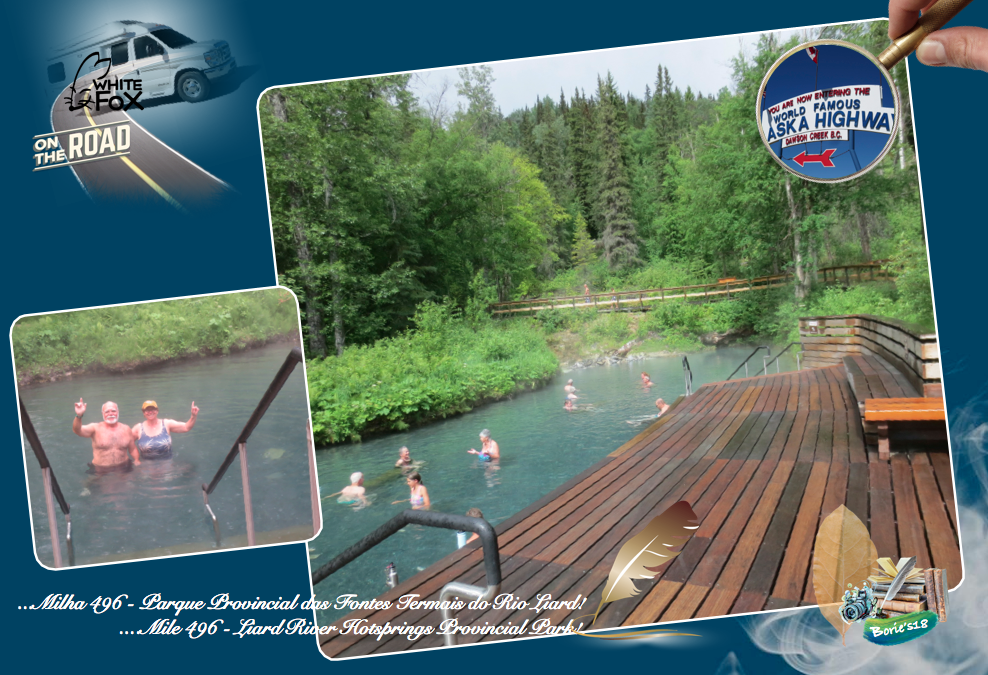
…Orquídia Negra da “Bolanha”!. (Black Orchid of the “Bolanha”!.
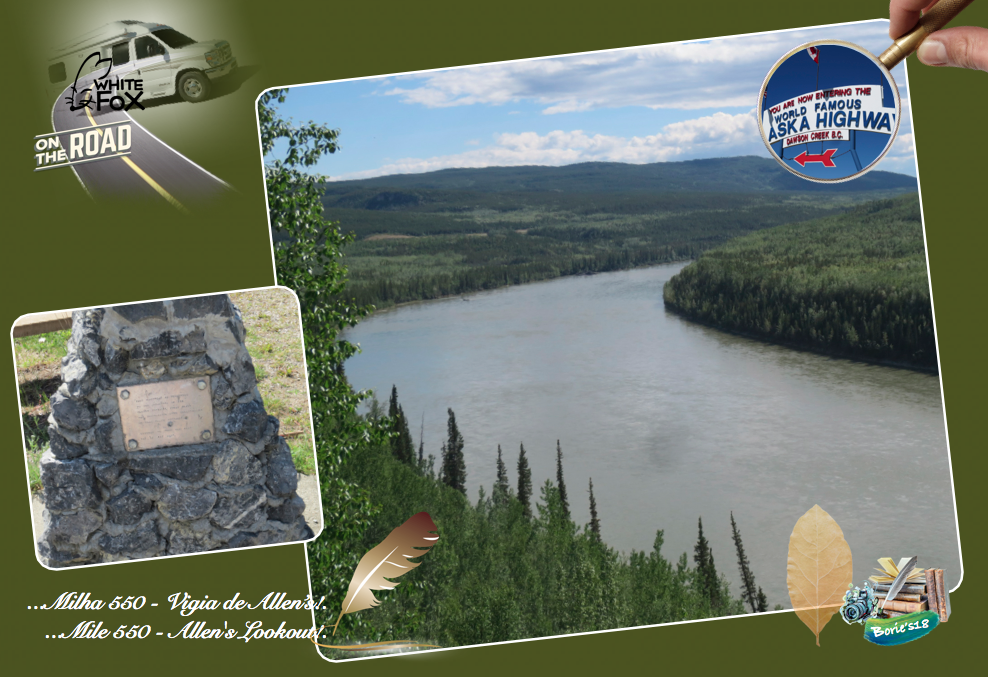
…Orquídia Negra da “Bolanha”!. (Black Orchid of the “Bolanha”!.


…Orquídia Negra da “Bolanha”!. (Black Orchid of the “Bolanha”!

…foram os 30 a 40 minutos piores da nossa vida em cenário de guerra!. Fugíamos para os abrigos improvisados sob o fogo da noite, naquele mês de Setembro de 1964, quando fomos atingidos pelos estilhaços das rajadas intensas dos guerrilheiros, que nos atacavam, bombardeando toda a área com granadas de morteiro calibre 90, tentando entrar no aquartelamento!. Não éramos só nós, havia já outros militares vítimas de queimaduras, alguns gritando de angústia, outros feridos, mesmo mutilados e, onde infelizmente dois não resistiram, morrendo ao nosso lado!. (It was the worst 30 to 40 minutes of our war-time life !. We fled to the makeshift shelters under the night’s fire that September 1964, when we were struck by the shattering of the intense bursts of guerrillas attacking us, bombing the area with 90-caliber mortar shells, trying to get into the barracks! It was not just us, there were other soldiers already burned, some screaming in anguish, others wounded, even mutilated and at where unfortunately two did not resist, dying beside us)!.

…servir a nação numa zona de guerra, é um preço muito elevado!. Na lotaria da vida pode-nos sair um bilhete premiado com a morte!. Com alguma sorte podemos sobreviver mas, o síndrome de guerra, leva-nos por todo o tempo do resto das nossas vidas, a uma pesada viajem no Coração das Trevas!. Não mais esquecemos a jornada de um soldado combatente numa mortífera guerra de guerrilha, de um país que nos USOU e nos ESQUECEU, desde a nossa mobilização na época de uma pré-guerra, passando pela miserável experiência no campo de batalha, até a um difícil retorno de pós-guerra, sempre nos IGNORANDO!. (Serving the nation in a war zone, is a very high price!. In the lottery of life can leave us a ticket rewarded with death!. With some luck we can survive but the war syndrome takes us all the way through the rest of our lives, to a heavy trip in the Heart of Darkness!. We no longer forget the journey of a combatant soldier in a deadly guerrilla war, from a country that has USED us and FORGOTTEN us, from our mobilization in the prewar period, through the miserable experience on the battlefield, to a difficult one post-war return, always IGNORING us)!

….estávamos no período da construção no novo aquartelamento, ainda não havia arame farpado e nós, depois de termos sido feridos com estilhaços de granada, tomámos a iniciativa da construção de um abrigo com alguma segurança, próximo do lugar onde exercíamos as nossas tarefas militares!. Alguns companheiros, incluindo o nosso comandante, aprovaram o projecto!. Nas horas fora das nossas tarefas, começámos a escavar a terra numa certa área onde ainda não havia construção, onde o comandante nos recomendou a mão de obra de alguns prisioneiros!. (We were at the time of construction in the new barracks, there was still no barbed wire, and we, after being wounded with garnet splinters, took the initiative to build a shelter with some security, near the place where we wielded our military tasks!. Some comrades, including our commander, have approved the project!. In the hours outside our tasks, we began to dig the earth in a certain area where there was still no construction, where the commander recommended us the labor of some prisoners)!.

…em conjunto, pensámos que seria uma boa ideia, pois deste modo, sempre estariam pelo período de algumas horas ao ar livre, onde podiam fazer alguns exercícios físicos, sobretudo verem o cenário das bolanhas (pântanos) e florestas, de onde eram oriundos e nós, éramos livres de lhes poder dar alguma comida que roubávamos na cozinha!. Assim, pela manhã, quase todos os dias, alguém iam buscar dois ou três prisioneiros, (onde todos queriam vir) dos mais jovens e melhor porte físico, para nos ajudarem nessa tarefa!. (Together, we thought that would be a good idea, because in this way, they would always be for a few hours in the open air, where they could do some physical exercises, especially seeing the scenario of the bolanhas (swamps) and forests, from where they were and us, we were free to give them some food we stole in the kitchen!. So in the morning, almost every day, someone was going to get two or three prisoners, (where everyone wanted to come) from the youngest and best physical, to help us with this task)!.

…passado algum tempo de convivência com os ditos prisioneiros, um dos mais novos, que tinha sido preso recentemente, já depois daquele mortífero ataque ao aquartelamento, que falava um pouco de português acrioulado, dizia-nos, mais ou menos estas palavras:

– mi, não saber porque estar preso!. Mi, querer ser militar do Portugal, como “Cifra”!. Mãe e irmãs necessita de mi, para trabalhar bolanha e trazê manga de arroz para pessoal comê!. Mi, viver próximo do quartel da tropa!. Não é justiça estar preso, já não ter pai, quando família necessita de mi!.

(After some time of living with the prisoners, one of the youngest, who had been arrested recently, after that deadly attack on the barracks, who spoke a little Portuguese Creole, told us, more or less these words:

– Mi, not knowing why to be arrested!. Mi, want to be military of Portugal, as “Cipher”!. Mother and sisters need me, to work bolanha (marsh) and bring much from rice to staff eat!. Mi, live near the troop barracks!. It is not justice to be imprisoned, to have no father, when family needs me)!.

…uma série de palavras que nos deixou a pensar!. Num dos próximos dias, ao entregar uma mensagem decifrada directamente ao comandante, na nossa inocência e boa fé, contámos a história do prisioneiro!. O comandante, depois de nos ouvir, dá-nos uma tremenda repreensão, dizendo numa voz um pouco alterada e com o dedo apontado em nossa direcção:

– Isto é uma ordem!. Não deves falar com os prisioneiros, isso são assuntos que não te dizem respeito, nem a mim tu deves falar nesses assuntos!. A partir de hoje, não usas mais esse prisioneiro na escavação do abrigo!. Entendidos!.

…a palavra “entendidos”, foi dita lá de cima, do lugar de comandante, a falar para as tropas, no entanto tomou nota do nome do prisioneiro, nós vimos isso!.

(A series of words that left us thinking!. In one of the next days, when delivering a message deciphered directly to the commander, in our innocence and good faith, we told the story of the prisoner!. The commander, after listening to us, gives us a tremendous rebuke, saying in a slightly altered voice with his finger pointing in our direction:

– This is an order!. You must not speak to the prisoners, these are matters that do not concern you, nor should you speak to me in these matters!. From today, you no longer use this prisoner in the excavation of the shelter!. Understood!.

The word “understood” was said from above, from the commander’s place, to speak for the troops, nevertheless took note of the name of the prisoner, we saw it)!.

…nós éramos um militar razoável, mas um fraco guerreiro!. Ficámos com algum receio e, nos dias seguintes tentávamos não enfrentar o comandante, procurando todos os truques possíveis para não o enfrentar, entregando as mensagens decifradas a qualquer militar do comando, que trabalhando junto dele, lha fizesse chegar às mãos!. O importante, era que assinassem a folha de entregas!. (We were a reasonable military man, but a weak warrior!. We were afraid, and in the following days we tried not to face the commander, searching for all the possible tricks not to confront him, delivering the decrypted messages to any of the command’s soldiers, who, working with him, could get him to his hands!. The important thing was that they sign the delivery slip)!.

…passado algum tempo, quando fomos ao comando entregar uma mensagem decifrada, sempre tentando evitá-lo, o comandante, ouvindo a nossa voz, sai do seu gabinete e entre outras palavras diz-nos:

– anda cá, hó “Cifra”!. Vem aqui ao meu gabinete!.

…nós não levávamos nada vestido, a não ser uns calções, já um pouco coçados, ficámos ainda mais embaraçados!. A muito custo entrámos no seu gabinete, fizémos uma saudação, muito mal feita, dizendo:

– dá-me licença meu comandante!. Vossa Excel…

…o comandante, não nos deixou acabar a palavra, e diz-nos:

– deixa-te de salamaleques, vamos ao que interessa, põe-te à vontade, parece que o teu comandante já não existe!. Ouve bem, pois tenho uma missão para ti, vamos libertar o prisioneiro de que tu me falas-te!. Se ele vive perto do aquartelamento, tenta visitá-lo, ele já te conhece, se vires alguma coisa suspeita, como visitas estranhas, armas ou qualquer outro objecto, lá na sua casa ou à sua volta que te desperte a atenção, informa-me, talvez não seja como ele diz, pelo menos as informações que temos são diferentes, mas vamos ver como as coisas correm!.

(After some time, when we went to the command to deliver a decrypted message, always trying to avoid it, the commander, listening to our voice, leaves his office and among other words tells us:

– Come here, there is “Cipher”!. Come here to my office!.

We did not wear anything dressed, except some shorts, already a little scratched, we were even more embarrassed!. At great cost we went into his office, we made a salutation, very badly made, saying:

– excuse me, Commander!. Your Excel …

The commander, did not let us finish the word, and he tells us:

Leave your mind off, let’s get down to business, put yourself at ease, it seems your commander no longer exists!. Listen, I have a mission for you, let’s free the prisoner that you told me!. If he lives near the barracks, try to visit him, he already knows you, if you see anything suspicious, such as strange visits, weapons or any other object, in your house or around you that arouses your attention, inform me, maybe not as he says, at least the information we have is different, but let’s see how things go)!.

…as coisas correram perfeitamente, passámos a ser amigo dele!. Tinha duas irmãs, as duas tinham os olhos azuis com tonalidade verde, talvez descendentes dos padres da ordem religiosa francesa que existiu na área, antes das tropas portuguesas se instalarem na povoação!. As duas gostavam, ou pareciam que gostavam da nossa companhia, fazendo tudo para nos agradar, mas uma delas, de nome Cumba, é que afirmava a pés juntos que era a nossa lavadeira!. Era com essa que mais simpatizávamos, pois lavava e passava a ferro as camisas, calções e remendava as nossas meias, fazendo-nos andar sempre com um aspecto mais ou menos limpo!. Claro, o companheiro “Curvas, alto e refilão”, logo comentava na sua reles linguagem:

– caralho, o “Cifra” agora anda vestido, como se fosse um “maricas”!.

(Things went perfectly, we became friends with him!. She had two sisters, both of whom had blue eyes with green tones, perhaps descendants of the priests of the French religious order that existed in the area before the Portuguese troops settled in the village!. The two of them liked, or seemed to like our company, doing everything to please us, but one of them, named Cumba, was the one who stood by and said that she was our laundress!. It was the one we liked the most, for we washed and ironed our shirts, shorts and stockings, and made our clothes look more or less clean!. Of course, the companion “Curvas, high and complicative”, soon commented in his unreliable language:

– fuck, the “Cipher” now is dressed, as if it were a “fags”)!.

…ela, sempre colocava uma flor de cheiro em cima da roupa lavada!. Enfim, “era um amor de rapariga”, como se dizia na nossa aldeia do Vale do Ninho d’Águia, lá em Portugal, naquela encosta agreste da montanha do Caramulo!. Se a nossa mãe Ilda, visse a maneira com que ela cuidava da roupa e não só, de tudo o que nos dizia respeito, com certeza que diria, “mas que rapariga mais prendada o meu filho arranjou”!. Naquela época, as mães tinham alguma influência nas decisões dos filhos!. A nossa mãe Ilda, poderia dizer isto tudo, sem ter visto os dotes físicos com que o Criador a beneficiou!. (She would always put a scent on her washed clothes!. Anyway, “it was a girl’s love”, as it was said in our village of Valley of the Nest of Eagle, in Portugal, on that rugged hillside of Caramulo mountain!. If our mother, Ilda, saw the way she took care of the clothes and not only of everything that concerned us, she would surely say, “but what a more attractive girl my son has gotten”!. At that time, mothers had some influence on their children’s decisions!. Our mother Ilda, could say all this, without having seen the physical gifts with which the Creator has benefited)!.

…mas continuando com a narrativa, bebíamos aguardente de palma, comíamos papaia fresca e fruta de caju, andávamos pela beira do rio, vendo as raparigas pescando camarão na maré baixa ou lavando a roupa na maré alta!. Durante o dia, numa certa área à volta do aquartelamento, circulávamos sem qualquer protecção, indo para a “bolanha” (pântano), que era onde crescia o arroz, na companhia do nosso amigo, da nossa Cumba, da irmã e da mãe, ajudando-os, algumas vezes, nalgumas tarefas!. Também navegávamos de canôa nos momentos da maré alta, que bastante nos divertia!. Enfim, parecia que tínhamos uma família e, algumas vezes fechando os olhos, pensávamos que vivíamos na nossa aldeia em Portugal!. O “Setubal”, sempre que estava livre, ia na nossa companhia, pois simpatizava com a outra irmã!. (But continuing the narrative, we drank palm brandy, we ate fresh papaya and cashew fruit, we walked by the river’s edge, watching the girls catch shrimp at low tide or washing their clothes at high tide!. During the day, in a certain area around the barracks, we would circulate without any protection, going to the “bolanha” (marsh), which was where rice grew, in the company of our friend, our Cumba, sister and mother, helping them, sometimes, in some tasks!. We also sailed canoe at times of high tide, which amused us enough!. Anyway, it seemed we had a family and, sometimes closing our eyes, we thought we lived in our village in Portugal!. The “Setubal”, whenever he was free, was in our company, because he sympathized with the other sister)!.

…quando iam para a “bolanha” (pântano) trabalhar, a bonita e apaixonada Cumba, sempre a brincar e com um ar sensual, com uma mão cheia de lama, pintava a nossa cara, dizendo que assim era mais parecido com ela, tal qual um africano!. Abraçáva-nos, ficando os dois corpos quase nús, colados um ao outro, encharcados em lama, caindo abraçados e felizes, ficando por algum tempo juntos, rebolando-nos na água e na lama da “bolanha” (pântano), tal como dois animais selvagens da savana africana, em plena época do cio, beijando-se e mordendo-se!. (When they went to the “bolanha” (marsh) to work, beautiful and passionate Cumba, always playing and with a sensual air, with a hand full of mud, painted our face, saying that it was more like her, just like an African!. He was hugging us, the two bodies almost naked, glued to each other, soaked in mud, falling in embrace and happiness, staying together for some time, whirling in the water and mud of the “bolanha” (marsh), like two African savannah wildlife, in the heat of heat, kissing and biting)!.

…nessa momento, o sabor e o cheiro feminino e sensual daquilo a que se podia chamar “Orquídia Negra da Bolanha”, ferravam tal como um demónio, as mais profundas entranhas do nosso corpo, para não mais sair!. Quando isto acontecia, o amigo, a outra irmã e a mãe, fugiam para longe, falando uma linguagem alegre, pensando que tudo o que nós fazíamos, devia ser feito em paz, sem olhares indiscretos e no mais profundo silêncio, sómente interrompido pelos uivos e gritos de dor e prazer, que saíam das nossas gargantas!. (At that moment, the taste and the feminine and sensual scent of what could be called “Black Orchid of Bolanha” (marsh), pierced like a demon, the deepest entrails of our body, to never leave!. When this happened, the friend, the other sister and the mother, fled away, speaking in a cheerful language, thinking that everything we did should be done in peace, without indiscreet glances and in the deepest silence, only interrupted by the howls and cries of pain and pleasure that came out of our throats)!.

…vão por certo perdoar a maneira como descrevemos esta fase de recordações da juventude, passada num maldito cenário de combate, que não é muito apropriado para fazer parte do contexto da história da Guerra Colonial Portuguesa vivida em África, mas isto é um retrato da verdade!. Os povos amam-se, sómente os governos se guerreiam!. Pensando bem, estes episódios também devem fazer parte dessa mesma história, pois todos nós combatentes, talvez pelo isolamento a que estivemos sujeitos, quando havia contacto com a população, havendo raparigas, depois de um certo tempo de convívio, por mútuo afecto, de uma maneira ou de outra, todos tivémos a nossa pequena ou grande aventura de amor em África!. (Will certainly forgive the way we describe this phase of youthful memories, spent in a damn battle scene, which is not very appropriate to be part of the context of the history of the Portuguese Colonial War experienced in Africa, but this is a portrait of truth!. People love each other, only governments wage war!. On the other hand, these episodes must also be part of the same story, for all of us combatants, perhaps because of the isolation to which we were subjected, when there was contact with the population, after a certain time of conviviality, by mutual affection, way or another, we all had our little or great adventure of love in Africa)!.

…mas continuando com a narrativa, durante o tempo em que convivemos com esta família, nunca suspeitámos de nada, ou algum contacto fora do normal com as forças dos guerrilheiros que faziam parte do movimento de libertação do seu território!. Talvez não reparássemos em pequenos pormenores, pois era uma fase da nossa vida em que andávamos com alguma felicidade!. Quando abriam as latas de alimentos de conserva que se consumiam no aquartelamento, levávamos parte, com as respectivas latas, sempre com o consentimento do sargento da messe, que era nosso amigo!. Pão, era normal levar quase todos os dias, a princípio, não gostavam do pão, mas depois já pediam mais, assim como o resto da comida que se consumia no aquartelamento!. (But continuing with the narrative, during the time we live with this family, we never suspected anything, or any contact outside the normal with the forces of the guerrillas that were part of the liberation movement of their territory!. Perhaps we did not notice small details, for it was a phase of our life when we walked with some happiness!. When we opened the cans of canned food that were consumed in the barracks, we took part, with their cans, always with the consent of the sergeant of the harvest, who was our friend!. Bread, it was normal to take almost every day, at first, not they liked the bread, but then they asked for more, as did the rest of the food that was consumed in the barracks)!.

…o nosso comandante, ia perguntando por novidades!. Nós, respondíamos:

– meu comandante, se Vossa Excel…

…como era seu costume, não nos deixava terminar e dizia:

– deixa-te de salamaleques, diz-me com vão as coisas!.

…então, nós respondíamos:

– não percebemos nada de espionagem, mas nunca nos apercebemos de nada fora do normal, todavia duma coisa estamos certos, durante o dia, pois não sabemos o que se passa durante a noite e, principalmente nas horas que passamos com a sua família, são das coisas melhores que nos aconteceram neste miserável cenário!. Ainda não reparou, como agora ando limpo!. Até já uso camisa!.

…o comandante, mostrava um pequeno sorriso, mantendo-se calado!. Algum pessoal no comando, ao saber destas conversas, riam-se, com um sorriso matreiro!. Alguns, até mandavam piadas!.

(Our commander, I was asking for news! We replied:

– My commander, if your Excel…

As was his custom, he would not let us finish and say:

– Leave me alone, tell me things in vain!.

Then, we would answer:

– we do not perceive anything of espionage, but we never perceive anything unsual, but we are certain of something during the day, because we do not know what happens at night and, especially in the hours we spend with his family, are of the best things that have happened to us in this miserable scenario!. You have not noticed yet, as I am now clean!. I even wear a shirt)!.

The commander, showed a small smile, keeping silent!. Some people in charge, on learning of these conversations, would laugh, with a sly smile! Some even sent jokes)!

…passou algum tempo!. Um pelotão de reconhecimento, regressa ao fim da tarde ao aquartelamento, com um guerrilheiro feito prisioneiro, que tinham encontrado, por mera casualidade, deitado debaixo de uma árvore, dando a intender que adormeceu mascando “coca”, pois eram esses os indícios que vinham da sua boca, ou talvez se tenha deixado mesmo adormecer, esperando pela noite, para continuar com a sua missão!. Estava fardado, trazia uma metralhadora, uma catana segura na sua cinta, sendo possuidor de diversos documentos e alguma quantidade de dinheiro, dando a entender, que devia ser mesmo um mensageiro!. (Spent some time!. A platoon of reconnaissance, he returned to the barracks at the end of the afternoon, with a guerrilla prisoner, who had found, by chance, lying under a tree, giving the impression that he fell asleep chewing “coca”, for these were the signs that came from your mouth, or maybe you even let yourself fall asleep, waiting for the night, to continue with your mission!. He was in uniform, he had a machine gun, a machete held in his belt, and he had several documents and some money, implying that he must really be a messenger)!.

…estava com as mãos amarradas com uma corda!. Avisado o comando, surge um major que fazia parte do serviço de operações especiais, a quem nós nunca vimos um sorriso, durante os dois anos de comissão!. Para esta personagem, todos os naturais eram “terroristas”, se não eram agora, iriam ser no futuro, pelo menos era esta a opinião a seu respeito que circulava no aquartelamento!. Ao ver o guerrilheiro fardado, aproxima-se e, no momento em que o guerrilheiro, talvez vendo as divisas de major, diz mais ou menos estas palavras, num português, que se compreendia:

– sou um militar guerrilheiro, membro do movimento de libertação PAIG!. Quero ser tratado como um prisioneiro de guerra!.

(His hands were tied with a rope!. When the command was told, a major appeared, who was part of the special operations service, whom we never saw a smile during the two years of commission!. For this character, all the natives were “terrorists”, if they were not now, they would be in the future, at least that was the opinion about him that circulated in the barracks!. Seeing the uniformed guerrilla, he approaches, and at the moment when the guerrilla, perhaps seeing the major’s motto, says more or less these words, in a Portuguese that understood:

– I am a military guerrilla member of the liberation movement PAIG!. I want to be treated like a prisoner of war!

…alguns militares, não compreendendo a mensagem, riram-se!. O major aproxima-se mais um pouco, desferindo uma enorme bofetada na cara do guerrilheiro, parecendo mais um soco, pois o guerrilheiro com as mãos amarradas, desiquilibrado, caiu no chão imediatemente!. Com uma voz de fúria mal contida, disse:

– levem este “terrorista”, para o local dos interrogatórios!.

(Some soldiers, not understanding the message, laughed!. The Major came a little closer, slapping a huge slap in the face of the guerrilla, looking like another punch, for the guerrilla with his hands tied, unbalanced, fell to the ground immediately!. With a voice of fury barely restrained, he said:

– Take this “terrorist” to the interrogation site!).

…foi interrogado!. As conclusões do interrogatório foram que, devia de ser um mensageiro, que fazia a ligação entre as diferentes bases do movimento de libertação que actuavam na zona, pois era portador de dinheiro em alguma quantidade, documentos que comprometiam o nosso amigo, irmão da bonita Cumba, que queria ser militar de Portugal, que era nem mais nem menos, o informador dos guerrilheiros que actuavam na zona do aquartelamento!. (Was interrogated!. The conclusions of the interrogation were that it must have been a messenger, who made the connection between the different bases of the liberation movement that acted in the area, since it was a money carrier in some quantity, documents that compromised our friend, brother of the beautiful Cumba, who wanted to be a military officer from Portugal, who was neither more nor less, the informant of the guerrillas who acted in the zone of the barracks!.

…em aditamento a tudo isto, veio a saber-se também que, parte da comida que nós ou o “Setubal” levávamos para a sua família, à noite, era entregue a alguns guerrilheiros, sendo este um deles!. Informava os guerrilheiros de toda a movimentação das tropas, que saíam e entravam no aquartelamento!. Tanto naquele momento como antes de nos conhecer e antes de ser preso, principalmente na noite em que os guerrilheiros bombardearam o aquartelamento, com granadas de morteiro calibre 90, tentando mesmo entrar naquelas miseráveis instalações, em que fomos feridos, alguns companheiros ficaram mutilados, onde dois não resistiram aos ferimentos morrendo, ele, o nosso amigo, irmão da bonita Cumba, era quem dava o sinal, com tiros de pistola por código, mais para o sul, ou mais para o norte, de modo a acertar com mais precisão no alvo, que neste caso era o aquartelamento!. (In addition to all this, it was also known that part of the food that we or the “Setubal” took to his family at night, was delivered to some guerrillas, this being one of them!. He informed the guerrillas of all the movements of the troops, who went out and entered the barracks!. Both at that time and before we met, and before being arrested, especially on the night the guerrillas bombarded the barracks with 90-caliber mortar shells, even attempting to enter those miserable facilities, where we were wounded, some of our companions were mutilated, where two did not resist the wounds dying, he, our friend, the brother of the beautiful Cumba, was the one who gave the signal, with pistol shots by code, more to the south, or more to the north, so as to hit more accurately in the target, which in this case was the barracks)!.

…imediatamente, uma secção de combate, reforçada com alguns africanos que colaboravam com as forças militares portuguesas, cercaram a área da sua casa, recapturando o nosso dito amigo, que muito admirado com a atitude dos militares, em o levarem preso de novo para o aquartelamento, dizia mais ou menos isto:

– que pessoal da tropa quer de mim? O “Cifra” está lá, no quartel da tropa?.

(Immediately a section of combat, reinforced with some Africans who collaborated with the Portuguese military, surrounded the area of their house, recapturing our friend, who was much astonished at the attitude of the military, to take him back in prison to the barracks, said more or less this:

– What staff do you want from me?. The “Cipher” is there, at the troop barracks?).

…interrogado na frente do guerrilheiro mensageiro, perante as provas dos documentos que o comprometiam, confessou e explicou que, sentia orgulho no que tinha feito, pois era africano e esta era a sua terra!. Mais disse, que a base de onde recebia ordens por intermédio deste mensageiro, era em determinado local, mas que já deviam de ir tarde para a destruírem e, lastimava a sua pouca sorte em ter sido preso de novo, pois tinha sido uma fracção de segundos, estando naquele momento a preparar a sua fuga!. Nomeou por diversas vezes o nosso nome, sem nunca nos comprometer ou acusar, mas que nos queria ver!. (Interrogated in front of the messenger guerilla, before the evidence of the documents that compromised it, confessed and explained that, felt pride in what he had done, for he was an African and this was his land!. He further said that the basis from which he received orders through this messenger was in a certain place, but that they should be late to destroy it and, it was his unluckyness to have been arrested again, for it had been a seconds, being at that moment preparing his escape!. He named our name several times without ever committing or accusing us, but he wanted to see us)!.

…hoje, já lá vão mais de cinco décadas, ainda não compreendemos porque é que ele, vendo chegar o guerrilheiro mensageiro, que ele devia conhecer, preso no meio dos militares que regressaram ao aquartelamento, pois vigiava todos os movimentos das tropas, não fugiu!. Talvez pensasse que nós o protegíamos e que nada lhe ia acontecer!. Nós lamentamos, se pensou assim, pois não tínhamos qualquer influência, éramos um simples militar desarmado, que tentava sobreviver num ambiente miserável de guerra!. O tempo que passámos com a sua família, era naquela ocasião, uma dádiva do destino!. Entregámo-nos de alma e coração àquela família, seguindo os princípios honestos com que fomos criados na nossa aldeia do Vale do Ninho d’Águia, lá na vertente agreste da montanha do Caramulo, naquele Portugal distante!. (Today, more than five decades have gone by, we still do not understand why he, seeing the messenger guerrilla arrive, that he should know, arrested in the midst of the soldiers who returned to the barracks, for he watched all the movements of the troops, not fled!. Maybe he thought we were protecting him and nothing was going to happen to him! We were sorry, if you thought so, because we had no influence, we were a simple unarmed military man, who tried to survive in a miserable war environment!. The time we spent with his family was, at that time, a gift of destiny!. We surrendered our hearts and souls to that family, following the honest principles with which we were raised in our village of the Valley of the Eagle’s Nest, on the rugged slope of Caramulo Mountain, in that distant Portugal)!.

…nunca pensámos em estar a ser usados, o que talvez fosse o único motivo para o afecto que aquela família nos dispensava, talvez fosse essa única e simplesmente a verdade!. Não aquele sentimento puro e um pouco selvagem que as raparigas africanas eram portadoras, que depois de acreditarem, cheirarem o corpo do seu companheiro, se dedicavam, enfrentando a morte, se tal dependesse defender a personagem a quem dispensavam os seus nobres sentimentos!. (We never thought of being used, which was perhaps the only reason for the affection that that family would give us, perhaps it was the one and only the truth!. Not that pure and somewhat wild feeling that the African girls were carriers, that after they believed, they smelled the body of their companion, they dedicated themselves, facing death, if that depended to defend the person to whom they excused their noble sentiments)!.

…mas continuando, o comando, que tratava os guerrilheiros por “terroristas”, não ia perdoar ao nosso dito amigo pelo que ele tinha feito antes!. Toda esta informação do interrogatório, ninguém sabe como, mas correu de boca em boca, pelo aqurtelamento!. Alguns militares brincavam, tanto connosco como com o “Setubal”, dizendo:

– o vosso amiguinho, afinal era guerrilheiro!. Que era africano já nós sabiamos, pois a cor não enganava!. Quanto às irmãs, ainda vão ficar viúvos, coitadinhos!.

…o Curvas, alto e refilão, não escondia a sua reles linguagem, dizendo:

– se tiver oportunidade, vou matá-lo. Então o filho da puta, era o que dava os tais sinais por código, com uma pistola!. Porque é que não o matei antes!.

(But continuing, the command, which treated the guerrillas as “terrorists”, would not forgive our friend for what he had done before!. All this information of the interrogation, no one knows how, but ran from mouth to mouth, by squatting!. Some military men played with us as well as with the “Setubal”, saying:

– Your little friend, he was a guerrilla!. Who was African already we knew, because the color did not deceive!. As for the sisters, they will still be widowed, poor things!.

The Curvas, high and complicative, did not hide his reals language, saying:

– If I have the opportunity, I’ll kill him!. So the son of a bitch, he was the one who gave those signals by code, with a pistol!. Why did not I kill him before)!

…coincidência ou não, durante o tempo em que convivemos com esta família, o aquartelamento nunca foi atacado pelos guerrilheiros!. Passado algum tempo, quando começaram de novo com os frequentes ataques nocturnos ao aquartelamento levou a que, numa das visitas ao aquartelamento pela tal polícia do estado, que tinha a sua central na capital da província a cidade de Bissau, mas que se passeava por algumas áreas do aquartelamento, umas vezes de passagem de rotina, outras vezes convocados para interrogatórios de grau elevado, que quase sempre acabava em morte dos interrogados, metendo o nariz em tudo o que no seu entender lhes parecia suspeito!. Alguns até diziam que esta polícia mandava mais que o comando militar, andando por ali para fiscalizar esse mesmo comando, a que nós pertencíamos!. (Coincidence or not, during the time that we live with this family, the quartering was never attacked by the guerrillas!. After some time, when they began again with the frequent nocturnal attacks to the quartering, in one of the visits to the quartering by the state police, that had its central in the capital of the province the city of Bissau, but that went for some areas of the barracks, a few times of routine passage, sometimes summoned for interrogations of high degree, which almost always ended in the death of those questioned, putting their noses in everything that in their opinion seemed suspicious!. Some even said that this police commanded more than the military command, walking around to supervise that same command, to which we belong)!.

…numa dessas passagens pelo aquartelamento, andando nós por ali, chamaram-nos a determinado local onde era costume fazerem interrogatórios, onde fomos bombardeado com perguntas, por dois polícias arrogantes, durante uns longos vinte minutos, tempo esse que ainda hoje consideramos um dos momentos mais difíceis e humilhantes, da nossa passagem por este cenário de guerra!. As perguntas não eram do género do polícia bom e do polícia mau, eram perguntas com frases já feitas, escritas num papel, que tanto um como outro queriam pôr na nossa boca e, que finalizavam quase sempre com as palavras, “anda confessa, diz que sim” ou “nós sabemos que tu sabes, diz que sim”!. Isto tudo, intervalado com algumas perguntas estúpidas a respeito de sexo, sendo feitas com os olhos a brilhavam, esperando a resposta, dizendo sempre qualquer coisa como, “elas eram boas, não eram, até tinham olhos azuis”, dando a entender que estes miseráveis polícias, não deviam ter tido sexo há um milhão de anos!. (In one of those passages through the barracks, as we were walking around, they called us to a certain place where interrogations were carried out, where we were bombarded with questions by two arrogant policemen for a long twenty minutes, which we still consider today of the most difficult and humiliating moments, of our passage through this scenario of war!. The questions were not of the kind of good policeman and bad cop, they were questions with phrases already made, written in a paper, that both wanted to put in our mouths and, that ended almost always with the words, “walks confess, says that yes “or” we know that you know, say yes “!. All this, interspersed with some stupid questions about sex, being made with the eyes they gleamed, waiting for the answer, always saying something like, “they were good, they were not, they even had blue eyes”, implying that these miserable cops, they should not have had sex a million years ago)!.

…tudo isto se passou até que o comandante, talvez por obra do destino, ou quando alguém o avisou do que se estava a passar, aparece no local e diz:

– quem autorizou todo este interrogatório?. Terminem imediatamente, com este disparate, pois fui eu que lhe dei ordens, para conviver com o prisioneiro e sua família, pois havia um plano que entretanto abortou, mas mais tarde ficou completo, com a chegada de novas informações!.

(All this happened until the commander, perhaps because of fate, or when someone warned him of what was happening, appears in the place and says:

– Who authorized all this interrogation? Immediately stop with this nonsense, for I was the one who gave you orders, to live with the prisoner and his family, because there was a plan that he had aborted, but later it was complete, with the arrival of new information)!.

…nunca chegámos a saber que plano era esse, se éramos uma cobaia nesse referido plano, mas pensamos que o comandante se referia à prisão definitiva do nosso dito amigo, irmão da bonita Cumba!. Por uma fracção de segundos, ainda pensámos se o comandante não entraria no interrogatório, fazendo de polícia bom, mas não, o comandante, veio pôr as mãos nas nossas costas, tentando levar-nos para fora do local dos interrogatórios mas, ouvindo estas palavras do comandante, recuperámos alguma coragem, falando sem qualquer control, expressando tudo o que nos ia na alma, usando a parte da linguagem do “Curvas, alto e refilão”, terminando mais ou menos assim, referindo-se aos polícias:

– vocês, são os maiores filhos da puta, que encontrei em toda a minha vida!.

(We never knew what the plan was, if we were a guinea pig in this plan, but we thought that the commander referred to the definitive arrest of our friend, brother of the beautiful Cumba!. For a fraction of a second, we still wondered if the commander would not enter the interrogation, making the police good, but no, the commander came to put his hands on our backs, trying to get us out of the interrogation room, but hearing these words of the commander, we recovered some courage, speaking without any control, expressing everything that was in our soul, using the language part of “Curvas, high and complicative”, ending more or less like this, referring to the police:

– You’re the biggest motherfuckers I’ve ever encountered)!.

…infelizmente ou não para nós, a bonita Cumba, sua irmã e a mãe, pois o pai há muito que tinha falecido, com uma doença que lhe comeu parte das pernas, diziam que era a “lepra” ou coisa parecida, desaparecem da aldeia, na noite em que o nosso dito amigo foi de novo levado pelos militares!. Passado um tempo, ouve informações, passando mensagens pelas nossas pela mãos que, os guerrilheiros, informados da prisão do irmão e do guerrilheiro mensageiro, vieram buscá-las pela alta noite, usando-as na fronteira norte, como guerrilheiras transportadoras de material de guerra!. Claro, de seguida, mudaram imediatamente a localização das suas bases na região!. (Unfortunately or not for us, the beautiful Cumba, her sister and the mother, because the father had long since died, with an illness that ate part of his legs, said it was “leprosy” or something, disappear of the village, the night our friend was taken back by the military! After a while, he hears information, passing messages through our hands, which the guerrillas, informed of the brother’s and the guerrilla messenger’s arrest, came to pick them up through the night, using them on the northern frontier, as guerrilla war carriers !. Of course, then immediately changed the location of their bases in the region)!.

…a partir do momento em que esta mensagem nos passou pelas mãos, ficámos com quase a certeza, que elas já eram guerrilheiras, mesmo antes de nos conhecerem, tinham recebido treino, sendo instruídas e mentalizadas para fazerem tudo, mesmo tudo, sem qualquer restrição, em prol do seu movimento de libertação, e viram em nós, uma potencial fonte de informação, mas nesse aspecto não tinham sido bem treinadas, pois nós, como já dissémos antes, éramos um razoável militar, embora um fraco guerreiro, contudo exercíamos as nossas tarefas militares com seriedade e todo o sigilo, para o qual fomos treinados, nem nós sabíamos porquê, mas tínhamos assimilado essa vertente do treino!. (From the moment this message passed through our hands, we were almost certain, that they were already guerrillas, even before they met us, had received training, were educated and thoughtful to do everything, even everything, without any restrictions on their liberation movement and saw in us a potential source of information, but in this respect they had not been well trained, for we, as we have said before, were a reasonable military man, though a weak warrior, however we carried out our military tasks with seriousness and secrecy, for which we were trained, nor did we know why, but we had assimilated this training aspect)!.

…mas vamos continuar com a narrativa!. O comando, imediatamente, organiza uma operação para destruir a base que o nosso dito amigo citou!. Uma operação destas não era simples, mas também não era complicada, normalmente, incluía a força aérea e algumas unidades do exército!. Esta, começou com parte de um pelotão de morteiros e de uma companhia de intervenção, onde actuavam alguns militares africanos, onde ia o suposto nosso dito amigo, que seria o principal guia, forçado, claro!. Talvez com promessas de libertação!. (But let’s continue with the narrative !. The command immediately organizes an operation to destroy the base that our friend mentioned!. Such an operation was not simple, but it was not complicated either, it usually included the air force and some units of the army!. It began with part of a mortar squad and an intervention company, where some African military personnel were operating, where our supposed friend was supposed to be the main guide, of course! Maybe with promises of deliverance)!.

…querendo nós exemplificar o que se passou a seguir, vamos contar a história de acção, que foi descrita por alguns intervenientes, após chegada ao aquartelamento, contudo o relatório oficial, que seguiu para o comando territorial na capital da província, a cidade de Bissau, era um pouco diferente!. (Wanting to exemplify what happened next, we will tell the action story, which was described by some actors, after arrival in the barracks, yet the official report, which followed for territorial command in the provincial capital, the city of Bissau, was a little different)!.

…as forças militares, saíram ao amanhecer do aquartelamento, (durante a noite ninguém circulava), em viaturas auto!. Quando próximo do objectivo, em lugar que entendessem ser de alguma segurança, deixaram as viaturas, onde ficou parte da força militar a manter a sua segurança!. Os restantes militares seguiram a pé por pouca distância, comunicaram à força aérea, que fez deslocar um avião, que largou algumas bombas que normalmente continham napalma, que praticamente destruíu o objectivo!. Depois foi o tempo de espera para que o fogo que as bombas produziram terminasse, seguindo-se o serviço de limpeza e recuperacão de algum material bélico que o inimigo utilizava em combate, que ainda possa ter sobrevivido à explosão das bombas, como armas, documentos ou qualquer outros objectos que possam ter interesse militar!. Normalmente depois da actuação das bombas do avião, nada ficava que fosse possível recuperar!. (The military forces, left at the dawn of the barracks, (at night no one circulated) in auto vehicles!. When close to the objective, in places that they understood to be of some security, they left the vehicles, where it was part of the military to maintain their security!. The rest of the military followed on foot for a short distance, they told the air force, which had to move a plane, which dropped some bombs that normally contained napalma, that practically destroyed the objective!. Then it was the waiting time for the fire that the bombs to produce to end, followed by the cleaning and recovery of some of the enemy’s war material that could have survived the explosion of the bombs, such as weapons, documents or any other objects that may be of military interest!. Usually after the bombing of the plane, nothing was possible that could be recovered)!.

…nos anos da nossa estadia naquele cenário de guerra, cremos que havia, um ou dois aviões, na base aérea da capital da província, cidade de Bissau, que largavam estas bombas e, que uma organização internacional, com o nome de ONU, a que o governo de Portugal pertencia, tinha proibido esse mesmo governo de usar esses aviões, neste cenário de guerra de guerrilha, pois nessa altura já não tinha o suporte de um terço dos seus membros, para lhe dar essa legitimidade!. Não sabemos se estamos certos, mas cremos que sim!. Passaram pelas nossas mãos mensagens com alguma informação nesse sentido, por ocasião de uma possível visita de enviados ao território para inspecção, por essa organização internacional!. (In the years of our stay in that war scenario, we believed that there were one or two airplanes at the air base of the provincial capital, Bissau, that dropped these bombs and that an international organization, named UN , to which the government of Portugal belonged, had forbidden this same government from using these planes in this scenario of guerrilla warfare, since at that time it no longer had the support of a third of its members, to give it such legitimacy! We do not know if we’re right, but we think so! Messages were sent through our hands with some information to this effect, on the occasion of a possible visit of sent to the territory for inspection, for this international organization)!.

…continuando, por vezes o pelotão de morteiros, era fundamental, com o lançamento de algumas granadas, quando havia alguma força de guerrilheiros e estava em actividade!. Não era o caso nesta situação, porque se houvesse actividade e, se por tal motivo fosse necessário, tinha vindo uma força de tropas pára-quedistas, ou até um grupo de comandos da capital da província, cidade de Bissau, que nessa altura estava no início da sua formação, sendo composto quase na sua totalidade por naturais e por alguns militares seleccionados, experientes em combate!. Diziam que estes comandos, como grupo de tropas de acção, eram muito eficazes em combate, nesta guerra de guerrilha!. A base inimiga, no momento e como se esperava, não tinha actividade, foi destruída, não havendo contacto com o inimigo!. (Continuing, sometimes the mortars platoon, was fundamental, with the launching of some grenades, when there was some guerrilla force and it was in activity!. This was not the case in this situation, because if there was activity and if it were necessary, a force of parachute troops had come or even a group of commanders from the capital of the province, Bissau, which at that time was in the beginning of its formation, being composed almost in its totality by natural and by some selected military, experienced in combat!. It was said that these commands, as a group of action troops, were very effective in combat in this guerrilla war! The enemy base, at the moment and as expected, had no activity, was destroyed, there being no contact with the enemy)!.

…terminada a operação, já no regresso, antes de chegarem às viaturas auto, executaram o principal guia, neste caso o suposto nosso dito amigo!. Ninguém sabe porquê, talvez, porque deixou de ter interesse militar, ou pelas informações do interrogatório, que andaram de boca em boca no aquartelamento, onde ele, colaborando nos bombardeamentos constantes a que o aquartelamento era alvo, o tornou num dos causadores de ferimentos e morte de alguns companheiros!. Portanto o nosso dito amigo, no entender de alguns militares, não tinha mais possibilidade de sobrevivência naquela área!. Estava condenado!. (After the operation, on the way back, before reaching the car, they executed the main guide, in this case, the supposedly our friend! No one knows why, perhaps, because he ceased to have a military interest, or the interrogation information, that went by word of mouth in the barracks, where he, collaborating in the constant bombardments to which the barracks were targeted, made him one of the cause of injuries and death of some companions!. Therefore our friend, in the opinion of some military, had no possibility of survival in that area!. He was doomed)!.

…é horrível a parte que se segue mas, para quem anda na guerra, para quem perdeu quase todos os sentimentos de dignidade, derivado ao local e ambiente onde se encontra, que é de constante conflito, angústia, mêdo e sobrevivência, ou seja, tentar estar vivo a todo o momento, nem que para isso tenha que praticar as coisas mais horríveis, que um ser humano alguma vez pensou em fazer, enfim, para quem foi instruído e treinado para matar!. Debaixo de fogo, em luta ou em combate, tudo pode acontecer, pode-se matar ou morrer, mas neste caso não, é uma execução, onde as coisas, infelizmente se passavam mais ou menos assim!. (It is horrible the part that follows, but for those who walk in the war, for those who have lost almost all the feelings of dignity, derived from the place and environment in which it is found, which is of constant conflict, anguish, fear and survival, or try to be alive at all times, or even have to practice the most horrible things that a human being has ever thought to do, finally, to those who have been trained and trained to kill!. Under fire, in combat, anything can happen, one can kill or die, but in this case no, it is an execution, where things unfortunately happened more or less like this)!.

…um certo grupo de militares, deixou-se atrazar dos demais, onde se incluía o nosso dito amigo!. Soltaram-no, dizendo:

– estás livre, vai-te embora!.

…o desgraçado, vendo-se livre, correu em direção oposta ao grupo!. Naquele momento, há sempre um militar, como no caso do ‘Curvas, alto e refilão”, que num ascesso de fúria, ou que, derivado à sua pouca educação escolar, ou porque carrega uma enorme frustação de qualquer coisa que ainda não conseguiu realizar na sua ainda curta vida, ou porque na sua ignorância, quer mostrar que é mais valente que os companheiros, ou até às vezes um natural que colabora com os militares servindo de guia e tradutor, que também leva uma arma e, que não simpatizando com a personagem, pois é de diferente etnia, lhe dispara um tiro ou uma rajada da metralhadora G-3, nas costas e, assim foi executado o nosso dito amigo!.

(A certain group of military personnel, allowed themselves to be held back from the others, where our friend was included!. They released him, saying:

– You’re free, go away!.

The bastard, seeing himself free, ran in the opposite direction of the group!. At that moment, there is always a military man, as in the case of “Curvas, high and complicative”, that in an ascetic rage, or that, due to his little school education, or because he carries a huge frustration of anything he has not yet succeeded in his still short life, or because in his ignorance, he wants to show that he is braver than his companions, or sometimes a natural who collaborates with the military as a guide and translator, who also carries a weapon and who does not sympathize with the character, because it is of different ethnicity, fired a shot or a blast of the machine gun G-3, in the back and, thus was executed our said friend)!.

…não foi o militar que o matou, mas sim, o regime que o levou para aquele maldito cenário de guerra, que o treinou para matar, que lhe dizia, na altura da instrução básica, qualquer coisa como, não importa, vai em frente, tens a razão do teu lado, em força, contra tudo, mata, tens uma arma na mão, estamos a ensinar-te a manuseá-la, usa-a, pois quando ganhares, serás um herói!. Embora neste caso, a situação não seja a mesma, mas o sentido do treino e da formação estava lá e, alguns militares, absorveram toda a mensagem, enfim, aprenderam a lição, que os instrutores lhe explicavam e exemplificavam no seu próprio corpo, por centenas de vezes, qual a melhor maneira de matar um ser humano, com uma faca, uma metralhadora, com morte rápida, ou com prolongamento de dor!. (It was not the military man who killed him, but the regime that led him to that accursed war scenario, which trained him to kill, which told him, at the time of basic instruction, anything like, no matter, it goes in front of you, you have the reason on your side, in force, against everything, kill, you have a gun in your hand, we are teaching you how to handle it, use it, because when you win, you will be a hero!. Although in this case, the situation was not the same, but the sense of training and training was there, and some military personnel absorbed the whole message, at last they learned the lesson, which the instructors explained and exemplified in their own body, for hundreds of times, what is the best way to kill a human being with a knife, a machine gun, quick death, or prolonged pain)!.

Tony Borie, July 2018.