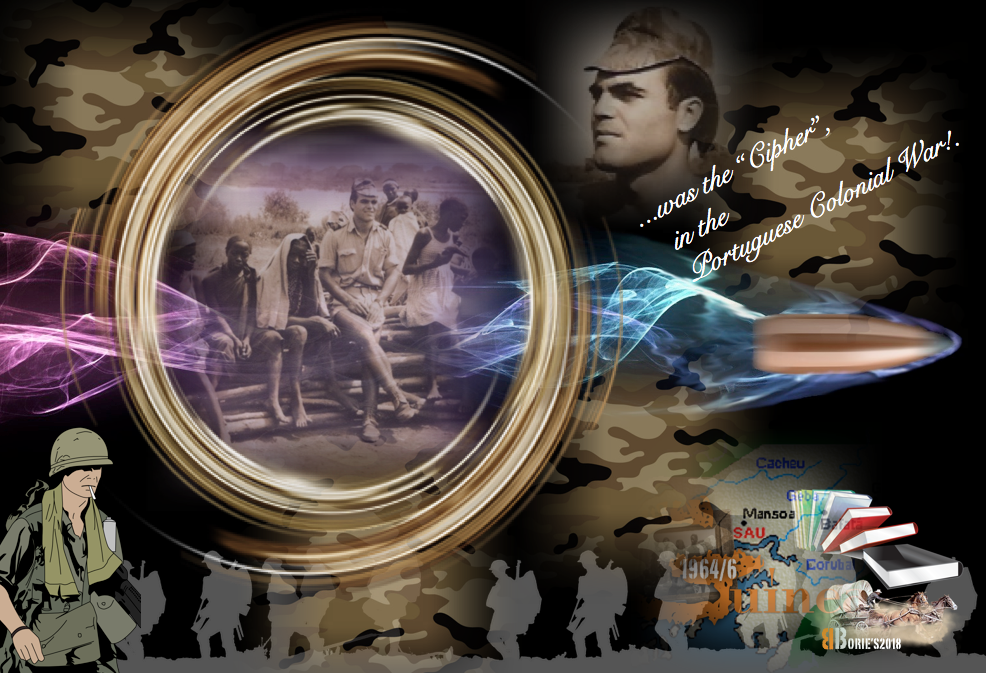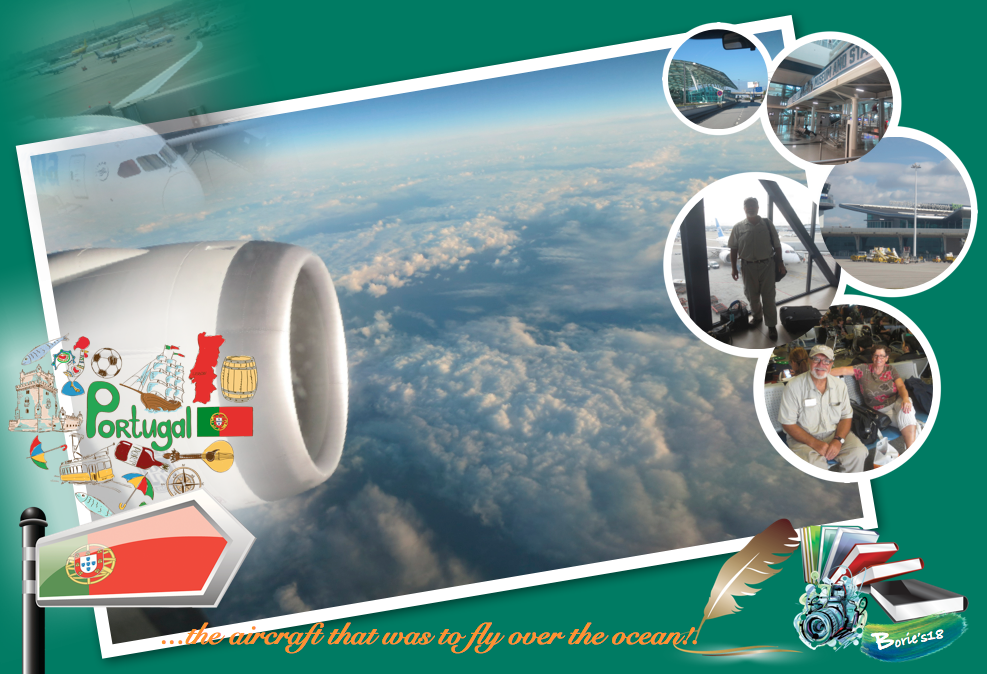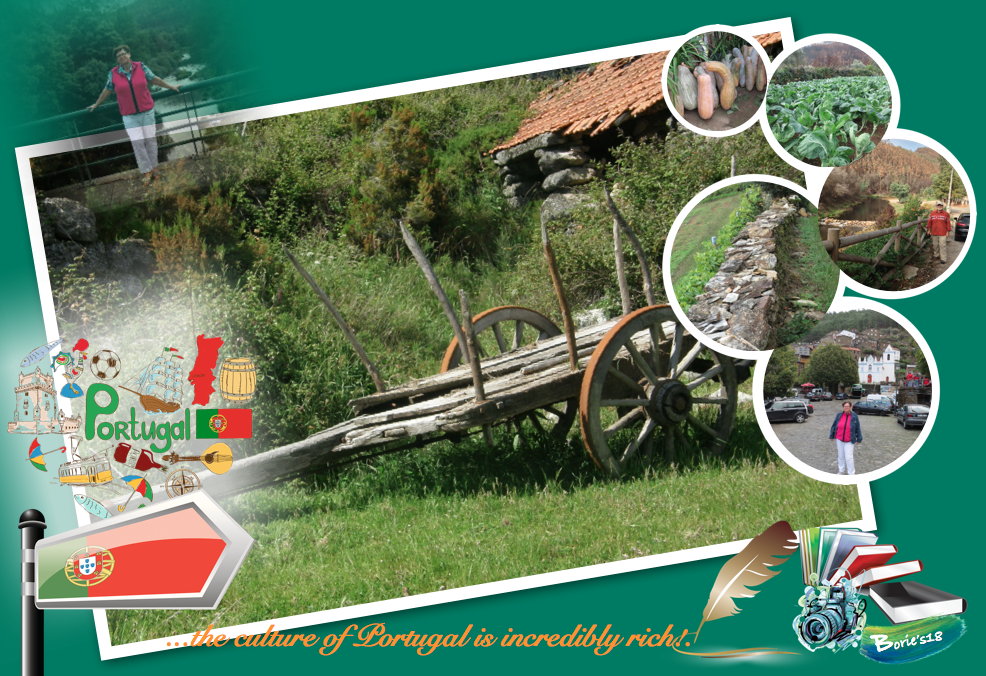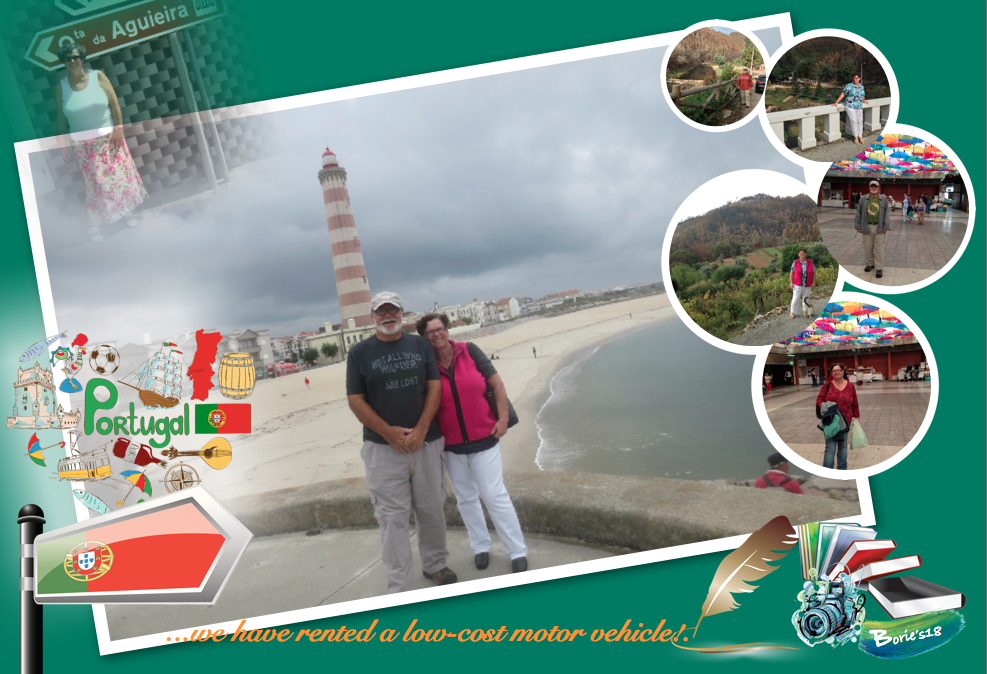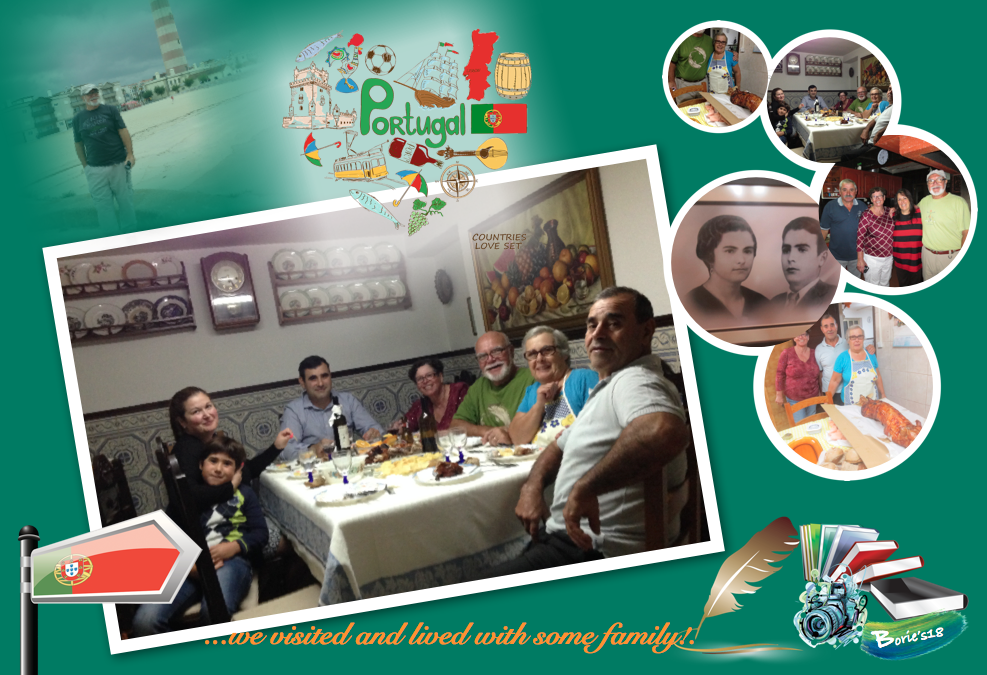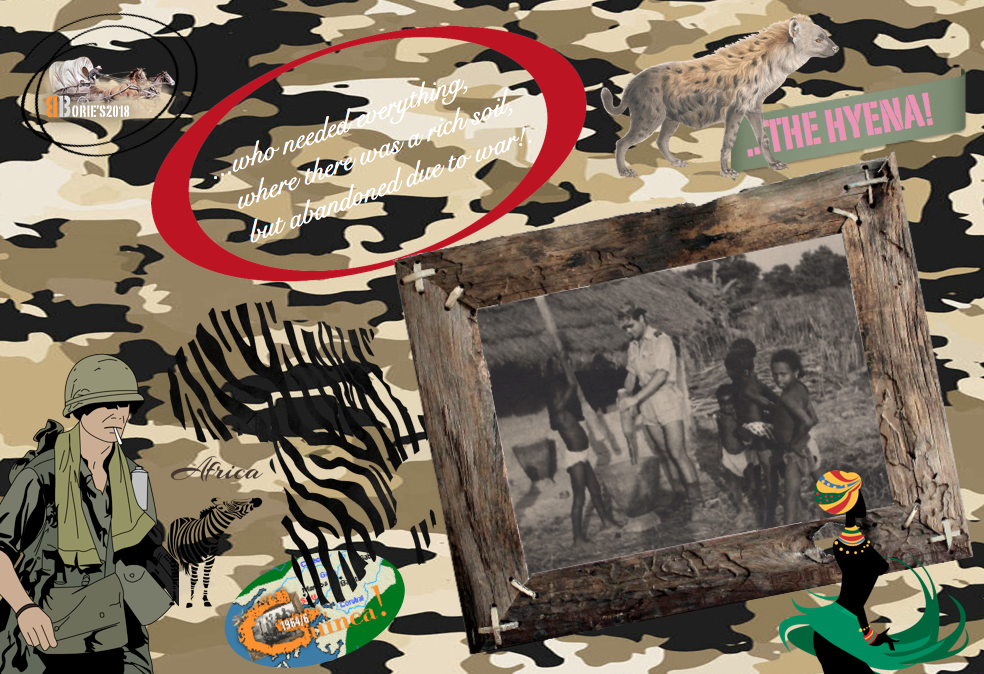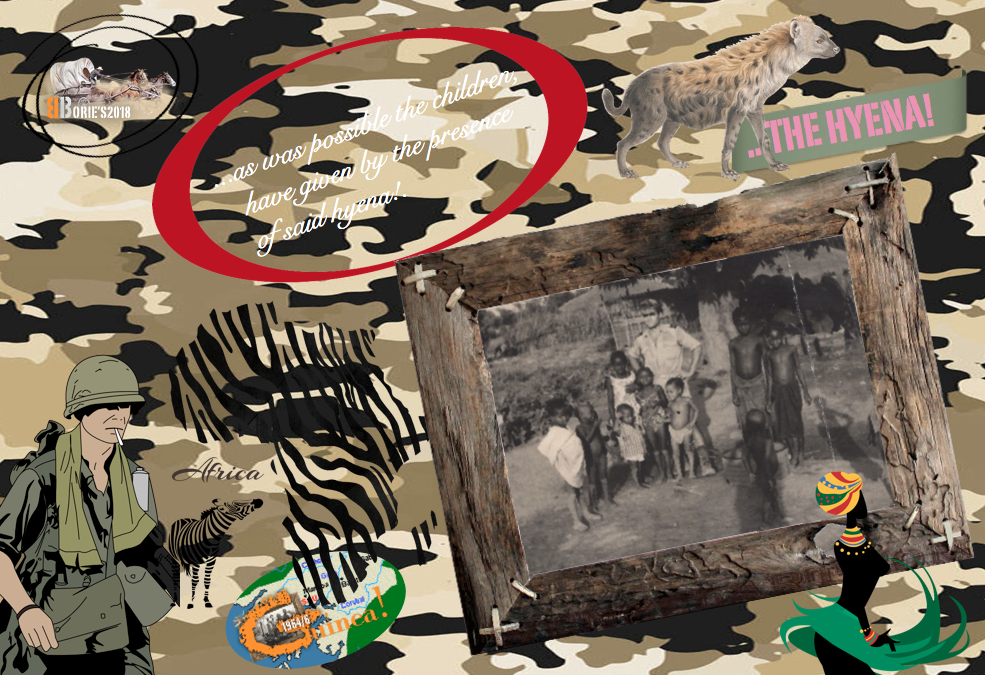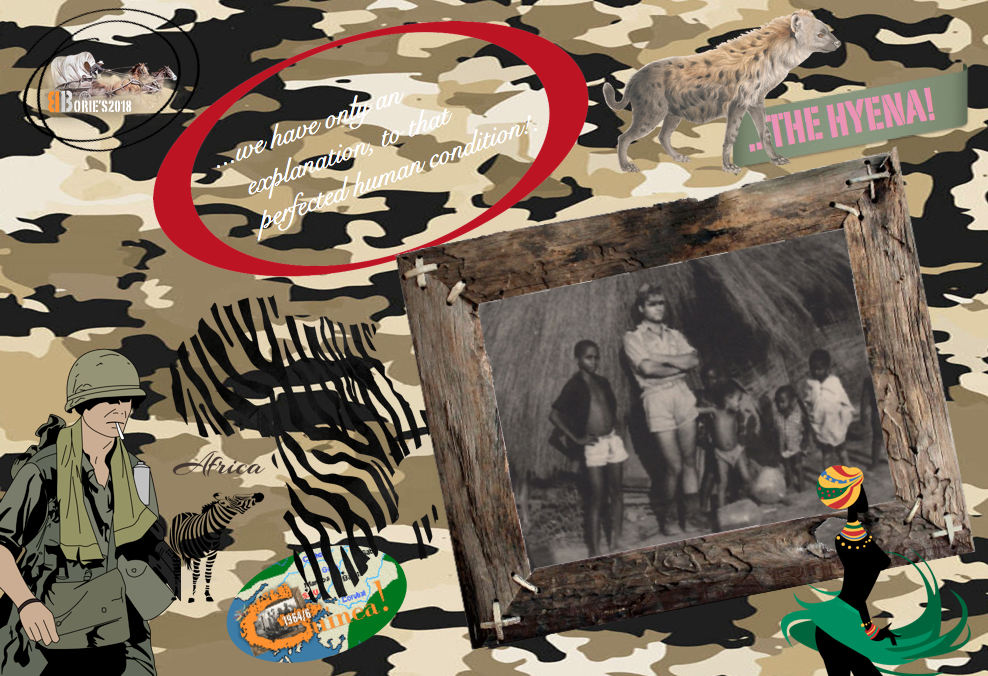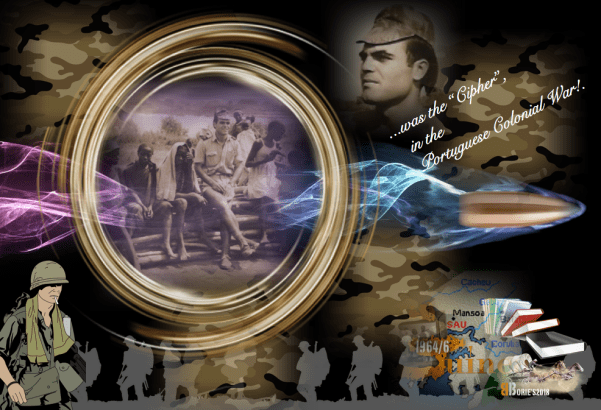
…three legged bench!

…three legged bench!


…a Tripeça! (three legged bench)!

…os anos vão passando, a viagem que fomos fazendo, por lugares, alguns remotos, em diversos continentes, que nos foram trazendo pensamentos, por vezes agradáveis, outros não muito agradáveis, mesmo angustiosos, mas fazem parte desta odisseia, que é e foi, a nossa estadia neste planeta, a que ainda vão chamando de “Planeta Terra”!. (the years are passing, the journey we have been doing, places, some remote, in different continents, that have brought us thoughts, sometimes pleasant, others not very pleasant, even distressing, but are part of this odyssey, which is and it was our stay on this planet, which we still call “Planet Earth”)!.

… a nossa já longa vida, levou a nos identificar quase totalmente, com uma música do cantor de baladas Willie Nelson, onde diz “My Heros Have Always Been Cowboys”, (Os meus Heróis sempre foram os Cowboys), porque na verdade, a não ser os da nossa infância, dos livros das “histórias aos quadradinhos”, nunca tivémos um qualquer herói, pelo menos os “fabricados” pela história mundial, que nos apresentam em diferentes épocas!. (our long life, led us to identify almost entirely with a song by singer Willie Nelson, where it says “My Heroes Have Always Been Cowboys”, because in fact, except those of our childhood, from the books of “stories to squares”, we have never had any hero, at least those “fabricated” by world history, which present us at different times)!.

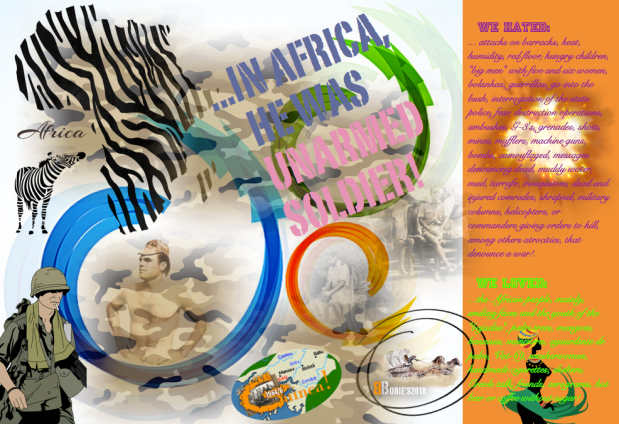
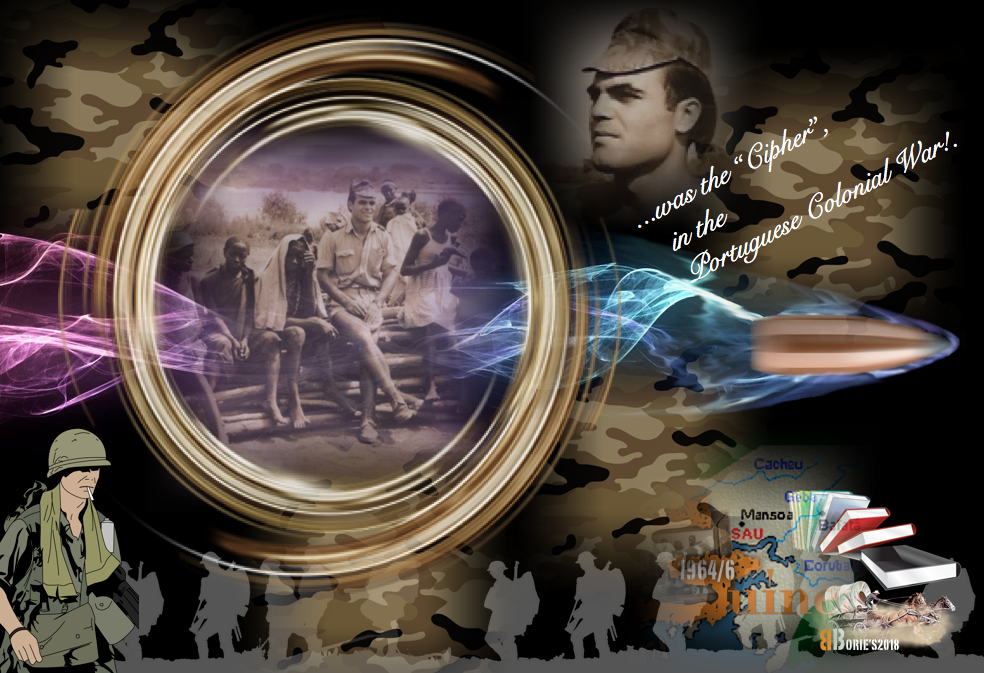
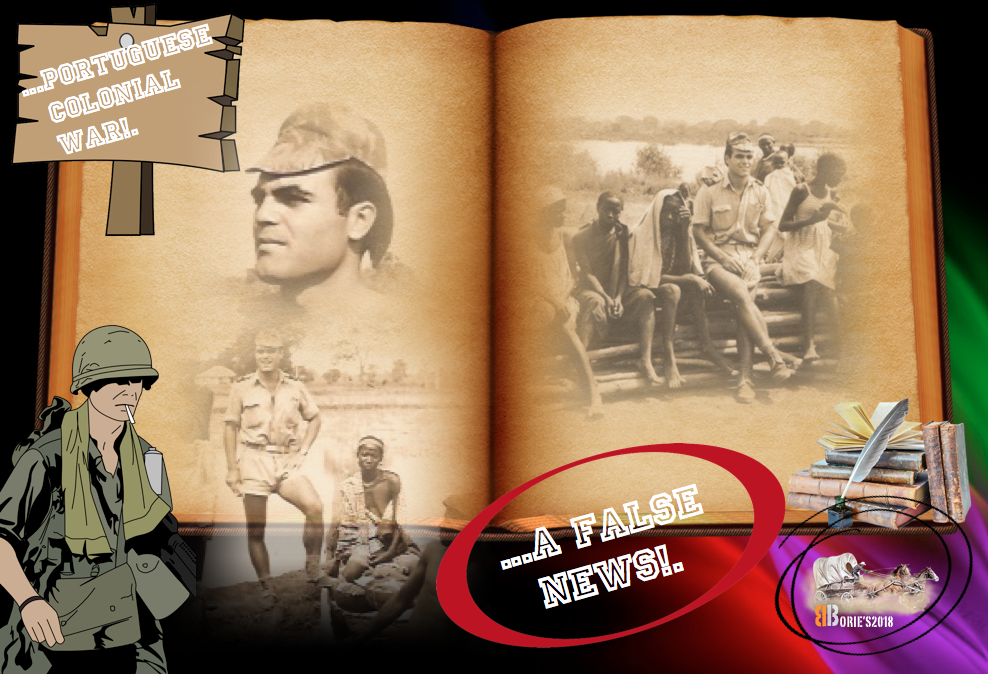
…hoje voltamos à Guerra Colonial Portuguesa, a África, ao chão de terra vermelha, onde passámos um período da nossa vida, amargurada, coberta de medo e angústia, mandados para lá por um primeiro-ministro mentiroso, com um pensamento cheio de ideias políticas, que na altura diziam, ou ele se auto-identificava, como um “herói do povo”, dizendo-nos para irmos para a guerra, entre outras coisas interromper o comunismo, que ameaçava as suas Províncias Coloniais, para proteger as pessoas pobres, que viviam por lá!. (today we went back to the Portuguese Colonial War, the Africa, to the ground of red earth, where we spent a bitter, fearful and anguished period of our lives, sent there by a lying prime minister, with a thought full of political ideas, which at the time said, or he identified himself as a “hero of the people,” telling us to go to war, among other things, to stop communism, which threatened its Colonial Provinces, to protect people, poor people who lived there)!.

…hoje, ao lembrarmos aqueles anos, pensando naquele maldito primeiro-ministro, que nos arrancou da nossa aldeia do Vale do Ninho d’Águia, na encosta agreste da montanha do Caramulo, lá naquele Portugal da Europa, desterrando-nos para uma área de combate, a milhares de quilómeros de distância, combatendo pessoas que nenhum mal nos tinham feito antes, que nem sequer conhecíamos, provocando uma guerra que se prolongou por anos, matando milhares de jovens, ferindo e traumatizando outros tantos, onde só existia um cenário de medo, angústia e sofrimento!. (today, as we remember those years, thinking of that accursed Prime Minister, who has taken us from our village in the Valley of the Ninho d’Águia, on the rugged hillside of Caramulo Mountain, back in that Portugal of Europe, banishing us to a thousands of miles away, fighting people that no evil had done to us before, which we did not even know, provoking a war that lasted for years, killing thousands of young people, wounding and traumatizing others, where there was only one scenery of fear, anguish and suffering)!.

…já lá ia mais de um ano, quase dois, no interior da então Província da Guiné Portuguesa, estava a tornar-se difícil, mesmo muito difícil, quase penoso, havia momentos de completo descontrolo, não sabíamos quem éramos, onde estávamos, nada nos importava, o cigarro não saía dos lábios, acendiam-se uns aos outros, a nossa companheira de quase todos os momentos, a tal garrafa que era especial, porque tinha uma rolha em porcelana, com argola em borracha, fechando por intermédio de uma engrenagem de dois arames, que os primos de Lisboa, tinham trazido da capital e, que nós trouxemos da nossa aldeia do Vale do Ninho d’Águia, que sempre nos acompanhou, andava cheia de tudo, até medo, pois já conhecia o som de uma metralhadora disparando ou a explosão de uma granada de morteiro 90, mas naquele momento, trazia um líquido parecido com coca-cola, mas de coca-cola não tinha nada, era uma mistura de vinho, café e álcool roubado ao “Pastilhas”, na enfermaria!. (more than a year, almost two years ago, within the then Province of Portuguese-Guinea, it was becoming difficult, even very difficult, almost painful, there were moments of complete lack of control, we did not know who we were, where we were, nothing mattered to us, the cigarette did not leave our lips, they lit each other, our companion of almost every moment, the bottle that was special, because it had a porcelain stopper, with rubber ring, closing by means of of a two-wire gear that the Lisbon cousins had brought from the capital, and which we brought from our village in the Valley of the Ninho d ‘Águia, which always accompanied us, was full of everything, even fear, since I already knew the sound of a machine-gun firing or the explosion of a mortar grenade 90, but at that moment, it had a Coke-like liquid, but of Coke it had nothing, it was a mixture of wine, coffee and alcohol stolen from “Pastilhas”, in the nursery room!.

…apesar desse aspecto desleixado, quando chegava o momento de entrar de serviço e executar as nossas tarefas, apresentávamo-nos limpos, usando a camisa comunitária, que era a que sempre estava pendurada no Centro Cripto e, que todos os companheiros usavam para entregar as mensagens já decifradas no comando, especialmente quando havia contacto com o comandante!. As tarefas eram executadas com toda a precisão, fazia-nos bem, andávamos ocupados, no entanto, fora das nossas tarefas, surgia na nossa mente uma espécie de triângulo, era uma “tripeça”, igual à que havia na casa da avó materna, já velha, com uma perna quase a partir!. Esta, na nossa mente, também tinha uma, talvez duas pernas quase a partir, pois orgulhosamente, considerávamo-nos parte de três famílias, eram três queridas famílias!. (in spite of this sloppy appearance, when it was time to get on duty and perform our tasks, we would present ourselves clean, wearing the community shirt, which was the one that was always hung in the Crypto Center and which all the companions used to deliver the messages already deciphered in the command, especially when there was contact with the commander!. The tasks were executed with all the precision, it did us well, we were busy, however, outside our tasks, it came in our mind a kind of triangle, it was a “three legged bench”, just like the one in the maternal grandmother’s house, already old, with an almost broken leg!. This, in our mind, also had one, perhaps two legs almost split, because proudly, we considered ourselves part of three families, were three dear families)!.

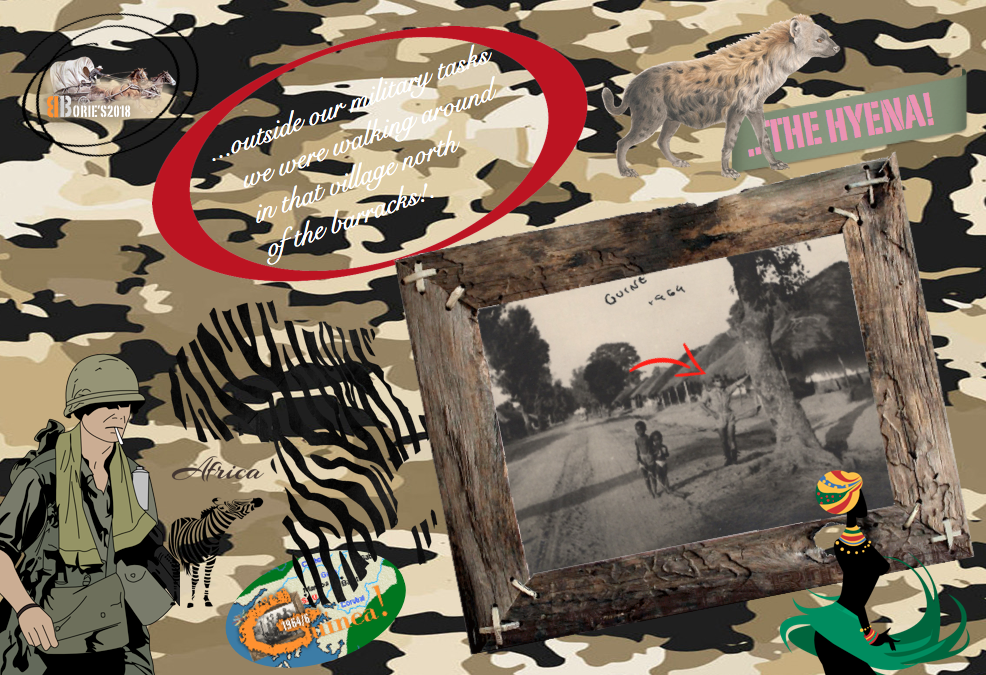
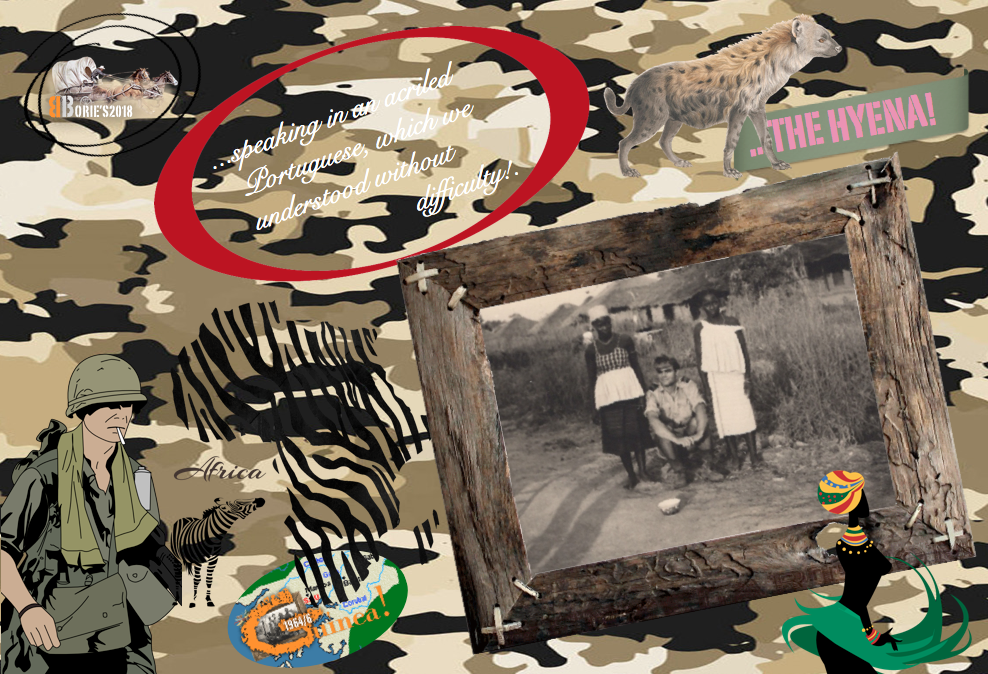
…os naturais, aquelas pessoas amigas que viviam na tal “tabanca”, (aldeia), com casas cobertas de colmo, um pouco a norte do aquartelamento, eram a nossa primeira família, passávamos por lá quase todos os dias, viviam debaixo da maior miséria que um ser humano pode viver, palhotas com chão térreo, com uma simples panela, que às vezes nem era panela, era uma lata de conserva de qualquer coisa, que levávamos com comida do aquartelamento, dormiam em cima de um lastro feito de ervas secas, coberto com um simples pano, onde o pouco com que se alimentavam, repartiam com os animais, que também famintos, cobertos de insectos, com o rabo entre as pernas, procuravam aproximar-se delas, dessas simples pessoas que, vivendo miserávelmente davam-nos tudo o que lhes era possível dar, sem nunca pedirem nada em troca, sempre com um sorriso, olhando-nos nos olhos, sinceras e humildes, com uma maneira própria, que nós, oriundos da velha Europa, nunca tínhamos visto em toda a nossa ainda jovem vida!. Agora, quase a abandoná-las, talvez para sempre, ficávamos tristes, mesmo muito tristes, com algumas lágrimas de saudade, dizíamos baixinho, só para nós:

– desejava ansiosamente o dia de regressar à Europa, agora quero ficar aqui para sempre!.

(The natives, those friendly people who lived in such “tabanca” (village), with thatched houses, a little north of the barracks, were our first family, we went there almost every day, lived underneath of the greatest misery that a human being can live on, with ground-level huts, with a simple pan, which sometimes was not even a pan, was a can of anything that we carried with food from the barracks, slept on a ballast made of dried herbs, covered with a simple cloth, where the little they fed, distributed with the animals, who also hungry, covered with insects, with the tail between their legs, sought to approach them, those simple people who, living miserably gave us everything they could give them, never asking for anything in return, always with a smile, looking us in the eyes, sincere and humble, with a way of our own, which we, from old Europe, had never seen in all our still young life! Now, almost abandoning them, perhaps forever, we were sad, even very sad, with a few tears of longing, we said quietly, just for us:

– Anxiously wanted the day to return to Europe, now I want to stay here forever)!.

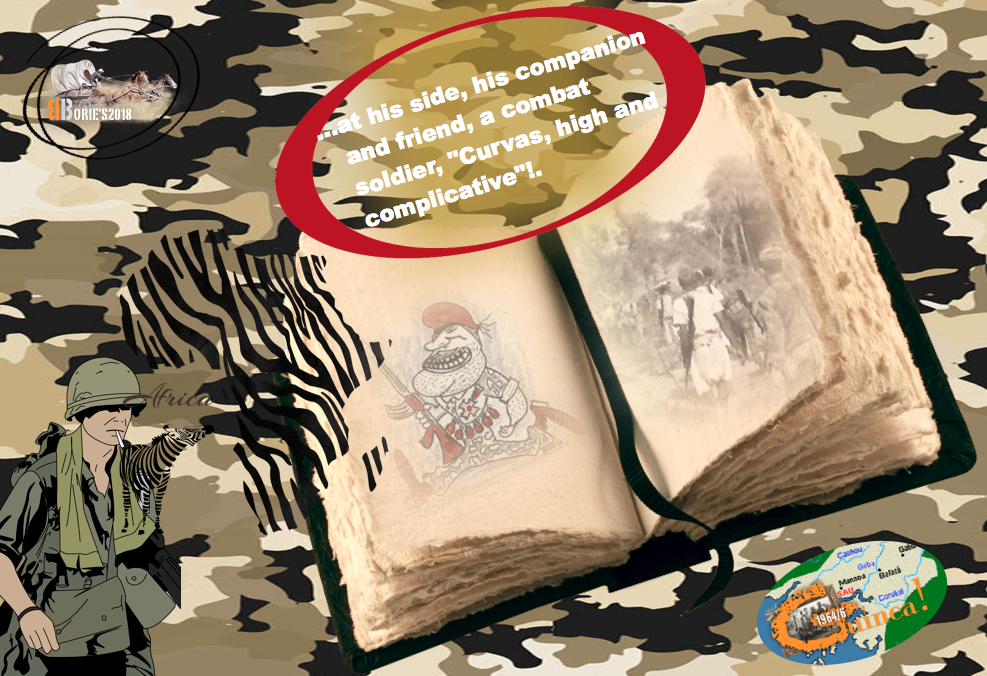
…os nossos companheiros, em especial o nosso grupo com quem convivemos dois anos, o Curvas alto e refilão, o Marafado, o Trinta e Seis, o Setúbal, o Mister Hóstia, o Arroz com Pão, o Gascidla, o Lifouboy, o Pastilhas, o Furriel Miliciano ou o Sargento da Messe, conheciamo-nos como tivéssemos vivido juntos toda a vida, eram eles a nossa segunda família, sabíamos os costumes uns dos outros, muitas vezes zangados mas amigos, bebíamos, fumávamos, roubávamos pão, vinho ou álcool, quando um tinha fartura de alguma coisa, todos tinham fartura e, quando não havia para um, não havia para ninguém!. Todos os nossos problemas ficavam quase resolvidos ao deitar, sobre influência alguns, outros de sentinela, não vão os guerrilheiros atacar o aquartelamento nessa noite!. (our companions, especially our group with whom we have lived for two years, the Curvas high and complicative, the Marafado, the Thirty-Six, Setúbal, Mister Hóstia, Rice with Bread, Gascidla, Lifouboy, the Furriel Miliciano or the Sergeant of the Messe, we knew how we had lived together all our lives, they were our second family, we knew the customs of each other, often angry but friends, we drank, we smoked, we stole bread, wine or alcohol, when one had plenty of something, all had plenty, and when there was not for one, there was no one! All our problems were almost solved at bedtime, on some influence, some sentinel, the guerrillas will not attack the barracks that night)!.

…a terceira família, era aquela que nos esperava na Europa, que nos mandava cartas e aerogramas, algumas com fotos, que nos proporcionava alguns momentos de menos sofrimento, desejando-nos sorte, perguntando se nos encontrávamos bem, ao qual muitas vezes rspondíamos que, qualquer dia iríamos regressar e, nesse momento iriam ver o que restava de nós!. Em alguns momentos imaginávamos como seriam as suas faces quando os visse de novo, uns talvez parececem mais velhos, outros talvez não, alguns tinham nascido depois de abandonar-mos a aldeia, outros já não pertenciam ao número dos vivos, enfim, iria acontecer alguma surpresa, mas uma surpresa agradável, no entanto estas três famílias traziam a nossa mente ocupada, algo confusa e um pouco angustiada também!. (the third family was the one who was waiting for us in Europe, who sent us letters and aerograms, some with photos, which gave us some moments of less suffering, wishing ourselves luck, asking if we were well, which often We would say that someday we would come back, and then they would see what was left of us! At times we imagined what their faces would look like when they saw them again, some may look older, some might not, some had been born after we left the village, some were no longer living, some would happen surprise but a pleasant surprise, however these three families brought our mind occupied, somewhat confused and a bit distressed too)!.

…e na verdade, num dia quente, princípio de verão, regressámos à Europa, um pouco diferentes, mais frios, vendo e cheirando a área, não vendo mais o chão de terra vermelha, desconfiados, com medo de tudo o que se movimentasse em nosso redor, não acreditando em heróis, pois se os houvesse, foram os irmãos de guerra que morreram em combate, os quais alguns, ajudámos a recolher o que restava dos seus ensanguentados corpos, embrulhando-os no seu próprio camuflado, roto pelo tempo e pelos buracos de balas mortíferas que o atravessaram, enquanto a sua alma, se é que existia, os abandonava, fugindo, também amedrontada para um infinito qualquer!. (and in fact, on a warm day, early summer, we returned to Europe, a little different, cooler, seeing and smelling the area, no longer seeing the ground of red earth, distrustful, afraid of everything that moved around us, not believing in heroes, for if the there were war brothers who died in combat, some of whom we helped to collect what was left of their bloody bodies, wrapping them in their own camouflage, broken by the time and by the holes of deadly bullets that passed through it, while the his soul, if it existed, abandoned them, fled, also frightened to any infinite)!

…era o que restava de nós!. (was what was left of us)!

Tony Borie, April 2018.
…Saturday 23, Thursday evening!

…Saturday 23, Thursday evening!

…sábado 23, quinta-feira à noite!. (Saturday 23, Thursday evening)!.

…é um curioso título?. Sim, muito curioso, como também existem outras curiosidades, como por exemplo: “entre os animais, a guerra total contra outros membros da mesma espécie, ocorre apenas entre grandes sociedades de humanos e formigas”!.

(Is it a curious title? Yes, very curious, as there are other curiosities, for example: “among animals, total war against other members of the same species occurs only between large societies of humans and ants”)!.

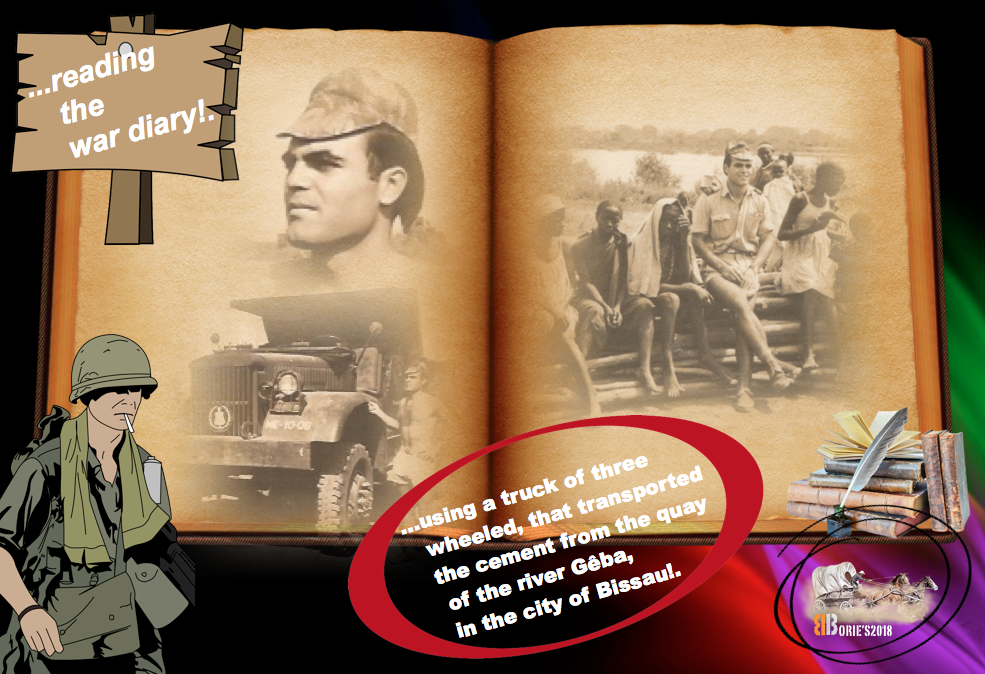
…são apenas curiosidades, mas hoje vamos lembrar um momento que está escrito, por sinal muito mal escrito, no nosso diário de guerra, que é pitoresco e de acção de combate não tem nada, mesmo nada, cá vai:
(are just curiosities, but today we will remember a moment that is written, by the way very poorly written, in our war diary, which is picturesque and combat action has nothing, even nothing, here goes):

…o dia, como era costume, estava quente e abafado, no entanto de acordo com o calendário, marcava precisamente um ano, que desembarcámos em África, no tal acampamento, junto ao cais de desembarque, coberto de lama e mosquitos!. (the day, as was customary, was hot and muffled, yet according to the calendar, it marked precisely a year, which we landed in Africa, in this camp, near the landing dock, covered with mud and mosquitoes)!.

…já não éramos “piriquitos”, (novatos), éramos um veterano, já podíamos dar qualquer conselho sobre estadia em cenário de combate, aos militares mais novos e, era verdade, um ano de estadia era um “posto”, em zona de guerra, os mais novos ouviam-nos com algum respeito!. (we were no longer “parakeets” (rookies), we were a veteran, we could already give any advice about stay in combat scene, to the younger military and, it was true, a year of stay was a “post”, in war zone, the younger ones listened to us with some respect)!.

…chamámos o “Setubal” e o “Curvas, alto e refilão”, que eram os companheiros com quem mais convivíamos, dizendo-lhes:

– hoje, fazemos um ano de estadia em África, não se lembram!.

(We called the “Setubal” and the “Curvas, high and complicative”, which were the companions with whom we lived together, saying:

– Today, we make a year of stay in Africa, do not remember)!.

…era verdade, embora colocados em diferentes unidades militares!. De seguida, fomos à Messe dos Sargentos “desviar” uma garrafa de uisque Vat-69, que era importado da Escócia, com um rótulo especial, com a legenda ” for the Portuguese Armed Forces with love”, (para as Forças Armadas Portuguesas com amor)!. Os três, debaixo na enorme árvore Mangueiro, que tinha sido baptizada com o nome do “Setubal”, na qual, junto da sua base estavam algumas gaiolas de macacos e piriquitos, abrimos a garrafa atirando a rolha para longe, sinal de que não precisavámos mais dela!. (was true even though placed in different military units!. Then we went to the Sergeants’ Mage to “divert” a bottle of Vat-69 whiskey, which was imported from Scotland with a special label, with the caption “for the Portuguese Armed Forces with love!”. The three of them, under the huge Mangrove tree, which had been baptized with the name of “Setubal”, with a few cages of monkeys and piriquitos at its base, we opened the bottle by throwing the cork away, a sign that we did not need it)!.

…acordámos umas horas depois, ao som do chilrear dos piriquitos!. Os macacos olhavam-nos, às vezes com a cara de lado, outras vezes emitindo grunhidos de angústia, dando voltas na gaiola, tentando abri-la, talvez tentando acordar os seus donos, que os tratavam e lhe davam algum carinho!. (we awoke a few hours later, to the sound of the piriquitos chirping!. The monkeys looked at us, sometimes with their faces to one side, sometimes with growls of anguish, circling the cage, trying to open it, perhaps trying to wake their owners, who treated them and gave them some affection)!.

…no próximo dia pela manhã, talvez ainda sobre influência, ao vestir o que restava dos calções, desiquilibrámo-nos, rasgando-os um pouco mais!. Era normal, a roupa já tinha um ano de uso, estava coçada, as botas gastas e também rotas de lado, o comando dizia que só havia direito a roupa nova, quem a perdesse em combate, quem fosse militar de acção, em outras palavras, quem debaixo de fogo, fosse alvo de uma rajada de metralhadora ou a explosão de uma mina ou fornilho, e claro, destruísse a sua roupa e ao mesmo tempo, também destruísse o seu corpo!. (on the next day in the morning, perhaps still on influence, in dressing what was left of the shorts, we got off balance, ripping them a little more! It was normal, the clothes had already been worn for a year, it was scratched, the boots worn and also worn out, the command said that only new clothes were available, who lost it in combat, who was military in action, in other words , who under fire, was the target of a machine-gun blast or the explosion of a mine or fornilho, and of course, destroyed his clothes and at the same time, also destroyed his body)!.

…aqui funcionava o que hoje se diz “tráfico de influências”!. Os mais velhos, trocavam duas camisas, ou uma camisa e dez maços de cigarros “três vintes”, por uns calções, com os militares mais novos, pois camisa era coisa que poucos usavam!. Naquela altura, a mais importante pessoa, passou a ser o Sargento da Arrecadação, onde não havia arrecadação nenhuma!. (here used to be what is now called “trafic of influences”!. The older ones exchanged two shirts, or a shirt and ten packs of “three vintes” cigarettes, with some shorts, with the younger military, because a shirt was something few used!. At that time, the most important person, became the Sergeant of the Collection, where there was no collection)!.

…nós, falámos com o Sargento da Arrecadação, dizendo que precisávamos urgentemente de novos calções, pois os que usávamos estavam rotos!. Estas palavras foram proferidas com alguma fúria:

– estou farto de calções rotos, desde que era criança!.

…o Sargento, com bastante calma, respondeu:

– só se estiverem mesmo rotos ao ponto de já não se poderem usar!.

…nós, nesse preciso momento, despimos os calções, rasgámos em pedaços o que deles restava, dizendo:

– aqui está a prova!.

…regressando nú ao Centro Cripto, pois há muito que não usávamos roupa interior!.

(We talked to the Sergeant of the Collection, saying that we urgently needed new shorts, because the ones we wore were broken!. These words were uttered with some fury:

– I’m sick of broken shorts since I was a kid!.

The Sergeant calmly replied:

– Only if they are even broken to the point that they can no longer be used!.

We, at that very moment, stripped off our shorts, ripped apart what remained of them, saying:

– Here’s the proof!.

Returning nude to the Crypto Center, since we had not worn underwear for a long time)!.

…este caso ficou famoso, andou de boca em boca em todo o aquartelamento!. Uns dias depois, já usávamos novos calções, sendo colocada uma folha oficial no local onde eram servidas as refeições, para ali colocarem o nome, que cada caso seria analizado!. (this case became famous, walked from mouth to mouth throughout the barracks!. A few days later, we were wearing new shorts, and an official leaf was placed on the place where meals were served, to place the name there, which would be analyzed every case)!.

…os novos calções eram de cor verde azeitona, as camisas que algumas vezes usávamos eram antigas de cor amarela, portanto, quando nos vestíamos de roupa lavada, principalmente ao domingo, com calções verdes e camisa amarela, o aspecto era diferente, o que levava o “Curvas, alto e refilão”, a dizer-nos:

– tú, não és, nem nunca foste um militar!. Tú, és tropa fandanga!. Nunca cheguei a saber o que é que tú aqui fazes?. Dizes que és Cifra, tú és mas é uma grande merda!. Nos momentos em que andamos em patrulha, sofremos emboscadas, quando vamos em operações de destruição de acampamentos ou bases inimigas, onde por lá andam as tuas amigas guerrilheiras, (falava sempre nelas), olho para todos os lados e, nunca te lá vi!.

(The new shorts were olive green in color, the shirts we sometimes wore were yellow in color, so when we dressed in washed clothes, especially on Sunday, in green shorts and a yellow shirt, the look was different. who led the “Curves, high and complicative”, to tell us:

– You are not, and you were never a soldier!. You are “fucking troop”!. I never got to know what you do here?. You say you’re a Cipher, you’re but it’s a big shit. At times when we are on patrol, we are ambushed, when we go in operations to destroy enemy camps or bases, where your guerrilla friends go there (I always spoke in them), I look everywhere and I have never seen you)!.

…era assim e, o melhor era não lhe responder, pois o “Trinta e Seis”, não andava por perto e era o único que tinha mão nele, no entanto se lhe respondíamos então o seu reles bocabulário não ia ficar por ali, mas como já dissémos por outras vezes, era um bom companheiro, tinha tido uma juventude de sofrimento, criado na rua, pois a sua mãe, andava na vida de prostituição, abandonando-o em criança, foi criado sem carinho, nunca ninguém lhe limpou o ranho do nariz, nunca ninguém lhe perguntou se tinha fome ou frio, se precisava de roupa, se tinha dores em qualquer parte do seu corpo ou lhe estendeu a mão com qualquer ajuda!. Naquele aquartelamento, era o militar mais bem preparado para combate, era um autêntico “Survivor”, necessitava sómente de compreensão!. (it was so, and the best thing was not to answer him, for the “Thirty-Six” was not around and was the only one who had a hand in it, but if we answered then his reckless binary would not stay there, but as we have said at other times, he was a good companion, had a youth of suffering, raised in the street, because his mother, walked in the life of prostitution, abandoning him as a child, was created without affection, wiped the snot of his nose, no one ever asked him if he was hungry or cold, if he needed clothes, if he had pains anywhere on his body or extended his hand with any help! In that barracks, he was the most well-prepared military man for combat, he was an authentic “Survivor”, he needed only understanding!.

Tony Borie, April 2018.

…the family is everything!

…the family is everything!

…a família é tudo!. (the family is everything)!.

…orgulhosamente, estes são os descendentes do casal “os Borie’s”, Isaura e António! (proudly, these are the descendants of the couple “the Borie’s”, Isaura and Antonio)!.

…a família é uma ligação ao passado, onde talvez, por volta de 50.000 mil anos atrás, nós, os humanos começámos a exibir evidências de modernidade comportamental, onde em várias ondas de emigração, nos aventurámos, primeiro para fora de África, depois a partir de outros pontos, começámos a povoar parte do planeta Terra, sendo uma ponte para o que hoje designamos futuro!. (the family is a connection to the past, where perhaps, around 50,000 thousand years ago, we, humans, began to exhibit evidence of behavioral modernity, where in several waves of emigration, we ventured first out of Africa, then from other points, we began to populate part of planet Earth, being a bridge to the which today we designate future)!.

…não é por acaso que dizemos que os melhores momentos da nossa vida são encontrados quando os familiares ou amigos se reunem, pois os seres humanos são especialmente hábeis em usar sistemas de comunicação simbólica para a auto expressão e a troca de idéias para se organizarem, e claro, em família ou grupo de amigos, ou até com pessoas com alguma rede de parentesco, é muito mais fácil se comunicarem, se ajudarem, pois já se conhecem, daí o tal ambiente feliz na troca de palavras e compreenção!. (It is not by chance that we say that the best moments of our lives are encountered when family or friends come together, for human beings are especially adept at using symbolic communication systems for self expression and the exchange of ideas for organizing, and of course, family or group of friends, or even with people with a kinship network, it is much easier to communicate, if they help, because they already know each other, hence the happy environment in the exchange of words and understanding)!.

…as famílias são como os ramos de uma árvore, crescemos em diferentes direcções, mas as nossas raízes permanecem numa só direcção, isso nunca esquecemos, que é o amor e afecto familiar!. Todavia nós, os humanos, em geral todos temos a curiosidade e o desejo de compreender e influenciar o meio ambiente, explicar e manipular fenómenos e eventos às vezes incomprensíveis, como o desenvolvimento da ciência, a mitologia da filosofia da religião ou outros campos do conhecimento, e nós, os mais antigos, às vezes esquecemos, querendo ensinar, explicar aos descendentes, os princípios de vida que tivémos, mas nem sempre são aconselháveis, pois as pessoas hoje, enfrentam um sistema onde a sobrevivência é um dos pormenores mais importantes, sobretudo para os jovens!. (families are like the branches of a tree, we grow in different directions, but our roots remain in one direction, this we never forget, which is love and family affection!. However, we humans generally have the curiosity and desire to understand and influence the environment, explain and manipulate phenomena and sometimes incomprehensible events, such as the development of science, the mythology of the philosophy of religion, or other fields of knowledge, and we the older ones sometimes forget, wanting to teach, explain to the descendants, the principles of life we have, but they are not always advisable, because people today face a system where survival is one of the most important details, especially for young people)!.

…a família não é uma coisa “importante”?. Pois não, pois a palavra importante não existe nela!. A FAMÍLIA É TUDO, onde a vida e o amor começam e, nunca acabam!. Nós os humanos modernos, defenidos com uma espécie superior, comparados com os outros seres vivos que existem no planeta Terra, comunicamo-nos, cultivando sentimentos, aperfeiçoando modos de vida cada vez mais fáceis, comparados com aqueles que os nossos antepassados usavam quando, reunidos em grupos, concerteza com algum parentesco ou em família, colonizaram todos os continentes e ilhas maiores, chegando à então Eurásia, talvez 125.000 e 60.000 anos atrás, à Austrália há cerca de 40.000 anos, às Américas há cerca de 15.000 anos atrás, às Ilhas remotas, como o Hawaii, Ilha da Páscoa, Madagascar ou Nova Zelândia entre os anos 300 e 1280, adaptando-se a práticamente, todos os diferentes climas, onde por ali ficavam, mas nunca esquecendo o tal grupo, a tal família!. (the family is not an “important thing”?. No, because the important word does not exist in it! THE FAMILY IS EVERYTHING, where life and love begin and never end!. We modern humans, defined with a higher species, compared to the other living beings that exist on the planet Earth, we communicate, cultivating feelings, perfecting ever easier ways of life, compared with those that our ancestors used when, reunited in groups, with some kinship or in family, colonized all the continents and larger islands, arriving at the then Eurasia, perhaps 125,000 and 60,000 years ago, to Australia about 40,000 years ago, to the Americas some 15,000 years ago, to the Islands remote, such as Hawaii, Easter Island, Madagascar or New Zealand between the years 300 and 1280, adapting to practically, all different climates, where they stayed, but never forgetting such a group, such a family)!.

…a família é como a música, tem algumas notas altas, algumas notas baixas, mas é sempre uma música linda!. Nós os humanos, que expressamos os nossos sentimentos, sabemos que nenhuma família é perfeita, nós argumentamos, nós lutamos, nós até às vezes paramos de nos comunicar, mas no final, família é família, o verdadeiro amor sempre está lá, não importa o crescimento da civilização, as sociedades humanas expandirem-se, as formas de governo, cultura ou religião!. (the family is like music, it has some high notes, some low notes, but it’s always a beautiful song!. We humans, we express our feelings, we know that no family is perfect, we argue, we fight, we sometimes stop communicating, but in the end, family is family, true love is always there, no matter what growth of civilization, human societies expand, forms of government, culture or religion)!.

…a família, nem sempre é sobre as pessoas na nossa vida, onde existe a relação de sangue!. É sobre as pessoas na nossa vida que querem que nós estejamos nelas!. É sobre as pessoas na nossa vida que nos aceitam tal como somos, que nos apoiam nas nossas decisões, nas coisas que escolhemos, não importa o quê, estão lá por nós!. Essas são as pessoas que nos amam, são a nossa família, que nos respeitam e em quem podemos confiar!. Essa é a nossa verdadeira família!. (the family, it is not always about the people in our life, where there is the relation of blood!. It’s about the people in our lives who want us to be in them! It is about the people in our lives who accept us as we are, who support us in our decisions, in the things we choose, no matter what, are there for us!. These are the people who love us, are our family, respect us and whom we can trust!. This is our real family)!.

Tony Borie, April 2018.
…other times!

…other times!


…outros tempos!. (other times)!.

…hoje, nesta idade um pouco avançada, quando comemos uma refeição leve, com bastante salada, olhando os vegetais, logo nos vem à ideia o difícil trabalho da agricultura!. (Today, at this slightly advanced age, when we eat a light meal, with plenty of salad, looking at the vegetables, we soon come to the idea of the difficult work of agriculture)!.

…lembramo-nos da aldeia do Vale do Ninho d’Águia, lá naquela encosta agreste da montanha do Caramulo, naquele Portugal da Europa, onde nascemos e crescemos, vivendo numa área onde algumas famílias, talvez num círculo de alguns quiilómetros quadrados, cultivaram e casaram, constituindo família, onde todos se conheciam, sendo uma comunidade estável por séculos, ao longo daquele vale!. (We remember the village of the Valley of the Eagle’s Nest, on that rugged mountain slope of the Caramulo mountain, that Portugal of Europe, where we were born and grew up, living in an area where some families, perhaps in a circle of a few square kilometers, cultivated and married, constituting family, where everyone knew each other, being a stable community for centuries, along that valley)!.

…o dia começava, quando o combóio das seis e meia, passava vale abaixo a toda a velocidade em direcção ao oceano Atlântico e, terminava no seu regresso, por volta das dez e meia da noite, fazendo um ruído ensurdedor, vale acima, em direcção à montanha, com a locomotiva a todo o vapor, abanando o curral das ovelhas, que berravam assustadas!. (The day began, when the six-thirty train passed downhill at full speed toward the Atlantic Ocean, and ended on his return at around ten-thirty at night, making a deafening sound, up to the mountain, with the locomotive at full steam, shaking the corral of the sheep, who screamed scared)!.

…crescemos numa fazenda pequena, que os nossos pais chamavam quinta, onde havia uma vaca leiteira, ovelhas, cabras, um porco, algumas galinhas, coelhos e um cão, que era o nossa companhia preferida!. Cultivávamos milho, centeio, algum trigo, feno, batatas e vegetais, como nabos, couves, alfaces ou beterrava, que eram o sustento da família, onde também havia algumas árvores de fruto, nascidas por acaso, como larangeiras, macieiras ou nespreiras, além de algumas videiras, que estavam lá ao sabor do tempo, se chovia eram regadas, se havia muito sol, secavam alguns ramos!. (We grew up on a small farm, which our parents called a farm, where there were a milk cow, sheep, goats, a pig, a few chickens, rabbits and a dog, which was our favorite company! We grew maize, rye, some wheat, hay, potatoes and vegetables, such as turnips, cabbages, lettuces or beets, which were the family’s livelihood, where there were also some fruit trees, born randomly, such as orange trees, apple trees or loquat trees, of some vines, which were there in the flavor of time, if it rained were watered, if there was too much sun, dried some branches)!.

…na nossa casa, não havia electricidade nem encanamento de água interior, o quarto banho era uma barraca cá fora, mas havia toda a liberdade para vaguear por toda a quinta, incluindo a parte mais alta que era o pinhal, onde existiam algumas árvores de pinheiro e eucalipetos, mas poucos, no entanto era o nosso paraíso, onde caçávamos coelhos, perdizes e pombas selvagens!. (In our house, there was no electricity or internal water pipes, the fourth bathroom was a tent outside, but there was all the freedom to roam all over the farm, including the highest part of the pine forest, where there were some pine trees and eucalyptus, but few, yet it was our paradise, where we hunted wild rabbits, partridges and pigeons)!.

…aprendemos a fazer as nossas próprias ferramentas e armas de caça, a reparar e improvisar, recolhíamos a resina dos pinheiros, com que alimentávamos a luz da candeia à noite, a fazer a nossa própria faca, a pequena quinta obrigáva-nos a trabalhar quase o tempo todo, tudo era feito com a força dos braços, o cheiro a estrume era o nosso perfume e, naquele tempo não nos lembramos de ninguém que não gostasse de trabalhar!. (We learned to make our own tools and hunting guns, to repair and improvise, to collect the resin from the pines, with which we fed the light from the lamp at night, to make our own knife, the small farm obliged us to work almost all the time, everything was done with the strength of the arms, the smell of manure was our perfume and, at that time we did not remember anyone who did not like to work)!.

…a palha do centeio e trigo era usada nos colchões!. O único fertilizante era o estrume dos animais!. A repreza no ribeiro que passava ao fundo do vale, era a nossa praia fluvial!. Quando se fazia algo que não estava de acordo com as leis dos adultos, o pai António usava uma “chivata” e quando batia nos irmãos mais velhos, nós, esperando a nossa vez, já chorávamos!. No Vale do Ninho d’Águia, havia sempre ventos, com chuvas de tempestade, com raios, alguns caíam nas árvores, rachando-as, no entanto passado algum tempo floriam de novo!. O nosso jardim, era a vegetação selvagem que crescia em volta do ribeiro que passava ao fundo vale, lindíssimo, com papoilas, cardos selvagens com flor, rosas, girassóis, nenúfares em flor, tudo selvagem, pois ninguém plantava lá nada!. Ali, também era a nossa zona de pesca, com maneiras de pescar artesanais, onde pescávamos robacos e enguias!. (The rye and wheat straw were used in the mattresses! The only fertilizer was the animal manure!. The reprehension in the brook that passed to the bottom of the valley, was our fluvial beach!. When something was done that did not conform to the laws of adults, Father Antonio used a “chivata” and when he beat the older brothers, we, waiting for our turn, were already crying!. In the Valley of the Eagle’s Nest, there were always winds, with storm rains, lightning, some falling on the trees, cracking them, however after a while they bloomed again! Our garden was the wild vegetation that grew around the stream that passed in the valley, beautiful, with poppies, wild thistles with flower, roses, sunflowers, water lilies in bloom, all wild, because nobody planted anything there! There, it was also our fishing zone, with ways of fishing artisanal, where we fished robacos and eels)!.

…talvez uma das razões porque chegámos à idade que hoje temos, fosse porque naquele tempo fazia parte da nossa dieta, galinhas, coelhos, perdizes, pombos e outras aves selvagens, assim como castanhas, alhos, cebolas, cereja selvagem, morangos silvestres, figos, hortelã e cenouras selvagens, amoras, que era o fruto das silvas, ervas e outras especiarias também selvagens, que era só apanhar da terra e comer, nem sequer se lavavam!. (Perhaps one of the reasons we have reached the age we have today, whether it was because of our diet, chickens, rabbits, partridges, pigeons and other wild birds, such as nuts, garlic, onions, wild cherries, wild strawberries, mint, figs and wild carrots, blackberries, which was the fruit of the silvas, herbs and other spices also wild, which was just to pick up from the earth and eat, not even washed)!.

…quando nascemos, a nossa mãe, que trabalhava na quinta, ao lado do nosso pai, para que não chorássemos, dáva-nos pão ensopado em vinho, para dormirmos numa canastra, que nos transportava para todo o lado!. Aos cinco anos, já ajudávamos nas lides de lavoura mais leves, aos sete, depois da escola primária, trabalhávamos ao lado deles, aos dez, já tínhamos o nosso trabalho destinado como se fôssemos um adulto, aos quinze, éramos uma personagem equiparada a um utensílio da quinta, tal como um animal doméstico ou uma parcela de terreno, pois tínhamos quase o mesmo tratamento se por algum caso ficássemos doentes, como tinha o porco ou as ovelhas, talvez até menos!. (When we were born, our mother, who worked on the farm next to our father, so that we would not cry, gave us bread soaked in wine, to sleep in a basket, which carried us everywhere! By the age of five, we were already helping with the lighter tillage, at seven, after elementary school, we worked alongside them, at ten, we already had our work as if we were an adult, at fifteen, we were a character assimilated to a like a domestic animal or a parcel of land, for we had almost the same treatment, if by any chance we were sick, like the pig or the sheep, perhaps even less)!.

…o pai António e a mãe Ilda, eram pessoas que nunca frequentaram uma escola, não sabiam ler, eram analfabetos, assinavam de cruz, receberam a educação dos seus pais, que a tinham recebido dos seus avós, que por sua vez a receberam dos seus visavós e, transmitiram-nos os princípios de família, que era sobrevivermos com o fruto do nosso honrado trabalho, não devíamos cobiçar as coisas que não nos pertenciam, não roubar ou tirar a vida a ninguém, ouvir os conselhos e respeitar os mais idosos, não maltratar os outros para que não nos maltratem a nós e, criar uma família, transmitindo-lhe a continuação destes princípios!. (The father Antonio and his mother Ilda, were people who never attended a school, could not read, were illiterate, signed a cross, received the education of their parents, who had received it from their grandparents, who in turn received from their masters, and transmitted to us the principles of family, which was to survive the fruit of our honorable work, we should not covet things that did not belong to us, steal or take the life of anyone, listen to the advice and respect the older people, do not mistreat others so that they do not mistreat us and create a family, conveying to you the continuation of these principles)!.

…a aldeia do Vale do Ninho d’Águia, era uma aldeia perdida no tempo, não havia dinheiro, os vizinhos ajudavam-se uns aos outros, mas dinheiro corrente não existia, estava longe, mesmo muito longe, do então país Portugal, onde existia um regime de protecção, onde só alguns, que eram os beneficiados pelo regime, os tais ricos invejosos, viviam com todos as regalias possíveis, escravizando, com receio de alguma pessoa pobre, fosse verificar o seu caixote do lixo e, alimentar-se com os restos, ou seja comer aquilo que essas pessoas invejosas, protegidas pelo governo de então, já fartos de todos os prazeres que a falsa vida lhes dava, deitavam fora, mas mesmo assim, com receio, não vá algum pobre sobrevier e ficar ao seu nível, isso nunca!. (The village of Valley of the Eagle’s Nest, it was a village lost in time, there was no money, the neighbors helped each other, but cash did not exist, was far, even far away, from the then country Portugal, where there was a regime of protection, where only a few, who were the beneficiaries of the regime, the envious riches, lived with all possible perks, enslaving, for fear of some poor person, to check their bin and food with the remains, that is to eat what those envious people, protected by the government of then, already fed up with all the pleasures that the false life gave them, they threw away, but even so, with fear, do not go some poor man over there and stay at your level, that never)!.

…damos o exemplo em que num ano em que o tempo não foi favorável para a agricultura, morreram alguns animais, a nós e aos vizinhos, as terras do pinhal não deram trigo ou centeio, a mãe Ilda, com alguma angústia, pois queria dar de comer aos filhos e não tinha, foi pedir dinheiro emprestado, para comprar um porco bebé, na “feira dos vinte e quatro”, que haveria de engordar e matar por altura do Natal, que seria o nosso governo para todo o ano!. A pessoa importante da vila que lhe emprestou alguns trocados, depois da mãe Ilda lhe bater à porta por duas vezes, pois da primeira estava sentado debaixo de uma frondosa árvore, em frente da sua casa de luxo, descansando, no fim talvez de um lauto almoço, mandou dizer pela empregada que lá trabalhava, que já era filha de uma antiga empregada, ninguém sabia desde quando, trabalhando pelo comer e vestir, mas continuava a ser uma fiel servidora, dizendo à mãe Ilda:

– o Senhor não pode ser incomodado agora, venha para a semana, Ilda!. Quer um bocado de broa?. Se quiser, eu vou buscar sem o senhor saber!. Ande, leve para os garotos, que devem de andar com fome!. Principalmente o mais novo, que gosta tanto da broa que eu às vezes lhe dou!. Quem me dera ter um filho assim!.

(We give the example that in a year when the weather was not favorable for agriculture, some animals died, to us and to the neighbors, the lands of the pine forest did not give wheat or rye, the mother Ilda, with some anguish, because wanted to feed his children and he did not, he went to borrow money, to buy a baby pig, in the “twenty-four fair”, which would fatten and kill by Christmas time, which would be our government for the whole year!. The important person in the village who lent him some change, after his mother Ilda knocked on the door twice, for the first one the Lord was sitting under a leafy tree in front of his luxurious house, resting, perhaps at the end of a long lunch, he told the maid who worked there, who was the daughter of a former maid, no one had known since, working for eating and dressing, but she remained a faithful servant, telling her mother Ilda:

– The Lord can not be troubled now, come in for the week, Ilda!. Want a piece of bread?. If you want, I’ll get it without the boss knowing! Go on, take to the boys, they must be hungry! Especially the youngest, who likes the bread so much that I sometimes give him!. I wish I had a son like that)!.

…a mãe Ilda, apareceu lá na semana seguinte, lastimando a sua sorte, o dito Senhor, além de uns grandes suspensórios, também usava um grande cinto segurando-lhe o estômago!. Depois de ouvir a mãe Ilda, quase suplicando, põe a sua mão no bolso da samarra com pele de raposa na gola, tira uma carteira recheada de notas, (para a mãe Ilda saber onde se encontrava o poder), dizendo-lhe:

– quanto precisas, rapariga?. Vocês não têm maneira de controlar a boca dos vossos filhos!.

…a mãe Ilda, a medo, disse-lhe quanto precisava, ao que ele respondeu:

– é só isso?. Espera que vou lá dentro, pois aqui não tenho trocado!.

…regressa com o dinheiro e um papel escrito que lhe estendeu, dizendo:

– assina de cruz aqui!. Ninguém sabe o dia de amanhã, com estas doenças novas, há morrer e viver!. Vocês, os pobres, andam sempre mal alimentados e, no caso de morte alguém há-de pagar!.

…a mãe Ilda, como não sabia ler, assinou de cruz um papel onde hipotecava todas as suas terras!. Pagou assim que foi possível, tendo que ir a casa do já referido Senhor três vezes, para por fim, reaver o papel que tinha assinado, pois a desculpe era que estava no banco da vila!. Era assim o sistema!. Pagava-se a dívida, mas ficáva-se devedor para o resto da vida, obrigando o pobre a andar de chapéu na mão, curvando-se, dando lugar na rua ao Senhor, que ambicionava que o tratassem por Vossa Excelência!.

(The mother Ilda, appeared there the following week, hurting her luck, the Lord, in addition to great braces, also wore a large belt holding her stomach!. After hearing her mother Ilda, almost pleading, put her hand in the pocket of the fur coat with fox fur on her collar, take out a wallet full of notes, (for her mother Ilda know where the power was), saying:

– How much do you need, girl?. You have no way to control the mouths of your children!.

Mother Ilda, in fear, told her how much she needed, to which he replied:

– That’s it?. Wait, I’m going inside, because I have not changed here!.

Returns with the money and a written paper that extended to him, saying:

– Sign the cross here! No one knows tomorrow, with these new diseases, there is dying and living! You, the poor, are always poorly fed and in the event of death someone will pay!.

Mother Ilda, as she did not know how to read, signed a cross on paper where she mortgaged all her lands! He paid as soon as possible, having to go to the house of the aforementioned Lord three times, in order to finally retrieve the paper that he had signed, for the excuse was that he was on the bank of the village!. That was the system!. The debt was paid, but he remained the debtor for the rest of his life, forcing the poor man to walk with his hat in his hand, bowing, giving place in the street to the Lord, who desired to be treated by Your Excellency)!.

…naqueles anos, quanto mais miséria no país Portugal, principalmente nas aldeias, mais força tinham esses Senhores, protegidos pelo sistema, governando e passando por cima de quem entendiam!. Em outras palavras, quanto mais miserávelmente vivessem as populações, melhor na vida se encontravam esses Senhores, controlando os bons empregos, a quem só a família e amigos tinham ascesso, beneficiando de toda a protecção e regalias que o governo de então lhes proporcionava!.

…outros tempos!.

(In those years, the more misery in the country Portugal, especially in the villages, the more powerful they were, protected by the system, ruling and passing over who they understood! In other words, the more miserably people lived, the better off in life were these Lords, controlling the good jobs, to which only family and friends had ascertained, benefiting from all the protection and perks that the then government gave them!

Other times)!.

Tony Borie, April 2018.
…manhãs, que podiam ser tardes!. (mornings, which could be afternoons)!

…quando estamos insatisfeitos, gostando em voltar à juventude, devemos pensar em álgebra, pensar em números, quanto maior for o número, mais difícil é conseguir trabalhá-lo!. Vemos como é difícil conseguir-se obter um qualquer resultado de um conjunto de números volumoso e…

…nós conseguimos!

…temos um grande número em anos, no entanto a vida não é medida pelo número de respirações que tiramos, mas pelos momentos que nos tiram a respiração!.

…compreenderam?. Creio que não, creio que sim, creio que talvez sim, talvez não, no entanto isto são desabafos mas, lembrem-se que quando está frio lá fora, as nossas memórias aquecem-nos!.

(When we are dissatisfied, enjoying returning to youth, we must think of algebra, think of numbers, the greater the number, the harder it is to be able to work it, we see how difficult it is to get any result from a set of massive numbers and…

…we have!

…we have a large number in years, however life is not measured by the number of breaths we take, but by the moments that take our breath away!

Understood? I think not, I think so, I believe that maybe yes, maybe not, but this is not a surprise, but remember that when it’s cold outside, our memories warm us)!.

…ontem, o nosso dia valeu mais a pena, foi um lindo dia, começamos com uma boa mentalidade, acordámos pensando no previlégio de simplesmente estarmos vivos e com alguma saúde, criando alguma energia positiva, pois o tempo de vida é tempo que se deve apreciar em todo o seu explendor, em cada segundo, em cada minuto e, felizmente foi o que nos aconteceu ontem!. (yesterday, our day was worth more, it was a beautiful day, we started with a good mentality, we remembered thinking about the privilege of simply being alive and with some health, creating some positive energy, because the time of life is time that must be appreciated in all your explendor, every second, every minute, and fortunately it was what happened to us yesterday)!.

…pela manhã, fomos caminhar no canal, estava com bastante tráfico, além de navegarem barcos, as pessoas divertiam-se!. (in the morning, we were walking on the canal, it was with a lot of traffic, besides sailing boats, people had fun)!.

…os aligatores estavam cá fora, apanhando sol!. (the alligators were out here, catching the sun)!.

…as cobras atravessaram o caminho, parando, transmitindo-nos a mensagem que nesta idade, se queremos ir longe, devemos ir devagar, no entanto, aquela área continua a ser sua, é o seu território!. (the snakes crossed the path, stopping, transmitting us the message that at this age, if we want to go far, we must go slowly, however that area is still yours, it’s your territory)!.

…as garças azul cinzentas, pescavam na beira do canal!. (the gray blue herons, they fished at the edge of the canal)!

…as águias de colarinho branco, estavam lá na sua árvore preferida, alta, para poderem controlar toda a zona!. (the white-collared eagles were there in their favorite tree, tall, to be able to control the whole area)!.

…regressados a casa, esperamos a visita dos amigos de muitos e muitos anos, a Natércia e o Jorge, que vivendo sazonalmente na área do Golfo, sempre que regressam ao norte, por aqui passam, orgulhando-nos com a sua amável companhia, onde passamos o resto do dia, fazendo um roteiro por alguns pontos da nossa cidade, onde se incluía um restaurante local, que nos fez passar algumas horas maravilhosas!. (returned home, we look forward to the visit of friends of many, many years, Natércia and Jorge, who live in the Gulf area seasonally, whenever they return to the north, they come here, taking pride in their kind company , where we spent the rest of the day, doing a script for some points of our city, which included a local restaurant, which made us spend some wonderful hours)!.

…a família, que vive no estado de Nova Jersey, tal como a que vive no estado de Pennsylvania, pelo telefone diziam-nos que se encontravam bem!. (the family, who lives in the state of New Jersey, just like the one who lives in the state of Pennsylvania, on the phone told us they were okay)!.

…os amigos de longos anos, nossos vizinhos aqui, a Mariana e o Manny, que foram passar as festas de Páscoa com a sua família ao estado de New Jersey, telefonaram, dizendo que chegaram bem!. (our long-time friends, our neighbors here, Mariana and Manny, who went to spend the Easter holidays with their family in the state of New Jersey, phoned, saying they arrived well)!.

…já para o final do dia, também nos visitou o amigo e companheiro de trabalho de longos anos, nosso vizinho, o “Silvita”, que é assim que carinhosamento o tratamos, porque o seu verdadeiro nome é Américo Silva, que também por aqui vive com a sua adorada esposa Celina, que nos diliciou com as suas histórias do Brazil, onde também foi emigrante, contando pura “Aguarela Brazileira”, onde metia, Birosca, Boteco, Açougue, shôpo, farofa, rabada, mocotó, farinha de mandioca, couve mineira e linguíça!. (already towards the end of the day, our friend and long-time companion, our neighbor, the “Silvita”, who is how we treat him so, came to visit us because his real name is Américo Silva, who also he lives here with his beloved wife Celina, who gave us his stories of Brazil, where he was also an immigrant, counting the pure “Brazilian Watercolor”, where he put, Birosca, Boteco, Butcher, shôpo, farofa, oxtail, cassava, cabbage and linguine)!.

…um destes dias vamos contar a odisseia do Américo, que em jovem, quase criança, acompanhando os seus pais, emigrou de Portugal, lá na Europa, para o Brazil desconhecido, onde alguns anos depois, os seus pais querendo regressar à Europa, ele, o Américo, ainda um jovem, assumiu a responsabilidade pelas suas irmãs, algumas ainda crianças, que ficaram a viver no Brazil, fazendo a partir daí, de irmão mais velho, pai e mãe, onde as suas irmãs viam nele, o conforto, o carinho ou a protecção que os verdadeiros pais devem dar!. No Brazil conheceu a sua adorável esposa Celina, que lhe deu dois lindos filhos e, como lutador, procurando um melhor futuro para si e sua família, emigrou de novo, desta vez para os USA, já lá vão quase cinquenta anos mas, continua com sotaque de voz do país Brazil, tal foram as recordações, com que este país o marcou!.
(one of these days we will tell the odyssey of Americo, who as a young man, almost a child, accompanying his parents, emigrated from Portugal, in Europe, to unknown Brazil, where a few years later, his parents wanted to return to Europe, he, Americo, still a young man, took responsibility for his sisters, some still children, who lived in Brazil, making from there, from elder brother, father and mother, where his sisters saw in him, the comfort, affection, or protection that true parents must give! In Brazil he met the his lovely wife Celina, who gave him two beautiful children and, as a fighter, looking for a better future for himself and his family, he emigrated again, this time to the USA, already gone almost fifty years, but it continues with a voice accent from the country Brazil, such were the memories, with that this country has marked it)!.

…foi um dia maravilhoso!. (it was a wonderful day)!.

Tony Borie, March 2018.

…o caminho da água! (the path of water)!

…é a nossa praia preferida, localiza-se a uns minutos da área onde vivemos, é a Praia de Matanzas!. (is our favorite beach, located a few minutes from the area where we live, is the Beach of Matanzas)!.
…nesta altura do ano, adoramos caminhar por lá, não existe muito tráfico, o areal estende-se por uma distância até se perder de vista e, a colónia de aves selvagens é imensa, voam, aterram junto a nós e, às vezes quando se juntam, defendem o seu território!. (at this time of year, we love to walk there, there is not much traffic, the beach stretches for a distance until you lose sight of it, and the colony of wild birds is immense, they fly, they land next to us and, at when they join together, they defend their territory)!.

…o nome da praia, para muitas pessoas não é lá muito bonito!. Porquê Matanzas?. Matanzas, é uma área onde desagua o Rio Matanzas, cuja entrada não é estabilizada por molhes e, portanto, está sempre sujeita a mudanças e, como exemplo, existem mapas históricos feitos por militares espanhóis no século XVIII, que nos mostram que a enseada hoje se deslocou muitas centenas de metros para sul, do que era a sua localização durante a época do Império Espanhol!. (the name of the beach, for many people there is not very beautiful!. Why Matanzas?. Matanzas, is an area where the Matanzas River flows, whose entrance is not stabilized by piers and therefore is always subject to change and, as an example, there are historical maps made by Spanish military in the eighteenth century, which show us that the cove today it moved many hundreds of meters south, of what was its location during the time of the Spanish Empire)!.

…a história diz-nos que, exploradores franceses fundaram Forte Caroline, no que é hoje a cidade de Jacksonville, por volta do ano de 1564, como refúgio para os colonos “Huguenotes”. Em resposta à invasão francesa sobre aquilo que a Espanha considerava como seu território, um tal Pedro Menéndez de Avilés, fundou a cidade de Santo Agostinho no ano seguinte!. Sentindo-se preparado para combate, Menéndez de Avilés, rápidamente atacou Forte Caroline, viajando por terra!. Ao mesmo tempo, os franceses pensando o mesmo, navegaram, pretendendo atacar Santo Agostinho por mar!. Os espanhóis dominaram o pouco defendido Forte Caroline, poupando apenas as mulheres e crianças, enquanto os franceses, fustigados por uma enorme tempestade, naufragaram os seus navios na costa de Santo Agostinho!. Quando os espanhóis encontraram os sobreviventes que iam dando à praia, executaram-nos, atravessando-os com uma espada junto das dunas!. A localização dessas dunas, tornaram-se conhecidas como “Matanzas”, que no idioma espanhol quer dizer mais ou menos “abates”!. (history tells us that French explorers founded Fort Caroline in what is now the city of Jacksonville, around 1564, as a refuge for the “Huguenot” settlers. In response to the French invasion of what Spain considered as its territory, a certain Pedro Menéndez de Avilés founded the city of St. Augustine the following year! Feeling ready for combat, Menéndez de Avilés quickly attacked Fort Caroline, traveling by land!. At the same time, the French thinking the same, sailed, intending to attack Saint Augustine by sea!. The Spaniards dominated the little-defended Fort Caroline, sparing only the women and children, while the French, whipped by a huge storm, shipwrecked their ships on the coast of St. Augustine!. When the Spaniards found the survivors who were giving to the beach, they executed them, crossing them with a sword next to the dunes!. The location of these dunes, have become known as “Matanzas”, which in the Spanish language means more or less “slaughter”)!.

…fomos caminhando, umas vezes dentro d’água, outras pela areia, passando por baixo da ponte, entrando na parte que é designada por Matanzas Inlet, que é um canal entre duas ilhas barreira e o continente, ligando o Oceano Atlântico e o extremo sul do Rio Matanzas, que é o paraíso das aves selvagens, principalmente os Terns, (Andorinhas do mar), que são umas aves de habitats abertos que normalmente se reproduzem em colónias barulhentas e depositam os seus ovos em solo nú ou com pouco ou nenhum material de ninho!. Alguns constroem ninhos flutuantes, com a vegetação que por ali existe, outros em arbustos ou escondidas em penhascos ou fendas!. Voam junto a nós, sabem que são protegidos, são aves terrestres e de longa vida, livres de predadores e parasitas naturais!. (we went walking, sometimes in the water, sometimes through the sand, passing under the bridge, entering the part that is called Matanzas Inlet, which is a channel between two barrier islands and the mainland, connecting the Atlantic Ocean and the southern end of the Matanzas River, which is a paradise for wild birds, especially the Terns (Swallows), which are birds of open habitats that normally reproduce in noisy colonies and lay their eggs on soil only or with little or no nest material!. Some build floating nests, with the vegetation that exists there, others in bushes or hidden in cliffs or cracks!. They fly with us, they know they are protected, they are terrestrial and long-lived birds, free from natural predators and parasites)!.

…são aves marinhas, pertencentes a um grupo que inclui gaivotas e escumadeiras, com asas estreitas e pernas relativamente curtas, a maioria das espécies é cinza pálido em cima e branco por baixo, com uma touca preta constantemente na cabeça!. (are seabirds, belonging to a group that includes seagulls and skimmers, with narrow wings and relatively short legs, most species are pale gray on top and white underneath, with a black cap constantly on the head)!.

…quando a maré está alta, esta área fica quase submersa, obrigando-nos a contornar as partes inundadas, mas faz parte do nosso roteiro, até que chegamos quase junto ao Forte de Matanzas, onde por volta do ano de 1740, uma força de invasão britânica de Forte Frederica, na Geórgia, bloqueou nesta entrada, o acesso mais meridional para viagens de barco entre Santo Agostinho e Havana, Cuba!. Contudo durou pouco tempo, pois dois anos depois, as autoridades espanholas, usando como mão de obra, condenados, escravos e tropas de Cuba, erigiu uma torre de pedra coquina de 15 metros quadrados, por 9,1 metros de altura, agora chamada Forte Matanzas, na actual Ilha de Rattlesnake, ficando assim com uma posição de comando, sobre a enseada de Matanzas, salvaguardando esta entrada estratégica!. (When the tide is high, this area is almost submerged, forcing us to get around the flooded parts, but it is part of our itinerary, until we arrived almost next to the Fort of Matanzas, where around 1740, a British invasion force of Fort Frederica, Georgia, blocked at this entrance, the southernmost access for boat trips between St. Augustine and Havana, Cuba!. However, it lasted only a short time, for two years later, the Spanish authorities, using as labor, condemned, slaves and troops from Cuba, erected a 15-square-meter, 9.1-meter-tall coquina stone tower now called Fort Matanzas, in the current Rattlesnake Island, thus having a position of command, on the cove of Matanzas, safeguarding this strategic entry)!.

…já tinha passado, quase duas horas, quando regressamos ao ponto de partida, um pouco cansados e, encharcados em água salgada!. (it had already passed, almost two hours, when we returned to the starting point, a little tired and, drenched in salt water)!.

Tony Borie, March 2018.

…esteve lá duas vezes! (been there twice)!.

…embora um veterano de uma idade um pouco avançada, o pensamento caça-nos na vida!. Sim, ele, o pensamento anda sempre lá, por vezes ameaçando a nossa consciência, a memória ainda existe hoje, enterrada lá no fundo, é parte antiga do também já um pouco selvagem, mas que ainda vamos dominando, que é presentemente o nosso cérebro!. (Although a veteran of a somewhat advanced age, thought hunt us in life!. Yes, it, the thought always walks there, sometimes threatening our consciousness, the memory still exists today, buried deep down in it, it’s old part of the also already somewhat wild, but we are still dominating, which is presently our brain)!.

…quando o encontramos de novo, o tal pensamento, às vezes em momentos sombrios e silenciosos, tentamos repudiá-lo, mandar para longe, a explosão de uma granada ou o som do bater das lâminas de um helicóptero em cenário de guerra, recolhendo o que resta do corpo de um combatente, embrulhado num camuflado sujo com o seu próprio sangue!. Não importa quantas vezes esses pensamentos nos visitam, pois terminam sempre da mesma maneira, que é uma catástrofe total!. (When we meet him again, such a thought, sometimes in dark and silent moments, we try to repudiate him, to send away, the explosion of a grenade or the sound of the blasting of the blades of a helicopter in a war scenario, collecting what’s left of a combatant’s body, wrapped in a dirty camouflage with his own blood! It does not matter how often these thoughts come to us, for they always end up in the same way, which is a total catastrophe)!.

…mas hoje, vai ser diferente, vamos contar uma história de amor, passada em cenário de guerra, por tal, vamos esquecer as coisas menos boas da Guerra Colonial Portuguesa em África, cá vai!. (But today, it will be different, let’s tell a story of love, past in a scenario of war, for such, let’s forget the less good things of the Portuguese Colonial War in Africa, here it goes)!.

…já era a segunda vez que desembarcava na Província Colonial da Guiné Portuguesa, com um camuflado novo!. Sabia quase todos os pormenores, embora não exercesse uma conversação prolongada, falava algumas palavras em “crioulo”, que era o dialecto local, sabia que as condições e adaptamento ao cenário de combate iam ser difíceis, alguns iriam chorar, outros iriam revoltar-se, mas no final tudo se arranjaria e, alguns até iriam gostar da paisagem da Guiné!. Era mais ou menos isto que esta personagem, baptizado com o nome de guerra de “Gascidla”, nos dizia!. (It was already the second time that he had landed in the Colonial Province of Guinea Portuguese, with a new camouflage!. He knew almost every detail, although he did not carry on a prolonged conversation, he spoke a few words in Creole, which was the local dialect, he knew that the conditions and adaptation to the combat scene were going to be difficult, some would cry, others they would revolt, but in the end everything would be arranged, and some would even like the landscape of Guinea!. That was more or less what this character, baptized with the name of “Gascidla” war, told us)!.

…era oriundo da Província do Alentejo, em Portugal, mais propriamente de uma aldeia próximo da vila de Borba, tinha cumprido uma primeira comissão de serviço militar na então Província Colonial da Guiné, onde naquela altura ainda não havia conflito armado, dizia-nos que as suas tarefas eram cifrar e decifrar mensagens mas, depois vieram as modernices e, chamavam-lhe “operador cripto”!. (Came from the Province of the Alentejo, in Portugal, more precisely from a village near the village of Borba, had completed a first military service in the then Colonial Province of Guinea, where there was no armed conflict at that time, in which his tasks were to encrypt and decrypt messages, but then came modernizers and called him “operator crypto”)!.

…esteve estacionado no Arquipélago dos Bijagós, onde só havia paz, bom clima, excelente alimentação à base de produtos locais, onde o marisco estava quase sempre presente, falava em “crioulo” com as “Bajudas”, (raparigas locais), passando muito tempo, bronzeando-se nas praias desertas do oceano, dizendo:

– eu tinha uma ilha e uma praia, para onde só os locais iam!. Não havia estranhos e, era para lá que levava as minhas namoradas!.

(Was stationed in the Bijagós Archipelago, where there was only peace, good weather, excellent food based on local products, where seafood was almost always present, spoke in “Creole” with “Bajudas” (local girls) spending a lot of time sunbathing on the deserted beaches of the ocean, saying:

– I had an island and a beach, where only the locals went!. There were no strangers and that was where I was taking my girlfriends)!.

…neste paraíso, segundo as suas palavras, cumpriu a sua comissão de serviço militar, regressando a Portugal, na Europa!. Na sua aldeia, onde o principal meio de sobrevivência era a lavoura, o “Gascidla”, não mais quis usar qualquer alfaia agrícola, ignorou por completo a típica enxada, uma forquilha ou um encinho, andava por ali, fazia uns biscates que não envolvessem muito esforço físico, o seu local preferido era a taberna/café da aldeia, onde numa pequena esplanada que havia em frente, sentando-se numa cadeira, debaixo de um enorme guarda sol, com reclame a determinado refrigerante, com um cigarro nos lábios, a chávena do café, um copo com água, o maço de cigarros e o isqueiro em cima da mesa, cruzava as pernas, às vezes em posição provocativa, principalmente para pessoas do sexo feminino, e ele sabia isso, mas pouco lhe importava, fazia parte do seu modo de vida, olhando as pessoas que por ali passavam e, se eram do sexo feminino, então o seu olhar fazia transmitir algo!. (In this paradise, according to his words, he fulfilled his commission of military service, returning to Portugal, in Europe!. In his village, where the main means of survival was farming, the “Gascidla”, no longer wanted to use any agricultural implements, completely ignored the typical hoe, a fork or an oak tree, walked around, did odd jobs that did not involve a lot of physical effort, his favorite place was the tavern/cafe in the village, where on a small esplanade in front of him, sitting in a chair, under a huge umbrella, complaining about a certain soft drink, a cigarette on his lips, the cup of coffee, a glass of water, a pack of cigarettes, and a lighter on the table, crossed her legs, sometimes in a provocative position, especially to female people, and he knew that, but she did not care, she did part of their way of life, looking at the people who passed by and, if they were female, then his look did transmit something)!.

…já lá ia algum tempo e, vendo a cor bronzeada do seu corpo a desaparecer, com algum desespero, começa a procurar emprego!. Na lavoura havia muito trabalho, mas o “Gascidla” dizia:

– sei conduzir veículos automóveis, embora não tenha licenças para conduzir, sei ler e escrever, não vou pegar de novo numa enxada, quero um trabalho limpo e que me dê algum dinheiro!.

(For some time now, and seeing the tanned color of his body disappear, with some desperation, he begins to look for a job! In the field there was a lot of work, but the “Gascidla” said:

– I know how to drive cars, although I do not have driving licenses, I know how to read and write, I will not pick up a hoe again, I want a clean job and give me some money)!.

…por fim decidiu-se por um emprego na distribuição de garrafas de gás propano da marca “Gascidla”, (de onde ao mencionar este pormenor da sua vida, lhe veio imediatamente o nome de guerra), que naquela época era uma marca muito popular, e que tinha representação na vila de Borba!. Ninguém chegou a saber, pois ele falava, mas nunca dizia a verdade, qual o motivo, que o levou a ir ao Quartel General, na cidade de Évora, metendo requerimento para regressar ao seu paraíso, que era o Arquipélago dos Bijagós, onde tinha passado dois anos de felicidade na companhia das suas “Bajudas”!. (Finally decided on a job in the distribution of propane gas bottles of the brand “Gascidla” (from where to mention this detail of his life, immediately came the name of war), which at that time was a brand very popular, and had representation in the village of Borba!. No one came to know, for he spoke, but he never told the truth, why he had to go to Headquarters in the city of Évora, making a request to return to his paradise, which was the Bijagos Archipelago, where he had past two years of happiness in the company of his “Bajudas”)!.

…alguns, oriundos da área da sua aldeia, diziam que foi motivado pelo contacto com algumas clientes, que eram senhoras casadas mas, não resistindo ao bronzeado do seu corpo, fizeram os seus maridos “cornudos” ou ciumentos, principalmente os da etnia cigana, que estavam prontos a matá-lo, com uma grande navalha, talvez entre outras coisas!. (Some from the area of his village said that he was motivated by the contact with some clients who were married ladies but, not resisting the tan of his body, made their husbands “horny” or  jealous, especially those of the ethnic group gypsy, who were ready to kill him, with a large razor, perhaps among other things)!.

…mas vamos continuar. Ainda em Portugal, o “Gascidla”, apresenta-se um dia na mesma unidade militar em que nós aguardávamos embarque, vindo a fazer parte do mesmo comando, navegando juntos para a Província Colonial da Guiné, onde muito contente nos diz:

– finalmente vou regressar ao lugar de onde nunca devia de ter saído!.

…nós, admirados, dissémos:

– mas a guerra está lá à nossa espera, pois começou lá um grande conflito, existe lá um movimento organizado e armado que luta pela independência da Província Colonial da Guiné!.

…o “Gascidla” respondia, com ar de quem sabe o que diz:

– isso é encostado à fronteira do norte, mas para onde nós vamos e, onde eu meti requerimento para ir, é um paraíso, vais ver e dar-me razão!.

(But we will continue, still in Portugal, the “Gascidla”, one day he appears in the same military unit in which we waited for boarding, coming to be part of the same command, sailing together to the Colonial Province of Guiné, where much content tells us:

– I’m finally going back to the place I should never have left!.

We, astonished, said:

– But the war is there waiting for us, because there began a great conflict, there is an organized and armed movement there that fights for the independence of the Colonial Province of Guinea!.

The “Gascidla” replied, with the air of who knows what it says:

– This is leaning against the northern border, but where we go and, where I’ve applied to go, it’s a paradise, you’ll see and give me reason)!.

…desembarcados na Província Colonial da Guiné, passou por todas as situações de luta, desespero, angústia, medo e sacrifício, que nós passámos!. A princípio dizia que já sabia que era assim, mas passado uns meses, maldizia a sua sorte, afirmando que tinha sido enganado!. Tinha alguma dificuldade na alimentação, não executava as suas tarefas com eficiência, trocava as palavras ao decifrar as mensagens, chamado à atenção pelos superiores, dizia que não tinha sido treinado para este trabalho, que antigamente a cifra era diferente, mais simples!. Em alguns momentos de maior desespero, dizia que lhe prometeram uma promoção imediata, ao alistar-se de novo no serviço militar, mas continuava com o mesmo posto, sendo mais velho que muitos sargentos e oficiais!. Quando ia para a aldeia que existia próximo do aquartelamento, procurava falar o seu “crioulo”, mas a área era de etnia “Balanta”, as raparigas não o compreendiam, andava revoltado!. (Landed in the Colonial Province of Guinea, went through all the situations of struggle, despair, anguish, fear and sacrifice that we passed! At first he said he already knew that it was so, but after a few months, he cursed his luck, claiming that he had been deceived!. He had some difficulty in eating, did not perform his tasks efficiently, exchanged words when deciphering the messages, called to attention by superiors, said that he had not been trained for this work, that formerly the cipher was different, simpler!. In some moments of greatest despair, he said that he was promised immediate promotion by re-enrolling in the military, but he was still in the same position, being older than many sergeants and officers! When he went to the village near the quartering, he tried to speak his “Creole”, but the area was “Balanta”, the girls did not understand him, he was angry)!.

…acendia os cigarros uns aos outros, nunca tirando o cigarro dos lábios, alimentava-se muito mal, só gostava de feijão e grão de bico, os companheiros sabendo isso, sempre lhe enchiam o prato, quando a ementa era “rancho”, bebia alguma água, não gostava de vinho, às vezes bebia uma cerveja, mas café negro era a sua bebida preferida!. Pedia-nos para lhe fazer as suas tarefas, pois normalmente entrávamos ao serviço a seguir ao seu turno, tendo sempre umas tantas mensagens, já antigas para decifrar, depois entravam ao conhecimento do comando com um substancial atraso, o que levava o comando a questionar, caindo a culpa no “Gascidla”, pois existia uma folha de entrega, com a hora do recebimento, ele não se importava e dizia:

– promovam-me ao posto imediato, tal como me prometeram ou mandem-me embora daqui!.

…o comando fazia “vista grossa”, pois as tarefas, embora atrasadas, continuavam!

(He lit the cigarettes to each other, never taking his cigarette from his lips, fed badly, only liked beans and chickpeas, the companions knowing that, they always filled the plate, when the menu was “rancho”, drank some water, did not like wine, sometimes drank a beer, but black coffee was his favorite drink!. He asked us to do his homework, since we usually entered the service after his shift, always having a few messages, already old to decipher, then entered the knowledge of the command with a substantial delay, which led the command to question, the fault in the “Gascidla”, because there was a sheet of delivery, with the time of receipt, he did not care and said:

– promote me to the immediate post, as promised or send me away from here!.

The command made “a thick look”, because the tasks, although delayed, continued)!.

…começa aqui a história de amor!. (here begins the love story)!.

…já lá ia mais de um ano de estadia em cenário de guerra, em área “Balanta” quando o “Gascidla”, requereu um mês de férias, para ir gozar no Arquipélago dos Bijagós!. Aí, possívelmente encontrou uma das suas antigas namoradas, convive com ela e, no final das suas férias decide trazê-la para a vila de Mansoa, onde estávamos estacionados!. Aluga um quarto na casa de uma família Libanesa, onde a sua namorada fica instalada!. A rapariga, bastante formosa, de etnia “Bijagó”, tinha alguns desenhos na pele, em algumas partes do seu bonito corpo, que a referenciavam à etnia a que pertencia, com que os seus pais a marcaram à nascença, diversos colares no pescoço, que com os anos lhe fizeram prolongar esse mesmo pescoço, a sua roupa era primitiva, andava descalça, com algumas argolas na parte inferior das pernas, portanto não era bem vista em território “Balanta” e, como não falava português, era muito difícil de se fazer compreender!. Contudo, com a ajuda do “Gascidla”, que a acarinhava fazendo tudo para que sentisse menos a falta da sua família, da sua praia e do ambiente natural a que estava acostumada, lá no Arquipélgo dos Bijagós!. (Already there went more than a year of stay in war scenario, in area “Balanta” when the “Gascidla”, required a month of vacations, to go to enjoy in the Bijagos Archipelago!. There, he may have met one of his former girlfriends, live with her, and at the end of his vacation he decides to bring her to the village of Mansoa, where we were stationed! Rent a room in the home of a Lebanese family, where your girlfriend gets settled!. The rather beautiful girl of the “Bijago” ethnic group had some designs on her skin, some parts of her handsome body that referred to her ethnicity, her parents at birth, several necklaces around her neck, her clothes were primitive, she walked barefoot, with some rings on her lower legs, so she was not well seen in “Balanta” territory, and since she did not speak Portuguese, it was very difficult to if you do understand!. However, with the help of the “Gascidla”, who caressed her doing everything to make her feel less lacking in her family, her beach and the natural environment to which she was accustomed, in the Bijagos Archipelago)!.

…entre outras coisas, o “Gascidla”, levava comida do aquartelamento para a sua companheira!. Para lhe ajudar a passar o tempo, com tiras de folha de palmeira, bananeira e de outras plantas, fazia cestos e outros utensílios, algumas em miniaturas, que eram autênticas obras de arte que depois vendia na loja do “Libanês”!. Sempre com a protecção do “Gascidla”, pescava camarão com uma rede, encostada à ponte do Rio Mansoa, durante a maré baixa, metida na lama!. Algum desse camarão, era vendido aos militares!. (Among other things, the “Gascidla”, took food from the barracks to his companion! To help him pass the time, with strips of palm leaf, banana and other plants, he made baskets and other utensils, some in miniatures, which were authentic works of art that he later sold in the shop of the “Lebanese”! Always with the protection of the “Gascidla”, he was fishing shrimp with a hammock, leaning against the bridge of the Mansoa River, during low tide, in the mud!. Some of that shrimp was sold to the military)!.

…quando o questionávamos se era feliz no que estava fazendo, ele, o companheiro “Gascidla”, com uma expressão bastante séria, dizia:

– nunca fui tão feliz em toda a minha vida!. Ela é a mulher com quem sempre sonhei, ela é real, nada nela é falso, contenta-se com aquilo que a natureza lhe oferece, não tem ganância, não tem inveja, adora o sol e, quando se ri para mim, só eu existo no seu pensamento!. Sou feliz, vai ser ela a mãe dos meus filhos!.

(When we asked him whether he was happy in what he was doing, he, his companion “Gascidla”, with a very serious expression, said:

– I’ve never been so happy in my entire life! She is the woman with whom I have always dreamed, she is real, nothing in her is false, she is content with what nature offers her, she has no greed, she has no envy, she loves the sun and when she laughs at me, only me I exist in your thinking!. I’m happy, she’ll be the mother of my children)!.

…pelo menos nas palavras, tinha muita razão!. O tempo foi passando e quando faltavam dois meses para acabar a sua segunda comissão de serviço militar, com a ajuda dessa família Libanesa e do comando militar, o “Gascidla”, tornou-se funcionário numa sucursal da Companhia Ultramarina, no Arquipélago dos Bijagós!. Como falava “crioulo”, aí ficou a viver com a sua companheira!. (At least in words, he was right! The time passed and two months before the end of his second military service, with the help of this Lebanese family and military command, the “Gascidla”, became an employee in a branch of the Company Ultramarina in the Bijagos Archipelago!. As he spoke “Creole”, there he lived with his partner)!.

…o amor sobreviveu em cenário de guerra!. O que se passou a seguir, nós nunca soubémos mas, a guerra continuou, regressámos à Europa, contudo, nos anos seguintes, deviam de haver algumas crianças “Bijagós”, a brincarem na tal praia a que só os locais tinham ascesso, que não precisavam do calor do sol para se bronzearem, pois já nasceram com essa tonalidade!. (Love survived in a war scenario!. What happened next, we never knew but, the war continued, we returned to Europe, however, in the following years, there had to be some children “Bijagos”, playing in such a beach that only the locals had access, they needed the heat of the sun to tan, since they were born with that hue)!.

Tony Borie, March 2018.

…andámos pela cidade de Chicago!. (we walked around the city of Chicago)!.

…por entre um tráfico intenso e, ao entrar-mos na cidade de Chicago, no estado de Illinois, éramos uns, dos mais de 54 milhões de visitantes que todos os anos tornam esta cidade numa das mais visitadas dos USA!.
(Through an intense traffic, and when we entered the city of Chicago, Illinois, we were some of the more than 54 million visitors that make this city one of the most visited in the USA)!.

…para trás tinha ficado o estado de Indiana e, a recordação entre outras, da Tribo Nativa Americana, os “Miami”, que em outros tempos viveram a sul do Lago Michigan, no nordeste de Illinois, a norte de Indiana, nas margens do Rio Kalamazoo, nas proximidades da actual cidade de Chicago!. Actualmente, junto com outras Tribos Americanas, alguns seus descendentes vivem no estado de Oklahoma, recordando os seus avós, que celebravam o “Midewiwin”, ou seja a “Grande Medicina”, que proporcionava bem estar à Tribo, curava sobretudo a melancolia que talvez sentissem, nos intervalos das suas tarefas de cultivar milho, pescar no lago ou caçar bisontes, que eram as principais bases da sua sobrevivência!. (The state of Indiana, and the remembrance among others of the Native American Tribe, the “Miami”, which once lived south of Lake Michigan, in north-eastern Illinois, north of Indiana, shores of the Kalamazoo River, near the present-day city of Chicago!. Today, along with other American Tribes, some of his descendants live in the state of Oklahoma, recalling their grandmothers who celebrated the “Midewiwin”, that is, the “Great Medicine” that provided wellness to the Tribe, in the intervals of their tasks of growing corn, fishing in the lake or hunting bison, which were the main bases of their survival)!.

…na rádio da nossa caravana, constantemente ouvíamos, Chicaaago, Illiiinooois, com sotaque de voz diferente, ao som de música, que nos fazem lembrar novelas, cinema, especialmente comédia improvisada, talvez música doméstica, como por exemplo, jazz, blues, soul, hip-hop ou gospel!. (On the radio of our caravan, we constantly hear, Chicaaago, Illiiinooois, with a different voice accent, to the sound of music, which reminds us of novels, movies, especially improvised comedy, perhaps domestic music, such as jazz, blues, soul, hip-hop or gospel)!.

…havia tráfico, muito tráfico, nós, conduzindo a nossa caravana, olhando em ambos os lados, procurávamos lugar para estacionar, pois queríamos ver tudo, o Parque do Milénio, o Cais da Marinha, a Milha Magnífica, o Instituto de Arte de Chicago, o Museu Campus, a Torre Willis (anteriormente Sears Tower), o Museu da Ciência e da Indústria ou o Jardim Zoológico Lincoln!. (There was traffic, lots of traffic, we, driving our caravan, looking on both sides, we were looking for parking, as we wanted to see everything, Millennium Park, Navy Pier, Magnificent Mile, Art Institute of Chicago, the Museum Campus, the Willis Tower (formerly Sears Tower), the Museum of Science and Industry or the Lincoln Park Zoo)!.

…encontrámos parque, estacionámos!. Caminhando, fomos admirando, os edifícios, são altos, uma das razões foi que por volta do ano de 1871, o Grande Fogo de Chicago, destruiu uma área de cerca de 4 milhas (6,4 km) de comprimento por 1 milha (1,6 km) de largura, uma grande parte da cidade naquela época, no entanto, alguma parte da cidade sobreviveu, incluindo o caminho de ferro e seus armazéns!. Das ruínas, a maior parte sendo estructuras de madeira, surgiu uma construção mais moderna, foi o período da reconstrução da cidade de Chicago, onde se construíu o primeiro arranha-céus do mundo em 1885, usando construção de aço no seu esqueleto!. (We found park, we parked!. Walking, we were admiring, the buildings are tall, one of the reasons was that around the year 1871, the Great Chicago Fire, destroyed an area of about 4 miles (6.4 km) long by 1 mile (1.6 km) wide, a large part of the city at that time, however, some part of the city survived, including the railway and its warehouses!. From the ruins, most being wooden structures, a more modern building emerged, it was the rebuilding period of the city of Chicago, where the world’s first skyscraper was built in 1885, using steel construction on its skeleton)!.

…de notar que a destruição causada pelo Grande Fogo de Chicago, levou ao crescimento da construção na história desta nação!. Inaugurou-se a era dos “skyscrapter”, (arranha-céus), que seria seguida por muitas outras cidades ao redor do mundo!. Hoje, o horizonte de Chicago está entre os mais altos e mais densos do mundo e, dando-lhe um nome informal para toda a área metropolitana de Chicago, que é “Chicagoland”, que até nem existe definição precisa para este termo, mas geralmente significa toda a sua aglomeração urbana!. (To note that the destruction caused by the Great Fire of Chicago, led to the growth of the building in the history of this nation!. The era of the “skyscrapter” was inaugurated, which would be followed by many other cities around the world!. Today, the Chicago skyline is among the highest and densest in the world and giving it an informal name for the entire Chicago metropolitan area, which is “Chicagoland”, which even there is no precise definition for this term, but generally means all of its urban agglomeration)!.

…na altura, a temperatura era perfeita para se caminhar, pois o Lago Michigan, além de outras coisas, fornece um efeito positivo, moderando o clima da cidade de Chicago, fazendo as áreas da beira de água, ligeiramente mais quentes no inverno e mais frias no verão, no entanto também de um momento para outro pode chover, nem que seja só uma chuva pequena!. (At the time, the temperature was perfect for walking, as Lake Michigan, in addition to other things, provides a positive effect, moderating Chicago’s climate, making waterfront areas slightly warmer in winter and cooler in the summer, however also from one moment to another it may rain, even if it’s just a little rain)!.

…o destino mais popular para os turistas que visitam a cidade pela primeira vez é, a Torre Willis!. (The most popular destination for tourists visiting the city for the first time is the Willis Tower)!.

…que é o segundo edifício mais alto do Hemisfério Ocidental, após o One World Trade Center!. (Which is the second tallest building in the Western Hemisphere, after the One World Trade Center)!.

…do seu convés de observação, aberto a turistas durante todo o ano, podemos ter uma vista da cidade e do Lago Michigan!. (From its observation deck, open to tourists year-round we can have a view of the city and Lake Michigan)!.

…incluindo uma varanda de vidro, fechada, que estende 10 metros no lado do edifício, onde os mais corajosos podem olhar para baixo!. (Including a glass enclosed balcony that extends 10 feet on the side of the building where the bravest can look down)!.

…nós, estivémos lá, mas não tivémos coragem suficiente para olhar para baixo!. (We were there, but we did not have the courage to look down)!.

…a hora do lanche aproximava-se, a cidade reivindica um grande número de especialidades regionais, que por sua vez refletem as raízes étnicas e da classe trabalhadora da cidade!. Podemos ver a todo o instante, restaurantes ou simples pequenos estabelecimentos que vendem Pizza ou típico Cachorro-quente estilo Chicago, confeccionados com ingredientes onde toda a carne é carregada com mostarda, pimentas, vinagre, tomate, sal de aipo e outras ervas aromáticas, que nos fazem esquecer o célebre “ketchup”!. Também existe a sanduíche italiana, o Maxwell Street Polish, cobertos com cebola grelhada, outras criações originadas de forma ética como o Versuvio de galinha ou o “Jibarito” influenciado pelo Porto-Riquenho, que é uma sanduíche feita de banana verde frita, ou um Tamale coberto de pimentão, ou ainda a tradição de servir o prato com origem na comunidade Grega de Chicago,”saganaki” enquanto está em chamas!. (Snack time was approaching, the city claims a large number of regional specialties, which in turn reflect the ethnic roots and working class of the city!. We can see all the time, restaurants or simple small establishments that sell Pizza or typical Chicago style Hot Dog, made with ingredients where all the meat is loaded with mustard, peppers, vinegar, tomatoes, celery salt and other herbs, which make us forget the famous “ketchup”!. There is also the Italian sandwich, another is the Maxwell Street Polish, topped with grilled onions, other ethically-based creations such as chicken Vesuvio or the “Jibarito” influenced by Puerto-Rican, which is a sandwich made from fried green bananas, or a Tamale covered with chili, or even the tradition of serving the dish originating in the Greek community of Chicago, “saganaki” while aflame)!.

…em algumas ruas ou avenidas ouvimos o barulho característico, do combóio passando por cima, tal como se vê em alguns filmes, era o “Trânsito Rápido” que é um sistema ferroviário de metro, elevado e subterrâneo conhecido como “L’ (para elevação), com linhas designadas a cores que oferece um serviço de 24 horas, fazendo de Chicago uma das poucas cidades ao redor do mundo que oferece transporte dentro dos limites da cidade, 24 horas por dia, em todos os dias do ano!. (In some streets or avenues we heard the characteristic noise, of the convoy passing over, as it is seen in some films, was the “Rapid Transit” that is a system heavy rail or subway, elevated and underground known as “L” (for lifts), with color-coded lines offering a 24-hour service, making Chicago one of the few cities around the world that offers transportation within the city limits, 24 hours a day, every day of the year)!.

…as pessoas ao nosso lado, parecendo de origem Japonesa, na zona do canal, onde existem pontes, algumas históricas, com passeios na beira da água, diziam que Chicago era mais linda do que Nova Yorque, barcos iam passando, pessoas tirando fotos, o cenário era agradável, carros sem cobertura fazendo o “tour” da cidade, perguntámos o preço, não estava de acordo com as nossas possibilidades financeiras, pois na nossa idade todos os centavos contam, pedimos o roteiro, resolvemos ir buscar a nossa caravana e seguir um desses carros, admirando alguns lugares importantes!. (The people next to us, looking like Japanese, in the Canal Zone, where there are bridges, some historic, with walks along the water’s edge, said that Chicago was more beautiful than New York, boats were passing, people pulling photos, the scenery was pleasant, cars without cover making the “tour” of the city, we asked the price, it was not according to our financial possibilities, because at our age all the cents count, we asked for the script, we decided to go caravan and follow one of these cars, admiring some important places !.

…passámos no Cais da Marinha, que abriga lojas de recordações, restaurantes, museus salas de exposições ou auditórios, onde sobressai a roda gigante com gôndolas, que nos dizem que é a sexta mais alta dos USA, no entanto a cidade de Chicago foi a primeira no mundo a erguer a sua roda gigante!. Também passámos pelo Chicago Loop, que é o distrito central de negócios, percorremos o Lake Shore Drive, adjacente a uma grande parte do Lago Michigan, onde numa extensão de aproximadamente 26 milhas (42 km), existem 24 praias públicas e, se destacam alguns parques, à beira da água, como o Lincoln Parque, o Grant Parque, o Burnham Parque ou o Jackson Parque!. (We spent at the Navy Pier, home to souvenir shops, restaurants, museums, exhibition halls or auditoriums, where the ferris wheel stands out with gondolas, which tell us that it is the sixth highest in the USA, however the city of Chicago was the first in the world to raise its Ferris wheel!. We also passed the Chicago Loop, which is the central business district, along Lake Shore Drive, adjacent to a large part of Lake Michigan, where, for approximately 26 miles (42 km), there are 24 public beaches, parks, waterfront, such as the Lincoln Park, the Grant Park, the Burnham Park or the Jackson Park)!.

…já no regresso, quando abandonamos a cidade, o nosso pensamento foi para um tal, de nome Robert da LaSale, que por volta do ano de 1679, fez a primeira referência ao local da actual cidade de Chicago, chamando-lhe “Checagou”, no entanto anos mais tarde, por volta de 1688, outra pessoa, Henri Joutel, observou que o alho selvagem, chamado “Chicagoua”, crescia abundantemente nas florestas desta região!. Alguns historiadores dizem-nos que o nome “Chicago” é derivado de uma tradução francesa da palavra Shikaakwa, de Miami, Illinois, para um parente selvagem da cebola, conhecido pelos britânicos com Allium tricoccum, que é nem mais nem menos, do que o tal alho selvagem!. De uma maneira ou de outra, o primeiro conhecido colonizador permanente não indígena, no local da actual Chicago, foi Jean Baptiste Point du Sable e, era de descendência Africana e Francesa, chegando aqui na década de 1780!. Este sim, é conhecido como o “Fundador de Chicago”!. (On our return, when we left the city, our thoughts went to one named Robert of LaSale who, around the year 1679, made the first reference to the place of the present city of Chicago, calling it “Checagou”, however years later, around 1688, another person, Henri Joutel, observed that wild garlic, called “Chicagoua”, grew abundantly in the forests of this region!. Some historians tell us that the name “Chicago” is derived from a French translation of the word Shikaakwa from Miami, Illinois, for a wild relative of the onion, known to the British as Allium tricoccum, which is neither more nor less than the such wild garlic!. In one way or another, the first known non-indigenous permanent colonizer at present-day Chicago was Jean Baptiste Point du Sable and was of African and French descent, arriving here in the 1780s! This yes, is known as the “Founder of Chicago”)!.

Tony Borie, March 2018.

…attack on the barracks!.

…attack on the barracks!.

…ataque ao aquartelamento! (attack on the barracks)!.

…o corpo e a mente de um veterano de guerra, reage automáticamente aos disparos da memória, sentindo de novo, em certos momentos, as feridas, o medo e o horror que por si passaram, enquanto presente num cenário de combate!. A maldição de um veterano de guerra, é que nunca esquece!. Contudo, já o dissémos em algumas vezes, o mêdo ou talvez coragem, que nos ajudou a sobreviver num campo de batalha, não funciona muito bem agora, nesta avançada idade, mas ainda vai sendo possível assumir o control dessa horrível vivência e, vamos continuando a expulsar alguma energia positiva que nos resta, daquela que nos foi roubada, pelo desastre da Guerra Colonial Portuguesa, em África!. (the body and mind of a war veteran, reacts automatically to the shots of the memory, feeling again, at certain moments, the wounds, the fear and the horror that they passed, while present in a scene of combat!. The curse of a war veteran is that he never forgets!. However, we have said it sometimes, the fear or perhaps courage, that has helped us survive on a battlefield, does not work very well now, at this advanced age, but it is still possible to take control of this horrible experience and, to expel some of our remaining positive energy from the one that was stolen from us by the disaster of the Portuguese Colonial War in Africa)!.

…vamos escrevendo, com a intenção de que a nossa dor, sirva de exemplo, sobretudo para os jovens, para que nunca se envolvam em nenhum conflito armado!. Longe do nosso pensamento, recordar aquele ditado que diz, “É frustante quando você conhece quase todas as respostas, mas ninguém se preocupa em fazer as perguntas”!. Não, não é essa a nossa intenção, temos alguma experiência de vida, já por nós passaram muitas primaveras floridas, muitas temperaturas tórridas de verão, chuvas torrenciais de outono e muitos frios glaciares de inverno, contudo, a força que nos faz mover os dedos, ao passar pelo computador, é o reflexo de momentos de horror, mêdo e angústia, de um veterano de guerra, que deu os melhores anos da sua jovem vida em defesa do seu País, numa guerra sangrenta em África, a milhares de quilómetros da aldeia onde nasceu, combatendo pessoas, que nenhum mal lhe tinham feito antes e, que nem sequer conhecia!. (we are writing, with the intention that our pain, serve as an example, especially for young people, so that they never get involved in any armed conflict! Far from our thinking, remember that saying that says, “It’s frustrating when you know almost all the answers, but no one cares to ask the questions!”. No, this is not our intention, we have some experience of life, we have already passed many flower springs, many torrid summer temperatures, torrential autumn rains and many cold winter glaciers, but the force that makes us move our fingers, is a reflection of moments of horror, fear and anguish, of a war veteran, who gave the best years of his young life in defense of his Country, in a bloody war in Africa, thousands of kilometers from village where he was born, fighting people, whom no evil had done to him before, and whom he did not even know)!.

…uma das razões porque hoje mostramos ao mundo, todas estas memórias, daquele conflito armado em África, que envolvem algumas cenas de horror, mêdo e angústia, foi uma nossa “Madrinha de Guerra”, de nacionalidade espanhola, com a qual nos correspondíamos e, que nos incentivou, enviando-nos um livro com folhas em branco, dizendo para ir-mos escrevendo lá, as cenas que mais nos marcavam!. Devia de ser uma pessoa com alguma experiência de vida e formação escolar, pois as suas cartas davam alguma moral, para quem estava num cenário de guerra, rodeado de arame farpado!. (one of the reasons why today we show the world, all these memories, that armed conflict in Africa, which involve some scenes of horror, fear and anguish, was our “Godmother of War”, Spanish nationality, with which we we corresponded and encouraged us by sending us a book with blank sheets, telling us to go and write the scenes that marked us most! He must have been a person with some experience of school life and education, for his letters gave some moral to those who were in a war scenario surrounded by barbed wire)!.

…este livro, não era diário nenhum, era um amontoado de folhas, pois hoje abrindo-o, vejam lá que até lá estão uns pedacinhos de ferro, dentro de um plástico, que deviam ser aqueles plásticos que vinham a embrulhar uma qualquer escova dos dentes, que possívelmente apanhámos em um qualquer lugar, pois não nos lembramos de alguma vez ter usado uma escova dos dentes durante a nossa permanência naquele conflito!. (this book was not a journal, it was a heap of leaves, because today opening it, you see that there are some pieces of iron, inside a plastic, that should be those plastics that would come to wrap any toothbrush, which we possibly picked up somewhere, as we do not remember ever having used a toothbrush during our stay in that conflict)!.

…mas voltando aos pedacitos de ferro, são os estilhaços de uma granada de morteiro 90, lançado pelos guerrilheiros, que durante um ataque ao nosso aquartelamento, explodiu junto a nós, ferindo-nos na perna direita, onde ainda hoje lá está a cicatriz, que mais tarde, viémos no carro dos doentes ao hospital da capital da província, onde uma equipa médica nos extraiu os estilhaços e, que guardámos como memórias de guerra!. Foi nessa altura que convivemos com os combatentes “Zargo” e o “Zé Pesca”, no aquartelamento da Companhia de Páraquedistas!. (but returning to the pieces of iron, are the splinters of a mortar grenade 90, launched by the guerrillas, who during an attack on our barracks, exploded next to us, injuring us on the right leg, where still today there is the scar, which later we saw in the car of the sick to the hospital of the capital of the province, where a medical team has extracted the shrapnel and what we have stored as memories of war!. It was at that time that we lived with the fighters “Zargo” and “Zé Pesca”, in the barracks of the Company of Parachutists)!.

…vamos ler algumas páginas, que são o relato dos companheiros do Pelotão de Morteiros e não só, que no regresso das constantes, quase diárias patrulhas e operações de combate para destruição das bases dos guerrilheiros que lutavam pela independência do seu território, nos relatavam!. O mais detalhado nos pormenores, era o “Trinta e Seis”, pois tinha fama de “não fala mentira”, era responsável demais para a sua idade, às vezes ficávamos embarçados, não sabendo se falávamos para um companheiro, para um irmão mais velho ou para um pai!. (let us read a few pages, which are the accounts of the companions of the Mortal Squad, and not only, that in the return of the constant, almost daily patrols and combat operations for the destruction of the bases of the guerrillas who fought for the independence of their territory, in the reported!. More detailed in detail, it was the “Thirty-Six” because he had a reputation for “no lies”, was too responsible for his age, sometimes we were embarrassed, not knowing if we were talking to a companion, an older brother or for a parent)!.

…relatava as emboscadas, as aflições, os momentos de pânico, com alguns pormenores, que nos fazia vir algumas lágrimas aos olhos, mas, mas vamos avançar, pois nestas páginas o diário diz assim:

“no dia 26 de Outubro, que devia de ser de 1964 – Pela manhã, houve uma festa de despedida no aquartelamento de duas Companhias que estavam estacionadas na zona operacional do Oio e, actuavam sobre ordens do Comando do Agrupamento a que o “Cifra” pertencia, estando parte dos militares dessas Companhias estacionadas no aquartelamento da vila de Mansoa. Pararam as obras no aquartelamento, houve rancho melhorado, cada um teve direito, em vez de um, a dois ou três púcaros, (que também serviam o café pela manhã, e que se tiravam da bacia de alumínio, que estava no meio da mesa, cheia de vinho, que afinal era a mesma bacia, que às vezes servia o arroz com peixe da “bolanha”, leia-se pântano), de vinho!. Houve “batuque”,  fizeram-se discursos, houve sorrisos e algumas lágrimas, seguindo as referidas Companhias em veículos militares para o cais de embarque, na capital da província”!.

(He reported the ambushes, the afflictions, the moments of panic, with some details that made some tears come to our eyes, but, let us move forward, for in these pages the diary says thus:

(“On 26 October, which was to be 1964 – in the morning, there was a farewell party at the barracks of two companies that were parked in the operational area of Oio, and acted on Grouping Command orders that the “Cipher” belonged, with the military these companies stationed in the barracks the village of Mansoa!. They stopped the work on barracks, there was improved ranch, each was entitled, instead of one, two or three cups, (who also served coffee in the morning, and it took the aluminum basin, which was in the middle of the table full of wine, which after all was the same basin, which sometimes served rice with fish of bolanha, read swamp), wine!. There was “drumming”, were made speeches, there were smiles and a few tears, following these Companies in military vehicles to the ferry pier, in the provincial capital”).

…continuando:

“À noite, por volta das 23,30 horas, desenrolou-se um forte ataque ao aquartelamento, que principiou com três ou quatro tiros isolados, seguidos de rajadas de metralhadora. Começaram a cair sobre o aquartelamento granadas de morteiro 90, ainda não havia abrigos com eficiência, ainda estavam a começar a construir-se, gerando-se algum pânico!. Ficaram feridos cinco militares, uma granada caiu, muito perto de nós, ferindo-nos numa perna, no momento em que corríamos, tentando refugiarmo-nos, no “abrigo do Olossato”, que era como nós, e alguns companheiros, lhe chamavam, por ser parecido com os que eram construídos na aldeia remota do Olossato, que foram construídos na parte sul do aquartelamento, junto do dormitório e, com alguma segurança!. Nesse momento, estávamos com muito mêdo, sangrando numa perna, mas sempre com o rosto de fora, vimos o clarão da explosão, andando com a cara vermelha e queimada, os olhos também vermelhos, vendo e ouvindo mal, com muita dificuldade durante algum tempo”!.

Continuing:

(“At night, around 23.30 hours, a strong attack on the barracks unfolded, which began with three or four isolated shots, followed by machine-gun bursts. They began to fall on the quartering mortar grenades 90, there were still no shelters efficiently, they were still starting to build up, generating some panic!. Five soldiers were wounded, a grenade fell, very close to us, wounding us in one leg, as we ran, trying to take refuge in the “Olossato shelter”, which was just like us and some companions called it, to be similar to those that were built in the remote village of Olossato, which were built in the southern part of the quarter, next to the dormitory and with some security!. At that moment, we were very scared, bleeding on one leg, but always with the face outside, we saw the flash of the explosion, walking with red and burned face, eyes also red, seeing and hearing badly, with great difficulty for some time”)!.

…continuando:

“Os militares saíram a bater a zona, por sorte não foram para a estrada que seguia para a vila de Mansabá, pois ao outro dia vieram avisar o aquartelamento de que estava um fornilho montado com oito quilos de explosivos na referida estrada, tendo vindo um grupo de militares especiais da capital da província para o desmantelar!. Houve depois informações, que alguns dos africanos, que andaram no “batuque”, pela manhã, eram guerrilheiros disfarçados e, sabiam que os militares não tinham muita segurança, pois estavam desfalcados da presença de parte dos militares que estavam estacionados na vila de Mansoa, pertencentes às duas Companhias que regressaram à capital da província”!.

Continuing:

(“The military came out to hit the area, luckily were not for the road bound for the village of Mansaba, because the next day came warn the barracks that was one bowl fitted with eight kilograms of explosives on that road, having come a group of special military from the provincial capital to dismantle. Then there was information that some of the Africans, who walked the “drumming” in the morning, were disguised as guerrillas, and knew that the military did not have much security as they were with neither the presence of the military who were stationed in the village of Mansoa, belonging to two companies who have returned to the provincial capital”)!..

…lembramo-nos que, as explosões das granadas destruíram parte das obras do aquartelamento e, quando o “Pastilhas”, que era o enfermeiro, colocava uma pomada branca em nossa cara, em atitude de brincadeira, dizia-nos:

– anda, vai para a “Tabanca”, com esta pintura pareces um “Balanta”, numa cerimónia de “Choro”!.

…a palavra “Tabanca”, referia-se a uma aldeia, a palavra “Balanta”, referia-se ao africano oriundo daquela área e, cremos que a palavra “Choro”, era a designação para uma cerimónia de funeral!.

(we remember that the explosions of the grenades destroyed part of the barracks, and when the “Pastilhas”, who was the nurse, put a white ointment on our face, in a joke, he told us:

– Go, go to “Tabanca”, with this painting you look like a “Balanta”, in a ceremony of “Choro”!.

The word “Tabanca”, referring to a village, the word “Balanta”, was referring to the African from that area and, we believe that the word “Choro”, was the designation for a funeral ceremony)!.

…vamos fechar o diário, já chega de guerra!. (Let’s close the diary, enough of war)!.

Tony Borie, March 2018.

…the girl Teresa!

…the girl Teresa!

…a menina Teresa!. (the girl Teresa)!.

…pelas diversas situações de perigo, angústia e mêdo, porque passou em cenário de guerra, os pensamentos de um veterano de combate, giram na sua mente, pensando sempre que qualquer movimento seu, pode estar próximo do suicídio. Têm um sentimento de mêdo!. No nosso caso, passamos muito tempo pensando porque estivémos presente numa frente de combate, onde quase não sabíamos lutar!. (for the various situations of danger, anguish and fear, because he went through a war scenario, the thoughts of a combat veteran, revolve in his mind, always thinking that any movement of yours, may be close to suicide. Have a feeling of fear!. In our case, we spent a lot of time thinking about why we were present on a battle front where we almost did not know how to fight)!

…lembramo-nos que, num daqueles dias em que nos sentíamos angustiados, com bastante desespero, dirigimo-nos ao nosso comandante, expressando-lhe o nosso momento menos bom, ao que ele, pedindo-nos para nos sentar-mos na metade de um barril de vinho vazio, que por ali andava, colocando-nos a mão no ombro, com uma cara, que até nem parecia a de um comandante, nos disse mais ou menos isto:

– parabéns, estás a começar a ser uma pessoa normal!. Continua a fazer as tuas tarefas de cifrar e decifrar as mensagens, pois o teu mêdo é igual ao meu e, não significa que és um covarde, a tua coragem é fazeres as tuas tarefas, num cenário de guerra onde o mêdo, é um fenómeno constante!.

(We remember that on one of those days when we were in anguish, with great despair, we went to our commander, expressing to him our less good moment, to which he, asking us to sit down in the half a barrel of empty wine, walking about, putting his hand on his shoulder, with a face that did not even look like that of a commander, told us more or less this:

– Congratulations, you’re starting to be a normal person!. Keep doing your tasks of encrypting and deciphering the messages, because your fear is the same as mine and, does not mean that you are a coward, your courage is to do your tasks, in a scenario of war where fear is a phenomenon constant!.

…estas palavras, deram-nos algum conforto, mas nunca nos fez esquecer, aquele primeiro ministro do então país Portugal, que nos tirou o tapete debaixo dos pés, com o seu pensamento cheio de motivos políticos, mentindo-nos, fazendo-nos participar numa horrível guerra em África, contra pessoas que nunca tínhamos visto antes e que nada de mal nos tinham feito, a milhares de quilómetros da aldeia do Vale do Ninho D’Águia, naquela encosta agreste da montanha do Caramulo, onde nascemos e, que adorávamos!. (These words, they gave us some comfort, but never made us forget, that prime minister of the then country Portugal, who took the rug under our feet, with his thought full of political motives, lying to us, to take part in a horrible war in Africa against people we had never seen before and nothing had done us wrong, thousands of miles from the village of the Valley of the Nest of the Eagle, on the rugged hillside of Caramulo Mountain, where we were born, which we loved)!.

…contudo hoje, não vamos falar quase mais nada de guerra!. Vamos contar uma história, que já há muito tempo andávamos para contar mas, por isto ou por aquilo, sempre que a trazíamos para o computador, começávamos, faltando-nos a coragem de a acabar, mas pensando bem, esta história também faz parte das nossas memórias de guerra, pois a principal protagonista, era a pessoa que escrevia as cartas que a mãe Ilda nos mandava para lá, para a Guiné, para aquele maldito cenário de guerra!. (But today, we will not talk about anything more about war!. We are going to tell a story that we had been talking about for a long time, but for this or that, every time we brought it to the computer, we started, lacking the courage to finish it, but once again, this story is also part of the story our memories of war, since the main protagonist was the person who wrote the letters that Mother Ilda sent us to Guinea, to that damned war scene)!.

…depois de lerem esta história, se acharem graça, podem rir-se e, se possível bem alto, pois dizem que faz bem à saúde, mas não sejam mal intencionados, pois temos quase a certeza que alguns dos nossos queridos leitores, o vão ser!. Portanto cá vai!. (After reading this story, if you find it funny, you can laugh and, if possible, very loud, because it is said to be good for your health, but do not be malicious, for we are almost certain that some of our dear readers, they will be!. So here you go)!.

…a menina Teresa! (The girl Teresa)!.

… a menina Teresa, talvez já tivéssemos falado nela, não sabemos se estão lembrados, era uma vizinha, costureira de profissão, todavia apesar dos seus quase sessenta anos de idade, continuava solteira e, como sabia ler e escrever, entre outras actividades era a conselheira da nossa família, substituindo a rádio e a televisão, trazendo todas as notícias, principalmente as más, pois eram as que faziam a mãe Ilda ficar algo mais angustiada, lá na aldeia do Vale do Ninho D’Águia!. Era uma excelente e caridosa pessoa no dizer da mãe Ilda, mas o pai António, sempre que a via chegar, dizia:

– lá vem o “pau de virar tripas”!.

(The girl Teresa, perhaps we had already talked about her, we do not know if they remembered, she was a neighbor, a seamstress by profession, yet despite her almost sixty years of age, she remained single and, as she could read and write, among other activities was the counselor of our family, replacing the radio and the television, bringing all the news, especially the bad ones, because they were the ones that made the mother Ilda something more distressed, there in the village of the Valley of the Nest of the Eagle!. She was an excellent and caring person in the words of her Mother Ilda, but her Father Antonio, whenever he saw her come, said:

– Here comes the “stick to turn guts”)!.

…em nova, namorou com o Alberto, rapaz honesto e trabalhador, exercendo a sua profissão numa fábrica de ferragens da vila, diziam até que era um artista, trabalhava na forja e, com uma lima e um martelo, fazia qualquer peça de ferramenta!. Aquele namoro durou uns anos, até diziam alguns vizinhos, os tais “más línguas”, como existem em todas as aldeias, onde quase todos se conhecem, que já faziam vida de casados, o que naquele tempo era um sacrilégio e, que sua reverência o senhor Padre, até estava com ideias de não os deixar entrar mais na capela, onde se rezava a santa missa ao domingo!. (As a young, she dated Alberto, an honest and hardworking young man, practicing at a local ironworker’s factory, even said that he was an artist, worked in the forge and, with a file and a hammer, made any piece of tool!. That affair lasted a few years, even some neighbors said, such “bad tongues” as they exist in all the villages, where almost everyone knows each other, that they were already married, what at that time was a sacrilege and that their reverence Father, I even had ideas of not letting them enter the chapel, where the Holy Mass was said on Sunday)!.

…o Alberto, procurando melhor vida, emigrou para o Brazil, onde vivia um tio casado com uma senhora brazileira, que lhe enviou uma “carta de chamada”, que era o nome que davam ao documento de responsabilidade, para as pessoas poderem emigrar legalmente para outro país!. Com promessas de amor eterno, beijos, abraços, choros, com alguma baba e ranho, o Alberto embarca no vapor Serpa Pinto!. Ainda hoje nos lembramos do nome vapor, pois a menina Teresa, sempre dizia, com as mãos juntas e a cara virada ao céu, com uma voz, que o pai António dizia que era “estérica”:

– o meu amor Alberto foi para o Brazil no vapor Serpa Pinto!. Esse vapor me há-de levar um dia para os seus braços!.

(The Alberto, seeking a better life, emigrated to Brazil, where an uncle lived married to a Brazilian lady, who sent him a “letter of call”, which was the name given to the document of responsibility, so that people could to legally emigrate to another country!. With promises of eternal love, kisses, hugs, cries, with some drool and snot, Alberto embarks on the steam Serpa Pinto!. Even today we remember the name of vapor, for the girl Teresa always said, with her hands clasped and her face turned to the sky, with a voice that her Father Antonio said was “steric”:

– My love Alberto went to Brazil on the steam Serpa Pinto!. This vapor will take me one day to your arms)!.

…naquele tempo éramos uma criança, que andava por ali, descalço, com um “bibe” vestido, quase sempre com um bocado de broa nas mãos, às vezes mesmo uma simples côdea e, não sabendo o que era o vapor Serpa Pinto, a mãe Ilda explicou-nos, que era onde os “brazileiros” e “venezuelanos” vinham a Portugal, muito bem vestidos, com um fato branco, que chamavam “terno” ou “paletó”, uns sapatos com duas cores, que normalmente eram brancos e castanhos, ou brancos e pretos, dependia da época, alguns anéis nos dedos, com as faces rosadas e gordas, sinal de que estavam muito bem na vida!. Ficavam hospedados na pensão da vila, faziam correr o boato de que procuravam esposa e, alguns pais, com muita dignidade, pois queriam ver as filhas bem casadas e com futuro, vinham quase oferecer, e se não ofereciam directamente, faziam chegar ao conhecimento desses potenciais maridos, por intermédio de outras pessoas, que as suas filhas eram umas donzelas, que sabiam cozinhar, lavar e engomar, e que podiam levá-las à confiança, no vapor Serpa Pinto, atravessar o oceano e irem para esses países tropicais, pois além de todas estas virtudes, estavam vacinadas, iriam saber dirigir as suas casas, darem-lhe muitos filhos, pois eram muito boas parideiras, e ficarem muito ricos!. (At that time we were a child, walking around barefoot with a “bibe” dressed, almost always with a bit of cornbread in his hands, sometimes even a simple crust, and not knowing what steam Serpa Pinto, Mother Ilda explained to us, that was where the “Brazilians” and “Venezuelan” came to Portugal, very well dressed, with a white suit, which they called “suit” or “jacket”, a shoes with two colors, which were usually white and brown, or white and black, depended on the time, some rings on his fingers, with pink and fat cheeks, a sign that they were very well in life!. They were staying at the Village Inn, were running the rumor that sought to wife, and some parents, with great dignity, because they wanted to see the happily married and future daughters, they came almost offer, and did not offer directly, did come to the knowledge of these potential husbands, through other people, their daughters were a virgin, they knew cooking, washing and ironing, and could lead them to trust, steamed Serpa Pinto, cross the ocean and go for these tropical countries, as apart from all these virtues were vaccinated, they would know how to drive their homes, give you many children, as were good breeders and become very rich)!.

…bem, vamos mas é continuar, pois estamos a tomar um rumo que não é o original, daqui a pouco estamos todos desencontrados e perdemos o fio à meada, portanto continuando, a menina Teresa, depois de uma crise de choro, com alguma baba e ranho, que lhe durou quase um mês, até receber a primeira carta, que veio mostrar à mãe Ilda, lavada em lágrimas, com o selo do Brazil, e que guardou no peito, mesmo junto ao coração!. Ficaram a cartear-se, aquilo era, carta lá carta cá, e a menina Teresa, sempre esperando o carteiro!. (Well, let but it continue, as we are taking a course that is not the original, soon we are all staggered and lost the thread, so continuing, girl Teresa, after a crying jag, with some drool and snot, which lasted him almost a month to receive the first letter that came to show her mother Ilda, in tears, with Brazil seal, and kept in the chest, right next to the heart!. They corresponded, that was a letter there, letter here, and the girl Teresa, always waiting for the postman)!.

…o Alberto, no Brasil, trabalhava como um desalmado para arranjar dinheiro, pôr casa e mandar ir a menina Teresa, que era o grande amor da sua vida!. Só que, na Baía, que era onde moravam os seus tios, logo na casa a seguir à que vivia, morava uma “baiana”, morena, cabelos negros, soltos e caídos, sempre com uma flor, descalça, selvagem, andava quase sempre com o mínimo de roupa no corpo, não usava roupa interior, talvez por causa do calor, tinha um perfume que o Alberto não sabia se era do seu próprio corpo ou era mesmo perfume, nunca tinha imaginado que existisse um aroma assim, provocativa, que ainda por cima tocava viola e cantava canções de amor entre outras coisas, com uma voz meiga, sedutora, procurando carinho, talvez mais qualquer coisa, na varanda, mesmo a provocar o Alberto que chegava do trabalho cansado!. (The Alberto, in Brazil, working as a soulless to get money, put the house and have to go to girl Teresa, who was the great love of his life!. But, in the Bahia, which was where they lived their uncles, then the house after the living, lived an “Bahia”, brunette, black, loose and fallen hair, always with a flower, in her bare feet, wild, walked almost always with clothes least in body, not wearing underwear, perhaps because of the heat, had a scent that Alberto did not know if it was your own body or was even perfume, I had never imagined that there was a smell so provocative that moreover he played guitar and sang love songs among other things, with a sweet, seductive voice, looking for affection, maybe something else, on the balcony, even causing the Alberto who came home from work tired)!.

…aquela rapariga, bonita “baiana”, de nome Solange, sempre que o via chegar a casa, acenava-lhe da varanda, só com uma saia curta, que nem era saia nem era nada, aquilo era um farrapo de pano muito justo em alguns locais do seu corpo e largos em outros, onde fazia sobressair toda a sua beleza, uma camisa sem mangas, aberta na frente, mostrando ainda mais, tudo com que o Criador a contemplou, lhe dizia, com uma voz amorosa e quase cantando:

– meu bem, qué tomá um sumo de maracujá, qué?. Tá fresquinho, meu bem! Senta um pouquinho aqui, que está gostoso, tá? Você é bonito Português, mi dá um carinho, tá?.

(That girl, beautiful “Bahia”, Solange name whenever I saw get home, waving to him from the balcony, with only a short skirt that was neither skirt nor was anything, it was a very fair cloth rag in some your body sites and broad in others, which made it stand out all its beauty, a shirt without sleeves, open in front, showing even more, all with the Creator gazed, told him with a loving voice, almost singing:

– Honey, which takes a passion fruit juice, qué?. Yeah fresquinho, baby! Sits a little bit here, which is tasty, right? You are beautiful Portuguese, mi gives a caring, right?.

…pronto, o Alberto passado dois meses já falava com sotaque brazileiro, bebia maracujá, comia farofa e uns salgadinhos, para si uma cerveja era “um chôpo”, e quando via a Solange, dizia:

– meu bem, você está gostosa, que gostusura de minina, tá! Seu corpo se rebola, que perfume, você me põe louco, não dá para pensá, não! Tou perdido por você, me dá seu carinho, meu bem!

…e depois de olhar o seu corpo esbelto e selvagem, dizia baixinho, e só para si:

– como pode o pessoau, viver no Portugau? Qui bágunça, tá!. 

(Ready, past Alberto two months already spoke with Brazilian accent, drank passion fruit, ate manioc flour and some snacks, himself a beer was a “chôpo”, and when I saw Solange, said:

– Honey, you’re hot, you gostusura of minina, okay! Her body shakin that perfume you put me crazy, I can not think, no! Tou lost for you, give me your affection, baby!

And after looking at his lean, wild body, she said softly, and all to yourself:

– How can the pessoau, live in Portugau? Thu mess, okay)!. 

…e claro, com todo este cenário, o Alberto não se lembrava mais da menina Teresa que, com a idade a avançar, já começava a ter uma espécie de bigode que, quando vinha fazer a permanente (arranjar o cabelo), na vila, a senhora dona Ínácia, que algumas horas por semana era cabeleireira, pois trabalhava a tempo inteiro no Dispensário do Hospital, lhe colocava um produto que tinha vindo de França, que até cheirava mal, mas com algum cuidado lhe fazia desaparecer o bigode por algum tempo!. Agora, desanimada, passava os dias, as semanas, os meses, os anos esperando o carteiro, mas notícias do Brazil, do seu querido Alberto, nada!. (And of course, with all this scenario, Alberto no longer remembered the girl Teresa, who, at the age of advancement, was already beginning to have a kind of mustache that, when she came to make permanent (to arrange her hair), in the Mrs. Dona Inacia, who was a hairdresser for a few hours a week, because she worked full-time at the Hospital Dispensary, and gave her a product that had come from France, which even smelled bad, but with some care she made her mustache disappear some time!. Now, discouraged, the days, the weeks, the months, the years waiting for the mailman were passing, but news of Brazil, of his dear Alberto, nothing)!.

… a mãe Ilda, em algumas conversas que nós ouvíamos, dizia-lhe:

– eras uma rapariga com bastante graça, vocês já faziam vida de casados, devias ter ficado prenha, pois assim ele ficava prendido a ti, com responsabilidade e, se não desse notícias, pelo menos ficávas com a companhia do teu filho ou filha!.

…ao que a menina Teresa, logo respondia:

– hai, que Deus lá no céu, não me castigue!. Sim, só cá para nós, já convivíamos como qualquer casal, mas ficar prenha, hó Ilda!. O que diria o povo aqui na aldeia!. Com toda a certeza que quando passasse por alguém, com a barriga a crescer, logo diriam: olha aquela grande puta! Meu Deus Santíssimo, que me está a ouvir, isso nunca, hó Ilda!. Isso nem parece que saíu da tua boca!. Agora digo-te eu, hó Ilda, domingo quando fores à missa reza cinco Padres Nossos e cinco Avé Marias, para que o Santíssimo te perdoe!.

(Mother Ilda, in some of the conversations we heard, said to her:

– You were a girl with a lot of grace, you were already living married, you should have been pregnant, because then he would be held to you, with responsibility and, if you did not give the news, at least you would be with your son or daughter!

To which the girl Teresa, soon answered:

– Hah, may God in heaven, do not punish me! Yes, just here for us, we lived together as any couple, but be pregnant, Ilda! What would the people say here in the village! Surely when he passed by someone, with his belly growing, they would say: look at that great whore! My Holy God, who is listening to me, that never, Ilda! It does not even look like it came out of your mouth! Now I tell you, Ilda, Sunday when you go to Mass, pray five Our Fathers and five Hail Marias, so that the Most Holy may forgive you)!.

…mas a mãe Ilda, continuava, dizendo:

– devias de ter arranjado outro namorado!.

…ao que a menina Teresa, logo dizia, limpando algumas lágrimas, que teimosamente lhe caíam dos olhos:

– depois dos anos que namorei com o meu querido Alberto, quem é que me iria querer?. Só se fosse para me comerem o resto do meu corpo e, depois abandonarem-me como fez o meu querido Alberto!.

…amargurada, com o cabelo já grizalho, estava a ficar magra, dizendo sempre, que não tinha tido sorte!.

(But Mother Ilda continued, saying:

– You should have gotten another boyfriend!.

To which the girl Teresa, soon said, wiping some tears, that stubbornly fell to her eyes:

– After the years that I have dated my dear Alberto, who would I want?. Only if it were to eat the rest of my body and then abandon me as did my dear Alberto!.

Bitter, with her hair already grizzled, she was getting thin, saying always, that she had not been lucky)!.

…já chega de pormenores mas, antes de entrarmos no assunto principal, queremos dizer aos nossos queridos leitores que, a continuação é exposta numa linguagem verdadeira, do que realmente se passou, e não encontramos outro modo que possa explicar o final da história sem que, talvez seja susceptível a ferir a sensibilidade de algumas pessoas, no entanto desde logo pedimos perdão se, por qualquer razão isso acontecer mas, leiam e compreendam isto com alguma graça, riam, se acharem que devem rir, mas longe de nós qualquer palavra menos comum ou deselegante!. (But enough, but before we enter into the main subject, we want to tell our dear readers that it is then exposed in a true language of what really happened, and we find no other way that can explain the end of history without, perhaps, it is likely to hurt the sensibility of some people, however we apologize if for some reason this happens but read and understand this with some grace, laugh, if you think you should laugh, but away from us any less common or inelegant word)!.

…continuando, a menina Teresa, um dia ao escrever uma carta, que a mãe Ilda nos enviou para lá, para o tal cenário de guerra, na então Província Colonial Portuguesa da Guiné, dizia mais ou menos isto:

– meu querido filho, vou terminar e, que a bênção do céu te proteja!. A partir de agora a menina Teresa vai falar contigo, adeus meu filho!.

…a seguir, a menina Teresa pedia-nos na carta, se era possível trazer da Guiné, um “Falo”, ou seja um “Phallus”, ou mais propriamente um “Pénis” em madeira de ébano preto, que dizia ela, era para lhe dar sorte na sua vida!. Mais à frente, explicava o tamanho e tudo, com alguns pormenores que não queremos explicar, pois então sim, vão pensar coisas que talvez não fossem, mas até eram, dizendo depois que se não o encontrasse, se o podia mandar fazer em qualquer artesão africano, pois quando foi à cabeleireira fazer a sua permanente, o tinha visto numa revista francesa e, que os faziam lá na África!. Também mandava uma nota de vinte escudos do Banco de Portugal, para as despesas!.

(While, the girl Teresa, one day in writing a letter, which Mother Ilda sent us there, to the scene of war in the then Portuguese Colonial Province of Guinea, said something like this:

– My dear son, I will finish and may the blessing of heaven protect you!. From now on the girl Teresa will talk to you, goodbye my son!.

Then the girl Teresa asked us in the letter if it was possible to bring from Guinea a “Phallus”, or rather a “Penis” in black ebony wood, which she said, was to give you luck in your life!. Later, he explained the size and everything, with some details that we do not want to explain, because then yes, they will think things that maybe were not, but even were, saying later that if he did not find it, if he could have it done in any craftsman African, because when she went to the hairdresser to make her permanent, she had seen it in a French magazine and they made them there in Africa! He also sent a twenty-escudos note from the Bank of Portugal for expenses)!.

…prometemos que iremos contar o resto da história, mas no resumo da nossa chegada a Portugal, à nossa aldeia do Vale do Ninho D’Águia, lá na vertente agreste da Montanha do Caramulo, pois nesta altura ainda nos encontrávamos na Província Colonial da Guiné Portuguesa, numa frente de combate, sem muitas esperanças de regressar à Europa, mas fiquem atentos, pois irão saber o final da história!. (We promise that we will tell the rest of the story, but in the summary of our arrival in Portugal, to our village of the Valley of the Nest of the Eagle, on the rugged hillside of Caramulo Mountain, because at this time we were still in the Colonial Province of Portuguese Guinea, on a battle front, without much hope of returning to Europe, but stay tuned, because they will know the end of the story)!.

Tony Borie, March 2018.