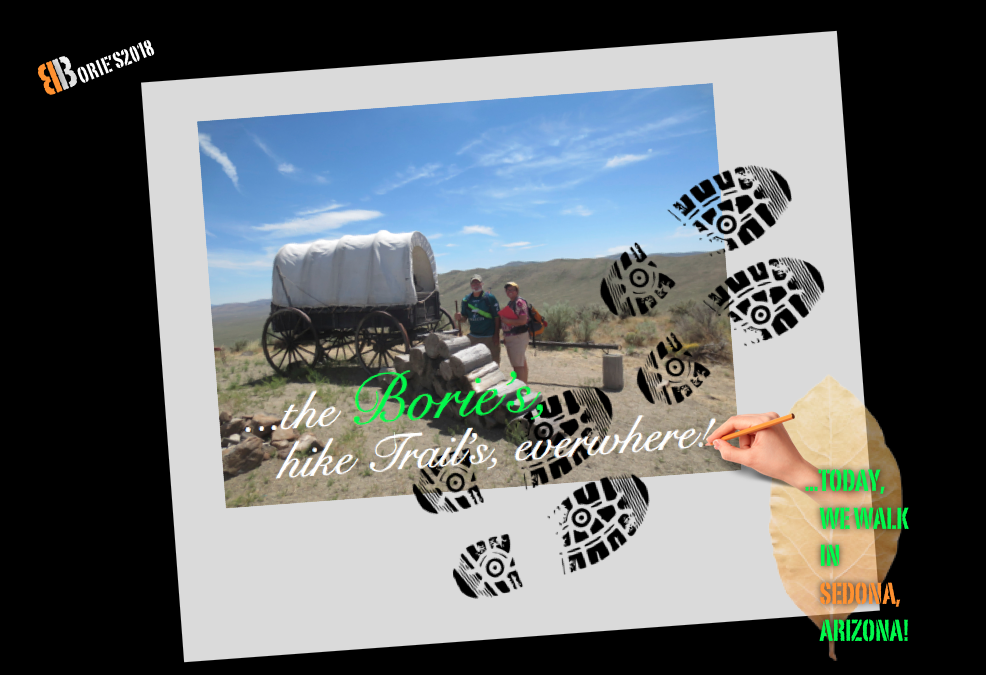
…to the North!

…to the North!

…para norte e para o frio, mas por uma boa razão!.
(to the north and to the cold, but for good reason)!.

…vamos receber na face o “Expresso do Ártico”, que é como se diz quando o vento frio nos abraça!. Vamos por algum tempo, esquecer a nossa dieta, alguns alimentos mais saudáveis, porque também precisamos de todas aquelas “químicas e conservantes” que a cozinha moderna usa!. Vamos viajar de carro, (não na nossa um pouco mais confortável RV), várias centenas de milhas, quando o nosso já um pouco débil corpo, tem a mesma sensação quando nos sentamos na frente na nossa casa numa cadeira de balanço, como tínhamos quando jovens e, nos divertíamos num qualquer festival, numa daquelas “Montanhas-Russas”, que por lá havia!. (we will receive on the face the “Express of the Arctic”, which is as it is said when the cold wind embraces us!. Let’s go for a while, forget about our diet, some healthier foods, because we also need all those “chemicals and preservatives” that the modern kitchen uses!. Let’s travel by car, (not in our a little more comfortable RV), several hundred miles, when our already a little weak body, has the same sensation when we sit in front of our house in a rocking chair, as we had when we were young and, we had fun at any festival, in one of those “Russian-Mountains” that there was)!.

…sim, mas desta vez por uma boa razão, pois é nossa intenção assistir ao nascimento de mais um membro do “Clã Borie’s” e, sem nunca esquecer que, quando algum neto está triste, ou quando o pai ou a mãe estão “bravos”, o melhor lugar para estar é, o colo dos avós!. (yes, but this time for good reason, as it is our intention to witness the birth of yet another member of the “Borie’s Clan” and, without ever forgetting that when some grandson is sad, or when the father or mother are “Brave”, the best place to be is, the grandparents lap)!.

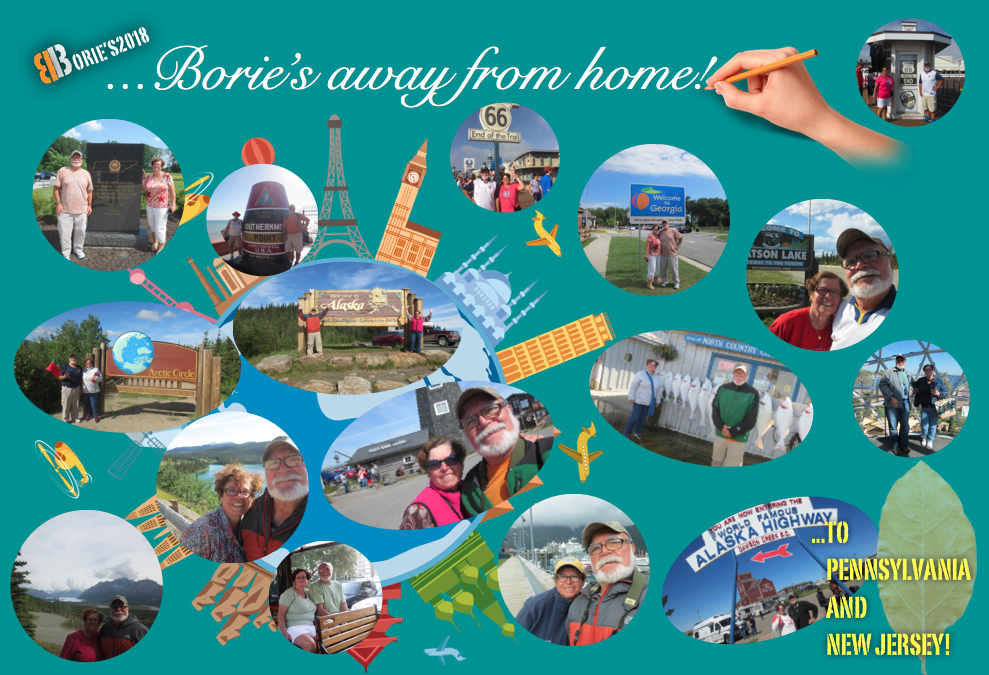
…vamos ver e caminhar na neve, colocar no corpo roupas de inverno, ver a família e alguns amigos que deixámos no norte, conviver com a natureza, nas montanhas de Pennsylvania e nas planícies de New Jersey, ver a célebre “Ferry Street”, que já quase todos vocês conhecem dos textos que temos publicado, aquele tráfico nas estradas do norte, que é quase “salve-se quem puder”, ou “chega-te para lá, eu sou primeiro”, limpar o carro da neve, caminhar com cuidado em alguns lugares onde existe gelo no piso, e claro, viajando, esperando sempre presenciar um acidente na neve, logo ali ao dobrar a esquina, que oxalá, não seja nada connosco!. (we will see and walk in the snow, put on the winter clothes, see the family and some friends that we left in the north, living with nature in the mountains of Pennsylvania and the plains of New Jersey, see the famous “Ferry Street” that almost all of you know of the texts that we have published, that traffic on the northern roads, which is almost “save yourself who can”, or “get there, I am first”, clean the car of the snow, walking carefully in some places where there is ice on the floor, and of course, traveling, expecting always to witness an accident in the snow, just around the corner, hopefully, nothing is with us)!.

…nesta nossa viagem, vamos tentar ser um poderoso carvalho de hoje, que afinal era uma pequena noz de ontem, mas que se manteve firme no terreno!. (on this trip of ours, we will try to be a powerful oak tree today, which after all was a little nut yesterday, but that remained firm on the ground)!.

…manter-nos no terreno, é o que tentaremos fazer e, dito isto, vamos para a estrada, daqui a uns dias da-mos novidades!. (keep us on the ground, this is what we will try to do, said that, we are going to the road, in a few days we give news)!.

Tony Borie, Januay 2018.

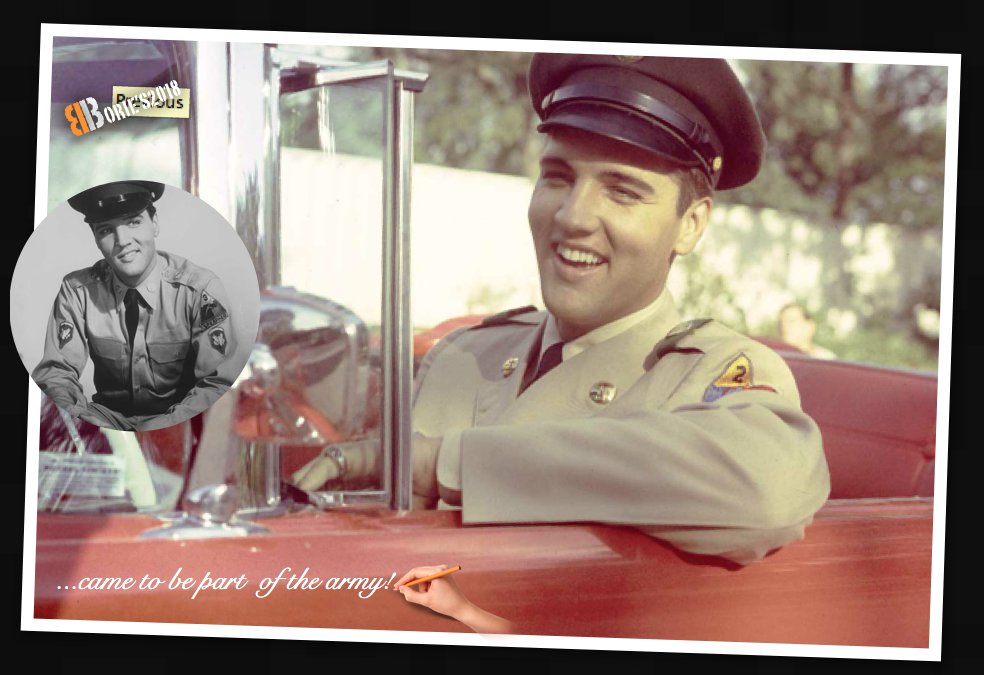
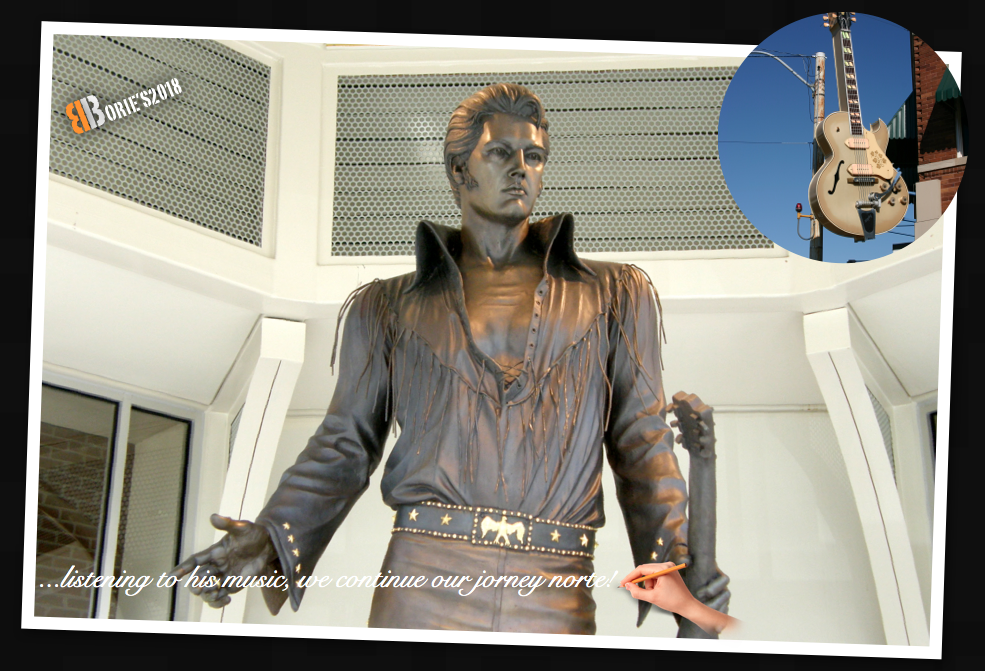
…Elvis Presley!

…Elvis Presley!

Elvis Presley!

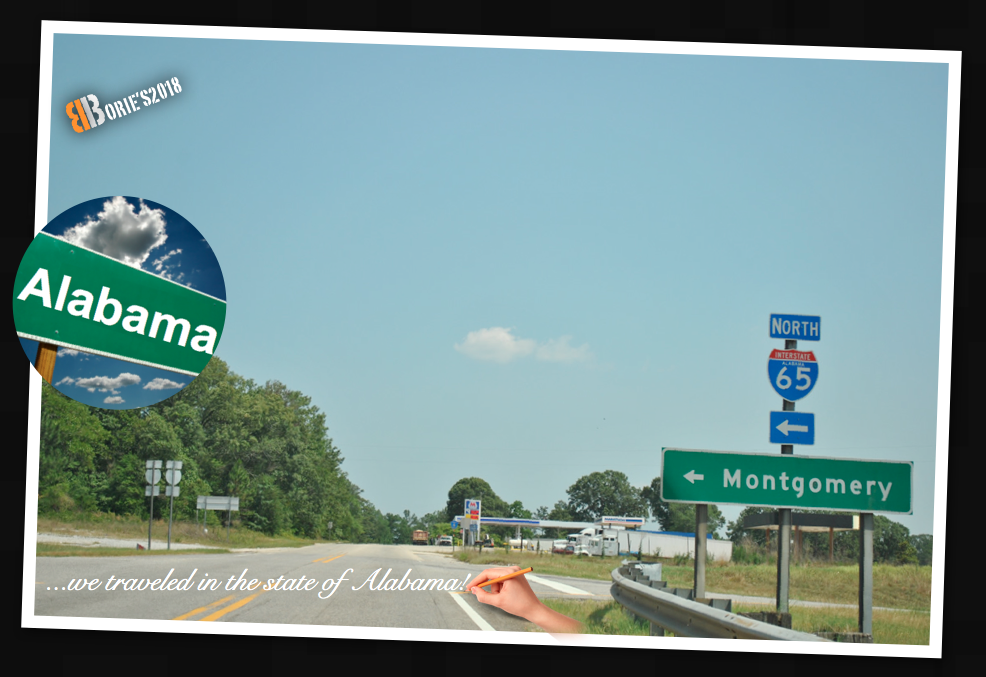
…o estado onde vivemos, que é a Florida, já tinha ficado para trás, viajávamos no estado do Alabama, na região sudeste, onde os franceses se estabeleceram por volta do ano de 1700 que, alguns anos depois, passou a ser controlado pela Corôa de Espanha, pelo Reino Unido, até ser anexado pelos USA, em 1783, tornando-se o seu 21.º estado, no ano 1819!. (the state we live in, which is Florida, was already behind us, we traveled in the state of Alabama, in the southeast, where the French settled around the year 1700, which, a few years later, came to be controlled by Corona of Spain, by the United Kingdom, until being annexed by the USA, in 1783, becoming its 21st state, in the year 1819)!.

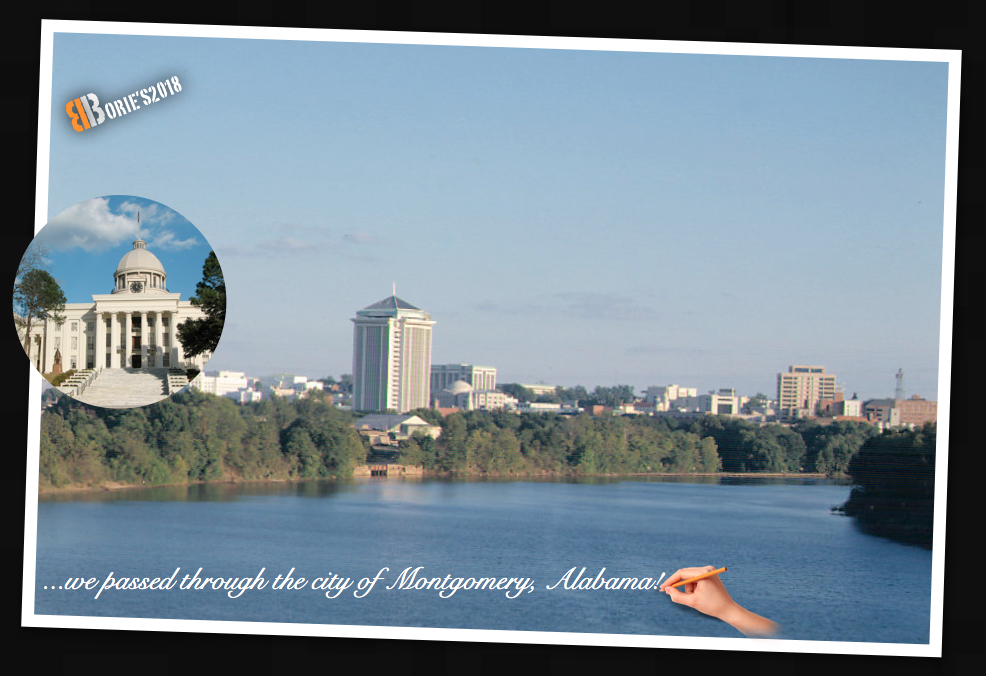
…sempre rumo ao norte, ao passarmos pela cidade de Montgomery, que é a capital do Alabama, o nosso roteiro dizia-nos que esta cidade foi fundada com a designação de “Fort Montgomery” e, alguns habitantes ainda hoje sentem orgulho em dizer que, também foi a capital dos Estados Confederados da América entre os meses de Fevereiro e Maio do ano de 1861!. Nós, lembramos esta cidade pelo que aqui aconteceu nos anos 1955 e 1956, que foi um boicote anti-segregacionista que desencadeou o movimento dos direitos civis dos afro-americanos!. (always heading north, as we passed through the city of Montgomery, the capital of Alabama, our script told us that this city was founded under the name “Fort Montgomery”, and some people still today take pride in say that it was also the capital of the Confederate States of America between the months of February and May of the year 1861 !. We remember this city for what happened here in 1955 and 1956, which was an anti-segregationist boycott that triggered the African-American civil rights movement)!.

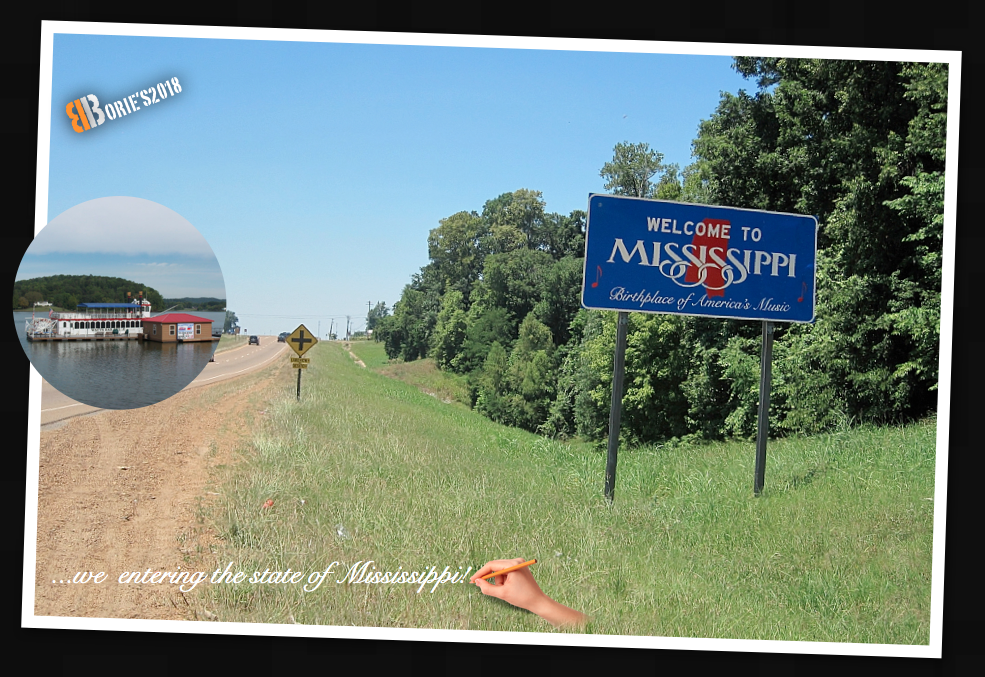
…continuando a nossa jornada, sempre na direcção norte oeste, atravessámos algumas cidades, aldeias, cenário de campos e rios, entrando no estado do Mississippi, que sempre se caracterizou pela existência de grandes “Plantações”, cujo nome se deve ao rio com o mesmo nome, que corre ao longo da sua fronteira oeste, que é um nome de origem “algonquina”, que significa “Grandes Águas”, ou “Pai das Águas”!. A sua história é muito parecida com o estado do Alabama, onde inicialmente foi colonizado pela Corôa Espanhola, depois o Reino Unido e, que com a independência das “Treze Colónias”, passou a fazer parte dos USA!. (continuing our journey, always in the north-west direction, we crossed some cities, villages, scenery of fields and rivers, entering the state of Mississippi, which has always been characterized by the existence of large “Plantations”, named after river with the same name, which runs along its western border, which is a name of origin “Algonquin”, which means “Great Waters”, or “Father of Waters” !. Its history is very similar to the state of Alabama, where it was initially colonized by the Spanish Crown, then the United Kingdom and, with the independence of the “Thirteen Colonies”, became part of the USA)!.

…mais algumas povoações rurais, cidades e aldeias, pontes sobre rios, pântanos e terras alagadiças e, ei-nos no estado de Tennessee, que era o nosso destino!. Muito deste estado, nomeadamente durante o período da colonização britânica da região das “Treze Colónias”, fazia parte do actual estado da Carolina do Norte, sendo a região mais ocidental das antigas “Treze Colónias” britânicas, sendo inicialmente escassamente povoado, mas passou a recebar muitas pessoas a partir da década de 1750. Só para que se perceba um pouco, a cordilheira de montanhas do “Apalache”, isolava esta região do restante território da Carolina do Norte, todavia, após o reconhecimento da independência dos USA, por parte do Reino Unido, em 1783, os habitantes da região pediram a separação da Carolina do Norte, assim, o actual Tennessee, tornou-se no 16.º estado dos USA, em 1796!. (a few more rural settlements, towns and villages, bridges over rivers, marshes, and wetlands, and here we were in the state of Tennessee, which was our destination! Much of this state, notably during the period of British colonization of the “Thirteen Colonies”, was part of the present state of North Carolina, being the westernmost region of the former “Thirteen Colonies” of the British, being initially sparsely populated, but many people from the 1750s onwards. Just to make it clear, the Appalachian mountain range isolated this region from the rest of North Carolina, but after recognizing the of the United Kingdom in 1783, the inhabitants of the region asked for the separation of North Carolina, thus, the present Tennessee, became the 16th state of the USA in 1796)!.

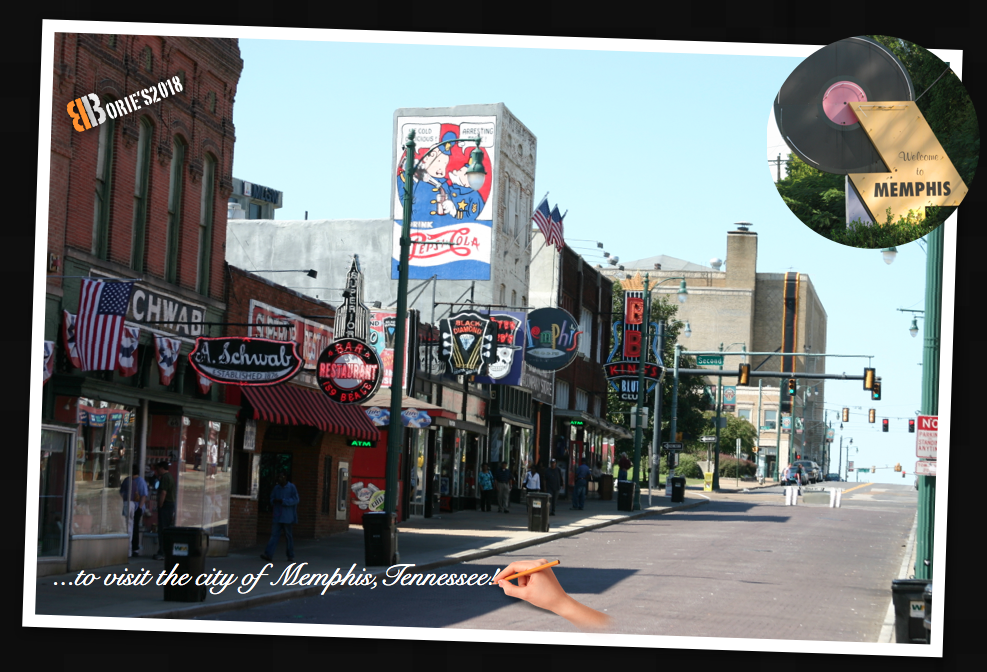
…tudo isto explicado, o nosso propósito era, visitar a cidade de Memphis!. (all this explained, our purpose was, to visit the city of Memphis)!.

…sim, onde está a casa que foi a moradia, daquele que, não só de nós, como de muitos de vocês, quando jovens, apreciavam aqueles estilos de música, que na nossa opinião, era um conjunto de estilos onde existia “pop”, “blues”, “gospel” e talvez mais, que transmitia algo, tanto na letra como nos movimentos, que até àquela altura quase ninguém conhecia, mas todos nós sabemos que marcou uma geração!. Era o Elvis Presley, pois além de ser cantor, músico e actor, também lhe chamavam o “King of Rock and Roll”!. (Yes, where is the house that was the home, of the one who, not only of us, but of many of you when you were young, appreciated those styles of music, which in our opinion was a set of styles where there was “pop”, “blues” , “gospel” and perhaps more, that transmitted something, both in the letter and the movements, that until that time almost nobody knew, but we all know that it marked a generation !. It was Elvis Presley, because besides being a singer, musician and actor, they also called him the “King of Rock and Roll”)!.

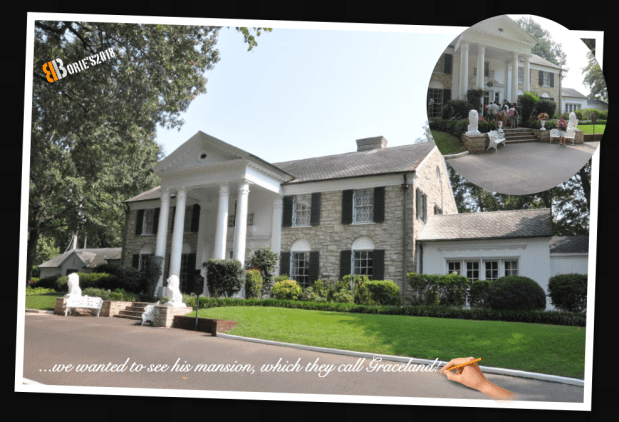
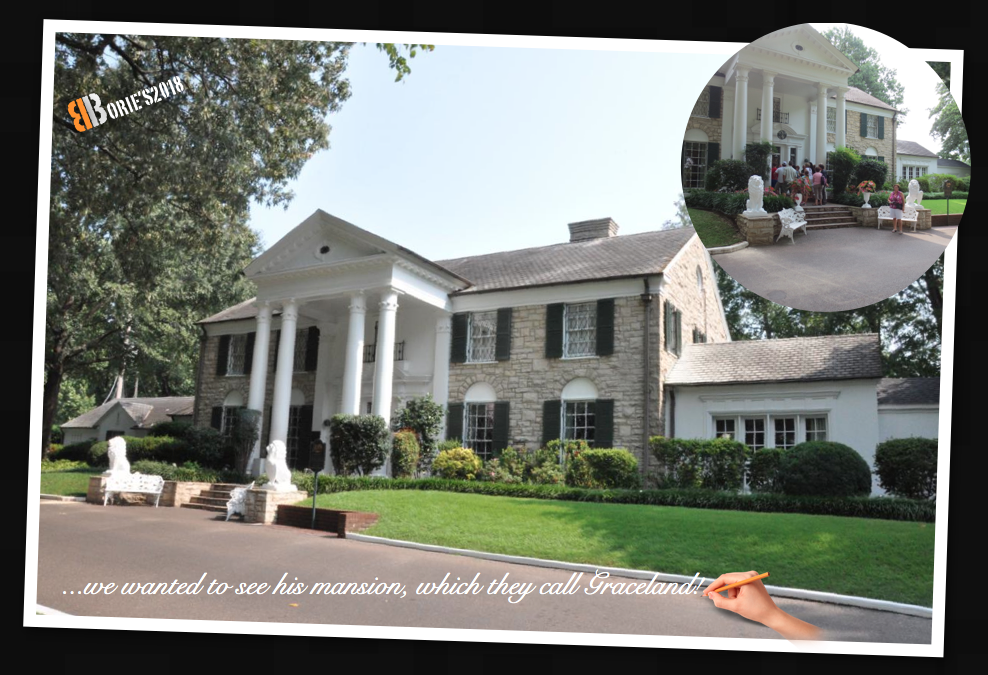
…queríamos ver a sua mansão, a que chamam “A Graceland”, património da família Presley, hoje transformada em museu, e que é visitada por mais de 600 mil pessoas ao ano!. (We wanted to see his mansion, which they call “Graceland” family heritage Presley, now a museum, which is visited by over 600,000 people a year!.

…assim aconteceu, a cidade acolheu-nos e, depois de percorrer algumas ruas, deparámos com a mansão do Elvis Presley!. (So it happened, the city welcomed us and after covering some streets, we came across the Elvis Presley mansion)!.

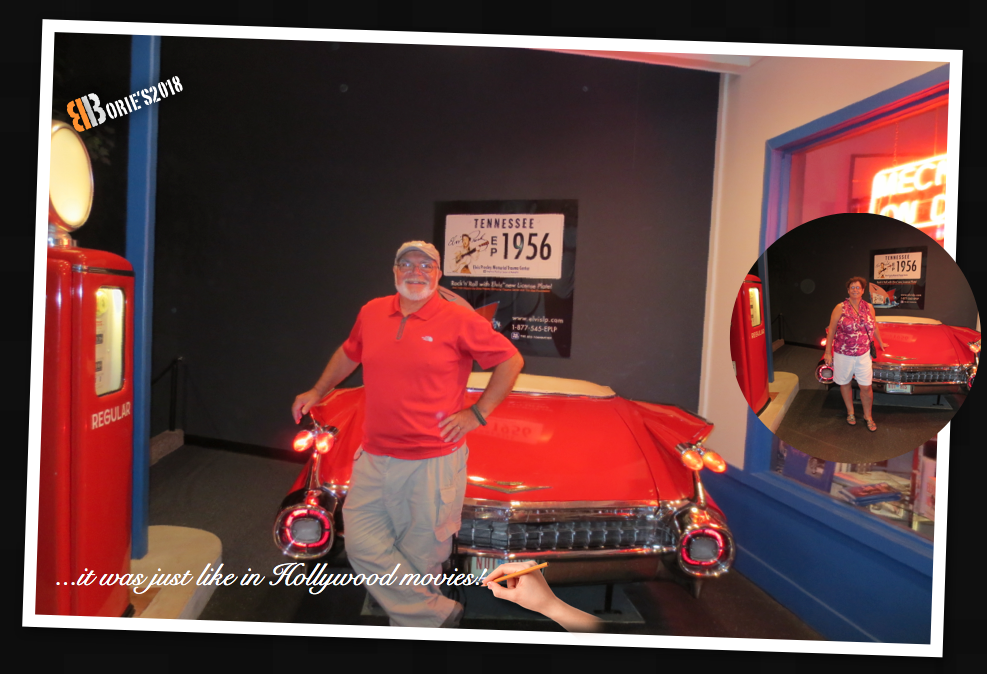
…era tal e qual como nos filmes de Hollywood!. Estava lá, fizemos o “tour”, vimos a sua casa, os seus retratos, a roupa que ele usava, as centenas de discos de ouro que conquistou ao longo da sua carreira!. (It was just like in Hollywood movies!. Was there, we did the “tour”, saw his house, his portraits, the clothes he wore, hundreds of gold records it has achieved over his career)!.

…os seus dois aviões, um deles, o mais pequeno, que ele usou para levar a sua filha a ver a neve no estado do Colorado, dizem que a menina lhe pedia para ver a neve, e ele já bastante ocupado com os seus espectáculos em Las Vegas, um dia levantou voo daqui e foi ao Colorado, aterrou, deixou a filha calcar a neve por uns minutos e voltou de novo a Las Vegas para continuar com a sua exibição. Talvez devido ao esforço despendido, sem intervalos para se restabelecer, querendo cantar e agradar a todos, tivesse começado a usar algo que o havia de levar à morte, ainda um jovem, pois tinha somente 42 anos!. (his two planes, one of them, the smallest, he used to take his daughter to see the snow in Colorado, said the girl asked him to see the snow, and he’s pretty busy with their shows in Las Vegas one day took off from here and went to Colorado, landed, left his daughter trample the snow for a few minutes and came back to Las Vegas to continue with its display. Perhaps due to the effort expended without intervals to restore, wanting to sing and please everyone, I had begun to use something that was to lead to death, still a young man, because he was only 42 years old)!.

…os seus carros, a piscina, os anexos onde se divertia cantando ou brincando com a sua família!. (Their cars, pool, attachments which enjoyed singing or playing with your family)!.

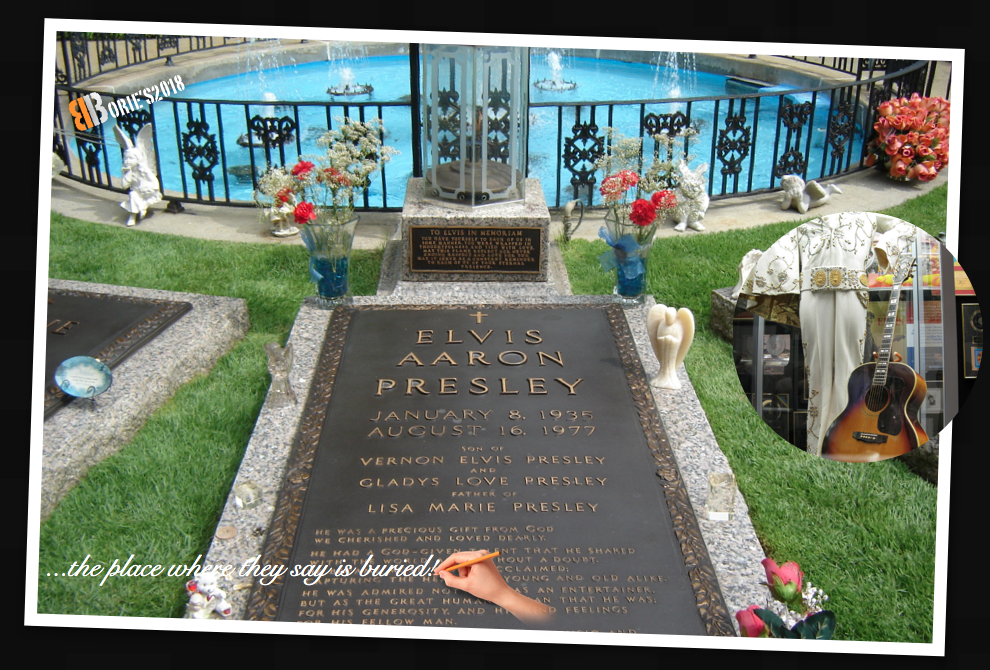
…o local onde dizem que está sepultado, tudo o que a ele dizia respeito, estava lá, para que todos possam apreciar!. Vimos mesmo, cenas de pessoas chorando ao verem este local, que mais parece um local de peregrinação!. (the place where they say is buried, all that he was concerned, was there for everyone to enjoy!. We even, saw the same scenes of people crying when they saw this place that looks like a place of pilgrimage)!.

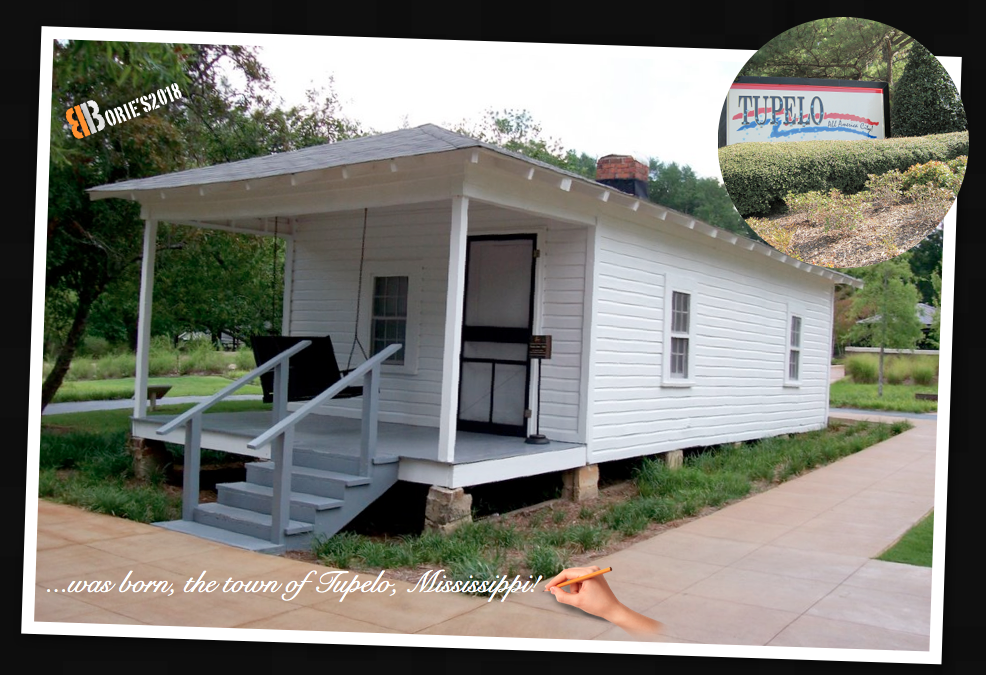
…como ser humano, na nossa opinião, sempre assumiu as suas responsabilidades, lutando e ajudando muitas causas, pelo menos na região onde nasceu, a localidade de Tupelo, no estado do Mississippi, que também visitámos, pois só com a idade de 13 anos, passou a viver na cidade de Memphis, no estado de Tennessee, para onde a sua família se mudou por razões de sobrevivência!. (As a human being, in our opinion, has always assumed its responsibilities, fighting and helping many causes, at least in the region where he was born, the town of Tupelo, Mississippi State, which we also visited, for only at the age of 13 years, he lived in city of Memphis, Tennessee State, where his family moved for survival reasons)!.

…lembram-se que por altura de 1958 chegou a fazer parte do exército dos USA, chegando a estar estacionado na Europa e, que uns anos antes tinha sido o principal protagonista do célebre filme “Love Me Tender”, onde interpreta o papel do irmão mais novo dos quatro irmãos “Reno”, que era o Clint Reno, que ficou em casa a cuidar da sua mãe e da fazenda da família, enquanto os irmãos mais velhos, Vance, Brett e Ray, lutavam na Guerra Civil Americana, para o Exército Confederado. A família é erradamente informada que o irmão mais velho Vance, é morto no campo de batalha. Depois de quatro anos de guerra, os irmãos voltam a casa e descobrem que a Cathy, que era a namorada e noiva do irmão mais velho Vance, está casada com o irmão mais novo Clint, que sem qualquer preconceito se tinha apaixonado pela noiva do irmão mais velho. Uma das mensagens transmitida nesse filme, era aquele jovem que estava sempre revoltado com tudo o que não fosse de acordo com a sua ideia de estar no mundo, o que acontecia com muitos de nós naquele tempo!. (Remember that by the time 1958 came to be part of the army of the USA, reaching be parked in Europe, and a few years had previously been the main protagonist of the famous film “Love Me Tender”, where he plays the role of the younger brother new of the four brothers “Reno”, which was the Clint Reno, who stayed at home to care for his mother and the family farm while her older brothers, Vance, Brett and Ray, fought in the American Civil War, the Army Confederate. The family is wrongly informed that the older brother Vance is killed on the battlefield. After four years of war, the brothers return home and discover that Cathy, who was his girlfriend and bride’s older brother Vance is married to the younger brother Clint, that no prejudice had been in love with the bride’s brother older. One of the messages conveyed in this film, it was the young man who was always disgusted with everything that was not in accordance with his idea of being in the world, what happened to many of us at that time)!.

…com o coração cheio de saudades do “Elvis”, ouvindo a sua música, continuamos a nossa jornada para norte!. (with a heart full of longing for “Elvis”, listening to his music, we continue our journey north !.

Tony Borie, January 2018.

…they also enslaved us!

…they also enslaved us!

…também nos escravizaram! (they also enslaved us)!.

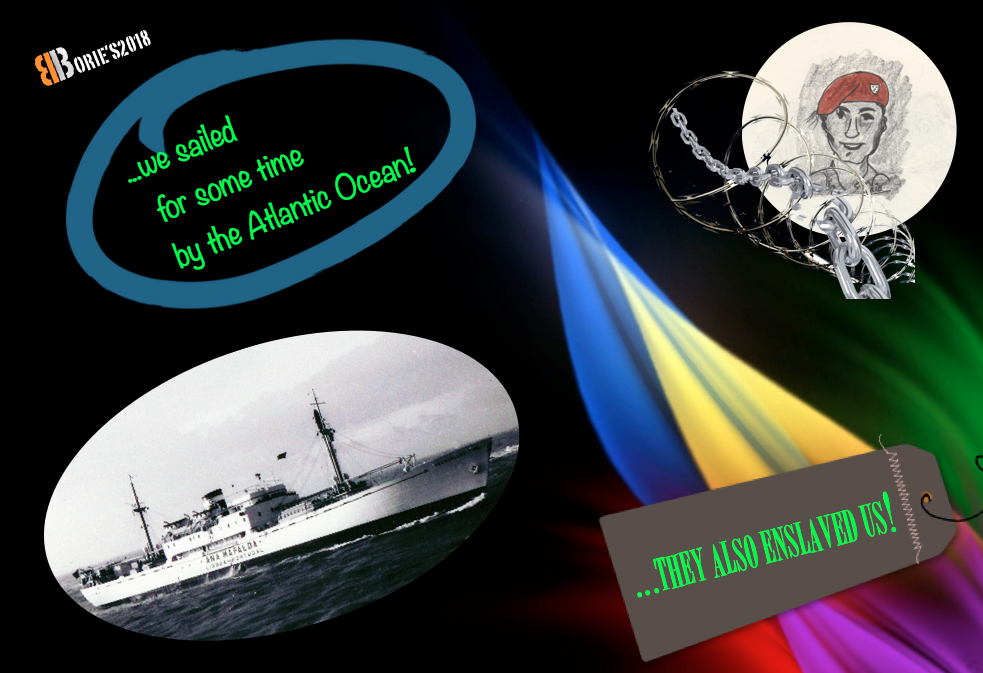
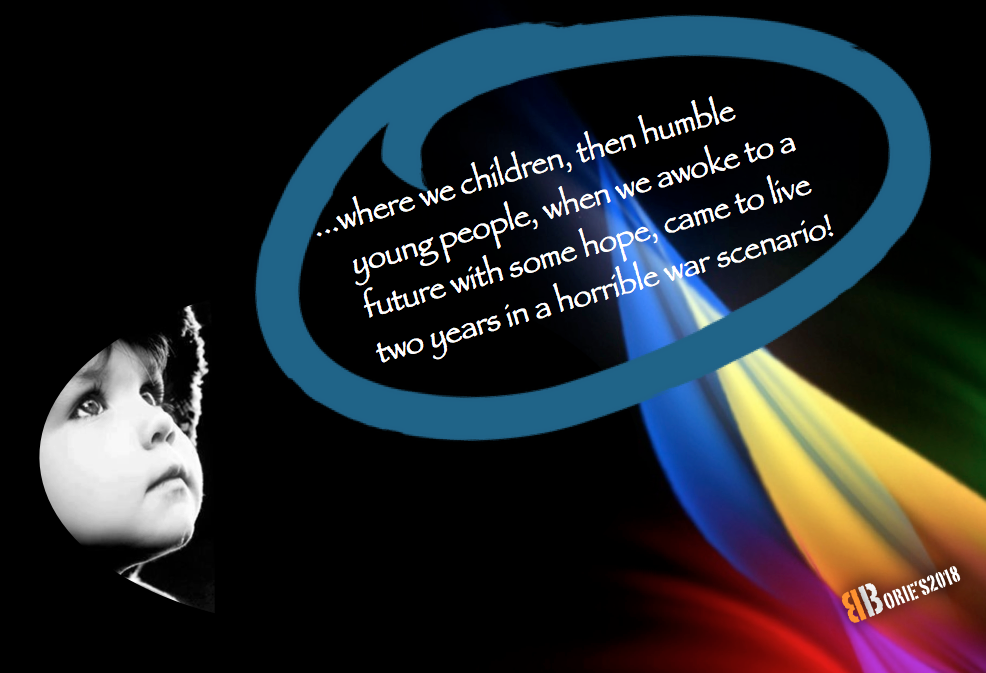
…na metade do século passado, inocentes crianças felizes, depois jovens, quase adultos, despertando para um futuro com alguma esperança, viviamos na aldeia do Vale do Ninho D’Águia, na vertente oeste da montanha do Caramulo, em Portugal!. Chamávam-nos “Tó D’Agar”, herdando o nome da avó materna, os vizinhos conheciam-nos, viviamos em perfeita comunidade, no ambiente natural de uma aldeia provinciana, quando fomos “arrancados” pelos mandatários do então governo de Portugal, juntaram-nos a muitos jovens da nossa idade, depois de algum treino, trouxeram-nos para a costa do Atlântico, que era a capital Lisboa, embarcaram-nos num porão, sujo, sem qualquer ventilação, acantonados, mal alimentados, sem instalações sanitárias, as que havia eram provisórias, sem escoamento, (com outros jovens que eram livres nas suas aldeias), num barco que tinha um nome de uma empresa, mas trabalhava para o então governo de Portugal, navegámos algum tempo pelo Oceano Atlântico, desembarcando em África, onde nos foi dado outro nome, passando a ser identificados por um número e a palavra “Cifra”, dada pelos compamheiros de combate, vivendo dentro de um aquartelamento improvisado, cercado de arame farpado, por um período de dois anos, em cenário de guerra, obedecendo a ordens, com um regulamento, onde não existia a palavra “desobedecer”!. (in the middle of the last century, innocent happy children, then young, almost adults, awakening to a future with some hope, lived in the village of Vale do Ninho D’Águia, on the west slope of Caramulo mountain in Portugal!. They called us “Tó D’Agar,” inheriting the name of the maternal grandmother, the neighbors knew them, lived in perfect community, in the natural environment of a provincial village, when we were “ripped” by the leaders of the then Portuguese government, many young people of our age, after some training, brought them to the Atlantic coast, which was the capital Lisbon, embarked us in a basement, dirty, without any ventilation, quartered, malnourished, without sanitary facilities, those that were there were provisional, without drainage, (with other young people who were free in the their villages), on a boat that had a name of a company, but worked for the then government of Portugal, we sailed for some time by the Atlantic Ocean, landing in Africa, where we were given another name, be identified by a number and the word “Cifra”, given by fellow combatants, living in an improvised quartering, surrounded by barbed wire, for a period of two years, in a scenario of war, obeying orders, with a regulation, where there was no word to “disobey”)!.

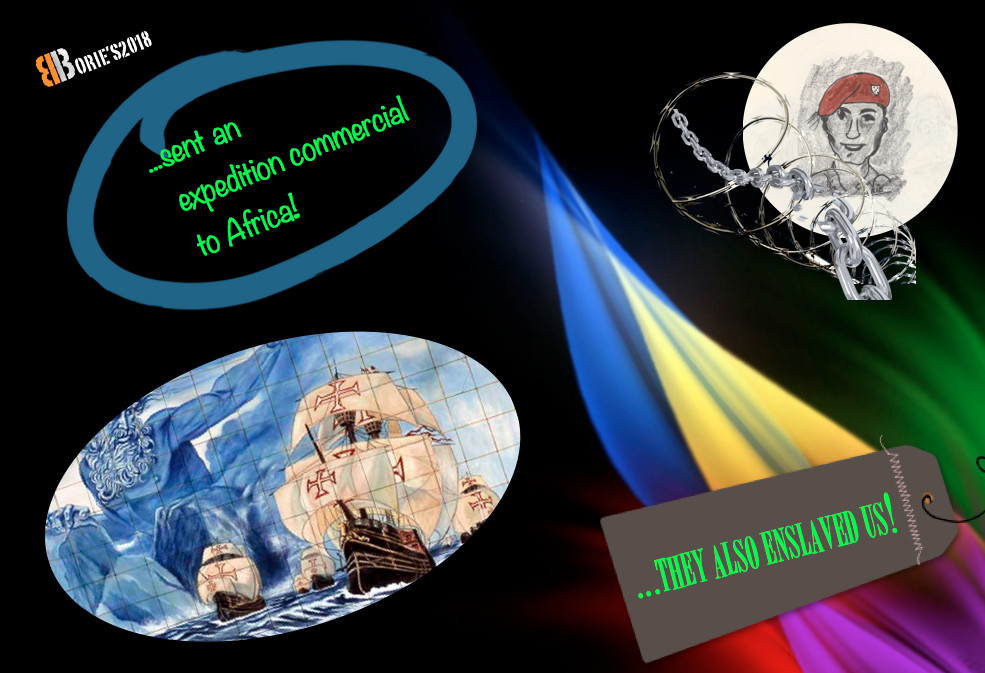
…esta é a nossa história, passada na metade do século passado!. Mas tudo isto começou por volta do ano de 1441, quando o Principe Henrique, a quem chamaram o “Navegador”, ao serviço do Reino de Portugal, enviou uma expedição comercial para África, para explorar o continente, que era pouco conhecido e, uns anos depois, mais propriamente em 1444, regressaram ao porto de Lagos, em Portugal com uma “carga” de 235 africanos escravizados, onde muitos foram usados, alguns anos depois, nas plantações de cana de açucar na Ilha da Madeira, que ainda hoje é uma ilha Portuguesa na costa oeste de África!. (this is our history, which passed in the middle of the last century!. But all this began around the year 1441, when Prince Henry, whom they called the “Navigator”, in the service of the Kingdom of Portugal, sent an expedition commercial to Africa, to explore the continent, which was little known and, a few years later, more properly in 1444, returned to the port of Lagos in Portugal with a “load” of 235 enslaved Africans, where many were used a few years later, in sugar cane plantations on Madeira Island, which is still a Portuguese island on the west coast of Africa)!.

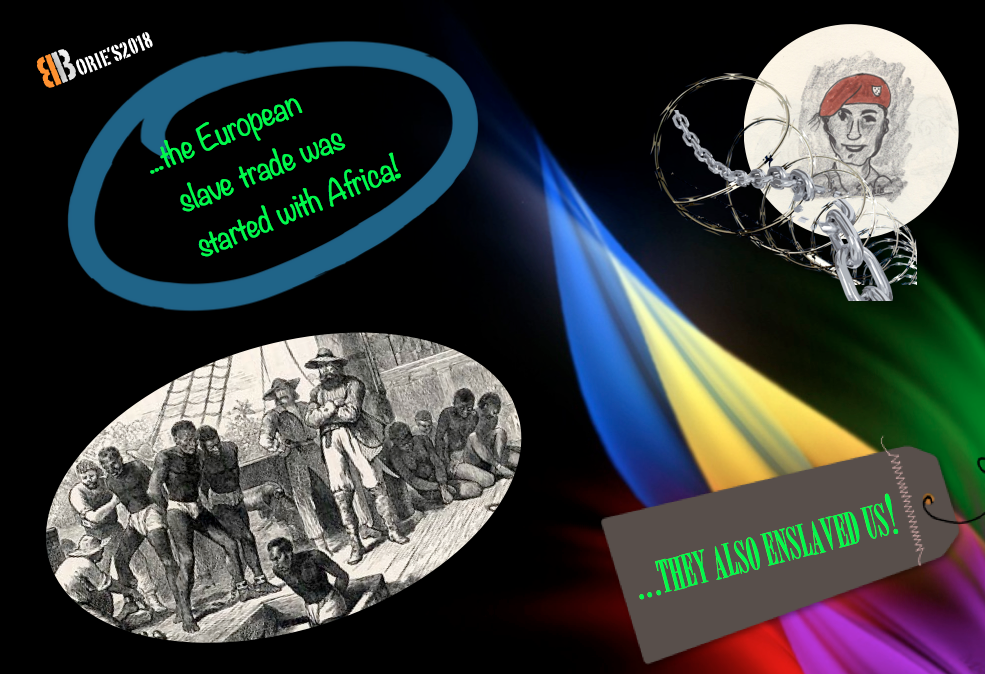
…nesse ano distante, nesse momento, foi iniciado o comércio de escravos europeus com a África!. Portanto nós, podemos considerar-nos também escravos do então governo de Portugal, no entanto o nosso trajecto foi “ao contrário”!. E, como já explicámos, esta foi a nossa história, fomos para África, na condição de combatentes, para uma frente de combate, onde havia um cenário de guerra, mas os milhões de africanos que foram escravizados, na condição de trabalhadores forçados, numa agricultura que alguns entendiam, pois eram agricultores qualificados, nas plantações das colónias europeias, no Caribe e nas Américas, também tiveram as suas histórias, só que não tiveram oportunidade de as contar, talvez porque não sabiam ler e escrever e, as que hoje existem, são relatos de histórias orais, que um eis escravo ou seus descendentes contaram, sendo escrita por outra pessoa!. (in that distant year, at this moment, the European slave trade was started with Africa!. Therefore, we can consider ourselves also slaves of the then government of Portugal, however our route was “backwards”!. And, as we have already explained, this was our history, we went to Africa, as combatants, to a combat front where there was a scenario of war, but the millions of Africans who were enslaved as agriculture that some people understood because they were skilled farmers in the plantations of the European colonies, the Caribbean and the Americas, also had their stories, but they did not have the opportunity to tell them, perhaps because they could not read and write, and those that exist today , are reports of oral histories, which one sis or his descendants told, being written by another person)!.

…os navios do Reino de Portugal, andavam pelo oceano, negociavam, além de comprar os seus próprios escravos, que usavam principalmente na colónia portuguesa do Brazil, também abasteciam outras colónias, na costa ocidental, como nas Caraíbas!. Eram comerciantes, pois também forneciam outros produtos, como o vinho do Porto, figos secos, passas e alguns cereais, chegaram a ser um importante parceiro comercial de alguns reinos e nações!. (the ships of the Kingdom of Portugal, they traveled by the ocean, negotiated, besides buying their own slaves, which they used mainly in the Portuguese colony of Brazil, they also supplied other colonies, on the western coast, as in the Caribbean!. They were traders, as they also provided other products, such as Port wine, dried figs, raisins and some cereals, it became an important trading partner of some kingdoms and nations)!.

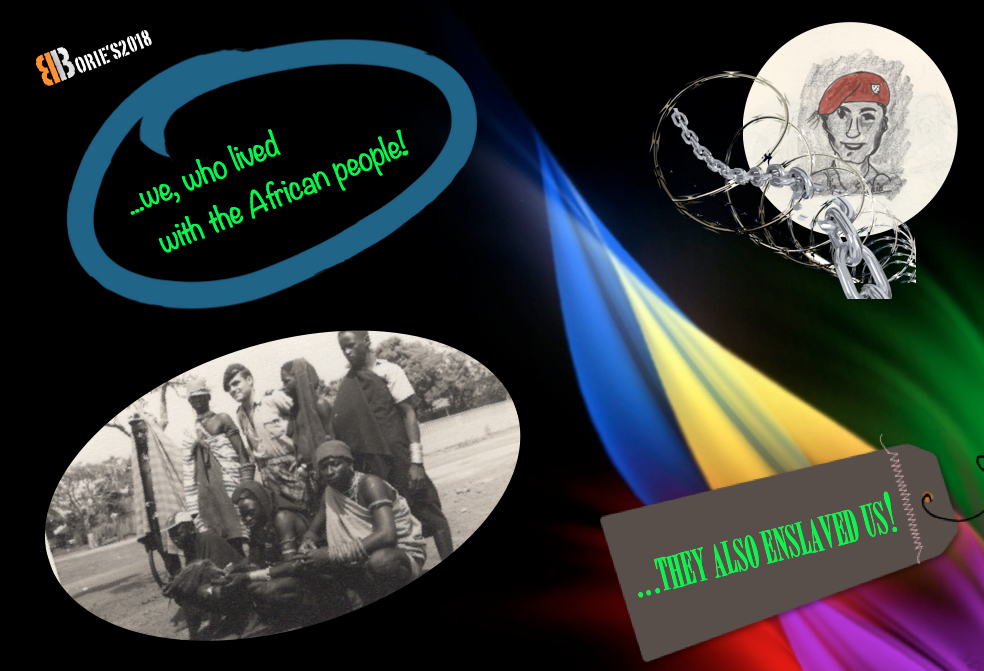
…nós, que convivemos com o povo africano, falávamos, andávamos por ali, as pessoas tinham os mesmos sentimentos de família, sabiam o bem e o mal, acarinhavam as crianças e as pessoas mais idosas, tinham a sua agricultura, alimentavam os seus animais e, ao pensar-mos que, naqueles anos de escravatura, foram levados milhões de pessoas, não importava se eram ricos ou pobres, se eram de família importante ou não, o que importava aos escravizadores era, se eram jovens e com aspecto saudável, podendo ser de ambos os sexos!. (we, who lived with the African people, talked, walked there, people had the same feelings of family, knew good and evil, cared for the children and the elderly, had their agriculture, fed the their animals, and in thinking that in those years of slavery millions of people were taken, whether they were rich or poor, whether they were of an important family or not, what mattered to the enslavers was whether they were young and looking healthy, can be of both sexes)!.

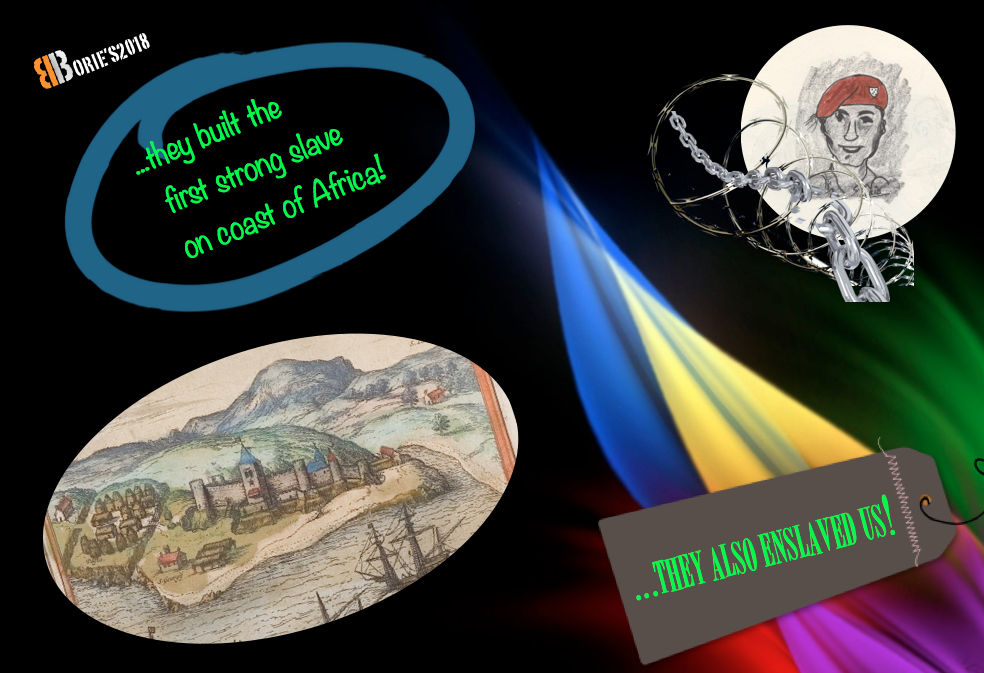
…o Reino de Portugal, iniciou comércio de escravatura!. O negócio era lucrativo, pois por volta do ano de 1481, construiram o primeiro forte escravo na costa de África, chamavam-lhe o Castelo de São Jorge da Mina, localizado na actual cidade de Elmina, no Gana, que após a sua ocupação pelos Neerlandeses, no ano de 1637, o seu nome passou a figurar na cartografia apenas como Elmina!. Com o incremento do tráfico Atlântico de escravos, a fortificação readquiriu importância como entreposto onde os cativos eram mantidos a aguardar o seu transporte para o Novo Mundo! Era a sede dos comerciantes de escravos portugueses, pois nessa altura Portugal era o mais importante comerciante de escravos, tinha um contracto para abastecer de escravos, as colónias do Caribe, principalmente as espanholas!. Tinham um preçário!. Por exemplo, a cidade portuguesa do Porto, fez um forte brandy, especialmente para o comércio da África e, três “âncoras” (que era uma unidade de medida), do mesmo, dava para comprar um jovem escravo masculino!. Também havia moedas portuguesas, criadas na altura, para a negociação de escravos!. (the Kingdom of Portugal, started a slave trade!. The business was profitable, for by the year 1481 they built the first strong slave on the coast of Africa, they called it the Castle of St. George of the Mine, located in the present town of Elmina, Ghana, that after its occupation by the Dutch in the year 1637, its name happened to appear in the cartography just like Elmina!. With the increase of the Atlantic slave trade, the fortification regained importance as a warehouse where the captives were kept awaiting their transport to the New World!. It was the seat of the Portuguese slave traders, for at that time Portugal was the most important merchant of slaves, had a contract to supply slaves, the colonies of the Caribbean, especially the Spanish!. They had a price list!. For example, the Portuguese city of Porto, made a strong brandy, especially for Africa’s trade, and three “anchors” (which was a unit of measure), of the same, could buy a young male slave!. There were also Portuguese coins, created at the time, for the trading of slaves)!.

…mas aprofundando mais um pouco este tema da escravatura, o Reino de Portugal iniciou, mas vieram outras nações e reinos, que começaram imediatamente com este negócio, por exemplo, os espanhóis ganharam terra na América do Sul após a viajem de Cristóvão Colombo em 1492, numa viajem de exploração patrocinada pelo rei Ferdinand e a rainha Isabella!. Logo no início desse período, os comerciantes espanhóis começaram a levar africanos escravizados para colónias espanholas, mesmo o governo espanhol decidiu comprar escravos através de comerciantes de outros países, fazendo contractos de fornecimento de escravos, com portugueses, genoveses, holandeses, franceses ou britânicos, dependendo de qual o país ou empresa que oferecia os melhores preços!. Havia mesmo a “Companhia de Escravos de Cádiz”, em Espanha, que fez um contracto com o governo espanhol em que concordaram a fornecer 8.000 escravos por ano para as plantações espanholas, no entanto esta companhia não conseguiu fazer isso e, nunca ganhou dinheiro!. (but further deepening this theme of slavery, the Kingdom of Portugal began, but other nations and kingdoms came, which began immediately with this business, for example, the Spaniards gained land in South America after the voyage of Christopher Columbus in 1492, an exploration tour sponsored by King Ferdinand and Queen Isabella!. At the beginning of this period Spanish merchants began to take enslaved Africans to Spanish colonies, even the Spanish government decided to buy slaves through merchants from other countries, making slave-supply contracts with Portuguese, Genoese, Dutch, French, or British, depending on which country or company offered the best prices!. There was even the “Slave Company of Cadiz” in Spain, which made a contract with the Spanish government in which they agreed to provide 8,000 slaves a year to Spanish plantations, however this company failed to do this and never made any money)!.

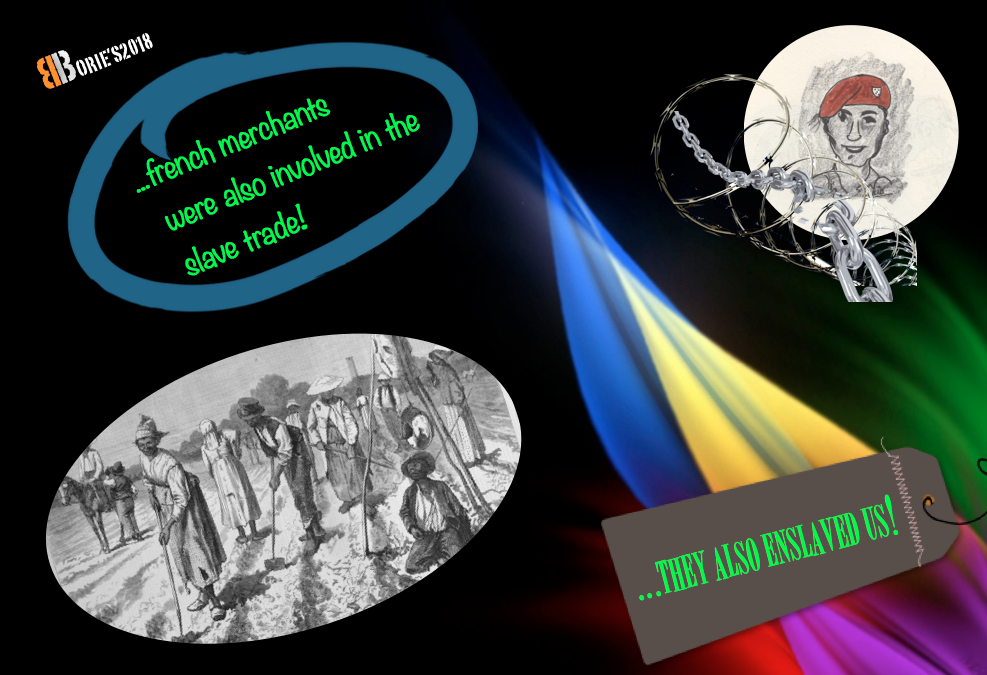
…os comerciantes Franceses também estavam fortemente envolvidos no tráfico de escravos, pois os navios franceses levaram milhares e milhares de africanos escravizados para as plantações no Caribe e nas Américas! Muitas coisas afectaram o sucesso do envolvimento de um país no comércio transatlântico de escravos, por exemplo, fazendo parte da Guerra de Independência Americana contra os Britânicos, houve uma feroz batalha ao norte da ilha caribenha Dominica. A França, Espanha e Holanda, juntaram-se à América, contra a Grã-Bretanha para sua própria vantagem, pois a marinha francesa levou a ilha das Caraíbas de São Cristóvão aos Britânicos e, ameaçava as ilhas vizinhas de Nevis e Jamaica. O comércio normal, como o de escravos, entre as ilhas do Caribe e a Grã-Bretanha, foi interrompido, no entanto houve vitória para a marinha Britânica que recuperou quase todas as suas ilhas caribenhas dos franceses, no acordo de paz de 1783!. (French merchants were also heavily involved in the slave trade, as French ships carried thousands and thousands of enslaved Africans to plantations in the Caribbean and the Americas! Many things affected the success of a country’s involvement in the transatlantic slave trade, for example, as part of the American War of Independence against the British, there was a fierce battle north of the Caribbean island of Dominica. France, Spain and Holland joined America against Britain to their own advantage as the French navy took the Caribbean island of Saint Kitts to the British and threatened the neighboring islands of Nevis and Jamaica. Trade normal, as that of slaves, between the Caribbean islands and Britain was halted, however there was victory for the British navy which recovered almost all its Caribbean islands from the French, in the peace agreement of 1783)!.

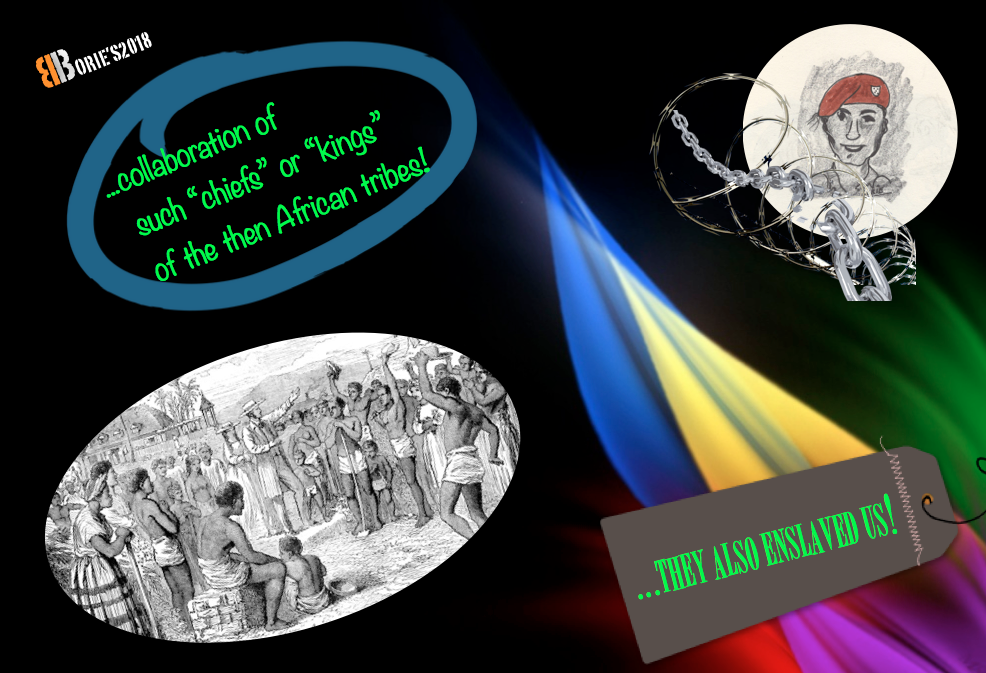
…como em tudo neste mundo, tanto os portugueses, como outros reinos ou nações, que se dedicaram ao comércio de escravos, não podiam se dedicar a este comércio sem a colaboração de, os tais “chefes”, ou “reis”, das então tribos africanas, que colaboravam, a troco de, armas de guerra, licores variados, têxteis de algodão, utensílios em metal e outras bijuterias!. (as in everything in this world, the Portuguese, as well as other kingdoms or nations, who were engaged in the slave trade, could not engage in this trade without the collaboration of such “chiefs” or “kings” of the then African tribes, who collaborated, in exchange for weapons of war, various liqueurs, cotton textiles, metal utensils, and other imitation jewelery)!.

…pronto, nós também fomos escravizados, estamos vivos, não guardamos ódio a ninguém e, não somos responsáveis por aquilo que os nossos antepassados fizeram, temos mas é que aprender com os seus erros e, não os repetir! (soon, we too were enslaved, we are alive, we do not hold hate to anyone, and we are not responsible for what our ancestors did, but we have to learn from their mistakes and not repeat them)!.

Tony Borie, January 2018.

…passing through the city of Phoenix!

…passing through the city of Phoenix!

…passando pela cidade de Phoenix! (passing through the city of Phoenix)!.

…se você não aprender a rir dos seus problemas, você não terá quase nada para rir, quando chegar a velho!. É uma frase muito engraçada, mas verdadeira!. (if you do not learn to laugh at your problems, you will have almost nothing to laugh at when you get old!. It’s a very funny but true phrase)!.

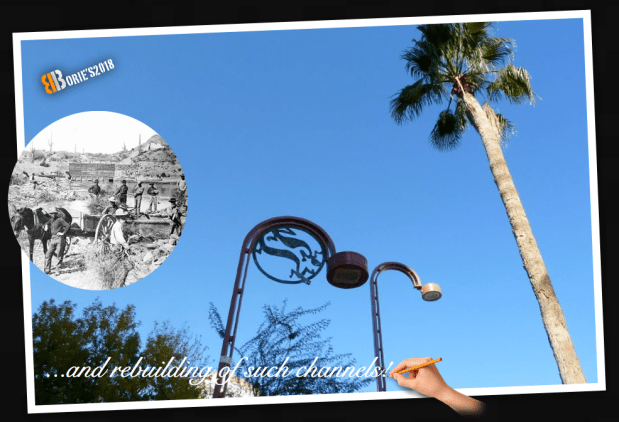
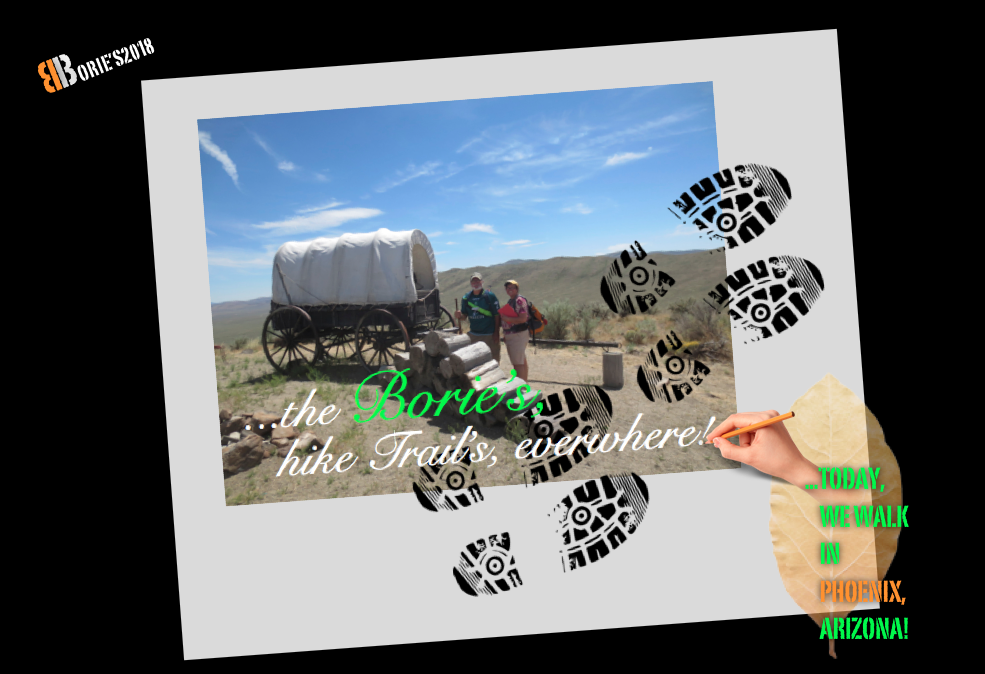
…estávamos no estado do Arizona, o nosso rumo era o norte, um pouco antes da cidade de Phoenix, o cenário não era áspero, com pouca vegetação como é normal naquela área, pelo contrário era algo verdejante, possívelmente havia por lá água, pois a história diz-nos que os índios “Hohokam”, muitos anos atrás, construiram uns canais que traziam água do Salt River, que se localiza um pouco a sul, para tornar esta região próspera, principalmente para a agricultura!. (we were in the state of Arizona, our course was the north, just before the city of Phoenix, the scenery was not rough, with little vegetation as is normal in that area, on the contrary it was something verdant, possibly there was water there , because history tells us that the Hohokam Indians, many years ago, built waterways that brought water from the Salt River, which is located a little to the south, to make this region prosperous, especially for agriculture)!.

…já estávamos a passar a cidade de Phoenix, que é a capital e a cidade com mais população neste estado do Arizona, onde nos dizem que inicialmente este território era domínio do “Império Espanhol” e, que a cidade se começou a desenvolver por altura do ano de 1860, quando o governo dos USA construiu o “Forte McDowel”, que estava localizado nas proximidades de onde hoje está a cidade!. Para abastecer o forte, um tal Jack Swilling, que na altura devia de ter alguma influência, e claro, algum poder financeiro, veio com as tropas para esta região, onde construiu um “Rancho”!. (we were already passing the city of Phoenix, which is the capital and the city with more population in this state of Arizona, where we are told that initially this territory was dominated by the “Spanish Empire” and that the city began to develop by the time of the year 1860, when the US government built the Fort McDowel, which was located near where the city is today! To supply the fort, a certain Jack Swilling, who at the time ought to have some influence, and of course some financial power, came with the troops to this region, where he built a “Ranch”)!

…como dizia-mos no princípio deste texto, rir é bom, portanto vamos introduzir uma parte um pouco para rir, que dizem que é uma lenda que aconteceu neste “Rancho”, ou nas suas proximidades, cá vai:

…um vaqueiro, vindo do estado do Texas, parou por aqui, entrou num Salão para beber uma cerveja!. Os habitantes locais, vendo que era um forasteiro, enquanto o vaqueiro bebia, roubaram-lhe o cavalo!. Quando terminou a bebida, saiu e não encontrou o cavalo, voltou de novo para dentro do Salão, virou a sua pistola para o ar, disparando para o tecto, disse:

– qual de vocês me roubou o cavalo?.

…como ninguém respondeu, gritou de novo, dizendo:

– tudo bem, vou beber outra cerveja e, se o meu cavalo não estiver no local onde o deixei, vou fazer o mesmo que fiz no Texas!.

…algumas pessoas que se encontravam no salão, ficaram com mêdo, saindo do Salão, pois o vaqueiro, já tinha bebido umas tantas cervejas!. Passado um tempo, o vaqueiro saiu, não vendo o seu cavalo no lugar, ficou furioso, deu mais uns tantos tiros para o ar, começando a caminhar para fora da área!. O homem que servia no Salão, também saiu ao ouvir o barulho dos tiros, vendo que ninguém estava ferido ou morto, pergunta ao vaqueiro:

– hó senhor vaqueiro, o que é que aconteceu no Texas?.

…o vaqueiro, volta-se e diz:

– fui para casa a pé!.

….a pé, eram muitos dos pioneiros que naquele tempo, vindos da “Santa Fé Trail” ou do “Caminho Real”, por este “Rancho” passavam, a caminho do Oeste, da Califórnia, da “corrida ao ouro”, da aventura, da esperança numa vida melhor, onde muitos nunca a alcançavam!.

…esperamos que tenham apreciado esta pequena interrupção, e que ao menos tenham mostrado um pequeno sorriso, nem que seja “amarelo”, porque sorrir, faz bem à saúde!.

(as we said at the beginning of this text, laughing is good, so let’s introduce a bit of a laugh, which is said to be a legend that happened in this “Ranch”, or in its vicinity, here it goes:

The cowboy, coming from the state of Texas, stopped here, went into a Hall for a beer! The locals, seeing that he was an outsider, while the cowboy drank, stole his horse!. When he finished the drink, he left and did not find the horse, returned again into the Hall, turned his pistol to the air, firing at the ceiling, said:

– Which one of you stole my horse?

As no one answered, shouted again, saying:

– All right, I’m going to have another beer, and if my horse is not where I left off, I’ll do the same thing I did in Texas!.

Some people who were in the hall, were afraid, leaving the Hall, because the cowboy, had already drunk a few beers!. After a while, the cowboy left, not seeing his horse in place, was furious, gave a few more shots into the air, beginning to walk out of the area!. The man who served in the Hall, also left when he heard the noise of the shots, seeing that no one was injured or dead, asks the cowboy:

– Mr. Cowboy, what happened in Texas?.

The cowboy, turns around and says:

– I went home on foot!.

On foot, there were many of the pioneers who at that time, from the “Santa Fe Trail” or the “Camino Real”, through this “Rancho” passed, on the way to the West, California, of the “gold rush”, of adventure, of hope in a better life, where many never reached it!

We hope you have enjoyed this short interruption, and at least have shown a small smile, even if it is “yellow”, because smiling, is good for health)!.

…bem, vamos continuar, falando agora de coisas mais sérias, pois o tal Jack Swilling, iniciou a recuperação e reconstrução dos tais canais, inicialmente construídos pelos índios “Hohokam” e, aquela região deserta, iniciou uma forte produção, especialmente de trigo!. Talvez assim, fosse fundada uma aldeia ou vila, que começou a ter um desenvolvimento mais significativo a partir do final do século dezanove, como passagem para o próspero Oeste, para a “corrida ao ouro”, especialmente para o estado da California, recebendo produtos e prestando serviços, bem como a chegada do caminho de ferro à região, que por coincidência ou não, acontece ao mesmo tempo!. (well, let’s continue, now speaking of more serious things, for Jack Swilling began the recovery and rebuilding of such channels, initially built by the Hohokam Indians, and that desert region began a strong production, especially of wheat!. Perhaps this was the basis of a village or village, which began to develop more significantly from the late nineteenth century, as a passage to the prosperous West, to the “gold rush,” especially to the state of California, receiving products and providing services, as well as the arrival of the railroad to the region, which coincidentally or not, happens at the same time)!.

….pronto, com sorriso ou sem sorriso, ficaram a saber como nasceu esta grande cidade, que é quase uma “metrópole”, no meio de uma área um pouco deserta, no sul do estado do Arizona e, só para terminar, aproveitando o momento de boa disposição, quero dizer-vos que “o tempo cura tudo, mas é um péssimo esteticista”!. (soon, with a smile or not a smile, they learned how this great city, which is almost a “metropolis”, was born in the middle of a somewhat deserted area in southern Arizona and, just to finish, taking advantage of the moment of good disposition, I want to tell you that “time heals everything, but is a terrible beautician!”.

Tony Borie, January 2018

…was a hero of the First Great War!

…was a hero of the First Great War!

…era um herói da Primeira Grande guerra! (was a hero of the First Great War)!.

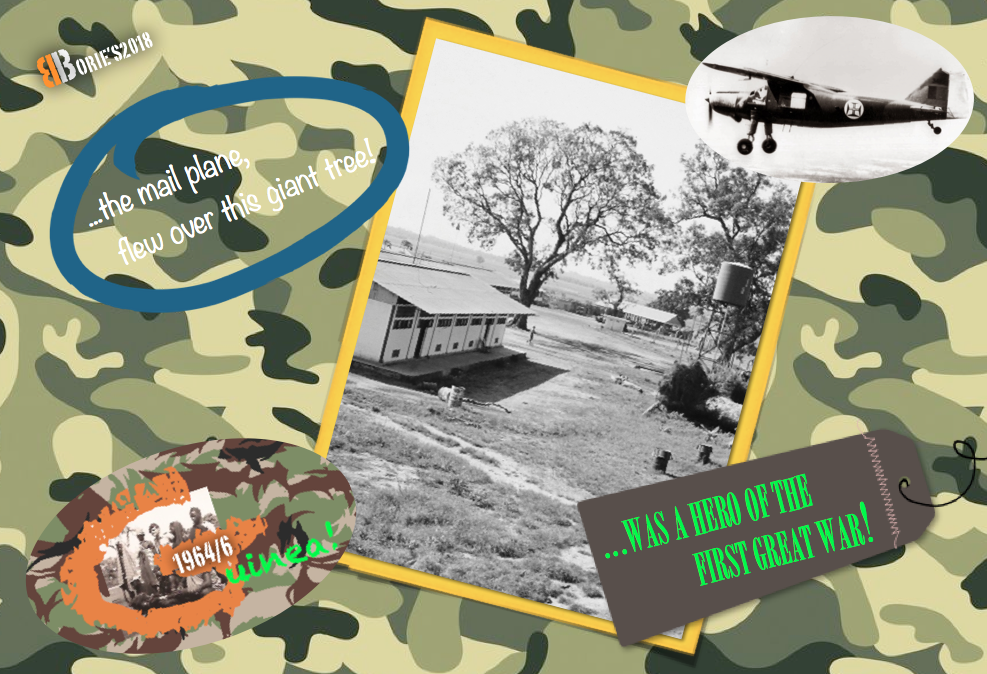
…a avioneta do correio, cujo piloto era o “Pardal”, de quem já aqui falámos algumas vezes, sobrevoou a tal árvore gigante, a que chamáva-mos o “Mangueiro do Setúbal”, que existia no aquartelamento, que por uns metros sobreviveu ao arame farpado, pois os postes de cimento passaram junto a ela, enquanto que algumas gaiolas de macacos e periquitos foram desviadas para o outro lado da árvore, fazia os animais fazerem algum barulho, tal como se fosse o carteiro, a tocar a corneta da sua bicicleta, quando andava na distribuição, na aldeia do vale do Ninho d’Águia, lá na vertente oeste da montanha do Caramulo, em Portugal, de onde nós, que em cenário de guerra, nos chamavam “Cifra”, por ser essa a nossa tarefa, cifrar e decifrar mensagens, éra-mos oriundos e, era sinal que lá vinha correio!. (the mail plane, whose pilot was the “Sparrow”, of whom we have already spoken a few times, flew over this giant tree, which we called the “Mangueiro do Setúbal”, which existed in the barracks, which for some meters survived the barbed wire, as the cement poles passed beside it, while some cages of monkeys and parakeets were diverted to the other side of the tree, did animals make some noise, as if the postman, playing the horn of his bike, while riding in the distribution in the village Nest Valley d’Eagle, there on the western slope of the Caramulo mountain in Portugal, where we, who in a war scenario, called us “Cifra”, because that is our task, to encrypt and decrypt messages, we came from and, wassign that there had been mail!.

…passado pouco tempo havia a sua distribuição e, desta vez, vinham duas cartas para o “Cifra”, uma dos primos de Lisboa e outra da mãe Ilda, onde dizia mais ou menos, depois de desejar muitos beijinhos e xi-corações, que estivesse bem, e todas aquelas coisas que as mães sempre desejavam:

– Olha, o senhor Manuel Manco, que vivia no mato, naquela casa sozinha, quase a seguir ao caminho para a aldeia do Gravanço, morreu, foi encontrado morto, coitadinho, tão boa pessoa!.

… e depois, explicava mais alguns pormenores!.

(Before long it had its distribution and, this time, came two letters to the ‘Cipher”, one of the cousins of Lisbon and other Ilda Mother, which went something after you want lots kisses and xi-hearts, which were good, and all those things that mothers always want:

– Look, Mr. Manuel Manco, who lived in the bush, in that house alone, almost following the path to the village of Gravanço, died, was found dead, poor thing, such a good person!

… And then, explained a few more details!.

…então o “Cifra”, fechou por momentos os olhos, lembrando-se do senhor Manuel, que devia de ter outro sobrenome, mas era conhecido por Manuel Manco, porque tinha só uma perna. Tinha sido casado, a esposa morreu com a doença do “tifo”, e tinha uma filha que foi “casada de encomenda” para o Brasil. O povo dizia “casada de encomenda”, que era quando um português, “muito rico”, lá no Brasil, que andasse muito ocupado na “roça”, na “xácra”, no “açougue”, na “padaria”, no “botequim”, na “birosca” ou no “boteco”, mandava uma carta, normalmente ao senhor Regedor ou a Vossa Reverência, o senhor Abade da freguesia, a pedir esposa que soubesse cozinhar, lavar e engomar, que fosse donzela, estivesse vacinada e que fosse boa parideira!. (So the “Cipher”, closed briefly eyes, remembering Mr. Manuel, who was to have another surname, but was known for Manuel Manco, because it only had one leg. Had been married, his wife died of the disease of “typhoid”, and had a daughter who was “married to order” for Brazil. The people said “married order,” which was when a Portuguese, “very rich”, there in Brazil, who walked very busy in the “fields” in the “xácra”, the “butcher” in the “bakery” in “tavern” in “birosca” or “boteco”, sent a letter, usually to Mr. Keeper or your Reverence, the Abbot of the parish, asking wife to know cooking, washing and ironing, which were maiden, were vaccinated and it was good brood)!.

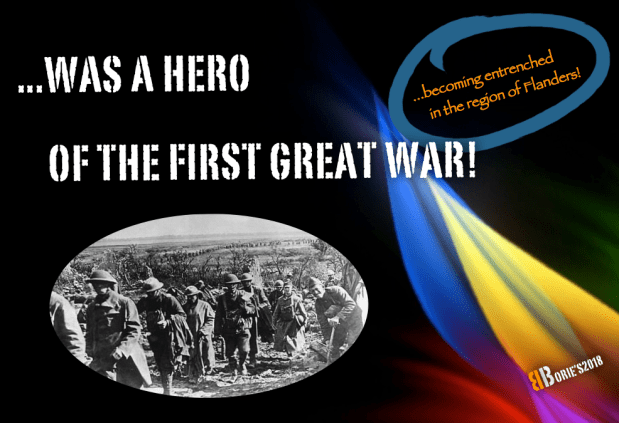
…continuando, essa filha, foi para o Brasil e nunca deu sinal de si. O senhor Manuel Manco era um sobrevivente de guerra, pois fez parte do Corpo Expedicionário Português que esteve presente na Frente de Flandres, onde muitos militares portugueses foram mártires, que foi a principal força militar Portuguesa, durante a Primeira Guerra Mundial, enviada para França, com a finalidade de, através da sua participação activa, no esforço de guerra contra a Alemanha, que também ameaçava os seus territórios ultramarinos, (como podem compreender, o então Ultramar Português, estava sempre no centro das atenções do então governo de Portugal, onde nós, crianças, depois jovens humildes, no momento em que despertávamos para um futuro com alguma esperança, viemos viver dois anos, num cenário de guerra horrível), conseguir apoios dos seus aliados e evitar a perda daqueles territórios!. (Continuing, this daughter, he went to Brazil and never gave sign him. Mr. Manuel Manco was a war survivor, as was part of the Portuguese Expeditionary Corps who attended the Flanders front, where many Portuguese soldiers were martyred, who was the main Portuguese military during World War I, sent to France, with the purpose of actively participating in the war effort against Germany, which also threatened its overseas territories (as you can understand, the overseas Portuguese, was always in the center of the attention of the then Portuguese government, where we children, then humble young people, when we awoke to a future with some hope, came to live two years in a horrible war scenario), get support from their allies and avoid the loss of those territories)!.

…o senhor Manuel Manco, tal como nós, embora em épocas diferentes, mandaram-no para o Centro de Instrução do Aquartelamento de Tancos, que transformava tão depressa quanto possível, em soldados aptos e capazes para combate duro, homens que, pouco tempo antes, tinham uma vida civil, pacata e tranquila!. Foi assim que zarpou no rio Tejo, na cidade de Lisboa, num vapor britânico e, três dias depois, desembarcava no porto de Brest, em território Francês, ficando entrincheirado na região de Flandres, onde um soldado de nome António, foi o primeiro de muitos portuguêses mortos em combate!. (Manuel Manco, just as we, though at different times, sent him to the Tancos Quarantine Training Center, which he turned as quickly as possible into fit and capable soldiers for hard fighting, time before, had a civil life, calm and quiet!. This was how he set out on the Tejo river in the city of Lisbon on a British steamer and, three days later, disembarked in the French port of Brest, becoming entrenched in the region of Flanders, where a soldier by the name of Antonio was the first many Portuguese killed in combat)!.

…continuando a lembrar o senhor Manuel Manco, havia um dia no ano em que vinham buscá-lo num automóvel preto, que tinha uma placa na frente, quase junto à manivela que o fazia começar a trabalhar, que dizia, “Propriedade do Estado”, e que parava quase junto à casa onde vivia o “Cifra”, que nessa altura era o “Tó d’Agar”, lá na sua aldeia do vale do Ninho d’Águia, vindo buscá-lo ao seu casebre, trazendo-o ao colo até ao carro, indo em seguida para a vila, com três ou quatro medalhas no peito, sobre um fato velho e preto, com um chapéu de aba larga e, um sapato, também preto no pé, que às vezes era o do outro pé, da perna que lhe tinham cortado!. (continuing to remind Mr. Manuel Manco, there was a day in the year that came to fetch him in a black car that had a sign on the front, almost next to crank it did start working, saying, “State Property” and that would stop almost next to the house where he lived the “Cipher”, which at that time was the “Tó d’Agar”, there in his village of Nest Valley d’Eagle, come and get it to your hut, bringing him in her arms to the car, then going to the village, with three or four medals on his chest on an old black suit, with a wide-brimmed hat and a shoe, also black on foot, which was sometimes the other foot, the leg that had cut him)!.

…iam exibi-lo, ou seja mostrá-lo, como exemplo de coragem e bravura do Estado Novo, davam-lhe de comer, do bom e do melhor naquele dia, tiravam-lhe fotografias, de diversos ângulos, mostrando as medalhas e, onde aparecia quase sempre a sorrir, mas em segundo plano, pois na frente e em grande plano, eram as caras rosadas e gordas das pessoas importantes da vila!. (Would display it, or show it as an example of courage and New State bravery, gave him food, the good and the best that day, took her photographs, from several angles, showing the medals and where appeared, almost always smiling, but in the background, as in the front and in close-up, were rosy and plump faces of important people of the village)!.

…ao fim da tarde vinha o motorista, que era o “Zica”, que dava sempre cinco tostões ao Tó d’Agar, por segurar na porta do carro, enquanto carregava o senhor Manuel Manco para fora do carro, e o ia “despejar” no seu casebre, dizendo:

– Até ao ano, Ti Manel!.

…durante o ano devia comer o que arranjava e das esmolas que a mãe Ilda e as vizinhas lhe levavam. Elas lavavam-lhe também os trapos da sua roupa. Deslocava-se de um lado para o outro, à volta do seu casebre, com a ajuda de um pau que arranjou algures, parecendo-se com uma muleta. Tinha uma pequena horta e uma “arma de caça”, das pequenas de carregar pela boca, que usava para se defender dos lobos, que naquele tempo por lá havia, e também para matar coelhos. Diziam que tinha uma boa pontaria, pois tinha sido um combatente!. (In the evening came the driver, who was the “Zica” which always gave five pennies to Tó d’Agar, for holding the car door, while carrying Mr. Manuel Manco out of the car, and would “dump” in his hut, saying:

– by the year Ti Manel!.

…during should eat what arranged and alms that mother Ilda and neighboring brought him. They washed him also the rags of her clothes. Was moving from one side to the other around his hut, with the help of a stick that got somewhere, looking like a crutch. I had a small vegetable garden and a “hunting weapon”, the small muzzle loading, he used to fend off the wolves, that at that time there was, and also to kill rabbits. They said that he had a good aim, because it had been a combatant)!.

…quando jovem resistiu, entre outros factores, tais como um inverno frio e húmido, entrincheirado, numa frente de guerra, onde as condições se foram agravando a tal ponto que o Comando do Primeiro Exército Britânico decidiu a rendição das tropas portuguesas, com o objectivo de permitir o descanso daquelas e, é justamente no dia previsto para a rendição deste Comando, que se dá a ofensiva alemã e a Batalha do Lys, apanhando as forças portuguesas numa posição completamente desfavorável, onde os soldados portugueses, não motivados e muito mal preparados, acabaram por sofrer uma derrota estrondosa, com cerca de 7.000 baixas, onde o maior número talvez fossem prisioneiros, logo após a derrota do Exército Britânico na região de Arras!. (as a young man he resisted, among other factors, such as a cold and damp winter, entrenched, in a war front, where the conditions were aggravated to the point that the First British Army Command decided the surrender of the Portuguese troops, with the objective of allowing their rest, and it is precisely on the day scheduled for the surrender of this Command that the German offensive and the Battle of Lys take place, catching the Portuguese forces in a completely unfavorable position, where Portuguese soldiers, unmotivated and very ill-prepared, eventually suffered a tumultuous defeat, with about 7,000 casualties, where the largest number were perhaps prisoners, shortly after the defeat of the British Army in the Arras region!

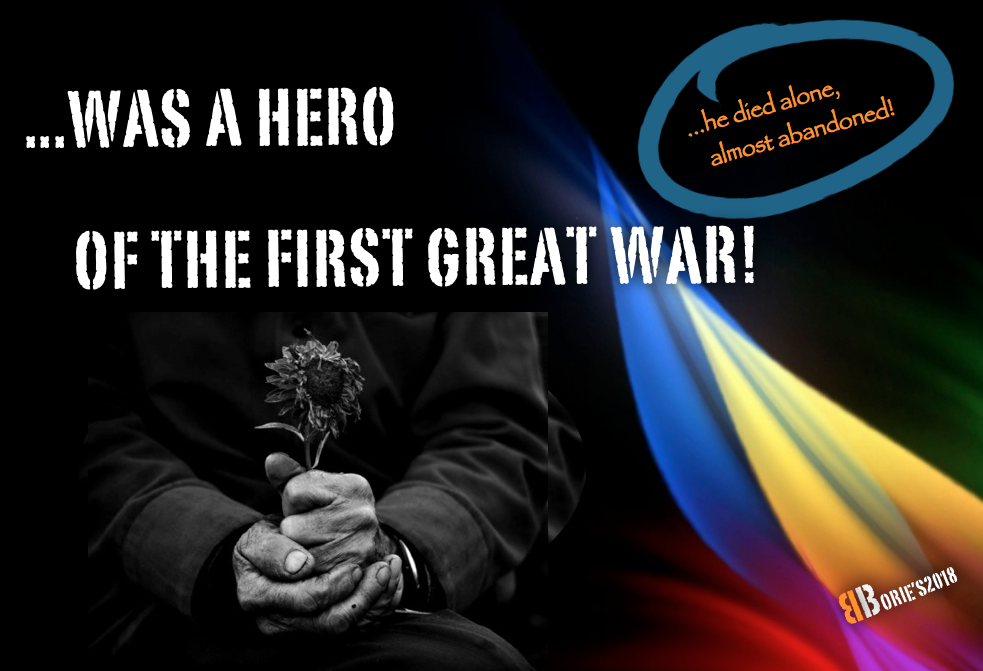
…na boca do povo, era um herói COMBATENTE, da Primeira Grande Guerra, cheio de medalhas, que tinha estado ainda jovem, com saúde e as suas duas pernas, num cenário de guerra, defendendo a sua bandeira e a sua Pátria, mas que agora vivia sozinho, arrastando-se só com uma perna!.

…morreu sozinho, quase abandonado!

(In the mouth of the people, he was a combatant hero of the First World War, full of medals, which was still young state, with health and both legs in a theater of war, defending their flag and their country, but now he lived alone, crawling with one leg!.

He died alone, almost abandoned)!

Tony Borie, January 2018.

…the weather, it’s almost good!

…the weather, it’s almost good!


…o tempo está quase bom!. (the weather, it’s almost good)!

…já a alguns dias, que não era quase possível, para nós “florideans”, sair de casa, porque a temperatura era um pouco baixa!.

…já sabemos que vão dizer ou pensar:

– então deviam de viver aqui, onde existe um “frio de rachar”!.

…deve de ser verdade mas, é nosso hábito por aqui haver temperaturas um pouco mais elevadas, sabemos que por outras latitudes, têm que limpar a neve, agasalharem-se, terem aquecimento nas casas, sim, tudo isso!. Mas nós por aqui, temos que ter o ar condicionado a trabalhar quase todo o ano, temos que cortar a relva e as árvores à volta da casa quase todas as semanas, portanto é quase a mesma situação, mas “ao contrário”!.

…bem vamos continuar, pois hoje já é possível sair, caminhar lá fora, que é o que mais gostamos de fazer!.

(already a few days, it was not nearly possible, for us “florideans”, to leave the house because the temperature was a bit low!.

We already know what they will say or think:

– then you should live here, where there is a “cracking cold”!

It must be true, but it is our habit here to have temperatures a little higher, we know that from other latitudes, they have to clean the snow, get warm, have heating in the houses, yes all that! But we here, we have to have the air conditioning working most of the year, we have to mow the grass and the trees around the house almost every week, so it’s almost the same situation, but “backwards”!.

Well let’s continue, because today it is already possible to go out, to walk outside, which is what we most like to do)!.

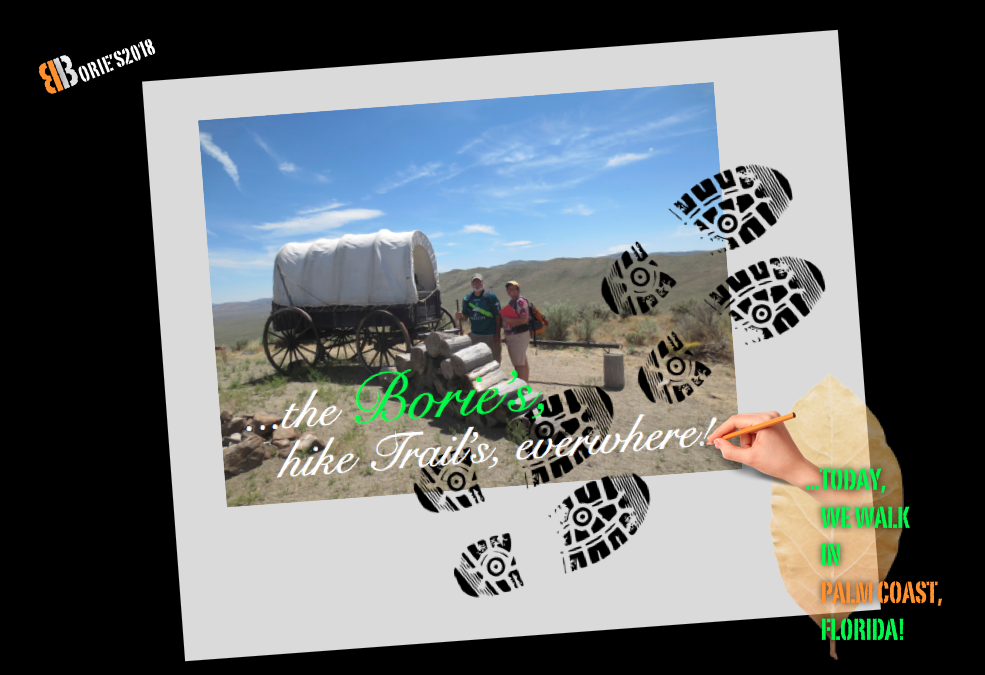
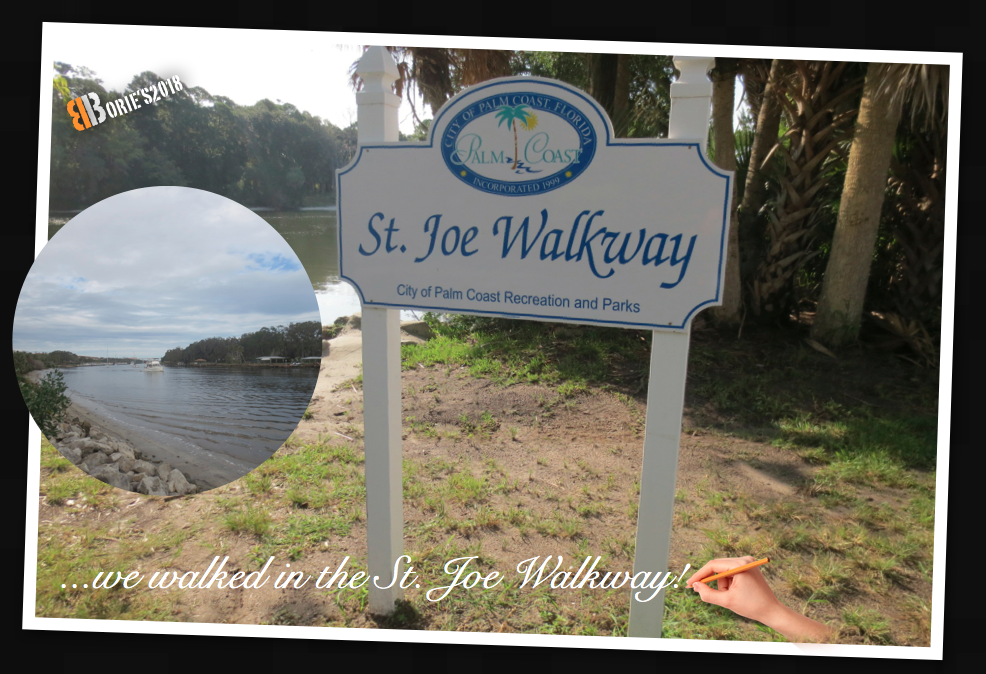
…caminhámos no “St. Joe Walkway”, que é uma das nossas habituais caminhadas, aqui na cidade onde vivemos!. (we walked in the “St. Joe Walkway”, which is one of our usual hikes, here in the city where we live)!.

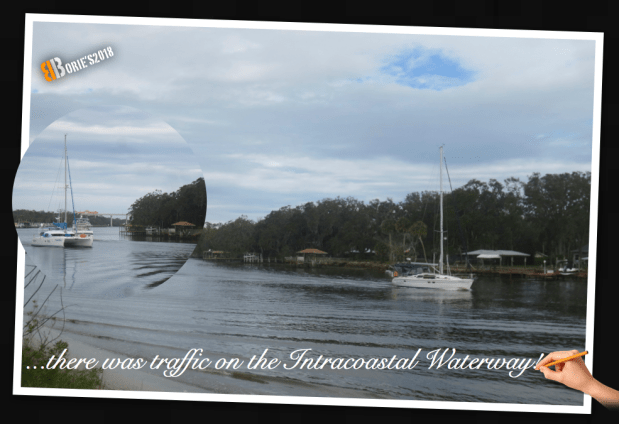
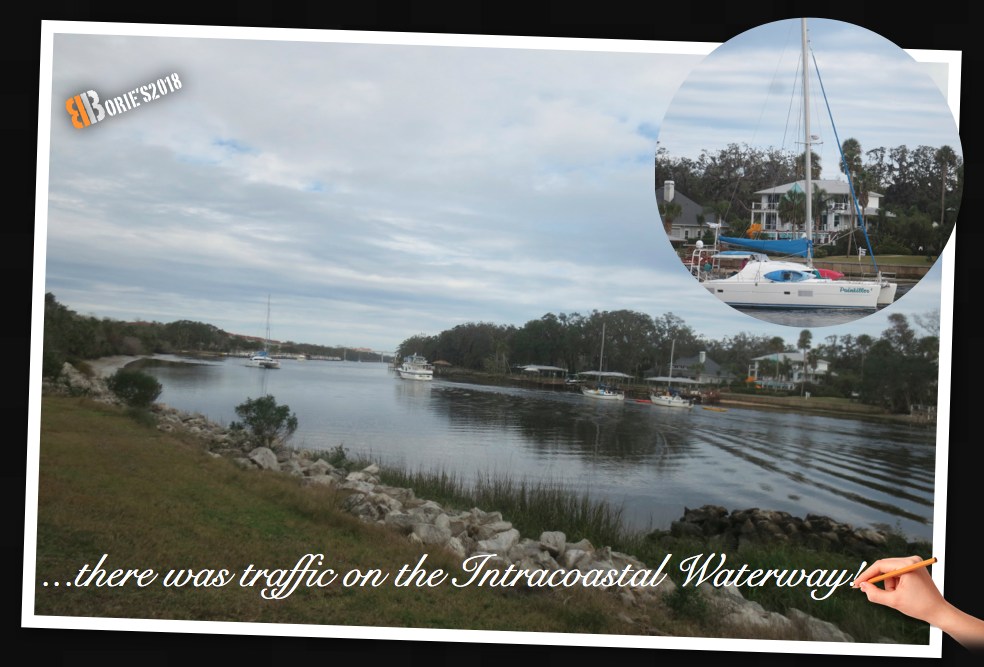
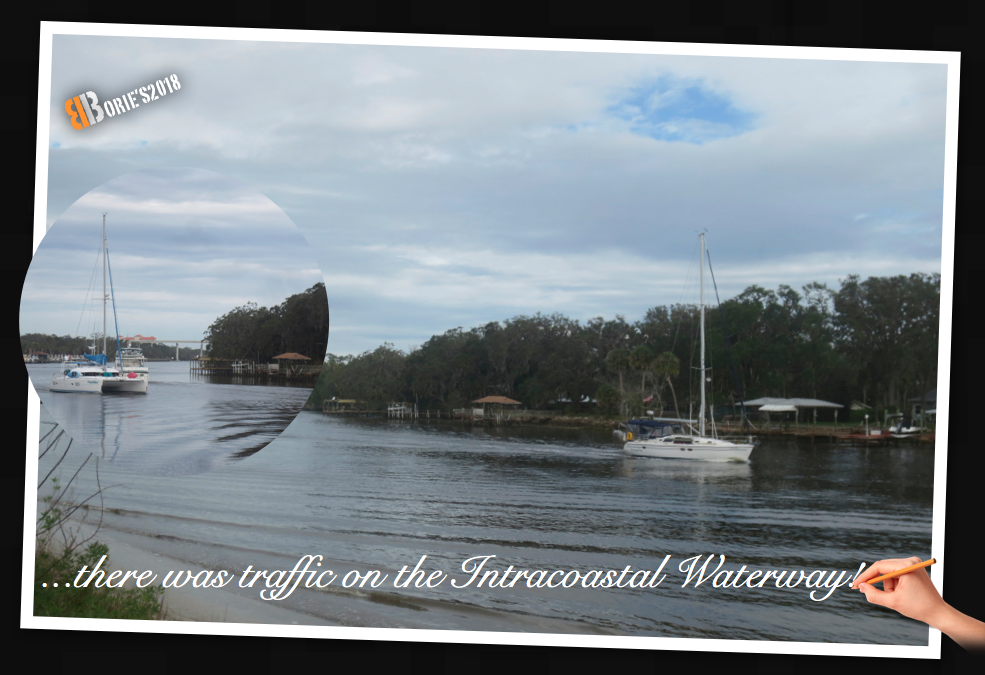
…havia tráfico no canal, talvez as pessoas que viajam em embarcações, tivessem preferido o canal, do que viajar em mar aberto, por tal, entram na área da cidade de Santo Agostinho, mais própriamente, no St. Augustine Inlete, onde nós já entrámos e saímos várias vezes, quando vamos pescar no Oceano Atlântico!. A zona é potencialmente perigosa, onde os velejadores visitantes devem estar conscientes pelo menos durante condições de tempestade, quando o vento se encontra com a corrente, onde a parte mais profunda, pode ficar rasa em poucas horas!. ( There was traffic on the canal, perhaps people traveling on boats, had preferred the canal, than traveling in the open sea, by such, enter the area of the city of St. Augustine more properly, in the St. Augustine Inlet, where we have already entered and left several times, when we will fish in the Atlantic Ocean!. The zone is potentially dangerous, where visiting sailors should be aware at least during stormy conditions when the wind meets the current, where the deepest part can get shallow in a few hours!

…continuando, este canal, a que chamam “Intracoastal Waterway”, estende-se por aproximadamente 60 milhas, em algumas zonas confunde-se com o Rio Matanzas ou o Rio Halifax e, é navegável, pelo menos até zona de Ponce de Leon Inlet, onde existe uma abertura natural, nas ilhas da barreira, no centro da Florida, que liga a extremidade norte da Lagoa Mosquito e a extremidade sul do Rio Halifax, que naquela zona, entra no Oceano Atlântico!. (Continuing, this channel, which they call “Intracoastal Waterway”, extends for approximately 60 miles, in some areas is confused with the Matanzas River or the River Halifax and, it is navigable, at least until Ponce de Leon Inlet, where there is a natural opening in the barrier islands in central Florida that connects the northern end of Mosquito Pond and the southern end of the Halifax River, which in that area, enters the Atlantic Ocean)!.

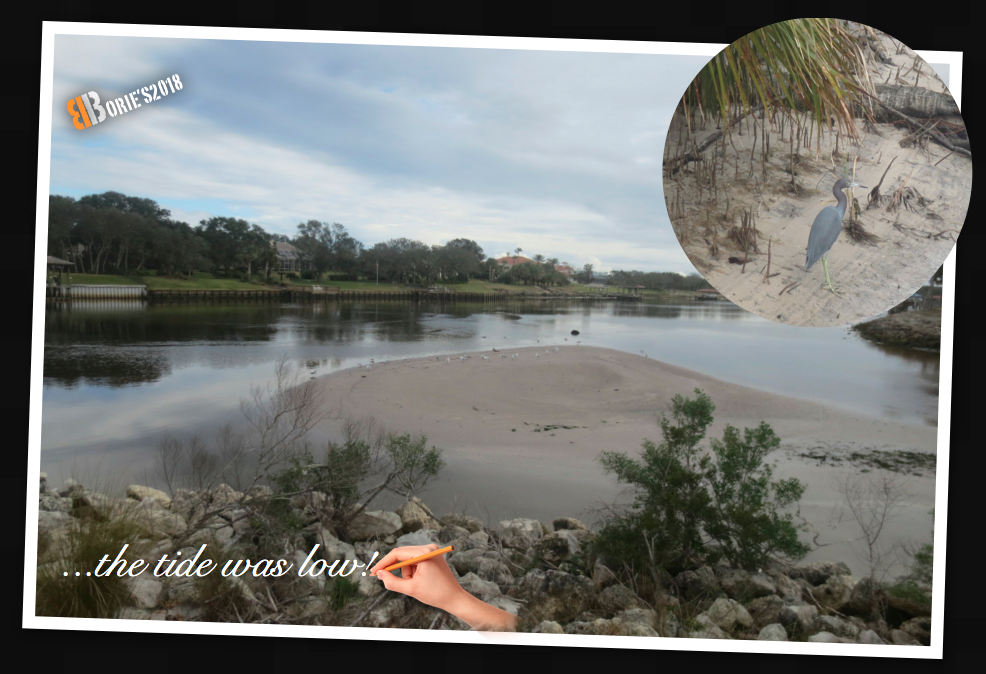
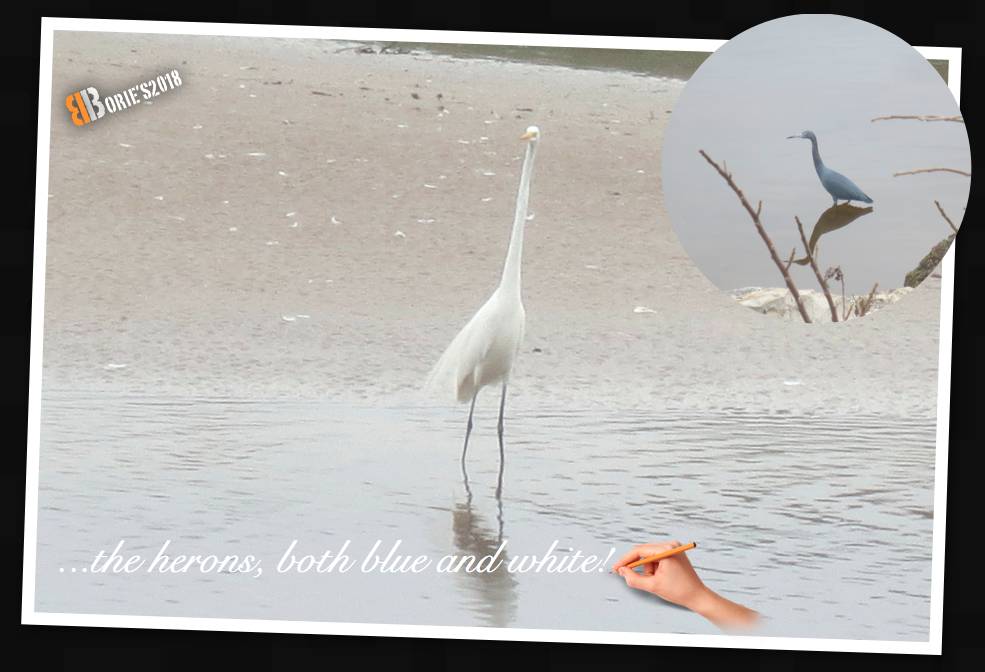
…as aves exóticas andavam por lá, a maré estava baixa!. (The exotic birds walked there, the tide was low)!.

…as garças, tanto azuis como brancas, procuravam algo para comer, têm uma visão excelente, talvez um ânglo de 360 graus, pois assim que nos aproximamos, param nos movimentos, olham-nos de lado e levantam vôo!.
(The herons, both blue and white, looking for something to eat, have an excellent view, maybe an angle of 360 degrees, because as soon as we approach, stop in the movements, look at us sideways and take flight)!.

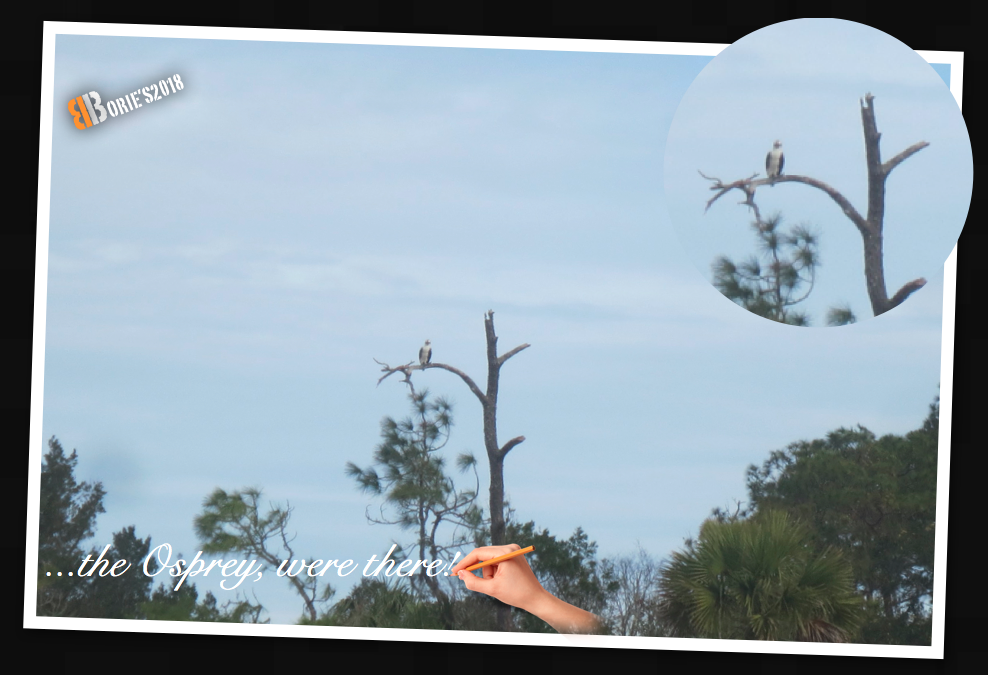
…os Osprey, estavam lá no seu lugar preferido, vendo o cenário à sua volta, em especial qualquer movimento na água do canal!. (The Osprey were there in their favorite place, watching the scenery around them, especially any movement in the canal water)!.

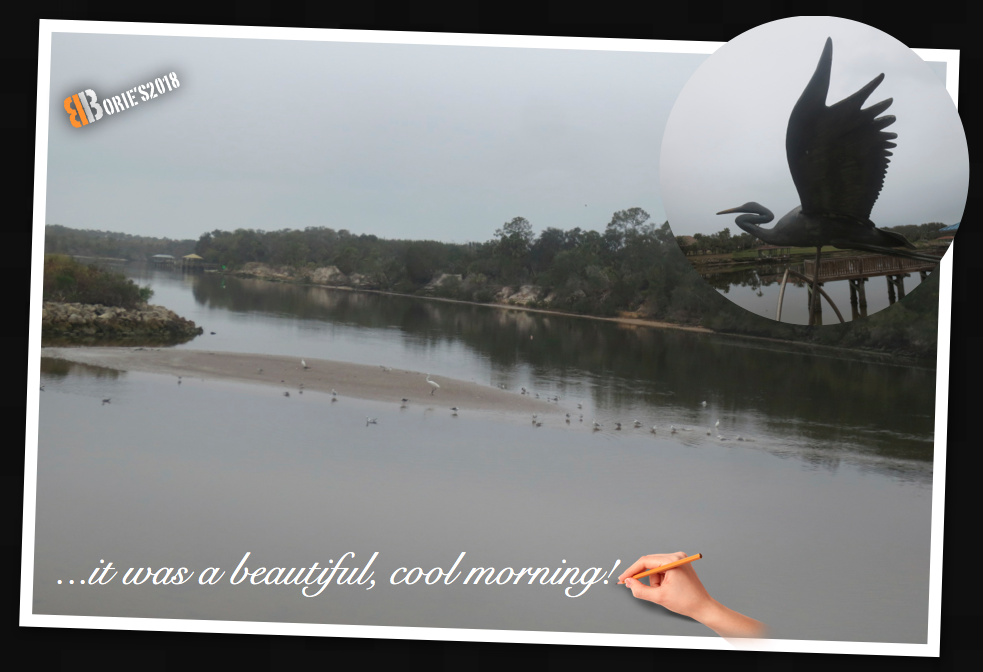
…foi uma linda e fresca manhã, fizemos exercício, deliciando-nos com cenário!. (It was a beautiful, cool morning, we exercised, delighting in the scenery)!.

Tony Borie, January 2018.

…we passed through the city of Sedona!

…we passed through the city of Sedona!

…passamos pela cidade de Sedona!. (we passed through the city of Sedona)!.

…vamos sorrir, porque rir, quando se tem vontade, (quanto mais alto melhor), é um bom exercício, é como correr por dentro!. Engraçado, não nos lembramos onde já vimos esta frase escrita, devemos de andar distraídos, deve ser a idade, pois também não nos lembramos de estar distraídos!. (let’s smile, because to laugh, when you feel like it, (the higher the better), it’s a good exercise, it’s like running inside!. Funny, we do not remember where we have already seen this written phrase, we must be distracted, must be the age, because we also do not remember being distracted)!.

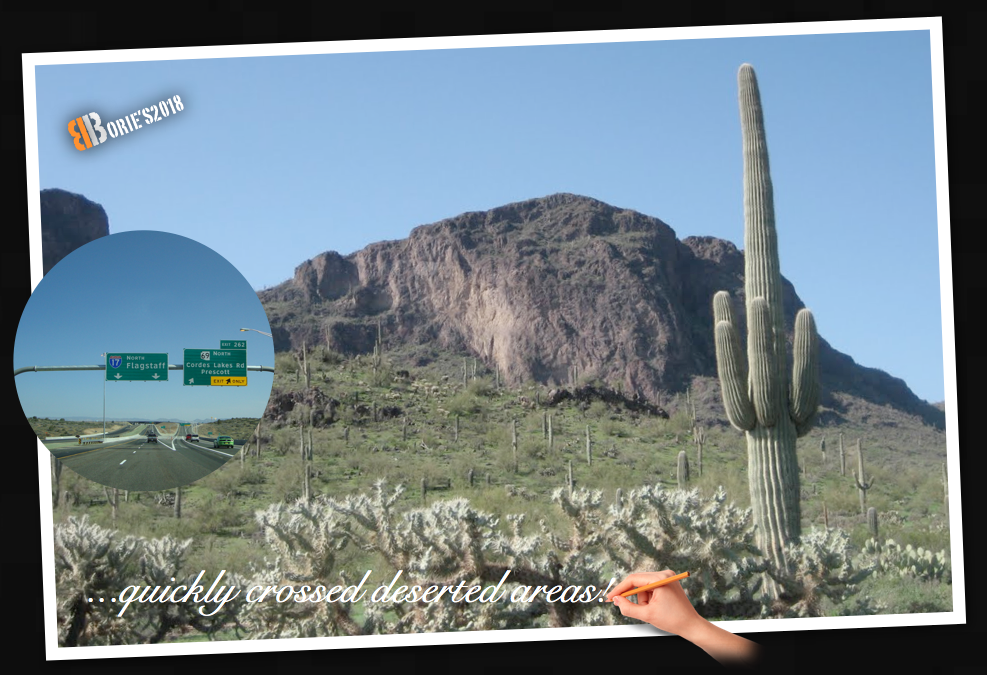
…era no estado do Arizona, rumo ao norte na estrada rápida número 17, depressa atravessávamos zonas desertas, com uma povoação aqui e ali, normalmente um pouco retirado da estrada, dando a entender que eram comunidades de casas pré-fabricadas, “rasteiras”, que se confundiam com a pouca vegetação que por ali havia, sempre uma “pick- up” ou duas, já antigas na frente ou no lado dessas casas!. (was in the state of Arizona, heading north on the fast road number 17, quickly crossed deserted areas with a village here and there, usually a little removed from the road, implying that they were manufactured housing communities, “creeping” which mingled with the little vegetation that way there was always a “pick-up” or two, already old, standing on the front or side of these houses)!.

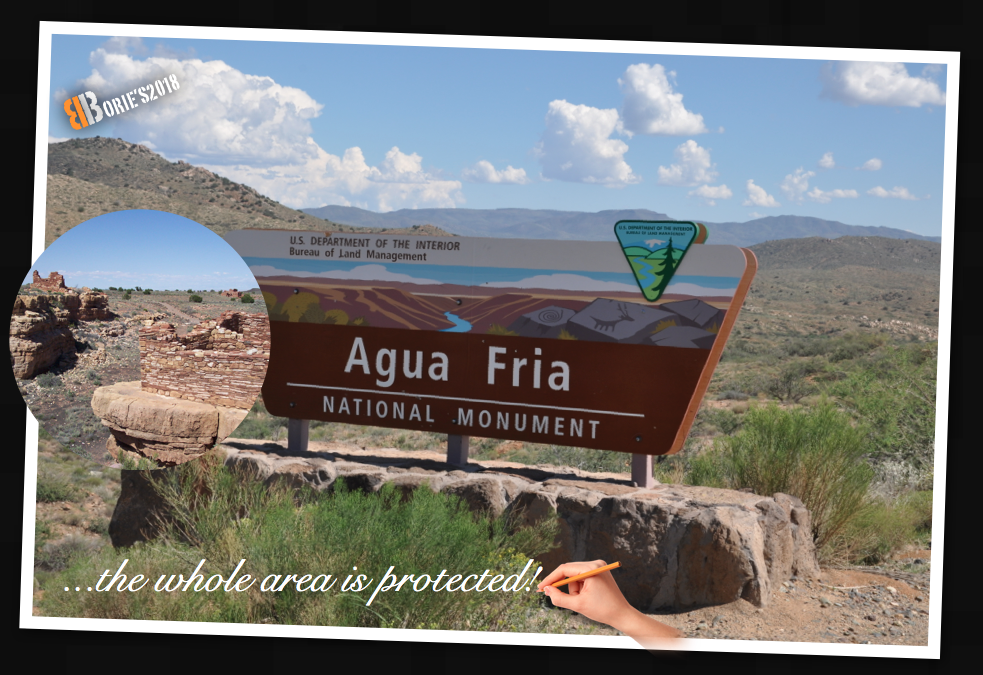
…ouvindo música agradável na rádio da viatura, já lá iam aproximadamente 40 milhas. Por diversas vezes vimos anúncios, ao lado da estrada, em grandes cartazes, dizendo: “Agua Fria National Monumento”, fomos ver!. Mais de 450 diferentes estruturas de aldeias de “Native Americans”, que formam este monumento, que são estes “pueblos”, ou seja aldeias, onde algumas têm mais de 100 ruínas de casas. Toda a área está protegida, tanto as ruínas, como as plantas e animais que as rodeiam!. Valeu bem o tempo que aqui dispensámos!.
(listening to nice music on the car’s radio, it was already going about 40 miles. Several times we saw adverts, beside the road, in large posters, saying: “Agua Fria National Monument”, we went to see!. More of 450 different structures of villages “Native Americans” who form this monument, it is these “pueblos”, that is villages where some have more than 100 houses in ruins. The whole area is protected, both the ruins, as the plants and animals that surround them!. Well worth the time we spent here)!.

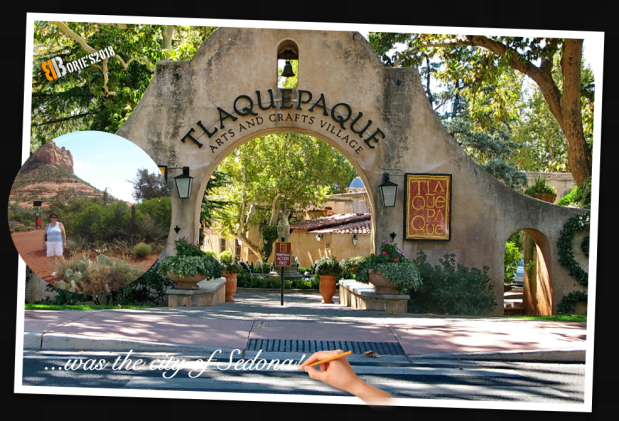
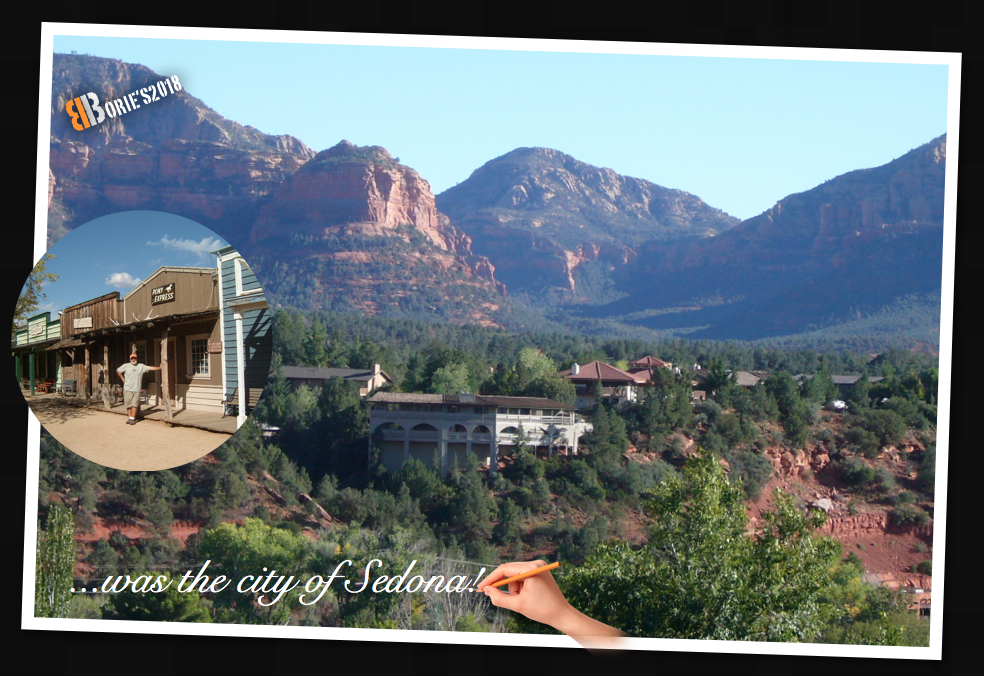
…voltando à estrada, poucas milhas depois, passámos pela cidade de Camp Verde, onde não parámos!. Continuando a nossa rota rumo ao norte, estava a cidade de Sedona, aqui sim, parámos. Está situada na parte alta do Deserto de Sonora, deve de ser a cidade onde há vestígios de presença humana, mais antiga nos USA, pois dizem que 11.500 até 9.000 anos AC, já por aqui andavam pessoas, que habitavam a região a que hoje chamam “Verde Valley”, está rodeada de pequenas montanhas de arenito vermelho, com lugares estratégicos, onde se pode admirar a natureza, principalmente ao pôr do sol. É uma cidade com muito turismo, para onde se deslocam muitas pessoas, algumas até aqui fixam residência, pois a sua altitude, 4500 pés, (1372 metros), e o seu clima suave, tanto no inverno como no verão, fazem desta cidade um bom lugar para viver!. Alguém nos disse, que é uma cidade “Hollywood”, pois já se rodaram aqui mais de 60 produções, que com o tempo se tornaram famosas, e também por aqui andaram e viveram “Estrelas de Hollywood”, como por exemplo, Errol Flynn, John Wayne, Joan Crawford, James Steward, Robert Michum ou Elvis Presley, chamam-lhe mesmo, “Arizona’s Little Hollywood”!. (returning to the road, a few miles later, we passed through the city of Camp Verde, where we did not stop!. Continuing our route to the north, was the city of Sedona, here we will stop. It is located in the upper reaches of the Sonoran Desert, must be the city where there are traces of human presence, the oldest in the USA, for say 11,500 to 9,000 BC, already here they walked people, who inhabited the region we now call “Green Valley”, is surrounded by small red sand mountains with strategic places, where you can admire nature, especially at sunset. Is a city with much tourism, where moving many people, some far up residence, as its altitude, 4500 feet (1372 meters), and its mild climate, both in winter and in summer , make this city a good place to live!. Someone told us, it is a city “Hollywood”, for he rode here more than 60 productions, which in time became famous, and also here walked and lived “Hollywood stars”, such as Errol Flynn, John Wayne Joan Crawford, James Steward, Robert Michum or Elvis Presley, call it even, “Arizona’s Little Hollywood”)!.

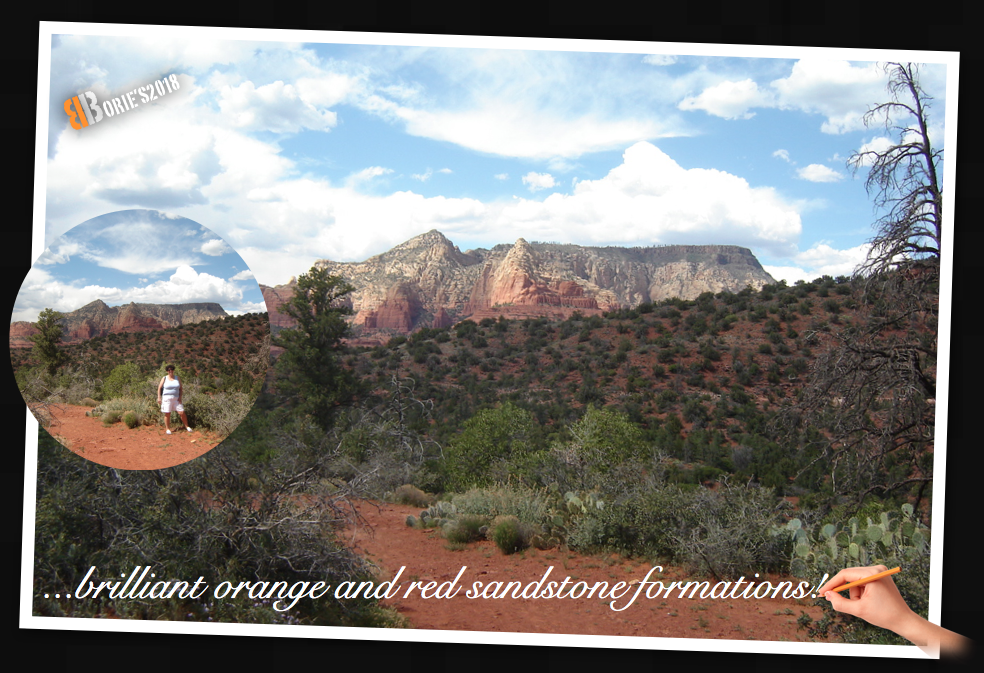
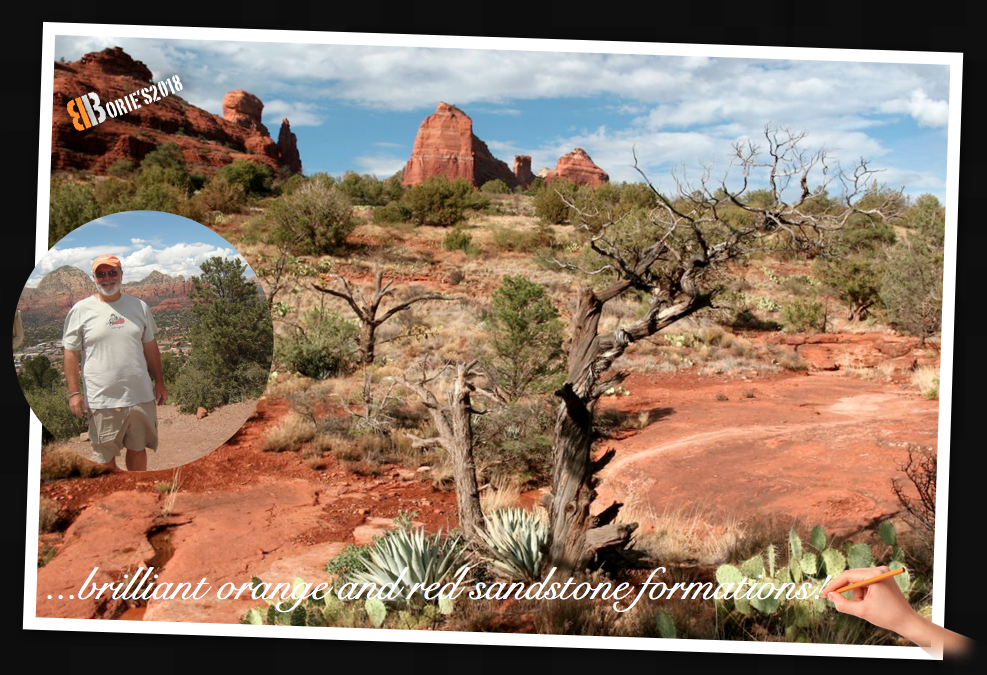
…as atrações principais de Sedona é a sua variedade de formações de arenito vermelho. (Sedona’s main attractions is its array of red sandstone formations)!.

…as formações parecem brilhar em laranja e vermelho brilhantes, quando iluminadas pelo sol nascente ou ao pôr-se!. As rochas vermelhas formam um cenário popular para muitas atividades, que vão desde atividades espirituais até as centenas de trilhas para caminhadas e bicicletas de montanha!. (The formations appear to glow in brilliant orange and red when illuminated by the rising or setting sun. The red rocks form a popular backdrop for many activities, ranging from spiritual pursuits to the hundreds of hiking and mountain biking trails)!.

…nas montanhas, vêm-se pessoas pintando a paisagem, com um azul no céu, talvez único neste universo!. (in the mountains, people have been painting the landscape, with a blue of the sky, perhaps unique in this universe!

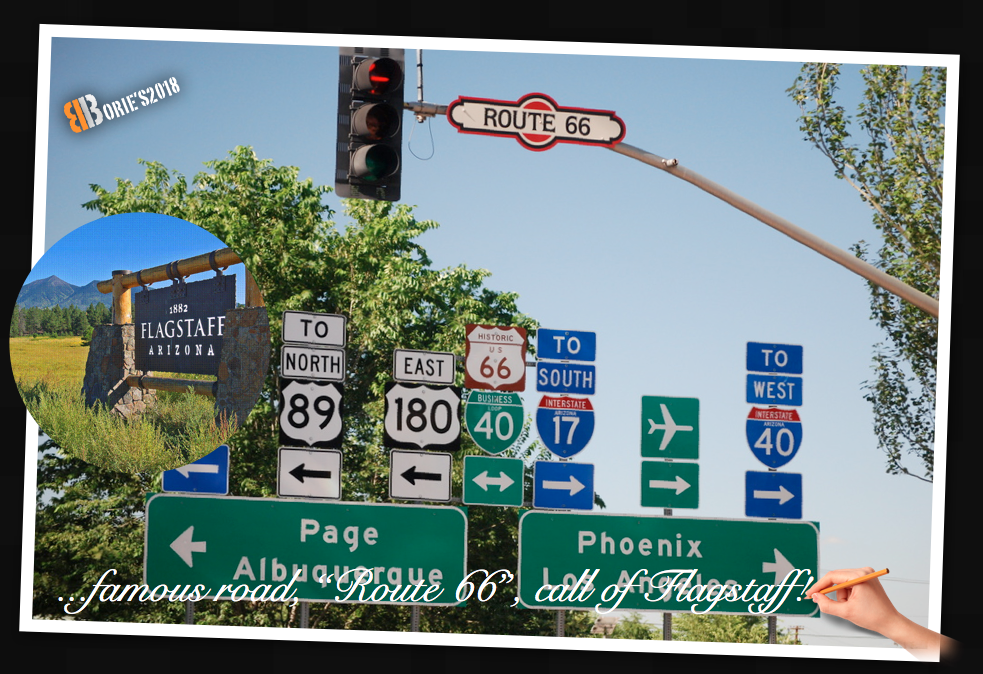
…gostávamos de ter dormido aqui, mas o preço dos hotéis não estava de acordo com as nossas possibilidades financeiras, portanto, a solução foi rumo ao norte e dormir na cidade que faz parte do itinerário da célebre estrada, “Route 66”, a que chamam de Flagstaff, cuja economia ainda hoje sobrevive entre outras coisas, à custa da madeira que fornece para as traves do caminho de ferro, onde perguntamos a uma simpática senhora qual a comida original desta área. Logo nos respondeu que os seus pais comiam carne de búfalo!  (We’d like to have slept here, but the price of the hotel was not in accordance with our financial possibilities, so the solution was heading north and sleep in the city that is part of the itinerary of the famous road, “Route 66”, call of Flagstaff, whose economy still survives among other things, the cost of wood that provides for Railway beams, where we asked a nice lady which the original food of this area. Soon he answered that their parents ate buffalo meat)!.

Tony Borie, January 2018.

…this was me!

…this was me!

…this was me!

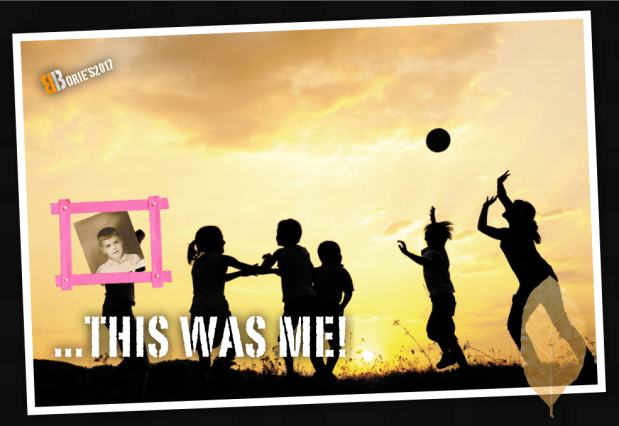
…esta personagem fui eu, mas penso que, talvez em parte,  também eras tu, que nasceste entre os anos trinta e cinquenta do século passado, ou talvez até antes, ou depois, andas-te por aí, sobreviveste e, hoje até tens a pachorra de me estar a ler! (this character was me, but I think, perhaps partly also was you, you were born between thirty and fifty of the past century or maybe even before or after you went out there, survived and now to have the apathy of being me to read)!.

…isto não é impressionante!. Sobrevivemos, sendo filhos de mães que não se alimentavam com todas aquelas proteínas necessárias para o bom funcionamento do organismo, comiam queijo e touchinho gorduroso, andavam de “de barriga à boca”, até ao último dia, sempre a trabalhar na agricultura, sujas, com as pernas cheias de “varizes”, que eram umas veias, saídas nas pernas, muito perigosas, devido ao esforço despendido e, talvez não só, algumas bebiam álcool, enquanto estavam grávidas, sem nunca fazer um simples teste de diabetes!. (this is not impressive? Survived being born to mothers who did not feed with all the proteins necessary for the proper functioning of the body, ate cheese and greasy bacon, they went from “belly to his mouth,” until the last day, always working in agriculture, dirty, with full legs “varicose veins”, which were a outputs veins in the legs, very dangerous due to the effort expended and perhaps beyond, some drank alcohol while they were pregnant, without ever making a simple diabetes test)!.

…nascemos!. Fomos colocados para dormir, em berços, ou numa simples canastra, cobertos com cobertores, farrapos ou panos feitos com tintas coloridas, feitas à base de chumbo, à base de brilhantes, de barriga para baixo ou para cima, um farrapo borrado e molhado por horas, chorando, às vezes chupando num pano molhado em água de açúcar, ou quando as nossas mães queriam trabalhar sem ouvir o nosso choro, nos colocavam um pouco de pão molhado em vinho, na boca, para assim, “adormecer-mos”!. (born. We were put to sleep on cots or in simple canasta, covered with blankets, rags or cloths made with colored inks, made lead-based, bright-based, face down or up, a blurred rag and wet for hours crying, sometimes sucking a cloth soaked in sugar water, or when our mothers wanted to work without hearing our cry, put on a bit of bread soaked in wine in the mouth, thus “fall asleep”)!.

…ouviam-te chorar!. Talvez com dores em qualquer parte do corpo, embalavam-te por alguns momentos e ficavas em silêncio, não te administrando qualquer medicamento!. (I heard you cry. Perhaps with pain anywhere in the body, cradled you for a few moments and stay in silence, not administering any medicine)!.

…mais tarde!. Com a tal baba e ranho no nariz, às vezes sujo e com pouca roupa no corpo, pois normalmente usavas o resto da roupa ds teus irmãos, ou até do teu  pai, fazendo chuva, frio ou calor, vias as outras pessoas andarem de bicicleta, sem capacetes ou outros utensílios de segurança, os que andavam de carro, não usavam cintos de segurança, as crianças não tinham acentos especiais, os pneus estavam carecas, não havia “air bags” e às vezes nem travões!. (Later. With such drool and snot nose, sometimes dirty and with little clothes on, because normally usavas the rest of the outfit of your brothers, or even your father, making rain, cold or heat, way other people walk by bike without helmets or other safety items, those who were by car, not wearing seat belts, children did not have special seats, the tires were bald, there was no “air bags” and sometimes no brakes)!.

…bebíamos água dos ribeiros, das fontes, dos poços ou das minas e, não da garrafa!. Compartilháva-mos um “pirolito” com quatro amigos, bebendo da mesma garrafa e, ninguém realmente morreu por isso!. Comíamos biscoitos, brôa, pão branco, manteiga real, toucinho, batatas, nabos, couves, feijão, arroz, mal ou bem cozinhado, bem ou mal lavado, na tal panela de três pernas, comunitária, que cozinhava para a família, às vezes para os vizinhos e, entalava alguns legumes para os animais, tudo temperado às vezes com sal “amarelo e rançoso”, que se tirava da caixa, a que se chamava “salgadeira”, onde se guardava a carne salgada do porco. Bebiamos laranjadas ou pirolitos, feitos de água com açúcar, o que queríamos era “encher a barriga” e, nunca  estáva-mos acima do peso!. (We drank water from streams, of sources, wells or mines, and not from a bottle. We shared a ‘Jawbreaker “with four friends, drinking from the same bottle and no one actually died from this. We ate cookies, bread, white bread, real butter, bacon, potatoes, turnips , cabbages, beans, rice, badly or well cooked, well or badly washed in such a pot with three legs, Community, who cooked for the family, sometimes for neighbors and entalava some vegetables for the animals, all seasoned sometimes salt “yellow and rancid”, which took the box, which was called “salting”, where he held the salted meat pig, orangeades or pirolitos, made of sugar water, what we wanted was to “fill the belly” and , we were never overweight)!.

…porquê?. Porque, estávamos sempre a brincar, ou a trabalhar na agricultura, lá fora, pois saíamos de casa pela manhã e andávamos lá fora o dia todo, estávamos de volta quando o sol desaparecia! Chegámos até aos dias de hoje, talvez porque passávamos horas construindo os nossos brinquedos, como por exemplo carrinhos de madeira com rodas de toros de pinheiros e, montá-los ladeira abaixo, sem travões, caindo, levantando-nos, sem nunca nos queixar-mos, aprendendo assim a resolver os nossos problemas!. (Why? Because we were always playing or working in agriculture, out there since we left home in the morning and we walked out there all day, we were back when the sun disappeared. We have come to the present day, perhaps because we would spend hours building our toys, such as wooden carts with pine logs wheels and ride them downhill without brakes, falling and rising in without ever moaning about, learning so to solve our problems)!.

…e claro, aprendemos o “a, e, i, o, u”, ou a “a, b, c”, naquela “lousa” de pedra preta, onde um lápis era um “riscador”, também de pedra preta, sabíamos a “tabuada” de cor e salteado, nas salas de aula não havia tecto, víamos as telhas, onde fazia frio no inverno e eram quentes a partir de Maio e, estava lá, ao lado daquele quadro, que nos parecia muito grande, uma cana comprida, para manter o respeito, não tínhamos Playstations, Nintendos, jogos de vídeo, 150 canais na TV a cabo, não havia filmes de vídeo ou DVDs, com som surround, telefones celulares, computadores pessoais, com Internet!. (And of course, learn the “a, e, i, o, u,” or “a, b, c” in that “slate” of black stone where a pencil was a “scribe” also black stone, knew the “multiplication tables” by heart, in the classroom there was no ceiling, saw the tiles where it was cold in the winter and were hot from May and was there, next to that framework, in seemed very large, one reed long to maintain respect, we did not have Playstations, Nintendo’s, video games, 150 channels on cable, there was no video movies or DVDs with surround sound, mobile phones, personal computers with Internet)!.

…mas tínhamos amigos, era só vir à rua e encontrá-los! Só havia dois modelos de corte de cabelo, era comprido, de vários meses, talvez até anos, sem nunca ser cortado, onde havia os tais insectos, que nós chamáva-mos “lendias e piolhos”, ou rapado, onde o barbeiro, deixava uma “franginha” na frente a cobrir parte da testa, caíamos das árvores, ficávamos cortados, quebrávamos os ossos ou até os dentes e não se ia ao hospital, nem havia acções contra as companhias de seguro, por esses acidentes!. Comíamos vermes, terra e lama, enquanto brincávamos em terreno sujo e, os vermes não continuavam a viver em nós por toda a vida!. (But we had friends, was only come to the streets and find them. There were only two haircut models, was long, several months, perhaps even years, without ever being cut where there were such insects which we called “nits and lice,” or shaved, where the barber left a ” franginha “on the front cover of the forehead, we fell the trees, we were hurt, quebrávamos bones or to the teeth and is not going to the hospital or had actions against insurance companies for these accidents. We ate worms, dirt and mud, at play in foul ground and not the worms continued to live in us for life)!.

…pelo nosso aniversário, nunca nos deram brinquedos, tais como cópias de armas modernas, como pistolas e metralhadoras último modelo, mas sim brinquedos feitos por familiares, com paus ou bolas de trapos! Aprendíamos a lidar com a decepção, se não éramos escolhidos para a equipa de futebol, da nossa rua ou bairro!. (For our birthday ever gave us toys, such as copies of modern weapons such as pistols and metralhadorasdo latest model, but toys made by family members, with sticks or balls of rags. We learned to deal with disappointment if we were not chosen for the team football of our street or neighborhood)!.

…era inédita a ideia que os nossos pais, iam socorrer-nos, se por acaso quebrássemos a lei, pois eles realmente, estavam sempre do lado da lei! (It was unprecedented the idea that our parents would help us in case quebrássemos the law, because they really were always on the side of the law)!.

…a nossa geração, passou entre outras, pela Segunda Guerra Mundial, por aquela maldita Guerra do Ultramar,  produziu alguns dos melhores inventores, tendo sido em parte, uma explosão de inovação e ideias novas, nasceram líderes, claro, com algumas excepções, que têm solucionado a maior parte dos problemas que vão afectando o mundo de hoje, num mundo onde cada vez existem mais facilidades para alguns, mas muito mais dificuldades de sobrevivência, pelo menos para nós, os tais que nascemos entre aquelas datas, alguns até antes ou depois e, tanto no fracasso, como no sucesso, sempre assumimos a nossa responsabilidade, os nossos compromissos, a palavra dada, para nós conta e, aprendemos a lidar com tudo isso, embora agora, como já mencionámos antes, com muito mais  dificuldade!. (our generation, passed through World War II, through that accursed War of the Overseas, produced some of the best inventors, having been in part an explosion of innovation and new ideas, born leaders, of course, with some exceptions, who have solved most of the problems that are affecting the world today, in a world where there are more and more facilities for some, but much more difficulties of survival, at least for us, such that we were born between those dates, some even before or after and, both in failure and in success, we always take our responsibility, our commitments, the word given, account for us, and we have learned to deal with all this, although now, as we have mentioned before, with much more difficulty)!.

Se tu, que me estás a ler, és um deles, PARABÉNS e, tenta sobreviver, companheiro de jornada! (if you, that you are reading to me, you are one of them, CONGRATULATIONS and, try to survive, companion of journey)!.

Tony Borie, October 2017.

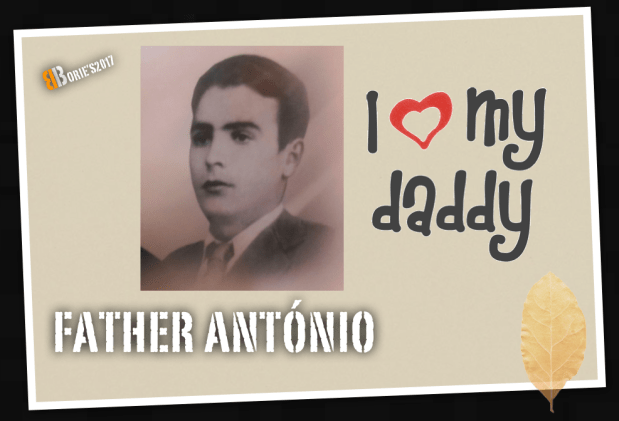
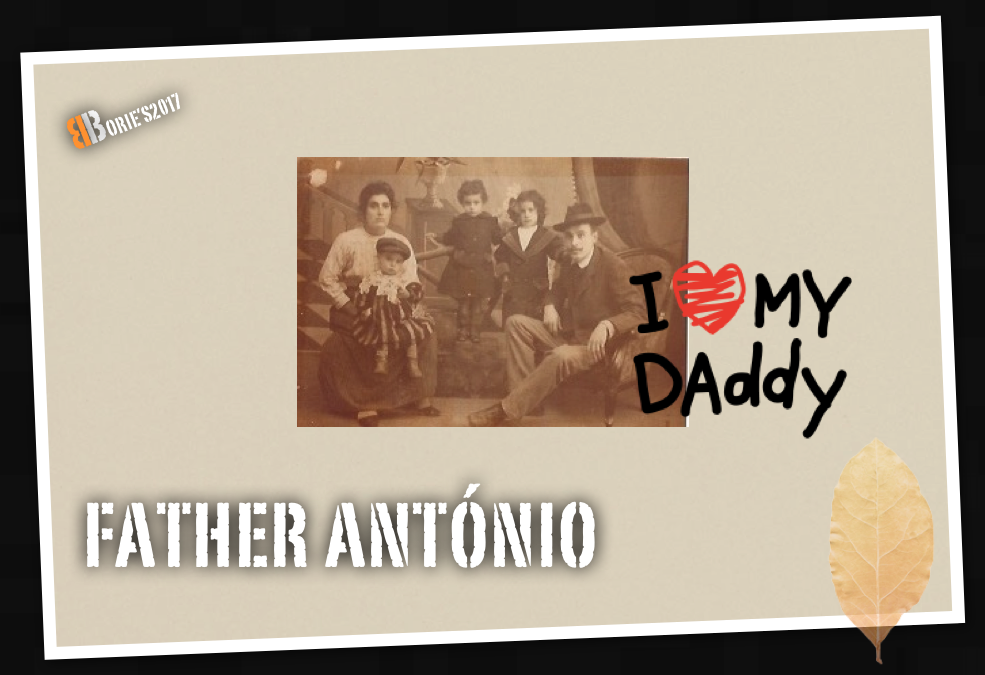
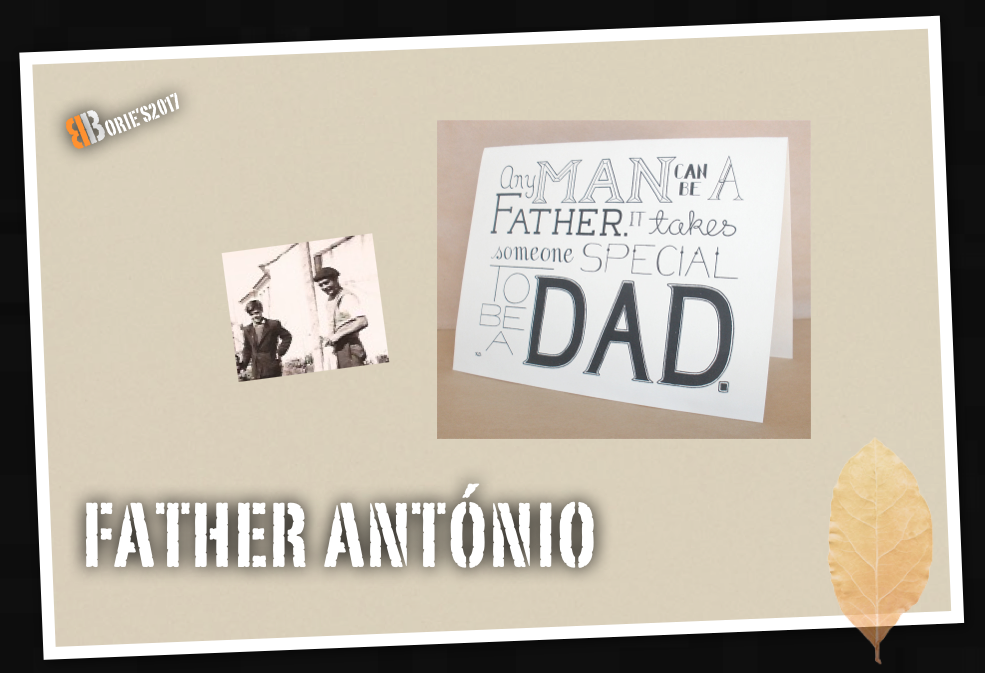
Antonio, the Father!!

Antonio, the Father!!

O Pai António!

… por altura da primeira guerra mundial, onde não havia paz, o nosso Avô Geraldo, nasceu em França, na parte norte da região dos Pirinéus, a Avó Maria, na região de Navarra, em Espanha, eram tempos de guerra, mais de setenta milhões de militares, incluindo sessenta milhões de Europeus, foram mobilizados para uma das maiores guerras da história. Frentes de batalha abriram-se por quase toda a Europa, mais de nove milhões de combatentes foram mortos, em grande parte por causa de alguns avanços tecnológicos, sobretudo em armamento e estratégica de combate militar. Foi o sexto conflito mais mortal na história da humanidade e, posteriormente abriu caminho para várias mudanças políticas, como revoluções em muitas das nações envolvidas, como tal, houve deslocações de milhares de pessoas que, entre outras razões, fugiam deste maldito conflito, na procura de alguma paz e sobrevivência!. (by the time of the First World War, where there was no peace, our Grandfather Geraldo was born in France, in the northern part of the Pyrenees region, the Maria Grandmother, in the Navarra region of Spain, were times of war, of seventy million military personnel, including sixty million Europeans, have been mobilized for one of the greatest wars in history. Battle fronts have been opened across most of Europe, more than nine million combatants have been killed, largely because of some technological advances, especially in armamemt and strategic military combat. It was the sixth most deadly conflict in the history of mankind and later paved the way for a number of political changes, such as revolutions in many of the nations involved, as such, there were displacements of thousands of people who, among other reasons, fled from this cursed conflict, of some peace and survival)!.

…estas são as origens dos nossos Avós Paternos, Geraldo e Maria, que percorrendo os caminhos rurais da Península Ibérica, caminhando, com centenas de outros refugiados, seguiam em direcção ao sul, numa aventura forçada, espoliados de tudo, mas dentro da sua sacola, onde traziam alguns haveres que lhes restaram, tanto o Avô Geraldo como a Avó Maria, eram portadores de duas coisas, que ninguém, nem nenhum conflito lhes conseguiu roubar, eram, “A ESPERANÇA E A FORÇA DE VIVER”!. (these are the origins of our Paternal Grandparents, Geraldo and Maria, who, traveling along the rural roads of the Iberian Peninsula, walking with hundreds of other refugees, headed southwards in a forced adventure, plundered by everything but inside their bag, where they carried some of their remaining assets, both Grandfather Geraldo and Grandmother Maria, were carriers of two things that no one, nor any conflict could steal, were “HOPE AND THE STRENGTH TO LIVE”!

…conheceram-se numa aldeia, ainda em Espanha, num desses acampamentos de refugiados e, caminhando de aldeia em aldeia, pela estrada de São Tiago, vieram parar a Portugal e, gostando um do outro, casaram, onde viveram alguns anos, numas terras baldias e pantanosas do Baixo Vouga, na vertente oeste da montanha agreste  do Caramulo. Tiveram três filhos, duas meninas e um rapaz, antes da nossa Avó Maria morrer, com a doença naquele tempo mortal, da “tuberculose”, que mais tarde também viria a vitimar uma das suas filhas. O Avô Geraldo, sem a companhia da esposa Maria, sem recursos, vendo que não podia alimentar, vestir e educar os seus filhos, pensando que mais cedo ou mais tarde iam também acabar por morrer, entrega-os a algumas famílias mais abastadas na região, entrando num qualquer navio que atracou em Portugal e, seguiu como “pioneiro”, (dizia o Pai António, que o nosso Avô Geraldo, foi para as Áfricas)!. Por muitos anos, já nós éramos criança e, sempre que o correio parava no Vale do Ninho D’Águia, que era a aldeia onde viviamos, o Pai António dizia: “vai lá  ver, deve ser carta do Avô Geraldo”!. Mas não era, o Avô Geraldo, nunca mais deu notícias!. (they met in a village, still in Spain, in one of these refugee camps and, walking from village to village, along the road to San Tiago, came to Portugal and, enjoying each other, married, where they lived for some years, and swamps of Baixo Vouga, on the western slope of the rugged mountain of Caramulo. They had three children, two girls and a boy, before our Grandmother Maria died, with the disease in that mortal time, of “tuberculosis”, which would later also victimize one of her daughters. Grandfather Geraldo, without the company of his wife Maria, who could not afford to feed, clothe and educate his children, thinking that sooner or later they would also die, and gave them to some of the wealthiest families in the region, entering a ship that landed in Portugal and followed as a “pioneer” (said Father Antonio, that our Grandfather Geraldo, went to Africa)! For many years, we were already a child, and whenever the mail stopped at Vale do Ninho D’Águia, which was the village where we lived, Father Antonio said: “Go and see, it must be a letter from Grandfather Geraldo!” But it was not, Grandfather Geraldo, he never heard!

…o Pai António, foi entregue a uma família, que tinha um negócio de taverna, onde também serviam comida, fazendo dele um escravo, trabalhava de dia e de noite, servindo, limpando, fazendo os serviços mais sujos, ajudando a alimentar os animais, junto do local onde dormia algumas horas, animais esses que ajudava a matar, para consumo na taverna, era espancado por toda a família, que viam nele um estranho e para mais abandonado, alimentava-se dos restos, quando os havia e, nunca frequentou a escola!. Mais crescido, revoltado, quase vivia na rua, ajudava quem lhe desse alguma roupa  ou comida!. Foi numa dessas ocasiões que, ajudando em alguns serviços pesados, numa pensão, onde também trabalhava a nossa Mãe Ilda, se conheceram!. (Father Antonio, was given to a family, who had a tavern business, where they also served food, making him a slave, working night and day, serving, cleaning, doing the most dirty services, helping to feed the animals, a place where he slept a few hours, which he helped kill, for consumption in the tavern, was beaten by the whole family, who saw in him a stranger and for the most abandoned, fed on the remains, when he had them, and never attended the school!. More grown up, revolted, almost lived in the street, it helped who gave him some clothes or food !. It was on one of those occasions that, helping in some heavy services, in a pension, where our Mother Ilda also worked, they met)!.

…e assim ela, a Mãe Ilda, com um vestido emprestado por alguma senhora caridosa, ele, o Pai António, com umas calças, com alguns remendos, já curtas e velhas, onde se faziam ver umas botas usadas que um militar lhe ofereceu, sem meias, uma camisa, com as mangas um pouco arregaçadas, pois também eram curtas, não chegavam ao fim dos seus braços, mas ambos com um sorriso de felicidade nos lábios, apareceram em frente ao senhor padre Rachão, que por sinal era padre, mas pai de uma  filha, que lhes leu a epístola, fazendo-os marido e mulher, perante Deus e os homens, para o resto das suas vidas!. (and so she, Mother Ilda, with a dress borrowed by some charitable lady, he, Father Antonio, in some trousers, with some patches, already short and old, where one could see used boots that a soldier offered him, without socks, and a shirt, their sleeves a little flat, for they were short, they did not reach the end of their arms, but both with a smile of happiness on their lips appeared in front of Father Rachão, who by the way was a priest, but father of a daughter, who read them the epistle, making them husband and wife, to God and to men, for the rest of their lives)!.

…o Pai António, era um homem trabalhor, cultivava algumas leiras de terra, ajudava os vizinhos, era uma pessoa com bons sentimentos, mas não sabia dar carinho  nem ouvir ninguém, pelo menos não o demonstrava, era uma pessoa que sofreu, porque também nunca recebeu qualquer gesto carinhoso, a sua juventude tinha sido muito difícil, tinha sido uma juventude de luta, sobrevivência e discriminação constante. O Pai António, nunca teve boas relações com a Avó Agar, havia ciúmes, porque talvez, ambos adoravam a Mãe Ilda!. Não sabia ler nem escrever, mas sabia que existiam quatro pipas, num cabanal que existia ao fundo dos casebres onde vivíamos, eram quatro, assim como duas enxadas, dois porcos, quinze coelhos, doze galinhas e frangos, sabia contar, mas não sabia desenhar os números!. (Father Antonio, was a hardworking man, he cultivated a few acres of land, he helped the neighbors, he was a person with good feelings, but he did not know how to give affection or hear anyone, at least he did not show it, he was a person who suffered, received any kind gesture, his youth had been very difficult, had been a youth fighting, survival and constant discrimination. Father Antonio, never had good relations with Grandma Agar, was jealous, because perhaps they both worshiped Mother Ilda!. I could not read or write, but I knew that there were four kites, in a hut that existed in the back of the huts where we lived, there were four, like two hoes, two pigs, fifteen rabbits, twelve chickens and chickens, he knew how to count, but he could not draw the numbers)!.

…era raro, mas de vez em quando, parava junto de nós, tocáva-nos na cabeça, olháva-nos, queria dizer qualquer coisa, não dizia e, apareciam lágrimas nos seus olhos, talvez não soubesse exprimir-se, talvez a sua juventude  o fizesse ter um pensamento diferente do que é a família, mas sempre trabalhou para nós e, fez com que não nos faltasse, pelo menos uma refeição por dia!. (it was rare, but every now and then he would stop by us, touch us on the head, look at us, he would say anything, he would not say, and tears would appear in his eyes, perhaps he could not express himself, perhaps his youth it made him have a different thought than the family, but it always worked for us and made us miss at least one meal a day)!.

…a nosso convite, vieram ver-nos aqui nos USA, com a Mãe Ilda. Como homem com uma “juventude cruel, de abandono de rua”, habituado a  sobreviver, sabia tudo, que ali era Nova Yorque, os taxis eram amarelos, o Empire State Building, era o mais alto, talvez tivesse visto as imagens na televisão!. Depois de aqui estar uns meses, ver o que mais gostava, pediu-nos para regressar para junto da sua aldeia, que estava desejoso de voltar a ver!. (to our invitation, came to see us here in the USA, with Mother Ilda. As a man with a “ruthless, street-dwelling youth”, accustomed to surviving, he knew everything, that it was New York, taxis were yellow, the Empire State Building was the tallest, he might have seen the pictures on television!. After being here for a few months, seeing what he liked best, asked us to return to his village, which he was looking forward to seeing again)!.

…quando já doente, pois morreu com a doença de câncer, fomos vê-lo a Portugal, mais uma vez nos pediu para dele nos aproximar-mos, tocou-nos na cabeça e falou, baixinho, pois não tinha forças para falar alto e, disse: “lembras-te, quando eu saía da mesa um pouco antes de vocês acabarem de comer?. Não era porque não tivesse fome, era que via que o comer não ia chegar para todos”!. (when he was already ill, for he died of cancer, we went to see him in Portugal, he again asked us to approach him, he touched our heads, and he spoke softly, for he did not have the strength to speak loudly, said, “Do you remember when I left the table a little before you finished eating? It was not because I was not hungry, I saw that eating was not going to reach everyone”)!.

…sim, lembro-me ainda hoje Pai António e, também me lembro daquele “carrinho” que me fizeste, que não era mais do que um pau, com uma roda de madeira na ponta, que eu levava quando ia atrás de ti, quando ias descalço, trabalhar nas terras alagadiças do lameiro, tu também não me sais do pensamento, descansa em paz e, até qualquer dia Pai António!.  (Yes, I still remember Father Antonio, I also remember that “cart” you made me, which was no more than a stick, with a wooden wheel on the end, which I carried when I went behind you, when you went barefoot, working in the marshy lands of the mire, and you also do not leave me of the thought, rest in peace and, until one day, Father Antonio)!.

Tony Borie, October 2017.

The Grandmother Agar!

A Avó Agar!

…o tronco de uma árvore, era o lugar onde se sentava, andava sempre na companhia do seu cão amigo, que era um descendente, talvez na sexta ou sétima geração, do cão de guarda “lobo”, o seu primeiro cão, e de um pequeno pau, ao qual se amparava e, ajudava a dar uns passos sózinha. O tronco da árvore e ela, juntos, deviam de andar próximo das duas centenas de anos, pois ela, a Avó Agar, não se lembrava da idade, mas dizia: “havia guerra, entre o norte e sul, houve um grande combate aqui, no Vale do Ninho D’Águia, os soldados, alguns feridos, com muita fome, vinham aqui a casa roubar comida e, diziam nessa altura que aqueles soldados, que aqui combatiam, traziam doenças, tal como o “tifo”, a “difteria” ou a “tuberculose”, que não perdoavam, pois matavam mesmo e, pensando que eu também ia morrer, a minha mãe levou-me à frente do padre, para me baptizar, eu já era uma menina”!. (the trunk of a tree, it was the place where he sat, she was always in the company of his friendly dog, who was a descendant, perhaps in the sixth or seventh generation, of the “wolf” guard dog, his first dog, and a small stick, and helped she to take a few steps alone! The tree trunk and she, together, must have been close to two hundred years, for she, Grandmother Agar, did not remember her age, but said: “There was war between north and south, there was a great fight here, in Vale do Ninho D’Águia, soldiers, some wounded, very hungry, came here to steal food and they said at the time that those soldiers, who were fighting here, brought diseases, such as “typhus”, “diphtheria” or “tuberculosis”, which they did not forgive because they killed and even thinking that I too was going to die, my mother took me to the front of the priest, to baptize me, I was already a girl”)!.

…estas eram as palavras da Avó Agar, que trazia nos pés umas chinelas, que tinham sido sapatos no Brazil. Andava embrulhada num xaile preto, com um lenço da mesma cor, amarrado na cabeça, que lhe cobria o seu cabelo já quase branco, também trazia uma cinta, bem amarrada, que a fazia segurar-se a si mesma, a saia grossa, de burel também preto, sobre a qual pendia uma pequena bolsa, bordada com um desenho imitando um coração, que sempre continha um “cruzado”, para dar ao seu neto António, para comprar alguma “guloseima” na loja da “Ti  Glória”, essa saia, que era comprida até aos seus pés,  cobria-lhe as pernas, dando-lhe algum conforto!. (these were the words of Grandmother Agar, who had on her feet slippers, which had been shoes in Brazil. She was wrapped in a black shawl, with a handkerchief of the same color, tied to her head, which covered her almost white hair, and she wore a strap, tightly tied, that made her hold herself, the thick skirt of black burel, on which hung a small bag, embroidered with a design imitating a heart, which always contained a “crusader”, to give his grandson Antonio, to buy some “delicacy” in the store of “Ti Gloria”, that skirt, which was long up to her feet, covered her legs, giving her some comfort)!.

…sentada, agarrada ao pau, a cabeça, um pouco caída para a frente, parecia que estava dormindo, mas despertava com as palavras do neto António, que correndo, lhe dizia: “Bom dia, hó Avó”!. Ela, ficava pensando, “fui eu que assisti a minha filha Ilda, quando este garoto nasceu, era uma manhã de Setembro, já quase no final das colheitas, andávamos na vindima das uvas”!. (seated, clinging to the stick, her head a little fallen forward, she seemed to be asleep, but she woke up at the words of her grandson Antonio, who ran to him and said, “Good morning, Grandmother!” She kept thinking: “It was I who watched my daughter Ilda, when this boy was born, it was a September morning, almost at the end of the harvests, we were in the grape harvest)!.

…algumas dezenas de anos antes, quando a Avó Agar, se estava a tornar numa rapariga bonita, sempre que vinha à vila, na companhia do “lobo”, o seu fiel cão de guarda, não lhe faltavam rapazes a rondar-lhe as saias, mas não se aproximavam dela, com receio do cão, mas se algum era mais atrevido, lhe dirigia um piropo, ela, olhando pelo canto dos seus lindos olhos castanhos, respondia: “Vai trabalhar rapaz, pois se trabalhasses como eu, não tinhas vontade de dizer essas parvoíces”!. E seguia em frente, descalça, desembaraçada, caminhando com alguma graça, movendo o seu jovem corpo com a beleza de uma camponesa bonita, que estava a ser desejada pelos rapazes da sua idade!. (a few dozen years before, when Grandma Agar was becoming a pretty girl, whenever she came to the village with the “wolf,” her faithful guard dog, she was not lacking in boys skirting her skirts, but they did not approach her, for fear of the dog, but if someone more daring, he would send her a compliment, she, looking at the corner of his beautiful brown eyes, answered: “will work boy, because if you worked like me, you did not want to say such silly things! ” And she went on, barefoot, unkempt, walking with some grace, moving her young body with the beauty of a beautiful peasant, who was being desired by the boys her age)!.

…em casa diziam-lhe: “hó Agar, mais cedo ou mais tarde, tens que arranjar homem, pois mulher não se põe ao fumeiro para se guardar, chega a altura e, tem que ser usada, senão já ninguém a quer”!. E ela respondia: “Homem para mim, tem que ser que eu goste a valer, de contrário, vou ficar solteira!. E mais, não me importo que seja casado, velho, novo ou viúvo, logo que eu goste dele, tudo está bem comigo”!. (at home they said to her, “Agar, sooner or later, you have to find a man, for a woman does not go to the firehouse to guard herself, the time comes, and it has to be used, if no one wants it!”. She would say,  “Man for me, it has to be that I like it, otherwise I’m going to be single! And besides, I do not care if I’m married, old, new or widower, as soon as I like him, I’m fine with me”)!.

…era assim, a Avó Agar, orgulhosa e frontal, nas suas palavras, talvez por tal, a Avó Agar, ainda jovem, já era mãe solteira de quatro filhos. Esteve apaixonada, quatro vezes e, o resultado dessas paixões, foram quatro filhos, que teve que criar sózinha. Um morreu com a doença do “tifo”, os outros sobreviveram!. As palavras de amor e carinho que sabia dizer, o carácter, o orgulho e a dignidade, que mostrava ter, marcaram-nos para toda a vida!. Alguns anos depois, já com quatro filhos, teve algumas propostas de casamento, mas o seu coração não deixava. Às vezes, chamava-nos a nós, seu neto António para junto de si e, dizia com os olhos fixos em qualquer ponto, que ninguém sabia onde era: “meu querido netinho, alguns dos homens que conheci, traíram-me, foram cobardes, não assumiram as suas responsabilidades. Nunca procedas dessa maneira, tens que ter carácter, orgulho e dignidade, assumindo sempre os teus compromissos, por favor, anda de cara levantada e, olha as pessoas nos olhos”!. (Grandmother Agar, proud and frontal in her words, perhaps because of this, Grandma Agar, still young, was already a single mother of four children, who had to raise her own. One died of “typhus” disease, the others survived !. The words of love and affection that he knew how to say, the character, the pride and the dignity, which he showed, have marked them for life!. Some years later, already with four children, had some proposals of marriage, but his heart did not leave. Sometimes he would call us, his grandson Antonio, next to him and, with his eyes fixed at any point, no one knew where it was: “my dear little grandson, some men I met, they betrayed me, they were cowards, do not assume your responsibilities. Never do it in this way, you have to have character, pride and dignity, always taking your commitments, please walk with your face up and look people in the eyes”)!.

…era uma pessoa com coragem, sabia fazer de tudo um pouco, explicava e ajudava em todas as lides da lavoura, enquanto se pode movimentar!. A Avó Agar, era maravilhosa,  gentil e forte, sempre se importava com os outros, em especial com os seus netos. Fazia-nos acreditar, explicando passagens da sua difícil vida,  sendo sempre uma fonte de orientação, ouvindo,  perguntando,  confortando,  enfim,  era fantástica,  era um calmante,  era uma fonte de segurança,  em cada ou qualquer tarefa, que nós jovens, naquele tempo de dificuldades,  estivésse-mos envolvidos!. (was a person with courage, knew how to do everything a little, explained and helped in all the fields, while you could move!. Grandma Agar, was wonderful, kind and strong, always cared for others, especially her grandchildren. It made us believe, explaining passages from his difficult life, always being a source of guidance, listening, asking, comforting, it was fantastic, it was a soothing, it was a source of security, in every task, in that time of difficulties, we were involved)!.

…pariu os seus quatro filhos sózinha, sem a ajuda de ninguém!. Quando sentia as dores e, via que era o momento certo do nascimento, ia para a sua cama, agarrando-se às barras de pau preto, de que era feita a cama, que tinham vindo do Brazil, como ela sempre nos dizia, sofria, juntando a agonia das dores, à alegria que sentia, com o nascimento de mais uma criança!. Em seguida, como mulher desembaraçada, por vezes arrastando-se, fazia todos os cuidados necessários, tanto a ela, como à criança!. (he gave birth to his four children alone, without the help of anyone! When she felt the pains, and saw that it was the right moment of birth, she went to her bed, clutching at the bars of black wood, from which the bed was made, which had come from Brazil, as she always told us, he suffered, joining the agony of pain, to the joy he felt, with the birth of yet another child!. Then, as a selfless woman, sometimes dragging herself, she did all the necessary care, both to her and to the child)!.

…era a “parteira”, da sua aldeia, no Vale do Ninho d’Aguia. Sabia medicinas caseiras que curavam as enxaquecas, que eram frequentes no inverno. Apareciam lá por casa,  mulheres de diferentes aldeias, que a vinham consultar, pois os seus filhos não “pegavam na mama”. Ela, a Avó Agar, depois de recitar diferentes rezas, a criança, agarrava-se ao peito da mãe e não parava de mamar!. Um dia, na nossa presença, um “rachador”, (homem que com um machado, cortava lenha na montanha), espetou uma farpa de madeira numa perna, que a atravessou de um lado ao outro. O homem apareceu junto da Avó Agar, gritando aflito com dores. Ela, com a maior calma do mundo, fez uma fogueira no chão, aproximou o homem do calor do lume, com um pano molhado e com algumas rezas, a farpa de madeira, aos poucos vai saindo e, no espaço de umas horas, o homem, com a perna limpa e um farrapo amarrado, continuou o seu trabalho!. (was the “midwife” of her village, in the Vale do Ninho D’Águia. He knew home-made medicines that cured migraines, which were common in winter. They showed up at the house, women from different villages, who came to consult her, because her children did not “get on the breast”! She, Grandma Agar, after reciting different prayers, the child, clung to the breast of the mother and did not stop breastfeeding!. One day, in our presence, a “splinter,” (a man with an ax chopping wood on the mountain), stuck a wooden splinter into a leg, which crossed it from side to side. The man appeared with Grandmother Agar, screaming in pain. Grandmother Agar, with the greatest calm of the world, made a bonfire on the floor, approached the man from the heat of the fire, with a wet cloth and with some prayers, the wooden splinter, gradually it leaves and, in the space of a few hours, the man, with his leg clean and a ragged tied, continued his work)!.

…a Avó Agar, morreu apaixonada, dizendo que não valia a pena viver mais, pois o seu último amor, há muito falecido, esperava-a de braços abertos, lá no outro mundo!. (Grandmother Agar, died in love, saying that it was not worth living any longer, because her last love, long dead, awaited her with open arms, in the other world)!

…hoje, já lá vão muitas décadas, eu, o teu neto António, lembro-me de ti, Avó Agar, onde quer que te encontres, continuo a adorar-te,  ganhei o teu respeito,  pessoa como tu, Avó Agar,  será muito difícil de encontrar,  eras especial, obrigado pelo teu calor, pelo teu conforto, e por, quando criança, me deixares chorar nos teus braços, nos momentos que eu mais precisava!. (today, many decades have gone by, I, your grandson Antonio, I remember you, Grandma Agar, wherever you may be, I continue to adore you, I have gained your respect, a person like you, Grandma Agar, it will be very hard to find, you were special, thank you for your warmth, for your comfort, and for, as a child, you let me cry in your arms, in the moments that I most needed)!.

…já no século vinte, com uma nova urbanização no Vale do Ninho d’Aguia, em sua homenagem, deram o seu nome à aldeia onde nasceu!. (already in the twentieth century, with a new urbanization in the Vale do Ninho D’Águia, in his honor, gave his name to the village where he was born)!.

Tony Borie, October 2017.