…às quatro da madrugada!. (…at four in the morning)!.

…às quatro da madrugada!. (…at four in the morning)!.

..às quatro da madrugada!. (At four in the morning)!.

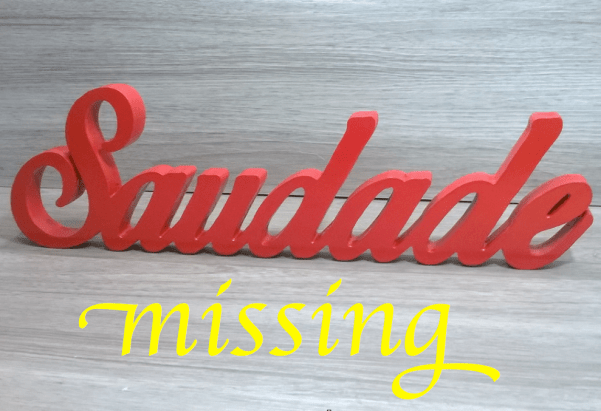
…acordámos por volta das quatro da madrugada!. Fizémos um chá, que bebemos bem quente, não na nossa caneca preferida, que estava quebrada na asa, que acabou por se partir completamente, mas sim na nova caneca (Route 66), que nos ofereceu a algum tempo os amigos de longa data, quase de infância, a Natércia e o Jorge, que por aqui passam algumas temporadas na Flórida, dos quais já temos algumas saudades!. (We woke up around four in the morning!. We made a tea, which we drank very hot, not in our favorite mug, which was broken in the wing, which eventually broke completely, but in the new mug (Route 66), which offered us some time long friends, almost of childhood, the Natércia and the Jorge, that here pass some seasons in Florida, of which we already have some homes)!.

..a caneca é segurada entre as mãos, que nos vai aquecendo sobretudo o corpo e, talvez a alma, se é que ela existe!. (The mug is held between the hands, which will warm us above all the body and, perhaps the soul, if it exists)!.

…não podemos resmungar sobre a nossa saúde, pelo contrário, alegramo-nos por ainda estar vivos e, também não nos vamos sentir tristes por o dinheiro não chegar até ao final do mês, pelo contrário, ficamos felizes por ainda termos memória para controlar as nossas finanças, encorajando-nos a planear as nossas compras com sabedoria, para nos guiarem para longe da catástrofe que era, não haver dinheiro para a medicina de manutenção, ou o fogão lá na cozinha, não trabalhar mais, por falta de arroz, massa, vegetais ou outros géneros alimentícios!. (We can not grumble about our health, on the contrary, we rejoice to be still alive and, we will not feel sad because the money does not arrive until the end of the month, on the contrary, we are happy that we still have memory for control our finances by encouraging us to plan our purchases wisely, to guide us away from the catastrophe that was, to have no money for maintenance medicine, or the stove in the kitchen, not to work anymore, for lack of rice, pasta, vegetables or other foodstuffs)!.

…consideramo-nos uns “protegidos”, pois ainda esta semana fomos à pesca na praia e, a pesca não foi assim tão má mas, as tempestades de Maio apareceram, a água morna da chuva acariciáva-nos o corpo, as rajadas de vento passavam, naquela água revoltada do mar podia-se ver, talvez a mais de um quarto de milha de distância da costa, dezenas de ondas, seguidas, cobrindo-se umas às outras, pintadas de branco, um branco que não era bem branco, pois havia alguns sinais, aqui e ali, mais escuros, que deviam de ser troncos de árvores, restos de costas tropicais que vinham dar à praia, fugindo da tempestade, da fúria daquele pequeno furacão, que devastava a areia, destruindo as dunas, onde uns momentos antes, era um lugar paradisíaco e nós, sorridentes, mais uma vez sobrevivemos!. (We considered ourselves to be “protected”, because this week we went fishing on the beach and fishing was not that bad, but the May storms appeared, the warm water of the rain caressed our bodies, the gusts of wind they passed, in that revolted water of the sea one could see, perhaps more than a quarter of a mile away from the coast, dozens of waves, followed, covering each other, painted white, a white that was not well white, for there were some darker signs here and there that must have been tree trunks, remnants of tropical coasts that were coming to the beach, fleeing from the storm, from the fury of that little hurricane that devastated the sand, destroying the dunes , where a few moments before, it was a paradisiac place and we, smiling, once again survived)!.

…voltando às quatro da madrugada, como é nosso hábito, saímos lá fora ao pequeno jardim, tocamos numa rosa que tenta florescer, picamo-nos, não ficámos tristes por aquela flor ter espinhos, pelo contrário, ficámos contentes porque aquela pequena árvore com muitos espinhos, é onde nascem aquelas bonitas rosas!. (Returning at four in the morning, as is our habit, we went outside to the little garden, we touched a rose that tries to bloom, we sting, we were not sad because that flower had thorns, on the contrary, we were glad because that little tree with many thorns, is where those beautiful roses are born)!.

…por momentos lembrámos o tempo da nossa juventude, lá na aldeia do Vale do Ninho d’Águia, naquela encosta agreste da montanha do Caramulo, onde a terra começava a ser plana e ao fundo, corria um ribeiro em direcção ao mar!. Era o mês de Maio, altura da primavera e começo do verão, havia uma vejetação selvagem, lindíssima, com papoilas, cardos com flor, rosas, girassóis, nenúfares e outras plantas com cores naturais, que davam um aspecto muito lindo de jardim, onde tudo era selvagem, porque ninguém plantava nada!. Pelo contrário, uma vez ao ano, o pai António e os irmãos mais velhos limpavam o ribeiro, cortando tudo à sua volta, ficava tudo devastado, era um cenário desolador!. (For a moment we remembered the time of our youth, in the village of the Valley of the Nest of Eagle, on that rugged hillside of Caramulo mountain, where the earth began to be flat and in the background, a stream flowed towards the sea!. It was the month of May, springtime and early summer, there was a wild, beautiful exjoice with poppies, thistles with flower, roses, sunflowers, water lilies and other plants with natural colors, which gave a very beautiful aspect of garden, where everything was wild, because nobody planted anything!. On the contrary, once a year, the father Antonio and the older brothers cleaned the stream, cutting everything around him, everything was devastated, it was a desolating scenario)!.

…o pai António, queria o máximo de terra limpa e arável, para gerir a sua agricultura e sustentar os seus filhos, então dizia:

– Isto é uma peste, que tem que acabar!.

(The father Antonio, wanted the maximum of clean and arable land, to manage his agriculture and to support his children, he would say:

    – This is a plague, it has to end)!.

…naquela época, a vida na lavoura não era fácil pois, em alguns anos mais secos ou de geada, não havia produção, levando toda a família, assim como os vizinhos, à fome e à escravatura, onde o horário de trabalho era marcado na manhã, pela passagem do comboio das seis e meia, que rolava com alguma velocidade vale abaixo em direcção ao mar e, pelo seu regresso, por volta das dez e meia da noite, que fazia um ruído ensurdedor, vale acima, com a locomotiva a todo o vapor, em direcção à montanha!. (At that time, farming was not easy because, in some drier years or frost, there was no production, leading the whole family, as well as the neighbors, to hunger and slavery, where working hours were marked in the morning by the passage of the train at six-thirty, which ran with some speed down the valley towards the sea and, on his return, around ten-thirty in the evening, making a deafening noise, locomotive at full steam, towards the mountain)!.

…todavia isto são pensamentos de juventude mas, o importante é que nesta parte do mundo, anda à volta das quatro da madrugada, pelo menos é o que dizem os relógios que marcam o tempo e nós, devíamos de estar a dormir, a descansar o corpo já um pouco cansado, entre outras coisas da idade, mas não dormimos e, como já dissémos fomos lá fora ao jardim, está quente, há luzes no céu, parecem as noites passadas no aquartelamento de Mansoa, lá na Guiné, lá na África, só que aqui, não existe cenário de guerra, não existe humidade nem aqueles malditos mosquitos, no entanto, ouço um pequeno barulho, anda um esquilo no telhado, vejo a sua silhueta, a mexer com a cauda, procura o fruto daquela árvore, ele até tem razão, já aqui vivia, antes de vir-mos para aqui roubar-lhes o espaço!. (But these are thoughts of youth, but the important thing is that in this part of the world, it is around four o’clock in the morning, at least that is what the clocks that mark the time say, and we, we should be sleeping, the rest the body already a little tired, among other things of the age, but we do not sleep and, as we said we went outside to the garden, it is warm, there are lights in the sky, they seem the nights spent in the quarter of Mansoa, there in Guinea, there in Africa, but here, there is no war scene, there is no humidity or those damned mosquitoes, yet I hear a little noise, a squirrel walks on the roof, I see his silhouette, he fiddles with his tail, looks for the fruit of that tree, he’s right, he was already alive, before we come here to steal their space)!.

…abraçamos de novo a caneca do chá, bebemos uns goles, ficamos mais calmos, sentamo-nos, meditamos, pensamos!. Mil coisas nos vêm ao pensamento, começamos a contar o tempo, portanto já não somos nós, somos um relógio, que neste momento marca “quatro da madrugada”!. (We hug the tea mug again, drink a few sips, we are calmer, we sit, we meditate, we think!. A thousand things come to mind, we start counting time, so it’s not us anymore, we are a clock, that at the moment marks “four in the morning”)!.

…é normal nesta idade, cremos que já dormimos o suficiente, pois foram tantas “quatro da madrugada” que por nós passaram, algumas quentes, outras geladas, outras assim, assim, foram na Europa, na guerra em África ou aqui neste continente, mas as “quatro da madrugada”  no verão do Alaska, eram um pouco diferentes, pois era quase sempre dia, e às “quatro da madrugada”, já tínhamos feito muita coisa, entre outras, ido à pesca!. (Is normal at this age, we believe that we have slept enough, because there were so many “four in the morning” that passed us, some hot, some icy, others like that, so it was in Europe, in the war in Africa or here in this continent, but the “four in the morning” in the summer of Alaska, were a little different, because it was almost always day, and at “four in the morning”, we had done a lot, among others, gone fishing)!.

…continuando, apalpando a caneca deste chá bem quente damos uns passos, sentamo-nos em frente ao computador, pensando que nunca trocaríamos a nossa vida maravilhosa de pessoa idosa, a nossa amada família ou os nossos amigos, por mais cabelo, ainda que seja branco, ou por uma barriga mais lisa!. À medida que fomos envelhecendo, tornámo-nos mais amáveis, menos críticos, por exemplo, se estamos sentados e precisamos desta caneca, a nossa preferida, vamos mesmo buscá-la, não incomodamos a nossa esposa e companheira!. (Continuing, feeling the mug of this hot tea, we took a few steps, sat down in front of the computer, thinking we would never change our wonderful old life, our beloved family or our friends, for more hair, even if it is white, or for a smoother tummy!. As we got older, we became more loving, less critical, for example, if we are sitting and need this mug, our favorite, we will really pick it up, do not bother our wife and partner)!.

…às vezes, pensamos que nos tornámos no nosso próprio amigo, não gostamos de incomodar ninguém, e claro, não nos censuramos por comer todas aquelas comidas que dizem que nos fazem muito mal, mas que são adoráveis, ou por entre outras coisas, não fazer a cama, não ajudar nas tarefas da casa, andar por aí, a brincar com o nosso brinquedo helicóptero, que quando está vento mais forte, vai parar à propriedade do vizinho, que vieram lá do norte, de Nova Iorque e, quando a amável senhora nos traz o brinquedo de volta diz, com um ar entre a censura e o feliz, “então os nétinhos estão por cá, tenha cuidado com eles, não os deixe brincar com estes brinquedos, pois são muito perigosos, podem partir as janelas ou mesmo ferir as pessoas, pois eu vi na televisão…”, e lá vem a história toda, contada com pormenores, pois o que ela quer é conversa, passar o tempo, tal como nós, não sabendo que nós, fomos o causador de todo esse “desastre”, pois os nossos netos, estão lá no norte!. (Sometimes we think that we have become our own friend, we do not like to bother anyone, and of course, we do not blame ourselves for eating all those foods that say they do us very badly, but are lovely, or among other things , do not make the bed, do not help in the chores of the house, go around playing with our toy helicopter, which when the wind is stronger, will stop at the property of the neighbor, who came from the north, New York and, when the kind lady brings the toy back to us, with an air between the censorship and the happy one, “then the little ones are here, be careful with them, do not let them play with these toys, for they are very dangerous, the windows or even hurt people, because I saw on the television… “, and there comes the whole story, told with details, because what she wants is talk, spend time, just like us, not knowing that we, we were the cause of all this “disaster”, because our grandchildren, are there in the north)!.

…nesta idade temos o direito de ser desarrumados, de ser-mos livres, pois já vimos muitos amigos queridos e familiares, deixarem este mundo cedo demais, antes de compreenderem a grande liberdade que vem com o envelhecimento!. Quem nos vai censurar, por fazer aquela viajem estúpida ao estado do Alaska, com muita aventura, dormindo na caravana com os ursos selvagens por perto, ou atravessar a ponte Golden Gate, na cidade de San Francisco, a pé, com todo aquele vento e nevoeiro por momentos e logo a seguir céu azul e sol radiante, por andar por aí na nossa bicicleta, armados em campeão de ciclo-cross, atravessando praias e riachos com alligators ou cobras, caindo aqui, levantando-nos ali, por comprar algo supérfluo que não precisávamos, ou mesmo se resolvemos ficar a ler, ou a procurar novos horizontes no computador até tarde se, às “quatro da madrugada” já não dormimos e, depois talvez vamos dormir até meio-dia!. (At this age we have the right to be disarranged, to be free, for we have already seen many dear friends and family, leave this world too soon, before understanding the great freedom that comes with aging!. Who’s going to blame us for making that stupid trip to Alaska with a lot of adventure, sleeping in the caravan with the wild bears around, or crossing the Golden Gate Bridge in San Francisco on foot with all that wind and fog for a moment, and then there’s blue skies and radiant sun for riding around on our bike, armed with a cyclo-cross champion, crossing beaches and streams with alligators or snakes, falling here, getting up there, buying something superfluous that we did not need, or even if we decided to read, or to look for new horizons on the computer until late if, at four o’clock we do not sleep and then maybe we’ll sleep until noon)!.

…se nos apetecer dançar ao som daqueles sucessos maravilhosos dos anos 60 & 70, e se, ao mesmo tempo, quiser-mos chorar por um amor perdido, lá na nossa aldeia da montanha, dançamos e choramos, às vezes com baba e ranho!. Se nos apetecer ir à pesca, andar na praia com uns calções não muito apropriados, sobre um corpo decadente, mergulhar nas ondas com abandono, apesar dos olhares penalizados dos outros, que nos há-de importar, eles também vão envelhecer!. (If we want to dance to the sounds of those wonderful successes of the 60s and 70s, and if at the same time we want to cry for a lost love, in our mountain village, we dance and weep, sometimes with drool and snot!. If we want to go fishing, walk on the beach with not very appropriate shorts, on a decadent body, plunge into the waves with abandon, despite the penalized glances of others, who will care, they will grow old)!.

…nós somos uns abençoados por ter vivido o suficiente para já não ter muitos cabelos na cabeça, não ter o riso da juventude, pois muitos nunca riram, muitos dos nossos amigos, e lembramos os nossos companheiros de guerra, lá na Guiné, que morreram jovens, muito antes de perder o cabelo!. Nós, com os anos a passarem, temos o direito de estar errados, gostamos de ser idosos, a idade libertou-nos e gostamos da pessoa em que nos tornámos, embora sabendo que não vamos viver para sempre, o nosso futuro pode ser daqui a um minuto, talvez segundos!. (We are blessed to have lived long enough not to have too many hairs on our heads, not to have the laughter of youth, for many have never laughed, many of our friends, and we remember my comrades in Guinea, who died young, long before losing their hair!. We, as the years pass, we have the right to be wrong, we like to be old, age has set us free and we like the person we have become, although knowing that we will not live forever, our future may be from here. one minute, maybe seconds)!.

…depois de ter transformado em letras o que nos vai no pensamento, abandonámos o computador, voltamos à realidade, demos uns passos até à televisão, lá vem o sinal, em letras grandes, com música de fundo, uma música irritante, anunciando algum desastre, é o “Five o’clock news”, pois já são cinco da manhã, vem logo um “chorrilho”, de novidades, que já não são novidades nenhumas, pois infelizmente são as notícias normais, deste mundo normal, “que cada vez, está mais cada vez”, e o noticiário é só “desgraças”, é raro dizerem que nasceu uma criança, mostrarem um jardim com flores ou aquela pessoa, com bons recursos financeiros, deu um beijo e acariciou, dando comida e roupa, àquela criança com o tal “ranho no nariz”!. (After having turned into words what we had in mind, we left the computer, returned to reality, took a few steps to the television, there comes the signal, in large letters, with background music, an annoying song, announcing “Five o’clock news”, because it’s already five o’clock in the morning, there’s a “chorrilho” of news, which is no longer news, because unfortunately it’s the normal news, from this normal world, “that every time, it is more and more”, and the news is just “misfortune”, it is rare to say that a child was born, to show a garden with flowers or that person, with good financial resources, gave a kiss and caressed, giving food and clothes, to that child with such “snot in the nose”)!.

…o dia está a clarear, já passa algum tempo depois das “quatro da madrugada”, até das cinco e, por aqui, uma região com um clima sub-tropical, existem muitas festas de final de dia, a que chamam, “It’s 5 o’clock somewhere”, que quer dizer mais ou menos, “são 5 horas, em qualquer lugar”, tanto faz ser às cinco da manhã, ou às cinco da tarde, onde as pessoas se divertem, dançam, bebem, comem, namoram, encontram-se, conhecem-se, confraternizam, procuram tudo para se esquecerem da vida dura do dia a dia, o que no nosso entender está muito bem, mas continuamos a pensar que isto não tem mesmo nada a ver, com as “quatro da madrugada”, mas como antes dissémos, já são cinco da manhã, e continuamos acordados, quando devíamos de estar a dormir!. (The day is clearing, it is some time after “four o’clock in the morning”, until five o’clock, and here, a region with a sub-tropical climate, there are many end-of-day parties, which they call, “It’s 5 o’clock somewhere”, which means more or less, “it’s 5 o’clock, anywhere”, whether it’s five o’clock in the morning or five o’clock in the afternoon where people have fun, dance, they eat, they meet, they confraternize, they look for everything to forget the hard life of the day to day, which in our opinion is very well, but we continue to think that this has nothing to do with the four o’clock in the morning, but as we said before, it’s already five o’clock in the morning, and we’re still awake when we should be asleep)!

Tony Borie, May 2019.
…also sailed with the flag of Portugal!.

…also sailed with the flag of Portugal!.

…também navegou com a bandeira de Portugal!. (also sailed with the flag of Portugal)!.

…adoramos ir à feira!. Porquê?. Porque normalmente, as feiras ficam localizadas num lugar ermo, onde possa existir espaço para os carros estacionarem, as pessoas se possam sentir livres, trajar de qualquer modo e, onde se pode vender ou comprar coisas, às vezes muito boas, outras vezes fracas, até mesmo muito fracas, mas onde se pode discutir o preço, ou seja “regatear”!. (We love going to the fair!. Because?. Because usually the fairs are located in a wilderness, where there may be room for cars to park, people can feel free, dress anyway, and where you can sell or buy things, sometimes very good, sometimes weak, even very weak, but where you can discuss the price, or be it “haggle”)!.

…dizem que a  origem do nome das feiras livres, aqui nos USA, a que uns chamam “Flea Market”, outros chamam “Swap meet”, para cujo nome existem diversas teorias, dizendo uns que foi derivado ao nome de “Fly Market, no século dezoito, na cidade de New York”, dizendo outros que vem da palavra em germânico, “Vlaie”, ou “Vlie”, que quer dizer vale, ou terra alagadiça, e era um lugar que estava localizado no “Maiden Lane”, próximo do East River, no bairro de Manhattan!. (Say that the origin of the name of the free trade shows, in the USA, which some call “Flea Market”, others call “Swap meet”, for whose name there are several theories, saying some that was derived from the name “Fly Market in 18th century New York City“, saying others coming from the word in Germanic, “Vlaie”, or “Vlie”, which means valley, or muddy land, and was a place that was located on the “Maiden Lane” the East River in Manhattan)!.

…existem muitas opiniões, mas de uma maneira ou de outra, a verdade é que por volta do ano de 1800 a principal feira na cidade de New York, chamava-se “Fly Market”, no entanto as verdadeiras feiras livres, começaram por volta do ano de 1873, numa povoação do estado do Texas, chamada Canton, chamava-se na altura “Monday Trade days in Canton”, onde as pessoas se juntavam, para vender ou comprar cavalos, todavia pouco tempo depois já compravam e vendiam de tudo o que lhes dava na “real gana”, como é costume dizer-se, e logo outras povoações adoptaram o sistema, que se foi alastrando por todo o território dos USA, algumas já com com construções modernas, outras mais modestas!. (There are many opinions, but in one way or another, the truth is that around 1800 the main fair in New York City was called “Fly Market”, however the real free trade fairs began by the year 1873, in a town in the state of Texas called Canton, it was called “Monday Trade days in Canton”, where people gathered to sell or buy horses, but soon afterwards they bought and sold of all that it gave them in “real earnest”, as it is customary to say, and soon other settlements adopted the system, that was spreading by all the territory of the USA, some already with modern constructions, others more modest)!.

…um tempo atrás, numa das nossas viagens à feira, numa povoação próxima da cidade onde vivemos, onde existe alguma fartura, desde hortaliças, fruta, plantas, comidas rápidas, bejuterias, brinquedos, ferramentas novas e usadas, móveis, roupas, facas, navalhas, enxadas, pás, carros de bebé, canas de pesca, violas, panelas, computadores, livros, motas, bicicletas mas, é no “ferro velho”, a área que mais gostamos!. (Some time ago, in one of our trips to the fair, in a village near the city where we live, where there is plenty of vegetables, fruits, plants, fast foods, bejuterias, toys, new and used tools, knives, razors, hoes, shovels, baby carriages, fishing rods, violas, pots, computers, books, motorcycles, bicycles but, it is in the “old iron”, the area we like most!.

…encontrámos por lá um barco de modelo, em madeira, acidentado, muito mal tratado, mas verificando melhor, era um modelo antigo, tinha potencial, despertando a nossa atenção, pois verificámos que com alguma dedicação podíamos recuperá-lo!. Combinámos o preço e comprámos o modelo perante o riso de alguns presentes, que se admiraram da maneira como recolhíamos todas as partes que iam caindo conforme lhe pegávamos!. (We found there a model boat, wooden, bumpy, very badly treated, but seeing better, it was an old model, had potential, arousing our attention, we found that with some dedication we could recover it!. We combined the price and bought the model before the laughter of some presents, who admired the way we collected all the parts that fellas we got)!.

…trouxemos o modelo e, já em casa, em alguns dias em que o tempo não permite sair lá fora a caminhar, iniciámos o seu desmantelamento, tudo com muita sensibilidade, recuperando todas as partes, mesmo as que iam desaparecendo, partindo-se em pequenas partículas e, qual o nosso espanto que dentro em diversos locais, nos apareceu algumas letras, constituindo frazes, nomeando a pessoa que construiu este modelo, até um pequeno papel com o seu nome e local de residência, tudo com datas que iam de desde os anos de 1925 a 1938, o que nos deu a entender que devia de ser os anos que demorou a construir este precioso modelo!. (We brought the model and, at home, on a few days when time does not allow walking outside, we began to dismantle it, all with great sensitivity, recovering all the parts, even those that disappeared, and we are astonished that, in several places, some letters appeared to us, constituting phrases, naming the person who built this model, to a small paper with his name and place of residence, all with dates that went from the years 1925 to 1938, which gave us to understand that it must be the years that took to build this beautiful model)!.

…esta personagem era um carpinteiro de cenários dos teatros de Nova Iorque, fazia modelos de barcos e outros cenários para filmes e, este modelo era nem mais nem menos o modelo do célebre “Red Jacket” (Casaco Vermelho), que foi um navio da classe “clipper”, um dos maiores e mais rápidos já construídos, saindo dos estaleiros de Rockland, no estado do Maine, onde foi lançado à água no longínquo ano de 1853!. (This character was a carpenter of scenarios of New York theaters, made models of boats and other scenarios for films and, this model was nothing more nor less the model of the celebrated “Red Jacket”, that was a ship clipper class, one of the largest and fastest ever built, leaving the Rockland shipyards in the state of Maine, where it was launched to the water in the distant year 1853)!.

…no dia do seu lançamento, às onze da manhã, quarta-feira, 2 de novembro de 1853, foi auspicioso!. Centenas de espectadores de perto e de longe reuniram-se para testemunhar o grande espetáculo do lançamento do “Red Jacket”, onde de acordo com um artigo de jornal na Rockland Gazette, “… na própria enchente da maré e quando as multidões reunidas aguardavam ansiosamente seu movimento nos caminhos, o “Red Jacket” moveu-se de forma constante, graciosa e belamente, até que já estava flutuando seguramente nas águas da baía”)!. (On the day of its launch, at eleven in the morning, Wednesday, November 2, 1853, it was auspicious!. Hundreds of spectators from near and far gathered to witness the grand spectacle of the launch of the “Red Jacket”, where according to a newspaper article in the Rockland Gazette, “… in the flood of the tide and when the crowds gathered eagerly awaited their movement in paths, the “Red Jacket” moved steadily, gracefully and beautifully, until it was already floating safely in the waters of the bay”)!.

…este veleiro “Red Jacket”, foi batizado com o nome de um chefe nativo americano da Tribo Seneca, era inquestionávelmente o mais alto, o mais rápido e o mais bonito da frota de barcos à vela no estado do Maine e, como muitos outros cruzadores de água rápidos, que foram construídos apenas no período de 1850 a 1852, era um “clipper” de velocidade extrema que, logo na sua primeira viagem, estabeleceu o recorde de velocidade para os veleiros que cruzavam o oceano Atlântico viajando de Nova York para Liverpool em 13 dias, 1 hora e 25 minutos, de doca a doca!. (This “Red Jacket” sailboat, named after a Native American chief of the Seneca Tribe, was unquestionably the tallest, fastest and most handsome of the sailing fleet in the state of Maine and, like many others fast water cruisers, which were built only in the period from 1850 to 1852, was an extreme speed clipper which, on its first voyage, set the speed record for sailboats crossing the Atlantic traveling from New York to Liverpool in 13 days, 1 hour and 25 minutes, from dock to dock)!.

…nós, somos imigrantes e, é com algum orgulho que verificámos que, na sua história de vida, navegou para a imigração, pois em Liverpool, oRed Jacket” teve a sua parte trazeira coberta e cabines equipadas para o comércio de imigrantes australianos, chegando ao porto de Melbourne, na distante Austrália, em 69 dias, fazendo a viagem de volta em 73 dias, apesar do tempo perdido navegando pelos campos de gelo do Cabo Horn!. Continuou nesta linha, servindo no comércio de imigrantes até ao ano de 1867, quando se tornou num barco de carreira da costa australiana e indiana!. (We are immigrants and it is with some pride that we have seen that in your life history you have sailed for immigration, for in Liverpool the “Red Jacket” had its backside covered and booths equipped for the trade of Australian immigrants , arriving at the port of Melbourne in distant Australia in 69 days, making the trip back in 73 days, despite the time spent sailing through the Cape Horn ice fields!. It continued in this line, serving in the immigrant trade until the year 1867, when it became a career boat off the Australian and Indian coast)!.

…mais tarde, por volta do ano de 1872, a “Red Jacket” tornou-se num transportador de madeira do Quebeque para Londres, juntando-se aos cruzadores Marco Polo e Donald McKay, que “terminaram os seus dias” no comércio transatlântico de madeiras na província do Quebeque, no Canadá!. (Later, around the year 1872, the “Red Jacket” became a wooden conveyor from Quebec to London, joining the cruisers Marco Polo and Donald McKay, who “ended their days” in the transatlantic trade of woods in the province of Quebec, Canada)!.

…nos últimos anos da sua vida, navegou com a bandeira de Portugal, pois por volta do ano de 1883, o “Red Jacket” foi vendido para a Blandy Brothers, uma companhia de navegação portuguesa na ilha da Madeira, sem qualquer cerimónia, já despojado da beleza dos seus mastros e cordame, navegando no oceano Atlântico, puxado por outro barco, fazendo o transporte de carvão desde as ilhas de Cabo Verde para a ilha da Madeira e, nos seus últimos dias era uma barcaça de carvão!. (In the last years of his life, he sailed with the flag of Portugal, for around 1883, the “Red Jacket” was sold to Blandy Brothers, a Portuguese shipping company on the island of Madeira, without any ceremony, already stripped of the beauty of its masts and rigging, sailing in the Atlantic Ocean, pulled by another boat, transporting coal from the islands of Cape Verde to the island of Madeira, and in its last days was a coal barge)!.

…já usado como um “hulk”, que é um navio que está flutuando, mas incapaz de ir navegar em mar alto, terminou os seus dias durante uma tempestade em 15 de Dezembro de 1885, num vendaval, onde se separou das suas amarras e foi destruído em terra!. Algumas partes foram salvas, mas não há nenhum registro conhecido do resgate da sua figura impressionante ou da série ornamentada e berrante de esculturas da popa!. (Already used as a “hulk”, which is a ship that is floating but unable to sail on the high seas, ended its days during a storm on December 15, 1885, in a gale, where it separated from its moorings and was destroyed on land!. Some parts have been saved, but there is no known record of the rescue of his striking figure or the ornate and gaudy series of stern sculptures)!.

…o “Red Jacket”, foi o orgulho dos construtores de Rocklands, um verdadeiro navegante rápido dos mares, tinha 32 anos de aventuras e navegação!. Foi certamente uma vítima da linha de fundo, porque navios mais rentáveis estavam sendo colocados em serviço, ainda assim, os hábeis construtores de barcos da área de Rockland merecem muito crédito por produzir uma embarcação tão capaz de navegar, pois o seu recorde para a travessia transatlântica mais rápida por um veleiro comercial permanece intacto até hoje, mais de 150 anos depois de ter sido estabelecido!. (The “Red Jacket” was the pride of the builders of Rocklands, a veritable navigator of the seas, had 32 years of adventures and navigation!. He was certainly a bottom-line victim because more profitable ships were being put into service, yet the skilful builders of boats in the Rockland area deserve a lot of credit for producing a boat so capable of sailing because their record for crossing faster transatlantic by a commercial sailboat remains intact to this day, more than 150 years after it has been established)!.

…na época diziam que, nunca existiu um navio tão bonito como o “Red Jacket”!. Na verdade, foi dito que ela era a embarcação mais bonita já lançada pelos construtores navais americanos!. Construído e lançado em Rockland, Maine, o navio estava tão bem vestido do lado de fora quanto do lado de dentro!. Ao tempo, o jornal a Gazeta de Rockland ofereceu uma descrição de alguns dos tipos de madeira usados em sua construção interior, como por exemplo, “…a sua cabine é de 22 por 22 pés, folheada com pau-rosa, mogno, cetim, zebra e nogueira preta, com acabamento dourado e acabamento no mais alto estilo, além dessas características, o navio tinha uma bela moldagem de popa de 48 pés de comprimento, com o busto de um chefe índio (Red Jacket), completo com arabescos dourados”!. (At the time they said that there was never a ship as beautiful as the “Red Jacket”!. In fact, it was said that it was the most beautiful craft ever launched by American naval builders!. Built and launched in Rockland, Maine, the ship was as well dressed on the outside as on the inside! At the time, the Gazette de Rockland newspaper provided a description of some of the types of wood used in its interior construction, such as “… your cabin is 22 by 22 feet, veneered with rosewood, mahogany, satin, zebra and black walnut, with gold finish and finishing in the highest style, besides these characteristics, the ship had a beautiful molding of stern of 48 feet in length, with the bust of an Indian chief (Red Jacket), complete with arabesques golden”)!.

…e nós, embora não lhe possamos colocar essas madeiras exóticas, recuperámos totalmente a sua aparência e, hoje consideramos mais um troféu, que por aqui vai ficar, com votos para que a sua vida seja a de pelo menos outros tantos anos, como neste momento já tem este precioso modelo!. (And we, although we can not put these exotic woods, we have totally recovered their appearance and today we consider another trophy that will stay here, with votes for your life to be at least for so many years, as at this moment already has this beautiful model)!.

Tony Borie, May 2019.
…Feasts of the Holy Spirit!.

…Feasts of the Holy Spirit!.

…Festas do Espírito Santo!. (Feasts of the Holy Spirit)!.

…o telefone tocou!. Atendemos, era o casal amigo Manny e Mariana Farinha, dizendo:

– no próximo fim de semana, têm alguns planos?.

(The phone rang!. We attended, it was the couple friend Manny and Mariana Farinha, saying:

– In the next weekend, have some plans)?.

…nós, demonstrando alguma admiração, própria de pessoas que vivem a sua rotina, sem muitos planos de futuro, pois a já um pouco avançada idade ensinou-nos que, planos é a normal rotina do dia a dia, ou seja à volta da casa, sentando-nos à mesa a horas da normal refeição e, se for respirando normalmente e sem dores em qualquer parte do corpo, para nós, já é uma grande felicidade!.

…mas continuando, respondemos que não, então disseram-nos:

  – então vamos à outra costa da Flórida, à área do Golfo, mais própriamente à cidade de St. Petersburg, assistir às comemorações das festas do Espírito Santo, que se realizam no Clube Português local!.

(We, showing some admiration, own people who live their routine, without many plans for the future, because the already a little advanced age has taught us that, plans is the normal day to day routine, that is around of the house, sitting at the table at the time of the normal meal and, if you breathe normally and without pain in any part of the body, for us, it is already a great happiness!.

But continuing, we say no, then they told us:

– Then we go to the other coast of Florida, to the Gulf area, more exactly to the city of St. Petersburg, to attend the celebrations of the parties of the Holy Spirit, that take place in the local Portuguese Club)!.

…concordámos, referindo contudo que, havia ao longo da semana alguns apontamentos médicos, pelo menos em dois diferentes consultórios e, se os resultados fossem positivos, que iríamos com muita alegria!. (We agreed, however, that there were some medical notes during the week, at least in two different offices and, if the results were positive, that we would go with great joy)!.

…uns dias antes ficou tudo acertado, tal como um planejamento quase familiar, pois somos amigos de longos anos e, sendo um sentimento natural, é uma óptima maneira desta amizade ser praticada, honrando e respeitando a vontade das pessoas envolvidas!. (A few days before everything was settled, just like an almost familiar planning, because we are friends of long years and, being a natural feeling, it is a great way for this friendship to be practiced, honoring and respecting the will of the people involved)!.

…lá fomos, viajando por algumas horas, enfrentando algum tráfico nas cidades de Orlando e Tampa, que contornámos sem dificuldade, chegando ainda a tempo de ocupar um hotel na cidade de St. Peterburg!. (There we went, traveling for a few hours, experiencing some traffic in the cities of Orlando and Tampa, which we skirted without difficulty, still arriving in time to occupy a hotel in the city of St. Peterburg)!.

…chegados ao Clube Português, fomos recebidos com a simpatia de pessoas modestas, que se preocupam em servir os outros, não com todas aquelas palavras a que estamos acostumados a ouvir em outros eventos, em que alguém vem ao microfone por “faladura”, como por exemplo, “Senhoras e senhores, meninos e meninas, sejam bem vindos!. Vocês estão calorosamente convidados a se juntarem ao nosso mágico festival onde os sonhos se tornarão realidade, os corações se elevarão e vocês se tornarão uma parte da magia”!. (Arrived at the Portuguese Club, we were received with the sympathy of modest people, who care to serve others, not with all those words we are accustomed to hear at other events, where someone comes to the microphone for “foulness”, for example, “Ladies and gentlemen, boys and girls, welcome!. You are warmly invited to join our magical festival where dreams will come true, hearts will rise and you will become a part of magic!”).

…não, nada disso, foram palavras modestas, de gente também modesta que gosta de servir e receber as pessoas, fazendo-as passar uma excelente noite, com também excelente comida, música ambiente pelos músicos Eddy e António!. (No, none of these were modest words, of modest people who like to serve and welcome people, making them have a great night, with excellent food, ambient music by musicians Eddy and António)!.

…e, um conjunto de acordions que dá pelo nome de “Irmãos Justinos”, onde a Jennifer, o Jason e a Jessica, nos diliciaram com a música que lembra as nossas tradições portuguesas, com um acentuado e profundo sotaque das Ilhas dos Açores e da Madeira, onde as “desgarradas” e os “bailinhos”, nos faziam algumas vezes rir, outras até quase chorar de saudades, principalmente ao Manny e à Mariana, que estavam emocionados por ouvirem canções e motivos que, lhe faziam lembrar os seus tempos de juventude!. (And a set of chords that gives the name “Justinos Brothers”, where Jennifer, Jason and Jessica, gave us the music that reminds us of our Portuguese traditions, with a deep accent of the Islands of Azores and Madeira, where the “broken ones” and the “bailinhos” sometimes made us laugh, others even wept, especially to Manny and Mariana, who were thrilled to hear songs and motifs that reminded them of their youthful times)!.

…ao outro dia, depois de um pequeno almoço num restaurante local, voltámos ao Clube Português!. (The next day, after breakfast at a local restaurant, we have returned to the Portuguese Club)!.

…onde houve missa e procissão!. (Where there was mass and procession)!.

…com “cumprimento de promessas”!. (With “fulfillment of promises”)!.

…comida oferecida pela “Irmandade do Espírito Santo” e de novo música ambiente pelo duo Eddy e António!. (Food offered by the “Brotherhood of the Holy Spirit” and again ambient music by duo Eddy and Antonio)!.

…e danças pelo Grupo Folclórico Corações de Portugal, de Palm Coast, cidade onde vivemos!. (And dances by the Folkloric Group Hearts of Portugal, Palm Coast, city where we live)!.

…como curiosidade, lembramos que, a Festa do Espírito Santo é uma festa característica da vida das Ilhas dos Açores, que ajudou a desenvolver um sentido de comunidade característico da cultura das ilhas, onde os emigrantes e seus familiares, principalmente na América do Norte e em Portugal, que costumam regressar às ilhas para a celebrarem!. (As a curiosity, we remember that the Feast of the Holy Spirit is a characteristic feast of the life of the Azores, which helped to develop a sense of community characteristic of the culture of the islands, where emigrants and their families, especially in North and Portugal, who usually return to the islands to celebrate)!.

…oferecem as “Sopas do Espírito Santo”, onde alguns dedicados cozinheiros nos disseram que iniciaram a tarefa de cozinhar, por volta das duas horas da manhã, cuidando de grandes panelas cheias de condimentos, tais como, carne de bife, de porco, chouriça, batatas descascadas, repolho em quartos, hortelã e pão velho!. (Offer the “Soups of the Holy Spirit,” where some dedicated cooks told us that they began the cooking task around 2:00 a.m., taking care of large pots full of condiments, such as steak, pork , chorizo, peeled potatoes, cabbage in quarters, mint and old bread)!.

…estava tudo muito bem confeccionado, com uma apresentação excelente, podendo nós, apreciar os diversos recipientes sobre a mesa, cobertos com o caldo e derrama sobre o pão cortado em pequenos quadrados dentro de uma tigela de grande porção com folhas de hortelã por cima!. Outras travessas exibiam a carne, a chouriça repolho e outros vejetais, acompanhados com vinho tinto, água e refrigerantes, para quem desejasse comer esta ementa deliciosa, que foi oferecida a quem a quizesse!. (It was all very well made, with an excellent presentation, we could enjoy the various containers on the table, topped with the stock and pour over the bread cut into small squares inside a bowl of large portion with mint leaves by top!. Other dishes served with meat, chorizo cabbage and other vegetables, accompanied by red wine, water and soft drinks, for those who wanted to eat this delicious menu, which was offered to anyone who wanted)!.

…os habitantes das Ilhas dos Açores, acreditam que o Espírito Santo é uma divindade! Talvez um ser poderoso com uma personalidade decididamente humana e gostos e desgostos específicos, onde uma pomba com asas estendidas em cima de uma coroa de prata e um cetro de prata simbolizam o Espírito Santo para o bom povo dos Açores!. (The inhabitants of the Azores Islands, believe that the Holy Spirit is a deity! Perhaps a powerful being with a decidedly human personality and specific likes and dislikes, where a dove with wings spread over a silver crown and a silver scepter symbolize the Holy Spirit for the good people of the Azores)!.

…a Festa do Espírito Santo ocorre nas oito semanas entre a Páscoa e o Domingo da Trindade, embora hoje o feriado não seja amplamente comemorado em Portugal continental, as festividades espalharam-se principalmente para as Bermudas, Canadá, Estados Unidos ou Brasil e, é nas Ilhas dos Açores que mais florescem!. (The Feast of the Holy Spirit occurs in the eight weeks between Easter and Trinity Sunday, although today the holiday is not widely celebrated in mainland Portugal, festivities spread mainly to Bermuda, Canada, the United States or Brazil and , it is in the Islands of the Azores that most flourish)!.

…dizem-nos que esta lenda remonta à rainha Isabel de Portugal, que reinou entre 1295 e 1322, que ficou incomodada com as muitas pessoas pobres e famintas do seu país, implorando ao Espírito Santo que ajudasse seu povo faminto!. Prometeu vender as suas jóias e a coroa, se Ele, o Espírito Santo, a pudesse ajudar!. Em resposta aos pedidos da rainha Isabel, em poucos dias, dois navios apareceram num porto português!. Nenhum dos navios tinha seres humanos!. Os únicos conteúdos eram, gado num navio e grão no outro!. Esses navios foram considerados um milagre enviado pelo Espírito Santo!. Com este suprimento de gado e grãos, uma grande refeição de carne e pão foi preparada e um banquete servido aos pobres!. (Tell us that this legend goes back to Queen Isabel of Portugal, who reigned between 1295 and 1322, who was troubled by the many poor and hungry people of her country, begging the Holy Spirit to help her hungry people!. He promised to sell his jewels and crown, if He, the Holy Spirit, could help! In response to the requests of Queen Isabel, in a few days, two ships appeared in a Portuguese port!. None of the ships had humans!. The only contents were, cattle in one ship and grain in the other! These ships were considered a miracle sent by the Holy Spirit!. With this supply of cattle and grain, a great meal of meat and bread was prepared and a feast served to the poor)!.

…obrigado aos amigos do coração Manny e Mariana pelos bons momentos que nos proporcionaram, assim como a todas as pessoas que com o seu sacrifício e dedicação, mantêm aberta a Associação Litoral-Americana Portuguesa, que é uma organização sem fins lucrativos, fundada em 1979 e está localizada lá na costa do Golfo, na cidade de São Petersburgo, no estado da Flórida!. (Thanks to the friends of the heart Manny and Mariana for the good moments they have given us, as well as all the people who, with their sacrifice and dedication, keep open the Portuguese-American Association of Litoral-Americana, a non-profit organization founded in 1979 and is located there on the Gulf Coast in the city of St. Petersburg in the state of Florida)!.

Tony Borie, May 2019.
…Lusotropicalism!.

…Lusotropicalism!.

…lusotropicalismo!. (Lusotropicalism)!.

…a história universal hoje explica-nos que, por volta da década de 1950, um número crescente de movimentos anti-coloniais africanos pedia a independência total dos territórios africanos ultramarinos do então governo colonialista de Portugal!. Alguns, com o apoio de outras nações, queriam a autodeterminação nacional, enquanto outros queriam uma nova forma de governo baseada em princípios marxistas!. (Universal history today explains to us that by the 1950s, an increasing number of anti-colonial African movements called for full independence from the overseas African territories of Portugal’s then colonial government!. Some, with the support of other nations, wanted national self-determination, while others wanted a new form of government based on Marxist principles)!.

…os líderes do então governo colonial de Portugal, tentavam afastar os apelos à independência defendendo uma política de assimilação, multirracialismo e missão civilizadora, ou lusotropicalismo, como forma de integrar as então colónias portuguesas e os seus povos, mais estreitamente com o próprio governo, àquela data colonialista, pois para o então regime governante português, o império ultramarino era uma questão de interesse nacional, a ser preservada a todo custo!. (The leaders of Portugal’s then colonial government tried to fend off calls for independence by defending a policy of assimilation, multi-racialism and civilizing mission, or lusotropicalism, as a way of integrating the then Portuguese colonies and their peoples, more closely with their own government, to that colonialist date, because for the then Portuguese ruling regime, the overseas empire was a matter of national interest, to be preserved at all costs)!.

…chegaram mesmo ao ponto de, já por volta do ano de 1919, um delegado português na Conferência Internacional do Trabalho em Genebra declarar que, “A assimilação das assim chamadas raças inferiores, através do cruzamento, por meio da religião cristã, pela mistura dos elementos mais amplamente divergentes como a liberdade de acesso aos mais altos cargos do Estado”, dizendo mesmo que, lá na Europa, onde Portugal continental estava situado, que eram estes os princípios que sempre guiaram a colonização portuguesa na Ásia, na África, no Pacífico e, anteriormente, na América do Sul!. (Came to the point that by the year 1919 a Portuguese delegate to the International Labor Conference in Geneva stated that “The assimilation of the so-called inferior races, through the crossing, through the Christian religion, through the a mixture of the most widely divergent elements, such as freedom of access to the highest positions of the State”, even saying that, in Europe, where continental Portugal was situated, these were the principles that always guided Portuguese colonization in Asia, in the Pacific and, previously, in South America)!.

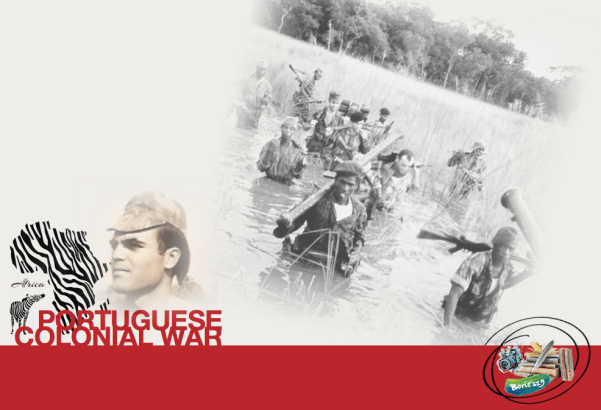
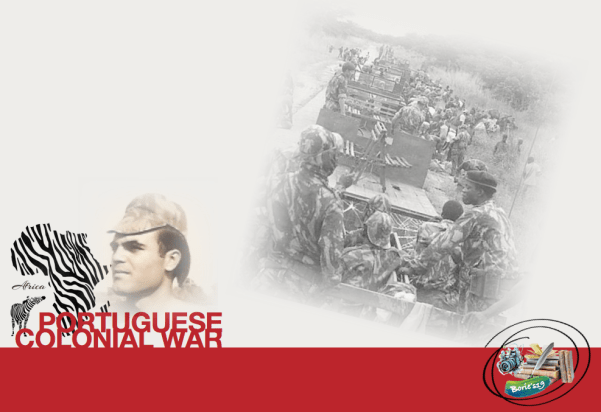
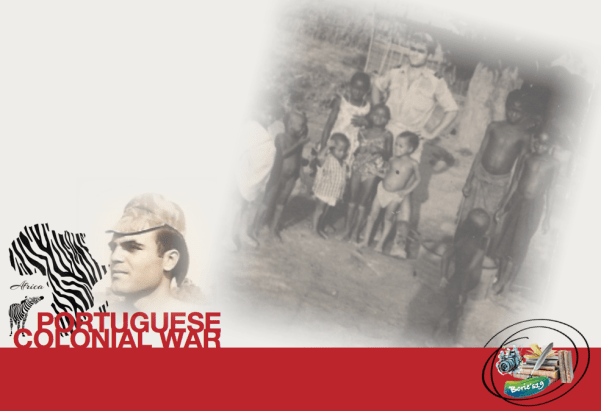
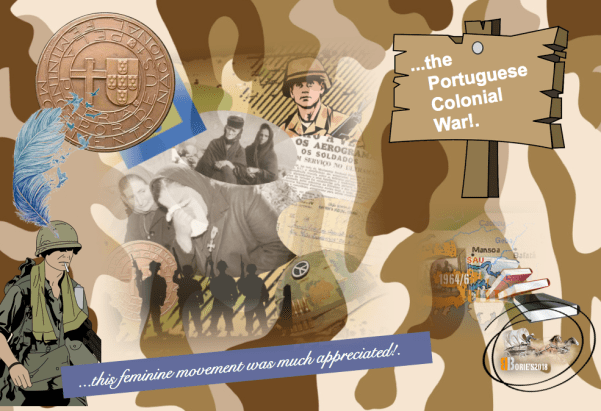
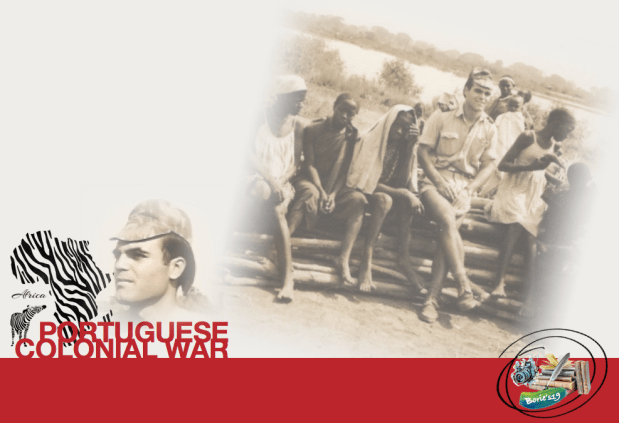
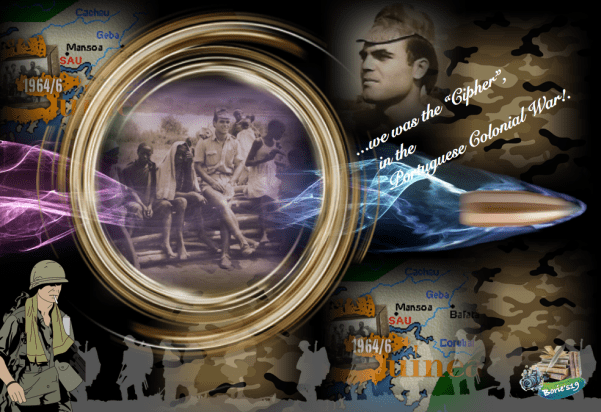
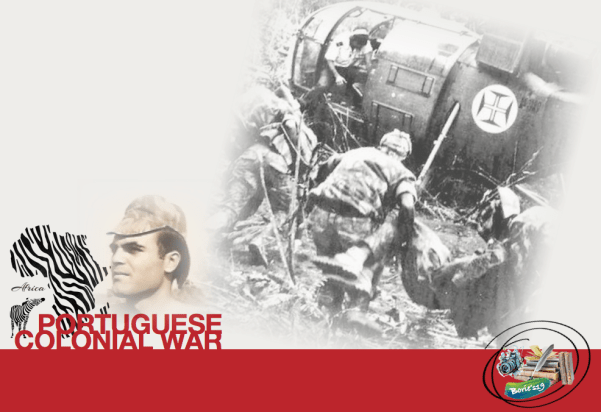
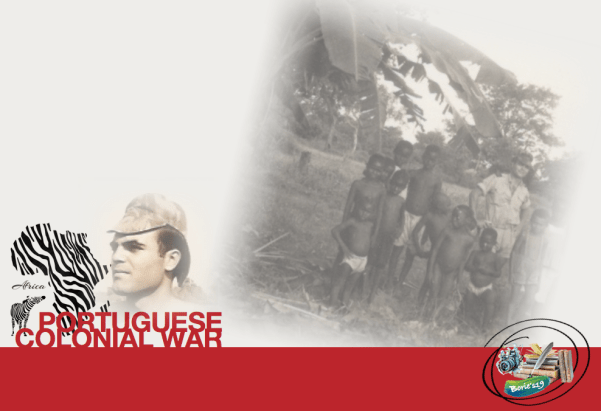
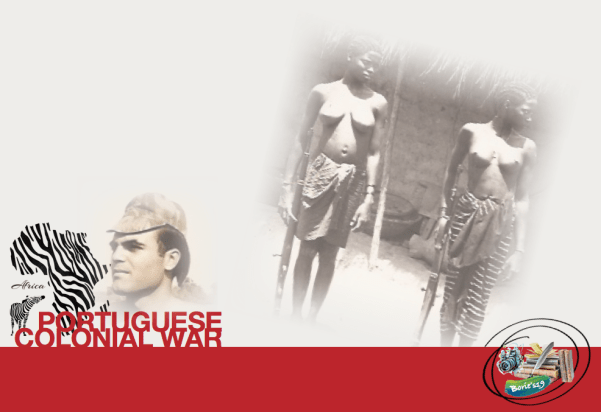
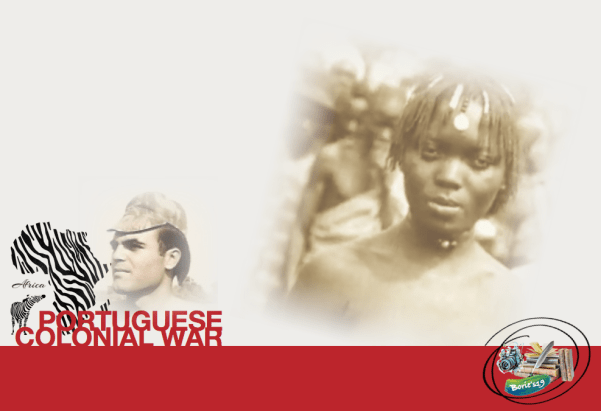
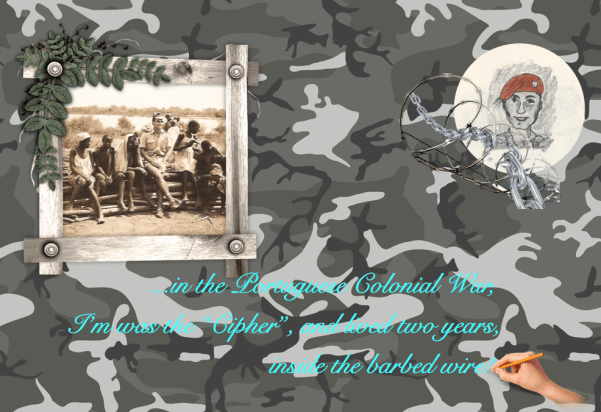
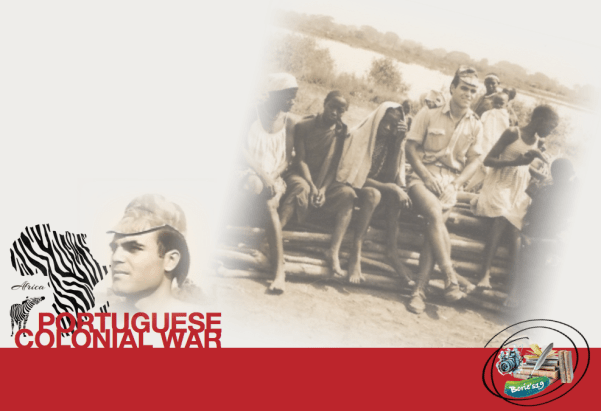
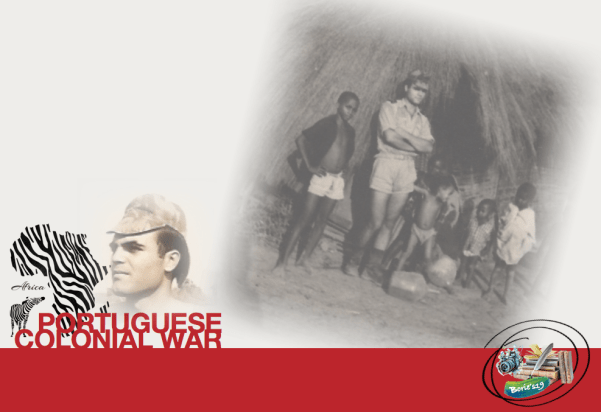
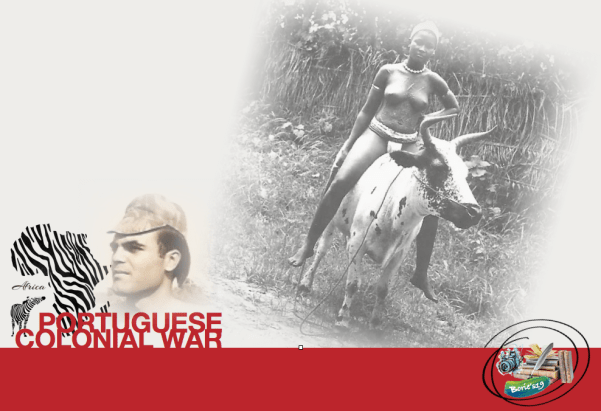
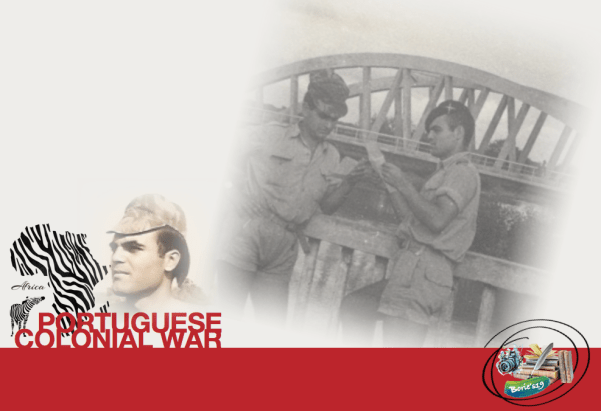
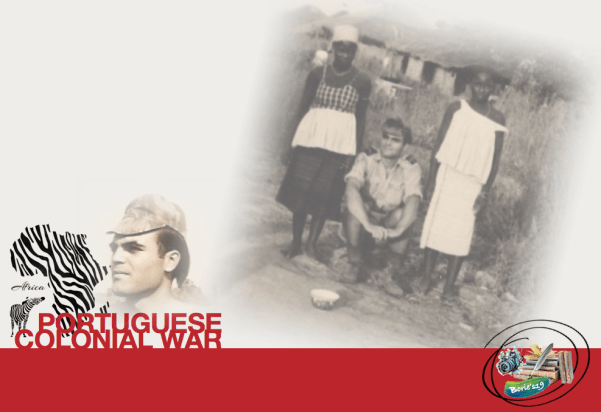
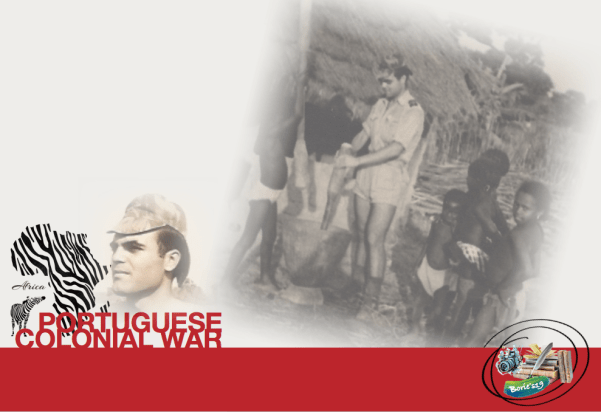
…claro que tudo isto era propaganda, pois na verdade, nós, mais tarde estivemos lá, vivemos durante dois anos o conflito armado da guerra de libertação, que opunha o governo colonialista Português de então, aos diversos grupos organizados e armados, que lutavam pela liberdade e independência dos seus territórios, falámos e convivemos com locais, nativos de aldeias rurais que, por uma razão ou por outra se tornaram nossos companheiros, vimos, presenciámos e, pelo menos no território da então Guiné Portuguesa, havia segregação, onde a mistura de raças não existia, havendo critérios restritos de qualificação que afinal, a mesma história nos acabou por confirmar!. (Of course all of this was propaganda, for in fact we were there later, for two years we lived the armed conflict of the liberation war, opposed by the Portuguese colonialist government of that time, to the various organized and armed groups that they fought for the freedom and independence of their territories, we talked and lived with local people, natives of rural villages who, for one reason or another, became our companions, we saw, we witnessed, and at least in the territory of then Portuguese Guinean there was segregation, where the mixture of races did not exist, and there are strict qualification criteria that, after all, the same story has confirmed us)!.

…havia uma percentagem muito pequena, talvez menos de um por cento para que as pessoas negras se tornassem naquela época, cidadãos portugueses completos e, o exército colonial português foi amplamente segregado em termos de raça e etnicidade, pelo menos até aos anos da nossa estadia, onde havia originalmente três classes de soldados no serviço ultramarino português, que eram os soldados comissionados (brancos), soldados estrangeiros (africanos assimilados) e africanos nativos ou indígenas (indigenato), onde, como anteriormente dissemos, por volta dos anos da nossa estadia, essas categorias foram renomeadas para 1ª, 2ª e 3ª classes!. (There was a very small percentage, perhaps less than one per cent for black people to become at that time, complete Portuguese citizens, and the Portuguese colonial army was largely segregated in terms of race and ethnicity, at least until the (soldiers), foreign soldiers (assimilated Africans), and native or indigenous Africans (indigenato), where, as we said earlier, around the years of our stay, these categories were renamed to 1st, 2nd and 3rd class)!.

…o acesso à educação básica, secundária e técnica permaneceu muito fraco, não só até à data da nossa estadia, como se prolongou, onde alguns africanos puderam frequentar escolas localmente ou, em alguns casos, em Portugal continental, tendo isto resultado na sua educação superior, e claro, um conhecimento mais profundo do regime colonial de segregação que então se vivia que, proporcionou o avanço de certas pessoas de cor negra, então considerados portugueses, como por exemplo, Samora Machel, Marcelino dos Santos, Agostinho Neto, Amílcar Cabral, Jonas Savimbi, Joaquim Chissano ou Graça Machel entre outros que, revoltados com a presente situação, se tornariam personagens proeminentes, começando uma guerra de libertação e as suas consequências, onde mais tarde foram considerados lideres africanos e heróis nacionais na Guerra de Libertação das Colónias Portuguesas!. (Access to basic, secondary and technical education remained very weak, not only up to the date of our stay, but also prolonged, where some Africans were able to attend schools locally or, in some cases, in mainland Portugal, his superior education, and of course, a deeper knowledge of the colonial regime of segregation then lived, which provided the advancement of certain black people then considered Portuguese, such as Samora Machel, Marcelino dos Santos, Agostinho Neto, Amílcar Cabral, Jonas Savimbi, Joaquim Chissano or Graça Machel among others who, in revolt with the present situation, would become prominent characters, beginning a war of liberation and its consequences, where later they were considered African leaders and national heroes in the War of Liberation of the Colonies Portuguese)!.

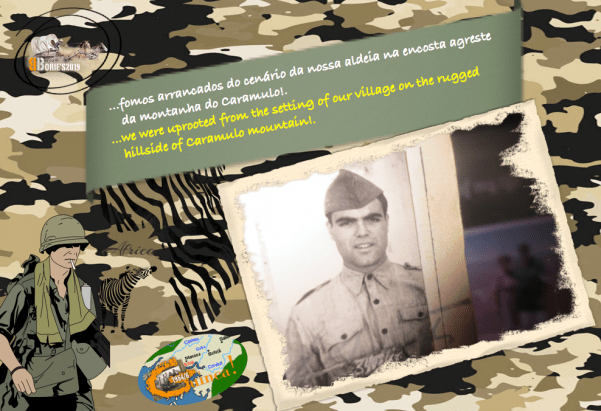
…assim, nós ainda jovens, quase crianças, oriundos da Europa, com uma educação de aldeia, onde os princípios honestos de família vinham de há séculos, fomos arrancados do cenário da nossa aldeia na encosta agreste da montanha do Caramulo, mobilizados, treinados à pressa e enviados no porão de um navio de carga, navegando para sul no oceano Atlântico até à costa do continente africano, para combater pessoas que nunca antes tínhamos visto e nada tínhamos em contra, fazendo parte do contingente europeu que lutava na então Guerra Colonial Portuguesa!. (So we, still young people, almost children, from Europe, with a village education, where the honest principles of family came from centuries ago, we were uprooted from the setting of our village on the rugged hillside of Caramulo mountain, mobilized, trained in a hurry and sent in the hold of a cargo ship, sailing south in the Atlantic Ocean to the coast of the African continent, to fight against people we had never seen before and had nothing against, being part of the European contingent fighting in the then Portuguese Colonial War)!.

…fomos viver um cenário onde não se explicavam as injustiças, os actos de profunda repugnância e violência, onde resultavam, combates, mêdo, fúria e muitas mortes, onde a angústia, o desespero e o medo, nos colocava numa situação horrível, onde entre outras coisas o álcool, nos aliviava a mente, pelo menos por momentos, pois este cenário estava lá, estava sempre presente, era a cara da guerra, com feridos e mortos em combate para ambos os lados, incluindo a população civil desarmada!. (We went to live in a scenario where injustices, acts of deep repugnance and violence, where fighting, fear, fury and many deaths resulted, where anguish, despair and fear, caused us a horrible situation, where, among other things, alcohol alleviated our minds, at least for a moment, because this scenario was there, it was always present, it was the face of war, with wounded and dead in combat on both sides, including the unarmed civilian population)!.

…era o rosto da guerra, numa África de então, onde numa terra com um chão fértil, era um território onde os famintos, os doentes, os analfabetos e a miséria eram constantes e, infelizmente continuaram, mesmo depois, quando parecia que já havia paz, fazendo-nos lembrar que defacto nós europeus, saímos de África físicamente, mas possívelmente não trouxémos as armas, as bombas e as balas, deixando lá apenas, como seria nossa inteira obrigação, todas as maravilhosas armas da paz do século XX!. (Was the face of war, in an Africa of that time, where in a land with a fertile ground, it was a territory where the hungry, the sick, the illiterate and the misery were constant and, unfortunately, continued, even later, when it seemed there was already peace, reminding us that we Europeans, we left Africa physically, but possibly we did not bring guns, bombs and bullets, leaving there only, as would be our obligation, all the wonderful weapons of peace of the twentieth century)!.

…quando uns anos depois regressámos à nossa aldeia, lá na encosta agreste da montanha do Caramulo, com pouca ou nenhuma vontade em acreditar na palavra “esperança”, como veteranos de combate, passando por algumas experiências de vida mais traumáticas que se possam imaginar, a família que nos recebeu, sabia, notava imediatamente, que alguma coisa estava mal connosco, pela nossa linguagem, maneira de se comportar, que estávamos diferentes, talvez um pouco loucos e algo agressivos!. (When a few years later we returned to our village, on the rugged hillside of the Caramulo mountain, with little or no desire to believe in the word “hope”, as veterans of combat, experiencing some more traumatic life experiences imaginable, the family that received us, knew, noticed immediately, that something was wrong with us, by our language, way of behaving, that we were different, maybe a little crazy and something aggressive)!.

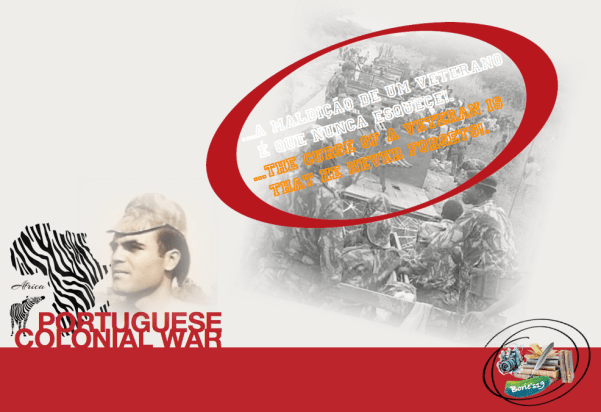
…a maldição de um veterano de guerra, é que nunca esquece!. Ainda hoje, mais de cinquenta anos depois, o corpo e a mente de um veterano de guerra, reage automáticamente aos disparos da memória, sentindo de novo, em certos momentos, as feridas, o medo e o horror que por si passaram, enquanto presente num cenário de combate!. Contudo, já o dissémos em algumas vezes, o mêdo ou talvez coragem, que nos ajudou a sobreviver num campo de batalha, não funciona muito bem agora, nesta avançada idade, mas ainda vai sendo possível assumir o control dessa horrível vivência e, vamos continuando a expulsar alguma energia positiva que nos resta, daquela que nos foi roubada, pelo desastre da Guerra Colonial Portuguesa, em África!. (The curse of a war veteran, is that he never forgets!. Even today, more than fifty years later, the body and mind of a war veteran reacts automatically to the shots of the memory, feeling again, at certain times, the wounds, the fear and the horror that they passed as a present in a combat scenario!. However, we have said it sometimes, the fear or perhaps courage, that has helped us survive on a battlefield, does not work very well now, at this advanced age, but it is still possible to take control of this horrible experience and, to expel some of the positive energy we have left over from the one that was stolen from us by the disaster of the Portuguese Colonial War in Africa)!.

…servir a nação numa zona de guerra, é um preço muito elevado!. Na lotaria da vida pode-nos sair um bilhete premiado com a morte!. Com alguma sorte podemos sobreviver mas, o síndrome de guerra, leva-nos por todo o tempo do resto das nossas vidas, a uma pesada viajem no Coração das Trevas!. Não mais esquecemos a jornada de um soldado combatente numa mortífera guerra de guerrilha, de um país que nos USOU e nos ESQUECEU, desde a nossa mobilização na época de uma pré-guerra, passando pela miserável experiência no campo de batalha, até a um difícil retorno de pós-guerra, sempre nos IGNORANDO!. (Serving the nation in a war zone, is a very high price!. In the lottery of life can leave us a ticket rewarded with death!. With some luck we can survive, but the war syndrome takes us all the way through the rest of our lives, to a heavy trip in the Heart of Darkness!. We no longer forget the journey of a combatant soldier in a deadly guerrilla war, from a country that USED us and FORGOTTEN us, from our mobilization in the prewar period, through the miserable experience on the battlefield, to a difficult one post-war return, always IGNORING us)!.

…na nossa já um pouco avançada idade, um sorriso cria a felicidade em casa e traz descanso ao cansado, alegria para o desanimado, sol para o triste, sendo talvez um dos melhores antídotos da natureza para aqueles problemas, que principalmente as pessoas já sem muitas ocupações, recordam o seu passado, vivem das recordações e vivências de quando eram jovens, já cansadas demais para sorrirem, mas precisam de um sorriso para os estimularem e, ninguém é tão rico ou poderoso que se possa dar bem sem ele, assim como também ninguém é tão pobre, que não se sinta enriquecido por o receber!. (In our already somewhat advanced age, a smile creates happiness at home and brings rest to the tired, joy to the discouraged, sun to the sad, being perhaps one of nature’s best antidotes to those problems, especially people already without many occupations, remember their past, live from memories and experiences of when they were young, too tired to smile, but need a smile to stimulate them, and no one is so rich or powerful that you can do well without it, just as no one is so poor that he does not feel enriched by receiving it)!.

…os dirigentes políticos do Portugal de hoje, podiam pelo menos nos acenar, levantando a mão, dizendo-nos “Olá”, mesmo que fosse uma saudação talvez não verdadeira, era um pequeno sinal que reparavam em nós, “Veteranos de Guerra”, que ainda andamos por cá, claro, sendo cada vez menos, pois a idade não perdoa!. (The political leaders of Portugal today could at least waved us, raising their hands, saying “hello”, even if it was a greeting perhaps not true, it was a small sign they noticed us, “Veterans of War”, hat we still walk around, of course, being less and less, because age does not forgive)!.

Tony Borie, April 2019.
…Notre-Dame Cathedral!.

…Notre-Dame Cathedral!.

…Catedral de Notre-Dame!. (Notre-Dame Cathedral)!.

…já lá vão uns anos, foi numa manhã do mês de Maio, o sol ainda não tinha aparecido no horizonte quando caminhado, atravessámos a ponte do Rio Sena na direcção da Ilha da La Cité, rodeada por águas daquele rio, querendo fazer parte dos 12 milhões de pessoas que anualmente visitavam a Catedral de Notre-Dame, tornando-a no monumento mais visitado da cidade de Paris!. (For a few years, it was on a May morning, the sun had not yet appeared on the horizon when we walked, we crossed the bridge of the Seine in the direction of La Cité Island, surrounded by waters of that river, wanting to do part of the 12 million people who annually visited Notre-Dame Cathedral, making it the most visited monument in the city of Paris)!.

…é lá, naquela ilha que se situa a Catedral de Notre-Dame, de culto católico, dedicado a Maria, mãe de Jesus Cristo e, um dos edifícios mais nobres e antigos, de todos os que se construiram em estilo Gótico, cuja construção começou por volta do ano de 1163, terminando sómente no ano de 1345, fazendo dela através do tempo, um dos símbolos mais reconhecidos da cidade de Paris e da nação francesa!. (That is where the Cathedral of Notre-Dame, a Catholic church dedicated to Mary, mother of Jesus Christ and one of the most noble and ancient buildings of all that was built in Gothic style, whose construction began around the year 1163, ending only in the year 1345, making it through time, one of the most recognized symbols of the city of Paris and the French nation)!.

…hoje, dia 15 de Abril, do ano de 2019, quase todos os meios de comunicação social, abrem os seus noticiários referindo que a Catedral de Notre-Dame pegou fogo, causando o colapso da torre e do seu telhado de madeira de carvalho!. As imagens arrepiantes surgem, criando angústia e desespero nas pessoas que, algumas em posição de joelhos, rezam em plena rua, fazendo preces para que não seja destruída em completo!. (Today, April 15, 2019, almost all the media open their news reports that the Cathedral of Notre-Dame caught fire, causing the collapse of the tower and its wooden roof Oak!. The chilling images arise, creating anguish and despair in people who, some on their knees, pray in the middle of the street, praying that it will not be completely destroyed)!.

…nós, embora longe, no entanto juntando a nossa voz a talvez milhões de pessoas em todo o mundo, guardámos num momento de profundo silêncio, meditámos, recitando uma pequena oração, para que dentro daquele espectáculo de fogo horrível, os bombeiros, ajudados por todas as forças de intervenção disponíveis, conseguissem salvar o que fosse possível daquela muitas vezes referida simplesmente como Notre-Dame, mas era uma Catedral Católica Medieval, com séculos de história!. (We, though far away, yet joining our voice to perhaps millions of people all over the world, we kept in a moment of deep silence, we meditated, reciting a little prayer, so that within that spectacle of horrible fire, aided by all available intervention forces, could salvage what was possible from that often referred to simply as Notre-Dame, but it was a Medieval Catholic Cathedral, with centuries of history)!

…não sabemos se as nossas preces ajudaram mas, conseguiram salvar-se parte da fachada, as torres, as paredes, os contrafortes, o órgão de tubos e os vitrais!. Felizmente, as estátuas da torre foram removidas para limpeza e algumas relíquias foram resgatadas durante o incêndio!. As primeiras investigações indicaram que a estrutura permaneceu essencialmente sólida e, o presidente francês, Emmanuel Macron, prometeu que a Notre-Dame seria reconstruída, mas o tempo necessário para fazê-lo é actualmente incerto!. (We do not know if our prayers helped, but managed to save part of the façade, the towers, the walls, the buttresses, the pipe organ and the stained glass!. Fortunately, the tower statues were removed for cleaning and some relics were rescued during the fire!. Early investigations indicated that the structure remained essentially solid, and French President Emmanuel Macron promised that Notre-Dame would be rebuilt, but the time required to do so is currently uncertain)!.

…hoje, consideramo-nos uns previlegiados por ainda ter tido a sorte de contemplar a grandeza dos seus arcos, portais e motivos religiosos, tudo obras dignas de museus, que deviam ser conservadas para a iternidade mas que infelizmento o fogo devorou!. (Today, we consider ourselves privileged to have been lucky enough to contemplate the greatness of its arches, portals and religious motifs, all works worthy of museums, which were to be preserved for the originality but what misery the fire devoured)!.

…resumindo um pouco da sua história e da nossa passagem pela Catedral, as duas torres tinham sessenta e nove metros de altura e foram as estruturas mais altas de Paris até a conclusão da Torre Eiffel, no ano de 1889!. Estas torres foram o último elemento importante da catedral a ser construídas!. A torre sul foi construída primeiro, entre os anos de 1220 e 1240, e a torre norte entre os anos de 1235 e 1250, que era ligeiramente maior, quando vista diretamente em frente da Catedral, sendo acessível aos visitantes como nós, por uma escada, cuja entrada era do lado norte da torre, com uma escadaria com 387 degraus, com uma paragem no hall gótico ao nível da rosácea, onde observámos o parvis e uma coleção de pinturas e esculturas de períodos anteriores da história da catedral!. (Summing up a little of its history and our passage through the Cathedral, the two towers were sixty-nine feet high and were the tallest structures in Paris until the completion of the Eiffel Tower in the year 1889!. These towers were the last important element of the cathedral to be built!. The south tower was first built between the years 1220 and 1240, and the north tower between the years 1235 and 1250, which was slightly larger, when viewed directly in front of the Cathedral, being accessible to visitors like us by a ladder, whose entrance was on the north side of the tower, with a staircase with 387 steps, with a stop in the gothic hall at the level of rosacea, where we observed the parvis and a collection of paintings and sculptures from earlier periods of the cathedral’s history)!.

…a torre principal da catedral, que foi destruída neste incêndio estava localizada quase sobre o altar!. A torre original foi construída no século XIII, provávelmente entre 1220 e 1230, que ficou danificada, enfraquecida e curvada pelo vento ao longo de cinco séculos e, finalmente foi removida no ano de 1786!. Durante a sua restauração, no século XIX, Eugène Viollet-le-Duc decidiu recriá-la, fazendo uma nova versão de carvalho coberto com chumbo, onde toda a estructura da torre pesava cerca de 750 toneladas!. (The main tower of the cathedral, which was destroyed in this fire was located almost on the altar!. The original tower was built in the 13th century, probably between 1220 and 1230, which was damaged, weakened and bent by the wind over five centuries and finally was removed in the year 1786!. During its restoration in the nineteenth century, Eugène Viollet-le-Duc decided to recreate it, making a new version of oak covered with lead, where the whole structure of the tower weighed about 750 tons)!.

…seguindo os planos de Viollet-le-Duc, o pináculo era cercado por estátuas de cobre dos doze apóstolos, em quatro grupos de três, sendo um grupo em cada ponto da bússola!. Cada um dos quatro grupos foi precedido por um animal simbolizando um dos quatro evangelistas, como por exemplo, um guia para São Lucas, um leão para São Marcos, uma águia para São João e um anjo para São Mateus!. Estavam voltadas para fora, em direção a Paris, exceto uma, que era a estátua de São Tomás, o padroeiro dos arquitectos, que enfrentava a torre!. O galo no topo da torre continha três relíquias, um minúsculo pedaço da Coroa de Espinhos, localizado no tesouro da catedral, as relíquias de Denis e Saint Genevieve, santos padroeiros de Paris, que lá foram colocados no ano de 1935, pelo arcebispo Jean Verdier, para proteger a congregação de raios ou outros danos!. (Following the plans of Viollet-le-Duc, the pinnacle was surrounded by copper statues of the twelve apostles, in four groups of three, being a group at each point of the compass!. Each of the four groups was preceded by an animal symbolizing one of the four evangelists, such as a guide to St. Luke, a lion for St. Mark, an eagle for St. John, and an angel for St. Matthew!. They were facing out toward Paris, except for one, which was the statue of St. Thomas, the patron saint of architects, who faced the tower! The rooster at the top of the tower contained three relics, a tiny piece of the Crown of Thorns, located in the cathedral treasury, the relics of Denis and Saint Genevieve, patron saints of Paris, who were placed there in 1935 by Archbishop Jean Verdier, to protect the congregation from lightning or other damage)!.

…os dez sinos da catedral, estavam localizados na torre sul. E como curiosidade, reparem como a natureza é soberana, não existe nada que lhe resista, pois parece que existia um reservatório de água, coberto por um telhado de chumbo, que estava localizado entre as duas torres, atrás da colunata e da galeria e em frente da nave, que podia ser usado para extinguir rapidamente um incêndio!. (The ten bells of the cathedral were located in the south tower!. And as a curiosity, notice how nature is sovereign, there is nothing to resist it, for it seems that there was a reservoir of water, covered by a leaden roof, which was located between the two towers, behind the colonnade and the gallery and in front of the ship, which could be used to quickly extinguish a fire)!.

…as catedrais de estilo Gótico, surgem ligadas à ideia e esplendor da monumentalidade, num efeito claro das necessidades e aspirações da sociedade de cada época!. Lembramos que esta maravilhosa catedral, já tinha sofrido alguns danos durante a Revolução Francesa, com alguma destruição, assim como o roubo de alguns dos seus tesouros, acabando como um espaço para armazém de alimentos, no entanto, anos depois, voltou a ter a sua dignidade, sendo o local onde Napoleão Bonaparte se coroou a si mesmo, Imperador da França!. (Gothic style cathedrals are linked to the idea and splendor of monumentality, in a clear effect of the needs and aspirations of the society of each epoch !. We recall that this beautiful cathedral had already suffered some damage during the French Revolution, with some destruction, as well as the theft of some of its treasures, ending up as a space for food storage, however, years later, dignity, being the place where Napoleon Bonaparte crowned himself, Emperor of France)!.

…outro episódio que ajudou o interesse popular pela Catedral de Notre-Dame e a sua fama mundial floresceu ainda mais, foi logo após a publicação, no ano de 1831, do romance Notre-Dame de Paris, “Nossa Senhora de Paris”, do escritor Victor Hugo, a que todos nós chamávamos “O Corcunda de Notre-Dame”, que situava o cenário em acontecimentos passados durante a Idade Média!. Isso levou a um grande projecto de restauração entre os anos de1844 e 1864, supervisionado por Eugène Viollet-le-Duc, que acrescentou a icônica torre da catedral. (Another episode that helped popular interest in the Cathedral of Notre-Dame and its worldwide fame flourished even more, it was shortly after the publication in 1831 of the novel Notre-Dame de Paris, “Our Lady of Paris” , by the writer Victor Hugo, whom we all called “The Hunchback of Notre-Dame”, which set the scene in past events during the Middle Ages! This led to a major restoration project between the years of 1844 and 1864, supervised by Eugène Viollet-le-Duc, who added the iconic cathedral tower!).

…durante séculos, houve mais episódios significantes e dignos de registo passados nesta Catedral, tais como, no ano de 1455, Isabelle Romée, mãe de Joana d’Arc, faz uma petição à delegação papal para anular a condenação da filha por heresia, no ano de 1537, James V da Escócia casa-se com Madeleine da França, no ano de 1558, Maria, rainha da Escócia, casa-se com o Dauphin Francis (mais tarde Francisco II da França), filho de Henrique II da França, ou no ano de 1572, em que Henrique de Navarra (mais tarde Henrique IV da França) se casa com Margaret de Valois, sendo a cerimónia realizada não na catedral, mas na parse da catedral, porque Henrique IV era protestante!. (For centuries there have been more significant and noteworthy episodes in this Cathedral, such as, in 1455, Isabelle Romée, Joan of Arc’s mother, petitions the papal delegation to annul the condemnation of her daughter for heresy , in the year 1537, James V of Scotland married Madeleine of France in 1558, Mary, Queen of Scotland, marries Dauphin Francis (later Francis II of France), son of Henry II of France. France, or in the year 1572, when Henry of Navarre (later Henry IV of France) marries Margaret of Valois, the ceremony being held not in the cathedral but in the parse of the cathedral because Henry IV was a Protestant)!.

…episódios mais recentes, salienta-se, a libertação de Paris, durante a Segunda Guerra Mundial, que foi celebrada na Catedral de Notre-Dame no ano de 1944 com o canto do “Magnificat”, e no ano de 1970, realizou-se a missa de Requiem do general Charles de Gaulle, que além de presidente, foi considerado um herói nacional da Nação Francesa!. (More recent episodes, it is highlighted, the liberation of Paris during the Second World War, which was celebrated in the Cathedral of Notre-Dame in the year 1944 with the singing of the “Magnificat”, and in the year 1970, held the Requiem mass of General Charles de Gaulle, who besides being president, was considered a national hero of the French Nation)!.

…não sabemos porquê, mas esta Catedral, também foi cenário de morte para algumas personagens, como por exemplo, no ano de 1900, Louis Vierne que foi nomeado organista de Notre-Dame de Paris, depois de uma competição contra os 500 músicos de órgão mais talentosos da época, no entanto, umas décadas depois, mais propriamente no ano de 1937, Louis Vierne morre no órgão da catedral (como era seu desejo ao longo da vida), perto do final do seu 1750º concerto, ou ainda no ano de 1931, Antonieta Rivas Mercado matou-se no altar com uma pistola que era propriedade do seu amante José Vasconcelos, ou e mais recentemente, no ano de 2013, na presença de cerca de 1.500 visitantes, que imediatamente foram evacuados da Catedral de Notre-Dame, onde Dominique Venner, um historiador, colocou uma carta no altar da Igreja e atirou em si mesmo, morrendo imediatamente!. (We do not know why, but this Cathedral was also a death scene for some of the characters, for example in the year 1900, Louis Vierne who was appointed organist of Notre-Dame de Paris after a competition against the 500 musicians of the most talented organ of the time, however, a few decades later, more precisely in the year 1937, Louis Vierne dies in the organ of the cathedral (as was his lifelong desire) near the end of his 1750th concert, or year of 1931, Antonieta Rivas Mercado was killed at the altar with a pistol that was owned by his lover José Vasconcelos, or more recently in the year 2013, in the presence of about 1,500 visitors, who were immediately evacuated from the Cathedral of Notre -Dame, where Dominique Venner, a historian, placed a letter on the altar of the Church and shot himself, dying immediately !.

…nós, humildes cidadãos do mundo, cremos e acreditamos que a sua reconstrução vai realizar-se, pois é um monumento histórico com valor não só arquitectónico, como religioso de dimensão mundial, mas vai durar anos até que isto se realize e, quem sabe, talvez nós, nesta já um pouco avançada idade, não nos seja possível ver completado este projecto de reconstrução, acreditando mesmo que a última vez que visitámos a Catedral de Notre-Dame, quando nos retirámos, voltando-nos, olhando de frente todo o seu cenário, foi o nosso adeus para sempre!. (We, humble citizens of the world, believe and believe that its reconstruction will take place, because it is a historical monument with not only architectural value, but also a world-class religious monument, but it will last for years until this is accomplished and, who knows, we may not be able to see this reconstruction project completed in this rather advanced age, even though we believe that the last time we visited Notre-Dame Cathedral when we retired, all its scenery, was our goodbye forever)!.

Tony Borie, April 2019.

…the pig slaughter!.
…the pig slaughter!.

…a matança do porco!. (The pig slaughter)!.

…sem nunca querer ferir a sensibilidade dos nossos leitores, vamos tentar lembrar como se processava a “matança do porco”, na nossa aldeia do Vale do Ninho d’Águia, lá na encosta agreste da montanha do Caramulo, naquele Portugal da nossa juventude!. (Without ever wanting to hurt the sensibility of our readers, let us try to remember how the “pig slaughter” took place in our village in the Valley of the Nest of Eagle, on the rugged hillside of the Caramulo mountain, in that Portugal of our youth)!.

…no texto de hoje quase não existem fotos e, toda esta história, envolve palavras um pouco desagradáveis, como morte, sangue, até talvez alguma tortura, mas vamos lembrar-nos “que não é uma guerra ou um conflito”, antes pelo contrário, é a história de uma festa tradicional, que normalmente ocorria no outono e início do inverno, uma altura em que o tempo naquela região começava a ficar frio, já que o frio era necessário como um método natural de preservar as quantidades relativamente grandes de carne, durante o “massacre” do animal!. (In the text today there are almost no photos and, all this history, involves a few nasty words, like death, blood, maybe even some torture, but let’s remember “it’s not a war or a conflict” before on the contrary, it is the story of a traditional feast, which usually occurred in the fall and early winter, a time when the time in that region began to get cold, since cold was necessary as a natural method of preserving the relatively large quantities of meat, during the “slaughter” of the animal)!.

…afinal, a nossa família não fazia mais do que continuar uma parte essencial das tradições invernais dos primeiros tempos medievais, onde o abate dos suínos era considerado um evento importante na sociedade rural das aldeias e, também uma oportunidade para as famílias se reunirem!. (After all, our family did nothing more than continue an essential part of the winter traditions of the early medieval times, where swine slaughtering was considered an important event in rural village society and also an opportunity for families to gather)!.

…eram alguns dias de fartura, normalmente antes da época do Natal, que nos proporcionavam uma “culinária festiva” onde, antes da “salga” e armazenamento das diferentes partes do animal, havia algum excesso de consumo, não só para a nossa família, como para os vizinhos!. (It was a few days of plenty, usually before the Christmas season, that gave us a “festive cooking” where, before the “salting” and storage of different parts of the animal, there was some excess consumption, not only for our family, to the neighbors)!.

…era um trabalho realizado ao ar livre, preferível quando as temperaturas não ficavam muito abaixo do ponto de congelamento, portanto o abate era processado na estação de inverno, onde as famílias normalmente precisavam produzir alguns resultados antes da época do Natal, principalmente para proporcionar a tal “culinária festiva”!. (Was an outdoor work, preferable when temperatures were not well below freezing, so the slaughter was processed in the winter season, where families usually had to produce some results before the Christmas season, especially for provide such “festive cooking”)!.

…não era o caso na nossa família, onde o porco normalmente tinha uma idade que podia ir de seis meses a um ano, que a mãe Ilda chamava “porco de engorda”, e era morto para sustento da família, onde a mãe Ilda lhe dava de comer e o tratava com algum carinho e uma certa afeição, chegando ao ponto de que, quando se chegava ao momento da “matança”, andar triste, dizendo que não queria ir mais ao curral e, eram só lamúrias que saiam da sua boca, fugindo para casa do senhor Jaime Barbeiro!. No entanto, alguns porcos são abatidos em diferentes idades, como por exemplo os leitões, que são de 1,5 a 3 meses de idade!. (Was not the case in our family, where the pig was usually of six months to a year, which Ilda’s mother called “pig fattening”, and was killed for family support, where the mother Ilda fed him and treated him with some affection and a certain affection, to the point that, when it came to the moment of “killing”, to walk sad, saying that he did not want to go to the corral anymore, and it was just whining that came out from his mouth, fleeing to the house of Mr. Jaime Barber!. However, some pigs are slaughtered at different ages, such as piglets, which are 1.5 to 3 months old)!.

…dizem-nos que, historicamente, o massacre da “matança do porco”, era um ofício que passava de pais para filhos!. Não foi o nosso caso, pois nós presenciávamos esta tarefa, participando nela, mas sempre sentindo um certo receio, no entanto o pai António, era quase professional, era o “matador da aldeia”, seguindo um ritual que vamos tentar exemplificar!. (They tell us that, historically, the massacre of the “pig slaughter” was a trade that went from parents to children!. It was not our case, because we witnessed this task, participating in it, but always feeling a certain fear, nevertheless the father Antonio, was almost professional, was the “matador of the village”, following a ritual that we will try to exemplify)!.

…num ritual quase medieval, ele, o nosso pai António, possuía uma pequena caixa em madeira, onde guardava algumas facas e cutelos, sempre muito bem afiados e limpos, assim como duas cordas pequenas com alguma flexibilidade, mas resistentes!. Entrava no curral, segurando uma corda, passando a sua mão carinhosamente na cabeça do animal, colocando a corda na perna esquerda trazeira, trazendo-o para fora com algum esforço mas sempre sózinho, até ao lugar do sacrifício, que já tinha preparado com algumas tábuas em cima de uns troncos de madeira que tinha trazido uns dias antes das terras altas do pinhal!. (In an almost medieval ritual, he, our father Antonio, had a small wooden box, where he kept some knives and cleavers, always very well sharp and clean, as well as two small strings with some flexibility, but resistant!. He entered the corral, holding a rope, running his hand affectionately on the animal’s head, placing the rope on his left hind leg, bringing it out with some effort but always alone, to the place of sacrifice, which he had already prepared with some boards over some timber trunks he had brought a few days before the upland pinewood)!.

…aí chegado, tocava num lado do lombo do animal, ao mesmo tempo que puxava a corda e, o animal desiquilibrado tombava em cima das tábuas!. O animal, abria a boca, aflito e, aproveitando a oportunidade, logo lhe passava a outra corda através das queixadas inferiores, depois da fileira de dentes, amarrando com força às tábuas!. No entretanto, já o nosso irmão mais velho, o Jorge, tinha feito a mesma coisa, com a corda da perna trazeira!. De seguida, segurava a outra perna trazeira e, o nosso irmão do meio, o Manuel, segurava e abria as pernas da frente!. O pai António, com uma das facas, a maior e bem afiada, dava um golpe fatal, na goela, no local preciso em direcção ao coração, que fazia com que o animal, passado um ou dois minutos estava morto!. (There he touched one side of the animal’s back, at the same time pulling the rope, and the unbalanced animal fell on the boards!. The animal would open its mouth, distressed and, seizing the opportunity, soon passed the other rope through the lower jaws, after the row of teeth, tying tightly to the boards! In the meantime, our older brother, Jorge, had done the same thing, with the back leg rope!. Then he held the other back leg, and our middle brother, Manuel, was holding and opening his front legs!. His father, Antonio, with one of his knives, the largest and most well-honed, gave a fatal blow to the gullet at the precise spot toward the heart, which made the animal, after a minute or two, dead).

…o ritual prosseguia!. Hoje, o animal fica inconsciente por atordoamento eléctrico ou por dióxido de carbono, mas naquele tempo era assim e nós, segurávamos no alguidar, que era um recipiente, em barro vermelho, vidrado, (que também se usava para lavar os pés à noite, antes de ir para a cama), com algum vinho no fundo, que era para misturar no sangue, para não colhar, aparando o sangue do animal, assistindo com algum receio a toda esta operação, ficando traumatizados talvez por uns dias, depois passava, no entanto, hoje, ainda nos lembramos!. (The ritual went on!. Today, the animal is unconscious by electric stunning or carbon dioxide, but at that time it was like that and we held the pot, which was a container of red clay, (which was also used to wash our feet at night before to go to bed), with some wine in the bottom, which was to mix in the blood, not to reap, trimming the blood of the animal, watching with fear the whole operation, being traumatized perhaps for a few days, then passed, however, today, we still remember)!.

…seguindo o ritual de um povo rural de aldeia, com alguma caruma, trazida uns dias antes das já mencionadas terras altas do pinhal, começava o fogo, em cima do animal já morto!. Um fogo lento, suave e controlado, queimando-lhe todos os pêlos!. Depois era lavado e raspado, usando algumas facas, incluindo a mesma faca que o matou!. Terminada esta operação de limpeza, virava-se o corpo do animal de barriga para o ar, colocava-se uma peça de madeira curva, a que lá em casa chamavam “chambaril”, entre as duas pernas trazeiras!. Esta operação, era feita com uma certa habilidade, pois a peça de madeira, era colocada entre o nervo e o osso do animal!. (Following the ritual of a rural village people, with some caruma, brought a few days before the already mentioned highlands of the pine forest, began the fire, on top of the already dead animal!. A slow, gentle and controlled fire, burning all her hair!. Then it was washed and scraped, using a few knives, including the same knife that killed him!. After this cleansing operation, the animal’s body was turned over to the air, a piece of curved wood was placed, which was called “chambaril” in the house between the two hind legs!. This operation was done with a certain skill, for the piece of wood was placed between the nerve and the bone of the animal)!.

…ainda hoje não sabemos se era uma formalidade pagã mas, naquele momento havia um intervalo na tarefa da “matança”!. A mãe Ilda, que tinha fugido para casa do senhor Jaime Barbeiro, já tinha regressado a casa, ainda com algumas lágrimas nos olhos!. Na panela de três pernas, que existia na lareira da cozinha, já tinha cozido algum sangue, pois o resto era para as morcelas e outros ingredientes que constituiriam a culinária para o resto do ano!. Era só uma fervura, deixava-se arrefecer um pouco, curtando-se aos quadrados pequenos, levando algum sal, alho, salsa e um pouco de pimenta, quando havia!. Todo este manjar, era colocado na bacia comunitária, feita de barro vermelho, nicada nas pontas e com alguns “gatos”, (arames colocados para segurar as partes partidas) e era servido aos presentes em cima do animal morto, que estava no chão térreo de barriga ao ar!. Era acompanhado de pão de broa e água pé!. Todo este ritual, um pouco macabro, era normal e, festejado com alegria!. (Even today we do not know if it was a pagan formality, but at that moment there was an interval in the task of “killing”!. Mother Ilda, who had fled to the house of Mr. Jaime Barbeiro, had already returned home, still with some tears in her eyes!. In the three-legged pot that existed in the kitchen hearth, she had already cooked some blood, for the rest was for the morels and other ingredients that would make up the kitchen for the rest of the year!. It was just a boil, allowed to cool a little, craning the small squares, taking some salt, garlic, parsley and a little pepper, when there was!. All this food was placed in the community basin, made of red clay, nicely tipped and with some “cats” (wires placed to hold the broken parts) and was served to those present on top of the dead animal, which was on the ground floor of belly to the air!. It was accompanied by bread and water foot!. All this ritual, a little macabre, was normal and celebrated with joy)!.

…em seguida, arrastava-se o animal para debaixo do cabanal, com uma corda pendurava-se, de modo a ficar mais ou menos, três palmos acima do chão!. O pai António, dava-lhe uns certos golpes, via a qualidade da carne, que era determinada com um golpe nas costas da carcaça, que dividia as duas metades, vendo a sua espessura, (normalmente era de quatro a cinco dedos), retirava-lhe as vísceras e os intestinos, ficando a carcaça a escorrer até ao outro dia!. Nessa noite, nós, na companhia do irmão do meio, o Manuel e do cão Piloto, dormíamos no cabanal guardando a carcaça, simplesmente para os ratos não a roerem!. (Then the animal was dragged under the hut, with a rope hanging, so that it was about three feet above the ground!. Father António gave him a few strokes, he saw the quality of the meat, which was determined by a blow on the back of the carcass, which divided the two halves, seeing its thickness (usually four to five fingers), removed the viscera and the intestines, leaving the carcass to drain until the other day!. That night, we, in the company of the middle brother, Manuel and the Piloto, slept in the hut keeping the carcass, simply for the rats not to gnaw)!.

…ao outro dia, o ritual continuava!. Sem se seguir qualquer padrão de higiene recomendado, que hoje incluiu vários requisitos para as pessoas, ferramentas e o espaço utilizado nesta tarefa, onde todos os envolvidos no “massacre” devem ser saudáveis, com protecção na cabeça, avental e botas, principalmente as suas mãos limpas ou as facas e cutelos também limpos e desinfetados antes do seu uso!. (The next day, the ritual continued!. Without following any standard of hygiene recommended, which today included several requirements for the people, tools and space used in this task, where everyone involved in the “massacre” should be healthy, with protection on the head, apron and boots, especially their clean hands or knives and cleavers also cleaned and sanitized before use)!.

…seguindo os costumes de uma sociedade rural, tradicionalmente patriarcal, onde as mulheres eram responsáveis por tarefas relativamente humildes, como esperar e cozinhar para todos os envolvidos durante todo o evento, mantendo o ambiente limpo (lavar e esfregar), bem como esvaziar as entranhas (tripas), a fim de torná-las adequadas para mais tarde se confeccionarem as chouriças e as morcelas!. Aos homens eram tradicionalmente designados os restantes trabalhos durante o abate como o desmantelamento da carcaça que era cortada em presuntos, ombros, barriga, lombo, costeletas, pernas ou outros cortes de menor importância!. (Following the customs of a traditionally patriarchal rural society where women were responsible for relatively humble tasks such as waiting and cooking for all involved throughout the event, keeping the environment clean (washing and rubbing) as well as emptying the entrails (intestines), in order to make them suitable for later to make the chorizo and morcelas!. Men were traditionally assigned the remaining work during slaughter, such as the dismantling of the carcass which was cut into hams, shoulders, belly, loin, ribs, legs or other minor cuts)!.

…algumas partes do animal eram cozinhadas nesse mesmo dia, como parte da cabeça, que era cozida em vinho tinto, ou alguma carne e gordura das entranhas, a que chamávamos “rojões das tripas”!. (Some parts of the animal were cooked that same day as part of the head, which was cooked in red wine, or some flesh and fat from the bowels, which we called “bowels of guts”)!.

…depois, durante uns dias havia fartura, pois a mãe Ilda fazia rojões, chouriças, morcelas, carne da barriga fresca com feijão e outras iguarias culinárias que faziam a nossa delícia!. Tudo se aproveitava, as várias “sobras” eram colocadas de várias formas para se conservarem por meses, num processo tradicional, até mesmo a parte da pele eram preservadas para serem cozidas com feijão!. (Later, for a few days there was plenty, for her mother Ilda made “rojões” and sausages, fresh belly meat with beans and other culinary delicacies that made our delight!. Everything was taken advantage of, the various “leftovers” were put in various forms to be preserved for months, in a traditional process, even the part of the skin was preserved to be cooked with beans)!.

…sobre a lareira da cozinha havia o fumeiro!. Era uma parte essencial para a preservação e armazenamento a longo prazo de presuntos, chouriças e morcelas, onde a carne era pendurada em prateleiras e ganchos no fumeiro, ficando depois a fumar!. A madeira perfumada, como a nogueira ou a cerejeira era deixada queimando lentamente junto à parede da lareira, que dava um sabor e cor adicionais à carne, além de servir para curar a carne!. (The chimney was over the fireplace!. It was an essential part for the long-term preservation and storage of hams, pork sausages and sausages, where the meat was hung on shelves and hooks in the smoker, then smoking!. The scented wood, like walnut or cherry tree, was left burning slowly by the fireplace wall, which gave an additional flavor and color to the flesh, and served to heal the flesh)!.

…hoje, vamos a um supermercado e vêmos as embalagens de carne de porco, muito bonitas e bem preparadas, ficando nós com uma certa dificuldade em escolher qual a embalagem que devemos comprar, pois todas têm um bom aspecto, todavia naquele tempo, não havendo frigoríficos, quase tudo era “salgado”, ou seja, o sal era esfregado completamente em cada pedaço de carne e todas as superfícies eram cobertas, sendo depois colocadas numa grande caixa de madeira, que a conservava por meses, para mais tarde ser utilizada e então processada em produtos comestíveis!. (Today, we go to a supermarket and see the packages of pork, very beautiful and well prepared, we are with a certain difficulty in choosing which packaging to buy, since they all look good, however at that time, there were no refrigerators, almost everything was “salty”, that is, the salt was completely wiped on each piece of meat and all surfaces were covered, and then placed in a large wooden box, which kept it for months, later to be used and then processed into edible products)!.

…lá na aldeia do Vale do Ninho d’Águia, havia uma série de costumes tradicionais associados à “matança do porco”, havia uma importância mágica especial ligada àquela data, que ocorria no outono e início de inverno, onde os habitantes rurais da nossa aldeia acreditavam que a carne de um porco abatido no Dia de São Tomás (21 de Dezembro) duraria mais!. Também havia uma lenda “cigana” de que, as raparigas colectavam os ossos, espalhando-os pelo quintal, num ritual para fins de uma possível magia amorosa, pois acreditavam que quando um cão arrebatasse o primeiro osso, a rapariga que tivesse jogado o osso, seria a primeira a se casar!. (There in the village of Valley the Nest of the Eagle, there were a number of traditional customs associated with the “slaughter of the pig”, there was a special magical importance attached to that date, which occurred in autumn and early winter, where the rural inhabitants of our village believed that the flesh of a pig slaughtered on St. Thomas’ Day (December 21) would last longer!. There was also a “gypsy” legend that the girls collected the bones, scattering them around the yard, in a ritual for possible lovemaking, believing that when a dog snatched the first bone, the girl who had thrown the bone , would be the first to marry)!.

Tony Borie, April 2019.
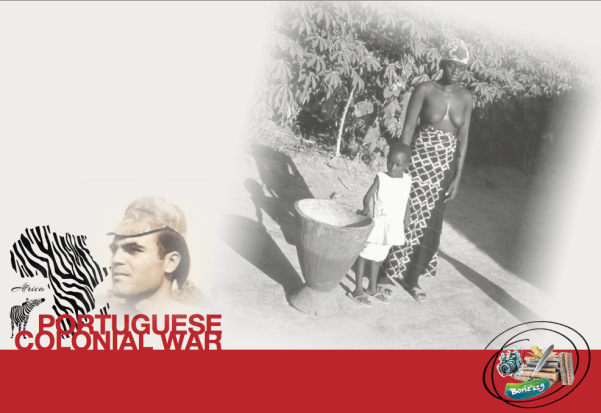
…a hell of a place to lose a cow!.

…a hell of a place to lose a cow!.

…um inferno de lugar para perder uma vaca!. (A hell of a place to lose a cow)!.

…vindos do norte, (mesmo do norte deste continente), onde ele termina e nada mais existe, depois de algumas semanas, quase duas dezenas de milhar de milhas, com sol, chuva, calor, frio ou neblina, tempestade de ocasião, estradas pequenas ou grandes, tráfego pesado ou estradas desertas, cruzando lagos, grandes rios ou pequenos riachos, animais ou aves selvagens voando ou atravessando a estrada, cidades grandes ou pequenas, convivendo com pessoas com diferentes costumes, às vezes comendo em alguns restaurantes de estrada, que se podiam considerar bons, normais ou assim assim, mesmo aqueles onde não precisamos de dizer o que queremos, basta pedir a iguaria da foto número 2, 3, 4, 5, ou mesmo 6, onde não importa o sabor dos ingredientes, pois basta banhá-los em “ketchup”, que é um molho na base de uma mistura de condimentos onde sobressaiem sabores específicos, mas que geralmente incluem cebola, pimenta da Jamaica, coentro, cravo, cominho, alho, mostarda, aipo, canela, gengibre, e claro, tomate, pois geralmente é conhecido como “molho de tomate”!. (Coming from the north (even from the north of this continent), where it ends and nothing else exists, after a few weeks, almost two tens of thousands of miles, with sun, rain, heat, cold or mist, storm of occasion, small or large roads, heavy traffic or deserted roads, crossing lakes, large rivers or small streams, animals or wild birds flying or crossing the road, large or small cities, living with people with different customs, sometimes eating in some restaurants road, which could be considered good, normal or so, even those where we do not need to say what we want, just ask for the delicacy of photo number 2, 3, 4, 5, or even 6, where no matter the flavor of the ingredients, since it is enough to bathe them in “ketchup”, which is a sauce based on a mixture of condiments that emphasize specific flavors, but usually include onion, allspice, coriander, cloves, cumin, garlic, mustard, celery, cinnamon gengi bre, and of course, tomato because it is generally known as “tomato sauce”)!.

…tudo isto é verdade e normal em qualquer viajante, mas nós, como já anteriormente dissémos, basta-nos aparecer um cenário de um rio ou mesmo ribeiro, onde exista lugar para estacionar a nossa “White Fox” (nome da nossa caravana), a água fresca esteja mesmo ali, logo é um lugar que consideramos a nossa casa e, o céu aberto será o nosso tecto, e claro, se houver pessoas, ou mesmo animais, serão a nossa família de ocasião!. (All this is true and normal in any traveler, but we, as we have said before, we only have a scene of a river or even a brook where there is a place to park our “White Fox” (name of our caravan ), the fresh water is right there, soon it is a place that we consider our house and, the sky will be open our roof, and of course, if there are people, or even animals, will be our family of occasion)!.

…assim chegámos ao sul do estado de Utah, viajando na estrada estadual número 12, que é uma estrada com um lindo e exótico cenário, chamando-lhe mesmo “Estrada 12 – Uma Viagem Cénica Através do Tempo”, considerada “All-American Road” (Estrada Típica Americana)!. (So we reached southern Utah, traveling on State Highway 12, which is a road with a beautiful, exotic setting, calling it “Highway 12 — A Journey Through Time Scenic Byway”, considered “All-American Road”!

…atravessa a “Floresta Nacional Dixie”, que ocupa quase dois milhões de acres (8.000 km2) e estende-se por cerca de 170 milhas (270 km) em todo o sul de Utah, onde os pinheiros ponderosa cercam as “hoodoos” (são grandes colunas naturais em forma cónica que sustêm no seu topo um bloco de rocha maior, que funciona como protector da erosão até que, com o continuar da erosão, não seja mais possível sustentar esse bloco) de arenito vermelho, que povoam o Red Canyon em abundância!. (Runs through the “Dixie National Forest”, which occupies nearly two million acres (8,000 km2) and extends for about 170 miles (270 km) across southern Utah, where Ponderosa pine surrounds “hoodoos” (are large, conical-shaped natural columns that support a larger block of rock at its top, which acts as a protector of erosion until, as erosion continues, it is no longer possible to sustain this block) of red sandstone, which populate the Red Canyon in abundance)!.

…todavia o Red Canyon certamente não é tão famoso quanto as lendas do “Wild West” (Oeste Selvagem), da área, como Butch Cassidy, pois os seus crimes infames são bem conhecidos em toda a área e, a sua casa de infância era uma cabine situada por aqui!. (However the Red Canyon is certainly not as famous as the legends of the area’s “Wild West”, such as Butch Cassidy, as their infamous crimes are well known throughout the area, and their home childhood was a booth situated here)!.

…no entanto a sabedoria do “Wild West”, fala de um momento em que o velho Butch entrou numa zaragata, numa dança de cidade, em Panguitch, (povoação por onde também passámos), por causa de uma moça, jovem e bonita!. Acreditando que matou um homem com um duro golpe, Cassidy fugiu para as montanhas vermelhas do deserto, hoje conhecidas como Red Canyon!. O homem a quem ele bateu, viveu, mas um grupo perigoso de homens desejosos de matá-lo, foram mandados para encontrá-lo, no entanto Butch conseguiu escapar, escondendo-se ao longo da estrada acidentada que agora é famosa como a “Cassid Trail” (Trilha do Cassid)!. Vamos acabar e esquecer esta história passada por aqui, no entanto esta história deixou o Red Canyon com uma sombra do infame proscrito do “Wild West” e, ao contrário de nós, os habitantes da área não são rápidos em esquecer!. (But the wisdom of the “Wild West” speaks of a moment when old Butch burst into a city dance at Panguitch (a village we passed by), because of a young, beautiful!. Believing he killed a man with a heavy blow, Cassidy fled to the red desert mountains, now known as Red Canyon!. The man he hit lived, but a dangerous group of men eager to kill him were sent to find him, however Butch managed to escape, hiding along the rugged road that is now famous as the “Cassid Trail”!. Let’s finish and forget this past history here, however this story left the Red Canyon with a shadow of the infamous outlaw of the “Wild West” and, unlike us, the inhabitants of the area are not quick to forget)!.

…prosseguindo a nossa jornada, também seguindo aquele lema de viajantes que nos ensina de que, “Uma jornada é melhor medida em cenário do que em milhas”, chegámos ao lugar que verdadeiramente pretendíamos visitar e que, foi a razão deste desvio!. (Continuing our journey, also following that motto of travelers that teaches us that, “A journey is better measured in scenery than in miles”, we arrived at the place that we truly wanted to visit and that was the reason for this detour)!.

…afortunadamente, neste dia havia sol!. Chegados à borda espectacular do Planalto Paunsaugunt, um lugar onde torres e arcos de pedra intrincadamente esculpidos brilham numa deslumbrante variedade de cores e, nós, como todos os que chegam pela primeira vez, junto à ravinas vermelhas do Bryce Canyon National Park, a primeira expressão, logo a seguir à admiração do cenário é:

– Oooohhhh, como é possível isto existir!

(Fortunately, on this day there was sun!. Arriving at the spectacular edge of the Paunsaugunt Plateau, a place where intricately carved towers and stone arches shine in a dazzling array of colors and, we, like all first-timers, reach the red gates of Bryce Canyon National Park, the first expression, So, following the admiration of the scenario is:

     – Oooohhhh, how can this exist)!.

…sabíamos que, o estado de Utah, é o lar de muitos e bonitos Parques Nacionais e que, o Parque Nacional Bryce Canyon é considerado um dos mais magníficos e inspiradores, onde há aproximadamente15 milhões de anos a terra, principalmente nesta região começou a mudar, formando uma série de planaltos!. (We knew that the state of Utah is home to many beautiful National Parks and that, Bryce Canyon National Park is considered one of the most magnificent and inspiring, where there are approximately 15 million years of land, mainly in this region began to change, forming a series of plateaus)!.

…o Paunsaugunt, que é o nome deste extenso planalto, com o Rio Paria gradualmente erodindo a sua borda, para formar o Bryce Canyon, onde as rochas são compostas por camadas após camadas, de depósitos de sedimentos depositados há milhões de anos, quando esta área estava no fundo de um possível lago!. (The Paunsaugunt, which is the name of this extensive plateau, with the Paria River gradually eroding its edge, to form Bryce Canyon, where rocks are layered after layers of sediment deposits deposited millions of years ago, when this area was at the bottom of a possible lake)!.

…quase todos os lugares incomuns que existem no Planeta Terra têm uma identificação!. Claro, o Bryce Canyon, que verdadeiramente não é uma ravina como o seu nome indica, tem o nome de “Bryce” em homenagem a um dos primeiros colonos da região, chamado Ebenezer Bryce, um pioneiro Mórmon, que no século dezoito emigrou da Escócia, casando-se com uma moça local!. (Almost all the unusual places that exist on Planet Earth have an ID!. Of course, Bryce Canyon, which truly is not a ravine as its name implies, bears the name “Bryce” in honor of one of the earliest settlers in the region, named Ebenezer Bryce, a Mormon pioneer who in the eighteenth century emigrated from Scotland, marrying a local girl)!.

…como verdadeiro pioneiro, foi-se mudando, sempre em direcção ao sul e, em meados da década de 1870, chegou ao Rio Paria, onde ele e sua família se estabeleceram por vários anos!. Foi nessa época que Bryce fez um seu comentário imortal sobre o que hoje chamam Bryce Canyon, chamando-lhe, “um inferno de lugar para perder uma vaca”!. (As a true pioneer, he moved, always heading south, and in the mid-1870s he arrived at Paria River, where he and his family settled for several years!. It was at this time that Bryce made an immortal comment about what they now call Bryce Canyon, calling it, “a hell of a place to lose a cow”)!.

…a conservação desta área de grande beleza continua intocada, bem como o enorme valor científico da informação histórica, presa aos seus pináculos, não sendo este desfiladeiro de forma alguma um lugar estagnado, apesar de cada pináculo retroceder em média cerca de um pé a cada 50 anos e, neste cenário em constante mudança, é a água que desempenha o papel mais vital na formação e eventual destruição do magnífico cenário!. (The conservation of this area of great beauty remains untouched, as well as the enormous scientific value of historical information, stuck to its pinnacles, this gorge not being in any way a stagnant place, although each pinnacle recoils on average about a foot every 50 years and, in this ever-changing scenario, is the water that plays the most vital role in the formation and eventual destruction of the magnificent scenery)!.

…porquê?. Porque a rocha foi colocada em camadas, há uma variação na dureza da rocha formada e, quando o escoamento da água escorre pela rocha, algumas áreas são corroídas rapidamente, enquanto outras se mantêm firmes!. Como facilmente se compreende, esta variação na velocidade da erosão provoca a formação de pináculos, ou “hoodoos” (já explicámos o significado desta palavra), de rochas estáveis, onde em alguns lugares a água penetra através de rachaduras e consome buracos abaixo da superfície!. (Because?. Because the rock has been layered, there is a variation in the hardness of the rock formed, and when the water runoff flows through the rock, some areas are quickly corroded, while others stand firm!. As can easily be understood, this variation in the speed of erosion causes the formation of pinnacles, or “hoodoos” (we have already explained the meaning of this word), of stable rocks, where in some places water penetrates through cracks and consumes holes below the surface)!.

…a vista deste maravilhoso cenário, sempre em mutação de cores, que vão desde o amarelo, laranja ou marrom avermelhado, que mudam a sua cor à medida que a luz também muda, das suas formações rochosas bizarras e coloridas, composta pelas torres, paredes e arcadas é espetacular e, como acima explicámos, quando a rocha lateral se erode, mais um arco é deixado para trás, onde às vezes, eventualmente, esse arco se possa desmoronar, deixando mais dois ou talvez três pilares, que se vão juntar ao resto deste como já mencionámos, maravilhoso cenário!. (The sight of this wonderful scenery, always changing colors, ranging from yellow, orange or reddish brown, that change their color as the light also changes, its bizarre and colorful rock formations, composed of the towers , walls and arcades is spectacular and, as explained above, when the lateral rock is eroded, another arch is left behind, where sometimes this arch may eventually collapse, leaving two or perhaps three pillars, which are gone join the rest of this as we have already mentioned, wonderful scenery)!.

…este parque também contém uma grande variedade de plantas e animais selvagens, incluindo prados e florestas!. Os esquilos terrestres são abundantes perto das áreas de observação, assim como também é possível ver ocasionalmente, aqui e ali, veados, alces e antílopes pastando no arvoredo, composto principalmente por pinheiros ponderosa e pequenos ciprestes!. Dizem-nos que, alguns ursos e leões da montanha, também entram no parque ocasionalmente, mas raramente são vistos pelos turistas!. (This park also contains a wide variety of plants and wildlife, including meadows and forests!. Terrestrial squirrels are abundant near the observation areas, as well as occasionally seeing, here and there, deer, elk and antelope grazing in the grove, composed mainly of ponderosa pine and small cypresses!. We are told that some mountain bears and lions also enter the park occasionally, but are rarely seen by tourists)!.

…procurámos alguma informação sobre a habitação humana precoce na área do hoje chamado Bryce Canyon, onde houve levantamentos arqueológicos, tanto no Parque Nacional Bryce Canyon como no Planalto de Paunsaugunt, que nos mostram que as pessoas estiveram na área há pelo menos 10.000 anos, pois artefatos de Basketmaker Anasazi de vários milhares de anos, foram encontrado ao sul do parque!. Outros artefactos do Anasazi, do período Pueblo e da Cultura Fremont, também foram por aqui encontrados!. (We looked for some information on early human habitation in the area of today’s Bryce Canyon, where there were archaeological surveys in both Bryce Canyon National Park and Paunsaugunt Plateau, which show us that people have been in the area for at least 10,000 years, Anasazi Basketmaker artifacts of several thousands of years have been found south of the park!. Other artefacts from the Anasazi, from the Pueblo period and the Fremont Culture, have also been found here)!.

…isto demonstra que, os índios americanos, principalmente o povo “Paiute”, estavam lá muito antes da chegada dos pioneiros e, de acordo com a lenda e a tradição dos “Paiute”, milhões de anos antes de aparecerem na Terra, havia outro povo que vivia nesta área chamados “To-when-an-ung-wa”, (palavras sem tradução), onde naquela época, se dizia que a terra era diferente, sendo muito verde e verdejante com riachos e rios de água limpa e fresca, onde os animais e pássaros eram abundantes e os “hoodoos” ainda não haviam sido criados!. (This shows that the American Indians, especially the Paiute people, were there long before the arrival of the pioneers and, according to the legend and tradition of the Paiute, millions of years before they appeared on Earth, there were other people living in this area called “To-when-an-ung-wa”, where at that time it was said that the land was different, being very green and green with streams and rivers of clean fresh water, where animals and birds were abundant and the hoodoos had not yet been create)!.

…deixámos o cenário maravilhoso deste parque, pensando que, viajamos porque nos faz perceber que apesar da idade um pouco avançada, o quanto ainda não vimos, o quanto ainda não vamos ver, e o quanto ainda precisamos de ver!. (We left the wonderful scenery of this park, thinking that, we travel because it makes us realize that despite the age a little advanced, how much we still have not seen, how much still we will not see, and how much still need to see)!.

Tony Borie, March 2019.
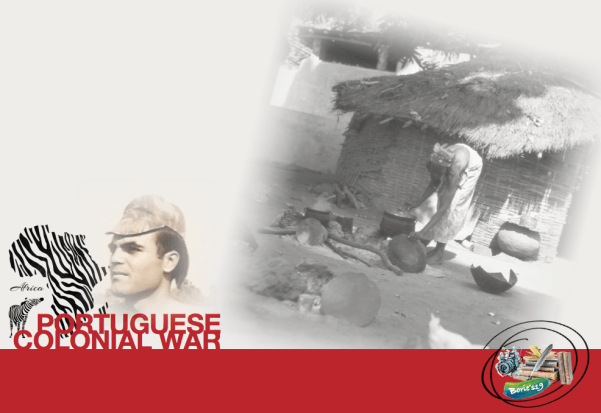
…fake news!.

…fake news!.

…notícias falsas!. (Fake News)!.

…a história diz-nos que, em Inglaterra, no já distante ano de 1622, se criou o primeiro jornal para contar notícias às pessoas, publicando-se periódicamente, onde certamente, uma ou duas, talvez três, ou mesmo um conjunto de pessoas, reuniam as notícias que o povo ou alguém mais “coscuvilheiro”, lhes comunicava e, levavam à letra de imprensa, numa simples folha, onde nem sequer sonhavam com as grandiosas organizações de comunicação social que hoje existem!. (History tells us that in England, in the distant year of 1622, the first newspaper was created to tell people news, and it was periodically published, where one or two, perhaps three, or even a whole of people, gathered the news that the people or someone else “coquette” communicated to them, and they carried the press in a simple sheet, where they did not even dream of the great organizations of social communication that exist today)!.

…no nosso modesto entender, ser jornalista, é exercer uma actividade, ou criar um produto jornalístico que envolva a preparação de material escrito, visual ou de áudio, destinado à sua publicação através dos médias, com referência a eventos factuais e contínuos de interesse público, ou seja pretender-se informar a sociedade sobre si mesma e tornar públicos os eventos que deviam ser verdadeiros, que de outra forma permaneceriam privados!. (In our modest understanding, to be a journalist, is to carry out an activity, or to create a journalistic product that involves the preparation of written, visual or audio material, destined for publication through means, with reference to factual and continuous events of public interest, that is to say, to inform society about itself and to make public the events that were supposed to be true, which would otherwise remain private)!.

…nesta sociedade moderna, hoje, consideramos a comunicação social, como uma das principais potências mundiais, onde as suas armas são as palavras e as imagens!. São eles os principais fornecedores de informações, e claro, talvez opiniões sobre assuntos públicos, onde o seu principal objectivo devia ser falar-nos, mostrar-nos, exemplificar-nos, dar-nos conhecimentos de algo que é notícia, é novo, é recente, é primeira informação!. Em outras palavras, era dar-nos conhecimento de algo que acaba de acontecer e, é verdadeiro!. (In this modern society, today, we consider the media, as one of the main world powers, where your weapons are words and images!. They are the main suppliers of information, and of course, perhaps opinions about public affairs, where their main objective should be to speak to us, to show us, to exemplify us, to give us knowledge of something that is news, is new, is recent, it’s first information!. In other words, it was giving us knowledge of something that just happened and, it’s true)!.

…ela, a tal comunicação social, faz nascer os seus heróis, fazendo-os desaparecer, no momento em que entende que já não são os seus heróis!. Alguma, dessa comunicação social, praticam um tipo de jornalismo ou propaganda, que pode ser amarela, ou qualquer outra cor, mas de acordo com o seu parecer, onde existem notícias falsas, que consistem em desinformação deliberada, pretendendo levar a “água ao seu moinho”, ou seja atingir o seu objectivo, a sua cor, o seu ponto de vista, que pode ser o lado oposto, tanto político, financeiro como social, que normalmente é uma tática conhecida como imprensa mentirosa!. (She, to such social communication, causes her heroes to be born, making them disappear, at the moment when she understands that they are no longer her heroes!. Some of this media practice a type of journalism or propaganda, which may be yellow or any other color, but according to their opinion, where there is false news, which consists of deliberate misinformation, intending to bring “water to your mill), that is to achieve its objective, its color, its point of view, which can be the opposite side, both political, financial and social, which is usually a tactic known as a liar press)!.

…hoje, têm ao seu serviço um conjunto de comentadores e pessoas que nos aparecem à frente dessa comunicação, principalmente a visual, que ao falarem, pretendem lançar dúvidas sobre notícias, que a nós nos parecem legítimas, mas que eles as dizem, com a intenção de enganar para ganharem a sua causa, que pode ser tanto financeira como política, muitas vezes usando manchetes sensacionalistas, desonestas ou falsas para aumentar o número de leitores, e claro, maiores audiências e maiores receitas!. (Today, they have at their service a group of commentators and people who appear to us at the forefront of this communication, especially the visual, who in speaking, intend to cast doubt on news, which seems legitimate to us, but which they say, with the intent to cheat to win their cause, which can be both financial and political, often using sensational, dishonest or false headlines to increase the number of readers, and of course, larger audiences and higher revenues)!.

…infelizmente hoje, as notícias tradicionais espalhadas pelos médias, tanto na imprensa escrita, como visual ou mesmo on-line, têm sempre como principal objectivo as receitas de publicidade gerada por essa actividade, independentemente da veracidade das histórias publicadas, não lhes importando se as notícias são falsas e intencionalmente enganosas, saíram de uma sátira ou de uma paródia, se destinam a divertir ou enganar o público!. (Unfortunately today, the traditional news spread by the media, in the written press, as visual or even online, always have as main objective the advertising revenues generated by this activity, regardless of the veracity of the published stories, no matter if the news is false and intentionally misleading, out of a satire or a parody, are meant to amuse or deceive the public)!.

…os médias, adoram “desgraças”!. Não lhes interessa dar a notícia de uma criança que nasceu feliz, um jardim com flores, um casal que viveu com honestidade, dando ao mundo uns descendentes com educação superior, para ajudar a continuar um mundo onde exista alguma paz!. No entanto, diáriamente abrem os noticiários, principalmente em horário nobre, anunciando horrores, como fotos da criança morta ou com fome, da terra queimada pelo fogo, da aldeia destruída pelas explosões dos bombardeamentos inimigos naquela maldita guerra, o filho que matou os pais para obter dinheiro para consumir droga ou do ataque terrorista onde morreram dezenas pessoas!. (The average ones, they love “misfortunes”!. It does not interest them to give the news of a child who was born happy, a garden with flowers, a couple who lived with honesty, giving to the world descendants with higher education, to help to continue a world where there is some peace!. However, they daily open the newscasts, especially in prime time, announcing horrors, such as photos of the dead or hungry child, of the land burned by fire, of the village destroyed by the explosions of the enemy bombings in that damn war, the son who killed the parents for get money to consume drugs or the terrorist attack where dozens of people died)!.

…nós, deste lado do oceano Atlântico, seguimos as quatro principais estações de televisão Portuguesas, que transmitem a sua antena para o país onde vivemos e, não querendo acreditar, parece-nos que, as notícias são controladas, não são um órgão independente que devia operar dentro de estruturas jornalísticas, como em qualquer sociedade democrática, onde o acesso à informação pode desempenhar um papel-chave num sistema sem freios e contrapesos, destinado a limitar o excesso de poderes concentrados em governos, empresas e outras entidades de indivíduos!. (We, on this side of the Atlantic Ocean, follow the four main Portuguese television stations, which transmit their antenna to the country where we live and, not wanting to believe, it seems to us that, news is controlled, not an organ which should operate within journalistic structures, as in any democratic society, where access to information can play a key role in a system without checks and balances, aimed at limiting the excess of powers concentrated in governments, companies and other entities of individuals)!.

…em Portugal, país onde nascemos, tentando seguir a sua actividade tanto política, como social ou desportiva, pois felizmente ainda lá temos familiares que constantemente trazemos no coração, sabemos que por lá se exerce um sistema de democracia algo exagerada, dando como exemplo as notícias de carácter tendencioso, onde constantemente se fala de determinado clube de futebol e, das três, quatro, cinco, às vezes seis vezes ao dia, onde a personagem do Presidente da República aparece nos ecrans da televisão a dar a sua opinião, gesticulando, (quando encara a câmara, normalmente sorri), exemplificando o seu parecer sobre assuntos de que, na sua qualidade de Presidente, devia ser mais cometido, não dando um exemplo que, leva mais tarde a problemas não só para si, com para a população que o elegeu!. (In Portugal, where we were born, trying to follow their political, social or sporting activities, fortunately we still have family members that we constantly bring into our hearts, we know that there is a system of democracy that is exaggerated. for example, the news of tendentious character, where one constantly speaks of a certain football club and, of the three, four, five, sometimes six times per day, where the character of the President of the Republic appears on the television screens giving his opinion, (when he looks at the camera, he usually smiles), exemplifying his opinion on matters which, in his capacity as President, should be more committed, not giving an example that leads later to problems not only for himself, but for the population who elected him)!.

…e porquê?. Porque os médias sabem que, dando cobertura a esta personagem e a este clube de futebol, tiram alguma vantagem, primeiro porque o clube é popular pelo seu passado e se situa na capital, e da personagem do presidente, que na nossa opinião, além de outras virtudes, carece de sentido de estado, mas de quem as sondagens da dita comunicação social parecem favorecer, sabendo que normalmente o pessoal é pouco exigente, gosta da sua simpatia, que é a característica que mais faz sobressair a sua personalidade narcísica e, que vêm nele a pessoa que quer aparecer, quer dar nas vistas e, dá-lhes assunto, dá-lhes notícias, “enchem-lhe papel”, pensando que assim, têm acesso a informações verificáveis colectadas, sem saberem, (ou talvez saibam), que estão a aderir a padrões jornalísticos que podem fornecer aos cidadãos comuns, as ferramentas necessárias para participar em favor de um processo político, do qual não querem ou detestam vir a aderir, e claro, o que é demais, cria conflitos, satura, desgasta, onde infelizmente a realidade é o povo na rua, formando as greves e os protestos, organizados pelos sindicatos que os representam!. (It’s because?. Because the averages know that, giving coverage to this character and this football club, they take some advantage, first because the club is popular because of its past and is located in the capital, and the character of the president, who in our opinion, besides other virtues, it lacks a sense of state, but of whom the soundings of the said social media seem to favor, knowing that the staff is usually not very demanding, likes his sympathy, which is the characteristic that most emphasizes his narcissistic personality and, they see in him the person who wants to appear, wants to appear in the eye, and gives them subject, gives them news, “fill him with paper”, thinking that they thus have access to verifiable information collected without knowing (or perhaps knowing) , who are adhering to journalistic standards that can provide ordinary citizens with the tools they need to participate in favor of a political process that they do not want or hate to join, and of course, what is too much, creates conflicts, saturates, wears, where unfortunately the reality is the people on the street, forming strikes and protests, organized by the unions that represent them)!.

…na nossa opinião, os valores das notícias, às vezes chamados de critérios de notícias, determinam quanta proeminência uma notícia é dada por um meio de comunicação e a atenção que é dada pelo público, onde o jornalismo de notícias tem um conjunto amplamente acordado de valores, muitas vezes referido como “noticiabilidade”, no entanto os valores das notícias não são universais e podem variar amplamente entre diferentes culturas, enquanto outras se tornaram extraordinariamente específicas para a imprensa de certas nações, como neste caso de Portugal!. (In our opinion, the values of news, sometimes called news criteria, determine how much prominence a news is given by a medium of communication and the attention that is given by the public, where news journalism has a broad set agreed on values, often referred to as “newsworthiness,” however the news values are not universal and may vary widely between different cultures, while others have become extraordinarily specific to the press of certain nations, as in this case of Portugal)!.

…felizmente hoje, o status do jornalismo, juntamente com os médias de massa, sofreram profundas mudanças resultantes da publicação de notícias na Internet!. Isso criou uma mudança no consumo das notícias, à medida que as pessoas consomem cada vez mais notícias sobre leitores eletrónicos, smartphones e outros dispositivos eletrónicos!. (Fortunately today, the status of journalism, along with mass media, has undergone profound changes resulting from the publication of news on the Internet!. This has created a shift in news consumption as people increasingly consume news about e-readers, smartphones and other electronic devices)!.

…e hoje, por aqui nos ficamos, sorriam, tenham um bom tempo nas vossas vidas!. (And today, here we stay, smile, have a good time in your lives)!.!.

Tony Borie, March 2019.
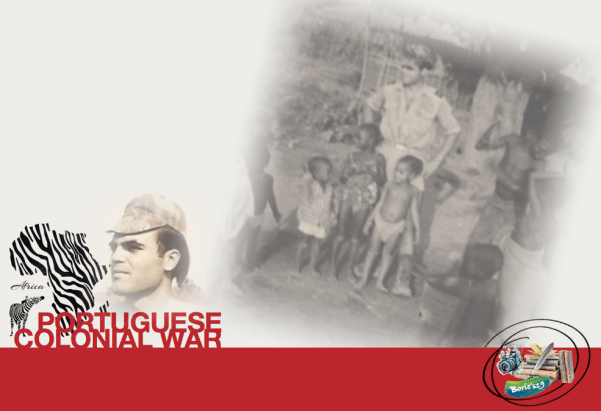
…route 99 B.C. Canada!.

…route 99 B.C. Canada!.

…estrada 99 B. C. Canada!. (Route 99 from B. C. Canada)!.

…estrada 99 da Columbia Britânica, Canadá!. (no ano de 2006, o jornal The Guardian, do Reino Unido, nomeou esta estrada, como a quinta melhor viagem pelo mundo)! (Route 99 from British Columbia, Canada!. (in the year 2006, The Guardian newspaper of the United Kingdom named this road as the fifth best trip in the world!).

…nesta já um pouco avançada idade, com quase nada para perder, mantemos um lema, que para nós é apetecível, tal como, “Se isso te assusta, pode ser uma boa coisa para tentar”!. (In this already somewhat advanced age, with almost nothing to lose, we maintain a motto, which for us is palatable, such as, “If this scares you, may be a good thing to try”)!.

…não queremos chegar ao fim da nossa já um pouco longa vida e achar que vivemos apenas a sua duração, ou seja o seu “comprimento”!. Queremos ir um pouco além disso, queremos também viver um pouco da sua “largura”, viver alguns dos seus pormenores, como por exemplo, ouvir aquela simpática senhora, com sotaque de voz local, onde tínhamos parado para comprar gasolina, água e outros géneros necessários para a sobrevivência de quem anda na estrada a algum tempo que, quando lhe perguntámos se íamos na direcção certa para poder entrar na estrada 99, pois era uma região onde o satélite não dava sinal ao nosso sistema de navegação, sorridente nos disse:

– estrada 99?. É uma estrada quase deserta, que passa através das montanhas!. Porque não ficam aqui algum tempo, temos uma série de atracções, incluindo passeios a cavalo, visualização da paisagem, caminhadas, pesca e outras actividades ao ar livre!. A estrada 99, se é que querem viajar por ela, fica mais ou menos a 1 hora ao sul, quantos quilómetros são, não sabemos!.

(We do not want to reach the end of our already a little long life and think that we live only its duration, ie its “length”!. We want to go a little further, we want to live a little of its “breadth”, to live some of its details, such as listening to that nice lady, with a local voice accent, where we had stopped to buy gas, water and other things needed to the survival of someone who has been on the road for some time, when we asked if we were going in the right direction to enter the Route 99, because it was a region where the satellite did not signal our navigation system, smiling told us:

– Route 99?. It is an almost deserted road that passes through the mountains!. Because we do not stay here for some time, we have a number of attractions including horseback riding, landscape viewing, hiking, fishing and other outdoor activities!. Route 99, if you want to travel by it, is about 1 hour south, how many kilometers are we do not know)!.

…nós, que quando viajamos nos sentimos desconfortáveis, quando estamos confortáveis de mais, ao ouvir-mos estas recomendações, “quase deserta, através das montanhas” e como somos caminhantes aventureiros, onde o mundo é a nossa casa e o céu é o nosso tecto, onde a beira de um rio, onde exista um espaço para a nossa “White Fox” (nome da nossa caravana) estacionar e a água fresca esteja mesmo ali, é um lugar que logo consideramos a nossa casa, e claro, se houver pessoas, ou mesmo animais, serão a nossa família de ocasião, logo pensámos:

– perfeito, é mesmo por aí que queremos ir!.

(We who, when we travel, feel uncomfortable, when we are too comfortable, when we hear these recommendations, “almost deserted, through the mountains” and as we are adventurous hikers, where the world is our home and the sky is our roof, where the edge of a river, where there is a space for our “White Fox” (name of our caravan) park and the fresh water is right there, is a place that soon we consider our house, and of course, if there are people, or even animals, will be our family of occasion, soon we think:

    – Perfect, that’s the way we want to go)!.

…estávamos na Columbia Britânica, em território do Canadá e, “se fôssemos ficar em um só lugar, iríamos criar raízes, em vez de pernas e pés”, portanto, seguimos em direcção ao sul, à procura da tal estrada 99!. (We were in British Columbia, in the territory of Canada and, “if we were to stay in one place, we would take roots instead of legs and feet”, so we headed south, looking for that Route 99)!.

…encontrámo-la!. Hoje, chama-se Estrada 99, derivado à antiga Rota dos EUA 99, com a qual originalmente se conectava!. No entanto também é conhecida ao sul de Vancouver, como o Delta do Fraser ou a estrada Sea to Sky (Mar para o Céu), talvez à sua proximidade ao Rio Fraser e, durante o seu percurso de aproximadamente 400 quilómetros, também a conhecem como a Estrada Squamish ou Whistler Highway, com a particulariedade de no ano de 2006, o jornal The Guardian, do Reino Unido, nomeou a Sea to Sky (Mar para o Céu), como a quinta melhor viagem pelo mundo!. (We found it!. Today, it is called Route 99, derived from the old US Route 99, with which it originally connected!. However it is also known south of Vancouver, such as the Fraser Delta or the Sea to Sky route, perhaps to its proximity to the Fraser River and, during its course of approximately 400 kilometers, they are also known as the Squamish Route or Whistler Highway, with the particularity of the year 2006, the UK’s The Guardian has named Sea to Sky as the fifth best trip in the world)!.

…seguimos por algum tempo por uma área plana, quando a estrada começava por ser um pequeno labirinto, por entre pequenas montanhas que, quase sem o notar-mos, já eram maiores, com grandes desfiladeiros e, lá ao fundo, aqui e ali podíamos ver o Rio Fraser, umas vezes calmo, outras com revolta, agressivo, com águas a saltarem no ar!. (We continued for some time on a flat area, when the road began to be a small labyrinth, among small mountains that, without being noticed, were already larger, with large canyons and, in the background, here and there there we could see the Fraser River, sometimes calm, sometimes revolted, aggressive, with waters leaping in the air)!.

…nós, por vezes pensamos que podíamos não ter ido aonde pretendíamos ir, mas tal como o revolto Rio Fraser, acabámos por ir onde pretendíamos estar!. E mais, ao andarmos por aqui, percorrendo as margens deste rio, que é o mais longo dentro da Columbia Britânica, que cresce no “Pass Fraser”, perto da Montanha Blackrock nas Montanhas Rochosas, e flui por 1.375 quilómetros (854 mi), até ao Estreito da Geórgia, na cidade de Vancouver, para onde leva por ano mais de 20 milhões de toneladas de sedimento, que entram no oceano, abastecendo-se de água cristalina, que desce em cataratas das montanhas, onde há milhões de anos existiam “Glacieres”!. (We sometimes thought we might not have gone where we wanted to go, but like the Fraser River uprising, we ended up going where we wanted to be! What’s more, as we walk down the banks of this river, which is the longest in British Columbia, which grows in the Pass Fraser, near Blackrock Mountain in the Rockies, and flows for 1,375 kilometers (854 mi) Straits of Georgia, in the city of Vancouver, where it takes more than 20 million tons of sediment per year, which enter the ocean, supplying with crystalline water, that descends in cataracts of the mountains, where millions of years ago existed “Glacieres”)!.

…alguém nos disse um dia que, “Se queremos saber a verdade de quem verdadeiramente somos, devemos caminhar até que ninguém saiba o nosso nome”!. Foi o que fizémos, sempre em direção ao sul, subindo e descendo a montanha, onde nos surgiam os cenários mais bonitos, até chegarmos à povoação de Lillooet, que é considerada um dos mais antigos locais habitados continuamente neste continente!. (Someone told us one day that, “If we want to know the truth of who we truly are, we must walk until no one knows our name”!. That’s what we did, always heading south, going up and down the mountain, where we found the most beautiful scenery, until we reach the village of Lillooet, which is considered one of the oldest continuously inhabited places on this continent)!.

…é uma área considerada pelos arqueólogos, como sendo habitada por vários milhares de anos, fica na margem do lado de lá do Rio, onde se pode ver uma ponte de ferro, que deve ligar a estrada à povoação!. O local tem painéis informativos, onde não importa o anglo em que se coloca para tirar uma foto, porque todas saiem quase perfeitas!. (Is an area considered by archaeologists, as being inhabited for several thousands of years, is on the bank of the river beyond, where you can see an iron bridge, which should connect the road to the village!. The place has informative panels, where no matter the anglo in poses to take a photo, because they all come out almost perfect)!.

…um longo trecho de estrada, principalmente de montanha, com um cenário de ravinas e precipícios, pode ensinar-mos mais sobre nós mesmos, do que viver dezenas de anos em tranquilidade, por tal, nem que não houvesse tempo, tínhamos que parar aqui e ali, pois o barulho da água ao passar pelas rochas que compunham o fundo de um qualquer ribeiro, despertavam a nossa atenção!. (A long stretch of road, especially a mountain, with a scenery of ravines and cliffs, can teach us more about ourselves, than live for decades in tranquility, so that even if there was no time, we had to to stop here and there, for the noise of the water passing through the rocks that formed the bottom of any stream, aroused our attention)!.

…é um estreito entre montanhas, a estrada atravessa-o, é o Parque Provincial do Lago Duffey!. É a leste da cimeira da montanha do Cayoosh Pass, onde uma enorme acomulação de troncos de madeira se juntam na saída do lago, talvez por dezenas ou centenas de anos, talvez até milhares, proporcionando um cenário de natureza pura, onde quase todos os viajantes param, para admirar e fotografar e, ninguém se questiona porque os troncos de madeira estão lá, demonstrando a nós, seres humanos que, a terra, o céu, os bosques, os campos, os lagos, os rios, as montanhas e o mar, são excelentes professores e ensinam-nos mais do que podemos aprender dos livros!. (Is a narrow between mountains, the road crosses it, is the Provincial Park of Lake Duffey!. It is to the east of the mountain summit of the Cayoosh Pass, where a huge concourse of wooden logs gather at the lake’s expanse, perhaps for tens or hundreds of years, perhaps even thousands, providing a scenery of pure nature where almost all travelers stop, to admire and photograph, and no one questions itself because the wood trunks are there, showing us, humans, that the earth, the sky, the woods, the fields, the lakes, the rivers, the mountains and the sea, are excellent teachers and teach us more than we can learn from books)!.

…quando viajamos por esta estrada de montanha, que foi construída por volta do ano de 1960, verificamos que o perigo da aventura vale mais do que mil dias de tranquilidade e conforto!. Algum conforto, pelo menos para nós viajantes, pois por aqui existem estações de serviço com loja de conveniência, nesta povoação chamada de Pemberton, que antes só era acessível por comboio, onde os seus habitantes se lembram quando 100 anos atrás, ou seja por volta do ano de 1860, passaram por aqui cerca de 30,000 mineiros, na corrida ao ouro no Fraser Canyon Gold Rush!. (When we travel on this mountain road, which was built around the year 1960, we find that the danger of adventure is worth more than a thousand days of tranquility and comfort!. Some comfort, at least for us travelers, because here there are service stations with convenience store, in this village called Pemberton, which was only accessible by train, where its inhabitants remember when 100 years ago, or around of the year 1860, there were around 30,000 miners here, in the gold rush at Fraser Canyon Gold Rush)!.

…avançando, começaram a aparecer alguns hoteis, restaurantes, pousadas e algumas vivendas!. Estávamos a chegar à civilização, em outras palavras estávamos a chegar à rotina, aquela rotina terrível que mata toda a imaginação e toda nossa capacidade de entusiasmo!. Estávamos a chegar à cidade de Whistler, onde por entre algum tráfico, procurámos um parque para estacionar a nossa “White Fox”!.. (In the beginning, some hotels, restaurants, inns and some houses began to appear!. We were getting to civilization, in other words we were getting to the routine, that terrible routine that kills all our imagination and all our capacity for enthusiasm!. We were coming to the city of Whistler, where through some traffic, we searched for a park to park our “White Fox”)!.

…chegámos à Vila Olimpica, já era a meio da tarde e, como o mundo é grande e bonito, nós, logo pensámos em dar uma boa olhada nesta zona, antes que escurecesse!. Tirámos fotos, percorremos os lugares que todos os visitantes procuram, os lugares onde os atletas olimpicos se reuniam, onde recebiam as medalhas, todos aqueles pormenores que vemos na televisão e nos jornais, quando se realizam estes eventos!. Estamos a falar da hoje cidade de Whistler e, ainda não falámos do que representa, como começou ou onde está localizada, portanto cá vai!. (We arrived at Olympic Village, it was already mid-afternoon and, as the world is big and beautiful, we soon thought to take a good look at this area before it gets dark!. We took photos, walked the places that all the visitors look for, the places where the Olympic athletes met, where they received the medals, all those details that we see on television and in the newspapers, when these events take place!. We are talking about today’s city of Whistler and we have not talked about what it stands for, how it started or where it is located, so here it goes)!.

…a história dos lugares por onde viajamos, faz parte do nosso roteiro, tendo sempre a noção de que a aventura não está pendurada numa corda ao lado de uma montanha!. A aventura de um viajante de caravana, é uma atitude que devemos aplicar aos obstáculos do dia-a-dia da nossa vida, portanto vamos explicar um pouco de como a primeira pesquisa britânica da Royal Navy, que ocorreu na década de 1860, onde essas pessoas que por aqui andaram, chamados topógrafos, ao verem esta montanha, logo lhe chamaram, montanha de Londres, por causa do nevoeiro pesado e a nuvem que normalmente estava sempre em torno da montanha!. (The history of the places where we travel, is part of our script, always having the notion that the adventure is not hanging on a rope next to a mountain!. The adventure of a caravan traveler is an attitude that we must apply to the obstacles of our day-to-day life, so let’s explain a little bit about how the first British Navy survey of the 1860s, where these people who walked here, called surveyors, when they saw this mountain, soon called it, mountain of London, because of the heavy fog and the cloud that was usually always around the mountain)!.

…no entanto a área adquiriu informalmente o nome “Whistler” devido a uma espécie de marmota que ainda hoje habita as montanhas do noroeste da América do Norte, que normalmente vivem perto da linha das árvores, principalmente nas suas encostas com alguma vegetação, para poderem alimentar-se, com a possibilidade de, além de comerem, esconderem-se fácilmente nas áreas com rochas que também por aqui existem!. (However the area informally acquired the name “Whistler” due to a species of marmot that still inhabits the mountains of northwestern North America that normally live near the tree line, especially on its slopes with some vegetation, to be able to feed themselves, with the possibility of, besides eating, hiding easily in the areas with rocks that also exist here)!.

…tal como as pessoas que pensam que, devem ir em aventuras para descobrir onde realmente pertencem, nós, fazendo parte dos mais de dois milhões de pessoas visitam Whistler anualmente, primeiro para o esqui alpino e o snowboard e, no verão, praticar bicicleta de montanha, no Whistler Blackcomb, o que não é o nosso caso, pois a idade recomenda-nos exercícios mais suaves, menos excitantes!. (Like people who think they should go on adventures to find out where they really belong, we, being part of more than two million people visit Whistler annually, first for downhill skiing and snowboarding and in the summer, to practice mountain bike, at Whistler Blackcomb, which is not our case, because age recommends us exercises softer, less exciting)!.

…no entanto a vila, onde se pode e deve caminhar, ganhou inúmeros prémios de design e hoje, Whistler foi eleito entre os principais destinos da América do Norte, pelas principais revistas de esqui desde meados da década de 1990!. (however the village, where one can and should hike, has won numerous design awards and today, Whistler has been voted among the top North American destinations by major ski magazines since the mid-1990s)!.

…e mais, durante as Olimpíadas de Inverno de 2010, Whistler hospedou a maioria dos eventos Alpinos, Nórdicos, de Luge, de Esqueletos e de Bobsled, (estilo de esquis), embora o esqui estilo livre e todos os eventos de snowboard ficassem hospedados na vila de Cypress Mountain, perto da cidade de Vancouver!. (And more, during the 2010 Winter Olympics, Whistler hosted most of the Alpine, Nordic, Luge, Skeleton and Bobsled events (skiing style), although freestyle skiing and all snowboarding events were staying in the village of Cypress Mountain, near the city of Vancouver)!.

…um dos propósitos da nossa vida de viajantes, afinal de contas, é vivê-la, experimentar ao máximo esta experiência, alcançar ansiosamente coisas novas e, sem ou com pouco medo, sempre na esperança de uma experiência mais nova e mais rica, por tal, antes de dizer adeus à Vila Olimpica, fomos comer alguma coisa e beber duas cervejas, a um restaurante, dos muitos que por ali havia, uma comida diferente, feita com ingredientes locais!. (One of the purposes of our travelers’ lives, after all, is to live it, to experience this experience to the fullest, to eagerly reach for new things and, with or without little fear, always in the hope of a newer and richer experience so before saying goodbye to Olympic Village, we went to eat something and drink two beers, one restaurant, the many that there was, a different food, made with local ingredients)!.

…a montanha, a água cristalina, as árvores centenárias por onde a estrada 99 passa, não é um luxo, mas sim uma necessidade do espírito humano e, nós, sempre na direcção sul, com aqueles cenários frequentes da água revoltosa passando sobre pedras, chegámos e entrámos na área da cidade de Vancouver!. (The mountain, the crystal clear water, the hundred-year-old trees through which Route 99 passes, is not a luxury, but a necessity of the human spirit, and we, always in a southerly direction, with those frequent scenes of unruly water passing over stones, we arrived and we entered the Vancouver city area)!.

…para nossa tristeza, era a civilização!. A ponte Lions Gate era já ali, o tráfico aumentava!. Ao passarmos pela ponte tirámos algumas fotos da Baía e da cidade, ao longe, pensando que, alguns dos caminhos bonitos não podem ser descobertos, sem nos perder-mos, mas verdadeiramente talvez seja, “não nos perdermos”, mas sim “encontrarmo-nos”!. (To our sadness, it was civilization!. The Lions Gate Bridge was already there, the traffic increased!. As we passed by the bridge, we took some photos of the Bay and the city, in the distance, thinking that some of the beautiful paths can not be discovered, without losing ourselves, but truly maybe it is, “not to get lost”, but “to meet”)!.

…como já dissemos por diversas vezes, as cidades passam-se, por norma não se pára, só se houver necessidade de comprar algo que se precise mesmo, no entanto a cidade de Vancouver é uma cidade que quer se queira ou não, se deve visitar, tem a maior densidade de população do Canada, sendo mesmo a quarta densidade de população na America do Norte, logo atrás de Nova Yorque, São Francisco e a Cidade do México, estando nas cinco melhores cidades, como melhor qualidade de vida!. (As we have said several times, cities are passed, as a rule does not stop, only if there is need to buy something that is really needed, however the city of Vancouver is a city that wants to like it or not, it is the fourth largest population density in North America, just behind New York, San Francisco and Mexico City, being in the five best cities, as a better quality of life)!.

…no entanto o dia já ia longo, a fronteira era já ali, o tráfico não nos dava muita oportunidade para procurar um parque de caravanas, pelo menos próximo da cidade, estacionar a nossa “White Fox”, junto a um hotel na cidade, era tarefa um pouco difícil, portanto decidimos continuar rumo ao sul, rumo à fronteira, rumo a nossa casa e, um pouco pepois estávamos na fronteira com os USA, esperando na linha, com alguns desejos de ver a placa onde diz, “Welcome to USA”!. (But the day was already long, the frontier was already there, the traffic did not give us much opportunity to look for a caravan park, at least near the city, to park our “White Fox”, next to a hotel in the city, was a rather difficult task, so we decided to continue south to the border, towards our house and, a bit later we were on the border with the USA, waiting in line, with some desires to see the sign where it says ” Welcome to USA “)!.

Tony Borie, March 2019.

..the Agueda River!.
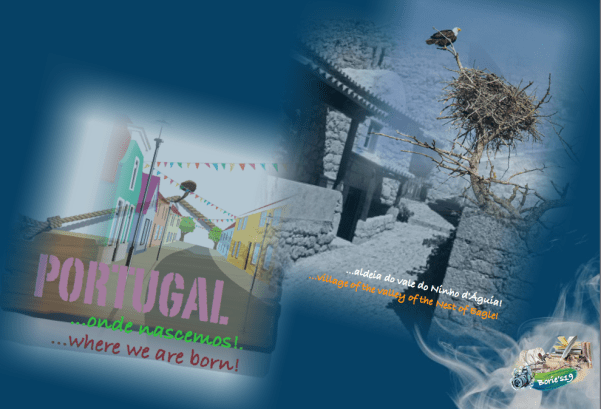
..the Agueda River!.

…o Rio Águeda!…. (the Agueda River)!.

…nós, uma criança alegre, despreocupada, sem conhecimento de que à sua volta se desenvolvia o conflito mais mortal da história da humanidade, envolvendo directamente mais de 100 milhões de pessoas de mais de 30 países, marcado por 50 a 85 milhões de mortes, a maioria das quais civis, que incluíram massacres, o genocídio do Holocausto, bombardeios estratégicos, morte premeditada de fome e doenças e o único uso de armas nucleares em conflitos, que deu pelo nome de Segunda Guerra Mundial, uma guerra global, que durou de 1939 a 1945!. (We, a cheerful, carefree child, unaware that the most deadly conflict in the history of humankind was unfolding, directly involving more than 100 million people from more than 30 countries, marked by 50 to 85 million most of which were civilians, including massacres, Holocaust genocide, strategic bombing, premeditated starvation and starvation, and the only use of nuclear weapons in conflict, which he called World War II, a lasted from 1939 to 1945)!.

…nascemos, crescemos e vivíamos lá, naquela aldeia remota do Vale do Ninho d’Águia, na encosta agreste da montanha do Caramulo, quase uma divisão entre a montanha e o mar, onde pela noite, não havendo luz eléctrica, se a terra tremesse, nascendo dos céus uma pequena luz, que seria uma qualquer estrela, talvez uma estrela nova, daquelas que fazem oscilar um continente, ninguém dava por isso!. (We were born, grew and lived there, in that remote village of the Valley of the Nest of Eagle, on the rugged hillside of the Caramulo mountain, almost a division between the mountain and the sea, where at night, there being no electricity, earth shake, a small light rising from the skies, that would be any star, maybe a new star, those that make a continent oscillate, no one gave it)!

…era uma região, onde a sua ocupação antiga remonta à Idade do Bronze, marcada por diversos monumentos megalíticos, como por exemplo, a alguma distância ao norte da nossa aldeia, está o sítio arqueológico do “Cabeço do Vouga”, uma importante fortificação militar romana ao longo das rotas de Olissipo (Lisboa) até Bracara Augusta (Braga), que foi povoada por sucessivos habitantes, onde por certo se incluíam os celtas, os turdulianos ou os lusitanos!. (Was a region where its ancient occupation dates back to the Bronze Age, marked by several megalithic monuments, such as some distance north of our village, is the archaeological site of “Head of the Vouga”, an important military fortification Roman route along the routes from Olissipo (Lisbon) to Bracara Augusta (Braga), which was populated by successive inhabitants, where the Celts, the Turdulians or the Lusitanians were certainly included)!.

…principalmente o povo Celta, que formaram um ramo da maior família indo-européia e, que entraram na história por volta de 400 aC, já divididos em vários grupos linguísticos e se espalharam por grande parte da Europa continental ocidental, com destaque para a Península Ibérica, a Irlanda e a Grã-Bretanha!. (Mainly the Celtic people, who formed a branch of the largest Indo-European family, and who entered history around 400 BC, already divided into various linguistic groups and spread throughout much of Western Continental Europe, the Iberian Peninsula, Ireland and Great Britain)!.

…vários historiadores acreditaram que o povo Celta vinha das ilhas da foz do Reno e eram “expulsos de suas casas pela frequência das guerras e pela violenta ascensão do mar”!. (Several historians believed that the Celtic people came from the islands of the Rhine mouth and were “expelled from their houses by the frequency of the wars and by the violent rise of the sea”)!.

…povo com estes princípios, acreditamos nós que, ao andarem pela Península Ibérica, se devem ter localizado nas colinas do noroeste, entre os rios Tormes, Douro e Tejo, do que é hoje o país Portugal, talvez por causa da aproximação ao mar, adoptando formas de vida mais urbanas, chegando mesmo a cunhar moedas, com inscrições celtibéricas!. (People with these principles, we believe that, as they travel through the Iberian Peninsula, they must have been located in the northwestern hills, between the Tormes, Douro and Tejo rivers, of what is now Portugal, perhaps because of the sea, adopting more urban forms of life, even cointing coins, with Celtiberian inscriptions)!.

…de uma maneira ou de outra, nós, talvez descendentes do povo Celta, somos guerreiros, aventureiros e gostamos do mar e, quando ainda crianças em pleno crescimento, corríamos, descalços e com pouca roupa no corpo, descendo e subindo as encostas daquele vale, onde ao fundo corria um pequeno ribeiro, formando alguns pequenos lagos de água limpa e pura, onde nos podíamos banhar e beber a sua água!. (In one way or another, we, perhaps descendants of the Celtic people, are warriors, adventurers and we like the sea, and when we were still growing children, we would run barefoot and with little clothing on our bodies, going down and up the slopes of that valley, where in the background a small stream flowed, forming some small lakes of clean and pure water, where we could bathe and drink its water)!.

…o ribeiro, por sua vez, corria em direcção à ribeira da aldeia de Assequins, onde aí sim, a crosta terrestre, lentamente começava a ser plana, flutuando por perto aquelas zonas ribeirinhas do Rio Águeda, onde essa ribeira vinha a desaguar, quase junto à então vila de Águeda, que naquela época era um local próspero, (embora nós, oriundos das aldeias serranas, não usufruímos dessa prosperidade, pois éramos considerados, serranos, patêgos), com um comércio estável que apoiava negócios locais ou regionais e, existia um porto fluvial, onde os barcos atracavam, trazendo peixe fresco das praias do oceano Atlântico, levando lenha, pessoas e bens, de volta!. (The brook, on the other hand, ran towards the stream of the village of Assequins, where the earth’s crust slowly began to be flat, floating by those riverside areas of the Águeda River, where the stream was pouring, almost next to the then village of Águeda, which at that time was a prosperous place (although we, from the mountain villages, did not enjoy this prosperity, since we were considered, from mountain, “patêgos”), with a stable commerce that supported local or regional business and, there was a river port, where the boats docked, bringing fresh fish from the shores of the Atlantic Ocean, carrying firewood, people and property, back)!.

…esta então vila de Águeda, onde em criança frequentámos a Escola do Adro, em épocas remotas, funcionou como um centro auxiliar na estrada para Santiago de Compostela e, com a sua posição geográfica assim a beneficiava, (à beira dum rio), dizem que foi certamente visitada pela rainha Isabel, no ano de 1325, durante as suas costumeiras peregrinações àquele centro religioso!. Mais tarde, por volta do ano de 1834, ascendeu à categoria de assento municipal, como consequência da Revolução Liberal Portuguesa, sendo um importante lugar político, com posição político-militar estratégica, permitindo que esta então vila, apoiasse as tropas militares durante a segunda invasão francesa, quando funcionava como hospital militar!. (This village of Águeda, where as a child we attended the School of the Adro, in remote times, functioned as an auxiliary center on the road to Santiago de Compostela and, with its geographical position so benefited, (at the edge of a river) , say that she was certainly visited by Queen Elizabeth in the year 1325, during her usual pilgrimages to that religious center!. Later, around the year 1834, it ascended to the category of municipal seat, as a consequence of the Portuguese Liberal Revolution, being an important political place, with strategic political-military position, allowing that this village, to support the military troops during the second French invasion, when it functioned as a military hospital)!.

…no entanto, não é da então vila de Águeda, que hoje queremos falar, mas sim do seu rio, do Rio Águeda, a que dedicamos este texto, para tal recorremos a algumas fotos antigas, que nos chegam de pessoas amigas, que felizmente ainda vivem lá em Portugal e, que de uma maneira ou de outra as conseguiram, o que nós do coração agradecemos!. (However, it is not the village of Águeda, which today we want to talk about, but rather its river, the River Águeda, to which we dedicate this text, for that we resorted to some old photos, which come to us from friendly people, who fortunately still live there in Portugal and, who in one way or another have succeeded, what we heartfelt thanks)!.

…nunca esqueceremos a primeira vez que vislumbrámos o rio, cremos mesmo que o estávamos ouvindo, antes de descer-mos ao seu leito, o que logo nos fez entender quanto tão vasto e importante era para nós crianças, aquele espaço!. Quando tomámos contacto com a sua água, quase como um peregrino, compreendemos, sabíamos que um dia estaríamos de volta num curto espaço e tempo!. (We will never forget the first time we glimpsed the river, we even believed we were listening to it, before descending to its bed, which soon made us understand how vast and important it was for us children, that space!. When we came into contact with his water, almost like a pilgrim, we understood, we knew that one day we would be back in a short space of time)!.

…naquela idade, habituados a banharmo-nos naqueles pequenos lagos do ribeiro do nosso vale, experimentar a água do Rio Águeda, percorrendo-o, nadando com os nossos próprios braços, era incomparável!. É verdade que nem todos são capazes de ter experiências como esta, devido ao facto de não viverem próximo de rios, mas o facto é que a experiência foi o que foi, por causa da idade de crianças, em que quase tudo era um fascínio e, de como foi feita, ou mesmo de tanto quanto onde aconteceu!. (At that age, accustomed to bathe in those small lakes of the stream of our valley, to experience the water of the River Águeda, running it, swimming with our own arms, was incomparable!. It is true that not everyone is able to have experiences like this, due to the fact that they do not live near rivers, but the fact is that the experience was what it was, because of the age of children, where almost everything was a fascination and, how it was done, or even how much it happened)!.

…acreditamos na natureza, mas especialmente na natureza profunda, como a água cristalina que naquele tempo deslizava naquele rio, que tem o mesmo nome da então vila de Águeda, atravessando-a, que tem a sua nascente na montanha do Caramulo, talvez há milhões de anos, proveniente de um qualquer “Glacier”, no lugar da aldeia de Varzielas, percorrendo um percurso de aproximadamente quarenta quilómetros, vindo a desaguar no Rio Vouga, junto à aldeia de Eirol, próximo da cidade de Aveiro, onde juntando as suas águas às da Ria com o mesmo nome, acaba por entrar nas águas do oceano Atlântico!. (We believe in nature, but especially in the deep nature, like the crystalline water that at that time glided in that river, that has the same name of the then village of Águeda, crossing it, that has its source in the mountain of Caramulo, perhaps for millions of years, from any glacier, in the a place of the village of Varzielas, traveling for about forty kilometers, coming to the River Vouga, near the village of Eirol, near the city of Aveiro, where joining its waters to the Ria with the same name, ends up entering the waters of the Atlantic Ocean)!.

…existe um ditado que diz, “sem um rio não há pessoas e sem pessoas não há um rio”!. Pensando neste ditado, recordamos as pessoas que se juntavam junto ao seu cais, por ocasião das festas da paróquia da então vila de Águeda, onde existia o cenário dos barcos moliceiros, que vinham das aldeias e vilas da região das praias do oceano, com bandeiras coloridas nos seus mastros, ancoravam no cais, acendiam os seus fogareiros, assando sardinha, cujo cheiro inundava todo o cais!. (There is a saying that says “without a river there are no people and without people there is no river”!. Thinking of this dictum, we remember the people who gathered by their docks, on the occasion of the feasts of the parish of the then village of Águeda, where the scene of the Moliceiro boats came from the villages and villages of the region of the ocean beaches, with flags colored on their masts, anchored on the docks, lit their stoves, roasting sardines, the smell of which flooded the entire pier)!.

…ou os barcos ancorados do Ti’André, que os alugava a 15 tostões à hora, mas não podíamos nos distanciar da sua vista, pois ficava sentado junto ao cais, esperando-nos, ocupando o espaço do seu negócio de peixe, na antiga Praça do Peixe, que existia junto ao cais!. (Or the anchored boats of the Ti’André, who rented them at fifteen pence an hour, but we could not distance ourselves from his sight, for he was sitting by the dock waiting for us, occupying the space of his fish business, in the old Fish Square, which existed by the pier!.

…mesmo até dos “quiosques” que lá existiam, junto ao cais, um, que vendia jornais e os livritos do “mundo de aventuras”, outro, da senhora Iria, que vendia fruta, com destaque para as bananas, que era uma fruta rara, por ser tropical!. (Even one of the “kiosks” that existed there, near the dock, one, which sold newspapers and books of the “world of adventure”, another one of Mrs. Iria, who sold fruit, especially bananas, which was a rare fruit, for be tropical)!.

…para o lado da nascente do rio, logo a seguir à ponte, do lado oposto da então vila, existia um pequeno cais de onde saíam por ocasião das festas da Páscoa, viajens em barcos moliceiros, puxados à vara, que partiam em direcção à nascente, à montanha, onde navegavam grupos de pessoas ilustres da vila, com serviço de criados, (onde a nossa querida mãe Ilda se incluía como servente), realizando banquetes, regados com vinho tirado do barril, (não se usava garrafas), navegando rumo ao parque do Souto do Rio, que era uma área com árvores frondosas, numa zona quase plana junto ao rio, na colina de uma pequena montanha!. (To the side of the source of the river, just after the bridge, on the opposite side of the village, there was a small quay from where they went on the occasion of Easter celebrations, trips on Moliceiro boats, pulled to the pole, (where our beloved mother Ilda was included as servant), making banquets, watered with wine taken from the barrel, (no bottles were used) , sailing towards the Souto do Rio park, which was an area with leafy trees, in an almost flat area by the river, on the hill of a small mountain)!.

…o rio, ao passar sob a ponte da então vila, fazia uma pequena curva, que aos nossos olhos de criança, parecia muito grande!. A sua água ia limpa, peixes, como as carpas, os pimpões ou os robacos, escondiam-se em pequenas áreas com vegetação!. Os patos do senhor “Tanoeiro” de Além da Ponte, nadavam e multiplicavam-se, criando ninhos, que só ele sabia o seu lugar!. A nora gigante, montada numa pequena represa, onde nós aprendemos a nadar, “chiava”, levando a água a fertilizar os campos da várzea, cultivados com milho!. (The river, passing under the bridge of the then village, made a small curve, which in our eyes as a child, seemed very large!. Their water was clear, fish, like carp, pimp or robacos, hid in small areas with vegetation!. The ducks of Senhor “Cooper” of Beyond the Bridge, swam and multiplied, creating nests, that only he knew its place!. The giant “ferris wheel”, mounted on a small dam, where we learned to swim, “squealed”, taking water to fertilize the fields of the várzea, grown with corn)!.

…algumas mulheres, “usavam a música dos seus sonhos de verão”, cantavam, lavavam e secavam a roupa nos areais do lado nascente, porque no inverno, “sofriam a música dos seus sonhos de inverno”, que eram as inundações, criadas pela chuva e algumas tempestades, não só na várzea, como nas ruas da então vila, e nós, ouvíamos muitas vezes as pessoas a gritar:

   – acudam, o meu Manel foi na bateira, buscar as duas ovelhas que, andavam a pastar do lado de lá do Rio e, estão cercadas pelas águas!.

(Some women “used the music of their summer dreams”, sang, washed, and dried their clothes on the sands of the east side, because in winter they “suffered the music of their winter dreams”, which were the floods created by rain and some storms, not only in the floodplain, but also in the streets of the village, and we often heard people shout:

  – They go, my Manel went in the “bateira”, to look for the two sheep that, were grazing on the side of there of the River and, are surrounded by the waters)!.

…ou mesmo, frazes como estas:

  – lá vai mais uma vaca e uma cabra, já mortas a boiar, levada pelas águas da corrente!.

(Or even, frazes like these:

  – There goes another cow and a goat, already dead to float, taken by the waters of the current)!.

…ou alguns habitantes das ruas inundadas, procurando, laranjas, tangerinas e outras coisas, que boiavam nas águas que enchiam as ruas!. (Or some of the inhabitants of the flooded streets, searching, oranges, tangerines and other things, that floated in the waters that filled the streets)!.

…mesmo alguns habitantes da parte baixa da então vila, guardavam pequenas bateiras no quintal, esperando as inundações do inverno!. (Even some inhabitants of the lower part of the village, kept small bundles in the yard, waiting for the floods of winter)!.

…há uns anos atrás, finalmente visitámos Portugal e, o impacto visual do desenvolvimento por si só, mudou o cenário para sempre!. O possível impacto visual do Rio Águeda é inimaginável!. Existe uma represa para guardar a água em frente à agora cidade de Águeda, é um mar de água rasa, sem corrente, que inundou a maior parte do que era o nosso rio, que por sua vez era, “um lugar sagrado, onde os Espíritos habitavam”, onde, principalmente na época de verão, assoriado em algumas partes, dava origem a extensos areais, que eram o nosso lugar de diversão e o lugar de trabalho das lavadeiras, preservado para a eternidade como um “monumento do tempo”!. (A few years ago, we finally visited Portugal and the visual impact of development alone changed the landscape forever!. The possible visual impact of the Águeda River is unimaginable!. There is a dam to guard the water in front of the now city of Águeda, it is a shallow, uncharged sea of water that flooded most of what was our river, which in turn was “a sacred place, where the Spirits inhabited”, where, especially in the summer time, assorted in some parts, gave rise to extensive sand, which were our place of fun and the place of work of washerwomen, preserved for eternity as a “monument of time”)!.

…com estes arranjos urbanísticos de embelezamento, (dizem-nos que é o progresso) mas, juntos, esses factores destruiram totalmente a nossa experiência de criança, mudaram a vida e o percurso natural do Rio Águeda!. Para nós, o nosso rio de criatnça, está perdido para sempre e, nunca mais será reclamado o nosso rio original! (With these urbanistic arrangements of beautification, (they tell us that it is progress), but together, these factors completely destroyed our experience as a child, changed the life and the natural course of the Águeda River!. For us, our child’s river is lost forever, and our original river will never be reclaimed)!

…nós, guardamos na nossa memória, o silêncio sagrado da água limpa correndo, naquele leito desbotado, os bosques sombrios de árvores antigas que existiam escondidos nas suas margens, onde havia ninhos de pintassilgos e rouxinóis, ficando bocados nossos por lá, deste para nós, “rio sem fim”!. Hoje o nosso rio, com este aspecto moderno, será o que pretende ser, ou seja, uma atracção turística, todavia este lugar para nós é sagrado, merece o respeito de todos, merece a nossa protecção e, como alguém disse um dia, “não há nada mais prático no tempo, do que a preservação da beleza natural”!. Possívelmente estamos enganados, talvez seja o progresso que o esteja a preservar!. Oxalá que sim!. (We keep in our memory the sacred silence of the clean water, running in that faded bed, the dark woods of old trees that existed hidden in its banks, where there were nests of goldfinches and nightingales, being left ours bits there, of this one for us, “endless river”!. Today our river, with this modern aspect, will be what it pretends to be, that is to say, a tourist attraction, nevertheless this place for us is sacred, deserves the respect of all, it deserves our protection and, as somebody said one day, “there is nothing more practical in time, than the preservation of natural beauty”!. Possibly we are wrong, maybe it is the progress that is preserving it!. I hope so!

Tony Borie, March 2019.